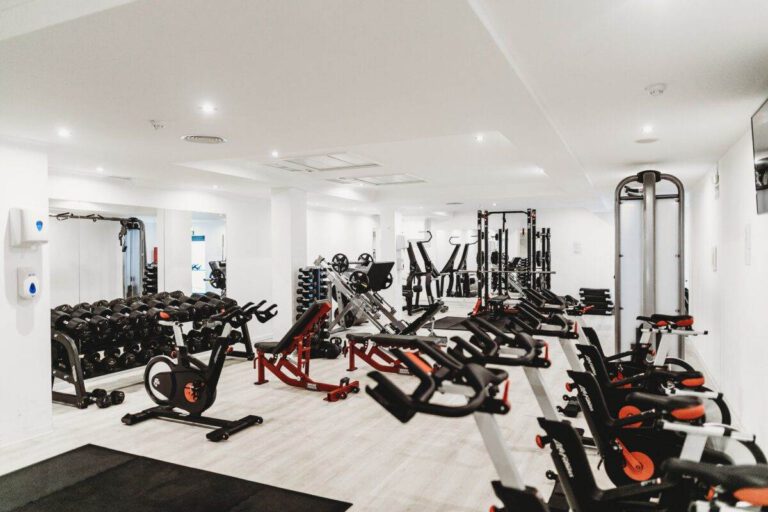
If you were hoping to finally start getting that six-pack at your local gym or to take your kids to the zoo, you’re in for some disappointment (again).
A few weeks ago, the Dutch government announced a new five-step roadmap to a summer without coronavirus measures.
We successfully got through step one with terraces reopening and were looking forward to the next round of relaxations. This would have meant opening gyms, amusement parks, and zoos under certain conditions — which the Dutch government was hoping to introduce after May 11.
However, now it’s clear that this won’t be happening. The cabinet announced in a short statement that it would postpone further relaxations for the time being, according to the NOS.
Step two of the roadmap postponed
The government “sees that the figures are over the peak.” However, “the decrease is not yet sufficiently visible to be able to take the next step of the opening plan responsibly.”
The pressure on healthcare and the number of hospital admissions remains too high to allow any more relaxations in the Netherlands. There will be no press conference this week to announce these changes.
Disappointment
While many trade organisations understand this decision, they can’t hide their disappointment. “Of course we understand that the pressure on healthcare should not be too high,” says Ronald Wouters from NL Actief on behalf of the fitness industry.
“But, good resistance through a healthy lifestyle, through exercise, that’s part of the solution because it contributes to relieving the pressure on healthcare,” he adds.
Wouters sees a lot of appreciation of the sports sector from the Dutch government, but also feels that this appreciation doesn’t translate into policy.
The Dutch Association of Zoos is equally disappointed. “We have very good protocols. We can properly regulate visits to our locations,” says the director, Wineke Schoo.
How do you feel about this decision? Were you hoping to see the next set of relaxations after May 11?Tell us in the comments!
The idea of hiking is a bit of a stretch in most parts of the Netherlands, but in the southern city of Maastricht — there are actually some slopes!
Granted, we use the term “hiking” pretty loosely here, but there are certainly great trails in and around Maastricht that make for some beautiful walks.
Maastricht, and the province of Limburg in general, are known for being rather different to the rest of the Netherlands, and the landscape is one of the many reasons why.
Rather than the packed canal houses that are typical of the Randstad, in Maastricht, you’ll find one serene river around which the city folds away up the hills in all directions. Of course, you won’t be finding any actual mountains nearby, but the valleys and ridges around this Limburg city offer a great place for some hiking in the Netherlands.
The routes listed here range from short sweet strolls to steeper summits and day-long grinds. Whatever it is you’re looking for, you’ll find it here (unless of course, you’re looking for anything above 400 metres) 😉.
A view of Vaalserberg. Image: map_palace/Instagram
This hill is the highest point in the Netherlands at 322.4 metres (1,058 feet) and is the closest thing you will find to a mountain in the country without heading to the Dutch Carribean.
The summit of Vaalserberg marks the Drielandenpunt (three land point) where the Netherlands meets Belgium and Germany, so if you climb it to the top you can simultaneously stand in all three territories!
This route will give you a scenic view of the Selzerbeek valley and begins in the beautiful town of Vaals at the foot of the hill. At the Border Triangle on the summit, you can stop for a coffee or toilet break. It’s a little way out from Maastricht itself, but if you’re in the area it’s the best place for a hike.
📏Walk distance: 15.2 km to the peak and back 🚗How to get there: Vaals is a 35-minute drive from the centre of Maastricht. 📍Starting point:Koningin Julianaplein, Vaals 🗺Route: Follow the red Border Route signs with the GR6 route number.
6. Sint Pietersberg: the place to be in Maastricht
Towards the back of Sint Pietersberg. Image: @beauworld70/Instagram
This hill is the prime spot in Maastricht for some Netherlands hiking, offering both steep climbs and gentle slopes. Sitting right on the edge of the city, Sint Pietersberg provides a gorgeous view of the Maastricht area and is a popular spot at sunset.
The distance you’ll walk here is completely up to which paths you take. If you keep to the hill itself, your route will be anywhere between two and five kilometres, but if you go down the back and around the quarry, you can stretch it to eight to ten kilometres.
Either way, if you’re looking for some greenery, castle ruins and adorable farm animals, this is the place for you. My personal favourite aspect of this hill is the sectioned-off dog park, which always offers a world of cuteness for sore eyes.
📏Walk distance: 2-10km 🚲How to get there: Sint Pietersberg is a 15min cycle from the centre of Maastricht. 📍Starting point: Fort Sint Pieter 🗺Route: Follow the footpaths around and over the hill.
5. Bemelerberg: the countryside experience
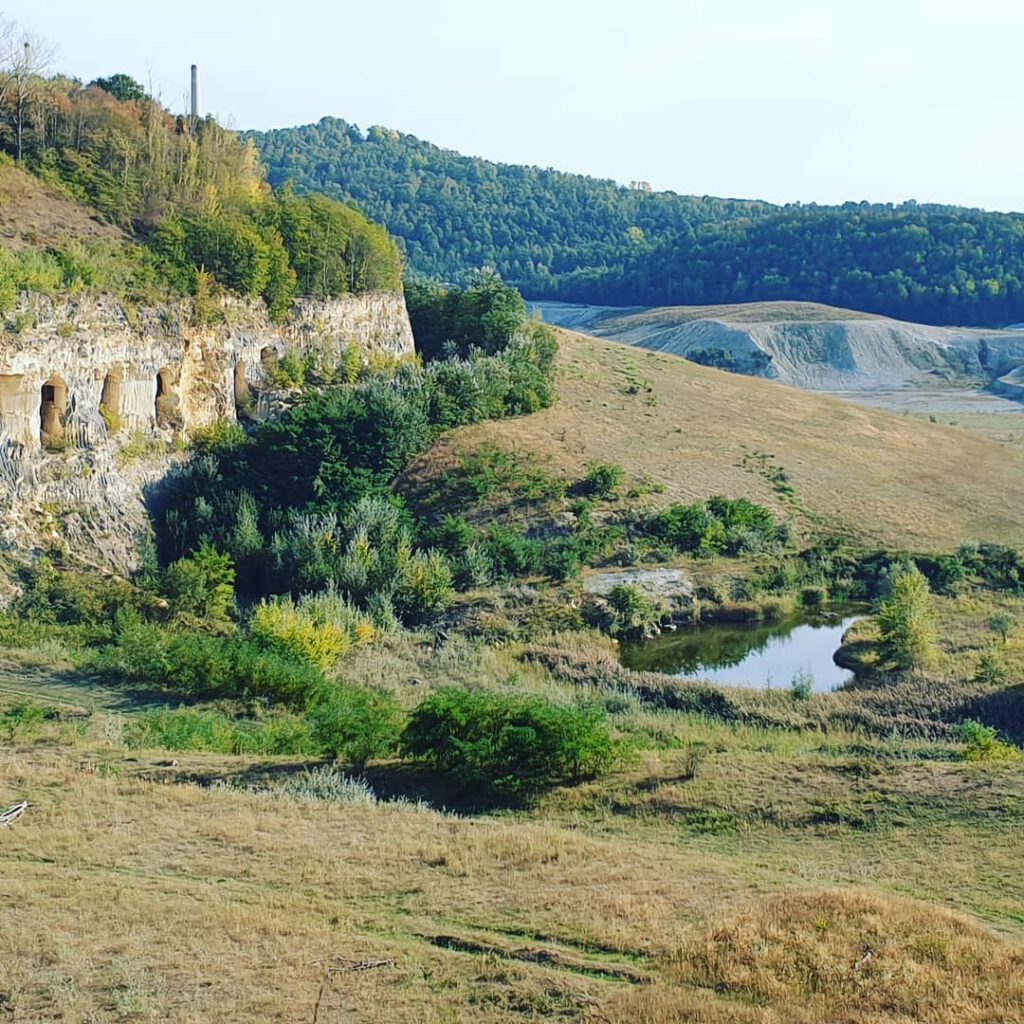
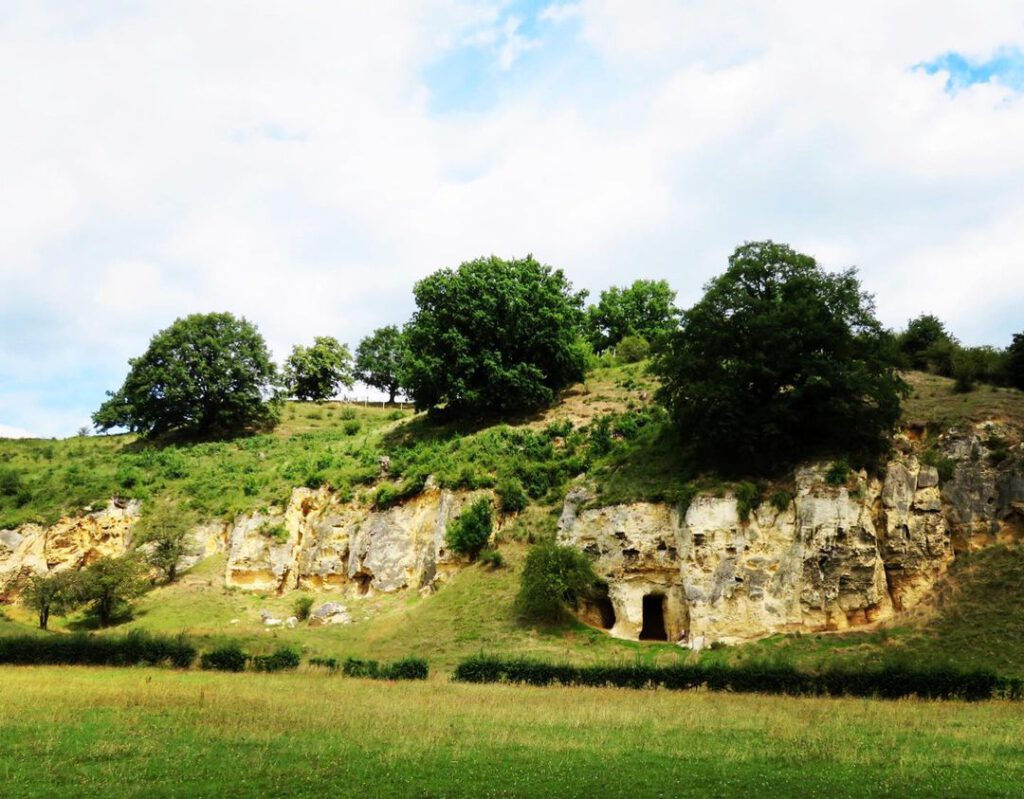
The chalk caves atop Bemelerberg. Image: @natasja.ps/Instagram
Bemelen is a village about 5km east of Maastricht, with hills and valleys between 60-140 metres above sea level in its surrounding area. Out here, you get a taste of the beautiful countryside with rolling hills, orchards, horses, and flowery grasslands.
This easy route will take you along the Bemelerberg hill, and past the Mergelhöhle chalk caves (which you should be sure to stop and admire!). Finally, you’ll round back into and through the quaint village of Bemelen itself.
📏Walk distance: 9km 🚲How to get there: 20-minute cycle (uphill) from Maastricht Central Station 📍Starting point: St. Laurentiusstraat, Bemelen 🗺Route: Follow Bosweg road out of the village and up the hill. Continue on to Grubweg and then turn onto Keunestraat. Cross over onto Franse Steeg and follow the smaller roads back around until you reach the Mergelhöhle viewpoint. From there it’s a short walk back to Bemelen.
4. Riverside walk to Eijsden and back
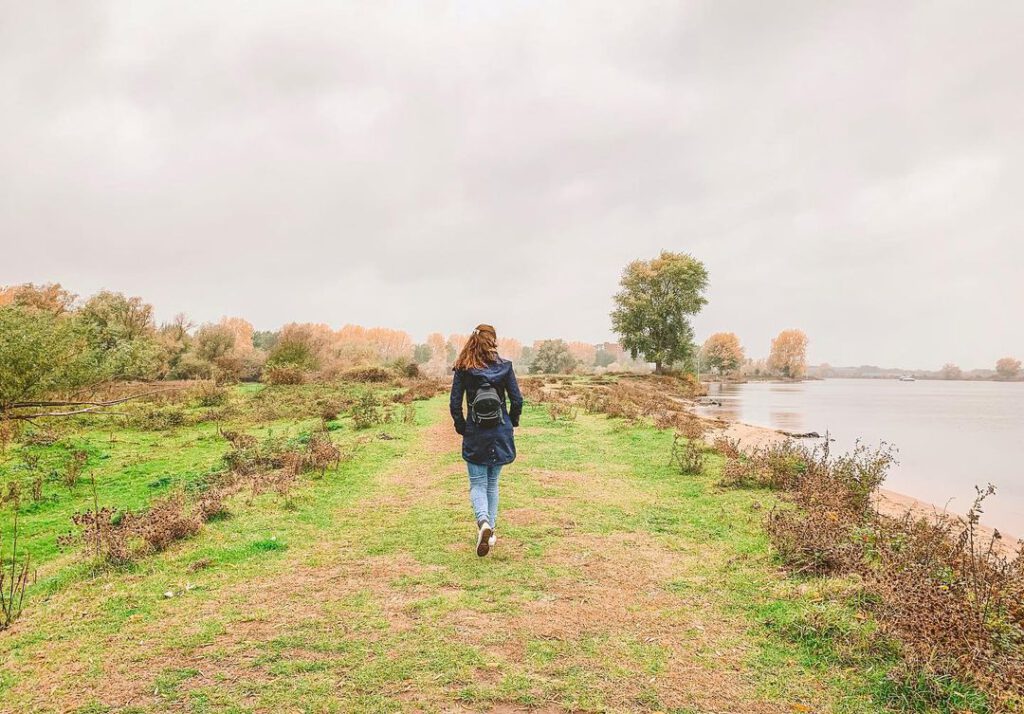
Walking along the Maas river. Image: @asha.dutch/Instagram
This one is not so hilly but is a beautiful route that will take you along the Maas river, past farms, small harbours and beautiful stretches of greenery. There’ll be many birds along this walk, most notably the swans, ducks and geese. It’s a longer walk but can also make a great cycling trip.
The best part is when you get to Eijsden you can stop for ice-cream or a hot drink before you head back in the opposite direction. If you have the time, why not check out Eijsden castle while you’re at it?
📏Walk distance: 17.2km (there and back) 🚲How to get there: An 8-minute walk or a 3-minute cycle from Maastricht Central Station📍Starting point: Sint Servaasbrug (East side of the river) in the centre of Maastricht 🗺Route: Follow the footpaths and roads along the Maas river.
3. De Vallei van Gronsveld: a forest adventure
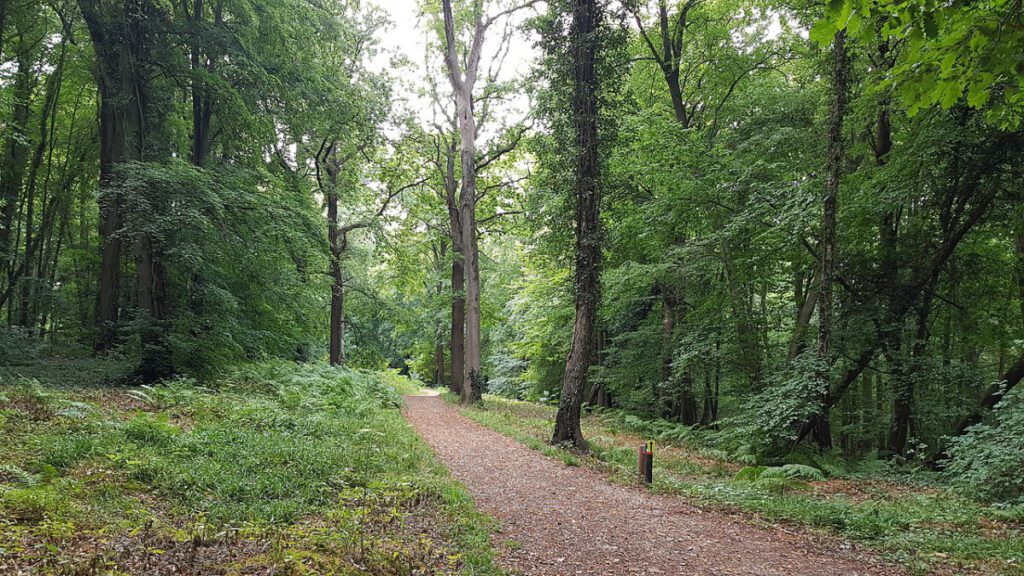
Wandering through the Savelsbos forrest. Image: Romaine/Wikimedia Commons/CC1.0
Gronsveld is another village just outside Maastricht, which lies in a small valley. The tiny shops and old houses of the village make a charming starting point for a walk.
This hike in Maastricht will take you up a forested hill and past a small natural fountain, called De Fontein (Cadier en Keer). If you find a gap in the trees, a gorgeous view of the surrounding farms will stretch out before you. The Orenberg viewpoint is a particularly scenic spot which you can enjoy on this walk.
📏Walk distance: 7km (roundtrip) 🚲How to get there: 20-minute bike ride from the centre of Maastricht. 📍Starting point: Gronsveld 🗺Route: Take Dorweg road out of Gronsveld and then follow Dorrenweg past the fountain. Turn onto Eckelraderweg to see the Orenberg viewpoint. Finally, loop back towards Gronsveld over the hills via the Keerboschweg.
Here’s a longer one for the all-day walkers. Strabeek is a hill in the village of Volkenburg, lying around 9 kilometres away from Maastricht Stationsplein, where this route begins.
Walking towards Strabeek, you’ll gain about 300 metres height, and pass by more hilly countryside, including the Mergelhöhle caves. But although this is one of the longest routes on our list, it’s quite moderate and is not particularly steep — perfect for those getting into hiking.
📏Walk distance: 18km (there and back) 🚲How to get there: You can start this walk directly from Maastricht Central Station! 📍Starting point: Maastricht Stationsplein 🗺Route: Take Bemelerweg out of the city, and follow Schaandertweg into the countryside. Turn onto Vieversgrubweg and take pictures at the Mergelhöhle caves. Follow the roads to Terblijt, then Lindenstraat, over the main road and through the forest paths until you reach Strabeek peek.
1. Chateau Neercanne and the Jeker valley
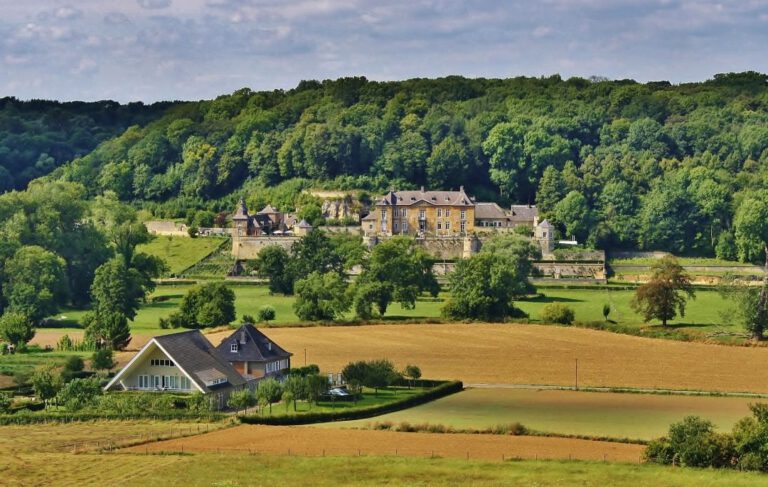
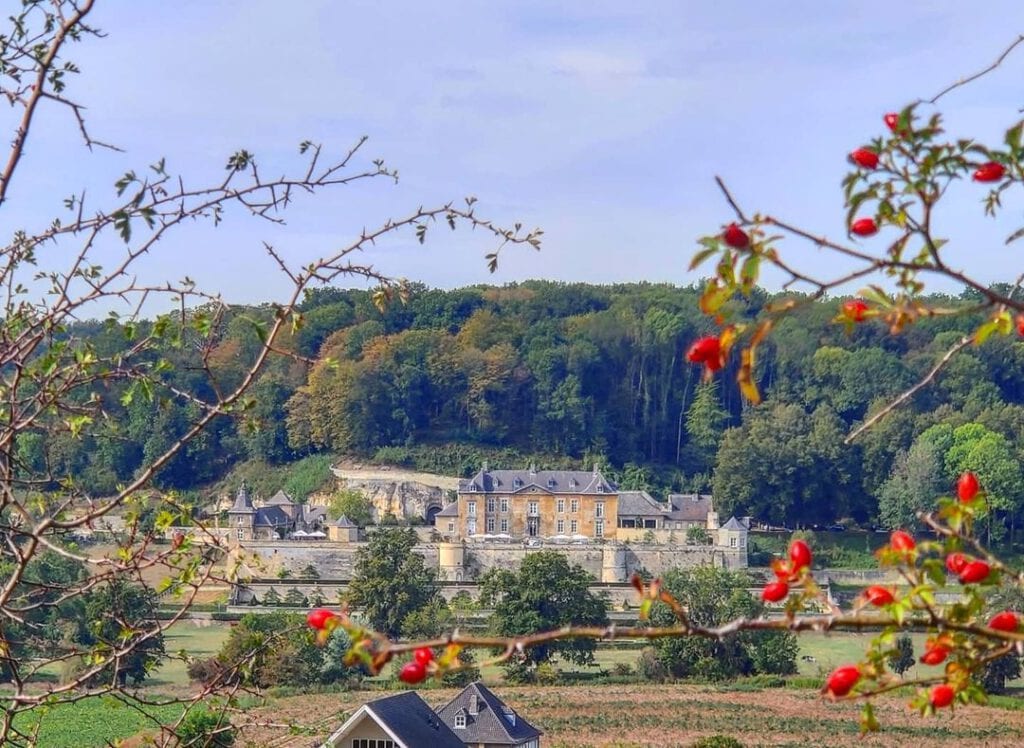
The beautiful Chateau Neercanne. Image: Mistasweet/Instagram
The fairytale beauty of Chateau Neercanne has drawn many weddings and formal occasions to the Jeker valley. This countryside gem sits right beside the Belgian border, where this route goes before turning around and heading back to Maastricht along another path. The whole area is dotted with old farmhouses, trickling streams and plenty of cows.
As this walk stays within the valley and does not climb any of the hills, it makes for an easy stroll. Along the route back through the Jeker valley, the roads are host to old estates that look like they belong in Jane Austen novels. Traditional pubs and horse stables will become more frequent as you return to the city. Passing by the foot of Sint Pietersberg, this hike ends back in the centre of Maastricht.
📏Walk distance: 9km (roundtrip) 🚲How to get there: A six-minute bike ride from Central Station, or just a few minutes walk from the centre! 📍Starting point: Vrijthof, Maastricht centre 🗺Route: Make your way past Waldeckpark and follow Bieslangerweg road out of the city. Once you hit Cannerweg road, you just follow that until you reach the Chateau. On the way back, cross the Jeker river and follow the Mergelweg back into the centre of Maastricht.
After all that walking, you can settle down with something tasty to drink in one of the many gezellig spots in Maastricht. Regardless of which route you choose, the nature and scenery here are sure to satisfy your outdoorsy cravings. Enjoy!
Where in Maastricht would you recommend for a hike? Tell us in the comments below!
Feature Image: @frits.schmitz/Instagram Editor’s Note: This article was originally published in December 2020, and was fully updated in May 2021 for your reading pleasure.
If you’ve been missing museums, art galleries, theatres, or dance performances, you’re definitely not alone. The coronavirus pandemic has taken an immense toll on Dutch cultural institutions.
What many of them hoped would be an exciting and successful year ended up being a year of closed doors and cancelled events due to coronavirus restrictions.
Now, one year and countless restrictions and subsequent relaxations later, the doors of cultural institutions remain closed. This is despite the fact that, for example, visiting museums is one of the safest indoor activities.
What has it been like for those who are eager to prepare another exhibition for us or simply longing to set foot in a museum once again?
Cultural institutions worldwide have been working hard to offer online versions of their exciting programmes. However, nothing can replace the sense of excitement you feel as you sit down to watch a new theatre play or the personal interaction you have with a beautiful artwork.
Artists, art professionals, and art enthusiasts have come together to petition for bringing the cultural sector back to life. They argue that keeping museums closed will cause irreparable damage to the art sector and want museums and cultural institutions to reopen their doors to the public — in a way that is safe for everyone, of course.
The petition has been signed by more than 30,000 people. Join them in their effort to make art an essential part of our society once again.
Are you involved in the cultural sector? How has the pandemic affected you? Tell us in the comments below!
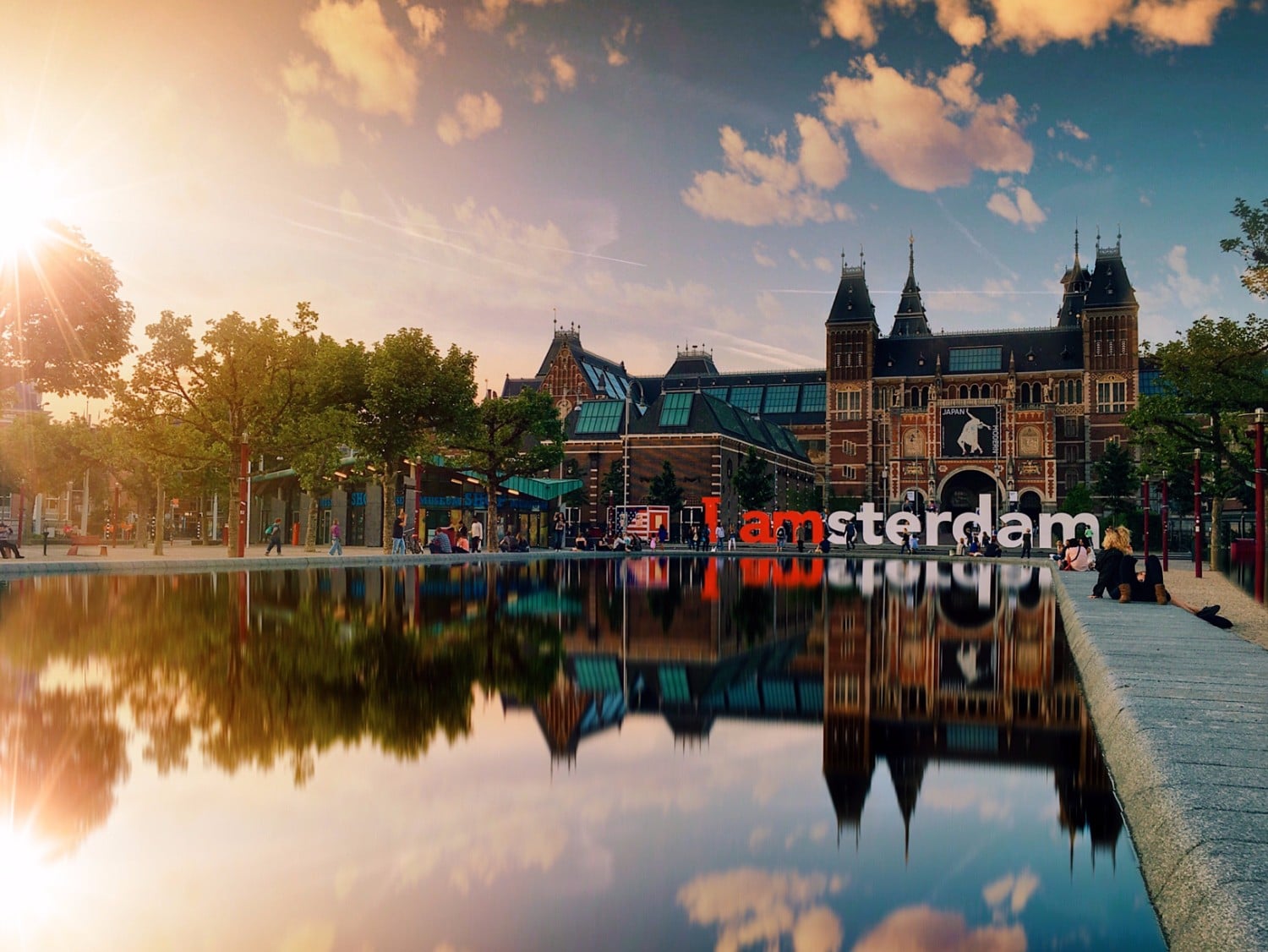
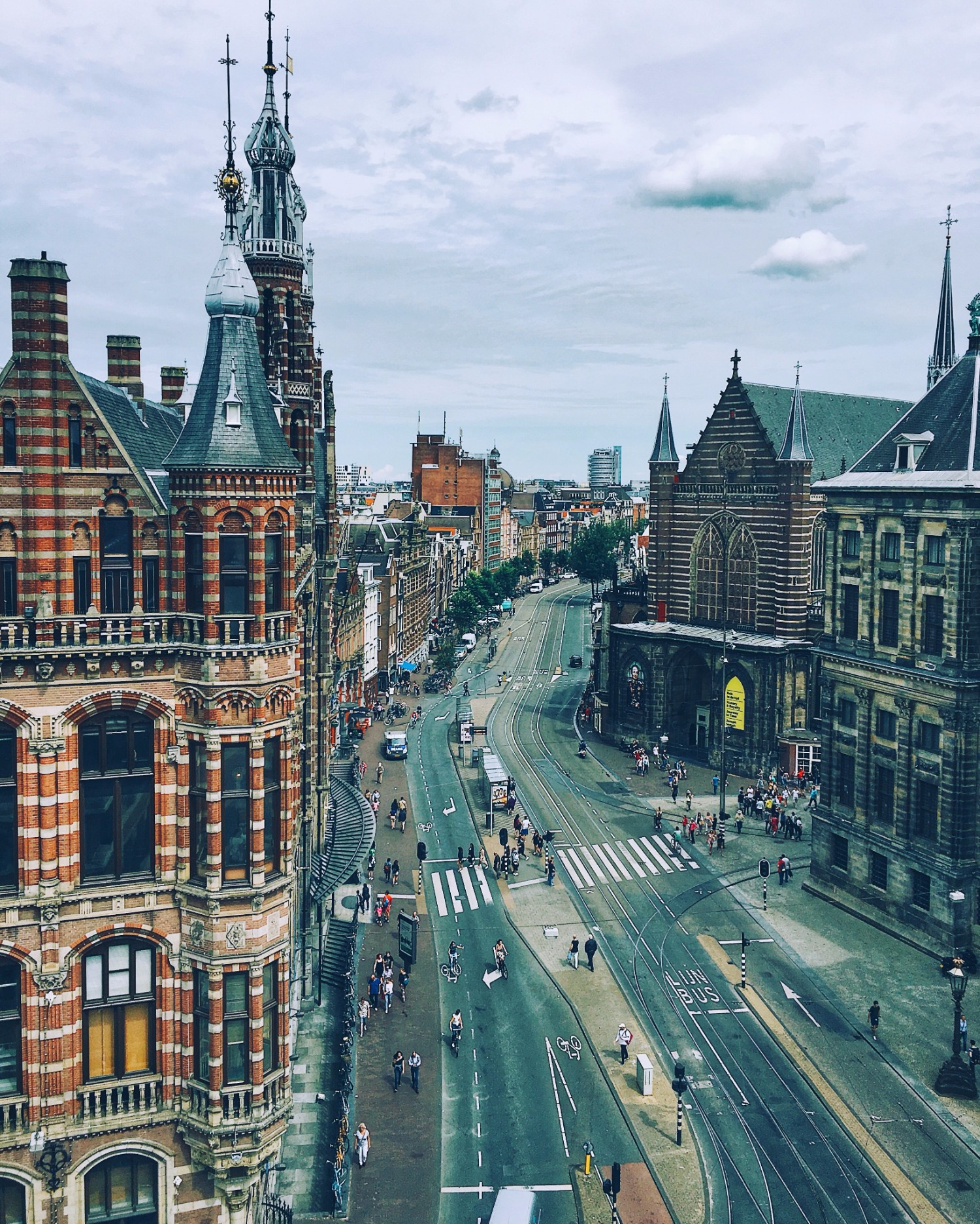
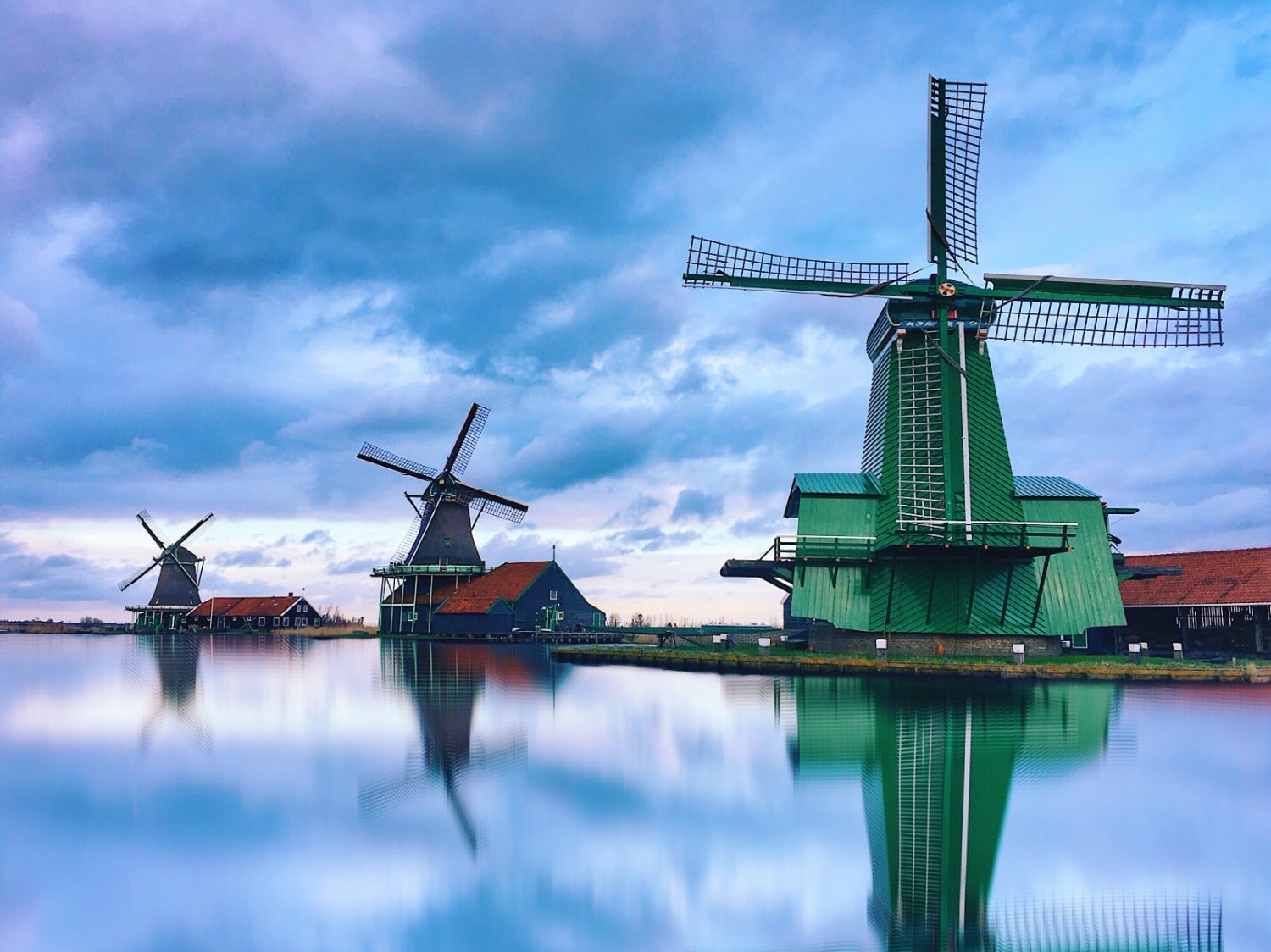
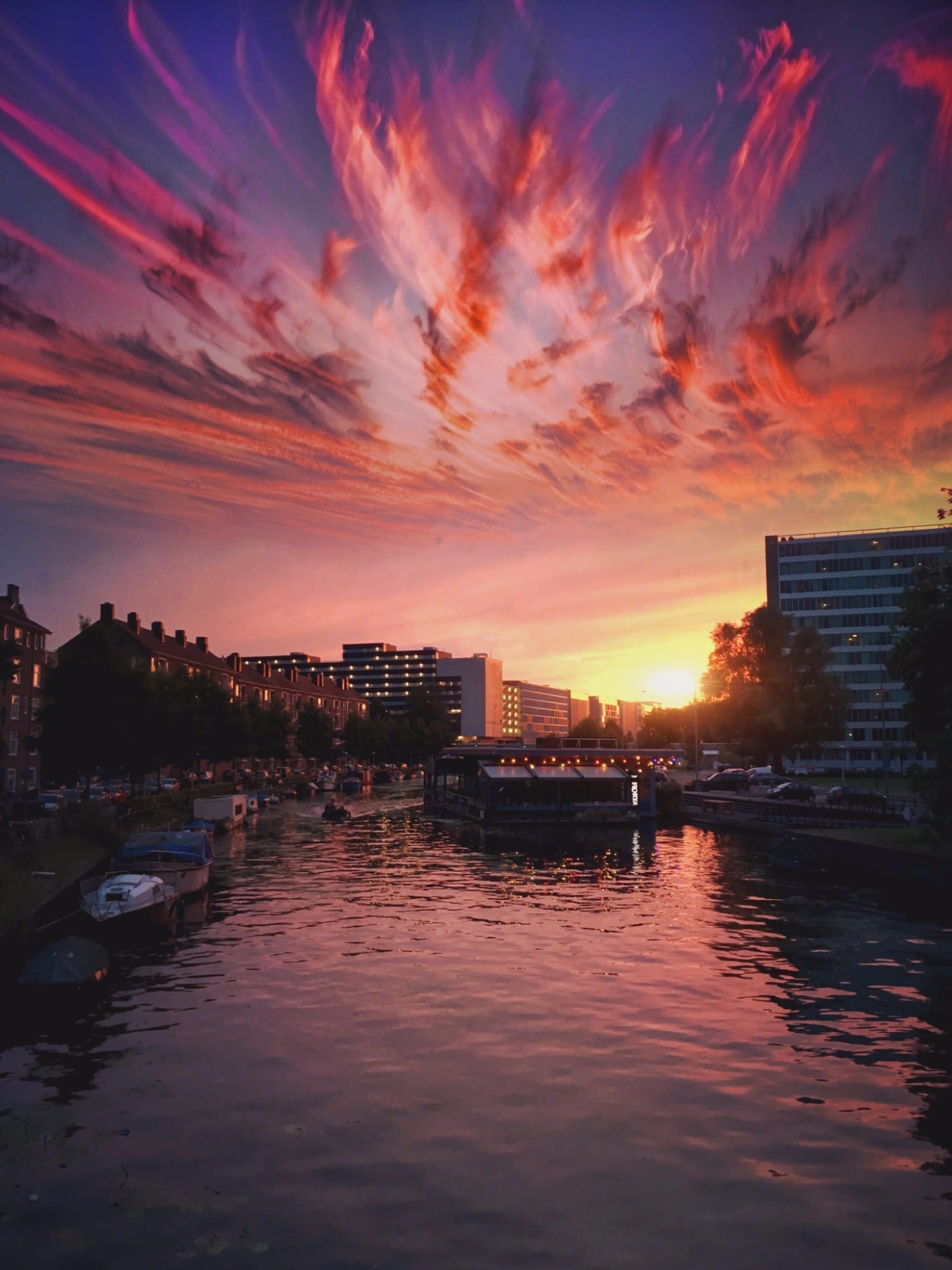
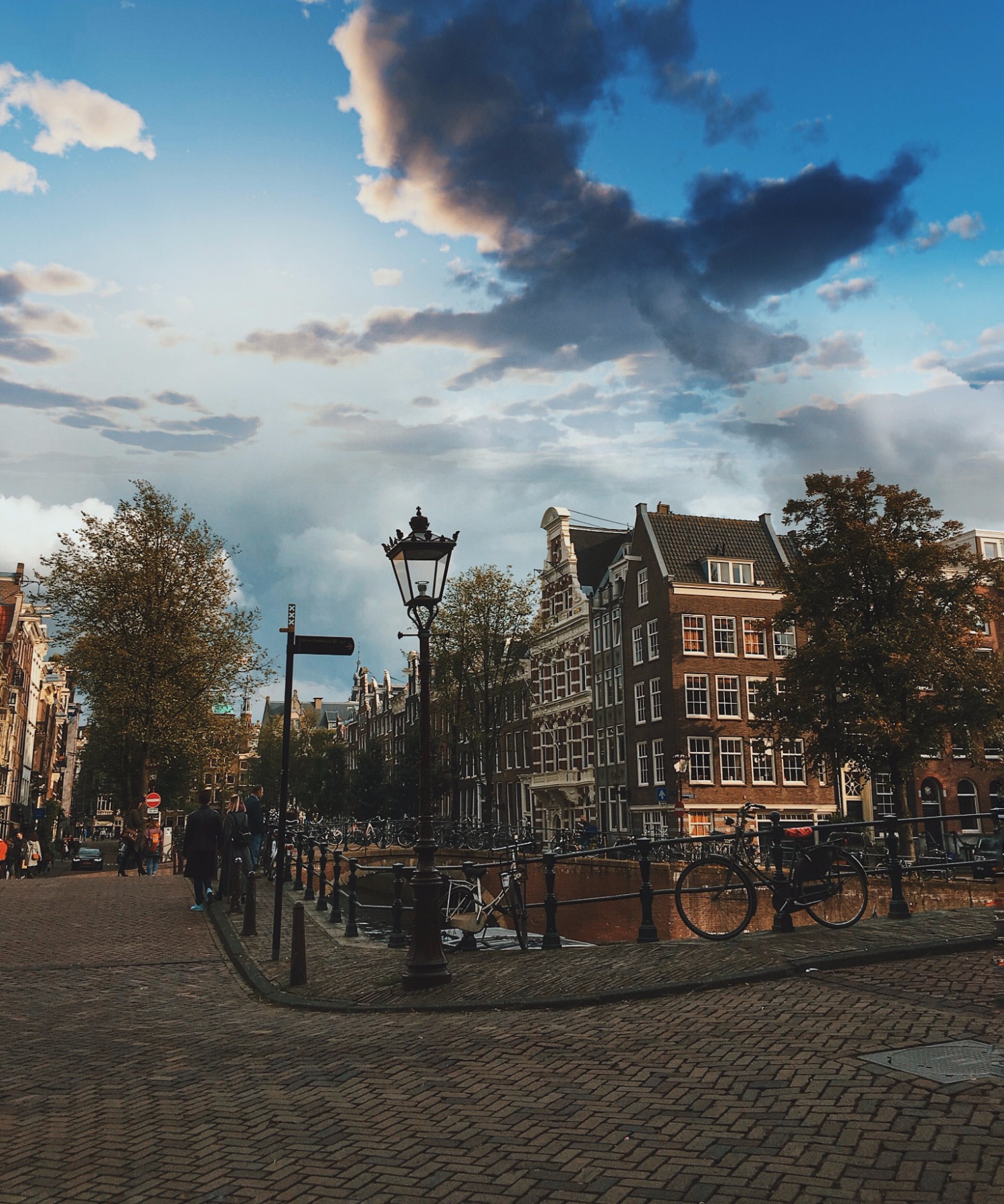
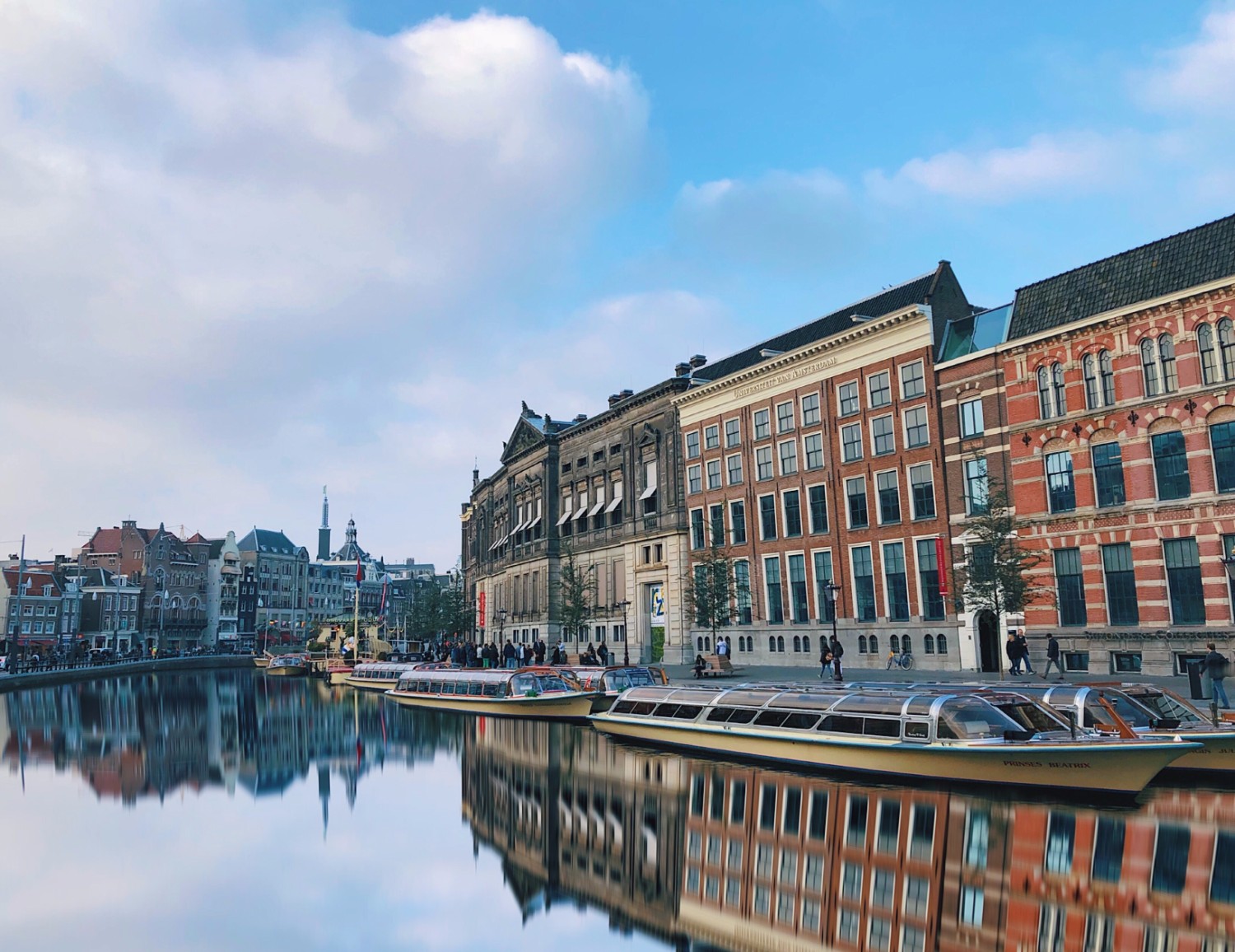
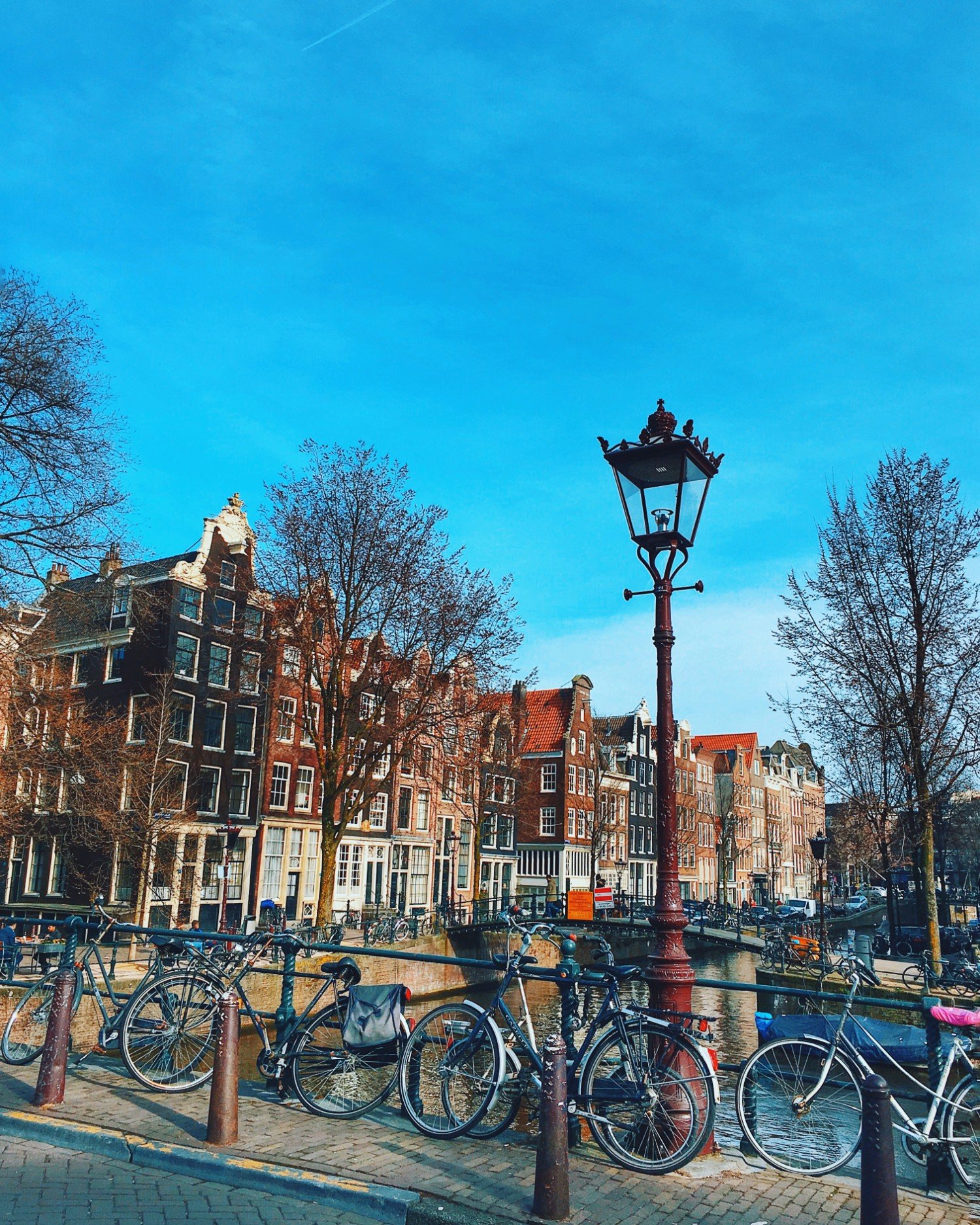
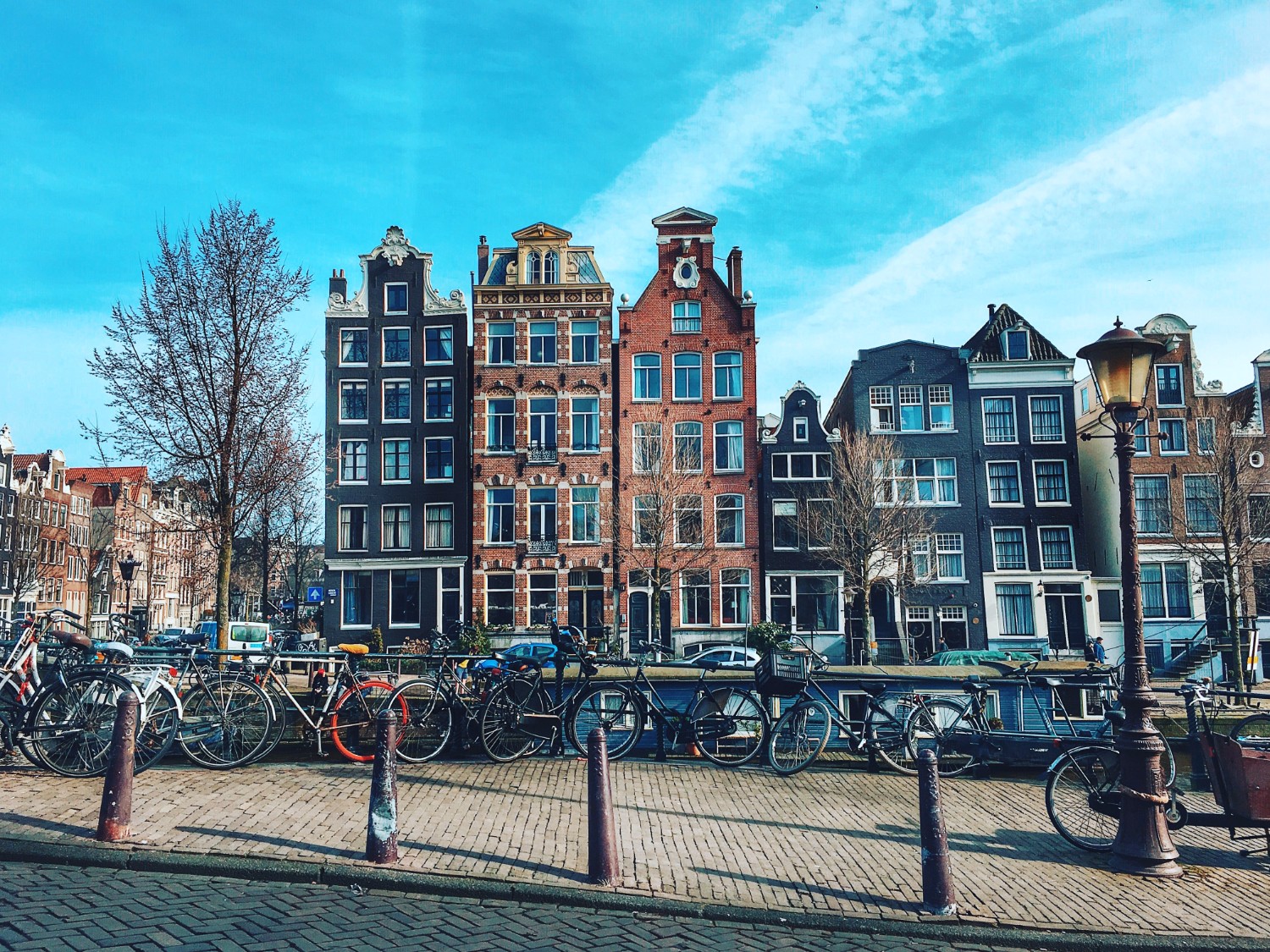
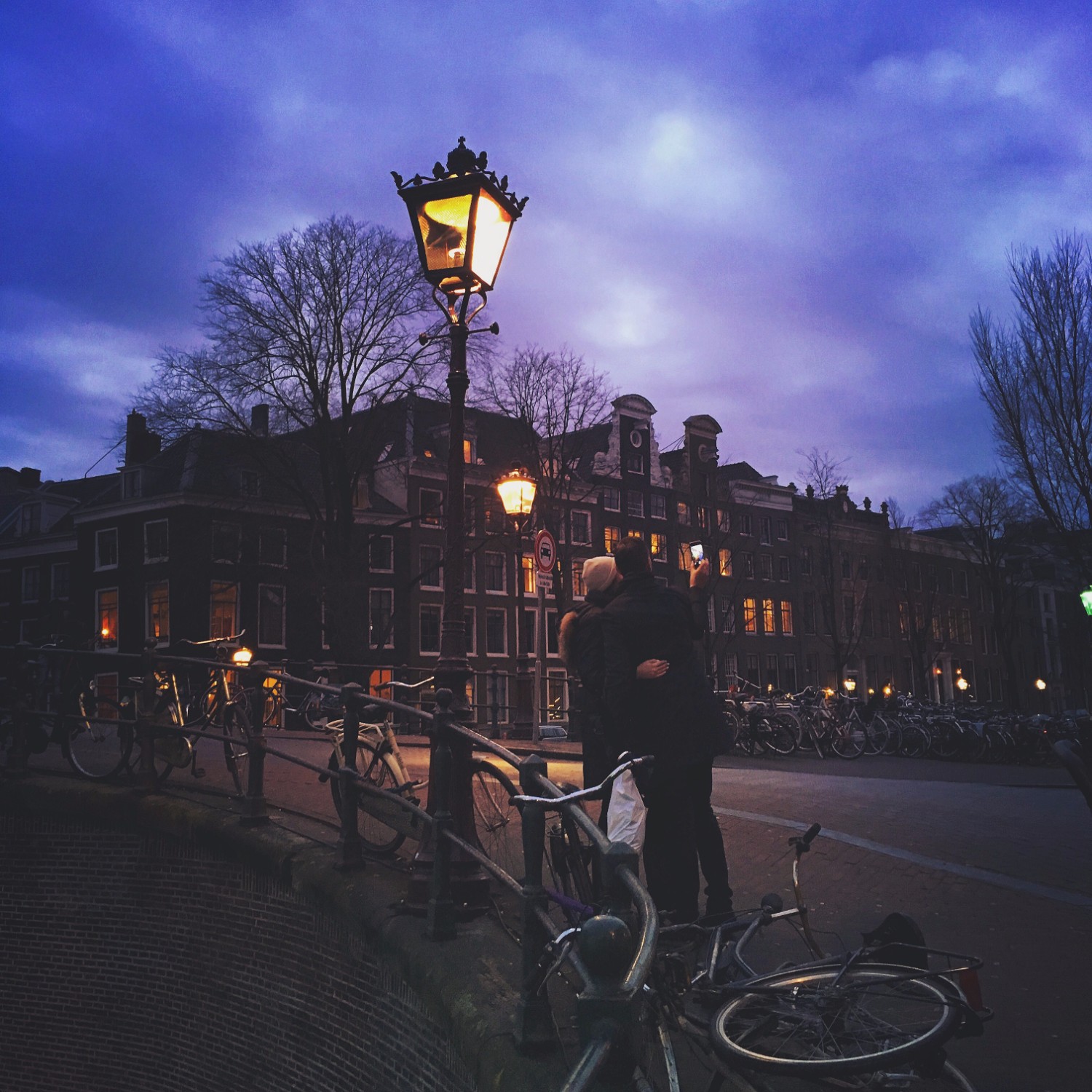
Who doesn’t love gazing at the beautiful streets of Amsterdam? We’ve been kicking our Instagram up a notch, and have loads of new love, great photos on the account, and some promising cooperations with these digital artists.
One of them is talented Bart Govers— and since we love his work so much, we’re now bringing you the streets of Amsterdam as our 12th photo report.
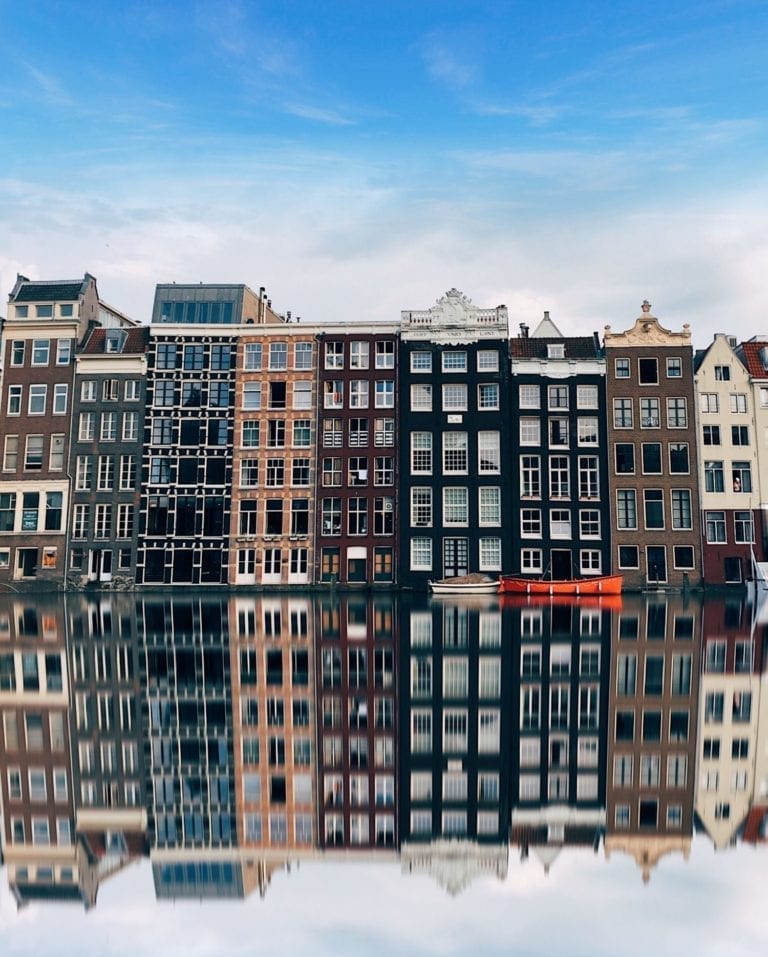
Narrow and tall canal houses cramped up together; tall buildings with beautiful architecture; busy streets more often with bikes than people and canals that connect the whole city. Amsterdam streets mean something to everyone and these photos manage to capture all those. Moving to Amsterdam right after reading this? No one would blame you.
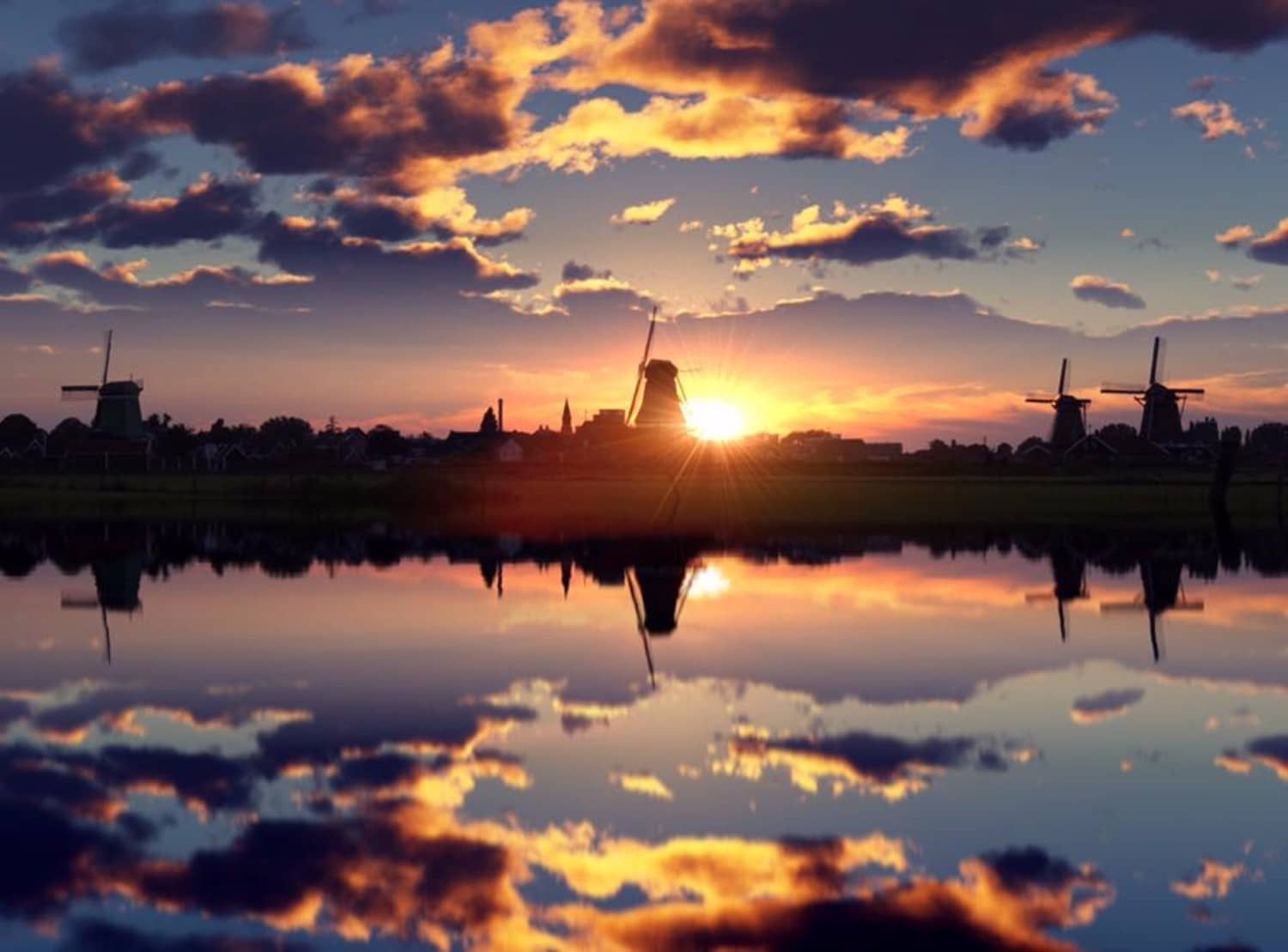
Windmills-check, sunset,-check, reflection-check. Everything you need in an epic shot 😉. Image: Bart Govers/Supplied
Image: Bart Govers/Supplied
Don’t complain about the weather! When you decide to hit the streets despite of the rain, Amsterdam is best enjoyed by walking around with a big cone of fries on one hand and a huge bouquet of flowers on another. Probably behind your friend’s bike on your way to somewhere gezellig!
Some call Amsterdam the city of love for a reason! Image: Bart Govers/Supplied
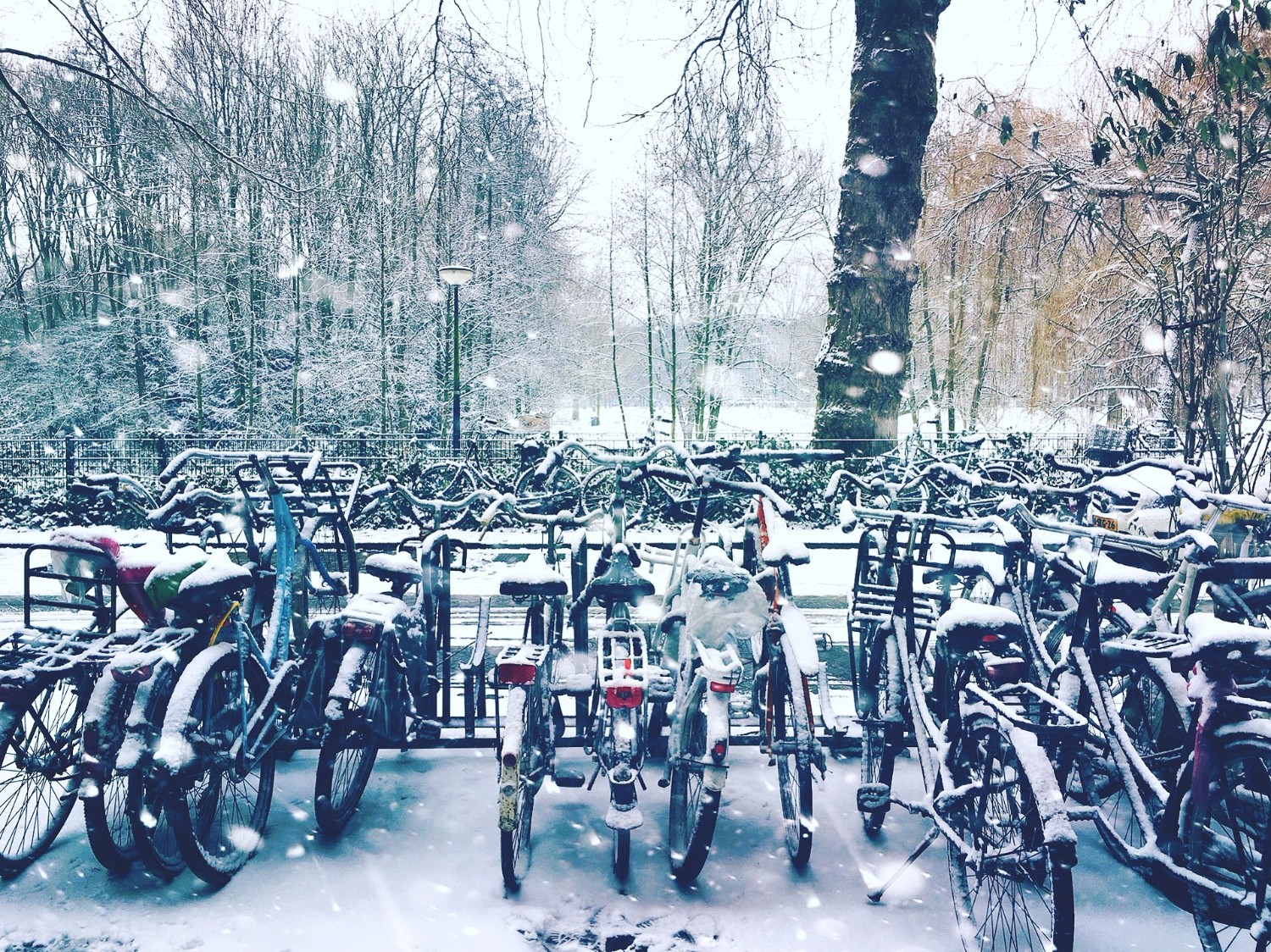
Let’s not forget that one day of the year that we get to see the city under this pretty white blanket
Amsterdam is a beautiful city. More so when it snows. If you are lucky enough, once or twice a year you wake up to the city looking like the photo above.
Image: Bart Govers/Supplied
If you’re interested in seeing more of Bart Gover’s work (we don’t know why you wouldn’t!) check him out on Instagram and Facebook.
Now that we’ve convinced you, you can find photos by talented artists like Bart Govers on our account every day on Instagram!
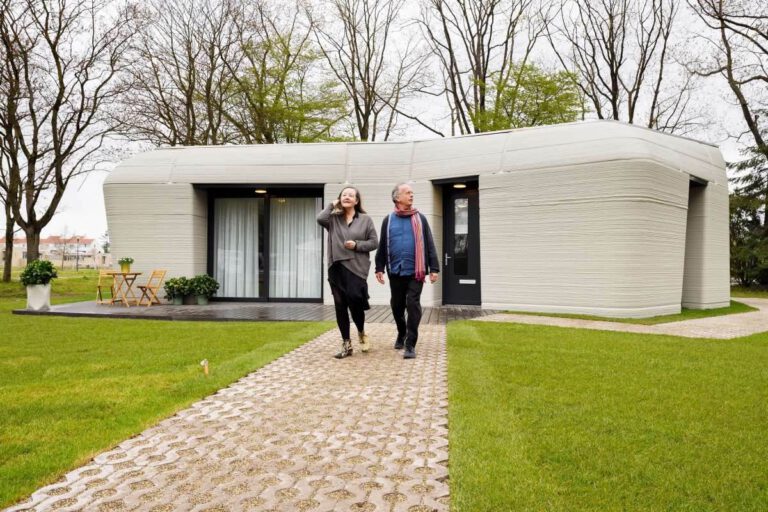
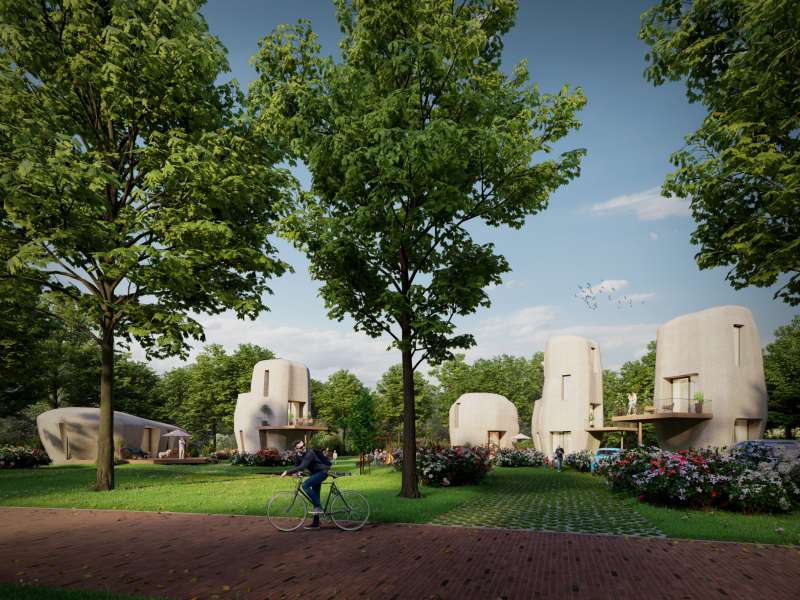
Elize Lutz and Harrie Dekkers opened the doors to their new two-bedroom home for the first time yesterday and they were thrilled, reports The Guardian. “It’s beautiful,” says Elize. “It has the feel of a bunker — it feels safe,” adds Harrie.
The first home to be completed
The house, which was inspired by the shape of a boulder, is located in the neighbourhood of Bosrijk in Eindhoven and offers 94 square meters of space, a large living room, and two bedrooms.
It’s the first of five planned 3D printed homes that are part of the Project Milestone — a partnership between the municipality of Eindhoven, Eindhoven University of Technology, and four other construction and manufacturing companies.
Project Milestone is planning to build five 3D printed houses. Image: Project Milestone/Supplied
“This is also the first one which is 100% permitted by the local authorities,” says Bas Huysmans, the chief executive of the machining manufacturer Weber Benelux, one of the participating companies.
Housing of the future
The partners behind Project Milestone see 3D printing as a way to build homes faster, with more flexibility, and more sustainably.
They ultimately want to see 3D concrete printing — which is the technique that was used to build this particular home — as a sustainable construction method that could help solve the Dutch housing shortage.
What do you think about 3D printed houses? Would you like to live in one? Tell us in the comments below!
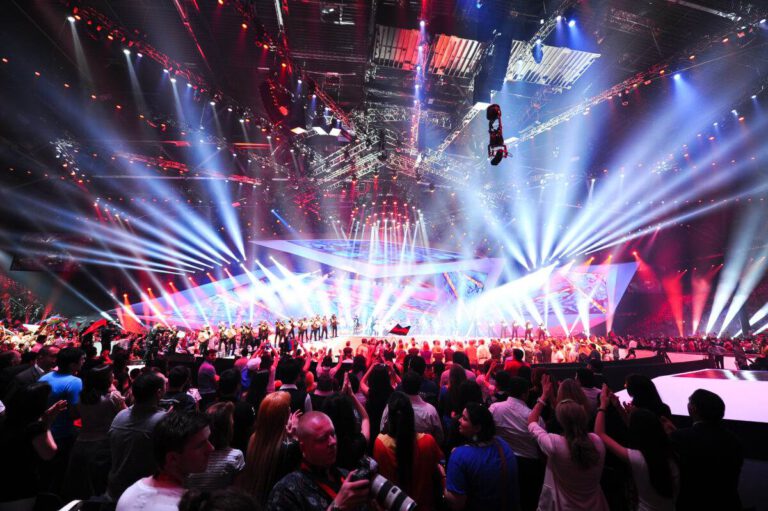
Last year, we had to surface with only the Will Ferrell film to fill the Eurovision hole. However, this year it’s a different story. We can finally have the Eurovision we deserve, the Dutch cabinet giving the song contest the go-ahead to have a live audience in May.
Everyone’s favourite hall of weird euro-pop is back! Powered by Fieldlabs, the song contest has been given the green light to welcome live audience, depending on how the rate of coronavirus infections pans out. It will take place at the Ahoy in Rotterdam and up to 3,500 people will be allowed to attend the final. This will make Eurovision one of the largest planned events in the Netherlands this year.
Safety precautions for Eurovision
As expected, the song contest can only go ahead with certain safety precautions taken into account. Attendees will have to provide a negative coronavirus test result from the last 24 hours. They will also have to remain seated and wear masks when finding their seats or going to the bathroom.
We hate to break it to you, but if you are a Eurovision fan in your autumn, you will have to enjoy the contest from the comfort of your own home. Those over the age of 70 or in a high-risk group won’t be able to attend in person, according to the NOS.
When can I buy my ticket?
Tickets go on sale at 12 PM on May 8. Priority will go to those who held ticket’s for last year’s cancelled Eurovision song contest.
Will you be scrambling for a ticket for Eurovision? Let us know in the comments!
Flatness of the Netherlands making you flat inside? Think you’re better suited to sunning on a riviera than shivering by a sloot? Want to trade in the gutteral g’s for lyrical languages?
Us too.
Luckily, there’s sun peeking through the clouds outside. The European Parliament has given the green light to the “EU COVID-19 certificate” allowing travel between EU member states without restrictions like quarantine, self-isolation or testing.
The document was previously known as a “corona passport” or the Digital Green Certificate. People armed with an EU COVID-19 certificate will be able to prove they have been vaccinated against coronavirus or, alternatively, that they have a recent negative test result or have recovered from the infection.
While it’s not full steam ahead just yet — the Parliament and the Council still need to negotiate the exact details — some nations have announced plans to reopen tourism already.
A French holiday
Dutchies rejoice! A summer relaxing on French campsites could still be in reach after French President Emmanuel Macron announced a plan to reopen the country to tourists from June 9.
An Italian summer
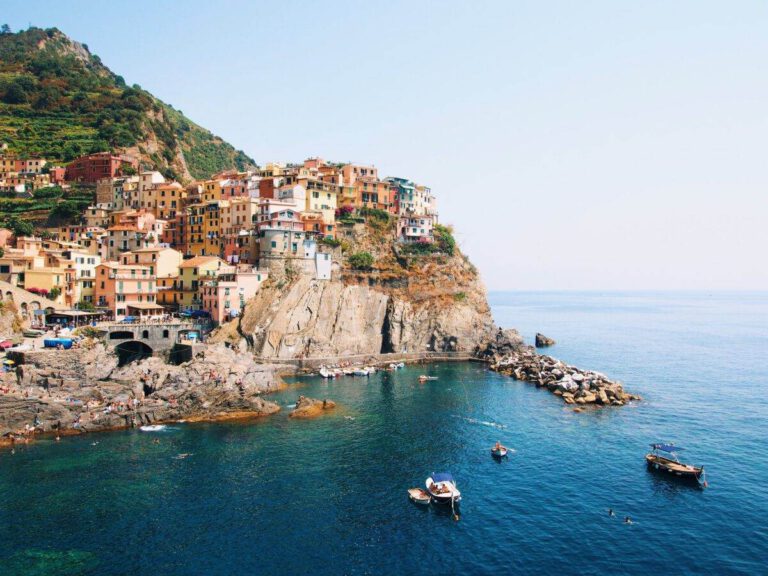
Mamma mia! While Italy doesn’t have a concrete date for when it will reopen to foreign tourists, Italian Prime Minister Mario Draghi suggested earlier this month that tourism businesses may be able to reopen from early June.
Italy already has its own form of a coronavirus passport in use, but only for residents.
A sun-soaked trip to Spain
Spain is ready and rearing to get its tourism industry back into gear. The country announced last week that vaccinated American travellers will be allowed inside, and shared the news yesterday that it wants to reopen to EU travellers in June using the EU COVID-19 certificate.
The country is preparing already, with plans to test the coronavirus certificate in May and beginning an experiment at 46 airports to test the flow of tourism into the country.
Naturally, the ability to holiday this summer is dependent on coronavirus. So here’s your daily reminder to wash your hands, keep your distance, mitigate your risks, and get tested if you have symptoms.
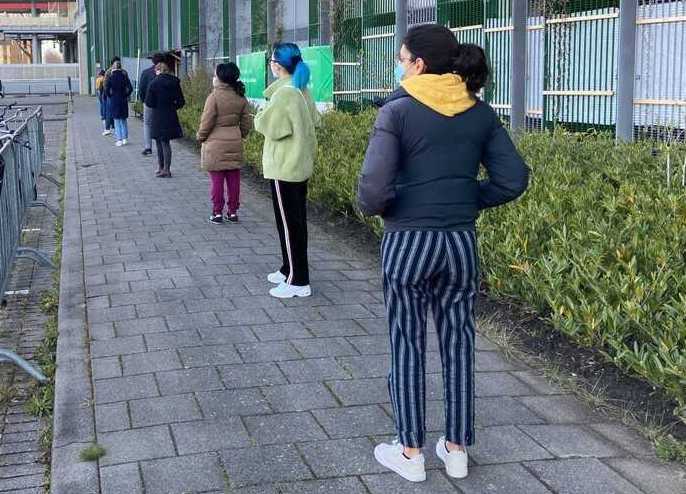
Yesterday, a woman became unwell while standing in line for a coronavirus test at Rotterdam’s Ahoy test location.GGD employees were quick to give her CPR but, unfortunately, she died on the spot.
The cause of death remains unknown at the time of publication. An ambulance crew was sent to the scene but it became clear that the woman could not be resuscitated.
Once it was determined that the woman had passed away, the test location was temporarily closed in order for the woman’s family to come and say their goodbyes in peace.
Directed to different test streets
Those in need of testing were directed to other test streets by GGD employees. According to a GGD spokesperson, it is unknown whether any tests were cancelled due to the incident.
The spokesperson tells AD that the employees of the test street are “very shocked” and the incident caused “great dismay” amongst both testers and security. On Twitter, the GGD Rotterdam-Rijnmond extended their condolences to the woman’s family.
FollowDutchReview on Facebook for the latest news, weather and updates.
Your workweek has taken its toll, you’re probably as tired as Sisyphus constantly rolling an immense boulder up a hill. But today, you have something to look forward to because it’s Friday. The usual cozy Friday night in that brown café on the corner.
“Een biertje doen,” is a well-known expression in the Netherlands and something many of us do weekly and there’s nothing better than enjoying those glasses of beer with your friends in a typical Dutch brown café.
But what exactly is a brown café?
Before the 16th century, bars did not exist as we know them today. There were inns, lodgings, and taverns that were focused on offering food and accommodation both to travelers and city dwellers.
Halfway through the 17th century, coffee made its entry into Europe and this resulted in the emergence of coffee houses, which varied by city. The term café, the French word for coffee, was born during this period.
The brown café originated at the beginning of the 19th century when people established small pubs or cafés in their living rooms as a source of extra income. In the Netherlands, almost everyone was allowed to own and run such a pub — until 1881 when the act to regulate the sale of alcohol required a permit in order to own a brown café.
In addition, a maximum of 500 permits was allowed to be issued in the largest cities. This was the start of the professionalisation of the catering (HORECA) industry.
What makes a brown café different?
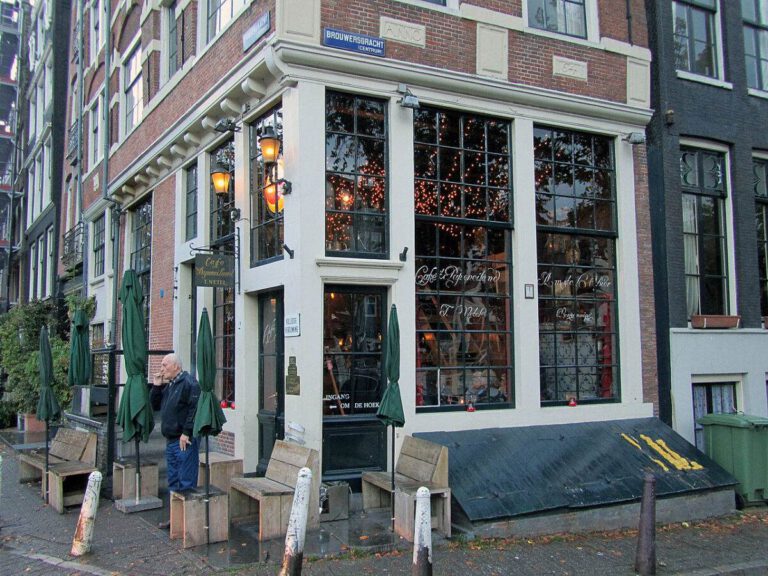
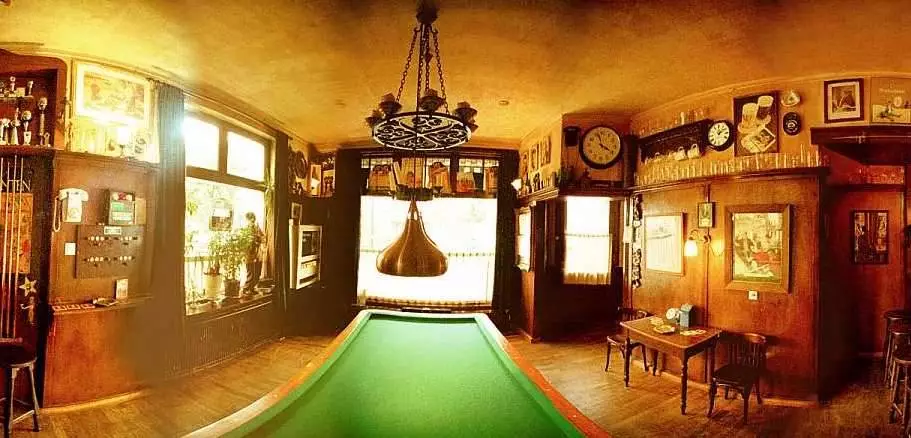
The typical Dutch brown bar is the authentic café with a story, a traditional, old-fashioned pub with little lighting and lots of dark brown wood. There is always an intimate atmosphere, a sense of domestic coziness, and security. The brown pub owes its name to all that dark and smoky ambiance. Wallpapers and curtains brown from smoke.
It is often said that a real brown café has sand on the floor, which creates an authentic atmosphere with no clear theme or goal. The rougher (and browner) the inside, the better.
Most old brown cafés in cities like Amsterdam and Haarlem were known to be frequented by sailors and canal boat captains, where drinking and the chewing of tobacco were the order of the day.
The Amsterdam Krulletter
Until half a century ago, the name of many Dutch brown cafés, especially in Amsterdam, were painted on the windows with white paint in the “Amsterdamse Krulletter”; a font developed by Jan Willem Visser, who was also the typographer of Amstel Beer.
The name of a café written in that typical brown café font can still be seen in some of them today. Some of these establishments come with a lot of history and visiting one is like going for a glass of beer in a museum.
Retro or modern
Brown cafés have continued to endure despite the arrival of hipster bars, cafés, and other catering businesses, as well as trendy lounges and cocktail bars. While the typical brown pub may not be as popular as it used to be, many of them still exist — but mostly in small villages and townships.
Brown café’s offer a cosy interior. Image: Tom Ordelman/Wikimedia Commons/CC3.0
In big cities like Amsterdam, Rotterdam, Utrecht, and The Hague, brown bars and cafés are where football fans gather on Saturday and Sunday afternoons to watch and cheer for their favorite football teams. A typical Amsterdam brown café is the perfect venue for Ajax fans to gather and watch Ajax while drinking and cheering as folk songs play from the pub’s jukebox.
This is the same during European championships and World Cups. Most brown cafés are filled with Dutch folks garbed in orange costumes and singing André Hazes’ “Wij Houden van Oranje.” The atmosphere is always very surreal and it’s one you never want to miss.
What is there to do in a brown café?
In 2017, research published by Oxford University revealed that going for drinks with friends to the pub, or what we call “een biertje doen” in the Netherlands is good for your health. Like every other social connecting activity such as dances, singing, and storytelling, pubs act as a bubble or safe space within many communities, where drinking and chilling with friends is seen as a ritual associated with connecting to people.
A brown café can be a place to seek company. A place where people can talk to each other, drink a beer together, go on a date, watch a football game, kiss a stranger, laugh, dance, and just be merry. Some brown pubs organize events like Halloween and Sinterklaas parties, etc.
They can also be a place to go for some peace and quiet, where you can sit quietly at the bar, order a couple of drinks and just brood, reminisce, or watch TV. The installation of jukeboxes, dartboards, and sometimes pool tables offers extra entertainment so that people are not only dependent on the company of others. There are even brown cafes with an extensive collection of books and the latest (sports) magazines. If beer and a book are all you need, then, by all means, break a leg.
A dying breed
The main characteristic of a typical Dutch brown café is that it brings people from different walks of life together. Due to changing consumer behavior among new generations, it is particularly the older generation that still opts for a brown pub visit. And the older they get, the fewer of them visit these establishments.
Unfortunately, the number of historic brown cafés in the Netherlands has been decreasing drastically in the past couple of years, and very few of them are expected to survive the pandemic.
More and more (young) people are also choosing to settle in big cities, so the traditional brown bars and cafés in the smaller towns simply don’t have enough customers to stay open. However, there is some hope. There are currently crowdfunding initiatives to help as many of these brown cafés survive the pandemic.
Honestly, if you’ve ever been in a brown pub and experienced its ambiance, you’d come to realize that they have just too much history to be allowed to die out. It would be such a shame. So please donate to the crowdfunding initiative and help save these pubs.
Whether it’s a beautiful antique pub or a simple neighborhood café on the corner, brown bars or cafés play a major role in Dutch culture. There is so much history and each one has a different story to tell. Every pub-loving person in this country, whether a local, expat, or tourist, should definitely visit a brown café when the country is open again. You’ll be very glad you did.
Have you ever been to a brown café? Which one is your favorite? Tell us about your experiences in the comment below.
In typical Dutch fashion, the sun and warm weather will disappear just when it’s needed. If you were hoping to hit the terraces within the next few days you’ll be needing an umbrella and a nice fuzzy jumper.
With the relaxation of coronavirus measures, it seems the sun has taken its bow and will now exit stage left. From today, the Netherlands will see temperatures drop. A strong north-westerly wind will cool down the country with temperatures reaching no higher than 11 degrees, Buienradar reports.
Dust off your umbrella
Today will also see showers across the country — and they’re going to linger quite awkwardly. In fact, they may just get in the way of your weekend on the terraces.
Buienradar forecasts that this weekend will see “cool weather and a few showers.” The showers in question will be “regular” — but don’t cancel your seat on the terrace just yet.
Perhaps you’ll get lucky
The forecast also makes use of the word “changeable” saying there will be showers “as well as some sun.” Allow us to translate. This means, in typical Dutch fashion, that while it may rain for a few hours, there’s still a chance you could be lucky enough to soak up 30 minutes of sunshine!
So perhaps it’s best to keep your terrace appointments for now, bring an umbrella and cross your fingers.
A chilly start to May
Regardless of rain, it’s going to be nippy until at least Tuesday (which will see heavy, cool winds.) Temperatures are expected to reach no higher 12 degrees over the next five days — so don’t let what little sunshine there is fool you! Bring your jumpers and jackets people, you won’t regret it.
Were you planning to hit the terraces this weekend? Will the weather be stopping you? Tell us your thoughts in the comments below!