Dutchies stepping on the scales have been seeing the numbers steadily go up, says the latest data from the Health Survey from the Central Bureau of Statistics (CBS).
While average height has only seen a small increase, Dutchies are slowly becoming heavier, the figures show. We don’t know how, given all that cycling, but suppose we can concede that stroopwafels are delicious.
Over the 37 year period, from 1981 to 2018, the average weight of women shot up an additional 7 kilos, despite the average height only increasing 1.5 centimetres. It’s almost twice as much of an overall weight increase compared to their male counterparts.
For men, the scales tipped up a further 9 kilos, but they managed to gain 3.8 centimetres of height. Tell us your secrets to gaining height please Nederlanders!
The results have led to CBS concluding that women have become ‘fairly considerably’ heavier, particularly taking into account the lack of change in their height.
Despite the overall findings, it could be that some outlying higher numbers are throwing off the results. Weighing over 100 kilos is more common nowadays, despite many people still weighing on or below the national average.
How tall is an average Dutchie today?
The average Dutch male is a whopping 181cm tall, a full 10 centimetres more than the world average of 171cm. Or, to put it into Dutch terms, around 3.3 bitterballen taller.
Meanwhile, women hover around the 167cm mark, about 7.5cm taller than the world average of 159.5cm. Or, as we like to say, around 3.5 bitterballen taller.
The tallest Dutchies will be found hanging out in the north (does that have something to do with it?) in Friesland and Groningen. Lower in both height and geography are those from Brabant and Limburg.
Are you impressed by the Dutch’s height prowess? Shocked that they’re supposedly wider than in the 80s? Let us know your thoughts in the comments below!
It feels like every second day Amsterdam or the Netherlands ranks high for something good. Whether it’s about being happy in general, having safe cities, innovative thinking, or being the best non-native English speakers, the Dutch are doing something right. Their latest achievement? Amsterdam just came second-in-the-world for green mobility, reports NOS.
What is green mobility? It’s a fancy term for how environmental our transport methods are. Because Amsterdam has such high bike usage, space for pedestrians, and a strong public transport offering that ticks a bunch of boxes according to the research conducted by international research agency Oliver Wyman. The index compares large cities in the world in terms of new, green mobility.
But who beat out Amsterdam for the top spot? Bloody Singapore of course. Alright, alright, we’re happy there are other cities doing things to save the earth too, but we do like the Dutch being the best (even if they aren’t always).
Trailing behind Singapore and Amsterdam are our friends across the pond in London, those in Shanghai (what?) and New York. All the way at the end of the list of green mobility is Cairo.
What is Singapore doing differently?
Singapore has been introducing road pricing since 1998 in an effort to make the city car-free. Road pricing systems charge vehicles based on how much they use the road, at what times, and in accordance with how much congestion they cause. Road pricing has also been suggested to be implemented in Amsterdam and across the Netherlands.
But, the Dutch capital is well on its way with attempts to ban the car from the city centre by introducing high parking fees and limiting parking spaces. This incentivises public transport options to get to the city instead of travelling by car.
Green mobility will be the hot topic for scientists and researchers around the world today at a conference in Paris aimed at making large cities liveable and how innovation can help. It’s an urgent discussion: within 10 years, 60 per cent of the world’s population is forecast to live in large cities.
What do you think of Amsterdam’s latest ranking? What else could the city do to be greener? Let us know your thoughts in the comments below!
Police arrested two men in Zoetermeer and The Hague yesterday after receiving a tip-off that the men were planning a terrorist attack. The men are accused of preparing to carry out an attack by the end of year.
It remains unclear who, or what, the intended target was going to be. However, it is thought the suspects were planning on using bomb jackets, and at least one car bomb.
The suspects, a 20-year-old Dutch citizen and 34-year-old Iranian, are both from Zoetermeer. A spokesperson for the Public Prosecution Service (OM) told NOS that the men were preparing for the attack by learning to create bombs.
Dit zijn beelden van de actie waarbij een terreurverdachte is opgepakt in Zoetermeer. Ook in Den Haag is een verdachte aangehouden. pic.twitter.com/za6xLpA5pT
A tip from the Dutch intelligence service AIVD that the pair wanted to commit a jihadist attack came at the beginning of October. It led to the arrests yesterday. The delay in arresting the suspects was to gather incriminating evidence against them, says Annemarie van Weert, a researcher at the Hogeschool Utrecht.
“What I hear is that proper research is done to collect evidence. This is very important in these kinds of arrests, because there has been no crime committed yet,” said van Weert to Nieuws en Co.
“Apparently [the police] had information that the attack was planned for the end of the year. That meant they still had time.”
The official tip was about the two individuals, not about a larger network, confirmed the OM spokesperson.
Gathering evidence through infiltrators
Police planted two infiltrators tasked with gaining insight into the suspects and their plans of committing an attack, said the OM office.
Special investigative tools were also used to gather evidence. However, the OM office would not confirm exactly which tools were utilised. They did confirm that the tools generally include observations or telephone tapping.
These special tools are just one way the Netherlands has moved ahead of the rest of the world in legislating investigative means, says criminologist van Weert. “That has to do with a shift to an anticipatory legal system: we want to prevent and not be late.”
Public arrests and a hidden room
One man was arrested from his car in The Hague, while the other was arrested at his home in Zoetermeer while neighbours watched. The arrests were conducted by the anti-terrorism unit of the police, the Special Interventions Service.
A search conducted of one of the suspect’s homes found a hidden room with a hatchet, a dagger, and a mobile phone with sim cards. Thankfully, no explosives, raw materials or firearms were found in either of the house searches.
We’re thankful the police did such a great job foiling the terrorist attack. What do you think of the arrests? Tell us your thoughts in the comments below.
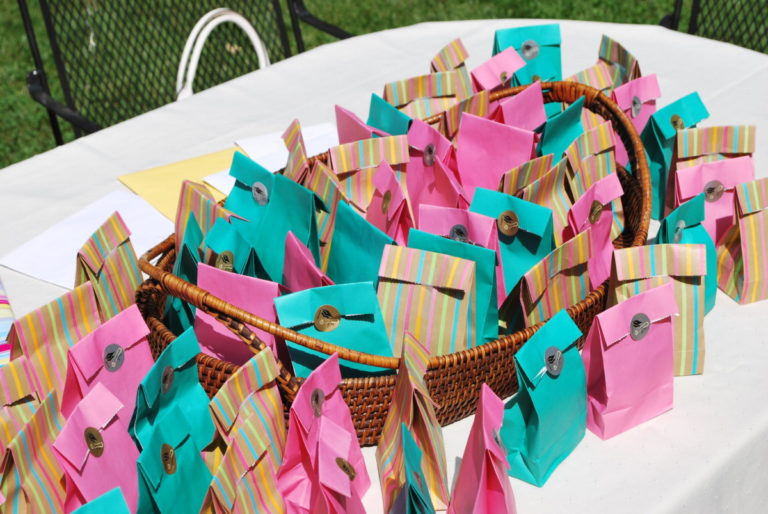
As a Dutch child, a highlight of going to a birthday party is grabbing the bag full of loot at the end. Snoepzakjes or uitdeelzakjesare traditionally filled with candy or cheap, plastic toys. But, if you’re a parent planning your kids birthday in the Netherlands and are looking for a more eco-friendly option for party favors and goodie bags there are stacks of options available to give the kids a thrill – without hurting the planet.
It’s 2 AM and I’m still up. Searching and scrolling and switching tabs in my web browser. I’m growing concerned about having to call it a night in less than five hours. Yet, determined to find the right topper for my son’s birthday cake and the cutest party bunting for the living room.
But what unfolds as more of a challenge is coming up with ideas for eco-friendly goodie bags. Ideally, the kind that won’t break the bank, but will still entertain the birthday boy’s three-year-old friends. By the time I finally drag myself to bed, I still haven’t decided what should go into the bags, but I know, at least, what my next Dutch Review article will be about.
What is a Dutch birthday party favor?
Birthday favors. Here, an evergreen conversation topic among parents, but where I come from, unheard of. So, I must confess, part of my initial cultural shock. In what used to be my part of the world gifts are a one-way street: from everyone else to the birthday girl or boy. We have to worry about lots of things, but goodie bags is not one of them. But, Snoepzakjes or uitdeelzakjes are well ingrained in Dutch birthday party tradition.
Why go eco-friendly for Dutch birthday party goodie bags?
Thinking back on the first-ever goodie-bags I prepared, I wouldn’t use words like sophistication, let alone consciousness, to describe them. It suddenly hit me that I had to prepare no less than 27 of them with just a few hours to deliver. So I did what everybody else does when they go into a supply panic. I went to HEMA. Right? Right! And got plastic. The type that invariably ends up in the rubbish bin a few days later, but takes up to hundreds of years to decompose.
Just thinking of the amount of it I used for packaging is enough to make me dizzy. I did come to my senses, eventually. Embarrassingly late, though, just months before Greta’s angry face ignited the Internet. Which is why I am now trying to make up for my past mistakes as best I can.
As with many other things in life, it is money (or, to be accurate, the lack of it) that makes the endeavour challenging. The reason people buy cheap plastic is not that they love cheap plastic. Most of those who buy are well aware of the environmental impact and feel uneasy about doing so. But money doesn’t grow on trees and plastic is affordable, while cute little wooden toys are pricey.
With goodie bags, the costs obviously add up quickly and you have to manage your budget wisely if you don’t want to end up paying an arm and a leg. It is not mission impossible, though. You can go eco-friendly without having to go bankrupt at the same time. To find out how, read on for a few practical suggestions.
Eco-friendly party-favor idea: small books
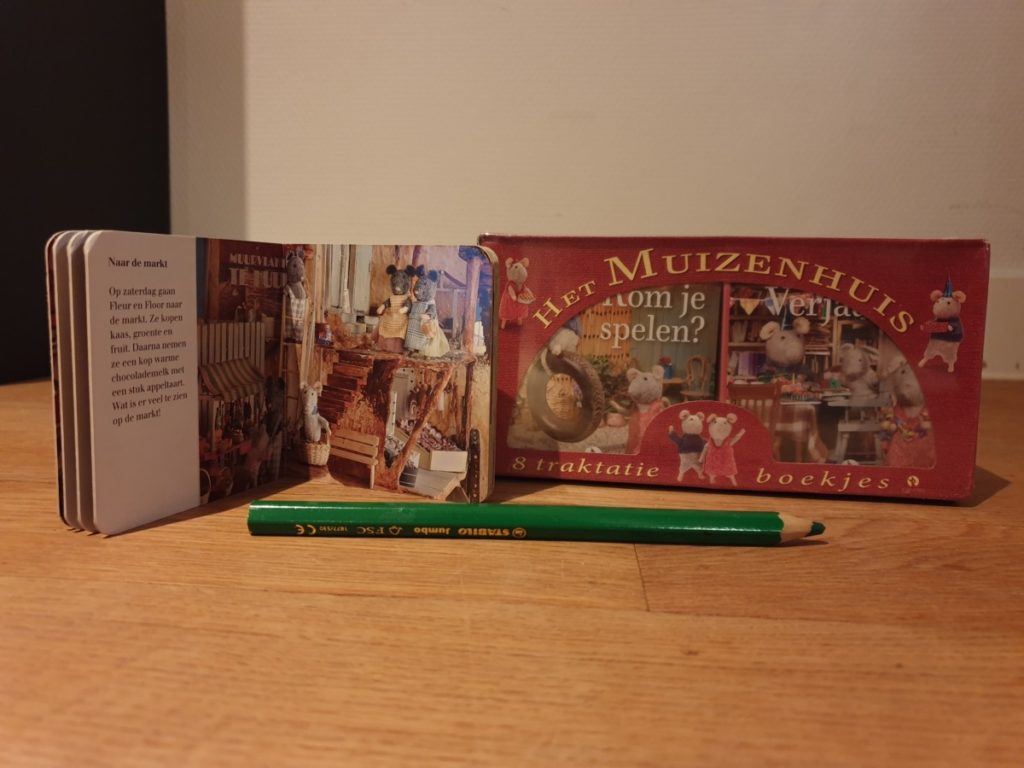
Het Muizenhuis giveaway books. Image: Iulia Romaniuc
The tiny books from Karina Schaapman’s Het Muizenhuis series (Het Muizenhuis Traktatieboekjes) are my go-to choice. They come in packs of eight and, at a price of 1.75 euros per book, they are still quite expensive for most, but manageable if you plan to hand out just a few of them.
They work for peuters (age 1-4), as well as kleuters (age 4-6). Other all-time peuter favourites are series like Boer Boris, Nijntje, Rupsje or Kikker. They usually come in packs of 10 to 16 books, at a price of at most just one euro per book.
Eco-friendly goodie-bag idea: wooden toys
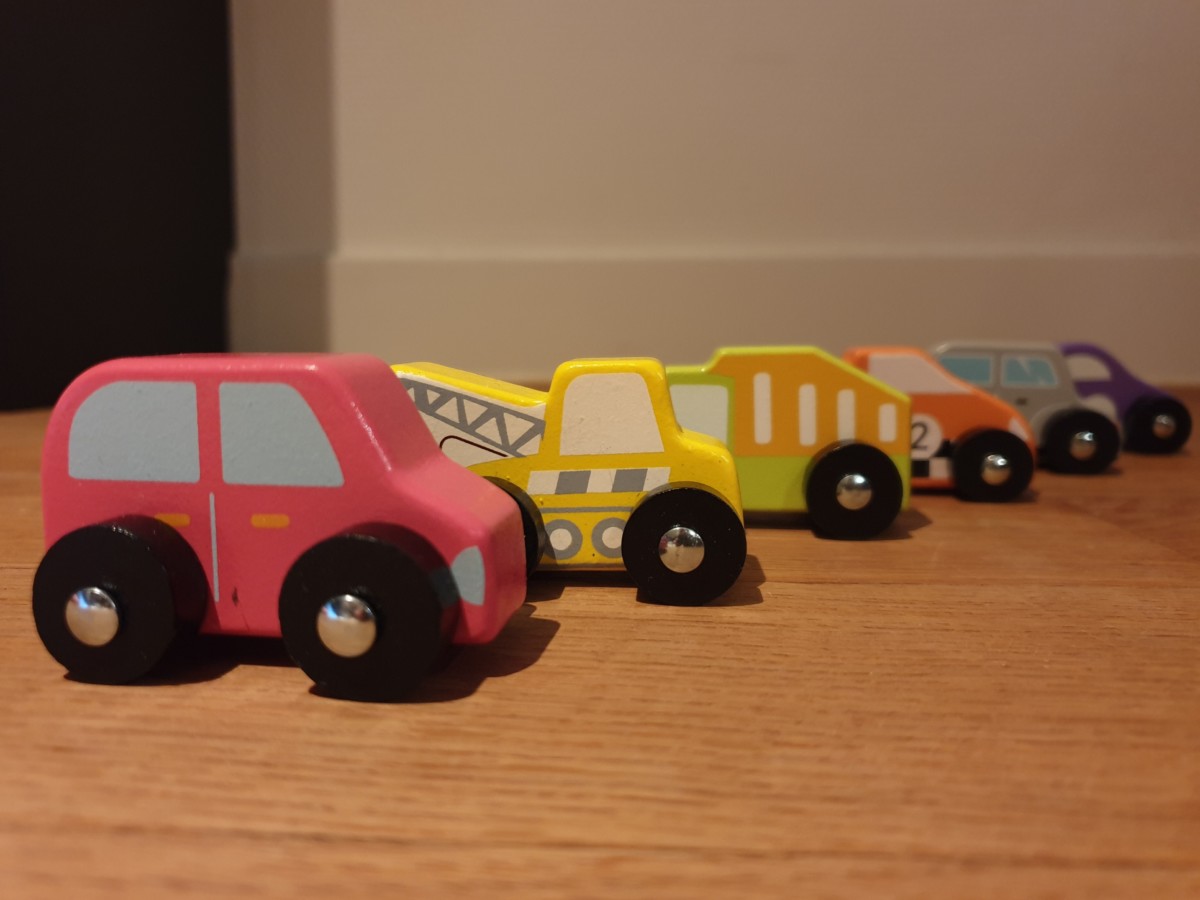
Wooden cars, available at Flying Tiger. Image: Iulia Romaniuc
Affordable ones. Flying Tiger, the Danish variety store, carries small wooden toy cars of various shapes and functions and in all the colours of the rainbow, at only 1 euro per car. Hema also sells wooden cars for 1.25 euros as well as wooden animals (dog, cat, elephant, giraffe) for 1 euro each.
It goes without saying that wood does not equate sustainability, but, unfortunately, most of the sustainable stuff available at fancier toy stores is still way too expensive to be a realistic option. I did try my luck online, as well, looking for fair trade alternatives, but nothing reasonable popped up.
Eco-friendly party-favor idea: plant seeds
Plants seeds are a cheap, fun and eco-friendly party-favor idea for kids. Image: Akil/Pexels
Lately a very popular green giveaway idea. Plus, it works for all ages! There are plenty of online businesses out there selling them. Forget-me-nots, sunflowers, and clover are just a few options I came across during a preliminary search. Beautifully packed and in individual paper boxes. Google plantenzaden, bloemenzaden or uitdeelcadeaus.
Eco-friendly goodie-bag idea: small paper puzzles
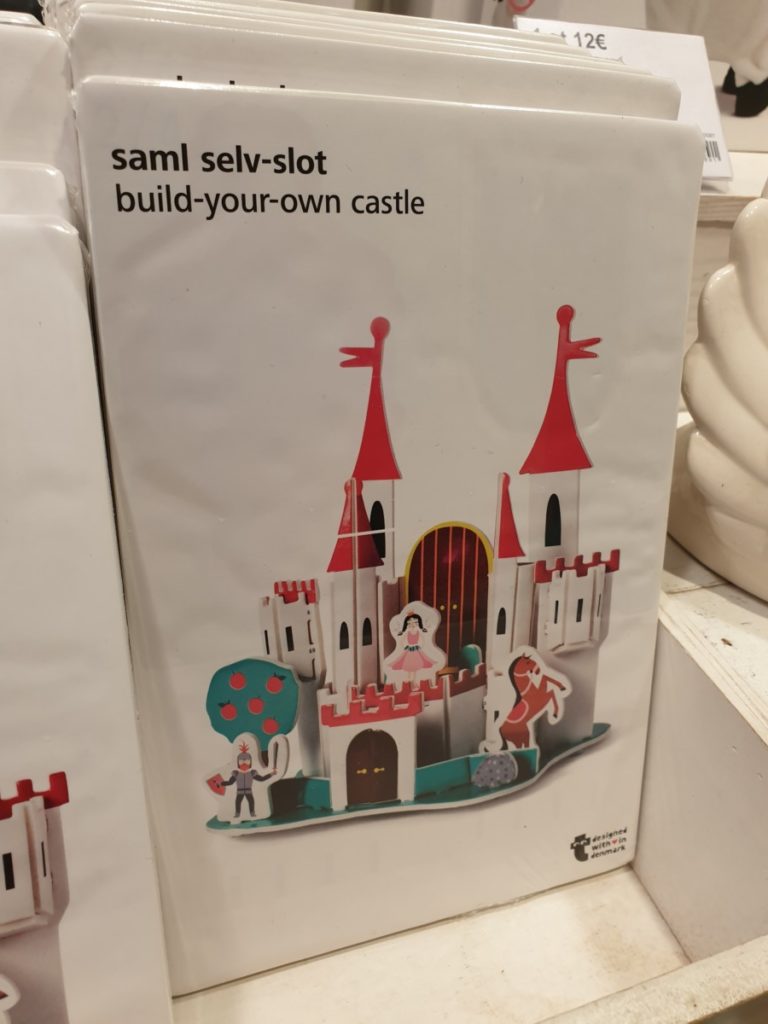
Usually more expensive than the ideal €0.50 to 1 euro per item, but I did find a very nice 3D castle puzzle at Flying Tiger. A good choice for younger school-age kids, who can assemble it themselves. This one was just 1 euro, so easy on the wallet!
Eco-friendly party-favor idea: paper masks
Another popular gift for all ages. HEMA carries a conveniently priced animal mask selection, but most feestwinkels (party shops), either online or physical, also sell paper masks at an average price of €0.50 per item.
Eco-friendly goodie-bag idea: art supplies
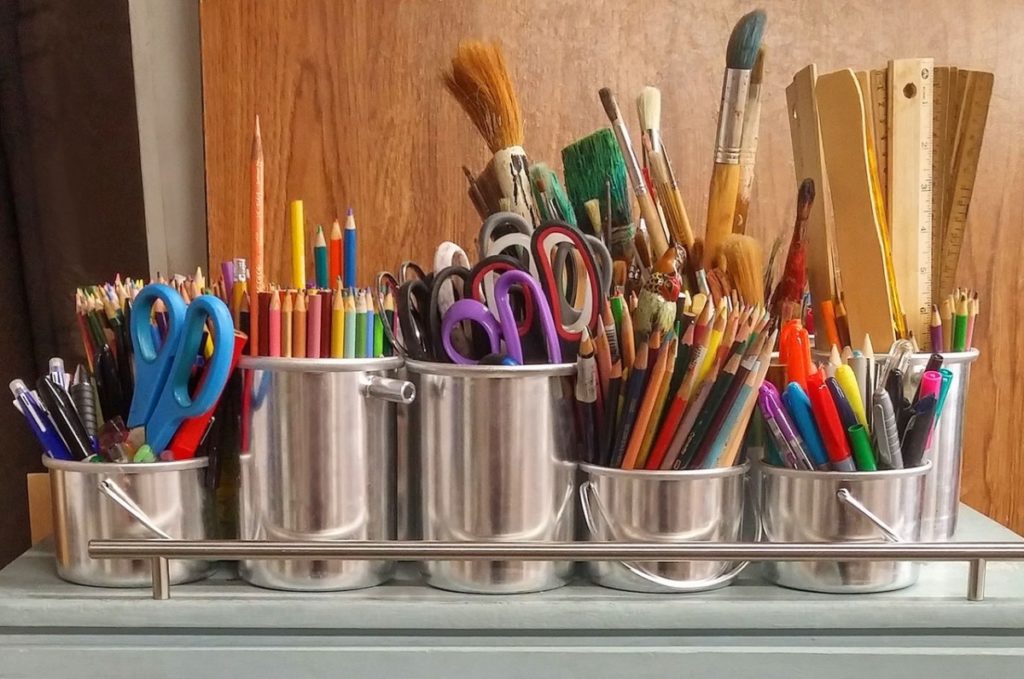
Art supplies are useful and fun for kids, without hurting the Earth as much as plastic. Image: Pixabay/Pexels
Wooden paint brushes, pencils, sidewalk chalk. It never gets old. There are lots of options to choose from, with price usually not an issue. And, you can find them without having to go to specialty stores.
Eco-friendly party-favor idea: mineral crystals and gemstones
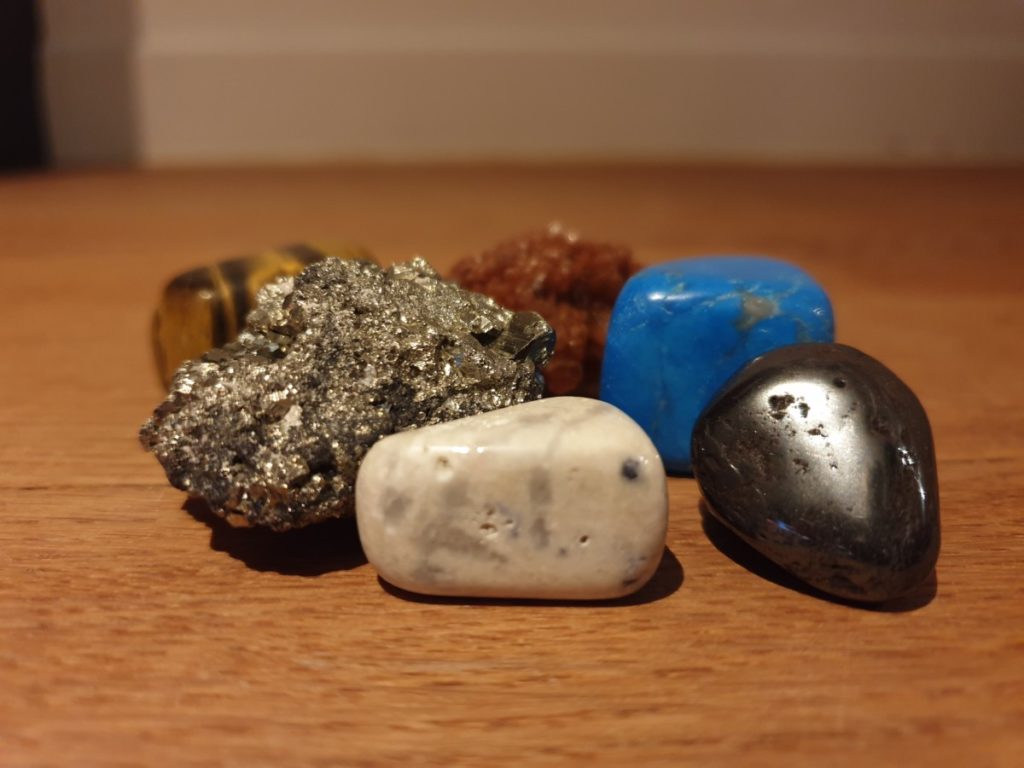
Give away crystals as a Dutch birthday party-favor. Image: Iulia Romaniuc
Now, who doesn’t like a gemstone? The problem with natural crystals, however, is that most of them are not ethically sourced and most sellers do not provide any details with respect to how the minerals were sourced (small-scale excavations versus large mining operations). If you do manage to find Fairtrade products, they’re usually well outside the acceptable price range. Google edelstenen.
Should you decide to offer mineral crystals, the choice is wide. Lots and lots of gift boxes and jars, both online and in physical shops, with an average price of €0.50 per crystal.
If you happen to live in Amsterdam, De Stenelux, the famous mineral and fossil shop in De Pijp, is definitely worth a visit. Naturalis, in Leiden, also boasts an eye-catching line-up of mineral crystals in its museum shop. Moreover, what better place than Naturalis to actually educate ourselves on responsible minerals? For my part, I’ll certainly bring it up during my next visit to the museum.
Do you feel the same about birthday party goodie bags? Any recommendations you might add to the list? Then don’t keep it to yourself, let us know in the comments below!
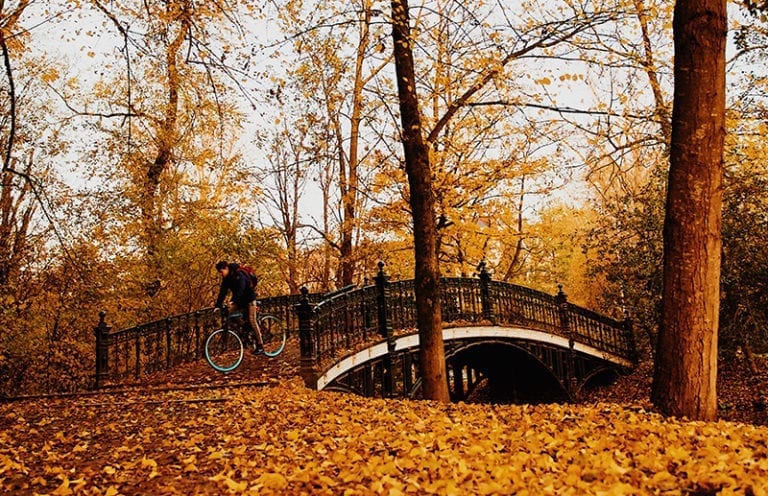
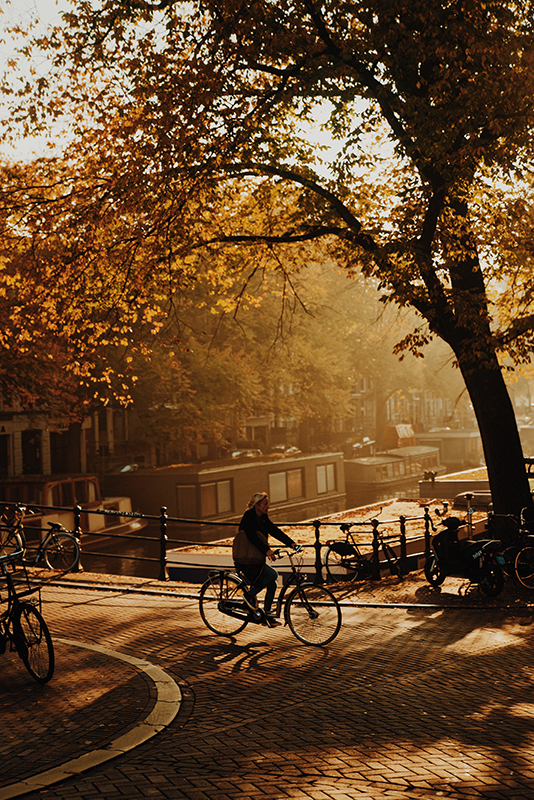
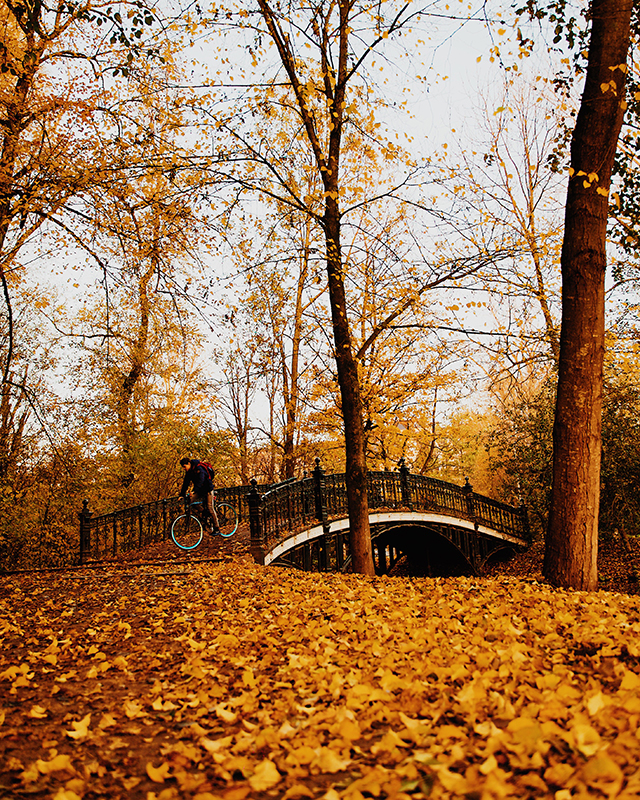
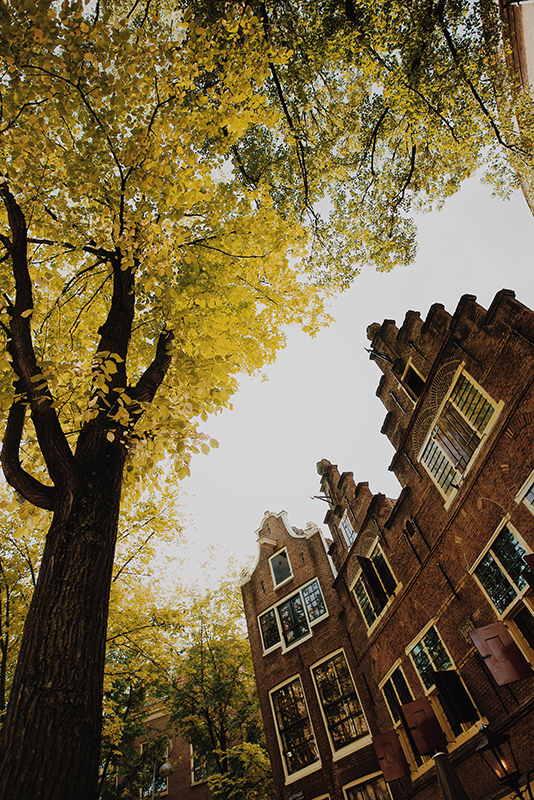
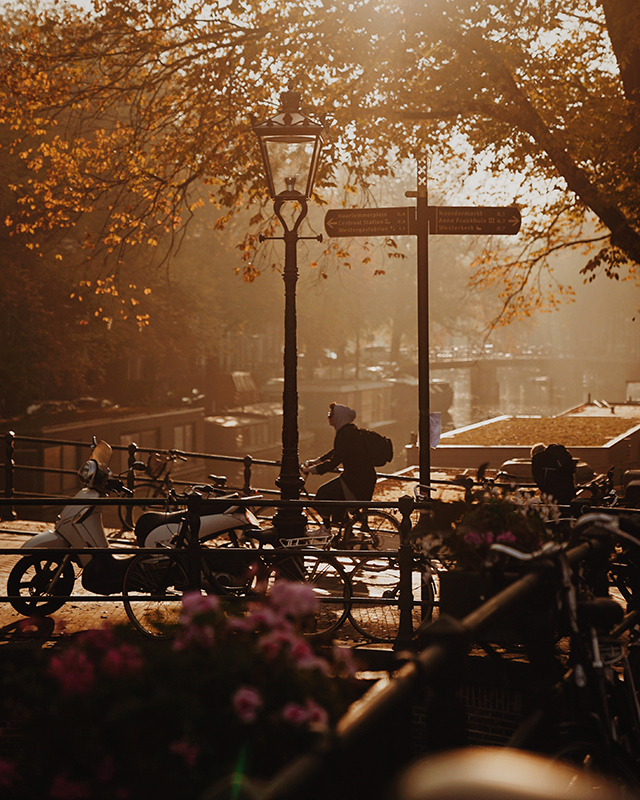
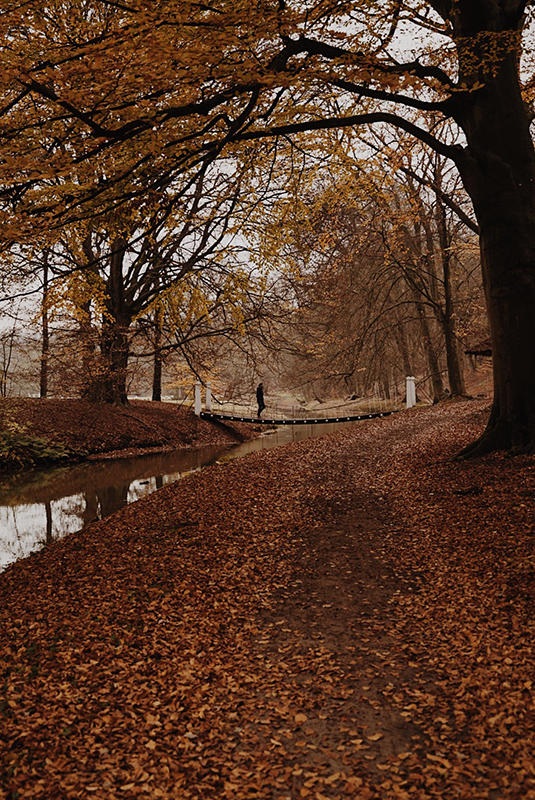
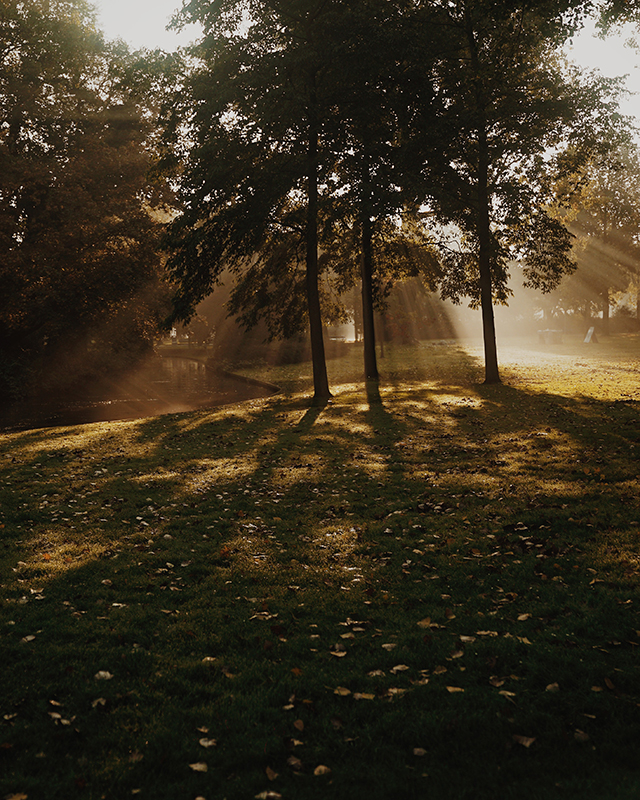
Autumn in the Netherlands is like a fairy tale come to life. The streets, parks, and canals are overtaken by orange and yellow leaves making everything seem magical. Not to mention that there are a ton of things you can do in Holland during the fall season.
You have no idea what we’re talking about but want to enjoy the last days of autumn to the fullest? Well then, head on over to our Guide to Autumn in the Netherlands to learn more about the joys of naked saunas, Dutch forests, Dutch soup and so much more!
If you live in Amsterdam and don’t feel like traveling too far for a wonderful autumn experience, then you can always read up on things to enjoy in Amsterdam during fall. And if by any chance you want to enjoy the beach one last time before it gets crazy cold, then we have some ideas for you on how to spend the last autumn days at Scheveningen.
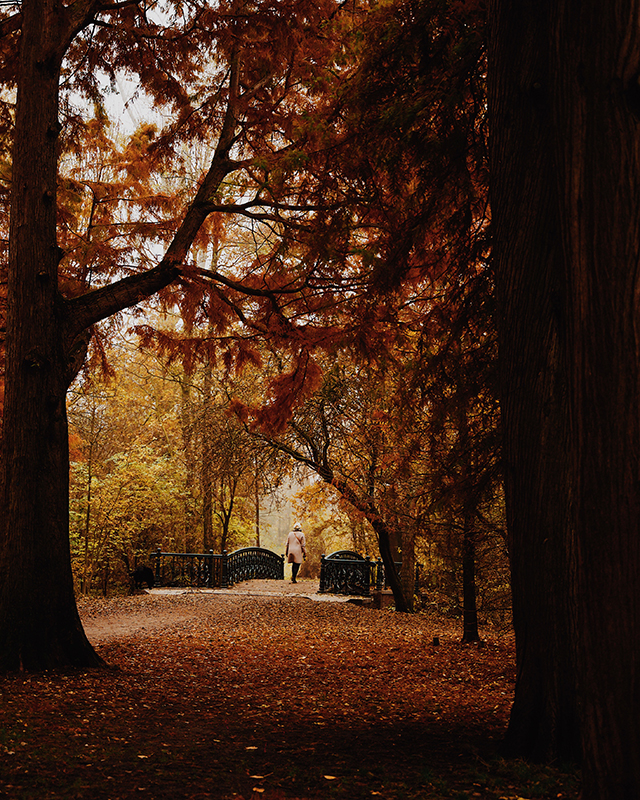
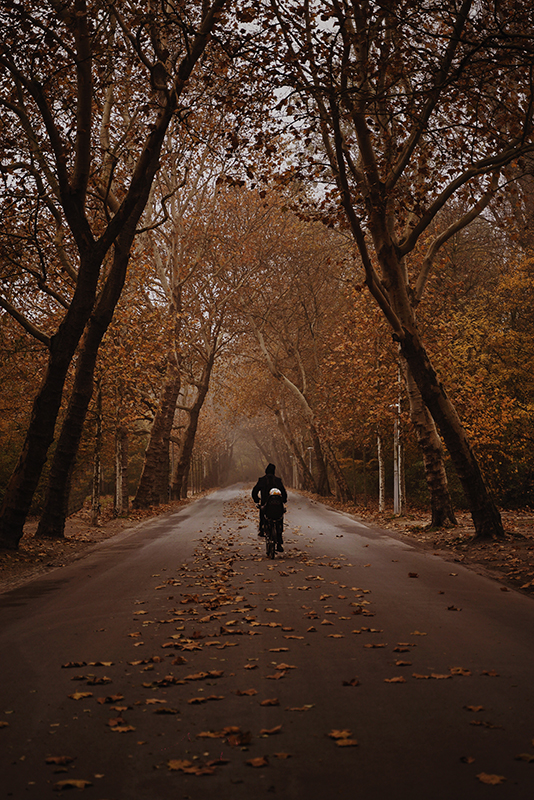
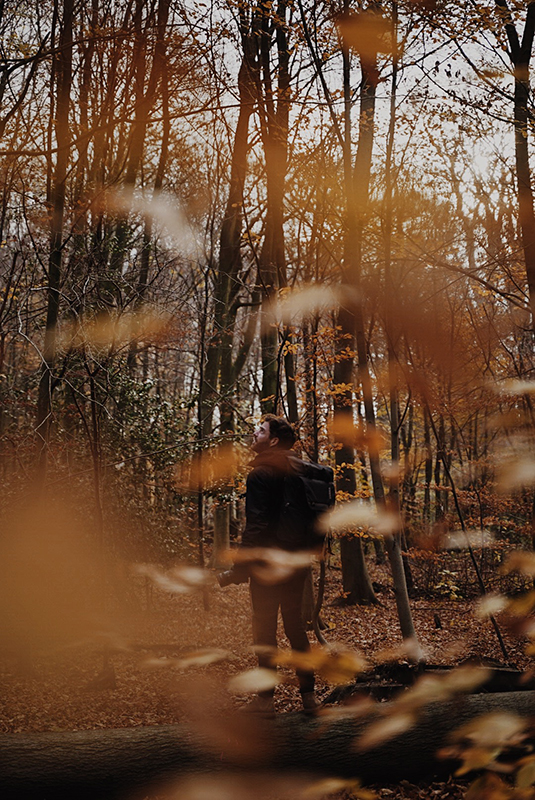
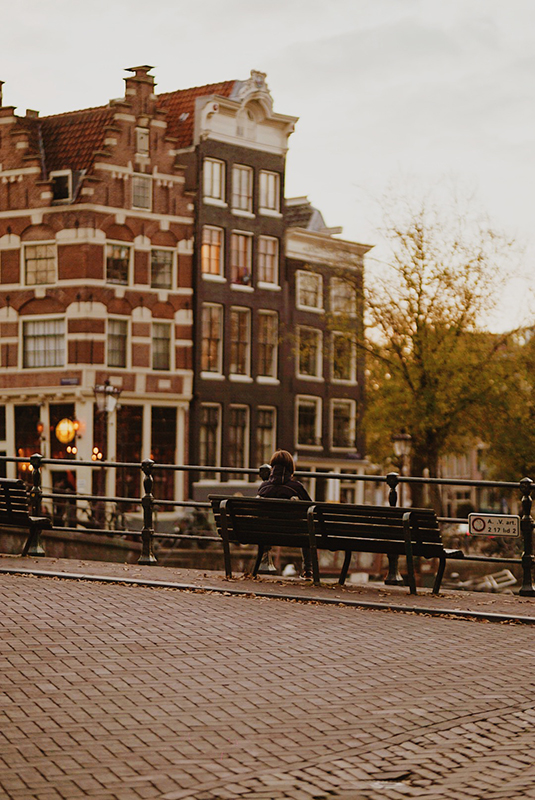
Autumn photo report by Gosse Bouma
Gosse Bouma is a Dutch videographer, who has shown us time and time again the beauty of the Netherlands throughout the year. First, he amazed us with a video of snowy Amsterdam, and now he has come to enchant us with his autumn photography. Just see for yourself!
Did you enjoy our photo report by Gosse Bouma? What is the one thing you love the most about autumn in the Netherlands? Let us know in the comments below!
Feature Image: Gosse Bouma/Supplied
Editor’s note: This article was originally published in November 2018 and has been updated in November 2019 for your reading pleasure.
Groningen, Drenthe, and South Holland will each have new hydrogen buses in their public transport system by 2021. A total of 50 new buses will be introduced in the Netherlands. Right now, there are only 8 hydrogen buses in the country.
How much does the project cost?
The cabinet and the three provinces have officially signed an agreement on November 20, 2019. This project will cost a total of 15 million euros, where half of it is funded by the European Union. The cabinet and the provinces each put forth 3.75 million euros. The costs for maintaining the upkeep and making sure they run smoothly lies with the provinces.
Making Dutch public transport more eco-friendly
According to Bright, all public transport in the Netherlands are not allowed to emit CO2 from 2030. They are slowly transitioning to a more sustainable future where they have 500 emission-free buses. However, that’s a mere 10% of the total number of buses in the public transport system. These emission-free buses are mostly electric.
Hydrogen-electric vehicles might be the future because they are able to travel long distances on just one tank. They are also more durable than other types. “Hydrogen really has the future when it comes to heavy means of transport such as buses and trucks,” says minister Stientje van Veldhoven.
Although the infrastructure to support more hydrogen-powered vehicles in not extensive, Minister Stientje van Veldhoven is hopeful that it will improve. With these many buses coming in, he hopes that there will be more people wanting to have hydrogen filling stations. The Netherlands currently has only 8 gas stations that provide hydrogen.
Do you think the government can do more to encourage hydrogen-powered vehicles? Let us know what you think in the comments below!
Dance or Die won the award for best art documentary. It was made by News reporter Roozbeh Kaboly and tells the emotional story of a young dancer in Syria, played by Ahmad Joudeh, who uses dance as a way to escape the atrocities of war. After being unable to fulfil his dreams in his home country, he flees to the Netherlands.
Bellingcat – Truth In A Post-Truth World, directed by Hans Pool, navigates the idea of “citizen investigative journalism” and the importance of integrity in a world corrupted with fake news. Human Rights Watch explain “This highly skilled and controversial collective exposes the truth behind global news stories – from identifying the exact location of an Islamic State murder through analysis of a video distributed on YouTube, to tracking the story behind the mysterious poisoning of Sergei and Yulia Skripal in the UK – Bellingcat hunts down answers using social media, reconstruction techniques, and audio analysis.”
Like the sound of these documentaries? What one would you rather watch? Let us know in the comments below!
The Dutch government is to launch a national rebranding campaign later this year, dropping the name ‘Holland’ in favor of ‘the Netherlands’ in all promotional materials. The new branding strategy clears up decades of confusion for the international community abroad and most likely cures one of the worst headaches for the fellow Dutchies at home.
Is it Holland or the Netherlands?
The ‘Holland vs the Netherlands’ debate is one of those mind-boggling phenomena that makes the internationals go “what the Dutch?!” at least once in their lifetime, if not more often than that.
Even today, most people across the globe use the term ‘Holland’ to refer to the Netherlands as a whole, instead of just the two provinces of North- and South-Holland that the name actually represents. Although the tendency to use both names interchangeably has grown more prevalent amongst the internationals, even some of the Dutch themselves seem to be accepting, if not forgiving, of such mislabeling when it occurs.
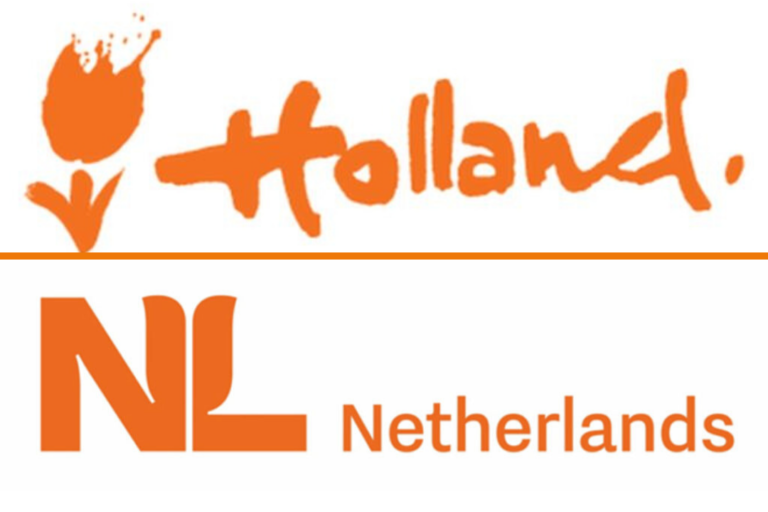
While much of this puzzlement certainly stems from the fact that most of the major cities in the Netherlands are in fact located in the region of Holland, some of the prevailing misconceptions are further reinforced by its previous national branding campaign – a ‘Holland’ moniker with an orange tulip, and the no less confusing tourism site under the same domain name.
Rebranding the Netherlands: A unified brand for the international stage
A spokeswoman for the ministry of foreign affairs said the Netherlands needed a more uniform and coordinated national branding strategy in order to boost the country’s exports, tourism, sports and spread “Dutch culture, norms and values” worldwide.
As part of a new branding campaign, developed jointly between the Dutch ministries, the tourism board, and business leaders, the Dutch authorities have now decided to settle for the name ‘the Netherlands’, retaining both the color orange and the traditional tulip, albeit redesigned for a more modern look.
The rebranding initiative aims to be ‘less promotional and more about content’, and sees the Netherlands portray itself as ‘co-creating pioneering solutions to global challenges’, reports the marketing magazine Adformatie.
Official changes to the current brand will be implemented ahead of the 2020 Tokyo Olympic games and the upcoming Eurovision Song Contest, which will be hosted at the Dutch city of Rotterdam later in May.
The country’s new identity comes equipped with all the necessary extensions – a new logo, which combines the abbreviation NL in the form of a stylized tulip with ‘Netherlands’ spelled alongside it, and an upgrade to the domain name of its international tourism site. The current brand name of the Dutch football team, known abroad as ‘Holland’, will also undergo changes, and will now officially be called the Netherlands.
The new logo. Source: rijksoverheid/nbtc
All governmental, academic and cultural institutions working with the Dutch national government will be able to use the new logo as of January next year.
Is rebranding the Netherlands a necessary exercise?
In recent years, nation branding has grown into a booming business, with more and more countries across the globe looking for innovative ways to shape and market their brand identities to the world, either to simply raise awareness, rid themselves of stereotypical clichés or mold a more positive image. The Dutch are no exception here.
Dutch authorities believe that undertaking such a rebranding exercise will better represent the Netherlands as an ‘open, inventive and inclusive country’, modernizing its image on a global stage.
However, officials are most keen to shift international focus from certain cultural stereotypes that seem to plague the depiction of Dutch national life abroad, such as emphasis on its recreational drug culture and the red-light district of Amsterdam.
There is yet another Dutch controversy that springs to mind when one speaks of national rebranding, and that is none other than the Zwarte Piet character, which many abroad view as a racist tradition the Dutch should abandon.
Zwarte Piet is an annual cause of protests in the Netherlands. Image: dassel/Pixabay
The issues pertaining to the controversial Christmas tradition of ‘blackface’ have been dividing the country and tainting its international brand for years, drawing protests and sparking violence across the country during each holiday season.
This year, as a way to respect ‘both tradition and change’, no people in full blackface make-up will be featured at the Saint Nicholas parade; instead, the parade organizers are introducing Sinterklaas’s little helpers with ‘sooty faces’ and no golden earrings in sight.
If there is a silver lining in the ‘blackface’ cloud, and lifting the veil on other national stereotypes, it is a new sense of solidarity among the Dutch in trying to work out the core values and ideals that will define the Netherlands as a country, both at home and globally.
We can only hope that the new rebranding move brings our beloved Dutchies one step closer to a clearer understanding of just what that might be. What other things can the Dutchies rebrand? Let us know in the comments below!
Escaping reality is an interesting component of the human condition. If you could jump into a book or movie, would you? If so, we have found the solution for you right here at My Escape Club: your key to escape room fun in Amsterdam. You can live out your fantasies and it is perfect for adrenaline junkies.
Have you ever thought of piecing together the mind of a mad genius? Or perhaps exploring an ancient temple on a quest for lost treasures? What about breaking out of a bunker? Located 5 minutes from Leidseplein and Museumplein as well as near the Heineken Experience museum, it is a fun, thrilling, magical yet safe experience.
If this is all ‘too long, didn’t read’ then check out how the DutchReview team did at My Escape Club!
Escape rooms are designed to challenge your mind, pump adrenaline through your veins and turn on your survival instincts, resulting in an incomparable feeling of achievement. Search for signs, solve conundrums, experience the spirit of true camaraderie, dig out secrets and eventually escape! Some call it hell, some call it fun. Why not give it a go?
“Besides all this fun – why should we be escaping anyway?”
When My Escape Club asked us to stop by the DutchReview team did the legwork for you so that you know what you’re (literally) in for when you’re going to My Escape Club.
And it’s not just pure fun too – all of these escape rooms are great for team building. They are particularly amazing for families or for corporate teams to strengthen the bond between co-workers. Recently, companies have used the escape rooms to assess the teamwork skills and problem-solving skills of their employees (as well as potential applicants for a job!).
You will be given hints or pulled out of the game if ever you cannot figure it out, so don’t worry, you will not be trapped there. There is also a big red stop button in every escape room. After solving one (spoilers!), you receive a bonus classic Russian chocolate bar as well.
Go “Back to USSR” (this is the safest option!) in this escape room in Amsterdam
Step into the magical world of a nutty Russian scientist…
The first escape room experience we explored is called “Back to USSR”. This is wonderful for families as it is easy compared to the other rooms. It is also not scary, unlike one of the rooms that will be mentioned later. Read on to discover just how creepy one of the rooms can be.
Can you crack the code?
All rooms come with an intriguing backstory and so does this one! Here it goes:
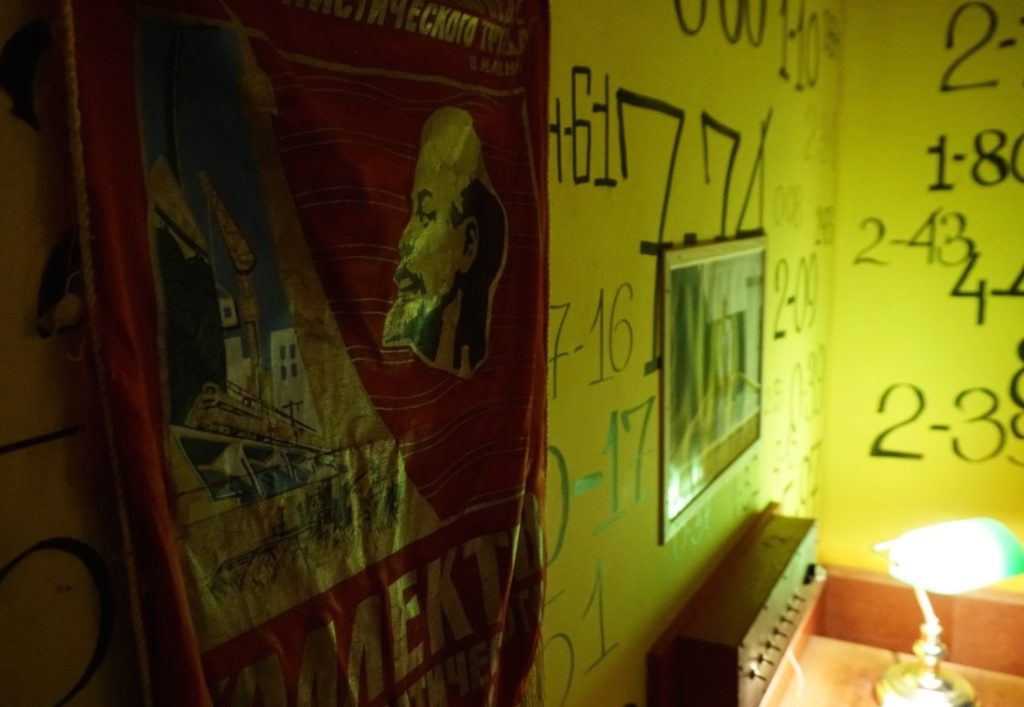
Have you ever wondered what it would be like to work for a crazy Russian scientist? (Really? Um… Ok.) Well, here is your chance. The strange Doctor Korobeynikov’s life mission is to work on the greatest invention of all time (in his opinion, not sure how lucid this guy is so don’t take our word for it). We have to warn you that none of his assistants have lasted very long. We don’t know what happened to them. Apparently they were stressed and then disappeared? Willingly or unwillingly, who knows… If you pass this challenging test, perhaps you stand a chance at this job.
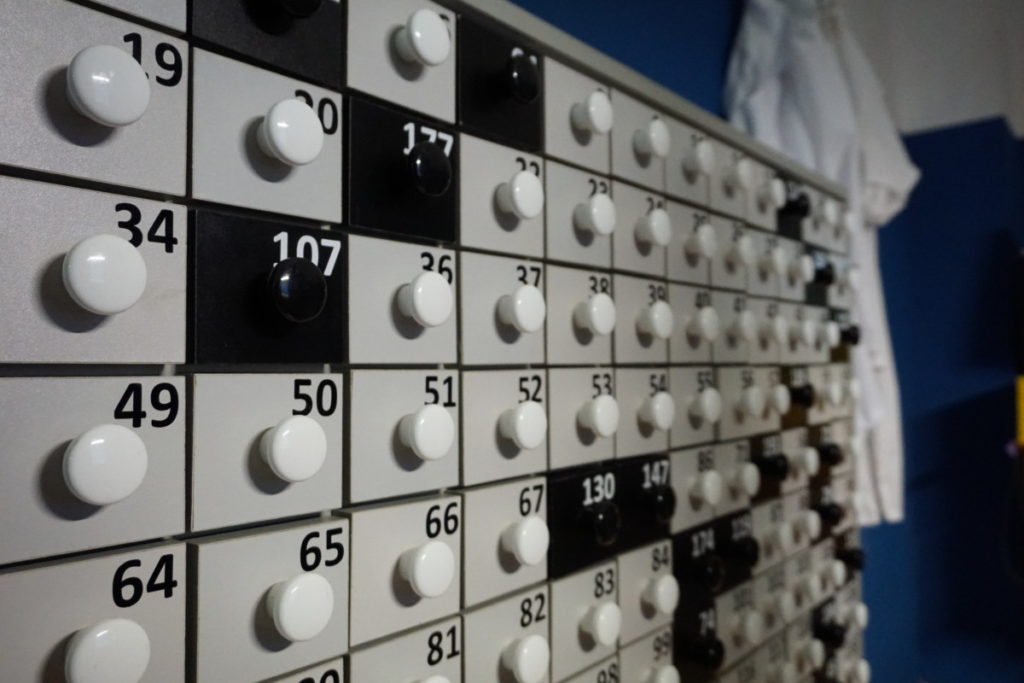
Check out this awesome tech!
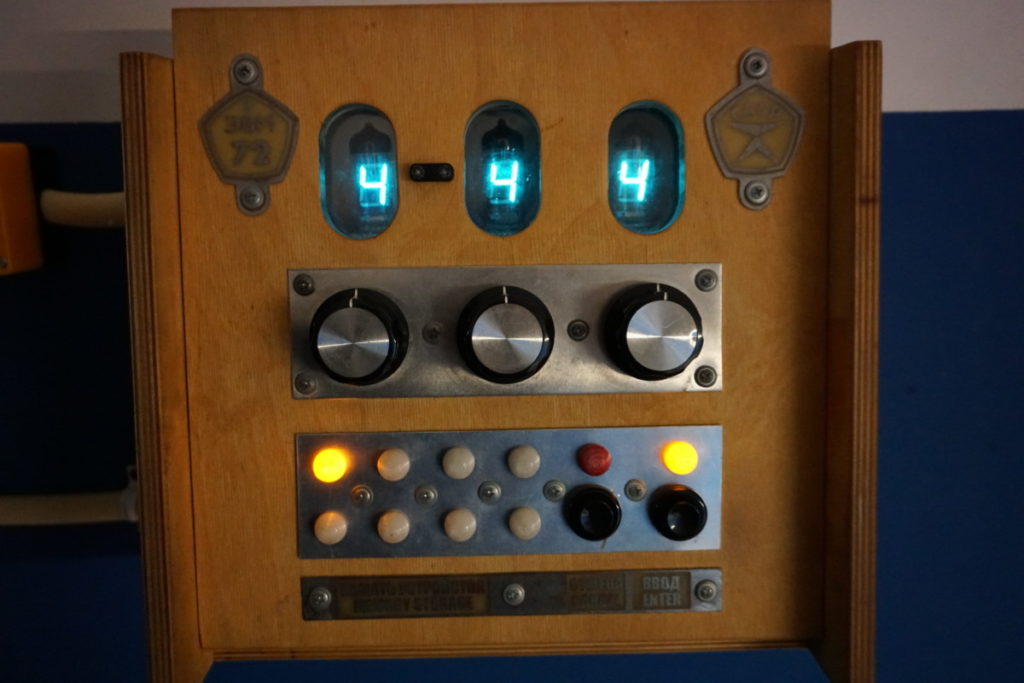
This adventure is split into two rooms and is great for code aficionados. You need to find eight codes and they all have three digits. It can hold two to five people and lasts 60 minutes. It was a great introduction for the team and it is highly recommended that you begin with this one if you are an escape room beginner. If you are an expert, jump (or crawl) straight to the following ones.
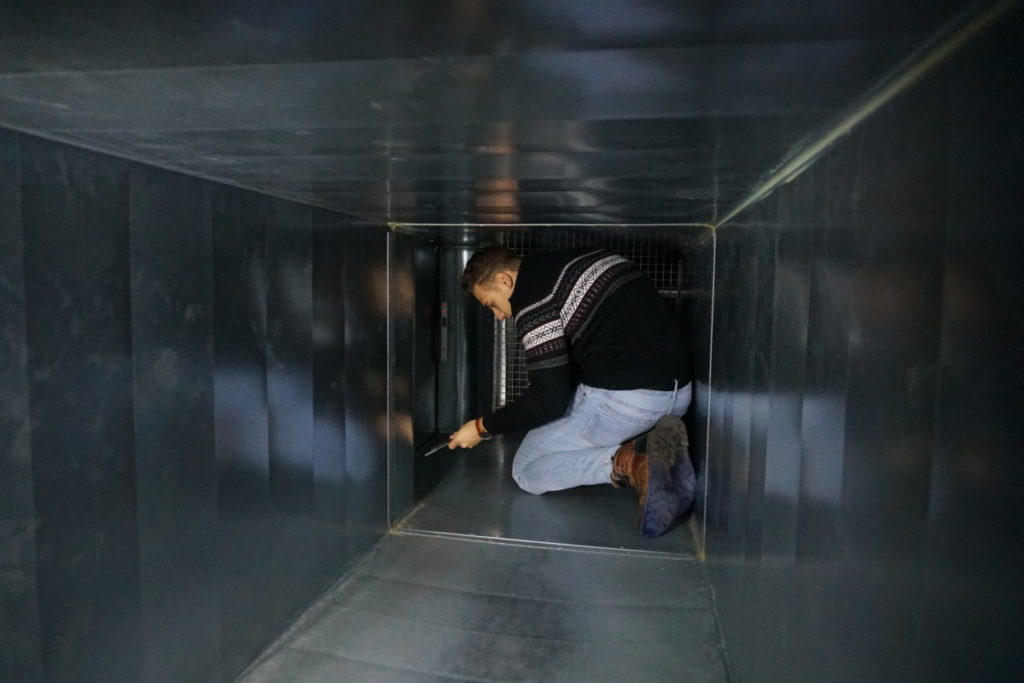
Ivaylo is brave enough to get into the crawlspace first!
Judgement Day (the best escape room in Amsterdam we’ve encountered pretty much ever)
Imagine being immersed in a video game!
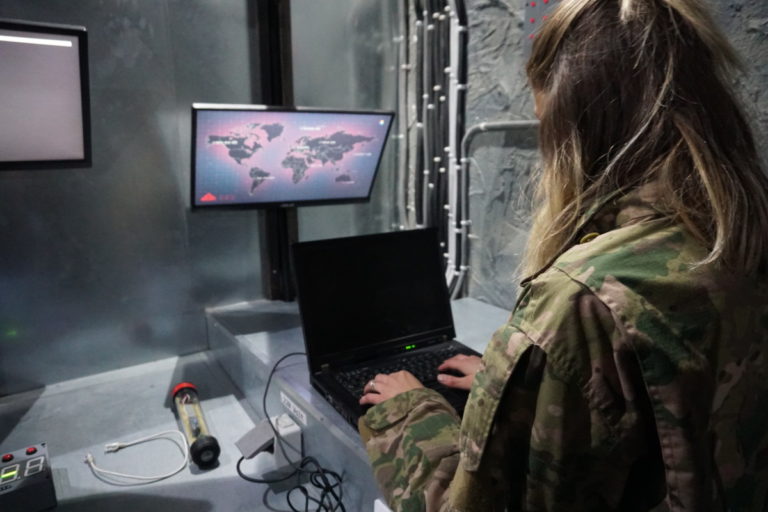
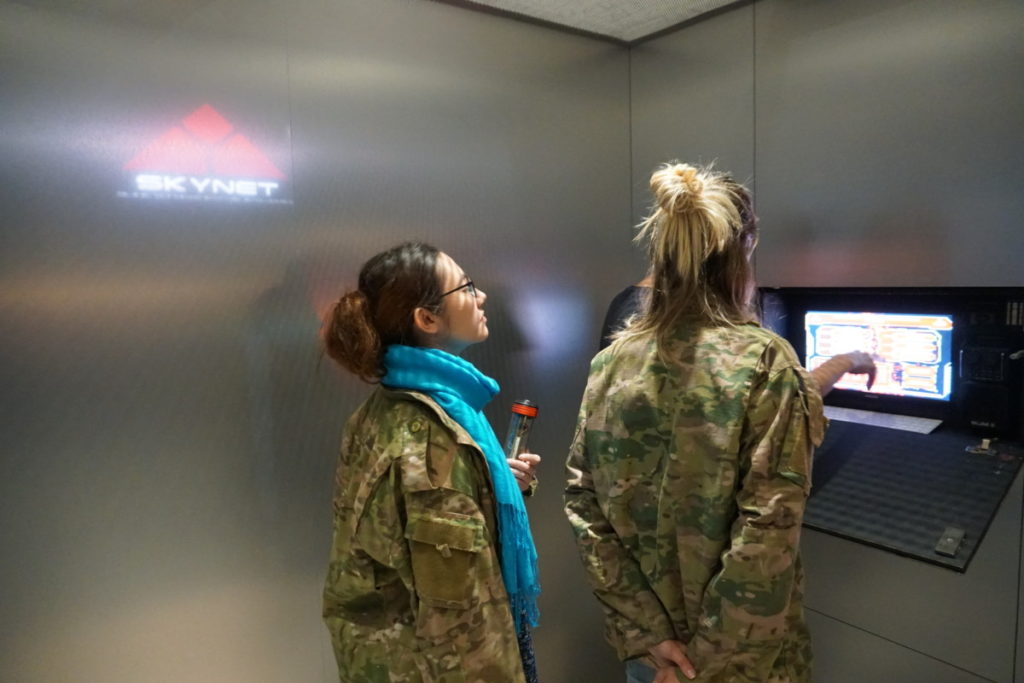
This one is not recommended for claustrophobics as there is a part where you get locked in! Yes, really… Now picture this. During a raging war in the year 2029, the human race is losing the battle against artificial intelligence. Our worst nightmare has come true! Come to think of it, we should have listened to those experts… However, we managed to locate a secret out-of-service bunker. The only thought that crossed my mind was: I am so glad I am not in the army. I would have been totally useless. But if you are good at solving difficult situations, then this will probably be the closest you will ever feel to being in an epic Hollywood movie.
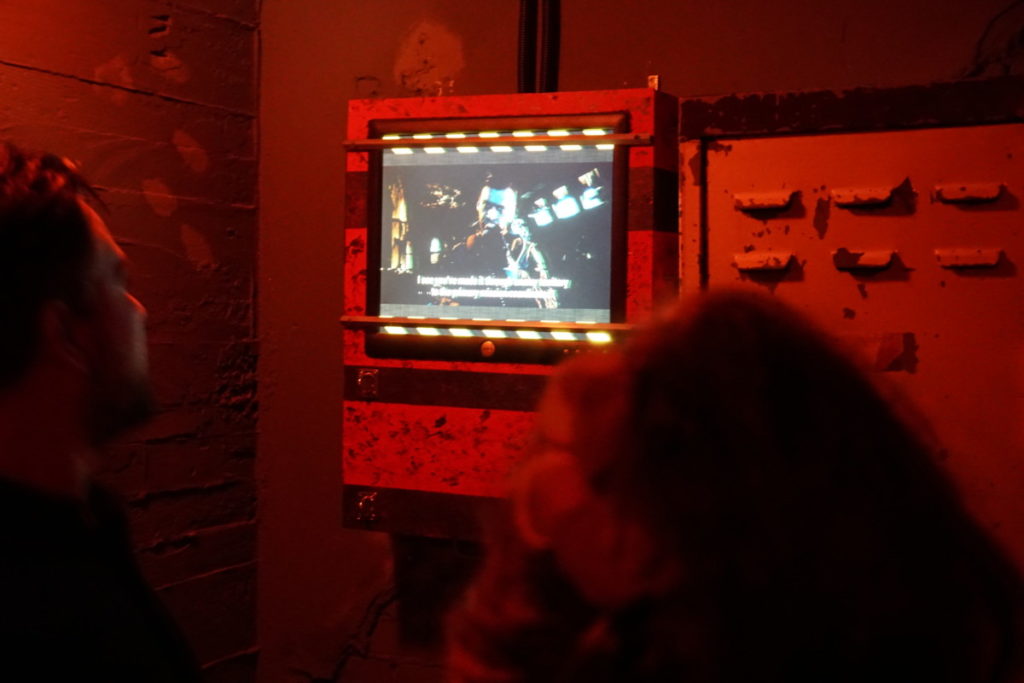
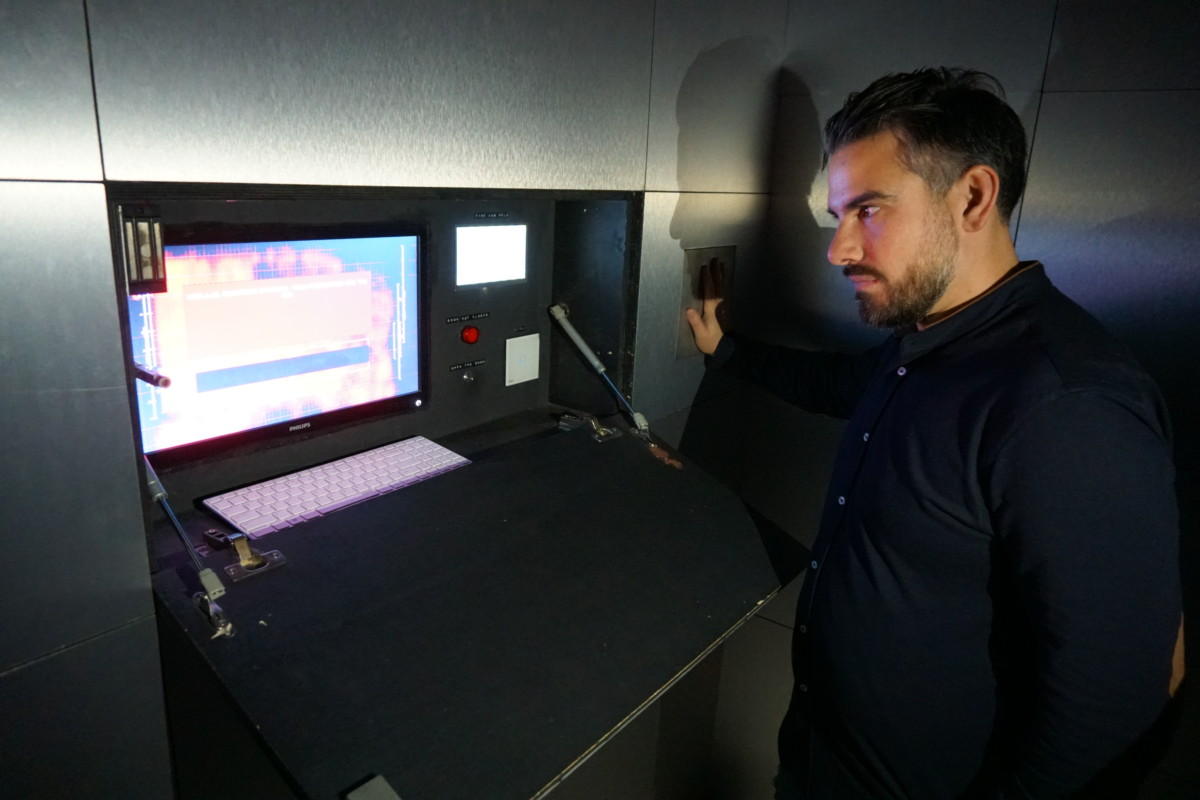
This adventure was incredibly well scripted. The technology and bunker were extremely realistic. Therefore, the video that was shown really made us feel immersed in the experience. It felt like we were in a movie or a video game (watch out for the “explosive” surprise at the very end). There were several rooms and the set-up was the most intricate one we’ve ever encountered. The countdowns, as well as the varied flashing and colourful lights, stimulated our senses. It can accommodate 2 to 6 players and lasts 75 minutes. Army clothes are even provided!
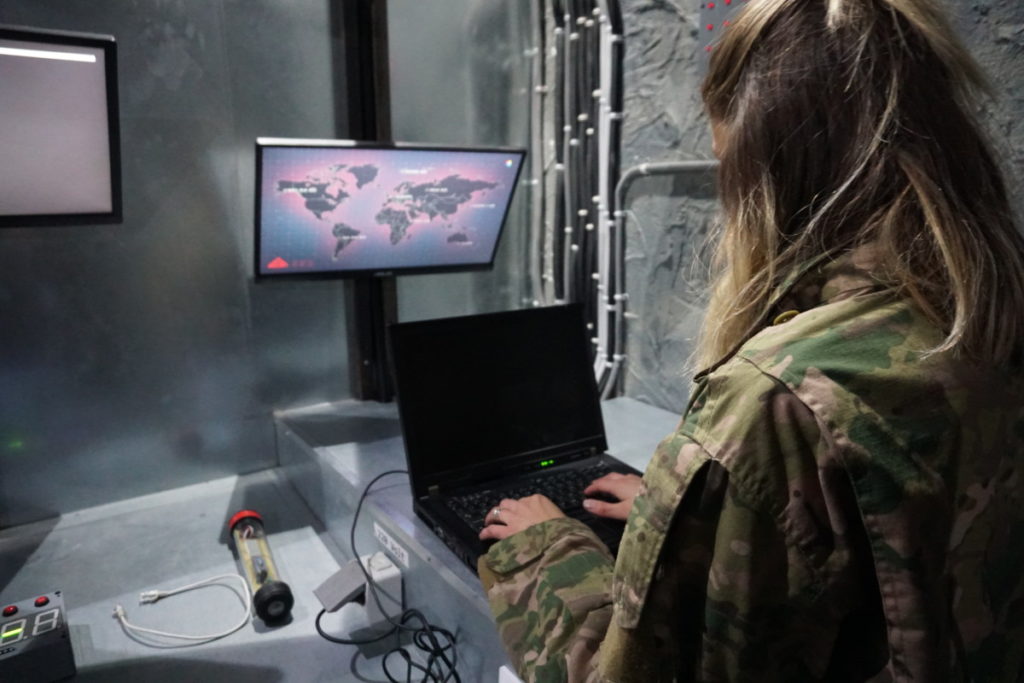
Freya was a boss at solving the endless enigmas.High tech puzzles!Why don’t you press the red button?Freya and I try to figure out the clues!
The Curse: a sinister escape room in Amsterdam for you to enjoy
I skipped this escape room because she can’t handle anything scary! You have been warned…
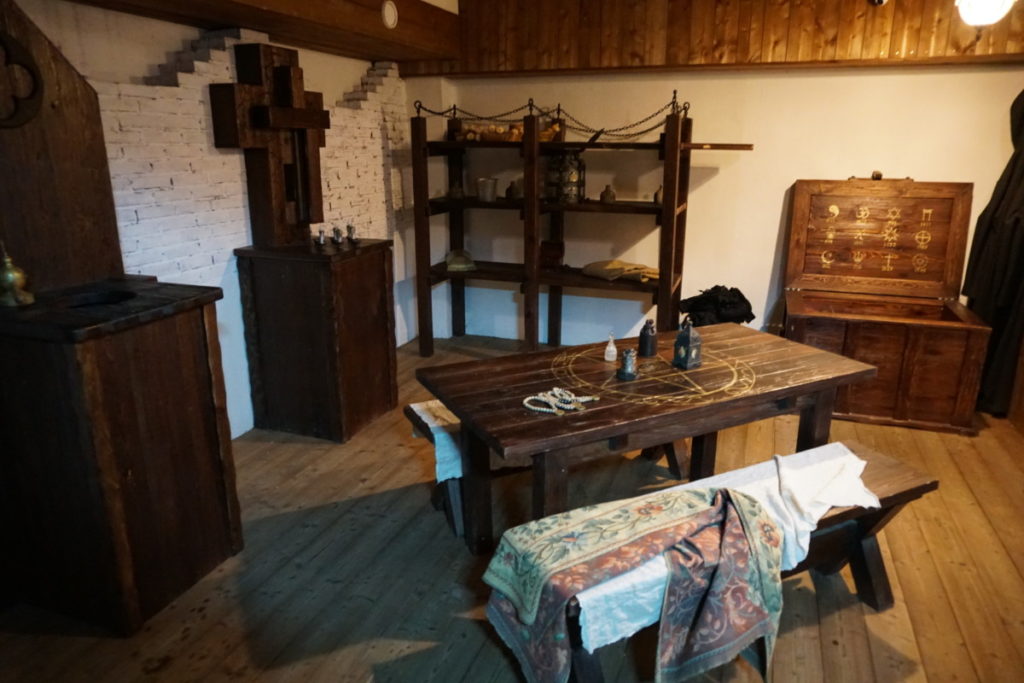
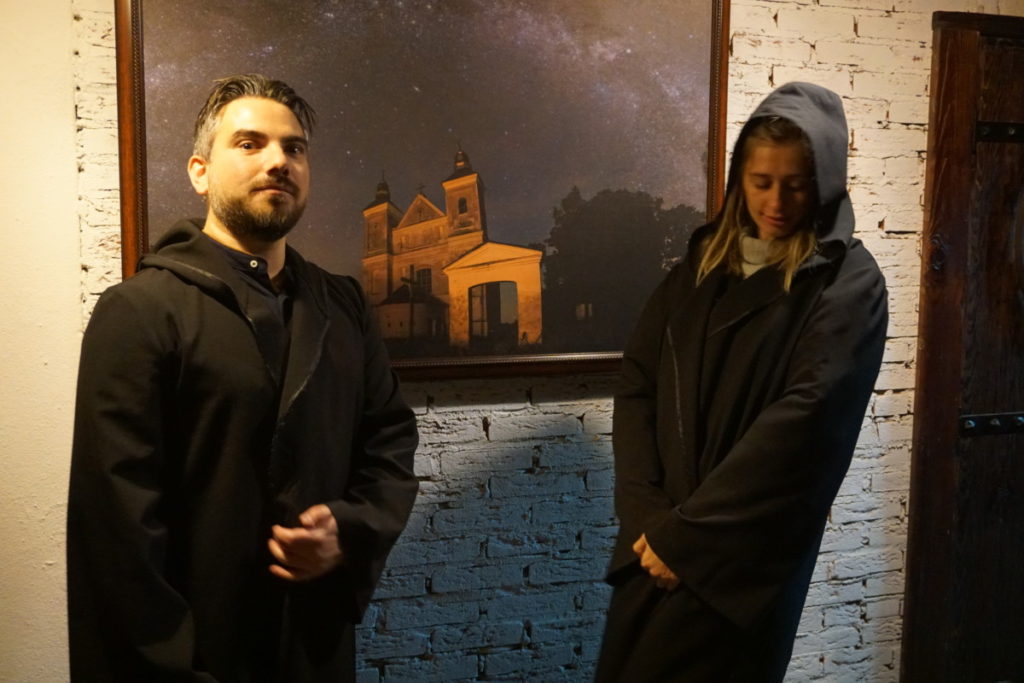
Do you like scary movies? Well, then this is perfect for you. Peer into an old and eerie Amsterdam house. Put on a black cloak and take part in a dark ritual. Imagine you are in a mansion so frightening that all the local residents are aware of the ominous whispered rumours and refuse to go near it. Will you be able to find your way out of here? How do you know this is not a real curse?
Abuzer, Freya and Ivaylo were brave enough to step into the most spooky room at My Escape Club. Check out the robes!
One of the team members thought this was bad juju and refused to do it (aka – me!). I also did not do this one because it is such a realistic and hair-raising experience. Once completed, the others said it was a strange (but exciting) feeling. They emphasised that if they had not been guided through it, they would have been terrified. Spooky! Up for a challenge? Go for it. It can hold up to five players and lasts 75 minutes on average.
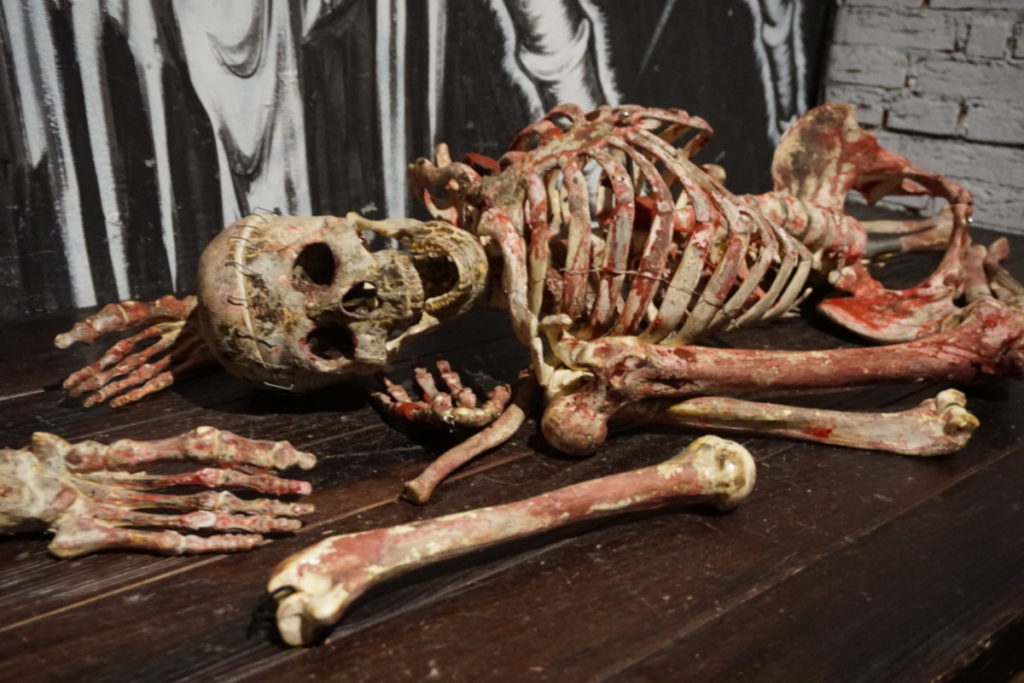
This is what happens if you don’t manage to escape The Curse…
Steampunk Adventure: perhaps this was the most beautiful escape room in Amsterdam
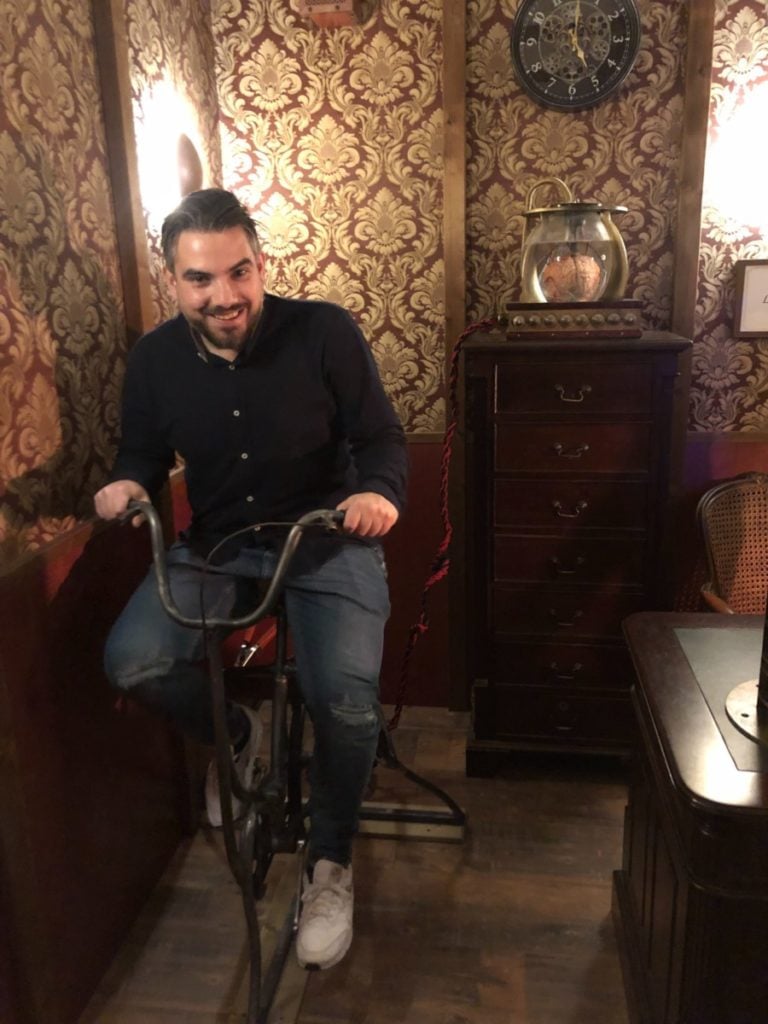
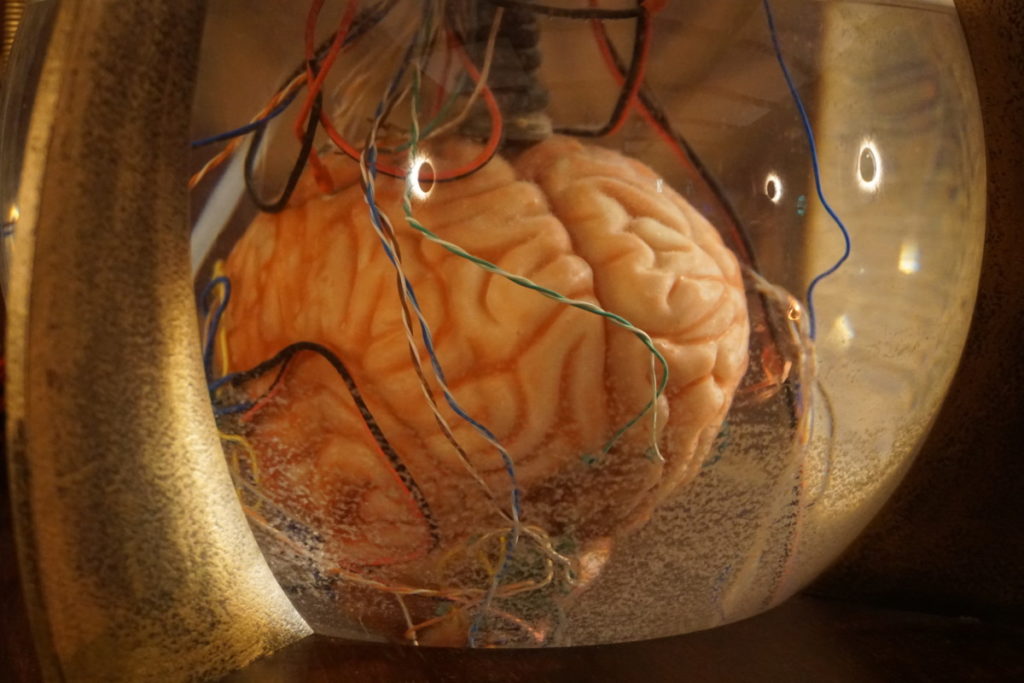
You need to be a little fit for this one! But with all your practice on bikes, you are going to be just fine.Ah, so this is what brain soda would look like…
Welcome to (probably) the most charming escape room in Amsterdam. Do you like novels by Herbert Wells or Jules Verne? The DutchReview team consists of book lovers so this was a truly bewitching universe. You will literally have to piece together the five senses of a nutty but brilliant scientist. Welcome to his newest creation: the Time Machine. Unfortunately, you have not reached the right destination and you find yourself in a parallel dimension: the world of Steampunk. Will you ever be able to get back to your original existence?
This could be part of a movie set… Stunning picture of an old fashioned typewriter. Or perhaps that is just the writer in me!
Set in the 1800s, this was a truly beautiful experience due to the antique-looking furniture and stunning mechanical movements. It was like a moving art installation and an absolute beauty to behold due to its astonishing attention to detail. The story was very original and made us really believe in time travel. Every human sense was explored in our quest to give the insane scientist the gift of immortal life. It can accommodate up to five players and lasts 75 minutes.
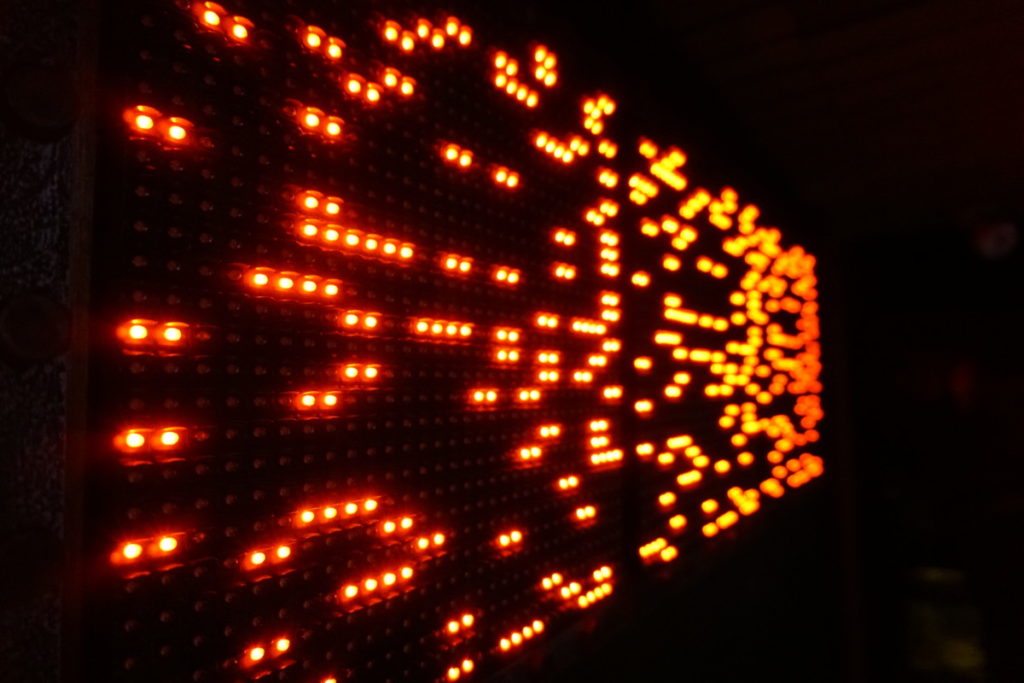
Get ready to get your mind blown in this escape room… The tech is turned into a piece of art.
Virtual Reality Experiences
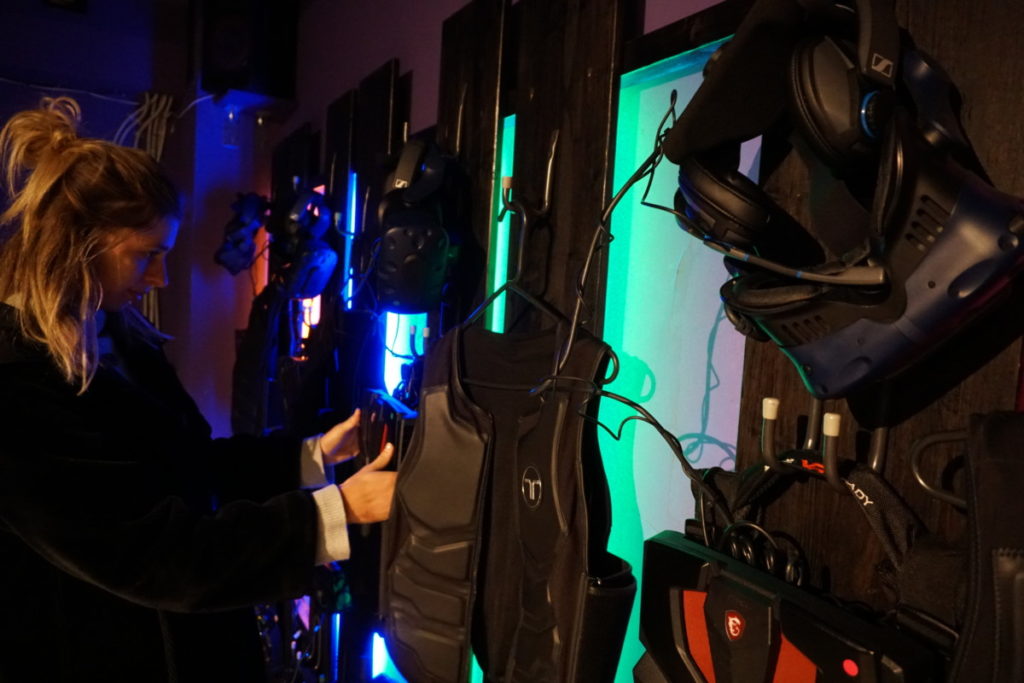
This is not an escape room. This is Free Roam Virtual Reality, a fully immersive and lifelike virtual experience. High-quality image and very stable full-body tracking with the cutting edge HTC Vive equipment is used.
The HTC Vive is a virtual reality headset that utilises “room-scale” tracking technology that allows users to move in a 3D space whilst using motion-tracked handheld controllers to interact with the environment. Special gear is utilised to combine virtual reality and haptic technologies are used to enrich your experience. Sounds awesome? Definitely is, welcome to the future!
My Escape Club has a few games for you and your mates to play, but mowing down zombies is what we all want to do! Everyone dreams of shooting down a bunch of pesky zombies right? Thanks for the idea, Hollywood!
Freya inspects the state-of-the-art tech that will help her annihilate some pesky zombies!
Zombie Warriors
This is not for the faint of heart and is even more frightening than The Curse experience (but also more awesome!). If you can handle it, it is a perfect Halloween or birthday idea or otherwise also.
In “Zombie Warriors”, your friends and you will fight the zombies in a carefully created post-apocalypse setting. You are not just communicating with your teammates, you can heal other players and you can shoot them (virtually, of course). You can also feel zombies touching you due to the high tech full-body gear. Can you believe it? Also, watch out for the dark surprise halfway through the game.
It is recommended to do this in small groups of 2 or 3 and it lasts 45 minutes. The state-of-the-art full-body gear allows you to feel the bullets during the game. Your teammates can also heal you by tapping on your shoulder. This innovative technology enables you to have a truly immersive experience. This is also great for companies that want a team-building experience based on trust (and yeah, killing zombies!)
What is the fastest time on record for the completion of an escape room?
A team of five once only took 35 minutes. However, one of the members had experience in over 300 escape rooms (no pressure, though. Ha).
Help me, I’m scared of going to an escape room in Amsterdam!
What if we get stuck?
You will be given the chance to ask for help in every single escape room. Staff will try to not give you direct instructions on the following steps. They will attempt to provide you with clues instead to show you the right way forward.
Can I do this if I am not a great problem solver?
No specific knowledge is required, just read the information they will send you after the booking or immediately prior to the game start. Make sure you wear comfortable clothing and shoes. Occasionally you might need to crawl, jump or maybe dance.
Can I bring kids or is it a danger zone?
More information is provided for people that tend to worry (like me) click here.
Who came up with this sensational Escape Room Club in Amsterdam?
Sergei and his partners, who have already built loads of other escape rooms, love this field and created these spine-tingling escape rooms in Amsterdam.
If you haven’t heard, escape rooms by different companies have a huge and enthusiastic following all over the world. There is even a movie about it!
Excited about visiting these escape rooms in Amsterdam?
We are sure that you can’t wait to try these experiences now. It is important to warn the staff if you have any pre-existing health conditions. And no alcohol beforehand, although you can definitely drink some afterward. The endorphins rushing through you prior to your night out will definitely add a kick to your evening.
Every escape room is best played in comfortable clothes and no high heels. If you are pregnant or have any symptoms like panic attacks, claustrophobia, epilepsy, etc., please inform them before the game. They offer to adapt your session to exclude special effects which can result in any discomfort. How thoughtful!
To book an experience and for more information on the pricing, click here. (They will give you a 10% discount in case you have a birthday or you can present a valid student ID.)
Opening Times:
Monday to Friday (12:00 – 22:00)
Saturday to Sunday (11:00 – 23:00).
Have you ever been to an escape room in Amsterdam or elsewhere before? How did it feel? Let us know in the comments below!
In Amsterdam, sixteen primary schools will be closed for five days in the week of the 9th of December. And, following a one day strike at the beginning of this month, primary and secondary school teachers will strike again in January- this time for two days.
The two strikes are taking place for related, but different reasons. The primary school teachers in Amsterdam are striking to draw attention to an extreme shortage of staff. The general teachers’ strike in January will be to protest against a lack of long-term, sustained funding for education by the Dutch government.
Amsterdam schools missing twenty members of staff
In Amsterdam, the closure of these sixteen schools means that 4500 children will not be able to go to school for the week. All of the schools belong to the Western Garden Cities Foundation, which started the year with 13 teaching positions open, and currently is looking for twenty full time staff. The schools say they need this week to figure out how to deal with the staff shortage.
January general teachers’ strike
The general strike was announced by the teachers’ union AOb this morning following an internal survey of its 6000 members, 90 percent of which indicated that they wanted to strike again. The strike is taking place because teachers feel that structural funding for education from the government is absent.
Teachers want long term funding
It is as yet unclear whether other teachers’ unions will join the strike, which will take place on the 30th and 31st of January. AOb Chairman Stolk says he hopes they will join, as took place last time, on the 6th of November. The reason for the strike is the same as last time: the government’s offer of a one-time grant of 460 million euros is not acceptable to the teachers, who want long term and continual increased funding for the sector.
Confusion around previous strike
The last strike took place amidst considerable confusion, as AOb called off the strike only the day before. The union initially wanted to accept the offer of 460 million euros, but most of its members wanted the strike to go ahead- which it eventually did. Over 3500 schools closed on the 6th of November.
Education minister: considerable money already earmarked for education
Minister Slob has said that while everyone is entitled to express their views and strike if they want to, teachers should bear in mind that substantial money has been made available by the government for salary increases and reducing work pressure.