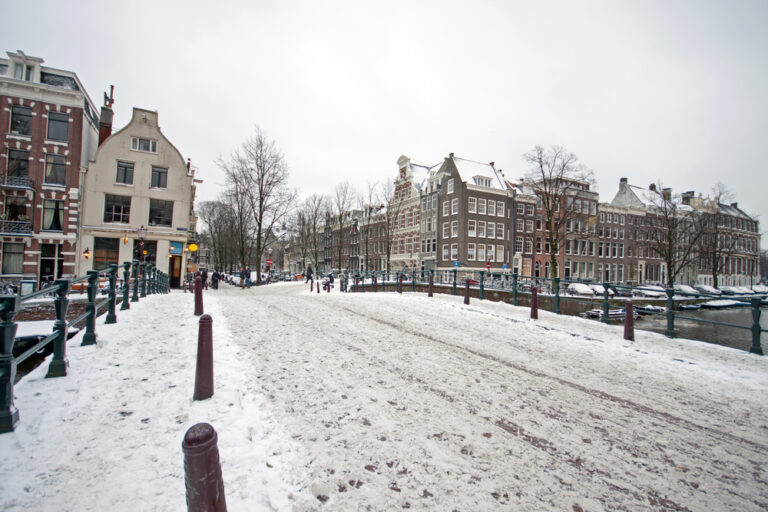
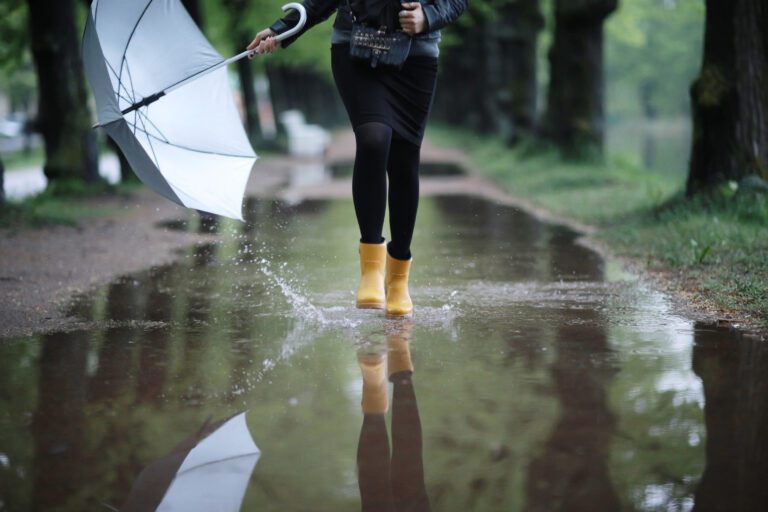
Many of us woke up this morning to a light sprinkling of snow outside. Your inner child is probably jumping with joy, and your inner grinch is probably grumbling — but we have good news (for your inner child)!
This likely isn’t the last you’ve seen of the snow this week.
According to NU.nl, while we may have to wave goodbye to the snow for a little while during the day as it melts in the sun, it will likely be back by the evening.
Frosty conditions
Much like your spirit might be feeling a bit frosty at the thought of a wet and cold commute, the weather will also remain frosty, with temperatures between 1 and 5 degrees.
While there will be periods of sunshine, these bitter temperatures will also allow for the occasional hail or snow shower (fingers crossed for snow).
Wintery showers along the coast
Experts predict that those of us living along the coast are most likely to enjoy some winter showers this evening. Not only that, but temperatures will actually drop below zero — lucky ducks… or not.
These cold conditions will continue into Thursday, however, there is hope of sunshine breaking through after a freezing morning.
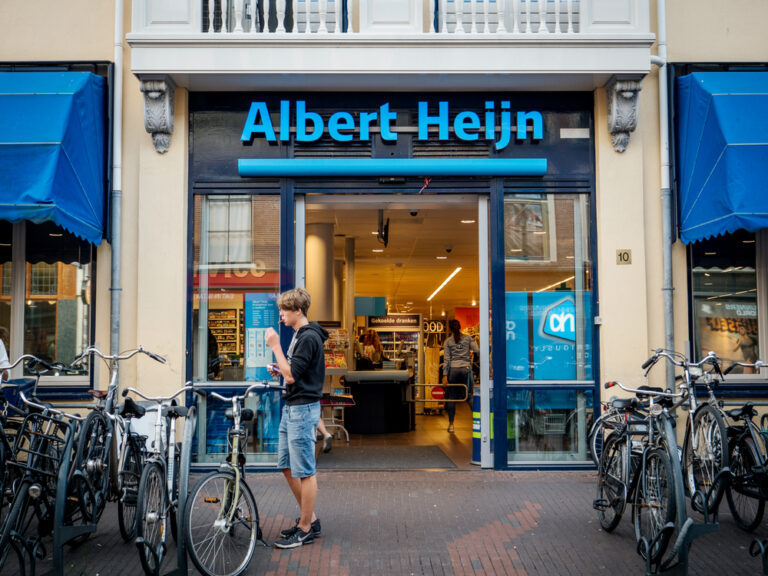
Nowadays, we all probably catch our breath a bit after seeing the price of a product pop up on Albert Heijn’s self-scan screen. After all, inflation still hits hard.
But even inflation can’t explain one customer’s bill.
In a literal manifestation of how expensive it feels to treat yourself nowadays, the customer was faced with a total of €447.78 for *drum roll, please*
Two filled cookies.
The user took to Reddit to share their expensive treat.
According to the user, after scanning their pack of two cookies, the scanner let out an almighty noise before displaying that it would be €447.78 for the 759 cookies they apparently just scanned.
Reddit was quick to give some advice, with users responding with the following helpful comments:
“Ask for help” — yes, thank you.
“Well, that’s a nice amount of stamps” — a very Dutch response indeed. At least they’ll probably get a decent pan out of it!
“It clearly says that you scanned 759 cookies. You don’t think that we’re crazy here, do you?” — Yes, because clearly, this person had the manpower and time to scan 759 cookies at a self-scan machine.
Another user is quick to point out something very important — “It also says to scan your bonus card for more benefits.” However, the OP let them know that the filled cookies were actually not in the bonus that week. 🥲
Stay awake while scanning
The OP explains that the cookies were, in fact, not filled with gold. After trying again, the cookies were once again more reasonably priced, and the guilt trip was over.
OP ends this fable with a word of warning “Always stay awake at the Appie [Albert Heijn].”
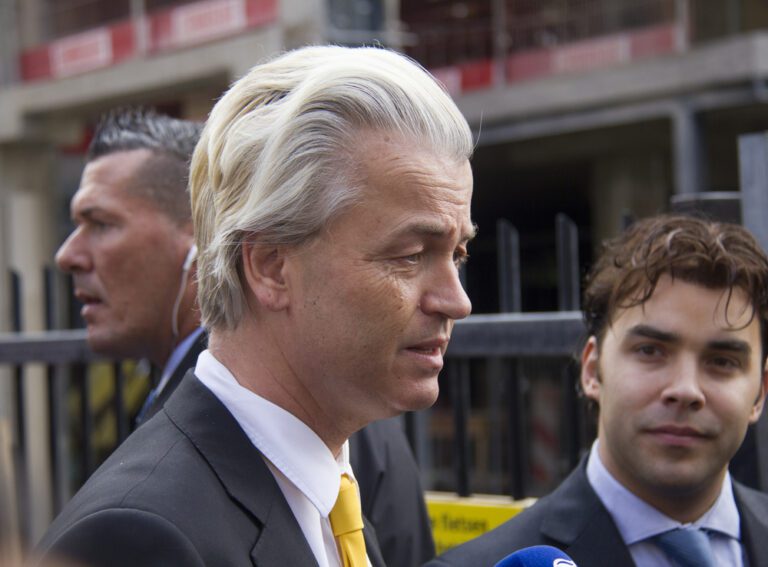
Geert Wilders’ attempts to form a new coalition and cabinet are off to a rocky start, as hischief scoutcalled it quits on Monday.
The PVV’s (Party for Freedom) Gom van Strien, Wilder’s chosen scout, is accused of fraud by his former employer.
While he denies the allegations, Strien, Wilders, and the chairman of the House of Representatives decided that he should resign as the PVV scout, reports RTL Nieuws.
What is a scout? After elections in the Netherlands, the party that wins the most number of seats elects a ‘scout’, who goes into negotiations and talks with the other parties to try and form a cabinet and coalition.
Coalition and cabinet consequences
Or rather, the lack of consequences.
Despite the less-than-ideal start to forming a government post-elections, the news of Van Strien’s departure won’t affect the talks between PVV and the other parties too heavily — it will just delay them.
In his place, Wilders has nominated Ronald Plasterk, former Minister of Education and Minister of Interior for the Labour Party (PvdA), to become the new scout for a PVV government.
So, what happened?
Utrecht Holdings is a company linked to Utrecht University and UMC Utrecht, setting up companies to bring university research into the market. Profits flow back to the university and medical centre — sounds nice, right?
Well, the company made several complaints about “scams and bribery in connection with share transactions between two former Utrecht Holdings employees between 2006 and 2018”.
Apparently, Van Strien, who was company director until 2009, and his successor manipulated shares by transferring them to an external company, in which their wives and friends owned significant shares.
Estimates by another RTL Nieuws report say he could have earned up to €2 million between those years.
How do you think the government talks will go? Tell us your thoughts in the comments!
The fireworks often start six weeks before New Year’s Eve and continue every night, putting animals in constant states of stress and causing disturbances.
Far worse, however, is the damage and injuries. In recent years, we’ve seen:
Big changes are coming to healthcare in the Netherlands, and there are a lot of factors to keep in mind when comparing health insurance plans.
With the January 1 deadline to change your policy or provider fast approaching, you need to strongly consider if you have the best plan for you.
Whether you need to refresh your health insurance (zorgverzekering) or are looking for a way to save a bit of cash, these steps will help you choose your 2024 Dutch health insurance plan.
Check how much health insurance premiums are increasing in the Netherlands
First, it’s important to check the basic premiums for health insurance with your current health insurance provider and compare these with other providers.
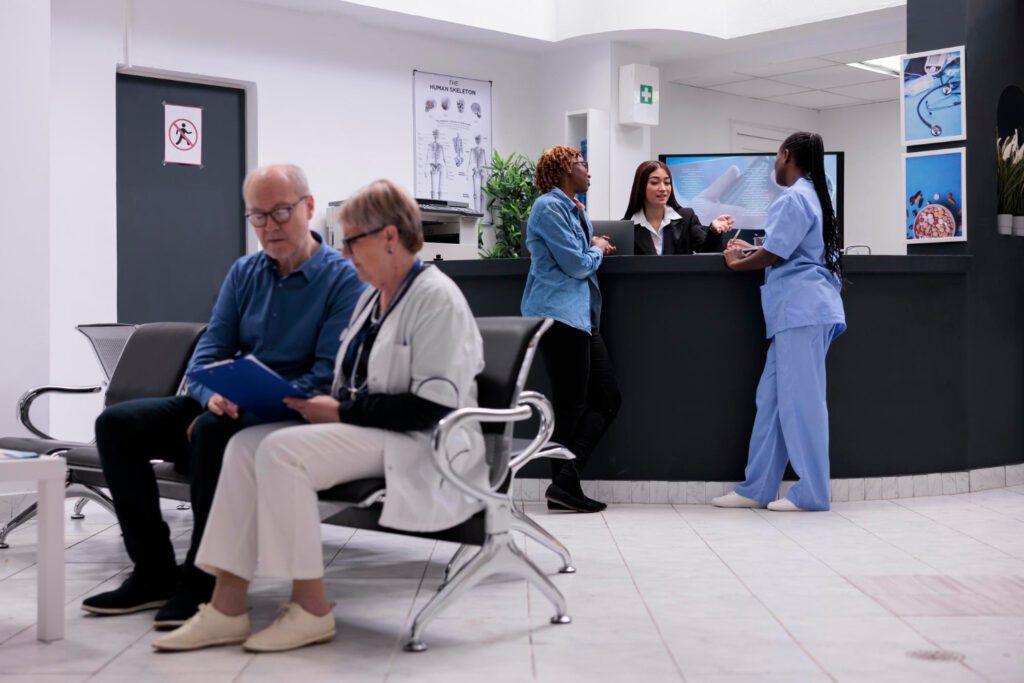
Make sure to research health insurance plans that best suit your needs. Image: Depositphotos
Come January 1, the four largest health insurance companies (CZ, Menzis, VGZ, and Zilveren Kruis) are increasing their basic monthly premium, reports RTL Nieuws.
CZ: from €138.25 euro to €145.85
Menzis: from €141.25 euro to €146.75
VGZ: from €141.95 euro to €146.95
Zilveren Kruis: €138.95 euro to €147.45
You may find that another provider can offer you more bang for your buck! One thing is certain — health insurance companies have increased their premiums for 2024.
Keep tabs on your basic health insurance premiums. Image: Freepik
It’s also worth noting that in addition to the increase in health insurance premiums in the Netherlands on January 1, the maximum amount of healthcare allowance (zorgtoeslag) you can receive in the Netherlands is also decreasing.
Depending on your income, you can only receive a maximum of €127 per month in healthcare allowance in 2024, instead of a maximum of €154 per month in 2023.
Confirm the reimbursement policies of your provider
When choosing a health insurance plan or changing to a new healthcare provider, it’s also important to check the reimbursement policies of your health insurance provider.
Reimbursement policies relate to specialist healthcare and your coverage at different hospitals in the Netherlands.
Check which specialists and healthcare providers are covered by the insurance companies
Helaas, three of the largest health insurance companies (VGZ, CZ, and Zilveren Kruis) have announced that they won’t fully reimburse care from healthcare providers that don’t have a contract with the insurer, the NRC reports.
Getting specialist care like therapy may come with extra costs. Image: Freepik
This means health insurance companies will only reimburse someone’s costs to see a mental healthcare specialist or a physiotherapist if that specialist has a contract with the insurer.
This means you should be extra vigilant and double-check that, for example, the costs for your therapist will still be covered under insurance.
Not covered? It’s time to compare health insurance plans to find a policy and provider that suits your personal situation.
Find out which providers reimburse costs at your local hospitals
Most health insurance providers make it clear in advance that you can visit any hospital in the Netherlands, and your health insurance will reimburse any costs.
Most insurance companies reimburse any costs at a hospital in the Netherlands. Image: Freepik
For example, if you’re insured by CZ, Menzis, OHRA, and a.s.r., they will cover the cost of visits to any hospital in the Netherlands.
On the other hand, if you’re insured by Interpolis, Just, ZieZo, or Univé, there’s a possibility you’ll have to pay for specialist care from your own pocket if the hospital does not have a contract with the insurer.
There are a few exceptions where healthcare costs are fully reimbursed in every hospital, regardless of your insurance:
Going to the emergency room
Healthcare for children under 18
Hospital care for pregnancy
Treatments you can only receive at certain hospitals
For a rundown of which providers cover what, you can compare health insurance plans.
Decide if you need dental, vision, and specialist care
On top of monthly premiums, you’ll have to take out extra insurance for any dentist or eye doctor appointments and any other specialist care you want to have.
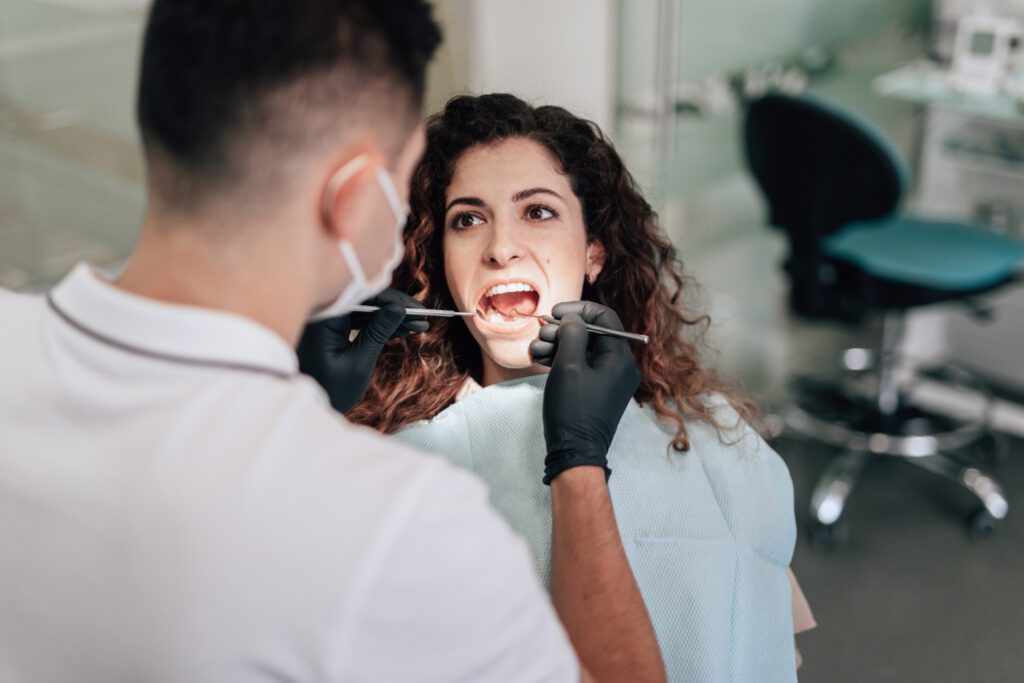
Dental premiums usually have to be taken out on top of normal health insurance. Image: Freepik
Other healthcare like physiotherapy, cosmetic procedures, and mental healthcare aren’t typically covered in basic packages, and you also may have to join a waitlist to receive specialist healthcare.
2024 is coming in hot with many changes to the healthcare system and health insurance plan. It’s time to make sure your healthcare plan continues to serve you in the new year.
All health insurance companies have announced new policies, packages, and costs, so there are three main dates to keep in mind for the healthcare changes in the Netherlands:
November 13, 2023: You can start comparing health insurance plans in the Netherlands
December 31, 2023: This is the last day to cancel your old health insurance plan in the Netherlands
January 31, 2024: This is the last day you can take out a new health insurance plan in the Netherlands.
Have you sorted your health insurance for 2024? Tell us about your experiences in the comments!
Three Dutch cities have made the top 50 in a new ranking of the best student cities in the world published by The Campus Advisor.
Choosing a university to study at is more than just the university itself. It’s also about the experiences you’ll have in the new city you’ll call home.
After all, if you want to get more out of student life, you need a city with a thriving cultural scene, awesome people from all over the world — and affordable housing is just the cherry on top.
So drumroll please: is it Leiden? Amsterdam? The Hague? Place your bets, readers.
Utrecht (#40)
Coming in at 40th place on the list is…Utrecht! Firstly, I am biased because this is the charming student city where I studied, but luckily I didn’t write the study (or Utrecht would be at #1).
Utrecht snagged itself an overall score of 3.94 out of 5, ranking especially high for student friendliness (it’s all those beers, we swear) and safety.
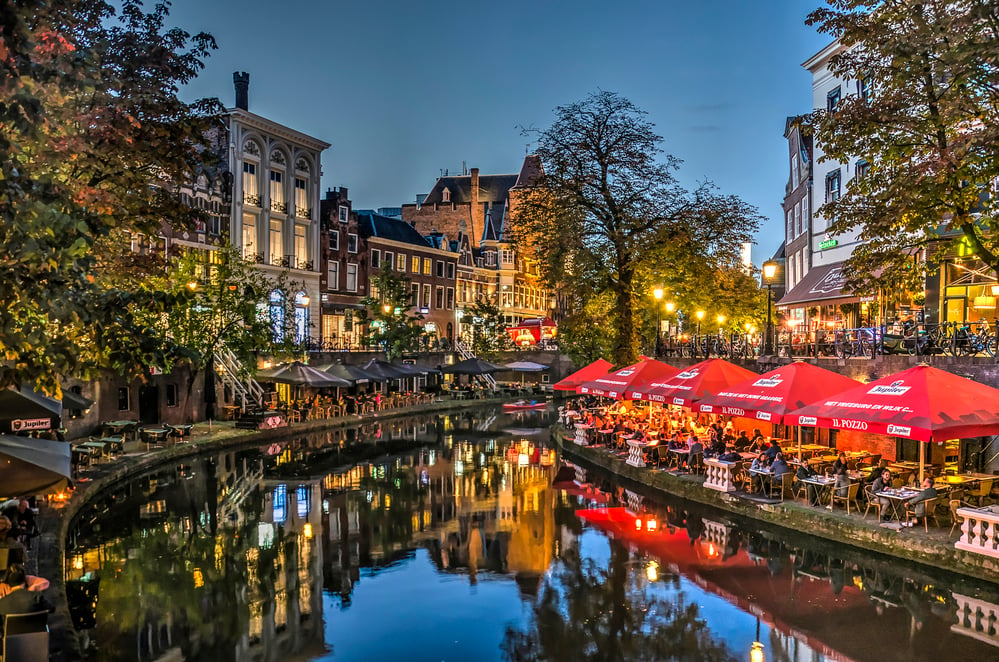
Utrecht is particularly picturesque thanks to the terraces next to the water. Image: Depositphotos
Highlights of Utrecht by voters included the ease of speaking English, the biking culture, and the green environment.
“One of my favourites from the Netherlands. Especially for students. Many places to eat and have fun, but also many places to visit. Great parks with a lot of green, too,” remarked one respondent.
Amsterdam (#28)
Naturally, the Dutch capital made the list, with thousands of international students flocking there every year.
Amsterdam ended with a score of 4.14 out of 5, making it #28 on the list.
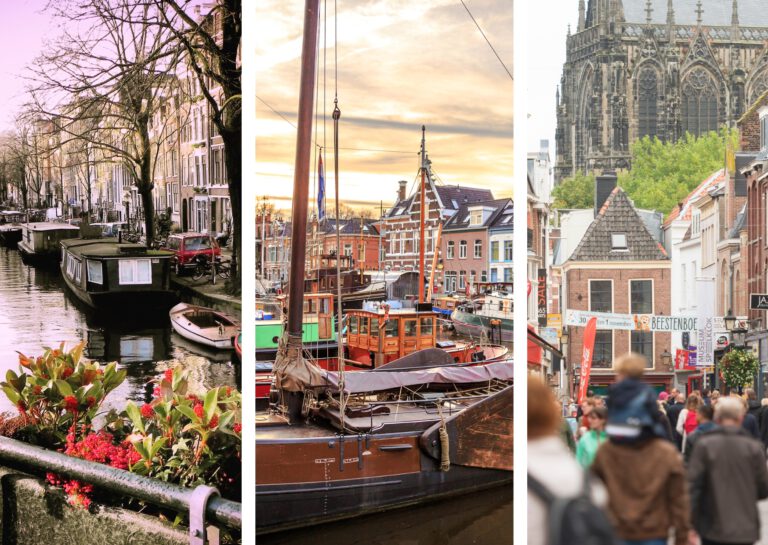
Name a more iconic Dutch city, we’ll wait. Image: Freepik
The nightlife was its winning factor (nothing better than a bit of the Red Light District after studying), but also for student friendliness, safety, and public transport.
As one of the respondents said, “Perfect city for international students, always something to do whether you are up for a cultural activity, going out for dinner or drinks, just walking around the canals”.
Groningen (#23)
And finally, the top-ranked Dutch city was none other than our friends in the north: Groningen!
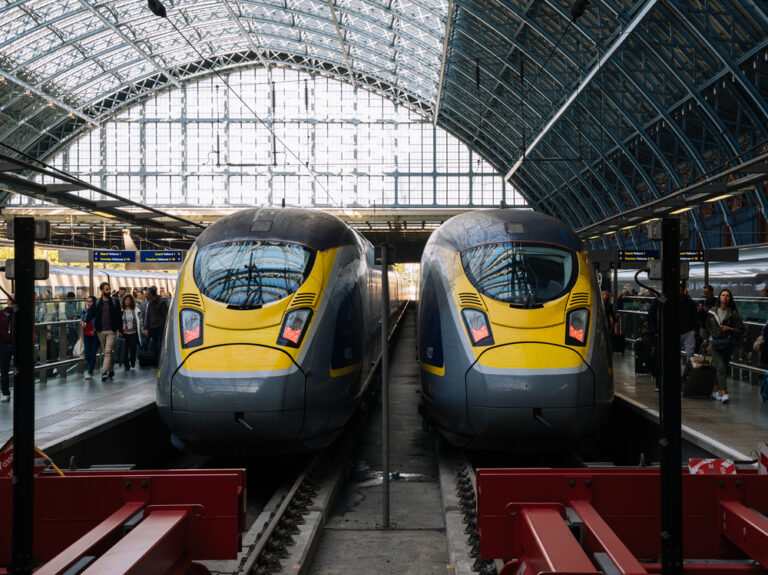
From June 2024, thebeloved Eurostar train line won’t run from the Netherlands to London for six months.
However, it will remain possible to take the train from London to the Netherlands.
Why? Well, a tricky thing called “passport control”.
The building that contains passport control at Amsterdam Central Station needs to be relocated during renovations — and can only be reopened in a new location in December 2024, reports the NOS.
When travelling from London to the Netherlands, the passport checks are completed in the UK — so that trip is safe (for now).
Logistical hiccups
That explains why it can’t leave from Amsterdam — but why can’t it continue running between Rotterdam and London?
Well, Rotterdam only has space for 150 passengers at passport control, which would leave up to 750 empty seats until the train reaches Brussels.
According to the company, that’s just not profitable.
Instead, travellers in the Netherlands who want to take the train to London will have to travel to Brussels first.
Research and criticisms
It was already announced that the Eurostar train line between London and the Netherlands could come to a halt for up to a year.
The NS, ProRail, and the Dutch Ministry of Infrastructure & Water Management conducted extra research to try and solve the problem.
Helaas, no solution was found to keep trains running while Amsterdam’s station is under construction.
Mystery hit Dutch shores on Friday, October 6, when washed-up body parts appeared on a beach.Now, more details are being unravelled.
Beach-goers on the Dutch island of Texel likely had the shock of their lives last month when a man’s foot and a section of a lower torso washed up on the sand.
Research conducted by the Dutch police and Forensic Institute has since uncovered more clues to the crime, states RTL Nieuws.
Not one man, but two
It’s now confirmed that the body parts belonged to two different men (not one, as was originally thought). A DNA profile was done on one of the men but turned up no hits on a missing persons database.
Further research to determine where the men likely came from will take several months.
The men’s remains have now been buried in anonymous graves on the island.
Get ready for miserable weather: rain, strong winds, and wet snow and hail are on the cards, and a Code Yellow weather warning has been called for the north and west.
What a beautiful range the Netherlands is showing us!
In between all that horrid weather, we might occasionally see that big ball of fire we call the sun.
However, as NU.nl writes, “Maar echt lekker is het niet” (But it’s not really tasty). Despite the sun, the wind will make it feel colder than Geert Wilder’s approach to refugees.
Code Yellow
Meanwhile, if you’re in the north or west of the Netherlands, batten down the hatches: a Code Yellow is in force due to heavy gusts of wind.
That wind will be felt throughout the country, with gusts of up to 75 kilometres per hour expected.
If you’re on the coast, that can go to 90 kilometres per hour, with the north coast seeing gusts of up to 110.
Will the weather impact your weekend plans? Tell us in the comments below!
Come December, many countries celebrate their traditions. The French have Papa Noël with their helper rats, and Americans have Santa with his elves. The Dutch? They have Sinterklaas with Zwarte Piet(Black Pete), and it’s a controversial topic.
The Dutch have long since been known to carry on this tradition through the years.
But in recent years, the infamous Christmas character with its black-painted skin, afro wig, red lips, and golden earrings has done more harm than good to the land of tall people.
If you’re unfamiliar with the story, it follows the Dutch Saint Nicholas, Sinterklaas, and his mischievous sidekick, Zwarte Piet or “Black Pete”.
The two characters arrive in the Netherlands from Spain every year and are greeted with a huge parade where they dole out some sweets and gifts to little children on December 5.
The Dutch now religiously celebrate Sinterklaas by parading Dutch cities dressed up as the Zwarte Pieten.
However, what once was a treasured tradition for the Dutch, has now become a never-ending debate on whether Zwarte Piet alludes to the notorious and racist act of blackface.
And it’s quite understandable. The idea of Santa’s little helpers climbing down a chimney in blackface doesn’t quite come across as morally just to an outsider. 😐
Why do they do it?
Many Dutch people grew up with the tradition of Sinterklaas. It was something that every kid would be extremely excited about when December came around the corner.
Naturally, the Dutch will do anything to defend a tradition that brings some good childhood memories.
The most common argument you’ll probably come across is that Zwarte Piet is black because of the ash from going down the chimney. As if chimney soot can give someone big red lips and an afro wig?
Some people may tell you one too many times that Zwarte Piet is known to be this jolly, kind, and entertaining companion. These are all good qualities to have so, how can that be racist? Right? 🧐
Well, as an international arriving in the Netherlands around Christmas time all jetlagged from the flight, imagine seeing a white person walking around town painted in black. Echt bizar! 😳
Why is it quirky?
The Netherlands is widely known to be diverse with people from many different ethnic backgrounds playing a vital role in the country’s cultural liberalism.
So, on a topic as controversial as Zwarte Piet which raises questions about its connection to slavery, there’s bound to be some disagreeing going on between those that live in this tiny country.
Zwarte Piet only really came under major fire in the early 2010s when international media outlets started picking up on the story.
While it’s always a bit innocent to have a good internet quarrel over it, there have also been Nederlanders who protest Zwarte Piet during the parades every year, giving rise to some serious and violent disruptions from white supremacists in those years.
Should you join in?
We live in an evolving world where many controversial things are just not acceptable anymore. There’s a growing group of people who believe that Zwarte Piet should really just vanish.
But the good news is that the Dutch have heard peoples’ wishes and the appearance of Zwarte Piet is slowly changing to look… a little less racist, let’s say. 😬
However, just to be on the safe side, we recommend not allowing Piet costumes at your next annual holiday party.
What do you think of this Dutch quirk? Have you experienced it? Tell us in the comments below!
This article was originally published in June 2022, and was fully updated in November 2023 for your reading pleasure.