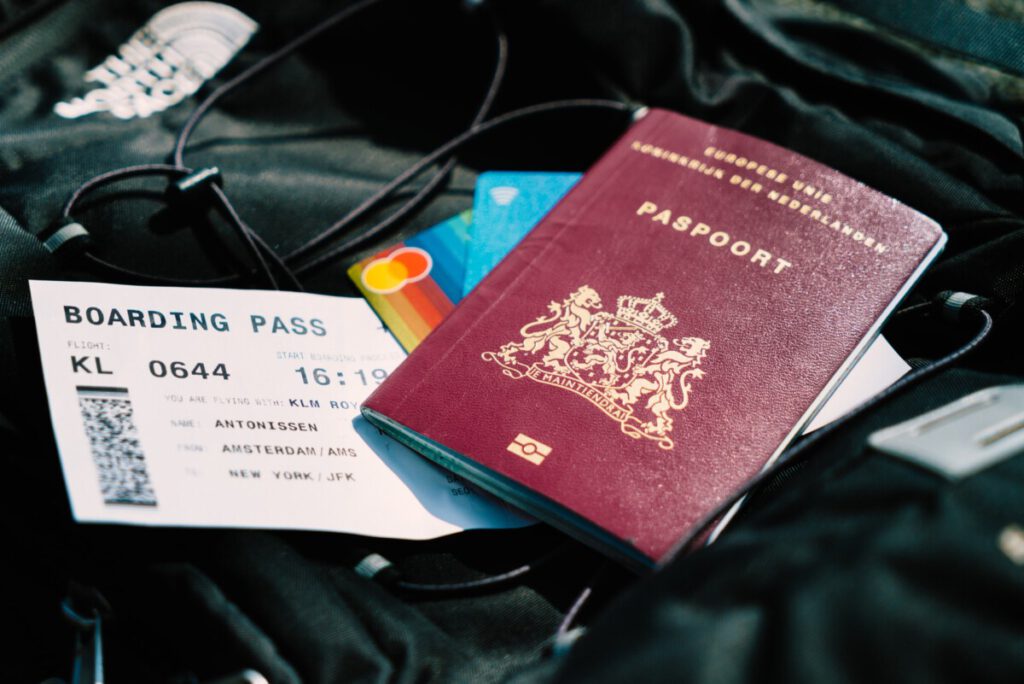
Your passport isn’t the only travel document you’ll need. Image: Unsplash
So, before you head out the door, make sure to take Dutch bureaucracy into account.
Keeping all the required additional documents in your travel wallet can save you plenty of time and hassle at border control.
What documents do you need?
No official global form exists, and the rules and regulations may differ slightly between countries. It’s best to check which documents the consulate of your destination country requires.
Here in the Netherlands, the Dutch government has made it slightly easier. On the government’s official website, you can download a consent letter.
I would strongly advise having a consent letter for every trip, which includes the correct dates, rather than repurposing the same letter.
Luckily, the government website offers you a downloadable template you can use as a consent letter. Image: Freepik
The Ministry of Defence website provides more information about travelling alone with children under 18.
In short, apart from your passports, you may be asked to produce these documents:
A consent letter signed by the other custodial parent
A copy of the other custodial parent’s passport
It is always handy to show a return ticket for the child, if applicable.
Depending on your relationship status (if separated or divorced) and custody agreements, you may also be asked to supply recently issued documents such as:
You will also be asked to provide all addresses where the children will stay while abroad.
No matter where you’re off to, be prepared
When travelling from the Netherlands, in Europe or the Schengen area, it is unlikely that these documents will be checked due to the lack of border controls.
However, as you are required to travel with these documents for any international travel, it is best to keep them on hand.
Your safest bet is to be fully prepared before you travel! Image: Freepik
If you raced out of the house desperate for that well-deserved family vacation and forgot these documents, don’t fret!
It may take more time and will undoubtedly cause heart palpitations; however, the standard procedure is for the passport control officer to verify your custodian status through the Parental Responsibility Register.
They will also contact the other parent to confirm permission.
For all those new parents out there who are counting down the days for the next family holiday, make sure not to forget the practicalities in the rush.
Did you know about these important documents when flying solo with the kids? Tell us your thoughts in the comments below!
Payment system iDEAL is being replaced by Wero, and Dutch businesses have until the end of 2027 to make the switch.
The migration started in January 2026, with an earmarked date of December 2027 to fully complete the transition from iDEAL. If you’re a freelancer or business owner in the Netherlands, the switch to Wero is key.
Here’s what’s actually changing, and what you and your business need to do about it.
What are iDEAL and Wero?
iDEAL is the bank-to-bank payment system that has dominated e-commerce in the Netherlands since 2005. When a customer pays through iDEAL, money moves directly from their Dutch bank account to yours.
However, the catch is that it only works in the Netherlands. In other words, neither a French customer nor a German customer can pay you with iDEAL. That’s the problem Wero is built to solve.
Wero (short for “We Euro”) is a pan-European payment system developed by the European Payments Initiative (EPI), which is a consortium of 16 major European banks, including ABN AMRO, ING, and Rabobank.
Irrespective of where they live in the EU, your customers can pay you with Wero. Image: Magnific
It operates the same way iDEAL does, with direct bank-to-bank transfers via SEPA Instant Credit Transfers. The main upgrade? It works across borders, too — allowing all your customers within the EU to pay you easily.
In addition to this, Wero is explicitly designed to reduce Europe’s dependence on Visa, Mastercard, and PayPal.
This is because most online payments in Europe flow through American networks (such as the aforementioned American card networks), which take a fee on every transaction. Wero cuts them out entirely, moving money directly between European bank accounts instead.
While your online checkout transitions to Wero, don’t overlook your in-person payments. Revolut Business makes accepting contactless and mobile wallet payments seamless, making accounting a breeze.
While Dutch customers can quickly and seamlessly pay Dutch businesses, iDEAL has severe limitations for customers elsewhere in the EU.
If your company has ever had to offer multiple payment methods just to cover European buyers, this is exactly why.
Thanks to Wero, European customers can now pay Dutch businesses seamlessly. Image: Freepik
But the Netherlands isn’t alone in this struggle. Belgium, France, and Germany each built their own local payment systems, none of which worked across borders. Now, Wero replaces all of them with a single pan-European solution.
What changes for your business (and what doesn’t)
If you run a business or sole tradership (eenmanszaak) in the Netherlands, the good news is that you’re unlikely to notice any major changes until 2027.
Here’s what stays the same with Wero
You don’t have to create your payment account from scratch.
According to Wero, you can integrate the system through your existing payment service provider (PSP), which will handle the onboarding and setup on your behalf.
So, if you’re on Stripe, Mollie, or Adyen, you probably won’t need to do anything technical at all. These PSPs are building Wero support directly into their existing dashboards and APIs, so iDEAL will be replaced automatically.
And if you take subscription payments, your recurring charges are safe. iDEAL is only ever involved in the initial sign-up, which is the moment a customer authorises a SEPA Direct Debit.
Everything after that runs on SEPA Direct Debit, which isn’t affected by any of this.
Here’s what changes with Wero
As of 2026, the biggest change for Dutch merchants is how chargebacks are handled.
Under iDEAL, a completed payment is final, and there’s no mechanism for a customer to contest it.
However, according to the EPI, Wero will introduce a formal dispute process. This means that if something goes wrong with an order or service, customers can contact you directly through their banking app, and Wero facilitates the resolution.
Unlike iDEAL, Wero plans to introduce a formal dispute process. Image: Magnific
Beyond disputes, Wero will introduce new payment capabilities that iDEAL has never offered. The system is being built to support subscriptions, pay-on-delivery, and in-store payments — all through the same integration
In addition to this, Wero charges a small percentage fee per transaction. For the full pricing details, contact your PSP; Wero has published a list of partner PSPs if you need to find yours.
The good news? There’s a maximum fee per transaction, so even on a large payment, you won’t pay more than a set ceiling.
Managing payments across borders may have just got more complex, but Revolut Business keeps the rest of your finances simple. Send and receive money in 25+ currencies, pay international suppliers without hidden fees, and manage your entire business account from one app.
What do Dutch businesses need to do right now?
As the migration to Wero is already underway, there are a few steps you’ll need to take right now to avoid a rush when your PSP sends a reminder.
Here’s what to prioritise:
Update your site with the new logo: Replace all iDEAL branding with the combined iDEAL | Wero logo across your webshop, payment pages, apps, and any customer-facing emails, if you haven’t already.
Build a dispute process: As Wero has introduced purchase protection, customers can raise issues with an order through their banking app. You’ll want to set up some internal procedures before that happens (such as how you document fulfilment, who handles escalations, and how you respond).
Always double-check with your PSP or bank: Ask them directly how they’re handling the Wero rollout for your account, and when any action is required on your side. Don’t assume everything is automatic, as electronic processes can fail and emails can bounce.
Tell your customers nothing has changed for them:According to NOS, scammers will try to exploit the transition with fake messages telling customers to update their payment details. A short, clear note from you (for example, “you don’t need to do anything, and we’ll never ask you to update your banking details by email”) gets ahead of any confusion.
The EU switch from iDEAL to Wero: Frequently asked questions
What is Wero, and how does it work?
Wero is a pan-European payment system built by the European Payments Initiative, a consortium of 16 major European banks and payment providers.
It transfers money directly between bank accounts using SEPA Instant Credit Transfers. While this is the same underlying mechanism as iDEAL, Wero is also designed to work across Belgium, France, Germany, and the rest of the EU.
When is iDEAL being replaced by Wero in the Netherlands?
The transition from iDEAL to Wero is already underway.
The combined iDEAL | Wero logo has been at Dutch checkouts since January 2026, with live Wero payments starting March 31, 2026. Meanwhile, the full merchant rollout begins in the fourth quarter of 2026, with iDEAL to be officially decommissioned on December 31, 2027.
Do Dutch webshops need to do anything to prepare for Wero?
Yes, you’ll need to update your iDEAL logo to the combined iDEAL | Wero branding if you haven’t already.
Once that’s done and dusted, you’ll need to confirm the migration timeline with your PSP or bank. After that, it’s a good idea to build internal procedures for handling purchase disputes, which is something Dutch merchants haven’t had to deal with under iDEAL.
Will Wero cost more than iDEAL for Dutch businesses?
Wero will charge a small percentage fee per transaction, with a maximum fee per transaction.
Does Wero work for subscription businesses?
Yes, according to Wero, the system is built to support subscription payments alongside single immediate payments and pay-on-delivery.
The new EU border system is turning passport control at Schiphol into a proper waiting game this summer; if you’re travelling on a non-EU passport, it could add hours to your trip.
Nobody dreams of spending their holiday standing in a queue. Yet that’s exactly what’s on the cards for a lot of travellers passing through Amsterdam this summer.
The culprit is a new European border control system that’s being rolled out. It’s already causing delays across the continent, and Schiphol, one of Europe’s busiest transfer hubs, is really feeling the squeeze.
So, what actually is this new system?
It’s called the Entry/Exit System, or EES for short. You can think of it as a digital replacement for your old passport stamps.
If you arrive with a non-EU passport, you now get registered in an EU-wide database. This involves logging your passport details, your face, and biometric information like your fingerprints.
The system became mandatory on April 10, 2026. The good news? Once you’re registered, your details are stored for up to three years, so future trips should be quicker.
Current trips, however, are an entirely different story.
Why is the EES causing such long queues?
You can blame it on the rollout. Registering someone for the first time takes a few minutes, and when several long-haul flights land at once, those minutes stack up into serious queues.
Schiphol has tried to get ahead of it, installing 161 self-service kiosks, adding extra Marechaussee desks, and deploying more staff to help travellers through.
However, the airport can only do so much.
Europe’s airport and airline bodies, ACI EUROPE, Airlines for Europe, and airline group IATA, have already sounded the alarm. In a joint letter to the European Commission, they warned that waiting times for EES registration had already reached up to two hours in some places.
At peak times, they said, waiting times could even stretch to four hours or more.
They pointed to three culprits: not enough border staff, ongoing technical faults (especially with the automated e-gates), and hardly anyone using the EU’s pre-registration app that’s meant to speed things along.
Right, but what does this mean for me?
That depends on your passport. Let’s break it down:
If you have a non-EU passport, you’ll go through the EES kiosk step on arrival. Follow the non-EU signage because it directs you there automatically. Expect this to take longer than the old stamp-and-go days, especially during arrival rush.
If you have an EU or Dutch passport, the good news is that nothing changes. You can skip the kiosks entirely and use the eGates as usual (as long as you’re over 14).
However, EU and Dutch travellers aren’t entirely in the clear, either. When the system gets clogged, staff sometimes get pulled over to help at the non-EU kiosks, which can mean fewer lanes open for everyone.
Couldn’t they just switch the EES off?
That’s exactly what the aviation industry is asking for as a backup plan.
In their letter to Commissioner Magnus Brunner (the EU official in charge of internal affairs and migration), the aviation industry asked Brussels to confirm that countries can partly or fully suspend the EES until the end of October 2026 if queues get out of hand.
Under the current rules, that flexibility risks running out in early July, right as summer travel peaks. The industry says it needs certainty now to plan properly.
Whether Brussels grants that pause is still up in the air. For now, the safest move for travellers is to plan for delays rather than gamble on dodging them.
Are you flying through Schiphol this summer? Have you already pre-registered for EES? Share your experience in the comments below.
From securing a travel visa or ETIAS authorisation to navigating the Dutch transport network, this checklist covers eight handy steps to make your trip to the Netherlands smoother.
From paperwork to trains to the famously blunt locals, a bit of prep now saves you a headache later.
Most of it takes ten minutes, tops. We’ve done the annoying research bit so you don’t have to.
1. Check your Schengen entry requirements
If you’re a non-EU visitor, you’ll need a passport valid for at least three months beyond your departure date from the Schengen area, plus proof you can actually afford to be here.
Depending on your nationality, that might mean applying for a Schengen visa, which typically requires travel insurance covering at least €30,000 in medical costs, according to Netherlands Worldwide, the official Dutch government site.
Right now, visa-exempt travellers (Americans, Canadians, Australians, and others) don’t need anything extra to enter. Enjoy it while it lasts!
Make sure you double-check your visa requirements before booking tickets. Image: Depositphotos
The EU’s new ETIAS (a quick online travel authorisation, basically Europe’s answer to the US’s ESTA) is set to launch in the last quarter of 2026, per the European Commission.
If your trip falls after that, budget a few extra minutes and €20 for the privilege of filling in a form.
2. Opt for a travel eSIM
You land at Schiphol. Your phone can’t find Wi-Fi, and you’re standing in arrivals wondering what currency your roaming charges are about to hit you in. A travel eSIM sidesteps all of that.
Instead of hunting down a Dutch SIM kiosk at the airport or hoping Schiphol’s Wi-Fi holds up, you can just install an eSIM before you even leave home. It activates the second you land, so you’ve got data before your suitcase has even made it onto the belt.
Don’t waste your first hour in the Netherlands hunting for connectivity. With a Holafly eSIM, you land at Schiphol with unlimited data already switched on.
Even better? Plans are fully customisable to match exactly how long you’re staying. Use code DUTCHREVIEW for 5% off your order.
Amsterdam’s biggest museums don’t really do walk-ins anymore, and turning up on a whim gets you a very polite Dutch “no.”
For example, the Anne Frank House releases tickets every Tuesday at 10 AM for slots six weeks out, and they disappear fast, especially between March and October.
Dutch attractions let you buy tickets online, so you can even book your itinerary straight from your mobile phone. Image: Depositphotos
The Van Gogh Museum is online-only too, so don’t bother trying to charm your way past the front desk. While the Rijksmuseum is a little more forgiving, you’ll still need a timed slot either way, so book a few days ahead rather than showing up and hoping.
And if you’re picturing Amsterdam as the only place worth booking a museum visit, think again. Leiden alone packs in 14 excellent museums, and good luck finding a queue there.
4. Look into the Netherlands’ new summer train pass
The Dutch government just launched the Nederland Dal Vrij Trein (“Netherlands off-peak free train”), a temporary €49-per-month pass for unlimited second-class travel outside rush hour and on weekends.
If your trip lands in this window, it’s worth checking before you commit to any other transport plan. Let’s just say €49 for unlimited weekend trains is the kind of deal that makes even the Dutch — a nation not exactly famous for impulsive spending — mildly excited.
5. Get used to Dutch directness
Ask a Dutch person what they think of your outfit, your cooking, or your parking, and they’ll tell you. Not out of malice, just because that’s how conversation tends to work here.
Once you clock it as a communication style rather than a personal attack, it’s actually pretty refreshing. No more second-guessing what people really mean.
6. Learn about Dutch tipping culture
Unlike in America, tipping in the Netherlands is never expected. Hospitality staff earn at least minimum wage regardless of tips, a legacy of a mandatory servicekosten (service charge) that quietly got folded into menu prices back in the 1970s.
If you’d like, you can round up the bill to leave a tip. However, it’s not expected, and servers won’t pressure you to do so. Image: Depositphotos
Rounding up the bill or leaving a little extra for great service is a nice gesture. Nobody’s counting on it, though.
We’ve gone deeper into exactly when and how much in our guide to Dutch tipping culture, so you never have to do that awkward mental maths at the table again.
Ditch the risky public Wi-Fi in Dutch train stations and let a Holafly eSIM keep your data safe from local scammers right from arrival.
You get to completely bypass the bureaucratic nightmare of needing a local BSN or Dutch bank account just to get connected. Let’s not sleep on their ‘Always On’ benefits and their 1gb of global backup data every month, so you are never left stranded. Best of all, you’ll have 24/7 WhatsApp support in your pocket if anything goes sideways — plus 5% off your order with code DUTCHREVIEW.
7. Sort out your travel insurance or health coverage
If you’re an EU or EEA citizen, don’t forget your European Health Insurance Card (EHIC). This card covers necessary medical care during your stay, ensuring that you don’t pay out of pocket for your care.
If you’re a non-EU (or EEA) citizen, get private travel insurance regardless of your visa status. The Dutch healthcare system often expects upfront payment from visitors, with reimbursement sorted out afterwards.
Even a short trip warrants checking your coverage, because a twisted ankle on cobblestones is a very avoidable bad memory.
8. Pick up a few essential Dutch phrases
Almost everyone in the Netherlands speaks excellent English, so you won’t struggle. But knowing how to say thank you properly in Dutch goes a long way and tends to earn you a warmer smile at the counter than the average tourist gets.
You don’t need fluency, just enough to show you made an effort. The Dutch notice. And despite everything we just said about their directness, they do appreciate it.
Got a trip to the Netherlands coming up? What’s still on your pre-departure checklist? Tell us in the comments below!
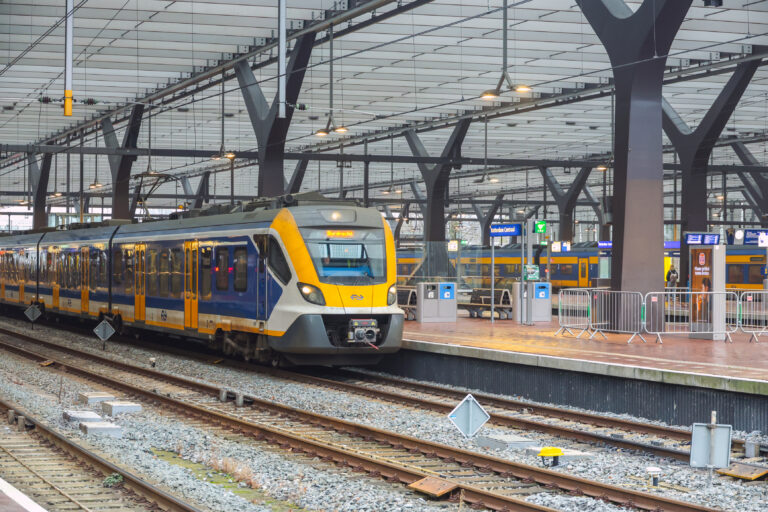
A cable fire near Rotterdam Stadion has kept all southbound trains out of action since June 29, and the reopening has now been pushed back to this Tuesday (July 7) at the earliest.
If you live near Rotterdam and you’ve been refreshing the NS app waiting for good news… helaas, you’re out of luck.
The repair deadline has slipped yet again, and the reason behind the latest delay is almost comically unlucky.
So what’s the new timeline?
No trains will run on the affected route until at least Tuesday, July 7, at 5 AM, according to rail manager ProRail. (Yep, that’s the third revision, after earlier forecasts pointed to Saturday, then Sunday.)
The fire started early on June 29 in a cable duct near the station, wiping out around 200 cables. Those cables control the signals and switches that trains need to run safely, which is why the whole line ground to a halt.
What does this mean for your journey?
If you’re travelling south of Rotterdam, you’ll definitely need a backup plan. Replacement buses are currently running for passengers between:
Rotterdam Centraal,
Rotterdam Blaak,
Rotterdam Zuid,
Rotterdam Lombardijen,
Barendrecht,
and Zwijndrecht.
They follow roughly the same stations the trains would normally stop at, so your regular routes shan’t be too badly affected.
Heading towards Dordrecht, Breda, or beyond? Factor in extra time and check your route before you leave. In most cases, you should be able to take the bus as far as Zwijndrecht, then pick up a regular train from there.
Since the forecast keeps moving, your safest bet is to check the NS journey planner right before you set off. This disruption is also part of a wider year of Dutch rail chaos that ProRail flagged back in December.
Most of the welding is now done, but the final stretch has hit a very specific snag. The fire scorched the labels off many of the cables, so workers can’t always tell which pieces are meant to connect to which.
That means a lot of slow, careful detective work to match everything up before the last welds can happen. There’s simply no way to rush it.
On top of that, every repaired cable now has to be measured and tested one by one. When a test flags a cable that still isn’t working, the crew has to head back into the duct and fix it all over again.
Want to make sure DutchReview pops up on your news feed more often? Just add us as a preferred news provider, and we’ll handle the rest.
eSIMs offer the best of both worlds: you get all the perks of a regular SIM card, plus the freedom of data roaming — without breaking the bank!
In this guide, we’ve tested the best providers in the Netherlands for 2026, comparing prices and key features to find the perfect eSIM plan for your needs.
TIP: In a hurry? These are our top picks for an eSIM in the Netherlands. 👇
☎️ Best eSIM for calling and texting:Simyo 🗺️ Best eSIM for full flexibility:Roamless ✈️ Best eSIM for tourists:Holafly 💸 Best eSIM for frequent travel:Jetpac
This post might have affiliate links that help us write the articles you love, at no extra cost to you. Read our statement.
What is an eSIM, and how does it work?
An eSIM, short for ’embedded SIM’, is the digital version of a physical SIM card.
Because eSIMs operate virtually, you can buy and install them directly on mobile phones, tablets, and even smart watches.
This makes them ideal for globetrotters: you can buy a SIM card for your travels from home, and instantly access mobile data and calling/texting capabilities when you arrive.
Best eSIM plans in the Netherlands
If you’re on the hunt for the best eSIM plans to cover your trip to the Netherlands (or abroad), we’ve ranked providers by price, value, coverage, and ease of access.
In contrast to many local eSIM providers that only provide mobile data plans, Simyooffers inexpensive eSIM packages for calling, texting, and mobile data.
We liked the fact that you could choose between a flexible prepaid subscription or a more committed SIM-only plan. The only downside is that a monthly subscription will cost you an extra €2.
Jam-packed with features like unlimited data, automatic connectivity the minute your plane touches down, and a choice of the best data providers in each region, Holafly eSIMs are the premium choice for travel lovers.
However, we did find that although Holafly offers unlimited data, their plans tend to be pricier than many other options we’ve tested.
Roamless‘ travel eSIMs offer some truly stellar flexibility. With their Flex package, we got a global eSIM valid for 200+ countries that we could simply top up whenever we needed.
Do you have fixed travel plans, instead? With a 30-day RoamlessFix package, we had access to regional data plans at super affordable rates.
With a starting price of just €4, Airalo is as easy on your wallet as it is effortless to install, providing you with access to affordable eSIM plans for the Netherlands.
Although we loved how seamless the installation process was, it was slightly disappointing that Airalo mostly offers data-only eSIMs. If you want a local Dutch number or texts, you’ll have to look elsewhere
Jetpac’s budget-friendly eSIM plans pack big benefits in a small package, from 5G connectivity to generous data allowances and unfettered access to 200+ destinations.
We’re also big fans of the fact that Jetpac customers can register for SmartDelay, giving them airport lounge access if their flight has been delayed.
While Orbit Mobile’s eSIMs may start at a super-low $3.50 (roughly €3), their features are anything but cheap.
With access to networks in 190+ countries and plans that connect as soon as your flight touches down, we found their eSIMs surprisingly convenient for the price.
Staying connected while you’re 30,000 feet in the air is a breeze with GigSky’s in-flight eSIM plans, whether you’re in first class or economy.
But don’t feel left out if you’re cruising the North Sea instead, or just travelling through Europe. With affordable eSIM options from $5 (⁓€4.30), you’re covered both at sea and on land.
If you’re the type to buy a data plan and then stress about using it up before it expires, Roambit might just be for you.
Their eSIMs come with no expiration date, meaning you can buy data now and use it whenever, with zero pressure. We also really liked their built-in VPN, which keeps your browsing secure in all of the 200+ destinations they currently serve.
Offering unlimited data and unlimited calling/messaging capabilities, Vodafone’s Red Unlimited eSIM packages are geared towards heavy data users.
In our plan, we also had a whopping 40GB of data to use within the EU. So rest assured, you won’t be running out anytime soon, even if you’ve hopped over the Dutch border.
Unlike many eSIM packages that only offer you a bundle of mobile data, Odido’s eSIMs come with a mobile number.
We found this a stellar option if you like the calling and texting functionality of a regular Dutch SIM, but don’t want the hassle of applying for one.
If you’re planning a jaunt around Europe, Nomad’s regional plans are some of the handiest and most affordable options on this list.
We liked being able to choose between a comprehensive eSIM package covering all European countries or a more localised (and wallet-friendly) eSIM package for the Netherlands.
Are you champing at the bit to purchase your own eSIM, but have some lingering questions you’d like answered before biting the bullet?
Here are three key things you need to know about eSIMs, especially if you’ll be visiting or moving to the Netherlands in 2026. 👇
1. An eSIM can help you avoid high data roaming costs
If you’re planning on travelling through the Netherlands (or Europe in general), a Dutch or European eSIM is much cheaper than activating roaming on your regular phone plan.
If you’re travelling through Europe, an eSIM will save you some major dough on roaming fees! Image: Magnific
And, depending on your eSIM of choice, this option can also be more affordable than buying a local SIM at the destination you’re travelling to.
Good to know: If you already have a mobile data subscription from an EU country, you can use your provider’s Roam Like at Home feature instead.
This enables you to use your existing subscription wherever in the EU you travel, though unlimited data users may notice that their plan is capped at a lower number of GBs per month.
2. You can use multiple eSIMs on the same device
One of the key benefits of using an eSIM is its dual SIM support.
eSIMs in the Netherlands: Frequently asked questions
What’s the best eSIM in the Netherlands?
Choosing the best eSIM will largely be a subjective choice, as some users may prioritise price or being able to order a new mobile number over other factors.
In general, however, the best eSIMs in the Netherlands are those offered by Airalo, Holafly, and Simyo — as well as plans from Dutch mobile data providers KPN, Odido, and Vodafone.
Are eSIMs available in the Netherlands?
Yes, several international eSIM companies offer plans that cover the Netherlands, in addition to the several Dutch mobile data providers that also sell eSIMs.
Which Dutch data providers offer eSIMs?
KPN, Odido, Vodafone, and Simyo are several of the Dutch mobile data providers that also offer eSIM packages.
Is my phone compatible with a Dutch eSIM?
Provided that your phone is a relatively recent model (typically from 2018 or 2019 onwards), there’s a high chance that it’ll be compatible with a Dutch eSIM.
Can I use both an eSIM and a physical SIM in the Netherlands?
As eSIMs can be activated whenever they are needed, users can load both their physical SIM and an eSIM on the same mobile device.
Do you want to learn how to speak Dutch but can’t wrap your head around the scratchy Gs and weird word order?
Sometimes keeping it short can make a world of difference when speaking a new language, so here are some easy sentences to get you going.
If you immigrated to the Netherlands, learning the language is great for work, groceries, or feeling more connected. But for some, Dutch can be a little tricky — I’ve been there!
So now, allow me to teach you the seven words you can drop into a conversation to instantly sound more native and put a smile on some Dutch faces.
1. Lekker — nice, sweet, tasty, good, etc.
You can use this word for almost anything. Pretty much anything remotely good is lekker. When applied to food, it means that the food was tasty.
Example:
🇳🇱: Hoe zijn de worsten? Heel lekker. 🇬🇧: How are the sausages? Very nice.
You can also apply it to people. A good-looking person is referred to as a lekkerding, which translates literally to a “sweet thing”.
I have discovered that this word is basically limitless. The most common Dutch saying goodnight is slaap lekker, which translates to “sleep well”.
2. Leuk — nice, cool, fun.
This word means more or less the same thing as lekker, but it refers more to things you do —anything from having a new book to holidays or a pleasant cycle.
Example:
🇳🇱: Ik heb een nieuwe boek, leuk man. 🇬🇧: I have a new book, nice, man.
🇳🇱: Mijn vakantie was echt leuk. 🇬🇧: My vacation was really fun.
Something doesn’t necessarily need to be mind-blowing to be leuk; something as standard as taking a bath can be leuk.
So, the term can be applied to basically everything, from the mundane to the incredible.
Obviously, though, you should not use it for bad events and occurrences. Replying with leuk, man, after someone tells you they attended a funeral at the weekend might not go down too well. 😬
3. Zeker — certainly, certain, definitely.
You can use this word to respond to pretty much any yes-or-no question positively.
Example:
🇳🇱: Was het leuk? Zeker man. 🇬🇧: Was it fun? Definitely, man.
After someone has made a statement, you can also use this to agree with the other person.
Example:
🇳🇱: Het was echt leuk. Zeker man. 🇬🇧: It was really fun. Certainly, man.
The equivalent in English would be more along the lines of “true true” to agree with what the other person said, although perhaps this is just my Australian slang.
When checking whether someone is sure about something, the word can also be phrased as a question.
Example:
🇳🇱:Zeker, man? 🇬🇧: Are you sure, man?
4. Zo — so, Enzo — and so on.
You can add this word to the end of almost any sentence, just to round it off, and add a bit of flavour. It is like the salt of the Dutch language. It is not necessarily needed at any time, but you can use it with anything.
Zo or enzo means something along the lines of “and so on”, or “and that”.
Example:
🇳🇱: Het is echt mooi en echt lekker en zo. 🇬🇧: It is really beautiful and really nice and so on.
Enzo the equivalent of ‘etc.’ in English.
5. Mooi — pretty, beautiful, sweet, good.
Basically, anything in Dutch can be mooi, or “pretty”. Although the direct English translation will tell you it means something like “pretty”, it’s actually more along the lines of “beautiful”.
A town or a city can be mooi. A person can also be mooi.
Example
🇳🇱:Zij is heel mooi. 🇬🇧: She is really beautiful.
It does not just apply to girls, though; a guy can also be referred to as mooi.
The first time my girlfriend said I was mooi, I wasn’t sure whether she was teasing me because in English, if you say a guy is “pretty”, then it is usually because you are teasing them.
It’s like saying a guy is a “pretty boy”. You can also reply to most things with mooi zo, which translates as “beautifully so”.
Example:
🇳🇱:Ik heb een nieuwe laptop. Mooi zo. 🇬🇧: I have a new laptop. Beautiful so.
In this case, mooi zo means more like “good for you”. It might sound strange, but it just means you think what they are telling you is sweet or good in general.
6. Echt — really, really?
This word is translated simply as “really”. Similarly to the English “really” or “very”, echt can be used as an adverb.
Example:
🇳🇱:Het is echt lekker. 🇬🇧: It is really nice.
It can also be used as an exclamation to express surprise or to ask a question, just like asking “really?” in English.
Example:
🇳🇱: Ja, het was heel mooi. Echt? 🇬🇧: Yeah, it was really beautiful. Really?!
It may have a simple meaning, but it pops up frequently in Dutch conversations, so do familiarise yourself with it.
7. Hoor — sure
This word doesn’t really translate into English. You could say it translates as “surely” or “sure”.
It works similarly to echt, functioning as an adverb. It is mostly used for added emphasis, particularly when saying something confidently, for example.
Example:
🇳🇱:Wil je wijn? Ja hoor. 🇬🇧: Do you want wine? Yeah, sure.
You can also use it to disagree with something.
Example:
🇳🇱:We komen te laat. Nee, hoor. 🇬🇧: Are we going to be late? Nah, surely not.
HOWEVER, be careful how you pronounce it. Just remember, it is pronounced exactly like the word “whore” in English.
At first, I didn’t feel comfortable saying this because I was worried I might be misunderstood. I was met with a few dirty looks from Dutch women when I started trying to use it in conversation.
I later found out I was pronouncing it like the Dutch word hoer, which is actually equivalent to the English word “whore”. So be careful about that, or else you might end up sounding like Frank Reynolds from It’s Always Sunny in Philadelphia.
To be clearer and also make things easier for myself, I emphasised the double O sound.
Bonus points — Man
Same as English. This word means “man”, as in the way we use “dude”.
Add it to the end of every sentence for some personality — until it gets annoying. Kinda like how Jesse Pinkman from ‘Breaking Bad’ ends every sentence with “bitch”.
Example conversations:
I wish I could say it is an exaggeration, but this is a word-for-word transcript of an actual conversation I overheard:
Hoe was Leiden man? (How was Leiden, man?) Echt leuk, man! Het was echt leuk, echt mooi en ook lekker rustig en zo. (Really fun, man! It was really fun, really beautiful and also nice and quiet.) Echt man? (Really, man?) Zeker man. (Definitely, man.) Lekker man. (Nice, man.) Mooi zo, man. (Beautifully so, man.) Het is echt mooi en zo, man. (That is really beautiful and so, man.) Ja hoor, man. (Yeah, sure, man.)
Remember these seven basic words, and you should be able to blend them into any Dutch conversation.
Just make sure to say “man” at the end of every sentence, and most importantly, learn how to pronounce hoor correctly.
Good luck! Succes!
Which of these Dutch words do you look forward to trying out? Practice it in the comments below!
So you’re wondering why you’re hearing sirens in the Netherlands on a Monday morning. First of all, don’t worry — we’re not under attack.
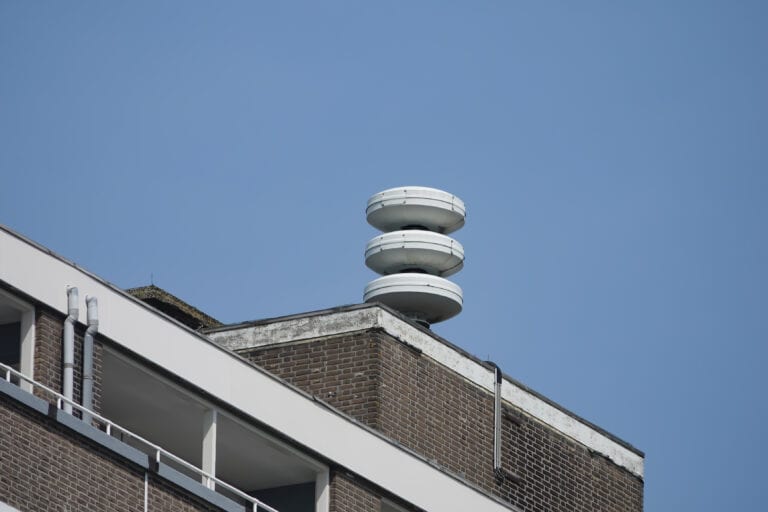
Every first Monday of the month (as though we didn’t loathe Mondays already) at 12 PM, the Netherlands tests its public warning sirens.
There are about 4,200 of them throughout the country. Initially used as an air raid alarm, the sirens have also become a warning sign for other disasters over the last couple of decades.
During the test, the siren is heard for one minute and 26 seconds without interruption.
The only instances when you won’t hear it on the first Monday of the month are if that Monday is a national or religious holiday or Remembrance Day.
Unless you’ve actually lived through that one air raid in Rotterdam over 80 years ago, the siren has become something of a nostalgic tradition for most Dutch people.
Is this the best way to test sirens in the Netherlands?
Very understandably, you might be wondering if there’s a better way to test these sirens than, well, blaring them every month and frightening the life out of any unsuspecting foreigner.
In fact, the sirens in the Netherlands go off so often because the government wants people to be aware of what they mean.
You can imagine that if we only heard them once a year, people would get a lot more confused.
It is also important to test them regularly so that if an actual disaster happens, we know that they work.
NL-Alert: an additional warning system
NL-Alert is an additional system that warns and informs residents of the Netherlands about disasters.
The system sends a warning message accompanied by a piercing sound to your phone.
The message tells you what’s going on, what your course of action should be, and where to find more information.
NL-Alert is used in life-threatening and dangerous situations, such as a terrorist attack, a major fire, an epidemic or pandemic, or severe weather.
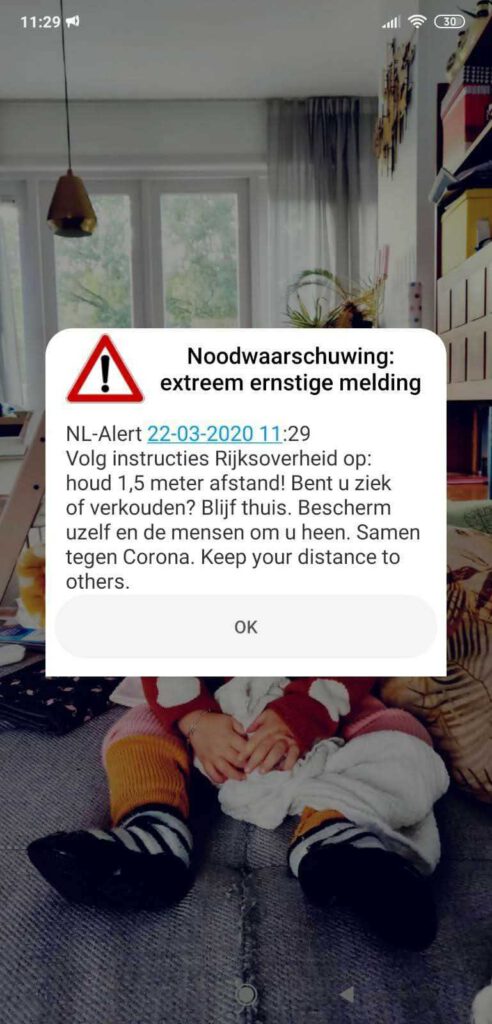
Here’s an example of an NL-Alert from the coronavirus pandemic:
Coronavirus NL-Alert. Image: Abuzer van Leeuwen
This system also gets regularly tested. Unlike with the sirens, though, you will only receive a test message from NL-Alert twice a year — on the first Monday of June and December at 12 PM. It will look like this:
NL-Alert test message. Image: Abuzer van Leeuwen
What if there’s an actual emergency?
In case of an actual emergency, you will hear the siren sound repeatedly.
On top of that, there might also be an accompanying announcement from a PA system. You should follow the instructions of public authorities.
Congratulations, now you’re fully prepared when the sirens in the Netherlands are heard once again!
Wait, are the sirens actually disappearing?
Earlier in 2026, it looked like this Monday tradition might be on its way out for good.
In May, the government said it hadn’t secured funding for a new siren network, meaning the existing setup — reliant on roughly 4,200 outdated siren poles — would be phased out once its maintenance contract ran out on January 1, 2028.
Officials argued NL-Alert was simply more effective. Cue nationwide mild panic, followed swiftly by a U-turn.
According to Rijksoverheid.nl, the Dutch government confirmed in June that the Netherlands will get an entirely new siren network instead, built as part of a system that can detect military threats and warn people.
The new network will be linked to a detection system run by Defence, and, unlike the current one, will have nationwide coverage and be controllable centrally rather than region by region.
Justice and Security Minister Van Weel explained that if Defence detects a threat, people will be alerted directly through both NL-Alert and the new siren network, giving the Netherlands two independent ways to sound the alarm rather than relying on phones alone.
So, sirens aren’t going anywhere. If anything, they’re getting an upgrade.
What did you think the sirens meant before this? Let us know in the comments below.
I’m a South African living in Amsterdam. Here’s why I’m still waiting to feel like a Dutch local.
When I first moved here, I was having a conversation with a fellow international.
As we made our way through the small-talk checklist, such as “Where are you from?” and “What do you do?”, a favourite conversation starter came up: “How long have you been here?”
“Over two years now,” said my new acquaintance, Alex. “I am from the United States,” she added.
“Whoa, you’re basically a local!” I joked.
Well, the joke is on me because I’ve lived in the Netherlands for years now, and I certainly do not feel like a local. Here are a few reasons why.
I’m a perpetual student of the language
I’m a language lover, and I’ve been an ardent student of the Dutch language — or at least I was. At some point, I fell off the horse.
Of course, I’ve tried to get back on the paard (horse), but every time I muster the courage to order a koffie in Dutch or ask for the rekening (bill) at a restaurant, alas, they catch the not-so-Dutch accent on me and reply in English.
Quick as a flash, most Dutchies will switch to English. Image: Magnific
So like, what even is the point? 😕
I’m still trying, but admittedly, I lost some motivation halfway through my stay here, especially when trying to understand past tense vs present perfect tense, amongst other mind-boggling rules of the Dutch language.
There are so many other local foods, like zuikerbrood (sugar bread), eierkoeken (egg cake), and mustard soup, that I’m still trying to get my taste buds acquainted with. 🍲
I still remember my first time hearing the word “Lekkerbek,” which seems to be some sort of fish dish — all in all, let’s just say my list of foods keeps getting extended.
I should really learn the national anthem
Is there any greater sense of national pride than singing the national anthem with your fellow countrymen?
Well, I don’t know the anthem (yet), but I’m not Dutch (yet) either, so I’ll have to keep you posted on this one. 🎤
I need to have more local friends
It’s no secret that the Dutch, who are generally quite a friendly bunch, are reluctant to open their closely-knit friend groups from preschool, primary school, and high school to a good ol’ international like me.
As an international in the Netherlands, I need to make more Dutch friends. Image: Magnific
Don’t get me wrong. I do have Dutch friends, but I wouldn’t consider myself 100% a part of a Dutch friend group.
I befriend a lot of internationals, and we make spontaneous plans for coffees, walks, and dinners — whilst my door is always open to new friends, no matter their culture, the Dutch seem to remain somewhat unwilling to enter. 🗣
I should know the local… things
The things… the things! 🤔 You know, those little cultural nuances that really just come when you live in the country long enough. Things like:
So, I’m not a local — I’m not! But nearly three years later, I sort of love being an international. I love the traits that come with my own nationality and those I get to adopt here in the Netherlands.
Do you feel like a local in the Netherlands? Tell us why, or why not, in the comments below!
Whether you’re flying out of Schiphol, Eindhoven, or Rotterdam, the rules on liquids, medication, and power banks can trip up even seasoned travellers, so here’s exactly what’s allowed.
Getting this wrong at security means losing your favourite face cream, or worse… missing your flight while you argue with a Schiphol security officer about your nail scissors.
In general, most rules come from European aviation security law, but individual airports and airlines can each add their own layers on top. As a team of internationals, we know firsthand that they can be extremely confusing!
Here’s what actually applies if you’re flying from a Dutch airport.
Can you bring liquids through security?
Since September 1, 2024, you can only carry liquids in your hand luggage if each container holds a maximum of 100 millilitres, according to Schiphol. That includes drinks, but also gels, creams, ointments, pastes, and sprays such as deodorant or liquid sunscreen.
Got a half-empty 200ml bottle of sunscreen in your bag? This may also get confiscated, since it’s the size of the container that counts, not how full it is.
You’ll want to leave those bottled water bottles behind. Image: Magnific
In addition to this, all your small containers together can’t exceed a litre, and need to fit in one resealable, transparent bag.
However, good news if you’re flying with a baby or have medical needs: there’s an exception for baby food and medical liquids you’ll need during the flight, which don’t count towards that limit.
Can you bring sharp objects on a flight?
According to Schiphol’s list of prohibited items, sharp objects are only allowed in hand luggage if the sharp part is no longer than 6cm.
Loose razor blades, kitchen knives, and pocket knives all need to go in your checked bag instead.
That 6cm rule covers small scissors, nail files, and tweezers too, so a compact manicure set usually passes fine. If you’re unsure, measure it before you leave home rather than finding out at the gate.
Can you bring your medication in your hand luggage?
Yes, in most cases, you can travel freely with your medicines. Pharmacists generally recommend packing them in your hand luggage rather than checked bags, since the hold can get cold enough to affect them.
That being said, it gets more complicated for medication covered by the Dutch Opiumwet (Opium Act), which includes some strong painkillers, sleeping pills, and ADHD medication.
For these, you need a medicine declaration, which you request through the CAK (Centraal Administratie Kantoor, the Dutch body that handles this paperwork). You can check exactly which declaration applies to your situation using the CAK’s online tool.
A general medication overview from your pharmacy isn’t enough on its own for these controlled substances; you’ll need the official declaration itself.
What about power banks and other electronics?
Laptops, tablets, and phones are all fine in your hand luggage, and thanks to modern scanners at Schiphol, they often don’t even need to come out of your bag anymore.
(I like popping my electronics and chargers in a large Ziploc bag, so they’re easily accessible in my backpack if security ever wants to check.)
Phones and chargers need to go in your hand luggage. Image: Magnific
Power banks are a different story, and the rules depend on the airline.
Under KLM’s policy, you can bring devices with a lithium battery of up to 100 Wh, up to 20 spare batteries in total. However, because power banks count as spare batteries, they are generally capped at two per person.
Let op: Anything between 100 and 160 Wh needs prior permission, and anything above 160 Wh is never allowed.
Unlike medication, you have to pack power banks in your hand luggage. For many airlines, you can’t charge devices with them or store them in the overhead bin during the flight.
What can you bring back into the Netherlands duty-free?
Are you back from your (hopefully fabulous!) holiday? Welkom terug! Certain rules apply to what you’ve brought back with you, so let’s dive in.
If you’re arriving from outside the EU, Dutch customs (Douane) allows goods worth up to €430 per person tax-free. Anything above that, and you owe import duties and VAT on the full amount, not just the excess.
Alcohol has its own separate allowance. You can bring in a maximum of 1 litre of strong spirits above 22% alcohol, or 2 litres of lighter drinks like liqueur or sparkling wine.
You can also mix the two proportionally, per Douane’s guidance. So if you’ve got 0.5 litres of spirits and 1 litre of sparkling wine, you’re good to go.
Go over these limits, and you’re required to declare the goods at the “Goods to declare” exit, rather than sailing freely through the green channel.
Ever had something confiscated at Schiphol that genuinely surprised you? Tell us what it was in the comments below.