The Netherlands has decided that it will stop purchasing gas and coal from Russia by the end of 2022. The goal is to be completely independent of Russia’s energy sources.
Rob Jetten — Minister of Climate and Energy — wrote to the House of Representatives that the Dutch cabinet intends to stop importing coal, oil and gas from Russia, theNOS reports.
He also announced that the Dutch cabinet will focus more on sustainability, energy conservation and energy imports from countries other than Russia, reports DVHN.
This move was no doubt influenced by Russia’s aggressive war on Ukraine. The Netherlands has also been increasingly striving for more sustainable energy practices with more offshore wind turbines and green energy overall.
No more Russian oil
While the Netherlands also intends to cut all ties to Russian oil, the aim is to do this as part of a collective movement within the EU. However, as things are, Germany and Hungary are still blocking such a ban on Russian oil imports.
What are the Dutch going to do instead?
Currently, 15% of the gas consumed in the Netherlands comes from Russian resources. According to RTL Nieuws, the Dutch cabinet will replace this with liquefied gas, also known as LNG.
In addition, a new LNG terminal in the port of Rotterdam will be built to take all these new gas imports. Though, this plan is still limited because liquified gas is very scarce and expensive at present.
The Dutch cabinet will also ensure that gas facilities are filled at maximum capacity throughout the rest of the year as they’ve been dwindling due to recent high prices.
What do you think of the cabinet’s decision? Tell us in the comments below!
Don’t you sometimes wish that caring for the planet was just a little easier? Well, we have some great news for you, Rotterdammers!
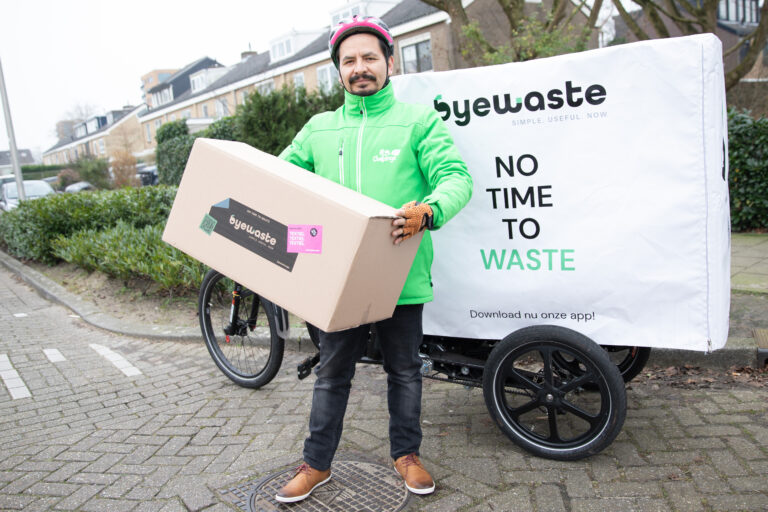
A new waste collection service, Byewaste, is launching in the city next month!
Byewaste collects old or damaged books, electronics, toys, textiles, as well as other small household itemsfrom your home completely free of charge. 🤑
What happens next?
After collecting these items, they make sure that they are reused via local thrift shops or properly recycled. This ensures that valuable materials don’t end up in the landfill — but actually get a second life. 🌱
A cleaner municipality
The service started out in the nearby Capelle aan den IJssel but is now expanding into the Netherlands’ second-biggest city.
With help from CityLab010, Rotterdam’s platform which supports social entrepreneurship, Byewaste wants to simplify the reusing and recycling processes in Rotterdam — leading to a cleaner and more sustainable municipality.
When and where in Rotterdam?
The first waste collection round will start on May 20 in Rotterdam south in the neighbourhoods of Charlois, IJsselmonde, and Feijenoord. Residents will receive a letter with more information one week before the launch.
Unfortunately, those living on the north side of the Maas river in Rotterdam will have to wait just a little bit longer before this service becomes available.
In the past six months, Dutch grocery items have become increasingly expensive. Researchers have found that you are paying significantly more in the supermarket compared to last year. 💶
According to the research company GfK, prices for supermarket groceries are 11% higher than they were during the month of August 2021. Now that’s a better excuse not to buy that dang box of Oreos!
And the increase has certainly been sudden. RTL Nieuws reports that consumers now pay an average of €7 more than they were during the month of January 2022. 🤯
How has this changed Dutch shopping behaviour?
The sharp surge in grocery prices is partly a result of the war in Ukraine. And, with energy prices also on the rise, people are trying to find a way out of this expensive dilemma.
Certainly, people aren’t happy to spend a fortune in Dutch supermarkets. Instead, more and more Dutch are visiting multiple stores, searching for offers and discounted items, according to AD.
The Dutch are also purchasing more products from private brands and reducing their spending in local supermarkets as well as the local butcher and fishmonger.
Have you adjusted your shopping behaviour? How so? Tell us in the comments below!
An American TV presenter went to The Hague and was completely startled by the city and its people.
Okay but, why exactly? Sure, The Hague is lovely with the Peace Palace, Scheveningen beach and all that. But is that reason enough to exclaim on American national TV: “DO WE HAVE TO MOVE TO THE HAGUE??”
Well, yes, because apparently, people in The Hague don’t use their phones. And we’re thinking…they don’t? 😂
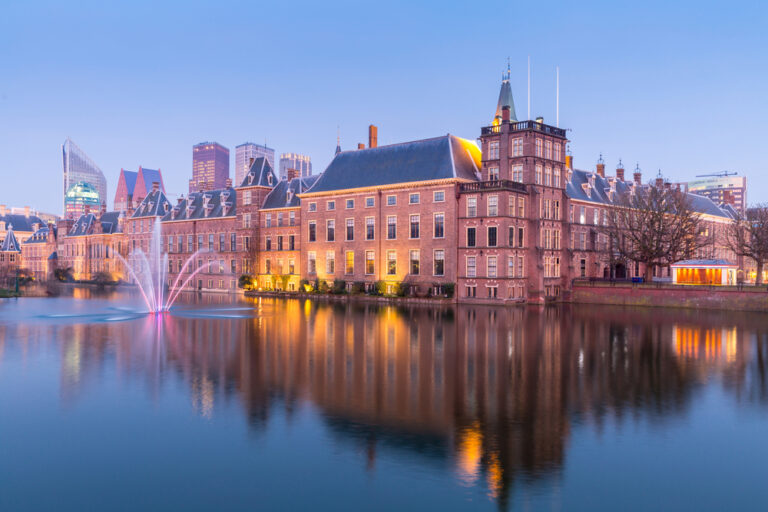
American TV presenter Hoda Kotb, from the popular show TODAY with Hoda and Jenna, went to The Hague (Den Haag) to chat with Prince Harry about the upcoming 2022 Invictus Games.
Retelling her experience to co-host Jenna Bush Hager, Kotb was completely (and, like, totally) over the moon: “It’s the most beautiful, beautiful town.”
Kotb muses over the charm of The Hague’s winding streets, canals and houseboats. But the most striking of details? People don’t use their phones.
“They just chose not to use them”
Kotb walked into a flea market in The Hague and, apparently, not a single person (not ONE), had a phone in their hands “as if they’re gonna use it later.”
Instead, everybody was on bikes, eating ice cream or talking to one another. A real conversation, co-host Jenna exclaims.
Especially you girls, who, in America, only take selfies of themselves don’t compare at all to the superior, detached, phone-less existence of girls in The Hague.
What a story! But take it with a pinch of salt because we don’t know which parallel universe Hoda Kotb entered on her trip to the Netherlands but this tech-savvy nation is just as reliant on their phones as people are in the US.
We do, however, indeed bike everywhere. 🚴
Are you from the US and have made similar observations about Dutch people? Tell us in the comments!
After the relaxation of travel measures in the Netherlands, Amsterdam is transforming back into that bustling tourist hotspot we all know and love! (Well, maybe not everyone).
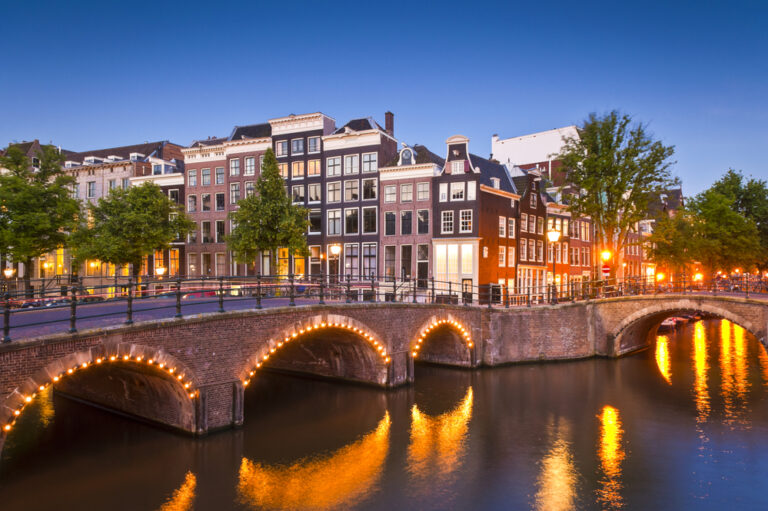
Amsterdam was considered the third most attractive city for tourists in 2021, AT5 reports. Get ready for more and more tourists flocking back into the streets of the capital’s city centre! 🧳
While Amsterdam scored the third-place prize, Dubai came second with Paris at the top of the list. This ranking was carried out by the British research company Euromonitor as part of their annual list ‘Top 100 City Destinations.’ ✨
How did they calculate this?
Euromonitor based their research report on six key criteria points:
Economic and Business Performance
Tourism Performance
Tourism Infrastructure
Tourism Policy and Attractiveness
Health and Safety
Sustainability
The list for the top 100 city destinations looks at all these categories and creates a final ranking according to each city’s score. 💯
What makes Amsterdam such an attractive city?
Category
Amsterdam’s position
Economic growth
6th place
Tourism
13th place
Attractiveness
10th place
Safety
51st place
Sustainability
16th place
Infrastructure
24th place
According to these standards, Amsterdam is doing particularly well in both economic terms and tourism attractiveness. It placed sixth in global economic growth, not bad for those inflation rates, huh? 🤔
But, let’s not forget to mention that it placed 51st on the list for Health and Safety! That position is mainly due to the country’s reaction to the pandemic in terms of safety protocols.
And, it’s important to mention that Amsterdam is lacking in the sector for tourism infrastructure. Fancy an Airbnb in the Netherlands? Good luck finding one with zero room availability! 😅
On a more positive note, Amsterdam has been brought up to third place thanks to a decrease in unemployment rates, its improvement of bike paths, and its crowd management protocols in crowded places and/or during big events.
We’ve already introduced you to a couple ofDutch words, but it’s probably not a bad idea to know a few more if you want to speak Dutch.
And who are we not to supply you with these gems?
So here we go, teaching you how to speak Dutch in seven (more) words — and no people,gezelligheid is still not one of them.
If you’re not really into watching our video (Why? We tried so hard for you!) — here’s the text version (admittedly, jokes are sometimes better in text.)
Gast – dude
As in “Kom op gast”, “come on, dude.” It’s a fairly simple word, and just like “dude,” the word gast is primarily a masculine word when used in this context. Although gast also means “guest”, it’s more commonly used as “dude.” Alternatively, it’s also used as “guy,” but more in the sense of “oh, remember that guy? Oh, weet je die gast nog?”
Graag – please, gladly
If you’re planning on being polite during your stay in the Netherlands (and let’s be fair, you probably are), you’ll need to know the word graag.
It means please, as in “Yes please” — “Ja graag.” You can also say graag if you can’t spare that extra syllable.
You can similarly use it to ask for a service or order food. In that case, “Ik wil graag een Margherita pizza, meaning “I would like to have a Margherita pizza, please.”
Just imagine yourself asking the waiter with simple but impressive Dutch words. Image: Depositphotos
Graag can also mean gladly. For example, when you say, “Ik wil erg graag naar die nieuwe burger tent”, meaning “I really want to go to that new burger joint.”
In this way, it’s also very common to say “graag gedaan,” which translates roughly to “Done gladly” but is used as “You’re welcome.”
Lol – fun/laugh out loud
For those who speak English, the acronym LOL is nothing new. It, of course, means laugh(ing) out loud. However, for many Dutch people, this acronym flew right over their heads even though they used the same three letters (in the same order) online all the time.
In Dutch, lol means fun. Naturally, it tends to work both ways in most contexts, so it’s no wonder it took my mother at least three years to realise the difference.
In Dutch, one might say “we hebben lol”, meaning “we have fun.” I’m not sure who would say that, but it’s grammatically correct.
Lol might be a little for English-speakers — they’re having fun but also laughing! Image: Unsplash
Just know that, lol, in Dutch, means fun. So no, we’re not always laughing out loud (although we do that from time to time and often while we’re having lol).
Poeh poeh
This isn’t so much a word as a phrase. It’s not easily translatable either. Poeh poeh is probably best described as saying “that’s done now” or “how nice/impressive of you” — but only in a cynical way.
The most important thing to remember is that poeh poeh has nothing to do with the lovable Disney bear or, you know, “poo.”
Sjonge jonge
Much like poeh poeh, this is also more of a phrase. It’s what you say while shaking your head disapprovingly or disappointingly at someone or something.
It’s probably best compared to saying “wow’ with a lot of sarcasm attached. Another thing one might say in Rotterdam especially is man man man man.
Kut
The word kut is probably best compared to shit. Except in definition, it’s not a word for human excrement but rather for female genitalia. It’s the most versatile cuss word in Dutch, but it’s not so easily used in other languages.
While normal use of kut includes shouting “Kut!” when something bad happens, you can also use the word directly to swear at someone or be attached to almost any word depending on how creative you want to be.
You could, for instance, call someone a “kut.” Alternatively, you could say “Wat een kutdinges!” meaning “what a shitty stupid thingy!”.
I’ve also enjoyed hearing someone called a “huppelkut”, meaning “a skipping vagina”.
In any case, we at DutchReview recommend swearing with the word “Verdorie” instead. It’s much more PG. Like saying, “gosh darn.” Much better.
Tof/leip/top – cool, awesome
“Oh, wat tof, zeg!” meaning “Oh, that’s awesome!” Tof and leip both essentially mean “cool” or “awesome.” Occasionally also interchanged with leuk.
Leip is something you would use more when there’s a “crazy” aspect to something. A gast can also be a “leipe gast”, for instance.
There’s also top, which means number one (or more literally “the thing above” — but you can also use it just like tof or leip.
That wraps up this list, we hope you learned something, gast.
Yesterday, a Dutch website called Ugly Mugs NL was launched — which will hopefully elevate the security of sex workers in the Netherlands to the next level.
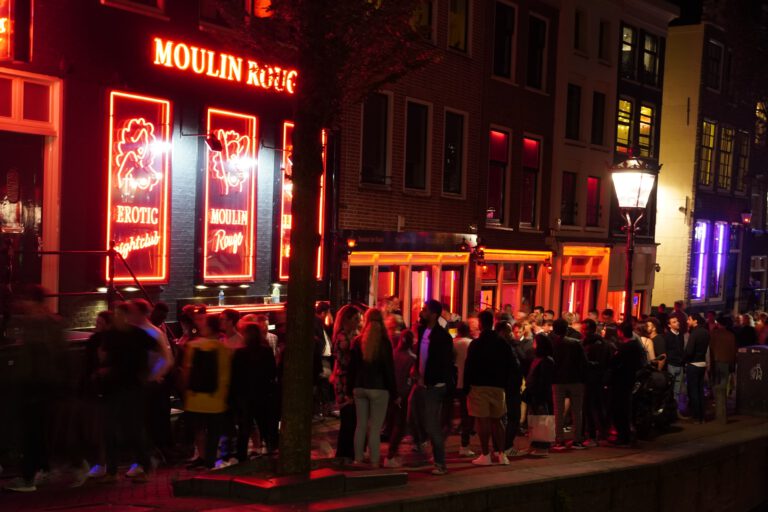
The Netherlands is a forerunner of legalised prostitution in the EU. With open attitudes toward sexuality and the famous Red Light District openly celebrating sex and prostitution, it might come (pun intended!) as quite the surprise that it has taken such a tech-savvy nation this long to develop an online platform that increases the safety of Dutch sex workers.
But it’s here now and this is how it works. 👇🏻
What is the platform about?
This online platform offers free sign up for sex workers who can check if their client-in-waiting has been aggressive or violent towards any of their colleagues. If this is the case, it allows them to reject their services.
Sex workers can also report violence they experience and receive alerts if a dangerous client is in their neighbourhood.
Who’s behind Ugly Mugs NL?
Ugly Mugs NL was a joint venture by Soa Aids Nederland and Proud, the interest group for sex workers in the Netherlands. The platform was developed at the request of sex workers on behalf of the Ministry of Justice and Security.
Stigmas and danger around sex work remain high
The fact that this platform was requested by sex workers shows that this profession, although legal and protected in the Netherlands, is not safe nor treated like other professions.
It remains one of the most violent and dangerous professions especially for women, leaving sex workers extremely vulnerable both physically and because of societal stigmas.
With this in mind, the platform further aims to challenge these stereotypes by making its users feel more at ease while working. The slogan for this platform is “Together, we make sex work safer.”
What do you think of such a platform to protect sex workers’ rights in the Netherlands? Tell us in the comments!
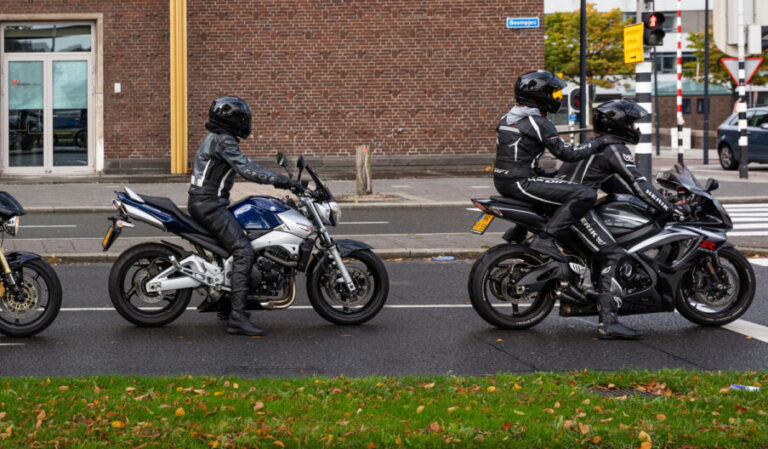
Hundreds of motorcyclists escorted a student to her graduation gala. The bullied 16-year-old student from Vellesan College, IJmuidenwanted to say goodbye with a protest against bullying. 👋🏼
According to NH Nieuws, the student was already happy to go to her gala with a single motorcyclist.
But after a family acquaintance got involved, hundreds of bikers signed up to bring her to the Thalia Theatre. Talk about travelling in style! 🏍
Solid support
The bikers’ journey through IJmuiden was not intended as a middle finger to the student’s bullies, but rather against bullying in general, says the NOS.
She deserved the “solid support,” her father tells the NOS. “Besides being bullied herself, she supported other children who are bullied from a young age.”
School management to blame
Her father blames school management for not taking enough action against the bullying of his daughter. “The school did not take it seriously enough. Of course, there is a bullying protocol but no real coordinator.”
Marc Boelsma, director of the school, said he doesn’t recognise the sentiment of this protest. “We have a serious anti-bullying policy and we do everything to prevent bullying, but unfortunately it cannot always be prevented.”
What do you think of this protest against bullying? Tell us in the comments below! 👇
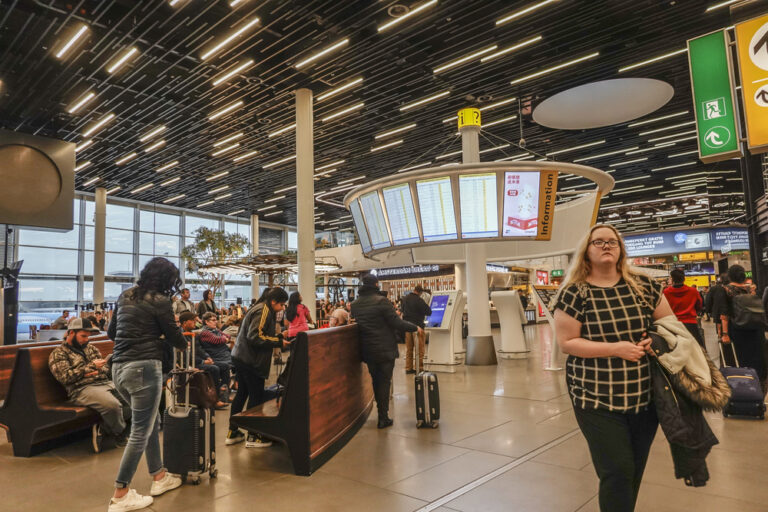
Can’t wait for the May holiday? Well, you’re not the only one. Dutch airports are preparing for extreme crowds and warn against extra waiting times, long lines, and possible cancellations.
The advice for travellers? Come on time for your flight and wear sneakers, reports RTL Nieuws. 👟
Staff shortages at airports
The biggest airport in the country, Schiphol, is suffering from staff shortages. “Due to the coronavirus pandemic, many staff members have quit and started doing other work,” the airport’s spokesperson explains to RTL Nieuws.
This is a problem because on very busy days, Schiphol checks in up to 200,000 travellers. Things can get very busy especially during peak times in the morning until 11 AM and between 1 PM and 2 PM.
At the airport in Eindhoven, the situation is no different. “We are also short of hands everywhere, so take into account more waiting times at the security check or the catering industry,” warns the airport’s spokesperson.
The North Brabant airport advises travellers to arrive at least two and a half hours before departure.
Airlines feel it too
The biggest holiday flyer, Transavia, is also suffering from major staff losses due to the pandemic. “We have recently hired five hundred new employees. Not everyone has been trained yet, but we are well on the way,” the airline spokesperson explains.
However, the airline has scaled up its operations as much as possible and is now ready for the busy season.
“In recent weeks we had to cancel some flights. We can never completely rule out cancellations, but we don’t expect a massive outage at all,” the spokesperson says.
The airline recommends that travellers arrive three hours before their flight. “Don’t come extremely early either, because that only creates extra crowds,” they add.
How can I help speed up the process?
There are a couple of things you can do yourself to avoid missing your flight and make sure you fly through security as fast as possible.
These include booking parking spots in advance, checking in online, having your passport ready, not taking things in your luggage that aren’t allowed, and wearing sneakers — not only won’t you have to take them off during the security check, you’ll also be able to run faster to catch your plane. 😉
“We are doing our very best, but we are also dependent on the cooperation of the passengers,” adds the Eindhoven airport spokesperson.
One last thing: don’t forget to bring your mondkapje! 😷 These are still mandatory after security check and when inside the plane.
Popular summer destinations
May holiday in the Netherlands typically marks the start of the summer season — and no wonder. We are all in desperate need of some vitamin D after all the gloomy and rainy days. ☀️
The most popular destinations for travellers to go to are around the Mediterranean, with Turkey being the number one choice this year.
Have you experienced delays or missed flights due to the high number of travellers? Let us know in the comments!
You have a great workout program in the Netherlands, a good gym routine, and maybe even a passionate workout buddy who keeps you motivated.
But what happens when you go to visit family back home?
If you’re like me, you don’t have access to a gym, your family showers you with amazing food (bless them) and… you slowly see your fitness goals slip. 😬
Working out in the Netherlands: sunshine edition
But what if you could do a full gym workout wherever you want — in the city you travelled to for work, on your beach trip with your besties, or just in the park on a sunny day?
No, it’s not a rhetorical question, because PAKAMA’s new backpack lets you take the gym with you, wherever you go.
This German-made bag allows you to do all your favourite gym workouts on the beach, in the park, or wherever else you want to flex. 💪
Say hi to your newest gym buddy: PAKAMA Athletics is a German brand spearheaded by the two-time Big Wave Surf World Champion, Sebastian Steudtner. Together with two of his sports-enthusiastic friends, they’ve created the ultimate backpack — complete with quality fitness equipment and uncompromising comfort and style.
Getting your equipment together
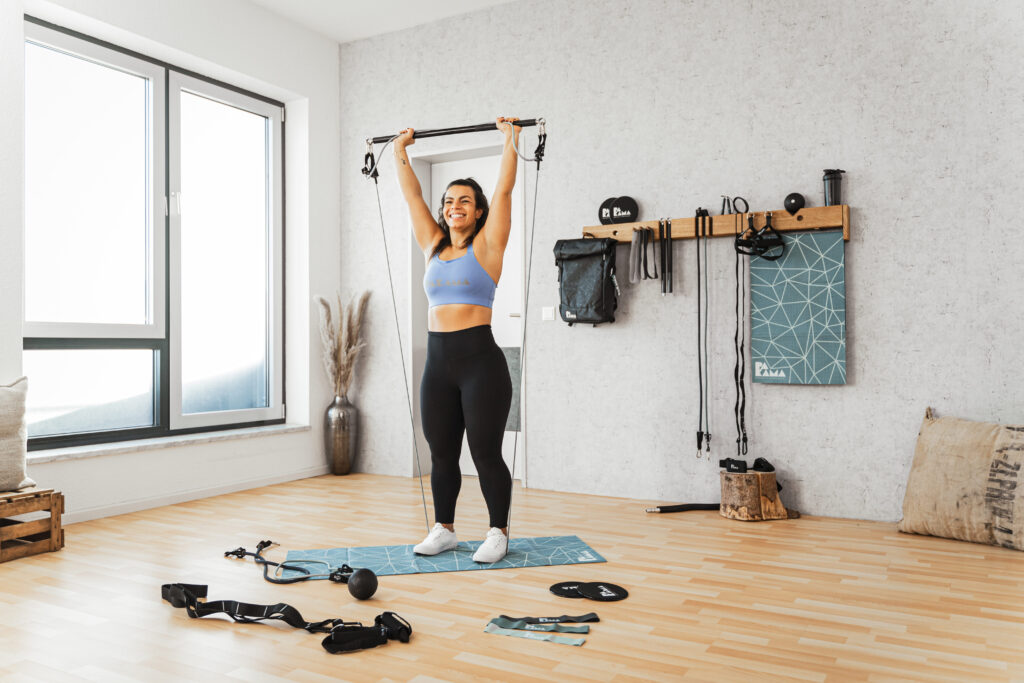
The PAKAMA bag is a unique lifestyle backpack containing 10 versatile tools that combine to create your very own mobile gym.
Plus, for those times when you’re going straight from work or school, you can even chuck a laptop in there too.
However, no one wants to carry around literal gym weights on their back, so the designers at PAKAMA Athletics have ensured that the bag stays lightweight.
Weighs nothing but packs a punch! Image: Abuzer van Leeuwen/Supplied
To do so, they’ve designed an assemblable bar that fits snugly into two tailor-made compartments for easy storage. When you’re ready to work out, you simply screw the bar together and hook one or multiple resistance bands onto it for added weight.
Since the bar is hollow and the bands don’t weigh much without resistance, the PAKAMA bag is also easy to bring with you when travelling. ✈️
All your workout workouts in a backpack
Now, those 10 tools we mentioned? You can combine them to emulate 500 gym exercises! The secret is that two-part bar that you hook resistance bands onto — it allows you to deadlift as much as 80-100 kilograms. 🔥
In the bag you’ll find:
3 PAKAMA resistance bands
3 PAKAMA mini bands
2 PAKAMA foot straps
2 PAKAMA handles
2 PAKAMA slides
1 PAKAMA bar
1 PAKAMA speed rope
1 PAKAMA sling trainer
1 PAKAMA door anchor
1 PAKAMA fascia ball
1 PAKAMA foldable mat
Before seeing it in action, these tools might sound a little cryptic but, trust us, they’re super easy to use!
We tested them on our office rooftop at PLNT in Leiden (yup, shameless flex) and it’s safe to say we’ll be opting for the park over a stuffy gym on any (sunny) day from now on. ☀️
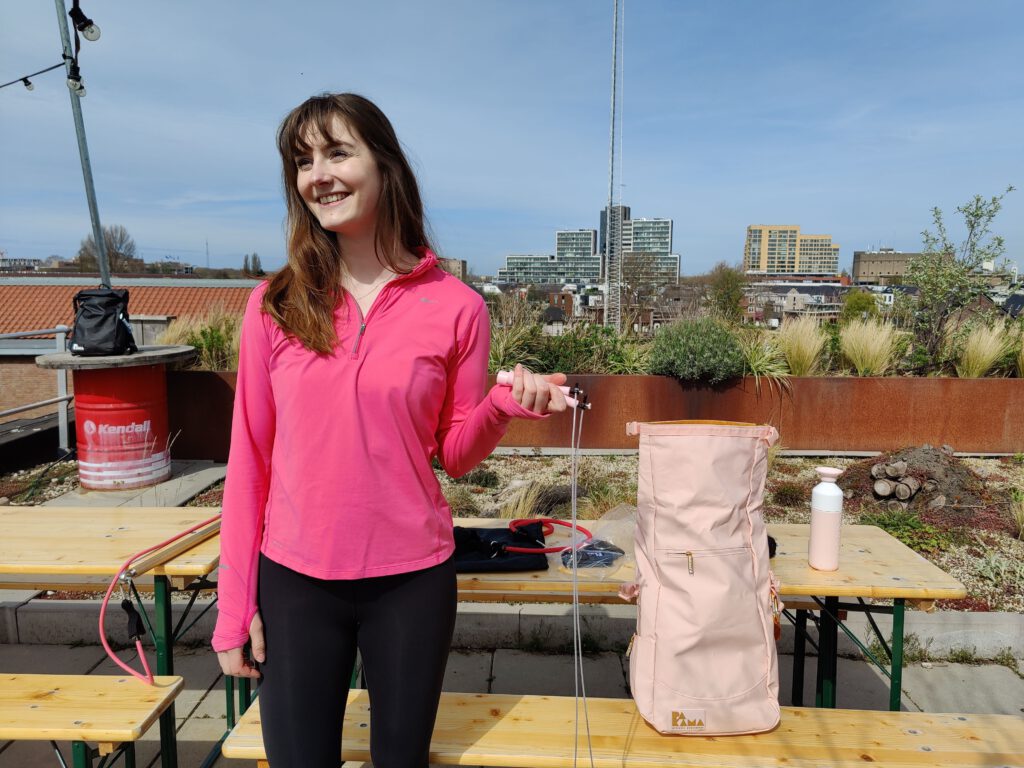
I always feel like a little girl when jump roping, but it’s not to be underestimated! Image: Abuzer van Leuuwen/Supplied
Our little lunch break lifting session was short but effective — and definitely wouldn’t have happened had we needed to go to the gym.
For a warmup, we tried the speed rope, which is sure to bring your pulse (and mood) up instantly. 🦘 Next, we rolled out the handy foldable mat and fired up our core with some slider exercises (a smooth surface will be best for this) before getting to the real deal: the bar.
Some squats, deadlifts, and lunges later, we were ready to pack up — and could almost conquer the rest of the workday without our usual mid-day caffeine run.
Pick a colour
Now, as much as we love a solid practical product, there’s no denying that we live in the age of influencers and Instagram highlights. That is to say, there’s nothing wrong with wanting your workout gear to be cute. 💁♀️
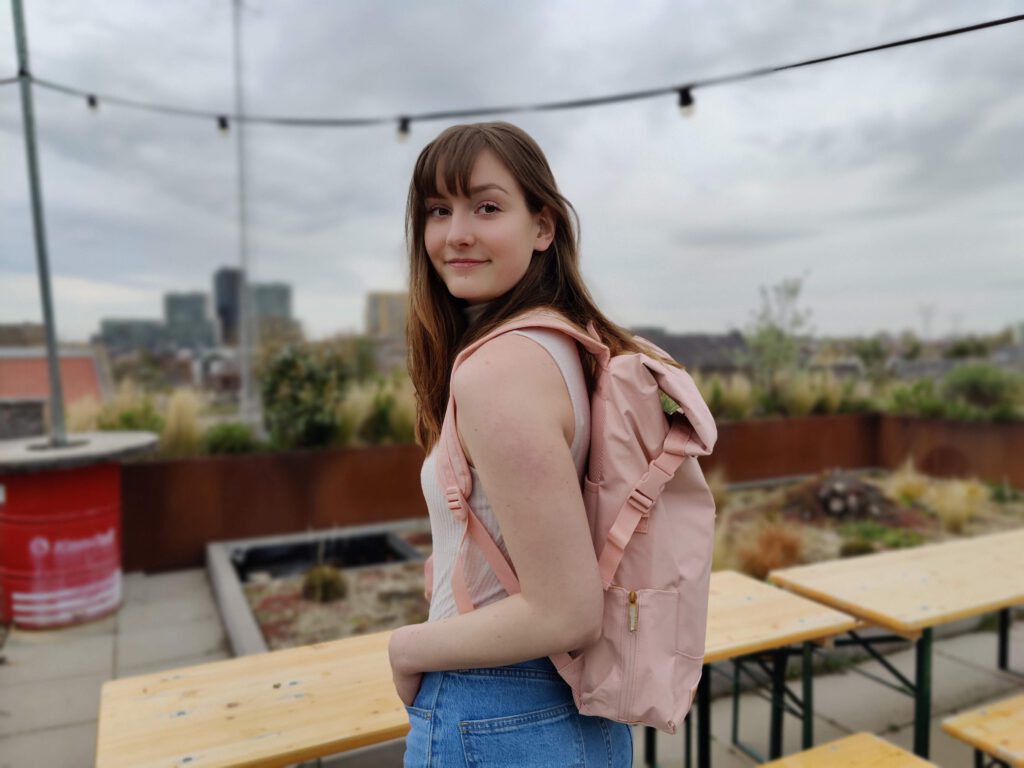
Well, PAKAMA hit the nail on the head with that one. Available in three different colour schemes (a classic black, a military green, and a pretty pink), it’s also a backpack you’ll feel confident carrying around — or featuring on your Insta if that’s your thing.
Using PAKAMA to reach your fitness goals
If you’re unsure how to get the most out of the equipment, we suggest following PAKAMA Athletics on Instagram. Their profile is full of videos and story highlights with tips on how to use the bag to its full potential — so you can reach yours. 😚
Moreover, they’ve developed an app that gives you access to a growing library of on-demand workouts and personalised training videos — all guided by professional coaches.
Meet one of your new coaches. Personalised and fun workouts here we go! Image: PAKAMA Athletics/Supplied
Currently, there are more than 500 exercises explained in the app, so you won’t run out of inspiration anytime soon! Plus, if you’re looking to improve your diet, the PAKAMA app also includes a full nutrition program to complement your new workout schedule.
When you purchase a bag, you even get a one month free trial of premium access to the app. If you just want the app but aren’t purchasing the bag, you can still get a seven-day free trial. After the trial period, it’s €29.97 for three months premium. Far cheaper than a gym membership. 😉
Get your own PAKAMA Bag
If you’re interested in learning more about PAKAMA Athletics or purchasing your own PAKAMA bag, check out their website.