Nicole Kidman is starring in (and producing!) a Hitchcock-style thriller set during Holland’s famous Tulip Time festival, hitting screens in March 2025.
She’s already got the towering Dutchie height down. 👇
But before you get too excited about seeing Amsterdam’s canals dripping in crime, we’ve got some disappointing news….
It’s not our Holland
Turns out, the movie is set in Holland, Michigan — a charming American town founded in 1847 by Dutch Calvinist separatists.
Key differences? Looks like this place has more hills than our Holland… Image: Press Release / Amazon MGM Studios
These folks were so obsessed with windmills and clogs that they decided to recreate the Netherlands… just with fewer bikes and more American accents.😬
Jokes aside, these Dutch pioneers escaped religious persecution and settled near the Black River, which flows into Black Lake (now Lake Macatawa), leading to Lake Michigan.
The city even has its own Tulip Time Festival, held every May, boasting over a million tulips, parades and all the Dutch heritage your klompen(clog)-loving heart could desire.
Hollywood, but make it Dutch
Alright, so this thriller might not take place in our Netherlands, but it still has plenty of tulips, clogs, and murder mystery fun.
🎥Here’s the trailer:
As The Hollywood Reporter spills, Kidman plays Nancy Vandergroot, a schoolteacher who suspects that her husband (played by Matthew Macfayden) is a serial killer.
Yep, sounds like a perfectly gezellig date night movie. 💀
Directed by Andrew Androski and Mimi Cave, the movie will officially drop on Amazon Prime on March 27, 2025.
So, if Kidman’s film doesn’t scare you off, maybe it’s time to book a trip and see some Dutch roots in action!
Will Nicole Kidman’s character solve the crime? And most importantly—will there be any Dutch people in this movie? 🤔 Drop your thoughts in the comments!
Are you a fresh arrival in the Netherlands (or simply learning Dutch)? You’re surely wondering how to accelerate your path towards fluency — and really converse with Dutchies.
Whether you’re looking for a strong start to your Dutch journey or trying to rekindle an old love for language learning, Dutch Courses Amsterdam (DCA) has got your back. 🧑🏫
With over 17 years of experience, they’ve helped thousands of internationals master the guttural g’s, the roaring r’s, and strenuous sch’s while taking hold of the strange order and syntax of the Dutch language.
So, let’s get familiar, shall we?
Introducing Dutch Courses Amsterdam
Aangenaam! (Nice to meet you!) Introducing yourself is usually the first thing you learn in any language class, but what happens after you’ve hollered your first hoi’s and grown confident in your goedemorgen’s?
Well, let me tell you: at Dutch Courses Amsterdam, at least, they take you all the way. 🇳🇱🔥
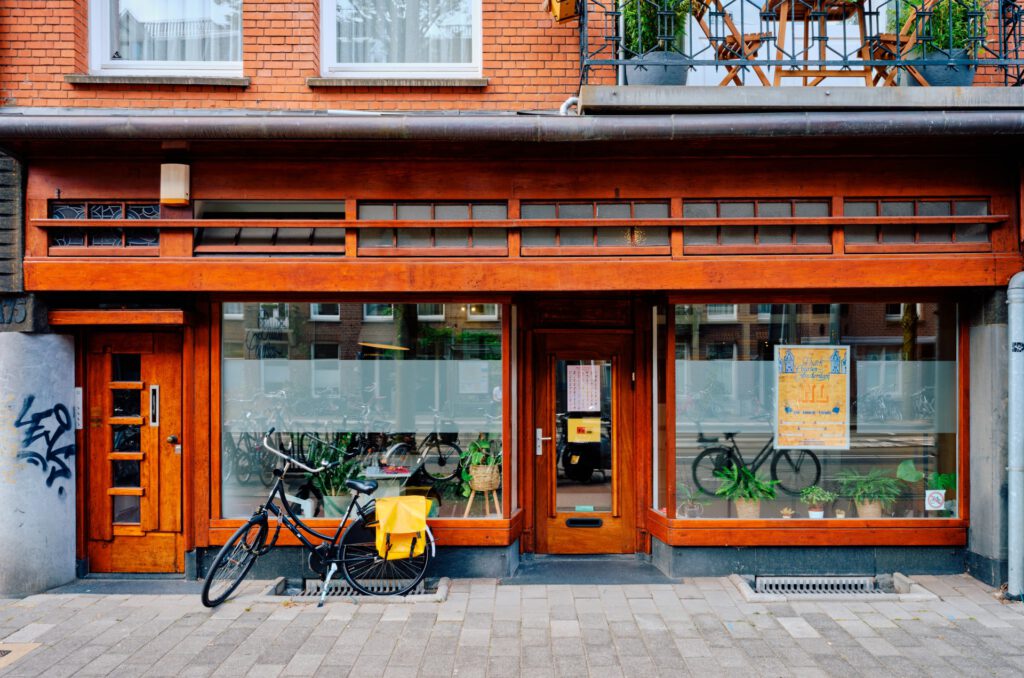
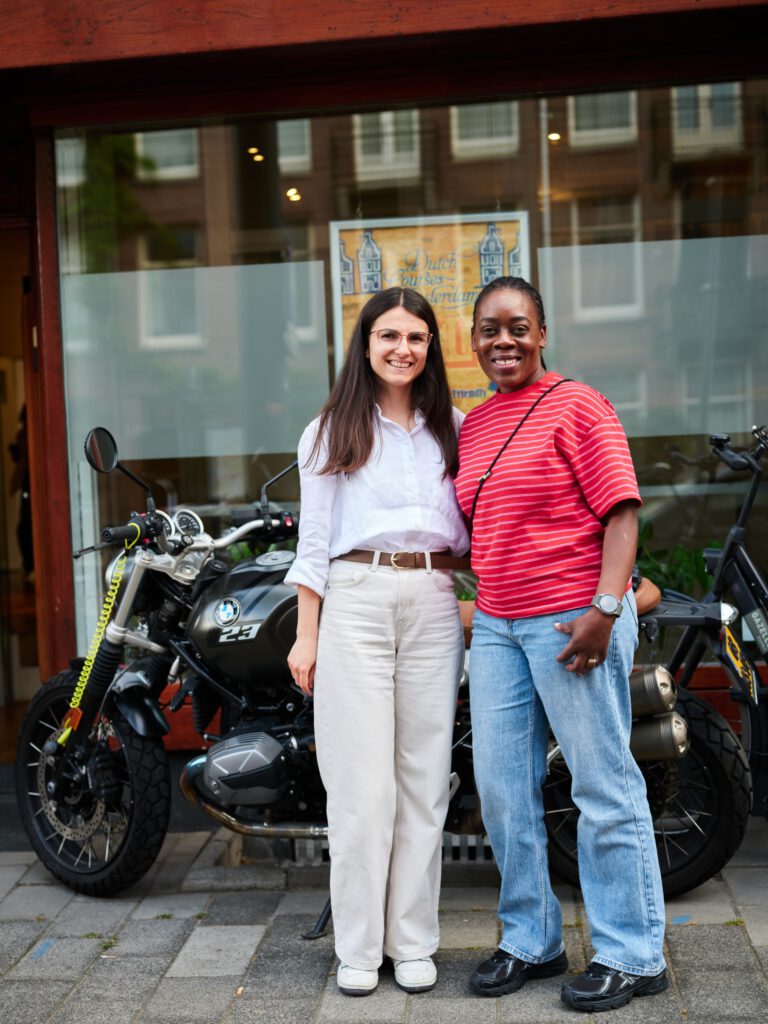
Wouldn’t you want to learn at this cute location? Image: Dutch Courses Amsterdam
After founding the school with just one dedicated teacher, the first two (and in the beginning, only) students flew from one proficiency level to the next, and as their skills grew, so did Dutch Courses Amsterdam.
Located in Amsterdam West, they’ve now taught more than 10,000 students and have over 17 experienced Dutch teachers on their staff.
Their mission? To make Dutch classes “fun, friendly, and efficient.”
Decided it’s finally time to learn Dutch? At Dutch Courses Amsterdam, new courses for all levels are offered throughout the year, beginning once or twice per month — meaning you can start whenever it suits you. 💪
Even better, at Dutch Courses Amsterdam, there’s plenty of flexibility when it comes to scheduling.
You can join evening courses either at the school or online, sign up for private or duo classes (did anyone say language date? 😍), or go all-in and register for one of the intensive courses.
Why should I take an intensive Dutch course?
Now, intensive courses sound…intense, right? 😅 Well, trust me, they are. But they’re also worth it.
For two weeks, you and your classmates will hunker down with your provided materials every Monday to Friday for three and a half hours of concentrated learning per day.
Looking to improve your skills? Dutch Courses Amsterdam offers intensive Dutch language classes. Image: Dutch Courses Amsterdam
However, there’s no better feeling than emerging after two weeks with newfound confidence and much-improved Dutch skills.
Not quite convinced? Here are five reasons why following an intensive course with Dutch Courses Amsterdam is a good idea:
1. You’ll learn Dutch at lightning speed
When following an intensive course at DCA, your grammar will jump a whole level on the CEFR (Common European Framework of Reference) scale in just two weeks.
If that doesn’t mean anything to you, know that it generally takes 100 to 200 hours to progress through CEFR levels for Dutch, and going from A1 to A2 can be the difference between being stuck at introductions and holding a basic conversation! 🙌
While proficiency is definitely a product of the amount of time you invest, DCA emphasises that the key to fluency remains a sizeable vocabulary. This, however, takes time to accumulate, and the speed at which people learn new words differs a lot from person to person.
With 35 hours of dedicated class time, though, an intensive course gives you an excellent opportunity to sponge up new words. 🧽
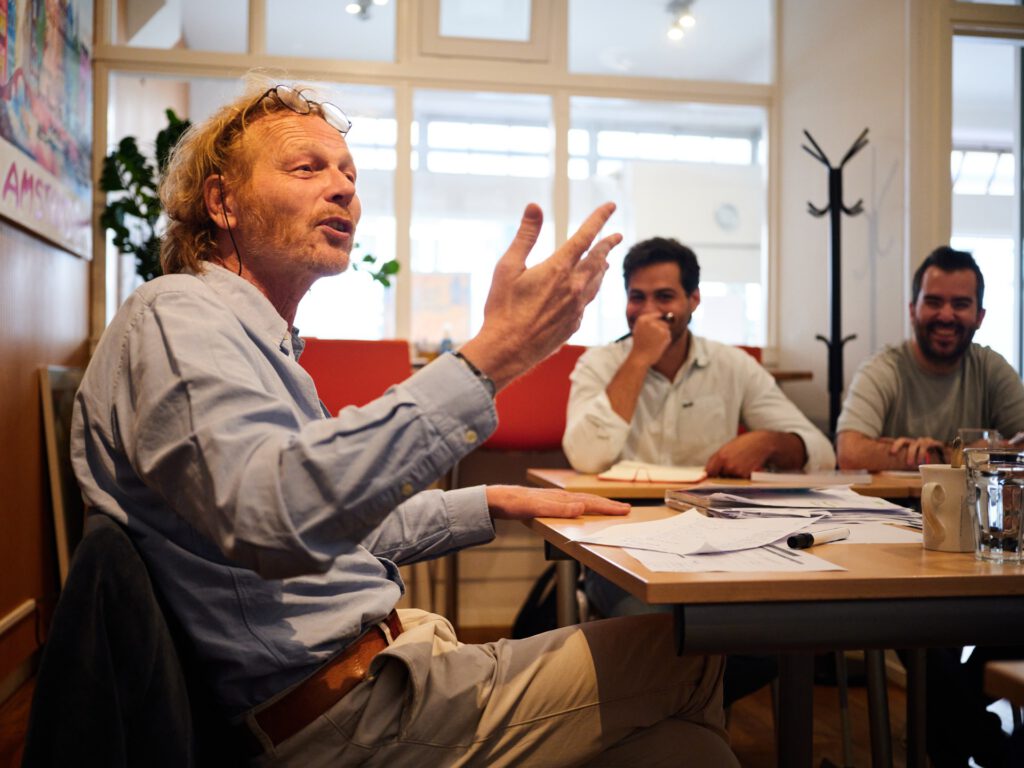
Dutch Courses Amsterdam makes use of specialised conversation and grammar teachers. Image: Dutch Courses Amsterdam
Plus, following the guidance of DCA’s specialised conversation teacher, you’ll put your expanded vocab and existing knowledge into use right away, while a dedicated grammar teacher ensures you’re following the correct Dutch syntax.
2. You can fit an intensive course into your holiday time
For many people, it feels like they’re constantly running from one thing to the next, be it school, work, kids, sports, or hobbies. So when is there time for learning Dutch?
An evening class or two per week works perfectly for some, but if you have other responsibilities in the evening, then working an intensive course into your vacation plans might be the perfect alternative.
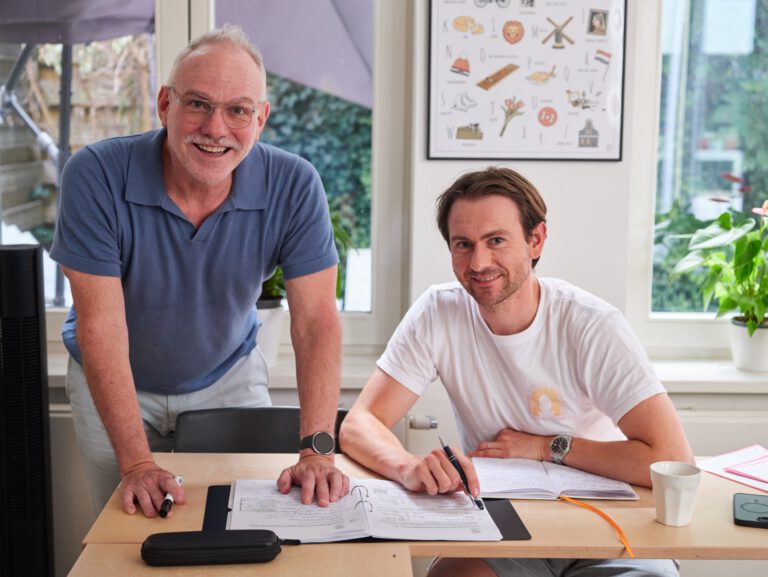
You’ll have plenty of flexibility, and you’ll enjoy a cosy study location on top of that. Image: Dutch Courses Amsterdam
Since the classes at DCA span Monday to Friday from 10:15 AM to 2:15 PM for two weeks, you can complete an entire CEFR level during your time off, and still have the evenings to actually relax. 📺
3. You won’t forget what you’ve learned in previous classes
Another perk of following a Dutch intensive course is that you won’t have to spend a lot of time recapping what you’ve learned in previous classes.
Avoid getting confused or forgetting material with these intensive courses! Image: Dutch Courses Amsterdam
Attending courses every weekday for two weeks gives you the opportunity to immerse yourself in the language (a rare occasion, since Dutchies have the habit of switching to English at the first sign of non-nativeness! 🙃).
Essentially, you’re given the chance to gain momentum in your language learning — with an intensive course propelling you towards proficiency without the frustrations of forgotten knowledge.
4. You’ll get to have lots and lots of practice
Dutch Courses Amsterdam focuses on making you confident in your language abilities so you can leave the classroom feeling ready to test your Dutch with native speakers.
Since there’s a frequent opening of courses, each class at Dutch Courses Amsterdam can have as little as four and a max of eight students. Limiting the class sizes guarantees that each participant receives personal attention, accelerating the language learning process.
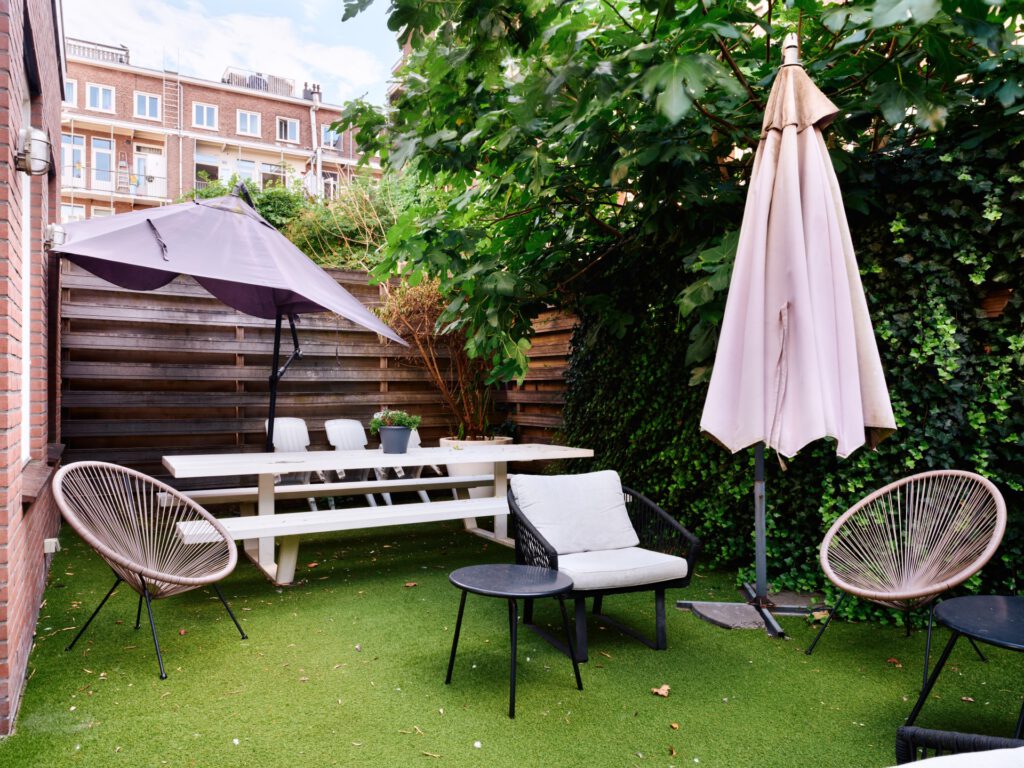
The end goal? To integrate into life in the Netherlands. Image: Dutch Courses Amsterdam
You’ll be surprised by how fast you progress in their small groups as opposed to larger classes where the break seems to come before you even get to introduce yourself.
Perhaps most importantly, the small class sizes create a cosy atmosphere, so you’ll quickly get to know your classmates and want to speak with them… in Dutch!
5. You can prepare for studying or working in the Netherlands
Though not necessarily superior to regular Dutch courses, the fast pace of intensive courses does offer a shortcut to studying or working in the Netherlands.
At certain levels, the aim of intensive courses is to prepare you for following a study or excelling at a job that uses Dutch as the primary mode of communication.
Dutch Courses Amsterdam keeps class sizes small so that you get the attention you need. Image: Dutch Courses Amsterdam
A Dutch intensive course can also serve as an orientation towards important language examinations, like IBEX, NT2-I, or NT2-II. Inburgering, here we come!
So, what should you consider before signing up for a Dutch intensive course?
Firstly, make sure that you can keep up the tempo even after the course ends. Remember that 35 hours of language learning in two weeks is a lot, and your brain might need some time to absorb and apply all the knowledge.
Make sure to keep practising your Dutch once you complete your course! Image: Dutch Courses Amsterdam
Ideally, when graduating from one proficiency level to the next, you should continue your Dutch language learning journey by attending another course. However, that might not be realistic due to a busy schedule or just needing a break.
If that’s the case, then Dutch Courses Amsterdam recommends not holding off on another course for more than three months. After that, the gained knowledge slowly tends to fade.
Good to know: If you’re looking for a more slow-paced alternative, DCA also has evening and semi-intensive courses with three classes per week, lasting four weeks.
Have you followed a Dutch intensive course before? How did you like it? Tell us in the comments below!
The Ministry of Health wants to make smoking less accessible in the Netherlands by raising the legal age to buy cigarettes and vapes from 18 to 21.
The proposal comes as nearly a quarter of Dutch children aged 12 to 16 report that they have already tried vaping — now teen smoking could be out of the question.
Much harder to buy
According to EuroWeekly, it’s not just the buying age that’s getting raised; fines for selling illegal vapes are increasing with it.
This is a serious shake-up: the government wants to crack down on regulating online sales of vapes and e-cigarettes.
That includes prohibiting the accessories and fancy packaging that make vapes more appealing, especially to young people.
Found this vape on the street when walking the dog in The Netherlands Bayc vape 🤯
As being mom : This really bugs me, we need to protect children, found near kids school. How do kids even buy vapes ? SM / snap
Gone are the days of watermelon-flavoured vapes with a novelty keychain and a disco ball attached to it. 🚫
A smoke-free future
The new age limit is part of a broader plan to make the Netherlands smoke-free by 2040.
Health experts are worried about the use of tobacco in the lowlands — nicotine is namely one of the most addictive substances out there, surpassed only by crack and heroin.
Most vapers end up smoking traditional cigarettes as well, getting caught up in a habit that’s hard to shake. The government wants to crack down before more habits form.
When will this happen? The proposal is now up for debate in Parliament, with public and industry feedback to consider before a final decision is made.
What do you think of the new proposal? Will it actually help reduce smoking? Let us know your thoughts in the comments!
Amsterdam police and students are still searching for 23-year-old student Luo Shengmen, who vanished on February 23.
With no new leads, fears are mounting among friends, university officials, and family members who have travelled from China to assist in the search.
Disappearance raises alarm
Luo Shengmen, a well-liked and hardworking Logics student at the University of Amsterdam (UvA), disappeared under suspicious circumstances.
According to AD, Luo’s phone, passport, laptop, and debit card remain untouched in his room.
A fellow student who saw Luo shortly before he went missing told the student magazine Folia: “he behaved very normally that Saturday and he is not the kind of person to just disappear like that.”
A teaching assistant from Luo’s course also expressed surprise at his disappearance. In conversation with Folia, he said, “I don’t think it’s like him to just disappear, I don’t think he had any mental problems.”
Concerned students alerted the housing corporation, university, and authorities to Luo’s disappearance.
Anyone who has seen Luo or has information regarding his whereabouts is urged to contact the police immediately. Reports can be made anonymously by calling Crime Stoppers at 0800-6070 or submitting an online tip form.
Yes, Nijmegen is the oldest city in the Netherlands — and no, it’s not situated in the Randstad.
Nijmegen is located in the southeast, close to the German border. Its history goes back over 2,000 years, to Roman times, when Noviomagus, what they called Nijmegen back then, was an outpost of the immense Roman Empire.
Put a shovel in the ground, dig, and you will find something old. That would feel like marketing gold in its hands for any city. So, how does Nijmegen use its history in terms of city marketing? Well, pretty poorly is the actual answer.
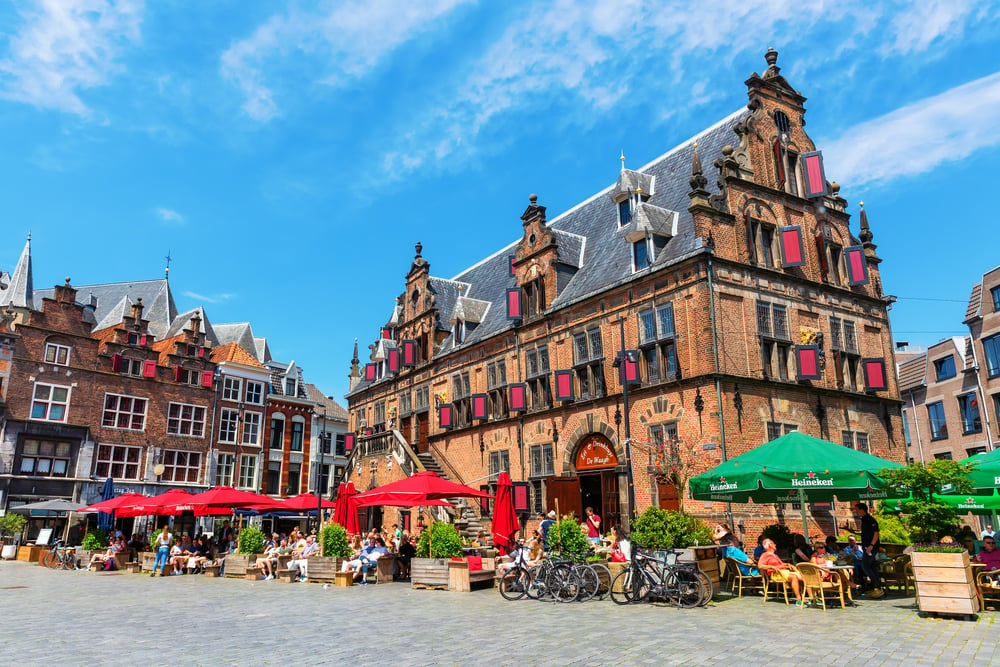
But how delightful is this city square? Image: Depositphotos
The story of ‘the lost tower’
Nijmegen has a questionable track record in dealing with specific historical artefacts such as old buildings, archaeological findings, and recreating the past in one form or another. Historical accuracy is not the main objective here.
For example, the municipality moved ‘the lost tower’ (which they found while digging for a new parking garage) to another area to fit in with their plans for a nearby square.
Another questionable episode is Nijmegen’s dealings with planning a rebuild of the so-called donjon, a tower situated in the Valkhofpark.
Small problem: no one knows how it looked or how high it was, let alone any details. The local municipality concentrated more on enticing anyone to take the project on and finance it.
For the walk lovers: Vierdaagse!
When you ask people what they associate with Nijmegen, the only answer they come up with is the Vierdaagse. If your perfect pastime involves a lot of walking around Dutch landscapes, then Nijmegen offers the perfect walk.
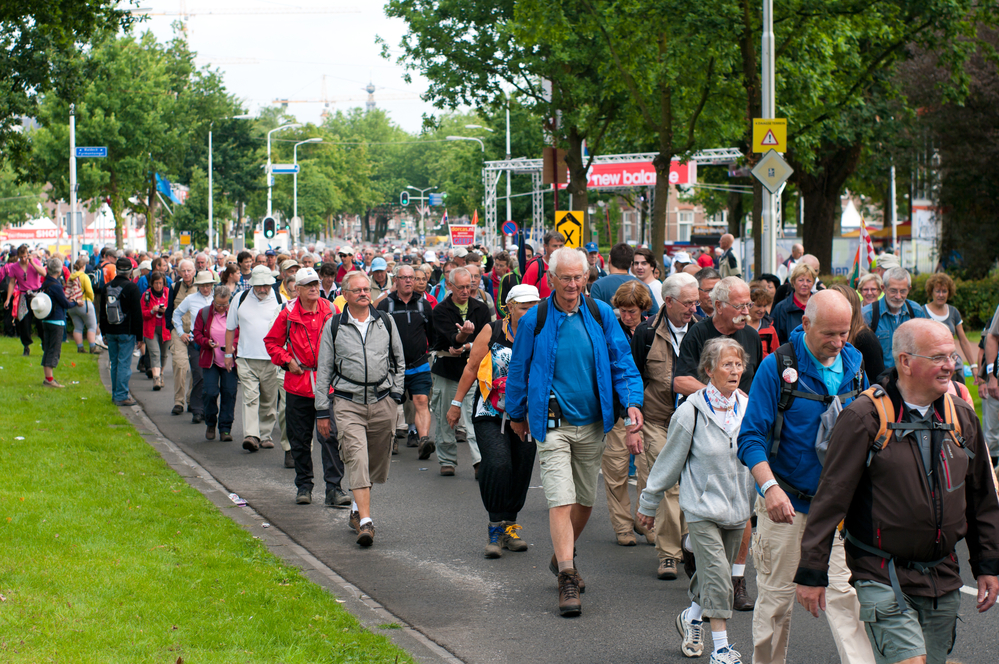
This event is a four-day long walk that occurs in July each year. It’s one of the biggest walking events globally, with over 40,000 people from all over the globe taking part.
Thousands attend the Four Days Walk every year. Image: Depositphotos
Unfortunately, poor old Nijmegen never rises beyond tenth place in lists of the most popular cities in the Netherlands. And it cannot be said to have a clear reputation, apart from its walking event each year.
But each year, the local government assigns a budget to city marketing and tries to bring the city into new fantastic futures. And it always fails miserably.
In the last few years, Nijmegen has had an incredible array of images, such as “knowledge city”, “summer city”, “city of education”, “health”, “smart”, etc.
The one thing they don’t seem to be able to sell is being the oldest city. Just don’t hold it against them; they try their best.
The biggest party in Nijmegen
The city does one thing well. While many people walk for four days during the Vierdaagse, more than a million and a half people visit the city during the Vierdaagsefeesten. In July each year, it hosts the biggest party in the Netherlands.
Themed around the slogan “The walk of the world”, the city is awash with music, performances, parties, markets, festivities and the occasional downing of some form of alcohol.
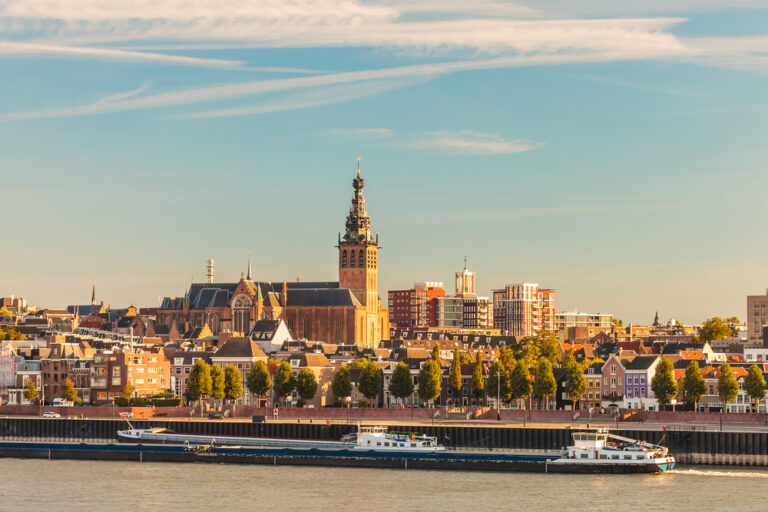
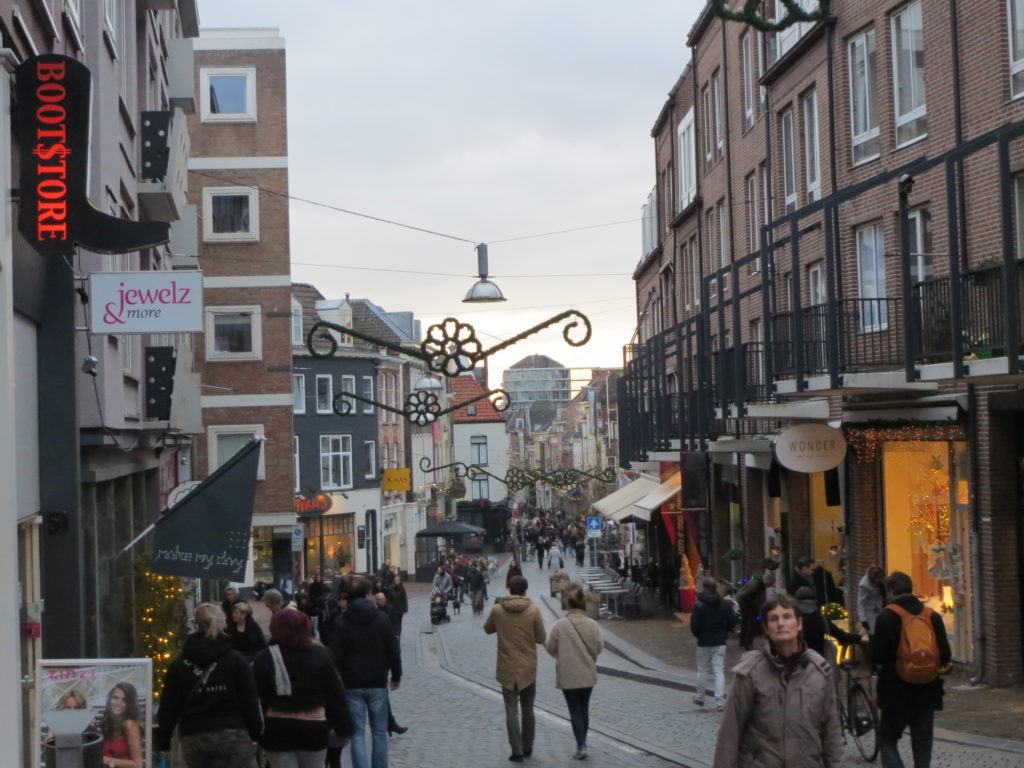
A view down one of the main streets in Nijmegen. Image: Erik Jannsen/Supplied
During this week, it is probably the best city in the Netherlands in terms of gezelligheid. As one of its residents, I can solemnly vow for this.
Nijmegen goes green
Trying to put Nijmegen on the map, the city applied to become the European Green Capital three times. Finally, the European Commission agreed and awarded the title to Nijmegen in 2018! It was the first city in the Netherlands to win the award.
So, Nijmegen went green. Massively. The city has been organising activities on sustainability, energy transition and being a green city in the broadest sense.
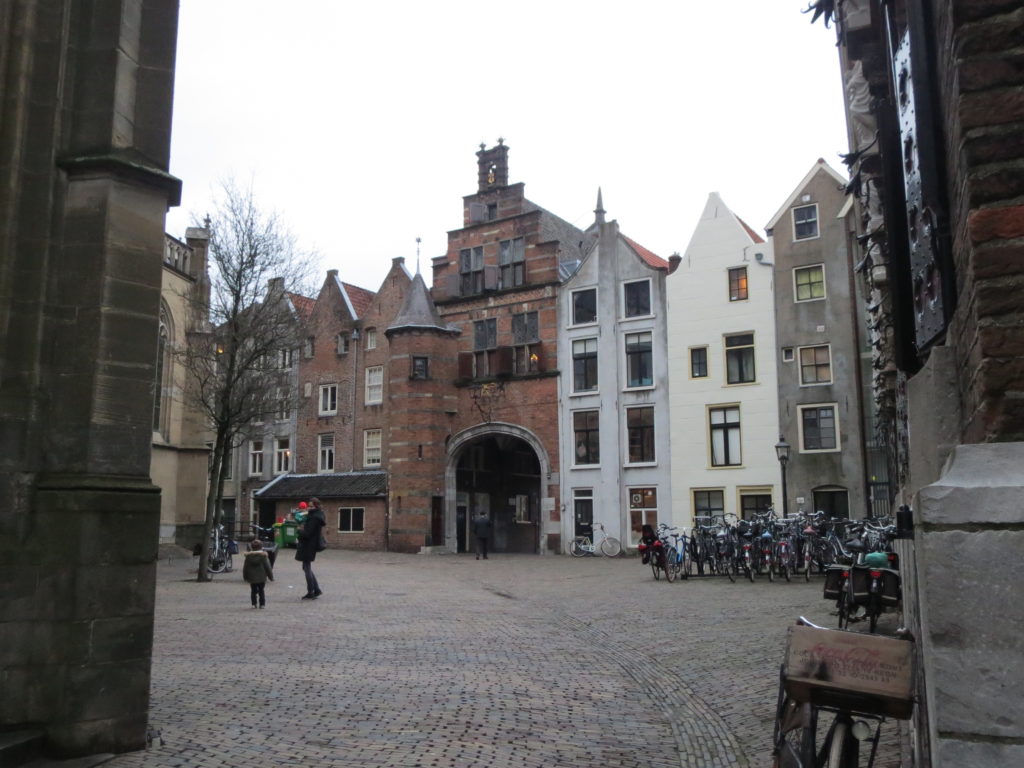
Nijmegen has a lot of quaint old houses in its historical centre. Image: Erik Janssen/Supplied
So give this old student city some love; it’s undeniably wholesome and throws the best parties. Perhaps it would be the perfect destination for a day trip!
Do you have suggestions for other places off the beaten path worth visiting in the Netherlands? Let us know in the comments.
The Netherlands is beautiful year-round, but if you ask us, spring is the ultimate time to visit the land of windmills and stroopwafels.
With tulip fields in full bloom, longer sunny days (finally!), and a unique, lively atmosphere, the country truly comes to life between March and May — giving you plenty of reasons to plan your trip.👇
1. Explore the canals in perfect weather
After a grey and rainy winter, Dutch spring boosts the mood with mild temperatures and longer days, making it the ideal time to explore the Netherlands’ iconic canals.
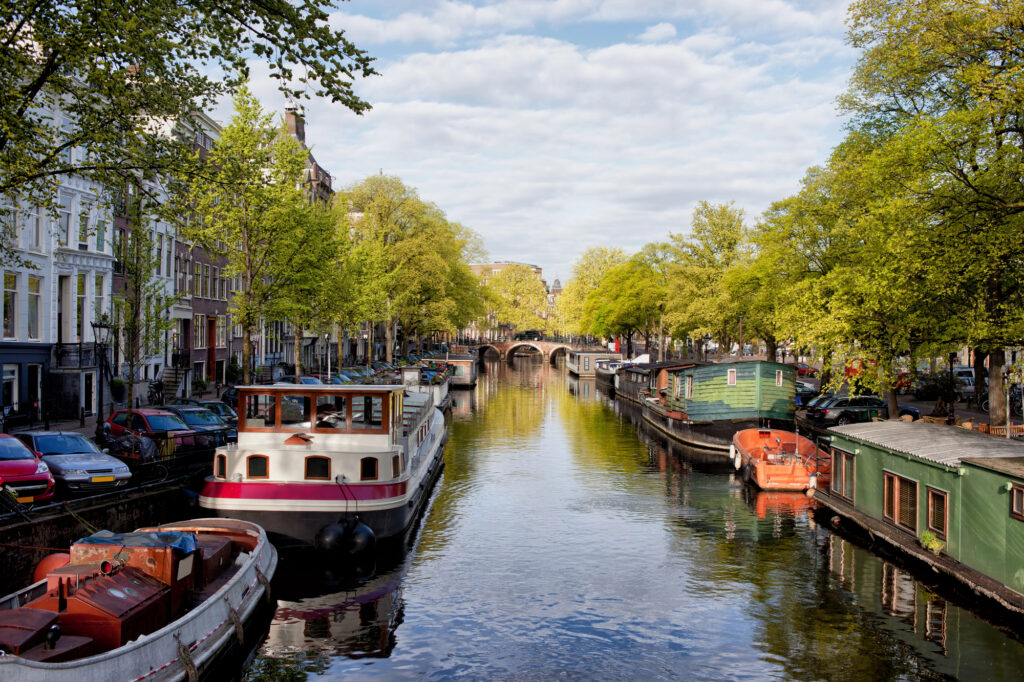
A quintessentially Dutch sight! Image: Depositphotos
Whether you’re taking a canal cruise in Amsterdam, strolling along Utrecht’s wharf cellars, or enjoying a waterside café in Leiden, the Dutch canal-side charm is at its peak during this season.
Plus, with fewer tourists than in summer, you’ll have more space to soak in the beauty of these historic waterways.
2. Outdoor markets and terraces come alive
As soon as the first signs of sunshine appear, the Dutch flock to terrasjes to soak up the fresh air (and the occasional biertje). ☀️
Markets are in full swing during this time too, offering fresh local produce and delicious Dutch treats. This gives visitors the perfect chance to mingle with the locals while getting to know Dutch culture.
Sipping a beer on a canal-side terrace in Amsterdam? Strolling over the flower market in Haarlem? However you may decide to spend your days, spring is the perfect time to enjoy the Dutch outdoor lifestyle.
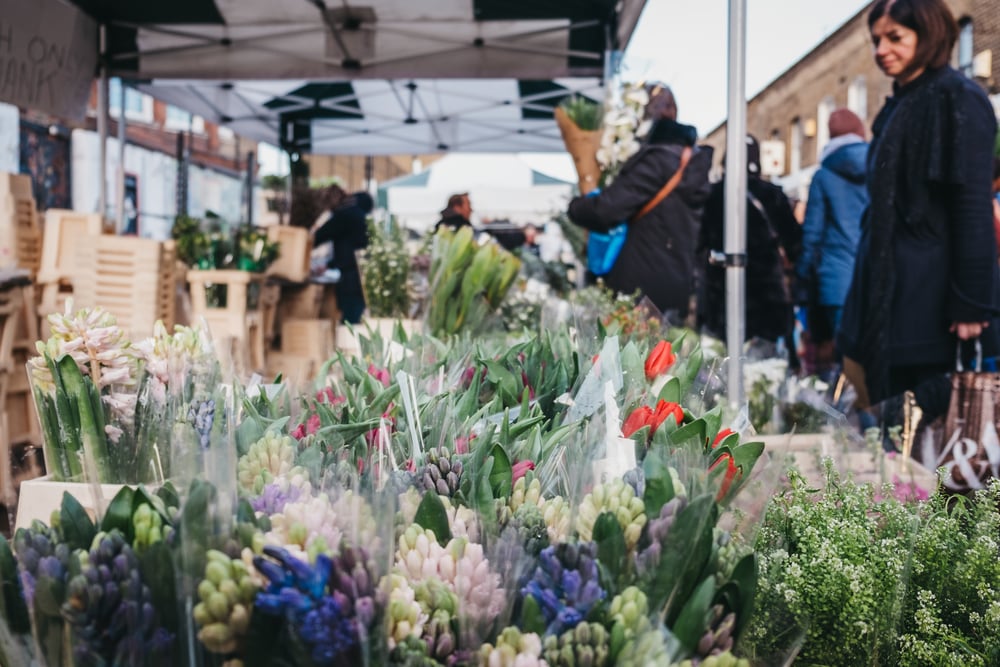
Who doesn’t love a good market? Image: Depositphotos
3. It’s the season of innovation
Spring isn’t just about nature and sunshine — it also brings fresh, innovative energy to the Netherlands’ thriving tech scene.
In the spring, cities like Amsterdam and Rotterdam are buzzing with startup events, conferences, and networking opportunities as entrepreneurs and creatives launch new ideas.
It’s a great time to network. Image: Freepik
With cutting-edge developments in fields like AI, sustainability, and digital entertainment, spring is the perfect time to experience the Netherlands as a hub of technological progress.
From exploring co-working spaces to attending a tech summit, the fascinating Dutch tech scene is just waiting to be explored.
4. Tulips are in full bloom
If there’s one thing the Netherlands is famous for, it’s tulips.
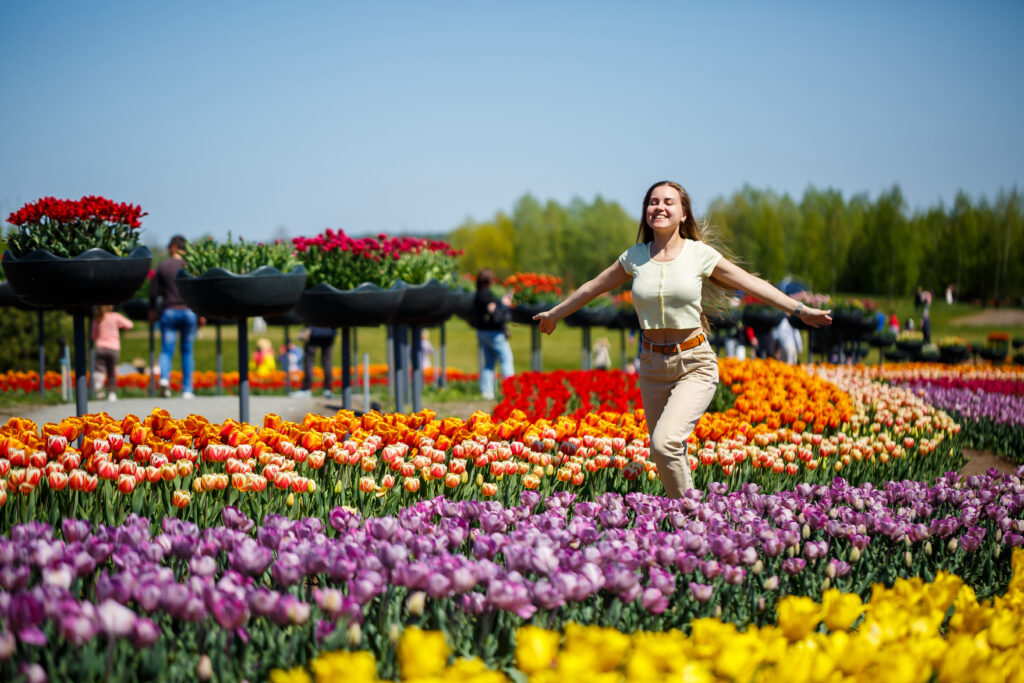
That could be you! Image: Freepik
Every spring, the Dutch countryside transforms into a sea of colours as millions of tulips bloom across the country. 🌷
The best way to experience this floral spectacle is with a visit to Keukenhof, the world-famous garden that showcases over seven million flowers.
For a more authentic experience, you could also rent a bike and explore the tulip fields in the Bollenstreek region.
5. Get up and close with Dutch windmills
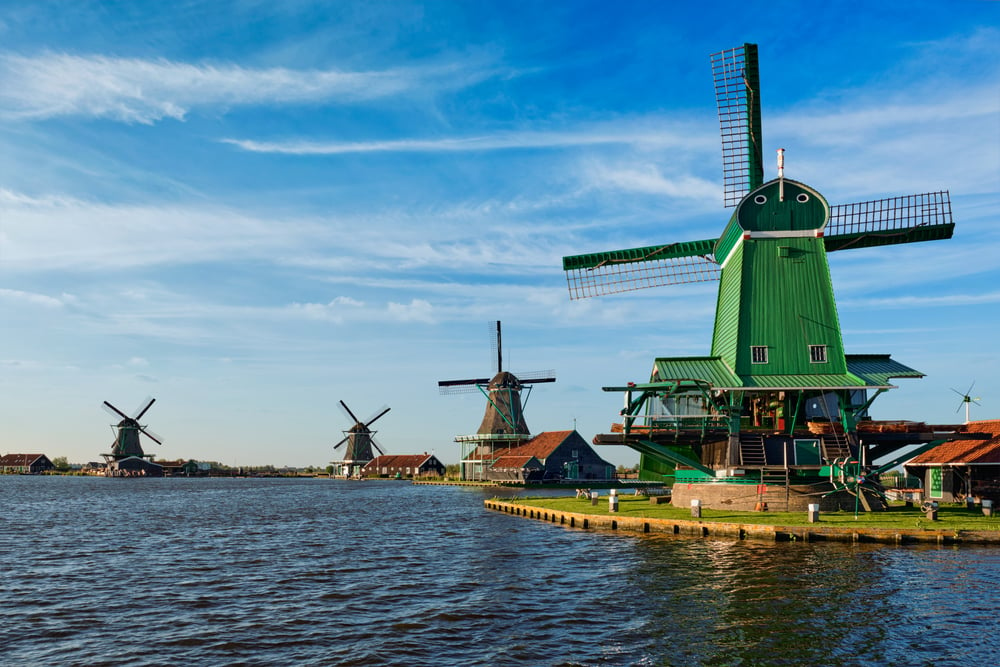
The Netherlands’ iconic windmills are a must-see at any time of year, but they’re especially stunning in the spring.
National Mill Day (held in May) allows visitors to explore hundreds of windmills across the country, many of which are open to the public just for the occasion.
We recommend a trip to the world-famous Kinderdijk or Zaanse Schans mills to admire these historic structures set against a lush springtime backdrop. 🍀
6. Pet the baby animals at local petting zoos
Spring is the season of new life, when Dutch national parks like the Hoge Veluwe are home to newborn deer, horses, and other young wildlife.
Dutch cities are dotted with farms and petting zoos, many of which open their doors for visitors to meet baby lambs, goats, and calves. 🥹
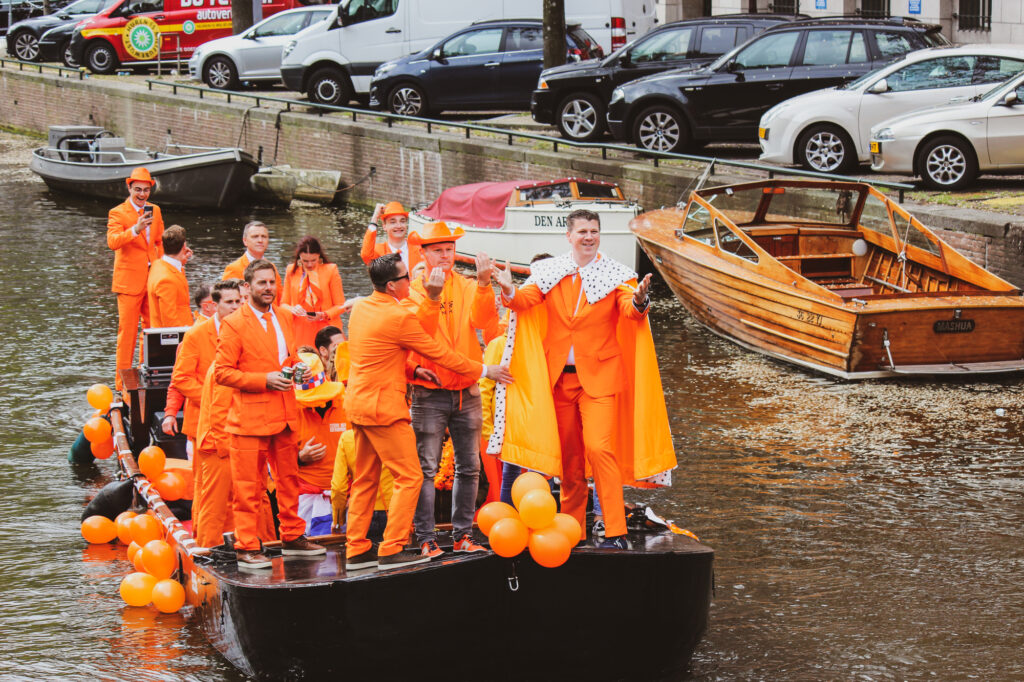
Expect an explosion of orange (the national colour), lively street markets, boat parties on the canals, and music festivals throughout the country.
Wherever (and however) you may choose to celebrate, you’ll be swept up in the contagious party atmosphere. 🕺
From breathtaking tulip fields to lively celebrations, spring is hands-down the best time to visit the Netherlands.
The weather is lovely (most of the time), the landscapes are at their most beautiful, and the atmosphere is buzzing with energy. So, what are you waiting for? Go ahead and book that trip (you have our blessing 🤲).
What’s your favourite season to explore a new country? Share your thoughts in the comments.
After a warrant for his arrest was issued by the ICC, former Philippine president Rodrigo Duterte was flown to The Hague for prosecution.
Duterte will be tried at the ICC (International Criminal Court) for alleged unlawful killings during his “war on drugs”.
Flown to Rotterdam
Philippine authorities arrested the former president in Manila on March 11. He was subsequently put on a plane, which was supposed to land in Rotterdam today (March 12) at 7 AM.
According to RTL News, the airport confirmed the plane Duterte boarded was headed to the Netherlands, but did not confirm Duterte’s presence on board.
However, both the current Philippine president, Ferdinand Marcos Jr., and the ICC confirmed that the aircraft was indeed carrying Duterte.
His daughter (and current vice president) Sara Duterte criticised her country’s involvement in Duterte’s arrest.
“This shows the world that this government is willing to abandon its own citizen and betray our sovereignty and national dignity… This is not justice. This is oppression and persecution.”
“I don’t care about human rights”
Duterte is being prosecuted for the deaths of at least 43 people during his “war on drugs” between 2011 and 2019, the year the Philippines also withdrew from the ICC.
According to a report by the Human Rights Watch, the Philippine authorities routinely falsified evidence to justify unlawful killings.
The report suggests that between police officers acting on Duterte’s behalf and “unidentified vigilantes”, the death toll may even reach 7,000 people.
In a presidential campaign speech in 2016, Duterte stated: “My order is shoot to kill [drug dealers]. I don’t care about human rights, you better believe me.”
Ah, Austria — home to schnitzels, stunning slopes, and now, ski hut smackdowns. A sunny day in Flachau ended in chaos when 15 Dutch and German holidaymakers turned a ski resort into a boxing ring.
What started as a verbal snowball fight quickly escalated into a full-blown after-ski brawl, leaving three Germans hospitalised and police trying to restore order.
Spills, scuffles and search parties
According to De Telegraaf, some Dutch participants were arrested, while others attempted a swift escape.
The police began an intense search mission, identifying the Dutch runaways after several patrols.
The cause? It’s still unknown, but beer-fueled sporting bravado seems a likely suspect (joining a long history of Dutch-German tensions). 🍺
Officials are investigating, and while no new rules have been announced yet, we wouldn’t be surprised if “No Punching” signs start appearing next to the ski lifts.
Have you witnessed any icy fights firsthand? Share your wildest ski stories in the comments below. ⛷️👇
Last week, it felt like we had officially embraced spring with the warmest of welcomes (and hope for floral skirts to return). Now, we’re paying the premature sunshine tax as temperatures bring us back to reality.
Less than 10 degrees all week?! We might have sold our winter jacket on Vinted a little too soon…
Typical turn for the worse
After a classic grey and foggy start, today will creep from freezing to a meagre 7 degrees in the afternoon, De Telegraaf reports. 🌫️
The north and west might be lucky enough to see the sun peek out, but the coast can expect rain.
In the evening, the chances of rain increase again. With the wind picking up, we might even awake to some frozen rooftops on Wednesday.
Speaking of — tomorrow will also kick off with a chill, then highs of 8 degrees during the day.
Sunny, stormy showers
Later this week, the weather might give us a little whiplash.
Expect a chaotic concoction of sun, cloudy, rain, hail and even thunder on Thursday. One thing is certain: it will not be too warm, barely reaching 7 degrees.
Did you know that weed isn’t legal in the Netherlands? Surprising, right? But for the first time ever, that’s changing — thanks to the Dutch government’s “weed experiment.”
Through the wietexperiment, the government is exploring whether regulated production, distribution, and sale of cannabis can work effectively in the Netherlands.
And the best part? You can experience this legal, government-approved weed just outside Amsterdam in the vibrant city of Almere.
Among Almere’s three participating coffeeshops — Coffeeshop Koffie & Dromen, Chillie Kiki, and Boerejongens — one truly stands out: Boerejongens Almere. We visited the shop to see how the experiment is going. 👇
Boerejongens Almere? That sounds familiar
It makes sense if this is not your first time hearing about Boerejongens. Boerejongens is already renowned in Amsterdam for redefining the coffeeshop experience, so we were intrigued to see what the Almere branch has on offer.
Stepping inside, we were greeted by a sleek, modern interior that feels more like a boutique than a typical coffeeshop.
Now that’s what you call a sleek interior. Image: DutchReview
The atmosphere — like at all Boerejongens coffeeshops — is welcoming and professional, appealing to both first-time visitors and seasoned smokers.
What really sets Boerejongens Almere apart is its commitment to quality and expertise. Their knowledgeable budtenders are dressed in stylish white lab coats, and they’re always ready to guide you through their diverse menu.
Boerejongens Almere is also the exclusive retailer of premium cannabis products from Hollandse Hoogtes — one of the most celebrated cannabis producers in Holland.
Hollandse Hoogtes: Leading the way in premium cannabis
Known for their dedication to quality and purity, Hollandse Hoogtes is one of the ten official growers selected for the Dutch weed experiment — offering products unlike any other.
With over 40 years of experience in the Dutch cannabis industry, they’ve built a state-of-the-art 15,000m² greenhouse to deliver clean, high-quality cannabis.
Their philosophy? Legal weed is clean weed. This aligns perfectly with the goal of the experiment: to offer safe, consistent, and premium cannabis products.
Known for meticulous cultivation methods, Hollandse Hoogtes offers a wide variety of strains at Boerejonges Almere. We tried their Zowahh strain, which is developed by Karma Genetics and is exclusively grown by Hollandse Hoogtes. And, of course, it’s legal!
An Indica-dominant hybrid strain (60% India, 40% Sativa), Zowahh has a sweet, citrusy taste and — most importantly — it gave us a great high. 😉
Our bud of choice. Image: DutchReview
It kicked in fast with a happy, uplifting buzz that kept us chatty and focused. After a while, a relaxing body high set in, but we never felt couch-locked.
Each Hollandse Hoogte bud is carefully grown, properly dried, and hand-trimmed — no machines involved.
During our visit, the budtender shared that even their packaging is hand-selected to preserve freshness and ensure the highest quality.
So, one thing is clear: Boerejongens Almere brings that same top-notch standard that we’re used to from Boerejongens. It’s the spot to explore the new legal weed, whether you’re looking for a smooth, relaxing strain or something more uplifting.
Will you try out the legal weed? Image: DutchReview
Everything you need to know about the Dutch weed experiment
Until 2029, coffeeshops in ten participating Dutch municipalities can exclusively sell government-approved cannabis, cultivated under strict quality standards — meaning you’re getting some of the finest products available.
The participating municipalities are Arnhem, Almere, Breda, Groningen, Heerlen, Voorne aan Zee, Maastricht, Nijmegen, Tilburg and Zaanstad.
If this seems like a random list of Dutch cities, here’s what matters: Almere is the closest spot to Amsterdam where you can sample this legal weed.
Why is the Netherlands conducting this experiment?
The idea of the government regulating cannabis might sound odd, but welkom to the Netherlands!
Officially called the Experiment Gesloten Coffeeshopketen (Controlled Cannabis Supply Chain Experiment), this initiative aims to fix the country’s inconsistent cannabis policy.
While selling weed in coffeeshops is tolerated, its production and supply remain illegal and unregulated, leading to safety and quality concerns.
The weed experiment seeks to change that by regulating the entire supply chain — reducing crime, improving safety, and ensuring better product quality.
What to know before visiting a Dutch coffeeshop
Ready to explore legal weed at Boerejongens Almere? Here are a few tips:
Bring valid ID or passport: You must be 18 or older to enter and purchase cannabis.
Ask for recommendations: Not sure what to try? The expert budtenders at Boerejongens are there to help.
Consume responsibly: Start with small amounts, especially if you’re new to cannabis. Avoid mixing with alcohol or other substances.
The Dutch weed experiment runs until 2029 — and what happens next is anyone’s guess. So why not make the most of it? Plan a day trip to Almere and experience that legal, high-quality cannabis.
What do you think about this experiment by the Dutch government? Share your thoughts and opinions in the comments!