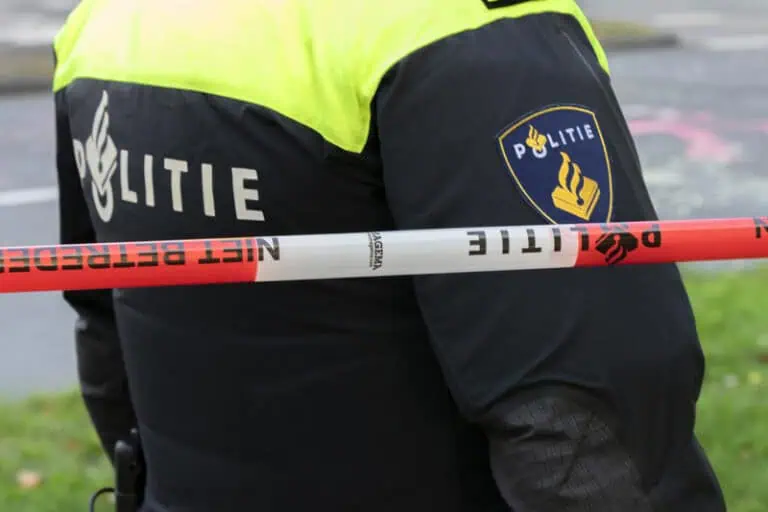
In September 2023, a 28-year-old mother named Roshin was murdered in Apeldoorn, the Netherlands, in front of her three-year-old daughter.
The Arnhem court sentenced her male relatives to 25 years in prison for the premeditated honour killing.
A plot to kill
The tragic murder was planned out by two brothers and two cousins, one of whom was Roshin’s ex-husband and the father of her daughter, NOS reports.
Roshin, of Syrian-Kurdish descent, began a relationship with an Arab man and stayed in Apeldoorn against her family’s wishes for her to be with her parents in The Hague.
The family believed her new relationship was dishonourable and conspired to kill her.
According to the court, exchanged messages and a failed attempt in July 2023 reveal they planned the murder for months.
The murder
On the day of the attack, Roshin was fatally stabbed 28 times outside her home by Peshang A., her 36-year-old brother.
She was murdered in broad daylight while her daughter watched. The child was physically unharmed.
The consequences
The Arnhem court found all four men guilty of orchestrating the murder. They received a 25-year prison sentence.
Additionally, they were ordered to pay €70,000 in damages to Roshin’s daughter, who now lives with a foster family at a confidential location.
Honour killings on the rise
The prosecutor condemned honour killings as “a completely unacceptable and undesirable phenomenon” that has no place in society.
This case underscores the growing issue of honour-related violence in the Netherlands. Since 2023, the police have reported 619 cases, up from 460 a decade earlier.
After what felt like an eternal deep freeze, the Netherlands is finally defrosting! This Friday, temperatures are set to hit a casual 17 degrees Celsius — excuse us while we recover from whiplash.
But don’t get too excited, Saturday will bring rain. In typical fashion, Dutch weather is keeping us on our toes. 🌦️
Sunny Friday vibes (for some)
How better to kick off the weekend than with a taste of spring?
For many of us, the morning started with a mix of sun and clouds across the country, and they’re bringing higher temperatures with them.
Most of the country will remain dry for the day, with temperatures climbing up to 17 degrees — a true heatwave after shivering through the last few days.
However, not all of us are so lucky. For those living in the Wadden Islands or Ijsselmeer, the morning started in typical February fashion: with fog.
While the rest of us may start sweating in our winter coats, the cooler winds over the water in these regions will also keep temperatures a bit lower, ranging between 11 and 15 degrees, asRTL Nieuws reports.
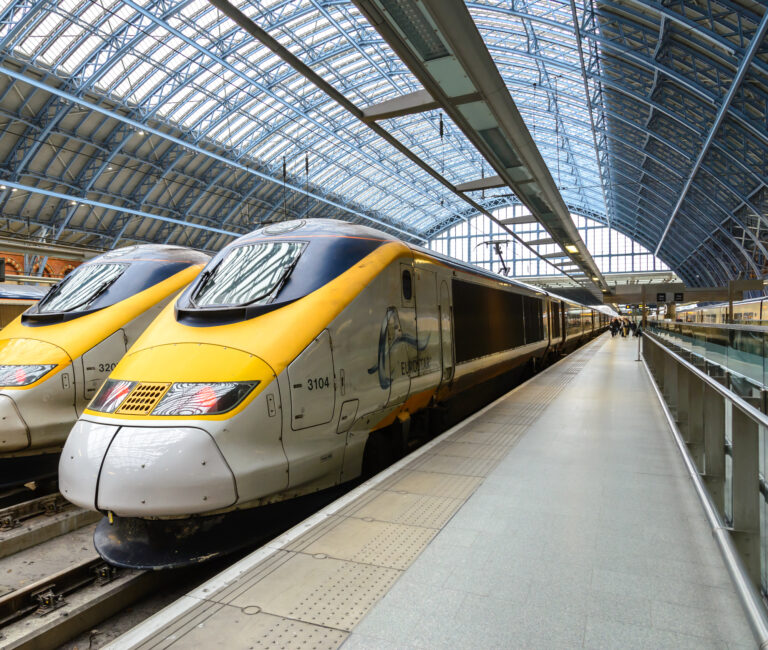
Then Eurostar will confirm your train time between 5:40 AM and 8:30 PM within 48 hours of departure.
And that’s it! In no time, you could be taking embarrassing photos in front of the Eiffel Tower and struggling to make use of your high-school French.
Spontaneity, not so much flexibility
Ok, so you’ve made the spontaneity leap; just don’t expect to be flexible as well.
Snap tickets can’t be refunded, cancelled or transferred. You are also not able to book a round trip for the same day, so make sure you have a place to stay in Paris. 🥐
While other Eurostar tickets can be used on any train on the same day, the same doesn’t apply to Snap. If you have a 5:40 AM ticket, you better get on that 5:40 AM train!
Travelling with friends? Snap tickets can be booked with other people, but there’s no guarantee you’ll be sitting together.
Would you take advantage of this last-minute travel option? Let us know in the comments!
So, you’ve made it to the Netherlands, but you’re not here for the art and tulips. You want to know more about taking ecstasy in the Netherlands. Remember, prepare before you pop!
Planning on taking drugs in the Netherlands?
Well, before we begin, I just want to point out that ecstasy (a.k.a XTC or MDMA) is considered a hard drug and is illegal in the Netherlands. It’s not like you can walk into a shop (as you can with weed) and buy ecstasy.
So it’s important to know all about ecstasy, its use, the law, and safety. What makes the Netherlands different is that they like to inform their users of the risks in order to keep people safe.
So, what is ecstasy (XTC/MDMA)?
Ecstasy is a psychoactive drug that is used recreationally, usually for dance music events. It emerged in the 1980s as a street drug and has only grown in popularity since.
Ecstacy is mostly used in club settings and on nights out. Image: Depositphotos
The person who takes the drugs will feel;
Euphoric
Energetic
Confident
Serotonin basically floods into your brain, and you’re as happy as anything. This feeling tends to last for several hours after the user has taken the drug.
The adverse effects are issues such as;
Difficulty sleeping
Teeth grinding
Sweating
Rapid heartbeat
A serious side effect of ecstasy is death. There can be serious consequences if the user has taken too much of the drug, if they are dehydrated, or if the drug has been cut with other substances.
It can also be addictive. Mood and setting are really important when taking ecstasy.
What is the law on ecstasy in the Netherlands?
Ecstasy is a ‘hard’ drug in the Netherlands, making it illegal. For some reason, people seem to think that every drug is legal in the Netherlands or, as people say, ‘what happens in Amsterdam…’
Ecstasy is illegal in the Netherlands, so make sure you know the law. Image: Depositphotos
You only have to do a quick Google search to see that there are so many people asking and thinking all drugs are legal in Amsterdam. I’m not entirely sure why this is, maybe because the Netherlands is known as ‘tolerant’ and ‘liberal’ when it comes to drugs and sex.
Despite the fact that ecstasy is illegal in the Netherlands, it is still one of the most used illegal drugs on Dutch soil — maybe because dance music is so widely popular here.
Drug use is more openly discussed too, and the police tend to turn a blind eye if you are found with a small personal amount on you (and you aren’t causing trouble). In other countries, this will be enough to prosecute you.
Buying ecstasy in Amsterdam: dangers of street dealers
Tourists are easy targets to sell to, as they are usually hyper-excited to engage in drug use in the Dutch capital. However, these street dealers have been selling fake and dangerous drugs for a while now.
Buying illegal drugs from street dealers in Amsterdam is extremely risky. Image: Pixabay
Two tourists from my hometown in the UK (and who many of my friends knew) bought what they thought was cocaine from a street dealer in Amsterdam a few years back — it was actually white heroin. They were found dead in their hotel room.
This started many campaigns to encourage tourists to ‘ignore street dealers’, and signs and stickers were issued along the streets of Amsterdam. The Red Light District is where you’ll find most of these dealers.
In short: don’t buy from street dealers. It’s too risky.
How can I be sure what is in an ecstasy pill?
In short, you can’t. Do not believe the rubbish that comes out of people’s mouths when it comes to telling what’s in it.
It’s important to know what you’re taking if you’re experimenting with drugs. Pill testing saves lives. Image: Depositphotos
You have ‘experts’ who think that by looking at or licking it, they can be totally sure what’s in it, and that’s simply false.
Of course, sometimes they can outright look dodgy as hell, so you make that decision first-hand. But in general, it’s impossible to tell EXACTLY what is inside it without testing it.
Tip: Remember to always test before you take. If you’re in Amsterdam for more than a week, you can have your pills tested on the spot by official sources. And no, you won’t be arrested. It’s free and anonymous!
Are ecstasy pills from the Netherlands good?
Ecstasy pills in the Netherlands are stronger than the average, so if you are used to ecstasy somewhere else, then you cannot be sure that it’s the dosage you’re used to.
This is also a plus point of going to a test centre, so you’re aware of the strength of your pill.
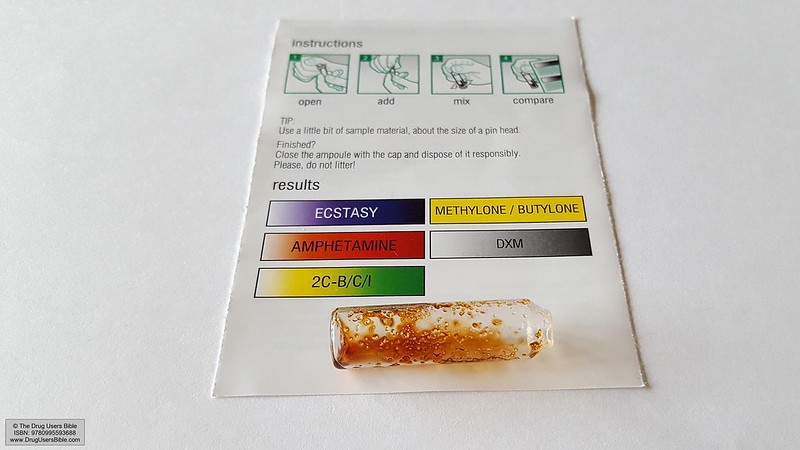
You can buy self-testing kits in some shops in the Netherlands or from an online provider. These tell you if there is a strong reading of ecstasy inside the pill. This way, you can know if there is ecstasy present in the pill, but you still cannot tell what else is inside it.
You can also check pill reports, but they are not completely foolproof. For this, you would have to visit a drug testing clinic.
Can you get ecstasy tested in the Netherlands?
The good news? Yes, you can!
The Netherlands has specially designed clinics where you can test your drugs. They’ll compare your pill to others they’ve tested recently, or if they don’t have a match, they will take a sample. If they have a match in their system, you get the result on the spot.
Make sure to get your drugs tested at an Amsterdam clinic if you’re unsure of what’s inside. Image: Pexels
If not, the sample will be sent off to the lab, where it will be tested. Once the results are back (no longer than a one-week wait), you will receive a phone call. Then, they will inform you about what components make up your pill.
They will then advise you whether it would be safe to take it. For example, if it’s not real ecstasy, then they would tell you to get rid of the pill. In the case that you still want to take it, they may also offer you advice on how to stay safe and minimise any risk of overdose.
At these centres, they will test a sample of your ecstasy and let you know what it is composed of. You will not get in trouble for going to these test centres, and they will keep your info anonymous.
If you want to get them tested outside of Amsterdam, there’s a map with all locations in the Netherlands where you can get your drugs tested.
Taking ecstasy, do’s and don’ts:
DutchReview isn’t here to glamourise drug use, but it’s important to be educated on drugs and their effects. Here are a few things that you must take into consideration if you are taking it.
Do:
Take ecstasy if you have decided to. Not because your friends are doing it or because someone asked you to.
Take small doses and work your way up — don’t rush it
Make sure that you have someone with you that you can trust in case something goes wrong
Make sure that you can go somewhere to cool off. Ecstasy makes your body temperature rise, which, mixed with dancing, can cause your body to shut down as it overheats. Always take a breather!
If you’re feeling weird or panicky, take a breather and try having a chat with a close friend
Test before you use
Don’t:
Buy drugs from street dealers
Down water or any other liquid after taking ecstasy — you could drown. Ecstasy affects the way that your body deals with water (and levels of salt), and you won’t be able to pass the liquid
Take ecstasy on an empty stomach: it hits you faster and harder, and it suppresses hunger. This will exhaust your body
Mix alcohol and drugs. Alcohol makes you pee, while ecstasy doesn’t. It’s a recipe for disaster, and it’s very dangerous.
Where can I get help with my ecstasy use?
Although many people don’t have any complications, it can happen, so we thought we’d leave this here in case you need some help.
Are you or a friend/family member having an issue with their drug use? There are plenty of people who are out there to help, and you don’t have to deal with it alone. There are a few helplines that you can call, and they will help you.
Don’t be worried about asking for help because the drug is illegal. Rest assured: you won’t get in trouble.
Did you know that ecstasy was illegal in the Netherlands? Tell us in a comment below! 👇
Taking ecstasy in Amsterdam: frequently asked questions
Is ecstasy legal in the Netherlands
Ecstasy is considered a hard drug in the Netherlands and is illegal.
Is buying ecstasy in the Netherlands safe?
Since ecstasy is illegal in the Netherlands, you can never be sure that the drugs are pure and safe. It is highly not recommended to buy from street dealers as they’re usually very risky.
Where can I test ecstasy drugs in Amsterdam?
There are two test centres in Amsterdam: GGD Amsterdam and Jellinek Test Centre, where ecstasy can be tested cheaply, anonymously, and within one week. You can use a self-test, but it is less reliable.
Public toilets are hard to come by in the Netherlands, but if you do manage to find one, just know you’ll be forking over quite a few cents to take a wazz. 🚽
To be exact, you’ll pay anywhere from €0.50 to a whole €1 for a public toilet, depending on the Dutch city you’re based in.
What is it?
If you come from the land of croissants, schnitzels, or clog dancing — you’re likely familiar with the idea of taking out your wallet just so you can sit on a public tinkle pot.
As you travel extensively through Europe, you’ll find yourself dropping a coin routinely in many train and gas stations, cafés, and restaurant bathrooms across the continent. 🗺️
Knowing how much the Dutch love to make a fast buck, they took the pay-per-use toilet practice and ran with it.
You should always have your wallet with coins in them when you travel! Image: Freepik
Now, every time you enter a public latrine in the Netherlands, you’ll be met by a robust gate and your local Gandalf (or restroom attendant) who says: “You shall not pass!”… unless you cough up a few coins. 🤺
Why do they do it?
Well, Gandalf…I mean, the restroom attendant… doesn’t just sit outside the loo, collecting money and refusing to let people enter.
Believe it or not, that cash is actually their paycheck for keeping the toilets clean, so you can use the bathroom without having to straddle a dirty toilet seat.
My least favorite thing about the Netherlands is having to pay €0.50 to use a public bathroom
The majority of public toilets are seen as a service here, not a right, so it’s a natural procedure that you pay the attendant for their services as they ensure a good (enough) experience of using (semi) clean toilets.
Not only that, but the Dutch also charge people for public toilets as a way to discourage folks from wildplassen (literally, wild peeing). 🥴
Apparently, many have the urge to unzip and take a leak in canals, on busy streets, against shop windows, and wherever they see fit.
Clean public toilets? That’s the dream when travelling around, but it comes with a price! Image: Depositphotos
So, in an effort to prevent this, the Dutch made toilets slightly more available to the public.
They put a price tag on them to ensure cleanliness and made peeing out in the open illegal with a fine of up to €140.
Why is it quirky?
We’re all well-acquainted with the ways of the world. Everything costs money nowadays, even if it’s for basic human needs (and that, in itself, is a weird thing 🙄).
In other countries, like Greece or the United States, folks are, for the most part, able to use a public latrine without having to carry any spare change.
In fact, it’s common etiquette to just enter any shop you see and ask if you can use the restroom.
When the Dutch see an opportunity to bulk up their wallet with a few extra shillings, they use the same age-old thinking pattern: “Is there a need?”, “Can I provide a solution to that need?”, and “How much can I charge for it?”
All in all, if you use something that costs money to maintain in the Netherlands, you pay for it. 🤷
Should you join in?
Well, you can opt for the dirty, stinky, graffitied train bathrooms, or take your chances and use an open urinal in the middle of a busy shopping street (where you pee standing up, might I add).
But if you’re out cruising the streets, and you’d much rather use a decent bathroom, you’ll have no choice but to join in on this quirk and let go of a few precious coins.
What do you think of this Dutch quirk? Have you experienced it? Tell us in the comments below!
Moving to the winding canals and quaint windmills of the Netherlands can be the adventure of a lifetime. For many, it can also be the chance for a far healthier work-life balance in one of the most progressive countries on the planet.
However, life isn’t always sunshine and tulips in the lowlands. Creeping in through the windows and lurking in the shadows is a problem that many internationals suffer from: mental health issues (psychische klachten).
Sapping your energy and replacing it with anxiety, doom, and gloom, these ailments nudge the brakes on your journey to a perfect new life in the Netherlands.
So what’s the problem? And what should your employer be doing to help? We sat down with Dr Yvo in den Bosch, a former therapist at Dutch mental health clinic, U-center to find out more.
Expats at risk
Image: Yvo in den Bosch/Supplied
“The most recurring issues [for expats] are loneliness and isolation — and depression as a result of that,” says In den Bosch.
He notes that these difficulties go “hand-in-hand with substance abuse, especially if the aforementioned diagnoses aren’t noticed.”
This is especially true of internationals with “comorbid” diagnoses, involving two or more disorders occurring in the same individual, at the same time.
These diagnoses “require a whole different approach”, according to In den Bosch, as many of these individual ailments will not be picked up during a routine session with a psychologist (psycholoog).
Adapting to a Dutch workplace can be a struggle
Got a brand-spanking-new job in the Netherlands? Gefeliciteerd! (Congratulations!)
However, for many international employees, that joy is tempered by the stress of having to deal with the struggles of adapting to life in a foreign country.
Dutch workplaces have a specific culture that might feel strange for internationals. Image: Depositphotos
In den Bosch notes that there are a number of significant hurdles that internationals may have to navigate when getting a job in the Netherlands, including:
Difficulty adapting to the individualistic Dutch working environment
Isolation, loneliness, and homesickness
Anxiety about coming off as a “bad employee” for struggling
Depression stemming from the aforementioned issues
Substance abuse in an attempt to cope
In addition to these issues, an international employee’s home environment can also be an additional stressor when it comes to adapting to life in the Netherlands.
“If their spouses come to the Netherlands with them, the spouse also tends to have a big challenge integrating into society, especially if they aren’t in a working environment that can help them,” says In den Bosch.
Working from home can also place extra strain on mental health. Image: Freepik
This can put an extra strain on the working partner, as their home might no longer be a safe space to get away from the stress they have accumulated throughout the workday.
As a result, In den Bosch says that international employees looking for the best tools to succeed will need to keep an eye out for employers that prioritise the mental health of their workforce.
On the hunt for mental health specialists that are experts on comorbid diagnoses?
U-center, a mental health clinic nestled in South Limburg’s peaceful countryside, might be just what the doctor ordered.
Experienced in dealing with both international and Dutch patients alike, U-center is dedicated to treating patients that suffer from a cluster of mental health issues that often go undiagnosed by ordinary sessions with a psychologist.
Signs your Dutch employer values mental health
Just like the various fixings the Dutch have for their boterham (sandwich), employers in the Netherlands come in many different shapes and forms, and not all are as sweet and comforting as a thick layer of hagelslag.
Whilst there’s no surefire way to determine if your new boss is a good egg, here are some signs that point to a business prioritising its employees’ mental health. 👇
There’s a proper onboarding programme
Dreaming of boarding a shuttle for a new job on Mars? Unfortunately, onboarding has nothing to do with space travel, but it can definitely be fun (and necessary!).
Referring to the process by which new employees are integrated into the working environment, onboarding can involve tours of the building or facility, introductory presentations, training sessions, and a lighter workload.
Being trained properly is a good signal that a workplace knows what they’re doing. Image: Freepik
This is vital when firms in the Netherlands employ internationals, who are most likely unfamiliar with the individualistic nature of the Dutch workforce.
In fact, In den Bosch recommends that employers “invest in a decent onboarding procedure, dedicated to people from a different cultural background to help them integrate and connect.”
So, if your dream job offers you a comprehensive onboarding programme, it’s likely a sign that they care about the mental health and well-being of their employees.
They employ a counsellor or mental health coach
Even for those of us that absolutely love our jobs, there are times we’re caught up in a messy web of stress and want to rip our own hair out. If the thought of managing those emotions on your own sounds overwhelming, you’re not alone.
According to In den Bosch, employers that value mental health ensure that their employees “have regular check-in moments with a coach or supervisor, so they can establish a safe connection with somebody they can confide in.”
A good workplace is one that recognises the benefits of mental health support. Image: Freepik
This is especially important for internationals that are scared of broaching the subject at work, as having “a person from a firm or organisation introducing that topic will be really helpful in preventing these issues from spiralling.”
You can think of it as an early warning system that catches destructive thoughts or behaviours before they have a chance to grow into disorders that are far more difficult to treat.
This, in turn, gives you a fighting chance at being the best employee you can be — minus a significant chunk of the stress! 💪
Is that new job you’re eyeing at a company with a counsellor or mental health coach on staff? Hoera, you’ve picked a business that prioritises its workforce.
They focus on gradual reintegration after mental health issues
Jumping right back into the saddle after you’ve suffered a bad fall can be dangerous — not to mention terribly painful. Heading back to work after you’ve battled a burnout or similar mental health struggles is equally as challenging.
The key, according to In den Bosch, is a gradual reintegration into the workforce “in a way that is manageable.”
Face-to-face time with a supervisor or colleague can also help make the transition smoother. Image: Depositphotos
He adds that the employees “may still be dealing with a lot of health issues, or psychological issues, so they need time to invest in that and carry on with their therapy.”
As such, In den Bosch advises that employees are reintegrated with two-hour workdays. Following an evaluation after two weeks’ time, their working hours can either be extended or shortened as their mental health dictates.
We’ve said it before, and we’ll say it again: companies that don’t value your health aren’t worth the time. 💅
Going back to work after a mental health struggle is hard, but it doesn’t have to stress you out!
U-center’s team of specialists offer a seven-week reintegration programme for employees dealing with mental health.
Committed to getting you back on your feet again, their programme also dramatically reduces your risk of relapsing. See their unique approach.
They encourage employees to socialise outside of the work environment
It comes as no surprise that the inventors of the borrel love their after-work drinks, especially if there are steaming, hot bitterballen or kaassouffles on the side.
In addition to being delicious, finger-licking fun, In den Bosch confirms that businesses that organise social activities like borrels, sporting events, and other social gatherings are essentially waving a giant green flag.
Spending time with your coworkers can strengthen bonds and provide a support network. Image: Depositphotos
Dubbing these “conducive to overall mental health”, In den Bosch notes that it’s vital for businesses to invest in the social and physical well-being of their workforce.
If you’re heading to some work borrels or trips in the near future, then you’re very likely employed (or soon to be employed) at a company that cares about the wellbeing of its workforce!
Dealing with mental health issues will never be easy, but the important thing is arming yourself with the best tools to overcome your diagnosis.
Are you battling your own mental health issues at the moment? You don’t have to do it alone. Reach out to the specialists at U-center to arrange the treatment that’ll work best for you.
Dutch people love their snacks, but Max from Arnhem takes it to the next level. His mission? Eat 406 frikandels in just one month — because why not turn deep-fried dedication into a sport?
The challenge was simple. Max started by eating one frikandel on the first day of the month. Then, each day, he had to eat one more frikandel than the day before.
The 21-year-old documented his greasy journey on TikTok. However, he had to abandon ship once he reached his 120th frikandel.
The challenge failed
By day 15, Max hit a wall — well, technically, his stomach did. In a TikTok update, he waved the white flag, saying his body simply couldn’t handle it anymore.
For the so-called ‘unlucky generation’ of students in the Netherlands, some reimbursement is on the cards with a new allowance scheme.
These students, who studied at a Dutch university between 2015 and 2023, missed out on around €13,000 while being ineligible for a grant, according to Erasmus Magazine.
Does this sound familiar? We’re sorry. And so is the government! So here’s how you can get some of that money back. 👇
Step one: find out if you’re eligible
If you were an HBO or university student between 2015 and 2023 and got your degree within ten years, you might be in luck.
Well, some call it luck; others might say it’s the compensation you deserve now that the existing student loan system is being abolished.
There are two allowances you could be eligible for: the allowance for lack of basic grant and/or the study voucher allowance.
To be get your reimbursement, you must fulfill the following requirements:
Allowance for basic lack of grant
Study voucher allowance
You were entitled to student finance for at least 12 months under the loan system (2015-2023)
You first received student finance between September 2015 and August 2019
You got your degree within 10 years
You got your degree within 10 years
You will receive €34.17 per month
You will receive a one-time payment of €2,097.08
We get it; the conditions are slight head-scratchers, so be sure to check the full Ts&Cs here.
Step two: get your money!
This step is actually pretty easy when DUO (Dienst Uitvoering Onderwijs) already has your data, as they will notify you directly if you meet the requirements.
For students who did not rely on student finance (or the student travel product) even though they were entitled to it, you can apply for the allowance yourselves.
Still unsure whether you qualify and how much you are owed? Head to DUO’s Right to Compensation form to find out.
Hold on a sec, is that all?
With rising housing and tuition costs on top of the extra debt, some of the ‘unlucky generation’ are not impressed with this reimbursement.
They feel that €2,000 is a somewhat small drop in a sea of student expenses.
Working from home is great — but with so many fantastic cafés, libraries, and coworking spots to work or study in Eindhoven, why not get out and about?
Whether you’re freelancing, studying, or working remotely, you deserve a breather from home distractions and a barista-made coffee by your side.
Unsure where to go? Here are the best places in Eindhoven for you to work, study, get in the zone — oh, and smash those deadlines, of course. ⚡️
Ready to soak up the cosiness while working? Jump to it! 👇
Why not escape your own living room to a café that makes you feel at home? Located on the Kleine Berg, one of the cutest streets in the city centre, Lucifer Coffee Roasters offers large tables, heaps of indoor and outdoor seating, plenty of power plugs, and fast WiFi.
Find yourself on the other side of the Dommel? No problem, Lucifer Coffee Roasters have another location there!
With an all-day breakfast and coffee made from locally roasted beans, this place will make sure you’re fueled up for work!
🏢 Type: Café 💰 Price: Free, just the price of food and drink ⏰ Opening hours: Every day from 7:30 AM until 6 PM (Kleine Berg), on weekdays from 10 AM until 4 PM (Bleekweg) 📍 Location: Kleine Berg 47, 5611 JS Eindhoven and Bleekweg 1a, 5611 EZ Eindhoven
2. ZwartWit Koffie: Australian atmosphere
Yummy all-day breakfasts and delicious coffee? Count us in! Image: Freepik
Is typical Dutch weather making you unproductive at home? No worries, ZwartWit Koffie will bring laidback Australian vibes to you — without having to leave the Netherlands. 🌞
With great WiFi, large tables, and friendly staff, people often sit here all day with their laptops without a problem.
Oh, and they have fantastic coffees and a delicious “All-day Brekkie,” score! 🍳
🏢 Type: Café 💰 Price: Free, just the price of food and drink ⏰ Opening hours: 8 AM until 5 PM, Monday to Saturday, Sunday opens at 10 AM 📍 Location: Victoriapark 7, 5611 BM Eindhoven
3. The Commons (at The Social Hub): Practical for travellers
Why not work in a café in a hotel? It can be just as relaxing! Image: Freepik
Don’t feel like walking far from the train station in order to find a place to work? No need! The Commons is located right next to the train station on the city side.
The café offers large and quiet workspaces and even has office chairs. Free and reliable WiFi? Ja! Power outlets? Zeker! Can I work here all day? Natuurlijk!
🏢 Type: Café in a hotel 💰 Price: Free, just the price of food and drink ⏰ Opening hours: Every day from 7 AM to 10 PM, with an hour break between 3 PM and 4 PM 📍 Location: Stationsweg 3, 5611 AA Eindhoven
4. The Happiness Café: Good vibes all around
Being in a café that has good vibes can help you stay motivated to keep working! Image: Freepik
In need of some happiness to help you meet those deadlines? The Happiness Café gives off cosy vibes with its decorations and extensive feel-good menu. They even make their own cookies and cakes, the perfect pick-me-up while you focus. 🍪
With excellent internet, accessible electrical outlets, and a lovely location close to the train station, this place is gezellig AND practical!
🏢 Type: Café 💰 Price: Free, just the price of food and drink ⏰ Opening hours: 8:30 AM to 5 PM, Monday to Sunday 📍 Location: Nieuwe Emmasingel 9, 5611 AM Eindhoven
This art library is a fresh change of scenery when looking for a place to study or work in Eindhoven. Let the 140,000 books, magazines, and DVDs on offer ignite your creativity and productivity. 🎨
While admission to the Van Abbemuseum library is free, make sure to reserve your spot at least five days in advance, as there are limited working spaces and opening hours are not super convenient.
With free WiFi, the opportunity to copy and scan any documents you might need, and no noise nuisance, this library is a get-your-head-in-the-game kind of space.
🏢 Type: Library 💰 Price: Free of charge ⏰ Opening hours: 11 AM to 1 PM or 2 PM to 5 PM on Thursdays, 11 AM to 1 PM or 2 PM to 4 PM on Wednesdays 📍 Location: Stratumsedijk 2, 5611 ND Eindhoven
Located in the Witte Dame (White Lady), near the Eindhoven Library, is this café that will make you feel like you haven’t stepped foot outside your home.
With a welcoming interior, cosy corners with high tables, and jazzy tunes to get your workflow going, DENF Coffee is ideal for Eindhovenaars wanting to work or study all day. 🧑💻
🏢 Type: Café 💰 Price: Free, just the price of food and drink ⏰ Opening hours: 9 AM to 6 PM, with Saturday and Sunday opening at 10 AM 📍 Location: Clausplein 4, 5611 XP Eindhoven
7. Coffeelovers Van Pierre: Booklovers galore
If you need a break from the working/studying life, there are many books to browse through! Image: Freepik
This cute coffee shop is a mix between a café and a bookstore. Van Pierre is located on level -1, where you’ll find large, long tables to sit with your laptop. If your devices need a boost, there are many power outlets right on the table!
In need of a break? Van Pierre also has relaxing sofas to chill and curl up with a book. 📚
If you’re a coffee addict, make sure to grab a loyalty card and get every tenth coffee free!
🏢 Type: Café and bookstore 💰 Price: Free, just the price of food and drink ⏰ Opening hours: 10 AM to 5:30 PM, Tuesday to Saturday, with Sunday and Monday opening from 12 PM 📍 Location: Nieuwe Emmasingel 44, 5611 AM Eindhoven
The Eindhoven Library (Bibliotheek Eindhoven) is the perfect place to be when you need a quiet place to study or work in Eindhoven. 🙇♀️
The library has a quiet study room, free WiFi, and many power outlets.
Looking for something a little more lively during your break? The library café is a great spot for a coffee break. Just note that it can be quite noisy, so it may not be ideal for those Zoom calls. 😀
🏢 Type: Library 💰 Price: Free ⏰ Opening hours: 10 AM to 7 PM, Monday to Saturday, 1 PM to 5 PM, Sunday 📍 Location: Emmasingel 22, 5611 AZ Eindhoven
9. Piazza Café: For those that love plants
Being surrounded by plants can be a huge mood boost while working! Image: Freepik
Shopping as a break, anyone? This luxurious café is located on the ground floor of De Bijenkorf department store and is equipped with free WiFi and many power outlets.
Its interior is a nature lover’s escape — light colours, lots of plants, bamboo, a relaxed sitting area, and a bar overlooking the terrace.
You’ll find many people toiling behind their laptops all day long at Piazza Café as a result — stress-free, natuurlijk. 🌿
🏢 Type: Café 💰 Price: Free, except for food and drink ⏰ Opening hours: 10 AM to 6:30 PM Tuesday to Thursday + Saturday, 10 AM to 8:30 PM Friday, 11 AM to 5:30 PM Sunday, and 11 AM to 6:30 PM Monday 📍 Location: Piazza 1, 5611 AE Eindhoven
Whether you’re in beast mode studying or crossing things off your to-do lists, these 11 places to study or work in Eindhoven will get you where you need to go. ✅
What place is your favourite to work or study in Eindhoven? Share your recommendations in the comments below!
Artificial intelligence (AI) is making waves across industries, and the Netherlands is no exception.
As the NOS writes, AI is reshaping the Dutch workplace from supermarkets to law enforcement — bringing efficiency, cost savings, and, in some cases, uncertainty.
But is AI replacing human workers, or is it creating new opportunities?
AI in action in the Netherlands
AI is also supporting many industries in the Netherlands, from logistics and finance to more serious use cases, like the Dutch police using AI to scan case files, process reports, and give officers quick access to vital information.
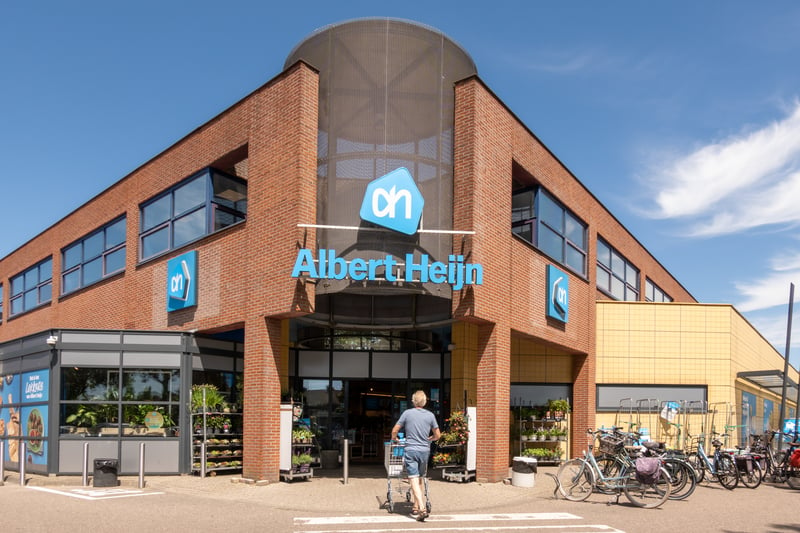
One of the most striking examples of AI integration in the Dutch job market is Albert Heijn. The major supermarket chain has been using self-learning algorithms for two years to predict product demand across its 1,200 stores.
Albert Heijn is ahead of the game. Image: Dreamstime
One way it does this is by factoring in the weather. Albert Heijn’s head of product and AI tells the NOS: “The models take the weather into account. Not only the general weather, but the weather of each local weather station.”
“If it’s BBQ weather in Groningen but not in Maastricht, the AI predicts that BBQ products should only be sent to [stores in] Groningen.” Pretty smart, right?
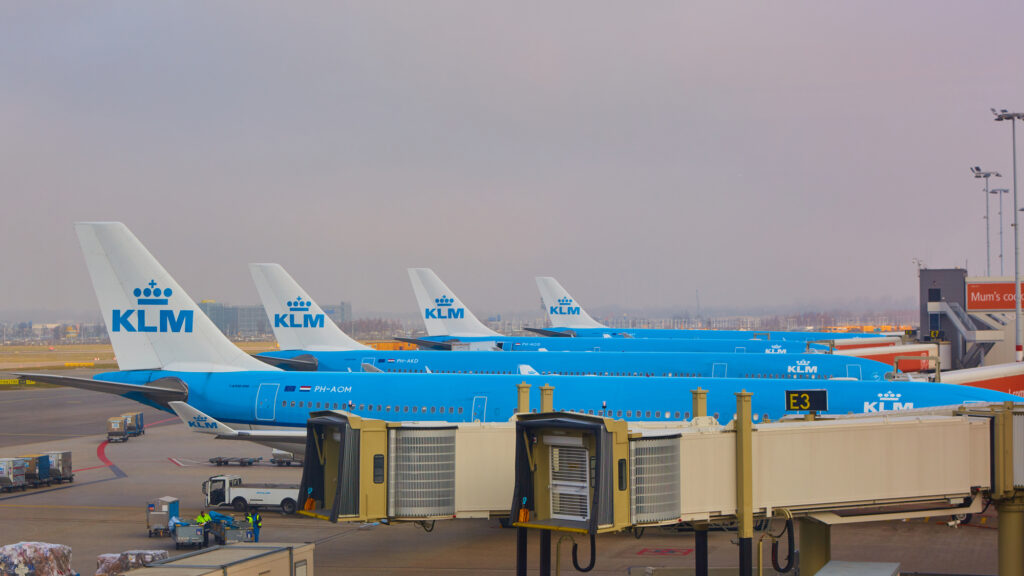
KLM is using AI in a similar way. The airline uses it to predict how many meals are needed on flights, reducing waste and improving efficiency.
KLM uses AI to predict how many meals they need. Image: Depositphotos
As KLM’s Mike Fieten explains to the NOS, “We know that 3 to 5% of our passengers don’t make their flight, but every day is different.” By analysing factors like weather conditions, AI helps KLM more accurately predict passenger numbers.
Thanks to this technology, KLM saves an average of 2.5 meals per flight. With around 300 flights per day, that adds up to a significant reduction in food waste.
Job losses or new opportunities?
While many experts argue that AI will reshape rather than eliminate jobs, some companies have already announced layoffs due to AI-driven efficiencies.
A World Economic Forum survey suggests that 11% of workers worldwide could lose their jobs to AI between 2025 and 2030.
Dutch CEOs are also increasingly acknowledging AI’s disruptive potential, with more business leaders expecting AI to replace jobs in the near future.
Professor Ton Wilthagen, a Dutch labour market expert, takes a historical perspective: technological advancements, from the fax machine to the internet, have always changed the nature of work but have not necessarily led to mass unemployment.
Instead, AI could lead to new job roles and increase demand for human expertise in emerging fields.
The future of AI in the Dutch job market
One thing is certain: As AI adoption accelerates across the country, the Dutch workforce will need to adapt.
Companies will increasingly look for employees who can work alongside AI, managing and interpreting AI-driven insights rather than performing repetitive tasks.