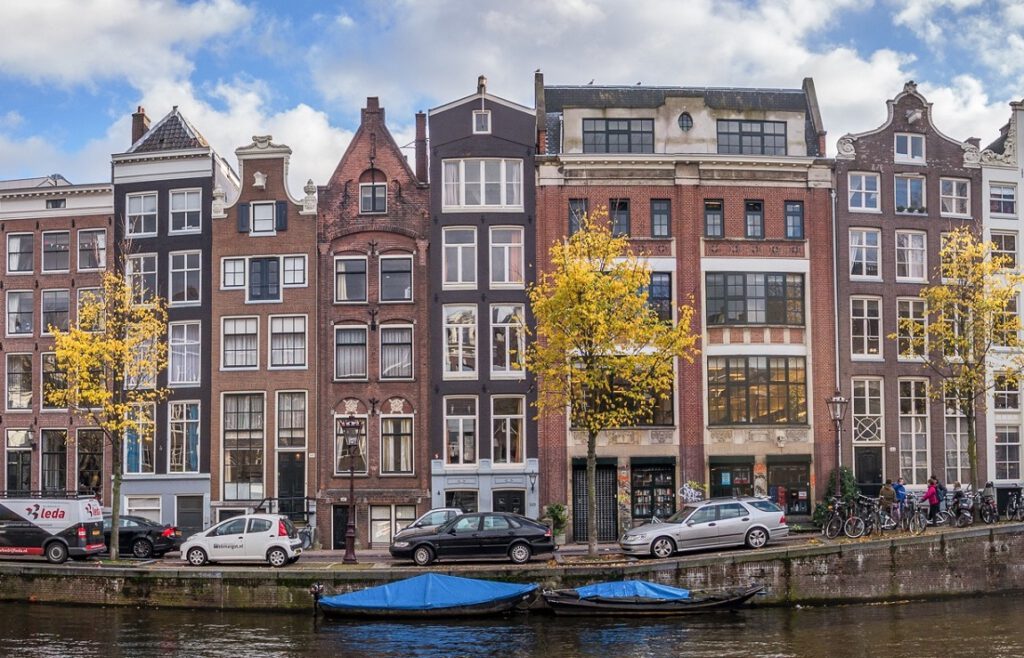
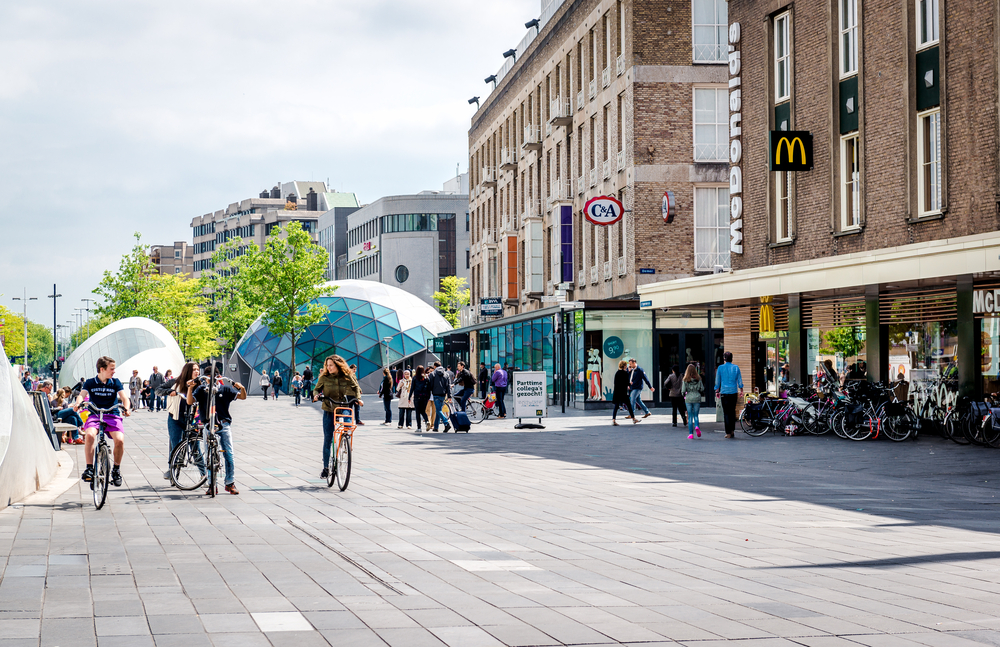
As days get darker, leaves turn brown, and arctic chills sweep across the lowlands, it’s clear that winter is here — but how cold will it actually get?
Dutch meteorologists are tracking the extreme cold that’s set to hit the Netherlands in the coming months. ❄️️
While the latest predictions showed that the weekend just before Sinterklaas will bring a particularly cold wave, it’s the weeks following that many must look out for.
A freezing weekend
According to the KNMI, a bout of freezing air will surge across the country over the weekend of December 10, reinforcing temperatures of below five degrees. Brrr! 🥶
Though, weather fanatics predicted that the following weekend would bring an even colder front. “An increasing chance of freezing rain and snow, just like the winter of 1977”, a spokesperson tells RTL Nieuws.
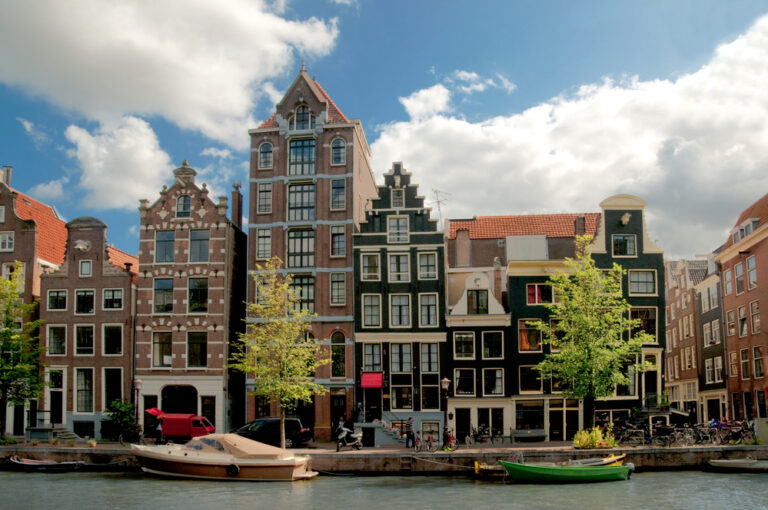
We can feel the chills coming through the screen. 🥶 But that view, though. 😍
It’ll be cold… but not that cold
In light of the climate crisis, extreme temperatures were also foretold last summer, when lowlanders experienced record-breaking heat waves of 45 degrees.
These drastic changes in the climate surely affect the icy temperatures set to approach the Netherlands in the coming weeks.
However, for now, Dutchies can rest easy knowing that meteorologists, still, do not expect super cold (we’re talking, bone-chilling Canadian-winter type of cold) weather for the time being. 😮💨
“There may be some freezing cold locally tonight, but then it will be just at or below freezing point. Until Saturday, it will certainly remain above zero degrees during the day.”
“At night, there is a chance of light frost, with a maximum of three degrees below zero”, Meteorologist Martijn Dorrestein of Buienradar tells RTL Nieuws.
What about snow?
On the weekend before Sinterklaas, Nederlanders can expect to see some frost, and, if we’re lucky, perhaps even a wee bit of snow flurries. 🌨️
Considering that our next-door German neighbours are set to have snow that weekend, there’s a big chance that we will too.
While meteorologists can’t predict whether it will snow in the distant future, temperatures will be slightly colder than average — and that, in itself, is a special thing for the Netherlands.
How will you deal with the cold front coming to the Netherlands? Tell us in the comments below! 👇
Say goodbye to your little friend, because your blue or yellow chipkaart will no longer be needed to check in for public transport in Amsterdam.
Hoorah! By the end of the year, the OV-Chipkaart will become obsolete as the Dutch transport system advances to a new payment method — OV-Pay.
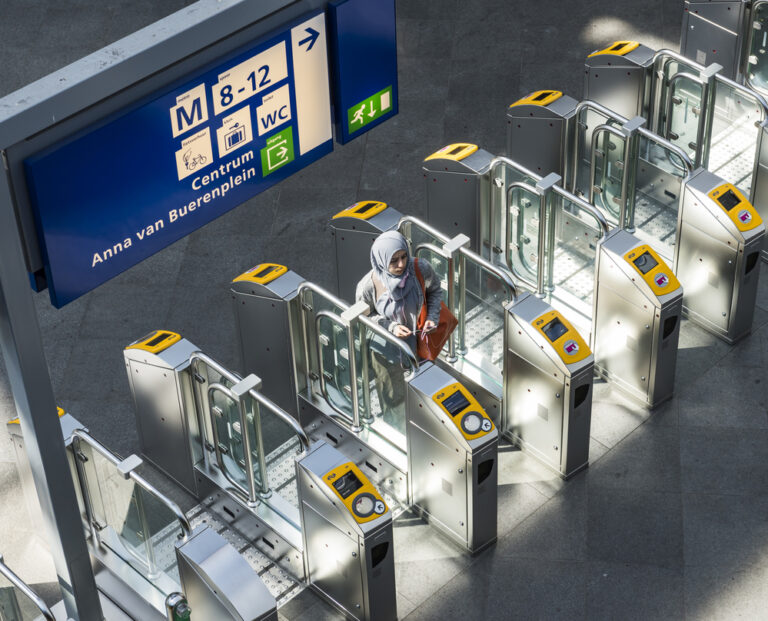
Rather than needing your chipkaart to check in, you can now do so with your bank card, reports Het Parool.
Travel from Amsterdam with ease
Forgot your OV-Chipkaart? No, trouble, because now you can check in with your bank card.
How does it work? Well, very similar to how the chipkaart works.
To check in using your bank card, hold your phone, smartwatch, or contactless card against the device. Later, the fare will be deducted from your account under the name NLOV (Nederlands Openbaar Vervoer).
Yes, you heard that right! Not only can you use your contactless bank card, but if your card is linked to your phone or smartwatch, you can also use those to check-in.
And, don’t fear; just like with the chipkaart, you won’t be charged for going in and out of the gates at the stations without travelling.
OV-pay is inderdaad een nieuwe manier om voor jouw trein, bus, tram of metro ticket te betalen. Voor de zakelijke reizen gebruik je nog jouw NS Business Card, zodat de reizen gefactureerd worden aan jouw bedrijf of werkgever.^BZ
Translation: OV-pay is indeed a new way to pay for your train, bus, tram or metro ticket. For business trips you still use your NS Business Card so that they can be invoiced to your company or employer.
An added plus to OV-Pay is that there is no minimum balance needed, so you can say doei to having to top up your chipkaart while your train pulls in. 🚅
OV-Pay not loaded with discounts
However, the one catch to using your card is that you can’t avail yourself of any subscriptions or discounts you might have for public transport.
So, for now, those of us who have the handy dandy Dal Voordel, we’ll have to keep track of those OV-Chipkaarts. 💳
Will you use OV-Pay? Tell us in a comment below! 👇
Consumers of one Dutch energy company will have a cadeautje (small present) this holiday season: lowered energy rates! 🎁
Unlike big Dutch energy providers Vattenfall and Essent, Eneco will reduce their variable rates from January 1, reports RTL Nieuws.
What does this mean for consumers?
Those that receive a new variable rate in January will be paying 10% less per month.
With 67% of all Dutch households holding variable energy contracts, this news definitely sounds like an early Christmas present for Eneco customers! 👀
Eneco’s reduced rates will apply to consumption above the governmental price cap.
What is the price cap?
The price cap sets a price ceiling of €1.45 for the first 1200m3 of gas and €0.40 for the first 2900kWh of electricity used, in order to protect consumers from being bombarded by sky-high energy costs.
At present, the current rate for gas and power are €3.04 per m3 and €0.76 per kWh, respectively (factoring in energy taxes for 2023 and 21% VAT).
Enjoying that price cap? There’s a catch
In order to account for the current price cap, the government will raise taxes in 2023.
VAT cuts will go from 9% to 21%, and tax credits (the amount of money that taxpayers can expect to see back) will take a nosedive.
Meanwhile, De Autoriteit Consument&Markt (the Dutch Authority for Consumers and Markets) recently announced that grid management costs are increasing by ten euros on average, which consumers are also expected to foot the bill for.
What do you think of Eneco’s decision? Tell us all about it in the comments below!
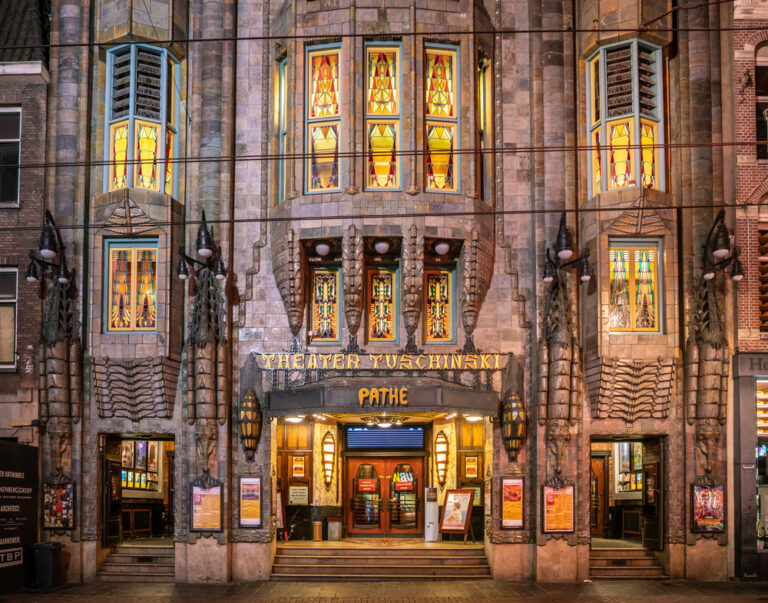
Cinemas in the Netherlands are hiking up their ticket prices in order to compensate for their sky-high energy bills.
While we may witness plenty of magic on those screens, even cinemas can’t escape the reality of the Dutch energy crisis.
From projectors to heating, movie theatres require a lot of energy to operate, ergo why their monthly bills are becoming a very real problem.
More expensive? Why?
A large reason behind these high builds is, well, the large and old buildings in which Dutch cinemas are located.
Take the Rialto theatre in Amsterdam, for instance. Located in a one-hundred-year-old, poorly insulated building, a hefty energy bill for the heating is inevitable.
Plus, considering its age, the building regularly needs fixes and repairs to remain intact. As a result, they had to boost their ticket prices.
“Our building in the De Pijp district is a hundred years old. That is why we are currently in the process of replacing the last windows with double glazing,” head of operations Jennie Zijlmans tells NU.nl.
Fortunately, the price hike doesn’t apply to children and students.
Taking a similar route, the Lumière Cinema in Maastricht raised its ticket prices a few months ago to combat the high energy bills.
“We are now gathering all the cost items together to see where we can still cut costs. The main concern is, of course, that energy prices will continue to rise and thus become an unmanageable and unaffordable cost item”, director Nico Haenen tells NU.nl.
Unless the Dutch government steps in to offer financial aid, they see no other choice but to raise their ticket prices for customers.
For a lot of us, the communal big-screen experience is a religion. But for many people, it was…something they liked. A basically fun thing that many factors–pricing, convenience, the rudeness of strangers–turned into a net neutral, and that Covid turned into a net negative.
Needless to say, the pandemic changed the way people view movie theatres for good. It’s no longer a luxury most are interested in taking advantage of.
A stepping stone to cutting costs
Movie theatres have been looking at ways to cut costs as much as possible, such as by turning off projectors in rooms that aren’t being used, and by turning down the heating a few degrees.
However, this won’t make much of a difference, particularly because of how big the buildings are, and how much energy they guzzle on a daily basis.
“We buy the energy with the other organisations and are therefore large consumers. For us, it means that next year we will go from €400,000 to €1.2 million in energy costs,” CEO Dirk Nijdam tells NU.nl.
Looking to the Dutch government for support
Movie theatres will try everything in their power to limit the increase in ticket prices and ensure that it remains a place where one can escape the house for a cheap night out.
“We do what we can, but we don’t have that many options. For a solution to the high energy costs, we look to the government. They must step in”, Nijdam of Forum Groningen tells NU.nl
What do you think of the increase in cinema ticket prices? Tell us in the comments below! 👇
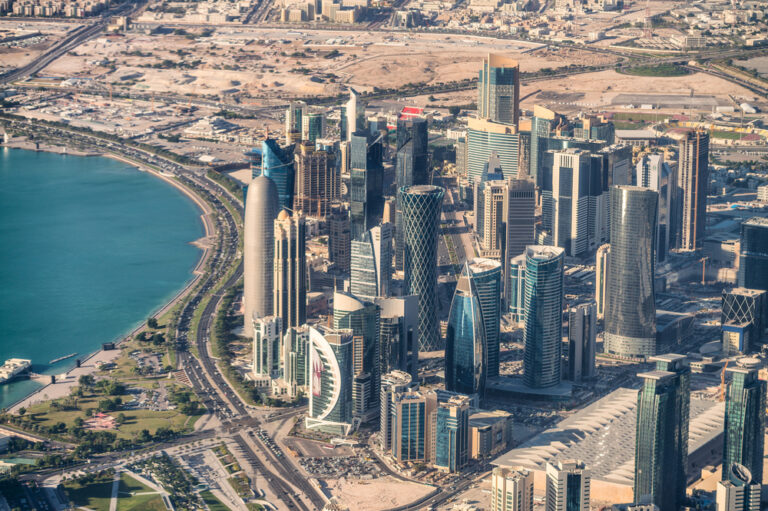
Sports Minister Conny Helderis under fire from her fellow Members of Parliament due to her decision to leave during an unfinished debate about last year’s sport budget. The reason? To fly to Qatar. ✈
The Dutch MP has been met with backlash after she decided to leave the debate early, reports RTL Nieuws.
Got a flight to catch
After a grand six hours of debate, at 11.30 PM, Helder departed from the cabinet in order to catch her flight to Qatar, determined not to jeopardise preparations.
But, according to the Socialist Party (SP), the Labour Party (PvdA), and the Party for Freedom (PVV), the debate was far from over, and they insisted that Helder should have finished the debate before departing.
On top of this, other MPs have made it clear they don’t want Helder to attend the matches in Qatar. SP member Michiel van Nispen says, “If the minister leaves this debate now, I don’t want her to come back. We want a real sports minister.”
“You don’t care, but I do”
However, Helder hit back with the words “you don’t care, but I do,”, and insisted that her departure was not about an unwillingness to continue the debate.
As VVD member Rudmer Heerema pointed out, it is quite normal that debates are suspended due to time.
Yet, Helder’s choice to go to Qatar is clearly unpleasing to the Chamber. The location for the FIFA World Cup has come with huge backlash due to Qatar’s stance on major political and human rights issues, such as LBGTQ+ rights and worker’s rights.
Looking to find housing in the Netherlands, but are overwhelmed by the rental prices? That’s normal. However, there are ways to seal the deal on a rental property and keep it cheap.
Before we begin our quest to help you find cheap housing in the Netherlands, there are two important things to know.
Number one, finding a property to rent, full-stop, is difficult — the market moves swiftly, and there’s a lot of competition.
Number two, renting in the Netherlands is no cheap ride — so budget well. You may be wondering then, what is the “cheap” in this article headline all about? Allow us to explain.
Cheap housing in the Netherlands: Does it exist?
”Cheap” housing rarely exists anywhere anymore. However, there are a few things you can do to ensure that you find an affordable place to rent in the first place.
So if you’re on a tight budget and you’re not sure where to look next, here are five top tips to get you started on finding cheap housing in the Netherlands — well, cheap-ish, anyway.
1. Avoid an unfurnished place
Apartments that aren’t fully furnished are usually cheaper than furnished rental properties, however, sometimes, it can pay off to get a fully furnished one if your budget allows for it.
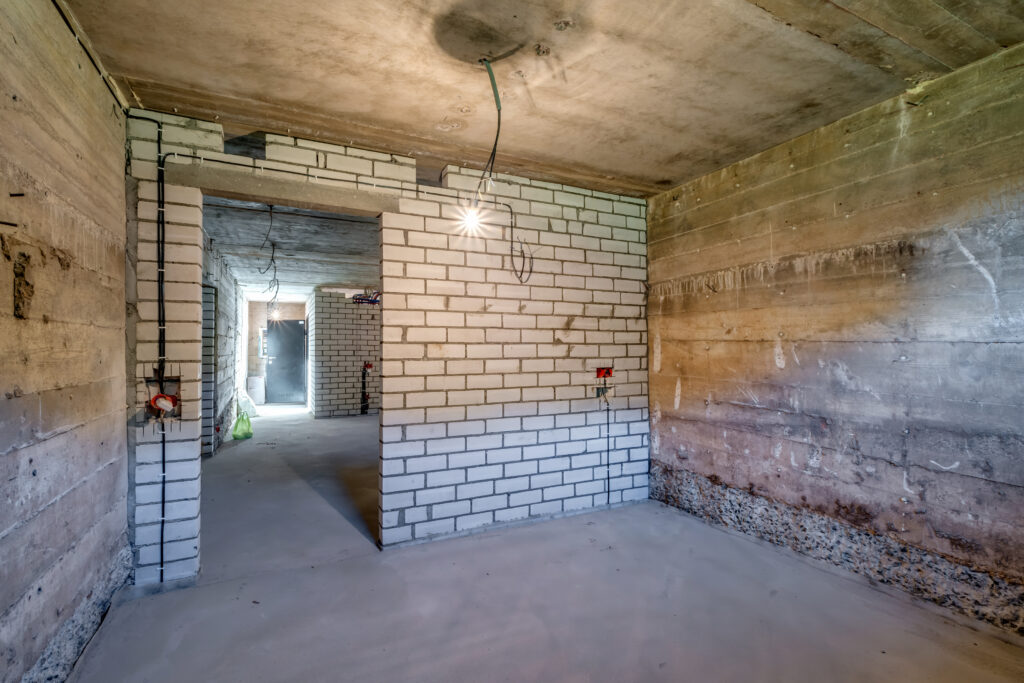
One important thing to remember is that unfurnished in the Netherlands… literally means unfurnished. We’re talking about no flooring or light fittings, no basic furniture, and just some parts of the kitchen.
Yes. This IS what an unfurnished apartment in the Netherlands generally looks like. Image: Freepik
So, unless you’ve got some spare flooring at hand, do not go for an unfurnished property if you’re looking to save money, as it likely won’t end up cheaper at all.
If you’re lucky, you might also be able to buy furniture from the previous tenant.
You can negotiate for a price that would probably be cheaper if you were to source for furniture on your own — and they can avoid the painful process of trying to deconstruct and sell on furniture.
This method usually works out well if you’re on a tight budget but also want somewhere gezellig to call home. Plus, it’s a win-win for both of you!
If you are looking at semi-furnished rental properties, it definitely pays to look around and see what’s nearby. These properties tend to come with flooring, light fittings, and sometimes even a piece of furniture or two.
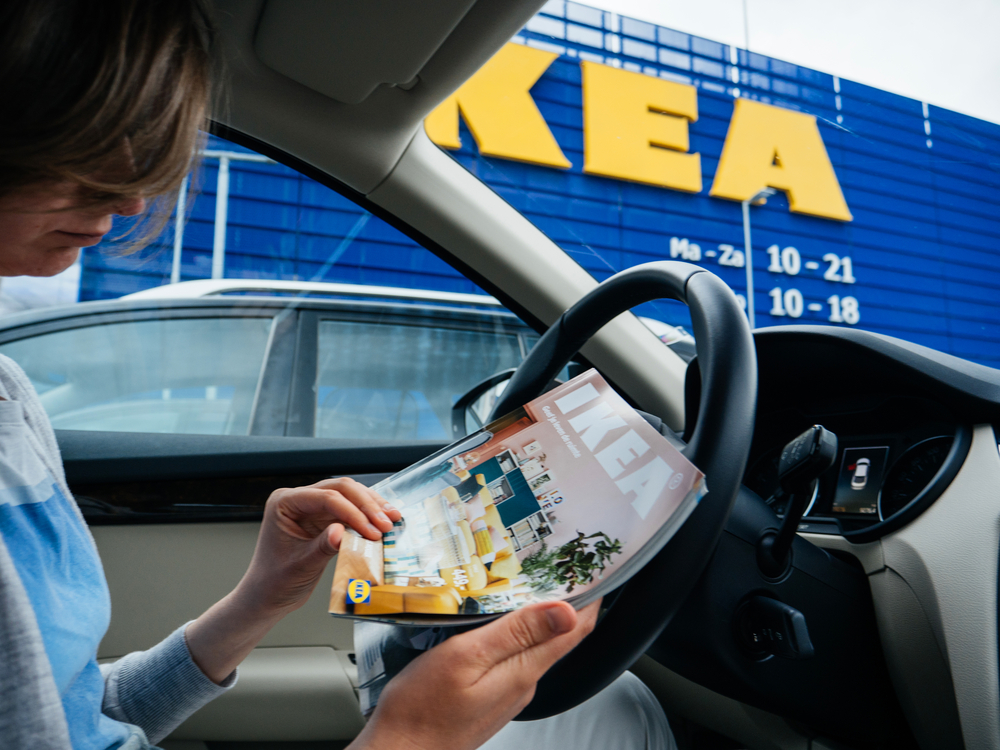
Once you’ve secured a place to rent, the next best thing to keep it cheap is to visit the almighty kringloopwinkel! That’s where you can furnish your entire apartment for as little as €200.
Don’t have a nearby kringloopwinkel? Perhaps an IKEA is more accessible! Image: Depositphotos
2. Stay out of the city centre
Sure, living in the city centre might be easier, but that’s why it’ll come at a premium price.
When trying to find cheap housing in the Netherlands, ask yourself, do you really need to be in the very centre?
You may find that a rental property that’s only 15 minutes away from the centre by tram is half the price, with only a small and easy journey attached. You can even get deals on the train to save yourself some money on the commute!
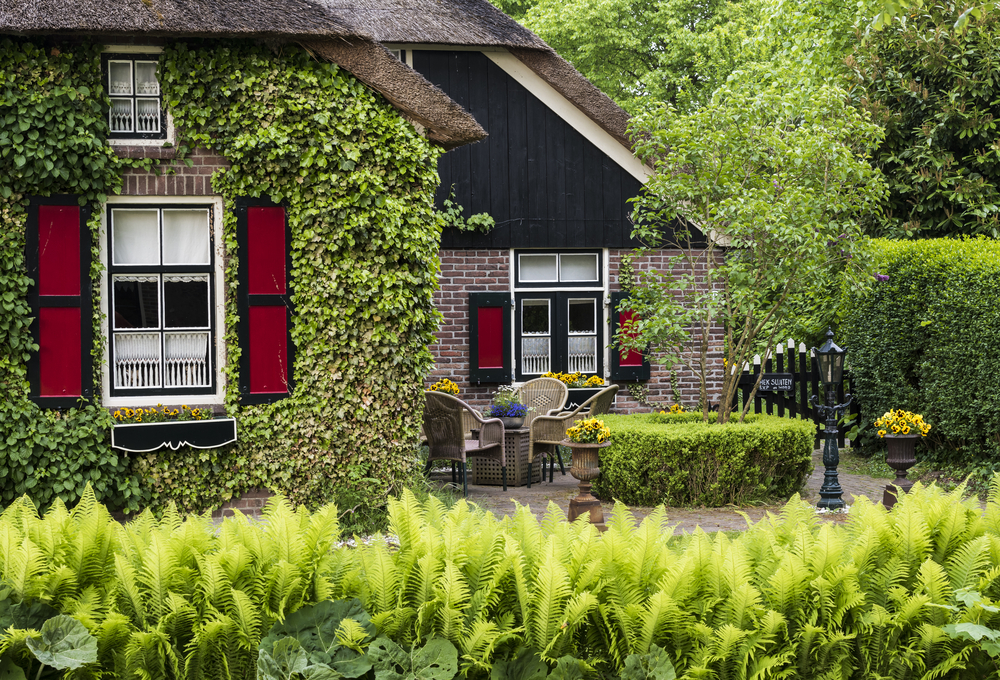
Living in the countryside comes with many perks, including cheap housing! Image: Depositphotos
Also, if you live on the outskirts, you’re actually more likely to be near a supermarket and have easier access to free parking.
And considering how notoriously expensive parking in the Netherlands is, you’ll need to weigh up whether renting a place in the centre is worth all those parking permit costs.
Some taxes (even a dog tax!) might be more expensive in the city centre as well, depending on where you are, so you should take that into consideration too.
3. Stick to a smaller property
Do you really need that spare room? If you live alone, then chances are that renting a big apartment isn’t a necessity.
The more bedrooms the place has, the more the rent will be. If you think you won’t receive that many guests, then downsizing your expectations for a property is definitely going to reduce that rent.
Sure, it’s great to have a lot of space, but as long as you aren’t living in a cupboard under the stairs, or perhaps the narrowest house in Amsterdam, it may be worth the sacrifice.
All in all, it boils down to figuring out how long you’re going to live there and whether you’re going to be bringing babies or friends into the equation.
And no, having more space to party is not warranted if you’re on a tight budget and trying to find cheap housing in the Netherlands, as tempting as that may be.
No space for a ping-pong table here. Image: Pixabay
4. Share a house with someone else
House sharing is a great way to save a lot of money on rent. It gives you some company, and for many people, your flatmates end up becoming your great friends (or enemies, who knows? 🤷)
It’s certainly a gamble, but it’s much cheaper overall, and you’ll still have your own space to look forward to.
Sharing a room with another can either be a blessing or a curse, but it sure is cheaper. Image: Depositphotos
When you look into house sharing, it’s also worth finding out about the tenants. Usually, they say if they’re professionals or students, so you can work out if the house is the right fit for you.
The idea of sharing a house filled me with dread, but I’ve done it a few times, and so far, so good. It’s no secret that it’s miles cheaper than renting your own place, and it’s a lot less lonely too.
5. Live outside of the Randstad (if you can)
The Randstad, which includes Amsterdam, Rotterdam, The Hague, Utrecht, and the surrounding areas, are some of the most expensive places to live.
If you think you can make a living outside of the bustling metropolises, then heading to the east or up north will significantly reduce rental prices.
However, cities like Groningen and Eindhoven are also densely-populated places, and you can get better bang for your buck there than you would in somewhere like Amsterdam.
An underrated place that sits off the beaten track, Eindhoven is a lovely city to live in. Image: Depositphotos
We all know that finding cheap housing in the Netherlands is a task and a half, especially in this day and age with an ongoing housing crisis and prices rising in basically every sector.
Nonetheless, if you prepare well in advance, keep your options open, and budget generously, you’ll get there eventually. Veel succes!
Do you have any other tips on finding cheap housing in the Netherlands? Tell us in the commentsbelow! 👇
Editor’s Note: This article was originally published in March 2019, and was fully updated in November 2022 for your reading pleasure.
Meanwhile, some Dutchies are getting fed up with the number of international students, so the VVD, the CDA and other opposition parties agreed to take measures to slow down the influx of international students, the NRC reports.
What’s wrong?
While the Netherlands is a great county to live in, it has its limitations. From student housing to the size of the country, the resources are not endless.
The number of international students has doubled in the past 20 years, creating a high workload for teachers and a large shortage of classrooms and lecture halls.
In the past 10 years, there has been an increasing number of English language courses, and some programs are no longer offered in Dutch.
Dutch students often lose out on university because they have to compete with students from around the world.
Hard to fix
The University of Amsterdam (UvA), where the number of international students tripled in the past 5 years, has already decided to take its own measurements and not wait for new legislation anymore.
Pieter Duisenberg, the chairman of the Association of Universities in the Netherlands, said to NRC:
“We have been asking for legislation since 2018 that makes it possible to introduce number limits in English-speaking bachelors, keeping the Dutch-language variant accessible. We also want courses to be able to say, for example, a maximum of fifty students from outside Europe.”
Universities cannot select their students by nationality; however, they plan to establish a quota for international students.
Popular for a reason
Dutch universities are some of the best in the world, they are significantly more affordable than universities in other EU countries (and the US!), and most of them offer English courses.
The sight of a skittery insect sends many of us running for the door (though we’d much rather get a flamethrower 👀🔥), as one Dutch woman was recently reminded.
The Nunspeet native had wandered into her storage shed when she spotted something terrifying, reports the NOS.
The shocking discovery
When Ezra van Olst rifled through a cabinet in her shed for another pack of baby wipes, she was horrified to see a small, black shape with far too many legs skitter under the pack of wipes.
Scared to death of skittery things, she dispatched an investigative team of one: her boyfriend.
Van Olst’s boyfriend, however, had an entirely different reaction.
Shouting, “Wow, a scorpion!”, it was love at first sight. (At the time of the interview, van Olst’s boyfriend had scurried off to a pet store to find a terrarium for his new critter.)
It was a well-travelled scorpion
Putting on her detective cap, van Olst determined that the scorpion was likely a European black scorpion.
As black scorpions are normally found in southern Europe, she deduced that it must have snuck into the package of baby wipes and gone on a cross-continental voyage.
Fabrice Ottburg, an ecologist from Wageningen University and Research, confirmed van Olst’s suspicions to the NOS.
What do you think of finding a skittery scorpion in your home? Tell us all about it in the comments below!
Lowlanders, bring out those gloves, scarves, and three-layered outfits. Once again, colder temperatures are approaching, and it might even freeze in the coming nights.
If you’ve been getting used to the mildly cold temperatures this past weekend, it’s time to adjust your expectations. The notoriously unpredictable and sporadic Dutch weather has struck again. ❄️️
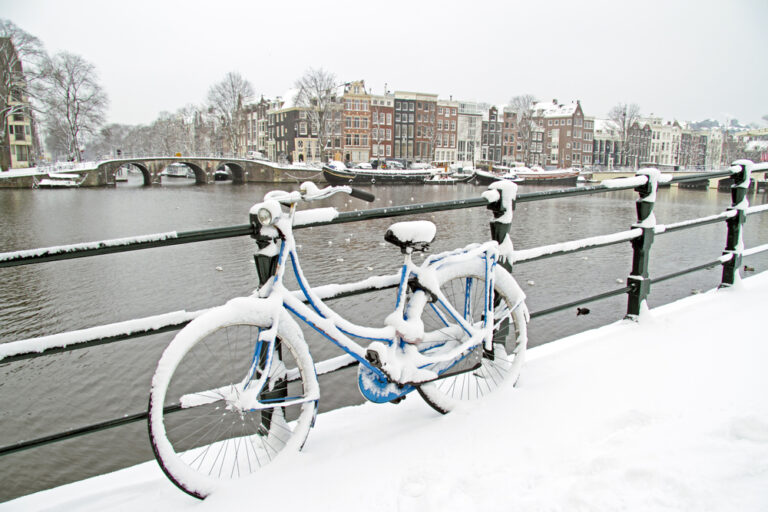
Oh yes, also mid winter, snow storm, still on the bicycle, without a hat, at most a hoodie. Hardly getting ill. The Dutch are a though people. pic.twitter.com/7MPOXs3uWr
Even with such a cold climate, the Dutch will never abandon their beloved bikes.
Frosty winter days
On Monday, woners will face a cold-ish dark day with a visit from our old pal, rain. 🙄
You can find joy in knowing that Tuesday will offer fewer cloudbursts, but mist and fog will make a special and rather prominent appearance for the majority of the day.
Everyone will have to brace for colder air, with afternoon temperatures dropping as low as five degrees.
At night, we can expect Frosty the Snowman to drop by, especially in the outskirt regions of the Netherlands. Chances for rainfall are small, but we won’t see any precious sun this time either. ⛄
An extra chilly Sinterklaas weekend
According to NU.nl, the latest weather reports predict that the Dutch climate will be at its coldest (and most miserable) on the weekend before Sinterklaas (the night of December 5th). 🎅
If you plan on celebrating the feast this year, make sure to pack some hand warmers and cuddle up with your loved ones for warmth.
How are you planning to survive the Dutch winter this year? Tell us in the comments below!
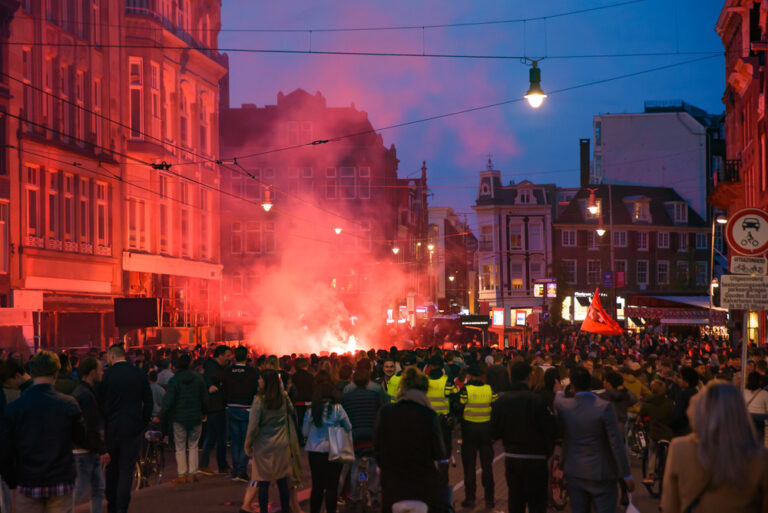
Moroccan football supporters’ celebrations ended with riots in several Dutch cities last night, following the team’s 2-0 win over Belgium in the World Cup.
Riot police were deployed across the country, and arrests were made in Amsterdam, Rotterdam, and The Hague, writes the NOS.
The Riot Police was deployed in Rotterdam, Amsterdam The Hague, and Brussels on Sunday when #riots#rellen arose after Morocco's World Cup Victory over Belgium. 2 police officers injured. Peace has almost returned to the cities, police spokespersons say. pic.twitter.com/DLEj4OK6Ld
All the major Dutch cities had skies filled with fireworks last night, as it seemed the football supporters decided to celebrate NYE a tad bit too early.
In Rotterdam, more than 500 people participated in the riots, throwing fireworks and other dangerous substances at the police. The excessive festivities led to several fires breaking out, and some areas, such as the Vaillantplein in The Hague, had to be evacuated.
Two police officers were sent to hospital after yesterday’s nuisances, which started after the match ended around 8 PM.
All unrest was settled quickly, however, by the Dutch riot police and mobile unit. By 9 PM last night, the citizens of the Netherlands could safely continue their Sunday night Netflix binge, without the fear of disturbance from football hooligans.
What do you think about the way people celebrate their wins in the World Cup? Tell us your opinion in the comments below!