For years, the top spot for the healthiest Dutch city has been held by Groningen. This year, a new city takes the crown (and you might not have heard of it before).
Attention wellness influencers! Instead of recommending a new diet, you should recommend a move to Apeldoorn.
Climbing the health ladder
This city, found nestled in the province of Gelderland, has risen from third place in 2022 and is now the healthiest city in the Netherlands, according to the Arcadis Healthy City Index 2024.
The index compared the green spaces, facilities, bike-friendliness, walkability, and ‘healthy community’ of no less than 25 Dutch cities.
The last criterion is where Apeldoorn scores particularly well.
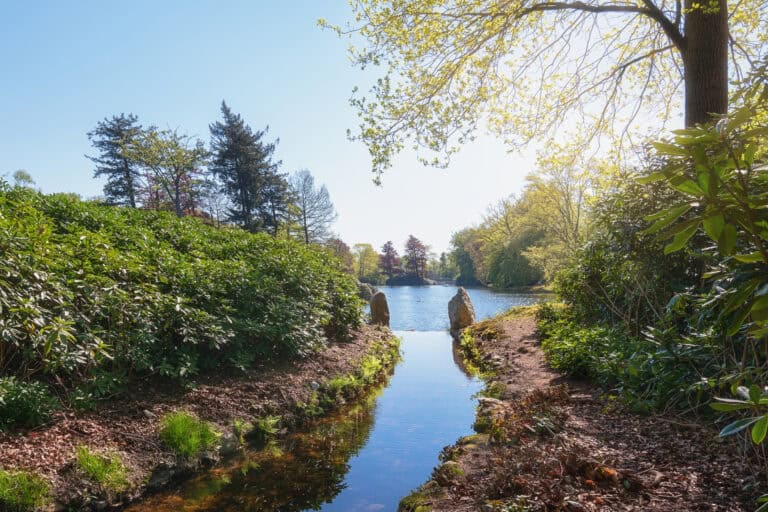
The city also stands out because of its proximity to nature and low crime rates, so the only thing you need to worry about on your night-time walks is scaring a deer. 🦌
Other cities have room for improvement
Apeldoorn’s victory means the long-time reign of Groningen as the healthiest Dutch city has come to an end. This is mainly due to an increase in bike-related accidents.
The city has also seen an uptick in crime, resulting in a lower ‘healthy community’ score. But worry not, Groningers! Your home hasn’t fallen far and is currently third on the list.
The bottom of the list is occupied by the three largest cities in the Netherlands — Rotterdam, The Hague, and Amsterdam.
However, even our Randstad residents can relax, as all Dutch cities have an above-average standard of living when it comes to health. 🙌
How healthy is your Dutch city? Let us know in the comments!
While the prices of rooms are increasing almost everywhere in the Netherlands, four Dutch cities are seeing a decrease in the price of rental rooms.
The Q3 Kamernet Rent Report 2024 has investigated how room rents have changed in Dutch cities over the past year – and it’s not all bad. 🎉
Prices are going up — but not everywhere
On average, prices of rental rooms in the Netherlands have increased by 7.2% compared to last year.
Sounds bad? It is… But don’t lose all hope! Four Dutch cities are resisting the trends and are actually seeing a decrease in room rents.
Renting a room in the cities of Den Bosch, Ede, Leeuwarden, or Zwolle is getting cheaper, with rents in Den Bosch even decreasing by 13.1%. Hoera voor Den Bosch!
This puts rents in these cities at €509 (Den Bosch), €440 (Ede), €410 (Leeuwarden) and €552 (Zwolle) respectively.
In addition, Wageningen and Enschede offer more affordable room options, even if the rents are not exactly decreasing. Renting there will, on average, cost you a whopping €600 less than in Amsterdam.
These cities take the crown… for skyrocketing rents
Unfortunately, you’re going to have a hard time finding any other Dutch city where rents are not going up. These increases, as you might’ve guessed, are likely due to a lack of available rental properties.
The cities that saw the biggest rent increases in the past year were Tilburg, Maastricht and Haarlem. The latter is now the second-most expensive Dutch city when it comes to room rents, with individual rooms costing an average of €809.
Still, Amsterdam remains the most expensive city to rent a room in (surprise, surprise), with the average room rent in the capital reaching a staggering €991. 😳
How expensive is renting a room in your city? Let us know in the comments!
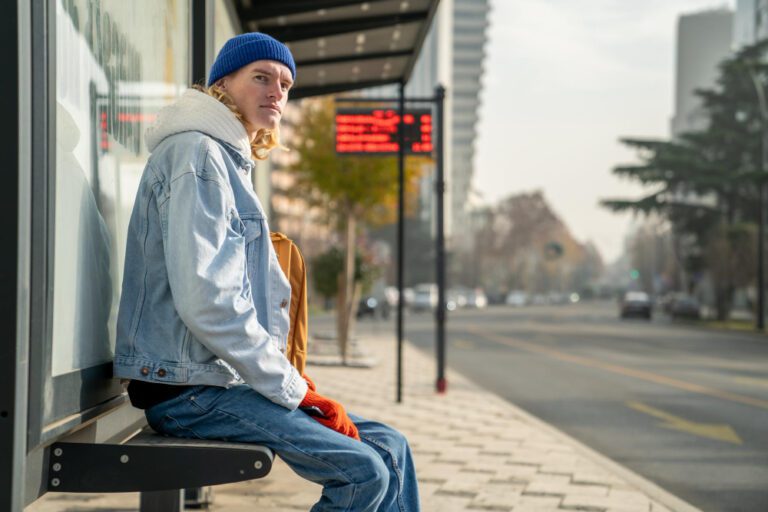
We’ve all experienced the frustration of waiting for a bus that will never come. Now, imagine how you would feel if your city asked you to hitchhike instead. The municipality of Zeewolde has done just that.
As part of a creative ‘solution’, the municipality has introduced “hitchhiking stops” to encourage the method as an alternative to taking the bus, the NOS reports.
Many places in the Netherlands have overcrowded buses and issues with consistency due to a lack of staff, especially during rush hours — and Zeewolde is no exception.
Bus too full to get to school? Just hitchhike!
Instead of, we don’t know, campaigning for more bus routes, the municipality has built a special hitchhiking stop in Polderwijk, accompanied by a matching sign to encourage residents (including schoolchildren) to hitchhike. 👍🏼
Sounds dangerous? Don’t worry, the municipality has also placed a QR code under the stop with safety information.
Some tips include not getting in if there are multiple people in the car, and sharing your location. However, ensuring that all hitchhikers take the time to read it is a whole other issue.
What do residents think?
Parents have especially mixed feelings about this new addition.
One mother tells Omroep Flevoland that “she does see that the buses are very full in the morning. It’s really a stampede.” However, she questions if she would let her own child hitchhike with a stranger.
According to the NOS, Lucas Kramer, a member of the GroenLinks party in Provincial States is glad that the municipality is addressing the problem but finds the solution risky for minors.
”We don’t know who the driver of the car is”, he points out. Instead, he recommends that municipalities should focus on improving public transport.
Following the violence that exploded between Israeli football supporters and pro-Palestine protestors surrounding yesterday’s Ajax-Maccabi Tel Aviv football match, Israel’s prime minister has announced he is “sending two planes to Amsterdam.”
The planes are meant to safely evacuate the Israeli football fans from the city after what Netanyahu has called “very violent” incidents against them, RTL reports.
“Not a single plane”
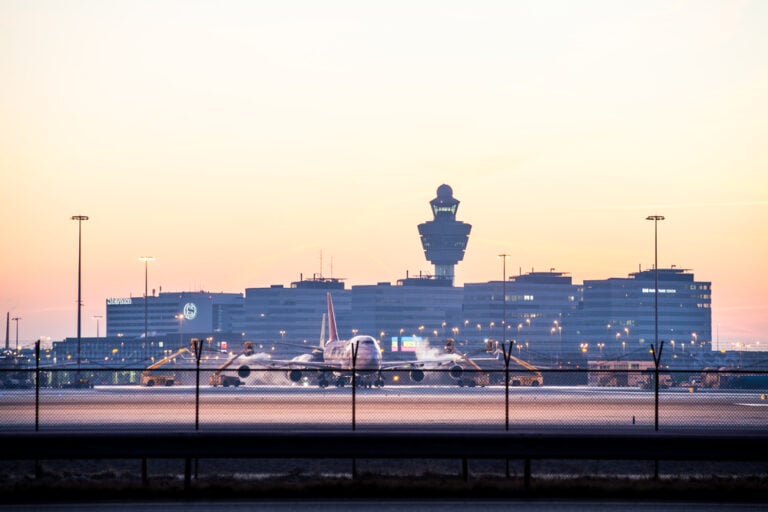
So far, Schiphol has yet to register any extra incoming planes from Israel besides the regularly scheduled commercial flights.
Meanwhile, in Israel, “not a single plane” bound for the Netherlands was seen taking off, reveals RTL.
What happened?
It has been reported that some pro-Palestine protestors violated the ban on protesting near the event’s venue and attacked the football fans leaving the arena.
Clashes also broke out in other parts of the city centre: “there have been scuffles, including on Dam Square,” a police spokesperson tells RTL.
According to Israeli authorities, the violence left ten Israeli fans injured, although it remains unclear how seriously. Additionally, three people are still uncontactable.
The Dutch authorities, on the other hand, have confirmed that 57 people were arrested but didn’t disclose how many of them were football fans or pro-Palestine protestors.
Strict prevention measures
The city’s administration tried to prevent Maccabi Tel Aviv fans and local pro-Palestine protestors from crossing paths.
For instance, the demonstration initially organised outside of the match’s venue, the Johan Cruijff ArenA, was moved to the nearby Anton de Komplein.
Moreover, extra police presence was deployed, and large areas of the city centre were designated as high-risk areas, meaning the police could frisk anyone passing by.
However, the strict measures were not enough to prevent turmoil, which already broke out the night before the match — during which Maccabi Tel Aviv fans were filmed tearing down Palestinian flags, chanting songs glorifying anti-Arab violence, and beating up a taxi driver, reports the AD.
The aftermath
Identifying the people involved will be challenging. “We can’t tell who belongs to who, the groups are not easy to distinguish from each other, almost all of them are wearing dark clothing,” a police spokesperson tells RTL.
Politically, the incident caused quite a stir, with several major Dutch leaders, including Schoof, Wilders, and Yesilgöz, condemning the attack on Israeli fans and Amsterdam Mayor Halsema’s handling of the incident.
Looks like a Jew hunt in the streets of Amsterdam. Arrest and deport the multicultural scum that attacked Maccabi Tel Aviv supporters in our streets. Ashamed that this can happen in The Netherlands. Totally unacceptable. https://t.co/Ju54TO27Ks
Fed up with hidden fees and clunky banking apps? Me too. That’s why I took a leap and switched to bunq, the Netherlands’ most popular neo-bank. And I’ve never looked back.
When I moved to the Netherlands as a student, I didn’t care much about choosing a bank. However, when I started working full-time, I decided to look around to find my best banking options. That’s when I switched to bunq.
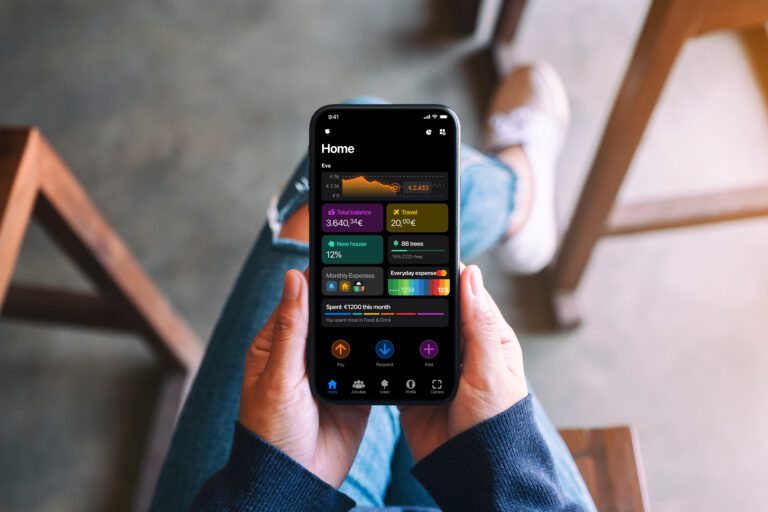
I needed a neo bank that would help me organise my finances, so I turned to bunq. Image: Freepik
With my bunq Pro account, saving has become easier, budgeting smarter, and I finally feel like I have control over my finances.
Here’s why I find the monthly €9.99 is a small price to pay for my financial health.
There’s a healthy 3.01% interest rate on my savings
It’s no secret that interest rates on savings in the Netherlands have been dismal in the past five years — a 1.5% interest rate at major Dutch banks? You’ve got to be kidding.
At bunq, I enjoy a competitive 3.01% interest on my savings of up to €100,000, which is paid out weekly.
With this, bunq makes it easy for me to grow my savings rather than just having them sit around and lose value from inflation.
With bunq, I can battle inflation and keep my savings strong. Image: Freepik
I get insights on where my money goes each month
Have you ever reached the middle of the month and wondered, “Where the heck did all my money go?” Me too.
One of the biggest challenges when it comes to budgeting is knowing where you are spending your money. Expenses such as an occasional kapsalon after a night out can quickly add up, but are easily forgotten in the next morning haze.
Well, not with bunq.
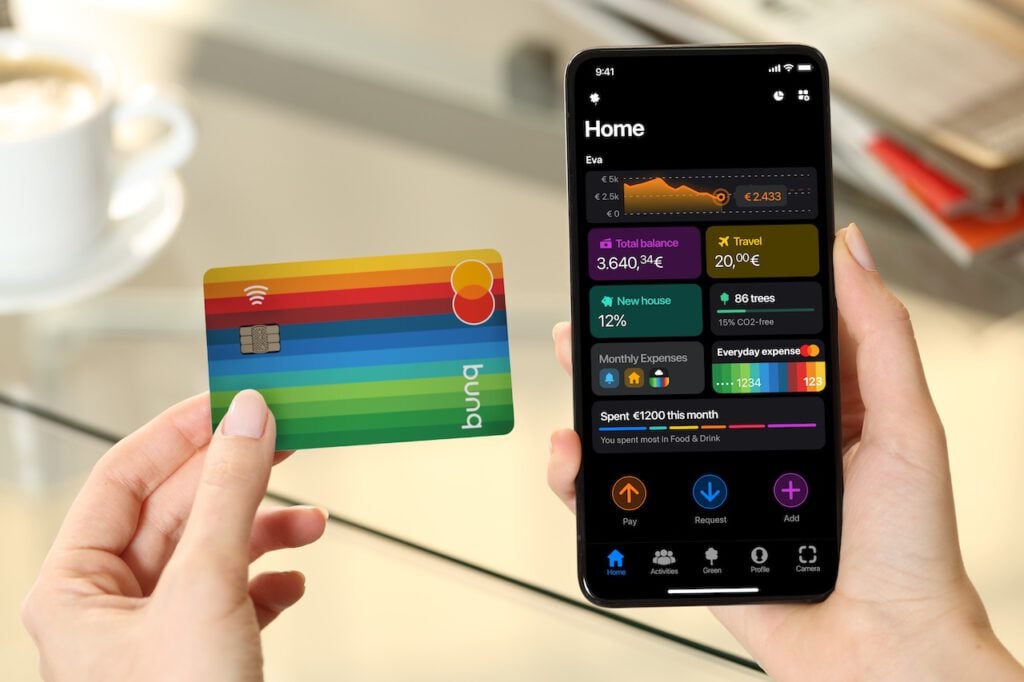
bunq will lay out your spending habits for you. Image: bunq
Although confrontation can be difficult, it’s necessary to ensure you stay on track with your financial goals. bunq’s ‘Insights’ tool can help by categorising your spending into 23 different categories, such as “Household Expenses,” “Food and Drink,” and “Subscriptions.”
Even better, the feature lets you integrate any external bank accounts, allowing you to easily track your spending across all your accounts. 💪
Various features budget my money effortlessly
Speaking of budgeting, bunq has multiple high-tech features that make budgeting a breeze.
One such feature is the Payment Sorter, which simplifies the process of setting money aside each month. For example, my Payment Sorter automatically allocates a specific percentage of my income to savings and investments.
bunq also allows me to have multiple sub-accounts with individual IBANs, which makes budgeting my money straightforward and organised.
Saving up for a trip? I’ll make a separate account for it! Money for my utility bills? I store it in a separate account! My grocery money? In a separate account. 💰
With bunq, I can keep my money for food shopping in a separate account. Image: Freepik
Since each account has its own IBAN, it’s easy for me to set up direct debits, for example, for my bills.
In addition, bunq is able to auto-select the right account based on the transaction category. This means that all my Albert Heijn transactions get pulled straight out of my designated “Groceries” account!
These features not only help me stick to my savings goals but also give me a better overview of my overall finances.
I save without having to think about it with AutoSave
By far my favourite feature of bunq is AutoSave. I’m the type of person who sometimes likes to spend money purely because it’s otherwise sitting in my account (niet goed, I know).
But bunq helps me work on this character flaw by simply making sure I have less liquidity sitting around in my account for reckless spending. 🤷
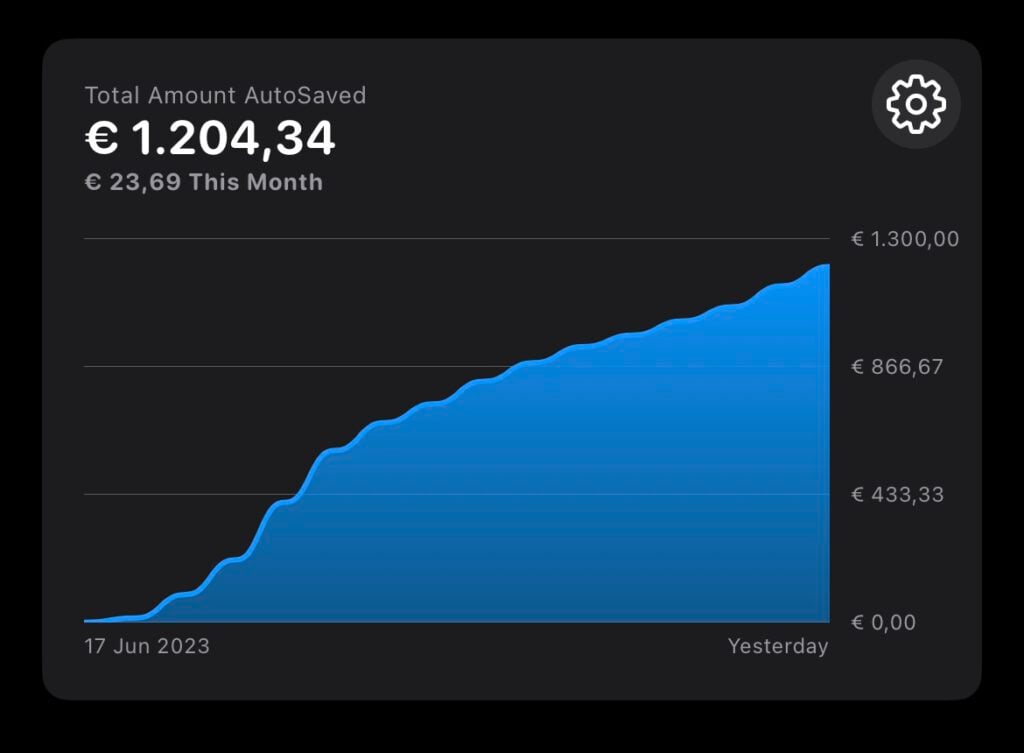
It does this with the AutoSave feature, which automatically rounds up every payment I make and sends the difference to either one of my savings accounts or my investment accounts.
I have my AutoSave set to round up to the nearest multiple of 5, meaning if I spend €2.40 on a candy bar, bunq will automatically put the remaining €2.60 into my savings. And it works! Within just over one year, I have saved up to over €1,200 without ever having to think about it.
Not too shabby! Image: Screenshot/Lyna Meyrer
I don’t have to worry about unexpected expenses when travelling
My sister lives in the UK, and my partner’s family lives in the US. As a result, I frequently travel outside of the EU and need to deal with various foreign currencies.
Before using bunq, I’d have to pay a foreign transaction (FX) fee on any purchase made in pounds or dollars. This fee typically ranges from 1% to 3% of the transaction amount, meaning a $100 bill becomes a $103 bill — simply because you’re abroad.
Another perk of bunq? Fee-free currency exchange. Image: Dreamstime
bunq’s ZeroFX feature lets me dodge these pesky fees by letting me enjoy fee-free currency exchange. Moreover, bunq lets me open accounts in up to 22 local currencies to make my international transactions even smoother.
Now, I can spend money without the hassle of calculating exchange rates or dealing with foreign transaction fees. It’s a simple and convenient way to save money when making international purchases.
Tip: Speaking of travelling, if you get yourself an Elite account with bunq, you automatically get travel insurance for you and your family!
I have a good conscience knowing I bank sustainably
Sure, all these financial advantages of bunq are great, but I also want to know that I’m doing what I can to bank sustainably.
bunq gives me that peace of mind in multiple ways. First off, bunq lets me decide that my investments may only be put towards green companies, meaning all my investments on bunq are sustainable. 🌱
bunq also plants trees in order to counteract your carbon footprint. Image: bunq
In collaboration with Veritree, bunq also plants trees for a greener planet and even shows me the CO2 footprint of my monthly spending. To date, bunq has planted over 20 million mangrove trees in Kenya — and that’s a cause I love to support. 👏🧡
Want to join bunq yourself? There are different plans to choose from, ranging in price from completely gratis to €18.99 per month. So, just pick one you like and get banking!
Do you have a bunq account? What are your favourite features? Share your thoughts in the comments!
Sometimes, you need a change of scenery from the classic Dutch canals. How about Antwerp’s Art scene? It’s only a short train ride away, making it the perfect cultural trip from the Netherlands!
Antwerp features fine arts and a dazzling array of museums, all within an hour’s reach from the Netherlands.
Here are some must-see highlights for all art aficionados visiting Antwerp in 2024. 👇
The Come Closer Festival at the Middelheim Museum
A visit to Antwerp is incomplete without experiencing the Middelheim Museum, a renowned open-air sculpture park that’s already well worth a visit.
The “Come Closer” festival, which runs until September 29th, transforms this already magical setting into a vibrant cultural hotspot.
The festival features an eclectic mix of contemporary art, music, performances, and interactive installations.
Choose a day with fair weather (it’s hard this year, we know) to visit as it’s all outdoors, and turn that weather into an advantage and enjoy a fine outside lunch at the museum’s restaurant.
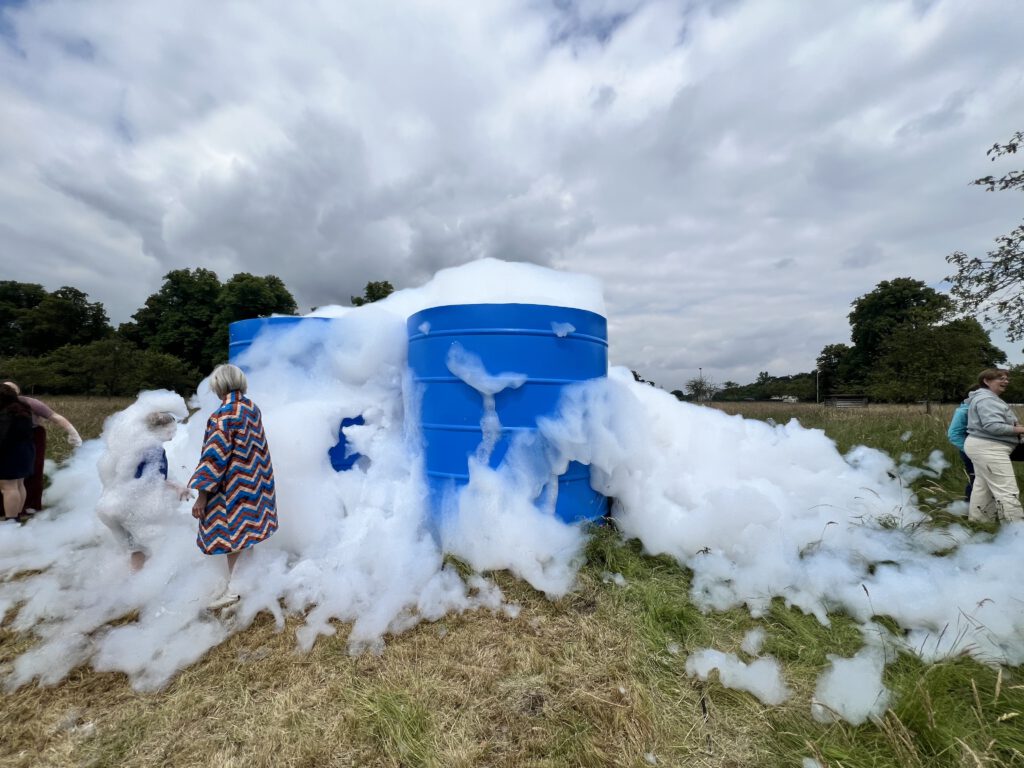
It was quite the scene! Image: Abuzer van Leeuwen
It’s important to know that both the museum and the festival are a bit out of the city centre.
However, Antwerp is one of those cities where we recommend hiring a bike or stepping about town on one of those omnipresent electrical scooters that the Dutch have outlawed.
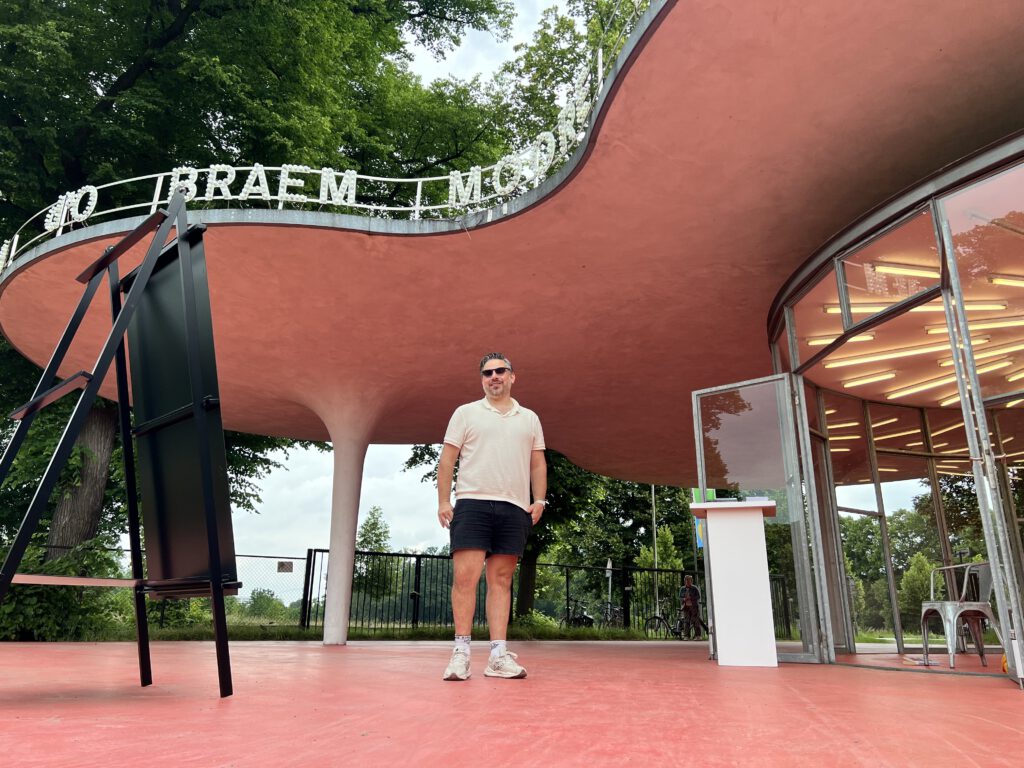
Gotta love a nice pink entrance like here at Come Closer Image: Abuzer van Leeuwen
It is deeply rooted in the Antwerp avant-garde, with a strong international connection and is truly innovative and inspiring.
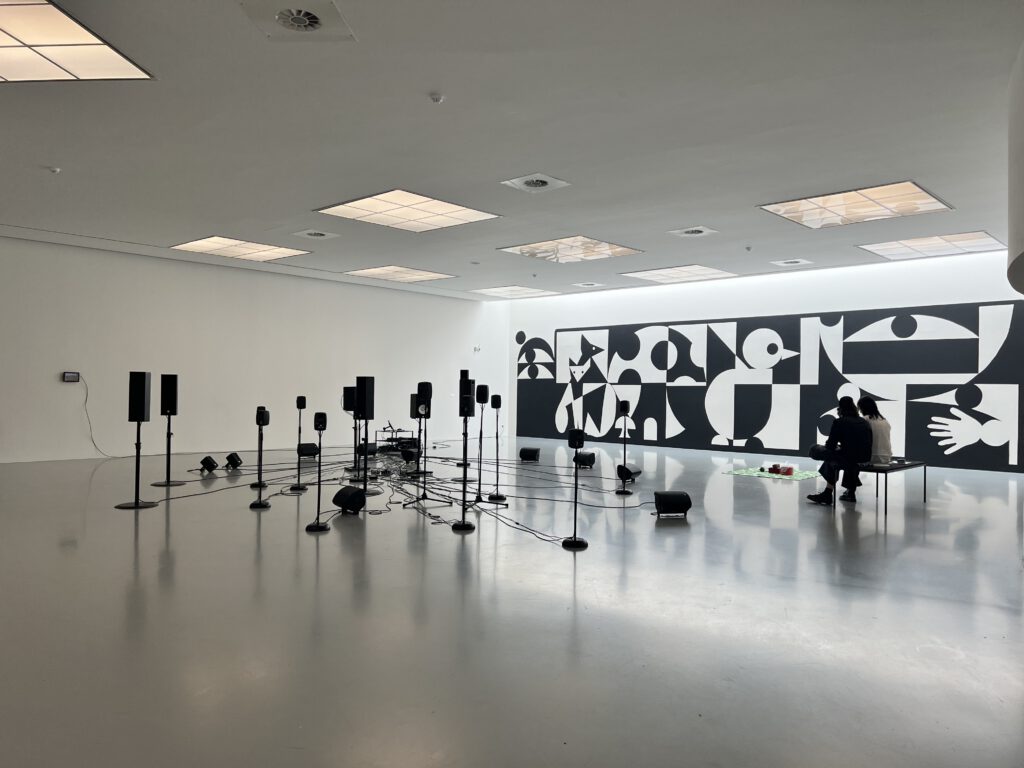
Art lovers rejoice! Antwerp has plenty to offer. Image: Abuzer van Leeuwen
Both the collection and the building itself are something special. I’ve been here twice, and both times it was quite different and enchanting, to say the least.
Tip! Don’t forget to pay a visit to the restaurant and the top floor and enjoy a coffee on the roof.
The Fotomuseum (FOMU)
Just a few minutes walk from M KHA, you’ll find the FOMU. It showcases a dynamic range of photographic art, from historical archives to cutting-edge contemporary pieces.
The museum’s rotating exhibitions ensure there’s always something new to see, and we found it to be a nice complement to our previous visit to the M KHA.
Tip! We used an Antwerp City Pass to get around. This is a great way to save some money during your travels.
Antwerp Botanical Garden
Time for a short intermezzo with your old friend nature! 🍃
This lush garden, dating back to the 19th century, is home to a diverse collection of plants, trees, and flowers.
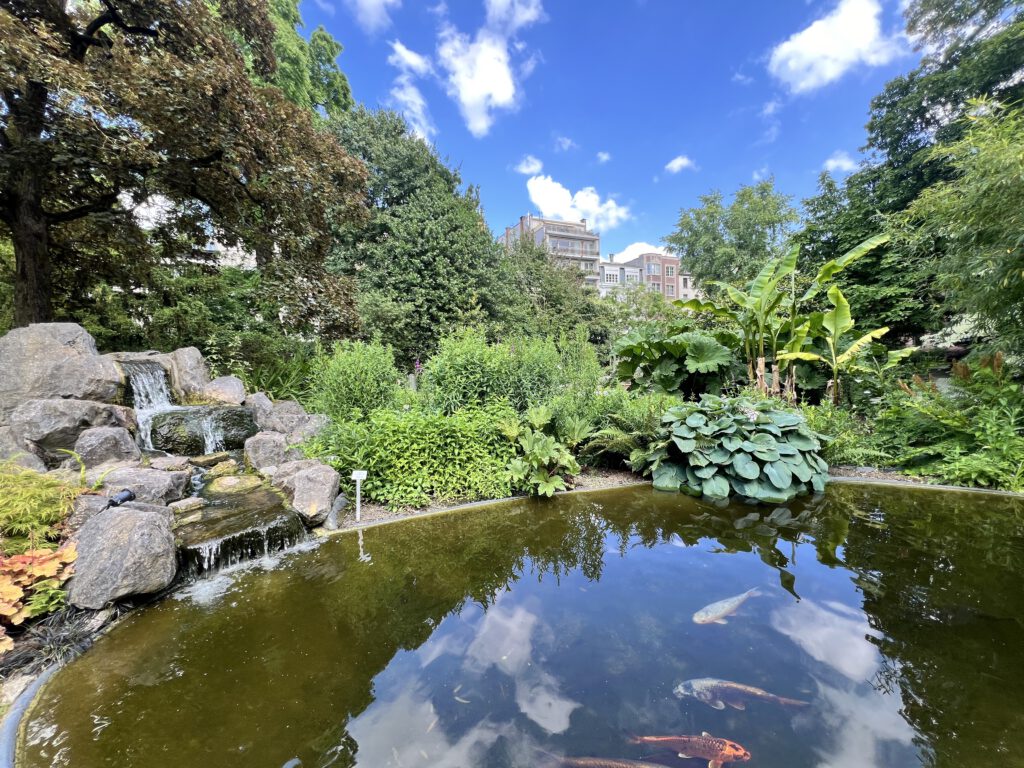
The botanical garden is a work of art by itself. Image: Abuzer van Leeuwen
Wander through its well-manicured paths and discover a variety of themed sections, including medicinal herbs and exotic plants.
It’s small, and there aren’t giant meadows to chill in, but it sure was pretty somewhat of a little treat to definitely check out if you’re near it.
Let’s talk about some other things to do between these cultural outings:
Stay the night at the beautiful Hotel August
Enjoy a fine Belgian dinner at Repasse
Have a drink, or two, at this beautiful old-industry-meets-lush-garden called PAKT
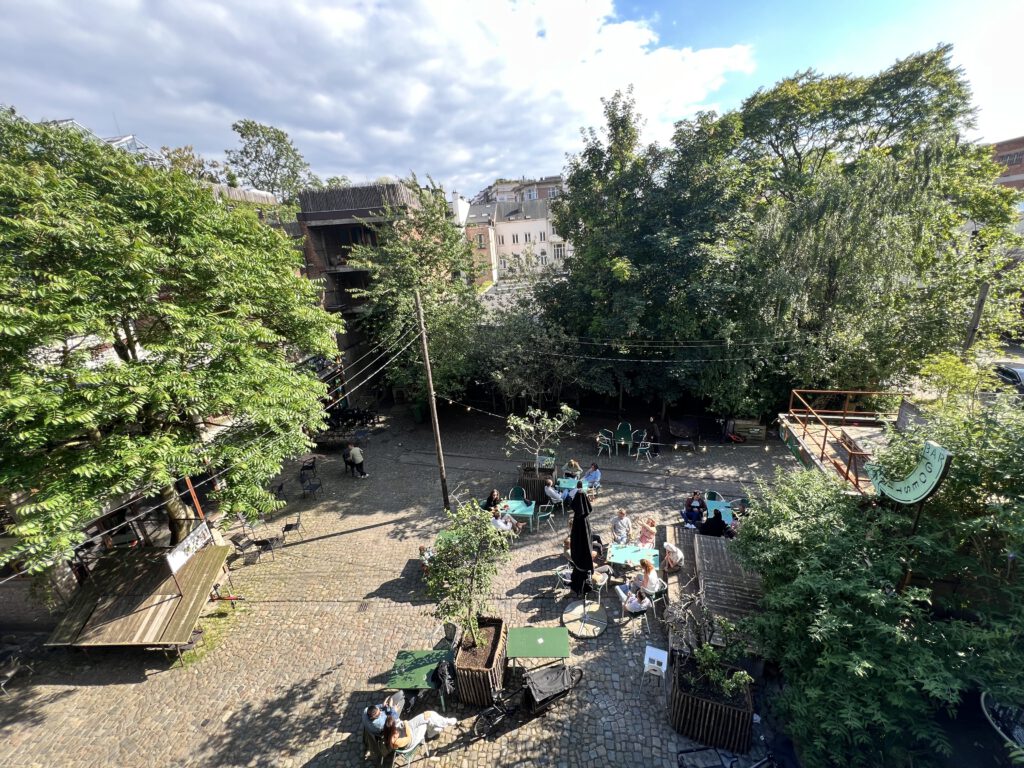
PAKT is also worth checking out! Image: Abuzer van Leeuwen
The Museum aan de Stroom (MAS)
The MAS, short for Museum aan de Stroom, offers a modern perspective on Antwerp’s history, art, and culture.
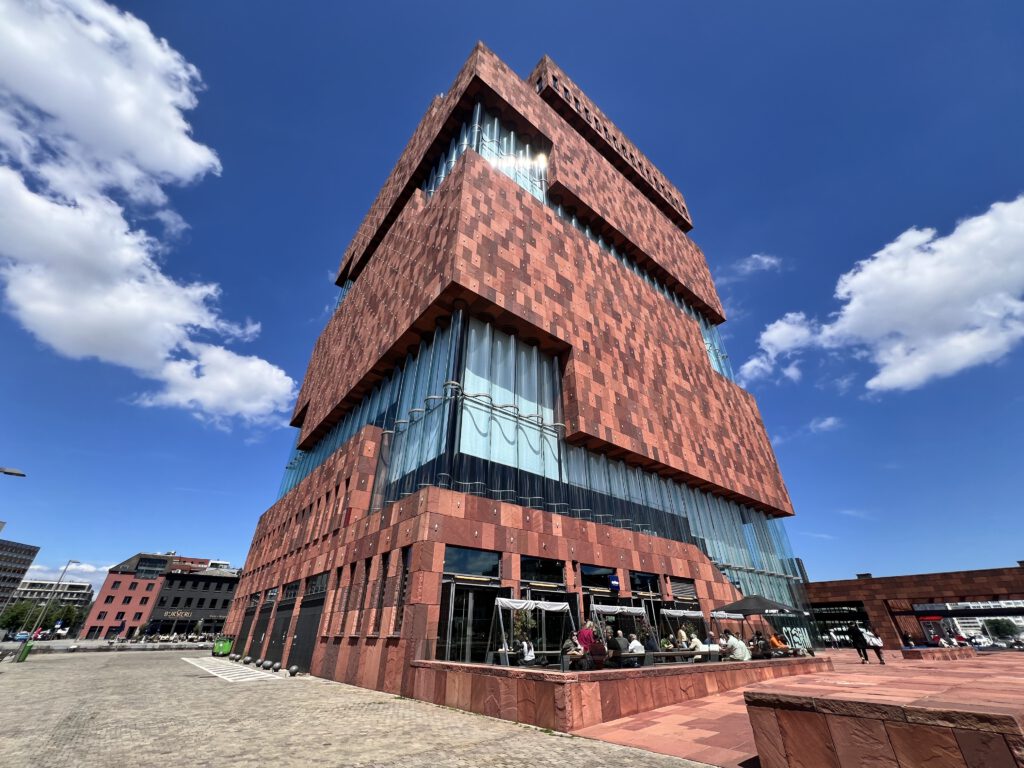
This striking, red sandstone building located in the Eilandje district boasts panoramic views of the city from its rooftop terrace.
We highly recommend visiting the MAS while you’re in Antwerp. Image: Abuzer van Leeuwen
The presence of the building draws you in, but also make sure to explore the trendy neighbourhood around the MAS.
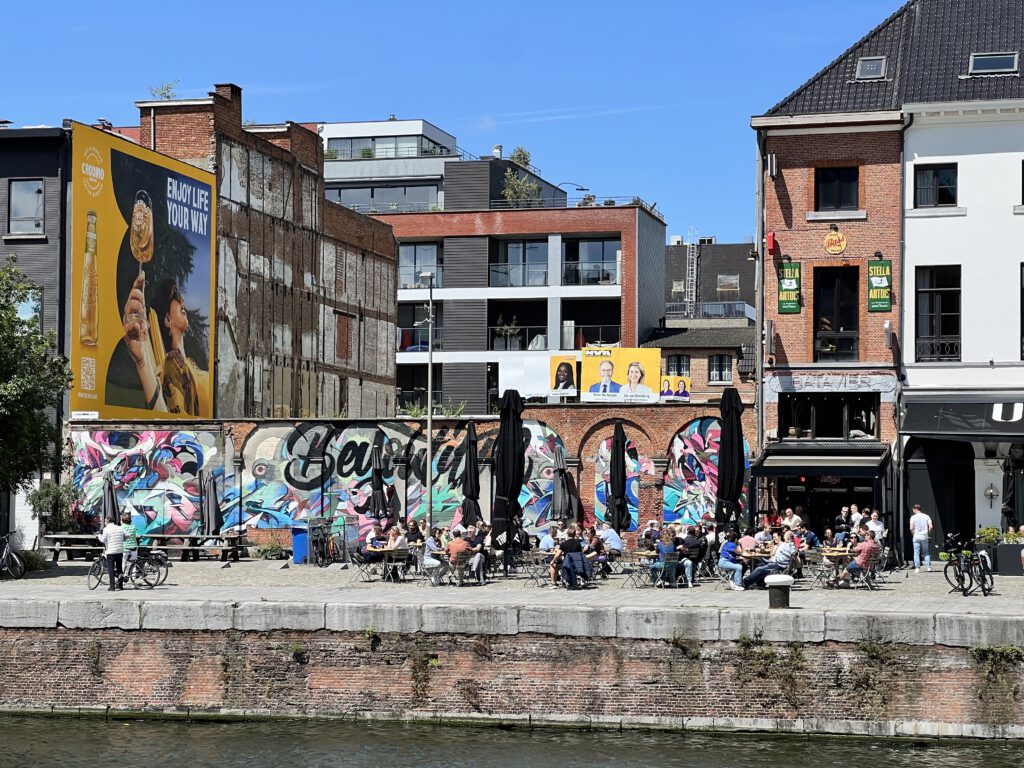
With a marina and tons of different bars and restaurants, there’s always something to your liking there.
Check out the surrounding hip neighbourhood. Image: Abuzer van Leeuwen
Inside, the museum’s diverse exhibits explore themes like the city’s maritime heritage and its cultural evolution.
Half of it is freely explorable, and we found the exhibit on Antwerp in WWII to be quite captivating.
If you want to know more about the history of Antwerp and its must-visits, like the Grote Markt and ‘Chocolate Nation’ (where you can actually drink from a fountain of chocolate), check out our previous article on Antwerp.
The Royal Museum of Fine Arts Antwerp (KMSKA)
For lovers of classical art, the Royal Museum of Fine Arts Antwerp (KMSKA) is a must-visit and gives the Rijksmuseum in Amsterdam a run for its money.
Recently reopened after a decade-long (but brilliant!) renovation, the museum houses an impressive collection of works from the 14th to the 20th century.
Highlights include masterpieces by Flemish greats like James Ensor, Peter Paul Rubens, Anthony van Dyck, and Jacob Jordaens — and there’s also Fouquet, Titiaan, Alechinsky, Modigliani, Rodin, and Chagall.
It is 75 years since James Ensor passed away. In September 2024, Antwerp, which has the largest Ensor collection in the world, will pay tribute to the Flemish master, inspirator and game changer with 4 unique exhibitions in KMSKA, FOMU, MOMU (fashion museum) and museum Plantin-Moretus.
Tip! If you love that Flemish vibe but also want to feel the sand and see the beach, we recommend Oostend. It’s a classic Belgian beach town which even has a three-year-long(!) art festival called Beaufort.
Getting to Antwerp from the Netherlands
Travelling from Amsterdam and especially Rotterdam to Antwerp is convenient, whether you choose to go by train or car.
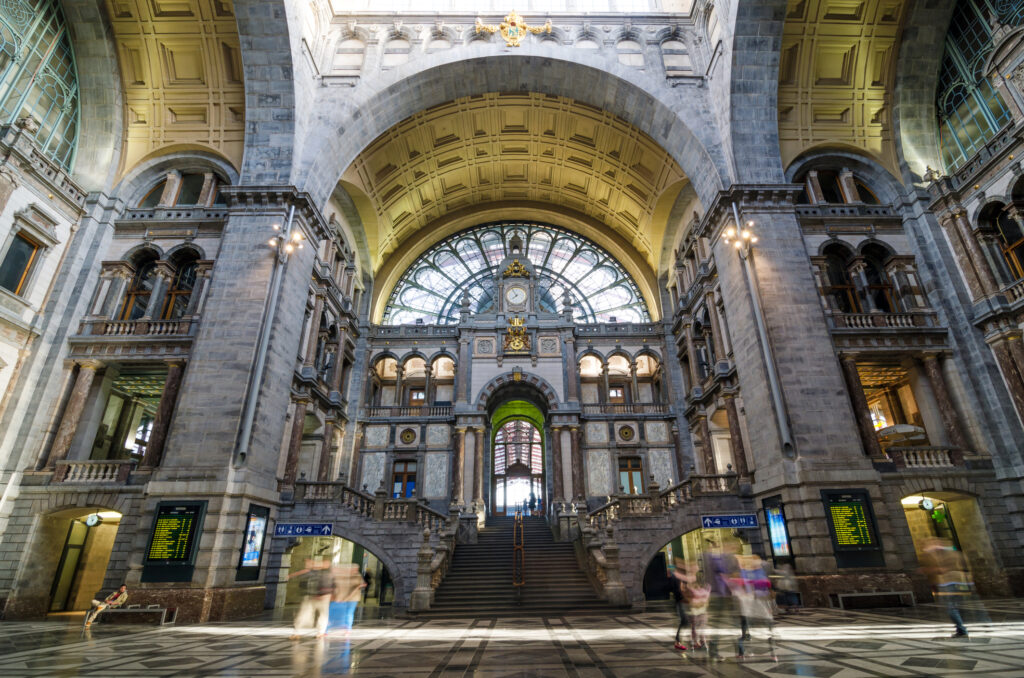
But let’s talk about taking that international train to one of the most beautiful stations in the world.
The station is a wonder in itself! Image: Dreamstime
We took the NS international train from Rotterdam. It’s not as snazzy or speedy as the Eurostar, but it was still a clean and easy journey.
If you can afford it, the high-speed Eurostar train (formerly known as the train called Thalys) offers a swift and comfortable ride from Amsterdam Central to Antwerp Central, with the journey taking approximately 1 hour and 15 minutes.
Regardless of how you get there, you’ll be greeted by Antwerp’s stunning central station upon arrival — often considered one of the most beautiful train stations in the world and a true historic landmark.
Antwerp is an easy trip to take from the Netherlands and a feast for the visitor.
From classical Flemish masters to the grandiose weirdness at the Come Closer festival, the city promises a journey of discovery and delight.
So pack your bags, jump on that train, and treat yourself to a weekend of fine Flemish living and art in Antwerp.
Have you ever been to Antwerp? What did you think of it? Let us know in the comments!
When you think of the Netherlands, you probably think of bikes, dikes, and windmills — but there’s an entirely different side to our beautiful flat country as well.
In an article written for El País, writer Berna González Harbour uncovers how drug trafficking extends its presence throughout the Netherlands — and there’s a lot to unpack.
The drug issue
It’s no secret that the Netherlands has a very liberal attitude to cannabis and other soft drugs — and many tourists come to visit purely for this reason. However, it’s not all fun and games.
This open attitude has led to a serious crisis, with the production and trafficking of synthetic drugs, cocaine, and heroin nestled deep in the fabric of the country.
One of the main players in this landscape is the Mocro Maffia — a criminal network that moves tonnes of drugs throughout the country and abroad.
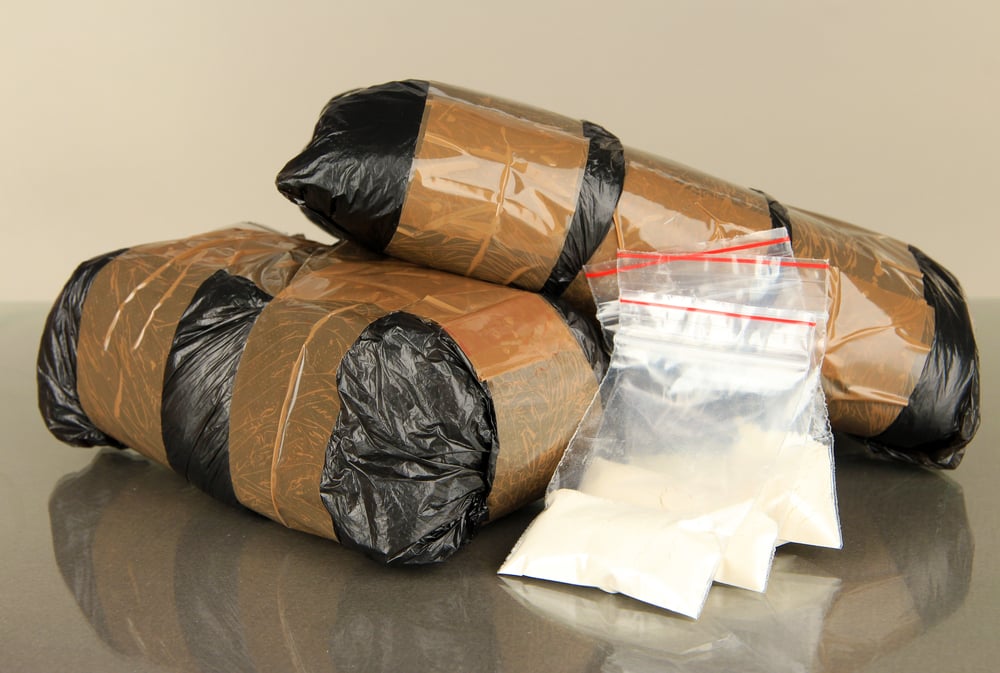
Bags of drugs are regularly found in the Netherlands. Image: Depositphotos
Their violence has shocked the country, with high-profile murders — including that of Ridouan Taghi’s lawyer and crime reporter Peter de Vries — acting as a reminder of the mafia’s power.
Multiple high-profile Dutch citizens, such as former prime minister Mark Rutte and Princess Amalia, have also been threatened by them.
The Mocro Maffia’s threat has left decapitated heads, torture chambers, bomb-rigged houses, and drug labs across Dutch cities, endangering young people and raising serious alarm.
Dutch youth on edge
Drug trafficking in the Netherlands has evolved into a crisis, extending far beyond the ports and infiltrating neighborhoods, schools, and even families.
A worrying trend is that teenagers increasingly end up in the scene, often lured in by the appeal of easy money and luxury items. These kids are the mafia’s “child soldiers”, as González Harbour writes.
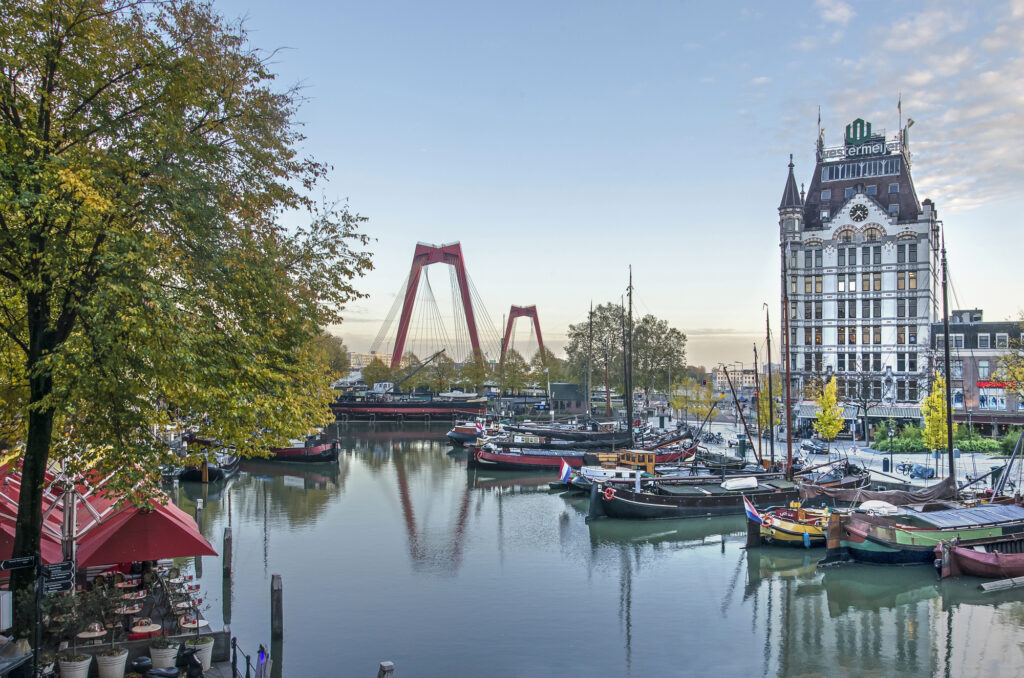
The city of Rotterdam is one of the cities with a dense network of organised crime. Image: Depositphotos
They usually know these youngsters because they live in their neighbourhoods.
“First, they invite [a kid] to an older boy’s house, where they offer him free weed and video games. Then, they use them for their own dealings: collecting, distributing, planting bombs, stabbing, fighting,” a social worker tells El País.
Eventually, “they start wearing Gucci clothes, cool sneakers, carrying two cell phones, cash. [When that happens], you already know that they’ve been caught up [in crime],” says Geke Kersten, director of a school in Arnhem.
Many of these youngsters have stab wounds on their bodies, routinely carry weapons, and are not strangers to the occasional armed robbery.
An elaborate network
Rotterdam’s former mayor, Ahmed Aboutaleb, highlights how mafias effectively integrate into society — by recruiting locals and recent arrivals to the Netherlands alike.
He and Arnhem’s mayor, Ahmed Marcouch, both Moroccan-born and dedicated to tackling the issue, are pushing for collaborative European efforts against drug trafficking. Their initiatives include strengthening international ties with port cities and visiting Latin American nations to address drug sources.
For Aboutaleb, the stakes are high in Rotterdam, where Europe’s largest port has turned into a battleground. Traffickers use the extensive container labyrinth to hide drugs, with gangs even crafting “container hotels” — camouflaged hideouts for young smugglers.
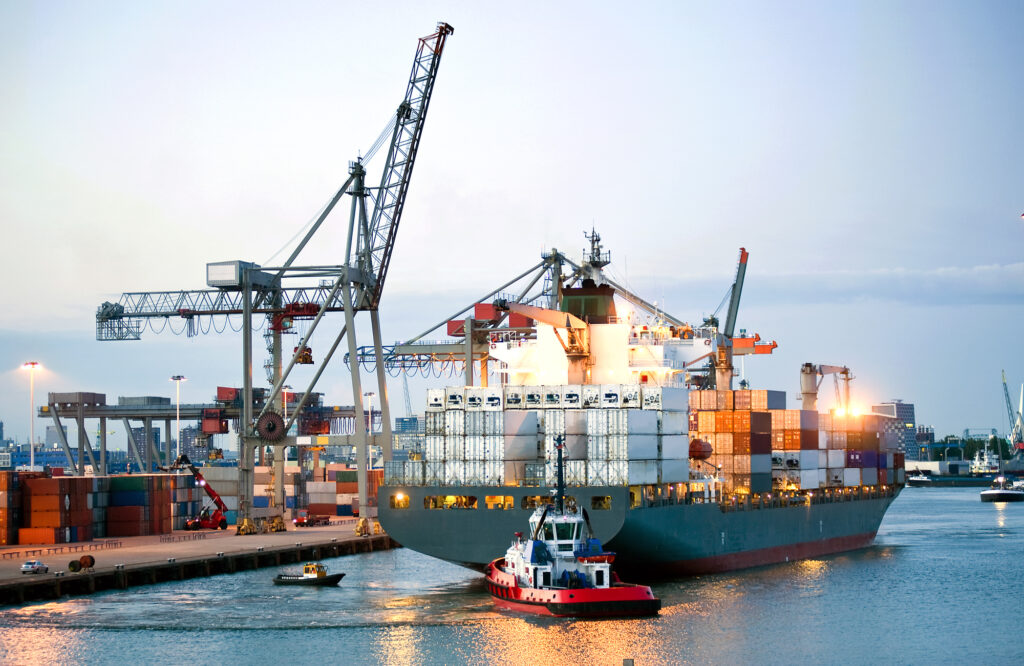
Rotterdam is the biggest port in Europe and a gateway for smuggled drugs. Image: Depositphotos
Customs workers face intense pressure, and are often threatened or coerced into sharing insider knowledge. An official from the Port Authority tells El País how this usually plays out:
“The traffickers have two ways of approaching port workers: first, they reach out gently, to see if you can be useful. If they decide that you will be, they investigate you, they find out where your children go to school, who your wife is, your parents.”
“In [another scenario], they threaten you with a gun, they put money in your pocket and they tell you: ‘You’re going to do something for me.’ You can go to the police… but you know that they’ll come back and find you.”
With the information given by port workers, the mafia goes to its child soldiers, who are ordered to sneak into the “container hotels,” where they stay until they manage to collect the drugs.
Police efforts, while earnest, often feel pointless, as more and more teenagers are joining gangs each year.
So, what needs to be done?
The drug-trafficking challenge in the Netherlands remains enormous.
Arnhem’s mayor, Marcouch, believes the public must understand the violence underpinning the drug trade. “Just like people oppose child labour in fashion, drug consumers must recognise that every gram is soaked in blood,” he insists.
Tackling the problem of organised crime in the Netherlands will require solutions that address both the roots of the issue and its current realities — and we’ve got a long way to go.
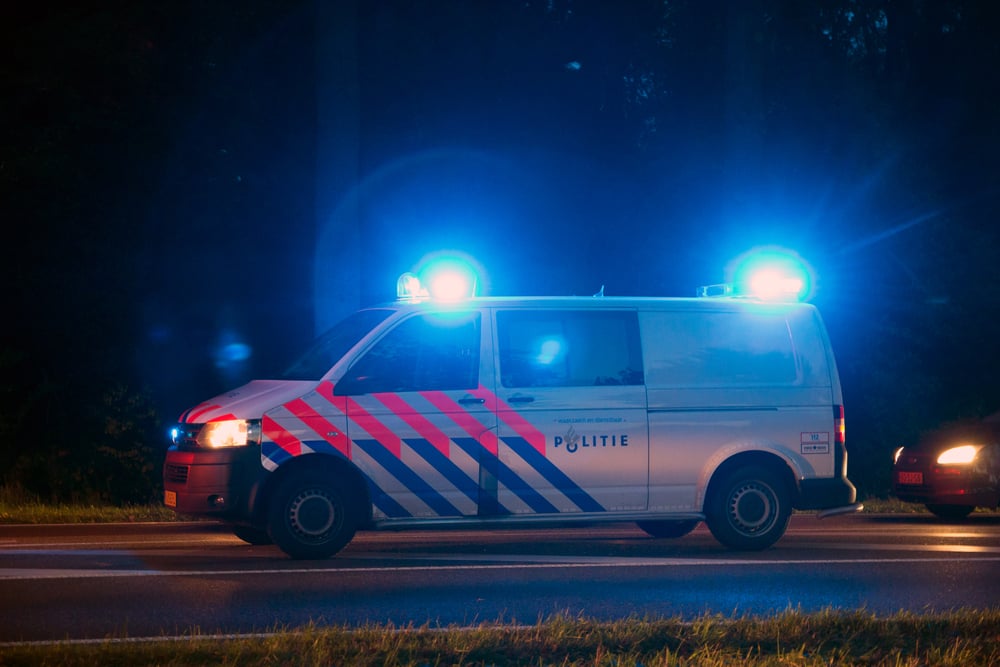
Dutch police works tirelessly — but sometimes that’s not enough. Image: Depositphotos
A critical part of addressing organised crime involves the efforts of the social workers and community organisations who work to keep young people away from crime.
Through mentorship programs, educational initiatives, and safe recreational activities, they create pathways that help young people resist the lure of street crime.
If you’re intrigued to learn more about the Netherlands’ other side, I highly recommend you read Berna González Harbour’s entire article here.
The Federation of Dutch Trade Unions (FNV) has a series of strikes planned across the Netherlands, after rail manager ProRail refused employee demands for a 15% wage increase.
According to ProRail, the proposed wage increase will require an additional investment of €49 million — which the company is unable to pay, given mounting maintenance costs for the railways and existing expenses.
In response, the FNV announced that the union will take action. Here’s how that will affect you. 👇
FNV: Strikes planned for the next two weeks
In a now-deleted statement on X, the FNV has shared its plans for the upcoming train strikes.
The first strike will take place next Monday (November 11), at the Kijfhoek marshalling yard, near Rotterdam.
You won’t be able to hop on a train at Rotterdam Centraal next Monday (November 11). Image: Depositphotos
Similar action will follow on Wednesday (November 13), writes the AD — affecting the Amsterdam/Alkmaar regions.
Next, strikes will hit the Utrecht/Amersfoort regions on Friday (November 15), Rotterdam/The Hague/Roosendaal the following Monday (November 18), and Eindhoven/Maastricht on Wednesday (November 20).
The last planned strike will affect the Zwolle/Groningen/Arnhem regions on Friday (November 22).
It’s not yet clear how long each of the strikes will last, and how many trains will not be able to run as a result.
How long will the strikes last?
Whilst the final planned action has been scheduled for November 22, the FNV notes that they are unsure of how long the strikes will actually last.
Although other unions such as CNV and VHS have agreed to ProRail’s terms, FNV states “it is the result of the need to take action to maintain purchasing power for everyone employed by ProRail” that the strikes go ahead.
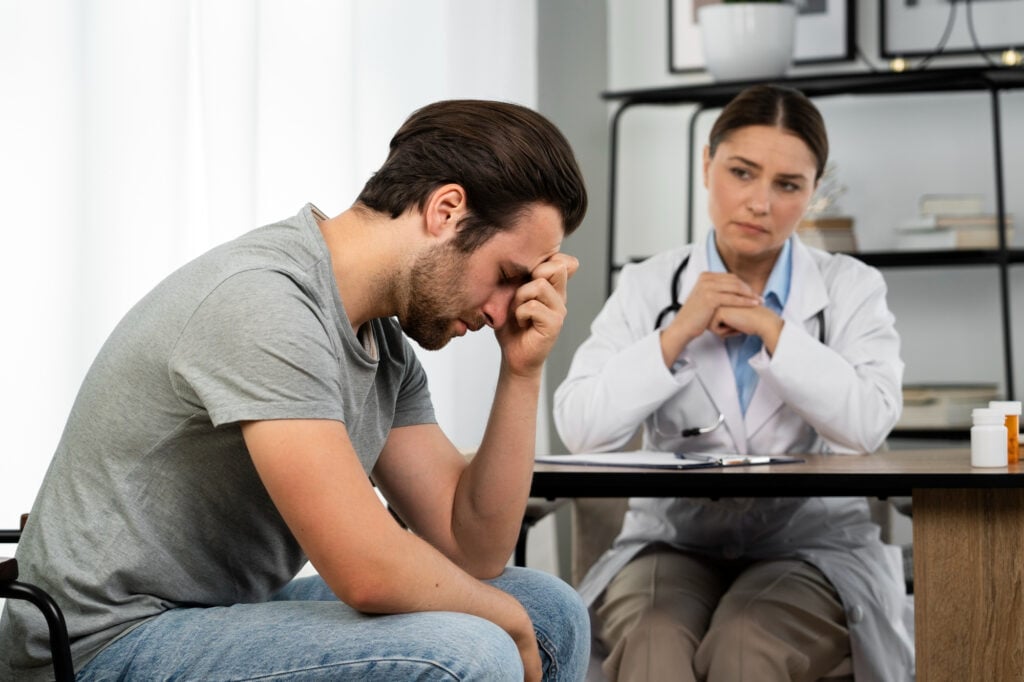
Have you heard the phrase “in death, we’re all the same”? Well, that may not actually be the case: a Dutch study has just found that people with lower incomes are 10% less likely to survive cancer.
The study was conducted by the Comprehensive Cancer Centre of the Netherlands (IKNL), using data from theDutch Cancer Registry (NKR) and Statistics Netherlands (CBS).
What are the findings?
By crossing decades of Dutch cancer data with national statistics about mortality rates and income distribution, the IKNL came to a shocking conclusion: having a low income heavily reduces a person’s chances of surviving cancer.
Precisely, low-income people are around 10% less likely to be alive five years into their diagnosis than patients with higher incomes.
A gender gap exists, though low-income women fare far better than men do. Image: Freepik
This finding also varies across genders, with the gap being wider for men (12%) than for women (7%).
Unsurprisingly, people with lower incomes are also hit harder financially by the illness: 22% of them encounter financial problems after the diagnosis, against 12% of high-income patients.
Furthermore, low-income people who do recover have a harder time during and after treatment, and often deal with higher stress and panic levels, and more work and accommodation insecurity.
Why is there such a big difference?
This big gap in survival rates is due to several interrelated factors, IKNL epidemiologist Mieke Aarts explains to the NOS.
One big factor is the health gap between socio-economic groups — even before the cancer diagnosis, a low-income patient is more likely to have pre-existing health issues.
This, in turn, is partly due to a gap in access to healthcare, as people with lower incomes are also often less educated, which complicates navigating the healthcare system.
For instance, this educational barrier can make it harder for people to fully understand their diagnoses.
“Under such circumstances, it becomes very difficult to make well-considered decisions about your life,” explains Aarts.
Dealing with a hard diagnosis is more difficult when it’s delivered in non-accessible language. Image: Freepik
Living and working conditions also severely impact people’s survival chances.
“For example, highly educated people more often have an office job. It is then easier to work from home or at adjusted times than when you work in shifts in a factory,” notes Aarts.
In contrast, “people with a lower income generally do physically heavier work and it is more difficult to continue working.”
“Or you are so weakened after treatment that you can no longer pick up that old job while you have fewer alternatives in terms of work,” she concludes.
What can be done about it?
According to Aarts, all segments of society can help close this gap. “We should not accept that 10 percent of people with cancer live less long and have a poorer quality of life,” she tells the NOS.
Healthcare professionals, for instance, should be trained to communicate more effectively with people from all walks of life.
Ultimately, though, the most crucial measures are in the government’s hands.
The IKNL study suggests that the government should focus on prevention — such as further discouraging smoking, which is still the leading cause of lung cancer, and educating children on healthy nutrition through the school curricula.
Working on prevention is a very important aspect of tackling the growing threat of lung cancer. Image: Depositphotos
Another crucial step would be to abolish the VAT on healthy food, because “healthy choices should not be more expensive than unhealthy ones,” says Aarts.
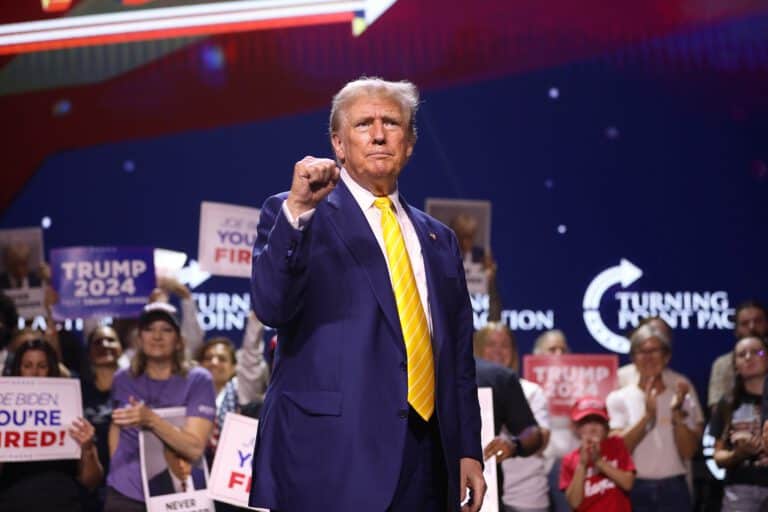
Update: Donald Trump has now officially been declared the winner of the 2024 presidential election and will become the 47th President of the United States.
Though it’s not officially decided yet, it looks like the world has to get ready for another four years of Trump in the White House.
American right-wing channel Fox News has already declared Trump the winner, and Trump has proclaimed his early victory in a speech, saying he will help “heal” the United States and promising a “golden age” for the country.
Dutch politicians, including former prime minister Mark Rutte and controversial election winner Geert Wilders, have congratulated Trump on his projected win.
Trump will “keep NATO strong,” says Rutte
Mark Rutte, now the chief of NATO, congratulated Donald Trump on Wednesday morning for winning the US presidential election and said his return to power will help keep the alliance “strong”.
“His leadership will again be key to keeping our Alliance strong. I look forward to working with him again to advance peace through strength through NATO,” Rutte said in a statement, as reported by Barrons.
Other members of the right-wing PVV (Party for Freedom) also celebrated on X, while FvD (Forum for Democracy) leader Thierry Baudet writes that the “future looks bright.”
Dutch Prime Minister Dick Schoof has also shared the following tweet:
Congratulations to @realDonaldTrump on winning the presidential election. The United States is an important ally for the Netherlands, both bilaterally and in international contexts such as NATO. I look forward to our close cooperation on the shared interests between the USA and…