The Netherlands now has more than 273,000 homes valued at over €1 million; for the first time, they’re spreading well beyond the usual wealthy municipalities.
According to the valuation company Calcasa, the number of so-called miljoenenwoningen (million-euro homes) rose by nearly 50,000 in 2025 alone. And that number just keeps growing.
As of 2026, 6.2% of all owner-occupied homes in the country are above the seven-figure mark, or roughly one in every 16.
To put this figure into perspective, during the depths of the financial crisis in 2013, just 12,500 Dutch homes were worth over a million.
Here’s where you’ll find million-euro homes popping up
What surprised researchers was that the biggest absolute increases weren’t in Amsterdam, but in:
Utrecht (+1,600 increase),
The Hague (+1,500 increase),
Breda (+900 increase),
Rotterdam (+700 increase),
Amersfoort (+700 increase),
and ‘s-Hertogenbosch (+700 increase).
Municipalities in Zeist, Ede, and Nijmegen also reported sharp rises in the number of million-euro homes.
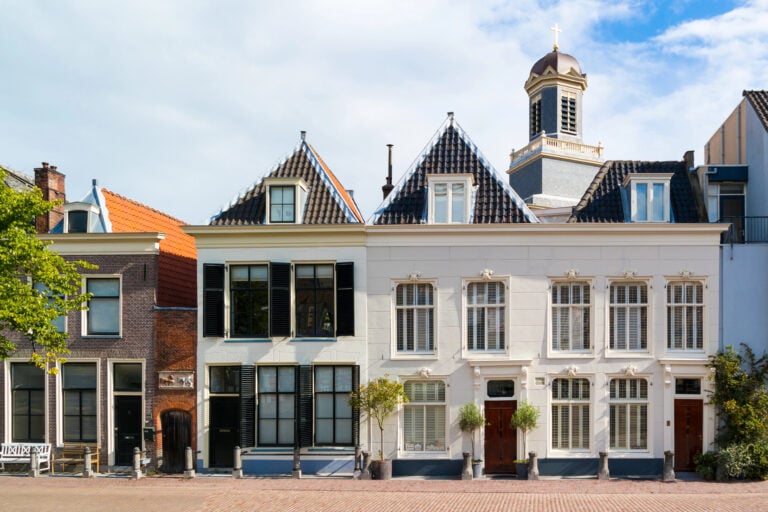
Not quite what we’d picture as a million-euro home, if we’re honest! Image: Depositphotos
In addition to this, million-euro homes are no longer just detached villas in leafy gemeenten (municipalities).
Just over half are freestanding houses, but the category now includes apartments (9%), terraced homes (12%), and semi-detached properties (15%). The typical million-euro home in the report covers around 210 square metres of living space and sits on a plot of just over 1,200 square metres.
What does this mean for prospective home-buyers?
Despite the Dutch housing market cooling slightly in 2026, the overall outlook for home-buyers isn’t quite as rosy.
Sustained price growth means properties that would have sat comfortably below €800,000 a few years ago are now crossing the million threshold without any change in size or quality.
Given that transfer tax (overdrachtsbelasting) in the Netherlands is calculated as a percentage of the purchase price, a higher valuation means a higher tax bill at the point of sale.
In addition to this, mortgage borrowing limits are also tied to income, meaning the gap between what homes cost and what buyers can borrow continues to widen.
However, people are still buying. Nearly 8,000 million-euro homes were sold last year, up 31% on 2024.
The Dutch are truly global citizens, with top English, cities that attract people from all over the globe, and an innovative spirit that never ceases to surprise.
Yet, the Dutch have their own incredibly distinct culture. Some of it is great, like cycling, a fascination with pindakaas, and their attitude toward euthanasia. Other parts, like an underlying current of racism, are, well, not so good.
However, sometimes even the Dutch are surprised by what’s normal for them. In a Reddit thread, Dutchies shared what they were most shocked to find was truly a Dutch phenomenon.
Curious? So were we! Grab your Dutch spectacles and let’s take a look through their eyes.
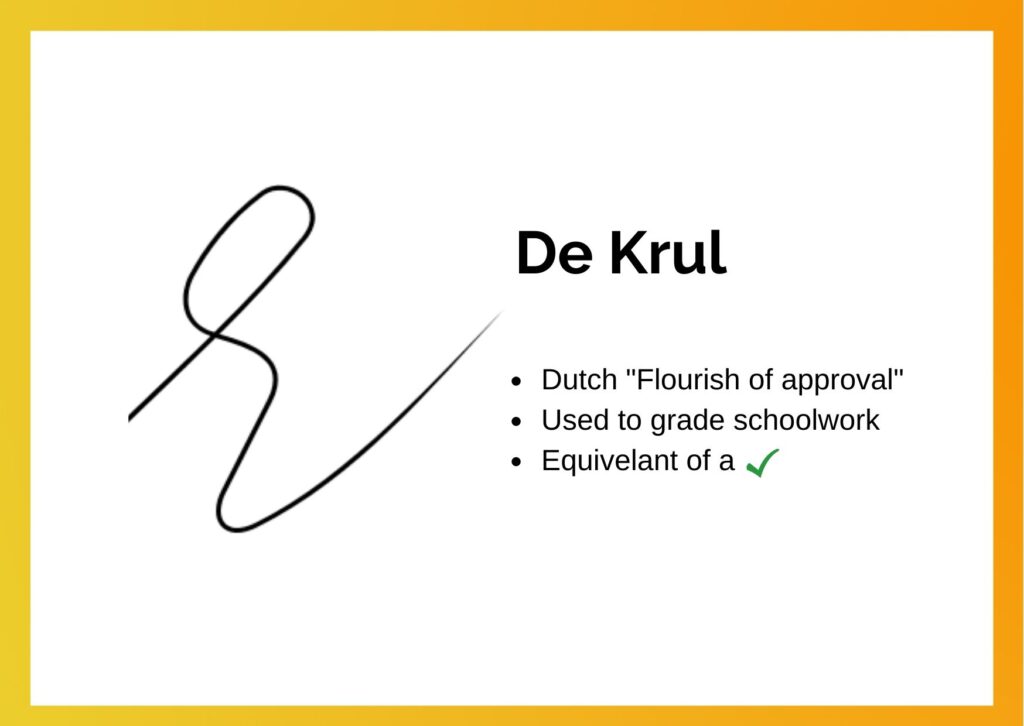
1. The “flourish of approval” named the krul 💯
Doesn’t exactly look like a checkmark, does it? Image: E4uEkQfYwvoHH8ztjxnr/Wikimedia Commons/CC4.0 (Modified)
The krul is a symbol used on Dutch schoolwork. Got an answer right? Made a fantastic point? Here’s a krul to tell you that you did a great job. ✅
“Today I learned this is classic Dutch, and all hours spent during class perfecting my drawing of this symbol have been in vain, knowing this is only used in the Dutch culture.” – DnJealt on Reddit
“Seriously, wtf. I’m studying to become a teacher outside of the Netherlands, and now I can’t use my krul-skills? I’m demanding a refund.” – Catorsomethingiguess on Reddit
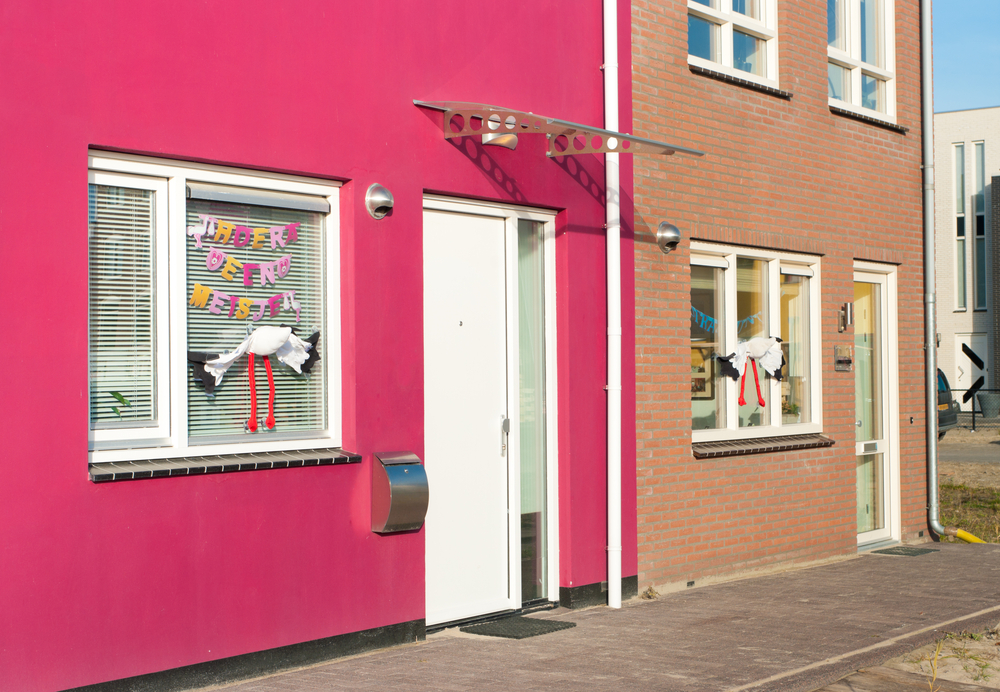
2. Broadcasting your new baby’s name on your window 🍼
Dutch people go all out decorating their houses for a newborn. Image: Depositphotos
“The signs on the yard or the window with the name of the baby when one is born. And perhaps also the birth cards (geboortekaartjes) that we send when a baby is born.” – Alvheim
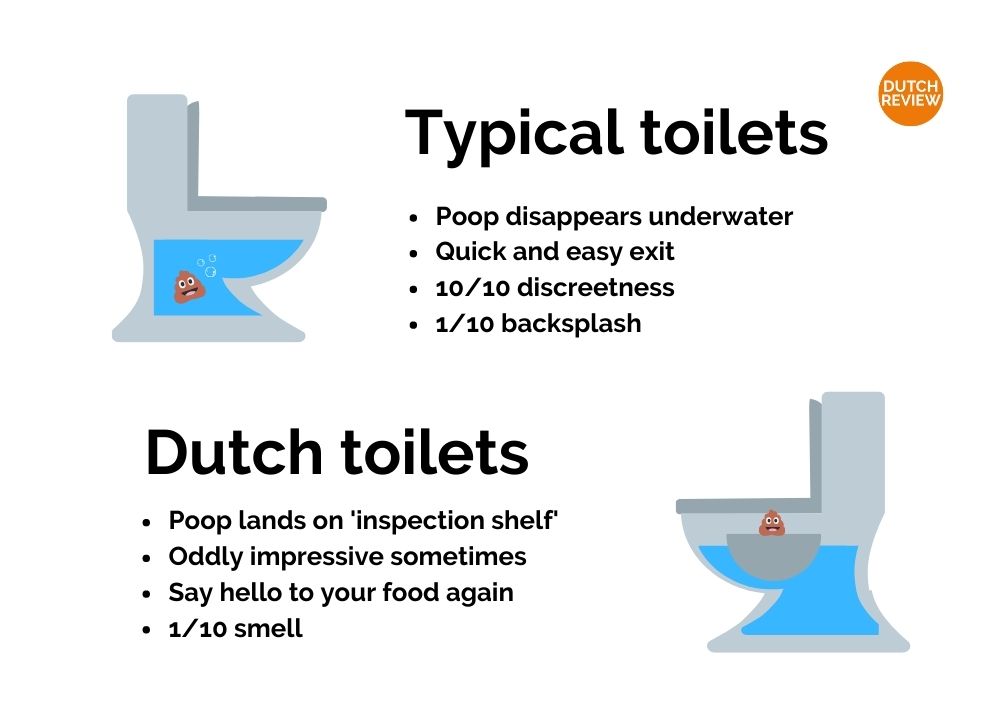
“It’s quite convenient, though. As a kid, my grandma was always the one to discover that I had a pinworm infection because she had a toilet with a little shelf on which the parasites were visible.” – Th3_Accountant
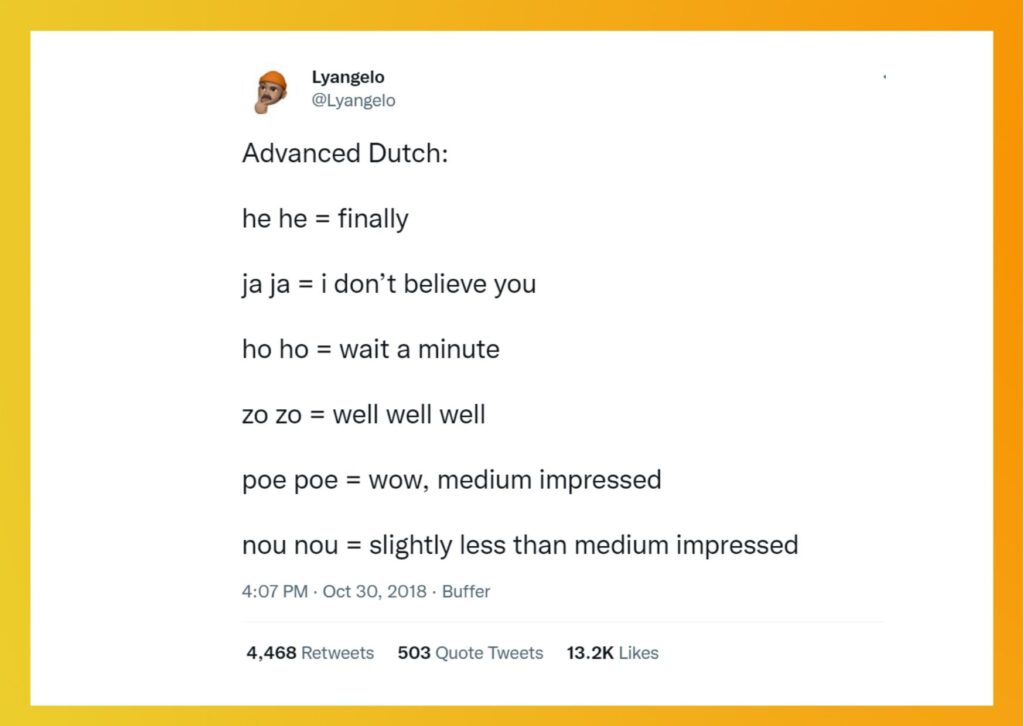
4. Hé hé, nou nou 🙃
If you can speak like this, you’re basically a Dutchie. Image: DutchReview
“The noises y’all make. When reacting with confusion or shock, you often hear a “heh!?”. Then there’s the explanatory “hah?” after someone explains something. There’s also like the “pwoooaaa” sound people make when admiring something.”
“The huge variety of tonal grunts and sounds you can make to say goodbye while walking away from someone, starting at “dooo” and “jooo” and finishing somewhere around “joooojojojojo” etc. People say something like “wayooo” when reacting to something good like a pleasant surprise.” – lekkermooi_
5. The toilet birthday calendar 📆
It’s a super handy way to learn them off by heart. Image: DutchReview
“It’s a big A3 /A2 poster on the inner side of the toilet door. It has all months without the year stated. You write in the days of the names and birth years of your friends and relatives. So whenever you take a dump, you can look at the calendar and see whose birthday is next and how old they will be. Since you go to the bathroom daily, you’ll never forget anyone’s birthday ever again.” – MagickWitch
“Ugh, this. I’m American, and my S.O. is Dutch. We live in Italy. We have a toilet calendar. I look at it in confusion every time, still after 4 years of living together and 8 years of being together lol.” – supermarketsushiroll
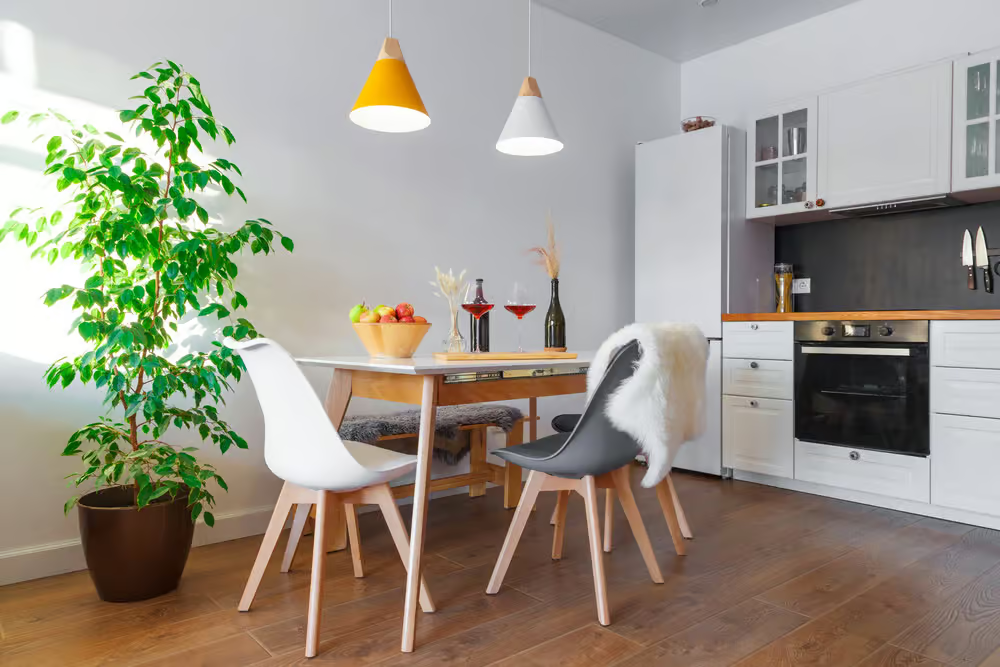
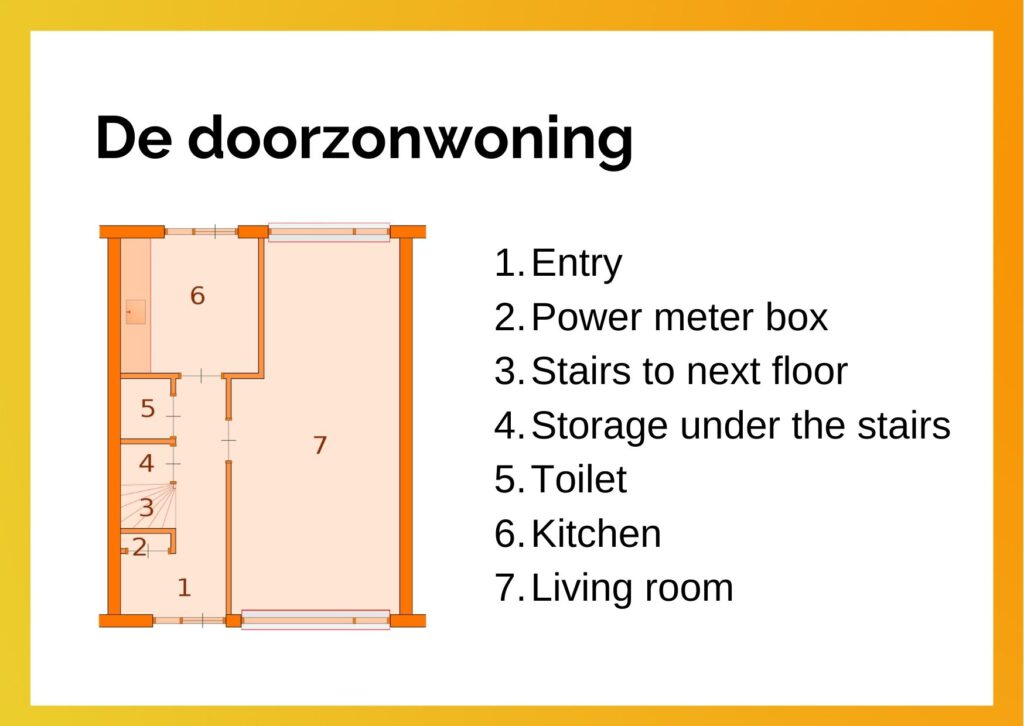
You enter a Dutch house and instinctively know: hallway, on your left a toilet, maybe some stairs. The door to the right will take you to a long living room, windows on either side. Somewhere hidden is a tiny kitchen.
Welcome to the doorzonwoning, or literally the “through-sun-residence”.
“I did not know 1. that such a house had a special name and 2. nor that such a house is something typically Dutch. To me, that’s just a house, nothing special about it.” – Village_People_Cop (Translated).
To be honest, it’s quite genius. The sun comes through one window of the living room during the morning, then through the other window during the afternoon. Delightful!
7. Taking white bread buns on a day trip 🥯
Just add some cheese and voila! A perfect Dutch lunch. Image: Depositphotos
“When my Dutch boyfriend and I went on a trip, he prepared half of dozen ‘sandwiches’. They were zachte witte bolletjes with a slice of cheese. I was somewhat confused because I wouldn’t call them sandwiches, and six identical ones seemed like the most boring meal ever.”
“I thought we would eat somewhere nice since we were on holiday lol. He later explained that he was just following what his mom does, which is to always take some food with them wherever they go :).” – worrywort__
8. Sharing teabags ☕️
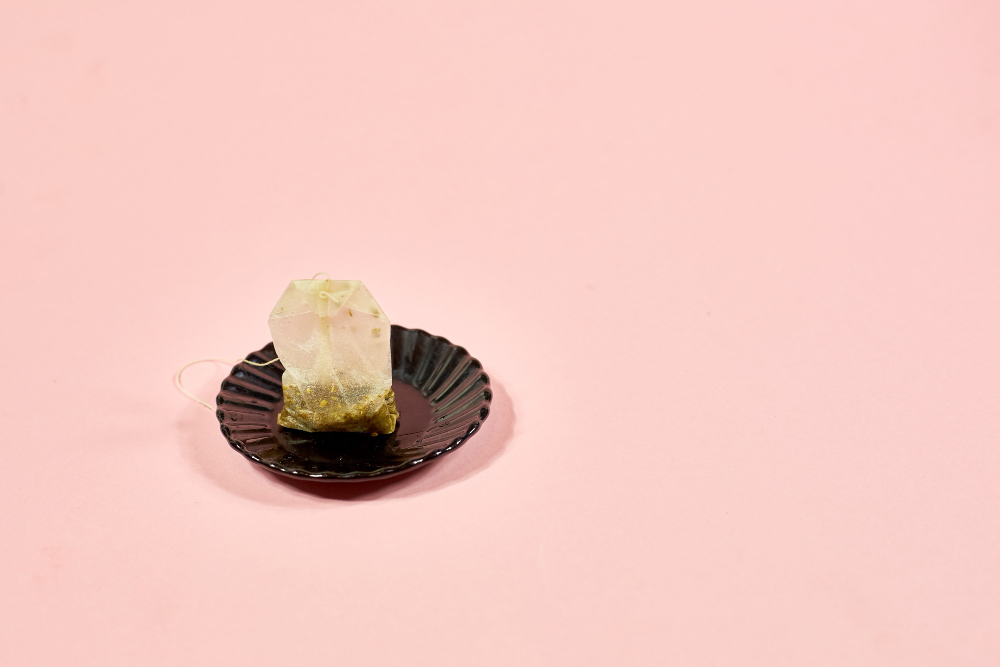
Didn’t you know it’s a waste to only use a tea bag once? Image: Magnific
“Sharing teabags. As a student, I always shared teabags with my friends (since one bag is strong enough for 2-3 or more cups). Freaked the foreign students out.” – bobnplums
9. Doing the lekker wave when something tastes good 👋
Ever seen a Dutch person’s hand spasm near their cheek? Don’t call an ambulance, it’s likely that they just find something super lekker.
“Kinda moving/shaking your hand close to your face when you say lekker or heerlijk. I find it so weird when people do it.” – innerworldjoy on Reddit.
10. Having a flessenlikker in their home 🍯
Despite flessenlikker sounding like something you might keep in your lingerie drawer, its purpose is super innocent: it’s a device used to scrape all of the contents out of a jar. (Yep, those Dutchies sure are cheap).
“I like how the English article says, ‘there is an element of the technical and engineering community that sees the bottle scraper as a monument to a wrong type of technical solution. This group argues that the best solution to the problem of remaining vla in bottles was to put vla in different containers, preventing the problem from ever occurring, rather than inventing another tool and then educating a population in its use.” – Caelorum on Reddit.
11. Having to bring your own birthday cake on your birthday 🍰
Not-so-happy birthday. Image: Magnific
“The thing I found really strange was when it was my birthday, I had to bring cakes to work for everyone – baffled me. Happy birthday to me now minus 100 euros!” – Kakakakakakakakaaka
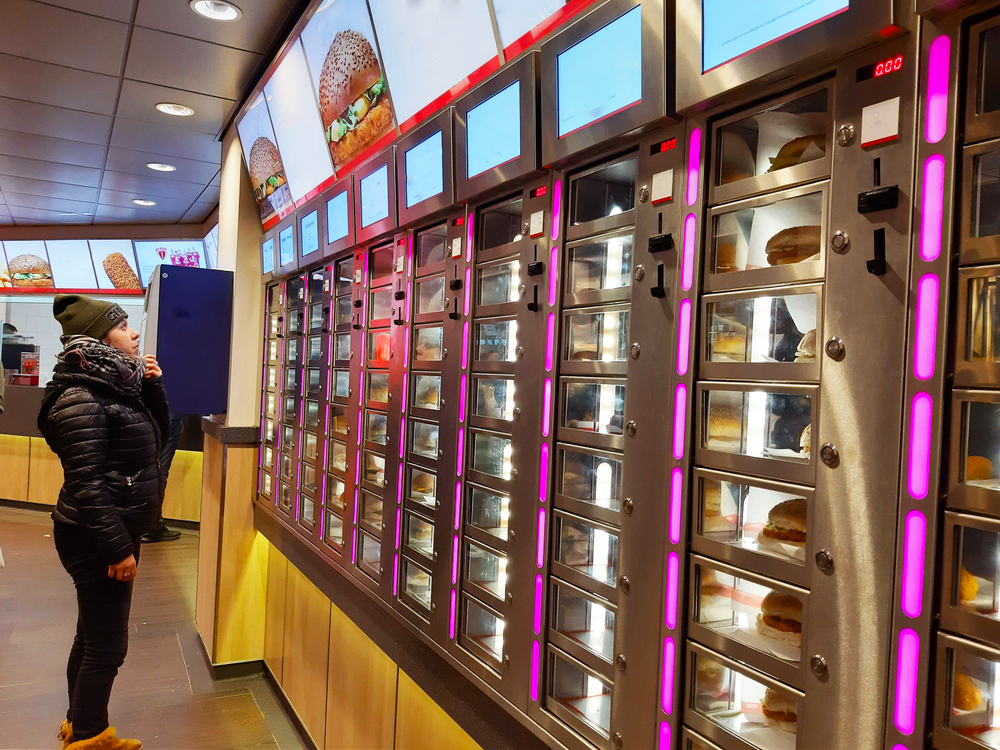
What? You’ve never taken a delicious fried treat with a questionable filling out of a locked door to eat? Then you’ve never met a FEBO wall, a kind of vending machine for hot snacks (and thus, obviously never gotten pissed on too many Heinekens at your local brown pub).
For as little as a euro, that treat can be just what drunk you needs. We guess you can also eat them at other times too. 🤷♂️
13. Congratulating everyone for one person’s birthday 👍
Congrats on making it through another year! Image: Depositphotos
Never had the joy of experiencing a Dutch person’s birthday? Here’s how it works. You congratulate the birthday person. Then you congratulate their friends and family. Then their friends and family also congratulate you. Congrats! 🎉
“When I visited a birthday in Holland, literally, everyone congratulated everyone. Even people I’ve never seen before said ‘congratulations’, but I thought they were going to introduce themselves, so I said my name while they congratulated me.” – _Steven_Seagal_
“Congratulating me, while my girlfriend had her birthday.” – uw_moeder
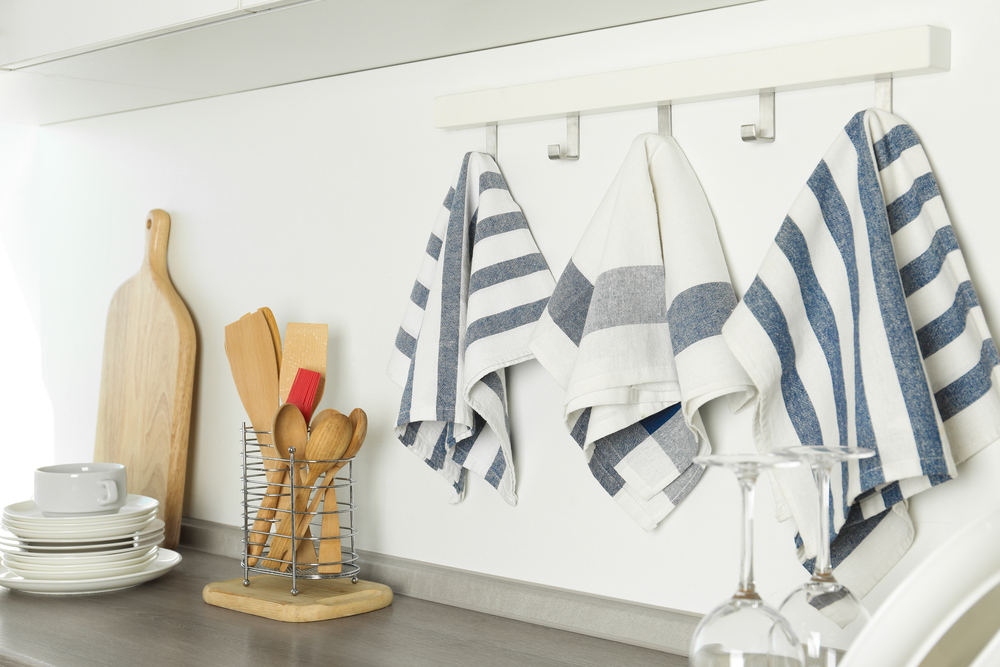
But which one is the right one? You only know when it’s too late. Image: Depositphotos
“Having two types of towels in the kitchen: one for dishes and one for hands. Didn’t know about this until I made a mistake at somebody’s house and they let me know about it (in no uncertain terms, I’ll tell you!)!” – WriteTurn
“One is called hand towel and one is called tea cloth (handdoek / theedoek) lol” – gasman147
16. Dutch ‘droppings’ 🌳
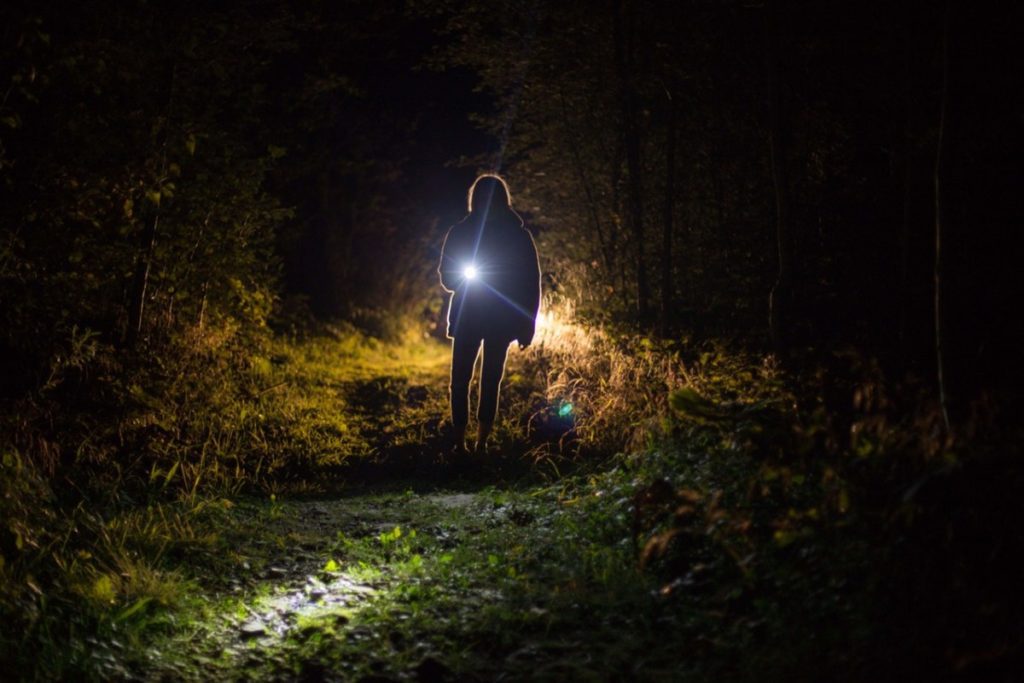
Leave your kids in a dark forest and chill at home while they find their way out: Dutch parenting! Image: Pexels
“Dropping kids in the woods to let them find their way back on their own… Never thought that this was a weird thing until I told my non-Dutch friends about it! Edit: forgot to mention it’s at night.” – Interesting_Till1241
Even if you’ll eat it within two days. Image: Depositphotos
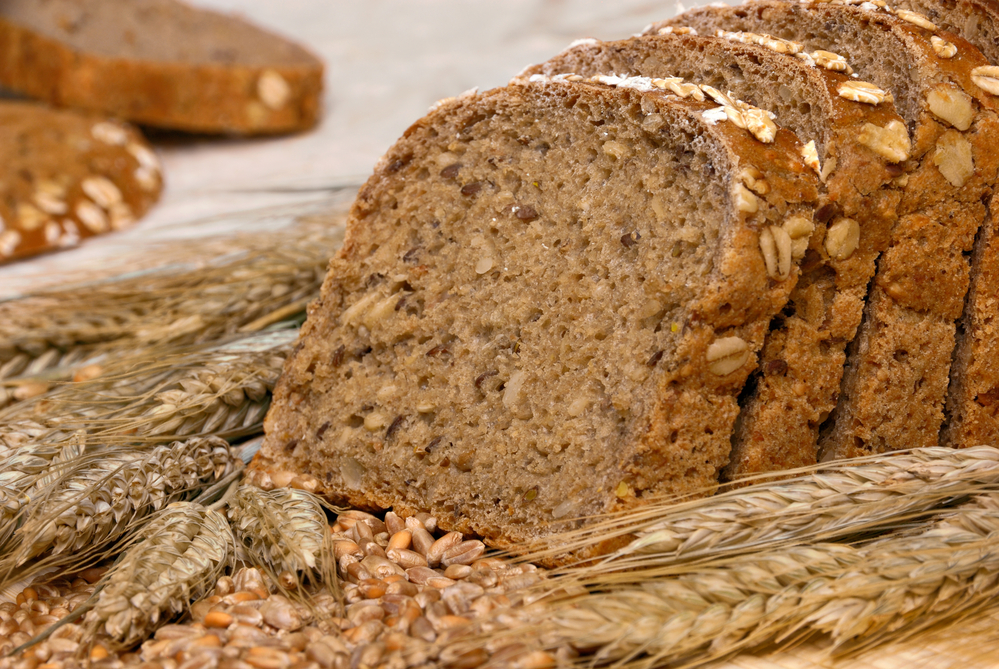
“The freezing of bread. As a Dutch person, it is completely normal for me and very convenient. According to my Lithuanian wife and kids, it is very, very strange…” – Le_raz
18. Not having a floor in a rental 💸
Getting your own floor is expensive, unnecessary, and wasteful. Image: Magnific
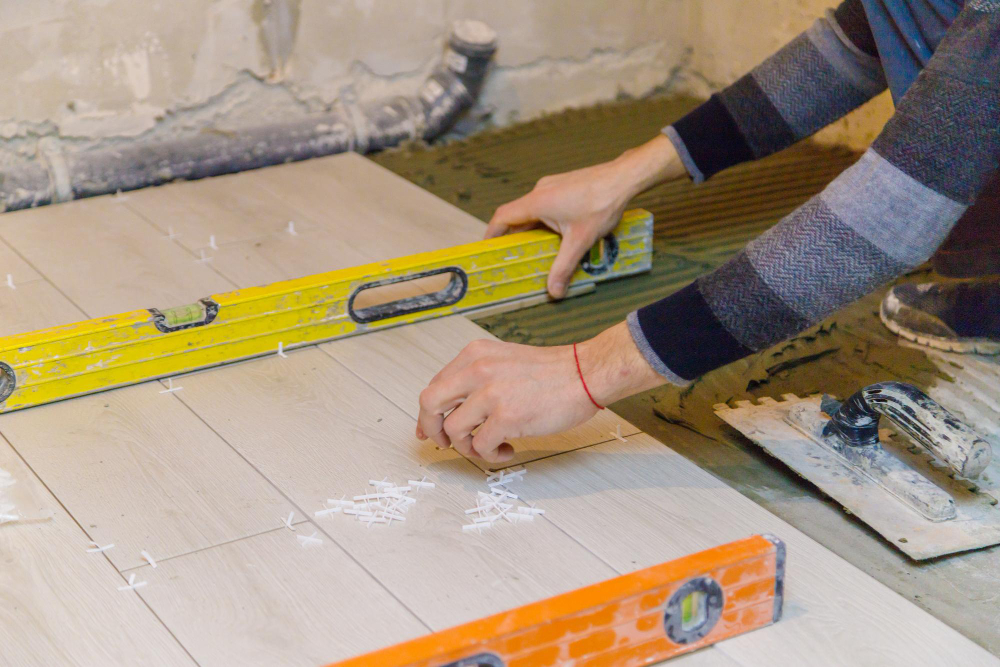
“Having to put your own floor (laminaat) in when moving into a rental… The last two apartments I moved into, I was the first tenant, so I had to put a floor in. Pain in the ass and kinda expensive for a house you don’t even own.” – Ok_Election7896
The Dutch book of faith, the almighty agenda. Image: Magnific
“This is hilarious! My husband sent out invitations to his birthday like 6 weeks in advance, and nobody could make it because their agendas were already booked. My kid’s birthday is in September and I’m already inviting people for it, cause otherwise they’re busy.” – Hannie123456789
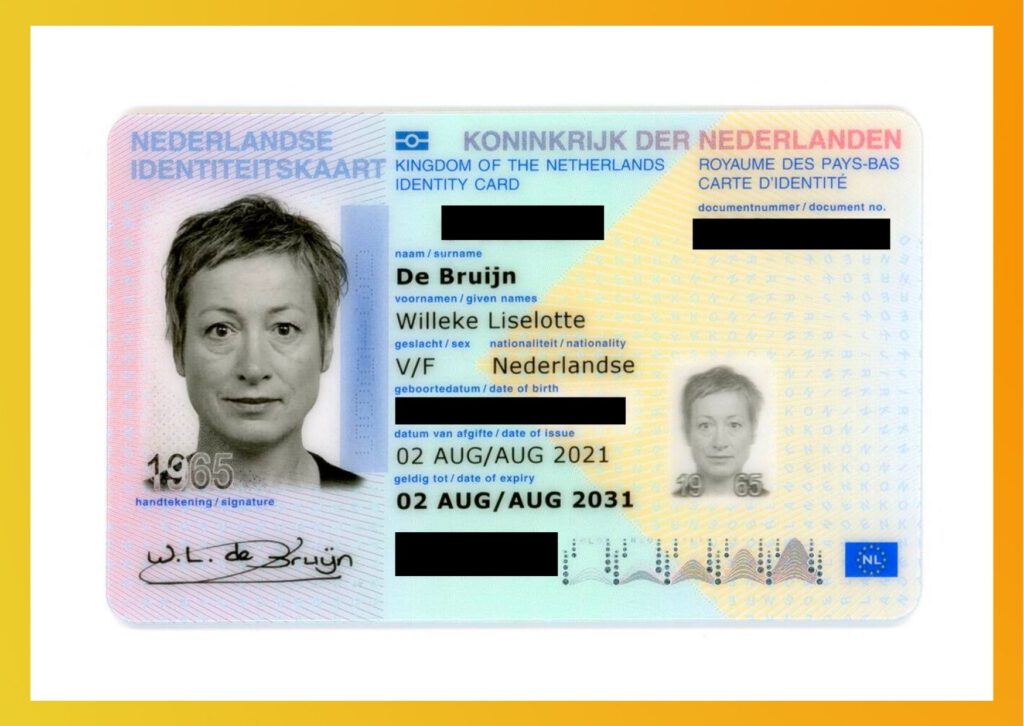
“Sharing a copy of your identity card/passport for legal reasons (for instance, when renting or buying a house) edited with a stripe covering your photo and signature.”
“For me, as a non-Dutch, this idea is just nonsense. How would an edited photo be a proof of identity? If I’m photoshopping my ID, how can one guarantee that other details were not tampered with as well? 😅”
“There’s even a government app to do so, so obviously, that’s something very rooted in Dutch culture that one must adapt to. I think it’s quite weird :)” – ArlindoPereira
Weather in the Netherlands tends to be one of the topics people here love complaining aboutthe most. But what exactly is making us so grumpy?
Grab your windbreakers and your umbrellas, and let’s try to understand the moody Dutch weather.
What Dutch weather is generally like
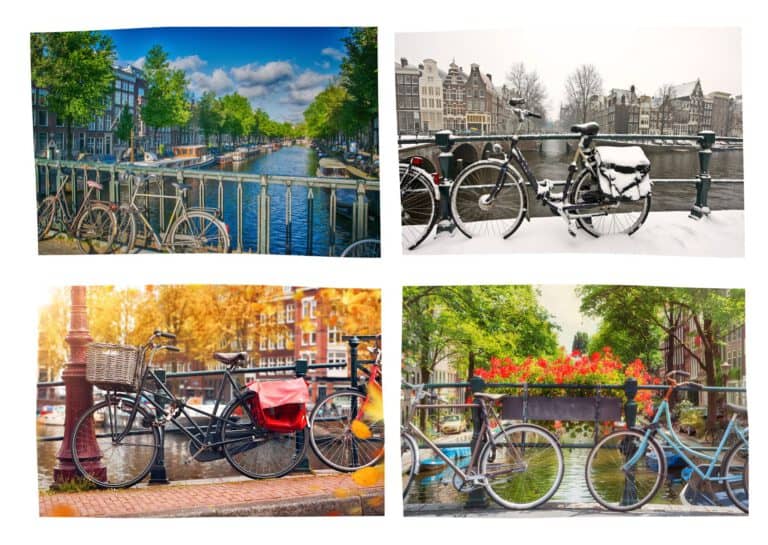
For starters, the Netherlands has an oceanic or maritime climate since the country is next to the sea.
That means that even though the Netherlands does have the classic four seasons, its winters aren’t ridiculously cold, and its summers aren’t too hot either.
Besides the mild temperatures, the sea keeps the Netherlands humid and windy, meaning there’s frequent rain and strong winds.
🌡️ Average annual temperature: 10 degrees Celsius ☔️ Average number of rainy days: 130 ☀️ Average number of sunny days: between 70 (in the very east) and 90 (in the very west)
Although the weather in the Netherlands doesn’t vary too much by province, there are still some seasonal and regional differences, so let’s dive right in. 👇
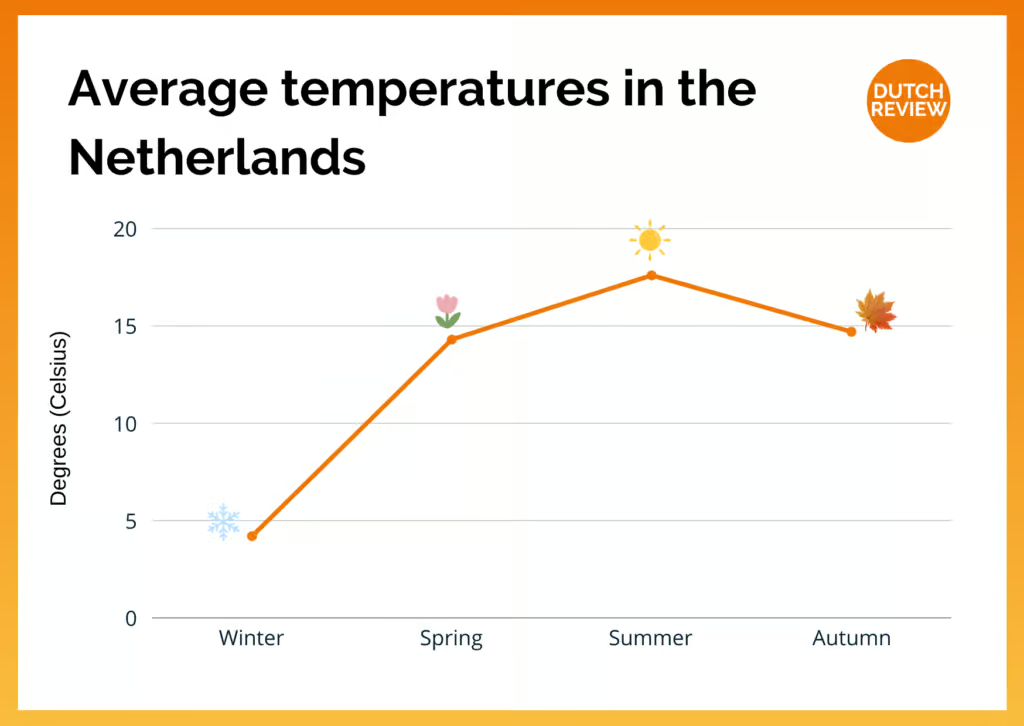
The average winter temperature for the past 30 years has been just above four degrees Celsius. However, frequent and harsh winds can often make it feel even colder.
If you’re lucky, you’ll see some snow, but more likely, you’ll see a lot of rain. Image: Depositphotos
The average daytime temperature is slightly higher, almost 7 degrees, and the average nighttime temperature is 1.3 degrees.
The Netherlands also sees very little sun during the winter months — an average of 2 hours per day, which contributes to the cold and seasonal depression. 😬
☔️ How much does it rain?
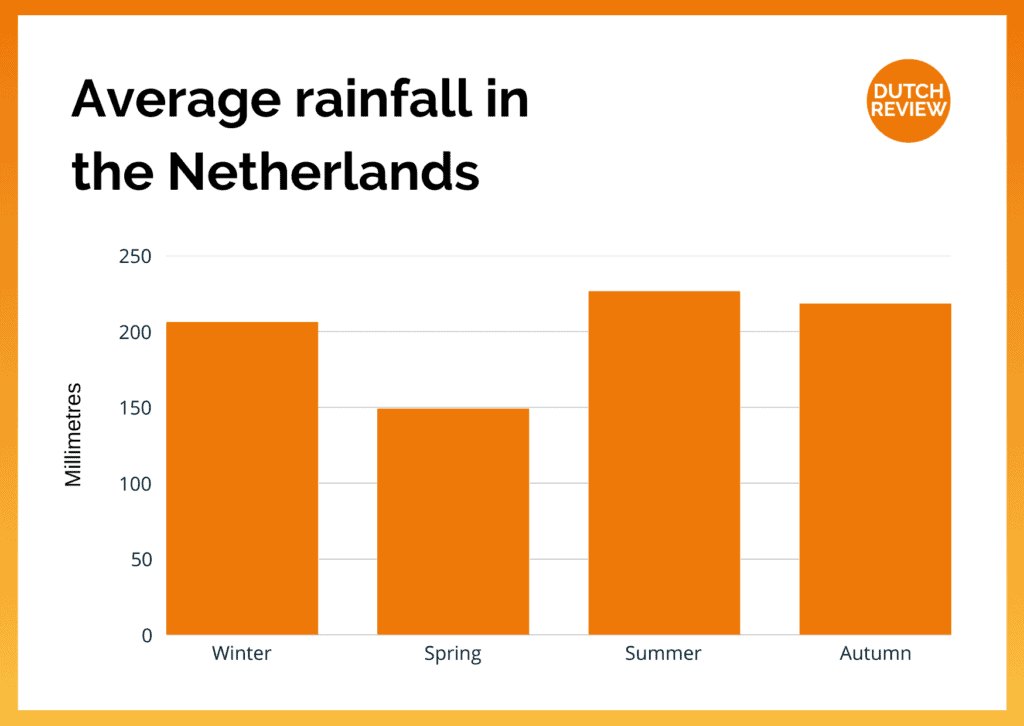
Much like every other season, wintertime in the Netherlands sees a lot of rain. For the past 30 years, the average precipitation over the winter months (December, January and February) has been just above 206 millimetres total.
That means rainfall isn’t extremely heavy, but it is pretty evenly spread out throughout the season, so we don’t really catch any longer dry breaks.
The wettest winter month tends to be December.
🧢 What to wear
Be prepared for the rain, of course. An umbrella or raincoat is pretty much always a Dutch must.
A scarf, hat, and gloves will protect you from the chilly wind.
If you plan to stay outside for longer, use sufficient layers to stay warm. Thermal underwear, woollen sweaters, and thick jackets or coats are always a good idea.
🌡️ Average temperatures: 4.2 degrees Celsius ☔️ Average rainfall: 206.4 mm ☀️ Average hours of sunlight: 222
🌷 Spring weather in the Netherlands
The sun starts rising earlier and setting later in the spring. It starts to get a bit warmer, but the Dutch weather also becomes very unpredictable.
🌡️ Average spring temperatures in the Netherlands
Longer days mean slightly more sun (average of six hours per day), so the average spring temperature in the Netherlands for the past 30 years stands at 9.7 degrees Celsius.
Because spring is a transitional season in the Netherlands, the coldest and warmest points of the day can be very different, though.
The average maximum temperature over March, April and May for the past 30 years has been just below 15 degrees Celsius.
☔️ How much does it rain?
Spring is not just more sunny; it also tends to rain a bit less than in the winter. Hoera!
The average precipitation over March, April and May for the past 30 years is just below 150 millimetres per season.
The driest month tends to be April. The average precipitation is around 40 mm, compared to over 55 mm in the other two spring months.
🧢 What to wear
Spring weather in the Netherlands is extremely unpredictable.
Don’t be surprised if you’re leaving the house in the sun and coming home soaked and cold. Make sure you always have the option to put some extra layers on (or take some off).
🌡️ Average temperatures: 4.2 degrees Celsius ☔️ Average rainfall: 206.4 mm ☀️ Average hours of sunlight: 222
☀️ Summer weather in the Netherlands
Say hello to the longest and warmest days of the year… and more rain. 🙃
🌡️ Average summer temperatures in the Netherlands
Unsurprisingly, summer is the warmest season in the Netherlands with the most sunshine (an average of seven hours per day). Still, don’t expect extremely high temperatures.
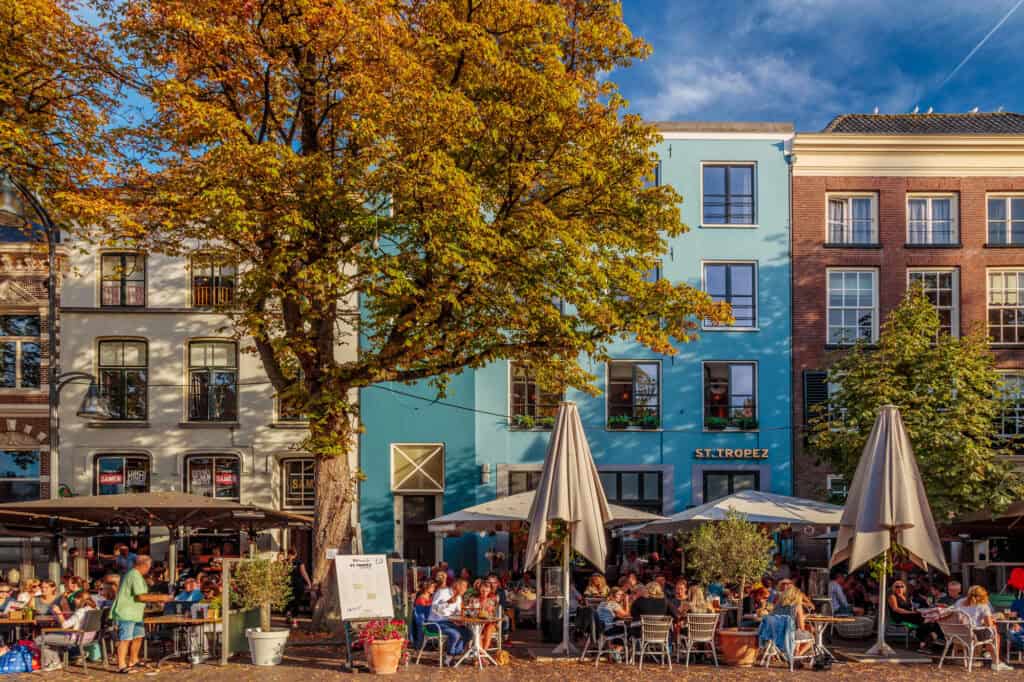
The summer is the perfect time to enjoy a Dutch terrasje. Image: Depositphotos
The average temperature over June, July and August for the past 30 years has been around 17 degrees, with a daytime average of 23 degrees and a nighttime average of 12 degrees.
Because the Netherlands is a very humid country, though, even just warm temperatures can be difficult to bear and can cause you to sweat a lot.
Although summers are becoming increasingly hotter, the Netherlands still isn’t a country built for heat. It’s not unusual that your Dutch house wouldn’t have air conditioning.
Feeling sweaty? Cool down at the beach or in a Dutch lake or canal. The North Sea reaches about 20 degrees in the summer, and lakes tend to be another couple of degrees warmer.
☔️ How much does it rain?
Summer in the Netherlands doesn’t mean that the rain stops. The average summer precipitation is the highest of the year, though the difference between it and the winter isn’t stark — again, rain is spread pretty evenly throughout the whole year.
The mean over June, July and August for the past 30 years has been around 226 millimetres.
🧢 What to wear
Keep it light and breathable for the humid Dutch summer. However, as per usual in the Netherlands, be ready with an extra layer in case of a sudden summer storm.
🌡️ Average temperatures: 17.6 degrees Celsius ☔️ Average rainfall: 226.6 mm ☀️ Average hours of sunlight: 640
🍂 Autumn weather in the Netherlands
Autumn in the Netherlands tends to be pretty similar to spring in terms of temperatures. However, it does rain a bit more.
🌡️ Average autumn temperatures in the Netherlands
The mean temperature over September, October and November in the Netherlands for the past 30 years is about 11 degrees.
The average daytime temperature is more than twice as high as the average nighttime one — 14.7 degrees compared to 7 degrees.
☔️ How much does it rain?
All three autumn months see quite a lot of rain, with the 30-year average for September, October and November reaching around 218 millimetres.
🧢 What to wear
Your autumn Dutch wardrobe can look pretty similar to your spring one.
Be ready with a lot of layers to accommodate temperature changes throughout the day, and (surprise, surprise) be ready for the rain.
🌡️ Average temperatures: 14.7 degrees Celsius ☔️ Average rainfall: 218.5 mm ☀️ Average hours of sunlight: 348
Regional differences
Although the difference in weather between Dutch provinces is relatively small, there are some distinctions between regions in the Netherlands.
The coastal regions tend to get more hours of sunshine and less fluctuation in temperature.
That means inland Netherlands get warmer summers and colder winters, as well as less rain compared to the coast.
🌬️ Major weather events in the Netherlands
💨 Wind in the Netherlands
The Netherlands is notoriously windy all year round. Nevertheless, the period from October to March is windier than the other half of the year.
The windiest month is usually January, and the least windy is July. Coastal regions experience stronger winds than inland Netherlands.
⛈️ Storms in the Netherlands
A storm in the Netherlands is defined as when the average hourly wind speed is at least 75 kilometres per hour.
That corresponds to a wind force of nine, but the Netherlands also experiences storms with a wind force of 10 and 11. A wind force of 12 is considered a hurricane and very rarely occurs in the lowlands.
The most severe storm in recent times was Eunice in February 2022, when the highest wind force measured was 145 km/h.
🥵 Heatwaves in the Netherlands
A heatwave in the Netherlands means at least five days of temperatures of at least 25 degrees, with at least three of those days reaching at least 30 degrees.
As a result of climate change, heat waves are becoming increasingly common in the Netherlands.
In the period between 2019 and 2024, the Netherlands experienced seven heatwaves. One of the heatwaves in 2019 also recorded the highest temperature ever: 40.7 degrees.
Compare that to the period between 1989 and 1994, when only two heatwaves occurred.
While the Netherlands still experiences snowfall, it’s rarely freezing cold, especially for several days in a row, so any potential snow doesn’t really stick around.
The average number of snowy days across all three winter months is 15, but a few snowflakes already make a day count as snowy. The number of days when it remains white is therefore even lower.
Dutch weather can be tricky, but it’s not impossible to navigate. Follow our tips, grab your raincoat and make the most out of the weather in the Netherlands.
Do you have any tips for surviving the weather in the Netherlands? Let us know in the comments below!
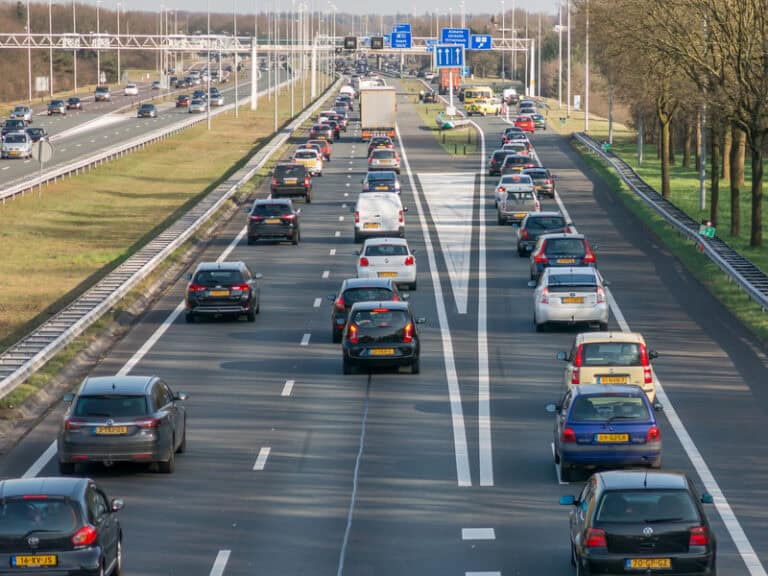
Dutch traffic fines will climb again from January 1, 2027, after the cabinet confirmed that an inflation-linked price hike of around 2.7% is on the table.
The move, first reported by De Telegraaf and confirmed by insiders to NOS, means that the cost of almost every traffic offence in the Netherlands will shoot upwards at the start of next year.
Of course, this is despite mounting criticism from judges, prosecutors, politicians… and a solid chunk of motorists.
How much are the upcoming Dutch traffic fines?
Based on the current 2026 rates published by the ANWB and the 2.7% price hike, here’s a rough estimate of what some of the costs you may face next year:
Offence
2026 rates
Projected 2027 rates
Phone in hand while driving
€440
~€452
Running a red light
€320
~€329
Tailgating (up to 80 km/h)
€380
~€390
Wrong overtaking
€320
~€329
Blocking a junction
€320
~€329
Not wearing a seatbelt
€190
~€195
Speeding 10-30 km/h over (in town)
€95-€446
~€98-~€458
Parking in a disabled bay
€400
~€411
If you’re a cyclist, you aren’t going to be spared, either. You can already be fined for everything from running a red light to holding your phone, and those amounts will all be subject to the same 2.7% increase.
Why is the cabinet doing this?
Sadly, it all comes down to money.
Traffic fines brought in roughly €1 billion for the Dutch government last year, and that figure is expected to rise by tens of millions more when corrected for inflation.
Was there any opposition? Well, a motion put forward in the Tweede Kamer by SP member Van Nispen (which called for a freeze on fine indexing until the wider penalties system is brought back into balance) was rejected.
And, if it weren’t already, the Rijksoverheid’s formal response made it crystal clear that the government sees no room to act on it.
Buying a car in the Netherlands can feel like a full-time job — especially if it’s a second-hand car. You’re juggling Dutch jargon, mysterious fees and the fear of accidentally buying someone else’s four-wheeled problem.
For most of us, there are a few non-negotiables when it comes to a used car: a fair price, reliability and full transparency about the process.
That is exactly what Carvendo offers, with an online platform that makes buying a used car (almost) as simple as ordering your Friday night takeaway.
Meet Carvendo: the smarter way to shop for second-hand cars
Carvendo is a new Dutch online platform where you can buy, finance, or private-lease a used car entirely online, with free expert support along the way.
Instead of listing anything and everything, Carvendo works with a network of over 150 reliable Dutch dealers. Those dealers place only qualifying cars on the platform, while Carvendo checks the listings, pricing, and quality standards in the background.
Let’s talk about why Carvendo stands out. 👇
Enjoy strict selection criteria for peace of mind
One of the biggest challenges when browsing online car listings is filtering out the questionable ones, but not with Carvendo.
On Carvendo, every listed car must meet clear minimum standards:
It can be no older than 15 years,
It must have driven no more than 175,000 kilometres, and
It must be free of damage apart from minor wear.
Every car also comes with a 12-month BOVAG warranty, and is maintenance-free for either the first 12,000 kilometres or the first 12 months — whichever comes first. That takes a big chunk of risk out of buying used.
But that’s not all: Carvendo makes buying a car easier than ever by delivering your chosen car straight to your home.
Access personal advice when you need it
For anyone who feels unsure about things like petrol type, reliable models, or navigating Dutch paperwork, Carvendo offers freeone-on-one calls with one of their car experts. This is a chance to talk through your needs, whether you’re debating hybrid versus petrol or wondering which models best fit your family.
The expert helps you understand your options, suggests models within your budget and explains the steps ahead. It’s personalised support designed to make you feel more confident rather than more confused — which is rare when buying a second-hand car in the Netherlands.
Get quality assurance you can count on
Once you have picked your car, Carvendo ensures it meets its preparation standards before you receive it. The vehicle undergoes a detailed check to confirm the advertised details, look for signs of damage, and prepare it for safe driving.
A major advantage is the 12,000-kilometre (or 12-month) maintenance-free period, so you won’t need to worry about immediate service costs once the car arrives.
Need financing? Carvendo can help with that, too. They focus on finding a good rate that fits your situation rather than pushing unnecessary finance products, which keeps the process clear and straightforward.
They also offer private lease, giving you a fixed monthly fee that includes road tax, insurance and maintenance in one simple price.
That peace of mind is priceless. Image: Depositphotos
Take advantage of expat-focused guidance
If you’ve recently moved to the Netherlands, you may still be getting used to local rules around driving, registration and taxes.
Carvendo has designed its service to guide internationals through every step, from explaining the difference between insurance types to clarifying how road tax works based on fuel type and car weight.
You can also buy a car even if you still hold a foreign driving licence. Carvendo helps arrange registration, explains which documents you need, and handles logistics around delivery.
How to find your dream car with Carvendo
Carvendo’s car-buying process is built to be simple.
You begin by browsing the selection of used cars. You can filter by body type, mileage, budget, and features, or use their smart search assistant to describe what you want in everyday language.
If you need help narrowing down your options, you can book a free call with an expert to discuss your needs and identify a shortlist that fits your lifestyle and budget.
Once you’ve found your match, you buy the car under the condition of a test drive. Carvendo then contacts the dealer and arranges the test drive for you. If the car drives well and feels right, the sale goes ahead. If not, you simply move on to the next option.
Gefeliciteerd! You’ve got yourself a new car. Image: Depositphotos
After you confirm the purchase, the dealer prepares the car according to Carvendo’s standards. If financing is part of your plan, Carvendo’s partners can handle the application digitally and provide a clear offer with monthly costs.
Finally, the car is delivered to your home or collected from the dealer or RDW location. You receive all paperwork and the benefit of at least 12 months’ warranty, and that reassuring maintenance-free period.
Ready to hit the (Dutch) road? Buying a second-hand car doesn’t have to be a stressful guessing game. Carvendo combines strict quality standards, clear advice and expat-friendly guidance to help you make the right choice without the usual hassle.
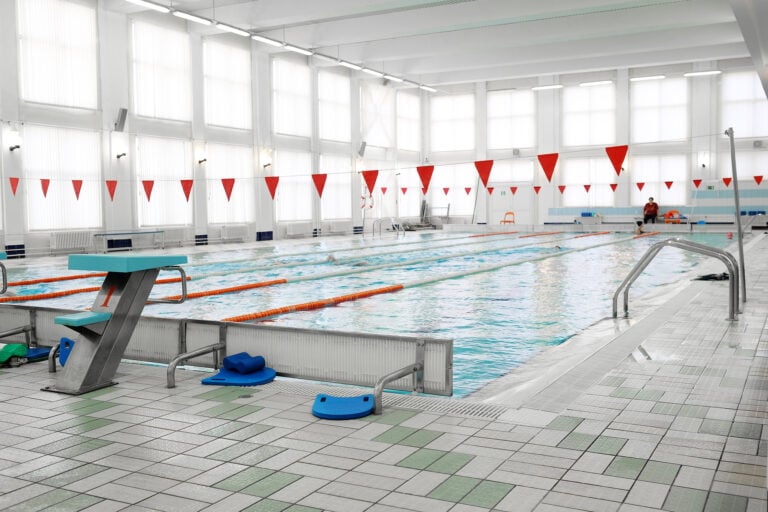
The sun is beating down on your neck, and you don’t have a care in the world. The only thing you need right now is a plunge into some refreshing water. How about checking out some swimming pools in the Netherlands?
Summer’s around the corner, and we know how much everyone is looking forward to it, especially because summers in the Netherlands are getting warmer, with repeated heat waves sweeping the country.
To save you from a certain heat stroke, we’ve made a list of all the places you can go to, whether you’re looking for a weekend getaway, an awakening of your inner history nerd (seriously, wait for it), or if you just want to work on your fitness. 🏊♂️
Let’s dive into it, shall we?
Swimming pools in Rotterdam
Rotterdam isn’t really known for its swimming opportunities.
But does it surprise you that some of the best swimming pools are in the biggest port city in the Netherlands? It shouldn’t, really. 😉
Outdoor swimming pools in Rotterdam
Badhotel Rockanje & Brasserie Lodgers
Only 400 metres from the sea, this lodge is just a few miles away from Maasvlakte, Europoort, and Rotterdam. It’s perfect for a weekend getaway to escape the loud city traffic and enjoy some time in nature.
You can spend the day at the beach building sandcastles, or you can stay at the lodge and enjoy their outdoor swimming pool! Best of both worlds, don’t you think?
They also have a large terrace where you can lounge to take in the nature sounds AND a private sauna. Prices vary per season.
⏱ How to get there: Take bus 403 from the Spijkenisse-Centrum metro station (Rotterdam metro line) to the Dorpsplein in Rockanje. From there, it’s a 15-minute walk to the Badhotel.
SS Rotterdam’s Lido Terrace
If you’ve lived in Rotterdam or used the trams to go south of the city, you’ve heard the announcement to get off at Wilhelminaplein to go to the SS Rotterdam.
The SS Rotterdam, which was a fully functioning cruise ship from 1959 to 2000, is another Rijksmonument (national heritage site). She started her journey as the flagship of the Holland-America line.
Once a cruise liner, now she’s a permanent fixture in central Rotterdam. Image: Dreamstime
The ship was briefly called the SS Rembrandt before she was sold to a cruise line. After that company shut down, the SS Rotterdam was bought up by an investment group in the Netherlands. (We knew all you history geeks would stick around 😉.)
Nowadays, the SS Rotterdam is a place to experience the ship while staying in one of its carefully decorated rooms on board or to see the skyline of Rotterdam from the restaurant Lido’s Terrace.
They have an outdoor swimming pool overlooking the Maas, where you can enjoy breathtaking views of the sunset and the cityscape. Their restaurant, of course, offers an outdoor seating area as well.
This isn’t a place for you to exhaust your lungs, but a place to fill them up with some fresh sea air!
⏱ How to get there: From the Rotterdam Central Station, take metro D to Slinge or E to De Akkers. Exit at the metro station Rijnhaven.
Indoor swimming pools in Rotterdam
Oostelijk Zwembad
This one is a good tip for swimming enthusiasts! It made our guide to the best swimming pools in the Netherlands for a reason.
Like the name says (Oost means east in Dutch), it is in the east of Rotterdam. Oostelijk Zwembad was founded in 1932, making it the city’s oldest swimming pool!
Its architecture evokes a nostalgic atmosphere, yet you still enjoy its modern facilities.
As I said, it’s for true swimming enthusiasts, so if you’re looking to learn how to swim or practise your more advanced brush strokes, head on over to this place! They offer lessons for children and seniors, as well as a variety of other water sports!
What’s better than swimming in cool water on a warm day? Image: Depositphotos
If you only want to take your kids to their swimming classes but also want to relax, they have a coffee corner you can use while your little one is in class.
⏱ How to get there: Take Metro A towards Schiedam Centrum, Metro B towards Hoek van Holland Haven, or Metro C towards De Akkers and get off at Oostplein. From there, it’s a five-minute walk to the pool.
Other swimming pools in Rotterdam
Oostelijk Zwembad deserves a special mention, but there are more options you want to try for indoor swimming pools that offer lessons and a place for the children to get comfortable in the water.
Van Manenbad: Also called the Sportsfonden Rotterdam, this outdoor swimming pool is open during the spring and summer months. Van Manenbad offers workshops and plans fun activities for different occasions.
Recreatiecentrum Oostervant: A neighbourhood favourite because they have everything in one place! A bowling alley, a gym, a dance hall, and a sports hall for basketball players, lovers of football, or even badminton. They also offer lessons for children, the elderly, water aerobics, and more.
Sportbedrijf Rotterdam: An establishment whose goal is to get Rotterdammers working out! They have different locations around the city, with sports centres featuring indoor or outdoor swimming pools, gyms, and just about anything else to help you get fit! Check out their website for the nearest one.
Optisport Health Club Rotterdam Alexander: a place where you and your little one can get swimming lessons together, a new concept they are exploring. They have a bar and a gym, so if you want to kick back and undo some of the fitness you’ve worked on or if you want to be more rigorous about it, this is the place to go.
Swimming pools in Amsterdam
Oh, the Dutch capital. Could it be called the capital of Dutch swimming pools, too? You decide!
Outdoor swimming pools in Amsterdam
W Amsterdam
W Amsterdam is a luxury boutique hotel in the heart of the capital. Its pool is an excellent spot for a refreshing swim and to take in the city’s sights.
It is just a four-minute walk from Dam Square and is guaranteed to give you a hotel experience worthy of the splurge (for some of us, anyway).
They even have a spa where you can unwind those muscles, an indoor pool if the weather is not cooperating, and a rooftop lounge where you can see the entire city!
⏱ How to get there: W Amsterdam is a short 15-minute walk from Amsterdam Central Station.
Zwembad de Houtvaart
If you have a day to spare, why not visit one of the country’s heritage sites (Rijksmonument) and take a dip in Haarlem‘s only heated outdoor swimming pool? History nerds, this one is for you!
Zwembad de Houtvaart was founded in 1927 to bring people from different backgrounds together to enjoy a nice swim.
The pool is heated using solar panels, so you can take a dip there in the morning while enjoying the sounds of tweeting birds (not on Twitter).
Single entry costs €5.90 for ages 4–64, or €3.30 for 65+ and Haarlem Pass holders. A 12-visit pass (valid for one year) is €59.00, or €33.00 for 65+ and Haarlem Pass holders. Full season passes are also available on the website.
Want to get in an early morning swim? You’ll need to become a “friend” of the Vereniging Vrienden van de Houtvaart (Friends of the Houtvaart Association) — membership costs just €5.00 and gives you access to the exclusive morning lane swimming sessions from 7:00–9:45 AM. Oh, and every Saturday morning there’s nudist swimming, if that’s your thing.
It’s a perfectly symmetrical pool with architecture that reflects the pre-war era. It’s reminiscent of cubist styles, as seen at the Olympic Stadium in Amsterdam.
But this is only the tip of the iceberg in this establishment’s history.
⏱ How to get there: Take Bus 14 from Haarlem Station and get out at Westergracht. From there, it’s only a two-minute walk to the pool.
Indoor swimming pools in Amsterdam
Noorderparkbad
Did you know that the Netherlands is home to the most beautiful swimming pool in the world?
Noorderparkbad has wide, airy rooms that invite relaxation simply by their architecture. And the Dutch knack for innovation doesn’t stop here. Its roof collects rainwater, which is then stored, purified, and reused for the pool.
But that’s not even half of it! This magnificent piece of architecture doesn’t just have one indoor pool but two (!) 25-metre pools.
There’s also a water slide! They even have offices, restaurants, and staff rooms — making it a truly multidimensional space.
Last but not least, they have a 25-metre-long outdoor pool, a sunbathing lawn, and a shallow pool for the little ones! Does it get any better than this?
⏱ How to get there: From Amsterdam Central Station, you can take Metro line 52 to Noorderpark. From there, it’s a 15-minute walk to the pool.
Other swimming pools in Amsterdam
Zuiderbad: They have a whirlpool, steam baths, and tanning salons on site. They provide lessons for kids, toddlers, and adults. They also have family lessons, so you and your child can learn to swim together.
De Mirandabad: This place provides lessons for pregnant women, aqua sports, and more! If you’re looking to hone your swimming skills, they have lessons with a private trainer specifically for the more experienced swimmers.
SwimGym: Founded by the Dutch Olympic medal winner Johan Kenkhuis, this place will amp up your swimming skills in no time. If you want to train under professional supervision and become a better competitive swimmer or triathlete, this spot is for you.
Brediusbad Outdoor Pool: Another outdoor pool for your enjoyment this spring and summer! But remember, it is a non-smoking pool, so be sure to put those cigarettes and joints out before you go.
Sportfondsenbad Amsterdam-Oost: A place to enjoy, relax, or even train — they have Turkish steam baths, a jacuzzi, and other recreational activities. According to their website, they are the oldest swimming pool in the Netherlands. They turned 90 years old last June!
Sportplaza Mercator: They offer similar things to the others listed here, but they also have special programs for people with disabilities or injuries.
This one is a very aesthetically pleasing swimming pool, but it is designed for more serious swimmers who want to work on their technique. They mean serious business, so they don’t have slides, toys, or anything of that sort.
It’s a 50-metre-long pool, which has a roof that can be left open during the summer months.
The best part is that they have an English-language website, so you can understand how their schedules change with the season, the activities they offer, and their prices.
If you have any disabilities or medical conditions, you can attend therapeutic swimming lessons at Zwembad de Kwakel. The program, called Aqua Bodycare, is available to anyone over 21.
They also offer Aqua Challenge, a complete muscle workout; Aqua Pilates, to improve your back and abdominal muscles; and Aquarobics to dance off all your stress.
You should also know they have a mermaid swimming lesson where your Disney-obsessed kid can learn to swim like Aerial or Poseidon! Pretty cool, right?
⏱ How to get there: Take tram 1 from Utrecht Central Station to stop Paranadreef. From there, it’s just a two-minute walk to the pool.
Zwemschool Midden Utrecht
This is a swimming school that offers lessons for kids — you can sign them up as young as 4 and a half years old! You can sign up for an introductory course, see how they enjoy it, and then make a longer-term commitment.
The perfect activity for your little ones — just in time for summer, too! Image: Freepik
Swimming is an essential skill for anyone, so why not start young?
⏱ How to get there: Take tram 22 from Utrecht Central Station to stop at Stadion Galgenwaard. From there, it’s a 10-minute walk to the pool. The entrance to the pool is to the right, across from the sports court.
Other swimming pools in Utrecht
Zwembad Den Hommel: This one is open seven days a week. Its schedule shows its activities and opening times for normal days, public holidays, and weekends.
Zwembad Fletiomare: you can sign up for one day or buy a card that covers almost 25+ lessons! This flexibility lets you see if this is the right fit for you and your child.
Swimming pools in Tilburg
The city of Tilburg is already an underappreciated day trip destination — but just wait until you hear about their amazing swimming pools.
Recreatiebad Stappegoor
A place you can truly enjoy with the whole family! Recreatiebad Stappegoor offers aqua sports, slides, mermaid swimming, swimming lessons for everyone aged 4 to 50+, and even an outdoor swimming pool.
So, whether the sun is out or not, this is definitely the place you want to be.
⏱ How to get there: Take tram 1 from Tilburg Central Station to stop Stappegoor/IJsbaan. It’s just a one-minute walk from the tram stop to the pool!
Sportcomplex Driebrucht
This innovative sports centre is a lot of things in one — swim like a pro in their lanes, slide into the pool to get that speed going, enjoy their therapy pool with warmer waters, and check out their whirlpool or steam cabins to wind down!
They also have a café on-site where you can enjoy a snack or a drink after your workout.
Trying hard to juggle your kids and your workout? Don’t worry! They have a daycare centre, too.
⏱ How to get there: Take Bus line 5 to Busstation Noord. From there, it’s just a two-minute walk to the swimming pool.
Other swimming pools in Tilburg
Reeshof Zwembad: a perfect place for the kids, as they expanded the toddler and kids’ swimming pool to include a water fountain. They added a tropical theme with various decorations to make the child feel as if they were in another world.
Club Pellikan: their swimming lessons are specially designed for children, teaching them how to save themselves in an emergency. They also have a fitness centre and a café where you can spend time while your child learns essential skills in a safe and fun environment.
Swimming pools in the Hague
Before we start this list, you should know that the municipality of The Hague introduced a swimming pass for anyone aged 14 or older. You can buy a single entry ticket or, if you’re planning to swim regularly, a multi-visit pass for 12 or 25 visits — both of which are valid at any of the seven pools.
They currently have seven pools under their umbrella, each offering different facilities.
With this pass, you can enter any of them, depending on the subscription that you’ve picked.
Remember: You can’t go to these pools without your pass, so make sure to buy one online or carry a valid ID to buy one at the front desk.
The websites for each of the following swimming pools offer virtual tours where you can see what they look like and explore whether this is the place for you. The swimming pools are:
Zuiderpark Zwembad: They have a water slide, a Turkish steam bath, and even a wild water creek!
Het Hofbad Zwembad: This one is not just fun and games. It has facilities for kids, as well as for the more serious swimmers amongst us.
Overbosch Zwembad: They have different pools for different activities, such as a recreational pool with extra heating and a competition pool.
De Blinkerd Zwembad: This 25-metre-long pool is perfect for you to practice your swimming skills and techniques.
De Waterthor Zwembad: They have three different pools, one of which is competition-sized!
De Houtzagerij Zwembad: Right in the city centre, they offer lessons for all age groups.
Zwembad Escamphof: Anyone with medical or physical disabilities can go here to get support from experts. They are specifically designed for children or adults with one or more disabilities.
Did we miss out on any swimming pools in the Netherlands? Tell us in the comments below!
Paying your Dutch salary into a foreign bank account is legally allowed in most cases; here’s when it works, when it doesn’t, and what your employer can actually refuse.
You’ve landed a snazzy Dutch job, signed your employment contract, and now HR is asking for your bank details — only you don’t have a Dutch bank account yet.
Can your employer just pay you into the one you already have? Or are you out of luck?
Let’s dive in.
Is it possible to receive your Dutch salary in a foreign bank account?
Legally speaking, if your account is with an EU or EEA bank, your employer can’t refuse to pay your salary into a foreign account.
This is because IBAN discrimination is prohibited under European SEPA regulations — a payer must accept euro IBANs from all countries in the EU/EEA, not just Dutch ones starting with “NL”.
Refusing to do so is considered IBAN discrimination, and De Nederlandsche Bank (the Dutch central bank) can impose fines or penalty orders on employers who violate this rule.
Got an EU or EEA IBAN? Employers are legally required to accept it. Image: Magnific
However, if your account isn’t with an EU or EEA bank, things get considerably more complicated.
Need a Dutch IBAN? ING offers expat-friendly banking with a fully English app, online account opening, and a 90-day window to provide your BSN.
When can a Dutch employer refuse to pay into a foreign account?
If your account is held outside the SEPA zone — think the US, UK, and most countries outside Europe — there’s a real chance your employer could refuse it.
Extra costs are a major factor, as international transactions often come with transfer fees and a currency exchange markup. These could result in expensive foreign currency transfers for your employer, or the costs could be deducted from your salary.
Beyond the monetary aspect, processing delays in international transfers could mean your salary takes significantly longer to arrive.
Even if your office is expat-friendly and permits foreign bank accounts, transfer processing delays could affect your getting paid on time. Image: Magnific
Non-SEPA payments also require different processing routes, plus certain payroll systems are set up to work with Dutch IBANs only.
Add in compliance issues around international transfers, and it’s easy to see why many Dutch companies prefer to avoid the hassle.
Good to know: If your Dutch employer has problems processing EU/EEA IBANs, it’s worth asking HR to escalate the issue rather than accepting a flat “no.”
To make matters worse, refusing a non-SEPA account isn’t IBAN discrimination under EU law, as SEPA regulations only cover EU/EEA accounts. Due to this, a Dutch employer is within their rights to decline a US or Australian bank account.
To sum up: do you actually need a Dutch bank account?
If your account is within the EU/EEA, you have a legal right to be paid into it, and most employers will have to comply.
However, if you’ve got a non-EU/EEA bank account, there are no legal protections in place. Your employer may refuse to pay you via your foreign bank account due to transfer costs or administrative burdens.
Nothing’s more inconvenient than being left without a valid payment method when you’ve got bills stacking up. Image: Magnific
The good news is that many major banks in the Netherlands allow you to open an account before you get your BSN, provided you submit this information within a certain period (within 90 days).
If you’re migrating here for work and have yet to register at your municipality, this kind of flexibility can make settling in much easier.
Did you manage to get paid into a foreign account while working in the Netherlands, or did your employer push back? Share your experience in the comments below.
This article was sponsored by ING and written by DutchReview.
In a speech at a security conference in The Hague this week, Dutch Prime Minister Rob Jetten indicated that US-Netherlands and broader EU relations are unlikely to go back to the pre-Trump dynamic.
The NextGen security conference served as a platform to discuss “the security landscape of tomorrow” and to shape the “fundamentally different” future of security.
Jetten spoke at the event, saying, “It is naive to think that with a new American president we will go back to the past,” reports RTL Nieuws.
What does that mean?
Jetten argued for greater European independence in security management, reports AD.
“The tone of our old friends across the Atlantic has undeniably become harsher and more critical,” he said. Rather than pondering this change of heart, however, he believes in embracing it.
After years of “piggybacking” off American security guarantees, Jetten argues that Europeans must ask themselves a tough question.
“What are we, as Europeans, going to do to better ourselves for all the inhabitants of our beautiful countries?” he asked.
Coalitions and looking forward
This attitude is shared by many prominent European leaders.
Earlier this year, the President of the European Commission, Ursula von der Leyen, stated that “an independent Europe is a strong Europe. And a strong Europe makes for a stronger transatlantic alliance.”
Jetten’s words this week echoed von der Leyen’s commitment to coordination. According to AD, the prime minister said, “In this new geopolitical era, building new coalitions is essential.”
His message is clear: rather than mourning the loss of a transatlantic friendship, Europe needs to be realistic and focus on getting stronger on its own.
What do you think about Jetten’s comments? Let us know!
There was a time when going to the supermarket meant you could fully switch your brain off for half an hour.
Wander the aisles, accidentally buy €4 olives you didn’t need, stare blankly at yoghurt for six minutes, then dump everything onto a conveyor belt while a cashier handled the difficult technological challenge of scanning a cucumber.
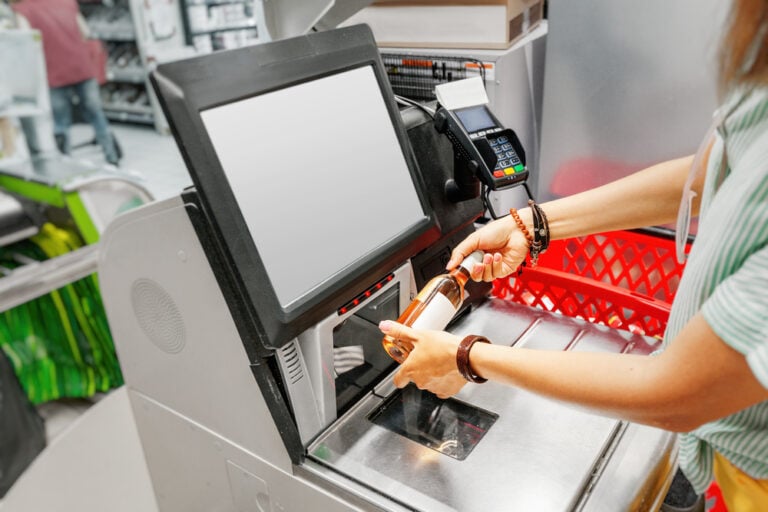
Those days are gone. Now we all work at the supermarket.
I don’t even grab a basket anymore without instinctively reaching for one of those handheld scanners, especially at Dirk. The expectation is clear: congratulations, sir, you are both customer and unpaid employee.
Fine. I’ll play along. I’m an honest citizen. I will dutifully scan every item myself like the little tax-paying adult I am.
But why is this process still somehow so terrible?
The barcode battle is real
Half the time I’m rotating products like I’m trying to crack a safe because the barcode is hidden under six layers of packaging.
Then the scanner refuses to recognise it anyway. Or it scans the wrong thing. Or I’m suddenly in a life-or-death standoff with the machine because I dared to buy two of the same bread rolls.
And yes, there is one beautiful promise behind the whole system: scan items directly into your bag while shopping. Efficient. Elegant. European. In theory, you should glide majestically past the tills afterwards and leave within seconds.
But no. Because first, you need to queue for the self-checkout anyway.
The random inspection lottery
Then comes the real fun: the random inspection. Now, I have nothing against the employee doing the checks. They didn’t invent this nonsense.
But why does it feel like I’m selected approximately 50% of the time? Especially when I’ve bought enough groceries to survive a medium-sized apocalypse.
No, no. They start pulling things out like customs officers at Schiphol. Tomatoes. Crackers. Frozen spinach.
“Ah yes, and this paprika?” What are we doing here exactly? I’m already doing your scanning for you while the supermarket quietly reduces its labour costs. The least you can do is pretend to trust me.
When the whole thing collapses
Inevitably, something goes wrong. A bread roll needs a mysterious bakery code from 1987. An item scans incorrectly. The machine freezes. Someone needs to enter an employee code. Then another employee code. Then a supervisor appears like the final boss in a video game.
In the past month alone, three out of maybe ten supermarket visits ended with some sort of self-checkout disaster.
One time, I had to rescan the entire order from scratch. The entire order. At that point, just hand me a name badge and schedule me for a shift on Thursday.
And yes, obviously, this is a small suffering. The world contains war, climate change, and Microsoft Teams meetings. Perspective noted.
But still.
Either trust me, or hire cashiers again
You cannot simultaneously make me do the work, monitor me like a criminal, interrupt the process every four minutes, and then still have the system collapse because somebody bought an “artisan multigrain triangle roll” that requires authorisation from head office.
If self-checkout is the future, then at least make it work smoothly. Some Dutch supermarkets have been experimenting with checkout-free shopping entirely and, well, that’s going about as smoothly as you’d expect.
Otherwise, just bring back the cashiers who scan 43 items per minute with the speed and precision of an F1 pit crew while I stand there dissociating next to a Toblerone display.
If you’d rather avoid the whole ordeal, there’s always grocery delivery. Honestly, at this point, the cashiers were better at this than all of us.
Have you had a self-checkout meltdown recently, or have you somehow mastered the system? Let us know in the comments.
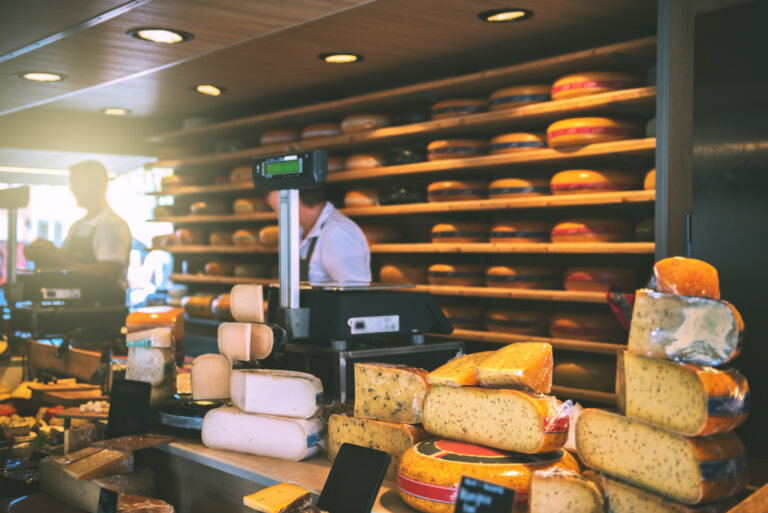
Most people have heard the stereotype that the Netherlands is a land filled with cheese — and they’re not entirely wrong.
Dutch cheese is famous and delicious, and ranges from:
Pasteurised to unpasteurised milk 🥛
Slices to wheels 🧀
A few weeks to years ⏰
Who knows how many flavour profiles 👌
There is so much to consider when picking a Dutch cheese to eat!
If you have ever found yourself wondering what cheese you’re eating or which cheese is which, this is your complete guide to Dutch cheese varieties. 🧀
Goudse kaas: the Dutch staple (Gouda)
Ah yes, the classic Dutch cheese — and no, it doesn’t refer to “golden” cheese (although if you love cheese as much as we do, you probably think it’s a sort of gold).
You probably know Goudse kaas by its English name: Gouda. This particular cheese comes from the city of Gouda, in South Holland.
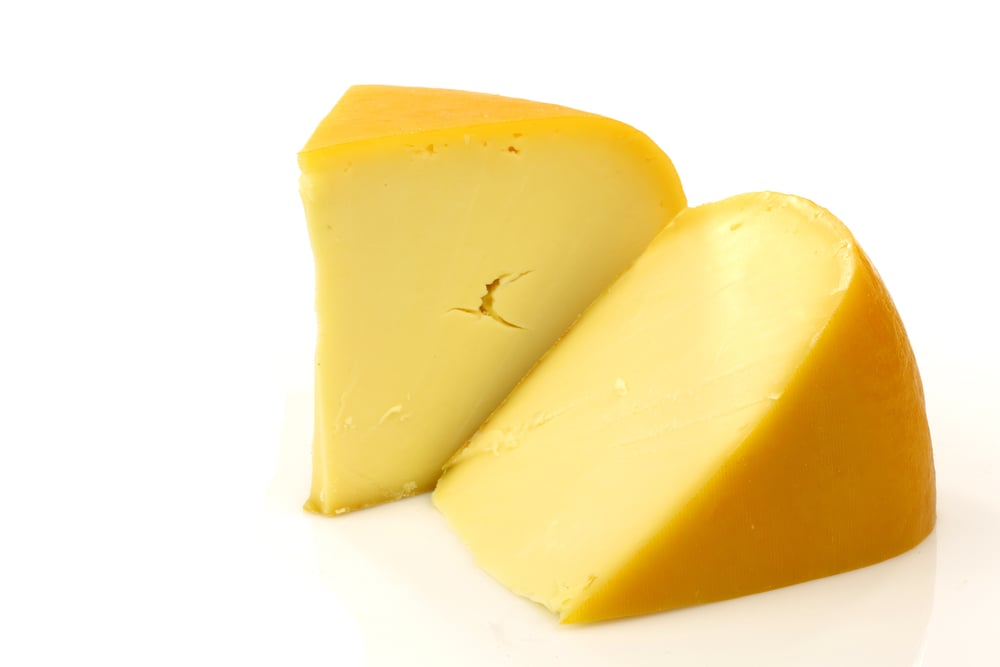
Doesn’t this look like something you’d find at the end of a rainbow? Image: Depositphotos
Gouda has a mild, nutty, and almost tangy flavour with a fudgy texture. This cheese pairs great with dessert wines and fruits, but it’s also the standard cheese for a delicious boterham (sandwich). 😋
Historically, farmers and merchants traded Gouda in this region, but now, it’s the catch-all phrase for Dutch cheese varieties made in a similar style.
Fun fact: this cheese was (and still is) so good that French soldiers would steal it from Dutch farmers in the 19th century.
🛒 Where to buy: All Dutch supermarkets, cheese shops, Gouda cheese market 🥛 Pasteurised: Often, but can be made with unpasteurised milk 🧀 Texture: Semi-hard to hard ⌚️ Ageing time: One month to three years
Beemster: cheese from below sea level
This cheese combines two undeniably Dutch things: the iconic dairy product and being underwater.
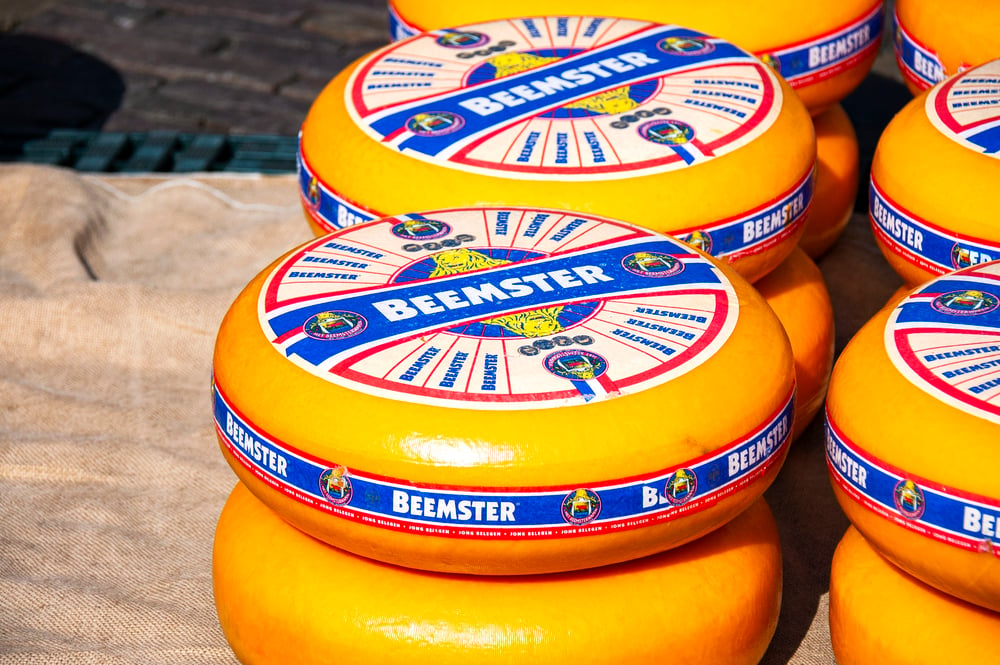
Beemsterkaas has a production style similar to Gouda, but the difference lies in the milk. Specifically, Beemster cheese is made from milk from cows that eat grass grown on a sea-clay polder four meters below sea level. Fancy, right? 🐮
Beemster cheese is hard to mistake with its bright packaging. Image: Depositphotos
Because of the cows’ special diet, the cheese made from that milk has a unique flavour. The cheese has a particularly sharp, salty flavour due to its extended ageing. Talk about artisanal!
You could slice Beemster for a sandwich, cube it for crackers or eat it by itself, and it pairs nicely with ports and red wines. 🍷
🛒 Where to buy: All Dutch supermarkets, cheese shops 🥛 Pasteurised: Yes 🧀 Texture: Hard ⌚️ Ageing time: Two months to two years
Edam: the internationally-beloved cheese
Named after the Dutch town north of Amsterdam, Edam cheese is known for its international reach. It ages well and doesn’t spoil, making it the perfect cheese to pack up and send all over the world. ✈️
And it’s not just the Dutch who love Edam cheese. From Indonesia and Belize to the Philippines and Scandinavia, people from all over the world serve Edam during parties, celebrations, or simply for an afternoon bite!
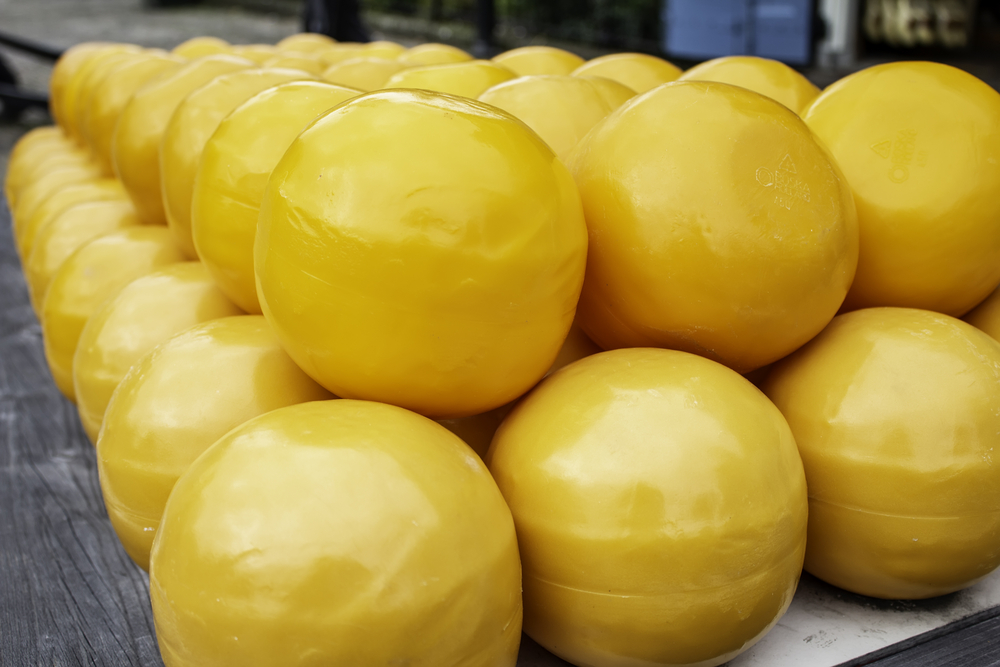
Unique in both shape and taste, Edam cheese is like none other! Image: Depositphotos
This Dutch cheese has earned its spot on the dining table in many countries. 🤗
Edam has a smooth texture and a nutty, salty flavour that gets sharper as it ages. Edam pairs particularly well with dark beers, making it the perfect match for a borrel snack.
🛒 Where to buy: Cheese shops, Edam cheese market, most Dutch supermarkets 🥛 Pasteurised: Yes 🧀 Texture: Semi-hard ⌚️ Aging time: Four weeks to 10 months
Boerenkaas: cheese straight from the farmhouse
Boerenkaas directly translates to “farmer’s cheese” — because it’s straight from the farm! 🧑🌾
Only Dutch cheese produced on a farm using traditional, controlled methods can be sold as boerenkaas.
This Dutch cheese is special because farmers often make it with milk from other farm animals, including goats, sheep, and even buffalo!
Goudse Boerenkaas is a classic in the Netherlands. Image: Depositphotos
Some renditions of Boerenkaas also include spices like cumin, as well as other seeds, herbs, and spices that a farm might grow on-site. 🌿
Boerenkaas has different tastes and textures depending on how long it ages — from grassy, nutty notes to a butterscotch sweetness and the crunchiness of milk proteins, boerenkaas has a full range.
Similar to Edam, boerenkaas pairs well with full-bodied red wines or a classic Dutch beer — Dutch cheese for Dutch tastes. 🇳🇱
🛒 Where to buy: Cheese shops, farmer’s markets, some Dutch supermarkets (usually larger supermarket branches) 🥛 Pasteurised: Possible, can be made with unpasteurised milk 🧀 Texture: Semi-hard ⌚️ Ageing time: Typically one to two years, but as short as six months and up to seven years.
Leyden: the classic spiced cheese
Also known as Leidse kaas, this semi-hard cheese is traditionally from Leiden. Producers make it with Dutch cows’ milk and other herbs, usually cumin and caraway seeds.
These herbs give it a little extra spicy kick, so you can eat it in pretty small servings (although we won’t stop you if you want to eat more! 😁)
It’s not Leyden cheese without its iconic red rind and cumin and caraway spots. Image: AlexanderVanLoon/Wikimedia Commons/CC3.0
Leyden is the most common type of komijnekaas (cumin cheese), a cheese that includes cumin as an ingredient. It makes a delicious pairing with bread or beer if you’re looking for something to eat at a borrel. 😉
🛒 Where to buy: Cheese shops, farmer’s markets, particularly in Leiden 🥛 Pasteurised: Yes 🧀 Texture: Hard ⌚️ Ageing time: Around two years
Nagelkaas: clove cheese from the Dutch islands
You have the Frisian people to thank for this delicacy. They developed this somewhat rare Dutch cheese in the islands all the way north of the Netherlands!
Nagelkaas gets its unique name and flavour from this unique spice. Image: Depositphotos
Nagelkaas, translated to English, literally means “nail cheese” — and no, that doesn’t mean there are nails in it. This Gouda-style cheese is made with skim pasteurised milk, cumin, and cloves that look like construction nails (still no real nails, we promise!), which is where this cheese variety gets its name.
This cheese is quite spicy (due to cloves and other spices), so a small slice on a cracker is enough to give you an idea of the flavour.
🛒 Where to buy: Cheese shops, farmer’s markets, some Dutch supermarkets (Albert Heijn, Jumbo) 🥛 Pasteurised: Yes, with skim milk 🧀 Texture: Firm, similar to Goudse kaas ⌚️ Ageing time: Six months
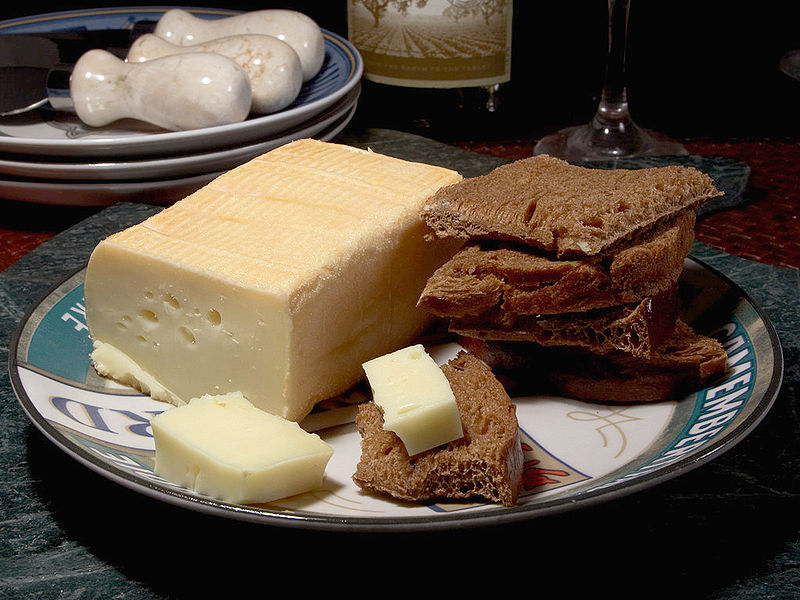
Limburger: an unmistakable cheese
Limburger cheese gets its name from the Dutch area of Limburg. People in this province still make cheese, so it’s considered quintessentially Dutch.
But Germans and Belgians try to steal the show by also making their own version of Limburger.
Why is this an ‘unmistakable’ Dutch cheese variety? Well, once you smell it, it’s a dead giveaway. Limburger cheese is made with a particular bacterium that gives it a very unique scent. 👃🏼
It might look like your usual Dutch cheese, but you’ll know it when you smell it. Image: John Sullivan/Wikimedia Commons/Public domain
Once you remove Limburger from its rind, the flavour becomes quite mild. It has a spicy-sweet flavour combination, which goes well with fish, on crackers, and even a German or Belgian beer (we won’t snitch!)
🛒 Where to buy: Cheese shops, some Dutch supermarkets (Albert Heijn), farmer’s markets 🥛 Pasteurised: Yes 🧀 Texture: Semi-soft ⌚️ Ageing time: Two to three months
Parrano: the Dutch-Italian lovechild
Don’t let its looks or taste fool you, this fully Dutch cheese is similar to your typical Gouda. It’s a harder cheese with a mild, nutty taste.
But it also shares similar taste, texture, and ageing methods with Parmigiano Reggiano from Italy — not quite Italian, but not quite Dutch either.
Parrano is best served as a garnish or cooking ingredient in your dish — so if you’re looking to give your food a little Dutch-Italian kick, Parrano cheese is a great option!
🛒 Where to buy: All Dutch supermarkets, cheese shops 🥛 Pasteurised: Yes 🧀 Texture: Semi-hard ⌚️ Ageing time: Five months
Who knew there was so much to learn about when it came to Dutch cheese varieties? We hope you’ve learned just a little more about this delicacy. 😌
What’s your favourite Dutch cheese? Tell us in the comments below!