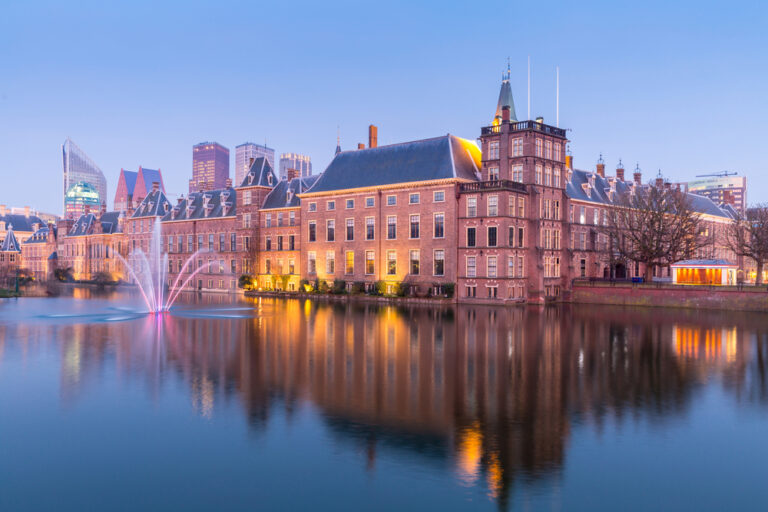
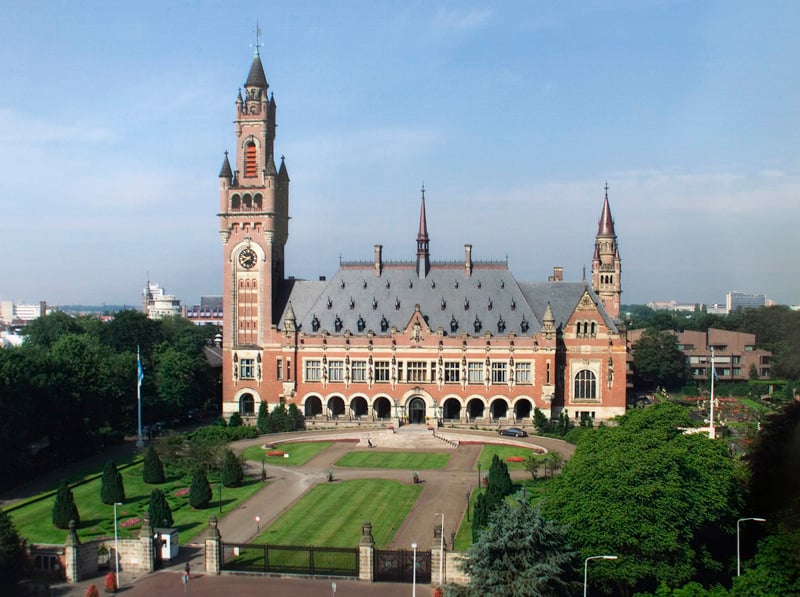
Ah, The Hague. The international city of peace and justice, home to many international institutions, and the seat of the Dutch government.
Already falling asleep? Us too! Instead, here are seven things about The Hague that you (probably) didn’t know! 👇
1. The Hague is tackling food waste in a big way
Food waste is a significant environmental issue. Over 88 million tons of food waste is generated in Europe each year. Nifty businesses in The Hague are finding cool ways to deal with this.
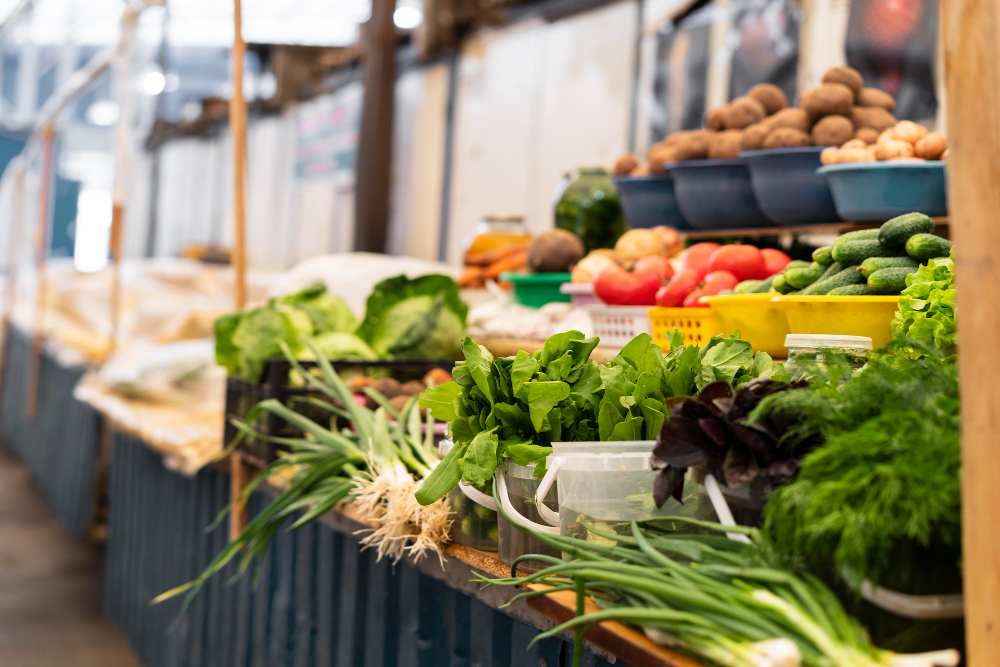
For example, the Conscious Kitchen prepares delicious vegan dinners each Thursday using leftover vegetables from the Hague Market.
Meanwhile, Lekkernassuh (Hagenees for “yummy food”) allows you to order a box of fresh veggies from local providers weekly. The provider only orders the amount people request in advance.
2. The Haagse Bos was used to launch rockets during WWII
During World War II, the Germans used Haagse Bos (Hague Forest) to launch their V-1 and V-2 rockets. The Allies tried to bomb it during the war, but accidentally hit the nearby Bezuidenhout district.
The bos has an interesting history in other ways: its name gave rise to the word “Holland.”
It was originally called “Die Hout, ” which later changed to “Houtland,” a name that, as you can see, could (and did) easily morph into “Holland.”
The forest also escaped being completely cut down during the French occupation in the 19th century.
3. Nobody knows if it’s a university city by now
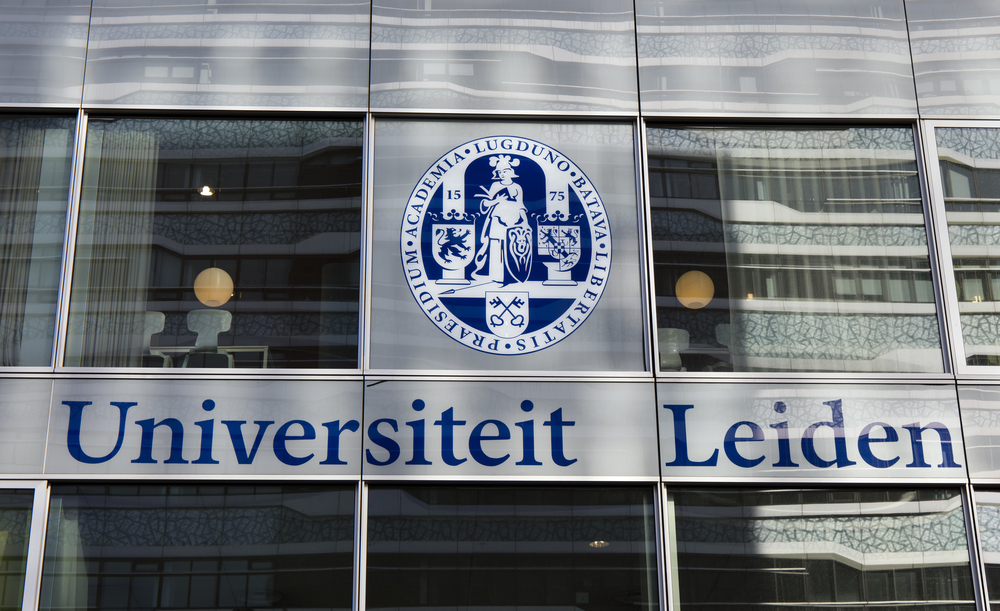
Leiden University says The Hague is the Netherlands’ fastest-growing student city. Before the arrival of Leiden University’s “The Hague Campus” in 2010, Den Haag was home only to the The Hague University of Applied Sciences (Haagse Hogeschool).
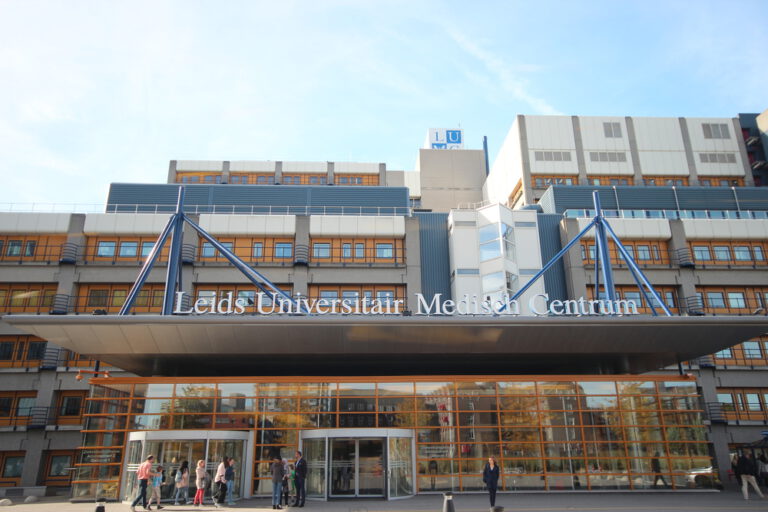
Is it still Leiden University if it’s in The Hague? Image: Depositphotos
Each year, more and more students arrive in The Hague, particularly from outside the Netherlands.
While there are downsides to this (housing is pretty difficult to find), international students bring more life to a traditionally suits-and-skyscrapers city.
4. The Hague has some awesome vintage stores
Possibly due to the increasing number of fashionable-but-poor students arriving in the city, The Hague has a wide selection of vintage and second-hand stores.
With clothes dating back to the ’40s and ’90s, The Hague could bring your Pinterest board to life. All while reducing the demand for fast fashion (talk about a win-win).
Our favourites include Vintage Island on the beautiful Korte Poten and Rejoes, next to Grote Markt.
Plus, there’s no better way to explore the city than to wander from shop to shop. Some stores will even have furniture, second-hand books, or records to peruse.
5. Scheveningen isn’t the only beach in The Hague
Everyone has heard of Scheveningen, which is fair enough; it’s a super cute part of the city right by the sea. But there are two other equally gorgeous beaches in The Hague. In my opinion, both are slightly better than Scheveningen for a couple of reasons.
Zuiderstrand is breathtakingly beautiful. As you cycle up to it, you pass dunes covered in wild roses during the summer. It’s also emptier than Scheveningen, even on the hottest days of the year.
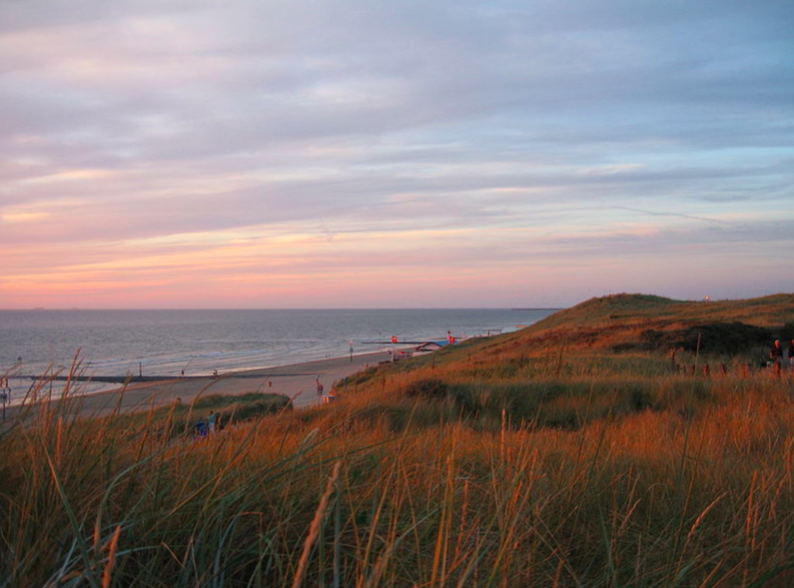
A beautiful sunset at Kijkduin. Image: Prasenberg/Wikimedia Commons/Public Domain
Then there’s Kijkduin. It is much smaller than Scheveningen, but with an awesome selection of shops and restaurants lining its shore. And, as the name would suggest, it is surrounded by gorgeous dunes.
6. It has a lot of amazing street art
Street art is probably the last thing you’d expect to find in this city.
In the centre, The Hague is perfectly manicured, buttoned up, and well-tamed by the municipality. But that doesn’t mean there aren’t amazing murals in other parts of the city to enjoy.
Thanks to investments by Aight, a non-profit that aims to work with students and young people in The Hague to improve social cohesion, there has been a huge increase in street art in recent years.
You can check out their projects on their website. Sometimes, they even organise guided tours!
7. You can watch live hearings in The Hague’s courts
We all know The Hague is known as the International City of Peace and Justice, but did you know that you can watch hearings in both the International Court of Justice and the International Criminal Court?
Both are open to the public, unless a judge orders a closed hearing, which is almost always the case.
The best part? You don’t need to register at all! You can arrive at a hearing, and if you’re early enough, it’s easy to secure a spot (it’s first-come, first-served).
Want to see more of The Hague, but you’re low on cash? Geen probleem! There is plenty to see in The Hague, entirely for free!
Did you know these things about The Hague? Let us know in the comments below!
The first of two medical evacuation flights carrying patients from the hantavirus-stricken cruise ship MV Hondius has landed at Schiphol. At least one patient on board has been taken to Leiden University Medical Centre (LUMC).
The flights transported a Dutchman (41), a British national (56), and a German (65). As well as two symptomatic crew members.
While both flights departed from Praia in Cape Verde, the first aircraft arrived at Schiphol on Wednesday evening. The second evacuation flight made an unscheduled stop in Gran Canaria, according to RTL Nieuws.
British man in Dutch hospital
The LUMC will not release any information about the patient it received. However, according to Sky News, a British man who worked as an expedition guide on the cruise ship is currently in isolation in a Dutch hospital.
“I have no idea how long I have to stay in the hospital,” he tells Sky News.
Meanwhile, the German patient has been sent to the UKD Academic Centre in Düsseldorf. This is according to the Dutch Ministry of Foreign Affairs, which says it is also in contact with the UK government.
At the time of writing, the second flight carrying a third patient has yet to arrive at Schiphol.
Cruise ship heads to Tenerife
The MV Hondius has been anchored off the Cape Verde coast since Sunday, denied permission to dock by local authorities. At the WHO’s request, Spain agreed to take the vessel in, with the Canary Islands as the closest port of call.
Spanish Health Minister Mónica García announced the ship will dock at Granadilla port on Tenerife within three days.
Once the Hondius reaches Tenerife, all passengers on board will undergo a medical examination. Spanish nationals will then be flown to Madrid and placed in quarantine at a military facility.
Meanwhile, those from other countries who later develop symptoms will still be required to go into quarantine in Spain.
Are you following the MV Hondius situation? Share your thoughts in the comments below.
Divorce in the Netherlands can put expats in a tricky and unknown territory. However, it’s good to know that you’re not alone — and that you have come to the right place.
From understanding the key principles of Dutch divorce laws to discussing residency requirements, the divorce proceedings, financial aspects, and alternatives, we’re here to guide you through the steps.
Getting a divorce as an international in the Netherlands
First things first, let us tell you that the fact that you are getting a divorce as an international should have no effect on your divorce proceedings.
As long as the Dutch courts have jurisdiction (more on this below), you will have the same rights as any Dutch citizen.
Yes, the divorce could affect your residency permit in the Netherlands (more on this below). However, the bottom line is that you should still receive the same treatment as any Dutchie while going through divorce proceedings.
I want a professional, now what? Now it’s time to find experts in divorce in the Netherlands who know the complexities of an international divorce. GMW lawyers are here to specifically fill this role. They know Dutch law — and they also know how it affects internationals.
You can breathe a sigh of relief knowing that a divorce in the Netherlands doesn’t play the blame game.
That’s because Dutch law considers an irretrievable breakdown of the marriage as grounds for divorce.
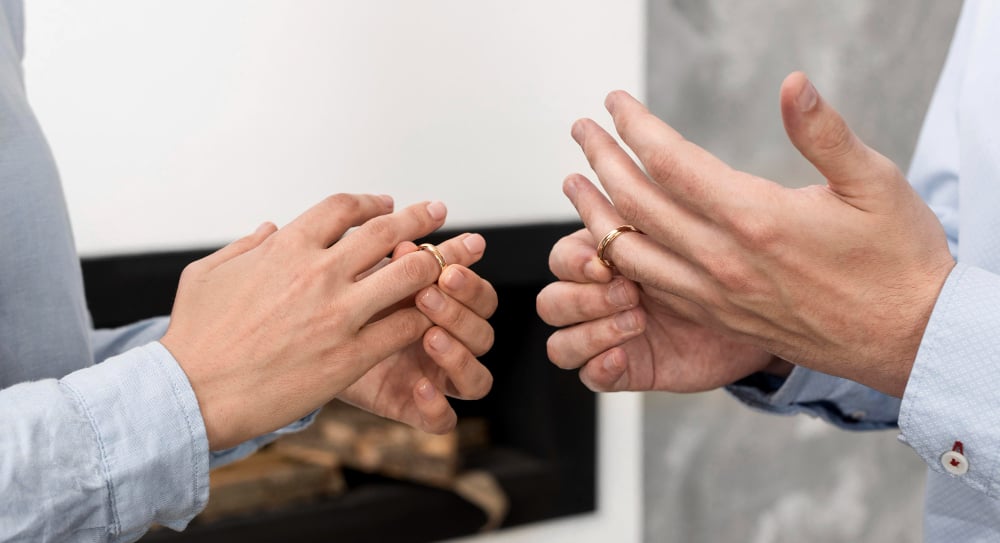
Getting a divorce as an international in the Netherlands may seem confusing, but it doesn’t have to be. Image: Freepik
Basically, if a relationship has been permanently disrupted, the judge will, in principle, pronounce the divorce. There’s no need to throw accusations at one another and air out dirty laundry: simply say, “It’s not working,” and the Dutch law will take your word for it.
It’s a more humane approach that acknowledges the complexities of relationships, making the Netherlands a good country to untie the knot.
Different ways of divorcing in the Netherlands
When you and/or your partner opt for a divorce, you need to decide together how you should approach it. Can the two of you tackle this breakdown of the marriage side by side? Or will you be coming at it from different angles?
Your answer will determine which route to divorce you will take.
Perhaps the most favourable option is a joint divorce. In a joint divorce, you both share an attorney or (attorney)-mediator. They will help the two of you reach an agreement together.
If approaching the divorce together isn’t an option, you and your partner can opt for separate attorneys. In consultation with the two of you, your attorneys will try to reach a mutualagreement about the specifics of the divorce.
If an agreement between your two attorneys isn’t possible from across the table, then it’s time to take the divorce to court. The court will then decide how the divorce should be carried out.
Good to know: In the Netherlands, it is an obligation to have either a shared attorney or separate attorneys when your divorce is taken to the Dutch court.
Embracing mediation for a smooth divorce in the Netherlands
M is for marriage — but when it comes to your divorce, it’s also for mediation.
The emotions involved in getting a divorce can be messy, and even when you have the best intentions, it can be hard for negotiations not to get heated.
In the Netherlands, there are different ways of divorcing. Image: Freepik
This is why you should opt to get a mediator involved. This process involves a neutral third party — the mediator — who helps you and your partner find a mutually beneficial resolution to your issues.
Getting a mediator is a way to keep the conversation civil, reduce conflict, and lay the groundwork for a positive post-divorce relationship (which is especially crucial when kids are involved.)
When can you divorce in the Netherlands?
With the above in mind, let’s answer the simple question: when can you get a divorce in the Netherlands as an international?
In short, a link with the Netherlands is needed in order for the Dutch court to have jurisdiction.
This link with the Netherlands could be, for example, that you and/or your spouse have Dutch nationality or that you and/or your spouse live in the Netherlands.
Can internationals get a divorce in the Netherlands? Yes! If they meet certain requirements. Image: Freepik
Having lived in the Netherlands in the past or merely being married in the Netherlands with no other link to the Netherlands is insufficient for the Dutch court to have jurisdiction over the divorce.
In need of a legal expert? GMW lawyers are experts in family and divorce law. They’ll navigate you through the Dutch divorce process with care, attention, and expert advice for your personal situation. Learn more.
If you are legally married
This one is quite self-explanatory, but yes, you have to be legally married in order to get a divorce.
It doesn’t count if you dressed your golden retriever as a wedding officiant, gave each other a kiss, and then all danced around the garden.
Unless you’ve signed all the papers and dotted all the i’s, you’re not legally married, and a divorce cannot be carried out.
Mastering the divorce procedure in the Netherlands
It doesn’t matter if this is your first divorce or your seventh. No matter what your experience, you’re going to need the experts involved in order to tackle divorce in the Netherlands — but don’t stress.
Filing for divorce in the Netherlands
First things first, you’ve got to officially file the paperwork. Getting started with a divorce in the Netherlands might seem intimidating, but fear not! Your attorney will submit a petition to the District Court on your behalf.
If both parties are on the same page, a joint application is highly recommended as it simplifies the procedure.
It’s best to get an expert involved when you are going through a divorce in the Netherlands. Image: Freepik
Mediation and settlement
Once you have both agreed to a joint application (or perhaps you haven’t), it’s time to call on your mediator.
The mediation process can be an invaluable tool during your divorce in the Netherlands. It’s a chance to discuss and resolve issues privately, reducing potential conflicts and fostering a collaborative environment.
Through mediation, you and your partner can tackle the stickier stuff involved in a separation.
Covering everything from asset division to child custody, a mediator can help the two of you reach a settlement agreement in a less confrontational setting.
Navigating the (financial) aspects of divorce in the Netherlands
If there’s one huge element in divorce, it’s the (financial) issues that come along with it.
After years of marriage, who decides who gets that duck-shaped wine holder? Those porcelain cows? Or that broken-down bike?
More importantly, is there alimony involved? What happens with the care arrangements for the children? And do you have to divide the pensions that you accrued?
Perhaps the most difficult aspect of any divorce is making financial decisions. Image: Freepik
Before we look at this in more detail, it is good to know that every international divorce case is different. When you divorce in the Netherlands, the Dutch court does not apply Dutch law automatically.
Instead, the (international, European and/or national) treaties and laws determine what law the Dutch court needs to apply.
Did you live outside the Netherlands at the time of your marriage? For example, in Spain? The division of assets and debts may then have to take place under Spanish law in the Dutch courts.
An international divorce can get complicated, but the good news is that you do not have to find this out on your own. An international divorce attorney or mediator can help you with this.
GMW lawyers are experts in family and divorce law. They’ll guide you through the Dutch divorce process with care and can offer expert advice for your personal situation. Find out more.
Property division in a divorce in the Netherlands
When Dutch law applies to the property division, it is usually the case that you enter into what is known as a ‘limited community of property system’ (beperkte gemeenschap van goederen). This is true unless you arranged a prenuptial agreement before or during the marriage.
However, how the community of property is applied may still vary depending on factors such as when you were married.
Married before January 1, 2018: You likely fall under community of property, meaning almost all assets and debts — whether acquired before or during the marriage — are considered joint property unless a prenuptial agreement states otherwise.
Married on or after January 1, 2018: The limited community of property applies, meaning only assets and debts acquired during the marriage are shared. Inheritances and gifts generally remain personal property unless they were mixed with joint assets.
Alimony in the Netherlands: what you need to know
Much like property division, when it comes to alimony in the Netherlands, there are a number of variables that will determine how it is applied in your personal situation.
In the case where Dutch law is applicable, the court will examine whether alimony is needed. If it is, which type of alimony should it be? For example, partner alimony and/or child alimony.
Whether or not you receive these is determined by aspects such as your child’s age.
Pensions and retirement funds: planning for the future post-divorce
If the question of your pension does fall under Dutch jurisdiction and Dutch law is applicable, then something called pensioenverevening is applied.
This translates to pension equalisation and essentially means that any pension built up during the marriage will be split into two equal parts.
However, when it comes to international couples, there can be some complications.
Waarom? Because you may have accrued your pension through an international company — and foreign pension funds do not always recognise the Dutch court’s rulings.
How much does a divorce cost in the Netherlands?
Of course, one financial aspect of getting a divorce in the Netherlands is the cost of the divorce itself.
These costs will depend on the complexity of your situation and whether you have your own business, home and/or children involved.
On average, a divorce in the Netherlands costs somewhere between €2,000 and €4,000. However, the more complex the relationship, the more expensive the divorce.
In the Netherlands, divorce costs are typically shared between spouses, but the exact distribution depends on the circumstances and agreements between the parties.
Addressing child-related matters in a divorce in the Netherlands
More important than the assets are any children involved. In the Netherlands, children’s best interests are paramount in any divorce proceeding. Let’s look into this in more detail.
If your situation falls under Dutch jurisdiction and Dutch law, this is how the child-related matters of your divorce will be handled:
Parenting plan: a roadmap for your kids’ future
Since 2009, the Dutch divorce process must include the submission of a parenting plan (ouderschapsplan) for those with children.
Your parenting plan will outline how you and your ex-partner will handle key decisions about your child’s upbringing, such as education, healthcare, and other important areas.
The child comes first when you get a divorce in the Netherlands. Image: Freepik
This a way to ensure your children continue to receive love and support from both parents without putting them in the middle of future disagreements.
Parental authority when getting a divorce in the Netherlands
Speaking of both parents, the Dutch courts often favour shared parental authority.
This means that even after divorce, both parents are responsible for matters involving the child, such as education and the managing of the child’s assets.
When parents divorce, they can make a contact arrangement as to when the child spends time with one parent or the other.
Child support in the Netherlands: ensuring the well-being of the children
In the Netherlands, child support, or child maintenance (kinderalimentatie), as the Dutch call it, is determined using a specific formula that, among other things, takes into consideration the child’s age, the contact arrangement, the parent’s income, and the cost of care.
It may also take into account any exceptional costs, such as the costs of enrollment in an international school. However, this is not guaranteed.
It’s designed to cover all the child’s basic needs, ensuring they can continue to live a life as uninterrupted as possible.
Child support is paid until the child reaches the age of 21.
If a parent fails to pay? Well, then the Landelijk Bureau Inning Onderhoudsbijdragen (National Maintenance Collection Agency) will be sent to collect — so no parent is left alone to tackle the financial burden.
Exploring alternatives: divorce isn’t the only option in the Netherlands
While you and your partner may be considering divorce, you should know it’s not the only option available. In the Netherlands, there are alternatives.
Considering legal separation as an alternative to divorce in the Netherlands
If you’re unsure about divorce, legal separation might be an option worth exploring. These are technically possible in the Netherlands, but aren’t common.
A separation offers a chance to have some space, which can sometimes bring clarity.
Divorce isn’t always the answer, sometimes it’s best to consider other routes. Image: Freepik
It’s also a good alternative if you can’t divorce because of your religion.
However, it’s worth noting that if you opt for a legal separation, you’re still going to have to do some bureaucratic heavy lifting.
In the Netherlands, a legal separation requires that you settle all the same topics you would encounter when getting a divorce.
Opting for dissolution of marriage in the Netherlands
After a three-year separation, dissolution of marriage can be a gentler way to end your relationship in the Netherlands. It’s like the quiet fade-out at the end of a song rather than an abrupt stop.
Staying in the Netherlands after a divorce
After a divorce in the Netherlands, your residence permit status depends on the type of permit you hold. If it is based on your marriage or partnership with a Dutch citizen or resident, you’ll lose your right to stay in the country after the divorce — unless you qualify for a different type of residence permit.
It’s recommended to consult with an immigration lawyer to explore your options. These could involve applying for an independent residence permit based on work, study, or other grounds.
In certain cases, you may qualify for continued residence under special circumstances, such as if you have children with Dutch nationality, have experienced domestic violence, or would face hardship returning to your home country.
Your residence permit in the Netherlands could be impacted by a divorce. Image: Depositphotos
If there is a child involved, the IND may also allow you to stay if it would be in the best interest of the child to remain in the Netherlands. This is especially true if the child attends school in the Netherlands or has strong ties to the country.
If you do not qualify for any of these alternative residence permits, the IND will send you a notice stating that your current permit will be revoked.
Finding help and support during your divorce in the Netherlands
Regardless of how fair or simple a divorce process is, it’s rarely an easy time in someone’s life.
For that reason, you should reach out for guidance, support and help from both your family and the experts who can make the transition run as smoothly as possible.
It’s important that you have support while going through divorce proceedings. Image: Freepik
The value of professional guidance during a divorce in the Netherlands
Don’t hesitate to seek professional help. Family law attorneys experienced in Dutch divorce law can be invaluable allies, ensuring your interests are protected and that you understand the process every step of the way.
Navigating a divorce in the Netherlands can seem daunting, but keep in mind that you’ve got the tools, the resources, and the strength to get through this.
Important Dutch terms when getting a divorce in the Netherlands
Navigating a divorce is enough stress in itself. Add to that the issue of a foreign language, and you can be left feeling overwhelmed.
Don’t fret, it can be done. Here are a few Dutch terms to understand while going through divorce proceedings.
Dutch 🇳🇱
English 🇬🇧
Scheiding
Divorce
Bemiddeling
Mediation
Advocaat
Attorney
Afscheiding
Separation
Rechtbank
Court
Alimentatie
Alimony
Echtscheidingsrecht
Divorce law
Gemeenschap van goederen
Community of property
Ouderschapsplan
Parenting plan
Kinderalimentatie
Child support
Bemiddelaar
Mediator
Partneralimentatie
Partner alimony
Pensioen
Pension
Huwelijkse voorwaarden
Prenuptial agreement
Have you gone through a divorce in the Netherlands? Share your experience in the comments below.
Divorce in the Netherlands: Frequently asked questions
How long does it take to get a divorce in the Netherlands?
The duration of a divorce in the Netherlands varies depending on the complexity of the case.
Generally, an uncontested divorce takes around three to six months, while a contested divorce may take more than a year due to legal procedures and negotiations.
How much does a divorce cost in the Netherlands?
The cost of a divorce in the Netherlands varies depending on factors like legal assistance, court fees, and potential additional expenses.
Consulting with an attorney can help you understand the specific costs involved in your situation.
Good to know! In the Netherlands, you can apply for legal aid if you are not financially able to fund divorce proceedings.
What is the divorce law in the Netherlands?
The divorce law in the Netherlands follows a “no-fault” principle, where neither party needs to prove fault or wrongdoing.
The law focuses on the irretrievable breakdown of the marriage. It promotes mediation and encourages divorcing couples to reach agreements on matters like property division and child custody through negotiation.
How do I get a divorce in the Netherlands?
To initiate a divorce in the Netherlands, you need to file a divorce petition at the district court (rechtbank).
The process involves submitting necessary documents, such as a marriage certificate and a settlement agreement if you’ve reached one. It’s advisable to seek legal advice to ensure a smooth procedure.
How can I stay in the Netherlands after a divorce?
If you are a non-EU citizen and your residence in the Netherlands was dependent on your spouse’s visa, a divorce may affect your residency status.
You should consult with an immigration lawyer to explore options like applying for an independent residence permit based on work, study, or other grounds to stay in the country legally.
How does child custody work in the Netherlands?
In the Netherlands, child custody arrangements prioritise the child’s best interests. The standard practice is joint custody, where both parents share equal responsibility for the child’s upbringing.
However, if joint custody is not feasible or in the child’s best interest, one parent may be granted sole custody.
How does alimony work in the Netherlands?
In the Netherlands, alimony or spousal support is typically awarded when one spouse lacks sufficient income to support their living expenses.
The amount of alimony is determined on a case-by-case basis, considering factors such as age, income and learning capacity. Both partners can agree on the amount, or in the absence of an agreement, a court will decide.
For expats facing a divorce in the Netherlands, it’s crucial to understand these financial obligations and perhaps consult with a family law attorney to navigate this aspect.
A 69-year-old Dutch woman who died from hantavirus on April 26 had spent time aboard a KLM jet at Johannesburg’s O.R. Tambo airport the night before.
The crew removed her before the plane departed, and the GGD is now notifying every passenger on that flight, reports AD.
The flight in question was KLM service KL592, scheduled to leave Johannesburg at 11:15 PM on April 25, bound for Amsterdam.
After assessing the woman’s condition, the crew decided she was too ill to travel and had her removed before take-off. The plane continued to the Netherlands without her.
She passed away in a Johannesburg hospital the following day.
GGD contacts travelers
The RIVM (Netherlands’ national public health institute) notified KLM of her time on board on Tuesday evening. The GGD has since moved to contact everyone who was on that service, according to AD.
Anyone feeling unwell or anxious is advised to call their huisarts (GP) or the GGD in their region.
According to the RIVM, the window between infection and the onset of illness averages two to four weeks.
How did she end up on that flight?
After her husband died on board the Dutch cruise ship, MV Hondius, on April 11, his body was brought ashore at Saint Helena on April 24. The woman left the ship to accompany his remains on the journey back to the Netherlands.
Somewhere along the way, she became seriously ill herself.
She had flown from Saint Helena to South Africa on April 25 with 82 other passengers and six crew members. From there, it was planned that she would fly back to the Netherlands.
However, her condition had deteriorated by the time she boarded the plane to Amsterdam.
The WHO has announced it is tracing all of these passengers as well. Authorities on Saint Helena are also conducting contact tracing, and a small number of residents have been advised to self-isolate as a precaution.
Everyone’s heard of Amsterdam’s infamous Red Light District. Maybe you’ve been there as a tourist, or perhaps you’ve been there to… purchase a service.
But have you ever wondered why the lights are red?
The answer to this question dates back decades — even centuries. To cover that, let’s quickly examine some of the Red Light District’s history.
A short and sweet history of the Red Light District
Back in the 13th century, when De Wallen first came to be, it was a time when buying a house would cost you one sheep.
We didn’t have the immediate distraction of modern technology, so the city’s entertainment options were limited, to say the least. So what could sailors do? Park their boats and head straight to the “ladies in red,” as they were called!
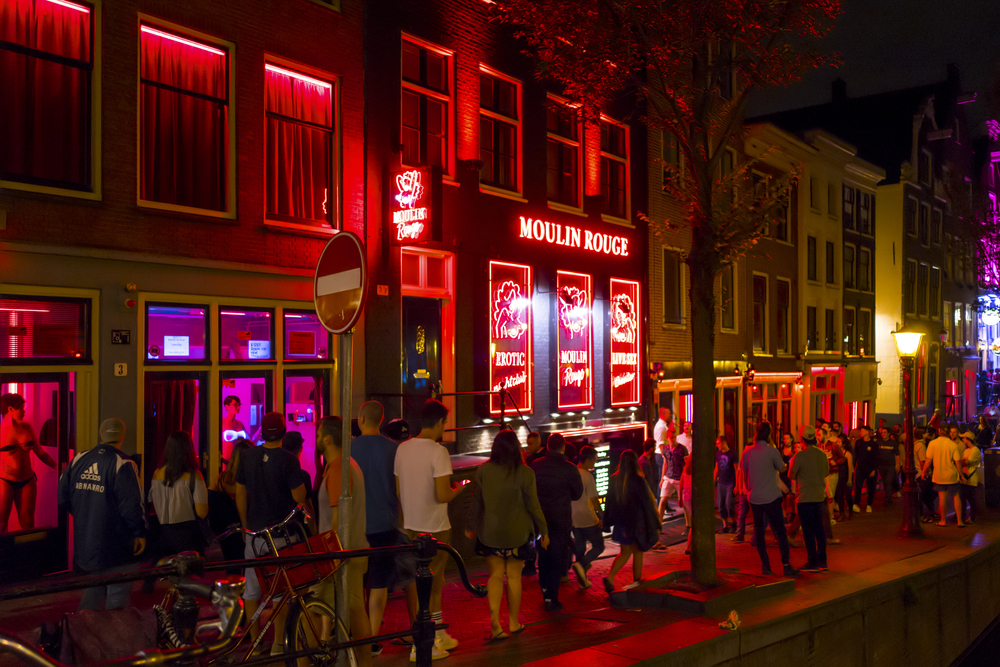
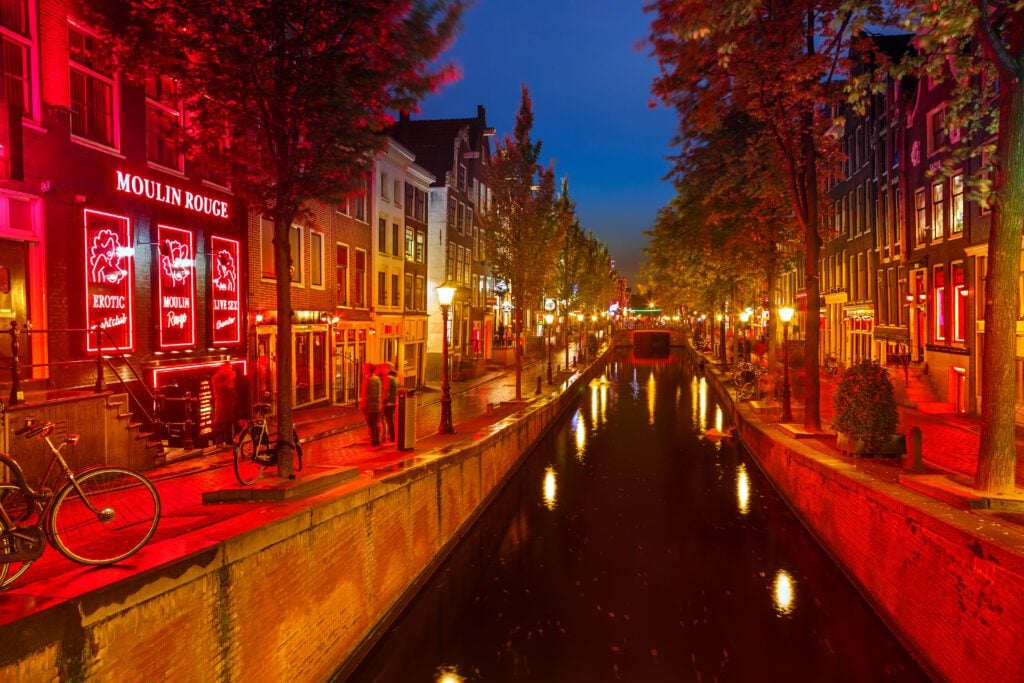
Amsterdam’s Red Light District today is very different to its past. Image: Depositphotos
The sailors would have fun with the ladies, grab some drinks (hydration ✅), and then head straight to the Oude Kerk (Old Church) to ask for forgiveness for their sins. That’s why the church is there, so sailors could act as if nothing had happened.
Apparently, hedonism is as old as organised religion.
So, why is Amsterdam’s Red Light District red?
Entertainment wasn’t the only thing lacking back in the day. Have you ever heard of this little thing called “healthcare“? Well, that was a part of life that didn’t really exist yet.
Naturally, working as a sex worker exposes someone to all kinds of people. Sailors were getting illnesses at sea, and the ladies were, well, exposed in all the wrong places.
You’ll never look at these lights in the same way again. Image: Depositphotos
Alright, we won’t sugarcoat it: the lights are red because they hid the symptoms of STIs like syphilis: skin rashes, oozing sores, and even hair loss. Umm….yikes.
The lights are just bright enough that people could find their bearings, but dim enough to hide anything… unseemly.
Out of sight, out of mind, apparently. (Perhaps a solid time to remind people to wear protection and get tested regularly. It’s better for everyone!)
Misconceptions about the Red Light District
Now that we’ve broken the ice, why not debunk some flimflam while we have you here?
First, there’s not just one Red Light District in Amsterdam. These streets are found not only in the Netherlands but around the world! The main difference is that in the Netherlands, sex work is legal and regulated, which gives the Netherlands this mythologised, touristic appeal.
Secondly, these districts are not only focused on female street prostitution. For example, the big, famous Red Light District in Amsterdam (the one you know about) also has bars, sex museums, and theatres. As you now know, you can even go there for your Sunday Service. 🙏
The third and most important point we want to clarify is that these sex workers deserve the same treatment as any other workers.
The commercialisation of this district created a weird, product-focused view of these women. But sex work is still work.
Why legalise sex work?
Sex workers are employees, and they deserve the respect of any other. The upside of legalising sex work is that it offers at least a little more protection for sex workers.
For example, regular inspections are carried out, and healthcare and social service organisations help sex workers who need it, says the Municipality of Amsterdam.
It also means that if anything goes wrong during their work, sex workers can report this to the police without worrying about being punished themselves.
Generally, the municipality acknowledges any legal work, so sex workers get benefits and assistance like any other legal business.
Clearly, this is a service that people have always pursued. Luckily, we have STI tests now! 🩺
Did you know this is why the lights are red? Do you have any more interesting facts about the Red Light District? Tell us in the comments below!
We all know by now that the Netherlands has more bikesthan people. But what we definitely don’t want to know is the number of mice sharing the land of tulipswith us.
If you have ever lived in the Netherlands, you probably noticed that the number of mice per apartment is way higher than in most other countries.
Why is it such a problem?
First of all, it depends on how you look at it. There are quite a few people in the Netherlands who are way too used to the fact that we share our little gezellige homes with mice.
They think of mice as an inevitable part of Dutch households, sometimes even considered as family members. For them, they are just tiny furry friends with a nickname and complex identities — not a problem.
However, there’s also another group of people (me!) who are less comfortable with the appearance of these furry friends. Many of us come from countries where it’s not common to share our bedroom with a mouse, and we are not ready to give that up.
Felt sorry for my daughter waiting on delayed flight from @Schiphol to Dublin last night. 👀 She was braver than me, lots of mice everywhere, I’d be found standing on a seat! pic.twitter.com/eR4F2SXR73
Screaming people at home, in restaurants, airports and basically anywhere in the country often ask the question: why are mice obsessed with the Netherlands? And that’s a very valid question.
Why are there more mice in the Netherlands than in other countries?
That’s a tricky one. You would think that the number of mice parallels the number of garbage trucks, but the answer is not that easy.
The Netherlands is definitely on the tidy side when it comes to public spaces. While it is not the cleanest country in Europe, in 2025, it was ranked as the 12th cleanest country in the world, just after Greece.
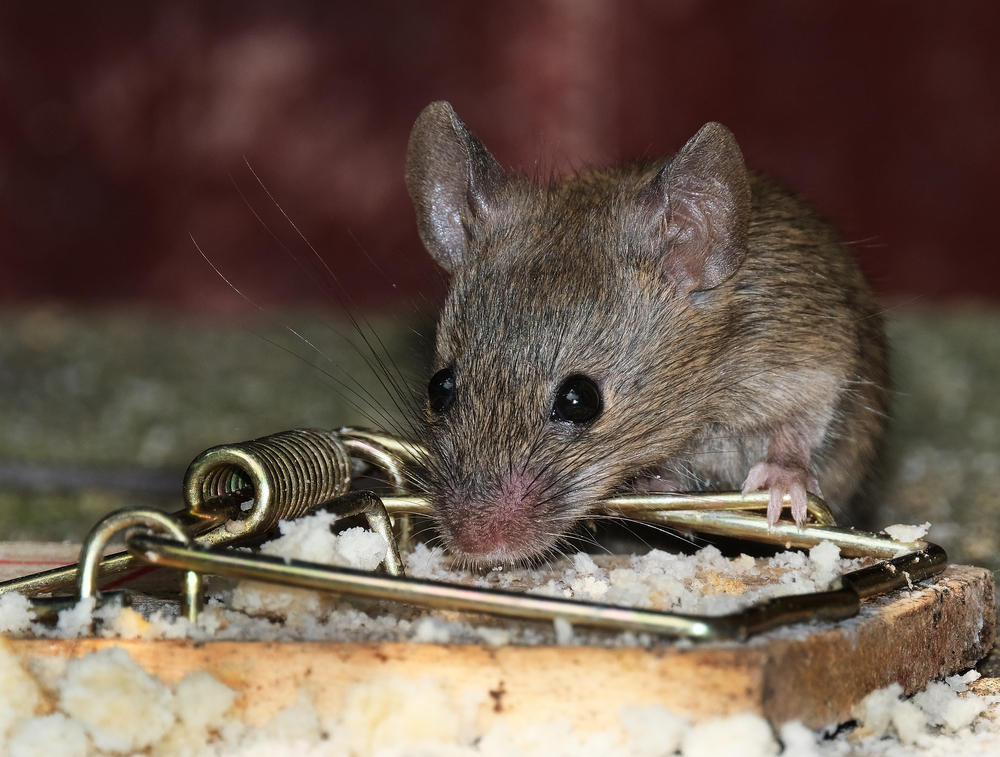
Everyone loves Dutch cheese, especially mice! Image: Depositphotos
However, humans are not the only creatures on planet Earth who love the historic Dutch canals and architecture.
In fact, old Dutch houses, with their many holes and cracks, offer the mice a place to stay warm and cosy, while those gorgeous non-salty canals are the perfect refreshment for a thirsty lil’ mouse.
And, of course, where there are people, there is food — and where there is food, there will be mice. Overall, Dutch cities are an ideal environment for mice. 🐁
What’s their relationship with the Dutchies?
As mentioned above, some locals are pretty chill about having visitors in their kitchen. Those who are less comfortable sharing their house with mice try several methods to kick them out of their homes.
A strange custom in the Netherlands is that the Dutch find it perfectly normal to borrow their neighbour’s cats if a mouse shows up.
This is one of the reasons why so many Dutch households have cats — they are handy players in the circle of life and are famous for getting the job done.
So, enough is enough; it’s time to just rid your house of them, right? Ambitious thinking! Let’s see what you can do to prevent or get rid of your creepy little intruder!
Buy some poison — while you still can
Many people can quickly turn into heartless serial killers when it comes to dealing with mice. The tool can be poison, a trap or your bare hands; only the result matters. 🪤
For those who are on the poison side when it comes to killing mice, we have bad news: In the Netherlands, it’s illegal to kill mice using poison.
Yup, in 2023, the Dutch Board for the Authorisation of Plant Protection Products and Biocides (CTGB) deemed that mouse poison is too harmful to birds of prey and therefore, must be banned.
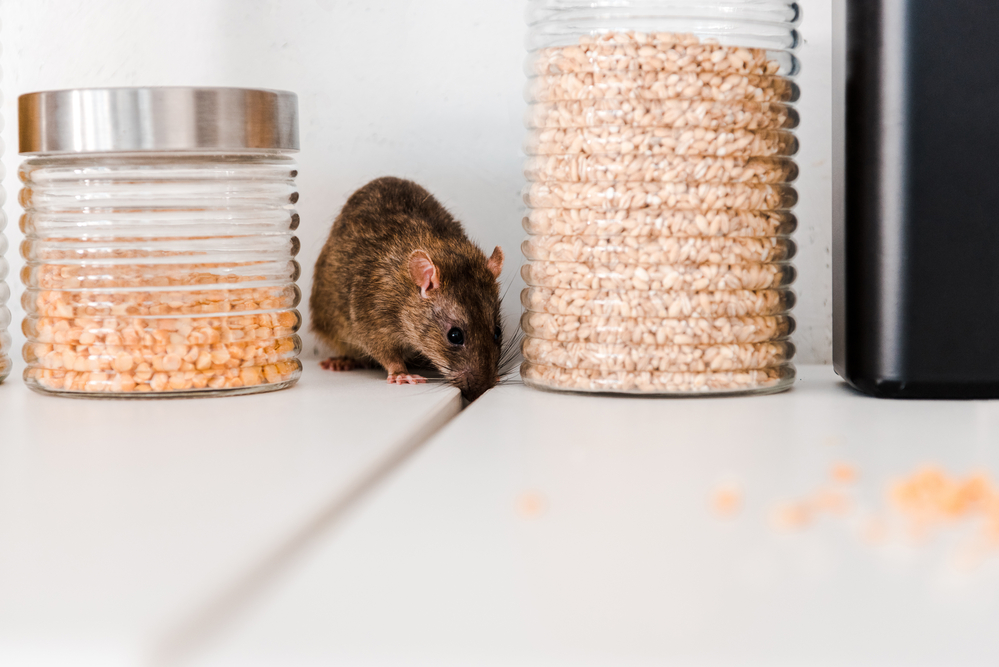
Eet smakelijk! Mice are smarter than we think. Image: Depositphotos
Alternative methods
The web is full of life hacks on how to build the perfect animal-friendly traps and what to use to make them disgusted by us. (The same way as we are by them. 👀)
Here are a few things that can help make your home less charming for mice:
peppermint essential oil
clove essential oil
moth balls
ammonia
soap detergent and tabasco sauce
Get the big guns in — call an exterminator
If you’ve done all you can and you’re still hearing those little peeps and squeaks, it’s time to turn to the professionals.
Several companies in the Netherlands organise well-planned mouse murders, so you don’t have to get your hands dirty.
They claim that they will help to get rid of the mice, and you won’t get any diseases they can spread. If that sounds like your kind of method, here’s a list of Dutch rodent control companies:
Older houses often have holes in their walls. Mice think of them as tunnels for their import-export business trips. (Well, mainly export.) It can be a good solution to find these holes, plan a raid, and shut down the shop.
For mice, the plaster and the foam in the wall are considered a starter before the big feast. Make sure that you close the walls with a material that they can’t eat, such as steel wool.
If you want long-term help, you can also try to adopt a cat and create a Tom and Jerry situation in your home. Most cats will happily help you out, and they will do the dirty part of the job. At the end of the day, you will only need to clean up the remaining lumps and guts…
One final preventative technique is to keep your food in closed, airtight boxes, so they’ll have one less reason to choose our home as their place of business, leisure, and foodly pleasures.
How to get used to mice in the Netherlands
Let’s face it. Ultimately, we can pack our whole kitchen into airtight boxes, close all the holes in the walls, commit murder in multiple ways, and adopt all the cats in the neighbourhood.
But at the end of the day, sometimes you’re going to have a mouse in the house. It’s about as inevitable as having your bike stolen. Some of us simply won’t ever be comfortable with that pitter-patter sound across your floorboards — and that’s ok.
However, you can get used to expecting them. And you can get used to adopting the above mouse-prevention habits.
named it Logan & thankfully my friend said it looked too small to be a rat but yeah I am NOT killing ANY rodent, I think they’re so cute, especially mice look at this mouse I saw in Amsterdam 🥺 pic.twitter.com/wjkmiq28Mk
Motherhood in the Netherlands can be quite different from what you might anticipate. Here are some things you can expect if you’re an international parent in the Netherlands.
I always knew that I wanted to be a mother, and at the age of 32, I was blessed with my son, Louie.
Motherhood has certainly been a wild ride! Especially since I am raising my child in a country that I didn’t grow up in myself (I’m from Australia). However, since becoming a mummy, I can say that I am very happy to be raising my child in the Netherlands! 🇳🇱
With the help of some other international mothers living in the Netherlands and my own personal experience, I have put together a list of nine things to expect as an expat mother in the Netherlands.
1. Post-Maternity Care (Kraamzorg) in the Netherlands
What is this? It’s something international mothers who have given birth in the Netherlands are completely amazed by and grateful for.
It’s an incredible service that shows the Netherlands is forward-thinking when supporting new parents.
After birth, a nurse comes to your house and offers you all the help and support you need (for up to seven days).
As a first-time mother, I had no idea what I was doing, so having all the help I needed around the house was brilliant.
I delivered my son through a C-section, so after my first major operation, I appreciated this help even more. My husband and I could enjoy the first days with our baby boy without worries, feeling nothing but kindness, support, and love. 💖
2. A strong sense of Dutch community
Many other international mothers I have spoken to said this was a big reason they were happy to be mothers in the Netherlands.
Having friends or neighbours who step in helps ease the load on new mothers. Image: Depositphotos
In the Netherlands, it’s not a problem to let your children ride their bikes in the neighbourhood as it feels safe, and it’s even common to see school-age children walk home from school alone.
There is a big feeling of support from neighbours, which is important to me. My neighbourhood has a number of swings and many other things I can do with my son, which makes me glad I live here.
I may not be in my home country, but I know my son is surrounded by a good, strong, and safe community. 🧡
3. Boven woning and my big pram
This is my silly rant, but it has proven to be a challenge for me many times!
I live boven woning (living above ground floor), and when I open my front door, I am confronted with steep stairs.
I would say these stairs are “typical” Dutch steps; you’ll come across them all the time in the Netherlands.
But look how pretty it is! Image: Vanessa Hope van Engelen/Supplied
When I became pregnant, I read that choosing your pram is an important part of having a baby. Therefore, I decided to buy a pram that was beautiful, but quite large, so practical!
Trying to get my huge pram up and down these stairs while keeping my baby entertained has been quite challenging (yes, this is completely my fault! 😅 ).
4. Discovering local speeltuins (playgrounds)
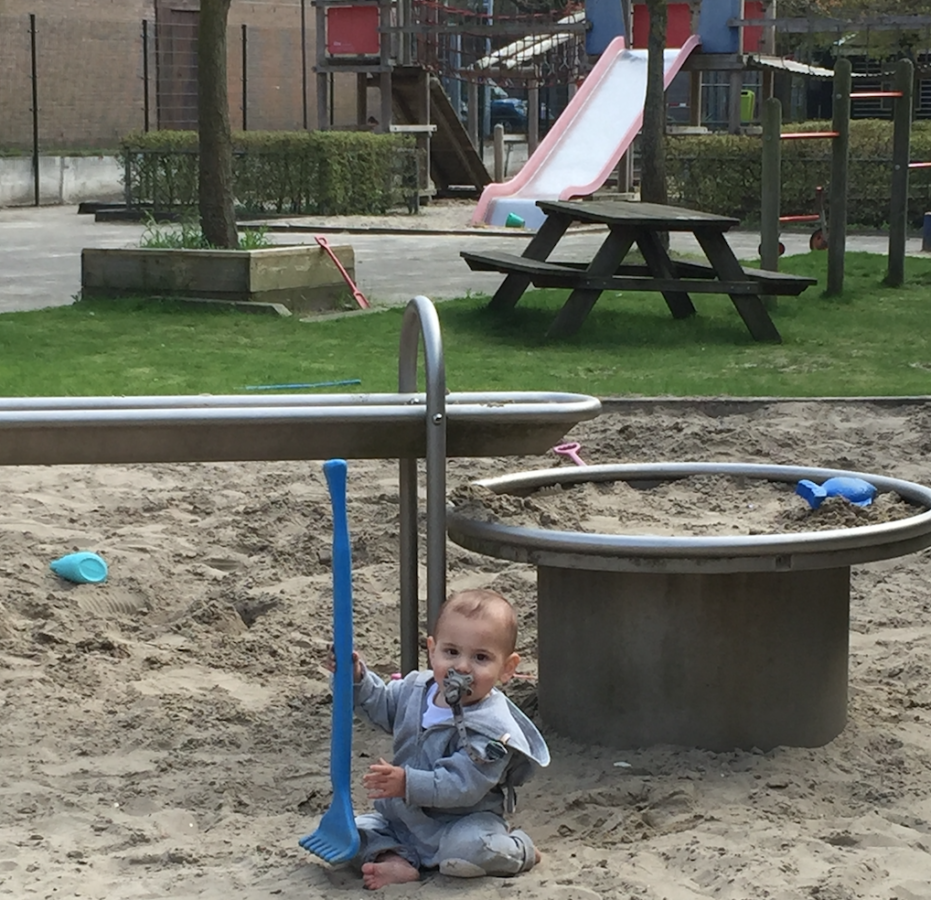
I didn’t even know speeltuins (playgrounds) existed in my neighbourhood before I had a baby. They are often hidden but amazing — now I regularly have playdates with other mums.
Walking through the small entryways dotted around can lead you to discover an amazing playground for kids (I’m lucky enough to have three speeltuins near my house, so check your area too)
Better than a beach day, am I right? Image: Vanessa Hope van Engelen/Supplied
On warm days, you may even find one with “water fun” (a shallow pool with a water sprinkler).
Or what about finding ones with cute animals? Or even veggie gardens? There’s lots to choose from! 🐖
5. The Netherlands is baby-friendly
I truly feel like I can bring my baby wherever I go! That means most cafés, bars, and restaurants have no problem if you bring your baby along.
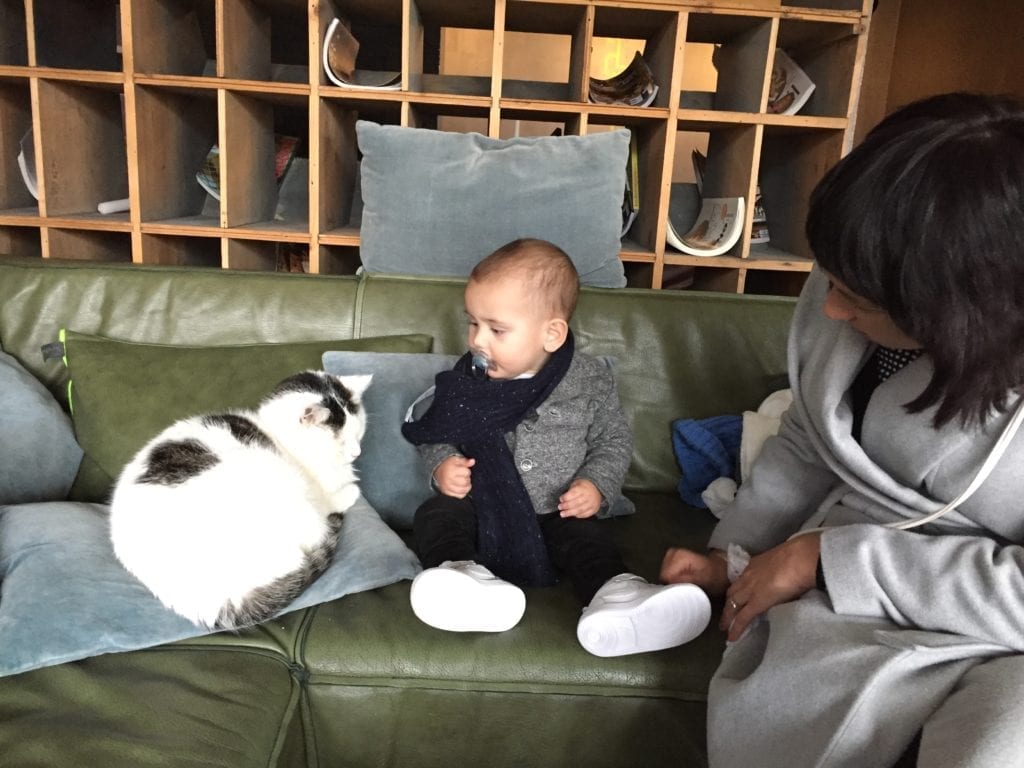
If you look around some terraces, you may notice the surrounding parade of prams, with so many babies (and sometimes furry friends) to adore.
The mysterious workings of this purring cushion. Image: Vanessa Hope van Engelen/Supplied
I recently even attended a child-friendly festival, which was fantastic! Just because you have a baby, you shouldn’t feel like you have to stay at home.
6. Bilingualism
One of the questions I am asked frequently since having a baby in the Netherlands is: What language do we speak at home?
Great question! As an Australian with a Dutch husband, I speak English to my son, and my husband speaks Dutch. My son also attends bilingual daycare.
Even though the Dutch start learning English at a young age, I wanted my son to start learning Dutch and English from birth. 🇳🇱🇬🇧
Louie is registered in a bilingual school, which he will start at age four. I love that my son has the advantage of learning both our (mother tongue) languages so early in life.
7. Upgrading your bike
Pre-baby, I owned a classic granny bike (oma fiets). My situation means I don’t need a car. And even now, as a mother, my bikes (together with public transport) take us everywhere we need to go.
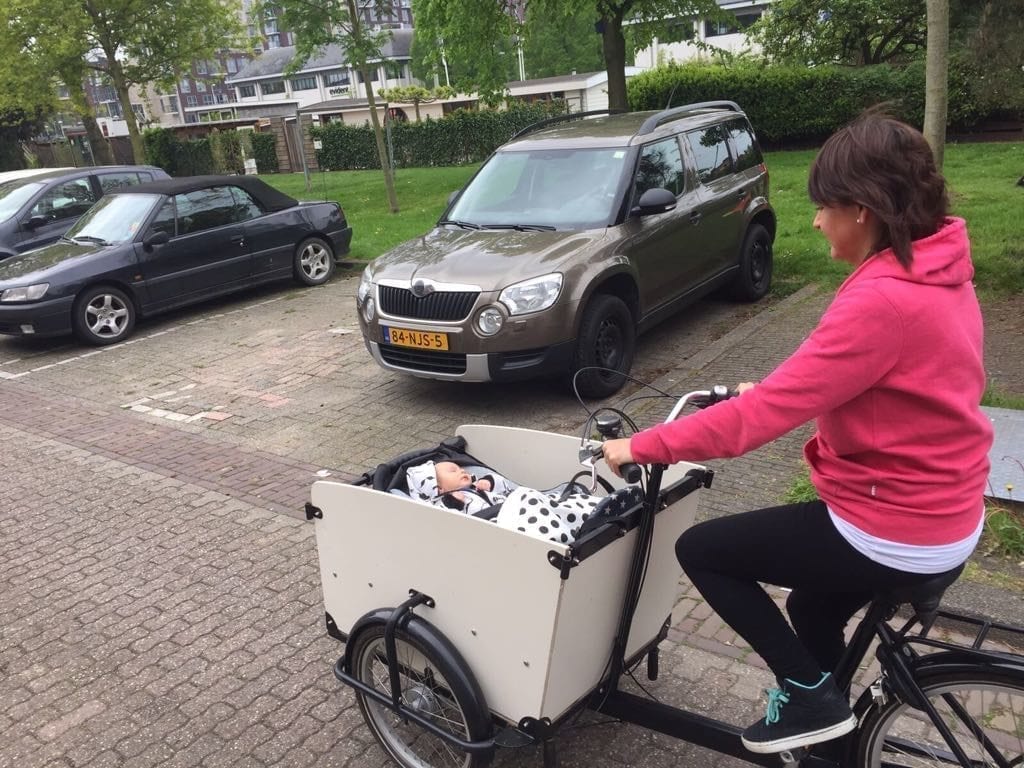
When my son was eight months old, I purchased a mummy bike (mama fiets), equipped with a baby seat at the front.
Who needs leg day at the gym? Image: Vanessa Hope van Engelen/Supplied
My son absolutely loves it; there’s nothing better than biking with him in the fresh air and hearing him chuckle.
After admiring strong Dutch mothers and their stylish bakfiets (cargo bikes) for so long, I finally got one of my own and am finessing the skill it takes to ride.
8. Flexibility with working in the Netherlands
I am fortunate enough to work part-time, two days per week, and my husband works one day a week from home, a work-life balance widely accepted in the Netherlands.
The Dutch also have “papa dag” (daddy day), a fixed weekday off when fathers can look after and spend precious time with their children.
This helps give flexibility and options for both parents when it comes to work and their child.
With more work flexibility, parents have more time to spend with their kids. Image: Unsplash
Also useful are the government’s daycare subsidies. If you want to work, you can afford to send your child to daycare without breaking the bank.
Of course, all family situations are different, and some may argue they don’t have this flexibility.
However, the Netherlands has many more options compared to other countries.
9. Missing my Mum
By far the most challenging thing for me, being a mum in the Netherlands, is missing my own mum. Of course, technology is amazing and allows us to maintain great content, but her help and support are still from afar.
Those moments when I need her the most are challenging, especially being a new mum.
So, there are some advantages and challenges I have experienced since becoming a mother in the Netherlands. Overall, I love being a mummy, and I am glad I get to do it in the Netherlands.
If you are thinking about having children in Holland and you aren’t Dutch, keep calm. It’s a great place to experience motherhood! 🤰
Are there any other positives or negatives to being a parent in the Netherlands? Let us know in the comments! And don’t forget to join our Facebook group!
While most Dutch student bank accounts have no monthly subscription fees, there may be some extra costs and conditions to consider.
So here’s what to expect from a student bank account in the Netherlands, the eligibility criteria for one, and what extras or hidden costs might come with it.
Many Dutch student accounts have no monthly fees
Good news: if you study in the Netherlands, you can likely strike monthly banking fees off your long list of expenses.
This is because most major Dutch banks charge zero monthly fees for their student accounts — helping you avoid the costs that come with standard current accounts.
Student accounts are designed to help students manage their money effectively, without breaking the bank in the process. However, this also means that your access to some premium banking features may be limited.
With a lot of Dutch banks offering student accounts, it can be hard to choose the best. Thankfully, ING makes that decision easy with its Student Account — offering you a quick and easy sign-up process, a plethora of financial tools, and an English-friendly mobile app.
Here’s what you’ll get with a Dutch student bank account
Typically, most student bank accounts in the Netherlands come as part of a banking package.
Student bank accounts in the Netherlands offer many perks for quick and stress-free transactions. Image: Freepik
This package often includes:
a Dutch IBAN,
a debit card,
a savings account,
access to a free mobile banking app, and
options to activate extra features (such as an investment account, credit card, or even insurance).
Some student packages will offer products like credit cards or insurance at much cheaper rates than if you opted for a regular bank account.
However, be sure to keep your eye on the terms and conditions of your account, because some features may incur monthly fees (or be unavailable) once you’re no longer eligible for a student account.
The small print: extra banking costs and conditions to know
While a lot of Dutch banks offer “free” student accounts, there are still some hidden costs and important considerations to be aware of.
Most importantly, you’ll need to be enrolled at a Dutch university, college, or MBO school to qualify for a student account. Depending on your bank, they may ask for yearly proof of enrolment, so be prepared to post or email these documents.
In addition to this, many Dutch banks have age limits for their student accounts. These can vary from bank to bank, so be sure to read the fine print when registering for your account.
Be sure to check the small print, because student bank accounts often come with extra requirements. Image: Freepik
Well, what if you’ve already opened a student account and you’ve just passed the age limit? In many cases, your Dutch bank may automatically convert your student account to a regular current account and start charging you monthly fees.
But these aren’t the only fees to look out for.
Although a standard debit card and savings account might be free additions to your student banking package, you may be required to pay for extras like a credit card or an investment account.
Have you ever used a student bank account in the Netherlands? Share your experiences in the comments below!
Meeting your partner’s parents can be nerve-racking at the best of times. However, meeting them in a foreign country where you don’t know the language and local customs is a whole other ballgame.
As an international, you might feel nervous about meeting your significant other’s Dutch parents. What will you say to them? Will you be able to communicate? Will they like you?
If you’re feeling a little lost and unsure, we’ve been there, so we gathered some tips to help you prepare!
The practicalities of meeting your Dutch partner’s parents
Introductions can be a bit overwhelming, especially when it concerns the (potential) love of your life. Here are the main things we think you should be prepared for:
How to nail the Dutch greeting
First things first, the greeting. If your partner’s parents lurch forward and try to plant a kiss on your cheek upon arrival, never fear — this is a normal part of Dutch culture.
In the Netherlands, people typically greet each other with three kisses on the cheek (left-right-left). If you don’t get a kiss, you can expect a firm handshake.
Should you bring a gift?
A gesture is appreciated but isn’t mandatory. If you’d like to bring something, flowers, chocolates, or biscuits are always a good bet.
While no gift is expected, mastering a few basic phrases in Dutch scores you some major brownie points! Image: Freepik
If you’re holding the meet-up at your own home, make sure to provide everything — unlike in some cultures, it’s not customary to bring a dish, dessert, or wine to lunch or dinner at someone’s house.
That’s not to say it never happens, but play it safe and don’t assume.
What should you call your Dutch partner’s parents?
In most cases, Dutch people are quite casual. Therefore, you can expect to be addressing them by their first names pretty quickly.
Married or not, the Dutch regularly refer to their partner’s parents as their “in-laws” — weird, right? So your mother-in-law is your schoonmoeder, and your father-in-law is schoonvader.
To make things weirder, the Dutch translations are literally “clean-mother” (schoonmoeder) and “clean-father” (schoonvader).
What will you talk about with your Dutch parents-in-law?
You can be sure that your partner’s parents will be curious about their child’s international partner.
Dutch people are known for being pretty open-minded and tolerant, so if you’re concerned about your cultural background, it’s probably not necessary.
The Dutch are known for being quite open-minded. Image: Depositphotos
When you sit down for your meal or refreshments, prepare to be bombarded with questions: Where are you from? How long have you been in the Netherlands? What brought you here? What do your parents do? Have you learnt any Dutch yet?
At first, the conversation might be a bit laboured. But as you each become more comfortable with each other, you’ll find common ground and be chatting away in no time.
As an international, being able to communicate effectively with your partner’s parents and family is a great incentive and reward for learning Dutch.
Speaking the language will also help you to feel more comfortable and integrated into the family, especially if you’re in it for the long term.
At the very least, you’ll all have something to laugh about when the family inevitably asks you to demonstrate what you’ve learnt so far at the dinner table.
There’s also a strong chance that your partner’s mom will offer you her kid’s old storybooks to help you practice your Dutch — Jip en Janneke here we come!
What to expect when meeting your new Dutch in-laws 🔮
The Dutch are very family-oriented. If you’re in a relationship with a Dutchie, you’re likely to spend quite a lot of time with their parents, and will probably be obliged to attend many family events — so you’d better get comfortable.
Truth be told, meeting your Dutchie’s parents may not all be smooth sailing.
We’ve heard some horror stories of people struggling with cultural differences, awkward small talk, and being forced to eat food that they’re not comfortable with — likeboterhammenfor breakfast, lunch, and dinner.
When you’re with a Dutchie, you can expect to be invited to many family gatherings! Image: Freepik
Nevertheless, we hear far more stories of great kindness and hospitality.
Besides, in all likelihood, you’ll get to see cute and/or embarrassing child and baby photos of your partner — and who doesn’t love that?
Overall, it’s good for both you and your partner’s parents to get to know each other and learn about your different cultures.
Some of the horror stories you hear about the Dutch healthcare system could hospitalise you. However, my one-week whirlwind from being unregistered to sitting in emergency care completely changed my outlook.
In a very short space of time, my experience made me question (almost) everything I’d heard about the Dutch huisarts, hospitals and the hugely reluctant attitude towards antibiotics in the Netherlands.
Dutch doctors, I owe you an apology
My first nine months as an international student living in Utrecht were going happily and healthily, boosted by biking and fresh air.
The stories I’d heard about healthcare here were troubling but hard to believe, so mostly, the warnings went in one ear and out the other.
Then, during a bleak week in February, something made its way into my ears for real. Unfortunately, it was a nasty infection. 🙃
I was “all ears” when it came to the doctor’s advice. Image: Depositphotos
You don’t need the details, but while I lost hearing, sleep and appetite, I gained great respect for the Dutch healthcare system.
So, here’s my entirely personal, gratitude-driven, myth-busting experience of Dutch healthcare, minus the gross stuff.
Warnings I heard vs my experience with Dutch healthcare
OK, some things are closer to the truth than you’d hope. But since the diagnosis for the system seemed terminally bad, I was actually pleasantly surprised by my own experience.
“You’ll never get prescribed antibiotics”
It’s well known that asking for antibiotics in the Netherlands is like asking the Dutch clouds to hold off on the rain for a few days. The chances are slim.
However, it’s true that you only get them if you really need them (i.e. you have a fever that lasts a few days, a bacterial infection, and symptoms that won’t go away on their own).
In my experience, I received an antibiotic prescription during my second appointment at the huisarts when my ear infection had worsened.
❌ Accuracy check: Not true!
“Prepare for paracetamol and a pat on the back!”
Don’t ask, and you shall receive. Ask, and you shall receive extra. 💊
Paracetamol is popular in Dutch medical units, and they’re quick to pass it over. One pharmacist handed me some after I simply nodded in response to the question, “Are you still in pain?”
The little box of 20 blister-packed pills was whipped out without hesitation, for a small fee.
✅ Accuracy check: Pretty much (minus the patting).
“You’re just a number in the system as an expat”
As an international, you might expect to be treated differently when interacting with healthcare workers outside of your home country.
I was told Dutchies resent dealing with the foreign afflictions of terrible cycling and overeating.
But, ear infection aside, if being English was my main affliction, then the staff must have been immune — or just looking on the “Brit” side. 😉
Everyone I encountered was extremely friendly and professional. They asked questions about my student experience, showing interest in what I thought about life here.
In my experience with Dutch doctors, I didn’t feel like a number or a time slot.
❌ Accuracy check: Not at all. 🤷♀️
“You’re not registered? Good luck”
OK, confession time. I didn’t register with a huisarts when I first moved to Utrecht last year. 😬
There is absolutely no excuse for this rookie error — so, without further ado, here’s my excuse.
I arrived after a long visa battle, so I think I developed a temporary allergy to paperwork. A good dose of common sense would’ve cured this allergic reaction.
BY NO MEANS do I condone such foolishness, but I do have to say that my local practitioner was very receptive (and kind!) to my situation.
I called them to ask for a registration form and sheepishly explained that I would need medical attention sooner than the two weeks it normally takes to process. 😳
They explained that it would not be possible, apologised, and said they’d be in touch soon. The rumours were true — or so I thought.
To my surprise, I received a call the following morning to let me know my details had been processed, and I could now arrange an appointment.
✅ Accuracy check: Should be true, I just got lucky. 👀
“They don’t care about your mental health”
There’s a slight pattern emerging in dispelling these myths about Dutch healthcare; it’s like they stand true until you speak to someone.
This was especially the case when it came to taking care of my mental well-being in the Netherlands. But I’m aware that’s not the case for everyone. 👇
I don’t know the whole story but I do know for a fact that mental health care in the Netherlands in the recent years is all about saving money. They try to get rid of patients as soon as possible, whether they are doing better or not.
— The Blunt Psychologist (@blunt_the94119) April 22, 2024
Despite not being the primary concern, your mind always takes a knock when you’re ill.
On one particularly rough, sleep-deprived, anxious night, I called the out-of-hours emergency care team at 4 AM.
Intended to assess the need for an ambulance, they soon realised my condition hadn’t exactly worsened — I just wasn’t coping well with the fact it hadn’t improved either.
But they didn’t hang up. The voice at the end of the line kept me company until I felt calmer.
That’s what I found so personable about my healthcare experience: everyone treated me with the care that I was someone who was suffering rather than someone taking up their time.
❌ Accuracy check: Completely the opposite.
“It’s too expensive for a Brit to be sick here”
Ahh, post-Brexit life without an EHIC.
It’s like an ex keeping a favourite T-shirt. You miss it, and you’ll never get it back. You try to adapt to life without it, but some outfits just never fit the same.
I have Dutch insurance, but it just wasn’t recognised for upfront coverage anywhere.
TIP: If you’re an international, non-EU student, check the full coverage details of your insurance and the information you need to have on hand when providing insurance information to medical staff.
The pharmacist was shocked that I had to pay myself and later submit a claim. Then they actually apologised for the cost of the prescription, which is higher overnight.
It’s been two months and I’m still waiting for €380 in reimbursements.
✅ Accuracy check: Yup… 😅
“You’re bottom of the list, you’ll be waiting a while”
I called the GP, arranged an appointment, attended said appointment, and got diagnosed in the space of one morning.
This might be down to what had become a pretty desperate situation and the earful (😉) of sniffly panic that I was giving to any professional who would listen.
It’s a completely different experience from the insane queues back home in the UK, where you have to wait weeks to be seen by the overworked, underpaid NHS services.
❌ Accuracy check: False (crazily so).
In my experience, if you test the Dutch healthcare system, the results seem to be all clear — at least, that’s how I feel!
But with all our laughs about how direct and stingy the Dutch can be, it’s important to recognise the care and support in my experience and give some credit to the hardworking folks in healthcare.
Is your experience with the Dutch healthcare system more positive or negative? Let us know your thoughts in the comments below.