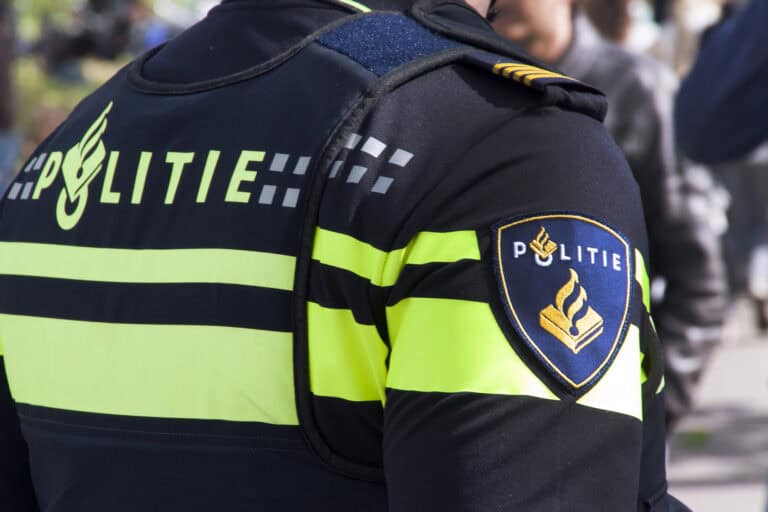
Police in Rotterdam are urgently searching for a man who has attacked multiple women and girls in the IJsselmonde district over the past two months.
Authorities believe the same suspect is responsible for at least ten incidents, ranging from harassment to sexual assault.
A series of attacks
The string of incidents took place between July 7 and September 3, with RTL Nieuws reporting that at least five victims were physically assaulted.
The victims, aged between 11 and 24, include three minors.
The most recent incident involves a 19-year-old woman who was pushed off her bicycle and assaulted. Thankfully, the woman managed to escape and alert the police.
Who is the suspect?
The man is described as being in his 20s, with a slightly tanned or light complexion. Witnesses say he rides a dark scooter, wears a dark helmet without a visor, and has a noticeable gap in his teeth.
Descriptions have varied slightly between incidents, but police believe it concerns the same individual.
Rotterdam police are canvassing the neighbourhood, reviewing CCTV footage, and appealing for public help. In particular, they’re requesting that residents with doorbell cameras or other recordings from the area share their footage.
If you have any information on the man (or men) involved, please contact the authorities:
Police Tip Line: 0800 – 6070 (free)
Report Crime Anonymously: 0800 – 7000 (free)
National Intelligence Team: 088 – 661 77 34 (local rate)
Have you seen him? You can call the tip line or report anonymously. You can also use this tip form.
Several accounts on Twitter/X, Instagram, and TikTok have reported that the Netherlands has now banned the anti-fascist movement, Antifa. Is this true? Let’s dive in!
Following Donald Trump’s executive order designating Antifa a “domestic terrorist organisation” in the US, many Twitter/X accounts were swift to claim that the Netherlands is following suit.
The Dutch parliament has adopted a motion
On September 18, a motion to designate Antifa as a “terrorist organisation” in the Netherlands was formally adopted.
The motion, which was submitted by FVD’s Lidewij de Vos, Geert Wilders, and the BBB’s Caroline van der Plas, accuses Antifa of “threatening politicians, disrupting meetings, intimidating students and journalists, and not shying away from using violence”.
However, a motion is just the tip of the iceberg, as it is not a legally binding document on its own. The cabinet will still have to review all adopted motions and decide if they should be implemented.
Whether it will be implemented is yet to be seen
In a press conference the following day, Prime Minister Schoof explained that in his opinion, such a decision is “more up to the court than the cabinet.”
However, when discussing whether the motion will now be passed, he kept his answer vague, saying “in principle, you follow the motion of the House, but we are still considering it.”
He stated that further discussions on the state of Antifa in the Netherlands will likely take place this Friday (September 26), at the Council of Ministers.
So, while the Netherlands hasn’t officially banned Antifa yet, the movement’s status might change as early as this Friday.
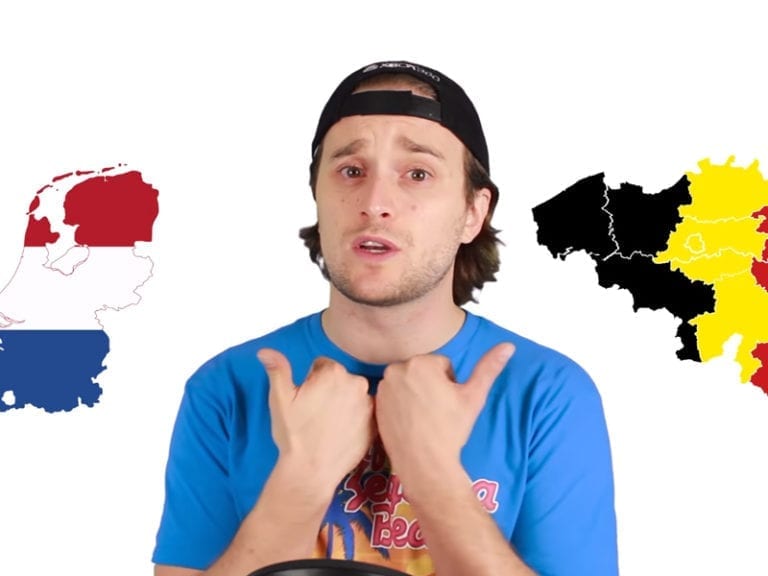
Have you ever wondered what would happen if the Netherlands and Belgium joined forces and became one super country? Well, this video has all the answers!
Thanks to the YouTube channel FTD facts, we have the answer to a question that has crossed many people’s minds: what if the Netherlands and Belgium became one country?
Well, the answer this video gives to this hypothetical is not only very interesting but also extensive.
From the economy to culture, as well as military and so much more, here is what would happen if the Netherlands and Belgium became a single country one day:
What is your opinion about a hypothetical world where Belgium joined the Netherlands? Tell us what you think in the comments below!
If you consider yourself a spontaneous, adventurous person, then maybe the Netherlands isn’t the place for you.
Dutchies don’t like surprises — in fact, they LOVE to plan.
Call the Dutch old-fashioned or technophobic, but you can pry their agendas out of their cold, dead hands. 😵💫
What is it?
Whether you’re inviting someone to a wedding or just want to grab an afternoon coffee, Dutch people will whip out their agendas to schedule in the precious five minutes or five hours you intend to keep them busy. ⌚️
Dutchies will plan absolutely everything in their agendas. Image: Depositphotos
They will bring out the agenda for EVERYTHING. As expected, these agendas are used to schedule holiday dates and birthdays (well, they actually have an equally weird tradition for this) — but they’ll also use it for the smallest things.
Football training? In the agenda. Need to go out a pick up a cake from HEMA? In the agenda. Walk the dog and do groceries? In the agenda! ✍🏼
Why do they do it?
While you can call Dutch people stingy with money, you could also call them stingy when it comes to time, too.
That is to say, they take their personal and leisure time very seriously. 🧐
They won’t be late to dinner with their friends because they value and respect each other’s commitments and boundaries. And they expect other people to do the same for them.
Why is it quirky?
For many people,the act of making plans doesn’t usually involve a pause to whip out an agenda and see if they can schedule you in.
You might find it uptight, but it’s actually quite a compassionate way to think of making plans, especially in contrast with typical Dutch directness.
Rest assured, if you make plans with a Dutchie, they’ll turn up on time and you’ll have their undivided attention for the allocated time you spend together.
Should you join in?
Absolutely! One thing we can learn from Dutchies is their mindset for organisation and planning — with an agenda, you’ll rarely miss an appointment or be late for a social function again! Lekker, hé? 😉
Be warned, however! Dutch agenda culture is not for those who want to use their highlighters, washi tape, and expect to have beautiful handwriting with calligraphy brushes. Just because they’re organised doesn’t mean they’re neat. 😬
What do you think of this Dutch quirk? Have you experienced it? Tell us in the comments below!
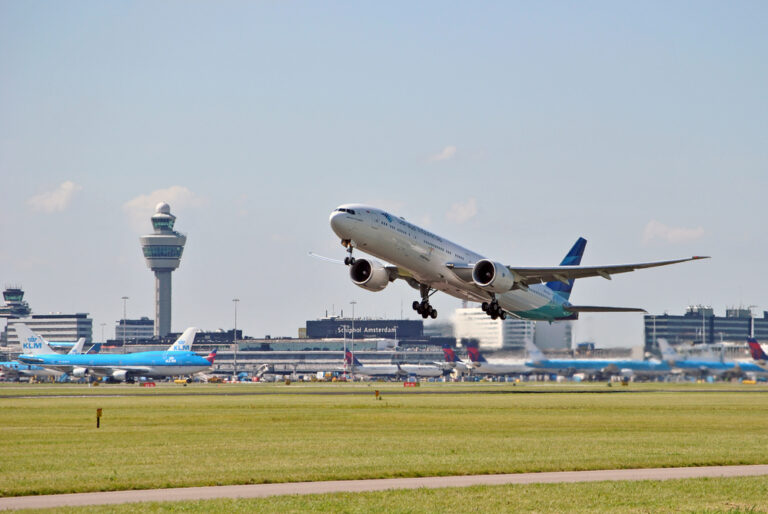
Why pay €29 in taxes to fly from Amsterdam when you can hop across the border, grab a bratwurst and save some money?
That is the question more and more Dutch travellers seem to be asking, and the answer is increasingly “Auf Wiedersehen, Schiphol.”
According to AD, in 2024 alone, a record-breaking 2.3 million Dutch travellers packed their suitcases and headed to Germany’s border airports, mostly Düsseldorf and Weeze.
That’s not a gentle flow; it’s a full-on flood
Düsseldorf welcomed 1.5 million Dutchies last year, 25% more than the year before.
Weeze, meanwhile, is practically a Dutch colony at this point: 40% of its passengers are from the Netherlands.
Why the mass migration eastward? Flying from Germany is cheaper.
For example, compared to a €29 air passenger tax on intra-European flights, Germany keeps it to a modest €15.
And Dutch airports are only getting more expensive
German airports become even more appealing when you consider that, starting in 2027, Dutch flight taxes are set to climb even higher: €47 for medium-haul flights and €71 for long-haul.
And not even KLM’s legendary sandwich can sweeten the deal this time.
Speaking with AD, director Frank Radstake of the Dutch Association of Airline Travel Agencies (ANVR) warns that the Netherlands is “pricing itself out of the market.”
Translation: if you want Dutch travellers to stay in the Netherlands, maybe don’t make flying from here feel like buying champagne on a beer budget.
A trend that will continue
Government research predicts 45,000 Dutch travellers will ditch home airports for foreign ones in 2030.
A spokesperson for Düsseldorf Airport tells AD, “We expect growth to continue. We estimate that the number of Dutch passengers could increase to two million in the coming years.”
So, picture it: Dutch holidaymakers will keep filling up their cars, blasting André Hazes on the radio, and happily driving an extra hour to Germany.
Because what’s a bit of Autobahn traffic compared to saving at least €14 per person (and maybe enjoying better airport coffee while you’re at it)?
Are you loyal to Schiphol, or will you be rolling your suitcase across the border next time? Drop your travel hacks in the comments.
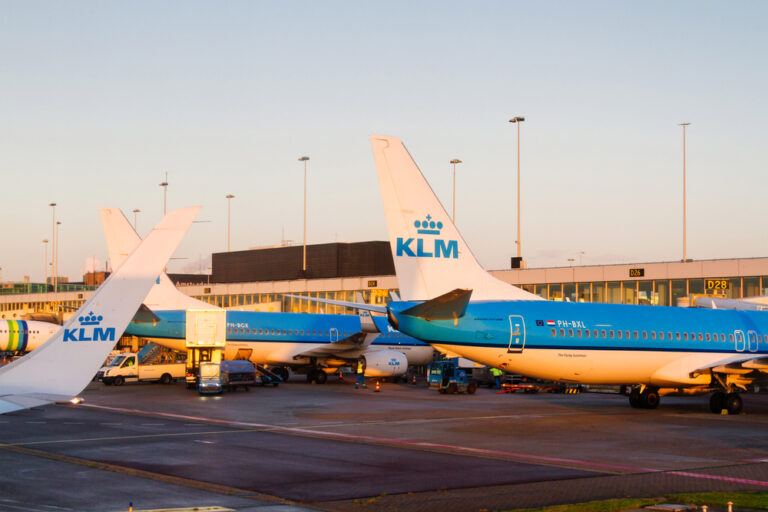
If you’re currently packing your bag for a flight tomorrow, you might want to stop what you’re doing. KLM ground staff have announced a six-hour strike on September 24.
The strike will last from 6 AM to 12 PM and has already led to the cancellation of 119 flights.
This marks the third strike in a row, and if ground staff’s demands aren’t met, another strike will follow next week on October 1, lasting from 6 AM to 2 PM.
What’s this all about?
The strikes were initially organised by workers unions FNV and CNV, along with three other ground staff unions, the NOS writes.
However, while the three other unions reached an agreement with the airline to increase wages by 2.5% earlier this month, the FNV and CNV don’t agree to this and demand further compensation.
The goal of the strikes? According to the FNV, the employees are “fighting for the preservation of purchasing power” among other things, such as adequate protection for vulnerable groups and a better balance between permanent and flexible contracts.
In a press release, the FNV warns that more strikes will follow if the airline doesn’t come up with something better:
“The FNV emphasises that the union, together with the CNV, will expand the actions as long as management refuses to come up with concrete proposals that do justice to the deployment of ground staff.”
If you’ve recently moved to the Netherlands and are in the process of getting a Dutch phone number, you likely know how difficult it can be.
You want to find a SIM plan that fits your new Dutch life, while having enough data to keep in touch with friends and family at home. Of course, you also don’t want to overpay.
If those are your priorities, you might want to consider Lyca’s prepaid SIMs. 👇
1. You’ll get network speeds faster than you can bike
Let’s face it, no one wants a slow network. From minor inconveniences, like being unable to scroll TikTok on your lunch break, to major issues, such as being unable to access your mobile banking app, it’s a real headache.
Thankfully, Lyca operates on KPN’s network, giving you discounted access to one of the fastest and most reliable networks in the Netherlands.
Slow internet? Nee, we don’t know her. 😉 Image: Dreamstime
With median speeds of 133.92 Mbps and 5G compatibility, you’re guaranteed a rock-solid connection whether you’re streaming, mobile gaming, or more.
And, if you’re looking for a handy way to stay on top of your SIM subscription, Lyca’s mobile app is convenient and user-friendly. You can check your credit balance and data availability and switch between plans — the app even sends you reminders to renew your plan or top up your balance.
(That’s one less thing for you to worry about, leaving your agenda free for more important things, such as planning coffee dates three weeks in advance like a true Dutchie! ☕)
Plus, for those uncertain how long you’ll be staying in the Netherlands, you won’t be stuck paying for a SIM plan you’re not using.
3. You can easily keep in touch with all your new friends
So you’ve lived here for a few weeks, and you’re finally starting to make some friends — congratulations! 🥳
If you’re dying to tell them about the cute cats that live down your street, you’ll be thrilled to know that all of Lyca’s prepaid SIMs come with unlimited minutes and texts.
No need to worry about the length of your call. Image: Dreamstime
To make the process of getting a Dutch phone number faster and stress-free, Lyca also offers prepaid eSIMs and doesn’t require credit checks for any of its prepaid plans.
In other words, you can start basically chatting ASAP!
4. You’ll access affordable plans that won’t break the bank
Another thing you’ve probably noticed about the Netherlands is that it can get pretty expensive here. 😬
Saving money is an absolute must, so it’s a good thing that Lyca’s prepaid SIMs make that super easy for you with plans starting at only €10 per month.
Looking for affordability and massive data packages? You can even get monthly unlimited data packages, which is a feature rarely found in prepaid SIMs.
(In fact, most major Dutch providers don’t actually offer monthly unlimited data plans for their prepaid SIMs — so, with Lyca, you’re getting a better deal for less money.💸)
If you can commit to the lowlands, you can opt for a one-year prepaid plan that allows you to save an additional 20%.
5. You can even stay connected while you travel
If you’re keen on taking a jaunt down to the Belgian coast, Lyca’s roaming plans make sure you won’t break the bank while Google Mapping your way around.
Go anywhere in the EU, stress-free. Image: Dreamstime
Even better: with a Dutch SIM card, the EU’s roam like at home policy ensures you don’t have to pay any additional fees while travelling through Europe.
Although your provider can still set a data limit usage outside of the Netherlands as a part of the EU’s “fair use” policy, Lyca is very generous with its roaming cap. Their unlimited bundle, for example, offers a generous 51GB of data within the EU for only €40 per month.
If your needs don’t necessarily require unlimited data, you can get an even more affordable deal. All Lyca prepaid SIMs include at least 10GB of roaming within the EU, so go ahead and listen to all of your Spotify playlists when you travel. 🎶
Providing a fast network, all the flexibility your heart desires, and super affordable prices, Lyca’s prepaid SIMs are the best tools for staying connected as an international in the Netherlands.
Scenes in The Hague on Saturday afternoon were anything but typical. Rioters threw bottles and bollards, police cars were set on fire, windows were smashed, and rioters attempted to enter the Binnenhof.
Nope, these activities were not typical of a Saturday in The Hague. According to some Dutch politicians, they were acts of political violence.
Wait, what happened?
Before we get into how Saturday’s events are being viewed, let’s quickly break down what happened.
At 1 PM on Saturday, right-wing activist, “Els Rechts”, organised an anti-immigration demonstration on the Malieveld.
While the demonstration started peacefully, things quickly escalated to scenes straight out of Trump’s wet dreams.
A group of rioters entered the Utrechtsebaan (A12) and began clashing with police. The area around the Malieveld quickly turned to chaos. Police cars were set alight, and bottles and bollards were thrown.
The group of rioters then moved into the city centre, where they smashed the windows of the office building belonging to D66 (Democrats 66, a social liberal party).
As they carried out the attack, some rioters could be heard screaming “kankerjoden” (cancerjews).
The rioters also attempted to enter the Binnenhof, smashing windows in the historic building as they went before moving to Het Plein, a busy area full of cafés and restaurants.
According to the NOS, Els Rechts later condemned the actions of the rioters.
Not just hooligans
Speaking with the political program Buitenhof, D66 party leader Rob Jetten has described the far-right riots as an expression of political violence.
While some politicians, such as outgoing finance minister Eelco Heinen, are telling the press that the rioters were merely hooligans who had “nothing to do with politics,” many others disagree.
Speaking on Buitenhof, Jetten points out that the rioters used words and phrases often used in the House of Representatives by politicians such as Geert Wilders.
“They didn’t shout ‘Go ADO’ or ‘Go FC Utrecht,’ but they chanted slogans about reclaiming the Netherlands,” Jetten says on the show.
According to the NOS, the SP (Socialist Party) and GroenLinks-PvdA (GreenLeft-Labour Party) agree with Jetten, with SP’s leader Jimmy Dijk saying that “this is the Netherlands after decades of right-wing politics.”
Far right symbol used
What also doesn’t help the “hooligans” argument is the fact that rioters displayed prince’s flags. These flags have become a symbol for the far-right.
The NOS reports that alongside the use of antisemetic slogans, the Hitler salute was also used by rioters.
Taking to X, GroenLinks-PvdA leader Frans Timmermans described the riots as “Trumpian situations, fueled by politicians who sow fear and division.”
NSB-vlaggen op het Malieveld. Geweld tegen de politie door extreemrechts. Onacceptabel. Dit zijn Trumpiaanse toestanden, gevoed door politici die angst en verdeeldheid zaaien.
Yesterday, a 15-year-old boy was shot dead by Dutch police outside a McDonald’s in Capelle aan den IJssel. According to the NOS, the boy had stolen a fatbike at gunpoint.
Several people, including young children, witnessed the fatal shooting of the boy. The suspect reportedly tried to run away before police shot him.
Theft at gunpoint
At around 4:15 PM, police responded to a report of a fatbike theft on the Wisselspoor. Witnesses of the robbery told police that the suspect had threatened the victim with a gun.
The suspect had fled the scene, however, police then located him near a McDonald’s on Hoofdweg.
The police then decided to approach the boy using a technique for apprehending dangerous people. After warning the boy several times, shots were fired as he attempted to flee.
The NOS reports that two other boys have been arrested for their involvement in the theft. One was present at the shooting, while the other later turned himself in.
Investigation launched and victim support offered
The fatal shooting of the boy is now under investigation by the National Criminal Investigation Department, and victim support has been offered to those who witnessed the shooting.
In a statement, the mayor of Capelle aan den IJssel, Joost Manusama, asks people to wait for the results of the investigation:
“Only then can we draw conclusions. I therefore urge everyone not to speculate and to await the results of the investigation.”
He describes the shooting as “a great loss for the deceased boy’s relatives” and says “I also realise that this incident has had a deep impact on all the bystanders who witnessed it. This can be particularly shocking and frightening for children.”
It’s interwoven into daily life in the lowlands, from commuters gaming on mobile during their NS train rides to families playing cooperative games together on weekends.
So in what ways exactly is gaming shaping Dutch life?
1. Creating communities
Gaming in the Netherlands is no longer a solitary activity; it’s become a proper social phenomenon. In 2024, 47% of Dutch gamers played with friends or family, up from 35% in 2019.
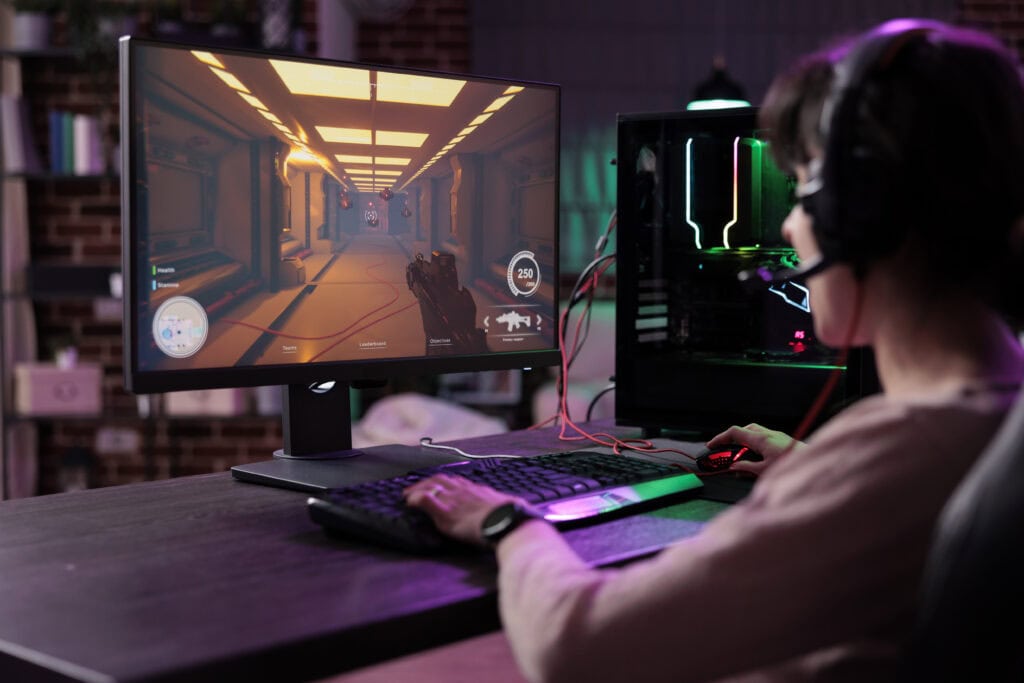
Gamin in the Netherlands is a social activity. Image: Freepik
Online multiplayer games, local co-op experiences, and gaming events have turned digital play into a shared cultural activity. Whether it’s families gathering for gezellige Mario Kart nights or friends teaming up in Fortnite, games have become modern social hubs.
Even platforms like Discord and Twitch are enabling Dutch gamers to form communities across regions, age groups, and backgrounds. For many, gaming isn’t just entertainment — it’s a way of staying connected.
2. Leveling up minds
The strategic side of gaming is also gaining popularity. Many Dutch players are diving deep into complex betting strategies that mirror the tactical thinking you find in games, such as for example combination betting.
But, as a Dutchie would say, hoe werkt een combinatie weddenschap (how does a combination with betting work)? The concept involves placing multiple selections in one bet, where each prediction must be correct to win. It’s more risky but also offers potentially higher payouts.
The rise of strategic gaming shows that Dutch players are also looking for challenges beyond the screen. Whether it’s planning an attack in a multiplayer game or analyzing sports odds, this way of thinking reflects a broad appreciation for well-thought-out decisions.
3. Boosting the economy
The gaming sector is booming. Its revenue grew by 10.5% between 2021 and 2023, reaching a record high of €763 million during that period. The number of active gaming companies increased to 614, and the sector employed 4,291 people.
The gaming world engances innovation and creativity. Image: Freepik
And it’s about more than just the money. The Dutch gaming world has become a breeding ground for innovation and creativity. Cities like Utrecht have become centers for game development, supported by initiatives like the Dutch Game Garden, which provided a home to around 130 studios until its closure in 2025.
On top of that, sectors like software development, audio production, localization, and education also benefit. Dutch universities now offer programs in game design, ensuring a constant influx of new talent.
All of this has put the Netherlands on the map as an influential player within the global gaming industry.
4. Shaping the future
The increasing popularity of esports, the expansion of mobile gaming, and the use of game principles in education and training point to a future where gaming is way more than a subculture.
The Dutch government actively supports this development by officially recognizing video games as a creative industry. Subsidies for non-commercial, artistic, or experimental games show there’s confidence in the social and cultural value of games.
As gaming expands into areas like digital art, virtual events, and skills development, a hybrid cultural space emerges where entertainment, education, and work come together.
With emerging technologies like VR and AI making new forms of experience possible, gaming in the Netherlands isn’t just a growing industry: it reflects the modern Dutch lifestyle.
The Netherlands has truly embraced gaming culture, and frankly, we’re here for it. Whether you’re into competitive esports, casual mobile gaming, or discovering that the country is an underrated gamer’s paradise, there’s something for everyone in this gaming-mad nation. 🇳🇱