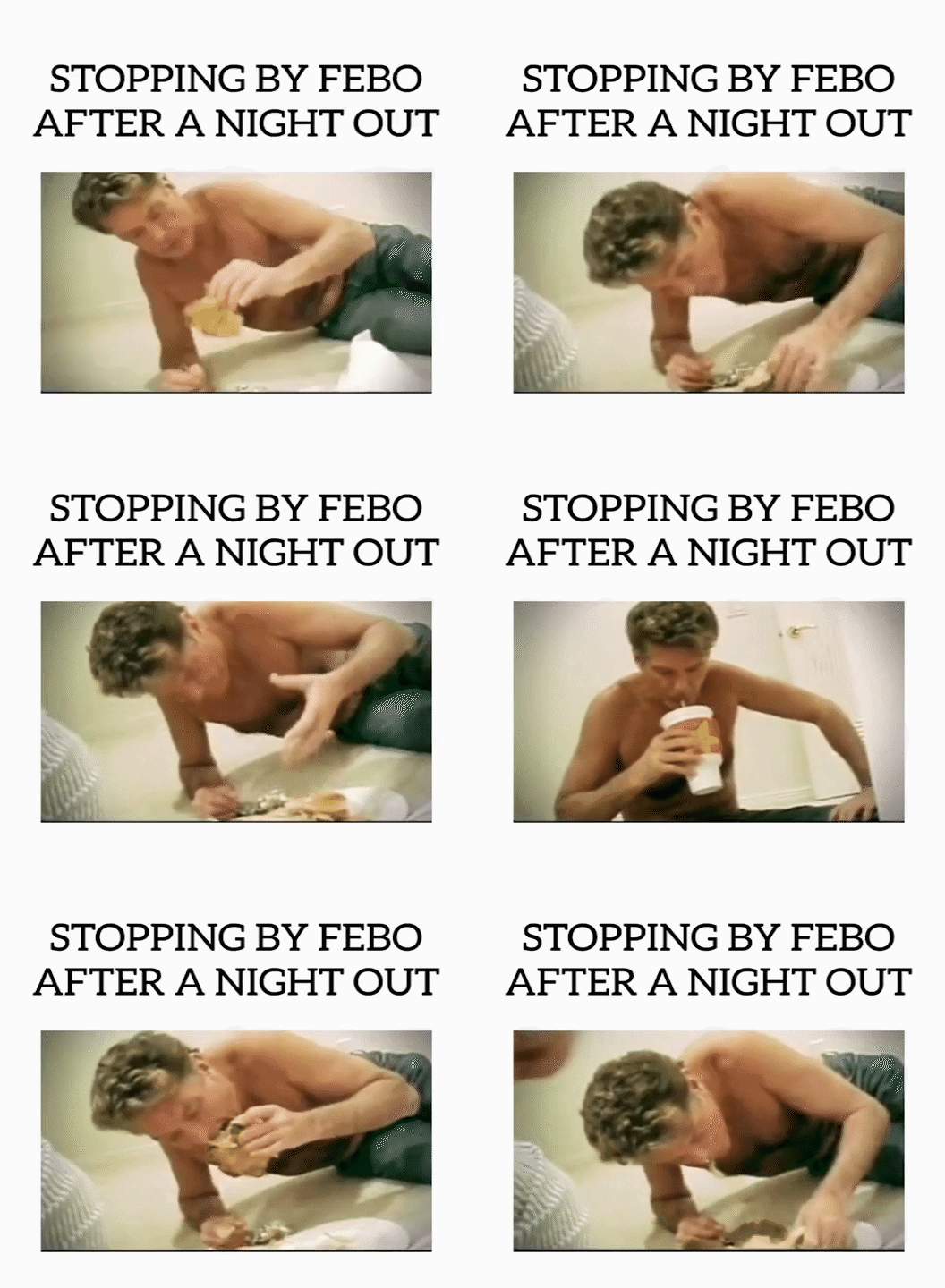
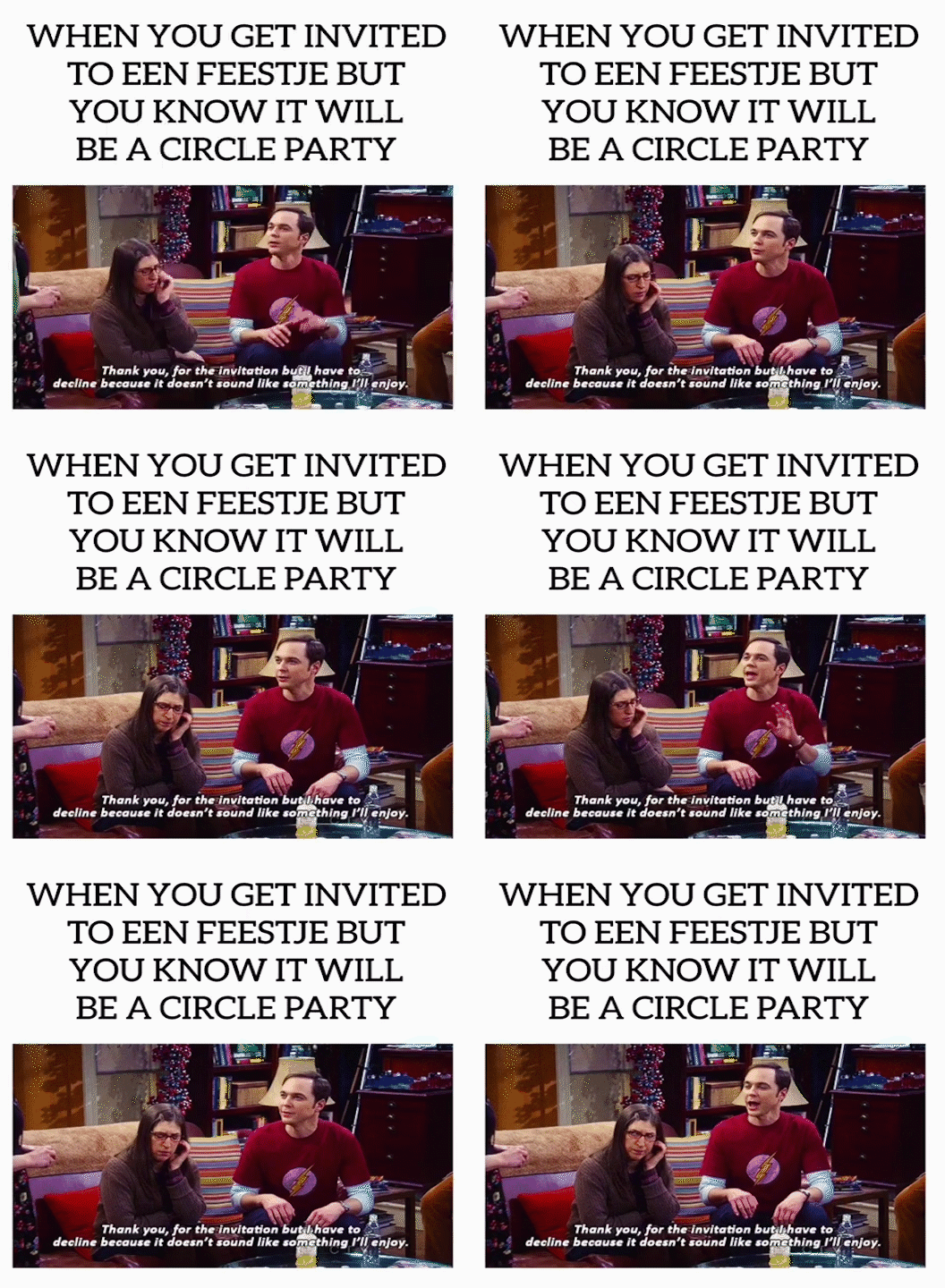
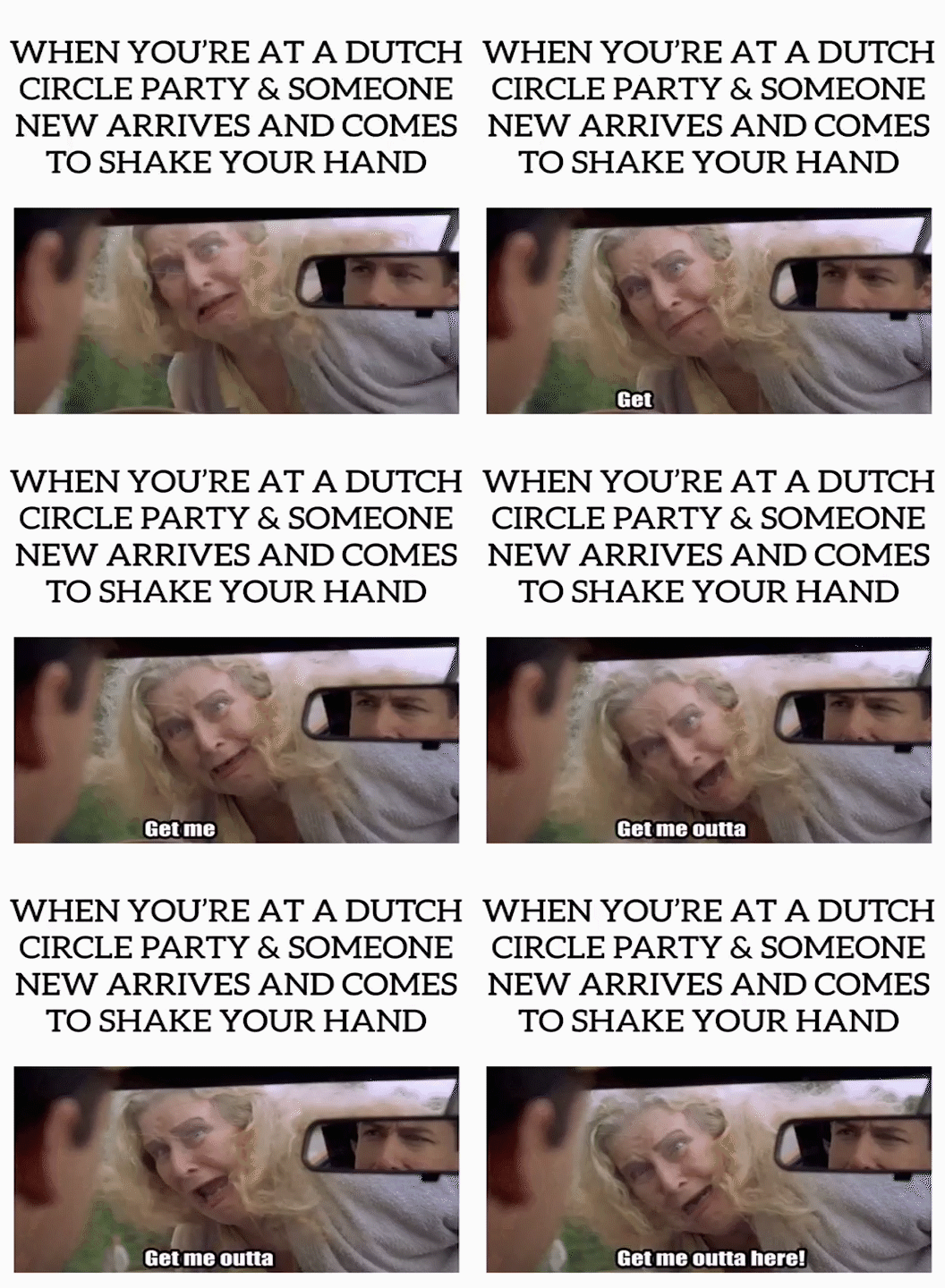
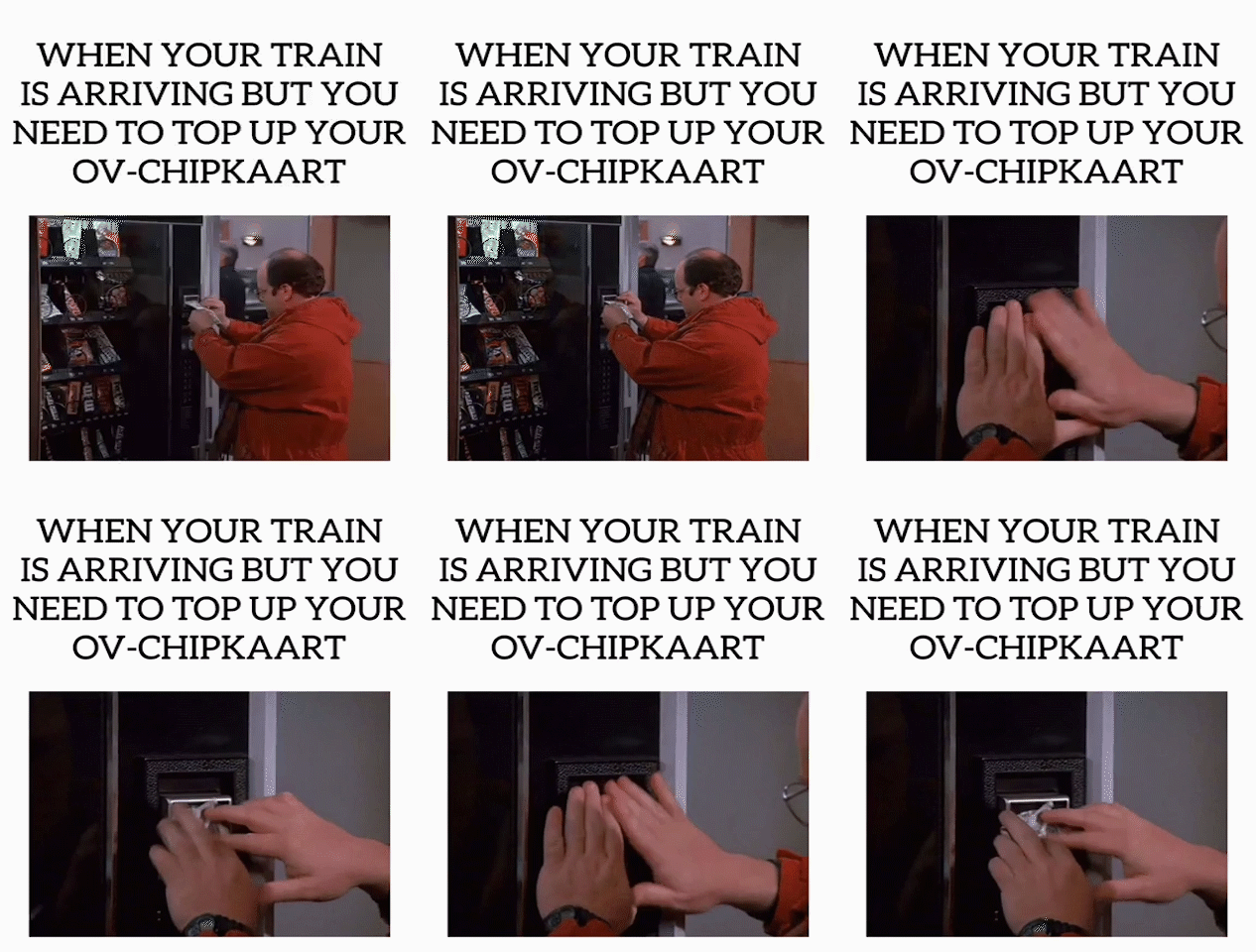
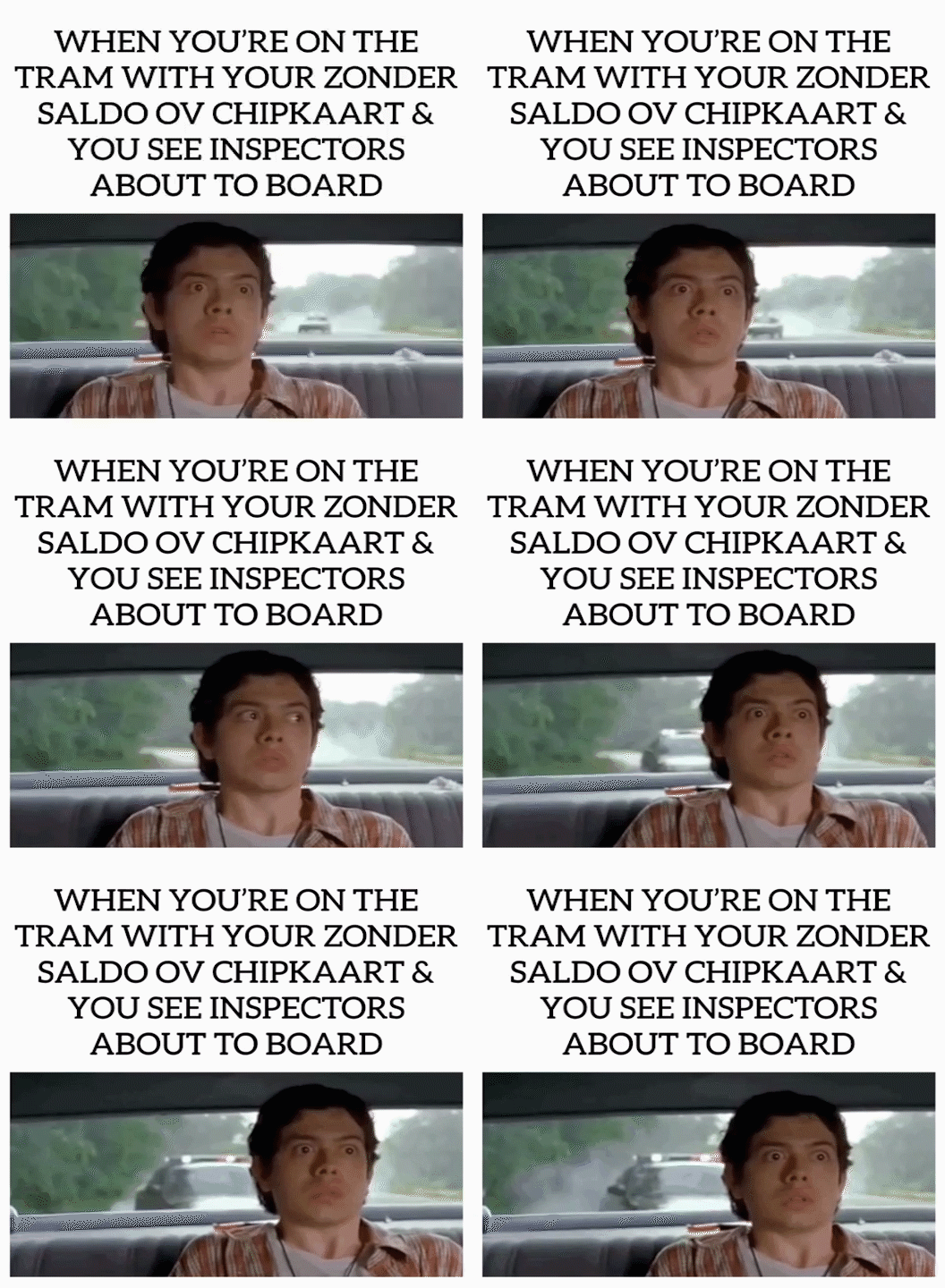
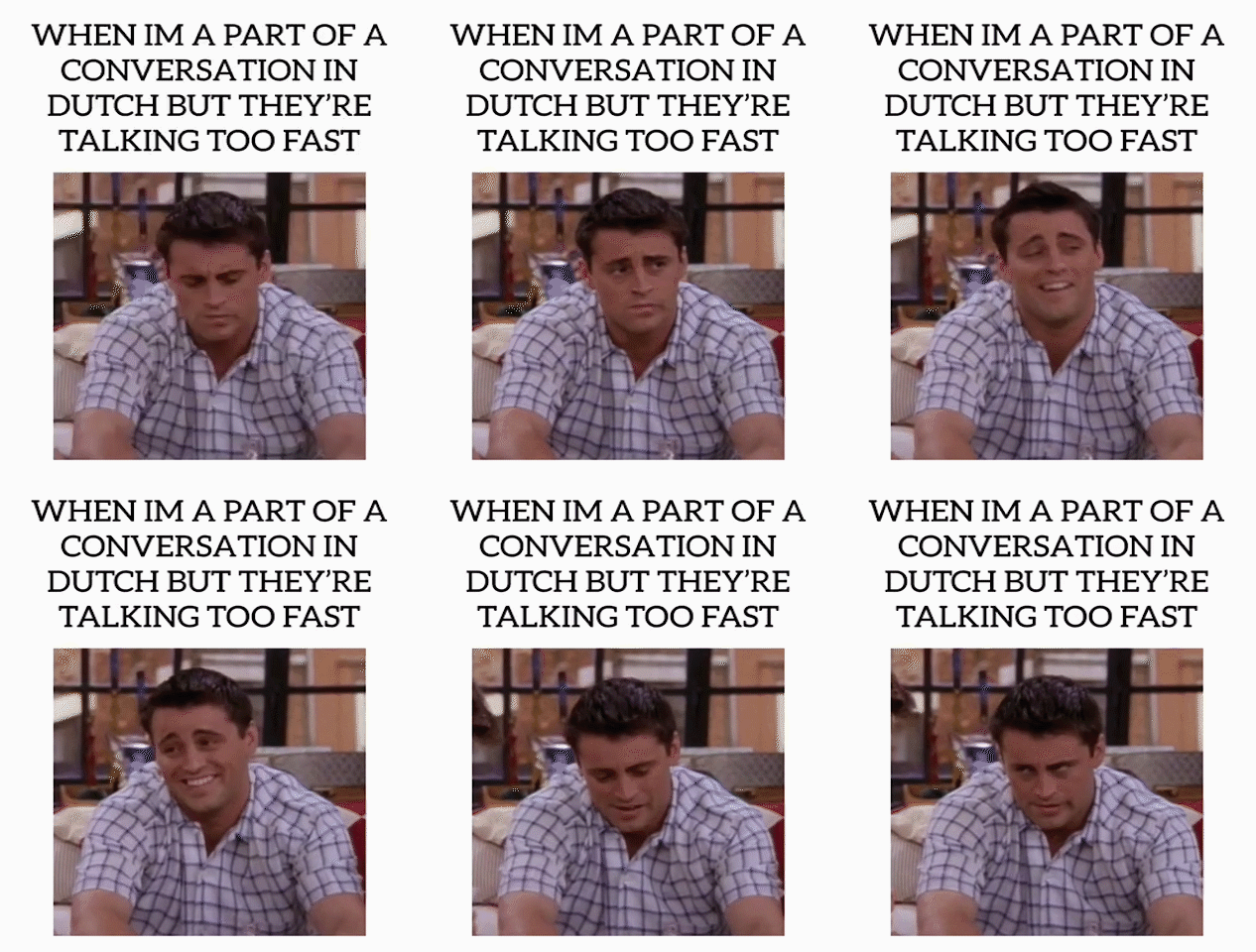
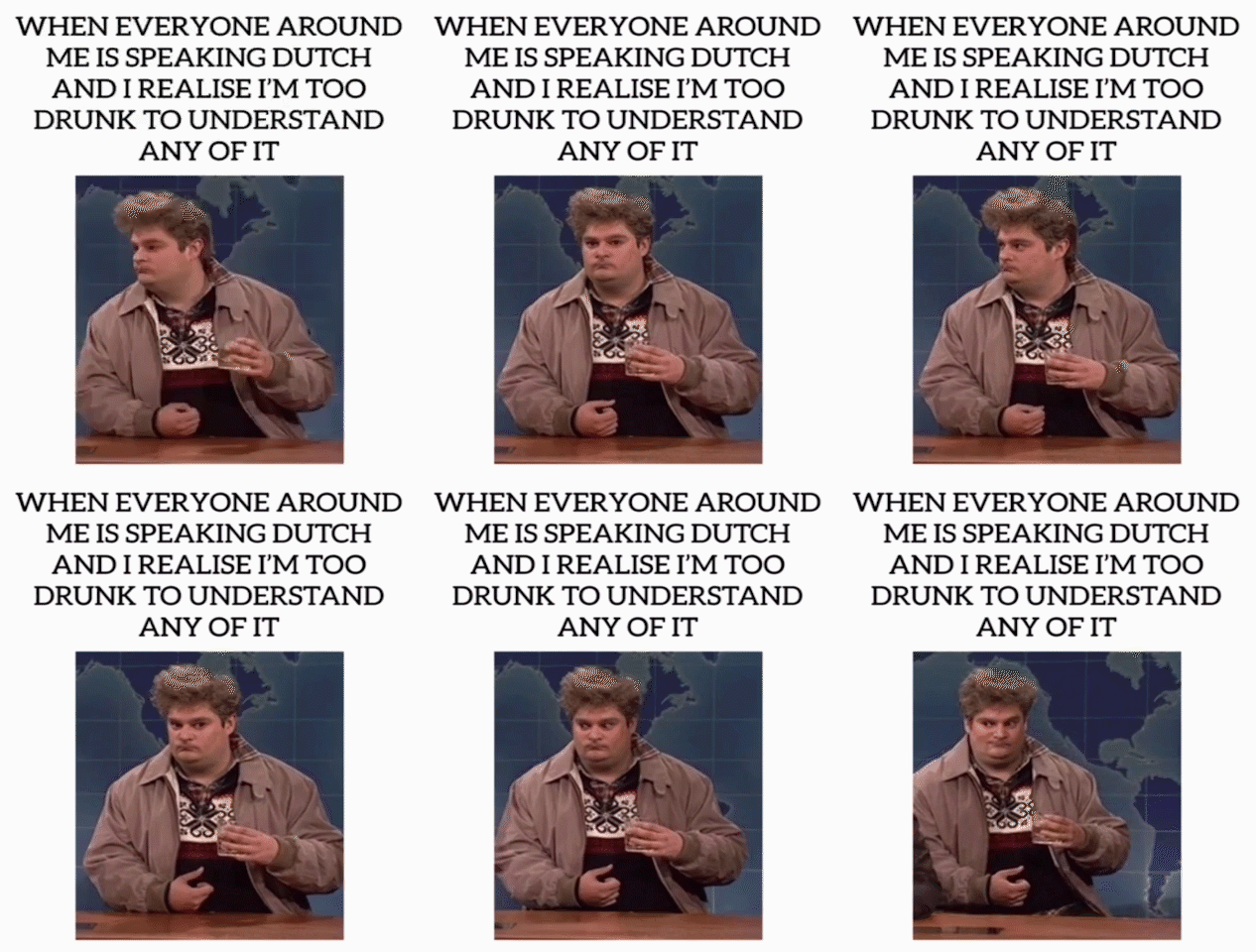
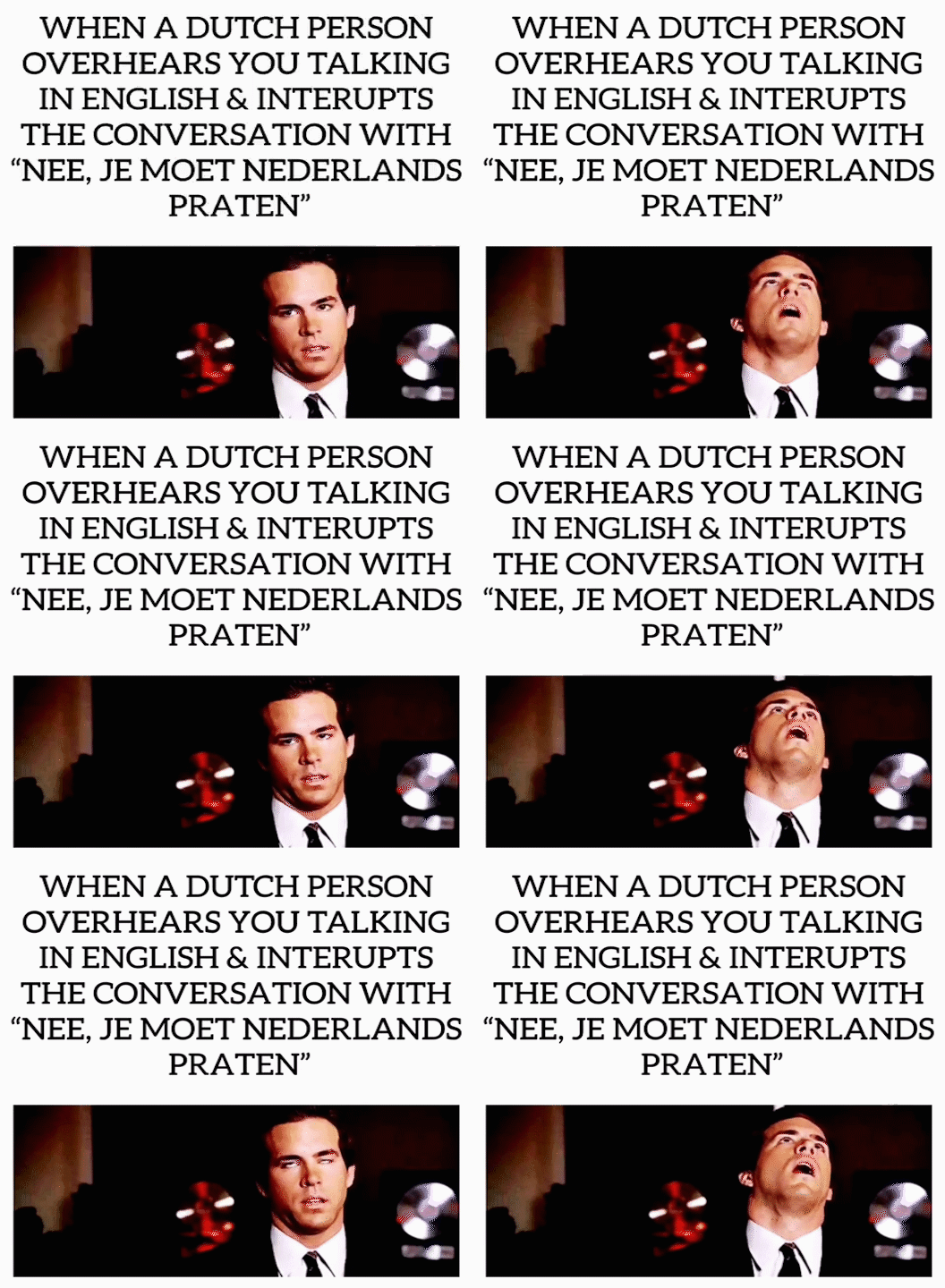
GIFs about Dutch life? In 2026? Yes, please! Your GIF prayers have been answered. Here are the funniest GIFs dedicated to life in the Netherlands!
We stumbled across an Instagram account devoted entirely to GIFs about expat life in the Netherlands called The Dutch-Esque Life — how fab!
The account is owned by an Australian bird who Pretty Woman’d her life onto a houseboat in the Netherlands and generously allowed us to publish this article.
Dutch food goodness (or not)
Some Dutch foods are a hit, while others are a complete miss. But you aren’t a true expat until you’ve tried them all!
Dutch parties
Dutch parties in Amsterdam? A definite yeah! Dutch parties at home? You better make sure you don’t end up in a circle party.
Commuting in the Netherlands
We’ve all been through it. Every expat in the Netherlands has commuted to work at some point, and oh boy, it’s an adventure! 🚄
The problems of learning Dutch
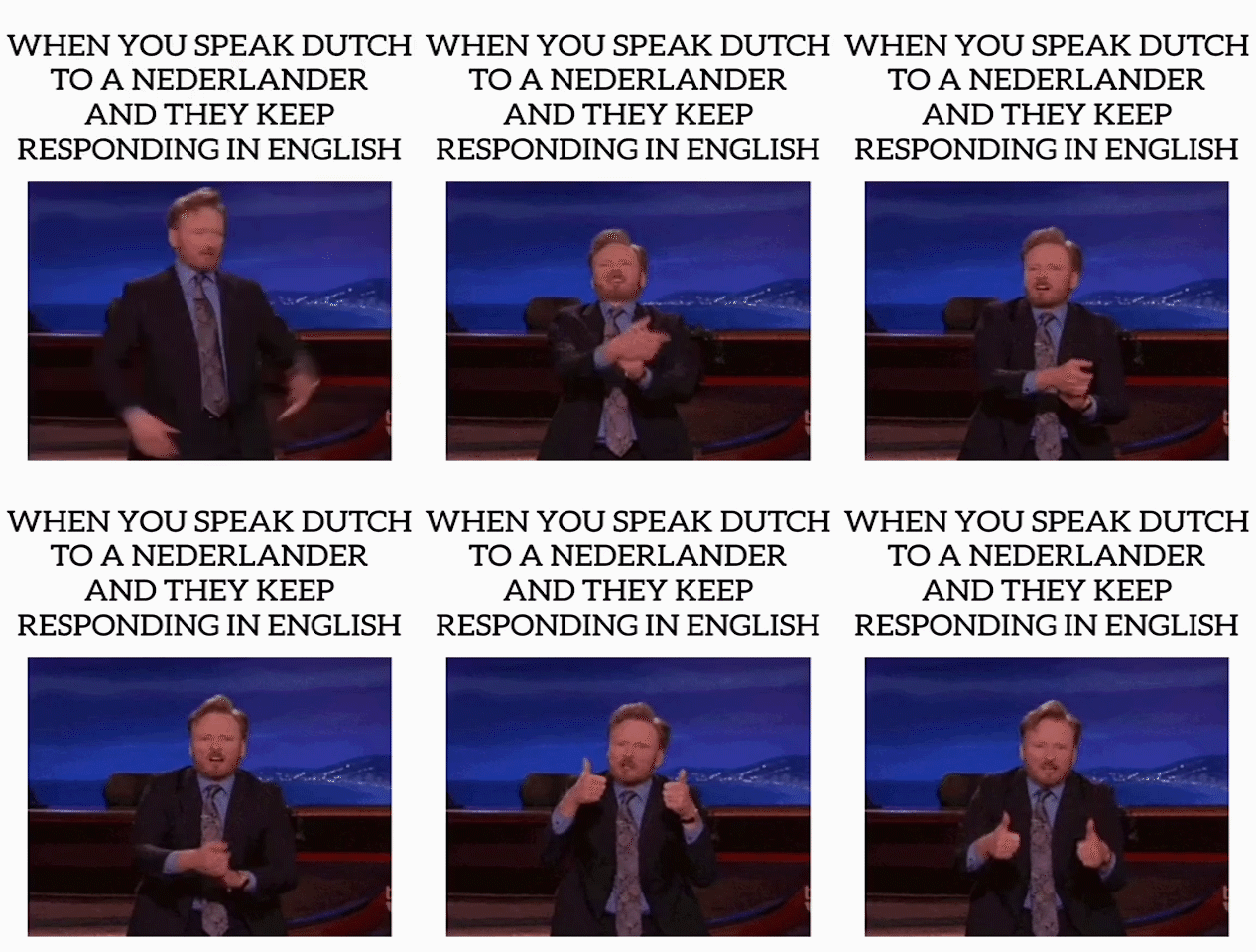
And of course, the endless struggles of learning Dutch in a country where everyone speaks English. Coincidentally, if they do speak Dutch to you, it will be really, really fast 🏃♀️
Dealing with life in Holland as an expat
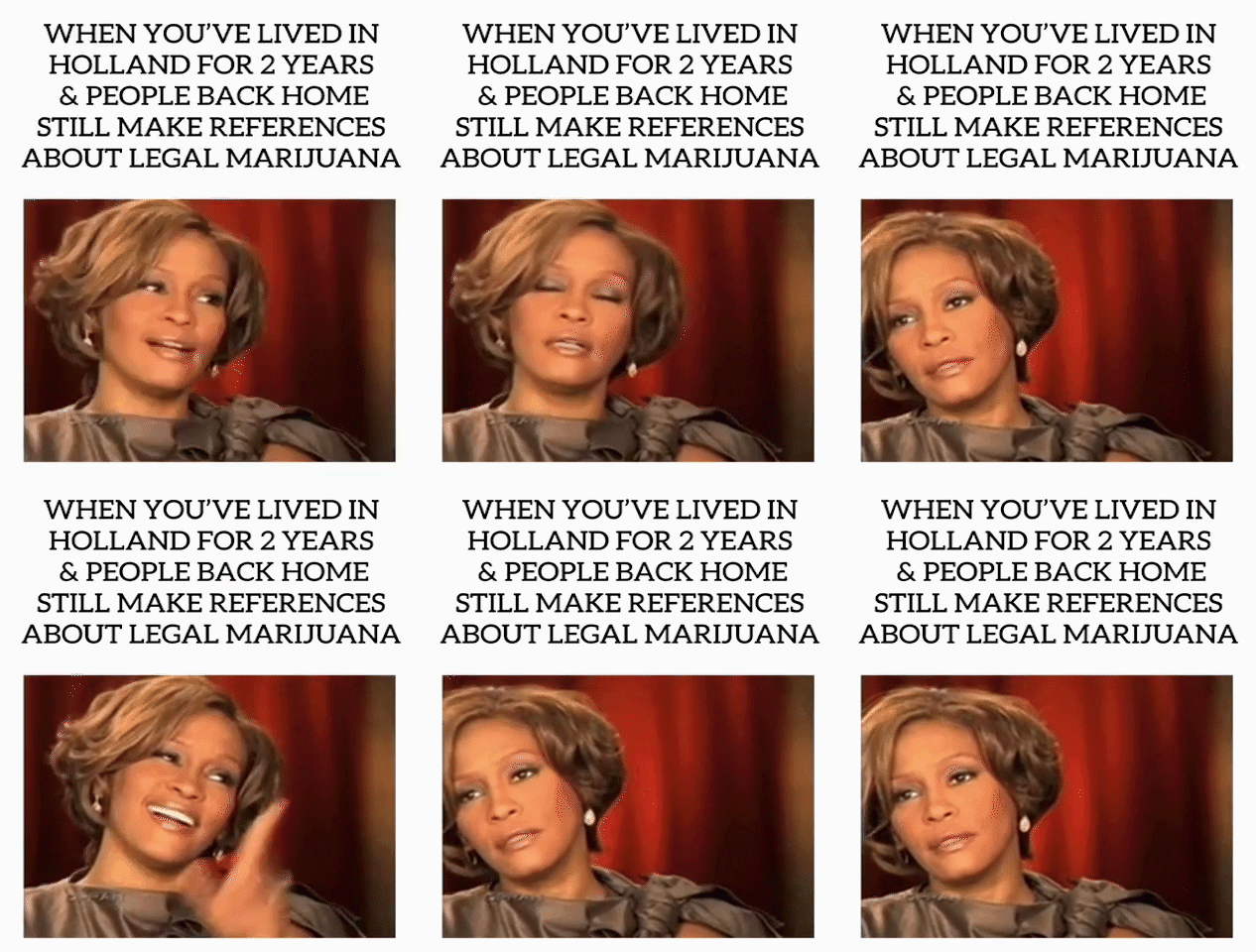
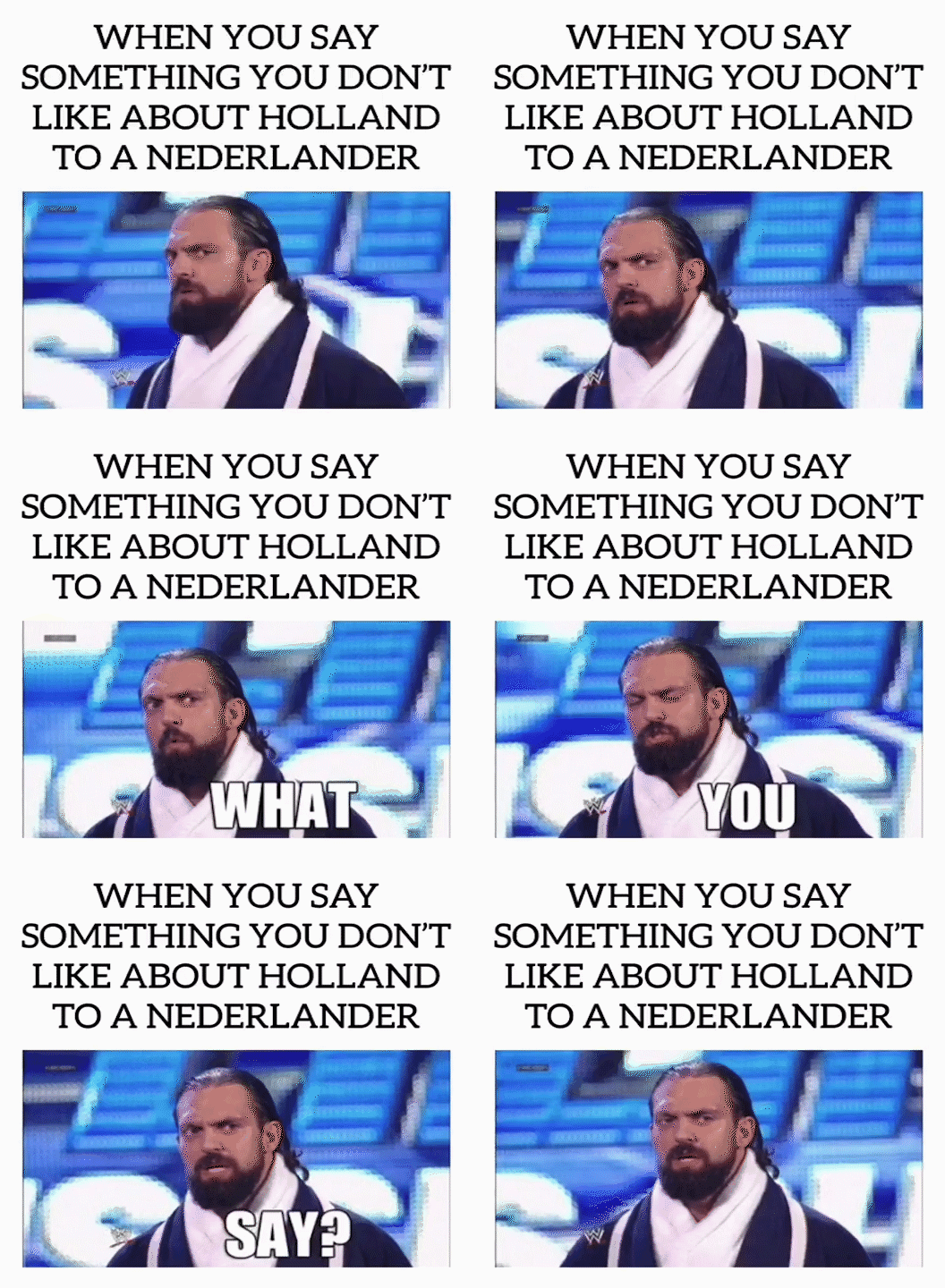
Life in the Netherlands can be so different from anything you’ve experienced before. From Dutch people and their Dutch quirks, to family and friends back home who have a completely wrong perception of Holland — which they like to call the entirety of the country.
Life in the Netherlands sure is something else!
Which of these GIFs do you find most relatable? Tell us in the comments below!
Dutch art foundation, Stichting Over Holland, has promised to donate a roughly €800,000 piece of art to an American museum — but only if Americans elect Kamala Harris.
According to the NRC, this isn’t the first time that “Stichting Over Holland” has got involved in US politics.
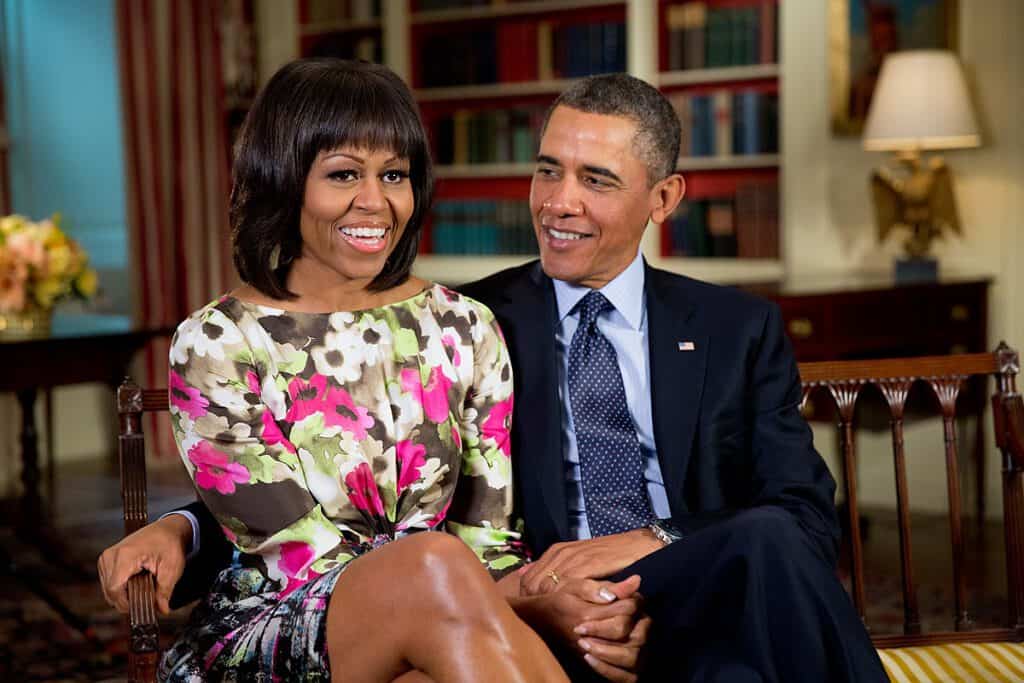
The organisation previously donated two works of art to Chicago’s Museum of Contemporary Art in 2017, to honour former President Barack and former first lady Michelle Obama’s championing of human rights, social equality, and education.
A puzzling ad
Last Sunday, the Dutch art foundation placed a two-page advertisement in The New York Times.
The ad’s copy reads: “The next election is here: will the glass crack? Will freedom and democracy prevail? Will you color the puzzle blue with your vote?”
Designed by Dutch artist Irma Boom, it also featured a picture of the promised artwork — artist David Hammons’ “Puzzling Times”.
Apparently, the foundation chose it because of its perceived relevance to the current election.
Influencing US politics
To the foundation, this is a political action: they want to use their platform to oppose the Republican party, one expensive ad at a time.
In October 2017, early into Trump’s presidency, the foundation purchased two double-page ads in two weeks, announcing their donation of two precious artworks to the MCA (Museum of Contemporary Art Chicago).
Previous artworks were donated to honour the Obamas. Image: Pete Souza/Wikimedia Commons/Public Domain
These gifts were intended to pay homage to Barack and Michelle Obama, who the ads described as a man and a woman “who changed a nation,” respectively.
Stichting Over who?
Who’s behind this eccentric move, you might wonder? 🤔
The Stichting Over Holland was founded by former entrepreneur Jan Christiaan Braun, who in 1987 purchased a villa on Amsterdam’s Museumplein and opened the Museum Overholland, which initially featured works from his private collection.
Quite the controversial character, Braun made the news multiple times — for instance, in 1990, by closing his museum as abruptly as he had opened it after a quarrel with the Amsterdam authorities.
He is also known for refusing to talk to journalists, preferring other methods of expressing his ideas to the public — such as €1 million ad gimmicks, apparently.
What do you think of Stichting Over Holland’s expensive stunt? Share your thoughts in the comments below! 🫶
Unfortunate souls in the south and southeast of the country are going to be the first ones to experience a few light showers, before a more intensive deluge passes over during the evening and drenches the rest of us.
Temperatures, thankfully, won’t get too chilly and will hover around 15 to 17 degrees Celsius during the day and 8 to 10 degrees at night.
Tuesday and Wednesday will offer bright sunshine
Sunshine will certainly make up for lost time on Tuesday and Wednesday, bringing slightly hotter and drier weather with it.
Wednesday, in particular, is the perfect day to enjoy spending time outdoors — Weeronline’s forecasts predict clear blue skies and plenty of sunshine.
If you’re planning an afternoon with some drinks and tapas, Wednesday’s your best friend! 😉 Image: Depositphotos
However, whilst daytime temperatures will average a balmy 16 degrees Celsius, those figures are predicted to plummet to a few degrees above freezing at night.
Thursday will likely offer the balm to Wednesday nighttime chill: temperatures will hit highs of 16 to 19 degrees in most regions, with Limburg forecast to reach an unseasonable 20 degrees.
Expect changeable weather from Friday onwards
They say good things don’t last forever — and that’s especially true of Dutch weather!
Weeronline reports that Friday and Saturday will likely bring cooler and wetter conditions, though we may experience some dry periods on Sunday.
What are your plans for the last few mild days of autumn? Tell us your thoughts in the comments below!
A homeowners’ association (VvE) from Amersfoort announced it would fine residents who are spotted walking around their house naked.
Is this even legal? To find out, the AD talked to two lawyers about the legal boundaries of VvE regulations.
What happened?
The association in question emailed its homeowners announcing several new rules and the fines for breaking them. Some of them, however, raised eyebrows for going too far in policing what residents do in the privacy of their homes.
For instance, residents who are caught walking around their house naked by their neighbours would risk a fine of €1250, according to the new rules. Since when did Dutchies become such prudes?
Other rules include only doing DIY projects between 8 AM and 6 PM, keeping quiet between 12 PM and 1 PM, and allowing surprise inspections by the association.
Residents who dare hang laundry on the balcony, in turn, can expect to pay €250. Basically, breaking this rule twice would cost more than buying a dryer. 🤯
Shocked by the new regulations, a resident contacted the AD to ask a simple question: is any of this legal?
Is it legal?
The naked truth is… it can be — but with some reservations.
In the Netherlands, most apartment blocks are managed by a Vereniging van Eigenaren (VvE), a “homeowners association,” which is in charge of representing the owners’ interests.
Their responsibility includes making collective decisions about the property and establishing rules, including so-called “fine regulations.”
However, these rules “have to be reasonable” and, most importantly, they have to be “written down in black and white somewhere,” comments notarial lawyer Astrid Luijk.
While “reasonable” is obviously subjective, it’s usually understood that the rules should be “about nuisance to others,” such as regulations against noise nuisance, stench, or safety hazards, adds VvE lawyer Klaas Jan Schuurs.
In the Amersfoort VvE’s case, then, the association can’t just establish new rules and fines via email — these, before having any legal value, need to be formally included in the VvE’s regulations.
And even then, before anyone can be fined, the association must first try to solve matters peacefully: first through a conversation, then through a written warning, and only after that, if the resident still fails to comply, through a fine.
What if I already got fined?
But what if the association does amend its regulations to include a rule that you perceive as a violation of your sacred home and then fines you?
Well, in that case, you can go to court, where a judge may agree with you that the fine is unwarranted or disproportionately high, and rule in your favour.
However, they may also find your breach as serious as the VvE does, and confirm the fine. That’s why you should do your homework before going down the legal route.
“It is also your own responsibility to be aware of the rules that apply in your building,” says Luijk.
The best plan of action, then, is to avoid this unpleasant escalation in the first place by participating in decision-making: you should go to the VvE’s meetings, or “authorize someone to vote for you,” concludes Luijk.
What’s your experience dealing with homeowners associations and their rules? Join the discussion in the comments below — but keep it neighbourly. 😇
Starting from December 15, travelling between Amsterdam and Brussels will become even more convenient: the new Eurocity Direct train will cover this route 16 times per day.
Tickets are already on sale via NS International, reports Het Parool.
Belgium has never been so close
While this may sound threatening rather than appealing to Dutch ears, it’s true — Belgium has never been so close.
The new train service, which will replace the current Amsterdam Centraal-Brussels connection, will run daily from Amsterdam Zuid to Brussels Zuid-Midi, covering the distance in less than three hours.
The train will call at Schiphol, Rotterdam, and Antwerp and will run every half an hour, starting at 6:00 AM.
And it’s cheap, too! Tickets start from €25. What’s not to love?
A brand new train
The service, a collaboration between the Dutch NS and the Belgian NMBS, uses a brand new train model: the Intercity Nieuwe Generatie (ICNG), also called “the wasp”.
The new model is currently being tested — you know, to make sure it doesn’t sting passengers. 🐝
Curious to try this mechanical wonder? If you have already booked a ticket to Brussels with the current service for the upcoming months, you may be invited for a test ride.
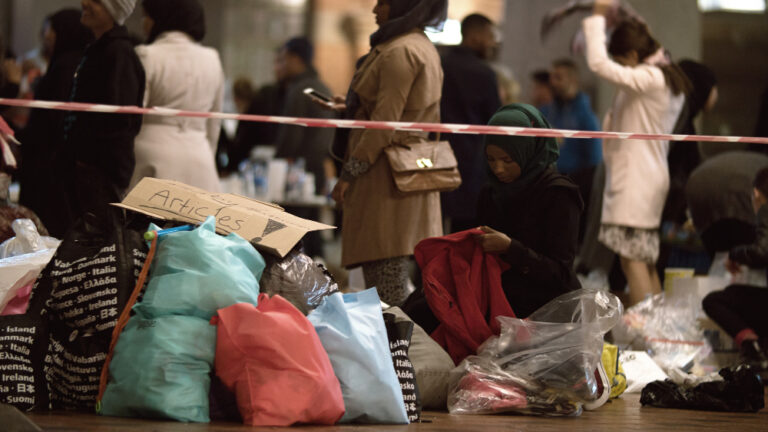
In a move that makes us question if the Netherlands now enjoys crumpets and cricket, the Dutch cabinet is exploring the idea of sending rejected African asylum seekers to Uganda.
At least, this is what the Minister of Foreign Trade and Development Aid, Reinette Klever has said during a visit to Uganda.
A “return hub”
According to the NOS, Klever explains that “ultimately, we want to reduce migration. For the government, it is important that rejected asylum seekers return to their country of origin.”
The idea of creating “return hubs” has become increasingly popular within Europe in recent years and is even endorsed by the president of the European Commission, Ursula von der Leyen.
A return hub is a place outside of Europe where rejected asylum seekers would be sent once their application within Europe has been rejected.
In this case, the NOS reports that the cabinet is looking into sending rejected asylum seekers from Uganda and “countries in the region” to return hubs in Uganda.
Did Klever care to elaborate on the Dutch cabinet’s plans, however? No.
Instead, she kept it vague, saying, “We have a long relationship with Uganda, and it is a hospitable country. And Asylum Minister Faber will further explore the possibilities.”
Strong opposition from the experts
However, as NOS’s Africa correspondent Elles van Gelder points out:
“Uganda likes to present itself as a hospitable country with an open door for refugees from neighbouring countries, but it is also an extremely undemocratic and repressive country.”
Adding that the long-standing relationship between the Netherlands and Uganda isn’t so great… “The relationship has suffered, however, because Uganda increasingly violates human rights.”
Meanwhile, according to political reporter Xander van der Wulp, “Human rights in Uganda are terribly bad, LGBTI people are being persecuted there. So how a return hub can be set up there according to Dutch standards is very much the question.”
Will this actually happen?
All four political parties within the current Dutch coalition have previously expressed interest in the idea of return hubs.
However, the details of Klever’s plan have yet to be worked out and much like the UK’s spectacular failure — we mean — Rwanda asylum plan, the government may encounter some hiccups when trying actually to implement anything.
Firstly, with few exceptions, it is currently not legal to deport someone anywhere other than the country they originate from.
As Van der Wulp says, “There is talk in Europe about changing this legally and people are increasingly positive about it, but we are not there yet.”
He believes that in claiming this, the Dutch cabinet hopes to project a certain image and deter asylum seekers from coming to the Netherlands.
Whether Klever’s vague plans are indicative of a formidable right-wing government or simply a chaotic right-wing government that likes to make big claims is something we’ll leave for you to decide.
Whilst the Dutch government is marching ahead with its plans to limit the influx of international students in higher education, it’s also facing some very warranted criticism. 👇
From university organisations and student unions to individual professors and students, opposition to the government’s plans is being voiced at every level of Dutch higher education, the NOS reports.
What do these government plans actually involve?
Essentially, the government wants to reduce the number of students in Dutch higher education — especially international students.
In their view, this would solve several problems, including the student housing shortage, overcrowding of lecture halls, excessive teacher workload, and — last but not least — the “anglicisation” of Dutch education.
The move would also allow the Netherlands to cut down on its education budget, freeing up a sum of €293 million annually and resulting in 30,000 fewer students.
According to the cabinet, reducing the number of international students will free up millions in its education budget. Image: Depositphotos
In practice, this would involve actively discouraging international students from choosing Dutch education.
Measures would include limiting their access to financial help such as DUO’s basic grant, introducing a numerus fixus on English-taught programs, and eventually slashing these programs altogether by ensuring that two-thirds of all degrees are taught in Dutch.
Why is everyone against it?
These plans have raised multiple concerns — let’s look at the main three. 👇
1. Other courses will also suffer
Firstly, cracking down on English-taught programmes will blow a considerable deal to the income of many Dutch universities.
According to Casper van den Berg, chairman of the organisation Universiteit van Nederland, the government’s “blunt axe” approach will actually reduce the quality of other courses offered.
Many niche Dutch-taught programmes are currently financially viable thanks to the funding derived from more popular English-taught programmes — without the latter, these smaller degrees risk disappearing.
Without English-language courses keeping them afloat, many smaller Dutch programmes would be financially unprofitable. Image: Depositphotos
Currently, the income generated by international students is simply indispensable. “That is a wrong revenue model, but it is a fact,” comments student union LSVb chairman Abdelkader Karbache.
2. There’s a looming teacher shortage
Karbache also points out that English-speaking staff are vital to the functioning of Dutch higher education.
By introducing the “three-quarters Dutch” rule, the government risks generating a teacher shortage, as the available Dutch-speaking staff won’t be enough to cover all the new positions.
3. “Anglicisation” isn’t actually a problem
Finally, the cabinet’s core argument that Dutch universities are undergoing an “anglicisation” process and that this constitutes a problem is also coming under fire.
The association for Dutch Universities of Applied Sciences (Vereniging Hogescholen), for instance, thinks that the ‘anglicisation’ alarm is being overstated.
With Dutch still the norm in 92% of higher education programmes, it seems that fears of ‘anglicisation’ are vastly overblown. Image: Depositphotos
As the organisation points out, 92% of higher professional education programmes are already in Dutch, making Dutch-language education “the norm”.
Because of these and other concerns related to planned budget cuts to education, several university student and staff organisations have announced a protest for November 14.
Whether the backlash will lead the government to change its plans, however, remains to be seen.
Do you think the Schoof cabinet should press ahead with its crackdown on international students? Share your opinion with us in the comments below.
If you’ve been enjoying the Netherlands’ unseasonably warm autumn thus far, you’d better make the most of it — colder, wetter weather is only a few weeks away. ☔🥶
According to Weeronline meteorologist Floris Lafeber, we can expect balmy temperatures between 16 and 20 degrees Celsius this week, with some lucky regions growing even warmer. 🌞
Coupled with mild nights and periods of dry sunshine, the weather is as pleasant as you’d hope Dutch autumn to be.
However, change is brewing. 👇
What weather will the next few weeks bring?
Lafeber stresses that the central and northern regions of the country will experience noticeably colder weather at the end of October.
Fog is likely to make an appearance and, depending on the direction of the wind, we may also be hit with some chilly autumn rain showers.
And what about the following month? Well, if you aren’t already bundled up, you’ll definitely need to stock up on some extra layers during the first period of November!
You’d want to be careful on the roads, as thick fog is on the cards for November. Image: Dreamstime
Temperatures are predicted to hover around 9 to 12 degrees Celsius during the day and grow considerably colder at night. Clear and windless nights will generously gift us some frost, whilst traffic-hindering fog will grow more common.
Come the middle of November, we’ll be back to regular autumn showers. (Hoera for Dutch weather! 🙃)
What are your plans for the last spell of decent autumn weather? Share your thoughts in the comments below!
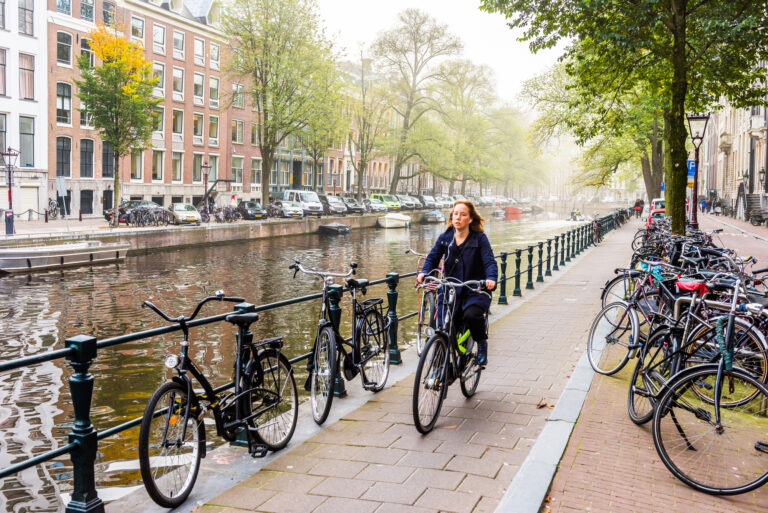
Welcome to the Netherlands! As you know, the Dutch get around on two wheels more than they get around on two legs.
We know you’re ready and rearing to join the bike club, and that’s why we’re bringing you the ultimate bike purchasing guide to help you with buying your first bicycle in the Netherlands.
See, with more bikes than people in this tiny lowland state, it means that some of them are of questionable quality.
In fact, they can easily become the bane of your existence. Dodgy gears, dropping chains, squeaky brakes, and flat tyres are all things that can hamper your bike-riding experience.
Bikes in the Netherlands can differ pretty wildly — so how do you know which option is the one for you?
Do you want a male or female bike?
For a start, bikes have genders: male or female. But never fear because, in this analogy, bikes swing both ways.
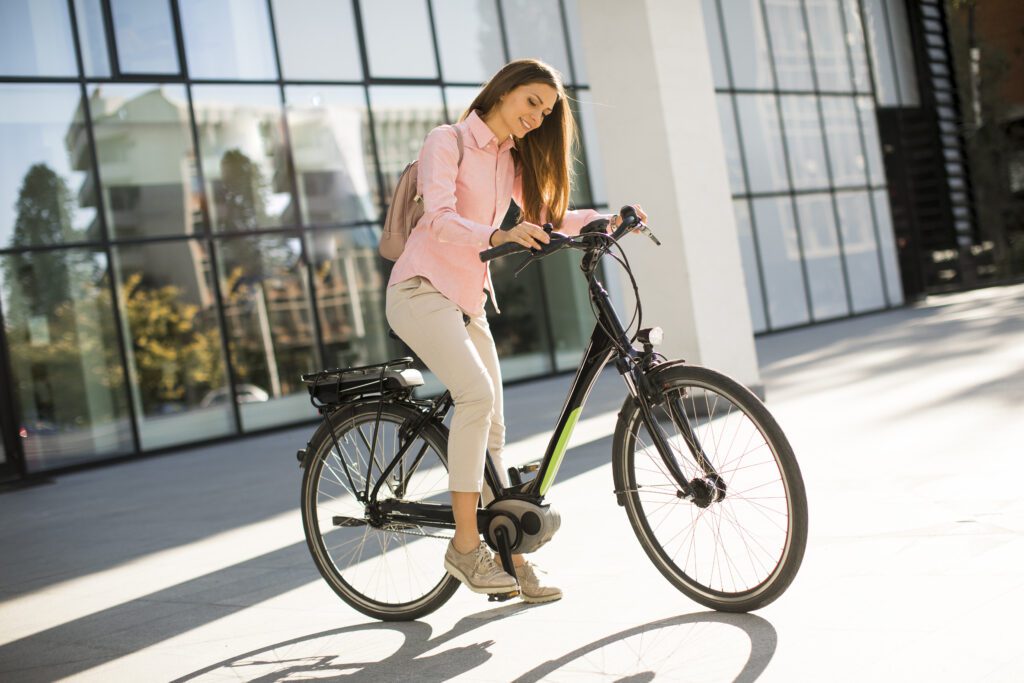
A male bike features a bar that runs parallel to the ground and can be a little more difficult for women to swing their legs over. On women’s bikes, this bar typically curves toward the ground.
However, whether you choose a male or female bike is a matter of preference — not your gender.
Women almost always choose a women’s bike. Men sometimes choose a men’s bike, sometimes a women’s bike.
The reason for this could be that there is more choice in women’s bikes, getting on is easier, and if you share your bike with a woman, this is also more practical.
Which type of brakes do you prefer?
Brakes are another point of difference. Do you prefer hand brakes or pedal brakes? A pedal brake requires you to move the pedal in a reverse direction to slow down.
Still, some people feel uncomfortable with this if they’ve used hand brakes their whole life.
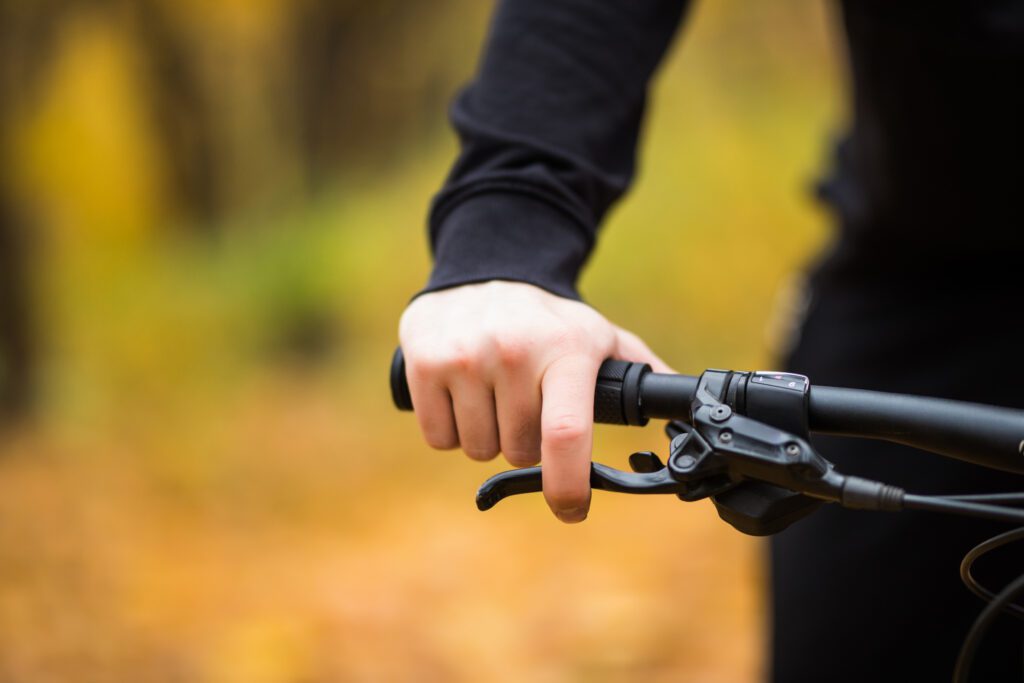
With hand brakes, you squeeze two levers on the handlebars to brake. One side of the steering wheel’s brake controls the back wheel, and the other the front.
However, you almost always use them together to avoid popping up on one wheel.
A pedal brake is the most common option for internationals. Students often buy bikes with pedal brakes because they are cheaper.
In an ideal world, everybody’s brakes actually work 👀. Image: Freepik
Additionally, hand brakes have a lot of cables which easily break in bike sheds. More breakages equal more money in maintenance.
Which type of gear do you want?
Many bikes are “fixed-gear” — meaning they have just one gear. This makes them easy to ride if you’re nervous about the mechanics of gear changes, but it can be a bit more tiring on the rare Dutch slope.
Gears are handy, especially if you have to cover long distances — but, don’t go all out when buying a bike with gears.
Unless you’re planning on riding to the next country or completing the Tour de France, three gears will do you just fine in this notoriously flat land.
What size do you want your bike to be?
Some bikes are more adjustable than others. Make sure you can adjust the bike so that you can be fully comfortable.
Tip: The seat needs to be at the same height as your hip. If you then sit on the bike and put your heel on the pedal at the lowest position, your leg should not be completely stretched.
Check it out before you start to mount
To find out if a bike is even worth a test ride, it needs a good look first. You should check:
Whether the tyres are buckled
Whether the brakes functioning well
Finally, see if elements such as the mudguards are well-secured
If you’re buying a cheap bike, you must be prepared for some rust spots or lights that don’t work. If you want something a little shinier, you may need to raise your budget.
However, take note: bikes say little of class in the Netherlands.
Almost all students ride around on rust buckets without an inch of embarrassment or self-consciousness. It’s just easier — especially because most people have had their bikes stolen at least once.
Test ride to find your stride
Before splurging the cash, you should always take a test ride. Make sure you feel comfortable on the bike, test whether the brakes are working properly, and test the gears (if the bike has them).
Always test-ride your bike before buying! Image: Freepik
Sometimes, the seat and/or handlebars will need adjusting. Check if the cycle crank is nice and smooth, too.
Using your ears while on your test ride is also important. You have to listen to hear if everything is secured properly — make sure you don’t hear anything rattling.
But the most important part of your test ride is how you feel. A good bike will make you feel like the best two-wheeled extension of yourself possible.
Remember: never buy a second-hand bike if it doesn’t ride comfortably. If you feel like anything less than a unicorn on a segway zooming through a field of flourishing daisies, it’s time to say doei to that bike!
Price is a roll of the dice
How much should you spend on your first bike? That’s a hard question. It’s best to weigh up a few variables: how much you will use it, what distances you will cover, and where you will store it. Why? Bikes tend to get stolen.
Students are often the victims since they tend to park their bikes outside, which increases the chance of getting their bike stolen — which would suck if you just bought a brand new one.
If you use your bike to commute and therefore have a safe space to park it, you can decide to spend some more money and buy a better ride, or even a brand-new bike.
Lock and key doesn’t equal theft-free
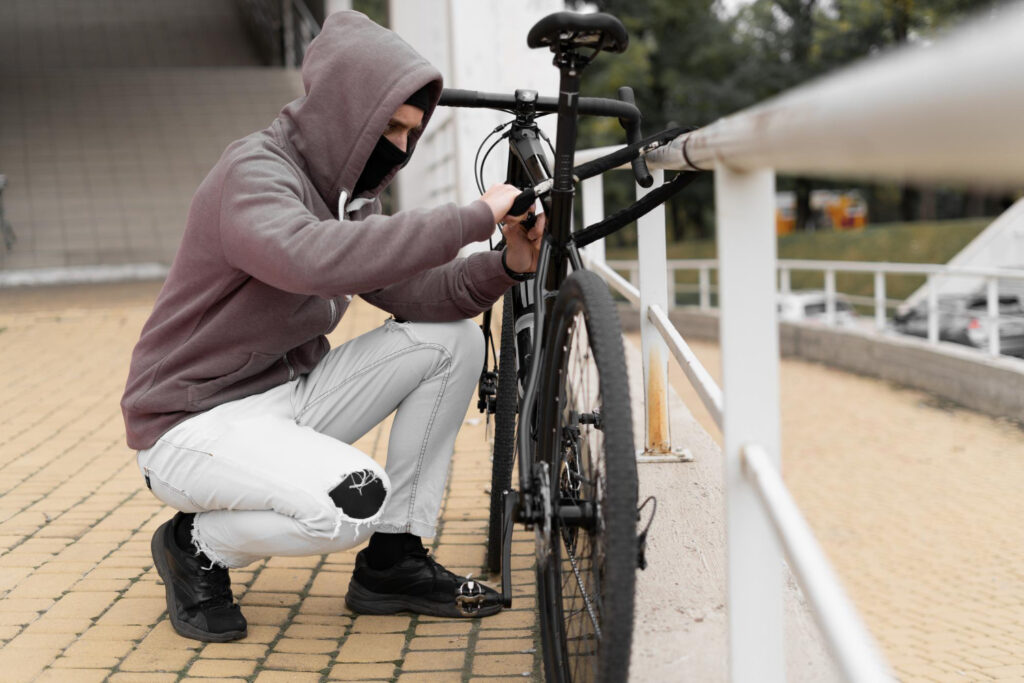
Even though your bike may be your baby, your best friend, and your banging ride for picking up lekker chicks, you can’t get too attached — because bikes don’t often stay attached to their locks.
Not sketchy at all. Image: Freepik
No matter how devoted and faithful you are to your bike, it may just end up being the town’s bicycle.
It is estimated that about 735,000 bikes were stolen in the Netherlands in 2021. Almost every Dutch person has had a bike stolen from them, and realistically, they’ve probably stolen one too (the Dutch were always good at trade). 👀
But don’t be too discouraged, there are a few things you can do to try and stall fate:
Lock your bike with a permanent lock on the bike frame and a good additional chain lock
Wrap your chain lock around a tall pole or rail, then through the back wheel through the spoke where the air valve is. (This increases the chance of breaking the valve when trying to steal it, which leads to a flat tyre.)
Your best chance for a safe bike is to lock it in a secure area. Many cities offer free guarded undercover bicycle parking for the day, so take advantage of these!
If you’re itching to find your next two-wheeled companion, quit reading this article and get going! Have any questions? Drop them in the comments below.
Accessible banking in the Netherlands — and the rest of the world — is a necessary right to guarantee financial independence and inclusion.
The ability to manage our money with ease and confidence is essential for everyone. For people with disabilities, that means having access to tailored services that meet their specific requirements.
The Netherlands prides itself on being progressive when it comes to inclusivity, so let’s examine how that reflects in banking.
First and foremost, it’s crucial to understand your rights
In the Netherlands, there are over two million people with a disability, including people with limited or no hearing or sight and those with a physical or mental disability.
And rightfully, the Netherlands has a strong legal framework that guarantees accessibility across various sectors.
Several laws are meant to make the Netherlands more accessible. Image: Depositphotos
This means that disabled persons have the right to access services and products without facing unnecessary barriers.
Good to know: As of June 2025, the entire European Union will enforce the European Accessibility Act, a landmark EU law which will require many everyday products and services to be accessible for persons with disabilities.
This will make life easier for at least 87 million people living in the EU with disabilities or temporary impairments.
Banking accessibility requirements in the Netherlands
When it comes to banking as a disabled person in the Netherlands, Dutch banks are obligated to meet certain accessibility standards in addition to the legal protections that are in place nationwide.
These are being enforced by Toegankelijk Bankieren (Accessible Banking), an initiative by the Dutch Association of Banks, which aims to make banking accessible for everyone in the Netherlands.
This includes making physical branches accessible to those with mobility issues, offering services for individuals with visual or hearing impairments, and providing online platforms that are easy to navigate for all users.
Over the past years, many banks have stepped up their efforts, ensuring their ATMs are equipped with voice guidance and braille options, and offering simplified online and mobile banking services.
Not all accessibility features are created equal. Image: Depositphotos
Yet, not all banks are moving entirely at the same pace. So, when choosing a bank as an individual with a disability, it’s essential to research and compare their accessibility features.
How to choose the right bank in the Netherlands
While most banks offer some level of accessibility, the quality of these services can vary.
The best way to start your research is by checking banks’ websites for information on their services for disabled customers, such as assistive technologies, customer support lines for individuals with specific requirements, and branch accessibility.
It’s also worth reading customer reviews online, or reaching out to disability organisations for advice on which banks they recommend for their inclusive services.
Accessibility features to look for in a bank
If you or someone you love has a disability, you’ll know that not all accessibility features are created equal.
That’s why knowing what to look for in a bank is important. Some key features include:
Assistive technologies, such as screen readers or magnification options on their online platforms, for visually impaired individuals.
Easy-to-read statements, available in large print or braille.
Physical branch accessibility, with easy-to-access locations, counters, and ATMs.
Customer service and support, with staff members trained to assist individuals with disabilities or a dedicated helpline or chat service for customers with a disability.
Accessible banking features can vary from bank to bank. Image: Depositphotos
How accessible are Dutch banks?
Most major Dutch banks, including ING, ABN AMRO, and Rabobank, have been making big steps to enhance their services for disabled customers.
Let’s see what they offer. 👇
ING
ING offers a wide variety of accessible services to support disabled individuals. The bank’s website offers lots of information on disability-friendly banking as well. Specifically, ING offers the following:
For the blind and visually impaired, their mobile banking app, website, and online banking support screen readers. Additionally, accessible bank cards with tactile notches and braille statements make transactions easier. ATMs with voice guidance are also available in many locations.
For those who require reading or math support, the ING app is fully compatible with screen readers and provides easy-to-follow video guides on YouTube.
People with physical disabilities can benefit from contactless payments and templates that aid in filling out payment slips. Some ATMs offer in-person assistance for those who need help with cash transactions.
ING customers with a hearing disability can use the KPN Teletolk service for sign language communication and have chat options within the app.
Rabobank
Rabobank also offers a variety of accessible banking solutions adjusted to the needs of customers with disabilities.
For those with difficulty reading or seeing, Rabobank provides tools such as the Random Reader Comfort, which features larger buttons and a speech function. Braille statements are free with most accounts, and many ATMs offer voice support that can be activated with headphones. Rabobank also supports page magnification and screen readers on their website.
For customers with mobility challenges, Rabobank has developed solutions like the Rabo Scanner Grip and Rabo CardPuller, making the use of banking devices easier. ATMs with assistance are available, and customers can authorise someone else to manage their banking if needed. For those unable to visit a branch, Rabobank offers a service where a representative can come to your home to assist with your banking needs.
Customers with hearing and speech difficulties can bank online via the Rabobank app or website and use a chat function to manage finances. Customers can bring a sign language interpreter or use KPN Teletolk for in-person meetings.
ABN AMRO
ABN AMRO’s accessibility banking services are somewhat less clear than those of ING and Rabobank. We can confirm they offer the following:
For those with difficulty reading or seeing, the ABN AMRO website is optimised, featuring adjustable fonts, screen reader support, and easy navigation.
For those with difficulties banking on their own, the bank provides tools like video tutorials and chatbot assistance.
Deaf customers are helped with a special service for sign language banking, where customers can communicate with advisors via video in Dutch sign language. They can also bring their own interpreters or use the “Advies in Gebarentaal” (advice in sign language) service.
People with mobility disabilities can make use of physical accessibility features at ABN AMRO branches, or get special support from an advisor, either remotely or at home.
Furthermore, ABN AMRO actively collaborates with organisations for people with disabilities to improve their services and make banking more inclusive.
Support for disabled individuals in the Netherlands
If you or someone you know with a disability is in need of assistance, the Netherlands has various organisations that offer support and advocacy.
The Dutch Coalition on Disability and Development (DCDD), for example, advocates for the rights of disabled people and provides resources for those facing challenges in areas like banking.
Do you know of any more Dutch resources for disabled individuals? Image: Depositphotos
You can also contact your municipality social support desk or neighbourhood social support team if you need assistance. They will be able to refer you further or offer help.
Additionally, you might find the following resources helpful:
Navigating banking as a disabled person in the Netherlands can be overwhelming — but it doesn’t have to be.
By understanding your rights, knowing what to look for in a bank, and taking advantage of available resources, you can confidently manage your finances in the Netherlands.
Do you have any tips for navigating banking as a disabled person? Share them in the comments!