Home Blog Page 286

Where to buy a bike in the Netherlands: the ultimate beginner’s guide

You’ve landed, two-footed and nervous in the Netherlands, hoisted your suitcase up the narrow Dutch stairs, and now there’s just one question on your mind: “Where can I buy a bike?” 

Perhaps one of the most important things you need for life in the Netherlands is a bike — or in Dutch, a fiets. It might take you a while to get used to Dutch cycling culture, but in the meantime, here’s where you can buy a bike in the Netherlands. 

Types of bikes in the Netherlands

Wait, wait, wait! Where are you going? Before you decide where to buy a bike in the Netherlands, you’ve got to figure out what type of bike you need. 

Here are the most popular contenders: 

  • Oma-fiets (granny bike): a light-weight bike that looks like the classical ‘Dutch bike’ you might be picturing.
  • City bike: these are pretty typical looking and are great for just getting out and about.
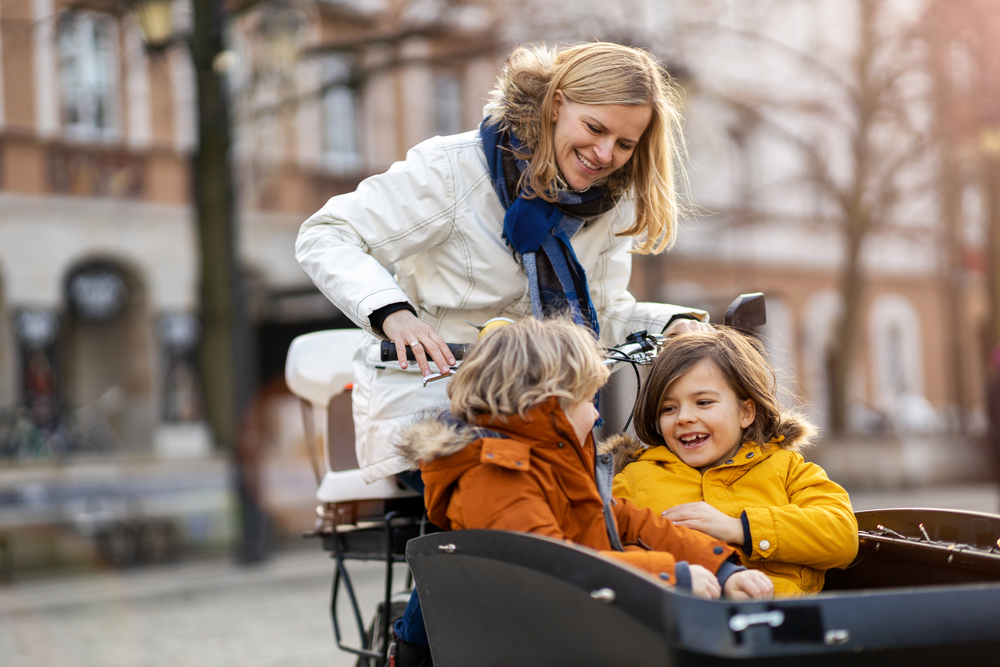
  • Bakfiets: these are cargo bikes; you’ll usually see parents cycling around with their children in the massive baskets at the front of these.
  • Mamafiets: similar to the oma-fiets, these bikes have an attachment for a child’s seat.
  • E-bikes: these bikes are motorised, and make for easy travel especially when fighting the Dutch wind.
  • Road bike: this one will take you speedily down the bike lanes! 
  • Folding bike: if you need a bike you can take with you easily on the train, go for this one.
  • Mountain bike: designed for mountaineering, you might not make this kind of bike your number one choice in the Netherlands.
  • Hybrid bike: these bikes are combination road bike and mountain bike. Great for a bit of on- and off-roading!
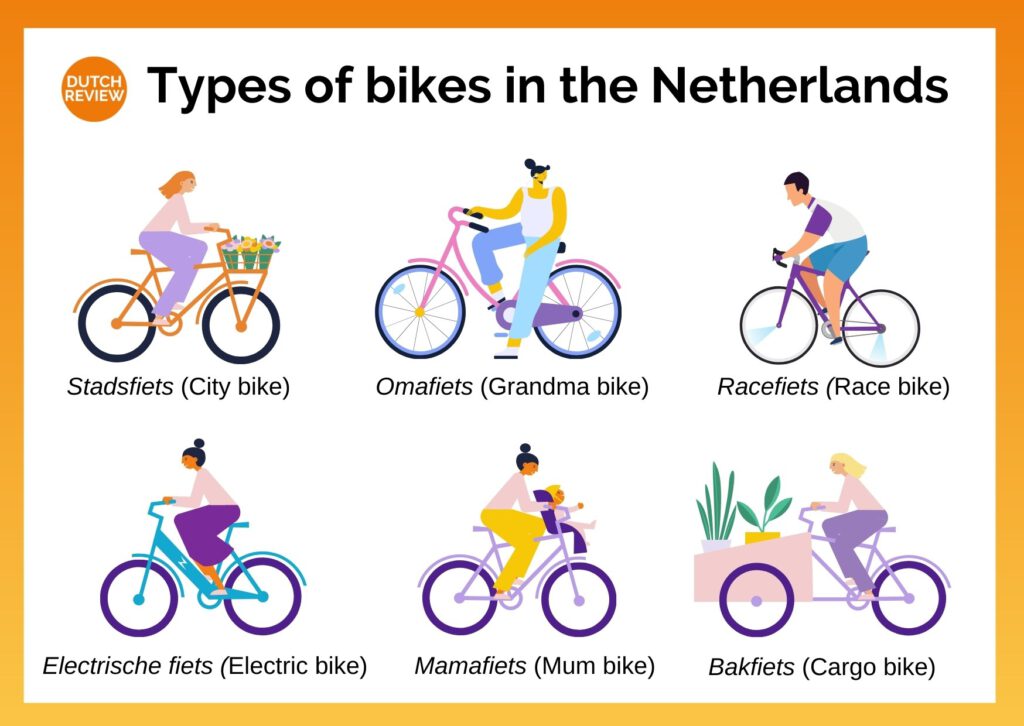
infographic-showing-six-bikes-in-alegria-style-city-bike-oma-fiets-racebike-electric-bike-mamafiets-cargo-bike
Choose your weapon. Image: DutchReview

Do you know what kind of bike you might need based on these bikes? 

Good! Now we can get the real work done. 👷‍♂️

How much does a bike in the Netherlands cost?

The thing is, there’s a bit of nuance to this question. How much you spend is dependent on the type of bike you get. 

As a general guide, most people spend between €75 and €200 on their first Dutch bike. This is secondhand, and probably a little rusty, but it’s ideal to get you from A to B.

If you want to buy new and are eyeing a pretty basic oma-fiets, you can expect to drop around €200 to €500.

Specialist bikes often cost a lot more. A brand-new bakfiets, for example, could cost you up to €2,000, depending on the model. And if you want an electric one? Better get saving, because you could spend double that! 💶
mother-with-her-kids-in-cargo-bike-netherlands
The Dutch have come up with some inventive ways to bring their kids around. Image: Depositphotos

Where should I buy a bike in the Netherlands?

Just like the rest of the Netherlands, bikes aren’t part of a hierarchy. That person riding the squeaky rust-mobile? They might be a CEO.

Basically, no one’s going to judge you based on the quality of your bike. 

That being said, there are a number of options when buying a bike in the Netherlands.

Buying a brand-new bike in the Netherlands

If you’re the kind of person who’s willing to take the very likely risk of having your wonderful set of wheels stolen right from under you, a first-hand bike is surely the way to go.

But there are benefits! While a first-hand bike is certainly a luxury purchase (and a dream for thieves), it can also mean no squeaky brakes or stuttering lights. But, where should you buy a brand-new bike?

READ MORE | Dutch Quirk #19: Bike while holding hands

Where to buy a brand-new bike in the Netherlands

Once that you’ve got the cost of the bike down, and an understanding of what you’re looking for, you’ve got to climb the final hurdle — where to get it from!

READ MORE | Dutch Quirk #125: Throw bikes into canals (usually while drunk)

With nearly 3,080 bike shops (oh mijn!) in the Netherlands, finding a bike shop can be a bit of a task. 

Some of the most popular bike stores are:

Aside from these stores, you can always get a bike in one of the many thousands of stores across the wetlands. You can go in and look for more established brands, such as Gazelle or Cortina. Plus, some bike brands have their own stores — such as Trek. 

But, always check reviews first, and make sure to compare before you spend your hard-earned moolah. 💰

Buying a second-hand bike in the Netherlands

Perhaps the more popular choice, buying a second-hand bike in the Netherlands can also be a bit of a challenge. 

But, once you have all the details, going out into the world to retrieve the fiets of your dreams can be an easy task. 

Facebook Marketplace and buy-and-sell groups

Buying from Facebook Marketplace and other online buy-and-sell groups can be a great option when buying a bike in the Netherlands.

But, do be careful of buying a stolen bike; this is illegal and could end up leaving you in a bit of a mess. 
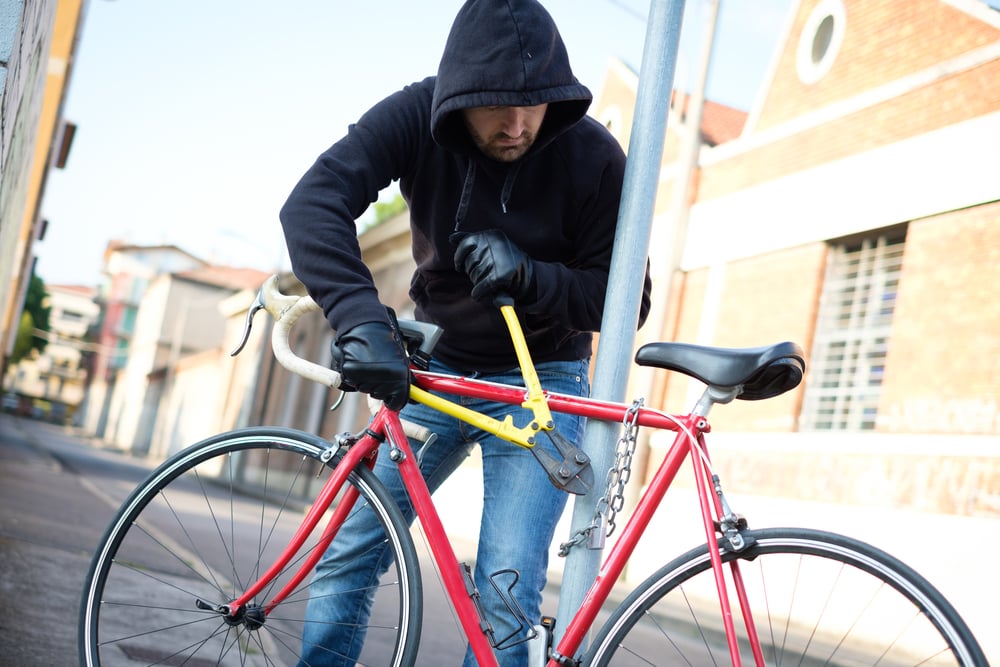
man-stealing-bike-netherlands
That brand-new ‘second-hand’ bike you’re looking at might actually be stolen. Image: Depositphotos

Does the bike look too good to be true? A brand-new pink beauty with a shining basket and not a speck of rust for a measly €60? Perhaps think again, for that might be some poor soul’s birthday present, snatched off the street.

A little bit of caution goes a long way — does the person seem trustworthy? Is their Facebook profile legitimate? Are they posting 20 different bikes for sale, claiming they’ve been riding them for two years? No? Then you’re likely good to go!

Marktplaats

Marktplaats, the Dutch holy ground for secondhand goods! 

This is an excellent place to go if you want to buy a bike. Dust off those Dutch skills, and see if you can grab yourself a good deal. 

READ MORE | Best options for selling your stuff in the Netherlands

Lots of people on Marktplaats will also sell more expensive bikes, such as e-bikes or bakfiets, so if you desire either of those at a cheaper cost, be sure to download the app and search away. 

Second-hand bike store

Just as thousands of bike shops sell brand-new bikes, there are also many stores selling second-hand ones. 

Many stores will sell both, so pop into a store and ask around. They’ll let you test-drive them, and they often come with a limited warranty or a buy-back guarantee. 

Flea markets

Flea markets are also a great resource when buying a bike. 

If you’re in Amsterdam, major markets such as IJ-Hallen will have a massive selection of bikes by different vendors, giving you the chance to wander around and barter before you settle on a bike. 
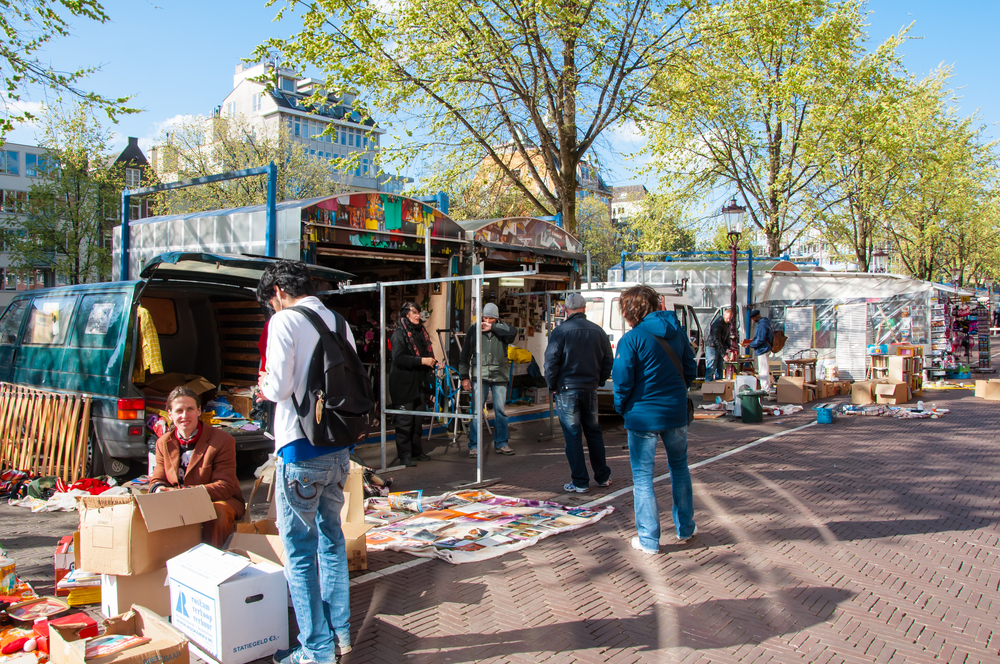
flea-market-waterlooplien-amsterdam-where-you-can-buy-a-bike-in-the-Netherlands
You can even find bikes for sale at major flea markets in Dutch cities. Image: Depositphotos

The market at Waterlooplein in Amsterdam is also an excellent place to buy a bike in the Netherlands. Open Monday to Saturday from 9.30 AM to 6 PM, you’ll find lots of secondhand bikes on sale here too. 

Ask your friends and co-workers

Though it might seem nerve-wracking if you’re new to the Netherlands, asking the people around you if they have a bike they’re selling on, or know of someone trying to get rid of their beloved fiets, is a good option. 

You’d be surprised just how much movement one bike goes through in its lifetime in the Netherlands! 

Under a bridge (just kidding!)

“Buying a bike under a bridge” refers to buying an exceptionally cheap bike, usually from a seller that looks like they’re about to bound away once the sale is done. This is often literally done under a bridge or by a railway station.

Clouded by nerves and a sense of rushing, buying a €5 bike from a person on the side of the street is never a good idea.

Although good for the wallet, the bike is most likely stolen, and the thief is trying to pass it off before they get caught. 

Beware of buying a super cheap bike! It may be stolen, and you might be the person to blame if caught. 

What should you check for when buying a bike in the Netherlands? 

Buying a bike in the Netherlands is a serious duty. Similar to buying a car, you need to check lots of things before you buy your bike and take it home.
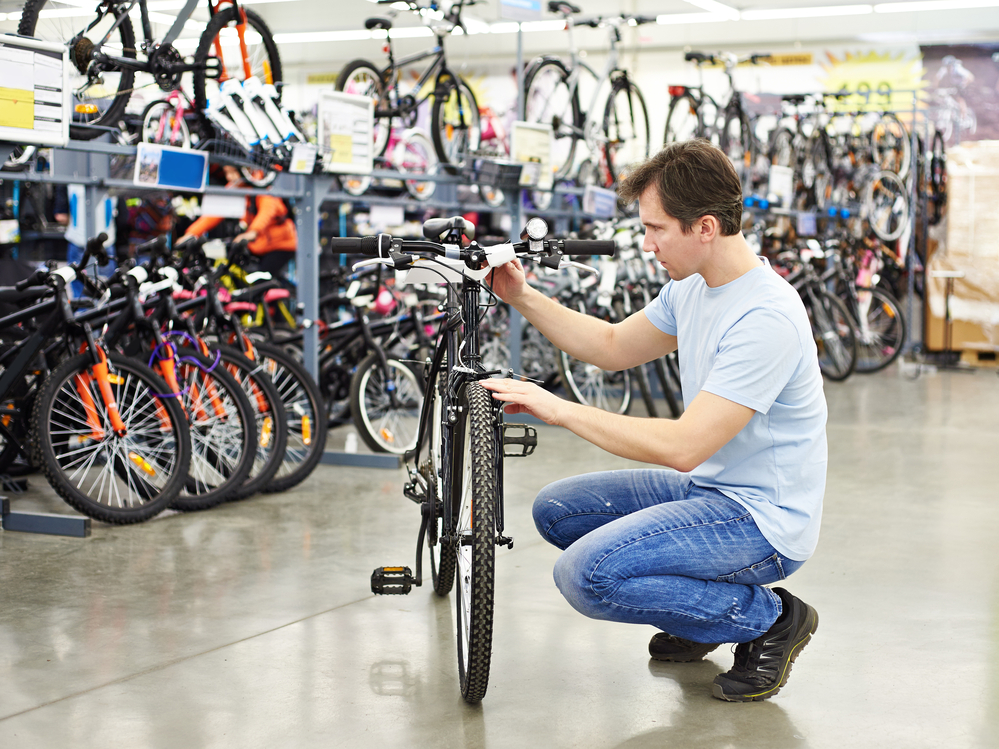
photo-of-man-fixing-bike-in-bike-shop-where-you-can-buy-a-bike-in-the-Netherlands
The last thing you want to have to do with a new bike is to bring it for repairs just after buying it. Image: Pexels

The major things you should check for on your new bike are;

  • Do both the front and back brakes work?
  • The type of brakes: are they back-pedal brakes or hand brakes?
  • Is it the right height for you to get comfortably on and off? If not, can the seat be adjusted.
  • Is it comfortable? Do you see yourself being able to cycle for long stretches?

There are, of course, other things to check for, but these are more to do with personal needs and wants than the plain basics. As for accessories, we’ll get to it! 😎

How to avoid scams or buying a broken or stolen bike

Just like with most secondhand purchases, there’s always an underlying fear that the item you’re buying isn’t as good as it seems. 

Our best recommendation is always to always look at the bike in person. And no, we don’t mean taking it for a quick spin; we mean giving it a good, close-up inspection. 

Make sure the gears work, and that both the back and front brakes are in good condition.

It might be a scam if the bike looks freshly painted, as this is a way for thieves to resell stolen bikes.

Is it a bit too good to be true? Less than €100 for a really nice blue bike with a brown leather seat with 21 gears and in perfect condition? If it’s too cheap, too pristine, or looks like it’s been done up very recently, we’d recommend approaching with caution. 🚫

READ MORE | Expats and international students: how to not get scammed in the Netherlands

And, make sure never to send any Tikkies until you’ve seen the bike in person. That way, you won’t get caught out buying a bike that doesn’t exist. 
photo-of-girl-with-legs-out-on-bike
Oi! Before you cycle off, maybe double-check that you’re not buying a stolen bike. Image: Depositphotos

Renting a bike in the Netherlands

Want the thrill of cycling through the city, hair flush with the wind? 

Well, a great option, if you’re not in the market to buy a bike but still want the true Dutch experience, is to rent a bike during your stay! 

READ NEXT | 7 scenic bike paths in the Netherlands

You can get short-term rentals, for a few days or weeks, or long-term rentals for months or years. 

Long-term bike rental options

Long-term bike rentals are great if you don’t want to buy a bike, but yet still want all the benefits. 
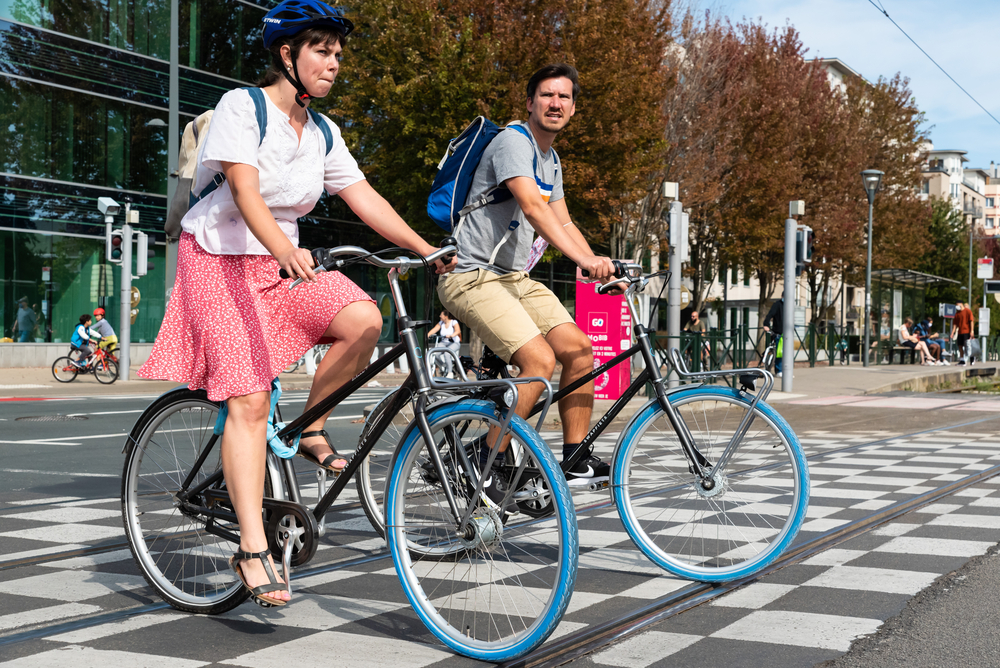
photo-of-two-people-cycling-on- swapfiets
Using a rental bike is a temporary solution for bike ownership. Image: Depositphotos

There are multiple benefits to renting a bike: 

  • You pay a fixed cost per month
  • You never need to pay for the cost of maintenance; this is included in your subscription
  • You’re guaranteed a working bike at all times
  • You can get a perfect bike quickly and with ease
  • There’s less of a chance of your bike being stolen because they can’t be resold
  • The bikes are supplied with good, secure locks

So, you’re interested in a long-term bike rental? Here are some places you can go to get this incredible service: 

Short-term bike rental options

Short-term bike rentals are also available. These are ideal if you’re in Amsterdam for a handful of days and you want to get the chance to cycle around the beautiful city. Or, you’re halfway along your commute home and have to choose between a 40-minute walk or a 20-minute cycle. 
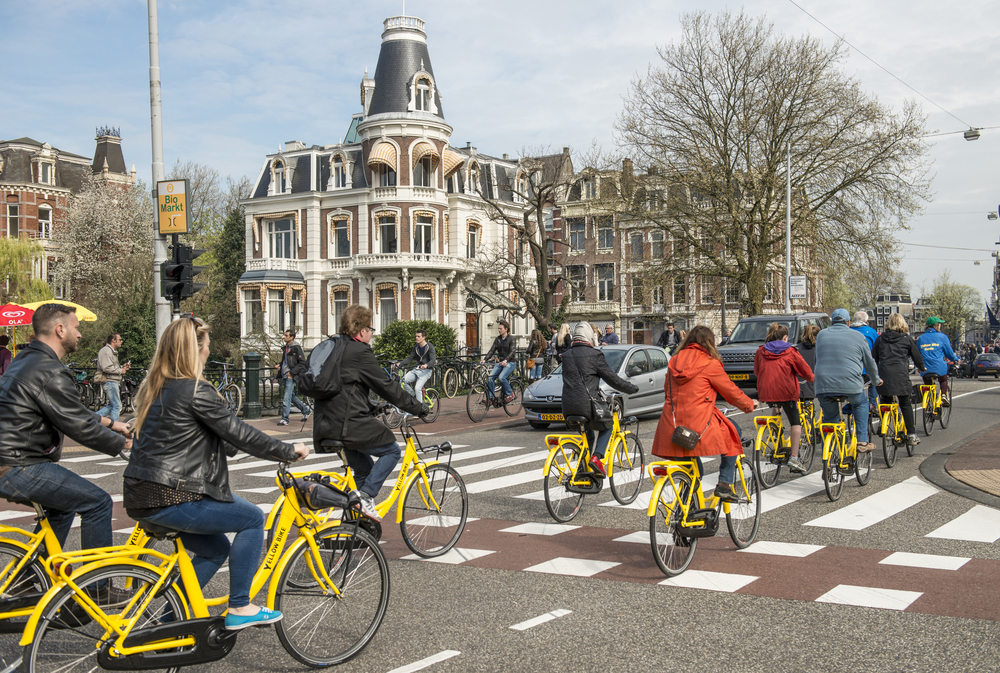
photo-of-people-riding-rented-bikes-in-amsterdam
There are hundreds of short-term bikes to rent in the Netherlands. Image: Depositphotos

This is where short-term bike rentals come in! These bikes are usually rented on a day-to-day basis and are relatively cheap (although they can rack up costs over time). 

Some examples of short-term rentals are: 

In almost every city, however, you’re sure to find a bike rental shop. Just walk in, ask if they rent bikes, and double-check the rate. You can expect to pay around €10 for a full day. Then, you can whizz away.

Other things to consider when buying a bike in the Netherlands

Congratulations! You’ve found the Dutch bike of your dreams. But, now’s the other hard part; all those extra things you’ll need.

Before you can journey off in peace, you’ll need to consider a few things, such as:

  • What kind of bike lock are you going to use? 
  • Where are you going to park it daily?
  • Is it likely to get stolen? 
  • And, what accessories are you going to add to it?
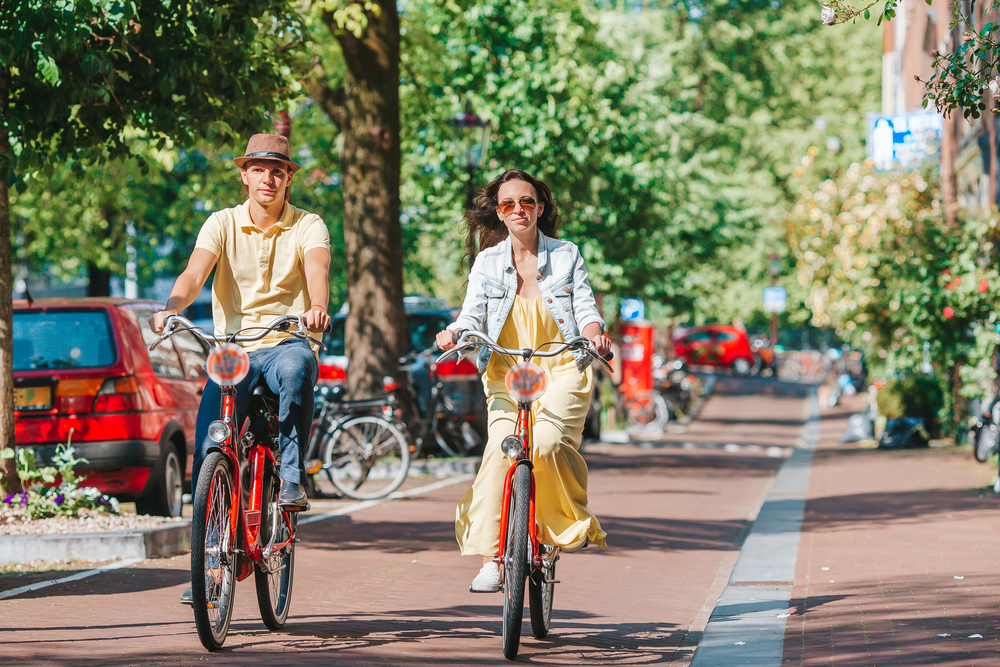
photo-of-couple-riding-bikes-through-amsterdam
Before you know it, you’ll be cycling into the sunset (or the Amsterdam bike lanes) with the bike of your dreams. Image: Depositphotos

READ MORE | Take it from a former thief: this is how you can prevent your bike from being stolen

Some popular examples of accessories when buying a bike in the Netherlands are: 

  • Basket: perfect for internationals who aren’t ready to cycle home holding five bags of groceries, unlike the rest of the Dutchies
  • Pannier: a bag that can be attached to the back of your bike for easy storage and carrying.
  • Mobile phone holder: good for those of us who are a bit directionally challenged but don’t want to risk unnecessary fines for using our phones while cycling.
  • A bell: important for alerting everyone in a hundred-metre radius that you are, in fact, on the bike path and they should get out of your way.
  • Something to distinguish it as your bike: because if it’s a basic black bike, it’s bound to get lost amongst the hundreds of other black bikes.

Where to buy a bike in the Netherlands: frequently asked questions

Where can I buy a bike in the Netherlands?

How much does it cost to buy a bike in the Netherlands?

How can I get a cheap bike in the Netherlands?

What is the most popular bike in the Netherlands?

Is it better to rent or buy a bike in the Netherlands?


So, now that you’ve got the tips, tricks and knowledge, you can go out into the world and find your perfect bike! 🚲

Did you buy a bike in the Netherlands? If so, tell us about your experience in a comment!

Editor’s note: This article was originally published in December 2022, and was fully updated in October 2023 for your reading pleasure.


Working from home in the Netherlands: the complete guide

Thinking about working from home in the Netherlands? There’s nothing more ideal than snuggling up with a house-made coffee, turning on your laptop, and working like a boss in your underwear (it’s okay, we won’t tell).

Luckily, if you’re in the Netherlands, you’re well-placed to work from home. In fact, 1.2 million Dutchies did just that in 2019.

So, how did the Netherlands gain such a great reputation for working from home? Is the future of working from home in the Netherlands at risk?

And how can you get in the home-office game — while still impressing your boss?

READ MORE | 7 top pieces to upgrade your home office in the Netherlands

We’ve compiled all the information about working from home in the Netherlands in one place. Let’s get cracking!

Working from home in the Netherlands is common

Really common. In fact, the Netherlands is the second-best place to work from home in 2023. Around 8.8% of Dutch people worked from home.

And this isn’t new: even before the coronavirus hit the country, the number of remote workers had increased by half a million from 2013 to 2019.

Despite the excellent Dutch public transport system, many Dutchies choose to work at home to cut their travel time.

In some places in the Randstad (like Amsterdam, Utrecht, the Gooi, and Vecchstreek), almost half of the workforce worked from home at least sometimes in 2019, according to the Central Bureau of Statistics.

You may have a legal right to work from home

The Flexible Working Act in the Netherlands has been in force since January 1, 2016.

Among other things, the Act stated that after an employee has been working for more than six months, they can ask to adjust their hours or place of working. The employer can only deny the request if they have a good reason.

The Netherlands is relatively progressive in this arrangement. But, companies may not always be in favour.

photo-of-man-working-from-home-in-his-underwear-while-taking-care-of-his-child-avoiding-the-office
Working from home lets you multitask! Image: Depositphotos

Computer giant IBM became the first multinational this century to encourage its workers to work from home. Ever since then, the company has had 21 quarters of falling profits and ordered thousands of employees to return to the office “or else leave the company.”

They’re not alone: Yahoo, Honeywell, and Bank of America also brought their employees back to the office.

If you’re hoping to find a job that easily allows for remote work, we suggest you search for IT jobs, virtual assistant roles, and software engineering positions.

Is working from home all it’s cracked up to be?

It sounds like a dream, right? No commute time, no office clothing, and the ability to ignore annoying colleagues if they message you. Yep, working from home sounds great — and it will make you more productive, right?

But in reality, working from home can dramatically affect your productivity. In the US, the benefits of working from home have been called “the big lie.”

Despite employees promising their bosses (and themselves) that they’ll be up early, tapping away on their computer at their kitchen table, that’s not always what happens.

A Dutch study from 2018 found that employees have too little self-discipline. They are often distracted at home by laundry or catching up on Netflix.

The same study found that combining work and family can make you more exhausted, leading to more arguments at home.

Succeeding at working from home in the Netherlands

Determined to nail the Dutch work-life balance and thrive in your home office? Here are our tips.

Get into a routine

Sometimes, it’s a little hard to separate home life from work life — and it’s easy to lose focus on work and instead revert to doing chores. But, of course, it’s hard to concentrate if you’re constantly getting distracted.

Also, keep in mind that you don’t have a boss coming and monitoring your screen every now and then, so it’s easy to let your mind wander.

woman-eating-food-from-home-over-her-laptop-at-a-place-to-work-or-study-in-Nijmegen
Don’t eat lunch at your desk; set a proper break time! Image: Freepik

It helps to wake up at a certain time in the morning and set hours for yourself when you’re going to work.

Decide when your lunch break will be, if you’ll have a designated time to do chores, and how you will make up that work time later in the day.

READ MORE | Dutch Quirk #5: eat cheese every day for lunch

And, remember not to lounge around in your pyjamas: getting dressed, brushing your teeth and wearing proper clothes can make a big difference to how productive you feel.

Don’t isolate yourself completely

Although the idea of working from home is pretty appealing, keep in mind that human beings were made for social interaction — that’s why some people prefer to work in an office.

friends-talking-with-each-other-while-working-on-projects-with-laptop-and-paper-diary-sitting-in-cafe
Make sure to stay social! Image: Depositphotos

Physical contact has been linked to better ideas, communication and decision-making. In this case, it might be nice to have a balance between working from home and working in an office

Don’t be afraid to work outside of home

Working from home doesn’t have to be taken literally — especially as Dutch houses and apartments can be notoriously small.

Get out in the world and check out some coworking spaces if you need a bit more of a routine.

A-diverse-group-of-people-working-in-rotterdam
Don’t be afraid to get out of the house to work! Image: Freepik

Fortunately, because working from home in the Netherlands is so widespread, there are plenty of coworking spaces available. While the majority of them are paid, some municipalities also fund some that are completely free.

READ MORE | 13 best places to study or work in Amsterdam

Coworking spaces offer a great opportunity to network, have a great working space, and often have ultra-fast internet and complimentary tea and coffee. Check out coworker.com to find one near you.

Or, if you’re feeling a little extra, there are plenty of super gezellig cafés in each Dutch city that you can work from.

Good Wi-Fi is key

If you’re working from home, you’ll likely be communicating frequently with your company or organisation. It’s absolutely essential to have fast WiFi.

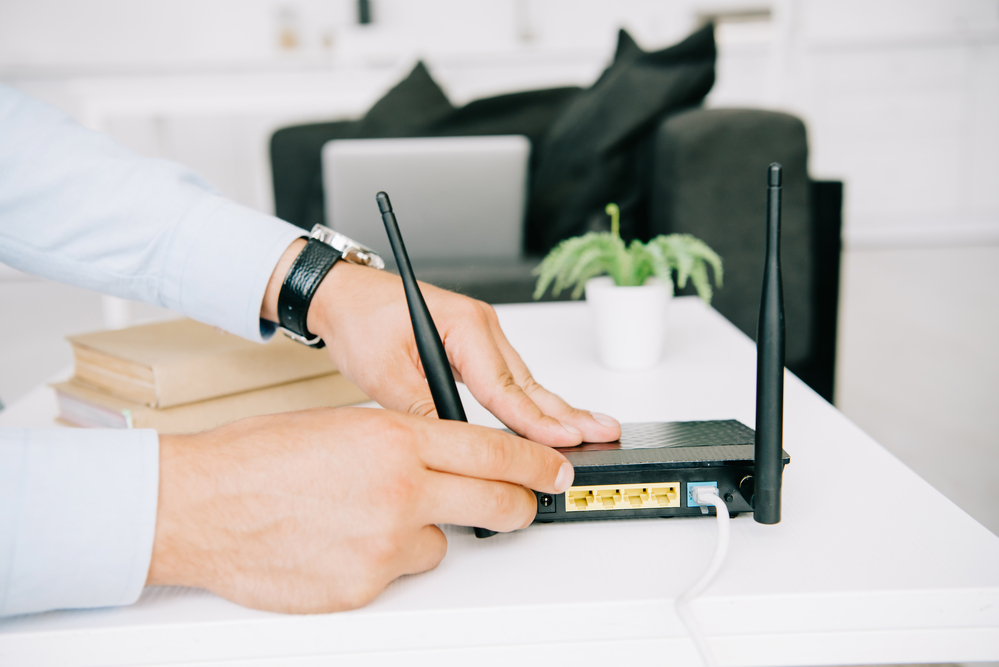
photo-man-setting-up-internet-in-dutch-home
Trust us, you won’t regret putting the time into getting good wifi! Image: Depositphotos

Added bonus? Ultra-fast streaming for when the workday is over!

Make sure everyone is on the same page

If you are making the shift to working from home make sure you are upfront and clear with your bosses about what is expected.

man-listening-to-woman-speak-dutch-with-a-serious-look-in-office-at-desk
Make sure to talk to your boss so everything is clear. Image: Freepik

Do you need to keep working your normal hours, or can you be flexible and work in the evening? Do you need to be available for calls?

Can you work from another country? Do you ever need to show up to the office? How will your success be measured in the future?

READ MORE | Mental health in Dutch workplaces: an expert’s tips (and signs of a top employer)

Remote working relies on mutual trust to be effective. Discuss the ‘what’ and ‘how’ with your boss and talk about whether you need to come to an agreement in writing.

Know when to call it quits

Working from home isn’t for everyone — and few people find it to be a natural and easy adaptation. Give yourself some time to settle in and focus on making it work.

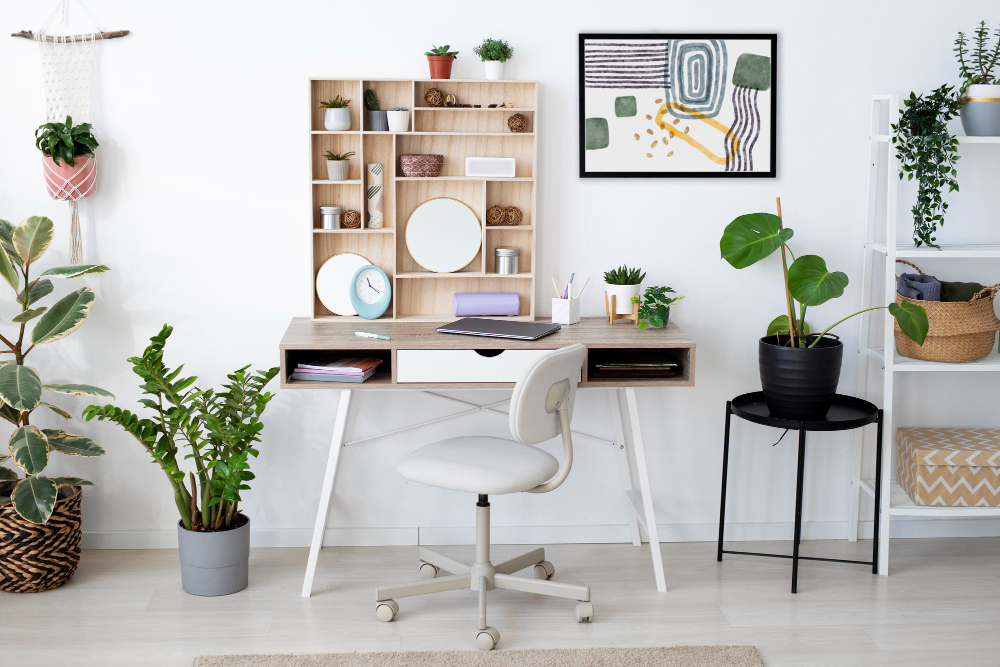
Best-office-products-for-your-home-office
Just because you’ve set up your home office doesn’t mean you’re tied to it forever! Image: Freepik

But, sometimes, it doesn’t work out. Think about how long you’ll try it out and when you may think about returning to the office. It doesn’t mean you failed — it just means you tried.

What do you think are the benefits of working at home? Tell us in the comments!

This article was co-authored by Vedika Luthra and Samantha Dixon
Editor’s Note: This article was originally published in March 2020, and was fully updated in October 2023 for your reading pleasure.

It’s official: this is one of the coolest neighbourhoods in Amsterdam (and the world!)

0

The results are in! With the help of 12,000 participants, TimeOut has officially determined the 40 coolest neighbourhoods in the world. Anyone who’s anyone will be there. 😎

Where will you have the most fun if you go out? Where is everyone flocking to?

What neighbourhood has the most brand-new openings? What spots have the most “green spaces” that actually let you touch grass and, well, breathe? 🌿

These questions, among other criteria, are what determined the results by TimeOut. Let’s see how well our beloved Dutch capital did…

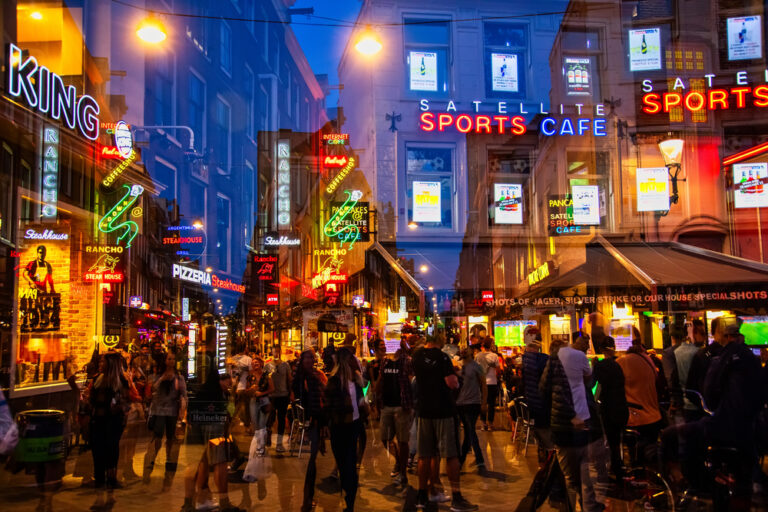
Amsterdam’s West ranks 9th

Trusty old Amsterdam, with its robust nightlife and highly cultured canals, was a force to be reckoned with. The Venice of the North stole the ninth place on the list thanks to its West Amsterdam neighbourhood.

READ MORE | 9 trendy places to eat in Amsterdam in 2023

But it’s not just the Red Light District and boisterous clubs such as De School — which is one of Europe’s premier nightclubs — that earned West this title.

Food critics and “local experts” commended the area for its museums (including Museum Het Schip) and the many boutiques, hip cafés, and “multicultural eateries” found in streets like De Clercqstraat, Kinkerstraat, and Overtoom.

A diverse set of neighbourhoods

At the very front of the pack was Laureles in Medellín, Colombia — and, let’s face it, no one could compete with its many “parks, tree-lined streets, yoga studios and countless coffee shops” (not the Dutch kind).

READ MORE | Visiting a coffeeshop in Amsterdam: etiquette, tips and tricks for first timers

Curious about the top 10 rankings? See if your home city made it on the list:

RankingNeighbourhood
1Laureles (Medellín, Colombia)
2Smithfield (Dublin, Ireland)
3Carabanchel (Madrid, Spain)
4Havnen (Copenhagen, Denmark)
5Sheung Wan (Hong Kong)
6Brunswick East (Melbourne, Australia)
7Mid-City (New Orleans, USA)
8Isola (Milan, Italy)
9West (Amsterdam, The Netherlands)
10Tomigaya (Tokyo, Japan)

Do you agree with this ranking? Share your thoughts in the comments below!

Most wanted Dutch criminal takes a piss, then gets arrested

1

The “most wanted man in the Netherlands” proved no match for this Amsterdam-based toilet. After he came out of the W.C. in a hotel yesterday morning, he was arrested on the spot.

The entire country was on a collective manhunt to track down the 24-year-old criminal Bretly D., who was dubbed the Netherlands’ most wanted man.

Up until yesterday, Dutch police were being flooded with hundreds of tips regarding the whereabouts of the alleged serial killer, the NOS reports.

Plus, the fact that the reward for turning him in was a whopping great €25,000 didn’t hurt either.

Receptionist mistook him for a hotel employee

The alleged murderer was taking a discreet stroll through Amsterdam yesterday morning when he snuck into a hotel toilet to avoid arrest and…relieve his bladder?

According to the hotel receptionist, allowing randomers off the street to use the bathroom is a rare occurrence.

But since there was construction happening at the hotel, the suspect was in luck — the receptionist let him in, assuming he was a construction employee.

Altered appearance

And who could blame her, considering the fact that D. had supposedly given his appearance a makeover to avoid arrest?

Apparently, he had ditched his “bad boy” looks and was donning a black jacket and freshly sheered bald head, with a cap in hand. Still, his “rushed” manner may have given him away.

Translation: “Firearms-dangerous Bretly D. arrested after manhunt.”

A construction worker recognised him nonetheless and pointed out the direction of where D. had gone (that is, the Gents) when the police arrived at the scene.

After his trip to the powder room, D. was greeted by a team of police officers.

Bretly D. is suspected of participating in the recent shooting of a psychiatrist and had a history of stabbing. He is currently in police custody.

Want the latest Dutch news to come zooming through the internet to your inbox? Dat kan! Subscribe to DutchReview’s weekly roundup. 📮

Kijk uit! Code yellow announced due to dense fog in the Netherlands

It’s officially spooky season! A code yellow warning was issued for a large part of the Netherlands due to dense fog covering our surroundings in some season-appropriate mist.

Code yellow is often used for thunderstorms or heavy rainfall, but heavy fog can transform our daily routines (even if it’s not as dramatic as lightning or showers). 

Is it really that serious?

The code yellow was issued mostly due to limited visibility. According to NU.nl, visibility can be less than 200 metres in some areas. 

Dense fog can create challenges for commuters and travellers — with less visibility, it’s a good idea to increase your following distance and go a bit slower than usual while driving.

READ MORE | Keep your eyes peeled! Partial lunar eclipse to grace Dutch skies this week

The fog can also lead to temporary disruptions in public transportation. Make sure to double-check your train times for this morning’s commute to work!

The fog will be short-lived

Groningen, Drenthe, Overijssel and Limburg will be spared of the foggy mysticism. As for the rest of us, the fog will disappear in the second half of the morning.

When the fog clears in the coming days, there’s even a chance that the sun will show itself. But don’t count on it too much; the clouds will soon come back and possibly bring us some rain.

It might be time to embrace the gloomy weather vibes because it’s looking like rainy, chilly weather is here to stay for a while.

Do you think the fog is worth a code yellow warning? Tell us in the comments!

7 ways to make your Dutch bedroom feel like home

When dealing with Dutch weather, confusing interactions in Dutch, and a long commute, nothing says welcome home like a cosy bedroom after a long day of hard work.

Getting a good night’s rest is important for your well-being and mental health. If your Dutch bedroom is to be a true haven, there are a few things you can do to make your room a gezellig space and the perfect place to sleep. 

1. Invest in a good bed

A lumpy matras (mattress) that gives you back aches and a crickety neck will make going to bed a nightmare. This is why a bed where you can get restful sleep for years is an investment everyone should make. 

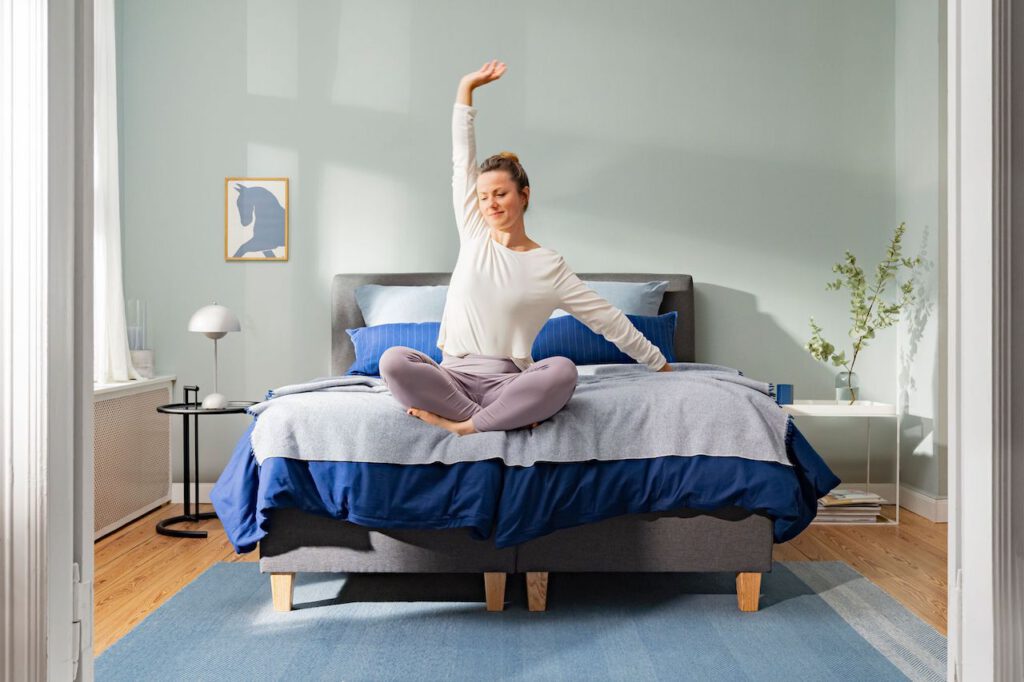
photo-of-woman-stretching-in-comfy-bed-with-cosy-sheets-from-Emma-Sleep
First, ensure you have the right bed to make your bedroom a home. Image: Emma Sleep

In the Netherlands, you should prepare to spend between €1,500 to €3,000 for a new good quality bed and mattress that sleeps two people. It may seem pricey, but your back will thank you! 

Having a comfortable bed waiting for you will help you settle into your Dutch bedroom. It could even give you a reason to go to bed early enough to get those precious seven to eight hours of sleep.

2. Make your bed cosy with the correct sheets

When renting a room or home, choosing sheets and duvets that show your personality will make your bedroom feel like your room. Want a splash of colour? Go nuts. 🌈

However, you should also make sure that your choices are practical. Dutch weather can change drastically, from stifling heat during the summer to freezing temperatures in winter. 🥶 

photo-of-couple-putting-comfortable-sheets-on-bed-making-bedroom-cosy
What makes a room a home? A good night’s sleep! Image: Emma Sleep

This is why you should opt for sheets and duvets that suit the different seasons. Check out some four-season duvets, for example. These two duvets can be buttoned together during the wintertime or taken apart for a lighter covering during the warmer summer months. 

READ MORE | Dutch Quirk #47: complain about the weather nonstop

Want to go for a luxurious feel? Buy your duvet and duvet cover in a size larger than your bed. It’ll give you an instant magazine-worthy look in seconds — and save midnight blanket tugs-of-war. 😉

3. Get yourself some funky curtains

Another way to make your Dutch bedroom feel like home is to let your whacky side out and onto your curtains. Who needs boring old blinds? You want bright, loud curtains that will replace the sun on dark and dreary days. 

More colour in your bedroom will help you survive the winter blues, and in summer, the curtains can block out the blazing sun so your room stays cooler. 

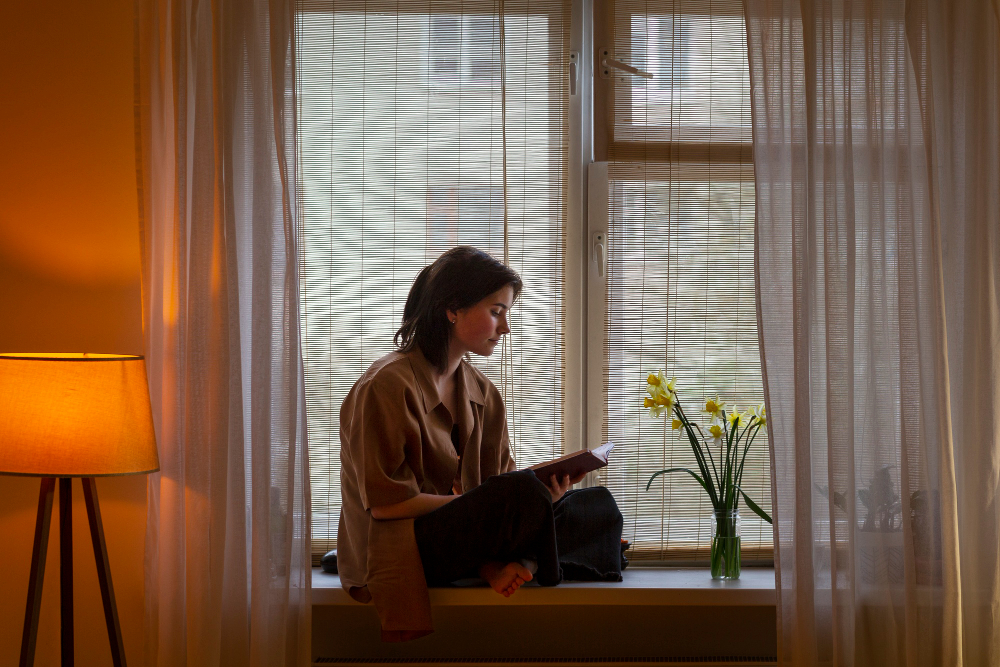
photo-of-woman-reading-in-windowsill-with-pretty-blinds-and-curtains-in-cosy-bedroom
Keep out the gloom of Dutch weather and instead enjoy some gezellige curtains. Image: Freepik

Light pollution is a pesky problem in the Netherlands. That’s why blackout curtains or blinds would also be a good investment for a peaceful night’s sleep. 

This can also help on those long summer nights when the sun stays up way past your bedtime and rises early in the morning.  

4. Decorate your walls with photos and pictures

What better way to make your bedroom feel like yours than to add tons of pictures of loved ones or your favourite furry friend onto your wall? 

Mix in some art you enjoy looking at, which makes you feel happy or relaxed, and you have a good way to lift your mood on rainy days. 🧘‍♀️ 

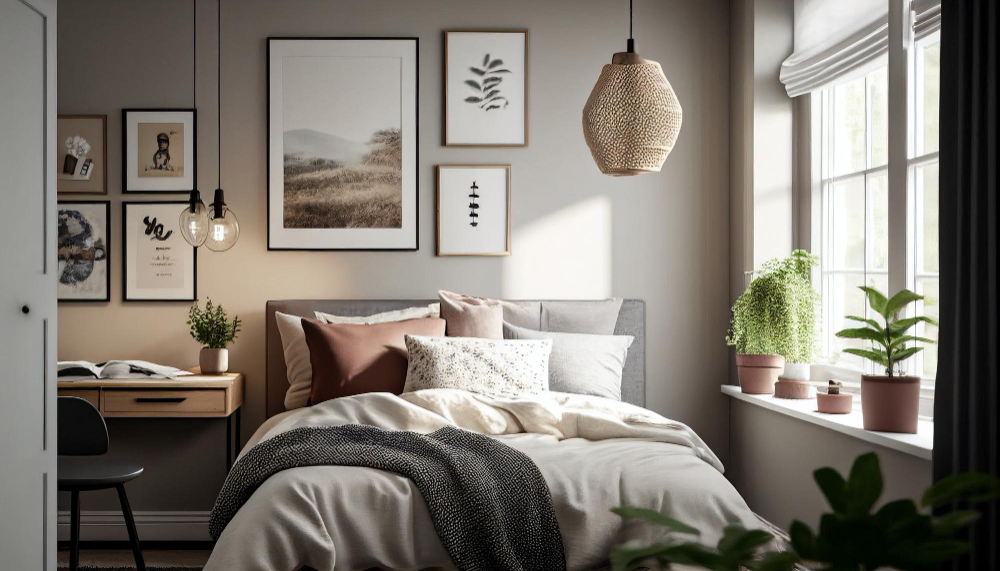
photo-of-Dutch-bedroom-that-feels-like-home-with-prints-and-pictures-on-the-walls
Who says your walls have to be bare? You can make your Dutch bedroom feel like home by adding some prints and pictures to your walls. Image: Freepik

Now, you may worry about nailing items to your wall because you’re renting. Geen probleem, we suggest using poster tape or command strips instead.

This way, you don’t have to make your landlord boos (angry) — but you also don’t have to live in a room with blank walls.

5. Find yourself the perfect pillows

Whether you sleep on your side, back, or belly and prefer a brick or a pile of feathers to rest your head on, you need a pillow that will accommodate those sweet dreams of cycling through fields of tulips. 

photo-of-woman-hugging-pillow-from-Emma-Sleep-in-bed
Nothing makes your bedroom feel like home like your favourite pillow. Image: Emma Sleep

You don’t have to stop at functional pillows; you can also have a scatter of leuk decorative kussens (pillows) to add a pop of colour to your room. 

You can find these in shops such as Xenos, HEMA, and even sometimes in your local supermarket! 

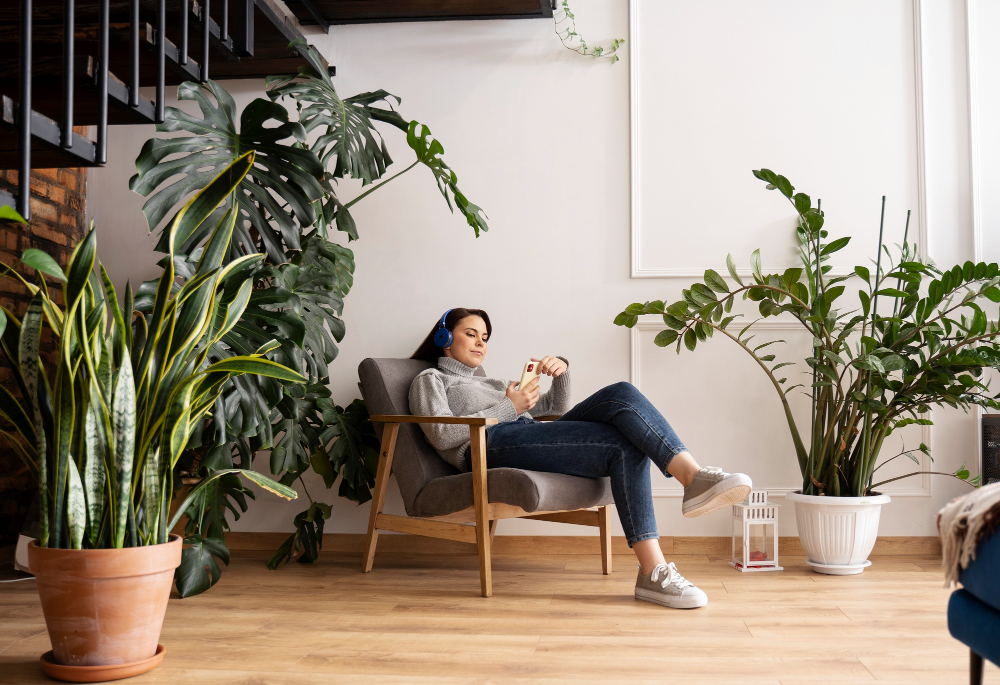
6. Fill your room with plants

Some days, going outside into Dutch weather feels like the worst thing you could possibly do. Well, you can get your dose of nature without going outside by filling your room with greenery. 

READ MORE | House plants in the Netherlands: tips to make your Dutch house bloom

Plants can also make your room feel like an oasis — a relaxing spot to drift off into sleep. 

photo-of-plants-in-house-with-woman-on-her-phone-feeling-at-home-in-her-Dutch-bedroom
You know what always helps me feel at home? Plants. Lots of them. Image: Freepik

Dry days don’t happen too often in the Netherlands, but on the few occasions that there is one, plants can add moisture to the air for easy sleep. 

Fun fact: Did you know that there are plant shelters in the Netherlands? Much like an animal shelter, you can mosey on up, drop a donation, and adopt a plant or two! 

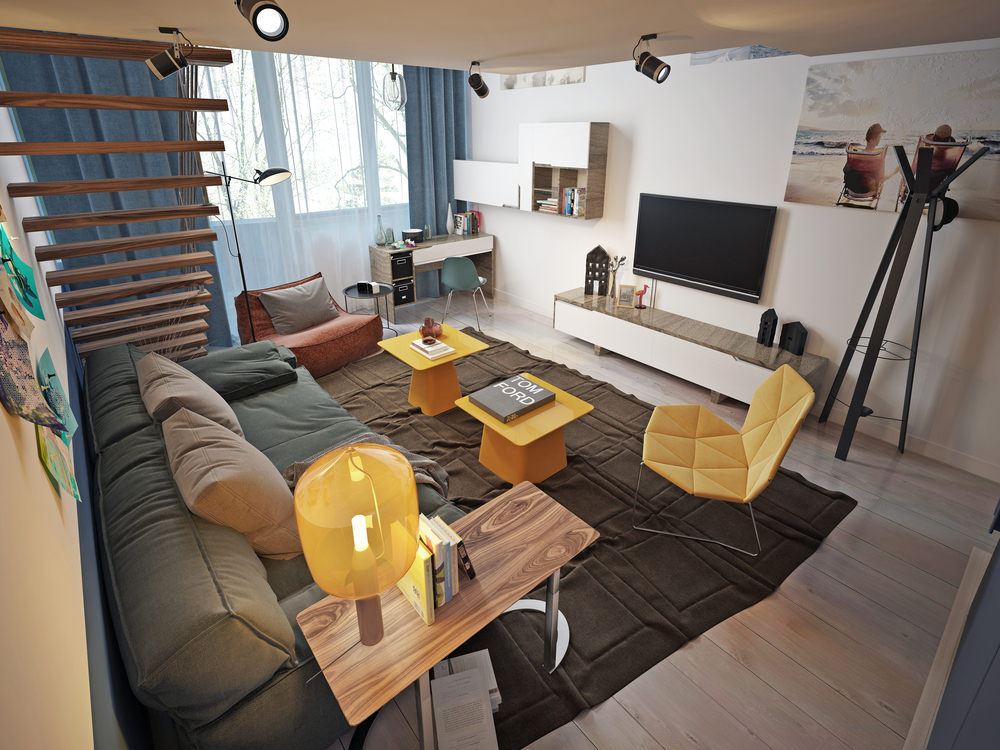
7. Learn from the Dutch and be economical with your space

If there’s one thing we should embrace from the Dutch way of life, it’s how they utilise their space. They manage to use every available spot in their narrow houses and still make it look spacious. 

photo-of-loft-bedroom-in-the-Netherlands-in-homey-bedroom
You may need to be creative with your space, but this will make it extra cosy! Image: Depositphotos

So how can you do the same? You can start by using little hidey-holes for storage. One example is under the bed — all of that space is just waiting to be filled with all your hoardings. Not much wall space? How about trying out some corner shelves? 

Do you know what else the Dutch love? Loft beds! If you ever venture into student housing in the Netherlands, you’re very likely to see some gorgeous rooms in some very small spaces. 

How do they achieve this? By putting the bed above their heads. If you find yourself in cramped conditions, this might be the best way to make your space into something more homely. 


Catching a few z’s is not the only reason to make your bedroom cosy; it will also improve your mood and help you settle into your new home in the Netherlands. 

The most important thing to remember is that the room should make you happy because you’re the one who’s going to be spending the most time there. Go forth and get cosy. 

What is one thing you can’t do without in your bedroom? Tell us in the comments!

Leading Dutch politician wants to put a cap on internationals: ‘no more than 50,000 per year’

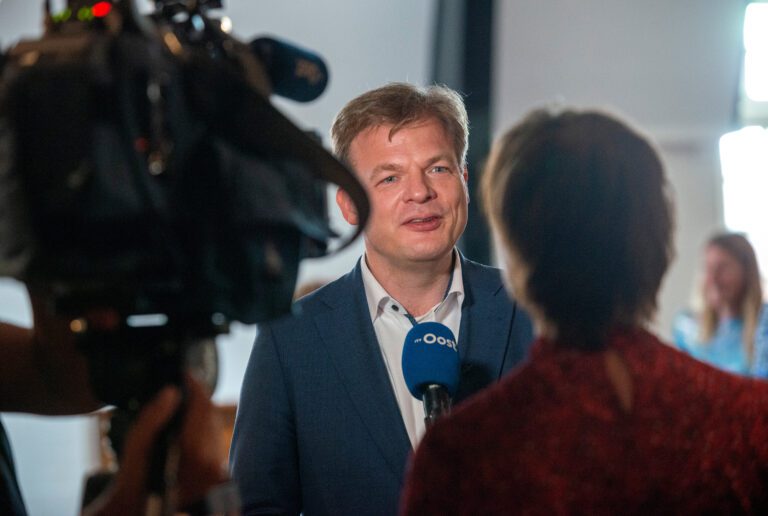
If you’re reading this, chances are high that you’re an international in the Netherlands. Well, according to the programme of the Dutch party NSC (New Social Contract), people like you (and me!) may soon be a rarity.

The party led by Pieter Omtzigt presented its programme on Tuesday morning in The Hague. One of the more controversial policies that was shared concerns the Dutch migration balance (in other words: us immigrants).

More specifically, Omtzigt believes that the Netherlands should stick to a target number of 50,000 immigrants entering the country per year. This concerns migrant workers, asylum seekers, and international students.

Why this strict limit?

It’s no secret that the Netherlands is struggling with its high influx of migrants — just think of the extreme housing shortage.

As de Volkskrant writes, Pieter Omtzigt believes that his proposal could keep the size of the Dutch population below 20 million by 2050. For reference, the current population is just under 18 million (17,944,800).

READ MORE | The asylum crisis in the Netherlands: here’s the rundown

Currently, an average of 70 to 100 thousand migrants come to the Netherlands each year. In 2022, these numbers were significantly higher, with a migration balance of 224 thousand people, including 100 thousand Ukrainian refugees.

To limit the number of migrant workers, the AD writes, Omtzigt wants to cut tax benefits such as the 30% ruling. The number of international students will also be reduced by reintroducing Dutch as the main teaching language at Dutch universities.

There is no question that NSC’s proposed policies on migration would significantly reduce the number of people settling in the country — be it for asylum, education, or work.

Leading the polls

Following the collapse of Mark Rutte’s coalition in July, a new Dutch parliament will be elected on 22 November 2023. The NSC is currently in first place in the polls.

In case you couldn’t have guessed: the party’s position on immigration appeals mostly to the right-leaning side of the Chamber.

That being said, Pieter Omtzigt does represent relatively balanced politics and wouldn’t be considered a member of the far-right himself. He mostly wants to focus on reorganising the Dutch governmental system.

Many of his party’s ideas about livelihood find great support among left-wing voters.

What do you think about the NSC’s proposed immigration policy? Share your thoughts in the comments.

‘No Dutch required’: more Dutch stores now hire internationals

If you live in one of the Netherlands’ big cities, you may have noticed that more and more employees in major stores don’t speak Dutch.

And indeed, you’re onto something! Dutch stores across various industries have started hiring English-speaking staff. If you’ve looked into “English speaking jobs in the Netherlands” yourself, then this is good news. 🥳

According to the NOS, for several industries, there are many more non-Dutch jobs to come.

De-Dutchifying Dutch stores

But why this “anglicisation“? You guessed it: a shortage of workers. The tight labour market leaves Dutch employers no choice but to hire more internationals.

At Zeeman, speaking Dutch used to be a requirement for employees. These days, however, plenty of English speakers are able to work there, so long as their manager is able to communicate with them.

READ MORE | ‘No English on the tram’: Push for public transport announcements to be Dutch only

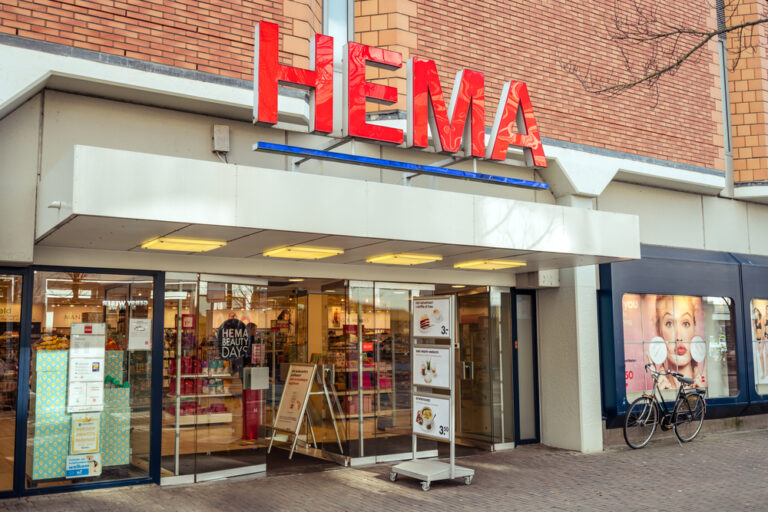
The same goes for Hema. The beloved Dutch chain store has taken on a new influx of non-Dutchies. However, a Hema spokesperson assures the NOS that “there is a good balance” between the ratio of Dutch and non-Dutch staff.

A reflection of society

By hiring non-Dutch-speaking employees, companies want to respond to the amount of English that has infiltrated Dutch society. After all, many people in large cities happen to be English-speaking.

READ MORE | Why are the Dutch so good at speaking English?

If you’re an English speaking job-hunter in the Netherlands, you may want to shoot your shot with these places. 👇

  • Jumbo
  • Action
  • Lidl
  • Dirk
  • Albert Heijn
  • Plus (though they prefer Dutch speakers, they won’t turn down English-speaking candidates if they are fit for the job.)

As for those small, independent retailers, they’re usually in the habit of demanding Dutch-speaking employees.

How do you feel about the Netherlands getting more non-Dutch-speaking employees? Share your thoughts in the comments below.

Manhunt ongoing for ‘most wanted man in the Netherlands’; police offer €25,000 for crucial tip

The Rotterdam Police are offering a huge reward for any tip that can lead to the arrest of 24-year-old Bretly Dorder. The man is a murder suspect and currently the most wanted man in the Netherlands.

The police are getting many potential leads on where the suspect could be, but so far, none have been helpful in locating him. Because he doesn’t have a fixed address, it has proven hard to pin him down.

For the time being, the country-wide manhunt continues. 

Armed and ‘extremely dangerous’

Dorder has been associated with multiple violent crimes. These include shooting 60-year-old psychiatrist Jean van Griensven, stabbing a 32-year-old man, threatening someone with a knife, and stabbing an inmate when he was briefly detained in May.

READ MORE | 7 notorious Dutch criminals that will leave you shaking in your clogs

The Rotterdam man has a multi-page criminal record, according to de Telegraaf, so the police want to get him off the streets as soon as possible to prevent further incidents.

If you see the suspect, the police urge you to call 112 immediately and not to engage with him in any way. He mostly travels by public transport, so keep your eyes open mainly on trains. 

He also may be active in online chats, especially Bullchat, a chatroom for gay men in the Netherlands.

The search continues

The Rotterdam Police made the rare decision to release Dorder’s name and face on Monday afternoon. This is usually only done if the person’s crimes add up to at least eight years in prison.

Translation: “We are urgently looking for Bretly Dorder. He is suspected of involvement in the fatal shooting of a 60-year-old man at #Handelsplein in #Rotterdam. If you see Dorder, do not approach him yourself, but call 112.”

Dorder is 1.83 metres tall, with a heavy build, and is 24 years old. The police are taking all the help they can get to find him, as this has become a very serious investigation.

Want the latest Dutch news to come zooming through the internet to your inbox? Dat kan! Subscribe to DutchReview’s weekly roundup 📮

Taking the train between Rotterdam and The Hague? We’ve got some bad news

0

Do you frequent the train lines between Rotterdam, Delft, and the Hague? Well, for this next month and a bit, you’re all out of luck.

Starting Monday, 23 October, and lasting until Sunday, December 3, the NS is (partially) shutting down its train routes between these locations.

Responding to popular demand

You may be wondering why on earth the NS would do such a thing. 😮

Apparently, ProRail needs that time to work on improving the “tracks, platforms, switches, overhead lines and train protection”, Treinreiziger reports.

READ MORE | REVIEW: We slept our way from Amsterdam to Berlin on the new European Sleeper train

Ever noticed how trains between the Hague, Delft, and Rotterdam already have passengers packed in like sardines?

Well, in the coming years, they’re set to get a lot more crowded. That’s why the NS claims they need to improve tracks — so that more trains can run back and forth on them. 🚝

Look out for last-minute changes

For the duration of November, the NS has announced that they’re going to complete the bulk of the construction on weekends, which will, no doubt, prove to be an inconvenience to many. 🥲

Even on several weekdays, there will either be no or far fewer trains running between Rotterdam Central Station and The Hague Central Station.

Translation: “This morning, the 07:09 train from Tilburg to Rotterdam was already 10 minutes late. Now, around half past eight, we have been standing still for an eternity somewhere between Breda and Rotterdam. Problem unknown. And that for a brand new train!”

This will also inevitably impact travellers between Amsterdam Central and Vlissingen.

READ MORE | Why is there a first and second class on trains in the Netherlands?

If you’re travelling between any of these spots, be sure to check up on the journey online right before departure.

Every train might be affected in its own unique, unpredictable way. Keeps things exciting, right? 😬

How will this temporary change in trains affect you? Let us know in the comments.