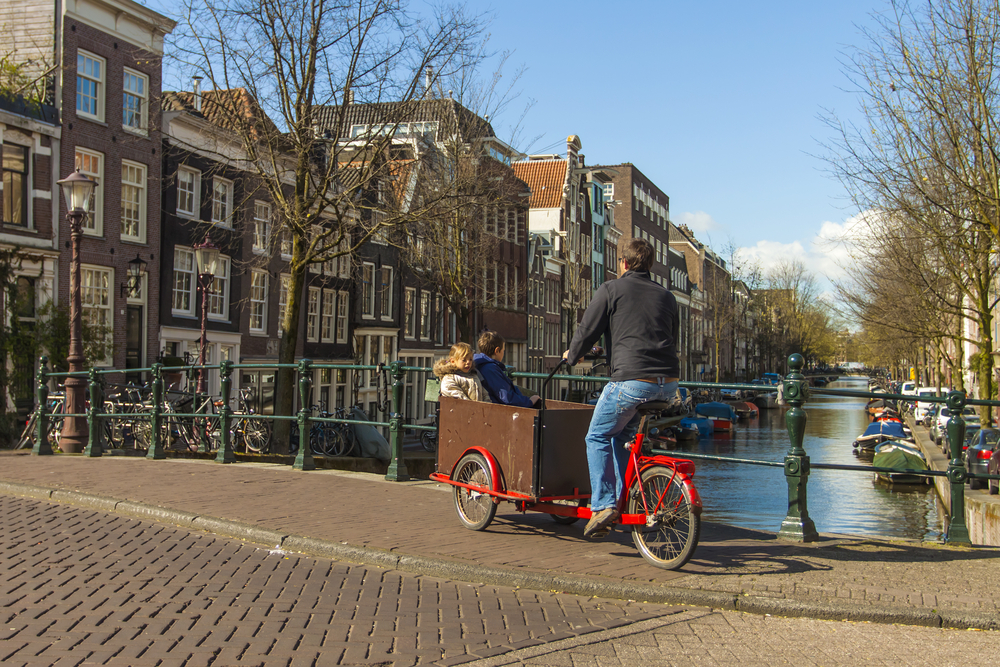
We can guarantee that if there is one element of Dutch culture that’s bound to inflict some form of culture shock on the unsuspecting international — it’s the cycling culture.
More specifically, it’s the people attached to the bikes. Sometimes carelessly, sometimes barely so, sometimes seeming to defy the laws of physics.
Not sure what exactly we’re talking about? Allow us to run through the seven types of cyclists you are bound to encounter during your cycling career in the Netherlands.
1. The flying Dutchman
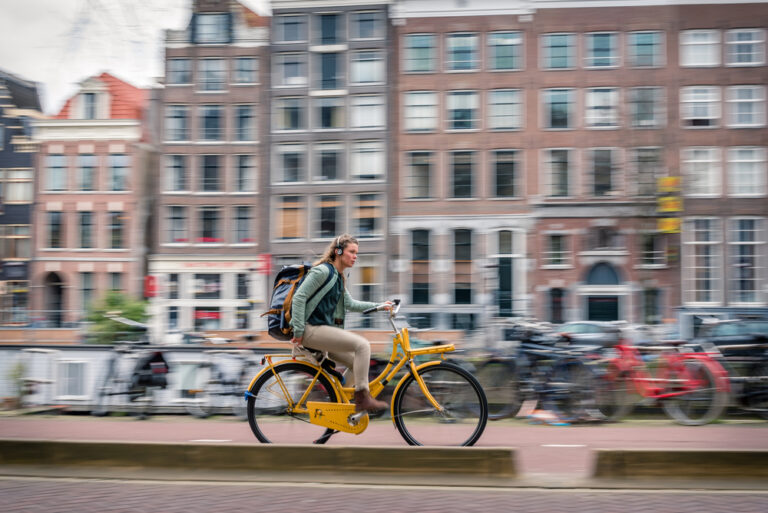
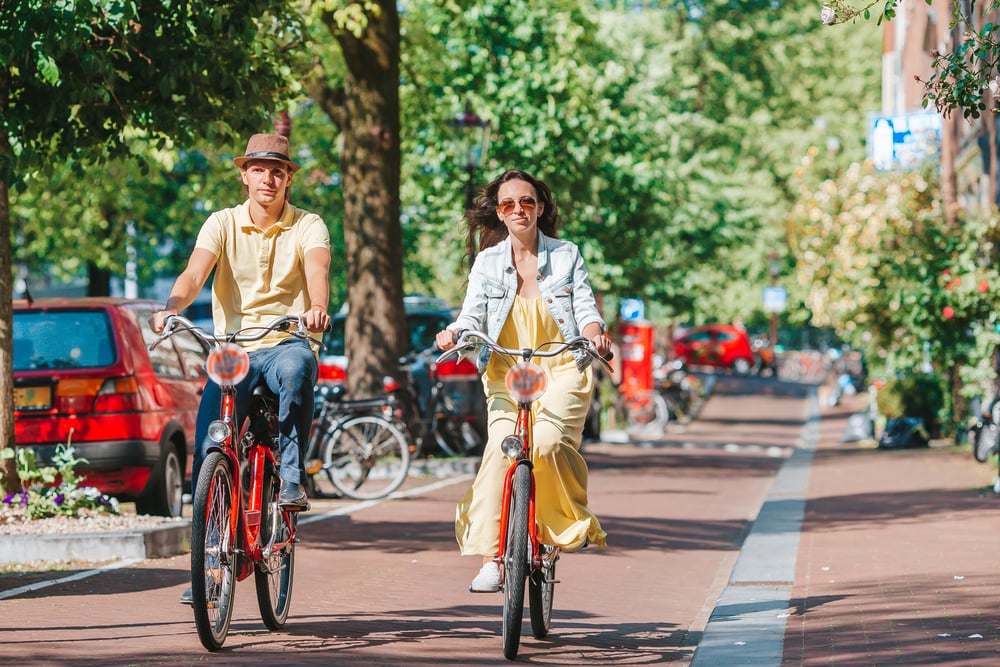
These are the most common species of cyclist that you will encounter on the cycle path.
I wouldn’t be surprised if these Dutchies came out of the womb on a bike: cycling is so deeply ingrained in their nature.
For this reason, they will happily whizz past you at an uncomfortably close distance without bearing in mind that their actions may convince you that both of you are about to crash horrifically.
Watch out for these speedy cyclists, you never know when they will appear! Image: Depositphotos
As your life flashes before your eyes, the flying Dutchman will have already manoeuvred their way around you.
They may even throw you a glance over their shoulder which says, “what the hell are you screaming for??” as they swoop away into the horizon.
2. The speedy McBreezy
Not to be confused with the flying Dutchmen, these cyclists will have passed around you so quickly that you wouldn’t even have time for your fight or flight to kick in.
In fact, apart from the streak of lycra and the odd muffin top that swoops through your peripheral vision, the only indicator of their presence is the occasional huff in your direction.
Because a city cycle path is, OF COURSE, the place to beat their personal best. 🙆♀️
3. The clingy couples
The most terrifying of all cycling species is this duo. From a distance on a poorly lit night, these figures look like something from a horror film.
To be fair, the silhouette of two people holding hands while on bikes can be truly horrifying for those new to cycling.
You never know what the protocol is for these situations. It seems that these two have no intention of detaching from one another as they cycle closer and closer to you.
Couples that bike together, stay together? Image: Freepik
Do you give way to them? Or cycle on resolutely, hurtling towards them like the newest conflict in their relationship?
Perhaps this is the true test of a Dutch relationship, will they chicken out last minute and detach from one another? Or succeed and decapitate a poor bamboozled international.
4. The international newbies
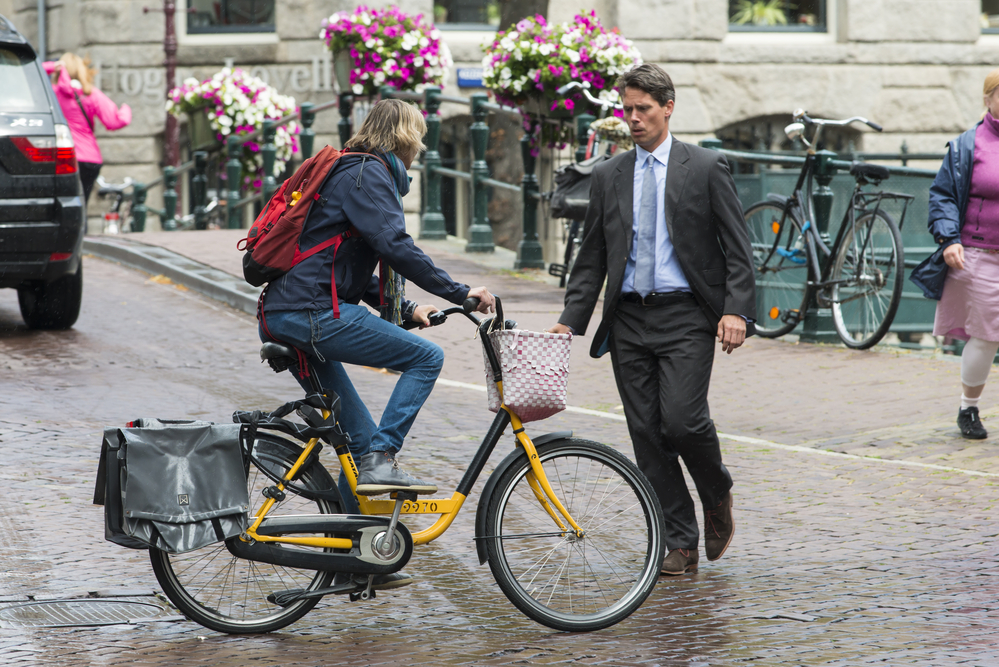
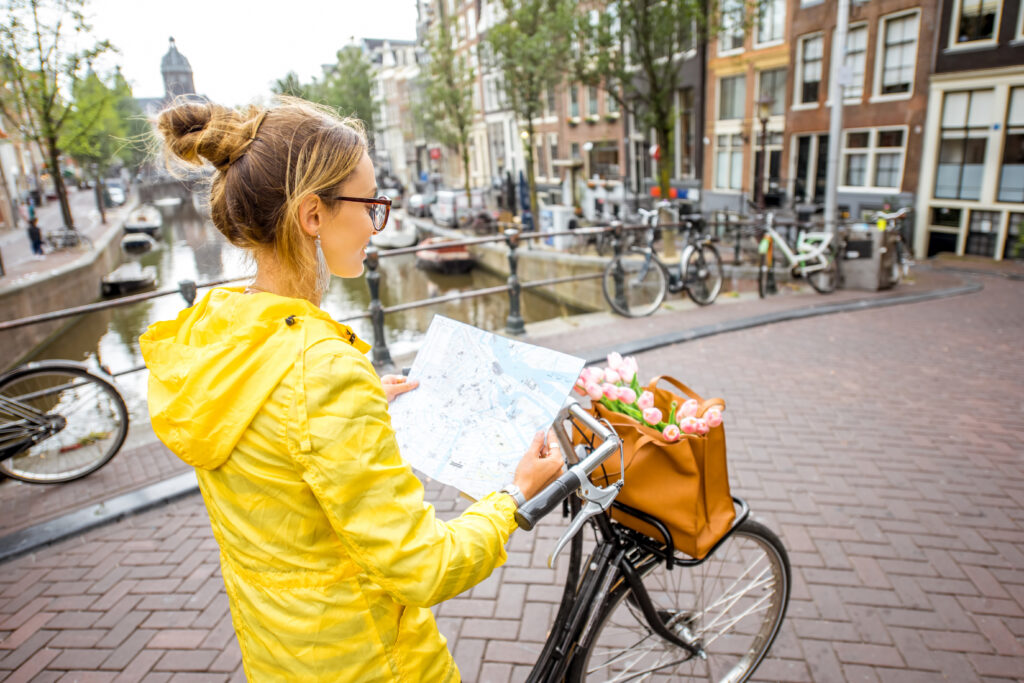
Of course, we internationals are no angels on the cycle paths either. In fact, we can be quite a nuisance, especially if we are just stopping by for a flying visit to the Netherlands.
Dead giveaways include: not knowing where to bike, slow cycling, and failing to signal. Image: Freepik
You know what I am talking about — those tourists who cycle at a dangerously slow pace while attempting to hold a selfie stick.
My superiority complex really kicks in as I overtake these folks. “Absolute newbs,” I tell myself as I fail to signal my left turn for the 550th time.
5. The seasoned international (you wish)
They are everything you wish to be.
Almost indiscernible from Dutchies, these internationals glide down the cycle paths with ease. It’s as if they, too, were plucked from the womb and placed on a bike.
The only indication that they are expats may be a light international accent as they curse you out in Dutch.
You have a moment of realising, “Hey, they’re like me!” and “oh wow, their Dutch is good” before the offence kicks in. 😅
6. The brave bakfietsers
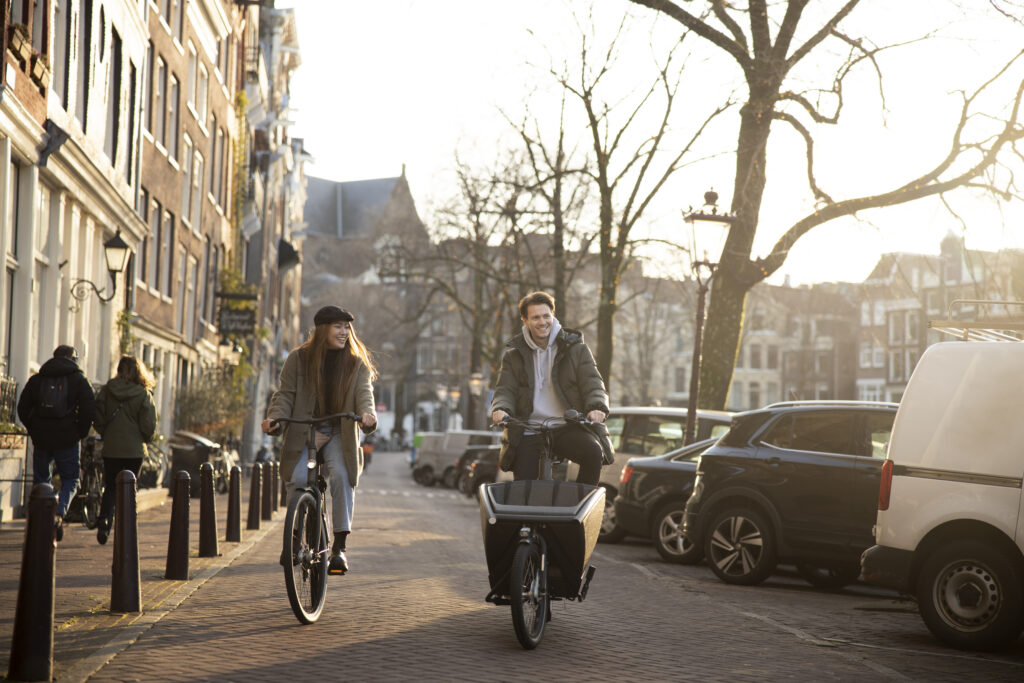
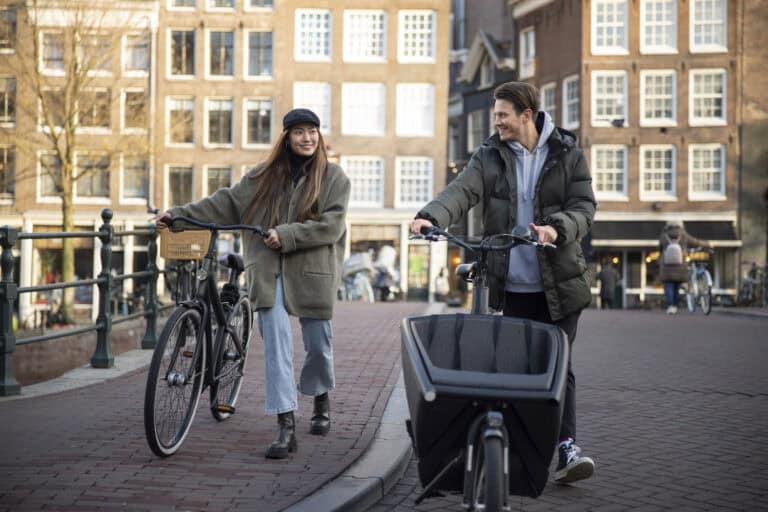
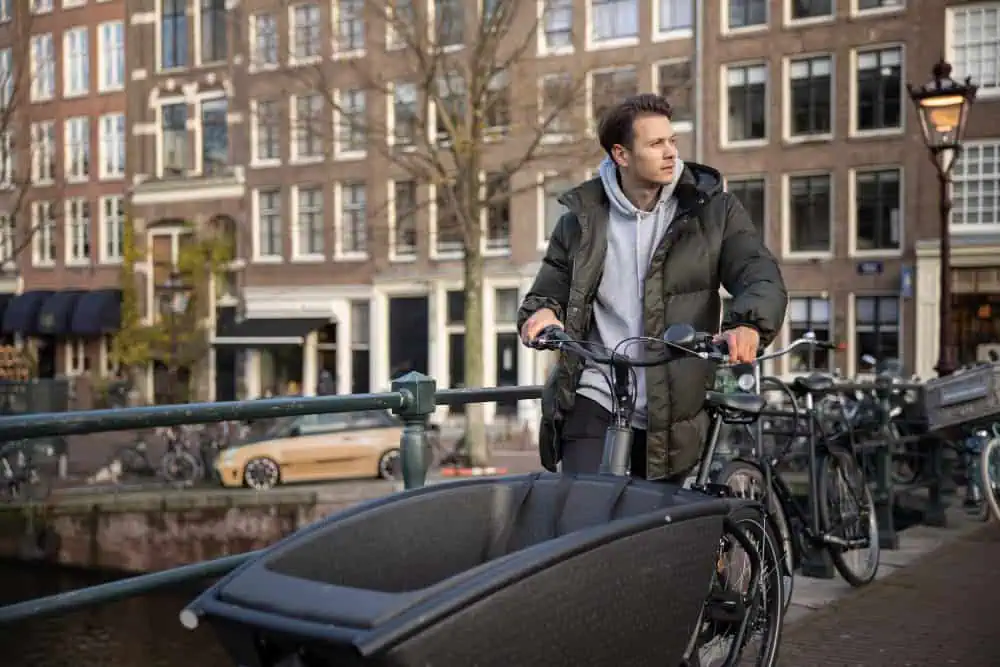
We don’t know who is braver, the person cycling with a bucket full of children strapped to the front of their bike, or the children.
They also somehow manage to make a massive bucket look light? Image: Depositphotos
If I were told to place a precious and fragile bundle of youth in a bucket on the front of my bike, I would have worrying flashbacks to the time I nearly threw myself and my bike under a lorry or the time I was standing a little too close to the bus.
Then again, those who undertake this task have probably entered the final stage of the cyclist’s evolutionary trajectory.
7. The tiny tots
These little darlings shouldn’t trigger your fight or flight response — unless you mistake them for a Chucky doll on wheels, in which case you need to lay off on the psychedelics.
I mean, can it get any cuter than this? Image: Freepik
The serotonin boost that results from spotting a tiny tot teetering along on an equally tiny bike is undeniable.
These little angels can hold up the cycle path for us any day. We’re pretty sure even the speedy cyclists wouldn’t be mad.
The longer you cycle the streets, the more easily you’ll be able to identify the different breeds of cyclists. One thing is for sure though, we’re kind of jealous of them.
Cycling in the Netherlands comes with both challenges and perks, can you think of any other interesting characteristics? Tell us in the comments below!
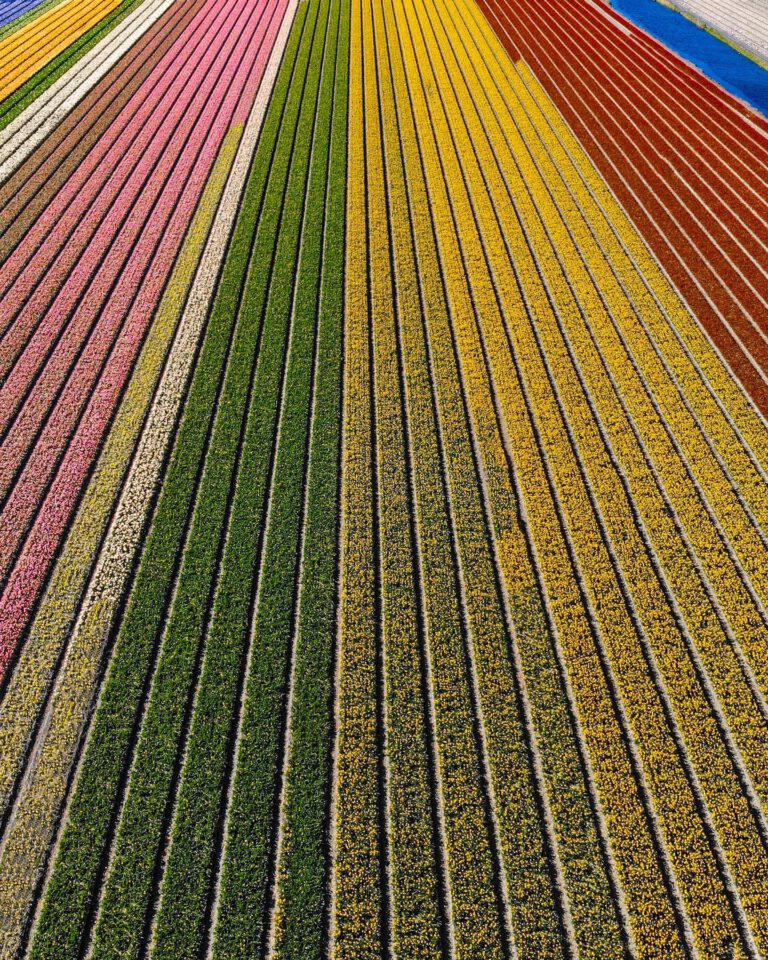
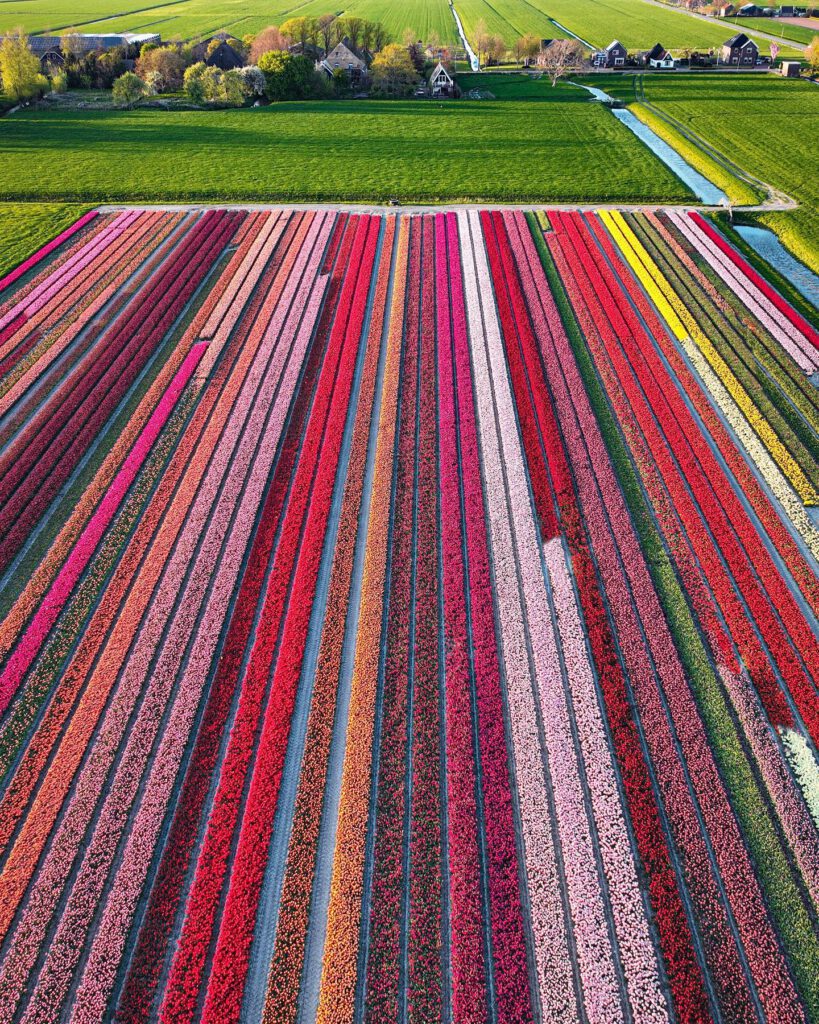
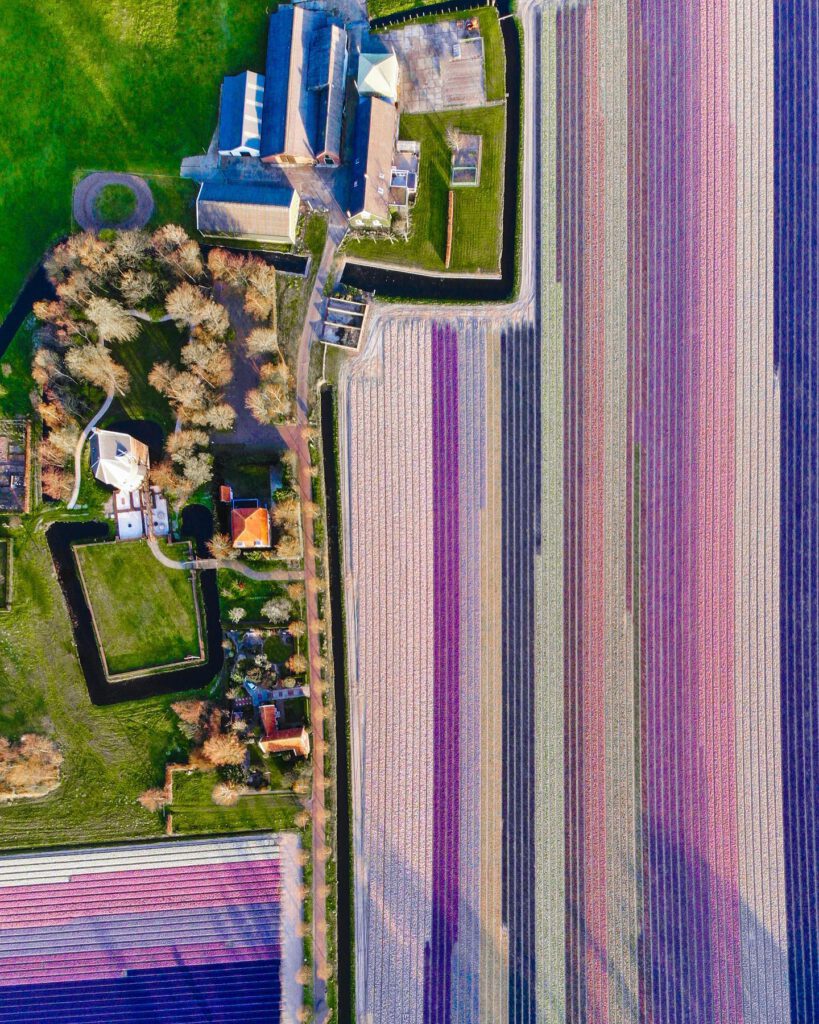
Colourful tulip fields offer some of the most picturesque scenery in the Netherlands!Plus, we’ve got an extra bonus of beautiful cities in the Netherlands at the end.
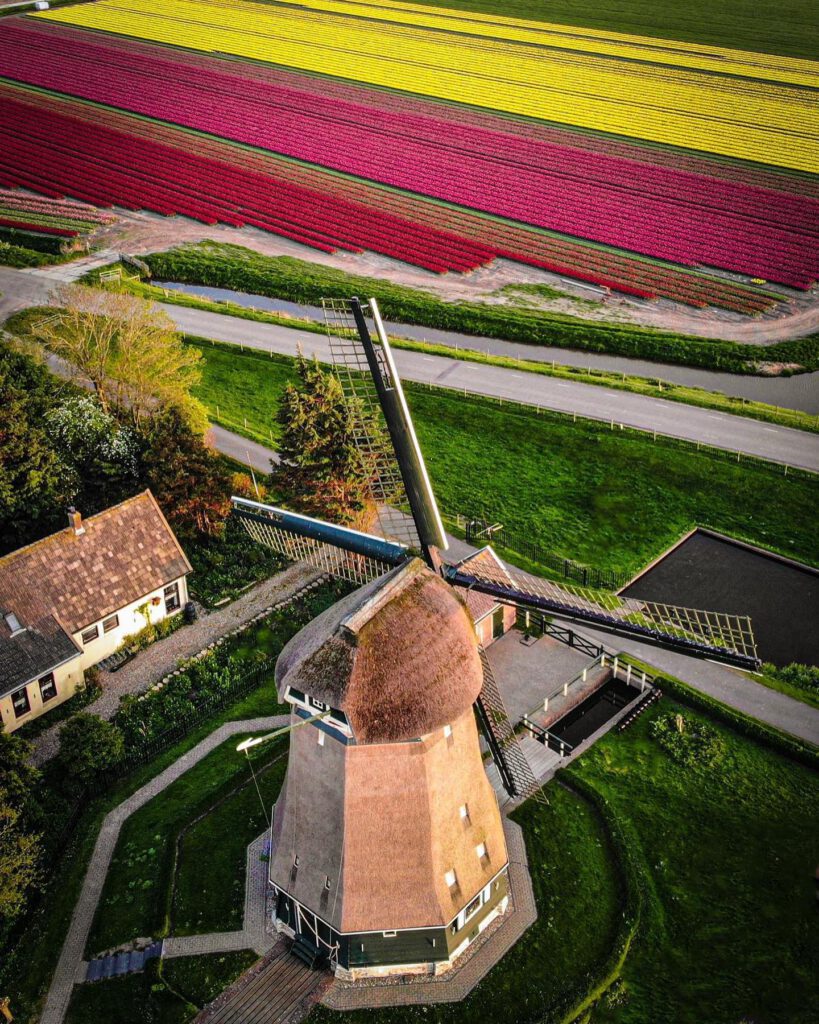
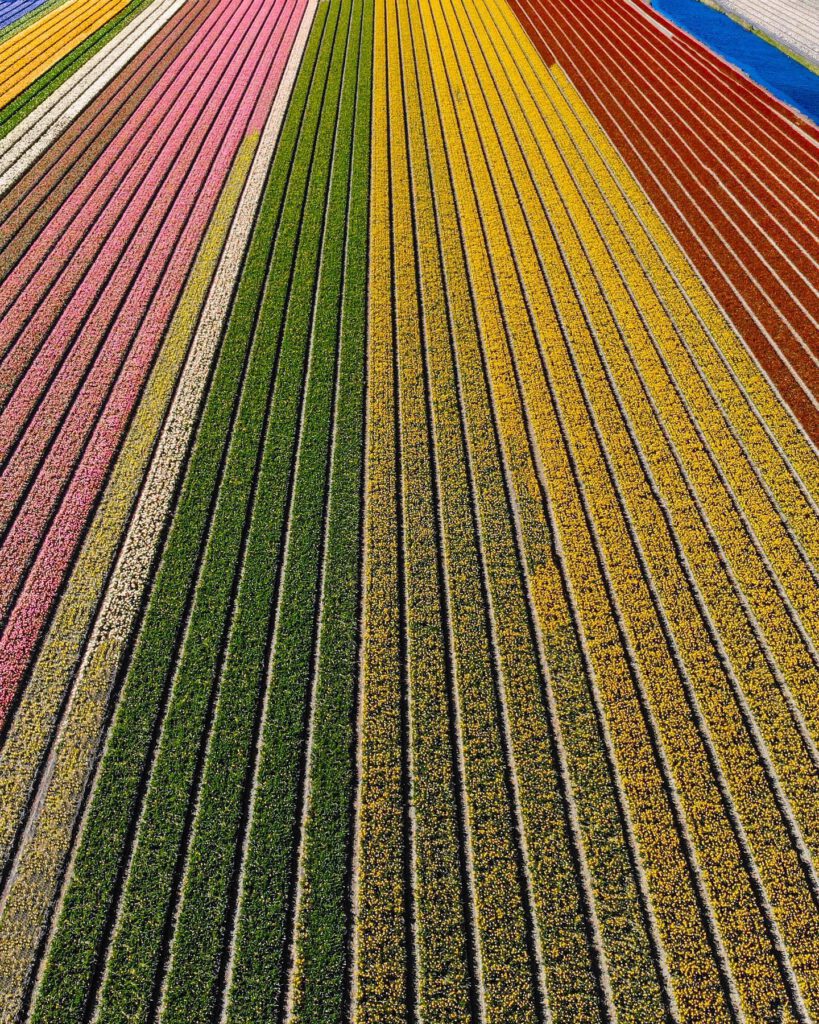
To bring you some incredible drone shots of the Dutch tulip fields, we’ve teamed up with the talented Dutch photographer Arden (also known as arden.world on Instagram).
Enjoy how the different colours of the best flower fields come together for the perfect shot. 📸
Lisse — a town just southwest of Amsterdam — is mostly famous for the Keukenhof, which is located here. A place that should be on every tourist’s bucket list, Keukenhof is truly a treat for the eyes and a perfect way to spend a day in the summer.
The tulips of Lisse in the Netherlands. Image: @arden.world
Could you ever get enough of Dutch tulips? Image: @arden.world
You can hop on your bike, or take your car and drive around to enjoy the sight. You can even take the train or bus here and then go on a long walk through the fields.
Just imagine driving through this gorgeous tulip field on your way to work. Image: @arden.world
Noordwijkerhout is located in the west of the Duin en Bollenstreek region (Dune and Bulb region) of the Netherlands, which is also tourists’ and locals’ favourite because of the flower fields and coastal dunes.
It is located close to Leiden, and it’s one of the best places to see flower fields in the Netherlands.
Noordwijkerhout is another place with gorgeous flower fields. Image: @arden.world
While walking in the tulip fields is not possible as it could damage them, you can still enjoy the views from all the possible angles thanks to Arden’s video.
The different sides of Amsterdam
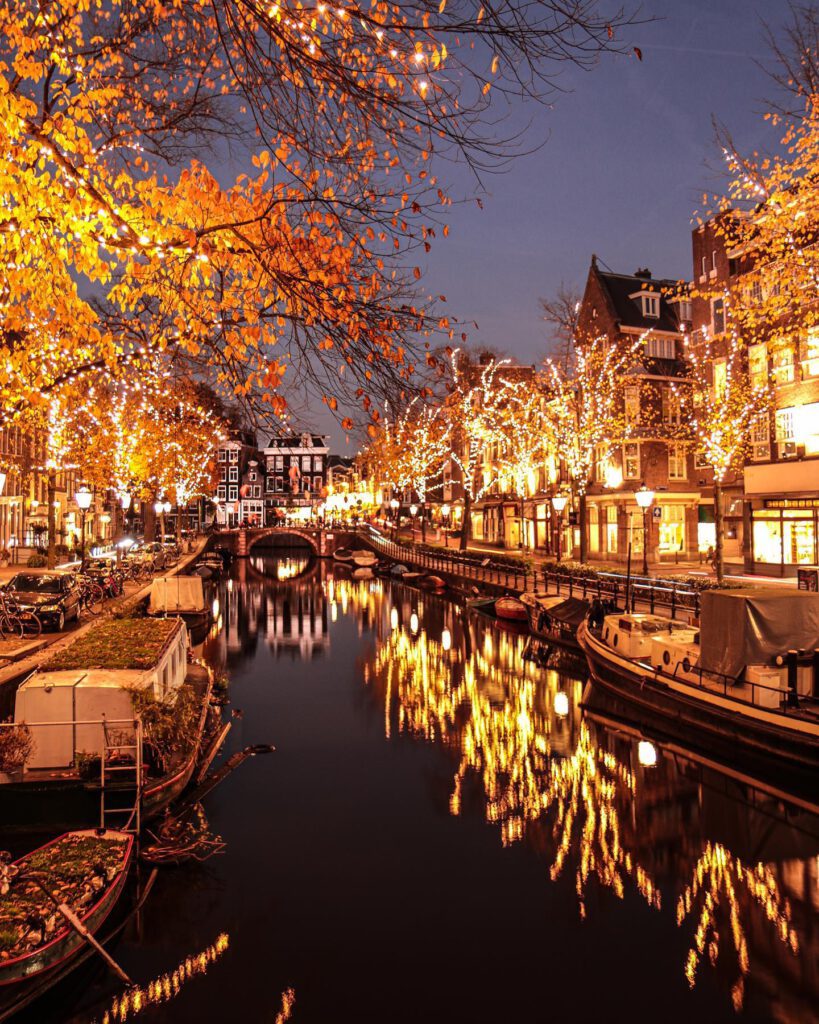
Arden takes photos not only of tulip fields, but also of other picturesque locations across the Netherlands. He perfectly captures the atmosphere of Amsterdam in November, when the temperatures are cooling down, and the weather is getting a bit more grey.
Amsterdam in November is gorgeous with the lights reflected on the canals. Image: @arden.world
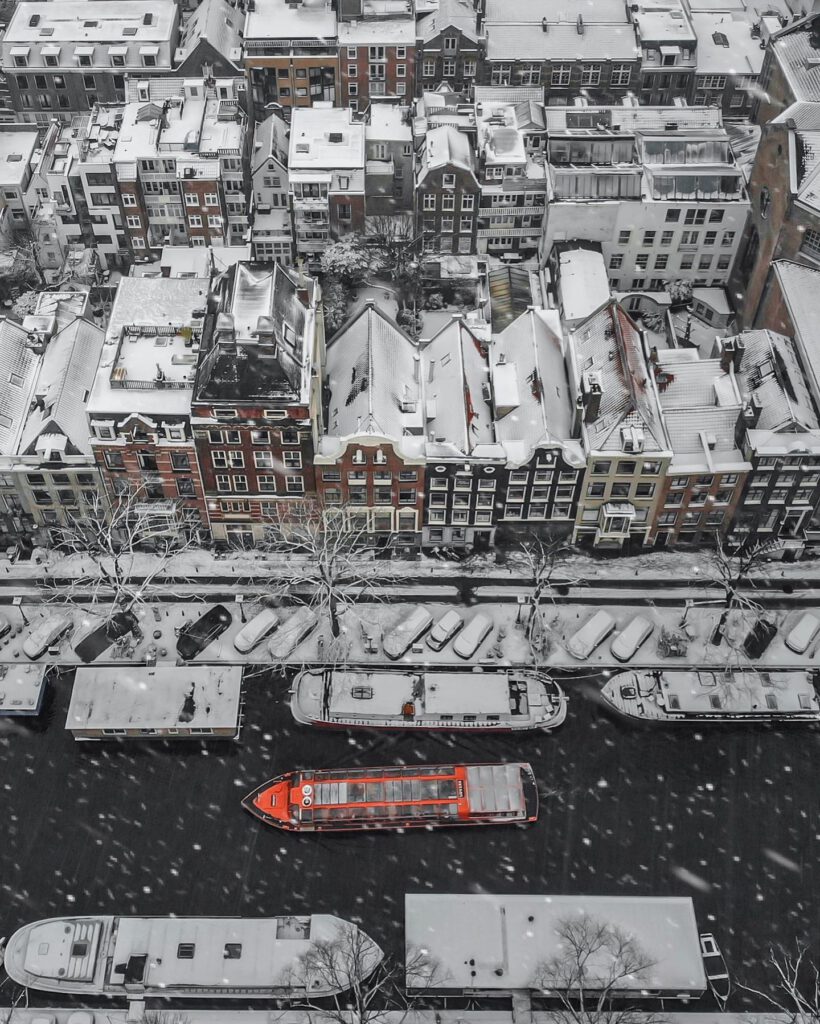
Amsterdam covered in snow also has its magic. The temperatures are getting colder, and everyone is trying to find a way to make their indoors cosier. When snow falls, people come out to play in the streets.
One of the rare times that Amsterdam was covered in a blanket of snow. Image: @arden.world
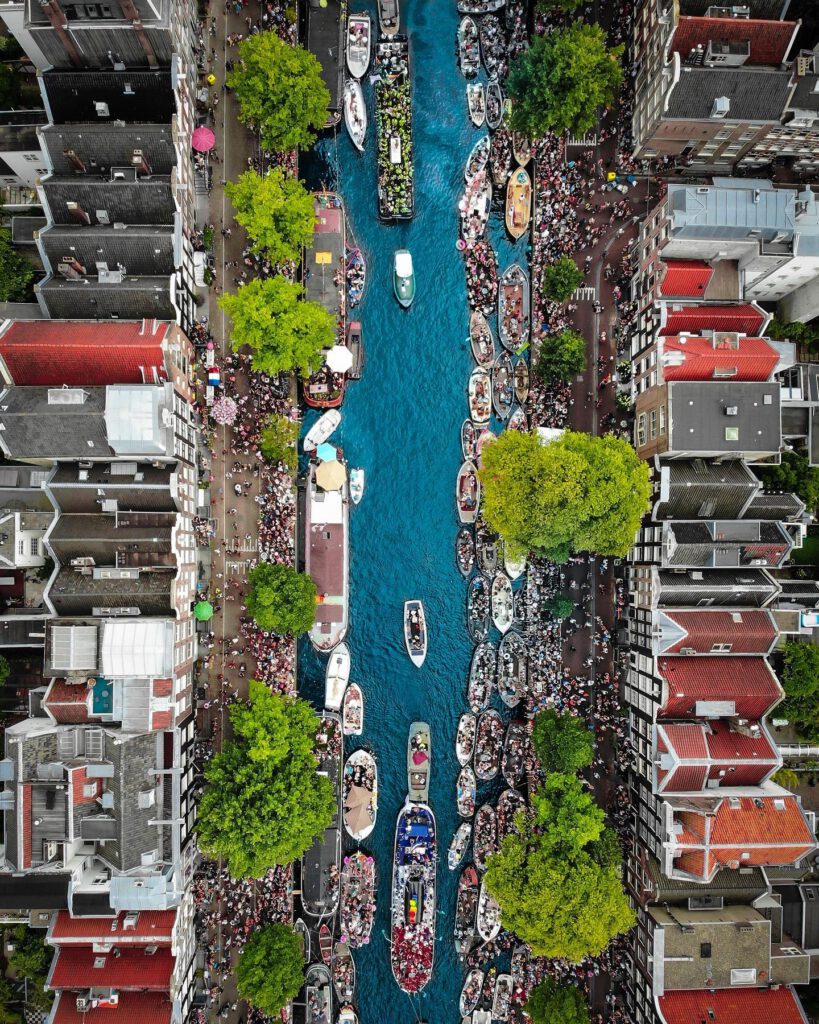
Ever been to the pride parade in Amsterdam? This is what it looks like from up above! Everyone should participate in these parades to stand with our LGBTQ+ brothers and sisters because the city used to be a lot less gay-friendly. We still have a long way to go to make sure there’s LGBTQ+ equality.
Have you ever been to Amsterdam Pride? Image: @arden.world
Beautiful photos of Rotterdam
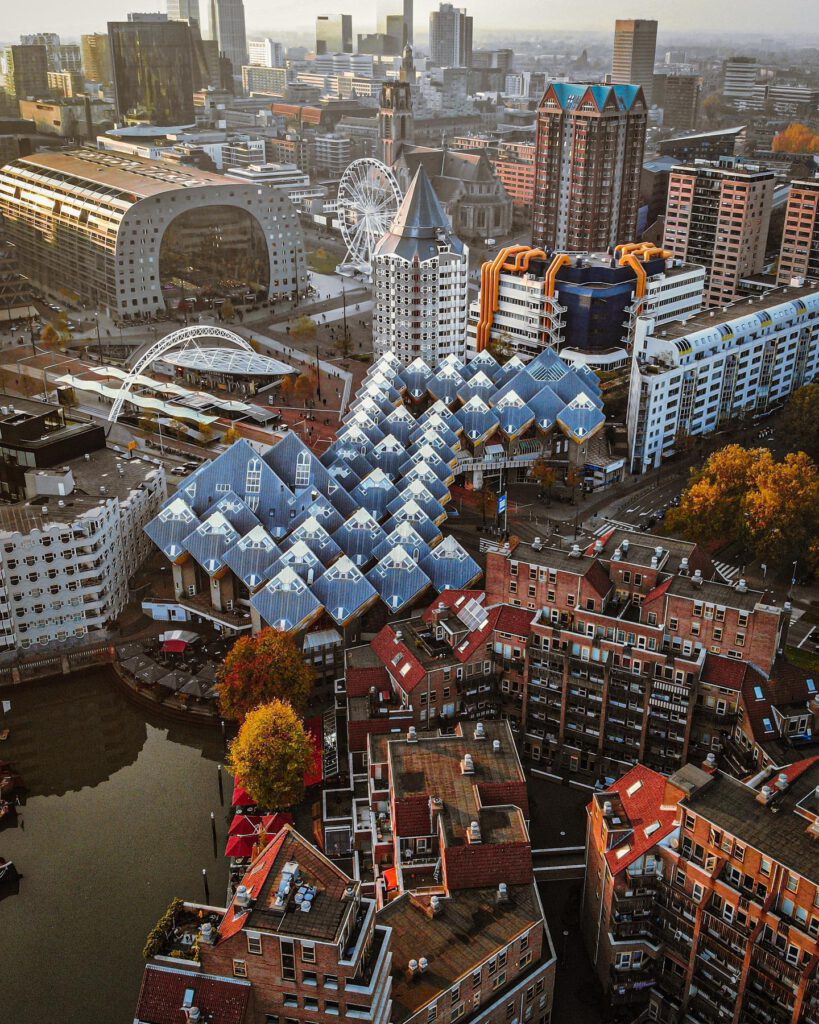
Rotterdam is home to many different nationalities. The city has a tragic history: most of it was bombed during World War II. The resilience of Rotterdammers has kept the city going, and Rotterdam is now known for its quirky architecture and multicultural fervour.
Rotterdam’s beautiful modern skyline from above. Image: @arden.world
The old city of Nijmegen
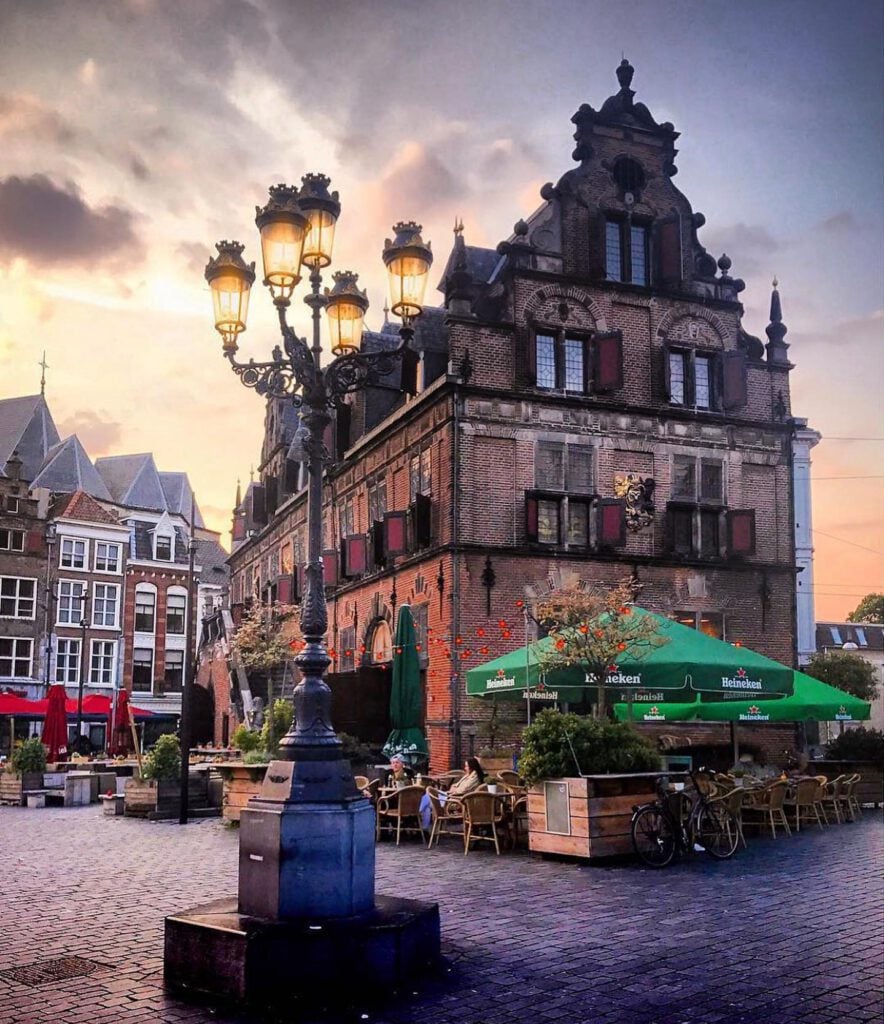
Did you know that Nijmegen is the oldest city in the Netherlands? It has existed for more than 2,000 years and was first recognised as Noviomagus during Roman times.
The oldest city in the Netherlands: Nijmegen. Image: @arden.world
Giethoorn, the Venice of the Netherlands
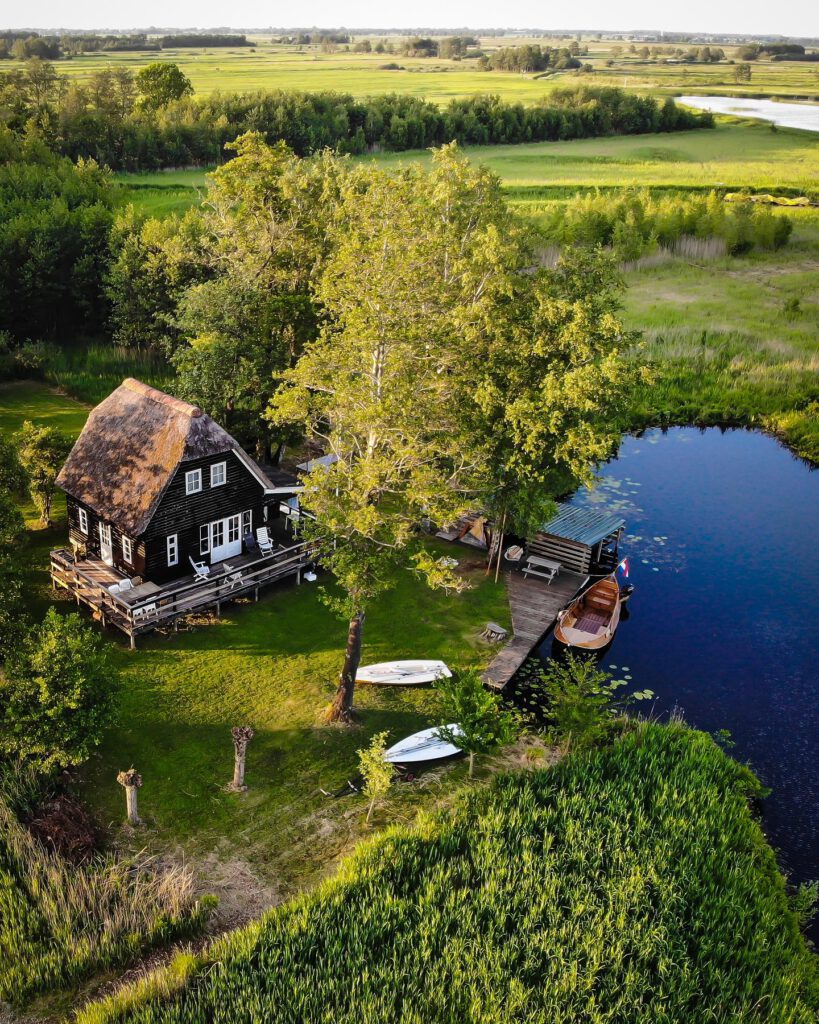
Sometimes called the Venice of the Netherlands, Giethoorn is a beautiful Dutch town with long winding canals that you can explore on a boat.
The perfect way to spend the day in Giethoorn is just by enjoying the beautiful nature this town has to offer. If you’re looking for beautiful Dutch towns that are not Amsterdam, this is the place to go!
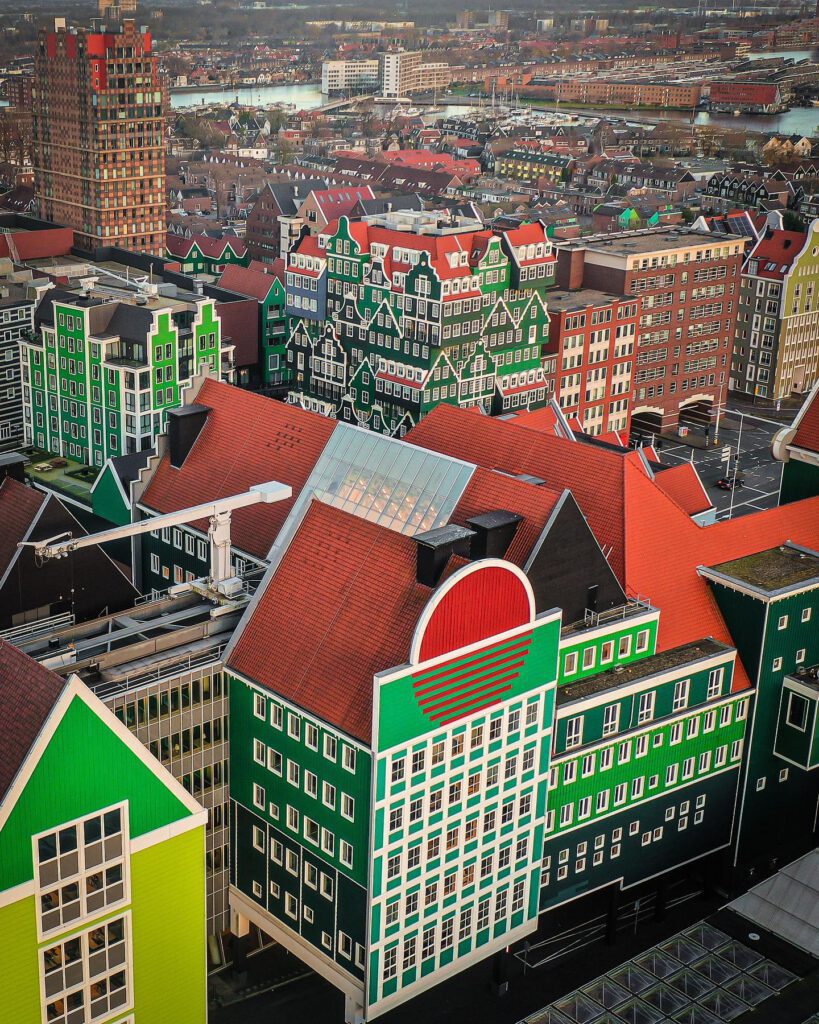
A photographer’s favourite and a town known for its windmill park, Zaanse Schans, Zaandam has a lot to offer in terms of quirky and colourful architecture.
Have you seen this hotel before?! Image: @arden.world
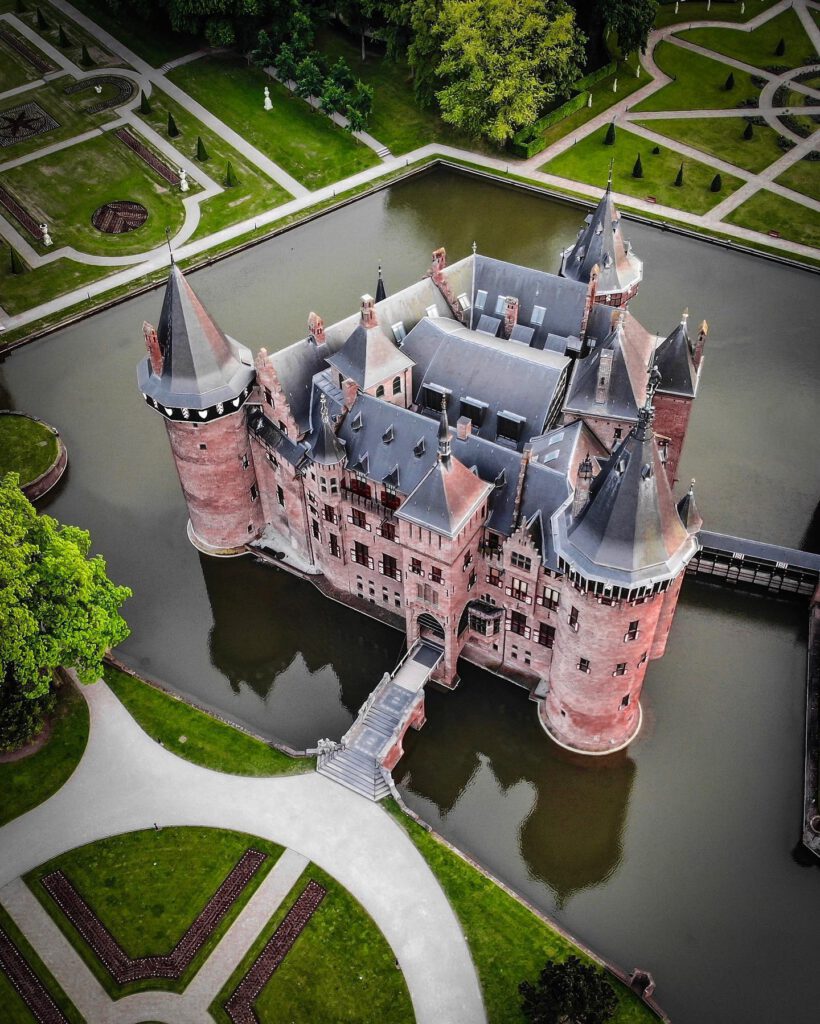
Built in 1391, the castle grounds stretch for 135 acres. The castle’s gardens were largely destroyed in WWII, but after that, they were restored so that everyone could enjoy them again.
This is one of the Netherlands’ most popular castles. Image: @arden.world
The Netherlands has so much to offer, and this is just a glimpse of it. If you love these images as much as we do, make sure to head over to Arden’s Instagram, Facebook page, or website, where you’ll find plenty more incredible shots of the Netherlands.
Which one of the places featured here would you love to visit the most? Tell us in the comments!
If you’ve been putting up with Dutch grey skies since October, consider April your reward.
From Frisian harbours to Amsterdam theatre stages, and from Easter markets to one of the world’s most spectacular flower parades, there’s no reason to spend a single weekend on the couch.
Here’s your essential guide to making the most of April in the Netherlands.
1. Celebrate King’s Day 🧡
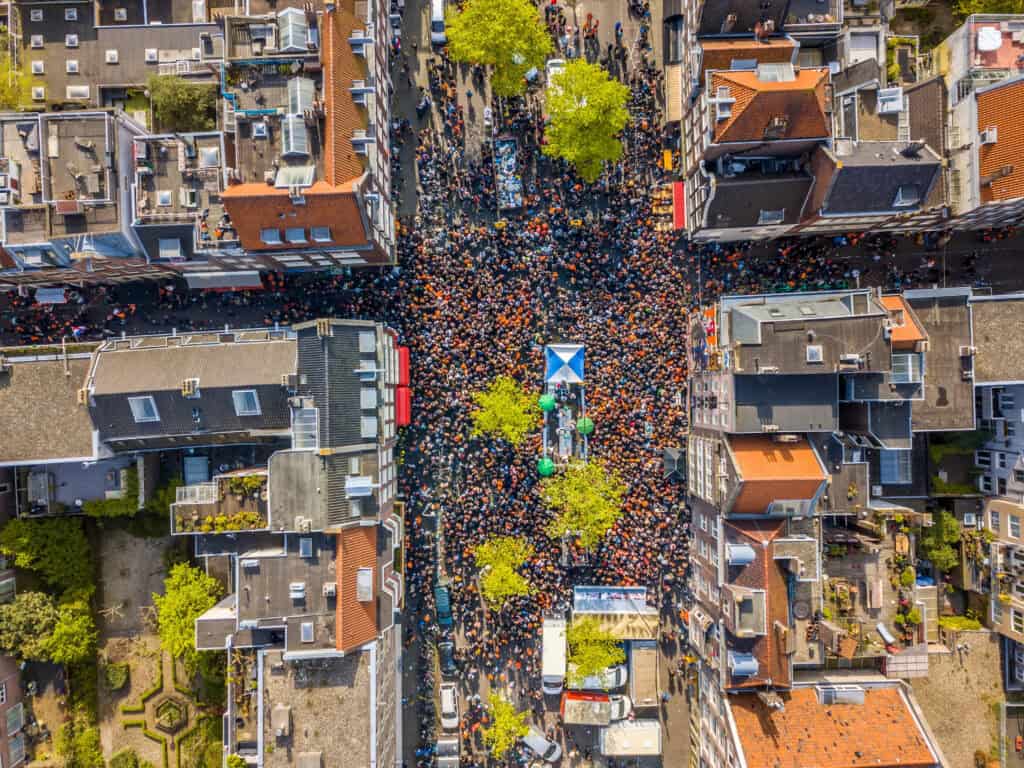
To be fair, this event would be hard to miss. Just look at that crowd! Image: Depositphotos
Starting off strong with a classically Dutch activity: King’s Day (Koningsdag).
This year, it falls on April 27, and if you’ve never experienced it before, brace yourself.
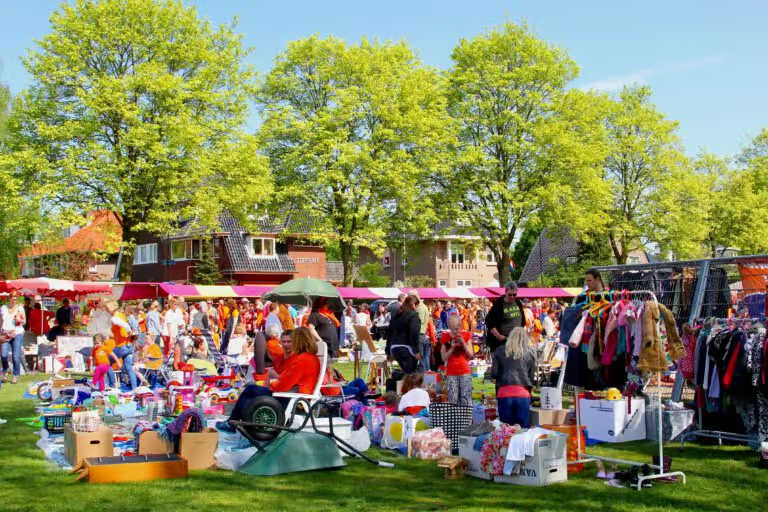
The entire country turns orange — clothes, wigs, faces, everything — in honour of King Willem-Alexander’s birthday, and the streets transform into one enormous free-for-all flea market, canal party, and street festival rolled into one.
Amsterdam may be the popular epicentre, where over a million people descend on the canals and Vondelpark. But honestly, even smaller towns throw an excellent party.
And don’t forget about the parties on the evening before (April 26). That’s King’s Night, when the most raucous fun happens. 😉
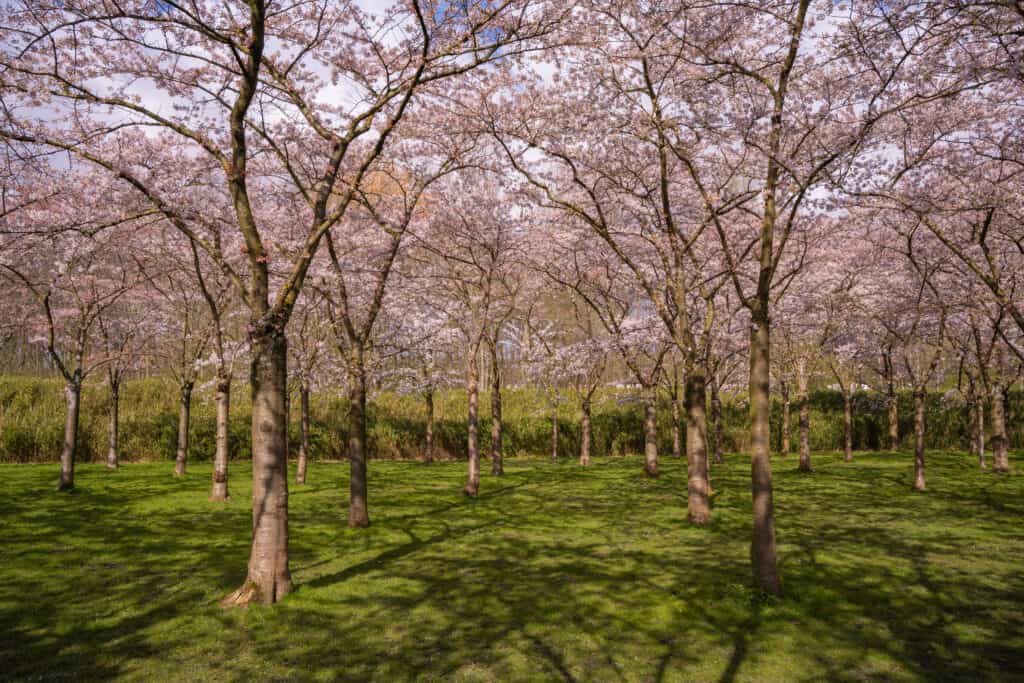
2. See the cherry blossoms in Amstelveen 🌸
Imagine having a picnic beneath these beautiful cherry blossoms! Image: Dreamstime
The 400 trees were donated by the Japan Women’s Club in 2000 to mark four centuries of Dutch-Japanese relations. The gorgeous flowers often bloom in early to mid-April, but timing varies year to year — keep an eye on local reports.
Go on a weekday morning if you want the full dreamy effect without fighting for the perfect shot.
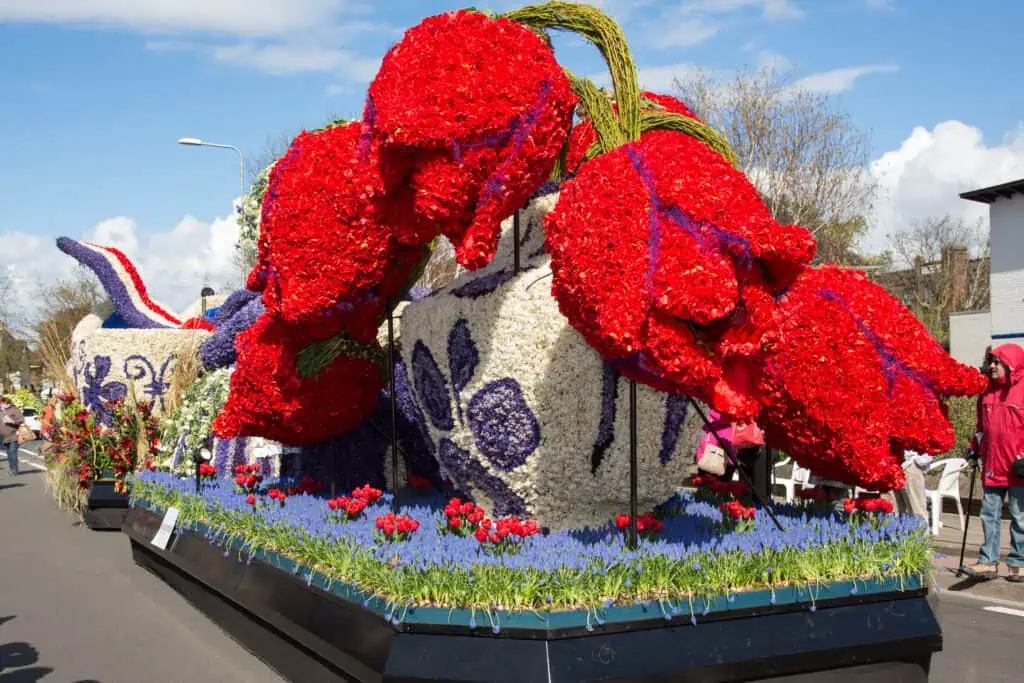
3. Watch the Bloemencorso tulip parade 🌷
Not only is it beautiful, but it’s also wildly impressive. Image: Dreamstime
On April 18, the 79th edition of the Bloemencorso Bollenstreek sets off from Noordwijk on a 42-kilometre route through the Bollenstreek (the bulb-growing region) all the way to Haarlem.
You can see floats covered in millions of tulips, hyacinths, and daffodils.
It’s free to watch from the roadside, or you can book grandstand seats for a more comfortable (and drier) vantage point.
If you want to see it passing through Keukenhof, plan for around 3:45 PM. The floats will then remain on display in Haarlem on Sunday, April 19, until 5:00 PM.
Fair warning: Keukenhof tickets for parade day sold out before the season even started — so get organised early if you want to combine the two.
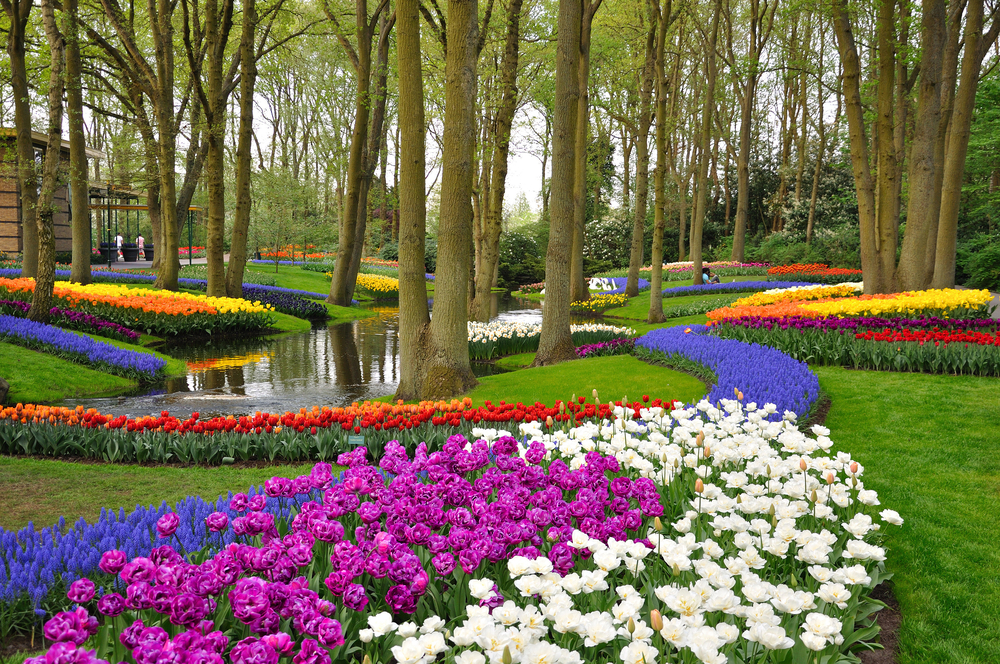
4. Visit Keukenhof 🌼
With views like this, Keukenhof is pretty much unmissable. Image: Depositphotos
Speaking of which: the ever-famous Keukenhof is open from March 19 to May 10 2026, and April is when things really get going.
Seven million bulbs, 800 tulip varieties, and an 8 AM opening time that rewards early risers with an almost mystical quiet before the crowds arrive.
Peak tulip season runs from early to mid-April, with the sweet spot around 13 to 25 April when early and late varieties overlap. Tickets are timed entry and can sell out, so booking ahead isn’t just optional: it’s plain sensible.
5. Go to KunstRAI Amsterdam 🎨
Plus, you get to visit Amsterdam in spring (which is never a bad thing). Image: Dreamstime
From April 22 to 26, KunstRAI takes over RAI Amsterdam with one of the country’s most respected contemporary art fairs.
Around 100 galleries from the Netherlands and abroad present painting, photography, vintage design, applied arts, and sculpture — including a sprawling outdoor sculpture square.
Whether you’re a serious collector or someone who just likes walking around looking thoughtful in front of contemporary art, this is a genuinely excellent afternoon out.
6. Catch the Easter festival at Ruigoord 🐣
Ruigoord’s fair offers a wide range of activities, so you’re sure to have a blast. Image: Dreamstime
This one is great if you’ve got kids in tow! The artist village of Ruigoord, tucked away on the western edge of Amsterdam, hosts its annual Easter festival over the long Easter weekend.
It’s a bohemian, free-spirited affair with live music and art in one of the country’s most distinctive creative communities.
If your Easter plans are currently just a chocolate egg and some mild disappointment, this is the upgrade you didn’t know you needed.
7. Watch the Geuzen take back Brielle ⚔️
It may be a strange tradition, but this cute town is worth visiting either way! Image: Dreamstime
Every year on April 1, the small fortified town of Brielle (also known as Den Briel) in South Holland celebrates and marks one of the most significant dates in Dutch history.
On this day in 1572, a fleet of rebel fighters known as the Watergeuzen (Sea Beggars) seized the Spanish-occupied town, firing the starting gun on the Dutch Revolt against Spanish rule.
The whole town leans into it. Actors in period costume fill the streets as poorters (townspeople), beggars, monks, and street musicians, while cannon fire and mock battles play out across the historic centre.
Now that’s a banging start to April!
8. Check out the other Easter markets 🐰
Pick up some Easter Goodies on the way! Image: Dreamstime
All over the Netherlands, paasmarkten (Easter markets) pop up throughout the month with flowers, food, crafts, and seasonal goods.
These markets tend to be excellent for local produce, artisan gifts, and the kind of spring atmosphere that makes you feel like April was worth waiting for. Happy Easter!
9. See Chico’s Mambo at DeLaMar 💃
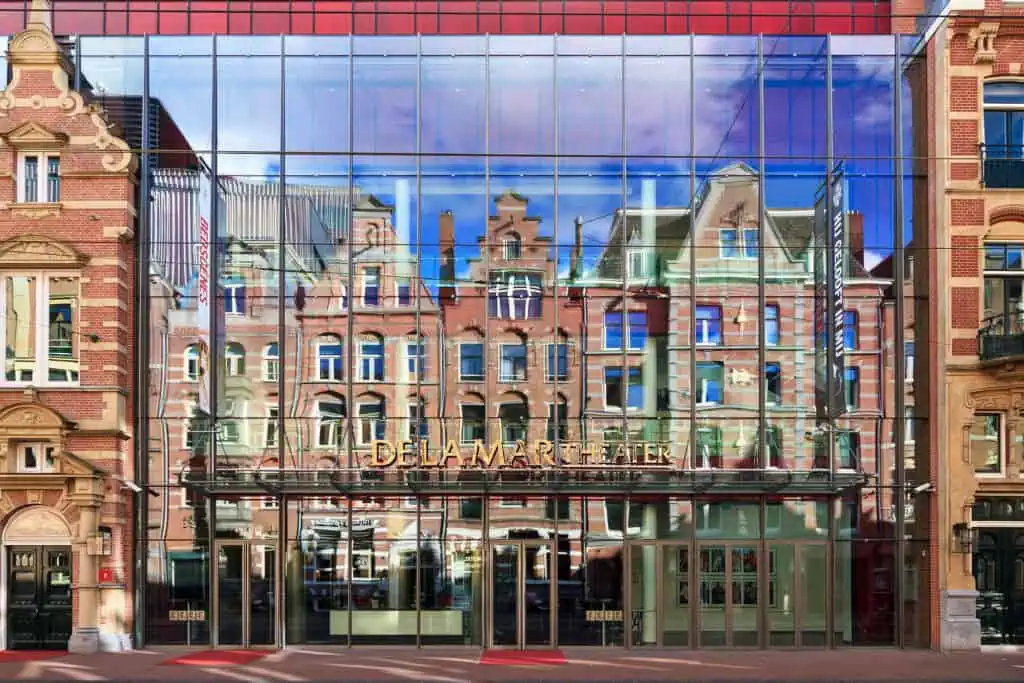
DeLaMar is always hosting fantastic dance shows. Why not jump into warmer weather with some culture? Image: Dreamstime
Amsterdam’s DeLaMar Theatre is hosting Chico’s Mambo on April 11 and 12 — a comical dance performance that promises to do the trick if you’ve been running low on joy lately.
DeLaMar productions have a reputation for being both polished and deeply fun, and this one is no exception.
10. Catch ‘A Fine Mess’ at DeLaMar 🎭
Blast off into spring with some comedy! Image: DeLaMar/Supplied
Also running through April at DeLaMar is A Fine Mess — a chaotic, explosive action comedy play that runs until April 5. If you enjoy your theatre with a healthy dose of mayhem and comedic timing, this is the one.
Two DeLaMar shows in one month is, frankly, an excellent way to approach spring cultural enrichment.
11. Head to the Vlootdag in Harlingen ⛵
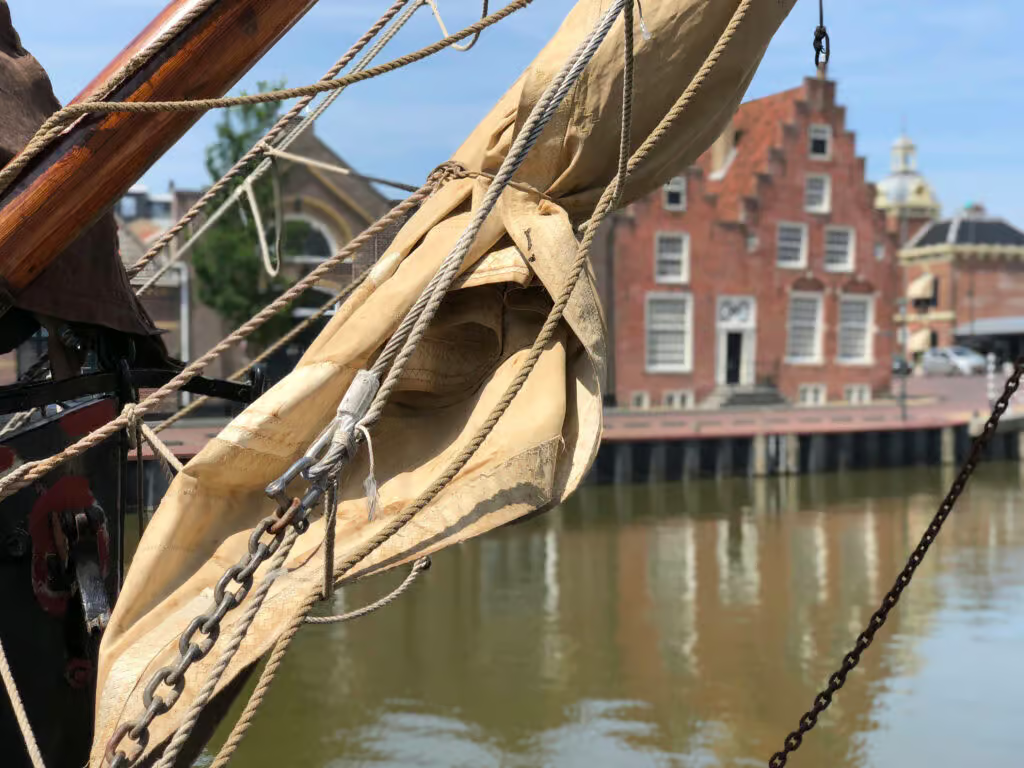
See everything from historic to modern sailboats, live music, and more! Image: Depositphotos
Finally, on April 11, the Frisian port town of Harlingen kicks off its sailing season with Vlootdag (Fleet Day).
From 11:00 AM to 5:00 PM, the historic bruine vloot (brown fleet) opens its ships to visitors along the Zuiderhaven.
These traditional sailing vessels with their distinctive tanned sails are accompanied by a market, live music, craft demonstrations, and the chance to step aboard and chat to the skippers about life on the water.
April is essentially the Netherlands at its most unhinged and most beautiful, often simultaneously. With these events, you’re sure to be seriously entertained for the whole month.
Which of these April events are you planning to hit? Let us know in the comments!
As the Dutch centre of modern architecture and big city vibes, there are lots of things to do in Rotterdam.
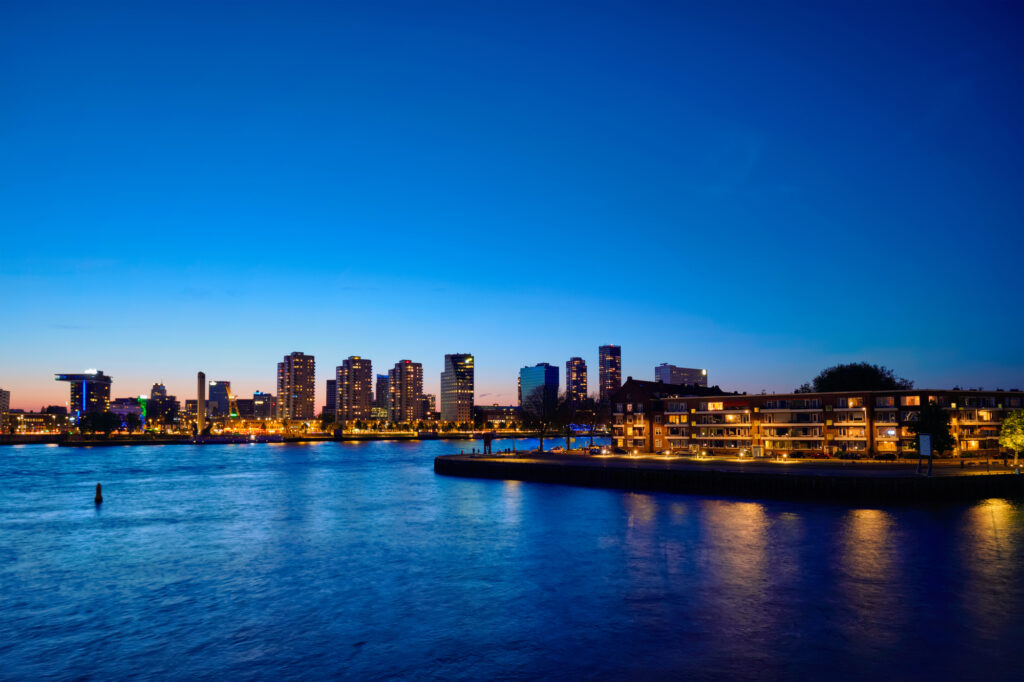
This vibrant city is home to Europe’s largest port, the only skyline in the Netherlands, and a melting pot of cultures.
With a knack for innovation and some of the most unique architecture in the country, here are 35 things to do in Rotterdam that will guarantee an unforgettable trip.
Already looking for something to do in Rotterdam? Jump ahead!
This post might have affiliate links that help us write the articles you love, at no extra cost to you. Read our statement.
1. Stuff yourself at the food stalls and restaurants of Markthal
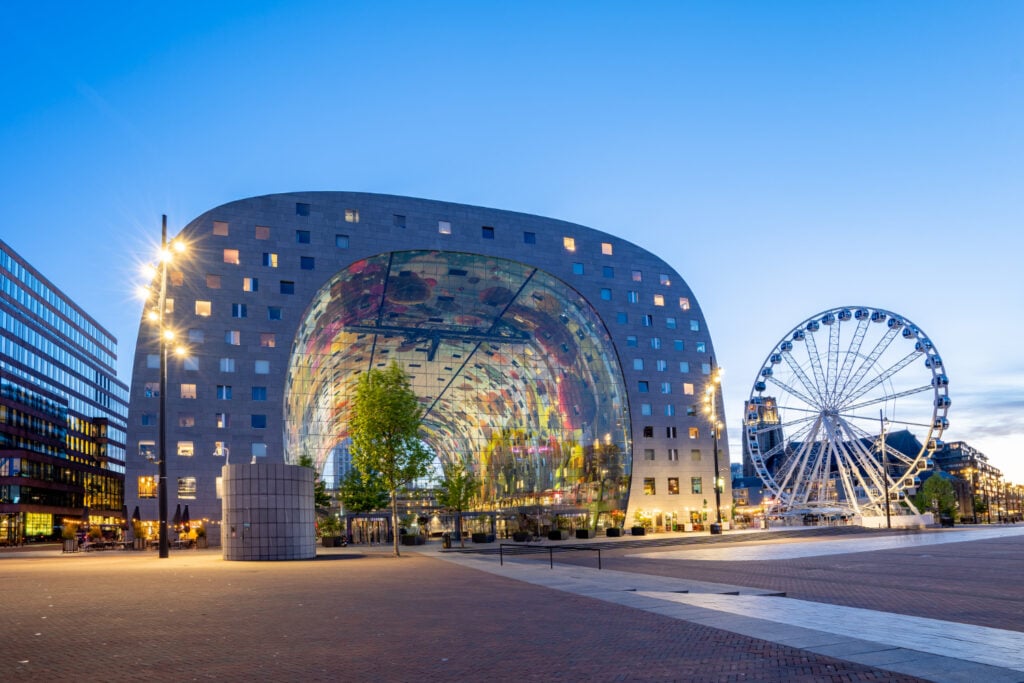
The Markthal features a beautiful mural painted across its ceiling. The largest of its kind in the world! Image: Freepik
The Markthal features restaurants and food stalls with all kinds of cuisine, from sushi and tapas to frietjes and kapsalons — a real testament to Rotterdam’s multiculturalism.
This food hall is the perfect place to grab a bite to eat, with the building acting as a modern take on a marketplace, merging Rotterdam’s famous architecture with traditional markets.
💰 Price: Food and snacks run between €3 and €15, while a restaurant dish can cost up to €20 ⏰ Opening hours: Open all week, with varying opening hours 📍 Location: Ds. Jan Scharpstraat 298, 3011 GZ Rotterdam
2. Visit the beloved Blijdorp Zoo
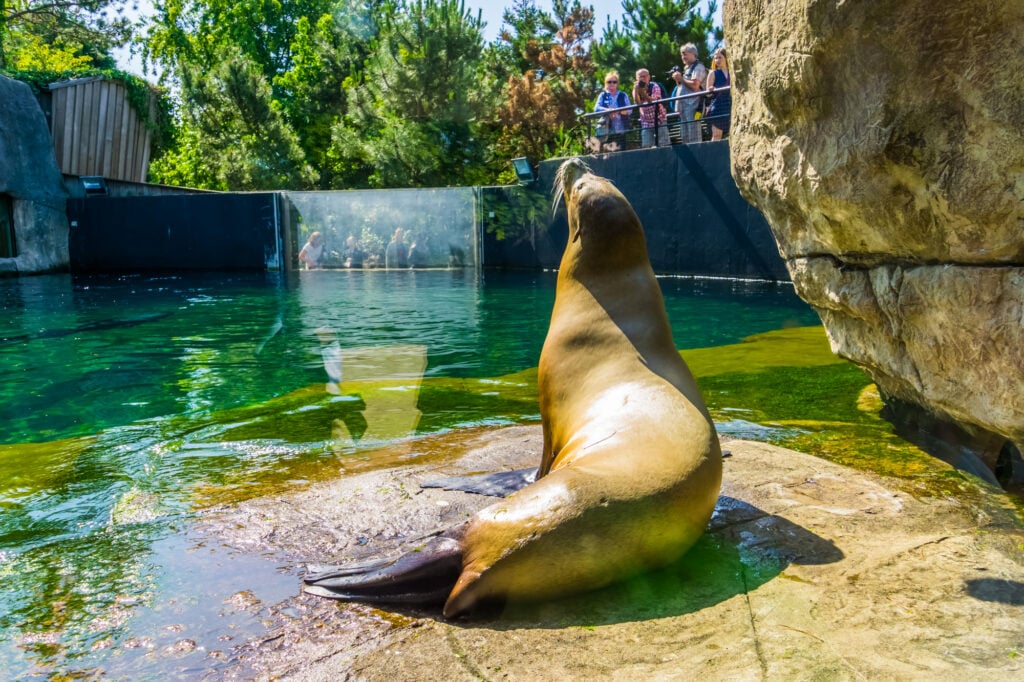
Watch the seals play in their enclosures or peek at the swinging monkeys — you’ll find all kinds of adorable critters! Image: Depositphotos
Blijdorp, officially known as the Rotterdam Zoo, is one of the most fun things to do in Rotterdam. Here, you’ll find botanical gardens, an aquarium, and all kinds of enclosures for over 180 species.
Don’t miss out on the animal feedings. You can see heaps of different types, including polar bears, sharks, and penguins. Wat leuk! (How nice!)
💰 Price: €29.50 for ages 13 and above; discounted for children (prices are lower if you buy tickets online) ⏰ Opening hours: Every day from 9 AM to 5 PM 📍 Location:Blijdorplaan 8, 3041 JG Rotterdam (Main Entrance)
3. Ascend the Euromast Tower for the Rotterdam skyline
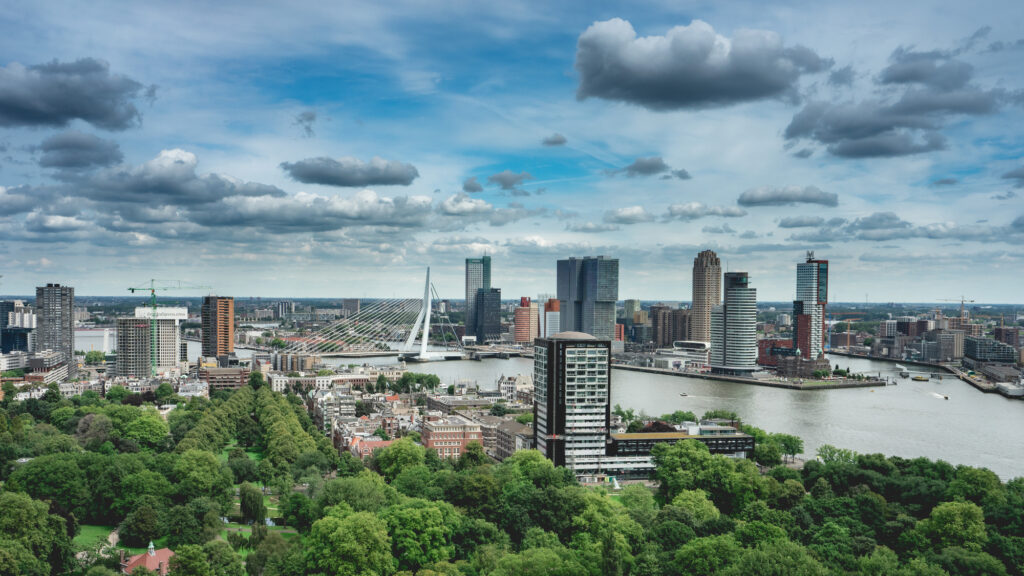
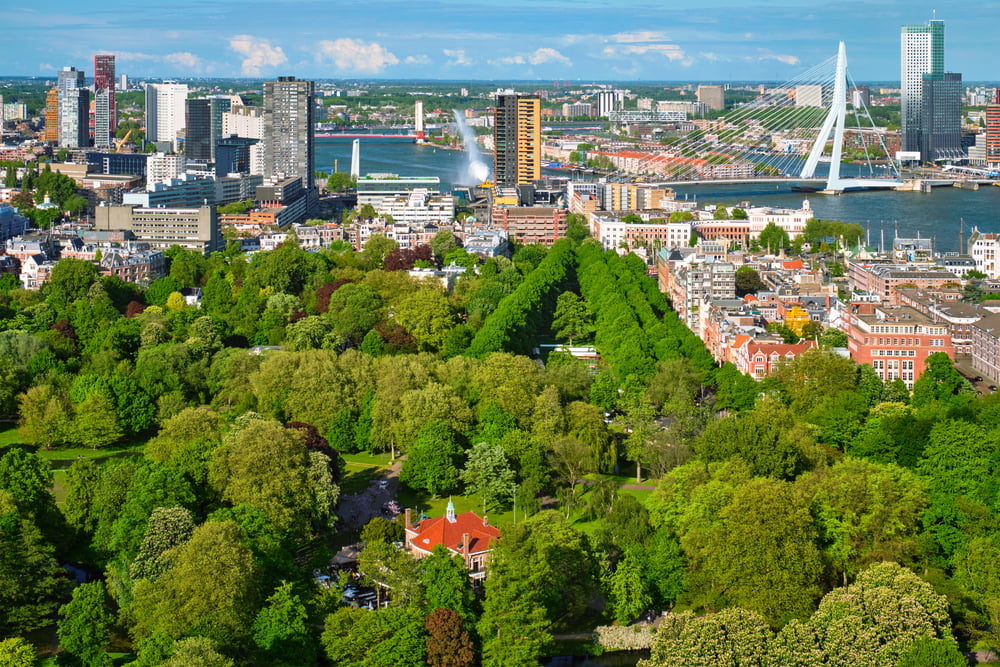
Isn’t this view just breathtaking? Image: Depositphotos
The Euromast is an observation tower that stretches above much of Rotterdam’s skyline, offering some stunning views of the city below.
You can buy tickets to check out the 96-metre-high observation deck and book a table at the restaurant after you’ve soaked up all the views.
Feeling extra bold? Why not go rappelling off the side of the building? 🫣
💰 Price: Entry to the observation deck ranges from €17.50 to €21 per person ⏰ Opening hours: Daily 9:30 AM to 10 PM 📍 Location: Parkhaven 20, 3016GM, Rotterdam
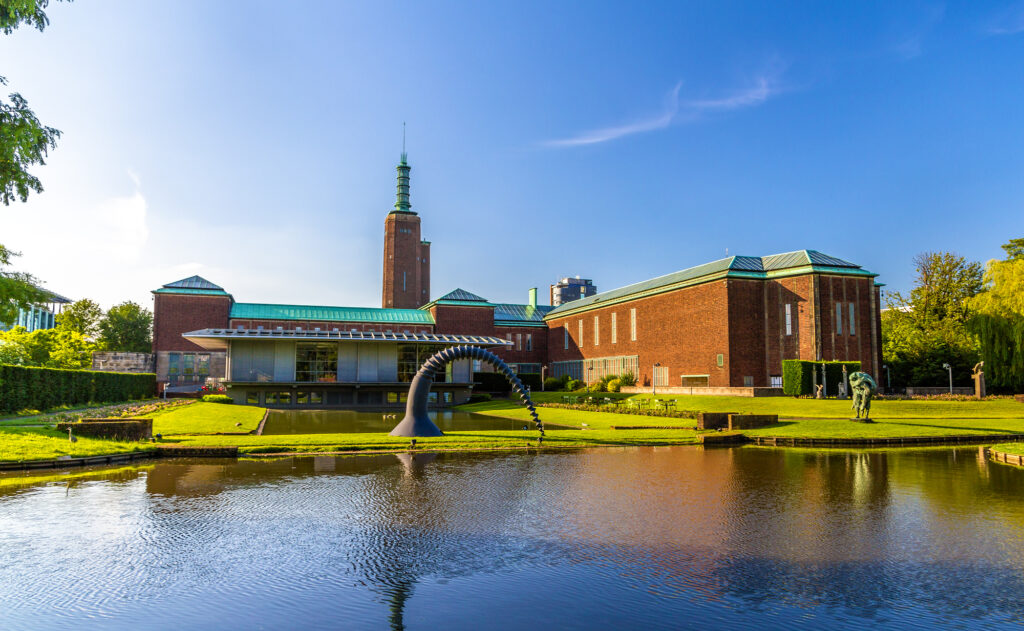
4. Check out the art at Depot Boijmans van Beuningen
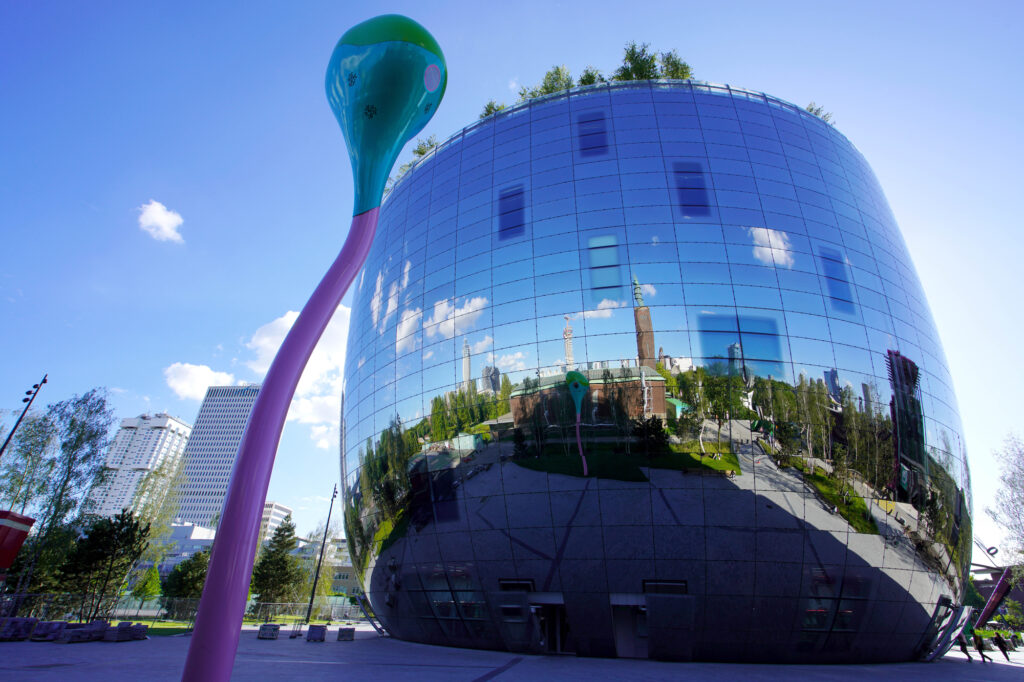
It’s hard to miss this impressive structure in the centre of Rotterdam. Image: Depositphotos
If you love art and modern architecture, the Boijmans van Beuningen Depot is the perfect place to visit in Rotterdam.
The Depot houses over 150,000 art items and is the only publicly accessible art depot in the world.
The reflective panel on the building’s exterior gives it an extra oomph: a cool, modern look for a cool, modern city.
💰 Price: €20 for adults; free for children up to 18; and €10.50 for students ⏰ Opening hours: Tuesday to Sunday, 11 AM to 5 PM, closed on Mondays 📍 Location:Museumpark 24, 3015 CX Rotterdam
5. Explore Rotterdam’s Oude Haven (Old Harbour)
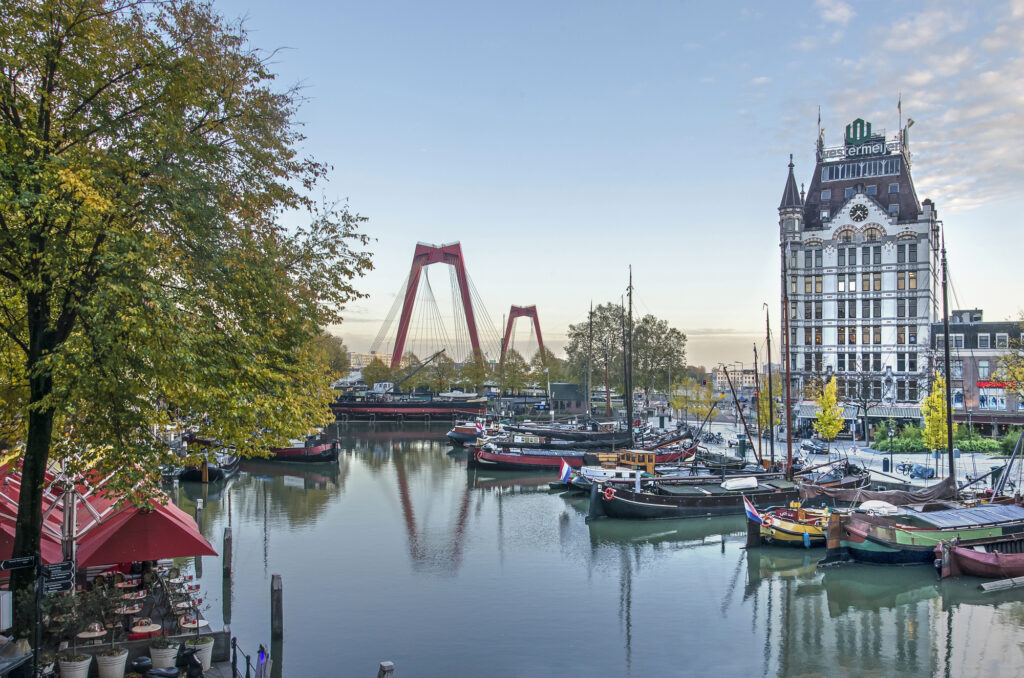
Picturesque and classic, Oude Haven is a must-see when visiting Rotterdam. Image: Depositphotos
The Oude Haven (Old Harbour) is one of the oldest ports in Rotterdam. And believe us, this is no ugly industrial port.
Here, you can enjoy cafés, bars, and restaurants, take a stroll along the water, and admire the boats docked in the harbour. Perfect for date night, no?
💰 Price: Meals at a restaurant usually cost between €10 and €20 for a plate, and beverages can cost between €1 and €4. ⏰ Opening hours: Depending on the restaurants, bars, and cafés, however, they are generally open from 12 PM to 12 AM 📍 Location: Oude Haven, Rotterdam
6. Football fans can head to Feyenoord Stadium
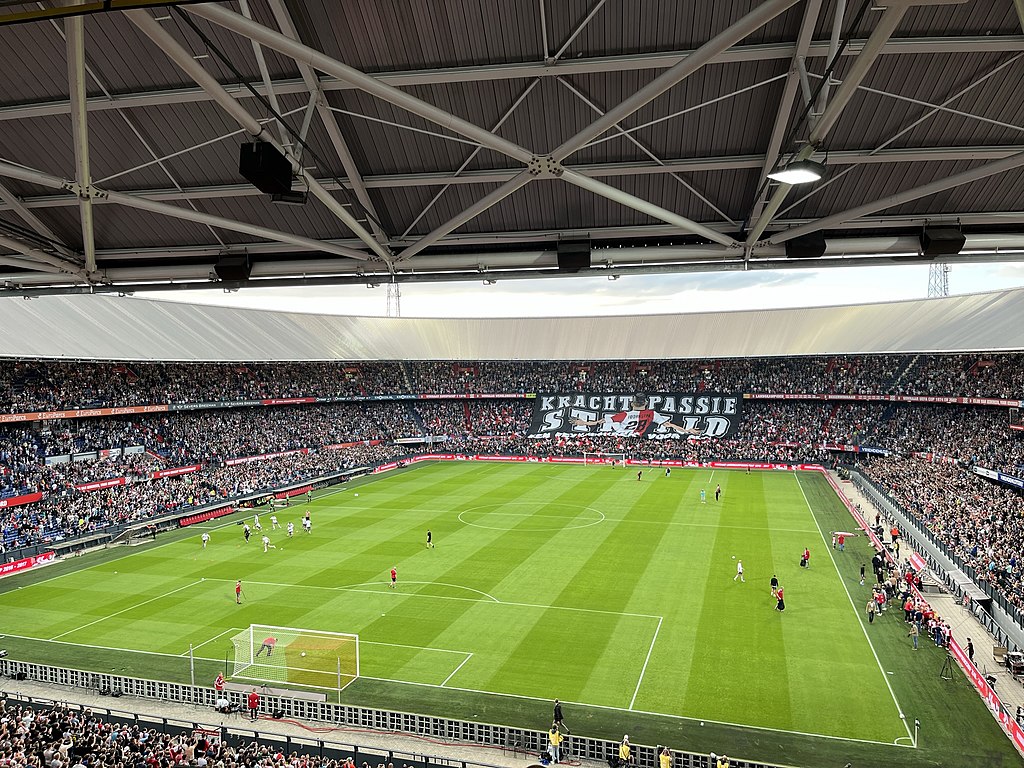
The hysteria of Feyenoord supporters is unbeatable. Image: Vincenzo.togni/Wikimedia Commons/CC4.0
Affectionately nicknamed De Kuip (The Tub), a visit to the Feyenoord stadium is one of the coolest things to do in Rotterdam, and a must for any football fan.
Visitors can tour the whole stadium and check out the museum of one of the biggest Dutch teams.
And if you’re lucky, you may even catch Feyenoord playing in their home stadium!
💰 Price: Stadium Tour: €18.50 for ages 12 and up; €14.50 for children between 5 and 11 ⏰ Opening hours: Check availability online 📍 Location: Van Zandvlietplein 1, 3077 AA Rotterdam
7. Visit one of Rotterdam’s best coffeeshops
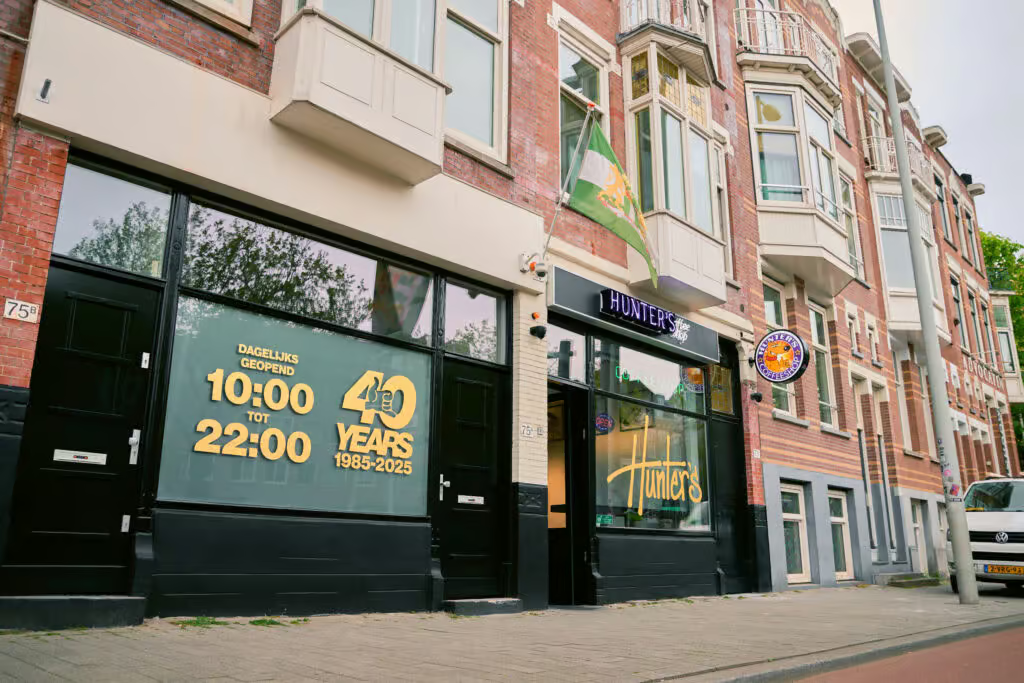
Unwind after a day of exploring Rotterdam. Image: KLEIN MEDIA/Supplied
Located in the former Sensi Seeds building, Hunter’s has a relaxed atmosphere, high-quality products, and expert service. Whether you want to relax 😉 after a day exploring the city or are simply seeking superior weed, Hunter’s will deliver.
💰 Price: Ask the friendly budtenders in the store for more details ⏰ Opening hours: Daily from 10 AM to 10 PM 📍 Location: Henegouwerlaan 73, 3021 CT Rotterdam
8. Eat your way through Rotterdam’s foodie hotspots
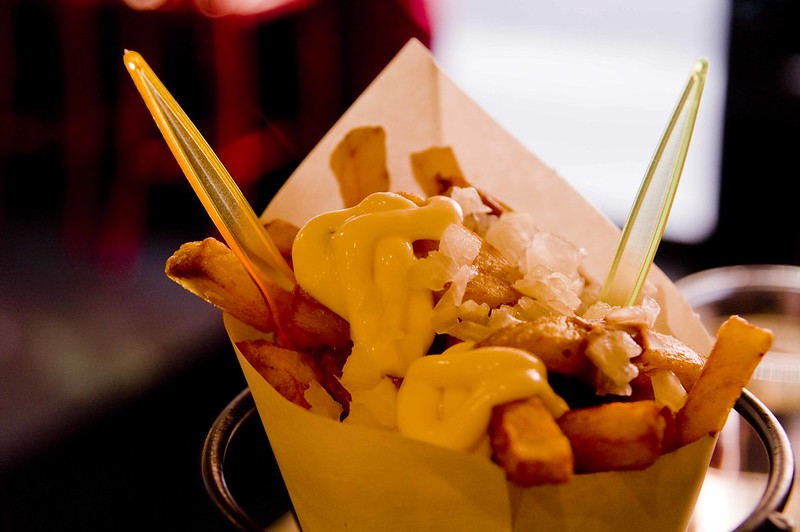
A cone of delicious Dutch fries hits different while taking in the city views. Image: Charleston’s TheDigitel/Flickr
If you love city walks and identify as a foodie, (obviously) going on a food tour is the best way to discover Rotterdam!
Picture it: Walking around the city at your own pace, sampling Rotterdam’s specialities, and learning about its most iconic landmarks. Sounds like a fun time, right?
As far as self-guided walking tours go, we can recommend the Rotterdam BiteMe Food Tour.
Featuring six culinary stops and many more cultural ones, this tour guides you along an itinerary designed to let you taste Rotterdam one frietje at a time.
💰 Price: €49 per person ⏰ Opening hours: Tuesday to Sunday, recommended start time 11 AM to 1 PM 📍 Location: The tour starts and ends at Rotterdam Centraal Station
9. Sleep in a floating home at Wikkelboat
A water mattress is one thing, but imagine drifting to sleep while your entire house floats on water.
Thanks to Wikkelboat, you can make your inner mermaid/merman come to life by living in a home floating on Rotterdam’s waters.
11. Enjoy the abstract architecture of Cube Houses
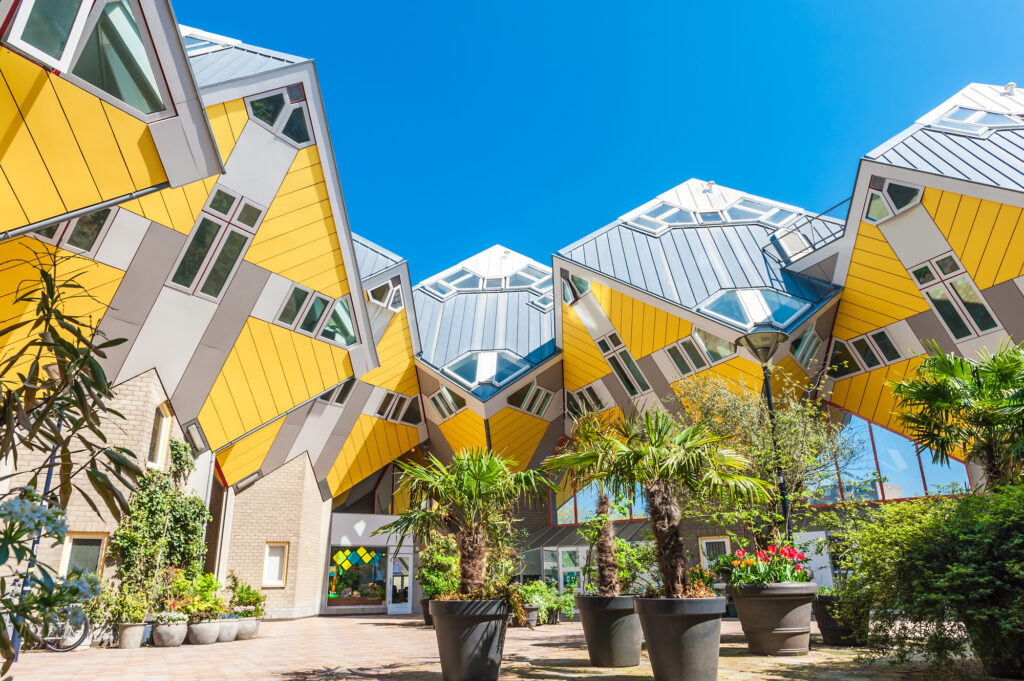
These are definitely not your average-looking homes! Image: Depositphotos
It’s not a real visit if you don’t appreciate the modern, abstract, obscure, funny-looking architecture in Rotterdam!
The Cube Houses (Kubuswoningen) are one of the city’s most iconic attractions. Dutch architect Piet Blom designed these residential houses in the shape of a cube — and then turned them on a 45-degree angle!
Ever wondered what it would be like to live there? You can buy a ticket to check out the interior of one of the Cube Houses and get a feel for yourself!
💰 Price: €3.50 for 12 and above; €2.50 for seniors (65+) and students; €1.50 for children (5–12); free for children under 4. ⏰ Opening hours: Every day from 11 AM to 5 PM 📍 Location: Overblaak 70, 3011MH Rotterdam
12. Soak in nature at Trompenburg Gardens & Arboretum
With plenty of trees, shrubs, and flowers, Trompenburg Gardens and Arboretum is the perfect place escape from the bustling city outside.
Located just outside the city centre, this 20-acre botanical garden has lots of unique flora, from cacti to varieties of oak and rhododendrons. A must-visit if you have a green thumb!
💰 Price: €12.50 for adults; students and kids are cheaper ⏰ Opening hours: Vary seasonally, check their website for up-to-date information 📍 Location: Honingerdijk 86, 3062 NX Rotterdam
13. Discover a small city at Miniworld Rotterdam
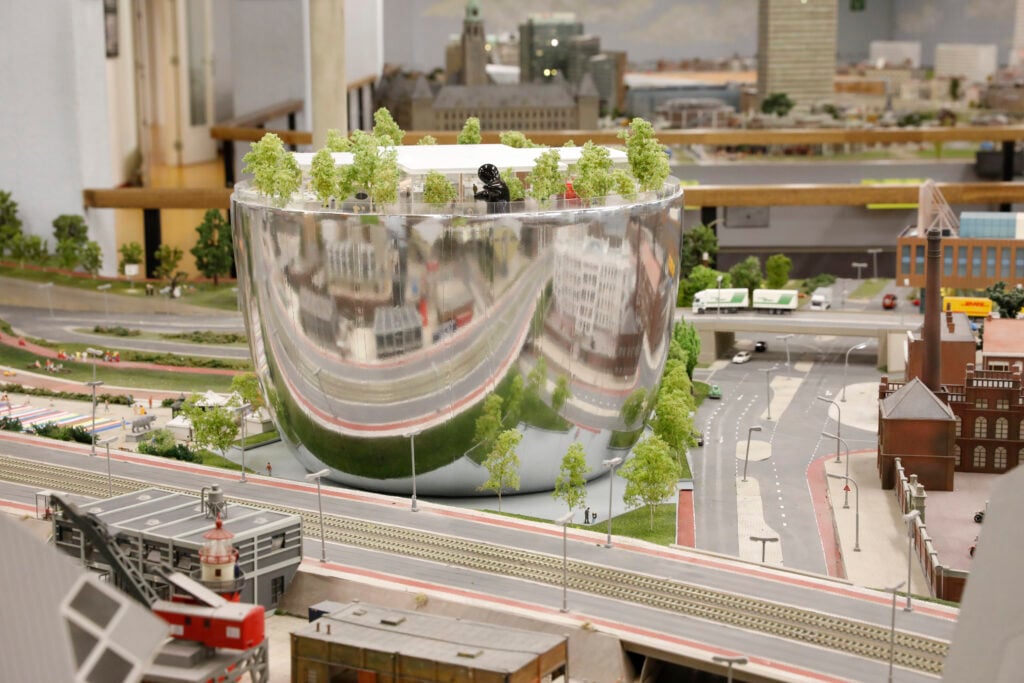
What?! They have a tiny Depot Boijman van Beuningen too?! Image: Miniworld Rotterdam
Enchanting for both children and adults alike, at Miniworld Rotterdam, you can take a look at some of the most famous landscapes and areas in Rotterdam on a tiny scale.
Discover Dutch suburban life, the coastal and polder landscapes, and even get a simulation of day and night time with a change in the lighting.
💰 Price: €14.90 for ages 12 and above; €10.80 for children (4–11); free for children under 3. ⏰ Opening hours: Wednesdays to Fridays from 12 PM to 5 PM, Saturdays and Sundays from 10 AM to 5 PM, Closed on Mondays and Tuesdays 📍 Location:Weena 745, 3013 AL Rotterdam
14. Enjoy a gorgeous sunset from your room at Nhow
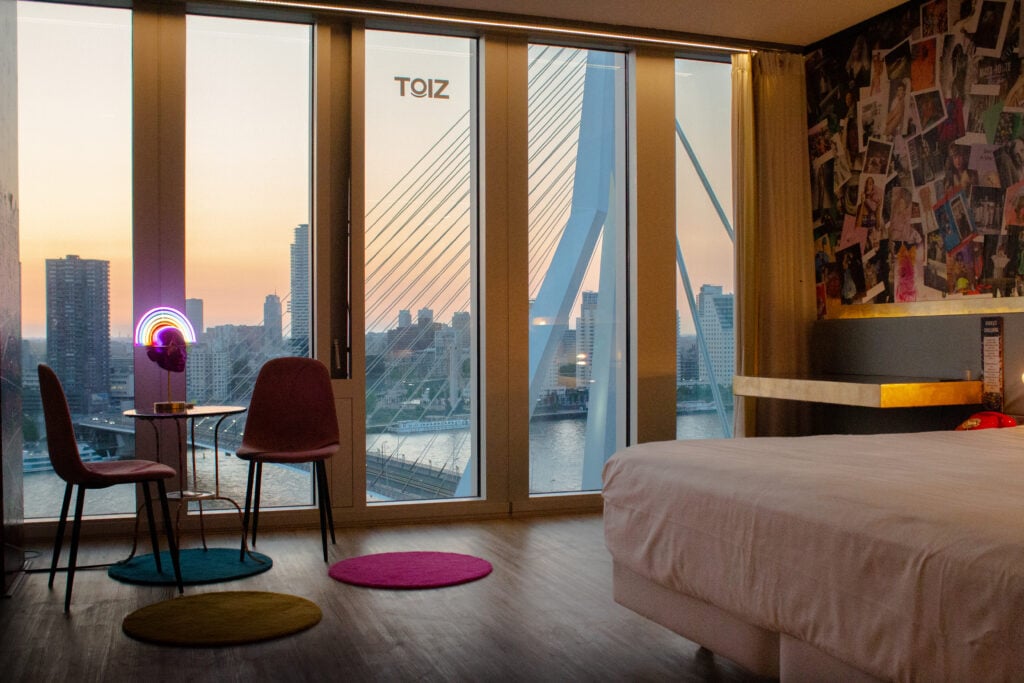
You won’t get views like this anywhere else! 😍 Image: nhow Rotterdam
Stay in a room at the iconic hotel, Nhow, and watch glorious sunsets while Rotterdam streetlife passes by.
You’ll get unique views of the Erasmus Bridge and Zalmhaven Tower — more than enough for a memorable stay in the city.
It’s an enchanting space full of creative excesses and lovely gimmicks. We loved it!
15. Marvel at exhibitions in the Nederlands Fotomuseum
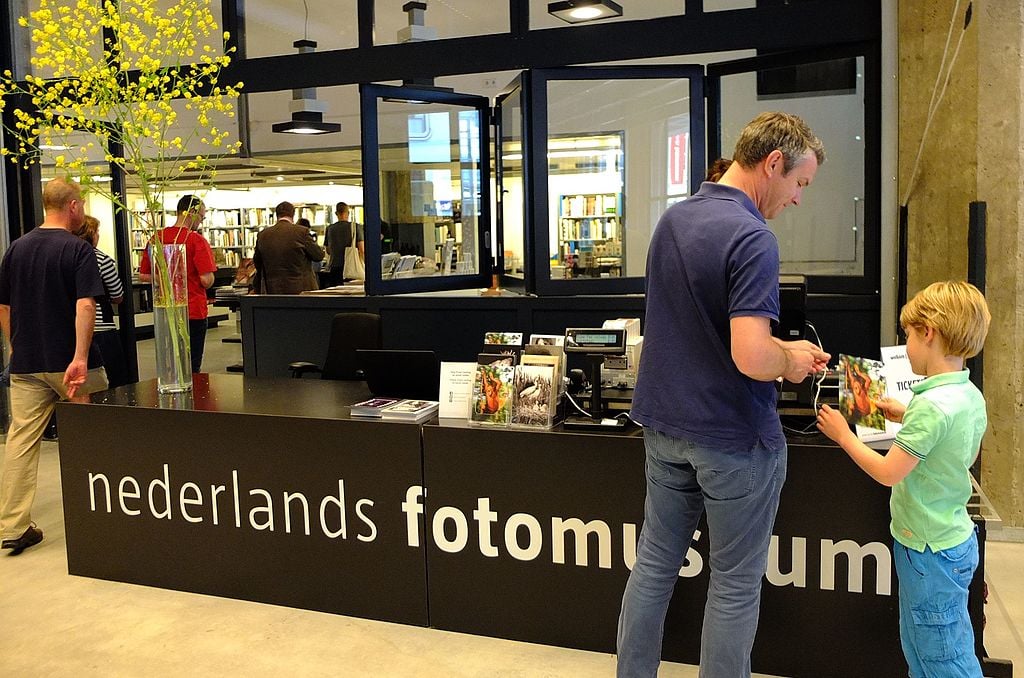
This is a peek into history. Image: G. Lanting/Wikimedia Commons/CC4.0
The Nederlands Fotomuseum showcases several permanent and temporary exhibits to preserve Dutch heritage and traditions through photography.
The museum hosts several activities and workshops throughout the year by artists and photographers.
💰 Price: €17.50 for ages 26 and above; €10.50 for ages 18–25; free for children up to 17. ⏰ Opening hours: Tuesdays to Sundays from 11 AM to 5 PM 📍 Location:Statendam 1, 3072 MD Rotterdam
16. Take a stroll through Kralingse Plas and Bos
You could sit here and watch the clouds for hours. Image: Depositphotos
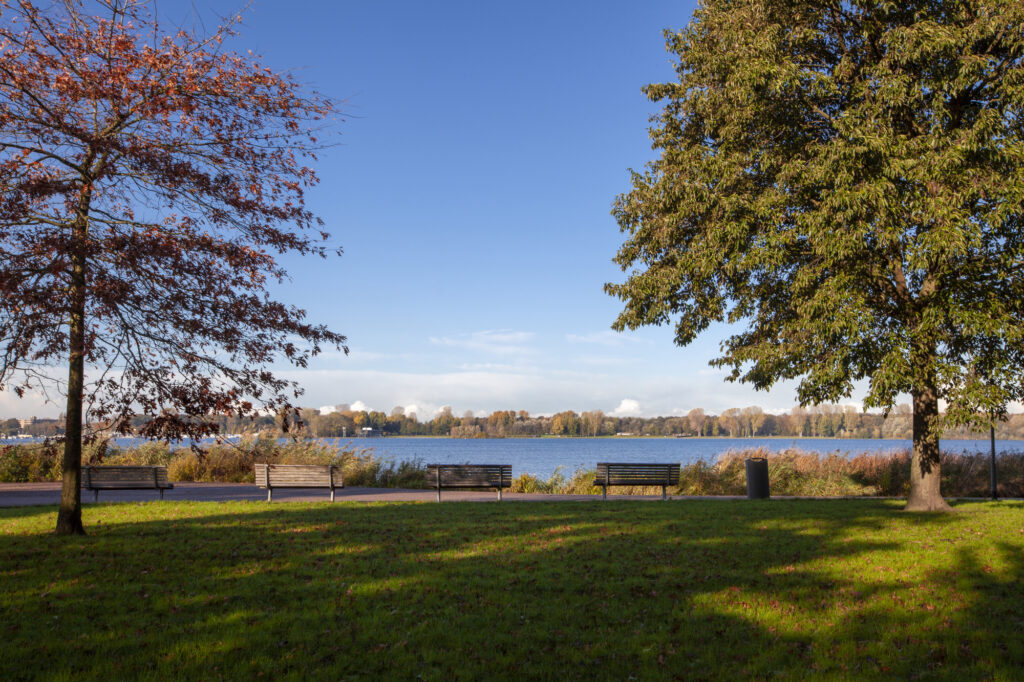
If you’re looking for a city break, Kralingse Plas and Bos (lake and forest) is the perfect place to go.
Located in the suburbs of Rotterdam, this pocket of nature is lovely for taking walks in the day and soaking up the natural surroundings.
You can also get sporty and go for a run or cycle around the forest. If you’re feeling extra adventurous, there are heaps of water sports on the lake including fishing, rowing, and sailing.
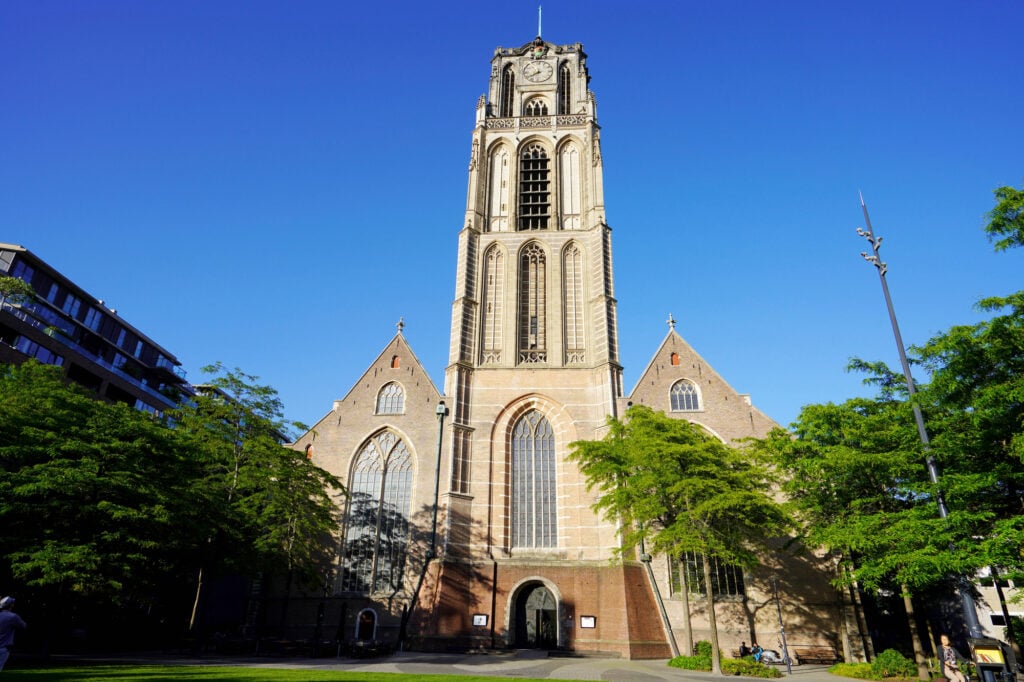
Sint Laurenskerk is an impressive church, standing at 64 metres. Image: Depositphotos
Sint Laurenskerk (Saint Lawrence Church) is one of the only structures remaining from medieval Rotterdam after World War II.
This Protestant church sits right in the centre of Rotterdam, next to the Markthal and the Cube Houses.
You can climb the tower and view Rotterdam from a gorgeous vantage point or admire the church’s interior, including the largest organ in the Netherlands!
💰 Price: €4 for ages 12 and above; free for children up to 12. Tower climb: €7.50 for ages 12 and above; €4.50 for children (6–12). ⏰ Opening hours: Monday and Thursday closed; Tuesday, Friday, and Sunday from 10 AM to 5 PM; Wednesday from 10 AM to 2 PM; Saturday from 10 AM to 3 PM (Sunday open only for church services). 📍 Location:Grotekerkplein 27, 3011 GC, Rotterdam
Did you know the Dutch have their own version of gin, called jenever? They like it so much, they even have a museum dedicated just to the liquor!
Suitable for groups of friends or a day with your S/O, you can learn about Jenever’s history, how it’s made, and even try some authentic Jenever yourself at the National Jenever Museum. Lekker!
💰 Price: €2.50 for children ages 6 to 12; €10 for children ages 13 to 17; €15 for adults; jenever tasting starting at €5.50 ⏰ Opening hours: Tuesdays to Sundays from 11 AM to 5 PM 📍 Location: Lange Haven 74, 3111 CH, Schiedam
21. Watch a classical concert at De Doelen
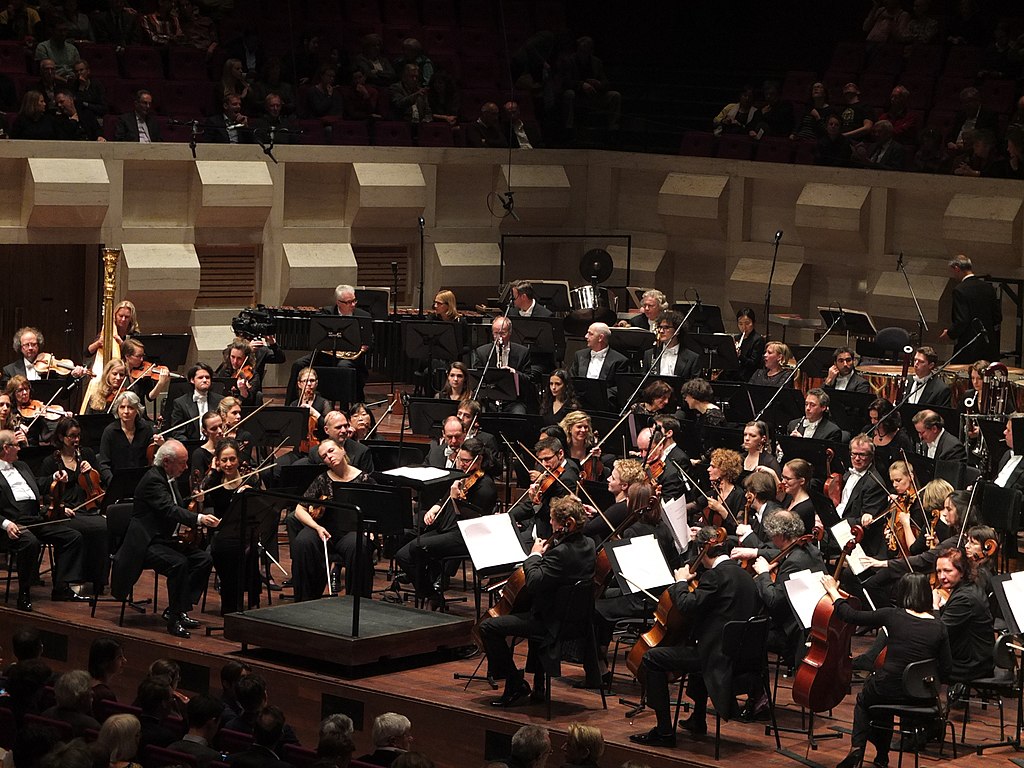
There’s nothing like watching a live performance at one of the most beautiful concert halls in the country! Image: G. Lanting/Wikimedia Commons/CC4.0
De Doelen Concert Hall is the home turf of the Rotterdam Philharmonic Orchestra and is one of the best spots to watch a concert in the country.
De Doelen primarily hosts concerts for classical music, but you can still watch all kinds of musical groups, acts, and performances.
💰 Price: Depends on the concert programme, but usually between €10 and €20 per ticket ⏰ Opening hours: Varies depending on the day and the concert programme 📍 Location: Schouwburgplein 50, 3012 CL Rotterdam
22. Walk along the famous Erasmusbrug and the Willemsbrug
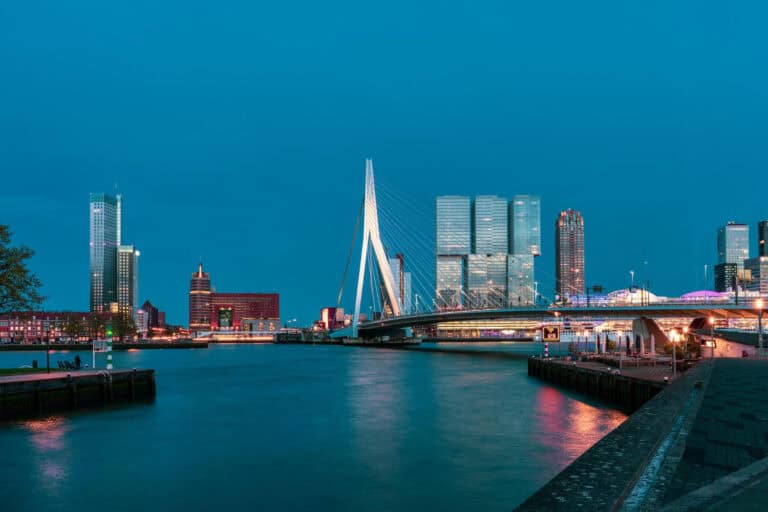
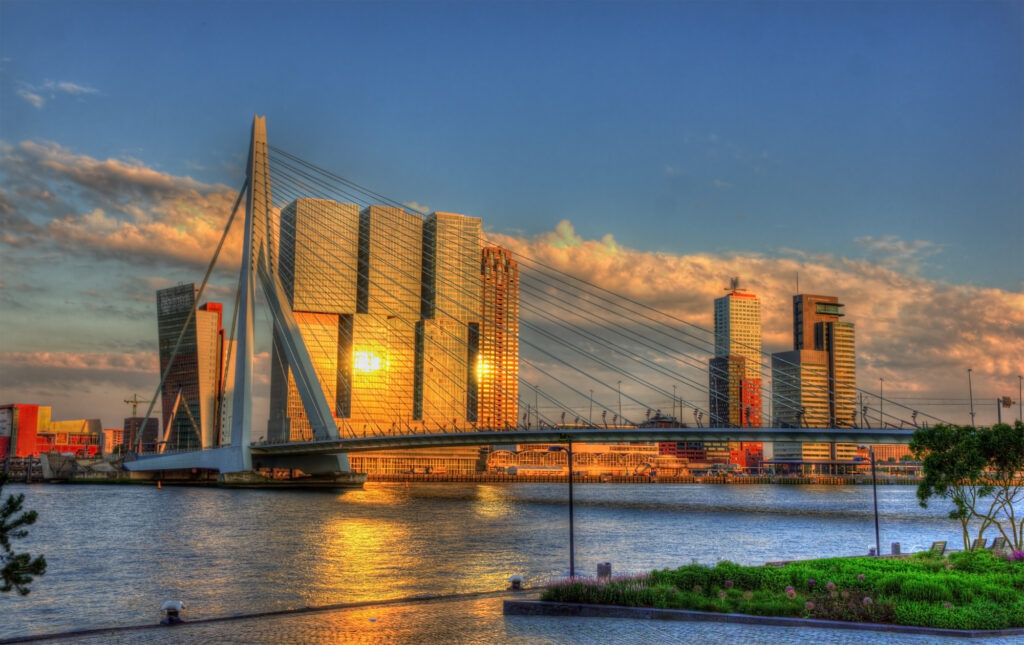
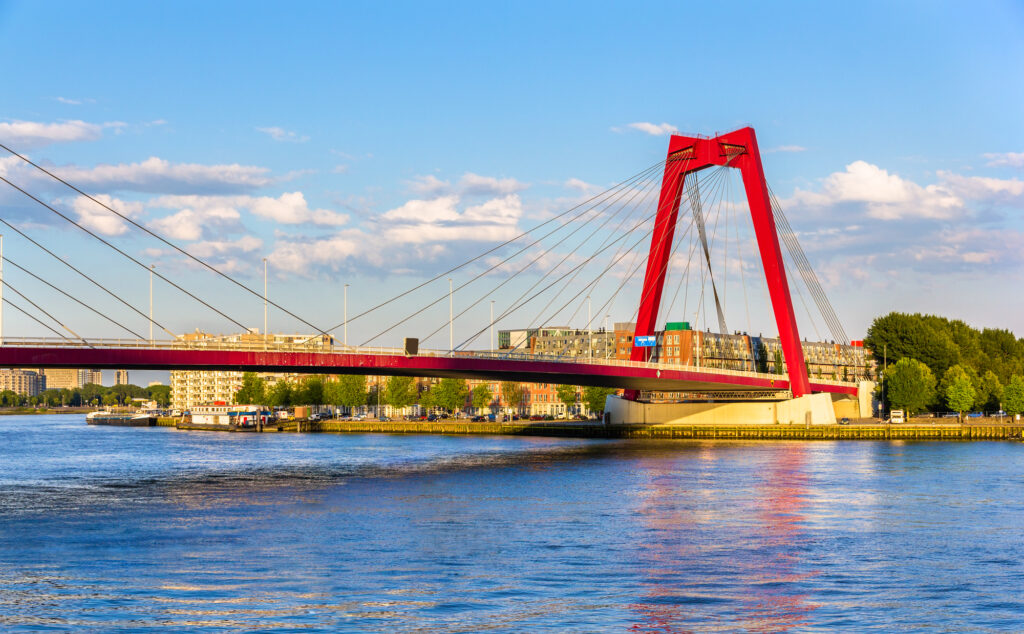
The Erasmusbrug and Willemsbrug (Erasmus Bridge and William’s Bridge) might be the most iconic structures that make up Rotterdam’s skyline.
The Erasmus Bridge might be the most famous part of Rotterdam’s skyline. Image: Depositphotos
The Erasmusbrug is famous for its unique shape, nicknamed “the Swan” for its light colour and neck-like appearance.
The Willemsbrug is an older, red bridge, further down the Maas river, connecting the northern part of Rotterdam to the Feyenoord neighbourhood.
Willem’s Bridge is Erasmus’s lesser-known counterpart — still equally gorgeous with that bright red colour! Image: Depositphotos
Visitors can enjoy strolling along the river and walking across the bridges in the daytime and at night!
23. Check out the art installations at De Kunsthal Rotterdam
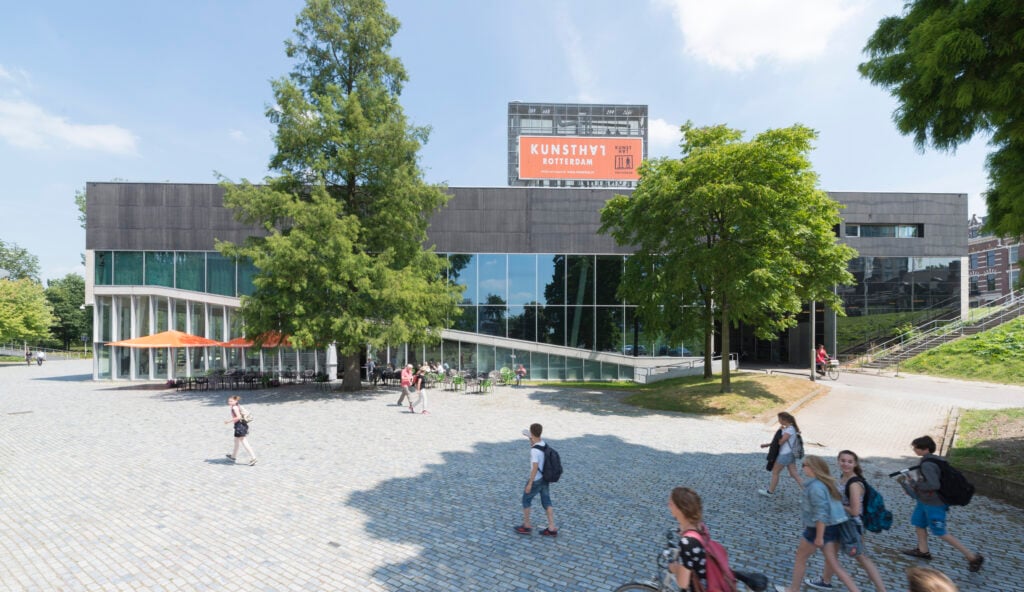
Art lovers, this one’s for you! Image: De Kunsthal Rotterdam
De Kunsthal is a unique cultural institution in Rotterdam, hosting over 20 different exhibitions per year, from fashion and photography to contemporary art and design.
The Kunsthall offers access to several art installations, activities, workshops, and events, so get your tickets ASAP!
💰 Price: Free for children up to 17; €12 for students and adults (until age 26); €19 for adults ⏰ Opening hours: 10 AM until 5 PM, Tuesday to Friday, 10 AM to 6 PM Saturday and Sunday 📍 Location: Westzeedijk 341, 3015 AA Rotterdam
24. Boogie at the North Sea Jazz Festival
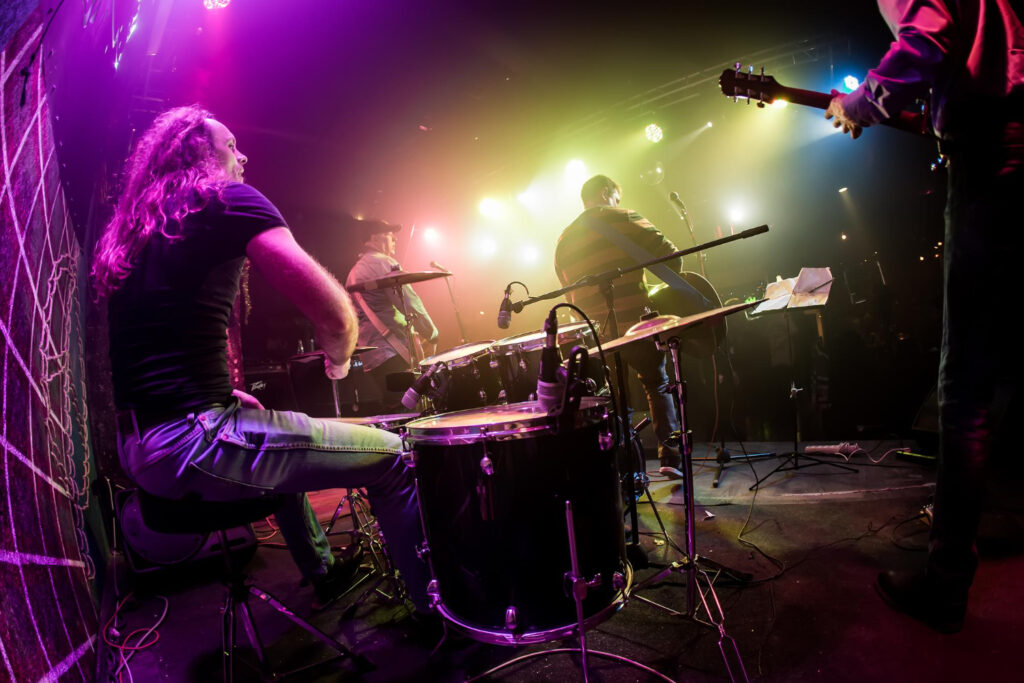
Watch the coolest bands and artists jam out at North Sea Jazz! Image: Freepik
North Sea Jazz Festival to Rotterdam is what Coachella is to California. For three days in July, visitors come from all over the Netherlands (and the world) to watch concerts by all kinds of artists and performers.
Despite the name, North Sea Jazz showcases genres of music apart from jazz music acts (although their jazz performers are absolutely killer). The North Sea Jazz Festival is usually held at Rotterdam Ahoy, Rotterdam Zuid’s event hall.
Past acts include Toto (yes, the guys who sang Africa), Herbie Hancock, Alicia Keys, and Jamiroquai.
💰 Price: Typically between €100 and €300, depending on how many days you want to visit. ⏰ Opening hours: Friday to Sunday from 3 PM to 1 AM 📍 Location: Ahoyweg 10, 3084 BA Rotterdam
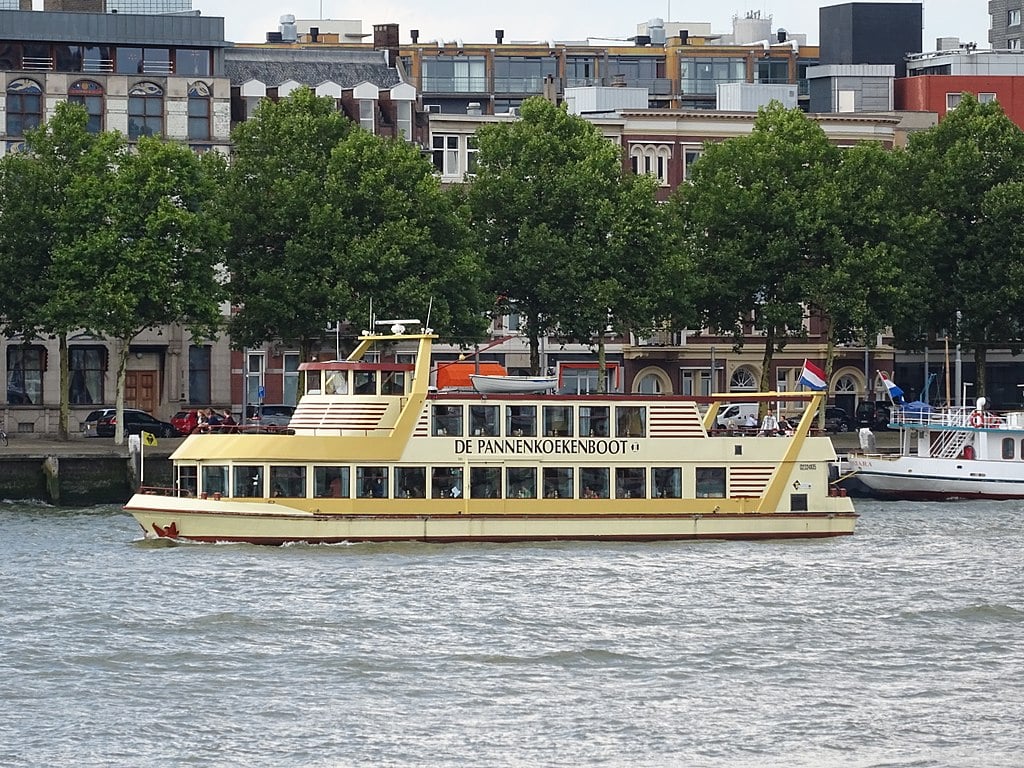
25. Enjoy some pancakes and river views on the Pannenkoekenboot
All aboard the Pancake Boat! Image: AgainErick/Wikimedia Commons/CC4.0
Eating pancakes and boating down Maas River is one of the essential things to do in Rotterdam. And you can do both on the Pannenkoekenboot!
This boat is not actually made of pancakes, but you’ll still enjoy sailing along the river while munching on some delicious Dutch pannenkoeken in the inner part of this floating restaurant.
It’s a memorable activity for families, friends, and anyone looking for an authentic pannekoek.
💰 Price: Adults €27.50–€29; children (3–11 years) €22.50–€24; children under 3 free ⏰ Opening hours: Each ride lasts 75 minutes; the schedule varies per day 📍 Location:Parkhaven 13, 3016 GM Rotterdam
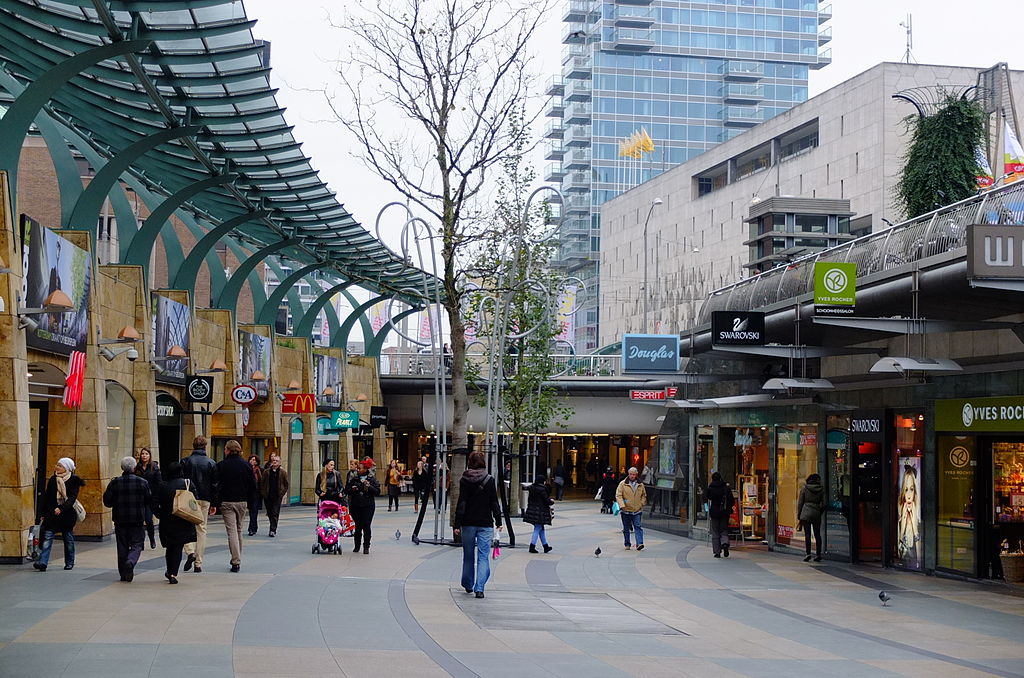
26. Shop till you drop at the Koopgoot
Did someone say… shopping?! Image: G. Lanting/Wikimedia Commons/CC4.0
Translating to “The Shopping Gutter,” the Koopgoot is anything but a gutter. If you’re looking for a new pair of jeans or want to buy someone a souvenir for your visit, shopping at the Koopgoot is a must-do in Rotterdam.
The sunken shopping area connects the big shopping streets (Lijnbaan and Hoogstraat) to the Beurs metro station, so you’re sure to find everything you’re looking for at this spot.
💰 Price: Free to window shop 😉 ⏰ Opening hours: Depends on the shop, but generally from 10 AM to 10 PM on weekends and until 7 PM on weekdays 📍 Location:Beurstraverse 186, 3012 AT Rotterdam
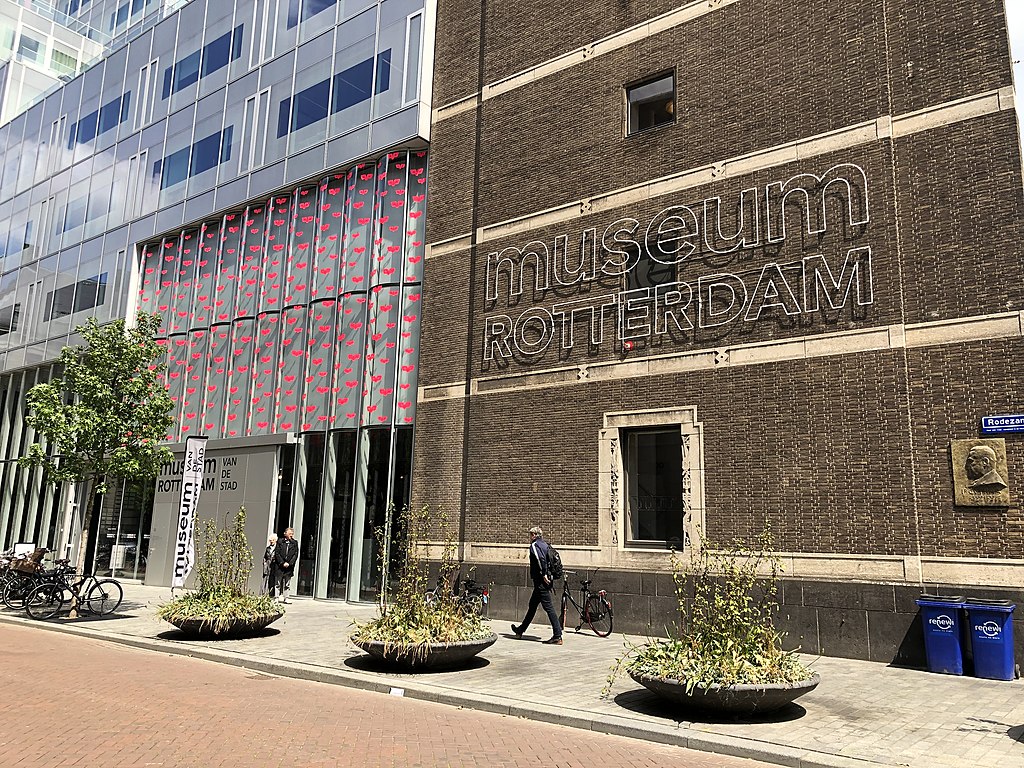
27. Get a history lesson at Museum Rotterdam
The Rotterdam Museum tells you all about, well… Rotterdam! Image: Sandra Fauconnier/Wikimedia Commons/CC4.0
Due to a solemn World War II experience (Nazi Germany bombed the whole city), Rotterdam is a city with one of the most interesting histories in the country.
If you’re interested in learning about its past, you should consider this museum in your Rotterdam itinerary.
Visitors can look at an exhibit and immerse themselves in a multimedia experience about Rotterdam during the Second World War.
💰 Price: Free for children until the age of 17; €12.50 for adults ⏰ Opening hours: Tuesdays to Sundays from 11 AM to 5 PM, Closed on Mondays 📍 Location: Coolhaven 375, 3015 GC Rotterdam
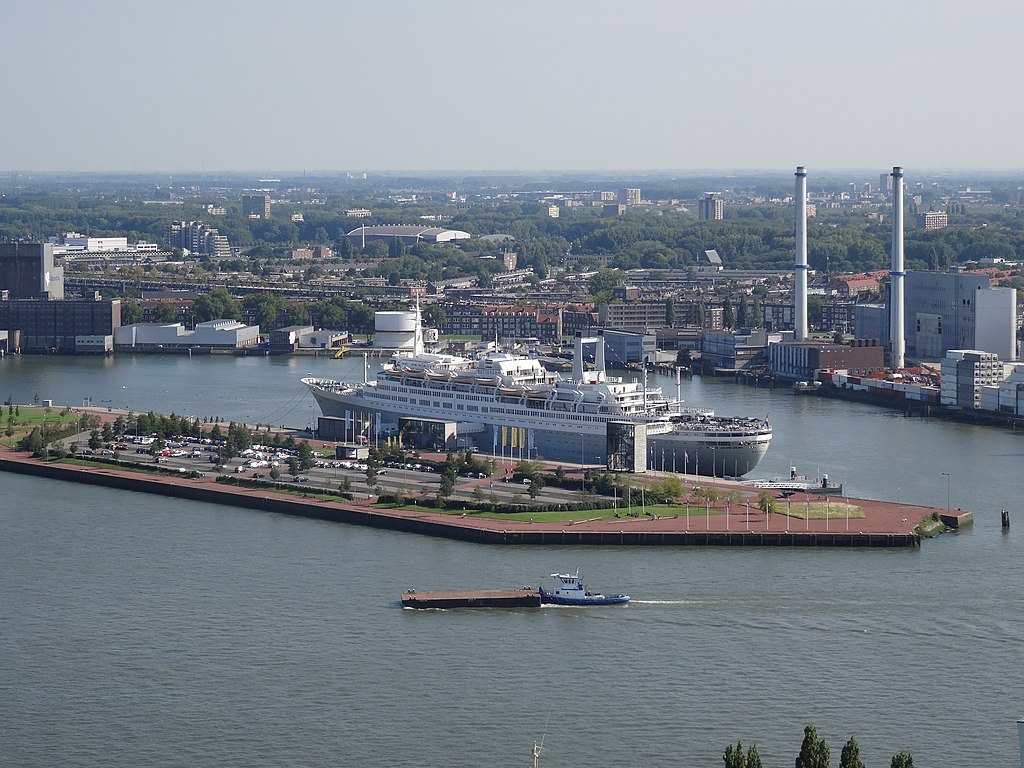
28. Board the SS Rotterdam for a tour
What a majestic boat. Image: AgainErick/Wikimedia Commons/CC4.0
The SS Rotterdam is a former ocean liner and cruise ship docked in Rotterdam as a hotel and restaurant.
The ship used to be part of Holland America Line, carrying passengers back and forth from Rotterdam to New York or “Old Amsterdam,” back in the day.
Nowadays, if you’re looking for a fancy hotel to stay in or get a good bite to eat at a unique place, the SS Rotterdam is your place to go.
You can also book a guided tour and explore the interior of the ship’s steamer.
💰 Price: Depends on where you eat or stay, but it’s generally a pricey spot ⏰ Opening hours: Depends on the hotel and restaurant 📍 Location:3e Katendrechtse Hoofd 25, 3072 AM Rotterdam
29. Visit the part that survived WW2: Delfshaven
Delfshaven looks like one of your typical Dutch neighbourhoods! Image: Depositphotos
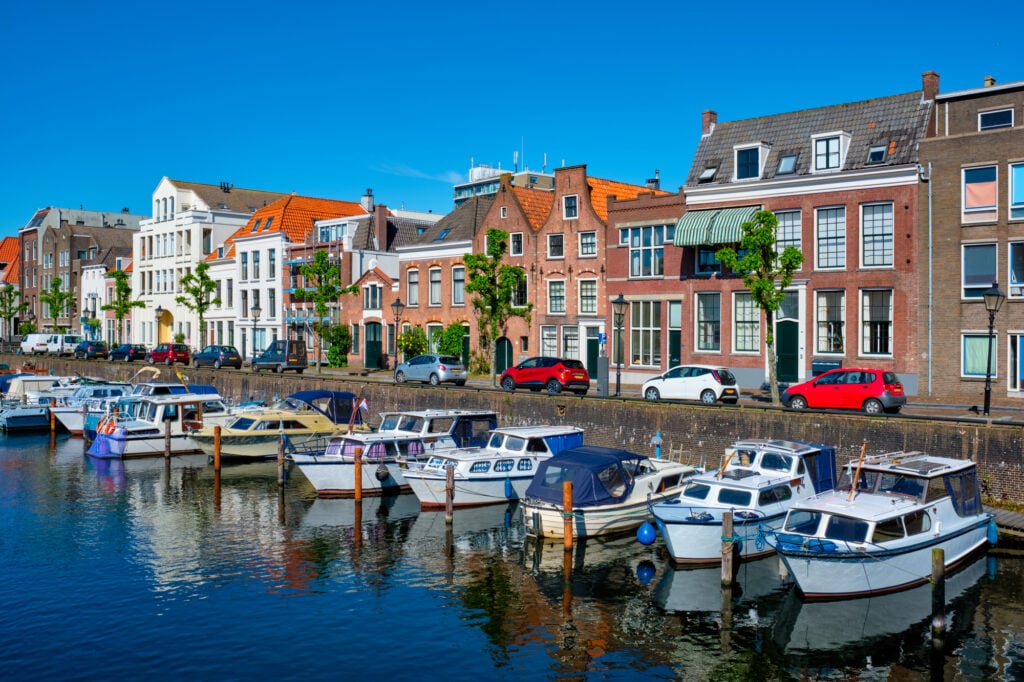
If you want to see some traditional Dutch architecture in Rotterdam, Delfshaven could be the place for you.
This peculiar neighbourhood in Rotterdam is one of the only spots that survived the bombings during World War II and maintains some of the traditional facades of Dutch homes.
Delfshaven is perfect for any low-key activity like walking your dog, having a drink on a terrasje (terrace), or simply wandering around the city.
💰 Price: Depends ⏰ Opening hours: All day, every day 📍 Location: Delfshaven, Rotterdam
— Life is a Festival! (@lifeisafestival) May 27, 2018
Plenty of artists like to use the facades of Rotterdam’s buildings for their large murals — and we have to say, they only add to Rotterdam’s character!
There are some designated art routes you can pick and walk along yourself, or perhaps you’re curious to spot some murals just as you pass through the city.
You can download an app that shows you the different routes and is constantly updated.
💰 Price: Free ⏰ Opening hours: All day, every day 📍 Location: Scattered around the city
31. Take a boat tour down the river Maas
You can enjoy all kinds of beautiful views along the river. Image: Depositphotos
Your trip to Rotterdam would be incomplete without a boat tour on your list of things to do. After all, it is a port city. 😉
Take a tour of all the major spots on Rotterdam’s river and relax as the boat whisks you around, completely stress-free.
Different boating companies have different routes and pick-up/drop-off points, and add-on experiences, so you can certainly find a tour that suits your interests.
You can do a boat tour and borrel, or get a tour of the Euromast after cruising on the river. Some boat trips visit the popular harbours around the city, while others show you the highlights of Rotterdam’s skyline.
💰 Price: Usually between €10-30 for children and €15-50 for adults ⏰ Opening hours: Usually between 10 AM and 5 PM 📍 Location: All boat tours board and depart from the river Maas
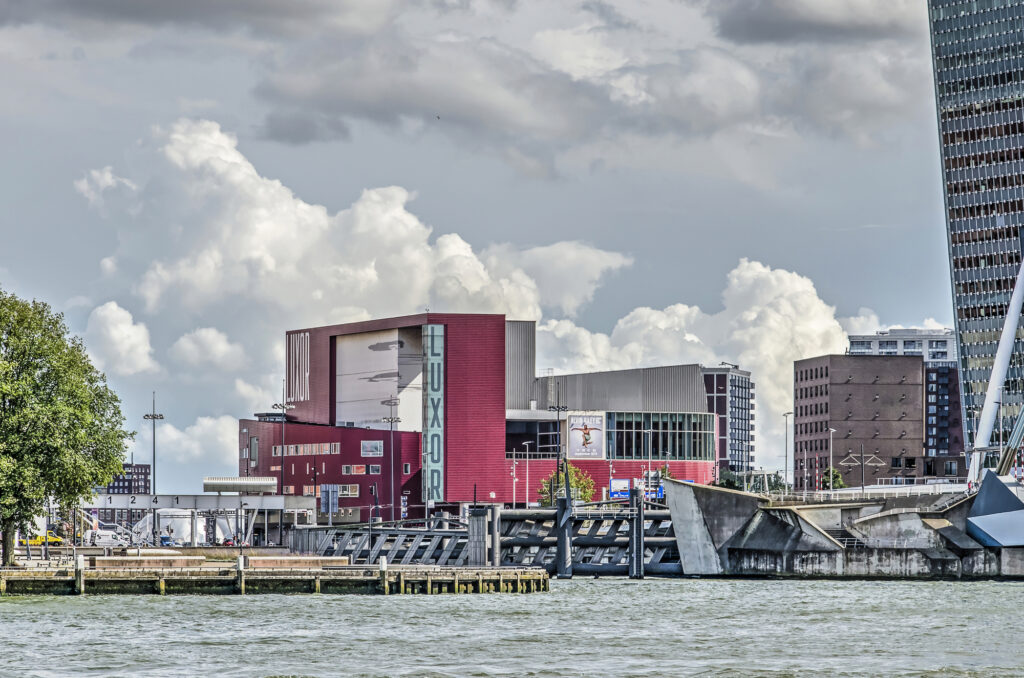
32. Catch a show at the Luxor Theatre
Spot this funky red building on the horizon! Image: Depositphotos
The Luxor Theatre has two auditoriums, one in the city centre and one in the city’s southern part, affectionately referred to as the ‘old’ and ‘new’ theatre.
Visitors can enjoy various cultural performances, from operas and musicals to cabaret and plays. 🎥
33. Get a glimpse of naval history at the Maritime Museum
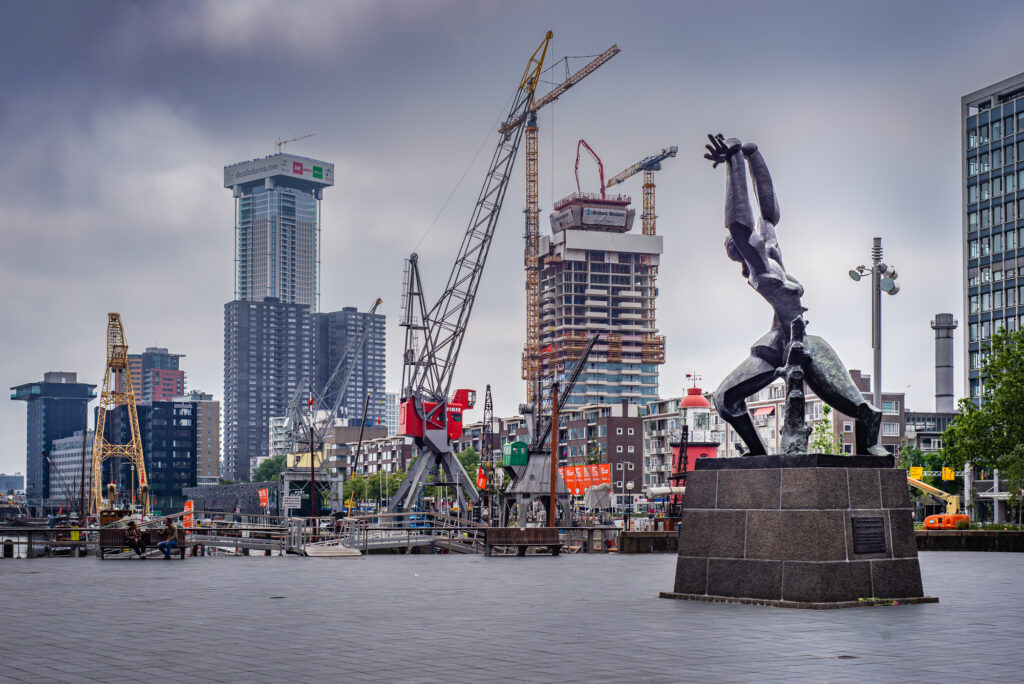
The art installations and nearby harbour are part of what the museum has to offer. Image: Depositphotos
Economically speaking, Rotterdam wouldn’t be where it is today without its historic harbours and invaluable port.
Rotterdam and the sea are inseparable, and you can learn all about the city’s naval and maritime history at the Maritime Museum.
The museum has many exhibits and displays to explore, detailing all the interesting, historical stories about the sea.
💰 Price: Free for children under the age of 4; €13.50 for children aged 4 to 15; €17.50 for adults ⏰ Opening hours: Tuesdays to Saturdays from 10 AM to 5 PM, Sundays from 11 AM to 5 PM, and closed on Mondays 📍 Location:Leuvehaven 1, 3011 EA Rotterdam
34. Order a pint somewhere on Witte de Withstraat
What was once a place for cars is now a place for people.
Before the pandemic, Rotterdam’s Witte de Withstraat was a car-choked thoroughfare.
Today, cars are banned, and terraces have taken the place of on-street parking spaces; part of a program that converted 1,000+ citywide. pic.twitter.com/agx7fidBkE
There is nothing more Dutch than finding a terrasje (terrace), ordering a beer, ordering borrel snacks, and hanging out with your friends.
Witte de Withstraat in the centre of Rotterdam is one of the cosiest streets in the whole city, where you’ll find plenty of bars and restaurants to suit your mood.
💰 Price: A pint of beer usually costs between €2 and €4 ⏰ Opening hours: Most bars and restaurants are typically open between 10 AM and 12 AM 📍 Location: Witte de Withstraat, Rotterdam
Whether you’re in the city for a day, a week, or a year, you’ll find a load of fun and exciting things to do in Rotterdam. Now, go forth and get that travel itinerary ready!
What’s your favourite activity in Rotterdam? Tell us in the comments below!
If you’ve got a summer trip booked from the Netherlands, it’s worth checking the fine print, as rising fuel costs are starting to hit travellers in the pocket.
As many European airlines and travel services are locked into fuel contracts, it’s uncertain whether current high fuel prices will be passed on to consumers.
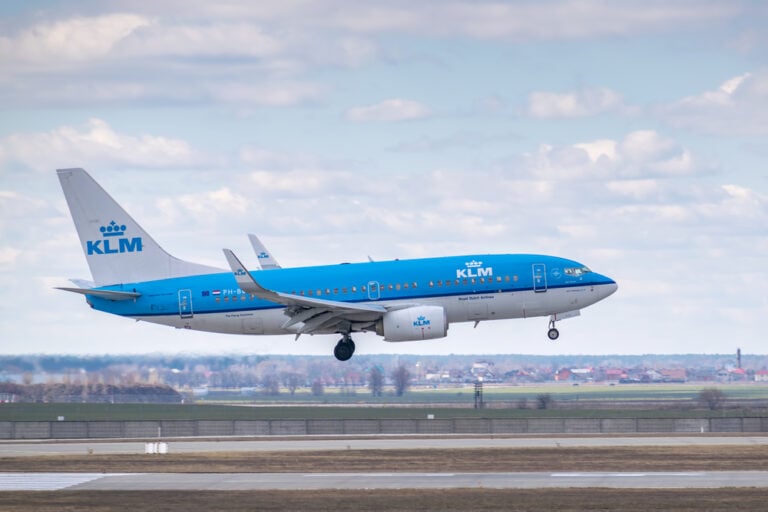
KLM has already raised ticket prices, P&O Ferries has added a fuel surcharge, and even Ryanair is eyeing summer cancellations.
With the holiday season approaching, RTL Nieuws looked at what travellers can realistically expect.
Did you book a package holiday? You’ve got more protection
If you’ve arranged your holidays through a tour operator, rather than booking flights and hotels separately, EU rules are on your side — to a point.
According to the Dutch travel industry association ANVR, tour operators are allowed to raise prices up to 20 days before departure. This, however, only applies if a possible price increase was explicitly stated in the terms and conditions at the time of booking.
Always double-check your tour operator’s policies on price increases. Image: Depositphotos
Has your package price increased by more than 8%? You may be entitled to a cancellation, completely free of charge.
Meanwhile, if you’ve booked with one of the many operators affiliated with travel industry association ANVR, the protections are even stronger. No surcharges can be added once you’ve made your final payment, which is typically around six weeks before departure.
Did you buy your tickets separately? Things are more complicated
If you’ve bought individual flight, ferry, or bus tickets, these fall into much greyer territory.
There’s no standard rule on fuel surcharges, so the allocation of additional costs comes down to each carrier’s terms and conditions.
That said, airlines have the option to cancel flights outright. Depending on your situation, you may be entitled to more assistance.
In conversation with RTL Nieuws, EUclaim’s flight analyst Paul Vaneker said, “If you are flying with a European airline or with a non-European airline that departs from Europe, you are entitled to a replacement flight in the event of such a cancellation.”
If in doubt, always contact your airline for more information. Image: Depositphotos
But what if no replacement flight is available? Vaneker stresses that you’ll “get your money back.”
Meanwhile, if your flight cancellation comes within 14 days of departure, additional compensation may also apply.
Maar, let op: If you want to postpone your travel to the winter holidays (or even next year), you’ll need to book a new ticket yourself — at whatever the current price happens to be.
Interviewed by BNR, ANVR director Frank Radstake remains hopeful on ticket prices: “For individual flight tickets, airlines can pass on higher fuel costs. But that does not apply to all airlines. For instance, there are a number that work with forward contracts and are therefore still purchasing their kerosene at the agreed price for the coming months.”
If you’re eyeing a summer flight, these forward contracts could keep the cost of flight tickets from skyrocketing astronomically.
However, trade association BARIN has warned that if the Strait of Hormuz remains closed, carriers could face pressure to cancel flights within six weeks. This warning primarily applies to routes to and from Southeast Asia.
King Willem-Alexander and Queen Máxima are travelling to the United States next week for a three-city working visit, with stops in Philadelphia, Washington D.C., and Miami scheduled from April 13 to 15.
According to the Royal House, the visit will address maritime manufacturing, innovation, culture, technology, water, and healthcare. It’ll also include an overnight stay in the White House.
Throughout the rest of the trip, they’re joined by the Dutch ministers of Foreign Affairs, Development Cooperation, and Water Management, as well as Caribbean ministers from Aruba, Curaçao, and Sint Maarten.
Philadelphia first
Monday opens with the Governor of Pennsylvania, Josh Shapiro, greeting the couple at Independence Hall.
After a tour of the building and the Liberty Bell, they’ll sit down with business leaders for roundtable discussions on agriculture, biomedical science, and high tech.
The afternoon heads to Fishtown (a neighbourhood with visible Dutch architecture) before ending at the Philadelphia Eagles training facility. Bonus talking point: Curaçao is competing at the World Cup 2026, partly hosted at the Eagles’ Lincoln Financial Field.
Then D.C.
Following a networking event in the US capital, the King and Queen will dine with President Trump and stay overnight at the White House.
Let’s hope the food is crunchy enough to cover the awkward silence, given that Jetten has previously called Trump a “misogynist,” “convicted criminal,” and something of a dictator-whore.
The Florida leg spans two days and leans into water resilience, healthcare innovation, and the Dutch Kingdom’s Caribbean ties.
At the University of Miami’s Rosenstiel School, the couple will tour a hurricane simulator and a coral lab breeding sturdier reef species.
More importantly, Miami functions as the key trade hub between the US and Aruba, Curaçao, and Sint Maarten, so ministers from all three islands join for this leg of the trip.
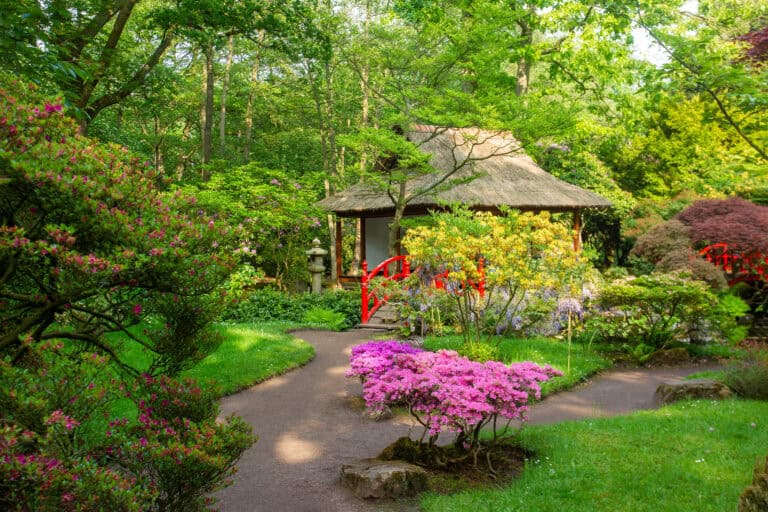
The Japanese Garden in The Hague is opening up again! Twice each year, this tranquil hideaway in The Hague opens to the public — and best of all, it’s free!
You can take a peaceful stroll through this unique garden from April 23 until June 7. Yep, it’s a limited amount of time, so hurry up and don’t miss out!
Open daily from 10 AM to 8 PM, it’s the perfect way to take a break and soak up a bit of the incoming sun. Even better? It’s one of our favourite free things to do in The Hague. 🎉
The garden has significant historical and cultural value, and in addition to that, it is very aesthetically pleasing. So grab your camera and enjoy some quality time with ‘Japanese’ nature while you still can.
What is a Japanese garden doing in The Hague?
Built around 1910, this remarkably beautiful garden is the legacy of the former owner of the Clingendael country estate.
Marguerite M. Baroness van Brienen, also known as Lady Daisy (how fitting!), was fascinated with Japanese nature.
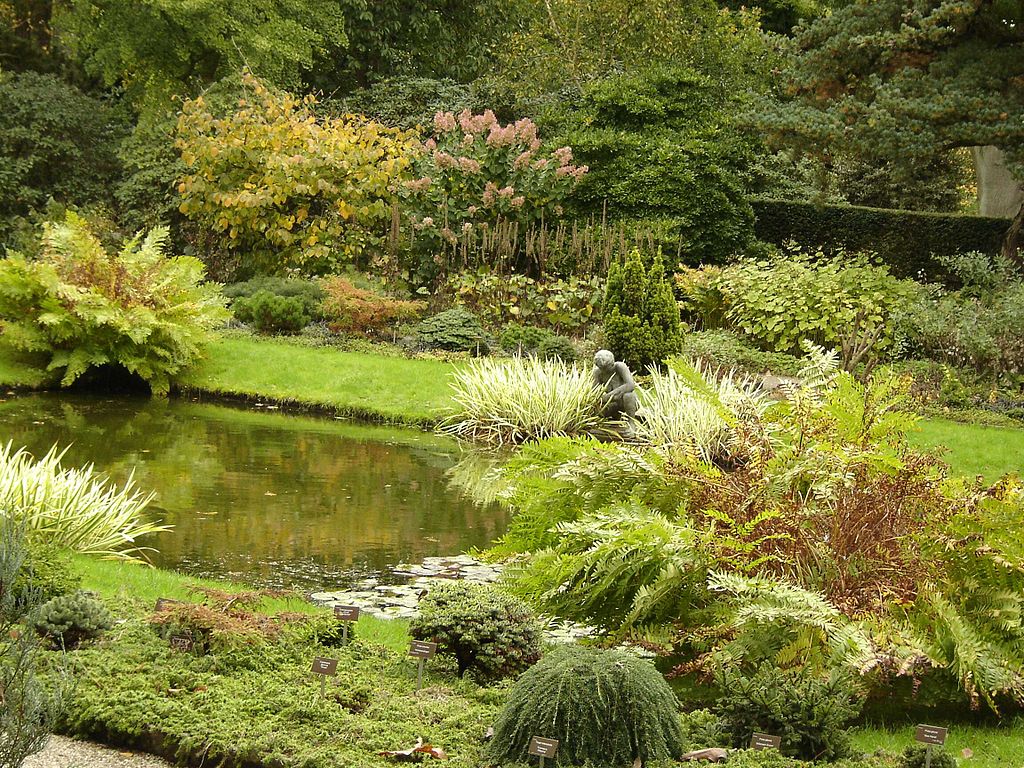
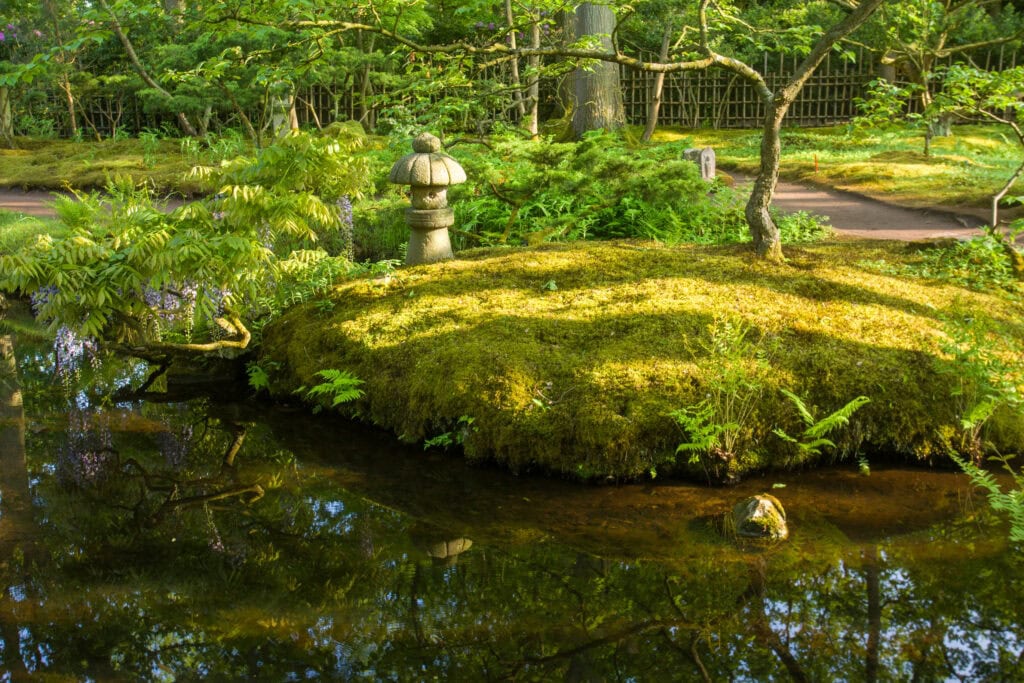
The ferns are particularly spectacular in the Japanese Garden at this time of year. Image: Dreamstime
Lady Daisy travelled to Japan multiple times to pick out the plants and artefacts for her garden.
Today, the garden is home to tons of Japanese plants and trees, as well as authentic Japanese lanterns, sculptures, small bridges, two water casks, and a pavilion.
Due to its uniqueness, the garden was declared a national monument in 2001.
Why is the Japanese garden only open twice a year?
Due to its fragility, it is only open twice a year, during spring and autumn. However, it’s not the same both times around!
In spring, the predominant colours in the garden are pink and purple, while in autumn, it is orange and red. So you should check it out during both seasons.
Rules when visiting the Japanese Garden in The Hague: handle with care
Before you visit, please remember a few rules. For example, dogs are prohibited in the garden! 🐶
Strollers, baby carriages, and electric mobility devices are forbidden, too.
Even just looking at this picture, you can’t help but feel calm! Image: Dreamstime
The garden has limited access for people with disabilities, although a separate entrance with a shorter route is available.
It’s essential to remember that the Japanese Garden is very delicate, so please keep the kids on their best behaviour!🙏
There is still so much more to see in Park Clingendael
Don’t be too quick to leave once you’re done touring the Japanese Garden! The magnificent estate of Clingendael is surrounded by vast and beautiful natural scenery.
Inhabitants of The Hague enjoy walking in the woods, exploring the numerous gardens, feeding the ducks and swans, or having a picnic by the water. 🧺
So, you’ve got your trusty fiets, you’ve mastered the art of dodging tourists, and you’ve even learned to cycle in a skirt without flashing everyone. But now comes the burning question: should you take out bike insurance?
It’s a fair consideration. After all, you’ve already invested in your slightly scraped-up but beautiful bike, so do you really need to fork out even more cash to protect it? Let’s pedal through the details. 👇
Is bike insurance mandatory in the Netherlands?
Put simply, nee. Unlike car insurance, it’s not mandatory to take out bike insurance (fietsverzekering) in the Netherlands. This means whether you insure your bike is entirely up to you.
That being said, if you’re considering bike insurance or just curious about your options, it’s worth understanding why many Dutch cyclists choose to insure their bikes.
Why bother with bike insurance?
The Netherlands might be a cycling paradise, but that also makes it a bike thief’s wet dream.
There are many reasons why people choose to take out bike insurance in the Netherlands. Image: Freepik
And it’s not just the numbers that are shocking, it’s the financial impact. Almost €700 million worth of bicycles were reported stolen last year, with the average stolen bike worth around €350.
The rise in e-bike popularity has made the situation even worse, with these electric beauties increasingly targeted because of their higher value.
Ready to protect your ride? Univé’s bike insurance offers comprehensive coverage starting from just €2.27 per month. Whether you’ve got a basic omafiets or a high-tech e-bike, they’ve got options to suit your needs and budget.
What does fietsverzekering (bike insurance) cover?
Dutch bike insurance typically covers you for several scenarios that could leave you stranded or out of pocket:
🥷 Theft: The big one. If someone steals your bike, you’ll be compensated for its value. However, you should note that you’ll usually need to prove you used an approved lock and report it to the police.
🚴🏻♀️ Accident damage: Whether you’ve taken a tumble or been in a collision, bike insurance covers repair costs or replacement if your bike is beyond saving.
👊 Vandalism: If someone decides to take their frustrations out on your innocent bicycle, you’re covered.
Many policies also offer extras like roadside assistance, accident coverage, and coverage for accessories.
How much does it cost?
Here’s the good news: bike insurance won’t drain your bank account. Basic coverage can start as low as €2.27 per month for a normal city bike.
Compared to the cost of replacing your ride, bike insurance costs are surprisingly affordable. Image: Depositphotos
E-bike insurance can cost you around €10 per month. However, some policies can be found for as little as €5 per month.
Now, compare this to replacement costs. A decent new bike typically ranges from €200 to €500, while e-bikes average around €2,200 to €2,500. Those monthly insurance premiums are starting to look pretty good, aren’t they?
So while it’s not mandatory to take out bike insurance in the Netherlands, it’s certainly a smart move. As getting your bike stolen is practically a rite of passage here, protecting your ride makes financial sense.
What’s your take on bike insurance? Share your wisdom in the comments below.
From Sinterklaasto Koningsdag, the Netherlands can be quite a festive place (perhaps to distract from the dull weather, but who knows?) However, not all Dutch holidays are alien to internationals, and the Netherlands also celebrates Easter!
That being said, Easter can be celebrated quite differently (or not at all) depending on where you’re from — so what does it look like in the land of cheese, clogs, and windmills? 🐣
Easter dates in the Netherlands 2026:
Good Friday (Goede Vrijdag): April 3
Easter Sunday (Eerste Paasdag): April 5
Easter Monday (Tweede Paasdag): April 6
Easter in the Netherlands
Easter in the Netherlands is celebrated similarly to many Western countries: chocolate eggs, big brunches, and even a day or two off work.
As with other holidays, the holiday is observed on Good Friday (Goede Vrijdag), Easter Sunday (Eerste Paasdag), and Easter Monday (Tweede Paasdag).But there are also aspects of this holiday that the Dutch do differently.
Yes, Easter symbols and decorations are a thing in many countries, but let’s just say the Dutch are a bit extra when it comes to letting everyone know it’s Easter time. 💁♀️
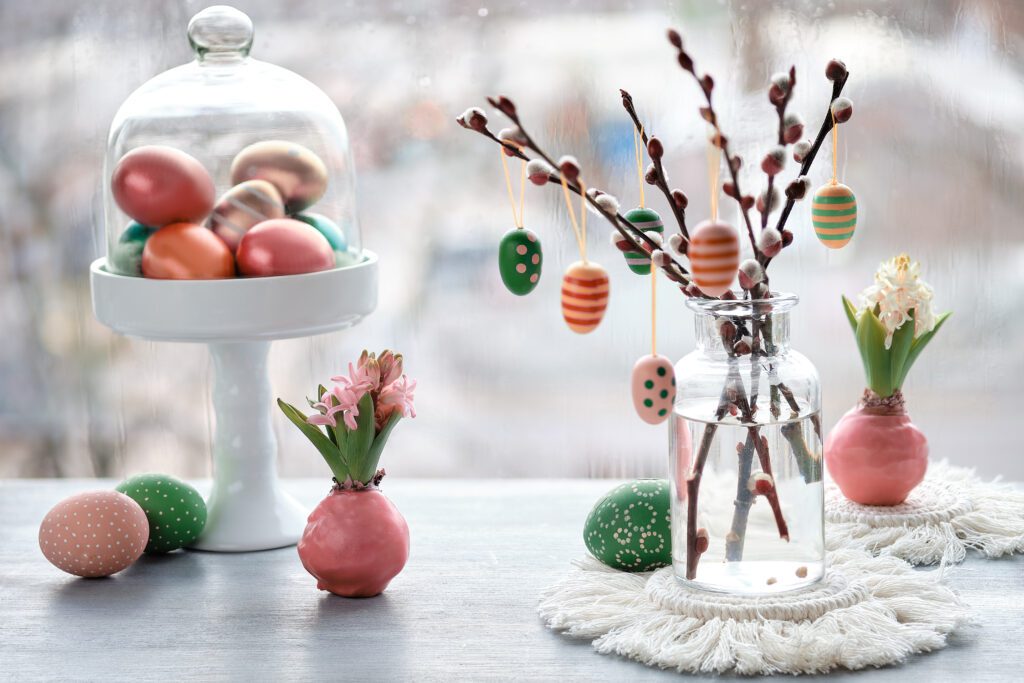
You’ll find that shops, supermarkets, and tables are decked out with what can only be described as an Easter Christmas tree.
Willow branches are also decorated with delicately painted, precariously hung eggshells, as well as all manner of cute mini bunnies, butterflies, and baby animals!
How cute are these Easter decorations? Image: Freepik
Dutch Easter Food
Speaking of baby animals, you’ll find them everywhere. No, not real ones, though. Picture miniature bunnies made from chocolate, lambs crafted out of butter, and chicks made from sugar. 🐥
While we’re on the topic of miniatures and food in the Netherlands, schoolchildren (the miniature) will often have a day when they bring Easter breakfast boxes to school.
Pupils fill a shoe box with ingredients for a tasty breakfast and bring it to class. (Cuuuuuteee, that won’t be messy at all.) 🙃
And speaking of tasty surprises, the Dutch love to experiment with just how weird they can make an Easter egg taste. Think bubble tea or even pizza. Yes, pizza. For the Dutch, no flavour is off-limits anymore. 👀
Easter Sunday in the Netherlands
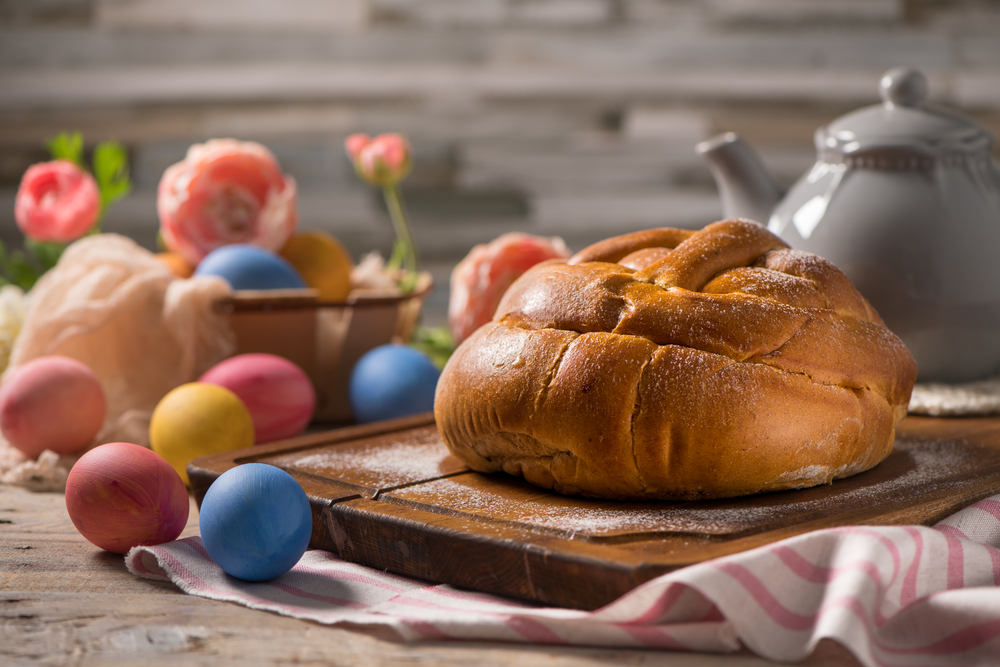
Easter Sunday in the Netherlands — or as the Dutch call it, Eerste Paasdag, usually consists of a tasty breakfast (Paasontbijt) or brunch (Paasbrunch) featuring the precarious Easter Christmas tree, assorted mini animals and, of course, Paasbrood.
What a yummy treat to celebrate Easter with! Image: Depositphotos
This tasty Easter bread is strangely similar to Kerstbrood(Christmas bread). Both are filled with cinnamon, raisins, and almond paste, but the difference lies in the details!
Where Kerstbrood is topped with icing sugar, Paasbrood is often topped with orange peel and almonds. Lekker!
Dutch Easter egg hunt
In the Netherlands, it’s the Easter hare, not the Easter bunny. Image: Unsplash
Of course, there is the all-important Easter egg hunt. However, beware, ladies and gentlemen (specifically expat parents) in the Netherlands, there is NO EASTER BUNNY.
In this country, it’s an Easter Hare or Paashaas. Don’t worry, though; he still does his job and sets up a nice hunt for the kiddos. 😉
Easter Monday, or second Easter, as the Dutch call it, is a bank holiday in the Netherlands.
As the kids munch on their chocolate eggs and start bouncing off the ceiling, parents can take a chill pill and know they can enjoy a day off after Easter Sunday.
Let’s wrap up with the important points: you will likely have a day off (yay!), there’s lots of delicious food (fab!), and for the love of god, it’s the Paashaas,not the Easter bunny. Got it? Great.
How do you celebrate Easter, if at all? Tell us in the comments below! 👇
A “T. rex leather” handbag will be on display at Amsterdam’s Art Zoo Museum until May 11, before heading to auction.
Scientists took protein fragments from T. rex remains and reconstructed the missing sections of the collagen sequence to produce a genetic blueprint.
That synthesised DNA allowed scientists to engineer billions of cells and cultivate them into the leather-like material. Techwear label Enfin Levé then turned that raw output into the finished bag.
Critics are less than impressed, however
While this feat is nothing short of historic (wink-wink), some are sceptical, reports De Telegraaf.
No, not because they fear a Jurassic Park-style dinosaur handbag takeover of Amsterdam — you can rest easy on that front.
Instead, several experts have raised serious objections about the claim that the material is a true reconstruction of ‘dinosaur leather.’
It comes down to the science. Firstly, the collagen used to produce the material originates in fossilised skeletal matter.
Why is this important? Well, the fossil collagen used survives in 2026 only as tiny, heavily degraded fragments. Plus, skeletal collagen has a fundamentally different molecular structure from the fibrous layers that give conventional leather its durability and feel.
The critics’ conclusion: what has been produced here is something informed by prehistoric biology, not a reconstruction of it.
A handbag (millions of) years in the making
The project was created by three main actors: a creative agency known as VML, genomic engineering firm The Organoid Company, and biotech outfit Lab-Grown Leather Ltd.
Their position on the ‘authenticity’ of the leather is that it represents the upper limit of what biotechnology can currently extract from a 66-million-year-old specimen.
Whether that’s an achievement worth showcasing, we’ll let you decide for yourself.
Once the exhibition closes in May, the piece goes under the hammer.
The three companies plan to continue producing the material commercially, targeting luxury accessories first and, eventually, broader sectors such as fashion and automotive.
Think the sceptics have a point, or is the science impressive enough regardless? Let us know in the comments.