After a long and dark winter, the Dutchies have a great solution for recharging themselves. They get their family together, and they go to see some dancing cows! 🐮
Farmers let their cows leave their indoor corral to return to the Dutch fields when winter is over. It is usually done on a sunny day, and we are clearly not the only ones excited about the good weather!
The cows start jumping all around the field, and it is really damn cute to see! 👀
What is it?
In the Netherlands, there are organised tours and open days on farms. Some people even give each other tickets for Christmas and go together in the spring to see the dancing cows.
It never gets old! Jumping cows are simply too joyous! It’s a fun day out, and the entire dynasty of Dutchies can recharge themselves after a long and dark winter.
Why do they do it?
Well, it’s pretty simple: the cows do it because they are happy, and their delight passes on to the onlookers. It’s better than any therapy! 🐄
It happens only once a year, so it is also a rare experience for those who are used to seeing cows.
Small joys of living in the Netherlands #4578: Happy dancing cows 🐄🐄🐄 Too adorable! https://t.co/RsaXuO5ORO
— Dr. Carianne Pretorius (@cari_pretorius) March 1, 2021
Why is it quirky?
I mean, can you imagine a Dutch family standing outside of a farm’s fence, eating stroopwafels and watching the cows dance next to a tulip field? (Yes.)
If their jumping around wasn’t so damn adorable, you could even say that it’s quite cheesy to watch.
Should you join in?
Jaa! You don’t need to be Dutch to get addicted to this. If you want an overdose of Dutch things, you can easily combine your trip with visiting some tulip fields as well.
Ordering from outside the EU? A new national package fee will kick in from July 1 onwards, with a second European charge following in November.
Helaas, Temu and Shein lovers, the days of duty-free parcels from outside the Netherlands are now numbered.
Here’s what’s changing
In a letter to parliament, State Secretary Eelco Eerenberg (Finance) has confirmed that the Dutch government will start charging a €3 handling fee on all non-EU packages from July 1.
Meanwhile, the existing tax exemption, which allowed packages worth under €150 to enter without import duties, will also be scrapped.
Think that’s bad? Just hold on a tick, because a Europe-wide levy of €2 will be added in November — bringing the total surcharge to €5 per package.
How do these new fees actually work?
According to RTL Nieuws, the charges are calculated per line item on your invoice, meaning that what you order matters.
Costs are heavily dependent on the number of “line items” listed on your invoice. Image: Freepik
In simple terms, a single package containing three different products will cost more than one containing three identical items.
Why is the Netherlands doing this?
The new handling fee has two main goals:
slow down the sheer volume of parcels coming in from Asian webshops like Temu, Shein, and AliExpress, and
help Dutch customs cover the growing cost of inspections.
This fee was discussed as early as December last year, as the Dutch customs office was already drowning under the daily wave of incoming parcels.
However, the EU-wide levy works slightly differently: its revenue is earmarked specifically to aid customs operations.
Will these new fees change where you shop online? Let us know in the comments below.
Following talks yesterday with the other coalition nations, Dutch Prime Minister Rob Jetten made it clear: unless attacks stop, there will be no Dutch military aid in the Strait of Hormuz.
According to Al Jazeera, Jetten is not alone: none of the 35 countries in the UK-led coalition is willing to enter the Strait unless reciprocal attacks stop.
The talks seem to have yielded little tangible action, but there is a strong consensus among coalition nations that while the war still rages, sending aid is out of the question.
Unsafe conditions
Jetten’s stance is, ultimately, unsurprising.
Just two weeks ago, he gave a statement saying, “At the moment, any mission in the Strait of Hormuz will need an ease in tensions in the region,” reports NU.nl.
However, he’s also indicated that aid is not impossible — it’s just a matter of timing.
Assistance in restoring the safety of the Strait once attacks have stopped, for instance, is still very much on the table.
The Dutch navy could be sent in to help clear sea mines from the passage once things have calmed down, according to NOS.
For now, however, the Dutch military is staying put.
Trump’s requests rejected
In a speech at the White House last night, Trump said the war would last a few more weeks, reports the BBC.
As energy prices continue to soar globally, it’s become increasingly difficult for the American president (whose campaign promise was, by the way, “no more wars”) to justify the attacks in Iran.
Despite his continued requests for aid, Trump has been unable to convince the coalition countries that their aid would make a major difference in the Strait.
One thing is clear: the Dutch aren’t rushing into a war they didn’t start.
What do you think of Jetten’s statement? Let us know in the comments!
So you want to learn Dutch, and you want to learn it fast? It won’t be easy, but it’s doable with the right tools.
Let’s be real: Dutch is a difficult language. So, if you want to learn it fast, you must do it right. And what do you need to learn a language the right way?
A good course, a knowledgeable teacher, and an effective approach.
That’s where Talencoach comes in, with a Dutch course that will have you speaking Nederlands with confidence in just seven days.
A Dutch school that’s different
Like many other Dutch schools, Talencoach is located in beautiful Amsterdam, but that’s where the similarities end.
Talencoach is a unique Dutch school offering a special course that will accelerate your language learning like never before. The course in question? Dutch Brainwash!
Albert keeps his classes small so that each student gets the attention they need. Image: Talencoach
With his intensive course, Albert Both, founder of Talencoach, set out to “teach languages in a whole different way”. Let’s talk about how it works. 👇
The Brainwash Method: What is it, and why does it work?
We’re glad you asked! Talencoach’s Dutch Brainwash is a unique method that teaches you to talk (in Dutch) about anything you want.
You experience full immersion for 7 days
First things first, Dutch Brainwash gives you the unique opportunity to fully immerse yourself in the Dutch language.
Sitting in front of the computer for hours at a time? Reading boring books? Learning long lists of vocab? Nee dankjewel. 🙅
Talk Dutch — non-stop. Image: Freepik
Rather than studying, Albert stresses the importance of learning by doing. He quickly gets you talking about the things that matter to you — for six hours a day and for a week straight!
With multiple courses scheduled throughout the year, you can find a week that suits you and get your Nederlands going.
You gain an understanding ofthe language’s building blocks
Now you may be wondering: “Hé? How will I speak about things I like… in a language I don’t know?”
Easy! You will learn how the language works first. Like in any other language, Dutch sentences are built in a certain way, and once you understand these most essential building blocks, you’ll be able to speak much more freely.
Think of it like playing with LEGOs! Soon enough, you’ll be able to build your own world (and by that, we mean sentences in Dutch!).
You grow your confidence and become unstoppable
A barrier that many language learners struggle to overcome is the move from theory to practice.
Sure, you may know the theory behind the different werkwoordstijden (verb tenses), but do you feel comfortable using them in practice?
Dutch Brainwash prepares you for the real world. Image: Freepik
Unfortunately, insecurities often get the best of us and prevent us from using our Dutch when we can. That’s why it’s crucial to build your confidence and overcome that inner block!
“Once people get out of their comfort zone, great things can happen”, Albert tells us.
By making the Dutch learning process fun, he teaches students to let go of their inhibitions — and to feel confident enough to speak about anything and everything.
After the course? Just keep the momentum going!
Equipped with a newfound confidence and an understanding of how Dutch works, you are now ready to take on the world!
But besides being able to use Dutch in your day-to-day life, Talencoach also offers all the necessary resources for you to keep practising your Dutch. The very best part? They’re all free.
Once the course is completed, all Brainwash graduates are put into a Facebook group where they can continue sharing their experiences, ask questions, and learn from each other. 🤝
Once you’re done? You keep the momentum going! Image: Depositphotos
But of course, Albert also wants to keep in touch with you personally. That’s why he holds free Dutch Fluency Momentum Sessions in which you can practise your speaking skills by talking to other graduates.
Looking for another intense, immersive program? Dat kan, with Talencoach’s Dutch Mastery classes!
Dutch Mastery is like the next level of Dutch Brainwash, where you dive even deeper into the Dutch language. Some things you’ll learn here include:
How to play with time dimensions
Invisible words (words that exist in Dutch but not in English)
New advanced ways of expanding your vocabulary
Advanced constructions and advanced vocabulary
What do former students have to say?
Because we wouldn’t promote something without actually doing our research first, we personally reached out to two of Albert’s “Brainwash graduates” — and the proof is in the pudding.
Here’s what they had to say. 👇
What do Albert’s students have to say about their experience with Dutch Brainwash? Image: Talencoach/Supplied
David from New York, who has been studying Dutch for a few years with private lessons and intensive courses, was impressed with how much he could still gain from Dutch Brainwash:
“My Dutch was already pretty good, but [thanks to Dutch Brainswash] I shed my self-consciousness and now speak with greater ease and freedom.”
He adds, “There is so much laughter in the classes as Albert inspires us to express ourselves spontaneously and without fear of making mistakes. It’s liberating.”
Chloe, another former student, says, “Dutch Brainwash is the only course [I have] taken that takes a complicated language and makes it simple. It was the fourth school I’d enrolled in since arriving in the Netherlands, and I wish it had been the first.”
Now that’s what we love to see! ⚡️
Ready to level up?
Are you ready to take your Dutch to the next level? Super!
You can check Albert’s schedule to see upcoming Dutch Brainwash courses. They run for seven days and have a maximum of eight students enrolled in each course.
Got any further questions? Geen probleem, Albert will happily answer them!
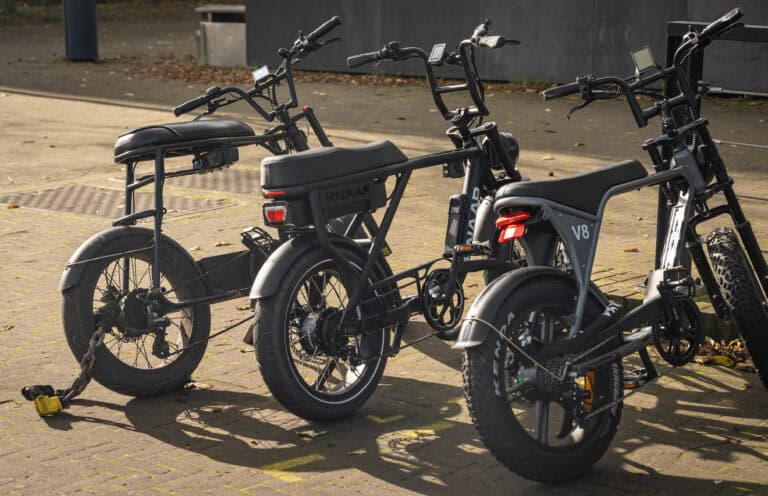
After years of complaints, accidents, and debate, Amsterdam has officially confirmed a fatbike ban in Vondelpark. It takes effect on May 11, and yes, officers will be checking.
What counts as a fatbike, you ask? Well, a fat bike. The ban includes any bike whose tyres are wider than seven centimetres, and comes with pedal assistance.
The kind of chunky electric bike driven by a teenage boy in a black puffer jacket, with three of his friends seated behind him.
Vondelpark is the first location in Amsterdam to get the ban due to the sheer volume of nuisance complaints filed with the city and police, as well as road accidents involving e-bikes.
Meanwhile, traffic alderman Melanie van der Horst tells NOS: “There are playing children, joggers, people who sport, picnic, or walk their dogs. There’s no place for fast, heavy fatbikes.”
What happens if someone rides one?
The two weeks following May 11 will be a grace period: fatbikers will be let off with a warning.
After that, getting caught on a fatbike inside the park will cost you €115. For riders between 12 and 16 years old, the fine is halved to €57.50. The BOAs (municipal enforcement officers) will be in charge of enforcement.
“I didn’t know” will not be a possible excuse, as there will be prohibition signs placed at the park’s entrances, and alternative routes around the park will be signposted for riders.
Fancy a walk? Fatbikers can also dismount and walk through Vondelpark.
Will the ban actually work?
According to NOS, there were 115 accidents involving fatbikes over just three months in 2025.
So natuurlijk, Amsterdam isn’t the first Dutch city to try alienating fatbikes.
Enschede introduced a similar ban in its city centre last month, and the results look promising: the number of fatbikes in the area has dropped noticeably.
Over the coming months, Amsterdam will be watching closely. If the Vondelpark experiment pays off, fat bikes could find themselves unwelcome in a lot more places.
Why did the ban take so long?
The idea for the ban was floated back in November, and the Amsterdam City Council voted in favour in February 2026.
The party changed its mind after some edits to Amsterdam’s local ordinance amendment (removing characterising words such as “intimidation”).
The new law is an amendment to the Algemene Plaatselijke Verordening (general local regulations). The same rulebook that got the beer bikes banned from the city back in 2017.
Are you in favour of banning fatbikes in parts of Amsterdam? Share your thoughts in the comments below!
Good news for your weekend plans: temperatures are set to climb sharply over Easter, with Weeronlinepredicting highs of up to 17°C by Saturday.
You’ll need to earn it first, though. Thursday and Good Friday are looking grim before the holiday hits its stride.
First, the bad news: Thursday and Friday
Thursday is grey, grey, grey. Wet spells through the morning, a brief glimpse of sun near the coast in the afternoon, and a high of 10°C. For April, that’s pretty dismal.
Good Friday offers a deceptively bright opening, before the sky closes in and rain pushes in from the west by afternoon. Coastal spots can expect winds of force 7. Highs of 11°C mean it’s wise to bring a jacket.
Easter Saturday is where it turns around
By Saturday, the outlook shifts. A mostly dry, pleasant day is on the cards, with sunshine and cloud trading places throughout. It feels like spring for once: highs of 14°C in the north, 17°C in the south.
Sunday and Monday follow a similar script — partly cloudy with spells of sun, and good enough for outdoor plans. The south peaks around 17°C again, the north around 13°C.
Could 20°C actually happen?
According to Weeronline, Tuesday and Wednesday of next week could see some regions reach 20°C or above for the first warm days of 2026.
The catch, as ever, is that it won’t last, with cooler air and showers forecast to follow. Classic Dutch weather.
Still, a few days of warmth after months of grey is nothing to sniff at. Get the terrasje plans ready.
Are you heading out over the Easter weekend? Let us know in the comments!
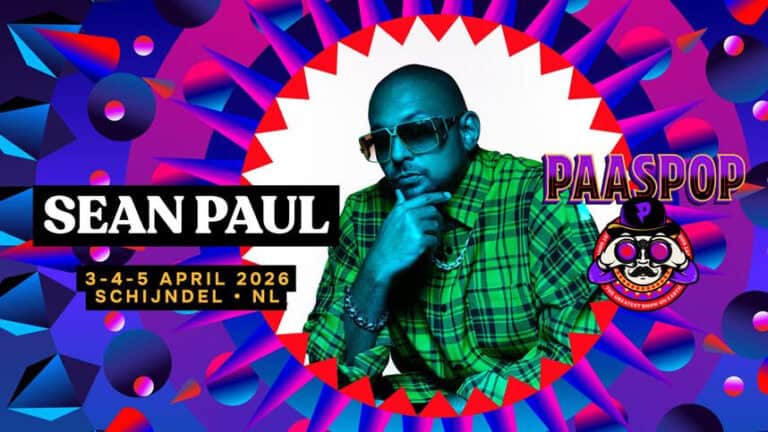
The Dutch festival season is officially underway, and it’s kicking off in Brabant: Paaspop returns to Schijndel this Easter weekend, April 3 to 5, with over 350 acts spread across 17 stages.
Now in its fifth decade, Paaspop has grown from a regional Easter gathering into one of Europe’s larger open-air events.
This year’s lineup covers pretty much every genre going — Sean Paul closes Friday on the main Apollo stage, Scooter takes Saturday, and Tom Odell headlines Sunday, with DI-RECT finishing the night off.
Beyond the headliners, the 17 stages each have their own character: heavy rock and tributes at the Thunderbolt, hiphop and R&B at the Roxy, Balkan beats and folk at the Social Club.
Day tickets start at €89 for Friday and €99 for the weekend days.
What else is coming this festival season?
Paaspop is just the first entry on what looks like a busy Dutch summer calendar. Here’s what festivalgoers also have to look forward to:
Pinkpop (June, Landgraaf) — one of the Netherlands’ longest-running festivals, drawing big international acts to the south of the country each year.
Milkshake Festival (July, Amsterdam) — a celebration of LGBTQ+ culture, music, and performance art in Amsterdam’s Westerpark.
Lowlands (August, Biddinghuizen) — the three-day “city within a festival,” with its own currency, newspaper, and a reliably eclectic lineup.
Are you heading to Paaspop this Easter weekend, or saving yourself for later in the summer? Let us know in the comments!
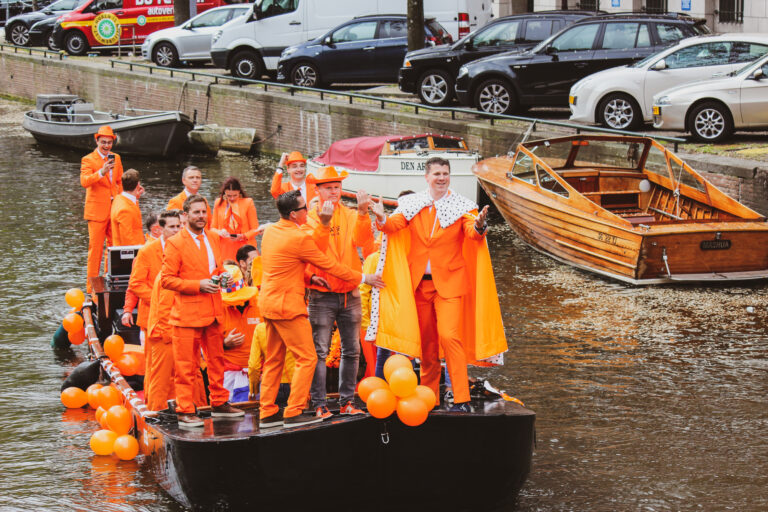
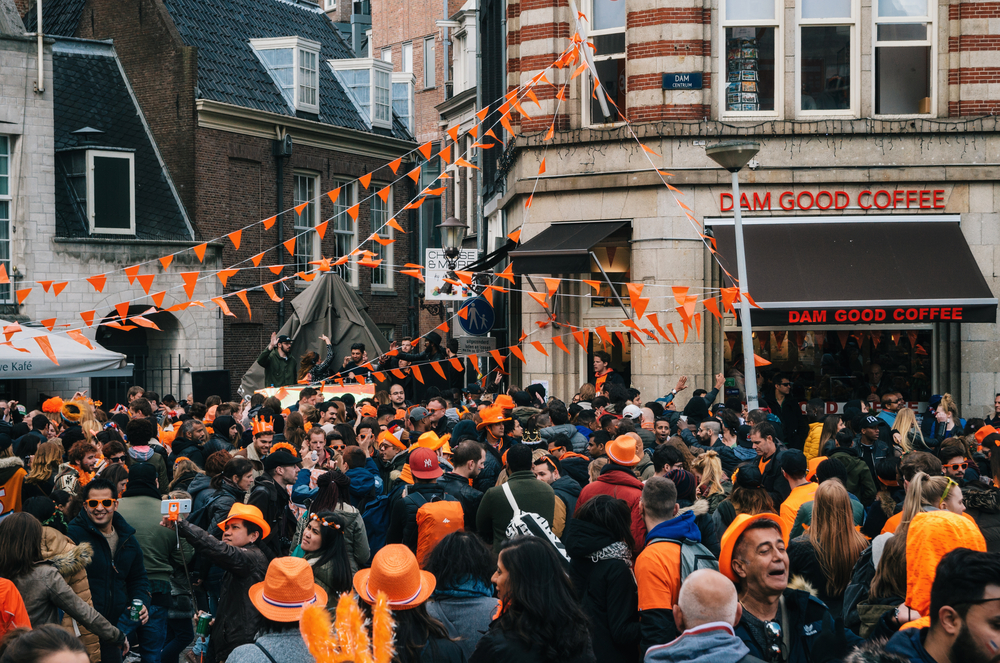
It’s almost that time of year again: King’s Day. 🧡 The day to party, drink, buy and sell random things —and forget even the slightest semblance of worry.
King’s Day is the day when the Dutch celebrate the birthday of King Willem-Alexander. But don’t be fooled, this national holiday is not so much about the birthday of the King.
Instead, it’s much more about wearing orange, drinking stupid amounts of alcohol and roaming the streets of your favourite Dutch city.
New to this favourite of Dutch traditions? Here are some things you can do that’ll catapult you at least ten steps forward in your inburgering (integration) process to become a true Dutchie.
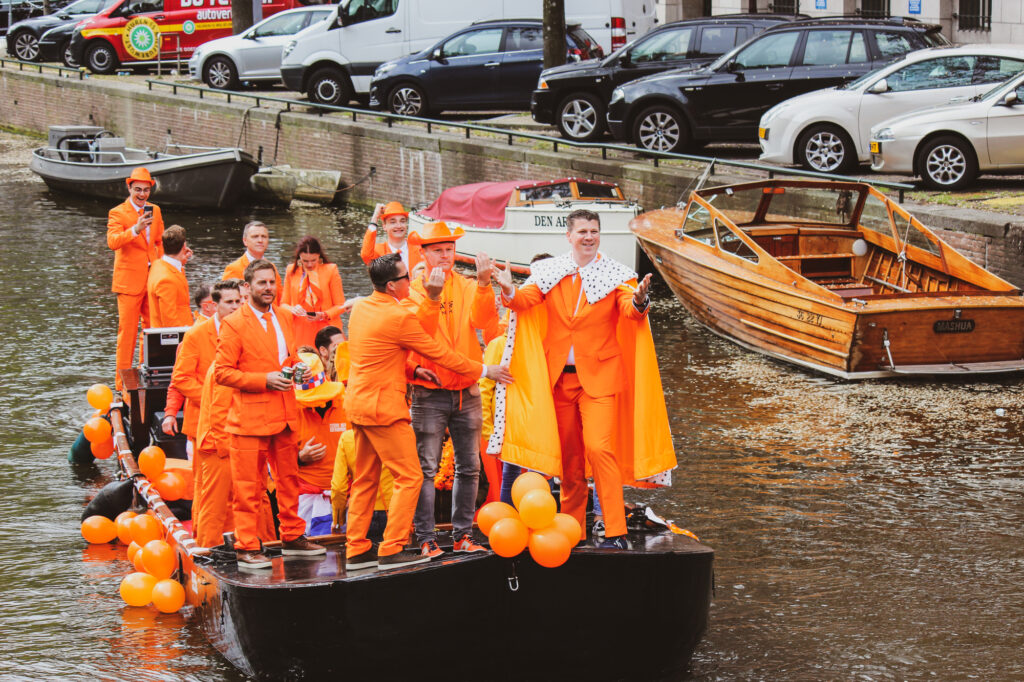
How many orange hats can you count in this picture? Image: Depositphotos
1. Attend Festivals
Well, let’s get one of the most obvious to-dos out of the way, shall we? It doesn’t matter where you are in the Netherlands, there’s always going to be a King’s Day festival within a comfortable travelling distance. (And by ‘comfortable’ I mean an overly packed train and an incessant stream of hour-long delays.)
While almost any venue will be hosting a King’s Day event, it’s the annual festivals that boast the biggest parties. Most festivals focus on music genres like house and techno, but if you’re looking to party the Dutch way, then it’s an ideal way to let loose.
There are dozens of options when it comes to festival choice, so just get your groove on and find a festival in your area!
2. Visit flea markets
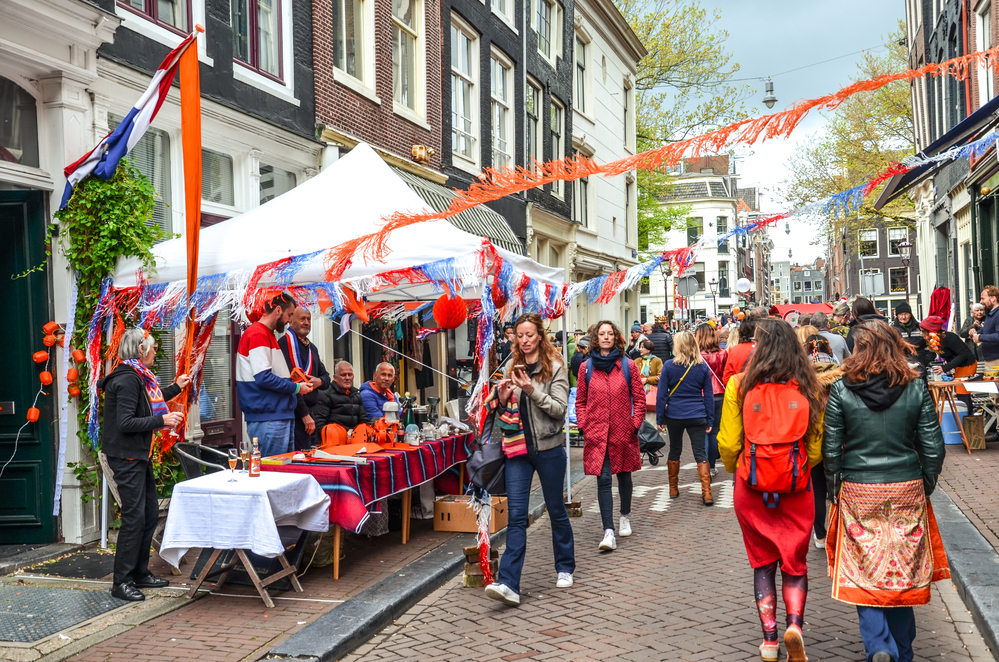
Not feeling the festival vibe? Make sure to check out the King’s Day flea markets! It’s the one day of the year that the ban on free trade is lifted, and so everyone sets up their own makeshift shops and begins to haggle mercilessly with everyone else in sight.
Why? Because we’re Dutch and we like a ‘good’ deal. And so, we will shamelessly spend half an hour trying to convince our neighbours to cut 20 cents off the asking price of their third-hand copy of a useless Harry Potter and the Prisoner of Azkaban DVD.
So, if you’re in need of some useless old crap or need to get rid of some, the King’s Day flea markets are the place to be.
Most cities will have a number of centres where the newly-christened merchants set up more densely, but it’s not uncommon to see them spread all throughout urban areas.
From homemade treats to second-hand books and hidden treasures — you can really buy anything on King’s Day fleamarkets! Image: Depositphotos
3. Witness royalty
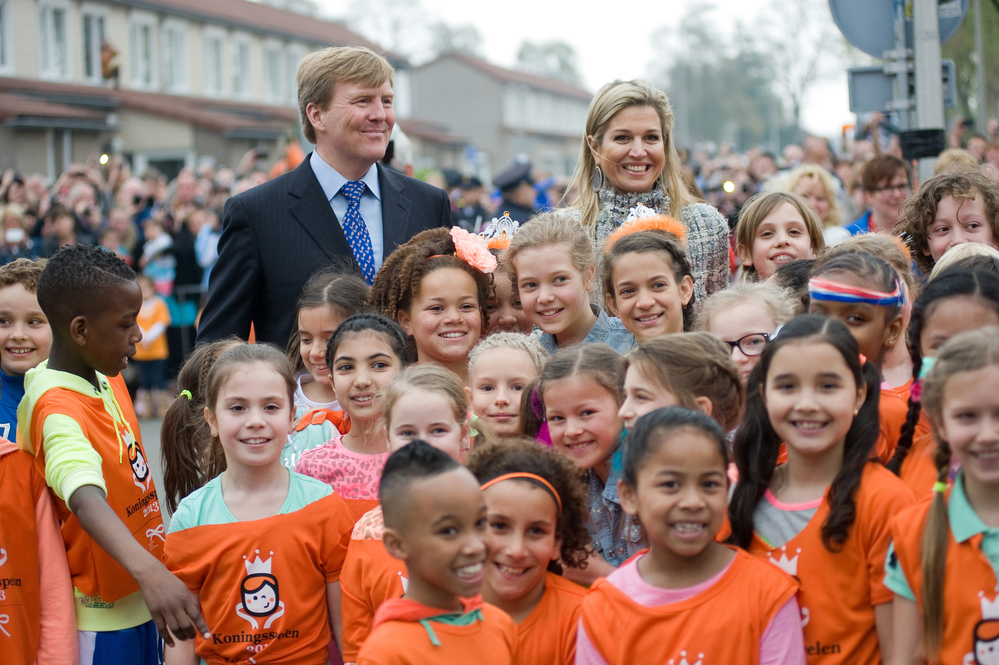
For those wondering what the King actually does on King’s Day, wonder no longer. Each year, the King visits a different city where he parades around with his family, and everyone can come together to celebrate with the monarch himself.
In the past, King Willem-Alexander has visited De Rijp, Amstelveen, Dordrecht, Rotterdam and Tilburg. This year, the Frisian town of Dokkum is the lucky host.
The royal walkthrough begins at the Bonifatiuskapel, with Friesian horses accompanying the group to the start of the route while singer Elske DeWall performs. This will be the first time the royals have celebrated King’s Day in Friesland in 18 years.
The Dutch King and Queen at a King’s Day parade. Image: Depositphotos
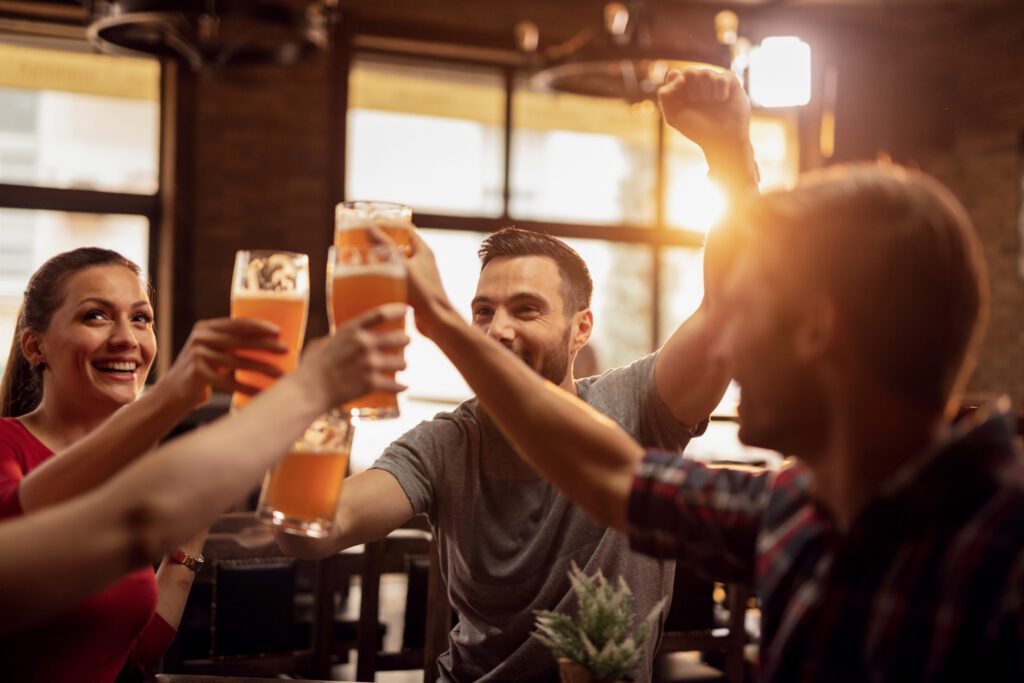
4. Drink beer
There’s not much explanation needed for this. While the weather on any Dutch day is excuse enough to resort to beer drinking, King’s Day is truly a special day for the nation’s favourite alcoholic beverage.
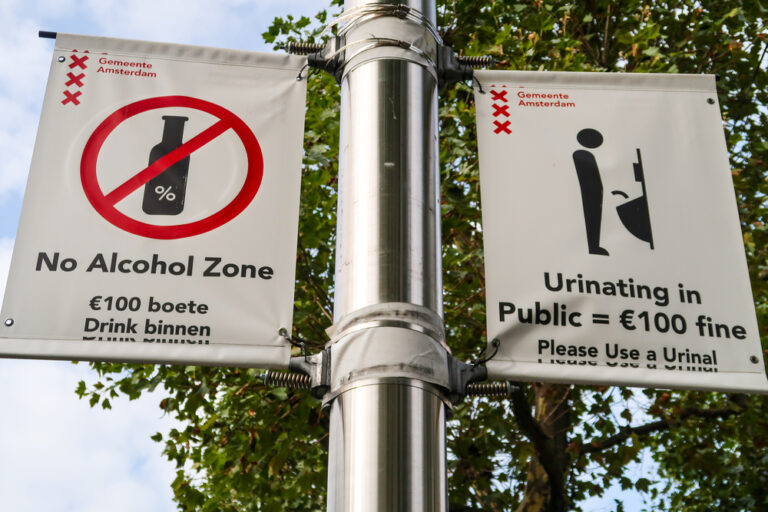
It might also just be the most popular thing to do on King’s Day. While public drunkenness is regularly frowned upon, King’s Day makes the practice entirely acceptable, or at least tolerable.
I’m not saying you should start day drinking, but if there’s ever a day for it, King’s Day is that day.
If nothing else, King’s Day is the country’s biggest annual party in the Netherlands — and it wouldn’t be a Dutch party without a bit (read, a lot) of beer.
What other way to truly celebrate without beer drinking? Cheers! Image: Freepik
5. Do nothing
And if you’re not into doing any of the activities above, just do nothing. No one can stop you. It’s King’s Day. No one can force you to work (unless, of course, you’re helping to facilitate the aforementioned activities).
Listen, I know that there are worse things in the world, but let me rant for a second. If you’re a woman in Amsterdam with a full bladder, good luck.
And if you’re a woman with a full bladder on King’s Day, prepare to get swindled.
Ok, let’s set the scene
I’ve just left a friend’s house. There’s a big group of us, I’m four drinks deep, and we have a thirty-minute journey ahead of us.
Naturally, about 10 minutes in, the need to pee hits a few of us.
For the men in the group, the solution was simple — they could saunter up to one of the hundreds of urinals the city had set up for them and relieve themselves.
For those of us without a penis, however, it was a dilemma.
After a few minutes of hunting, we found our oasis in the desert: someone had opened up their garage-turned-art-studio and was offering up their toilet.
But, of course, it was going to cost us €4 per person to use it. €5 if we also bought a drink.
While we made sure to haggle the price down to €4 for both the use of the toilet and the drink, I still felt cheated.
Regardless of whether or not we took a drink, our innocent bathroom break left me faced with a random man holding a €16 Tikkie request (I was paying for four of us).
No penis? We can charge you
When my friend told this man that she thought €4 was too much to be charging to use his toilet, he shrugged and said, “I think it’s reasonable.”
And it could be seen that way. There were many other people offering their toilets for a casual €4, so that seems to have been the average King’s-Day-piss rate.
In fact, I even saw one person charging €6 for the use of their toilet — so we had a good deal, right?
I’m not alone in facing this issue. Women have been calling out cities across the Netherlands for their lack of female-friendly public toilets, Amsterdam specifically.
A win for urination equality — kind of
Thankfully, I’m not the only woman to be slightly pissed by the lack of public spaces for me to, well, piss.
In 2015, one Dutch student, Geerte Piening, was faced with a dilemma that almost every woman in Amsterdam has experienced: she had to pee, but there was no public space open for her to go.
She was left with no option but to squat in an alley and was slapped with a €140 fine as a result.
Instead of coughing up the cash, Piening decided to take her case to the court. After all, what was she supposed to do? Grow a third leg?
Technically, this was the court’s answer to the issue: with the judge ruling that her fine was justified because she should have just gone in a male urinal.
So yes, she just needed to whip out her penis — because how else is a woman meant to use a urinal?
The court’s findings didn’t have the desired effect, with women taking to the streets of Amsterdam to protest by, among other things, urinating en masse.
Women! We’re getting toilets!
While the judge didn’t rule in Piening’s favour, the absolute chaos that followed the ruling has led to a win for women.
In 2024, the city of Amsterdam finally agreed to offer more women-friendly public toilets, announcing that they would invest €4 million in creating more public toilets for those of us who lack a penis.
Still partying the day after. 🥳 Image: Depositphotos
As with all good things, King’s Day eventually comes to end (boooh!), and there are some things we just don’t like about the big party’s aftermath.
1. The hangover
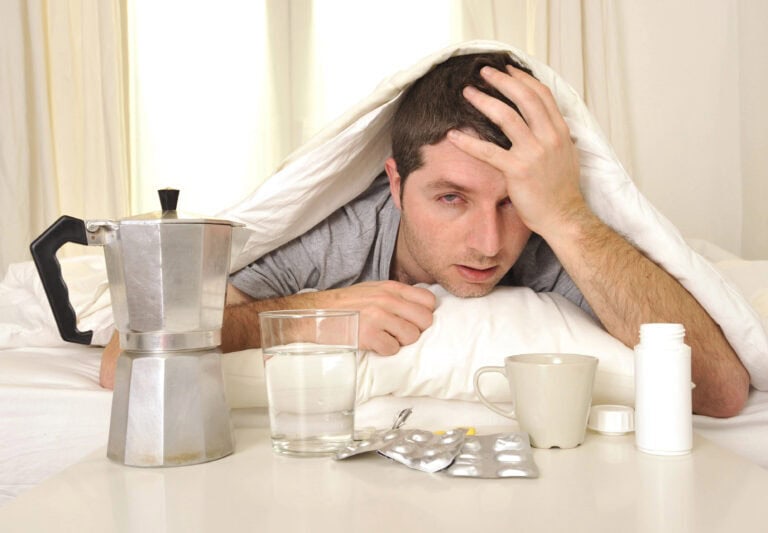
Yesterday, it was all fun and games, but now you are lying here, your head is throbbing, your heart is pounding, and your tongue is glued to the roof of your mouth.
Just lying somewhere and craving water, or any kind of liquid, anything really. Barely keeping your eyes open, you are trying to remember some of the things that went down the night before (hangxiety, anyone?).
Us after partying on King’s night. Image: Depositphotos
You’re probably also making a pact with yourself that you will NEVER, EVER drink again, or googling “how to cure a hangover FAST” — and trust us, we feel you. 😆
To talk about hangovers, the Dutch use Kater (ik heb een kater) or ‘(Ik ben) brak’, but they also have many essential words during King’s Day holidays.
2. The shameful (but let’s face it, still fun) memories
Ok, it all started out with the first innocent beer somewhere by a canal. You are watching the boats passing by, listening to the pumping music. Everyone’s in a good mood. 🕺🏻
You walk around for a bit whilst looking at all the things people are selling in the flea markets. Some are really quite creative, offering their balls to be kicked for €1 (no, seriously).
Others let you throw some eggs at their faces for a small amount of cash. Fun!
And, of course, there’s the colour orange everywhere. People left and right with orange shirts, dresses, sunglasses and other accessories. 🧡
The Dutch vibes are everywhere on King’s Day! Image: Depositphotos
Painted faces and smiles everywhere. One of your friends hands you the next ice-cold beer. And you cheer to celebrate the King’s birthday again and again and again. 🍻
Fast forward some five to six hours, and you find yourself dancing on a table in a bar spilling half of your drink and screaming the lyrics of A-Ha’s Take on Me.
Everything that happens after that is only a blur, which is probably just a trick of our brain to protect you from all the humiliation.
If you are lucky, you just won’t remember all the embarrassing stuff you did. And, if you are even luckier, no one took pictures to document it.
3. The filthy streets
With the amount of people celebrating King’s Day in the streets, it’s no surprise that a lot of garbage stays behind after the party ends. Of course, it’s still advised to pick up after yourself!
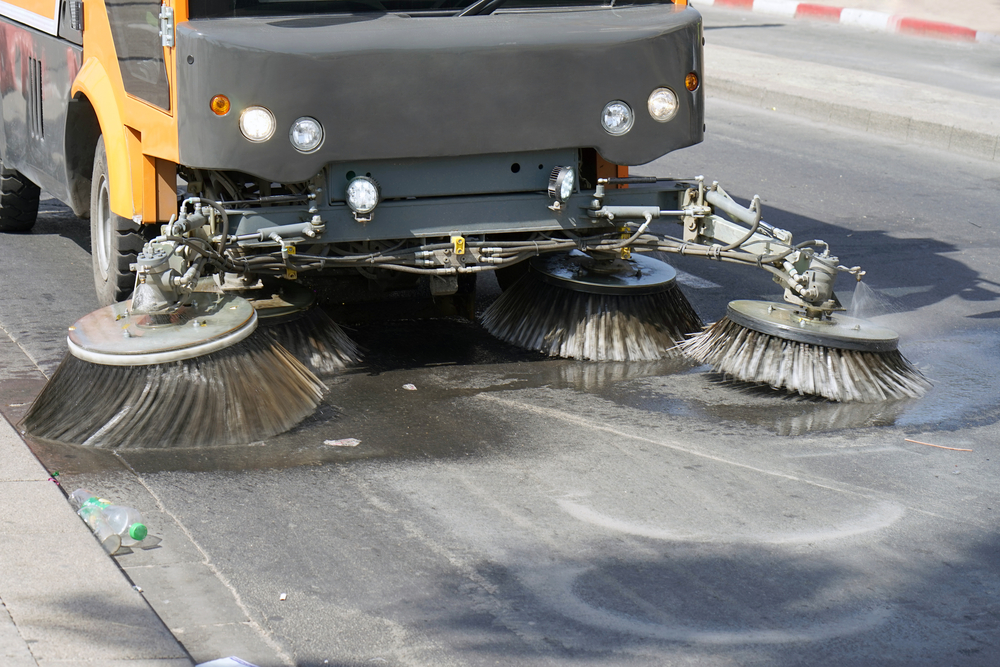
Sweeper machines like these are hard at work after King’s day. Image: Depositphotos
It actually looks more like a warzone with smashed plastic cups and beer cans everywhere, mixed with the leftovers from the flea market that people just abandoned on the sidewalks.
It’s a mess (just like you, on the next day). But hey, dawn comes, and the streets are being wiped clean, which happens at an impressively fast pace. 🤔
Soon, we slowly start to feel a bit better, after finally managing to drag ourselves to the sink to drink litres and litres of water and grab a bite of anything digestible.
As our brain starts working again, we realize that even though we had to cope with a painful hangover and maybe some painfully embarrassing memories, we were part of a memorable day celebrating the King’s birthday with Dutchies, expats and tourists.
And we can’t wait for next year!
What did you get up to this King’s Day? Tell us in the comments below!