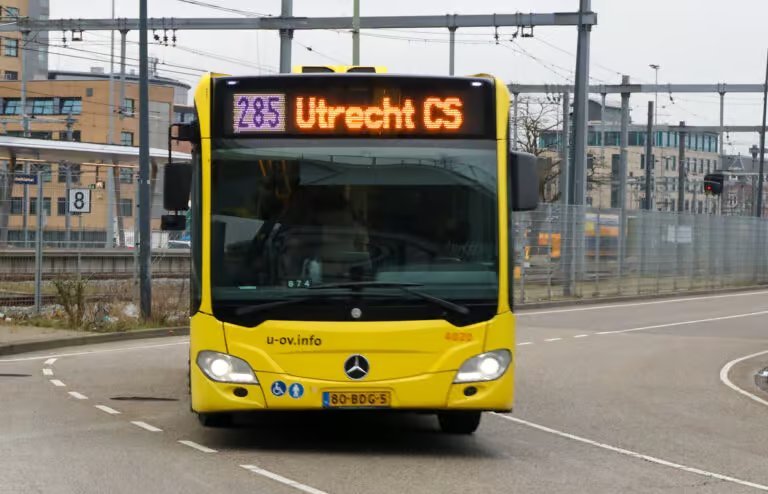
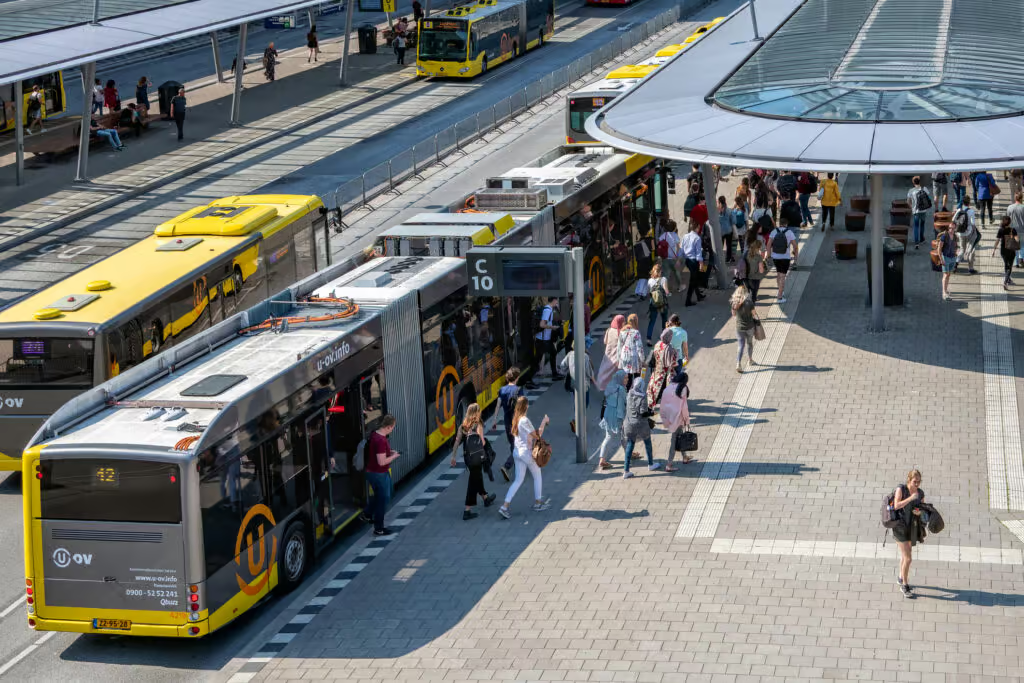
Following their takeover of Utrecht’s bus services from QBuzz, the regional transport service Transdev appears unable to keep buses running properly in the Utrecht area.
The GroenLinks-PvdA party recently launched a hotline to gather more information; they’ve since received hundreds of complaints about the new carrier.
Here’s what you need to know:
What’s happening?
According to the complaints, buses are arriving late, being cancelled at the last minute, and passengers are unable to access accurate timetable information.
Speaking with NOS, one passenger says, “The bus consistently makes me late for work. Because of that, I no longer use the bus.”
Drivers are also having trouble locating their vehicles, causing significant delays.
Another interviewee said he’d seen buses at the central station with no drivers present, just sitting there.
Sounds…efficient?
Looks like you might be better off taking the train, tram, or hopping onto that trusty Dutch bicycle.
Who’s responsible?
According to Labour Party council member Titus Stam, “it’s market forces that are now playing tricks on us. And we’re footing the bill.”
Transdev appears to have had a messy and difficult start in Utrecht after taking over, reports NOS.
Following Transdev’s takeover, Utrecht’s bus service has been incredibly unreliable — frustrating commuters. Image: Dreamstime
Unfortunately, citizens are suffering due to the transport company’s lack of preparation.
Software issues have also affected communication within the company, which certainly isn’t helping.
So what’s the solution?
Short-term solutions
Drivers will be receiving a new shift package, reports RTV Utrecht. The company hopes this will clarify employee confusion and reduce the number of bus changes required throughout the day.
But even Transdev has acknowledged that this won’t fully fix the problem.
A spokesperson also told NOS that other improvements will be implemented after February 8.
It is also vital that the company starts addressing staff shortages, information access, and easing demands on individual drivers.
Long-term solutions
Politically, Labour Party members say the province should instead focus on creating a public service.
Last year, a proposal passed in the House of Representatives that would allow provinces to establish their own public transport companies within their respective regions.
In other words, bringing buses back into the hands of the people who use them.
Unfortunately, Transdev has the ability to operate until 2035, almost a decade from now.
So until things start to shape up, we recommend taking the train to work.
Have you experienced these disruptions? Let us know in the comments!
While the Dutch may have the best English and some of the most powerful passports in the EU, they’re also winning prizes for some… well, interesting reasons. 👇
Smart heating provider tado° surveyed 685,000 houses around the EU, between November 2025 and January 2026.
Their findings? Thermostats in the Netherlands are stuck at a chilly 16.57 degrees Celsius — the absolute coldest of all the countries surveyed.
Even our neighbours like it warmer
If you thought cold houses were just a European thing, you’d be dead wrong.
According to Metronieuws, even Germany and Denmark prefer their homes several degrees warmer, at 18.92 and 19.77 degrees Celsius, respectively.
The Dutch are also much more reluctant to reach for the thermostat when the temperature starts dropping outside.
Unlike the Italians, who turn on the heating when the mercury dips below 15.96 degrees, the Netherlands waits for temperatures to hit an icy 11.83 degrees.
Rising energy costs are to blame
However, unlike polar bears in Svalbard, the Dutch aren’t sitting in freezing cold homes for the fun of it.
As the European Consumer Justice Foundation reports, many households have faced “substantial increases in their energy costs in recent years”, affecting their ability to pay for heating.
In 2024 alone, Statistics Netherlands (CBS) discovered that around one million households across the Netherlands were at risk of energy poverty, due to their low-to-medium incomes, high energy costs, and energy-inefficient homes.
Since then, several energy providers, including Vattenfall, Eneco, Essent, and Energiedirect, have even received legal summons for “unfair trade practices regarding the variable energy contracts of millions of Dutch people.”
The result of this legal action still remains to be seen.
Do you think the Netherlands has an obligation to maintain access to affordable heating? Share your thoughts in the comments below.
Thanks to two broken switches near Duivendrecht, fewer trains will run the Amsterdam-Utrecht route on Friday.
According to ProRail, the malfunctions were discovered on Thursday, and a contractor was dispatched to fix them.
However, due to the extent of the damage and the limited time available to fix them, the broken switches have not yet been fully repaired.
What does this mean for my journey?
As only one switch is operational (albeit at a lowered speed of 80 km/h), ProRail is limiting the number of trains running the Amsterdam-Utrecht route.
As there’s a likelihood your train could be cancelled or delayed, please consult the NS app or ProRail’s own travel planner before heading to the station.
The Veldhoven-based chip manufacturer ASML has been on a steady path to success, with a record year in 2025. Great! Then, why are they laying off hundreds of employees?
Unfortunately, these job cuts will largely affect the Netherlands, where the company currently employs over 24,000 people, according to its website.
According to NOS, management has said that their engineers want to “spend their time on technology, unhindered by slow processes” and “return to the dynamic culture that has made [them] so successful.”
Successful is right — the company recorded a net after-tax gain of €9.6 billion last year and expects even better results in 2026.
So what does “dynamic work culture” mean? And how does it justify lay-offs alongside this much growth?
Mindful re-organisation, or hasty cuts?
ASML received a record number of orders in 2025, totalling about €28 billion.
How is this possible? Well, the company’s chip-production machines are in high demand as the EU continues to foster AI development, as seen in the 2025 launch of the AI Continent Action Plan.
Unsurprisingly, ASML has been hailed as a boon and major job creator in the Netherlands. Back in 2024, they received high praise from then-Prime Minister Mark Rutte, who said, “it’s impossible to overstate ASML’s success.”
So with all this good news, why the cuts?
To hear ASML tell it, the goal of the reorganisation is to sharpen the company’s focus through more efficient innovation. According to NOS, the layoffs will therefore hit the management tier hardest.
CEO Christophe Fouquet has indicated that bureaucracy and “red tape” within the company are slowing things down, as reported by NRC.
In the end, ASML is expanding — they expect to double their growth in due time. According to Fouquet, the upcoming job cuts are necessary to support that progress.
The response
Surprise, surprise, plenty of people are deeply unhappy with the cuts.
The CNV (Christian National Trade Union Federation) of the Netherlands says it “cannot reconcile” the layoffs with the company’s projected growth, according to NOS.
According to the local newspaper Eindhovens Dagblad, several other unions, including the FNV, De Unie, and VHP2, have also spoken out.
Some, like CNV representative Arjan Huizinga, are calling directly for ASML to retrain and place those fired from engineering roles in new positions.
Discussions between unions and ASML are still underway.
It seems that in Dutch business, progress comes with a (healthy?) dose of pragmatism — and a few hundred empty desks.
What do you think of the latest cuts? Let us know in the comments.
After weeks of behind-the-scenes negotiations (and one broken printer) in The Hague, the Netherlands’ incoming coalition government is officially getting started — well, next week.
The parliamentary parties of D66, VVD, and CDA have all approved the coalition agreement, fittingly titled “Aan de slag” (Getting Started).
Led by D66 leader and soon-to-be prime minister Rob Jetten, the new coalition has apparently made firm choices on domestic and international security, affordable housing, and more investments in defence, reports NOS.
However, we’ll have to wait until tomorrow (Friday) when they will officially present their plans.
We’ll then have to wait a bit longer for an official cabinet complete with ministers, as Rob Jetten, the upcoming formateur, will start to actually build his team next week.
Parties feeling positive
According to party leaders, the mood was positive, to say the least.
Jetten admitted there were still a few “small points” and “tweaks” to discuss, but assured the media that they won’t lead to any issues.
“We’ve already been testing each other’s limits quite a bit these past few weeks,” Jetten said on Tuesday.
VVD leader Dilan Yeşilgöz shared that her party is feeling “very positive” about their meeting.
Meanwhile, CDA leader Henri Bontenbal took the longest time to read “a very large document.” When asked if he was proud of the agreement, Bontenbal replied to NOS:
“I think so. I’m allowed to stay, so I think it will be fine.”
It’s a minority cabinet, and that will be a challenge
While the complete “Getting Started” agreement will be presented on Friday, the cabinet’s priorities are clear.
The need for more affordable housing, stricter control over migration (the “VVD stamp” on the agreement) and higher investments in defence and security.
As the face of a minority coalition, Jetten affirms that the problems of now mustn’t be passed on to future generations.
But despite their best intentions, it remains to be seen if the new cabinet can deliver on its promises.
They only have 66 seats, and they need at least 76 to get things through parliament, which means that they have to hustle and haggle for every law they want to pass.
The same also applies to the Dutch Senate. There, the new coalition also falls short.
Let’s see what they have in store for us tomorrow and how it goes down with the rest of parliament.
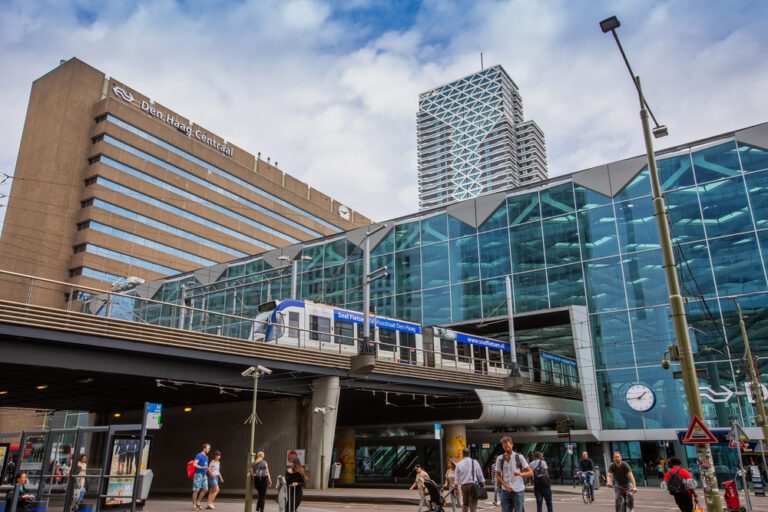
Frequent commuter to and from Den Haag Centraal, you’re about to have a rough two weeks.
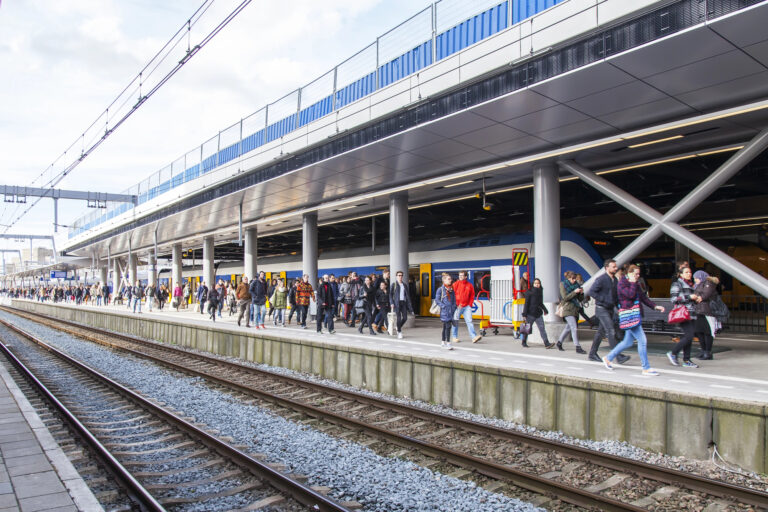
Starting today, ProRail will be carrying out works on the tracks and platforms around the station. The works will last until February 15.
The result? Plenty of cancelled routes.
Ok, what will this look like?
According to NU.nl, there will be several disruptions over the next two weeks. For example:
Travellers to and from Leiden and Rotterdam will have to detour via Gouda.
No trains will run at all between Den Haag Centraal and Delft on February 7.
During the weekend of January 31 and February 1, no trains will run between Den Haag Centraal and Hollands Spoor, Ypenburg, and Mariahoeve.
In short, each day may bring a new not-so-pleasant delay or disruption. The NS advises that you simply plan ahead. Our advice? Avoid The Hague like the plague.
Many people face challenges when it comes to finding their dream job in the Netherlands.
It’s no secret that the job market is becoming increasingly competitive, but getting a job in the Netherlands doesn’t have to be difficult if you know where to look — or rather, who to look with.
That’s because if there’s anyone who knows about finding jobs for internationals in the Netherlands, it’s Undutchables.
This international recruitment agency has just celebrated 30 years of experience pairing expats with the Dutch job of their dreams — and you could be next!
Ready to find your next job in the Netherlands? Here’s how.
Why Undutchables?
As the top recruitment agency for internationals and multilingual professionals in the Netherlands, Undutchables knows more than a thing or two about helping internationals find the perfect job.
They aim to connect eager professionals with reputable businesses based on their industry and needs and help build a good rapport with both candidates and companies in the Netherlands.
Look for job opportunities that match your personal situation and preferences. Image: Magnific
Do you want to have a hybrid job or flexible working hours? Undutchables can match you with the right company.
TIP: Are you looking for a job in the Netherlands in a language other than Dutch? At Undutchables, you can filter job vacancies by language, so you can look for positions in English, French, German, and more! See their vacancies and find the right one for you.
All of their recruiters are internationally oriented and trained to give professional advice to job seekers in any field.
Rest assured, you’ll be working with experienced recruiters who know what it’s like to be an international looking for a job in the Netherlands.
How does it work?
Ready to start your job search with Undutchables? Here’s how their recruitment process works:
1. Register with Undutchables as a candidate in their database
Equipped with your CV and professional profile, Undutchables’ recruiters can match you to the most relevant and fitting vacancies.
Keep your CV up to date with all the important information. Image: Magnific
If you find an opening that seems suitable, you can also apply to vacancies on the Undutchables website yourself.
Of course, your data and CV are fully confidential, so your personal data will only be shared with companies with your permission.
2. Contact an Undutchables recruiter about a potential vacancy
Undutchables is always updating the website with new openings, and you can even sign up to get a job alert every time they post new vacancies.
If you find a job in the Netherlands that matches your interests, skills, and language preferences, you can apply for it through their website.
Applying to jobs in the Netherlands always takes time. Image: DepositPhotos.com
Then, the recruitment consultant responsible for the vacancy can contact you to discuss the position in more detail. Appeltje eitje, toch? (Easy peasy, right?)
An Undutchables recruiter can also contact you to apply for a vacancy that suits your profile, whichever comes first.
3. Go for a screening with Undutchables
When you’ve applied for your dream job, or Undutchables has found you a matching vacancy, you’ll be invited to a screening with their recruiters.
Geen stress (no stress), though — the preliminary interview will give recruiters an idea of your experiences, career ambitions, and overall suitability for the role.
Make a good first impression with the recruiters at Undutchables. Image: Magnific
You’ll also have a chance to ask any questions you may have about the vacancy and about finding work in the Netherlands in general.
Undutchables has built up quite the reputation for being a trusted recruitment agency for internationals in the Netherlands. Companies trust their recommendations, so you certainly won’t mind the extra advantage. 🤗
5. Have an interview with the company
If company recruiters or HR like what they see, they’ll invite you for their own interview.
Undutchables is still part of the process, providing you with all the necessary information, as well as some insider advice to make sure you ace that interview.
From that point, companies will continue with their hiring process, which may consist of more interviews or some kind of skill assessment, depending on the job and company.
6. Get the Dutch job of your dreams!
After a few successful rounds of interviews and assessments, you’ll be hired by the company: Gefeliciteerd! (Congratulations!).
The type of contract you’ll get will depend on the company and job requirements, but the recruiters at Undutchables will keep you informed and help with contract and salary negotiations at your new company.
After all, you won’t want to get caught up with a company that doesn’t have a good sick leave policy.
Now it’s time to work hard and play hard. 😎
Job-hunting can be a tedious task, and it can be especially daunting if you’re looking for a job in another country.
It’s certainly nice knowing there’s someone knowledgeable and experienced in your corner who knows what it’s like to look for a job and work in the Netherlands.
With Undutchables, you’ll be able to navigate the Dutch job market like a pro and progress in your career quickly.
Have you worked with a recruitment agency in the past? Tell us about your experiences in the comments!
Before being connoisseurs of tulips, windmills, bikes, and happy children, the Dutch were seafarers, explorers, and conquerors. Along the way, they named many places.
The Dutch sailing expeditions yielded various outcomes — some marked by tragedy, others by successful discoveries of new trade routes and lands. Naturally, as the first Europeans to arrive in many of these places, the Dutch also took the opportunity to name them.
So, here are seven well-known places in the world whose names are Dutch, and their stories.👇
1. Tasmania and New Zealand: Searching for gold
Abel Tasman was a 17th-century Dutch explorer and merchant for the VOC. His voyages led him to “discover” four of the lands we know today as Tasmania, New Zealand, Tonga, and Fiji.
In August 1642, the Council of the Indies sent Tasman and Franchoijs Visscher to explore Beach — a mistranslation of Locach, long mistaken for northern Australia and described by Marco Polo as rich in gold. 💰
Abel Tasman National Park, New Zealand. 😍 Image: Depositphotos
By late November 1642, Tasman spotted a new coast after stopping in Mauritius and being blown northeast by a storm.
In line with tradition, he named it Van Diemen’s Land after his sponsor, Governor-General Antony van Diemen. It was renamed Tasmania on January 1, 1856, in honour of its first European visitor. 👣
Van Diemen’s Land! Or is it Tasmania? Image: Pixabay
Just 13 days later, Tasman sighted New Zealand. Unfortunately, he was unaware of that —he thought it was connected to Isla de los Estados in Argentina and named it Staten Landt, after the States-General.
In 1645, Dutch cartographers corrected Tasman’s mistake and named the land Nova Zeelandia, after the Dutch province of Zeeland.
On his return, Tasman and his ships passed through the Tongan archipelago, spotting the Fiji islands, which the explorer named Prince William’s Islands. 🌊
2. Easter Island: A troubled journey
In August 1721, the Dutch West India Company sent explorer Jacob Roggeveen to search for the mythical Terra Australis and explore a westward trade route to the Spice Islands (The Makulu).
Sailing through the South Atlantic into the Pacific, Roggeveen — like many before him — set out for one discovery and found another.
On April 5, 1722, Easter Sunday, he spotted new land and broke with tradition by naming it not after royalty, but the day itself: Easter Island. 🐣
Much controversy lies in Easter Island’s past with the Dutch. Image: Horacio_Fernandez/Wikimedia Commons/CC3.0
Perhaps he followed the example of British captain William Mynors, who, on Christmas Day 1643, saw an island in the Indian Ocean and named it…you guessed it, Christmas Island.
Roggeveen explored 12 islands, but the journey was rocky: he lost his flagship and clashed violently with some islanders, resulting in deaths.
In the Netherlands, the Dutch East India Company, VOC, arrested him for violating their monopoly and confiscated his remaining ships. He was acquitted and compensated after a lengthy lawsuit.
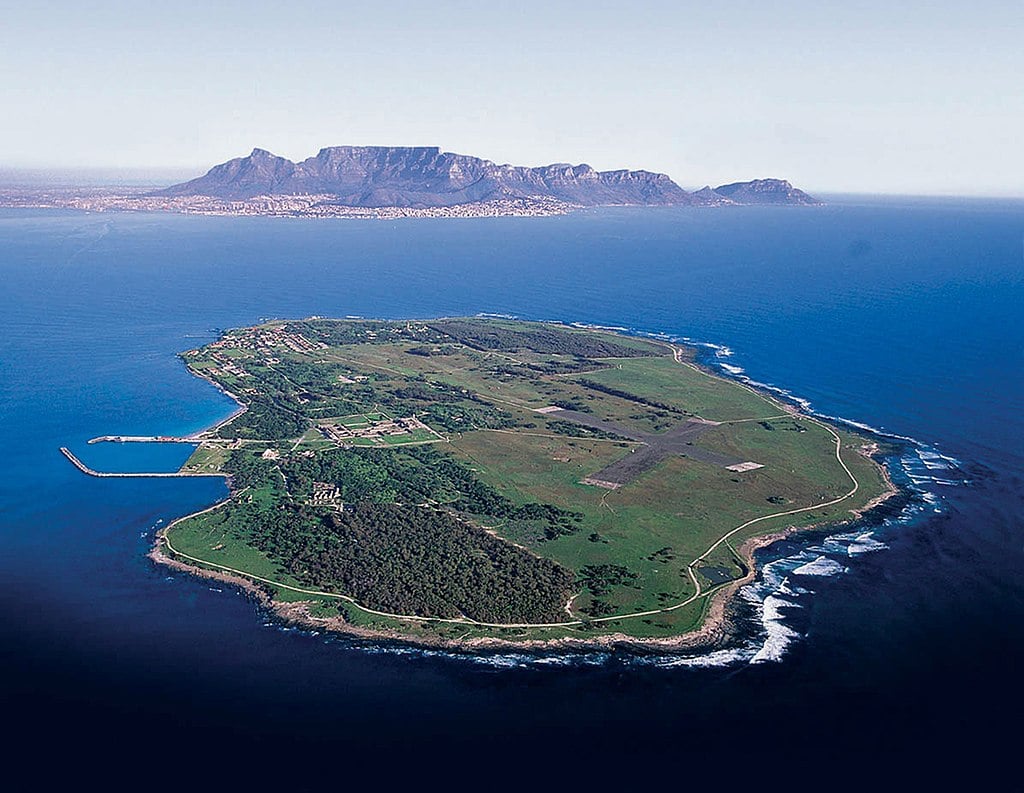
3. Robben Island: The political prison
Most know about the Dutch colonial roots of Cape Town, founded in 1652 as a VOC trading post.
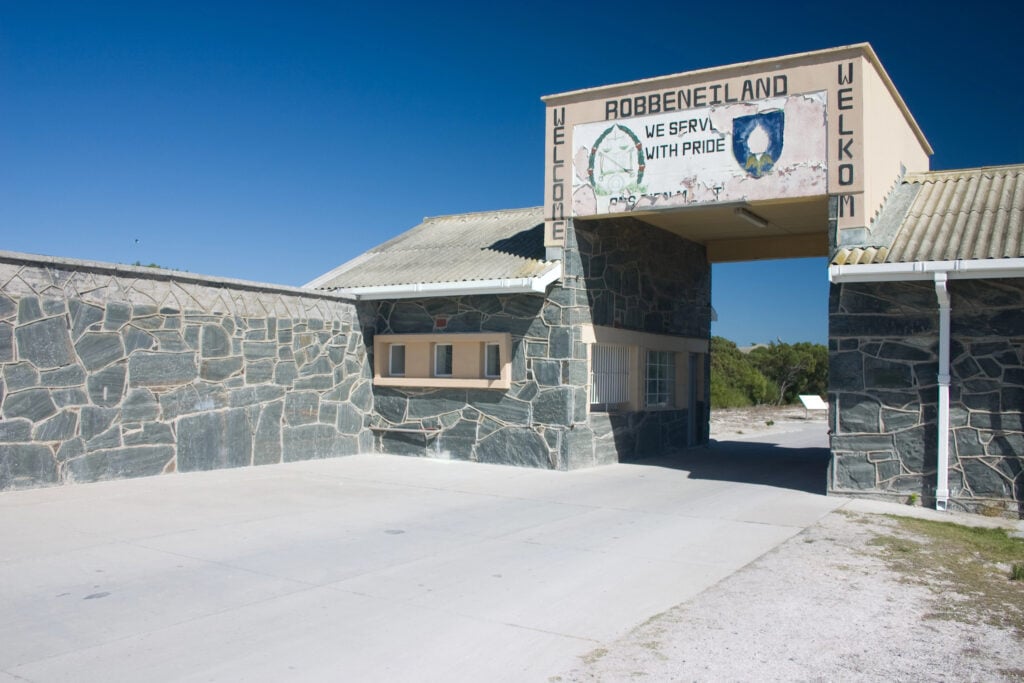
Robben Island is perhaps most famous for the political prisoners that were detained there during the nation’s era of Apartheid.
Nelson Mandela, among others, was imprisoned on the island for 18 years before playing a key role in ending apartheid and later winning the Nobel Peace Prize.
The entrance to the Robben Island prison. Image: Depositphotos
Robben Island has held political prisoners since the 16th century, when the VOC used it to imprison leaders from other Dutch colonies.
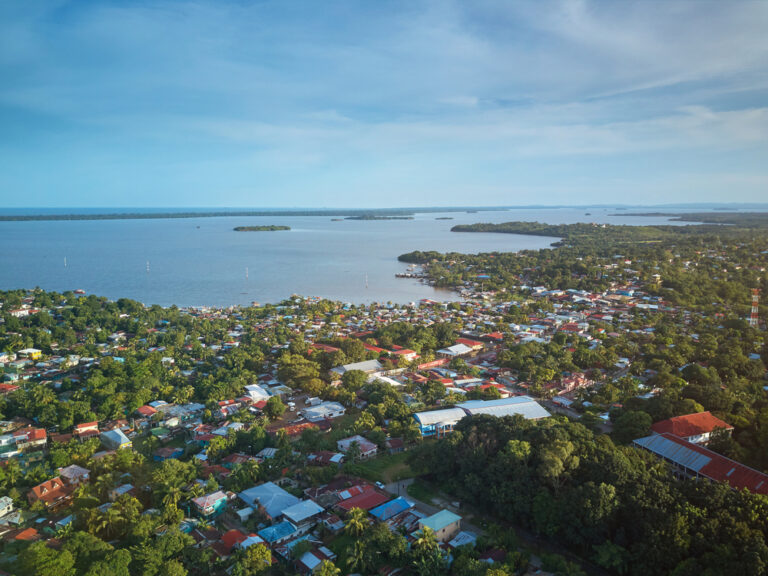
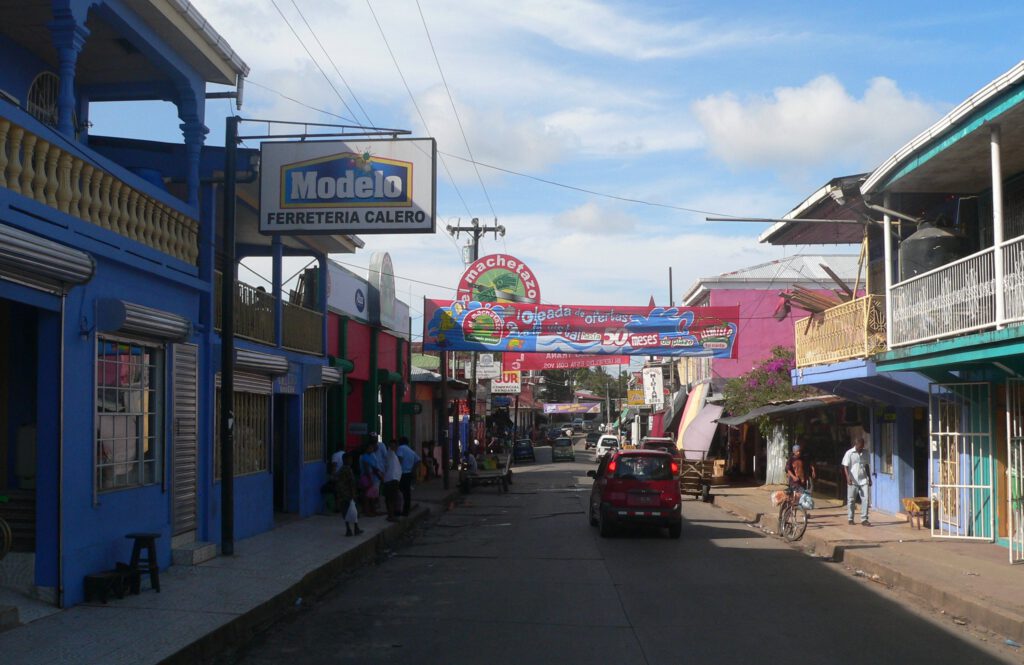
4. Bluefields, Nicaragua: The Dutch pirate
Bluefields, a Nicaraguan municipality at the mouth of the Escondido River, is named after Abraham Blauvelt, a 17th-century Dutch East India Company employee who later turned pirate and used the area as a hiding place.
He was the first European to explore present-day Honduras and Nicaragua and traveled to England seeking support to establish a colony. When these efforts failed, Blauvelt turned privateer, raiding Spanish ships near Jamaica. ⚓
A modern-day look into the quaint town of Bluefields. Image: Danbob wind/Wikimedia Commons/Public domain
Blauvelt traded his spoils in New Amsterdam (now New York), but he was banished when the colony feared damaging its reputation by dealing with pirates. He fled to Bluefields — and the rest is history.
5. Barents Sea: The unbearable cold
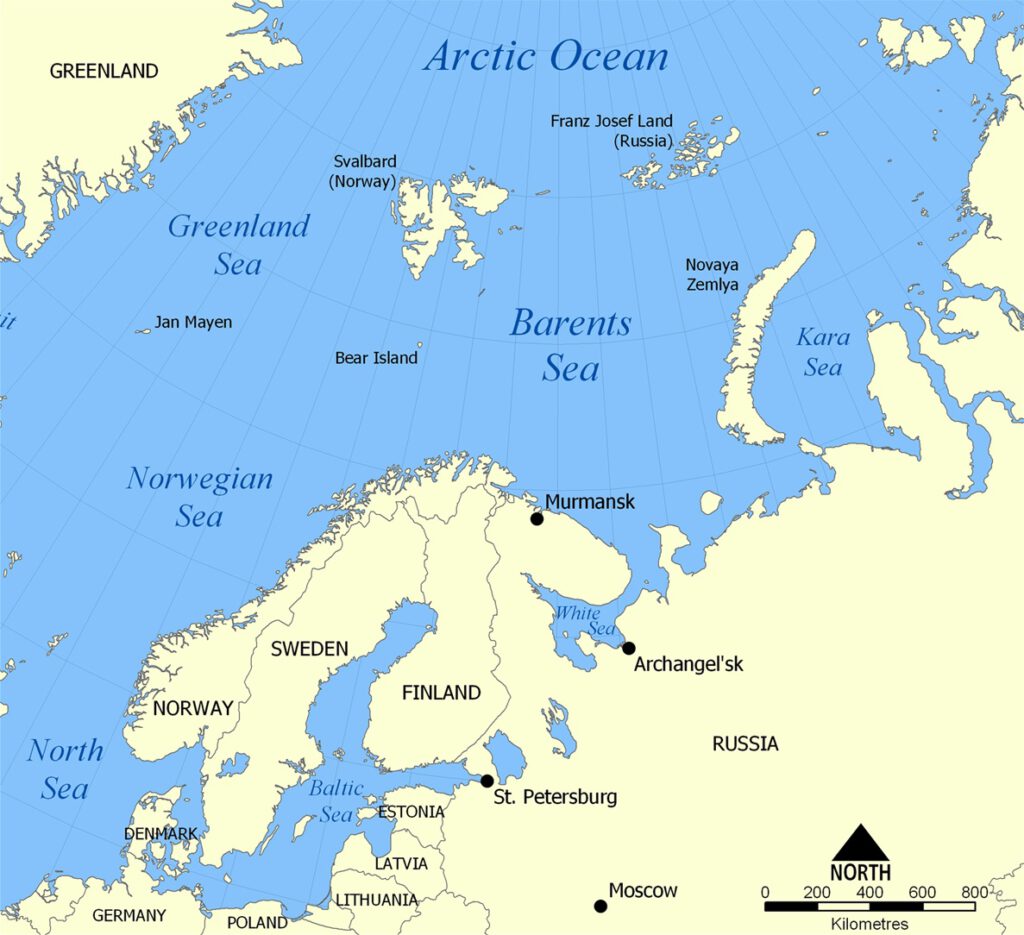
The sea along the northern coasts of Norway and Russia was once known as Murmanskoye morye (Murmansk Sea), which appeared on maps in the 16th and 17th centuries. In the 19th century, it was renamed the Barents Sea in honour of Dutch explorer Willem Barentsz and his Arctic expeditions. ❄️
Barentsz led three voyages seeking a Northeast Passage— believed to open each June due to melting ice — offering a potential trade route to the Indies.
During the voyages, Barentsz and his crew faced polar bear attacks and harsh weather, with icebergs and frozen seas ending the first two expeditions. As a result, the States-General refused to fund further trips.
Instead, they offered a reward for success. Amsterdam’s Town Council supported a third expedition, sending two ships under Jan Rijp and Jacob van Heemskerk, with Barentsz commanding.
The voyage began promisingly: Barentsz discovered Bear Island, Spitsbergen, and several fjords. A split between the captains followed, with Barentsz continuing northeast.
In July, his crew became trapped in ice near Novaya Zemlya and endured a brutal Arctic winter; the following June, they attempted to return. Barentsz died at sea after a week, and the survivors were rescued by a Russian ship seven weeks after that.
The 2011 film “Nova Zembla” by Reinout Oerlemans dramatises the harrowing journey.
6. Mauritius: The abandoned prince
Today’s independent state of Mauritius has a very long colonial history with the Dutch, the French, and the British. There is also strong evidence that the island was known to Arab sailors before the European expeditions.
In the 14th century, Portuguese sailors visited the then uninhabited land, and their cartographers named it Mascarenes — but took no interest in it.
White beaches and sun? Yes, please. ☀️ Image: Depositphotos
At the end of the 16th century (1598), bad weather whilst passing the Cape of Good Hope changed the route of five Dutch ships, which wound up sailing to the shores of Mauritius.
Under the command of Wybrand van Warwijck, they anchored and named the island Prins Maurits van Nassaueiland, after Prince Maurits of the House of Nassau.
The Dutch settled on Mauritius for their ships passing through this sea route and held it for 20 years. Eventually, though, they abandoned it. 👋
The French took over the island, renaming it the Isle de France and using it, among other things, to raid British commercial ships. That lasted until 1810, when the British took control of the island and returned its Dutch name.
7. In and around New York
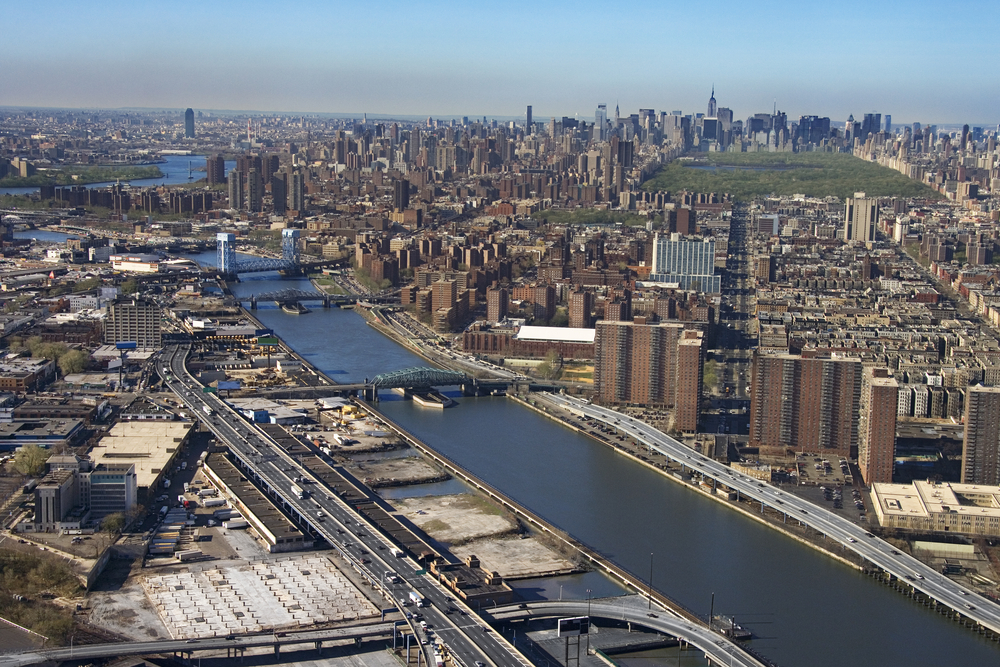
Many of today’s American toponyms originated in Dutch because of the first settlers. The Dutch heritage is visible in and around New York (previously known as New Amsterdam).
One of the theories says that it was named by the Dutch trader Adriaen Block, who, when passing by it, described it as “een rodlich Eylande“ (a reddish Island), perhaps due to red clay.
Staten Island
Named after the States-General, Staaten Eylandt, from Staten-Generaal.
Located in 17th-century Nieuw Amsterdam on Manhattan’s southern tip, the street — then called de Waalstraat — was named after a wooden palisade built to defend against Native Americans and the British.
Did you know any of these places were named by the Dutch? If so, tell us which in the comments below! 💬
With its high quality of life, stunning canals, and strong international community, it’s no wonder almost one million people call Amsterdam home. But living in the capital city comes at a cost — the highest cost of living of any Dutch city, to be precise.
If you’re thinking of making the move to the capital yourself, you’re likely wondering about the cost of living in Amsterdam. As someone who has lived here for years, I’m here to hold your hand through the expenses.
But first, let me tell you: what’s left in your wallet at the end of the month depends greatly on your lifestyle.
In many ways, you get what you pay for in this city. But some general costs will give you a picture of what that can look like. Let’s break it down. 👇
Want to know costs quickly? Jump to a section below!
First things first: you have to live somewhere in Amsterdam — and it’s likely going to be your greatest expense.
Although housing in the city is expensive far and wide, where you choose to live will be a great determining factor in the amount you’ll have to shell out for rent or your mortgage.
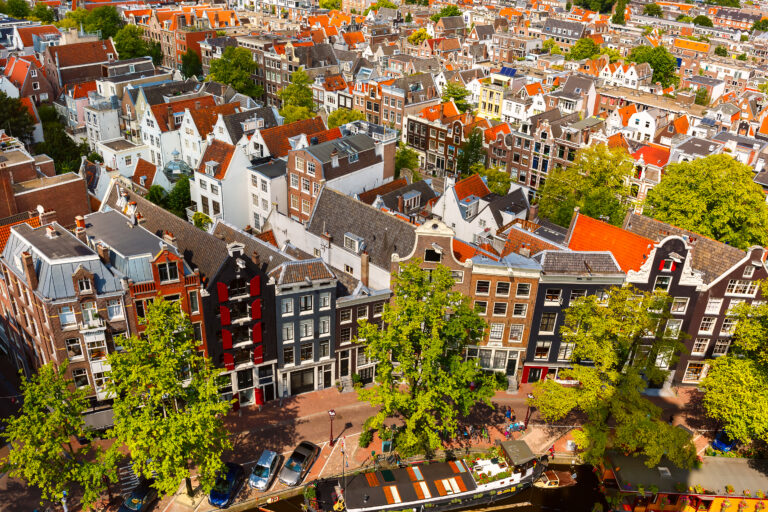
In general, living within or close to the city centre will be more costly than living on the outskirts. And naturally, the more desirable the neighbourhood, the higher the price tag.
The great public transport network connects the outskirts of Amsterdam to its centre. Image: Dreamstime
Social housing is allotted for people with lower incomes, capping the rent at €932.93 per month in 2026. The waitlist for social housing can take years, so it’s generally not very accessible to expats.
From January 1, 2026, the rent limit condition for eligibility was removed, meaning more renters may qualify for housing allowance (huurtoeslag) even if rent is above €900.
The vast majority of people moving to Amsterdam will have to go for private housing in the free sector, which has no price regulation. Landlords have the freedom to set the rent at whatever price they see fit.
On average, these are the rent prices you can expect to find when combing the Amsterdam rental market:
Type of housing
Price range
Social housing
up to €930
Room in a shared apartment
€700 – €1,200
Studio apartment
€1,400 – €2,200
1-bedroom apartment
€1,700 – €2,400
2-bedroom apartment
€2,200 – €3,200
2-3 bedroom apartment/house
€3,000 – €5,000
Keep in mind that rent costs are continually on the rise in Amsterdam, so don’t be surprised if you encounter some even higher prices.
Cost of buying a home in Amsterdam
Again: location, location, location. The closer you are to the centre, the less bang you’re likely to get for your buck (or the European equivalent thereof).
But what homes in the centre lack in size, they often make up for in character. For example, my ceiling is so low that visiting Dutchies often need to maintain a slightly cocked neck or bent knee for the duration of their stay, but the city view is ridiculous.
With a massive housing shortage and huge demand, houses in Amsterdam are very expensive. Image: Dreamstime
Another point to be aware of is that the real estate market in Amsterdam is competitive, and buyers often report paying far above the asking price for homes.
But buying a house and getting a Dutch mortgageis a whole separate story, so let’s stick with asking prices here:
Average costs of housing within the city centre (in 2026)
between €9,000 – €12,000 per square metre
Average costs of housing outside the city centre (in 2026)
To buy a simple one-bedroom apartment on the low end of the spectrum, on the outskirts of Amsterdam, you might be able to get away with paying around €250,000.
For a higher-end three-bedroom apartment in the centre, you can expect to spend something closer to €600,000. Here’s the (very general) range you can expect to pay for a home in Amsterdam:
Often, getting your gas and electricity from one provider will save money. If you rent, sometimes these costs will be included and covered by your landlord, but don’t count on it.
For many renters, gas and electricity will be included in your rent. Image: Freepik
Gas costs between €1.15 and €1.24 per cubic metre in the Netherlands, according to Keuze, which is fairly average in comparison with other countries.
Meanwhile, the ACM reports that electricity costs about €0.23 per kWh, and the energy tax (including VAT) is estimated at €0.1108 per kWh.
On average, you can expect to pay €150-200 per month for gas and electricity in Amsterdam.
If you’re new to Amsterdam, you may find the system for paying your gas and electric bills a bit strange. You’ll likely be charged a flat rate each month based on the average usage predicted for your house and the number of occupants.
Once a year, in April, you’ll either get the money back that you overpaid for your usage, or you’ll have to pay for the excess you consumed.
Just keep in mind that the amount you pay each month is not necessarily the actual cost. However, the estimated cost will be adjusted each year based on your true usage.
Water
Water in Amsterdam works differently. There are two different ways that your water bill can be calculated.
Amsterdam tap water is perfectly safe to drink. Image: Depositphotos
If you use a water meter, you’ll pay monthly costs by cubic metre of water used, plus an annual fee for the metre. If you opt out of the metre, bills should fall in the range of around €15-30 per month.
Monthly internet costs
The average cost for the internet in the Netherlands is in the range of €32 for a lower speed connection to €67 for a higher speed(although it’s all relatively fast).
It’s common to bundle your internet with TV and phone service. Some websites allow for an easy price comparison between providers, or will let you sign up for your utilities in English.
Phone
Cell phone plans in the Netherlands don’t differ much from those in other countries. Monthly costs can be as low as €10 for unlimited calling with no data and up to around €50 a month for unlimited data.
An average plan with up to 10 gigabytes of data and unlimited calling should be somewhere around €20 a month. You may also need to pay an activation fee.
How much to budget for groceries in Amsterdam
Compared to other costs of living in Amsterdam, groceries are on the more affordable side, particularly if you’re mindful of where and how you shop — and keep an eye out for those kortings!
NUMBEOprovides the following average costs for groceries in Amsterdam, and I have to say, they’re pretty spot-on with my own experience.
While you’re out there hustling to afford rent and pay taxes, you might need someone to look after your children.
The cost of Dutch childcare varies depending on the centre and what type and frequency of care you’ll need for your child.
Daycare and nursery school for the little ones will cost around €750 per monthon average, with discounts available if you have additional children. For after-school care, costs will be in the €650 to €800 per month range.
While childcare in the Netherlands can be steep, there are government benefits available. Image: Depositphotos
Some parents opt for childminders (oppas), who generally charge around €7 per hour for the less experienced teenager or €15 per hour for someone with more experience. If you would like them to do additional housework, it would be reflected in the wage.
Au pairs would likely be the least expensive option for your family, often exchanging room, board, and a small salary for a 30-hour workweek.
Many residents in the Netherlands qualify for a childcare benefit (kinderopvangtoeslag), wherein the government subsidises the cost.
In 2026, the benefit is capped up to €11.23 per hour for daycare. This will also depend on the number of children you have, your income, and your social situation.
You can calculate how much you will pay using an online calculator.
🍾 Going out in Amsterdam
Price of transportation in Amsterdam
The least expensive way to get around in Amsterdam is by bike, and it’s usually the quickest way too.
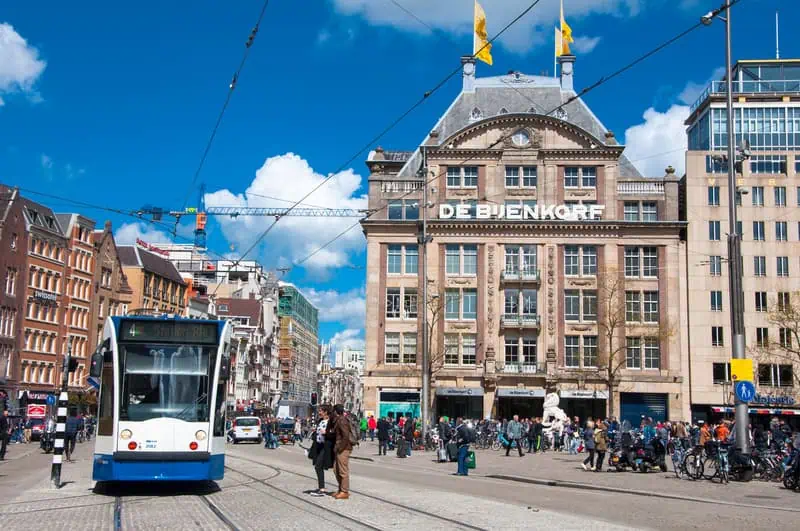
When you do take public transportation (on those days when you don’t feel like turning up at your destination like a wet cat), you can hop on a tram, bus, or train with several options for ticketing. Or, grab a taxi, Uber, or scooter.
Additional multi-day, discounted, and other purchase options are available on the GVB website.
Taxis in Amsterdamare obliged to use a metre. They can set their own fares, but the government sets a maximum price. A trip from Schiphol Airport to the city centre should be around €55. Trips within the city should be significantly less.
In general, taking a taxi is one of the most expensive options for getting around Amsterdam. Image: Depositphotos
Ubercosts will vary based on several factors, but they’re generally less expensive than a traditional taxi. A fare from Schiphol Airport to the city centre will be in the range of €40-55.
If you’re up for the challenge of driving (and parking) a car in Amsterdam, you’ll have several factors to consider:
Car expense
Average price
Parking
€1+ per 15 minutes in the centre, with daily rates as high as €80 (check the mapfor specifics)
Resident parking permit
€37 per 6 months (Zuidoost) to €300 per 6 months (Centrum)
Gasoline (1 liter)
Usually ranging between €2.03 and €2.08 per litre
Insurance (required by law)
€130 per year (for a basic plan)
Tax
€100 annually (based on the type of car, fuel required, age of the car, and CO2 emissions)
New car
€35,500 (mid-size, mid-range sedan)
Total monthly estimate:
€450
Eating and drinking out in Amsterdam
If you’re planning on going out for a night of dinner and drinks, expect to spend a fair amount of money.
Prices aren’t outrageous compared to many other major cities, but compared to the rest of the country, they’re up there. Although, with a bit of trial and error and asking around, you can find a handful of places offering nice meals at friendly prices.
Health insurance is required for anyone living or working in the Netherlands. Generally, a basic package costs just over €130 per month, but this can vary greatly by the company and plan you select.
Some employers offer corporate health insurance plans, which may be less expensive than taking out an individual policy.
The standard deductible (eigen risico), or price you’ll need to pay each year before your insurance kicks in, is set at €385 for all insurance providers.
Some people opt for a higher deductible in exchange for lower monthly costs. Children under the age of 18 are insured with the standard package free of charge.
Depending on your visa, you may be obligated to take out Dutch health insurance. Image: Freepik
The Dutch government also requires that you pay an income-based contribution for the standard package. This is a percentage of your salary, also known as the ZVW contribution. Your employer will forward it directly to the Health Insurance Fund.
Home insurance in Amsterdam
Home insurancewhen living in Amsterdam isn’t mandatory by law, but it is required by many mortgage providers.
Costs will vary based on your situation, taking into consideration things such as the value of your home and goods, your neighbourhood, and other risk levels.
A basic policy typically falls into the range of €4 to 10 a month.
Other insurances in Amsterdam
Liability insurance is not obligatory either, but it is also so inexpensive that people generally have it. Paying just a few euros per monthwill cover claims from third parties for damages as serious as €2.5 million.
Some Dutch liability plans may even cover, for example, when your friend comes to visit from another country and crashes their bike into someone else’s.
They’re your visitors, so any damages they incur are covered under your dirt-cheap insurance policy.
📚 Cost of education in Amsterdam
Attending university in the Netherlands
For Dutchies, higher education is quite affordable because it’s subsidised by the government.
For international students, the cost can be much higher. You’ll pay an annual tuition fee based on your nationality, chosen degree programme, and whether you study part-time or full-time.
On average, full-time EU/EEA students will pay about € 2,300 per year in tuition costs for a full-time program. Non-EU/EEA students can expect to pay up to €15,000 per year. Ouch!
At least the buildings are pretty. 😬Image: Depositphotos
In addition to tuition, the University of Amsterdam advises students to budget for somewhere between €1,175 and €2,000 per month on living expenses, including rent. They break it down as:
The Dutch government also subsidises school for children, so if you decide to send your child to a Dutch school, it’s nearly free of charge.
You’ll just need to make some small contributions for things like school trips or after-school activities, somewhere around €100 annually.
The cost is significantly higher for a private education or an international school, with prices from €4,500 up to €23,000 euros a year.
💼 Working and salaries in Amsterdam
Salary expectations in Amsterdam
Now that we have a better picture of what it costs to live in the country’s capital, let’s take a look at how salaries stack up.
Of course, they will vary greatly based on industry and experience, but in general, Dutch salaries are rather average — a bit lower than the US and UK, for example, but still generally quite manageable in relation to the cost of living.
According to the Dutch Central Planning Bureau (CPB), the median gross annual salary for the years 2024-26 is calculated at €46,500, which is roughly €3,875 per month.
If you work in Amsterdam, it might even be higher than the average.
The national minimum wage for 2026 is set at €14.71 per hour for adults over the age of 21.
Amsterdam may be expensive, but jobs in the city tend to pay very well. Image: Freepik
One nice thing about working in the Netherlands is that your employer is required to give you annual holiday pay, which is 8% of your salary. When negotiating salary, whether or not this amount is included in the offer can make a significant difference in your quoted salary.
Don’t forget about taxes!
If the salary range your potential employer is offering is something you can just manage to live with, consider taxes.
You’ll be obliged to pay payroll tax, which is made up of a salary-based tax along with national insurance contributions for pensions, Dutch benefits and allowances, and unemployment allowance.
This typically adds up to around 35.75% of your gross income(if you earn up to €38,883 per annum).
As this tax is quite high, you’ll want to consider your net (take-home) pay rather than simply your gross pay (total salary) — the difference can be substantial.
You can use this calculatorto estimate your monthly net income based on your salary. Some expats qualify for the 30% tax ruling, which means they only pay Dutch taxes on 70% of their gross income.
Now, to add up all these separate costs would require some math, so to spare you the terrible inconvenience, here are the average estimatedmonthly costs of living for individuals and families living in Amsterdam:
Tech companies in the Netherlands are feeling discouraged by the caretaker government’s plans to disincentivise hiring ‘knowledge migrants.’ Should internationals be worried?
Global talent has been flocking to the Netherlands for some time; this small country offers more than just canals and tulips. There are also plenty of opportunities in the job market!
According to 2024 data collected by the CBS (Statistics Netherlands), sixteen thousand knowledge migrants chose to come here in that year alone.
Clearly, there is work to be had — and to hear the experts tell it, not enough Dutchies to take it on.
In reality, the problem is more complicated. Let’s dive in.
What is the plan?
According to the Dutch government, there is a need “to further strengthen the knowledge economy and reduce migration to the Netherlands.”
The plan, therefore, is geared towards deterring companies from hiring internationals in several ways.
For one, companies would be required to pay higher wages to knowledge migrants.
This might sound like a good deal for expats, but in reality, it discourages companies from hiring them at all due to the extra expense.
Permits for employer sponsorship will also be harder to obtain. Companies hiring expats will face stricter requirements to meet the standards for continuing to sponsor expats.
With more constraints on hiring expats, the Dutch government hopes to clamp down on the number of knowledge migrants. Image: Freepik
Essentially, the plan proposes adding more violations to the list of grounds for revoking a company’s employer sponsorship permit.
The permitting restrictions also widely favour larger companies with a history of employing internationals.
For instance, if a company hasn’t employed an expat in the past two years, this could now work against the acceptance of its permit.
Seems counterintuitive…but ok.
The response
D66 and VVD have debated the plans, fearing business consequences and the ills of scapegoating expats for a larger issue.
Tech companies feel targeted by the plans, as their workforce is often international by necessity, they say.
Speaking to NU.nl, several companies, specifically NLtech, Booking.com, and Just Eat Takeaway, described the country’s “scarce” talent in “software, data, and product development.”
These kinds of businesses, also including ASML, Bol.com, and Marktplaats (to name a few), are worried. The sentiment among these companies is that the tight labour market has made it necessary to look outside for highly skilled workers.
Others think the concerns are slightly overblown. Speaking with NU.nl, the CEO of labour market researcher Intelligence Group, Geert-Jan Waasdorp, says these requirements won’t make quite the splash as feared.
He says, “Large corporations already pay a lot for talent; money is not an issue there.”
Of course, for smaller companies, start-ups, and companies hiring their first international employees, they might not even get the chance.
Because the permitting process is restrictive, these types of (often smaller) businesses are at a disadvantage compared to larger companies with a history of hiring internationals.
But is this really the best approach to addressing a weak Dutch knowledge economy?
What if there was another way?
Waasdorp had a different suggestion. Again speaking with NU.nl, he believes “The government should…encourage employers to invest. For every knowledge migrant, you train a person for the same position.”
This approach seems favourable in the long-term attempts to resolve the issue.
Knowledge migrants cannot be occupationally demonised for coming to the Netherlands when the government doesn’t properly stimulate expertise development within its borders.
After all, closing the door doesn’t teach anyone how to code.
What do you think of the proposed plans? Let us know in the comments.