A majority in the House of Representatives fear an American company taking over the one thing that holds Dutch society together: DigiD.
Digital identity is the engine of Dutch bureaucracy. A working DigiD is required to access health insurance, pension funds, housing, tax returns, and other services.
Give all the sensitive data of 18.4 million people and all their entanglements to the United States of America, and we could have a crisis on our hands.
Why DigiD may be in trouble
At the heart of this crisis is Solvinity, the Amsterdam-based company that stores all of DigiD’s data.
Authorities began panicking after an American IT company called Kyndryl announced its plans to acquire Solvinity back in November.
Members of Parliament are holding a technical briefing today, reports NOS, to discuss the risks of this American tech giant acquiring Solvinity.
While Members of Parliament cannot tell a company what to do, GroenLinks-PvdA believe that Minister Rijkaart, who is responsible for national digital security, should “put his foot down.”
The People’s Party for Freedom (VVD) worries that the US government could access the DigiD data and leverage it to blackmail people.
Translation: The great vanishing trick. #DigiD #USAowns #vulnerable
Possible solutions, according to MP Barbara Kathmann, include persuading Solvinity to rethink the deal, switching providers, or acquiring a so-called golden share to give the Dutch state veto power.
The panic is justified
When the Israeli PM was arrested in The Hague, Donald Trump imposed sanctions on the International Criminal Court, after which the chief prosecutor lost access to his Microsoft email address.
Following this precedent (and president), experts believe that service disruption would be the most alarming risk of Solvinity’s takeover.
Because US companies must comply with American sanctions, a future political conflict could arise where “Trump can shut down our digital government with one push of a button,” says GroenLinks-PvdA MP Kathmann.
A digital wake-up call
Think of Microsoft, Google, Apple, Cloudflare, Salesforce… American tech companies have insidiously become the centre of all our digital footprints.
Parliament wants an accelerated debate on digital security by March and is pushing to phase out US cloud services across government agencies in the coming years.
Incoming Prime Minister Rob Jetten has already announced plans for a cabinet member who is explicitly responsible for digital security. Whether that role materialises remains to be seen.
For now, MPs agree on one thing: Dutch digital sovereignty should not be something that depends on decisions made in Washington.
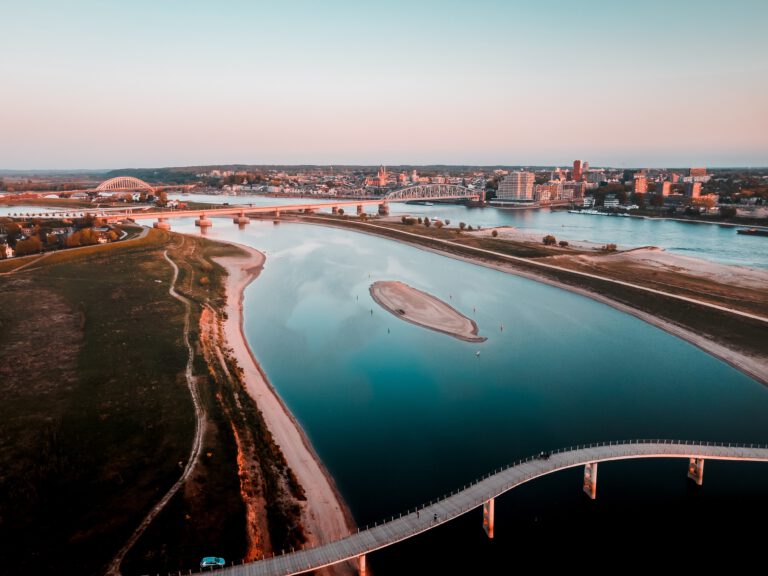
The oldest city in the Netherlands is bursting at the seams with ancient history, stunning architecture, gorgeous landscapes, and exciting things to do — it’s the marvellous Nijmegen!
Over 2,000 years ago, the Romans settled in a city that sits just on the German border and in what is today the serene Dutch province of Gelderland.
From then on, Nijmegen became a true gem and a forever icon that helped make Holland what it is today. With a perfect mix of culture, fascinating museums, and unique spots to visit, Nijmegen is a Dutch city you shouldn’t miss.
In a hurry? Skip to an attraction that interests you most!
This post might have affiliate links that help us write the articles you love, at no extra cost to you. Read our statement.
1. Learn about the history of bikes at Velorama in Nijmegen
It’s a fact that the humble bike is an indispensable part of everyday life in the Netherlands — but how much do you really know about its evolution and history?
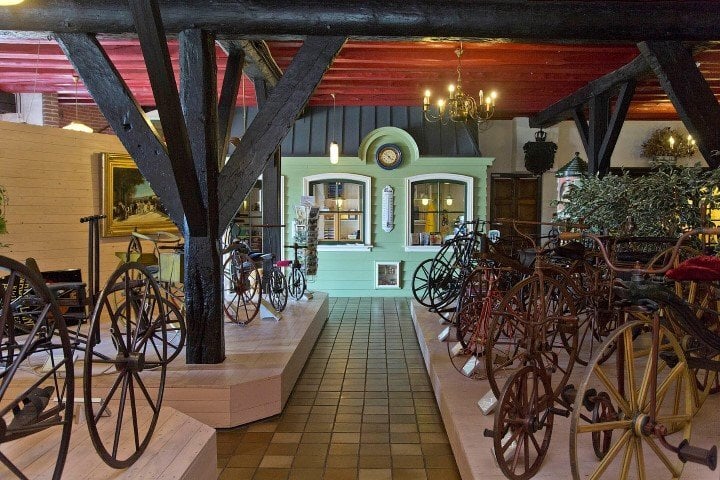
Dutchies have been biking longer than it takes for you to say ongelooflijk. Image: Velorama
From the earliest model of the bike to the latest, the national bicycle museum in Nijmegen, Velorama, tells all about the 600-year-long history of the fabulous two-wheeled transportation device.
Velorama boasts an incredibly large collection of bicycles, featuring a few that were even passed down by the Royal Family and the famous Dutch cyclist Wim van Est, well-known for his victories in the Tour de France.
💰 Price: €11 for adults, €7 for children, €8 for seniors (aged 65+), €28 for a family of four ⏰ Opening hours: 10 AM until 5 PM, Monday to Sunday 📍 Location: Waalkade 107, 6511 XR Nijmegen
2. Do a sightseeing tour of Nijmegen with a local
Nijmegen is chock-full of key landmarks and hidden treasures, so what better way to explore these than through a sightseeing tour with a local?
Put your walking shoes on and get ready to discover Nijmegen through the eyes of a local! Image: Depositphotos
Set off to see, feel, and learn all about this charming city through a simple expedition — and with the help of a true Nijmegener, steer clear of any tourist traps and get a real glimpse into the culture and history surrounding this place.
Nijmegen offers several exciting guided tours that start and end on different routes, each allowing you to experience the city from a new angle on foot, by bike, or with a scooter!
💰 Price: €95 for a group of five or fewer, €170 for a group of 15 people ⏰ Time required: Each tour typically lasts 1.5 to 2 hours 📍 Location: Starting point varies per chosen tour
3. Have all your senses heightened at MuZIEum, Nijmegen
Have you ever wondered how a person who is blind experiences the world? If so, you can satisfy your curiosity by visiting MuZIEum in Nijmegen.
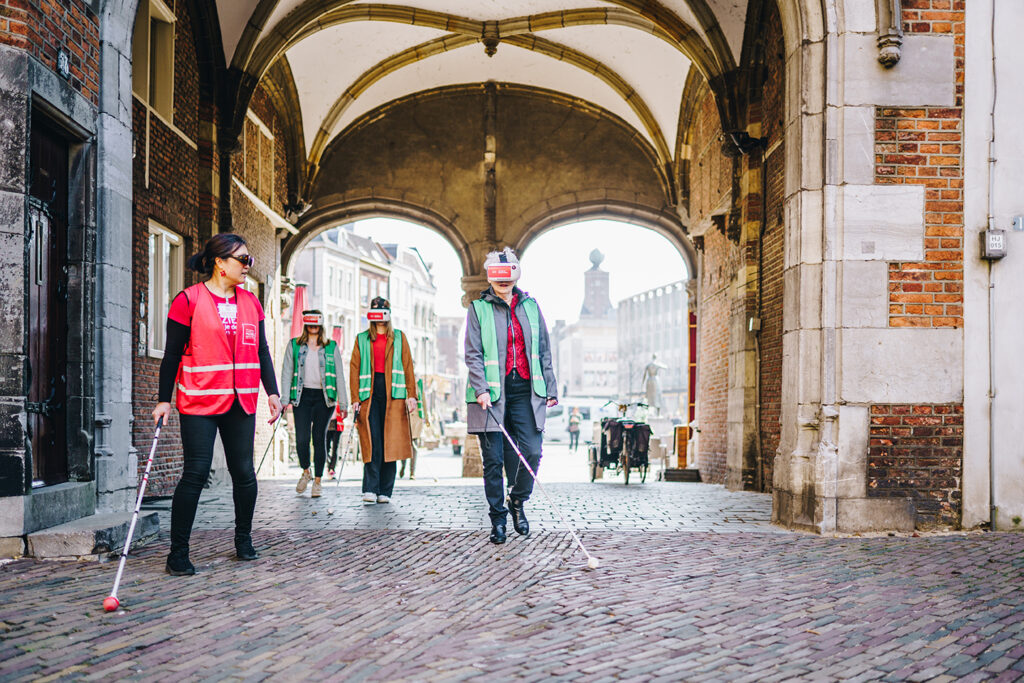
If you’re looking for unique things to do in Nijmegen, this is definitely one of them. Image: MuZIEum
The museum offers two unique tours in complete darkness, each guided by a person who is visually impaired or partially sighted, where you’ll get a real glimpse into how they navigate the world.
Rather than admiring objects on display, like most museums, you’ll play a vital role in the experience, where all your senses are magnified, from hearing to smell, as well as taste and touch.
💰 Price: €25 for adults and €16 for children (aged 8 to 12) ⏰ Opening hours: Monday from 12 PM until 5 PM; 9:30 AM until 5 PM, Tuesday to Sunday 📍 Location: Ziekerstraat 6B, 6511 LH Nijmegen
4. Explore unique Nijmegen entrepreneurs at work in the Honigcomplex
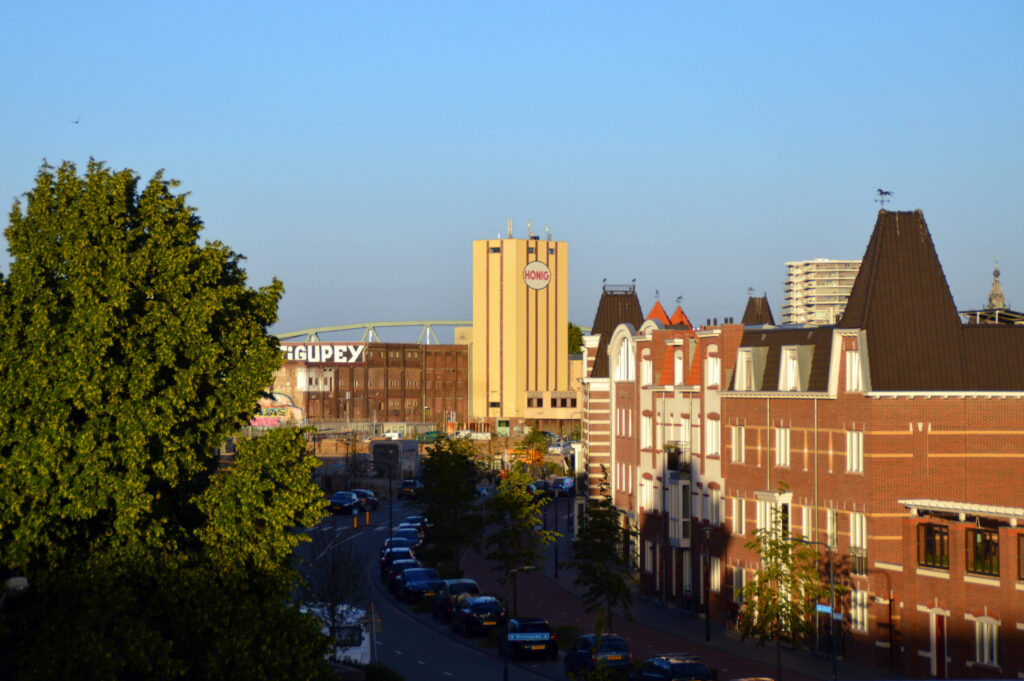
Any avid traveller knows that going off the beaten track is the best way to really get to know a new city — and one of Nijmegen’s secret nooks is the Honigcomplex: a hidden industrial building that houses 150 small businesses.
The Honigcomplex stands out from the crowd of traditional Dutch houses. Image: Roger Veringmeier/Wikimedia Commons/CC4.0
As a visitor, you can take a jaunt through the complex, admire its factory-like interior designs, and browse the many former office rooms taken up by creative entrepreneurs and artists.
The building also has a coffee bar with a ton of great options for that much-needed caffeine buzz and, what’s more, a rooftop terrace overlooking the Waal River! Grab a tasty bite to eat with a beautiful view.
The Netherlands, in general, has an incredibly cool beer scene, but if you want a unique look into the oldest craft beer brewery in the country, Brouwerij de Hemel is the place to be.
Through a guided tour, you’ll find out all there is to know about beer, the people who make the beer, and their special techniques. The icing on the cake? A tasting session of the brewery’s homemade products!
💰 Price: €17,50 for the entrance fee, including a tasting of six beers ⏰ Opening hours: 1 PM until 5 PM, Saturday to Sunday 📍 Location: Franseplaats 1, 6511 VS Nijmegen
6. Take in the gorgeous scenery at Nijmegen’s Valkhof Park
Nijmegen is known for its great swaths of nature, so you can imagine that the city is brimming with gezellige parks to promenade in.
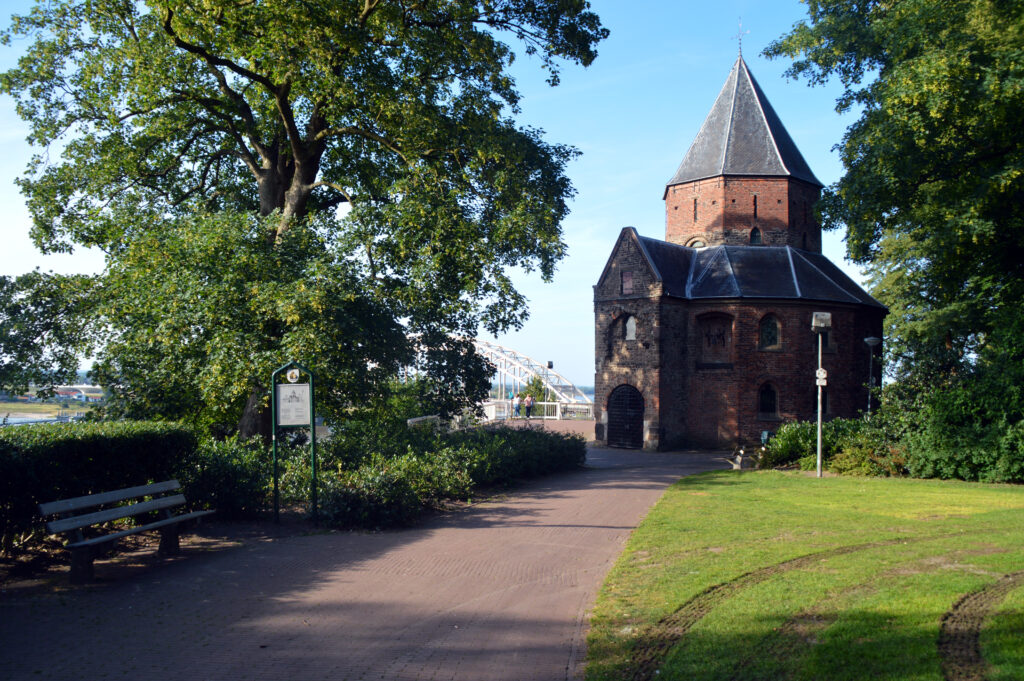
Located in the countryside, there are a ton of scenic things to do in Nijmegen. Image: Roger Veringmeier/Wikimedia Commons/CC4.0
One particularly wooded area is Valkhof Park. Featuring ancient Roman ruins, scenic river sights, and a chapel, this Nijmegen nature gem sits on top of a small hill, giving folks a gorgeous, photographic view of the city from above.
After spending an afternoon wandering around the city, you can retreat to the Valkhof park for a bit of peace and greenery and walk along centuries of Roman history.
💰 Price: A breath of fresh air doesn’t cost a penny! ⏰ Opening hours: All day, every day 📍 Location: Kelfkensbos 59, 6511 TB Nijmegen
7. Scout the medieval ruins of Barbarossa in Nijmegen
While you’re at Valkhof Park, make sure you take time to find and admire the ancient Barbarossa ruins surrounding the place.
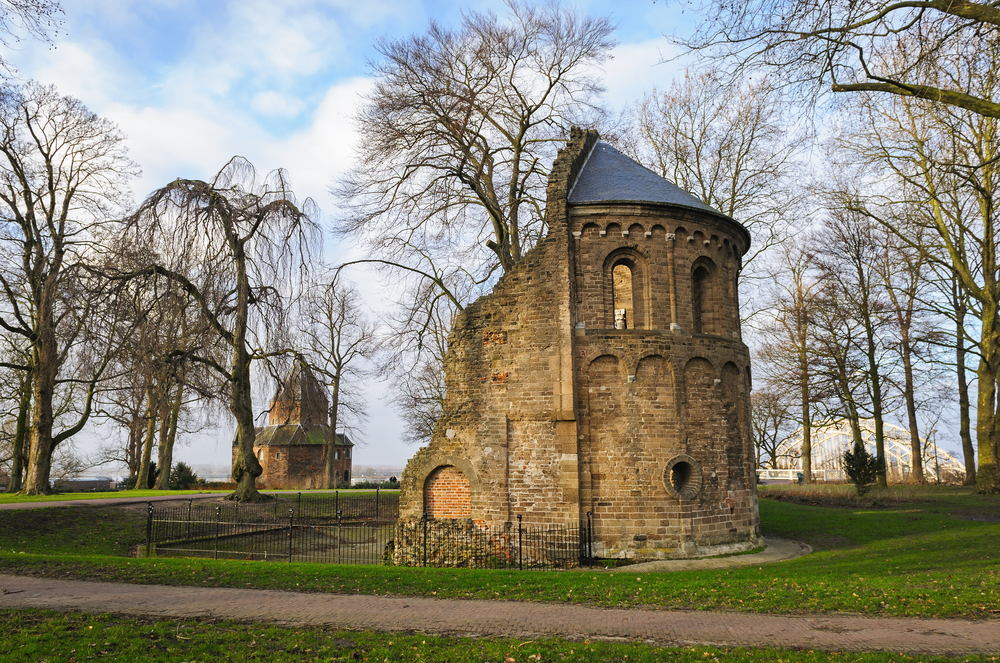
Literally walking on 2,000 years of history. How crazy is that? Image: Depositphotos
Rumour has it that the history of the ruins goes way back to the 12th century, when they used to stand as a castle built by Emperor Frederik Barbarossa (hence, the name).
After being badly damaged in the late 1700s, the city council decided to demolish the castle, which is why its leftover pieces can still be seen today in the park. Now, these ruins are classified as national monuments and jewels to the city of Nijmegen!
8. Go mountain biking on a scenic route in Nijmegen
The Netherlands is famously known for being one of the flattest countries in the world. In fact, this pancake land happens to have the lowest height of all its European neighbours.
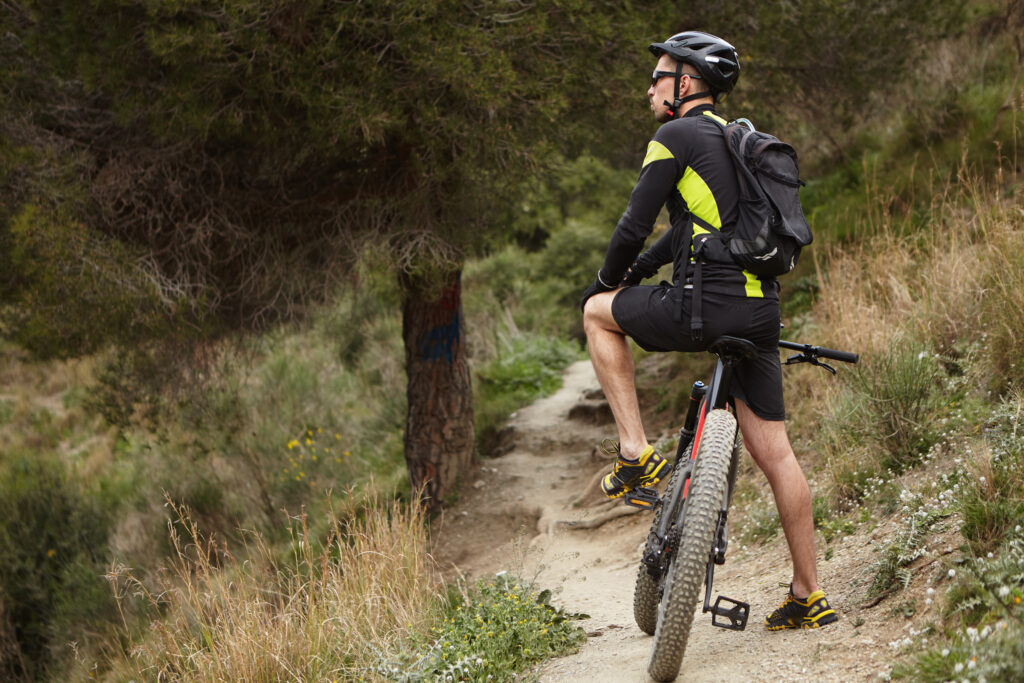
And into the hills we go! Image: Freepik
Even so, there’s one special place that boasts a few slight summits, making it the perfect destination to try out an activity you otherwise couldn’t in other Dutch cities — mountain biking!
There are several mountain bike trails in and around Nijmegen that you can find, and since the city is loaded with natural beauty and wildlife, there’ll be no shortage of majestic views on your journey.
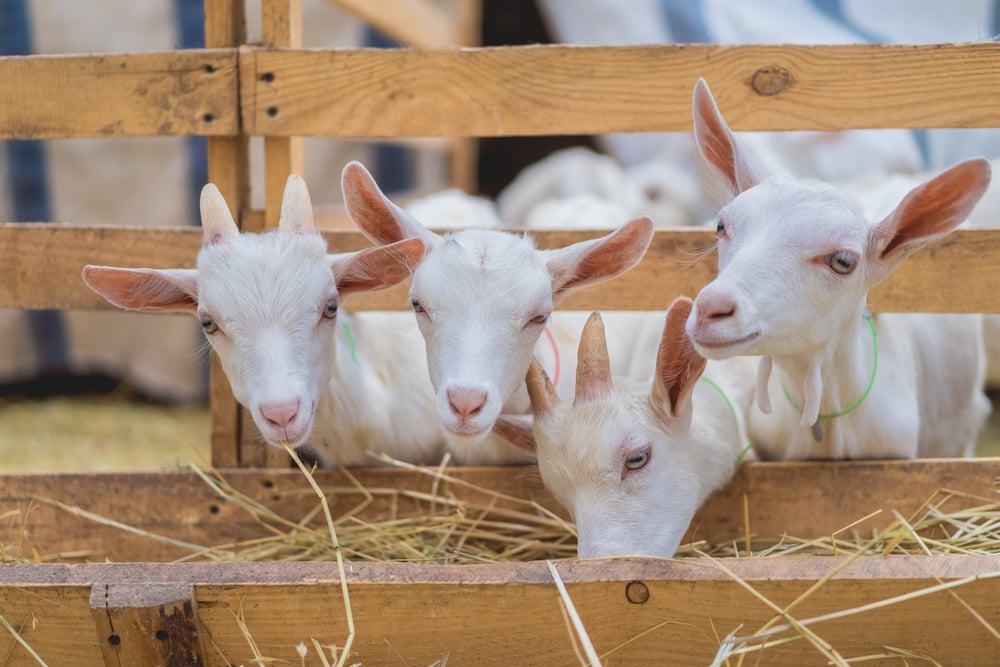
Are you visiting Nijmegen with a few younguns by your side? Or perhaps you just really like four-legged friends? Then consider visiting Kinderboerderij de Goffert — a small petting zoo that lets you play with farm animals!
Something about this picture just screams, “pet me”. Image: Depositphotos
It’s perfect if you’re looking to kill an afternoon in nature, fondling some furry friends, whilst also giving your kids (or yourself) the chance to actively learn how the farmers properly care for them.
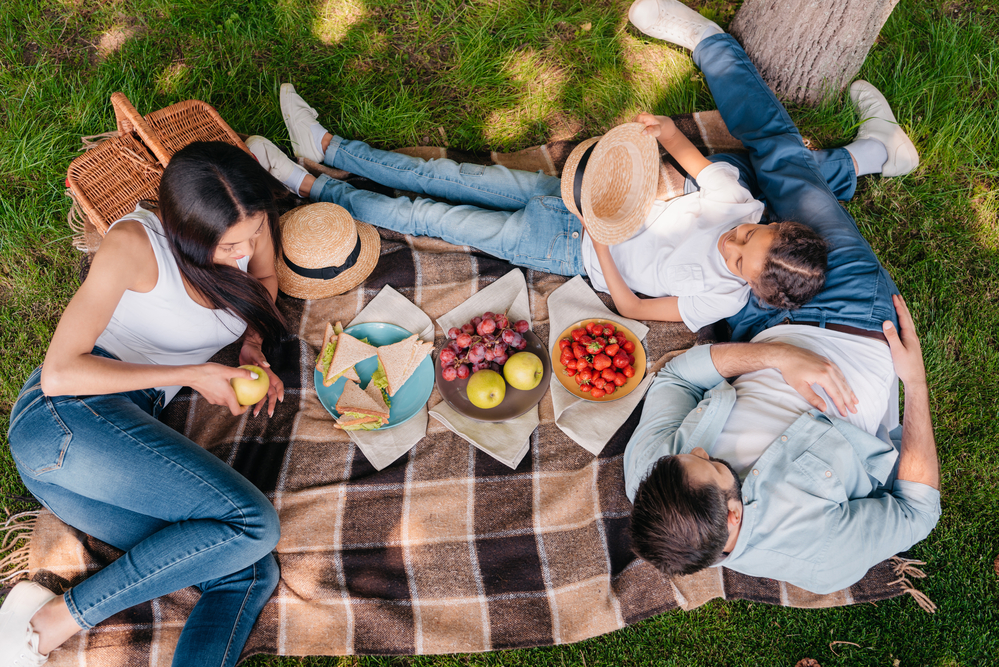
10. Have a Dutch-style picnic at Goffert Park, Nijmegen
This wide area of grass is one of the largest parks in Nijmegen — and it has a reputation for holding pop concerts by some of the greatest artists in the world, from Bon Jovi to Coldplay.
A Dutch-style picnic isn’t complete without the essentials, namely bread, bread, and bread! Image: Depositphotos
At Goffert Park, you can enjoy the great outdoors with a good dose of music thrown into the mix. Nevertheless, you don’t need a rockstar to make this one of the many fun things to do in Nijmegen.
Grab a basket, a blanket, some bitterballen, and a few glasses of Jenever for that much-needed picnic — and admire the great outdoors, perhaps even while hearing some sweet guitar melodies.
💰 Price: Gratis, unless you plan to attend a concert at the park! ⏰ Opening hours: All day, every day 📍 Location: Muntweg 442, 6532 TP Nijmegen
11. Embark on a walk through history at Kronenburgerpark
For those who seek a break from the bustling city centre and want to lie amongst the chirping birds and tall trees for a while, Kronenburgerpark is an ideal choice.
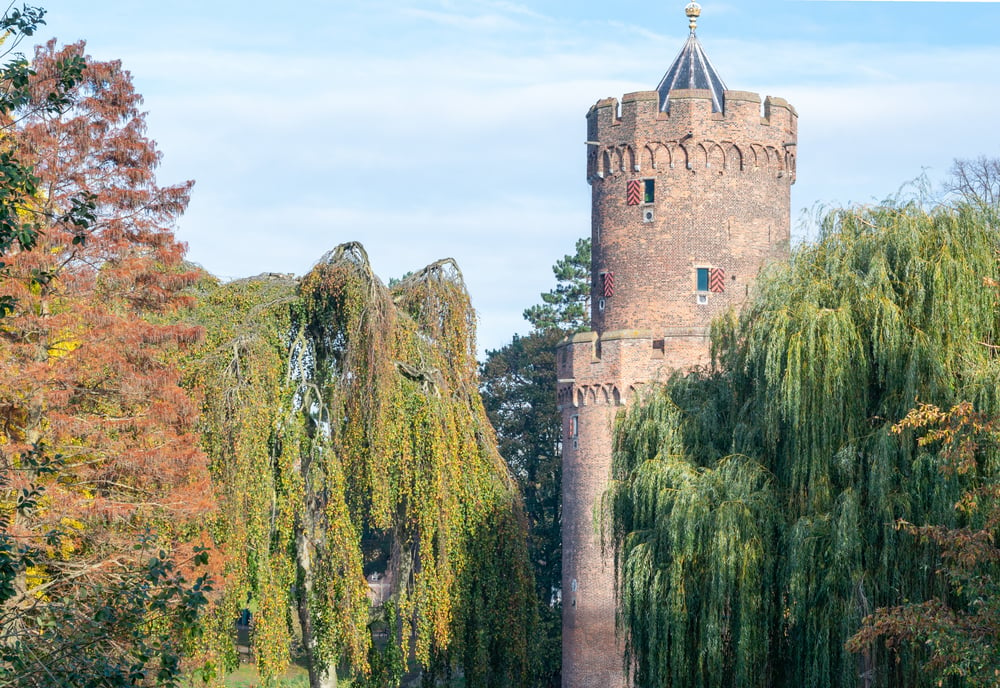
Perfect for pretending you’re on the set of Game of Thrones. Image: Depositphotos
If you follow the park’s many paths, you’ll come across various stunning historic buildings, of which the kruittoren (powder tower) is the most eye-catching.
Since the park is located just around the corner from Nijmegen Centraal Station, you don’t have to worry about travelling far. Just hop off the train, grab a bike or walk, and get ready to enjoy the tranquil vibes this park brings.
12. Catch a spectacular organ concert at Stevenskerk in Nijmegen
The majority of Dutchies might not carry such a religious outlook anymore. However, their churches still stand as some of the most beautiful in all of Europe.
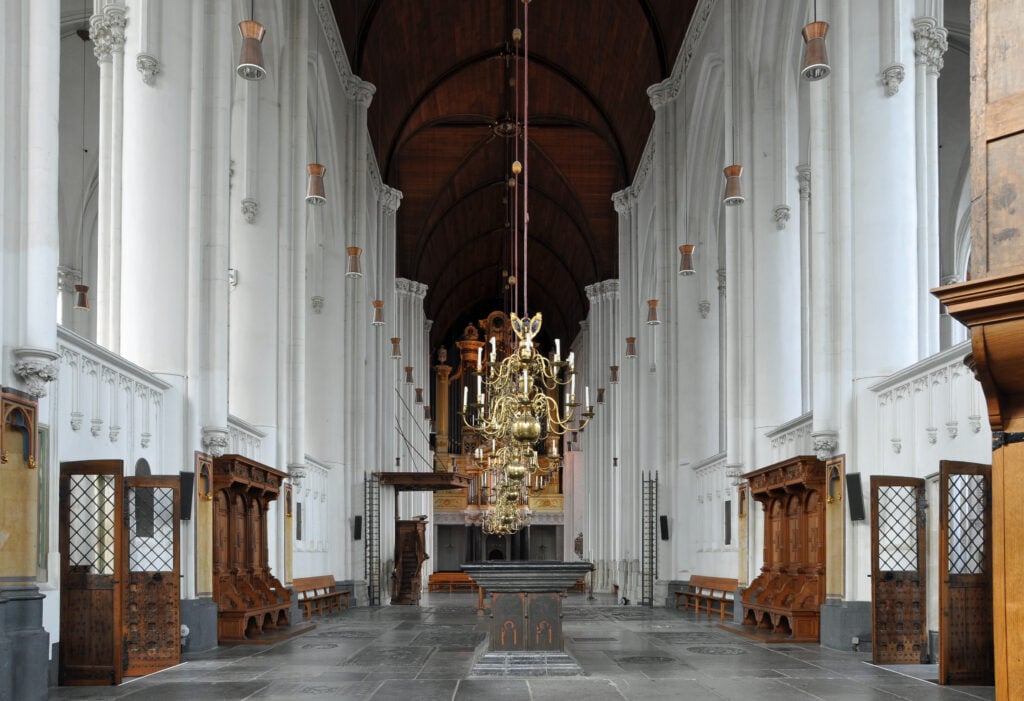
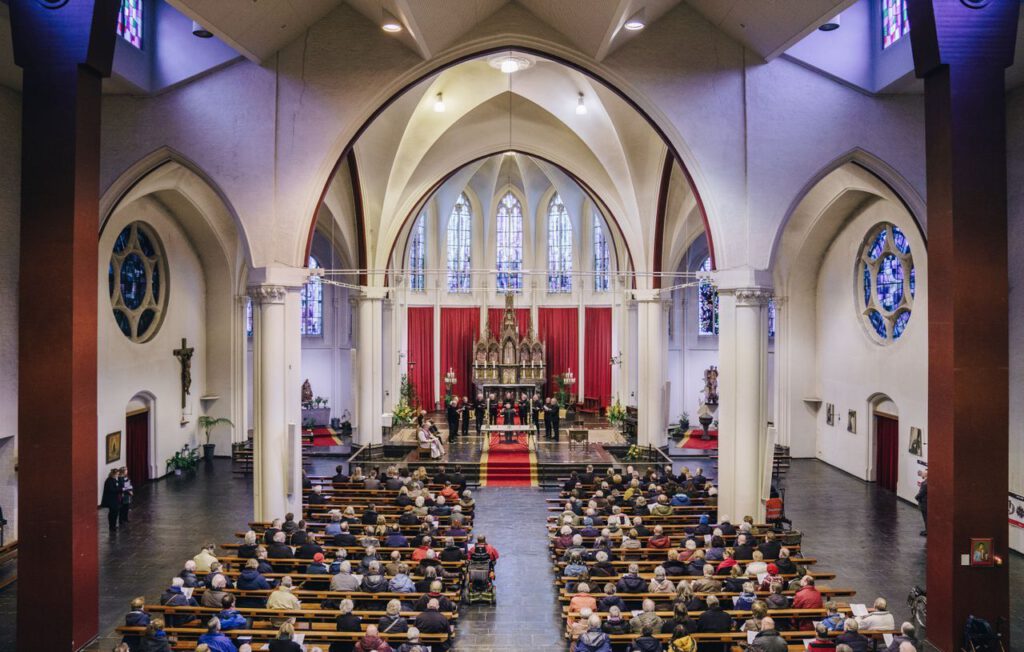
Get a load of that architecture. Zo mooi! Image: Marc Ryckaert/Wikimedia Commons/CC3.0
In fact, the Stevenskerk in Nijmegen is downright breathtaking, located right in the historical centre of the city. It’s old but well-maintained, with colourful stained glass windows and lit candles burning inside for that extra oomph.
It’s well worth a visit if you’re looking to connect with Nijmegen’s past, and if your timing is right, you can also catch a special organ concert inside the church!
13. Go on a splendid self-guided tour through Nijmegen
If you prefer to navigate the city and discover local gems on your own, you can also take a self-guided tour through Nijmegen!
Take your time to see all of Nijmegen’s stunning sights. Image: Depositphotos
Embarking on your own tour comes with tons of advantages. You can travel at your own pace and spend more time somewhere without having to worry about keeping up with a tour group or guide.
Just walk into any tourist agency in the city, pick up a map and a few brochures of interesting attractions, and get ready to sight-see!
💰 Price: Sightseeing at your leisure comes at no expense ⏰ Number of hours:It’s all up to you 😉 📍 Location: Wherever you’d like to begin your tour
14. Sip on a cup of koffie or thee at Nijmegen’s Grote Markt
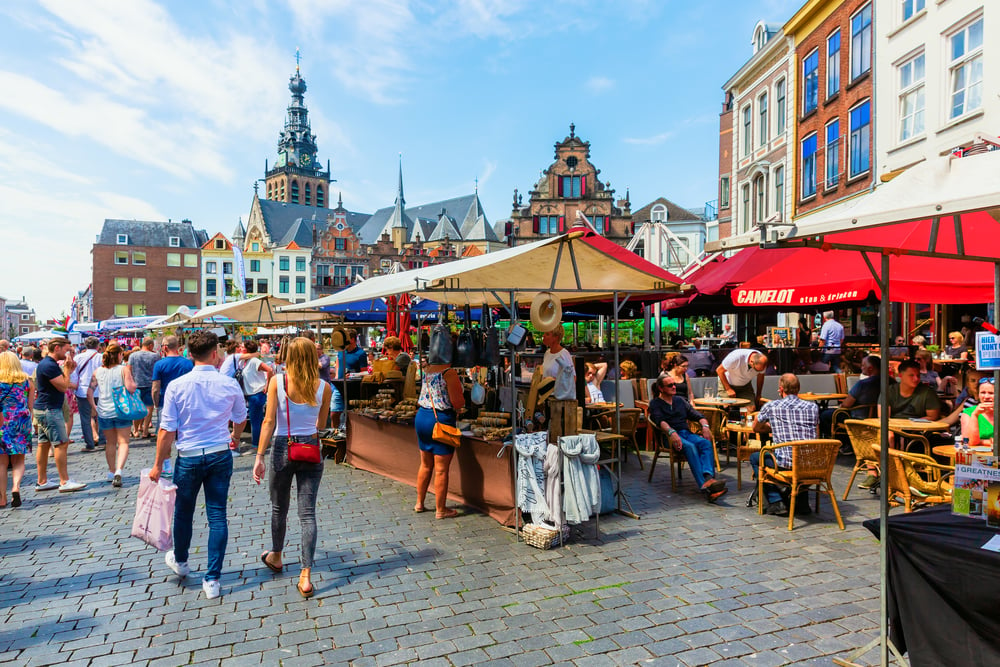
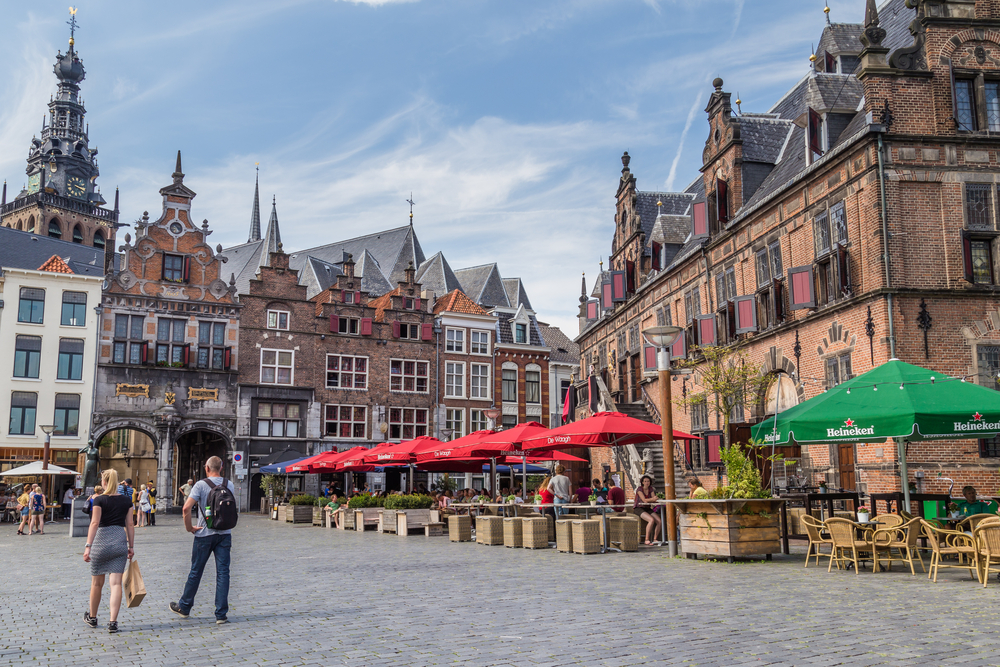
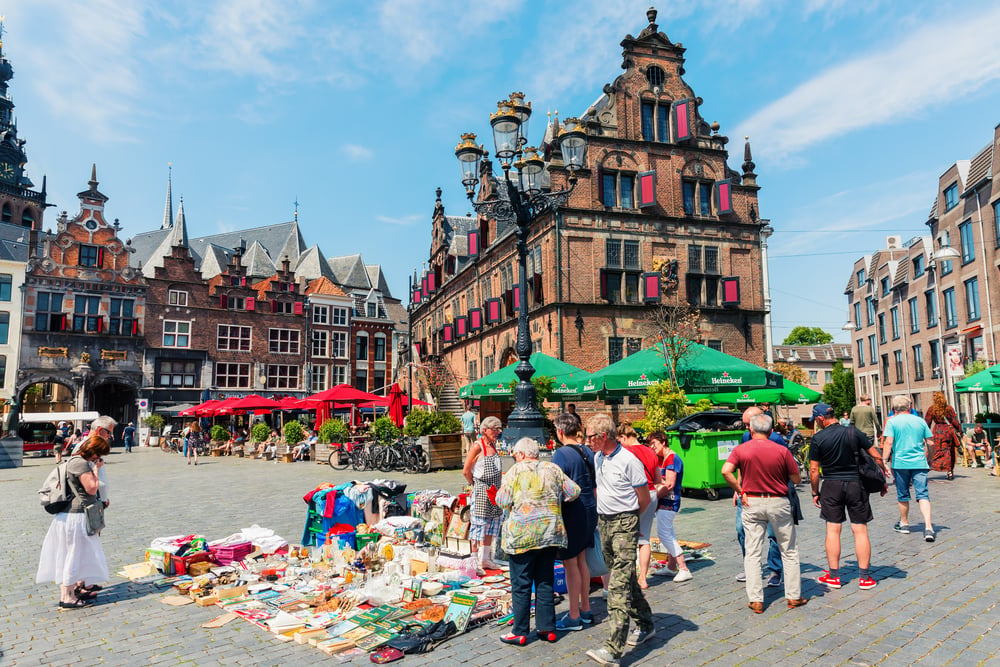
Taking a tour through Nijmegen means you’ll eventually come across the Grote Markt — a picturesque stop that’s dominated by outdoor cafes, medieval buildings, and diverse restaurants.
A trip to Nijmegen isn’t complete without visiting the Grote Markt! Image: Depositphotos
A cosy, centrally-located large square, the Grote Markt is the absolute highlight of Nijmegen. Grab a koffie or thee, sit back on a terrace and discover that there’s truly never a dull moment here.
On Saturdays, the Grote Markt hosts a lively market filled with delectables, and when the sun goes down, watch out — Nijmegen’s active nightlife scene comes alive.
💰 Price: Costs vary depending on how many latte macchiatos you buy ☕ ⏰ Opening hours: Saturday market lasts from 8 AM until 2 PM 📍 Location: 6511 KA Nijmegen
15. Browse the many boutiques at Lange Hezelstraat, Nijmegen
While good eats and cool attractions are key to deciding where to venture next, any trip to Nijmegen isn’t complete without a stellar shopping hit — especially for any fashion fan.
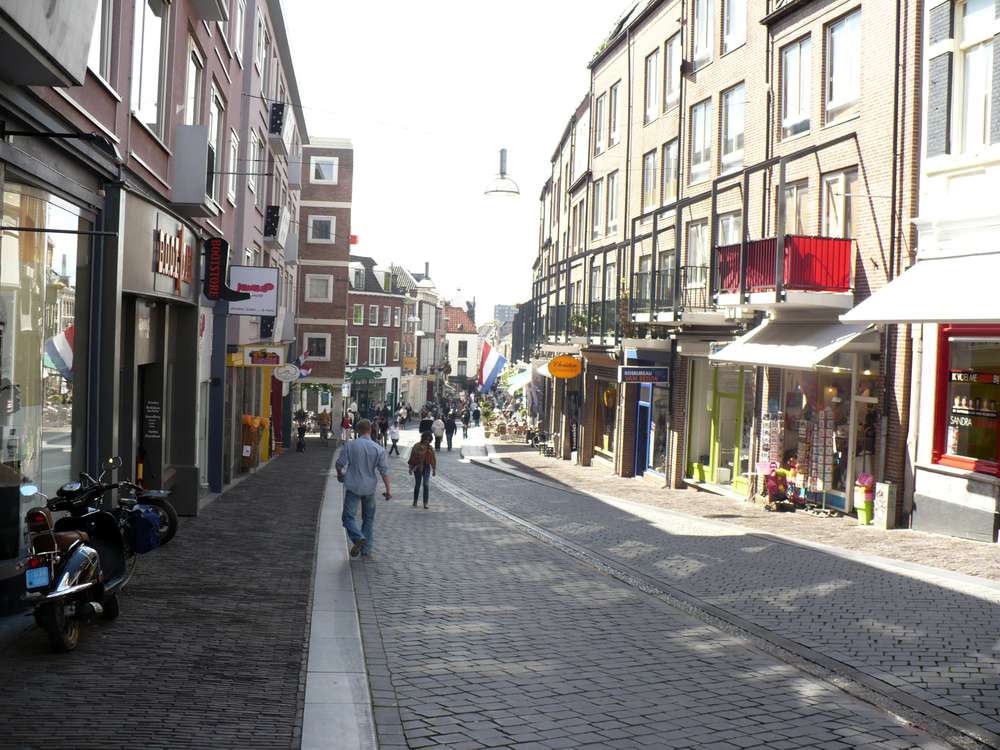
Existing for over 2,000 years, the Lange Hezelstraat is the oldest shopping street in the Netherlands, offering a wide range of trendy stores that any serious shopper won’t want to miss out on.
However, its large collection of shops isn’t the only thing that this cosy street excels in. You can also find plenty of eateries to indulge in some food treasures!
💰 Price: Depends on how much cash you’re willing to splurge. 💸 ⏰ Opening hours: Stores usually open from 9 AM until 5:30 PM, every day 📍 Location: Lange Hezelstraat 20, 6511 CJ Nijmegen
16. Capture the magnificent Waalbrug in Nijmegen on camera
Bridges aren’t usually the first thing you think of when choosing where to go on vacation. Still, these utilitarian structures can often be beautiful works of art.
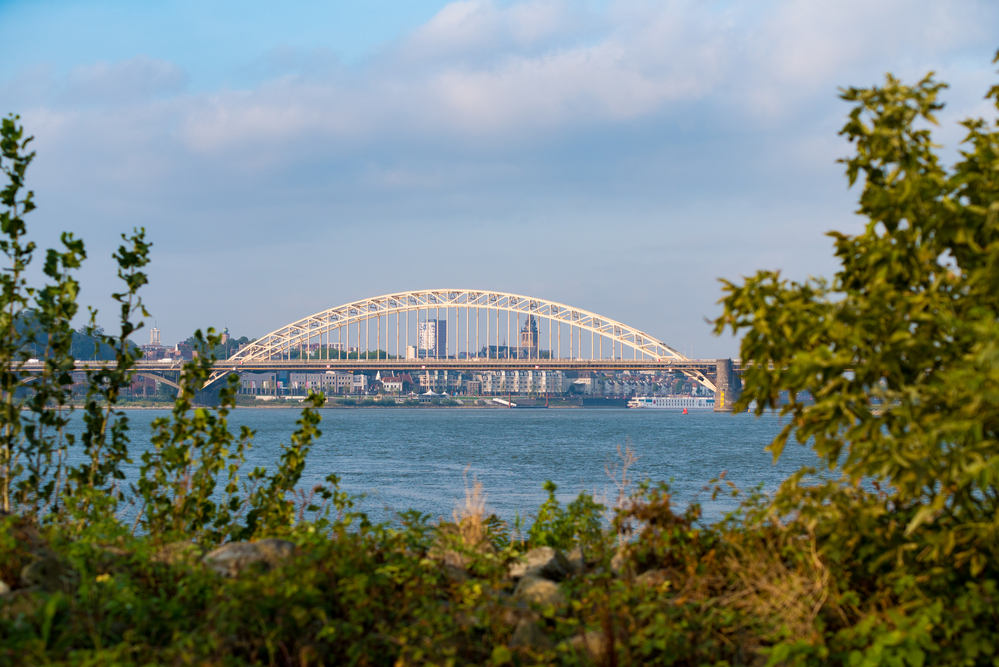
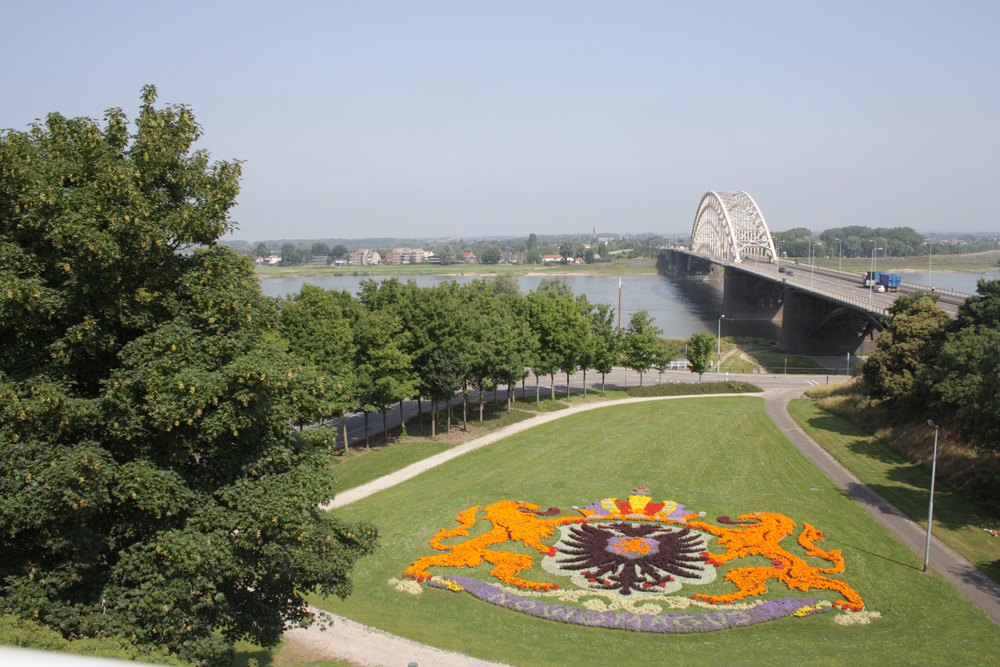
The Waalbrug sure adds an aesthetic touch to Nijmegen! Image: Depositphotos
One, in particular, that captures Nijmegen in all its glory is the Waalbrug! Built in the 1930s, this bridge is over 600 metres long and was once the largest bridge in all of Europe.
Overlooking the gorgeous Waal River, the bridge gives off an aesthetic vibe — perfect for whipping out your camera and capturing the perfect jumping selfie.
💰 Price: No money? No problem! ⏰ Opening hours: All day, every day 📍 Location: Waalbrug, Nijmegen
17. Marvel at the stunning architecture of the Petrus Canisiuskerk
Speaking of architectural wonders, the Petrus Canisiuskerk is a sacred Roman Catholic church in Nijmegen, where people from across the world come to light a candle, enjoy the silence, and pray.
The church’s awe-inspiring structure draws thousands of people to visit every year. Image: Elkse Nissen/Into Nijmegen
It’s conveniently located in the middle of a vibrant shopping street in the city, so you can decide to spontaneously stop by the church while on your spending spree.
And if you’re not the religious type, you can also visit for the sole purpose of admiring the beautiful structure of the church and the objects it boasts inside, from the altar to statues and historical paintings.
💰 Price: Entrance is free of charge ⏰ Opening hours: Monday to Sunday, 9:30 AM until 5 PM 📍 Location: Molenstraat 37, 6511 HA Nijmegen
18. See Nijmegen from above at Belvédère
Whether you’re wandering through the streets or checking out the fascinating architecture from inside the top gems, Nijmegen, in itself, is a sight to behold. Sometimes, though, you need to get above it all to capture a perfect view of the city.
A view of Nijmegen can’t get any better than this! Image: Depositphotos
Situated on a hill in the eastern part of the city, the Belvédère is an impressive tower that offers a wonderful panorama of Nijmegen.
Also a restaurant, this place makes for the perfect afternoon getaway to wine and dine with a few friends amidst a natural backdrop like no other.
💰 Price: €42.50 per person for a three-course dinner at the restaurant, €52,50 for a 4-course dinner, €67,50 for a 5-course meal ⏰ Opening hours: 9 AM until 5 PM, Monday to Friday 📍 Location: Kelfkensbos 60, 6511 TB Nijmegen
19. Join the annual Four Days Marches and make unforgettable memories
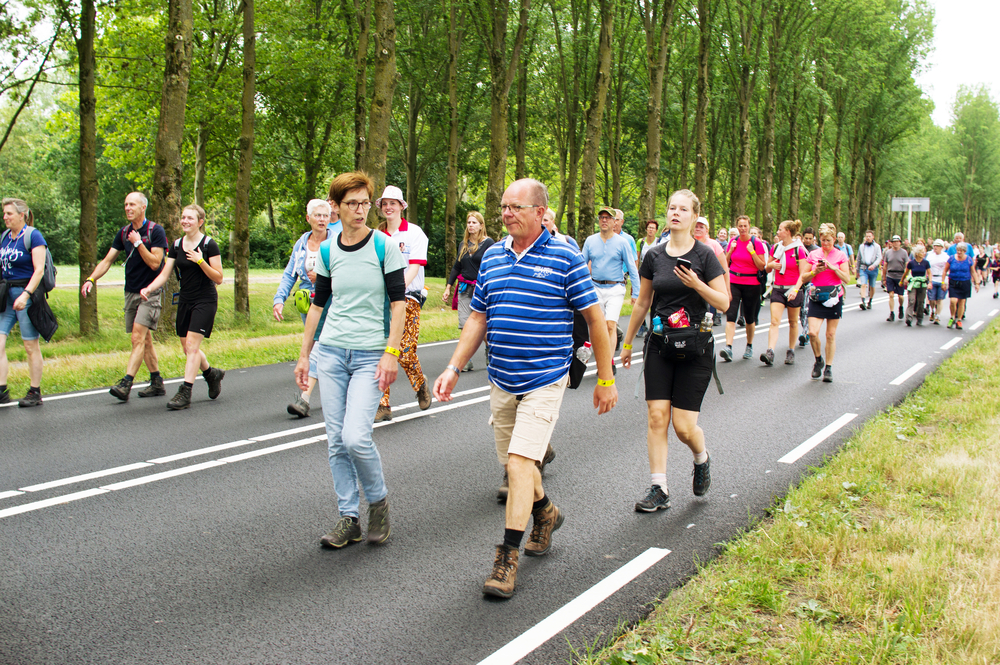
A great time to experience Nijmegen when it’s full of vim and vigour is in the third week of July. Why? Because that’s when the annual Vierdaagse (Four Days Marches) occur!
Participating in the Four Days Marches is sure to be a moment you’ll never forget. Image: Depositphotos
During this time, the city is buzzing with energy while over 45,000 people from across the world come together to participate in the world’s largest walking achievement event.
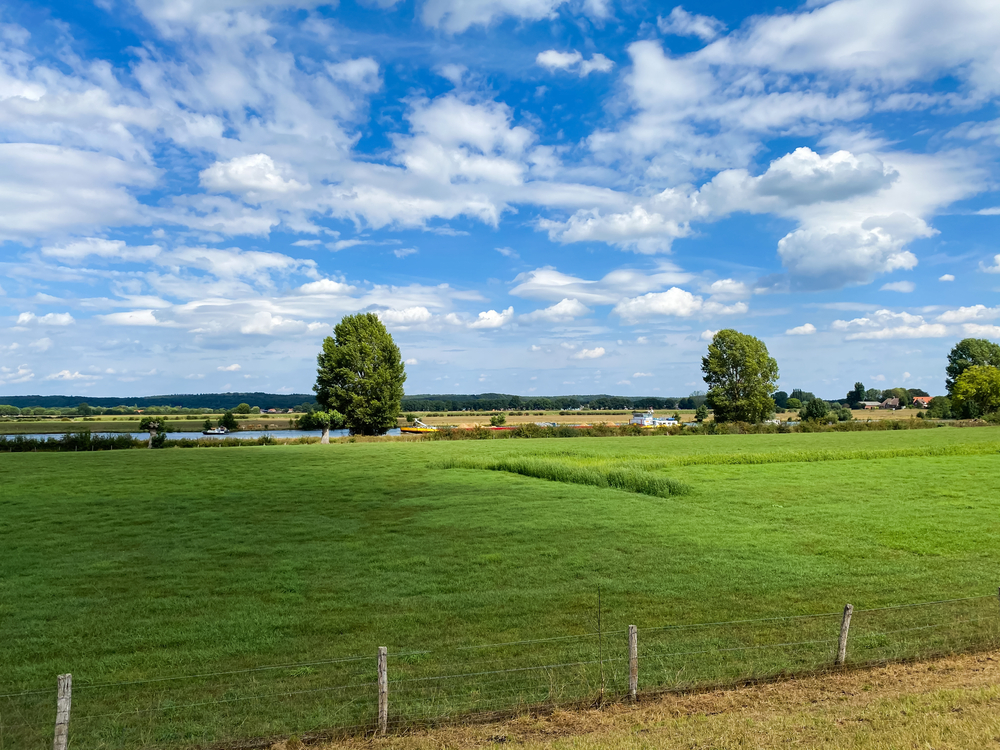
If you participate in the march, you’ll get the chance to explore Nijmegen uniquely, and trek next to the elegant Waal river with its beautiful, wooded surroundings.
💰 Price: €120 for the registration fee ⏰ Opening hours: The next march will be from July 15 to 18 in 2025. 📍 Location: Nijmegen and its surroundings
20. Promenade through the vibrant Waalkade in Nijmegen
Gezellige terraces, scrumptious eateries, friendly vibes, and a cosy atmosphere — the Waalkade in Nijmegen has it all.
You can take a stroll along the boardwalk for a breath of fresh air, grab a spot on one of the street’s lawns, or treat yourself to an ice-cold biertje at a terrasje with a view of a busy quay on the Waal River.
Though if you prefer to wolf down some good ol’ bitterballen or classic croquettes at a restaurant, the street also has several top-quality food hotspots to choose from.
💰 Price: It all depends on how you choose to spend your leisure time at the Waalkade! ⏰ Opening hours: 12 PM to 8 PM, Tuesday to Sunday 📍 Location: Waalkade, 6511 WT Nijmegen
21. Escape the bustling city centre and do the week-long “Walk of Wisdom”
Perhaps all that adventuring in bustling Nijmegen has worn you out. We don’t blame you! Trying to experience as much of the city as you can while you’re there can be tiring.
A peaceful, long walk in nature is the perfect end to your vacation in Nijmegen. Image: Depositphotos
Fortunately, there is a way to end your vacation with a quiet bang. The week-long Walk of Wisdom is a nature-inspired pilgrimage route that takes you away from the clump of tourists in the centre and into the outskirts of the city.
Spend some time to focus solely on yourself, and attempt to rest, rejuvenate, and recoup in nature before making your way back home and resuming your daily routine.
💰 Price: Between €34,50 and €44,49 per pilgrim ⏰ Opening hours: 9 AM until 5 PM, Monday to Saturday 📍 Starting point: Stevenskerk
Nijmegen might not be the most popular city in the Netherlands, but if you ask any local, they’ll tell you that this millennia-old treasure is well worth a visit. 🤩
With a perfect blend of history, culture, and incredible architecture, there are plenty of things to do in Nijmegen!
Have you visited any of these attractions in Nijmegen? If so, what was your favourite? Tell us in the comments below! 👇
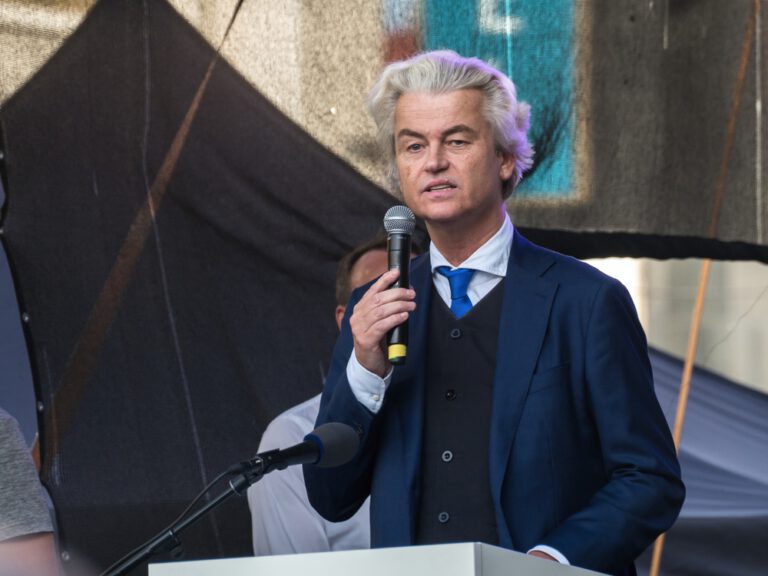
In a dramatic turn of events that nobody saw coming, 7 PVV members of parliament have rebelled against party leader Geert Wilders and formed their own faction.
The move slashes Wilders’ parliamentary seats from 26 to just 19, making GroenLinks-PvdA the largest opposition party overnight.
The split happened during a fractional meeting earlier today where the seven rebels, led by prominent PVV member Gidi Markuszower, confronted Wilders about the party’s direction. “We tried to start a discussion, but that proved impossible,” Markuszower told journalists afterwards.
The breakaway group includes heavy hitters like Shanna Schilder (number three on the candidate list), Annelotte Lammers (number four), and fellow MPs René Claassen, Nicole Moinat, Tamara ten Hove, and Hidde Heutink.
What sparked the rebellion
According to a document obtained by NOS, the seven had been planning this for a while. They demanded immediate changes to how Wilders runs the party, citing concerns about recent electoral losses and plummeting poll numbers.
Their main gripes? The PVV hasn’t delivered enough for voters, and Wilders being the party’s sole member puts its entire future at risk. They’re referring to proposed legislation that would ban political parties without members, which would effectively kill the PVV as it currently exists.
The rebels also wanted Wilders to be more constructive and work better with both coalition partners and opposition parties. They even suggested that perhaps someone else could lead the party for a change.
One particularly stinging criticism in their document? Wilders posting “offensive images on X about Islam might be allowed, but ultimately we’re not solving any of our voters’ problems with it.”
Wilders blindsided (apparently)
Speaking to a scrum of journalists in the corridors of the Tweede Kamer, Wilders claimed to be completely surprised by the split. “It’s a black day for the PVV,” he said, insisting that the party had discussed these issues over recent weeks and everyone had agreed.
According to Wilders, the fundamental disagreement boils down to strategy. The seven wanted the PVV to be more cooperative and seek partnerships across the political spectrum.
“That’s not what we’re planning to do,” Wilders stated firmly. “And I’m not in favour of a party with members.”
He also pushed back on the rebels’ approach, saying a majority within the fractional determines the party’s course. “We can discuss a lot within the fractional, but not with a knife to the table. They don’t have a majority.”
Fellow PVV MP Dion Graus was less diplomatic, calling the departing seven “traitors” who had “cooked this up” in advance. Former minister Marjolein Faber declared she’s “staying PVV”.
The personal blow
For Wilders, Markuszower’s departure cuts particularly deep. “I’m not going to sling mud,” Wilders said. “He was not just a colleague but also a friend.”
Wilders actually tried to get Markuszower into the last cabinet, but he didn’t make it through the AIVD screening, widely rumoured because of ties to the Mossad, the Israeli secret service.
The rebels insist they don’t want to badmouth Wilders personally. They praised him for founding the party, “putting the Netherlands at number one,” and his “gigantic personal sacrifice.” Whether they’ll form their own political party remains to be seen, but they’re taking time to think it over.
This split comes at a particularly awkward moment for the PVV.
His party just came in second place in those elections, but is now limping along with significantly fewer seats than anticipated, losing even more seats in the virtual polling.
Is this the beginning of the end for Wilders’ political dominance, or will he bounce back from this rebellion? Drop your predictions in the comments below.
After a few days of warmer weather, this weekend will dip back into freezing temperatures, bringing along a chance of snow flurries.
To the west, Wednesday brings cloudy, rainy weather, while to the east, a little sunshine and drier conditions will peek through, according to De Telegraaf.
Either way, today’s temperatures won’t drop below 4 degrees Celsius anywhere in the country.
Thursday and Friday will be cold and dry
Thursday looks sunnier and drier overall, but temperatures will slowly creep down to around 1 to 2 degrees Celsius in the north. The central and southern parts of the country will see temperatures around 4 to 5 degrees and 6 to 8 degrees, respectively.
Friday will remain cloudy and dry, with temperatures in the positive Celsius range.
Will you be travelling by car sometime during the evening this week? You may need to watch out for black ice, as Weeronline predicts treacherous road conditions, especially in the north and certain eastern regions.
However, the weekend might bring snow
The weekend promises to be mainly cloudy, with a chance of precipitation. Due to freezing evening temperatures, this could turn to snow in the north and northeast.
If you’re in the south and southwest, sorry, it’s more likely you’ll see sleet and rain than snow.
Temperatures will range from 1 to 5 degrees during the day, while some regions, mainly north, will see negative values, especially at night.
What are your thoughts on the incoming snow? Let us know in the comments!
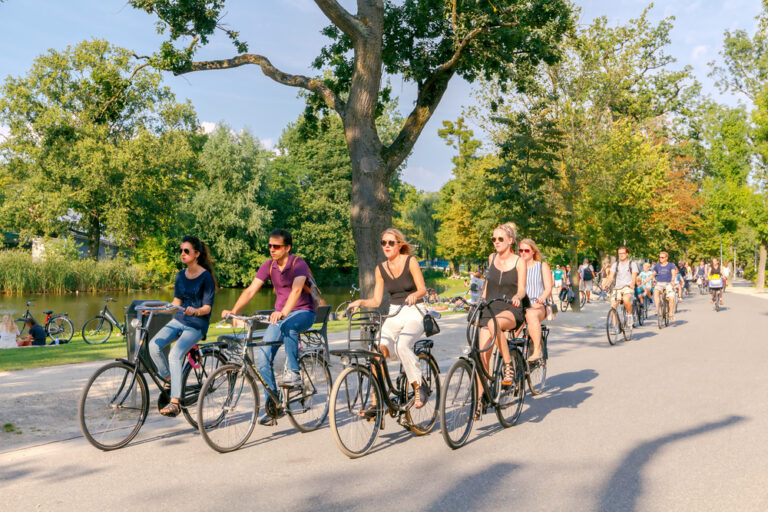
Biking in the Netherlands can seem daunting at first. Though once you’ve taken off your training wheels, you’ll find that cycling in the lowlands can be super fun and simple! 🚲
Throughout the late 1960s, Dutch cycling culture wasn’t the (relatively) safe haven that it is today. There were countless road accidents, and pedestrians and cyclists were often the victims.
During the 1970s, there was a conscious decision to create a biking culture in the Netherlands. As a result, nowadays the Dutch have made cycling culture safe, fun, and accessible to both Dutch and international cyclists who want to try it out.
How exactly? Let’s talk about it.
1. Create scenic bike paths
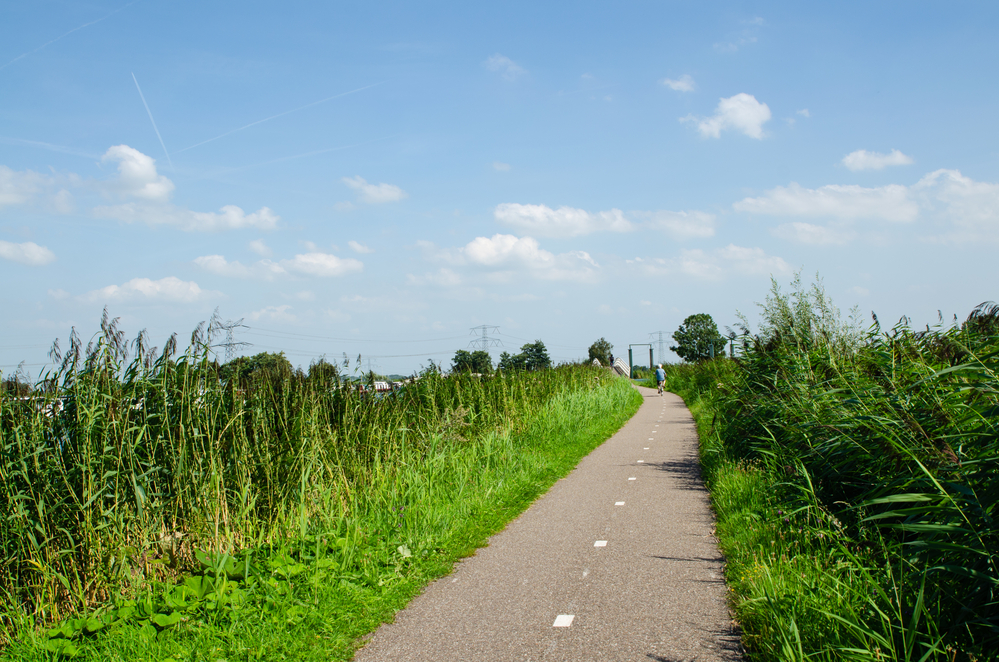
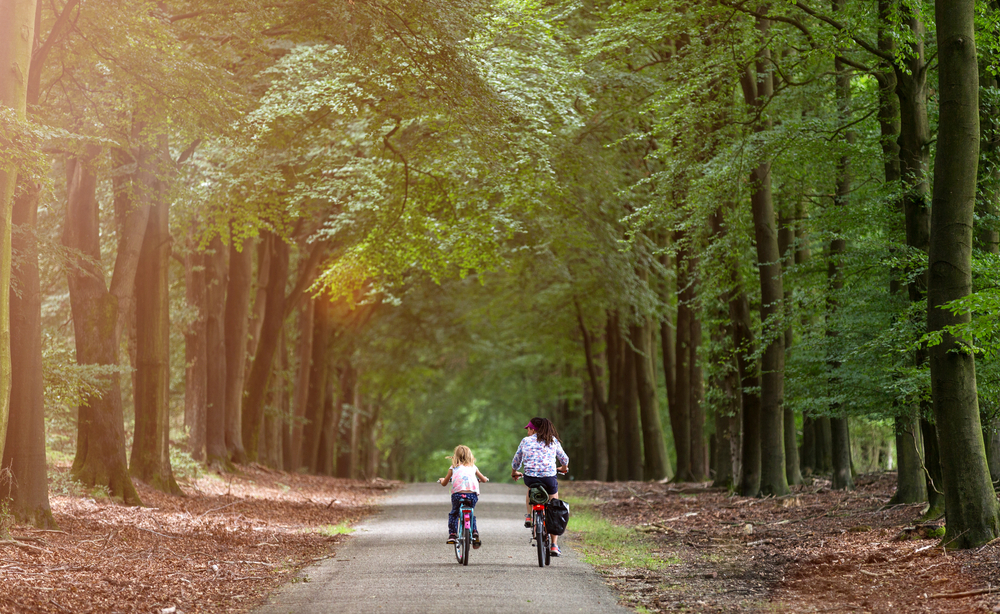
It doesn’t have to be all bricks and buildings! One thing that makes cycling so attractive in the Netherlands is the many scenic bike paths to glide through.
The Dutch countryside is great for relaxing bike rides if you’re looking to cycle alongside some trees and greenery. 🌳
While city parks are perfect for a mini bike ride, the Netherlands also has many national parks with nature-filled views and fascinating wildlife to distract you from your tired legs. 🦌
2. Implement efficient hand signals
Biking in the Netherlands can be quite hard if you don’t know what you’re doing. But, as with cars, a good cyclist always signals to others if they’re about to make a turn.
Turning to the left? Simply point your left hand in that direction. To the right? Same thing.
Don’t be dramatic about it, though. There’s no need to completely stretch out your entire arm when signalling, as you’ll probably block another cyclist trying to speed past you. 🚴🏼♀️
In the Netherlands, people cycle on the right-hand side, so most of the time, you’ll be using your left hand to signal that you’re turning to the left side of the bike path.
TIP: If a cyclist glances over their shoulder in a particular direction, it likely means that they’re headed that way.
3. Put safety first
If these directions make you fear for your life, you can relax a bit. Bike lanes in the Netherlands are marked with signs and signals that tell you where to go and when to give priority to other cyclists.
In this way, cycling feels way safer, and the rules are easy to keep track of. What also makes bike lanes very safe to ride on is the fact that they’re super smooth.
TIP: Those little bumps you see on bike lanes are a result of nearby tree roots growing underground. 🌳
4. Teach the kids young
Even though it may seem reckless, Dutchies learn to cycle when they’re little kids, so it becomes second nature when they get older.
Speaking of safety, in the Netherlands, because Dutch cycle lanes are so safe, it isn’t common for people to wear helmets or any other bike protection.
Dutch people cycle with no helmets, no hands, and no protection whatsoever, but always make it to their destination perfectly in one piece. 🤔
In this way, you never have to carry a helmet all day and can stroll around wearing nothing but some pants and a shirt — unless it’s during the wintertime. 🥶
6. Create roads where bikes are king
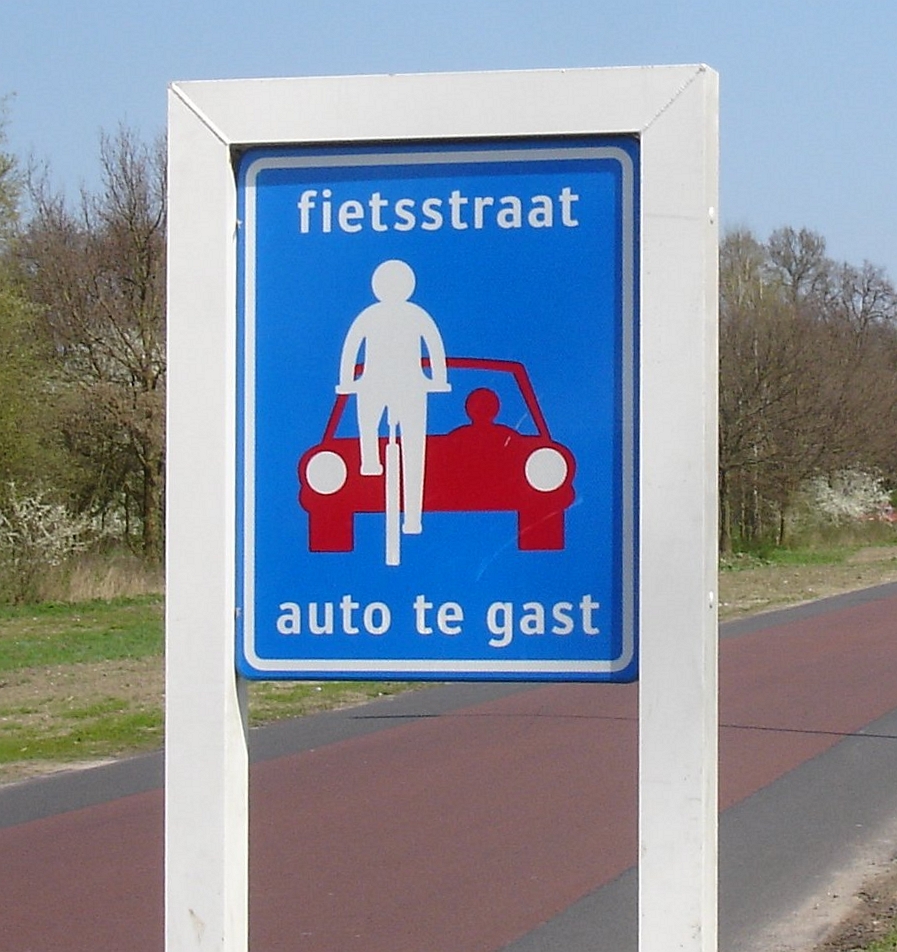
In some areas, cyclists aren’t limited to bike lanes; they have priority over cars on the entire street!
These are called fietsstraaten (bicycle streets), and they’re in the same tinted red colour as normal bike lanes in the Netherlands — but instead, they take up the entire road.
On these cycle routes, cars are considered guests, while cyclists are the main show. Thanks to these bicycle streets, it’s easier to cycle comfortably and safely over long distances.
7. Have smart traffic organisation
In the Netherlands, bicycles mostly have priority over cars when crossing through traffic. Of course, it’s always better to wait before crossing just in case you stumble upon a crazy driver. 🚙
The Dutch have also developed many traffic-calming measures, making it much easier and safer for cyclists and pedestrians to get around.
8. Provide bike parking lots (which are absolutely huge)
In a country with more bikes than people, you need to factor this into infrastructure. And that’s exactly what the Dutch did.
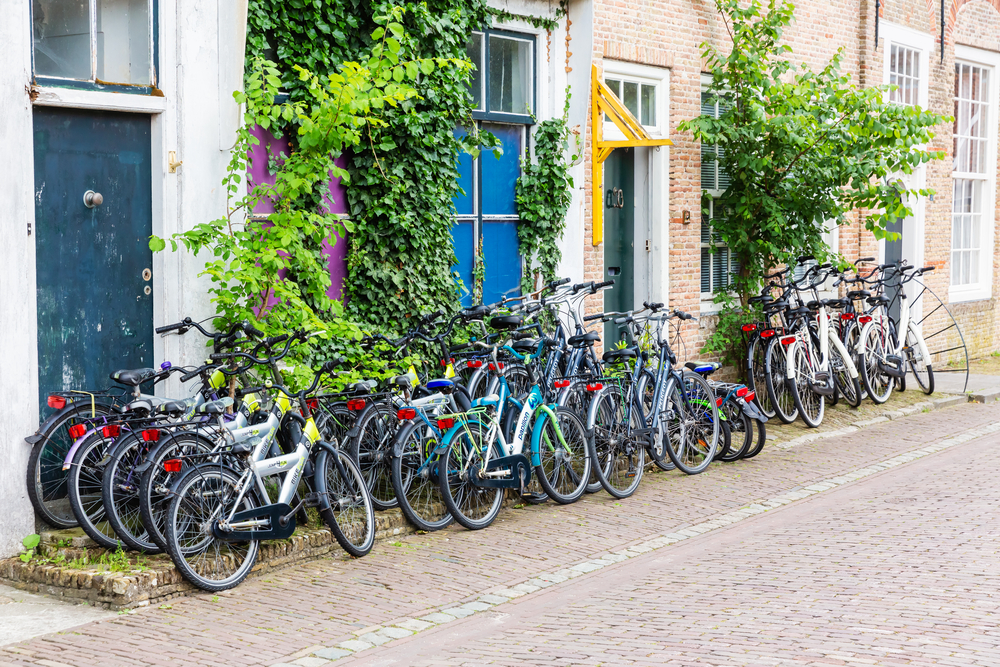
There are loads of bike racks in the Netherlands, but you’ll find huge ones near university buildings and central stations. Some of them are underground too!
The only downside to the massive bike parking lots in the Netherlands is that it may take you a good hour to find your bike.
Tip: Taking a picture of where you parked your bike can be helpful if you forget where you parked it.
9. Offer easy bike rentals
In the Netherlands, you don’t necessarily need to buy a bike and risk having it stolen just two weeks later.
Instead, you can easily rent a bike through services like Swapfiets and pay a monthly membership fee.
Here’s a mini bike rental in Veere, Netherlands. Image: Depositphotos
If you only need a bike for a day or when travelling to a different city, you can also get one with OV-fiets, a Dutch bike-sharing program. It’s exactly like public transport, but with a bike! 🤩
10. Build intersections with no traffic lights
With so many cyclists in the Netherlands, the country has to accommodate them with smooth, easy-to-navigate intersections. What better way to do so than having crossings with absolutely no rules? 🚦
These so-called shared spaces, like the one at Amsterdam Centraal, prove very successful.
While it may sound counterintuitive, having an intersection with no warnings makes both cyclists and pedestrians more aware when passing through, resulting in far fewer accidents.
That’s some interesting reverse psychology right there! 🚘
11. Create helpful and handy bike accessories
When you have thousands of cyclists, they need to have bikes that make their lives easier!
That’s why Dutch bikes are modified and adapted to suit several needs. For instance, many bikes come with baby seats for the little ones or windbreakers for chilly days. ❄️
You also have the (in)famous bakfiets, where you often see Dutch kids sleeping in the cargo while their parents are in full cycling mode. Classic Dutchies!
Other honourable mentions include low-lying bikes for older people or bikes specially designed to hold umbrellas — we all know there’s plenty of rain in the lowlands. 🌂
12. Have multiple places to buy a bike
From flea markets to online marketplaces and bike shops on almost every corner, you can find a bike pretty much anywhere in the Netherlands.
They can also be quite cheap if you buy them second-hand or go for a simpler model. 😉
That said, do try to avoid any dodgy second-hand bike businesses, as some get their stock by literally stealing bikes off the streets. So, make sure your bike is locked when you park it! 🔓
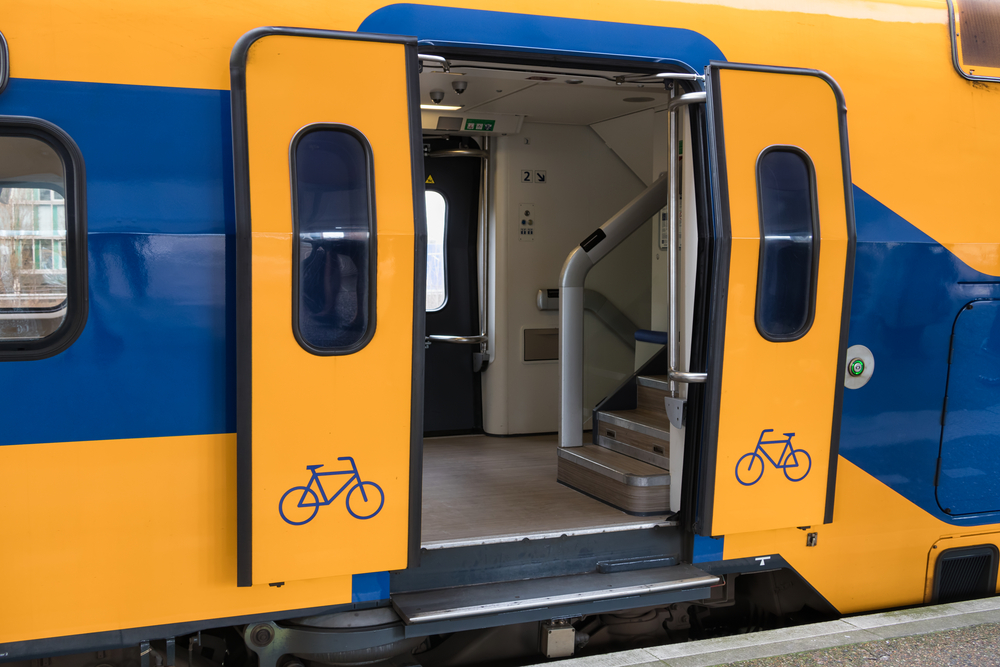
Look for the bike icons on Dutch trains! Image: Depositphotos
You’re allowed to have your bike on the train anytime between 6:30 AM and 6:30 PM on weekdays. But on weekends and public holidays, you’re free to take it at any hour. Heel mooi!
14. Adapt their fashion sense to cycling
If you want to feel comfortable on a bike, you’ve got to dress comfortably! The Dutch are usually seen sporting practical clothing, which helps them not break that much of a sweat with all that cycling.
And Dutch culture encourages this! People rarely wear heels, and it’s also quite common to wear casual clothes at the office — unless you work at some fancy-schmancy law firm. 👨🏻💼
15. Create inter-city bike highways
The Dutch have built plenty of highways, especially for long bike rides. Thanks to this, you can cycle back and forth between cities in the Netherlands.
The RijnWaalpad, for example, is a fast cycling route between Arnhem and Nijmegen.
Bike connections like this make longer bike travels way more enjoyable by cutting down on traffic lights and avoiding any proximity to cars.
16. Have bike allowances at workplaces
While it’s clear that the Dutch government encourages bike use, it takes it one step further with employer-provided bike allowances.
Some companies offer to cover travel expenses for cyclists with a tax-free mileage allowance of up to €0.19 a kilometre, the same rate as for those who drive a car to work.
And since January 2020, many Dutch companies have simplified tax rules for using a company-owned bike for private travel. Fiets for life!
17. Provide bike bins
Picture this: you’re on your bike, cycling at full speed, eating a banana, and not planning to slow down anytime soon.
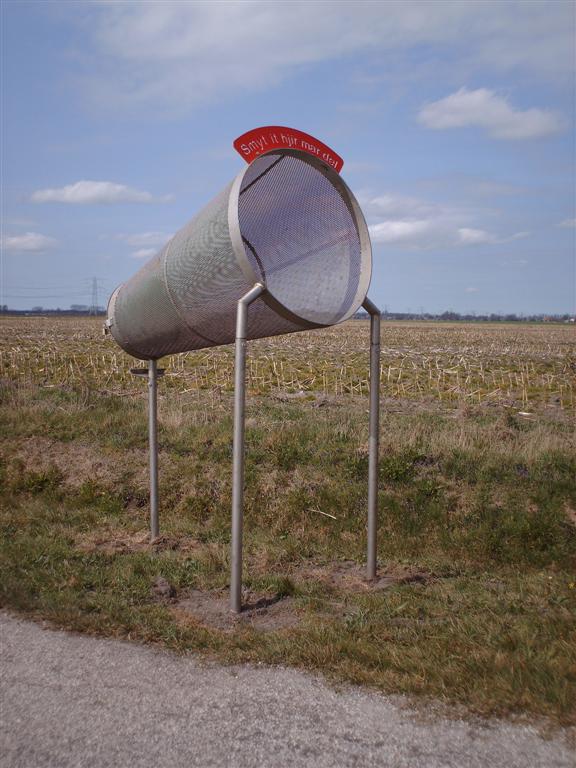
You probably don’t want to hold onto that banana peel for much longer, either. It’s a good thing the Dutch have invented an invention only the Dutch need: special bins for cyclists. 🚲
Easy to throw your trash in! Image: Udo Ockema/Wikimedia Commons/CC3.0
These bins/nets are specially designed so cyclists can throw their trash in there without having to step off their beloved two-wheelers. Maybe now’s a good time to start practising your aim!
18. Make simple bikes
If you’ve never been cycling in the Netherlands but want to try it out, don’t fret about all the different types of bicycles.
The Dutch make really simple, low-weight bikes. Some even have a single speed, so you won’t be bothered by complicated gears or extra wires that require constant maintenance. 🙄
Around here, these types of bikes are called Omafietsen (grandma bikes).
Whether you’re going to opt for a simple bike or one with twenty different speed settings, the Dutch will have exactly what you’re looking for.
19. Offer bike insurance
If your bike is ever stolen in the Netherlands, you’ll most likely only need contents insurance, since it already covers bike theft.
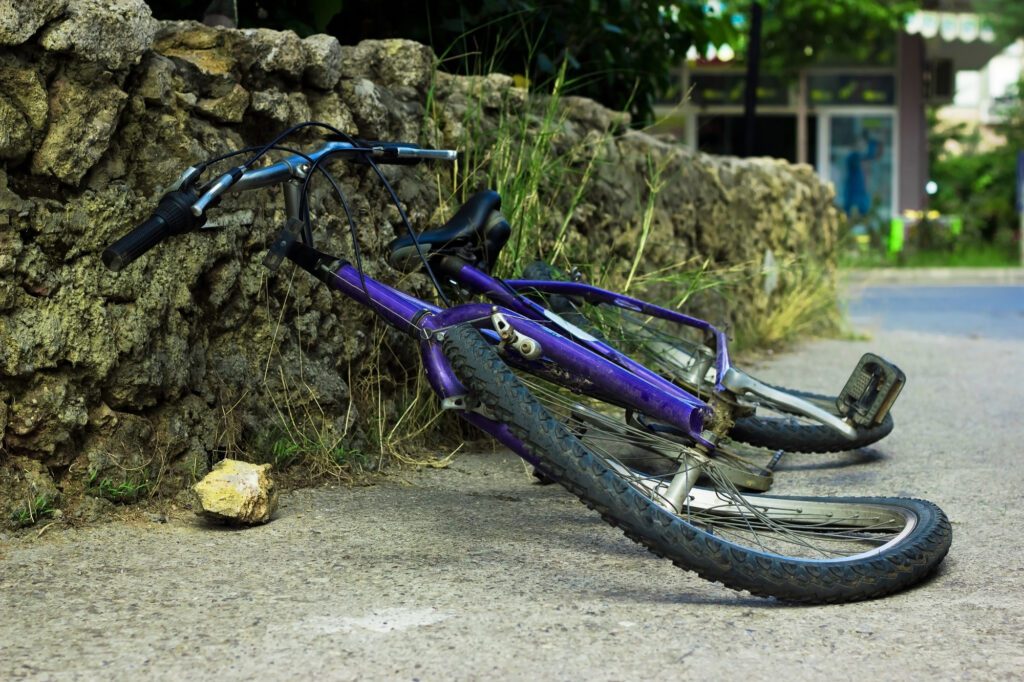
But if you want the whole shebang, the Netherlands offers bike insurance for when tragedy strikes, such as bike damage or breakdown.
Damaged bike? Insurance’s got you covered! Image: Depositphotos
If your gears are ever in a rut, you can simply pay an annual fee — ranging from €30 to €60 — to get it all fixed up for you! 🚲
The Dutch have integrated cycling into their culture and made it easy and fun for everyone else to follow! So go ahead, it’s time to get those wheels on the red-tinted lanes and enjoy some smooth cycling.
Did we miss anything about how wonderful cycling is in the Netherlands? Tell us in the comments below!
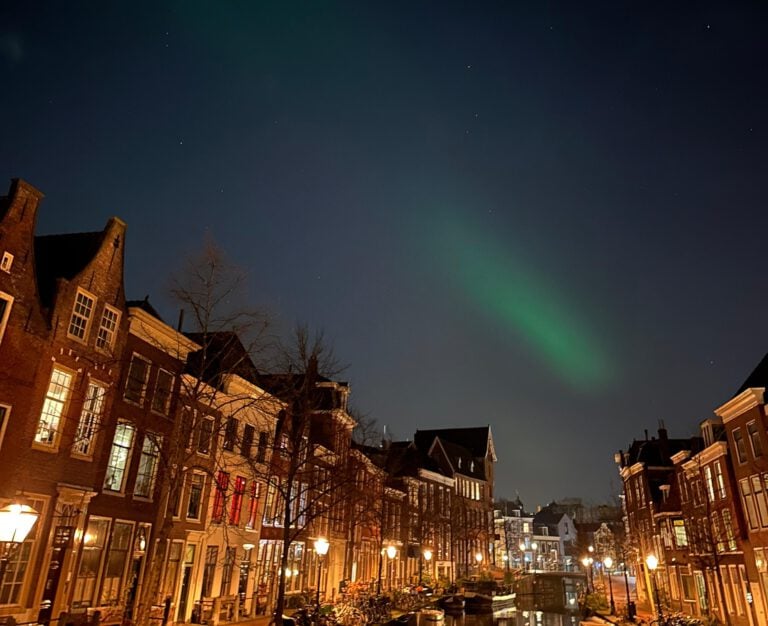
On Monday night, the Northern Lights were visible from various locations in the Netherlands, including Groningen, Amsterdam, Utrecht, Nuenen, and others.
Missed the spectacle? Luckily for you, photographers from across the country managed to capture the stunning noorderlicht (Northern Lights) on film:
There was a full blast of light in Nijmegen, the Netherlands’ Eastern docklands.
Genieten van een intense noorderlichtshow! De kleuren waren opvallend fel: een 'dansende' groene band hing zelfs helemaal richting het zuiden. Ook tof om te zien dat zoveel mensen het #noorderlicht nu een keer zelf konden spotten 🌌
There you have it, folks: now you’ve seen the Northern Lights from all angles and latitudes of the Netherlands.
Why are we able to see these lights?
People travel from across the globe to Scandinavia to cross a major item off their bucket lists: witnessing the Northern Lights.
Generally, the closer you are to the North Pole, the better your chances: this is because Earth’s magnetic field acts as a funnel, directing solar particles toward the poles.
So, why are we seeing them as far south as the Netherlands? Is the apocalypse upon us? Not quite.
During periods of intense solar activity, such as strong solar flares, these charged particles travel much further from the poles than usual, painting our skies with eerie glows of green and red.
When to catch them next
For many, the spectacle was almost too faint for the naked eye, but showed up more vividly on camera.
Want to see the Aurora Borealis behind your own lens?
With a little bit of luck and a clear night, you could catch the Northern Lights over the Netherlands tonight and tomorrow, as an unexpected geomagnetic storm sends stronger-than-usual solar winds toward Earth.
Trump has extended a multitude of invites to his “Peace Council” over the past week, including Canada, France, Russia, and now, the Netherlands.
The President has established the peace board, he claims, in an effort to bolster US plans to bring peace to Gaza.
This expressed desire for global harmony comes just after Trump stated in a letter to Norway’s Prime Minister that he “no longer feel[s] an obligation to think purely of peace” regarding Greenland, as he was not awarded a Nobel Peace Prize last year.
Prime Minister Dick Schoof also received a copy of this completely normal letter from the White House, along with other European leaders.
Fair to say, people are confused. Does he want peace or not?
An invitation the Dutch might not want
The invitation has yet to be accepted by the Netherlands, reports NOS.
Other European countries, such as France, have expressly rejected their summons to the board, citing the potential for such Trump’s organisation to undermine European-backed UN initiatives in the region.
The Netherlands is still trying to understand what the invitation entails before making any commitments, a spokesperson for the Prime Minister said.
Or perhaps, the price is simply too steep?
Membership costs 1 billion USD
According to NOS, some 60 different political leaders, including Russia’s President Vladimir Putin, have been invited to participate in the peace board.
Permanent membership in the council apparently costs you, however. 1 billion USD, to be exact.
If a leader would rather not pay that (unreasonable) sum, a temporary three-year membership is graciously free of charge.
Rutte fawns (again)
Along with the golden ticket to peace, Trump also recently shared a private text exchange between himself and the NATO Secretary General, Mark Rutte.
In the Netherlands we don’t say: ‘you have to stop threatening us, you crazy psychopathic narcissist’. We say ‘ I can’t wait to see you, daddy’, and I think that’s gross. pic.twitter.com/MSWbe6IHiH
“Dear Donald, what you accomplished today in Syria is incredible,” the message reads, referring to the US-brokered ceasefire agreement between Syrian and Kurdish militant forces this past weekend.
The controversial former Dutch leader ended his message with “Can’t wait to see you. Yours, Mark.”
So, while neither Greenland nor the Netherlands belongs to him as of yet, at least Trump can take comfort in the fact that Rutte does.
What do you think of Trump’s invitation to the Netherlands? Let us know in the comments!
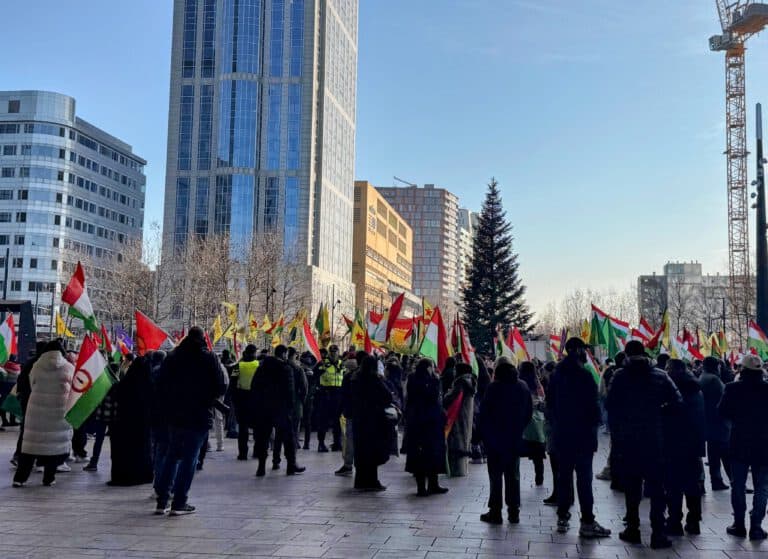
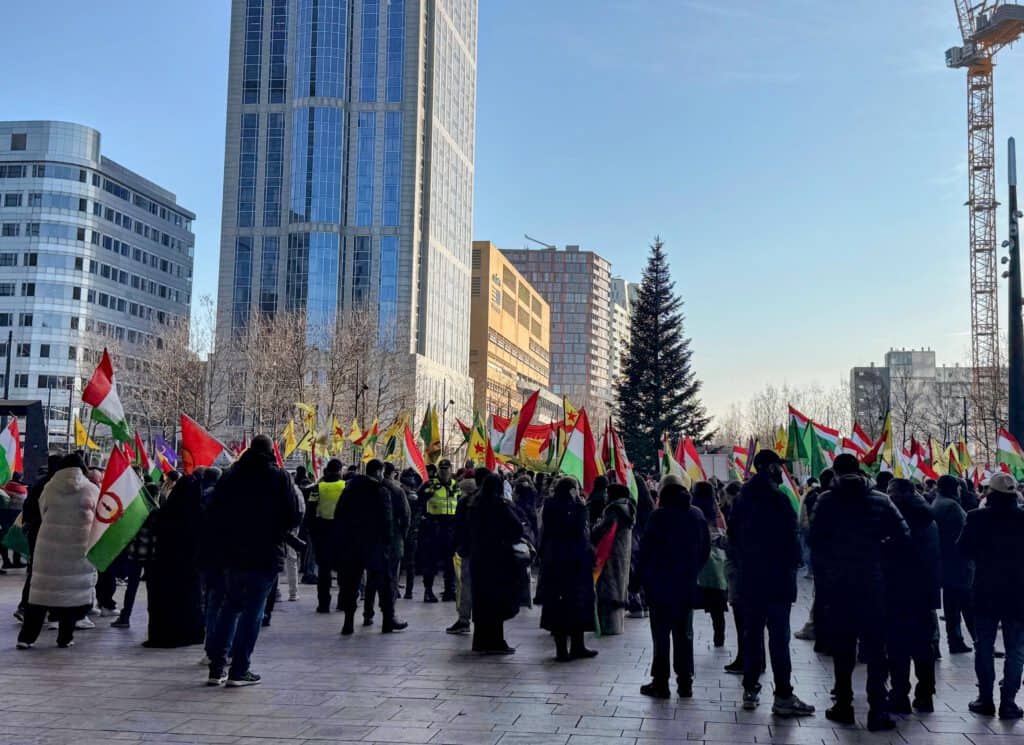
Hundreds of Kurdish demonstrators gathered outside the Tweede Kamer (Dutch parliament) in The Hague last night, demanding that the West stop abandoning the very people who defeated the Islamic State.
The late-night protest saw demonstrators waving flags and holding banners accusing Europe of betrayal.
One flyer cut straight to the point: “What Europe first called terrorism, it now finances with 620 million euros at the cost of Kurdish lives.” There was also a large protest in Rotterdam about the same issue this past Sunday.
From heroes to abandoned allies
For nearly a decade, Kurdish SDF forces controlled northeastern Syria after doing the West’s dirty work by fighting IS on the ground.
Now, they’re watching their territory disappear as the Syrian government launches a major offensive.
Kurdish protest outside of Rotterdam Central Station. Image: Abuzer van Leeuwen/Supplied
According to the NOS, intense fighting over recent weeks has seen the SDF lose significant ground. A ceasefire was agreed on Sunday, but fresh clashes erupted just one day later, including battles near prisons holding IS fighters.
But it’s a familiar pattern.
The Kurds do the fighting, the West promises support, and then geopolitics inevitably gets in the way. Of course, the US won’t step up in this day and age as well.
IS prisoners: everyone’s problem, no one’s responsibility
Under the ceasefire deal, Syria’s government takes control of IS detainees, including foreign fighters. That’s the same government run by people with their own jihadist backgrounds.
For the Netherlands, this matters.
Dutch IS fighters and their families remain detained in the region, a political headache successive governments have tried to ignore. Perhaps they’ll try to join the new Syrian government, or perhaps they’ll try to return to the Netherlands.
A peaceful protest with riot police watching
The ME (Dutch riot police) were deployed, given the crowd size, but the demonstration remained entirely peaceful with no arrests.
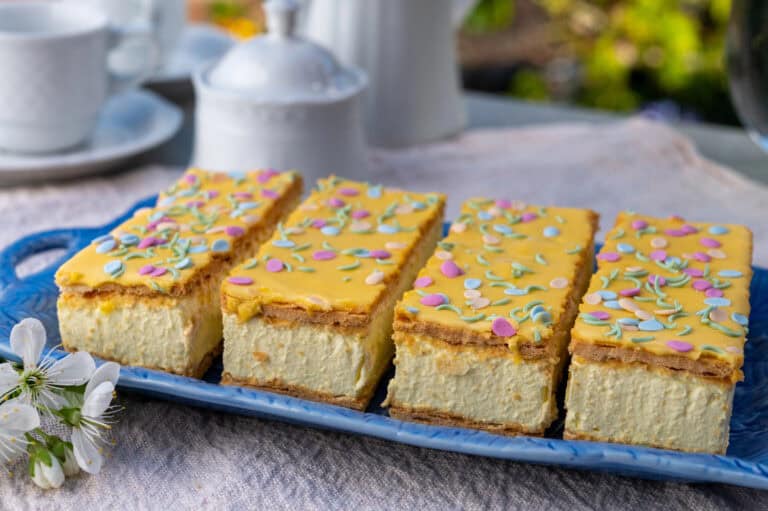
Ah, the tompouce. Some may say this pastry looks like a cake made by children for children. But don’t underestimate this fragile square of vanilla cream — it’s considered royalty in the Netherlands.
Okay, maybe it’s not exactly royalty, but it is indeed eaten on Koningsdag(King’s Day) to celebrate the King’s birthday.
And just like royalty, it shows up at all the important events of the year…
You’ll see orange tompouces for King’s Day, pink tompouces with heart-shaped sprinkles for Valentine’s Day, spider-web glazed tompouces for Halloween — you get the picture.
However, one thing you won’t see is Dutchies agreeing on how to eat it. 👀
What is it?
The tompouce is a 4X10 centimetre (yes, precisely) puff pastry consisting of vanilla cream and topped with colourful frosting.
It’s similar to what other countries call a Napoleon cake, but the tompouce has a much longer history.
The legend goes that an Amsterdam pastry chef named the dessert in 1858 after seeing a little person called Tom Pouce perform at a circus in Friesland.
Is it true? We’re not quite convinced, but since we can’t exactly ask him, let’s roll with the folklore. 🤷♀️
Why do they do it?
Traditionally, Dutchies eat orange-glazed (duh) tompouce on King’s Day, but the treat tastes just as good and is almost equally popular around the year. 😍
They’re associated with the royal celebration because the Dutch royals eat tompouce when a new baby is born, rather than the biscuits with muisjes of commoners.
Why is it quirky?
The pastry itself is not necessarily quirky, but the way it’s eaten is. 👀
Tompouces are fragile things — the puff pastry dough is not quite firm enough to cut into, and the cream filling is soft enough to go everywhere if you attempt to bite into it.
So how do you go about eating it?
Just had a crompouce, which is a combination of a tompouce (Dutch pastry) and a croissant.
In the Netherlands, there are largely four (more or less) accepted ways to eat your tompouce. 👇
Take the top slice of puff pastry from the cake and place it on the bottom. Now, you can bite into it without the cream getting smushed out between the layers.
Smush it with a fork. It’s all going the same place anyway!
Split the tompouce in two on the horizontal side. This way, you get an equal amount of cream with each slice of pastry.
Just bite into it. This will likely be messy.
Should you join in?
Sure! If you like sweet things, tompouces are delicious!
Plus, you’re not properly integrated until you’ve struggled (and maybe succeeded, but definitely laughed) while eating one of them. 😂
What do you think of this Dutch quirk? Have you experienced it? Tell us in the comments below!
👉 Want more Dutch quirks? We have the ultimate list!
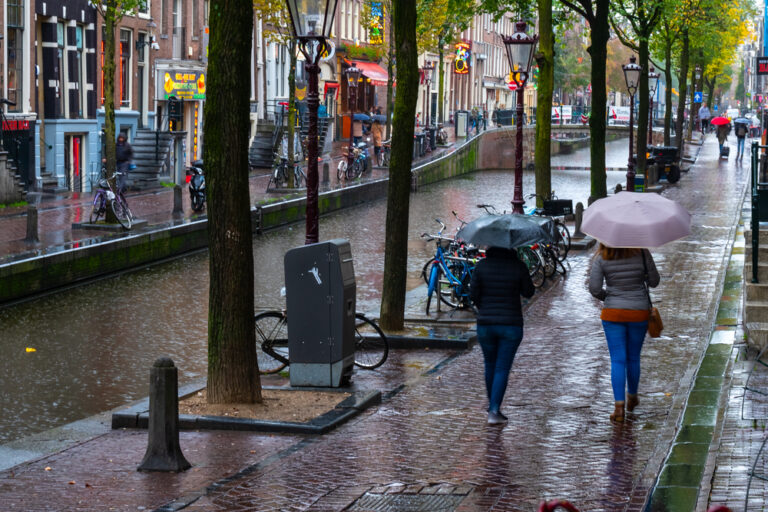
Dutch weather can get us down sometimes. As soon as it gets gloomy (like, 99% of the time in the Netherlands), our mood can dip.
The most important advice is to stay busy — especially in the winter when the weather is constantly bad. But what should you be doing?
Here are 27 ideas for activities to keep you busy and entertained during the sleet and storm.
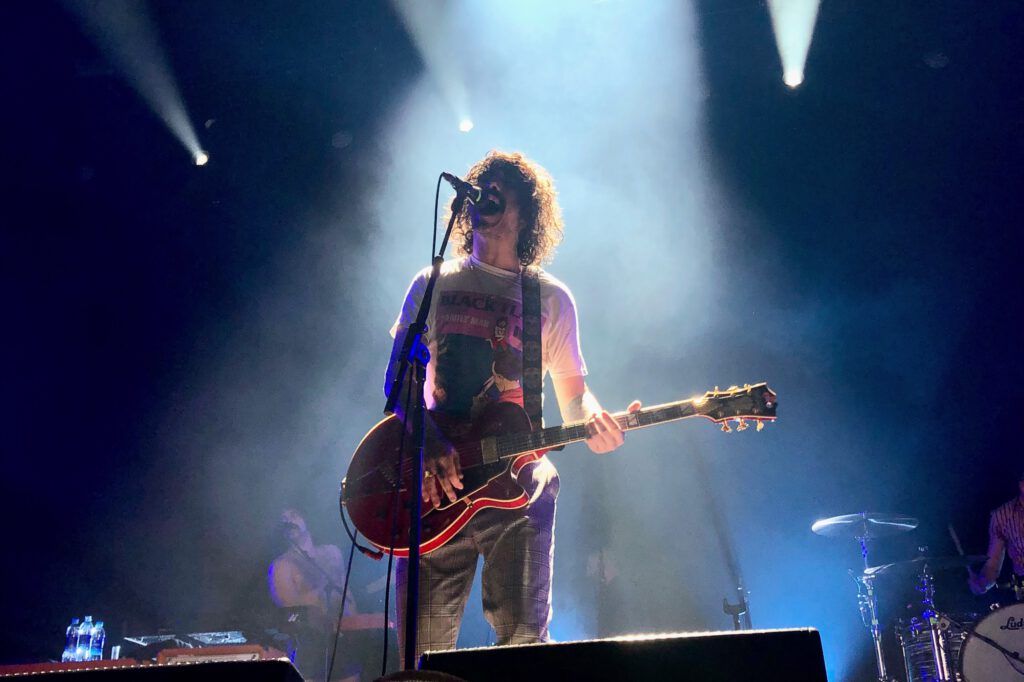
1. Find local concerts in your city (big or small)
It doesn’t have to be a big and unnecessarily expensive Taylor Swift concert. Instead, head to a local music bar in your city to see local bands or a smaller artist performing in an intimate venue.
There’s nothing like singing at the top of your lungs in a room full of strangers. Image: Julia Moritz/DutchReview
It’s a great way to discover new musicians, get out of the house, make new friends, and cherish a memory you’ll reminisce about forever.
2. Try an indoor sport
Bouldering, bowling, squash, gymming, swimming, go-karting, you name it!
These sports will keep you active and get some adrenaline going, all while you’re out of the rain and surrounded by heaters.
When was the last time you went bowling? Image: Depositphotos
Gather your friends, get creative, and find a way to get moving while staying warm.
3. Host weekly hangouts with your friends
This can be any activity you choose, but there is only one rule: spending quality time with your friends.
What better way to beat the rainy-day blues than having a good old-fashioned hangout?
There’s nothing like a little bit of gossip to get your heart rate up. Image: Freepik
Whether it’s a weekly movie night, a rotating dinner with a theme, or a game night, having a regular plan is a sure way to get some good vibes.
4. Go to a pool bar
“I can’t play pool, I can’t aim, my hand-eye coordination is awful.” All excuses until you’re down a pint of beer. Suddenly, you’re a pro at pool.
Don’t worry; this writer did make the winning shot. Image: Julia Moritz/DutchReview
But this rainy day activity is so fun regardless of how drunk you are. You can go with one person or a whole group, or your friends can teach you (bonus: it’s a charming date idea 😏).
5. Go axe-throwing
Maybe this is a bit niche, but trust us, it’s so fun. Get in touch with that primal, primitive, caveperson side of you and see if you can hit the bull’s eye.
There’s nothing like getting in touch with your primitive side. Image: Depositphotos
Hurling axes at a wall is truly an underrated activity. You’ll walk away from the arena feeling like the toughest person in the world. Need we remind you, Northern Europe is Viking territory already.
6. Make your home extra cosy
Homebodies, don’t worry, we’re thinking of you too. The truth is, there’s no point in wishing it were summer in the middle of winter.
When was the last time you built a blanket fort? Image: Depositphotos
So lean into it with some candles, fairy lights, and lekker hot chocolate (whipped cream optional but encouraged)!
Also, don’t forget to wear fluffy socks and a little paper crown. You might not feel like the queen of winter, but rest-assured, you are the queen of your blanket fort!
7. Visit an arcade
If you want to go outside but don’t want to be super active, head to an arcade! This wasn’t just cool 40 years ago. They’re it’s still fun!
When was the last time you played Pac-Man? Image: Dreamstime
Whether you want to tear up the dance floor with Dance Dance Revolution or shoot at some zombies, there’s something for everyone.
8. Go to an escape room
Calling all mystery book lovers, riddle solvers, and adventure seekers! This one’s for you.
There’s nothing better than an escape room to escape your rainy-day thoughts. Bring your friends and figure out who’s the best at solving puzzles. 🕵️♀️
9. Have a spa day
Why not treat yourself? Get a massage, wear a fluffy robe, and sit in a sauna to beat the cold.
Who said you had to leave your house for a spa day? Image: Depositphotos
Okay, maybe a fancy spa day isn’t in your budget. Geen probleem, do an at-home spa! Enjoy a hot shower with a body scrub and a nice-smelling shampoo, lather on a face mask, paint your nails, and light some scented candles. 🕯
Lucky for you if you live with someone who you can convince to give you a massage. Make use of it!
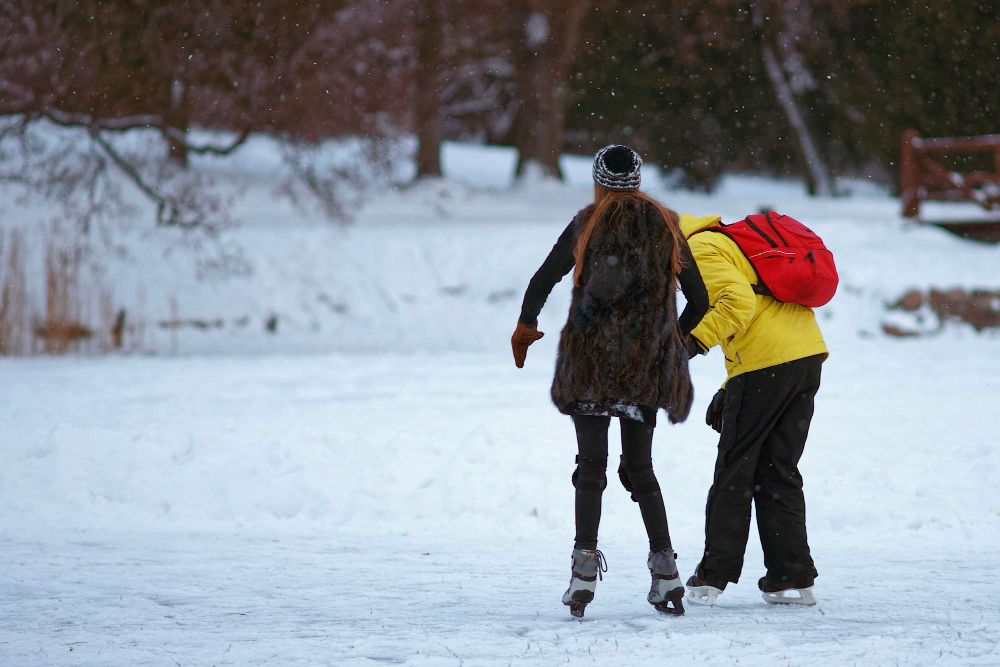
10. Go ice-skating
Of course, you have to go ice skating! It’s the quintessential winter activity. Find an ice-skating rink in your city and live that winter wonderland dream.
There’s no quintessential winter activity like ice skating. Image: Freepik
If you’re lucky, you might even find some frozen canals around you!
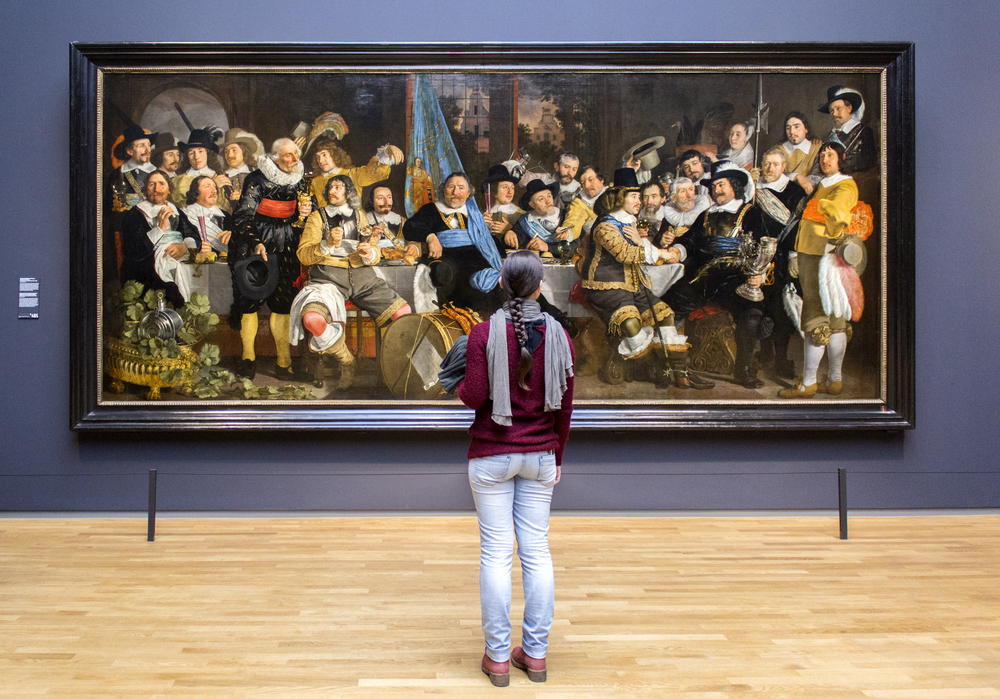
11. Visit a museum or art gallery
Modern, Abstract, Renaissance, Surreal, Cubist… You name the art movement, and the Netherlands has it. Surrounding yourself with beauty is perhaps the best way to spend your day. Bad weather who?
The Rijksmuseum is so massive that it’ll fill your entire day. Image: Depositphotos
You might also find inspiration by studying old paintings and reading the descriptions alongside them.
12. Have “remote work dates” with a friend
Maybe you can’t quite escape the workday to do all these fun activities, but don’t be too quick to blame your boss! Kill two birds with one stone and plan a home office day with a friend.
You’ll feel like one of those Instagram girls who have their lives together. Image: Depositphotos
Meet up at one of your houses or a cute café. This is especially nice if you work remotely and miss social interaction.
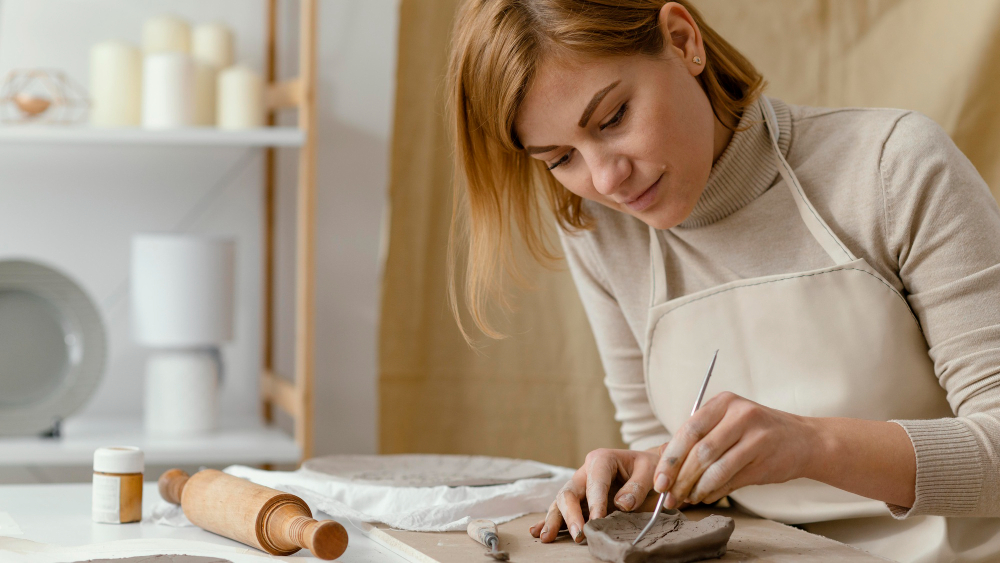
13. Join a class to learn something new
Perhaps your intellect has started declining from all the doom scrolling on Instagram. Time for you to expand your brain! 🧠
Imagine eating cereal from a bowl you made. Image: Freepik
Pottery, painting, drawing, cooking, whatever you like, find a class in town and go all in. It’ll hold you accountable for leaving the house and introduce you to some new people.
14. Plan a weekend away with friends or family
Okay, maybe sometimes there’s just nothing to do about it, and the weather sucks. That’s when you plan a trip.
Hop in a car, bus, or train, and spend three days somewhere in the south of Europe with better weather. No shame in getting some escape from the gloom and hitting the “reset” button in your brain!
15. Get a big, cosy, waterproof, warm coat
If you have to leave the house and weather the storm, make sure to have the right armour (made up of goose feathers and impermeable material!).
Trust us: when cold hail is hitting you left, right, and centre, you’ll be happy to have invested in a good coat.
16. Call all of your friends until one of them picks up
Sometimes, it’s just too miserable to go outside. We get it. But if you’re feeling a bit lonely or just want some chat, that’s when you call someone!
There’s nothing a quick call with your Mama won’t solve (or maybe it leaves you more triggered 🤪). Image: Pexels
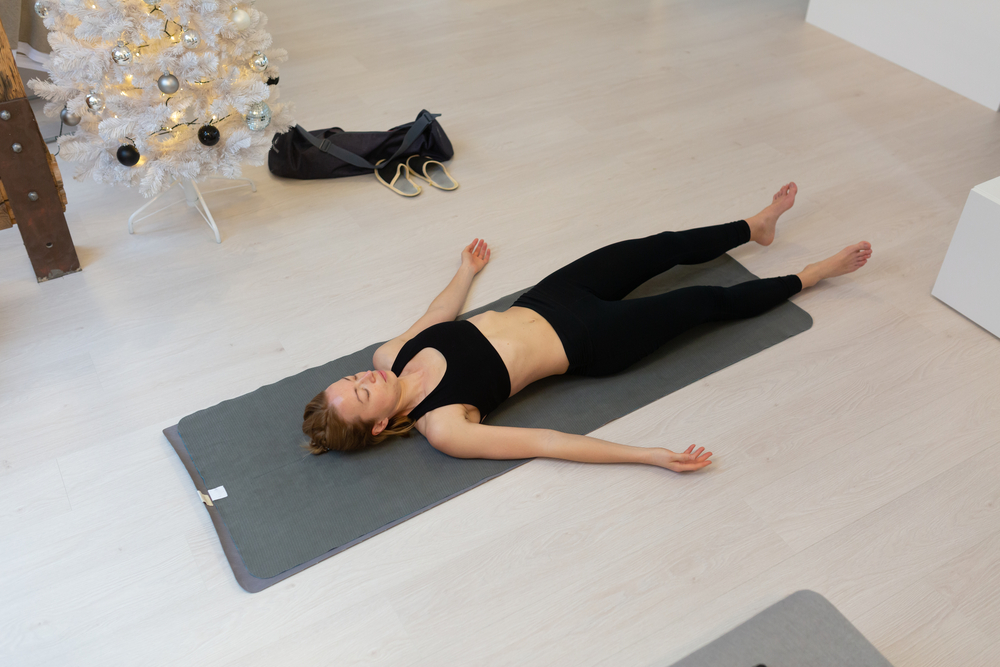
17. Start a workout challenge
Want to take a class, but not much of an artsy person? Try out boxing, karate, dancing, or yoga. You never know until you try. What if yoga has been your higher calling all this time?
There’s nothing wrong with regulating your nervous system with some movement. Image: Depositphotos
And if you’re not feeling up for a whole class, check out something on YouTube or challenge yourself to work out every day for a month. This could be your winter arc! 💪
18. Start pet-sitting
It’s truly underrated what a little furry friend can do.
Whether it’s a hyperactive puppy or a wise old cat, their fluffy little ears will definitely bring some light back into your life.
How could you ever turn down an offer like this? Image: Depositphotos
And what’s better than getting paid to hang out with these little guys? Surely, someone near you needs a pair of eyes to watch over their furry friend for a weekend or two.
19. Maybe don’t skip your work borrel
Look, we know. Not everyone has a super lovely, friendly, welcoming work environment. But hopefully, you have at least one co-worker you can latch onto while you sip some beers.
The Dutchies are definitely on to something with this borrel culture. Image: Depositphotos
Best case scenario, everyone you work with is nice, and you discover their real-world, outside-of-work personalities.
This one just makes sense, doesn’t it? It’s chilly out; you’ve got your fluffy socks on, a blanket, and a movie. What’s missing? A nice, warm beverage in a cute little cup.
Maybe this can be the year that you perfect your hot chocolate recipe.
You find the best cocoa in town, with the perfect type of milk, add in some whipped cream and maybe even some marshmallows if you’re feeling crazy. No judgment here!
21. Sleep and eat more
Trust us, you need to sleep more and eat more in the colder months.
Your body needs more fuel at this time because it uses so much energy to keep you warm. So, if you find yourself hungrier and sleepier, snack and nap away! 🛌
Nothing better than closing your laptop and giving in to that afternoon sleepiness. Image: Depositphotos
Although if you like having a monthly paycheck, maybe wait until you’re clocked out.
22. Take an online course
An online course could be about anything. In this day and age, you can learn an astounding amount of skills on the internet, often for free.
Taking a class in something that genuinely interests you can be extremely rewarding. Image: Depositphotos
Surely, there’s something you’ve been meaning to learn about and have been putting off. Maybe it’s cooking, or perhaps it’s a language, personal finance, history, shoemaking — anything!
23. Rearrange your furniture
Ever heard of feng-shui? Rearranging your furniture might just rearrange your mood. Try switching your sofa with your dining table, or your bed with your closet.
It’ll leave your home feeling fresh and new. Image: Freepik
Maybe you’ll hate it and change it back, or maybe not. Either way, you beat the boredom — and maybe you’ll make your house a little cosier in the process!
24. Knit yourself a sweater
Much like a perfect cup of tea, this one just fits in with the whole vibe. Turn on a series on Netflix and knit away.
We do not take responsibility for the tears shed if you make a mistake. Image: Depositphotos
It’s a very calming hobby, and there’s nothing cooler than wearing a sweater you made yourself!
25. Get your driver’s license
Let’s face it: gloomy days can get boring. But if you’re bored anyway and looking for something to do, why not get your Dutch driver’s license?
It’s not easy, but it’ll be so rewarding when it’s done. Image: Freepik
It’s admittedly not the cheapest thing you’ll ever do, but maybe you can use the autumn and winter months to crack down, take some lessons, and gain a new skill. 🚗
26. Buy a onesie, fluffy socks, and a hot water bottle
Look, the Dutch weather isn’t going to improve just because you’re staring longingly at a Ryanair flight to Spain. It’s time to stop whining and embrace the endless grey drizzle.
Throw on your thickest HEMA thermal leggings, grab a hot water bottle, and accept that this is your life now. Trust us, once that hot water bottle hits your tummy, you’ll finally understand what gezellig actually means.
At what point does a love for an inanimate object become unhealthy? Asking for a friend. Image: Julia Moritz/DutchReview
Just fill it up with water from your tea kettle and hold it to your torso. Soon enough, you’ll be addicted to the warmth and never want to go back.
27. Learn how to play an instrument
Start with something small if you have to, like a harmonica, a tambourine, or a ukulele. Or, if you want to go for the classic, why not try your hand at the guitar?
You can find the chords to a lot of songs on Ultimate Guitar! Image: Depositphotos
You might not be the next Jimi Hendrix, but at least you’ll be able to play one song by heart. So when the next house party comes around, there will be no stopping you!
Whether you’re out making memories or leaning into the cosy vibes at home, the secret to beating the gloom is simply making the most of it.
What are your favourite ways to survive the gloomy Dutch weather? Tell us in the comments below!