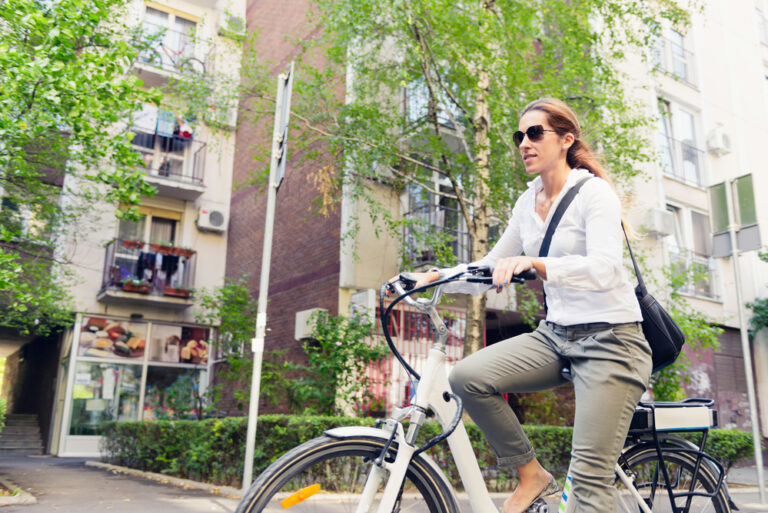
With bike lanes getting increasingly congested throughout the Netherlands, there’s just not enough room to zoom these days. But how does the tech work?
Forget fast and furious
Though some reports have suggested that the new technology will be able to remotely brake an e-bike, this is not the case.
Instead, as NRC reports, the system automatically turns off e-bikes’ pedal assistance when they enter a vulnerable area — meaning the pace from then on is down to plain old human leg power. 💪
The alerts have memorable names, too. Firstly, there are “nudges” which notify you of potential dangers in the surrounding area.
And the active speed lowering? That’s called a “nanny” (— perhaps a nod to the elderly Dutchies’ electric love when it comes to cycling options? 🥺).
Though the exact tech specs have not been revealed yet, the intention is that the new technology would be compatible with all major e-bike motors, so the roll-out would be significant. 💨
Tried and tested
In a test-ride, Amsterdam’s Alderwoman, Melanie Van der Horst, recently demonstrated the initiative’s impressive capabilities.
“I saw a child playing football on my screen. A little later, it switched to red, and my speed dropped to 15 kilometres per hour”, she told the NRC.
This is great news for schools, parks, and commuter zones, which should all be made safer with the speed adjustment technology in place.
Funny how bike helmets are becoming much more common in the Netherlands, largely because of fast e-bikes. You used to rarely see a helmet and think “there goes a tourist!” But now you see them all the time pic.twitter.com/w5r4Y1lwpi
So, when can we expect to hear fewer whizzing noises as we wait to cross those busy Amsterdam streets? The development team are currently refining the technology and aims to roll out a trial next year.
Would you be happy to see these regulations introduced soon? Let us know your thoughts in the comments below.
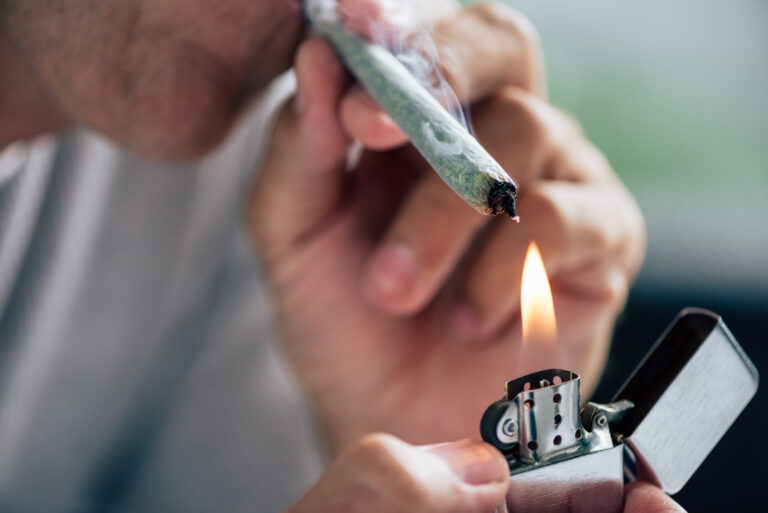
In fact, the Dutch are so good at consuming the forbidden herb that a whopping three of their cities ranked in the top five for the cities with the highest cannabis consumption in Europe, the NRC reports.
That’s the result of a recent study conducted by the European Monitoring Center for Drugs and Drug Addiction (EMCDDA), for which researchers tested the water in sewage treatment plants in 88 cities in 24 European countries.
Rotterdam takes the crown
Good ol’ Rotterdam snags the honour (if we can call it that) of first place in the weed Olympics. 🥇
That means the concentration of cannabis residues in the sewage in no other participating European city is as high as in the Dutch port city.
But Rotterdammers don’t only like to smoke the occasional joint; they’re also fans of other drugs, it seems.
The city came in second place for residues of MDMA and ketamine and in fifth place for cocaine.
What about other Dutch cities?
So, about the other Dutch representation in the top five of the most weed-smoking cities in Europe. Following Rotterdam in the top spot are Leeuwarden (#3) and Amsterdam (#4). 🌱
Amsterdam and Leeuwarden are also third and fourth place for cocaine use, following the cities of Antwerp (Belgium) and Tarragona (Spain). When it comes to MDMA, Amsterdam sits in third place, Utrecht in fourth, and Leeuwarden comes in seventh place.
Surprised by Leeuwarden’s stats? You’re not the only one; the Dutch researchers who participated in the study are right there with you.
As Laura Smit-Rigter tells NRC, “if you look at the demographic profile of Leeuwarden, it is not a city with many students or tourism,” so the results were not expected to be so… high. 😉
What do you think about the high drug consumption in Dutch cities? Share your thoughts in the comments!
The term “cheesehead” or kaaskoppen didn’t exactly come about as a compliment to theworld-renowned Dutchgoods — turns out, there’s an un-brie-lievable history. 📔
Dutch cheese is a tried and tested lunch staple, and it’s simply one of the best in the world.
With 800 million kilos of cheese produced annually in the Netherlands, you’d be forgiven for thinking “cheeseheads” is some sort of testament to the Dutchies’ love for their Gouda, Edam, Maasdam, and cheese markets.
So what’s the story?
The term can be traced back to an innovative method of defence recruited by the Dutchies in the 19th century. 🤺
During Napoleon’s occupation of the Netherlands, Dutch cheese producers grew tired and fed up with French soldiers stealing their beloved Gouda cheese.
French Cheese is Good but Dutch cheese is Gouda.
— 🎲 t h i s i s b a r d c o r e 🎲 (@thisisbardcore) March 1, 2022
As a form of protection when confronting French soldiers, Dutch farmers DIY-ed helmets carved out of cheese barrels. Ta-da, the “cheeseheads” term was born!
Since then, the French and Belgians, who also picked up the word during the Revolution, used “cheeseheads” as an insult for the Dutch — which is ironic since both of these countries are also cheese lovers. 🤷♀️
You can read up on the surprising number of traditional insults used against the Netherlands in Frogs and Cheese Heads, which looks at their not-so-positive international reputation over time.
With a range of geographical and data-based packages, multiple SIM capabilities, and pure ease of usage, Airalo offers powerful benefits for internationals on the go. 🛫
Finding the perfect eSIM card to suit your needs isn’t an easy process. With varying data packages offered, different regions supported, and the question of device compatibility cropping up, things can get… rather confusing.
Luckily, we’ve done the research, so you don’t have to.
Are you an international with a bad case of the travel bug? Let’s talk about why Airalo is a good choice for you! 🙌
This post might have affiliate links that help us write the articles you love, at no extra cost to you. Read our statement.
First things first: what’s an eSIM?
Everyone and their mum has probably seen a physical SIM card; a tiny piece of plastic that provides your mobile phone with a data/cellular package.
The process to get one of these precious pieces of plastic in the Netherlands can include forking over your BSN, housing information, and ID/passport — which is kind of a drag if you ask us. 🤷🏻♀️
eSIMs are the easiest option for internationals looking to get connected in a jiffy. Image: Freepik
An eSIM, on the other hand, is the humble SIM’s flashier, more modern cousin. And the best part?
Also known as an embedded SIM, this is a virtual SIM card that can be downloaded and installed on a range of devices.
Offering the same capabilities as physical SIM cards, with fewer bureaucratic hoops to jump through, this is often a much easier option for internationals looking to set up their phone in the Netherlands.
We love a whole host of things: puppies, Dutch apple pie, travelling… and mobile data packages that offer us excellent bang for our buck. ✨
Thankfully, Airalo fits the last category like a glove. Founded in 2019, the eSIM company has rapidly become a go-to option for both internationals in the Netherlands and global eSIM users.
Coming with a whole host of super handig (handy) features, we can see why:
1. Installation and activation are quick, simple, and stress-free
Show of hands… who has time for complicated and overly technical instructions? Not us. 🙅🏻♀️
Thankfully, Airalo’s eSIMs are a piece of cake to set up. To install your eSIM of choice, you just download the Airalo app and select an eSIM under the ‘Install eSIM’ option.
To properly install and activate your eSIM, you then follow the comprehensive (and easy) instructions on the Airalo website.
2. Choosing the best package for our travel plans was a breeze
As anyone who’s ever gone clothes-shopping knows, one size most certainly doesn’t fit all.
Airalo approaches their eSIM packages with the same level of personalisation and… honestly? We really dig it!
Whether you’re here to snap pictures of gorgeous tulips, study, or settle down for work, an eSIM can be a powerful tool in helping you feel at home! Image: Freepik
Regional eSIMs(such as an eSIM that provides coverage for the whole of Europe)
Global eSIMs(these are eSIMs that work in over 200 countries)
This makes it easier than ever to choose the best eSIM package for your travel plans.
3. Opting for an eSIM saves you data roaming fees
With a traditional SIM, you usually need to opt for data roaming to use your cellular data outside of your home network’s area of coverage.
This means that if you choose to visit a South American country with a Dutch SIM, you will likely need to pay data roaming fees.
For those itching to skip the fuss and fees of data roaming (like us!), Airalo provides a way to simply install a country-specific or regional eSIM that covers the country you’re travelling to. 🏖️
This provides the data coverage you need — without the extra fees that make your wallet sad.
4. Travelling often? You can use multiple eSIMs on one device
eSIMs are all about convenience, so it doesn’t surprise us that Airalo allows you to use multiple eSIMs on one device.
Uncomplicated is the name of the game — leaving you free to enjoy your travels. Image: Freepik
For one thing, you can forget about needing to manually remove and reinstall your physical SIM every time you travel for business or leisure.
With all your eSIMs stored digitally on your mobile, all you need to do is activate one when you need to use it.
5. In fact, you can even use an eSIM and a regular SIM card together
This brings us to one of our favourite features: the fact that Airalo allows you to use both an eSIM and a regular SIM.
Giving you the best of both worlds, you’re spared the hassle of removing (and potentially losing!) your original SIM to use an eSIM.
Oh, and the cherry on top of this beautiful stroopwafel cake? Even with a virtual SIM activated, Airalo’s eSIMs enable you to keep your physical one, with your home country’s number still connected.
6. Using only as much data as you need is easy
Data tracking might sound like an absolute hassle, but that’s why Airalo created a handy iOS app to keep it simple.
You can keep a close eye on how much data you’re using — all from the comfort of your home screen. 🤳🏼
But wait… what if you’re not an iOS user? Well, as an Android fan, you can opt to get push notifications when your data is running low.
Whether you’re making a quick call, looking for directions, or uploading your travel pics to the ‘gram, there’s likely an eSIM package to suit your data needs. Image: Depositphotos
By offering these services, Airalo ensures that you’re never stranded in the countryside with no mobile connection.
Airalo eSIMs: what we didn’t love
Oké, it’s time to be real: much like a selection of Dutch sandwich spreads, there were also aspects of using Airalo’s eSIMs that we didn’t quite fancy. Let’s get into them! 👇
1. You’ll need to check if eSIMs are compatible with your mobile device
If you own an older mobile, for example, most eSIMs will likely be incompatible with your device.
In addition to this, the usage of eSIMs on certain devices in certain areas of the globe may be controlled.
According to Airalo, if (for example) you’re using a Samsung Galaxy device from South Korea or an iPhone from Mainland China, your mobile will likely not support Airalo eSIMs.
But in general, it seems that you’re good to use an eSIM if you have a fairly modern phone that came out after 2018 (but best check!).
Note: Airalo isn’t alone in having this problem, however. Many eSIM providers only offer compatibility with newer phone models.
2. You need an internet connection to activate your eSIM
Just as you pre-warm the tosti-maker before popping in your kaas tosti (grilled cheese), you will need to prep your eSIM before you use it.
More specifically, you’ll need to activate it. Whilst the process isn’t difficult, it can be annoying if you’re activating it on the road or don’t have access to very stable WiFi.
It’s always easier to activate your eSIM before your trip so that you’re not relying on public WiFi to get the job done. Image: Freepik
Our tip? Just make sure you actually set the eSIM up before you find yourself on a plane to Australia.
3. You may not be connected to your data provider of choice
While Airalo carefully choose which local data providers it partners with, you may not always be able to connect to your provider of choice.
For example, their Dutch eSIMs partner with KPN as a local provider, which is well-known for its extensive coverage and reliable mobile network. However, if you prefer Odido’s super-speedy connectivity, you’re not going to have access to it with an Airalo eSIM.
The verdict: it’s great for international globetrotters
Despite some minor sticking points, we found that Airalo’s eSIMs offer internationals in the Netherlands unbeatable value for a wide range of products and services.
Whether you’re a globetrotter at heart or simply travelling for your work/studies, Airalo can provide you with the tools to stay connected with your friends, colleagues, and loved ones — no matter where in the world you are.
Have you ever used an eSIM? Tell us all about your experiences in the comments below!
The 2024 World Happiness Report is here, and once again, the Dutch have smiled their way into the top 10. The Nordic countries remain on top, and Finland continues its 7-year streak at number 1.
The United Nations-sponsored report ranks the happiest countries in the world based on people’s overall life satisfaction. To do so, they take into account measures such as:
Freedom in making life choices
Social support within communities
Levels of corruption in governments
Physical health of citizens
Generosity within communities
Average living standards (GDP per capita)
Déjà vu or something new?
The top 10 have remained fairly stable over the last few years, although researchers say the Finns are now more closely followed by the Danes.
Both countries have their strong connection with nature to thank for their smiling success, apparently. 🌱
Another similarity? All of the top 10 countries, except for Australia and the Netherlands, have populations of less than 15 million.
Happiness ranking
Country
1
Finland 🇫🇮
2
Denmark 🇩🇰
3
Iceland 🇮🇸
4
Sweden 🇸🇪
5
Israel 🇮🇱
6
The Netherlands 🇳🇱
7
Norway 🇳🇴
8
Luxembourg 🇱🇺
9
Switzerland 🇨🇭
10
Austria 🇦🇹
Source: 2024 World Happiness Report/Amazon AWS
So, none of the countries with the largest populations are in the top 20 anymore; meaning the US (#23) and Germany (#24) have dropped out for the first time in the report’s history! 🤯
Sadly, Afghanistan remains the world’s lowest-ranked country for happiness. Lebanon, Lesotho, Sierra Leone, and Congo also rank near the bottom.
The Dutch difference
So, the Dutchies had their say, and it landed them in the sixth spot. But at one place lower than last year, is the Netherlands’ happiness fading? 🤔
Only slightly — for the women, anyway. Research reveals the drop in ranking is largely driven by a decline in Dutch women’s reported happiness.
The Netherlands is also one of the countries where the elderly are happier than the young — but again, there are no dramatic differences to worry about.
Dutch people over 60 are the 7th happiest in the world, while Dutch under 30 are the 9th.
Why’s that? The report mentions Dutch well-being practices such as De Hogeweyk in Weesp, the first dementia village of its kind, and the sense-stimulating Snoezelen rooms as potential reasons for impressive happiness levels later in life.
Despite the discrepancies, here’s to keeping the Dutch smiles alive into 2025! 🙌
What do you think of this year’s ranking? Tell us your thoughts in the comments below!
Outgoing Dutch Prime Minister Mark Rutte has stated that the cabinet will meet immediately to discuss sanctions for Israel should the country go through with its planned land attack on Rafah in Gaza.
What exactly these sanctions will entail is not clear, but one thing is certain: An attack on Rafah will have major “political consequences,” Rutte says.
As the NOS reports, the prime minister has also passed this message on to Israeli Prime Minister Benjamin Netanyahu.
Big concerns about the humanitarian situation
According to Rutte, a possible attack on the strip of land could be a “game changer” that will cause a humanitarian disaster. He has expressed major concerns about the humanitarian situation in Gaza.
So far, the Netherlands has supported Israel in the fight against Hamas and only taken “small steps” against them. Now, they expect a big step from Israel: refraining from launching a ground assault on Rafah.
Yet, as RTL Nieuws reports, Netanyahu stressed just three days ago, on 17 March, that “no international pressure” will stop Israel from carrying out the operation in Rafah.
What’s going on in Rafah?
Rafah is the southernmost point of the Gaza Strip, located at the border between Gaza and Egypt.
There are currently over a million Palestinian civilians trapped here, who have been driven into the city by Israeli bombings. They have nowhere to go in case of a ground offensive.
So, why does Israel want to attack? Well, according to Israel, four Hamas brigades are present within Rafah — which they view as sufficient to justify the ongoing airstrikes as well as a planned land assault.
Storytime! This is how and where I found The Hague Market — a.k.a. the biggest open street market in Europe.
When I first moved to The Hague from my home in Mexico, I thought I would have to say goodbye to one of God’s most beautiful and green creations: guacamole. 🥑
Thanks to The Hague Market, however, that was not the case.
What is The Hague Market?
Surprisingly, I did not have to concede much in the exotic fruit department when moving to the Netherlands.
Three of them are fairly obvious when you spend a grey Saturday morning in this colourful corner of The Hague.
What’s there to buy?
Exotic fruits and vegetables, fresh fish, and freshly made stroopwafels are just some of the wonderful things you can add to your grocery bag at The Hague Market.
And I mean, if for some strange reason the “freshly made stroopwafels” part didn’t do it for you… sorry, then I don’t know what will. 😜
Fresh fruit and veggies
Seriously though, the market has a wide variety of exotic fruits, vegetables and snacks that many people find attractive. It’s one of the few places in The Hague where I can find fresh, ripe, and cheap (!) avocados — we’re talking €1 per kilo, here. 🙌
So, you see why The Hague Market is a godsend when making my world-famous, critically acclaimed guacamole.
You can also find Yucca, Dutch cheese, mangos, and Greek olives at cheap prices.
Delicious meat and fish
If you’re more of a meat eater, you’ll be happy to find a lot of fresh butcher shops and fresh fish stores. As a man who works at one of the seafood shops puts it:
“On Tuesday, we buy fish for Wednesday, and on Thursday, we buy fish for Friday and Saturday. (…) Everything is fresh.”
If you prefer the snack scene, head to the market and delight yourself with a wide variety of snack shops: Dutch haring, fresh stroopwafels, corn in a cup, Turkish gözelme, and baklava — you name it!
Home decor, jewellery, perfumes, clothes, you name it
Besides being a great and cheap place to do your groceries, the Open Market is home to all sorts of stores.
Shops that sell: curtains, carpets, men’s and women’s clothing, flowers, cosmetics, candy, home utensils, antiques, bike replacement parts, electronics, phone accessories… the list of shops goes on!
The Hague Market experience: what’s happening there?
In the words of a good Dutch colleague of mine: “It feels like I’m in one of those exotic, vibrant markets that I used to find in Peru. It doesn’t feel like I’m in The Netherlands.”
And right, he is.
When you step into De Haagse Markt on a busy Saturday, you’re quickly surrounded by bright colours, exotic smells of fruits and flowers, talking crowds, the calls of salespersons, and all of the life in the market.
It provides a very different experience than your typical Albert Heijn or Jumbo grocery trip.
So if you’re up for a different grocery trip, visit one of Europe’s biggest multicultural, open markets from 9 AM to 5 PM every Monday, Wednesday, Friday or Saturday. And be sure to keep an eye out for those rare but always welcomed Open Sundays!
Have you been to The Hague Market? Tell us what you think in the comments below!
Moving to a new city is hard, especially with loneliness on the rise. Joining an expat club could significantly enhance your feeling of belonging in Amsterdam.
No matter your interests, there will be something for you; whether that’s sports, arts and crafts, theatre or cooking.
We’ve researched varied and interesting groups that expats can join in Amsterdam and compiled a list of some of the best.
Join a social running club 🏃♀️
‘Dam Runners is a friendly running community that meets regularly. Speed is not a pre-requisite; you just need to be competent and not fussed about running a few kilometres (why else would you go?).
If a running club is not for you, why not give Parkrun a go? Anyone can join and it still gets you out of the house and exercising with other people.
Running together makes exercise more enjoyable for some! Image: Freepik
Rollerskate your expat worries away
Live out your Whip It fantasy and meet with fellow rollerskaters for a fun evening activity.
Every Friday night, an enthusiastic group skate around a different route in Amsterdam. Check out their schedule for all the upcoming outings!
Newcomers and seasoned players alike are welcome, so no matter your skill level, you’re sure to have a ball! 😉
Join a life drawing class 🎨
Fascinated by the human body? Enjoy sketching? Life Drawing Amsterdam allows drop-ins, or you can become a member. It’s a great way to wind down after a day’s work.
Embrace your artistic side at a life drawing class! Image: Freepik
Row until your troubles go!
Gliding along the canals is a perfect way to see Amsterdam from a new perspective and experience a different side of city life.
TopRow offers classes for everyone, but there are plenty of recreational rowing clubs in Amsterdam.
Get deep and philosophical 💭
Want to broaden your mind? Enjoy challenging questions? The Socrates Meet Up Group meets on Sundays to discuss ideas that stimulate critical thinking.
Being open to different points of view is a great way to integrate in a new place — it might even open up your mind to new perspectives and thoughts about the Netherlands.
Become a Padel pro
The Expat Padel Club in Amsterdam prides itself on regularly bringing together a friendly expat community.
Together, they enjoy developing their skills in this exciting sport and building connections as a club.
Check out what they’ve been up to in this video — looks like fun!
Make pottery and ceramics
Studio Pansa is a pottery studio in northeast Amsterdam that offers varying levels of classes and workshops.
Work with clay and ceramics in a comfortable, friendly learning environment! Here’s a snap of them at work. 📸
Expat Cinema Amsterdam’s Facebook page shares the perfect upcoming events and networking drinks for you. Grab the popcorn! 🍿
Get reading with a book club
There are plenty of options to fulfil your reading needs: Amsterdam Book Club is a community of like-minded literature enthusiasts who meet in members’ houses, and Readers and Drinkers like to grab a beer with their books!
Starting up again through spring and summer, this walking group prioritise getting outside, leaving the workday behind, exercising and enjoying nature as well as each other’s company. 🌆
BuurtBuik is an initiative bringing food-loving, waste-hating internationals together for free.
Hosting delicious three-course meals that are all prepared by volunteers from food waste, it’s a great cause and gets you involved in your new community!
Are you keen to perfect your pasta? La Cucina del Sole is an Italian cooking school that teaches all the essentials so you can cook like real Italians do.
There is a huge variety of courses, from vegan cuisine to a dedicated gnocchi workshop.
Try your hand at homemade pasta, yum! Image: Pixabay
Check out the Amsterdam Photography Club 📸
The Amsterdam Photography Club has over 5000 members and hosts multiple events a year, from mixed-level Photography Courses to photo walks and lectures.
If photography is your thing, this is a great opportunity to start snapping your city!
Moving to a new country can be a daunting experience, and part of that is finding people to spend time with and make friends with.
Social clubs are a great way to get to know the locals and enjoy your time living in a new place!
Are you already part of an expat club here in Amsterdam? Let us know in the comments below!
Think Aussies and Dutchies are oceans apart (figuratively, at least)? Think again.
Australia and the Netherlands may be separated by approximately 14,748 kilometres (9,164 miles), but despite the vast distance and the near-day-long flight required to make the trip, there are some intriguing similarities between the two nations.
However, they may also recognize that some things are a little more familiar and give them a slice of home despite being almost 10,000 miles away. 🇦🇺🇳🇱
1. Multiculturalism
In Australia, almost 100,000 of its citizens were born in the Netherlands, while 240,000 claim Dutch heritage.
In truth, it perhaps should not be a great surprise that the two countries are vastly diverse and boast a multitude of communities.
Australia and the Netherlands are cultural melting pots. Image: Depositphotos
Globalisation has become easier than ever with cheaper and more accessible flights. Still, the diverse environment happened much earlier than this type of travel became readily available, especially in Australia.
The migration boom that followed the end of World War II saw many move from the European nation to the Land Down Under in the 1950s.
2. Shared interests
Unsurprisingly, the two countries have several shared interests that many citizens participate in.
Let’s start with a Dutch classic: biking. Cycling as a sport is huge in the Netherlands, with people pulling on their lycra to zoom along the dykes on their two-wheelers.
Similarly, Australia has its own armies of cyclists. While daily biking is nowhere near as common, the weekend warriors don’t think twice before pedalling Australia’s curving roads and mountains in a pack.
Cycling isn’t the only sport Aussies and Dutchies have in common. In fact, these are two nations that love sport, whether it’s playing or spectating.
The two countries have come to heads in recent years in football (or as the Aussies say, soccer), swimming, and track and field.
Both Dutchies and Aussies love a good sports event! Image: Depositphotos
3. Landscape
In terms of landscapes, both countries can boast areas of outstanding natural beauty.
The Netherlands offers an abundance of spectacular nature in terms of its National Parks, woodlands, forests, dams, and waterways despite being a remarkably densely populated country.
You can visit the Prinsengracht canal in Amsterdam, and then visit the tulip fields — known as ‘Bollenstreek’ — near the city and towards the North Sea.
In its own very different way, Australia has vast and plentiful nature to offer, even beyond the typical outback or beaches.
Some places in Australia were even discovered by the Dutch. Image: Depositphotos
Additionally, various National Parks can be visited, as can the Great Barrier Reef and incredible habitats for animals native to the region (kangaroos, koalas, and the kookaburra).
4. Historical Legacies
Both countries have a rich historical past and have had a lasting impact on the world in various ways.
The Netherlands once had its own empire and was shaped based on the history of this.
Australia has also been ruled as part of an empire, albeit as part of the British colony. It is now part of the Commonwealth, which is governed by royalty.
Tilburg is a creative city with lots of heart and character. Thanks to its mix of traditional and modern architecture, walking through its streets is a unique adventure in the Netherlands, and you never know what you’ll find behind the next corner. 🧐
Fear not, before you wander into the city blind, we’ve compiled the ultimate list of things to do in Tilburg; from day trips to weekend getaways, Tilburg has so much to offer to keep you entertained during your visit.
1. Quench your curiosity at the Natuurmuseum Brabant
There’s something to entertain even the most restless of kids at the Natuurmuseum Brabant. Image: MerktTilburg/Supplied
The Natuurmuseum in Brabant, Tilburg, has a host of epic exhibitions to enjoy. Keep your eye out (though it won’t be hard to find!) for the huge sperm whale skeleton — or even wander all the way to the Ice Age and take a peek at the reconstructed mammoths on display.
Plus, with ongoing events at the museum and even the OO – ZONE exhibit where kids can practice their archaeology skills and learn a little history, this museum is a top choice when looking for things to do in Tilburg!
📍 Location:Spoorlaan 434, 5038 CH Tilburg 💰 Price: €12.50 for adults, €10.50 for children, and free for kids under the age of 4 ⏰ Opening hours: Tuesday to Sunday, from 10 AM to 5 PM
2. Explore the renovated Spoorpark
The Spoorpark in Tilburg is one of a kind. Why? Because it was once a barren area near the train tracks but has now been converted into a meeting point and play area for families and people alike. ♻
The citizens of Tilburg worked together to come up with an initiative to renovate the land into an amazing park for people to enjoy, and with the help of the municipality, the Spoorpark was born!
At the park, you can check out some of the expert artwork, such as The Zipper, a statue at the entrance to the park which has become a landmark. Or, you can pack your tents and warm clothes, and camp on the grounds for a night or two! 🏕
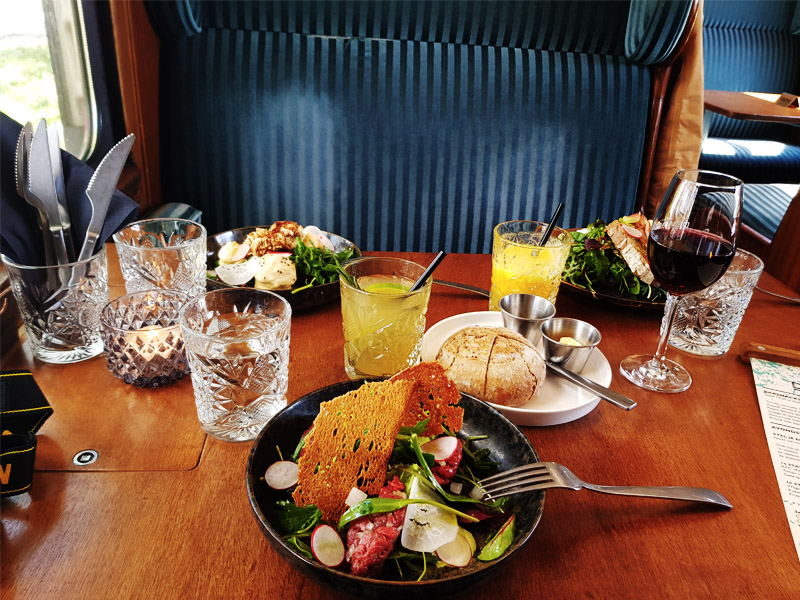
Having a delicious brunch at De Wagon during our day trip to Tilburg. Image: Abuzer van Leeuwen/Supplied
Peckish on your day out in Tilburg? A great option for an epic dining experience in the city is De Wagon, where you can eat lunch in a renovated train carriage and take a seat at an old booth.
One of the most unique restaurants in Tilburg, you can choose to either have your meal inside the train wagon, just like a passenger, or you can eat outside on the terrace when the weather is nice and sunny.
The food is delicious, but you don’t need to be peckish to enjoy this place, you can also sit at the bar if you feel like just having a biertje.
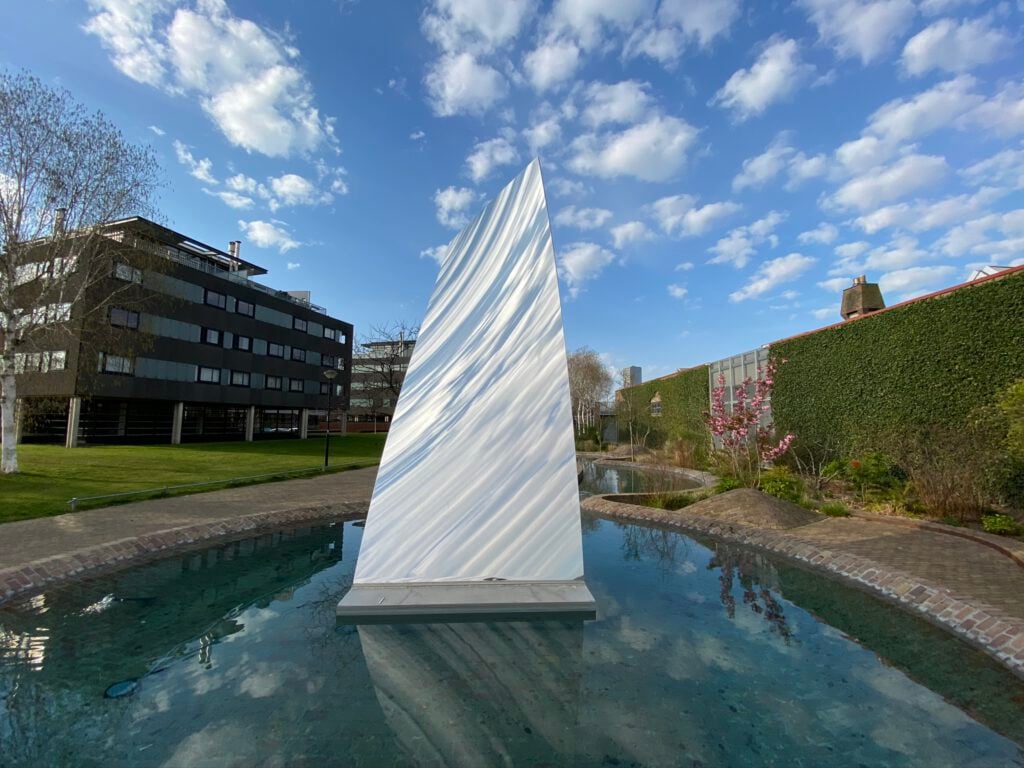
Even this exhibit outside the museum is an example of the contemporary art inside! Image: Merkt Tilburg/Supplied
A contemporary art museum in Tilburg, an afternoon at De Pont is one of the best things you can do on a day out in the city! 🎨
With mind-boggling exhibits that change during the year, the museum is built into an old wool-spinning mill; so not only is it showcasing art of the modern age but it is set in the context of Tilburg’s long history.
📍 Location: Wilhelminapark 1, 5041 EA Tilburg 💰 Price: €12.50 and kids under 18 go free ⏰ Opening hours: Tuesday to Sunday, 11 AM to 5 PM
5. Enjoy a delicious meal in vintage style
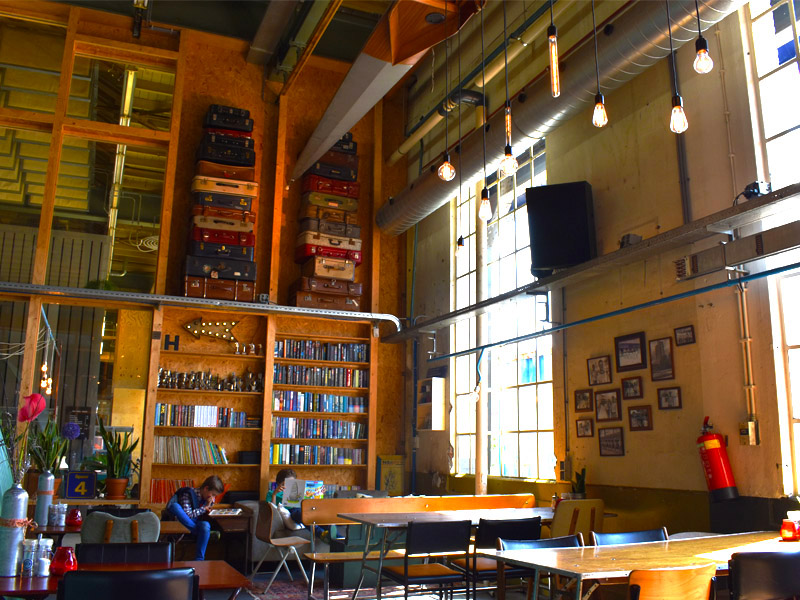
The interior at RAW combines throw-back style with cosiness; and the food is lekker! Image: Abuzer van Leeuwen/Supplied
Another place where you can have a great meal in Tilburg is RAW.
This unique spot has a very interesting vintage-themed interior. From old filming cameras to old radios, this place has the best antiques.
The vintage atmosphere, in combination with some pretty delicious food and drinks, makes it the perfect place for a meal during your trip to Tilburg. Plus, with vegan and vegetarian options there will be something for your whole group to enjoy. 😍
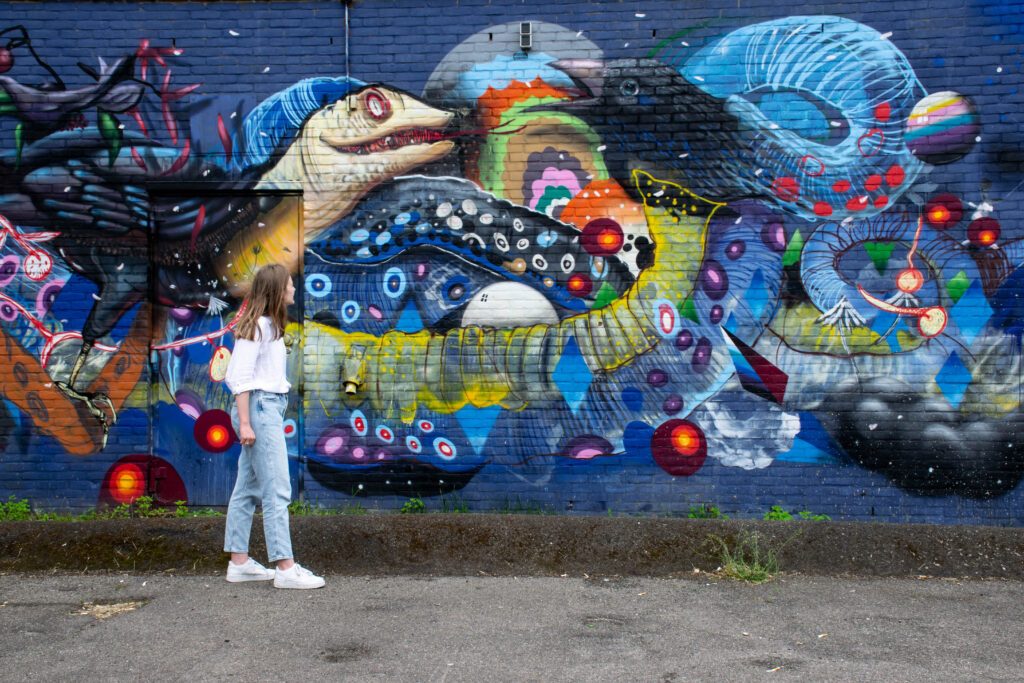
The street art in Tilburg is just inspiring! Image: Jana Vondráčková/Supplied
The municipality in Tilburg decided to embrace art in all its forms, and invited graffiti artists to do their best on the old buildings and walls of Tilburg.
The result? Some incredible art. Now, you can take an urban street art tour, and wander through Tilburg while ticking off every one of the 18 murals around the city. Grab tickets and rent a bike (or an electric scooter 🛴) at the Mercure Hotel in Tilburg, and then; scoot off and observe the art!
The tour can take up to seven hours, so make sure you have filling snacks and an umbrella for that typical Dutch weather. No food? No problem. An added plus to the tour is that you will be provided will some additional yummy snacks and stomach-warming drinks while you take in the art.
Included in the package is also a Borrel to Go bag and two free drinks from Grand Café Puur in Tilburg, as well as a sweet box for two people and two more free drinks at Smeer in Tilburg. 🥂
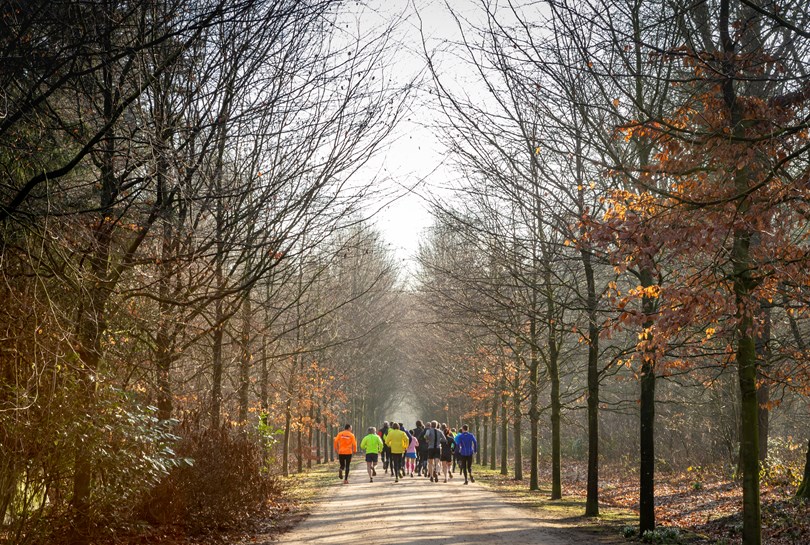
Take a jog in the beautiful Oude Warande in Tilburg. Image: MerktTilburg/Supplied
Tilburg is not only the home to some amazing museums and street art; but it also boasts many wonderful parks. Step into the outdoors, or cycle along on your bike, and enjoy the views of the Oude Warande.
An 18th-century baroque-style park with huge trees is one of only a few forest parks in the Netherlands, which makes it all the more special.
Pack a picnic, or choose this park for a jog, because we recommend Oude Warande as one of the best things to do in Tilburg.
At Beekse Bergen, you can watch the rhinos in their natural (recreated) habit, and map your own route through the park — or take one of the pre-mapped routes!
Don’t have a car? No problem! You can enjoy the safari by foot, take a seat in the safari bus, or even experience the wildlife from the comfort of a boat.
Or, you want to stay overnight? Geen probleem, the safari offers multiple overnight accommodations. Stay in the hotel, take a trip to the resort, or rent out a whole house in the middle of the man-made savannah.
If you’re visiting the safari by car, be prepared to pay an extra €9.50 per car as an ‘exit ticket’.
📍 Location: Tilburgseweg 41, 5081 NG Hilvarenbeek 💰 Price: €27 for those over the age of 10, €24 for those aged between 3-9, and children under 3 go free ⏰ Opening hours: Monday to Sunday, 10 AM to 4:30 PM
9. Learn about fabric history at the Textile Museum
The Textile Museum in Tilburg allows a sneak peek into the history of Tilburg’s manufacturing. Image: Nora Maria/Supplied
Not only can you catch a peek into the history of textile making in the Textile Museum, but you can also visit the TextielLab, where designers and artists can be found working on their projects!
A working museum, it demonstrates Tilburg’s past as the wool capital of the Netherlands. While you’re there, be sure to stay up-to-date with their latest exciting exhibits.
📍 Location: Goirkestraat 96, 5046 GN Tilburg 💰 Price: €12.50 for adults, €4.00 for children, and free for those under the age of 13 ⏰ Opening hours: Tuesday to Sunday, 12 PM to 5 PM
10. Indulge those shopaholic tendencies
Wander through the new Emmapassage in Tilburg. Image: Nora Maria/Tilburg
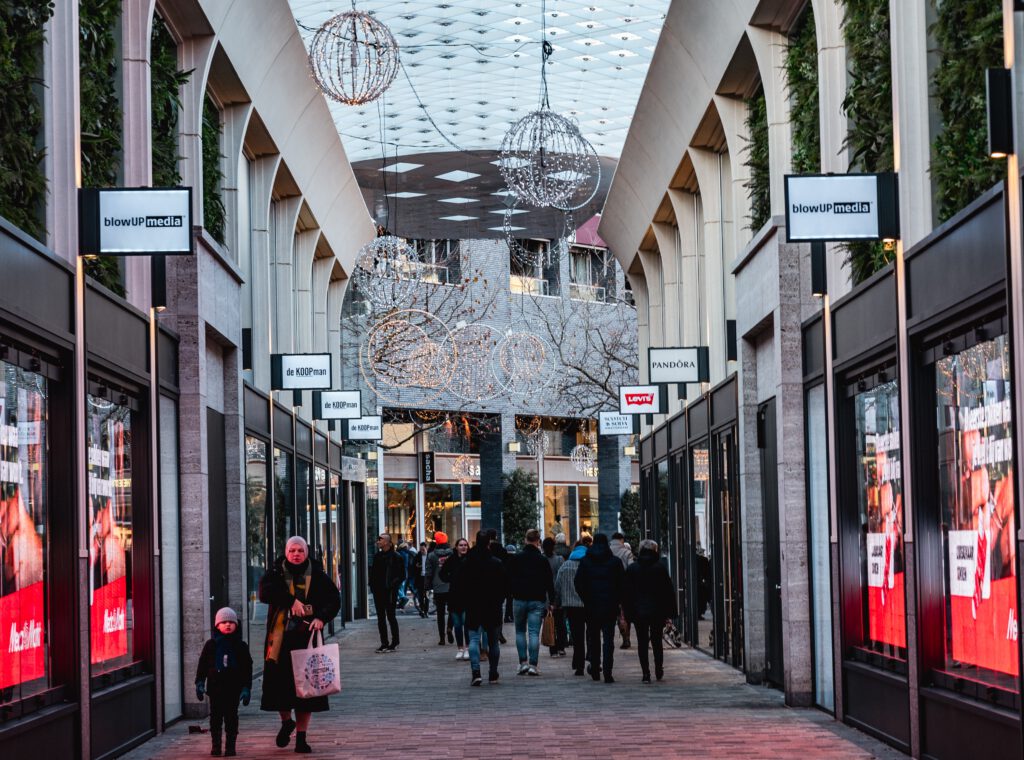
With the recent reopening of De Heuvelstraat, and the new building of the Emmapassage, the shopping streets in Tilburg have undergone a massive transformation, making it easier for shoppers to meander from store to store. 🛍
With connections from all the main shopping streets and enough food spots to shake your stick at (or your frikandel), shopping in the centre of Tilburg is another one of the best things to do in the city. 🛍
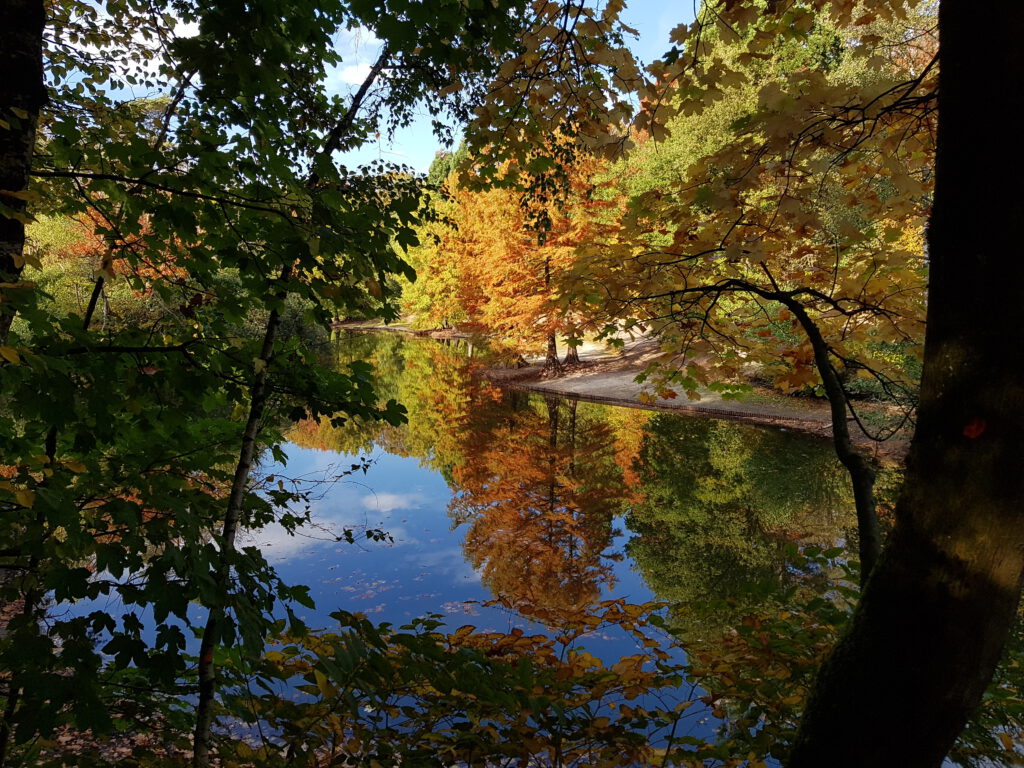
At this beautiful park in Tilburg, you can see nature in all its glory. Image: MerktTilburg/Supplied
In the Wandelbos, you’ll have a spectacular choice of hiking trails to pick from. Not the type to enjoy a long trek? Pack your lunch, and you can have a vibey autumnal picnic on one of the many benches.
Got kids? They’ll love this park for its petting zoo! There are so many animals native to the park; swans, donkey, sheep, goats, and even llamas. 🦙
Are you an aspiring pop singer? You’ll love playing a night of drunken karoake at Dolfijn, where you can rent a private room for you and your loved ones to belt out ‘Toxic’ like your life depends on it.
Follow it up by a round of bowling, or grab a cocktail at the bar to celebrate (nearly) hitting those high notes. 🎶
📍 Location: Ringbaan-Oost 2A, 5013 CA Tilburg 💰 Price: €9 per person ⏰ Opening hours: Monday to Friday, 2 PM to 12 AM, Saturday and Sunday, 12 PM to 10:30 PM
13. Unite with your fellow redheads at the Redhead festival
Join the unique 4% of Dutch people lucky enough to have red hair at the Redhead Festival in Tilburg. Those with epic melanin and hair that will avoid dreaded greys can meet in the city and create a memory to never forget.
Not a redhead? You can also marvel with envy at the thousands of bright-coloured heads while you wonder if auburn would suit you too.
Be prepared for the inside of this epic maze. Image: Merkt Tilburg/Supplied
This interactive maze is just one of many incredible things to do in Tilburg. Immerse yourself in the art, and get lost amongst the almost out-of-body pieces, all designed to bring you on an amazing journey of art and discovery.
Feeling a bit wrecked after that? Climb upstairs, and grab a meal in the restaurant — or enjoy the rooftop bar and marvel at the views of Tilburg.
📍 Location: Spoorlaan 21C, 5038 CB Tilburg 💰 Price: €25 for entrance to the maze ⏰ Opening hours: Monday to Sunday, 10:30 AM to 8:30 PM
15. Read a new book at the world’s 2nd-best library
What was once an old factory has been converted into a hub of literature and community, continuing the tradition of free-to-attend libraries; this is one of the only public spaces in which you’re not expected to spend any precious moolah. 💰
16. Enjoy an evening concert at Concert Hall Tilburg
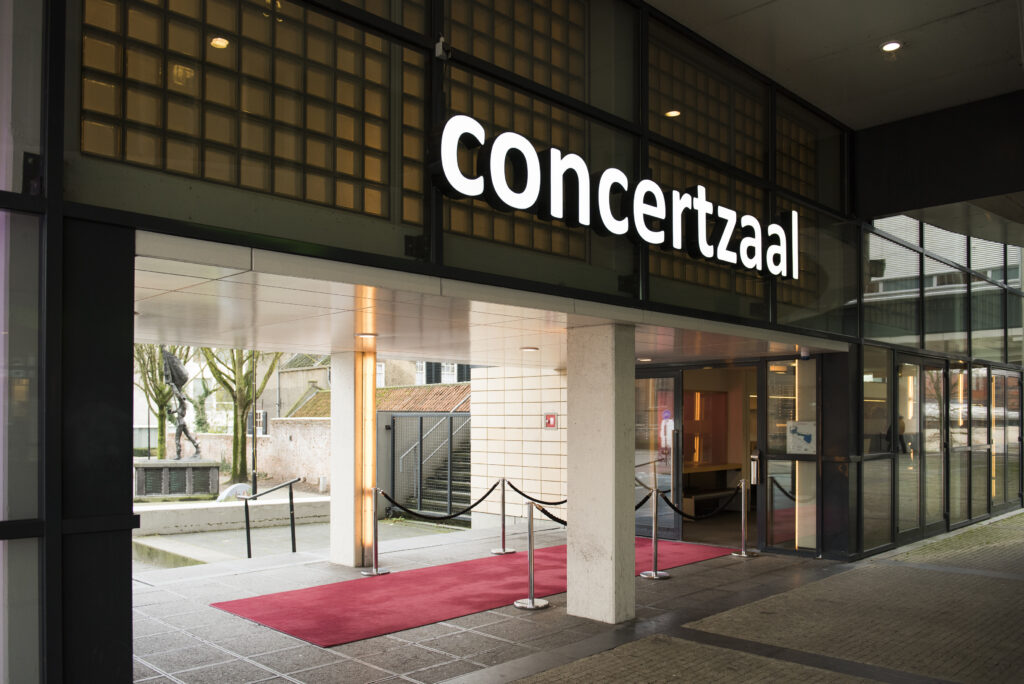
Get into your fancy dress and listen to some Bach at the Schouwburg Concert Hall in Tilburg. Image: MerktTilburg/Supplied
Music lovers will enjoy this thing to do in Tilburg — attending a concert at the wonderful venue of Schouwburg Concert Hall. Classical music, here we come, and we’ve got our fancy bifocals in hand! 🧐
With events taking place the whole year long, make sure you grab tickets ahead of your visit to Tilburg; or you might be left empty-handed and musicless!
Concert halls, safaris, and contemporary art not your thing? Well, you’re in luck schat, because you can still get a glass of delicious Dutch beer in Tilburg.
Go to a scrumptious beer tasting or bring your wedding party along to the main bar at City Brewer 013. Or, just sip the night away, questioning the meaning of it all. 🍺
18. Take a trip to the past in a 16th-century chapel
Grote opkomst bij korenmiddag. De tien #koren uit #Tilburg en #Goirle trokken veel bekijks. Deze middag werd georganiseerd ter gelegenheid van het 50-jarig #jubileum van de restauratie van de Hasseltse Kapel. pic.twitter.com/Y8d2RkcBGX
Yes, Tilburg has so much to offer for those history nerds. Visit the Hasseltse Kapell, not only a space for religious worship, but also a cultural centre in Tilburg.
At the church, you can attend the Classical Concert Series, an initiative that hosts budding and renowned musicians for shows in the church — check out their newsletter to keep track of upcoming concerts!
19. Take a romantic walk through the…. sand dunes!?
One thing about Tilburg; there’s more to do in the city than you might think. Visit the National Park Loonse en Drunense Duien, but pack your good shoes, because we’re going wandering through the dunes. 🏖
At this epic national park in Tilburg, you can pick your way through the many trails, and go for a relaxing walk, taking in the wonderful views.
📍 Location: 5151 RG Drunen 💰 Price: Free entry ⏰ Opening hours: Monday to Sunday, 8 AM to 8 PM
Phew! This city sure knows how to surprise you; sand dunes, musical concerts, monkeys, and even rooftop bars… there’s just so many things to do in Tilburg.
So, if you’re thinking of heading to this beautiful Dutch city perhaps extend that day trip, because there’s enough to do to fill a whole weekend — or y’know, lifetime.
Are you going to visit Tilburg? Have you been? Tell us in a comment below! 👇