Home Blog Page 261

Travelling through Schiphol by train? Prepare for disruptions

It wouldn’t be Schiphol without some kind of disturbance. This time, it’s from November 20 until December 3 due to work being done on the tracks. Again.

Check your travel plans and prepare ahead of time! Trains will run either on an adjusted schedule or not run at all during much of November and some of December. 

The dates in question

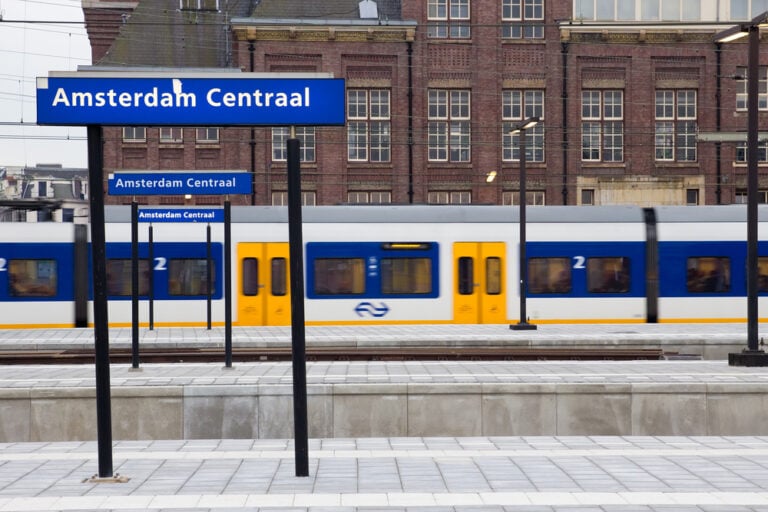
First, there will be no Intercity direct between Rotterdam Centraal and Amsterdam Centraal on November 18 and 19, says the NS.

READ MORE | Taking the train between Rotterdam and The Hague? We’ve got some bad news

Second, there will be no trains on December 3 between Leiden Centraal and Schiphol — but there will be express buses to replace these trains.

Platform work

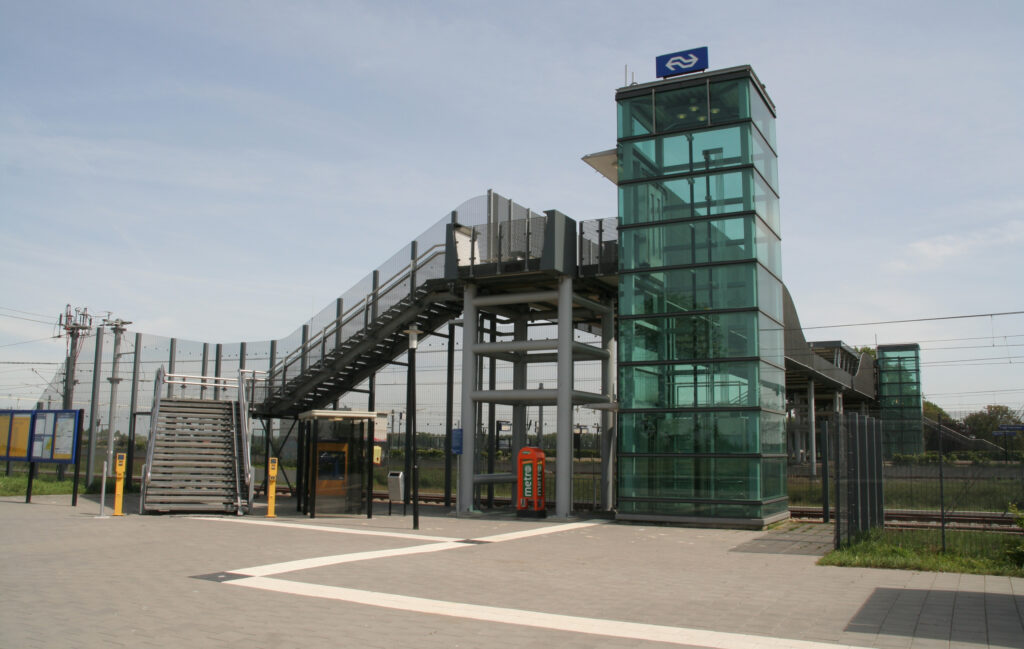
ProRail wants to create a level entry between the train and the platform to make it more accessible for those with difficulty walking.

@aranstravels1 Travelling to Amsterdam? This is a must know travel tip! #amsterdamairport #schipolairport #amsterdamtraveltips #amsterdamtraveltip #amsterdamtravel #traveltips2023 Amsterdam travel tips Amsterdam airport The best way to travel to Schipol Airport Netherlands travel tips Netherlands travel tips and tricks @Schiphol Airport AMS ♬ Paint The Town Red – Doja Cat

While we all hope these works will be done soon, there is some bad news: the NS says the work on Schiphol’s train station is expected to last until 2028.

Now is the time for us all to practice patience. 

What do you think of all these works being done in all these train stations? Tell us in the comments!

NS ticket prices will NOT increase in 2024 — but it comes at a cost

0

Hoera! The daunting plan to increase the NS’s travel rates by 2024 has been rightfully abolished…at the expense of international train prices.

Up until Tuesday, people living in the Netherlands were under the impression that come January 2024, the railway company NS’s travel rates would increase by 3.5%.

In fact, traveller interest group Rover warned that ticket prices could rise by 6.5% in 2024, reports the NS. Ouch.

However, last week, our prayers were answered, and the plan was stopped in its tracks. 🚝

Keeping trains attractive

That’s right — to keep travellers’ wallets happy, the House of Representatives voted in favour of having the government allocate €120 million to maintaining current ticket prices.

According to Tjalling Smit from the NS Board of Directors, this budgeting is a welcomed improvement “at a time when many things are becoming more expensive” in the Netherlands.

Translation: “Good news: train tickets and season tickets will remain the same price next year as in 2023 thanks to money released by the cabinet.”

But this decision doesn’t just benefit regular train riders.

By keeping prices low, the NS could earn more money in the long run by ensuring that trains continue to be “an attractive choice for travel”.

At what cost?

Even so, there is no such thing as a free lunch. So what’s the catch exactly? 🤔

Well, since the government’s €120 million subsidy will only aid domestic trains, international trains are set to become more expensive.

READ MORE | Why is there a first and second class on trains in the Netherlands?

By January 1, travelling abroad from the Netherlands via train will become 7.85% more expensive, to be exact.

Considering renting an OV bicycle instead of taking the train? Just know that the NS will increase the rate for those too, raising the price from €4.45 to €4.55 per 24 hours. 🚲

If you want to see the whole price list for NS products in the year 2024, you can find that here.

Are you happy about this news? Share your thoughts in the comments below!

This Dutch store now sells tompouce VIBRATORS (yes, you read that right)

0

It looks like the Dutch obsession with tompouce has reached its climax. Literally. HEMA’s shelves are now stacked with a baby pink, tompouce-inspired sex toy.

Just when we thought crompouce and sushi-tompouce were the peaks of Dutch ingenuity, we are once again left in awe.

This post might have affiliate links that help us write the articles you love, at no extra cost to you. Read our statement.

A toy for your tom-puss… 👀

Last year, HEMA made it its mission to focus on sexual pleasure “without embarrassment” — AND THEY SURE DID.

READ MORE | Dutch Quirk #40: Never agree on how to eat tompouce

So, what does the toy look like? Well, natuurlijk, the air pressure vibrator sports the colours of the popular Dutch snack: a mix of hot pink, baby pink, and creamy white.

It also comes with five different pressure settings, a waterproof design and a handy little pouch to store it in. The best part is you won’t end up with an actual bun in the oven! 👀

Interested? We don’t judge. It can be yours for the price of €35. 😏

‘Not (quite) as good as the original’

While this certainly is one of the cutest-looking vibrators we’ve ever seen, apparently, compared to other sensual toys, it doesn’t take the cake. 🍰

Customers seem to agree: HEMA’s “air pressure vibrator tompouce” is “not as good as the original”. Too bad it can’t be returned after a quick taste test. 😬

But fear not, because we’ve done the research and scoured out the alternatives. The “original” in question? The Satisfyer Pro 2 — seems to be a true fan favourite.

READ MORE | This heated pillow might be the BEST weapon to survive Dutch winter

Not an air-pressure-kinda-girl? We gotcha: maybe this vibrating egg will do the job. 🥚

What do you think about HEMA’s tompouce toy? Share your thoughts in the comments!

The Dutch are the best non-native English speakers in the world (again!)

For the fifth year in a row, our beloved NL snatched up the title as the number one country with the highest English proficiency. Which came as a shock…

…to absolutely no one.

This year, the EF English Proficiency Index set about ranking 113 countries to determine which one is the most proficient in the English language.

*drum roll* The Netherlands came in first place. 🇳🇱

Are Dutchies TOO good at English?

Many were unfazed by this result, given it’s well-known that Dutchies have a firm grip on the English lexicon. 🗣💪

READ MORE | Why are the Dutch so good at speaking English?

Many internationals even blame the Dutch population’s smooth ability to transition into English for the fact that they can’t pick up the local language.

There were a total of 2.2 billion test takers, with the median age being 26 years old and 55% of the participants identifying as female, EF reports.

Interested to see if your country landed among the top 10? Check out the results in the table below!

RankingCountry
1 Netherlands
2Singapore
3Austria
4Denmark
5Norway
6Sweden
7Belgium
8Portugal
9South Africa
10Germany

Communication and innovation

You might be wondering, what’s so good about being able to speak English anyway?

Well, aside from allowing you to communicate with clueless internationals, English proficiency has a correlation with “economic balance, productivity, and potential”, according to EF’s findings.

Also, since innovation is apparently dependent “on the frictionless flow of ideas”, the Dutch’s ability to communicate well with other nations might explain why they’re so darn innovative. 🤔

So much for making the Netherlands “Dutch again”. 🤷‍♀️

Why do you think the Dutch are so good at speaking English? Share your theories in the comments below!

It’s official: this Dutch city is the best in Europe!

Other nominees in the running for this year’s ‘European City of the Year’ included Estepona (Spain) and Exeter (England) — but they proved to be no match for the Netherlands’ Amersfoort.

Yup, good ol’ Amersfoort stole the show, snatching up the award for best European city in 2023. 👑

High-quality uniqueness

After a trip to the charming city in the province of Utrecht, the jury of the Academy of Urbanism decided it was the best in Europe. 🙌

How did they reach this decision? By taking into account factors such as “urban development qualities, social cohesion, sustainability and how the city is governed”, the AD reports.

READ MORE | The perfect daytrip: 4 things to do in Amersfoort

Plus, lead assessor Jon Phipps cited Amersfoort’s “quality of life”, “innovation”, and “unique character” as some of the city’s stand-out features.

Amersfoort is basically a utopia

So, what makes this medieval Dutch city so great? All in all, it’s the happiness of its citizens. 🌟

Unlike in other Dutch cities, inhabitants don’t have the weight of a housing crisis on their shoulders; and homes are actually more affordable than in many other places!

READ MORE | These are the most OVERRATED Dutch cities (no, Amsterdam doesn’t top the list!)

Even the air smells sweeter in Amersfoort — literally, as it’s not being clouded by carbon dioxide. Yup, the city takes active steps to limit the amount of car use in its vicinity.

Amersfoort’s Mayor Lucas Bolsius is delighted by their win, explaining that Amersfoort has “grown enormously in the past fifty years, but the history and people have always remained central”.

Isn’t it wholesome? 🧡

Are you surprised by this year’s ‘European City of the Year’? Share your thoughts in the comments below!

Bad news, everyone: Rotterdam Centraal will be CLOSED around the holidays

This year, Sinterklaas is bringing a not-so-leuk present for those who frequent Rotterdam Centraal. From 25 to 27 November and 2 to 4 December, the station will be gesloten (closed).

The reason? Work on the train tracks.

The result? Upset Rotterdammers.

Shopkeepers, customers, and road users affected

The periods over which Rotterdam’s main station is set to be closed are prime times for festive shopping: the weekends after Black Friday and before Sinterklaas.

With all the hubbub gone from the station, stores throughout the city will miss out on some of their most important customers. And shopkeepers ain’t having it.

Pauline Buurma of the retailers’ association believes public transport around the city should be free while the Central Station is closed — “so that we can welcome everyone”, she tells the AD

READ MORE | What happens during Christmas in the Netherlands? A guide to the winter holidays

Other points around the city — like the Willemsbrug and the Maastunnel — will also close at various times, leaving drivers to find alternative routes. 🚘

Part of a bigger glow-up project

So, what’s all this for? ProRail says that closing down Rotterdam Centraal is part of a larger project: the High-Frequency Rail Transport Rijswijk-Rotterdam Program. (Wow, really rolls off the tongue!)

The project has been in the works since 2019, and the end goal is to have eight intercity trains and six sprinters running on the Rijswijk-Rotterdam route in both directions. 

How will this closure affect you? Tell us in the comments!

The Netherlands launches TINDER campaign to get young people to vote in upcoming elections

The Dutch National Youth Council wants to put mindless dating app-swiping to good use! Together with Tinder Netherlands, they’ve created a campaign urging love-hungry singles to vote in the upcoming elections.

According to Benjamin Puygrenier of Tinder Netherlands, young adults (aged 18 to 25) are the least likely to vote during political elections.

Maybe that’s because they’re too busy getting lovey-dovey on Tinder? After all, the same demographic makes up 50% of the swipers on the popular dating app, Online Marketing reports.

Love is in the air, and so is political change!

If you’re a Tinder user yourself, keep your eyes peeled and your thumbs ready! No, you won’t be able to swipe on dreamy Dutch politicians — instead, between November 1 and November 22, you’re going to stumble upon some “Swipe Cards” while on the app.

READ MORE | Thirst traps of Dutch politicians? Yup, they’re a thing

If you swipe right on the card, you’ll be catapulted to an Instagram reel containing tons of resources to learn about the upcoming elections. 🗳️

The campaign aims to give young people instructions about how to register to vote, how to authorise someone else to vote for them, and also provides them with a voting checklist.

Youth are the future of tomorrow

The point is that young people need to stop feeling excluded or excluding themselves from the upcoming election.

READ MORE | 6 things to know about dating Dutch people

Since the future of the Netherlands affects the youth just as much as any other group of people (if not more), it’s important that they engage in “topics such as mental health, climate change, and the housing crisis”, explains Kimberley Snijders, chairman of the NJR.

How effective do you think this new campaign will be? Share your thoughts in the comments below!

Getting a pet in the Netherlands: the ultimate guide

So, you’re thinking about getting a pet in the Netherlands? Wat leuk! Adopting or buying a pet doesn’t need to be “ruff” — as long as you follow our guide, of course. 😉

But how the heck do you get a furry (or scaly?) companion in the Netherlands? Where do you start looking, and what do you need to know before adopting a pet? 

Don’t stress — we’ve got everything you need to know about getting a pet in the Netherlands. 🐶

This post might have affiliate links that help us write the articles you love, at no extra cost to you. Read our statement.

Getting a pet in the Netherlands: things to know

Getting a pet is a big responsibility, so you need to make sure that you’re ready to put in the effort.🤗

First, before you start brainstorming pet names and buying accessories, ask yourself the following questions:

  • Are you renting in the Netherlands? If so, does your landlord allow pets?
  • Do you or your family members/roommates have allergies? 
  • Do you have the space in your home for a pet? If you’re thinking of adopting a dog, do they have space to run around and play? Or if you’re adopting fish, is there room for a tank?
  • Can you afford it? Do you have the budget for animal food, cleaning supplies, a pet sitter, etc.?
  • Do you have time to take care of your pet?
  • Are you willing to clean up after your pet?
  • Are you planning on going back to your home country after adopting a pet? If so, can you take your pet with you?

Furthermore, it’s important to know that the Dutch government has certain rules when it comes to animal welfare, specifically about the care, breeding, and selling of animals. 

What pets are allowed in the Netherlands?

Pets in the Netherlands are pretty stock standard. Here are some of the most common pet choices:

  • 🐕 Dogs
  • 🐱 Cats
  • 🐰 Rabbits
  • 🐹 Guinea pigs, hamsters, ferrets
  • 🐢 Turtles
  • 🐟 Fish
  • 🦜 Birds (e.g. parrots, parakeets, cockatiels)
  • 🐀 Brown rats

So which of the above is the preferred pet in the Netherlands? If you guessed cats, you are correct! This makes a lot of sense due to the lack of space in the Netherlands.

Cats can also take care of themselves pretty well. You’ll even see a lot of house cats wandering around outside, as most Dutch households allow them to go outside and explore (especially if they live on the ground floor). 

woman-looking-at-dog-in-shelter-in-the-netherlands-to-adopt-a-pet
Looking for your new animal companion can be a fun and exciting experience! Image: Depositphotos

Dogs are also a common pet to have. If you get one, you’ll have to be ready to take them on walks several times a day, especially if you’re living in the city where they don’t have a lot of space to run around on their own. 🦮

Bans on certain dog and cat breeds in the Netherlands

The Netherlands is currently working on laws to ban animals with external characteristics that can be harmful to their well-being.

More specifically, these laws are set to apply to dogs with short snouts and cats with folding ears, and will prevent owners from keeping, trading, or importing animals that fall into these categories.

Where to adopt a pet in the Netherlands

Your best bet to adopt a pet is to go to a pet adoption agency or a dierenasiel (shelter). Most cities in the Netherlands have a local agency or shelter you can visit.

Most shelters in the Netherlands have a selection procedure, and they don’t always have a lot of animals (especially cats) easily available for adoption. Make sure to check their sites and social media accounts frequently!

Major pet adoption agencies in the Netherlands

Pet adoption agency or shelterLocation
Verhuisdieren.nl
Puppy Rescue Team
Ik Zoek Baas 
Stichting Le Woef 
All of the Netherlands
DOA 
Dierenasiel Oostzaan
Amsterdam
Dierenasiel UtrechtUtrecht
Dierentehuis Stevenshage Leiden
Animal’s FaithMaastricht
Stitchting IFAW 
Stichting Haags Dierencentrum
Den Haag
Dierenasiel ZuidwoldeZuidwolde

You can also find animals on Marktplaats or adoption groups on Facebook. Just try to be careful on the internet and make sure the giver seems credible before taking the plunge.

Where to buy a pet in the Netherlands

Always try to adopt, not shop. However, while adopting a pet is a great choice, it’s not always for everyone. For example, you might be looking for a specific breed or a pet that can’t be easily adopted from a shelter. 

READ MORE | Having a pet in the Netherlands: all you need to know

If you truly think the decision to buy is the right choice for you, you can purchase animals: 

  • at a local pet store (best for hamsters, birds, fish, turtles, etc.) 🐢
  • through a responsible local breeder (for cats, dogs, ferrets, etc.)

If you’re thinking of buying a pet from a breeder, make sure to do your research and look out for poor animal practices like excessive forced breeding of an animal.

Sometimes breeders also don’t spay/neuter their animals before giving them to you, so be wary of that too. 

Warning: A lot of irresponsible breeders sell their pets on Marktplaats, and sometimes there are hidden fees for pets that come from other EU countries (e.g. transportation) — so beware!

Important matters when owning a pet in the Netherlands

Now, you’ve got your pet, what’s next? Well, there are a few important (and sometimes administrative) matters that you have to take care of as soon as possible when you get your new animal. 

Dog registration in the Netherlands

If you have a dog, it’s mandatory to register them at your city’s town hall (gemeente) and the Municipal Tax Office (Gemeentelijke Belastingdienst) upon arrival. On top of that, you have to declare your dog to the municipality in the first 14 days. 🏫

READ MORE | The ultimate guide to owning a dog in Amsterdam

Only dogs have to be registered at the gemeente, so don’t worry about town hall registration if you have a different kind of pet. 🐈

Furthermore, the following animals must be registered and chipped with The Netherlands Enterprise Agency or Rijksdienst voor Ondernemend (RVO). 

  • Dogs
  • Cattle
  • Pigs
  • Sheep
  • Goats
  • Horses
  • Poultry (if they are kept for commercial use)

You can register your pet with the agency online. 

Microchipping your Dutch pet

Most pets in the Netherlands must have a microchip implanted in their neck or sometimes as an ear tag, so they can be identified. Some animals, like fish, turtles, etc., don’t need to be chipped. It’s wise to ask your veterinarian whether they need one.

Each chip has a unique 15-digit number which is stored in a European database, so if Buddy gets loose and runs over to Belgium, they can still be identified. Handig!

Thankfully chipping your Dutch pet is not too expensive. Your dog or cat can get their chip at the vet clinic for around €25-50, depending on the practice. 🐾 For microchipping prices of other animals, ask your vet for pricing.

Pet passports in the Netherlands

If you’re bringing your pet from another EU country, they must have their own EU dierenpaspoort (animal passport) issued by a veterinarian. 🇪🇺

A pet passport is mandatory for dogs, cats, and ferrets that are travelling in and out of the Netherlands to EU member states.

woman-holding-passport-with-pet-on-her-lap-in-the-netherlands
Most pets need their very own passport and microchip to travel. ✈️ Image: Depositphotos

The passport lasts for the pet’s lifetime and has information about the owner’s name, the pet’s microchip number, age, sex, breed, etc. 

If you want to bring your pet from a country outside of the EU, then you’ll first need to contact the Netherlands Food and Consumer Product Safety Authority (NVWA).

Paying the Dutch dog tax

The Dutch take their dogs very seriously. The dog tax, or hondenbelasting, is an annual tax charged in most Dutch cities. 

The amount is decided by your local municipality and is calculated based on the number of dogs in a household. 

Typically you’ll pay anywhere between €20 and a few hundred euros. 🐶💸

READ MORE | How did the Netherlands become the first country in the world with no stray dogs?

Taking your pet to the vet in the Netherlands

The Netherlands is full of qualified veterinarians and animal clinics. Just search dierenarts (veterinarian) or dierenartspraktijk (veterinary practice) on the internet to find one close to you! 🩺

You can also call a qualified veterinarian directly to your house through services like Home Vet.

cat-being-checked-up-at-vet-with-stethoscope-in-netherlands
There are many veterinary clinics in most Dutch cities. Image: Depositphotos

Some veterinary clinics also offer “health plans”, which provide comprehensive care packages for your pet in the Netherlands. Ask your local clinic what plans are on offer for your furry friend.

If your pet requires emergency care, it’s best to call an emergency veterinarian at a Dieren Spoedkliniek. 

Otherwise, you can call the dierenambulance (animal ambulance) in your area:

Animal ambulance numberLocation
020 626 2121Amsterdam
070 328 2828
070 366 0909
Hilversum
035 683 0300The Hague
071 517 4141Leiden
090 0443 3224Maastricht/Zuid-West Limburg
010 415 5666
010 476 8750
Rotterdam
065 477 2700Utrecht
070 511 7772Wassenaar

Pet insurance in the Netherlands

If you’re getting a pet in the Netherlands, it’s worth thinking about pet insurance. Many insurance plans will reimburse your costs for treatments, putting your beloved friend down (we know, you don’t want to think about), or even cover you if your pet is stolen or lost.

Some insurance companies, like Univé, will cover additional services for just a few extra euros per month — think of things such as physiotherapy, dental care, and travel insurance.

Naturally, the cost of the premium for your pet’s insurance will depend on factors such as the type of pet you have, its age, and the level of coverage you want. Curious to learn more? Here are a few major pet insurance companies in the Netherlands:

What vaccinations does my pet need?

What vaccination your pet needs depends on the type of animal you have and the veterinary clinic you take them to. 

However, the most important vaccination for most animals is the anti-rabies shot. All animals coming from outside of the EU need to complete anti-rabies treatment before they are allowed to enter the Netherlands. 

If you’re taking your pet abroad, you should also make sure to get them their anti-rabies shot. 💉

Dog and cat vaccinations

Typically, dogs need seven types of vaccinations throughout their life against diseases like parvo and Hepatitis.

Cats also require vaccinations, mainly for sneezing disease. 🐈

The cost of vaccinations can range from €60-70 per treatment for dogs and cats. 

For other animals, ask your veterinarian what vaccines they need. 

And, most importantly, make sure you keep your pet’s vaccines up-to-date! 📆

Where can I keep my pet when I go on holiday?

You can keep your pet at a dierenhotel/dierenpension (animal boarding house) during your holidays. 🌴

Or, if you’re lucky, you might have a super sweet friend or relative who can do it for you. 👯‍♂️

girl-petsitting-pet-rabbit-in-the-netherlands
If you have a cute pet, it shouldn’t be too hard to find someone to look after them. Image: Depositphotos

On top of that, you can also find pet sitters easily online in Facebook groups or through petsitting services:

Useful Dutch pet terms to know

Dutch pet termsEnglish translation
DierenartsVeterinarian
Dierenkliniek Veterinary practice
Dierenasiel Animal shelter/kennel
Dierenhotel/dierenpensionAnimal hotel
HondenbelastingDog tax
Honden uitlaat serviceDog walking service
Geen aanlijnplicht No leash necessary
Geen hondenuitlaatenForbidden to let your dog run without a leash
OpriumverplichtMust pick up after your dog
Verbonden voor HondenDogs are forbidden

Pros and cons of adopting vs. buying a pet in the Netherlands

👍 Pros of adopting a pet in the Netherlands

  • Costs of adoption are cheaper than buying from a pet store or breeder (€100-500 from a shelter)
  • You’re giving an animal in need a loving home
  • Shelters often spay, neuter, microchip, and vaccinate the animals under their care
  • Adopting an animal can help combat illegal puppy breeding farms
  • Animals from shelters are often housetrained
  • You can give a pet all the love and attention it needs to be happy and healthy
  • Keeping stray animals out of the streets

👎 Cons of adopting a pet in the Netherlands

  • Your pet may turn out differently than you expected. Sometimes animals from shelters can have behavioural problems, trauma, or special needs
  • You may not be able to find the exact breed or type of animal you want in a shelter 
  • Sometimes shelters aren’t transparent about a pet’s behavioural issues 
  • Shelters may be underfunded or care for their animals poorly
  • There might be a waiting period for your animal, so you’ll have to be patient
  • You have to submit paperwork and personal information to the shelter before you can adopt a pet
  • You could be rejected from adopting a pet if you don’t meet the shelter’s requirements

👍 Pros of buying a pet in the Netherlands

  • You can get the exact pet or breed that you’re looking for
  • If you want to get a dog but don’t have a lot of experience with them, buying from a responsible breeder gives you a better chance of getting a pet without trauma or behavioural issues
  • For certain animals, you can only really buy them from pet stores anyway (birds, rodents, etc.).

👎 Cons of buying a pet in the Netherlands

  • Oftentimes selective breeding, especially for purebred animals, can lead to health issues for the pet (e.g. hip dysplasia, blindness, deafness, heart defects, skin problems, and epilepsy).
  • Some breeders smuggle cats/dogs from countries with a stray animal problem and sell them for a profit (please buy from a responsible breeder)
  • Some animals can still have behavioural and trauma if the breeder is not responsible
  • Irresponsible breeders can be cruel and abusive towards their pets, forcing them to breed at a high and unsafe frequency

Getting a pet in the Netherlands: frequently asked questions

How can I relocate my pet from abroad to the Netherlands?

Are pets allowed on public transport in the Netherlands?

What should I do if my dog is aggressive?

How much does pet food in the Netherlands cost?

How much does it cost to spay/neuter my pet in the Netherlands?

Is the Netherlands pet-friendly?


That was our pawsome guide on adopting or buying a pet in the Netherlands! So are you sold on getting a pet yet? 

Next up: finding your new furry friend! 🐈❤️

What kind of pet are you thinking of getting? Tell us in the comments below!

Editor’s note: This article was originally published in January 2022 but was fully updated in November 2023 for your reading pleasure.

From ‘sushipouce’ to ‘herringpouce’: this Dutch obsession is getting out of hand

Oké, the Dutch have finally crossed the line. They’ll put pink icing and cream filling on just about anything, and the internet isn’t too happy.

We’ve already raved about the delicious crompouce: a crisp, cream-filled croissant covered in pink icing. However, it looks like this new sweet treat just isn’t exciting enough for adventurous palates.

READ MORE | This TikTok craze has everyone craving this BIZARRE Dutch sweet treat 

Enter… the ‘kibbelpouce’.

Wait, the what?!

For those who don’t know what that is (because why would you?), it’s the Dutch deep-fried fish snack called kibbeling, married with the pink icing and cream filling of tompouce.

“Why would anyone actually come up with that?” you may be wondering. Well, a fish stall in Gouda recently went viral on TikTok for coming up with the ‘kibbelpouce’.

@pmseafood Nieuw in ons assortiment: kibbelpouce! 🩷🤍🤎 #crompouce #kibbeling #trending #fyp #markt #gouda #vi #trend #kibbelpouce #new ♬ Sweet but Psycho (Leon Lour Remix) – Ava Max

Although this specific snack isn’t for sale (it was created for the fish stall’s TikTok account), people are still doing crazy things with that icing, reports AD.nl.

The world is your oyster(pouce)

People are really exercising their creative muscles with these creations: have you heard of hamburgerpouce? How about sushipouce?

Or, if you’re looking for a healthier option, try the cucumberpouce! (Even we don’t understand that one.)

@dutchreview The perfect marriage doesn’t exi- #dutchreview #crompouce #netherlands #nederland #holland #dutchfood #dutchsnacks ♬ original sound – Mando Salazar

For those who love the insanity, rejoice while it lasts! As for those who aren’t fans, stay strong; this too shall pass.

What’s your take on all the -pouce craze? Tell us in the comments!

Amsterdam’s ‘Stay Away’ campaign: did rowdy UK tourists get the memo?

Amsterdam’s Stay Away campaign is definitely seeing some success, with a decrease in the number of stag dos and rambunctious tourists. 

The Dutch Stay Away campaign was launched this past March, and tourist numbers have been dropping since. Specifically, there are 22% fewer tourists now compared to 2019, which was the last year before COVID-19 restrictions. 

READ MORE | Amsterdam prepares to launch Stay Away campaign targeting men from the UK

For now, it looks like the goal to reduce the number of wild tourists in Amsterdam is working. Those who came to Amsterdam for its red-light districts and coffee shops are getting a reality check: some things are definitely not cool.

No more stag dos in Amsterdam

Amsterdam is one of the most popular tourist destinations in Europe, reports the UK online newspaper The Independent. How popular? Well, around 20 million tourists come to the city each year, of which 2.4 million were British in 2019. 

Campagnevideo Stay Away versie 1 from Gemeente Amsterdam on Vimeo.

Fed up with rowdy tourists keeping them up all night, the Dutch government took it upon themselves to control this with the Stay Away campaign. And it’s working.

Of course, people can still come to Amsterdam if they want. No one is being forced to literally stay away.

READ MORE | ‘We never stop drinking’: British men react to Amsterdam’s Stay Away campaign

That being said, there are consequences. That’s the whole point of this campaign: to show that if you get too drunk and messy, you can get arrested, a criminal record, a fine, hospitalisation, and permanent health damage. Talk about a buzzkill!

What are your opinions on the Stay Away campaign? Tell us in the comments!