After he was fired in 2024, a Dutchman consulted ChatGPT to figure out what he was owed. The crazy part? He did walk away with some extra compensation.
The OpenAI chatbot apparently advised the man that he was entitled to both a transition payment and a whopping €50,000 on top of that.
While he may not have been repaid the full amount he demanded, the court agreed that some compensation was due, and that the company was blameworthy.
What happened?
According to RTL Nieuws, the man was working as a buyer for a company that furnishes dental and veterinary practices. When the company was restructured in 2024, his role was altered.
This did not go down well. Unhappy with the changes, the man attempted to argue with his employer. In the end, his objections led the company to fire him.
Here’s where things got even stickier: the company took him to court after they were unable to agree on a severance payment amount. This is where the dismissal officially took place.
ChatGPT to the rescue?
But this wasn’t the end of things. The man protested the terms of his dismissal further and demanded more compensation.
Apparently, his calculations were fairly easy to make: all he had to do was ask an AI chatbot.
ChatGPT told the gentleman that based on his situation, he was owed an additional €50,000 on top of the transition payment compensation.
The Utrecht subdistrict court agreed, in part. They found that the employer’s conduct leading to the dismissal was seriously blameworthy, and that billijke vergoeding (fair compensation) was in order.
It was also agreed that the man was entitled to the transitievergoeding (statutory transition payment), as required by Dutch law, where employers must pay when terminating a contract.
Not €50,000, but something
However, the €50,000 amount in fair compensation that ChatGPT was helping him claim was rejected.
Because the ChatGPT calculations could not be explained, the judge argued, it’s unreasonable to use the chatbot’s arguments as evidence and justification.
Instead, the man was rewarded €5,000 for the conduct of his old employer, and €6,400 in transition payment.
Lesson learned: AI does not make the best lawyer.
What do you think of this court case? Let us know in the comments!

Most people who are required to integrate in the Netherlands have three years to complete the inburgeringprocess. That said, plenty of people finish in one to two years with consistent study — and a few strategic choices.
How long it actually takes depends on your route, your education level, and your schedule.
Miss the deadline? You’re looking at fines and loan repayment headaches. Nail it early, and you can get on with the more important things.
Why does the timeline matter? Because your inburgeringsdiploma (integration certificate) is directly tied to bigger goals: renewing your residence permit, applying for Dutch citizenship, or avoiding a fine from DUO.
Want to check the inburgering off your list? Inburgering.org helps you navigate the entire process — from understanding your personal route and deadlines to preparing for your exams. Follow the online courses in your own time and on your own schedule and learn the Dutch you need to pass. Find out more.
What counts as completing inburgeringin the Netherlands?
Inburgering isn’t just passing a Dutch language exam and calling it a day. To officially complete the process, you need to tick off several boxes — all monitored by DUO (Dienst Uitvoering Onderwijs, the Dutch organisation responsible for education and integration).
Here’s what’s required:
Dutch language exams — reading, writing, listening, and speaking
KNM exam (Kennis van de Nederlandse Maatschappij — Knowledge of Dutch Society)
Participation requirements — the Participatieverklaring (PVT) workshop and the MAP (Maatschappelijke Begeleiding en Participatie, or social guidance and participation) component
Official confirmation from DUO that all components are completed
That last point is important. You might have passed every exam and attended every workshop, but until DUO sends you a certificate, you’re not officially done.
The difference between “passing exams” and “officially completing” inburgering
These two things are not the same — and confusing them can cost you.
You pass exams by scoring at least a 6/10 on each individual component. Officially completing inburgering, however, means DUO has received and registered all your results, your participation components are logged, and your file is marked as closed.
If you’ve done your exams but forgotten to submit proof of your MAP participation, DUO won’t consider you complete — even if your Dutch is good enough to host a talk show.
What is the official inburgeringdeadline?
The standard legal deadline to complete inburgering is three years from the date you become officially obliged to integrate.
Your three-year clock starts the moment you become officially inburgeringsplichtig (obliged to integrate), not when you first arrive in the country or start studying Dutch.
That means that if your formal letter from DUO arrived six months after you moved here, your deadline starts from the date on that letter.
Which law applies to you depends on when you became inburgeringsplichtig:
Before 1 January 2021: You fall under the Wet Inburgering 2013. Your required language level is likely A2.
From 1 January 2022 onwards: You fall under the Wet Inburgering 2021. Your required language level is likely B1 — a noticeably higher bar.
DUO monitors your progress throughout, including how much of your loan you’ve drawn down and whether you’re on track. They will contact you if things seem to be going off the rails.
Miss the deadline without an approved extension or exemption, and the consequences can include:
Repayment of your DUO integration loan at an accelerated rate
Potential impact on your residence permit renewal
Extensions are possible in certain circumstances — more on that below.
What affects how long the Dutch integration process takes?
No two inburgering journeys look the same. Here’s what tends to speed things up or slow things down.
Your education level and prior language experience make a significant difference. If you already speak German or another Germanic language, you’ll likely pick up Dutch faster. People used to formal study environments also tend to adapt to exam prep more quickly.
Your integration route plays a big role too. Under the 2021 law, there are three main routes:
B1 route — the standard path, aiming for Dutch at B1 level
Education route (onderwijsroute) — for people continuing into Dutch higher education; takes longer but leads to a higher language level
Self-reliance route (Z-route) — for people for whom B1 isn’t realistic due to low literacy or other circumstances; focused on practical participation
Life gets in the way. Work, childcare, health issues, and family responsibilities all affect how much study time you can realistically carve out.
Someone studying full-time can theoretically reach B1 in under a year. Someone juggling a full-time job and two kids might need closer to three.
Want to study on your own time and learn the Dutch you’ll need to pass the integration exams? Inburgering.org offers courses (and podcasts!) that will take you from being a Dutch newbie all the way to A2 and B1 in an easy online environment. See your options.
Course intensity and consistency are arguably the most controllable factors. Remember: studying a little every day is far more effective than cramming.
Exam availability can also cause unexpected delays. Certain exams — particularly the speaking exam — have limited booking slots. Leave it too late, and the next available date could push you dangerously close to your deadline.
Finally, extensions from DUO are possible if you have a valid reason (illness, family circumstances, or other personal hardship). But they’re not guaranteed — and applying doesn’t pause the clock. Keep studying while you wait.
What happens if you don’t finish inburgeringwithin three years?
Missing the deadline isn’t the end of the world, but it’s something you really want to avoid.
Fines are the most immediate consequence. DUO can issue a fine of up to €1,250 for failing to complete the process on time. Further penalties can follow if things stay unresolved.
Loan repayment can also be affected. If you took out a DUO loan to fund your courses or exams, missing the deadline may mean repaying it under less favourable conditions.
Extensions (verlengingen) are available in specific circumstances — serious illness, having a baby, or other significant personal hardship. Your municipality may also support a request if delays were partly due to the guidance process itself.
Exemptions (vrijstellingen) exist for people who can demonstrate sufficient Dutch through other means, or who have a condition that makes completing inburgering impossible.
If you think you might be heading towards a missed deadline, the worst thing you can do is ignore it. Contact your municipality or DUO early.
Can you finish inburgeringin the Netherlands faster than three years?
Absolutely — and many people do.
Finishing in one to two years is entirely realistic with consistent effort and the right support. Intensive Dutch language courses can get you to A2 or even B1 within six to twelve months.
Add a few months for the other components and exam scheduling, and the whole process is well within your three-year window.
Early completion is not just allowed — it’s encouraged. There’s no advantage to waiting, and finishing early means you’ll be ready to apply for permanent residency or citizenship as soon as it’s possible.
A few things that can help you move faster:
Start as soon as you receive your DUO letter — don’t wait until year two to think about it
Choose an intensive or structured course rather than slow-paced group classes
Book your exams early so you’re not caught out by limited availability
Work through all components in parallel where possible, rather than sequentially
Strategic planning genuinely makes a difference. Knowing your route, understanding what’s required, and lining up the right support from the start can shave months off your timeline.
Are you currently going through the inburgeringprocess — and how long do you think it’ll take you? Drop your experience in the comments below!
Moving to the Netherlands means getting a BSN number. It’s your golden ticket to Dutch life — from opening a bank account to signing a lease.
Sounds bureaucratic? It is. But it’s also simpler than you think.
When I moved to the Netherlands four years ago, I didn’t know that “registering in the Netherlands” meant getting your BSN number.
But after a long lecture from the municipality’s clerk and a rocky start to life in the Netherlands, here’s what I have learned.
What is a BSN number and what does it mean?
BSN stands for burgerservicenummer, which translates to citizen service number. Think of it as the Dutch version of a Social Security Number in the US or a National Insurance Number in the UK.
It’s a nine-digit number that stays with you for life.
Move to Rotterdam, then Amsterdam, and then return home to your home country for a few years before relocating again to the Netherlands? Same BSN. It never changes.
This is what my BSN letter looked like. With the details blocked out, of course! Image: DutchReview
Before 2007, this number was referred to as a “Sofi” or Sofi-Fiscal number. The name changed, but the concept didn’t. It’s still the first bureaucratic hurdle every expat faces.
And yes, it’s non-negotiable.
Why you need a BSN number in the Netherlands
Without a BSN, life in the Netherlands is virtually impossible.
Real talk: I once tried opening a bank account before getting my BSN. The bank politely laughed me out the door. Without this number, you’re invisible to the Dutch system.
One important note: having a BSN doesn’t automatically mean you can work here. Non-EU citizens still need a work permit. The BSN just lets you exist legally.
Who needs a BSN number in the Netherlands?
Pretty much everyone who is staying in the Netherlands for more than four months needs a BSN number.
EU citizens planning to settle here need one, and so do non-EU folks with residence permits.
Whether you are an international student, a highly skilled migrant, or a remote worker living here, the rule of thumb is clear: Stay more than four months? The BSN is a non-negotiable.
Even if you’re only staying for a few months but planning to work or study, you’ll need a BSN. More on that later.
How to get your BSN number in the Netherlands: Step by step
Step 1: Secure your address
You can’t register in the Netherlands without proof of where you’re living. A rental contract works just fine, as does a purchase deed if you’ve bought property.
If you’re still searching for a place, no need to fret! In the meantime, you can register at a briefadres (a correspondence address), which is essentially someone else’s address where you can legally receive mail. It’s a temporary solution, but it definitely works to get your BSN sorted.
One thing to watch out for: some landlords refuse to let tenants register at their property to dodge taxes.
This might seem like a minor inconvenience, but it creates a serious problem for you. Without a valid address, you can’t get a BSN. So if a landlord won’t let you register, walk away.
Step 2: Gather your required documents
Here’s what you’ll need:
A valid passport.
Proof of address (your rental contract or deed).
Your original birth certificate. If it’s not in Dutch, English, French, or German, you’ll need it translated. Some documents also need to be apostilled. See the requirements for your country.
Your residence permit or MVV visa (for non-EU citizens)
You might also need to bring:
An employment contract if you’re a non-EU citizen whose right to stay is tied to your job. EU citizens generally don’t need this, but it’s worth checking with your specific gemeente (municipality) beforehand.
Proof of university enrollment if you’re in the Netherlands to study.
Marriage, registered partnership, or divorce certificates, if you have them. These help the municipality record your civil status accurately in the BRP database — it’s less about legal recognition and more about making sure your personal records are correct from day one.
TIP: When I was trying to get my BSN, I didn’t have my residence permit yet — and this happens more often than you think. Luckily, I could use the Immigration and Naturalisation Service’s (IND) Letter of Approval instead.
Step 3: Book an appointment at your municipality
Find your local municipality (gemeente) online. If you’re in Amsterdam, Rotterdam, The Hague, or Utrecht, book well ahead. These can often have waiting times between two and six weeks.
The Amsterdam gemeente recommends booking an appointment well before you arrive in the Netherlands, as slots fill up fast.
You need to ensure that you are registered within five days of your arrival in the Netherlands. If you fail to do so, you might face a penalty of €325 or more.
Tip: If your appointment is scheduled more than five days after your arrival, don’t panic. Ask your municipality if they can backdate your registration to the day you booked the appointment.
Step 4: Attend your BSN registration appointment
The appointment itself lasts about 10 minutes.
A clerk checks your documents and asks you to verify certain details. If you have all your documents in order, it’s a breeze!
You’ll get your BSN either on the spot or by post within a week. It can take up to four weeks if there are delays.
If your registration gets rejected, it’s probably because you’re missing some documents. Go back with what’s needed and reschedule.
As easy as 1, 2, 3! Image: DutchReview
How to get a BSN number if you’re staying less than four months
Short-term workers and students staying under four months don’t register in the BRP (Basisregistratie Personen, or Personal Records Database). Instead, they register in the RNI (Non-residents Records Database).
An Italian friend of mine thought she could move to Amsterdam for a couple of months to live with her boyfriend and pick up some work. She learned the hard way that even as an EU citizen, you’re absolutely not allowed to work in the Netherlands (even short-term) without registering and getting an RNI first.
How long does it take to get your BSN number?
How long it takes to get your BSN depends entirely on your municipality.
Some will hand you your inschrijvingsbewijs (registration confirmation letter containing your BSN) on the spot. Others will post it to you, which can take anywhere from a few days to two weeks.
If you’re registering in Amsterdam or Amstelveen, hoera! They are known to hand out BSNs right after your appointment. Anywhere else, check with your local gemeente beforehand.
A gemeente is the local government, and a stadsloket is the physical office where you actually go to access their services. The more you know! Image: Dreamstime
The bigger issue is getting an appointment at all. In Amsterdam, waiting times can stretch to six to eight weeks. Book your appointment the second you have a confirmed address. Don’t wait too long!
Fast-track options for getting your BSN number quickly
Needed your BSN yesterday? If you’re a highly skilled migrant, researcher, or Blue Card holder, your employer can request registration through IN Amsterdam when submitting your visa application.
Around four weeks later, you’ll attend a single appointment where your residence permit and BSN are sorted in one go. Easy peasy — but only if your employer wills it.
Roughly 40% of this semiconductor giant’s employees are non-Dutch! Image: Depositphotos
Depending on your situation, their services can cost your employer anywhere between €25 and €400.
Some municipalities also offer same-day services for students during peak registration periods. When I moved to the Netherlands to study at the University of Amsterdam, the municipality near the student flats in Diemen was registering students and handing out their BSN numbers on the spot.
Special cases and exceptions when getting a BSN number
Not everyone goes through the standard route.
Applying for a Dutch state pension from abroad? The SVB (Social Insurance Bank) handles your RNI registration and BSN remotely. No need to fly to the Netherlands.
Need a BSN for inheritance tax? The Tax Administration can issue one.
Benefit partners living abroad can also get BSNs through a tax administration form. The same goes for children.
Caribbean residents (Bonaire, Saba, Sint Eustatius) studying in the Netherlands? You can get a BSN through DUO when applying for student finance.
Already in the Netherlands but unregistered? Head to your local gemeente ASAP.
Where to find your BSN number once you have it
Your BSN appears on several documents:
Your registration confirmation letter from the gemeente
Tax letters from the Belastingdienst
Payslips
Your DigiD account under MijnOverheid
Lost the letter? Log in to DigiD and check there.
TIP: From employers to banks, you’ll need your BSN constantly. To avoid the scramble, I saved mine as a contact in my phone, and it’s saved so much time.
If you don’t have DigiD yet, dig through old documents. Payslips, tax correspondence, residence permits — your BSN is probably hiding somewhere.
Still nothing? Contact your gemeente with your ID and proof of address. They’ll reissue your confirmation letter.
You can’t get a new BSN number, though. The number stays the same forever.
The difference between a BSN number and a DigiD in the Netherlands
Your BSN is a number. DigiD is a login.
Think of DigiD as your digital key to Dutch government services. You use it to file taxes, check your health insurance, and access official portals.
But you need a BSN before you can apply for DigiD. One unlocks the other.
Having a working DigiD will make your life in the Netherlands so much easier. Image: DutchReview
Tips for a smooth BSN number registration in the Netherlands
Book your appointment as soon as you have an address. Waiting lists fill fast.
Bring originals and copies of all documents. Some municipalities keep copies; others just check and hand them back.
Double-check apostille requirements for your country. The Netherlands is strict about document legalisation.
Keep your BSN somewhere accessible but safe. You’ll use it constantly.
Never share your BSN except with official institutions like banks, employers, or the tax office.
Getting a BSN might feel like jumping through hoops, but it’s a one-time hassle that opens every door in the Netherlands. Once you’ve got it, you’re golden.
Got questions about getting your BSN number or registering in the Netherlands? Drop them in the comments, and we’ll help you out.
Frequently asked questions about BSN numbers in the Netherlands
Do I need a BSN number to open a Dutch bank account?
Yes — every Dutch bank requires a BSN number before they’ll open an account for you. Without it, you simply can’t access banking services in the Netherlands, which makes getting your BSN one of the very first things you should do after registering.
Can I legally work in the Netherlands without a BSN number?
No, you cannot legally work in the Netherlands without a BSN number. Your employer needs your BSN for tax and payroll purposes, so you’ll need to get your burgerservicenummer sorted before your first day on the job.
Does a BSN number expire?
No, a BSN number does not expire. It’s valid for life, and it stays the same even if you leave the Netherlands and return years later. Once assigned, your burgerservicenummer is yours permanently.
Is my BSN number the same as my Dutch residence permit number?
No, these are two separate numbers. Your BSN number (burgerservicenummer) is your citizen service number used across all government and administrative services, while your residence permit number is specific to your immigration status.
Can I use a BSN number from a previous stay in the Netherlands?
Yes, you can — and you must. Because your BSN number never changes, you’ll use the same burgerservicenummer from any previous registration in the Netherlands. Make sure to look it up before starting a new registration process.
Do I need a BSN number if I’m just visiting the Netherlands?
No. The citizen service number is only required if you’re registering as a resident, starting work, studying, or accessing public services in the Netherlands. As long as you are a tourist, you’re off the hook!
Do children need their own BSN number in the Netherlands?
Yes, every child living in the Netherlands needs their own individual BSN number. Children are registered alongside their parents at the gemeente, and each receives their own unique burgerservicenummer.
Is there a fee for getting a BSN number in the Netherlands?
No, there is no fee for getting a BSN number. Registering at your local gemeente and receiving your burgerservicenummer is completely free of charge.
Can I apply for a BSN number before arriving in the Netherlands?
Generally, no. You need to be physically present in the Netherlands to register for a BSN number, as the gemeente will need to verify your documents in person. The only exception is through specific remote routes, such as via the SVB for pension applicants.
What if my partner and I live at different addresses in the Netherlands?
No problem — you each register at your respective municipalities and receive your BSN numbers independently. Living at different addresses is perfectly normal in the Dutch registration system.
Prepaid SIMs offer affordability and a no-strings-attached approach to their data bundles, making them an excellent choice for internationals in the Netherlands.
With year-long contractual commitments and the steep prices of some SIM-only packages, getting a mobile data connection can be an utter headache for tourists and new residents in the Netherlands.
However, there’s a ray of light in the darkness: prepaid SIM cards. ✨
This post might have affiliate links that help us write the articles you love, at no extra cost to you. Read our statement.
First things first: What are prepaid SIMs?
Prepaid SIMs are physical or digital SIM cards that enable you to pay upfront for all the data, call minutes, and texts you use.
Whether you’re a heavy data user or just want to make a call now and then, prepaid offers you the most flexibility with packages. Image: Freepik
These SIMs are pay-as-you-go, making them perfect for tourists, temporary residents, and commitment-phobes, as no pesky, year-long contracts are required.
Best prepaid SIMs in the Netherlands
Ready to sample your own prepaid plan? We’ve tested the best and found the most wallet-friendly, feature-packed prepaid SIMs on the Dutch market! 👇
Offering the most affordable prepaid SIMs on our list at just €5, Simyopunches well above its weight in terms of features.
You’ll benefit from unlimited calling, texting, AND data at your fingertips — all with access to KPN’s blazing-fast network (for a fraction of the price!).
With super-low calling/texting costs for 44 countries in their handy ‘All in International’ bundle, it’s no coincidence that Lebarais one of the most popular prepaid SIMs on offer at Dutch airports.
Even better? With plans like their 3+1 bundle, you can even get one month of data completely free!
Boasting one of the Netherlands’ fastest and most extensive mobile networks, KPNis a true heavyweight when it comes to feature-packed prepaid bundles.
Whilst this is one of the more costly providers on our list, their wide range of monthly or daily data packages and ultra-reliable network more than justify the price.
With their super-affordable international calling rates, Lyca makes it easy to chat with friends and family across Europe — and beyond.
Best of all? Whether you’re ringing folks in Germany, India, or all the way in Nigeria, you’ll also enjoy speedy and reliable 5G coverage in the Netherlands.
If you’re looking to surf the web, play your favourite Spotify tunes, and maybe stream a show or two, Vodafone’shandy unlimited data bundles are right up your alley.
Despite their validity ranging from a single day to one week, they’re a stellar prepaid option for data-hungry travellers who don’t want unnecessary contracts or commitments.
Whether you’re keen on an unlimited data bundle or want the best of both worlds with calling minutes and messages too, the sky’s the limit with Odido’srange of flexible packages.
In addition to being valid throughout the EU, they offer “combi bundles” at various price points — ensuring you never overpay for the data you want.
Prepaid refers to mobile credit that a customer can buy and generally involves a monthly terminable SIM plan. Most prepaid credit comes in the form of call minutes, a set number of messages, and/or mobile data.
Great news for data lovers: many prepaid providers offer unlimited data packages! Image: Depositphotos
SIM-only, on the other hand, involves signing up for a mobile subscription. In most cases, this will lock you into a contract for a year or two — though certain providers still offer a monthly terminable option (for an added fee!).
For users who’ll be spending a limited time in the Netherlands (or who don’t want to sign off on a year-long subscription without testing the product first), prepaid SIMs offer more flexibility.
With affordable prices and the option to cancel your subscription monthly, prepaid SIMs are one of the best choices for internationals in the Netherlands.
Have you ever used a prepaid SIM plan in the Netherlands or abroad? Tell us all about your experiences in the comments below!
Prepaid SIM cards in the Netherlands: Frequently asked questions
With a lot of information and options to wade through, it’s only natural that you’d have a few questions. 🕵🏻♀️
How can I get a prepaid SIM in the Netherlands?
Dutch prepaid SIM cards can be bought at all mobile stores in the Netherlands. More conveniently, you can order SIM cards online and have them delivered to your new home or hotel.
In addition, prepaid SIM cards are often available at airports, at the checkout at many supermarkets, and at several convenience stores/corner shops.
Can I get a Dutch SIM without a mobile plan?
It’s perfectly possible to buy a prepaid Dutch SIM card without needing to splurge on a full mobile data plan.
With a prepaid plan, however, you’ll pay for 30 days’ worth of mobile data and call credit — rather than paying for a year’s subscription that renews monthly.
What’s the cheapest Dutch prepaid SIM card?
The cheapest prepaid SIM card on the Dutch market at the moment is offered by Simyo for €7.50.
With 500 MB of mobile data and 75 minutes of call time, it’s a great starter package for internationals who want to get connected in a pinch.
Do Dutch mobile data providers offer prepaid SIM cards?
Several mobile data providers in the Netherlands offer prepaid SIM cards. These providers include KPN, Simyo, and Lebara.
Can I buy a SIM card in the supermarket in the Netherlands?
Yes, you can buy prepaid SIM cards from the most popular mobile data providers at various large supermarket chains in the Netherlands.
Typically, they can be found close to the checkout.
Ah, the long-feared Dutch inburgering speaking exam: what a test!
Many internationals have stepped nervously into DUO’s exam halls, ready to speak their best Dutch in an attempt to eventually get their inburgering diploma.
The spreken examen is often named as one of the hardest exams for internationals because, unlike with reading, listening, or writing, there’s almost no chance to edit your work.
Instead, you need to be able to speak in full, flowing sentences off the top of your head.
But what exactly happens in the Dutch integration speaking exam? And how can you best prepare? Throw those nerves out the window, jongen: here’s what you need to know (and all the tips to succeed!).
What to expect for the inburgering speaking exam
While you might think that the speaking exam means walking into an interrogation room where you’re demanded to speak Dutch while they swing a bright fluorescent light into your eyes, the reality is far less dramatic.
For both the A2 and the B1 inburgering levels, the speaking exam takes place on a computer.
The exam will take place in a more relaxing environment than you think! Image: Freepik
At the A2 level, you will need to answer 24 short questions in a maximum of 35 minutes. Half of the questions involve recording your own response, and the other half involves choosing the best response from a selection.
For B1, you will have about 30 minutes to answer eight short speaking assessments (maximum 20 seconds) and eight medium (30 seconds) speaking assessments.
For example, at an A2 level, the video might say “Nederlands is mijn moedertaal. Ik spreek ook Engels, Duits, en een beetje Spaans. Wat is jouw moedertaal en spreek je ook andere talen?” (Dutch is my mother tongue. I also speak English, German, and a bit of Spanish. What is your native language and which languages do you speak?”)
You will then have a chance to record an answer to the question, for example: “Ik spreek Engels en ik leer Nederlands.” (I speak English, and I am learning Dutch).
How to prepare for the Dutch integration speaking exam
Confused and stressed about where to start preparing for the inburgering speaking exam? Well, all hail bitterballen because there’s a light at the end of the tunnel: InburgeringOnline.
This entirely online, self-paced platform has made a name for itself by offering affordable preparation courses that can take you from A0 (that’s literally zero Dutch) to A2 or B1 in a flash.
All learning takes place in InburgeringOnline’s custom-built online learning environment. You’ll begin with vocabulary, learn the necessary grammar, learn what to expect in the exam, and practise replica exam questions.
Image: InburgeringOnline
The content is tailored to help you not only speak and understand the Dutch language but also pass the inburgering exams efficiently.
Psst! Need to pass the writing, listening, and reading parts of the inburgering exam too? This course will teach you everything you need, in one place.
Even better? A subscription is far cheaper than paying for a Dutch course, and no extra books or courses are needed.
What makes InburgeringOnline different?
Alright, let’s get real here. Taking a Dutch course lets you speak with a teacher and other students. However, you also have limited contact hours, very specific dates and times, and must do the whole course on the school’s schedule.
Plus, did you not quite understand something the first time around? Get ready to pay for an extra review lesson (and those don’t come cheap!).
At InburgeringOnline, you choose when to study. Want to bang out the A2 course in two weeks? No problem! Prefer to take two years? That’s your choice too!
You’ll be able to find a course that suits your needs and preferences with InburgeringOnline. Image: Depositphotos
And if something isn’t just clicking, forget that pricey review lesson: just go back to that learning module and refresh your learning.
Even better, the A2 and B1 courses will teach you exactly how the examiner will review your speaking exam. That means you can tailor your learning to maximise your score and pass it on the first go.
And if you’re not sure what a great answer looks like? Just check out the sample answers. There are two for every single practice question, so you can compare your answers and adjust where necessary.
Finally, and perhaps best of all, you’re never alone. If you’re struggling and need some help, just beam the Dutch flag in the night sky, and InburgeringOnline’s qualified teachers will come to the rescue with personal advice.
Alright, so you’re ready to take on the inburgering speaking exam? Then you’ll need some hot tips.
Simpler is always better. For A2, you need to demonstrate basic grammar and vocabulary. Instead of saying, “I prefer dogs because they are ridiculously friendly, however, they can lick too much.” Instead, a simple “I like dogs because they are friendly” is a perfect answer.
Take a moment to compose your sentence(s) in your head before pressing record.
Study for the writing and speaking exams at the same time — they require very similar skills.
Take multiple practice exams in a test environment (phone off, no distractions, with a time limit).
It can get noisy in the exam halls. For A2, complete the second part with multiple-choice answers first. Then, when you return to using the microphone, everyone else will be doing multiple-choice answers and you will be less distracted.
Use ChatGPT to check your answers using the prompt: “Is my Dutch correct? “[insert the Dutch sentence here]”
ChatGPT can check and correct your Dutch for you. Image: ChatGPT
Now that you’re fully armed with the knowledge and tips you need, it’s time to stop procrastinating (yes, we’re watching you).
Sign up for InburgeringOnline below and tick “Pass the inburgering exam” off your to-do list!
The Eindhoven municipal council has given its final approval for ASML to expand. The “ASML Campus” could be the biggest industrial growth plan the Netherlands has seen in years.
According to Omroep Brabant, Eindhoven’s municipal council cast their votes on Tuesday evening.
While 35 councillors voted in favour of changing Eindhoven’s zoning plan, a measly six voted against.
As the final bureaucratic hurdle for the chip equipment manufacturer’s expansion, the vote also approved plans to reroute nearby roads to accommodate the new campus.
For the handful of landowners who have refused to sell their plots to the municipality, the council has now authorised legal proceedings to force a sale.
All roads lead to ASML
ASML, the largest supplier of photolithography machines in the world, is currently headquartered in Veldhoven, the neighbouring municipality of Eindhoven.
The company now wants to establish a second major base on the Brainport Industries Campus (BIC), close to Eindhoven Airport, to build new cleanrooms and office space there.
The campus is set to be huge. Image: Nudus/Supplied
The timeline is tight. ASML wants construction to begin as early as this month. The first building on the campus plans to welcome 5,000 employees by early 2028.
Eventually, around 20,000 ASML employees are expected to work from the Eindhoven campus. This would double the company’s current workforce in the region.
Growth comes at a cost
Expansion needs land ownership. That can be a problem.
Six of the nine landowners the municipality needs land from have already sold up.
One of them was the owner of the “lonely house,” a detached home sitting in the middle of the planned campus site, for which the municipality paid over €1 million.
The house will later be demolished.
All in favour of a futuristic workplace? Image: Nudus/Supplied
A family member of the owner of the “lonely house” reached out to Omroep Brabant through LinkedIn.
“As a private owner, you quickly find yourself sidelined. The communication feels impersonal, bureaucratic, and under noticeable pressure,” they write.
Other landowners in the area have also voiced similar frustrations. Yet, the council has now authorised the municipality to pursue forced expropriation through the courts.
“A positive ASML decision will lead to unprecedented growth in our region. The SP doesn’t want this to be at the expense of current residents,” she tells Omroep Brabant.
The VVD (the centre-right party) was sceptical, but ultimately voted in favour of ASML’s expansion. Councillor Ceciel van Bergeijk cited the economic stakes as too important to vote otherwise.
While I’m sure to enrage a few Dutchies with this question, I just had to ask. Do Dutch people not know how to throw a proper house party?
Before you come at me with a hooivork (pitchfork), ask yourself: what do you think a house party is?
Is it a raucous event with multiple speakers, tons of people, dancing, and mingling? Or is it 20 people, all sitting around the apartment with a Heineken. And I’m not even talking about the Verjaardagskring (circle of death) at every Dutch birthday party.
Where I grew up (in sunny California), house parties were pretty much the only way to have some good dirty fun before you turned 21. Needless to say, we took these debaucherous events very seriously.
So imagine my surprise when, upon arrival in the Netherlands, I found the efforts…lacking.
To be fair…
Obviously, there are some qualifying factors here. US cities are structured differently: unless you live in New York, you’re much more likely to live in a condo or a shared house than a high-rise apartment complex.
Meanwhile, in Amsterdam (where I reside), people live in apartments or shared dorms. Maybe I’m just hanging with the wrong crowd, but I’ve never been friends with anyone who actually lives in a house.
They may be pretty, but these little apartments don’t scream “party time!” Image: Depositphotos
Plus, Dutch weather doesn’t exactly allow for the best backyard partying.
Nevertheless, some things are just plain different. Here’s what shocks me about Dutch house parties.
Beer or bust
Speaking as quite the beer-lover myself, what is up with the drink choices at Dutch house parties?
It seems variety is not the goal. Crates of Heineken offered by the host are usually complemented with the wildly adventurous (kidding) six-pack of Grolsch brought by each guest.
Back home, the second ‘B’ in BYOB really did stand for beverage, not beer. Different people brought different drinks, which might not have been great in terms of hangovers, but was excellent in terms of fun and flavour.
Seriously, are we expecting everyone to have the exact same tastebuds? Niet lekker, guys.
Music is not the enemy
Another bone I have to pick is with the, shall we say, soundscape of the modern Dutch house party.
While my old days of partying involved a designated dancing corner fueled by smooth sounds and a whole mix of genres, Dutch people do it a bit differently.
When you enter the party, your ears will be graced (or battered) by one of two options:
Either the lonely jbl speaker is tucked away at the far end of the room, quietly puttering away some unrecognisable house track, or it’s on the central table blasting ear-splitting techno so loudly that you can’t understand the person next to you.
How are these the only two options? And don’t get me started on the dancing…
Why is no one dancing?
Here’s a big one: there is a serious lack of dancing at these so-called house parties.
Maybe it’s too frivolous for the serious Dutchies, maybe the beer just isn’t getting them drunk enough, but something seems to be preventing people at Dutch parties from getting down (as the kids say).
Maybe you recognise the vibes here? If you do, I’m sorry. Image: Freepik
In all fairness, this might also be attributable to a lack of space. Though when it comes to dancing, I’m of the opinion that where there’s a will, there’s a way.
Are we really just going to sit around in a circle chatting the whole time? Personally, I thought that was reserved for Dutch birthday parties exclusively.
It’s not a crime to dance, jongens (guys).
While I may have just bombarded our tall friends with criticism, allow me to be diplomatic. I could be wrong!
It’s possible that I’ve just been attending all the wrong house parties, or maybe Dutchies outside the Randstad party differently.
If you recognised these signifiers of a disappointing Dutch throwdown, though, you have my condolences.
Do you agree? What do you think of Dutch house parties? Let us know in the comments!
Thanks to their straightforward sign-up process, practical money-management tools, and focus on customer support, ING offers a banking experience that many people find convenient and easy to get started with.
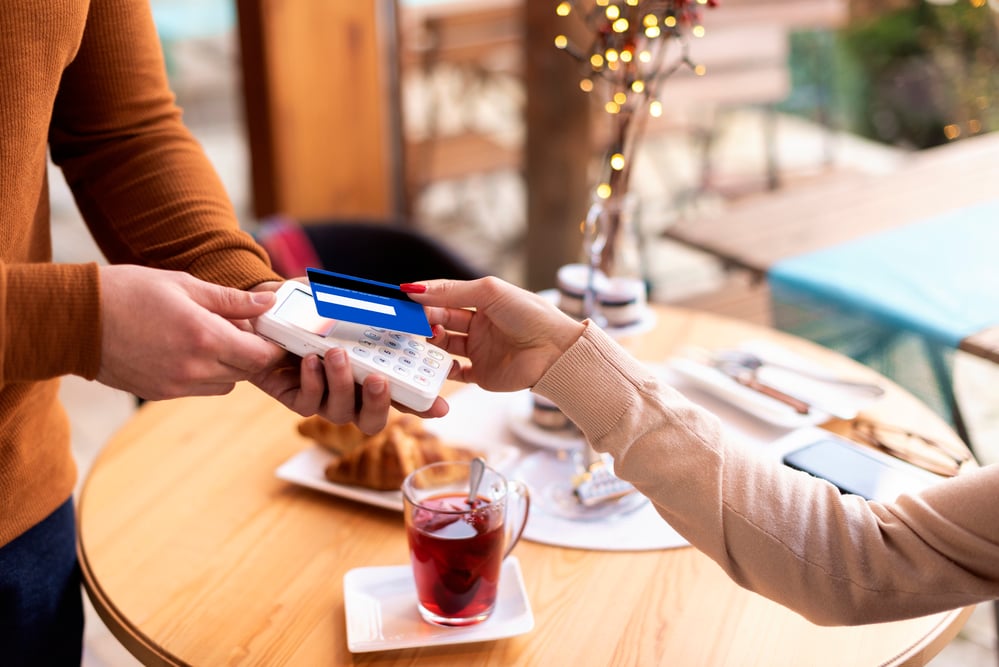
Moving to the Netherlands involves adapting to a whole new banking system, where most people value debit over cash or credit.
If you’ve just arrived in the Netherlands or you’re switching banks, finding the right bank can feel overwhelming. But here’s the good news: ING takes the hassle out of banking with a smart, secure platform designed for modern life.
(And, yes — they speak English!)
Opening an ING account is quick and easy
ING lets you open an account directly from their cheery, orange banking app.
The online application guides you through each step, asking for the essentials without drowning you in paperwork or expecting you to drop in for an in-person appointment.
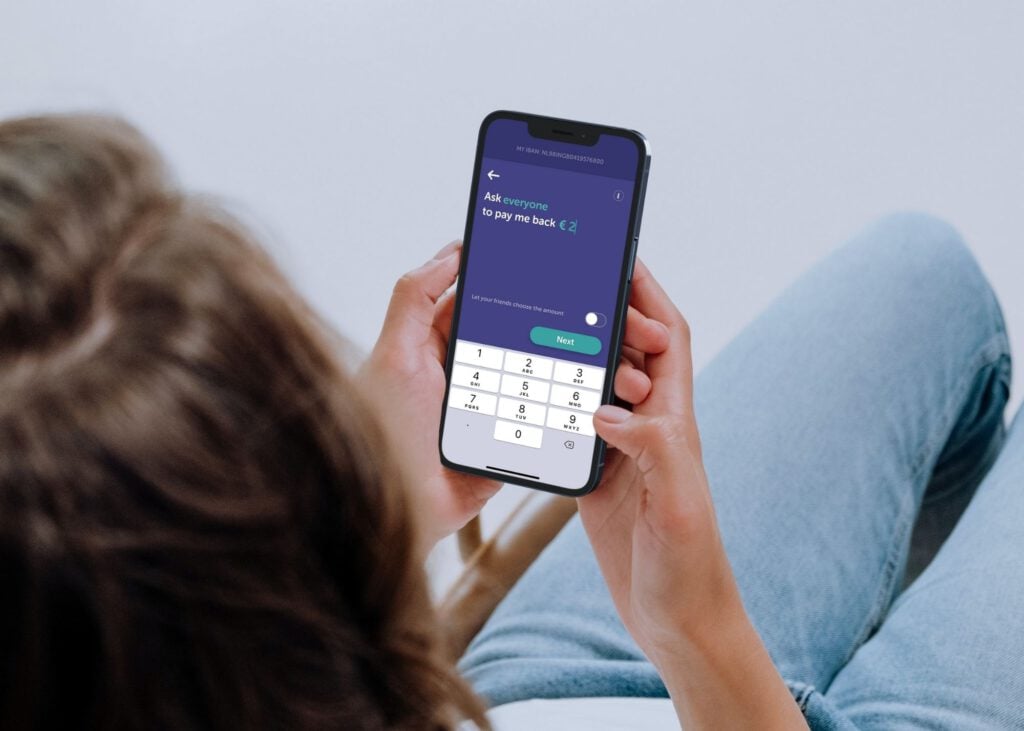
In addition to a quick and seamless sign-up process in-app, ING lets you handle your daily payments straight from their handy mobile app or online banking portal. Image: ING/Supplied
Once you’ve submitted your application, ING typically reviews it the same day. If everything checks out, you’ll receive your debit card and login details in the post shortly after approval.
What you need before you open an account
Before you rush off to create an account, it’s important to make sure you’ve got all the documents you need.
Let’s quickly run through what these are:
A valid form of ID (this can be your national ID card, passport, or residence permit),
Your BSN (also known as your burgerservicenummer or citizen service number),
Your TIN (also known as your Tax Identification Number),
Some proof of address (such as your rental agreement), and
Your residence permit, if you’re outside of the EU.
In addition to these, ING may ask you for documents proving your ties to the Netherlands.
If you work for a Dutch company, you may need to provide a copy of your employment contract. Image: ING/Supplied
Geen stress, because this is quite simple — sometimes you’ll also need your Dutch employment contract or proof of enrollment at a Dutch university.
Once you’ve got your documents in order, the actual application is smooth sailing.
Smart features help you manage your money effectively
Where ING really shines is in their banking features, which help you actually understand where your money goes.
Because let’s face it, “Where did all my euros vanish off to?” is a question we’ve all asked ourselves at least once (usually after discovering the damage from a night out in Amsterdam).
With expense tracking, ING’s handy app breaks down your spending by category. You can see how much you’re spending on groceries per month, or how much you’ve spent on public transport in a month.
And if you want future insights into your finances, you needn’t get out a crystal ball. ING’s Kijk Vooruit (Look Ahead) feature predicts upcoming expenses by analysing trends in your spending. Handig!
Whether you’ve got an upcoming rent payment or your regular delivery of groceries, Kijk Vooruit will give you a handy overview of your future expenses. Image: ING/Supplied
Saving is also simplified, thanks to Rond af & Spaar (Round up & Save). Each payment you make is automatically rounded up, with the difference deposited in your savings account.
You’ll get expert guidance (with a personal touch!)
One of our favourite aspects of banking with ING is their free financial coaching. Yes, you read that right — their Insight Conversations for customers, which give you access to financial guidance, are free.
Customers can book a one-on-one session (online or in person) with financial experts who’ll help you navigate everything from budgeting to saving for major life goals.
Whether you’re trying to get your spending under control, planning to take out a mortgage, or trying to boost your savings, these conversations can be genuinely helpful.
Tailored to your personal financial situation, you’ll walk away with new insights, rather than generic tips.
Help is always accessible, thanks to English-language support
For internationals living in the Netherlands, having access to financial support in a language you can understand is crucial.
There’s nothing worse than trying to wrap your brain around the finer details of investing, only to be hit with complex Dutch terms like “beleggingsportefeuille” (investment portfolio).
Whether you’re looking for financial coaching or just a breakdown of Dutch investment terms, ING’s customer service is truly top-notch. Image: ING/Supplied
We’ve found that ING understands this well, and their customer service is available in English — whether you’re calling, chatting online, or visiting a branch.
You’ll enjoy secure banking you can trust worldwide
When it comes to finances, security and reliability are important considerations.
As an international financial institution, ING operates within a broad global network and applies established safeguards and security measures to help protect customer accounts.
For customers who might move countries again in the future, knowing that you can open an account with a trusted banking service really takes a weight off your shoulders.
This article was sponsored by ING and written by DutchReview.
Have you banked with ING before? Share your experience in the comments below!
Being lactose intolerant in the Netherlands is, for lack of a better word, immoral. It is a crime against culture and completely socially unacceptable.So, if you’re afflicted, it can seem plain impossible!
Well at least it seems so at first.
I recently moved to the Netherlands with my mind filled with idealistic images. I saw myself frolicking through tulip fields in clogs, cycling past windmills and sailing through cosy canals.
But something was lurking in the corners of my Dutch life fantasies. Something creamy. Something that sprinkles perfectly over pasta. Something that can be matched perfectly with a nice bottle of red wine.
Dutch people are, in general, very proud people. They are proud of their culture, proud of their great artists, proud of their language and proud of their cheese. As they should be!
Dutch people also like to ‘say it how it is’. You can trust a Dutch person to be straightforward and let you know when something irritates them.
Mmm, looks delicious. But your stomach won’t be thanking you for it. Image: Unsplash
To that end, I learnt quite quickly that lactose intolerance irritates people. A lot.
To understand the Dutch inability to accept lactose intolerance, you have to be aware that Dutch people have one of the lowest lactose intolerance rates in the world.
Just 0.14% of the nation has a biologically bad relationship with the primary ingredient of the nation’s favourite food. Dutch people live and breathe dairy, and many believe it is the cause of their claim to fame as the tallest people in the world.
Dairy is not just a food group in The Netherlands — it is a way of life. Dutch people love the stuff. Every kitchen I have entered in this country has a cheese cutter alongside the knives and forks.
Grown men in offices wearing suits slurp glasses of milk with their lunch, and the cheese aisle in the supermarket might as well be a store of its own.
How can you possibly try and integrate into a country where you are biologically incapable of the most fundamental lifestyle element of all? How can you possibly live dairy-free in a land of milk-sipping giants?
Upon arrival to the Netherlands, you might find yourself wondering… why the cheese? Image: Unsplash
Dairy is the way to a Dutch person’s heart, and without the digestive capacity to bond over a nice piece of gouda, my love life is certainly suffering.
I have attempted to find Dutch culinary alternatives, but it is not quite as romantic to flirt while cramming raw herring into your mouth…
Is there a way out?
But fellow lactose-intolerantees bound for the Netherlands, do not fear!
There is one big benefit to your dairy-free dilemma. It is the perfect excuse to skip one of the most ridiculous meals you’ll see in the Netherlands.
Most of the world knows that breakfast is the most important meal of the day, but from watching my housemates start the day with chocolate sprinkles on toast, I think the lowlands missed the ‘breakfast of champions’ memo. 🏆
Dessert snack or… breakfast? The Dutch love to get those confused. Image: Amin/Wikimedia Commons/CC 4.0
I’m not joking. Fully grown adults do this here. It’s completely normal and called hagelslag. It looks like the kind of snack you would serve at a children’s party where I’m from, but hey — I’m lactose intolerant, so it’s not my problem.
Have you experienced these problems being lactose-free in the Netherlands? Tell us in a comment below! 👇
Do you have an Odido router in your home? There’s a reason it’s so affordable. The Dutch network operator has allegedly been sharing detailed information about your home network with a foreign AI firm.
While working on a project for MIT, an ethical hacker in the Netherlands made an accidental discovery.
Sipke Mellema learned that his Odido (formerly T-Mobile) router had been forwarding data about the devices in his home to Lifemote, an AI-based home Wi-Fi solution for Internet Service Providers.
A Telegraaf report later confirmed the pentester’s (penetration tester) findings, adding that Odido had failed to disclose its side gig to customers in its privacy policy.
What information is leaving your home
How bad is the damage, you ask?
Odido routers were reportedly transmitting the names and MAC addresses of every device on your home network. A MAC address is a unique code that every device carries, and you can think of it as a digital fingerprint.
In addition to the name of the device, the kind that reads “Kriti’s iPhone” or “Bedroom TV,” it paints a precise picture of what is in your home and where you are connected.
Is it just me, or did #odido omit certain things from this leak disclosure email?
Left: the email detailing what was or wasn't leaked (in Dutch)
Right: haveibeenpwned entry taking information from their official disclosure, which contradicts it.
Dating back to September 2025, Odido’s privacy statement explicitly mentions the collection of modem data.
The privacy statement further explains why Odido must process personal data. Aside from the purpose of delivering the internet, it vaguely cites “legitimate interest” and “legal obligation.”
However, there is no disclosure that this information is passed to third-party companies outside of the Netherlands, like Lifemote.
Not an isolated incident
This isn’t the first time Odido’s approach to customer information has drawn scrutiny.
The provider has previously been fined for sharing customer traffic records with Statistics Netherlands (Centraal Bureau voor de Statistiek) for algorithm development without obtaining proper consent.
Last month, the company was hacked, and when Odido refused to pay the ransom, the personal data of millions of customers was floating about on the dark web.
As of now, Odido’s software appears to have been updated, based on Mellema’s own observation that transmissions to Lifemote completely stopped after his post gained traction.