Home Blog Page 396

Feel it in your wallet yet? Inflation rises to new record in the Netherlands

Daily life is getting more expensive in the Netherlands. By how much, exactly? Well, you’re paying 13,6% more this month than August last year.

While that number doesn’t sound like a lot, it’s good to keep in mind that it’s the highest the inflation rate has been this year so far.

Back in January, the inflation rate was measured at 6.4%. And, at the end of July 2022, it rose to 11.6%.

READ MORE | Customers arenโ€™t prepared for their bills; Dutch energy companies concerned

Why are we paying more?

We can all point our fingers at the rising energy prices, which have also caused both electricity and gas prices to rise as well.

Russia’s war on Ukraine and its restriction on access to fuel had big consequences on energy costs as many European countries were relying on gas supply from the motherland.

Energy costs affect food prices too

Higher energy prices are also increasingly impacting food and grocery prices. Last month, grocery bills became 11.2% more expensive than those in 2021.

Due to rising expenses tied to food, drink, gas and light, living costs have become unsustainable for many Dutch households, writes NU.nl.

For now, the Dutch cabinet made plans for increasing purchasing power of the Dutch. Though they didn’t really go into detail as to how this was going to happen.

If you live in the Netherlands, how are you dealing with rising costs? Tell us in the comments below! ๐Ÿ‘‡

Amsterdam to shelter a thousand asylum seekers on cruise ship

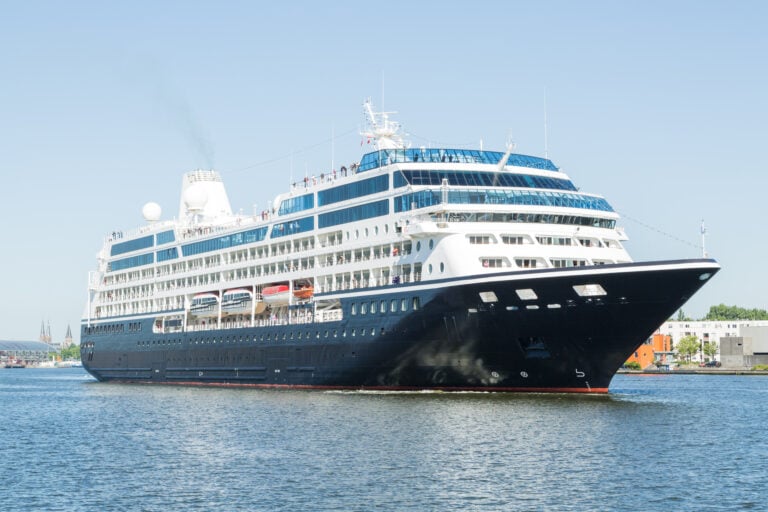
Amsterdam’s city council approved the use of a cruise ship to shelter at least one thousand extra asylum seekers in the Westelijk Havengebied.

Asylum seekers can stay on the cruise ship for up to six months starting on October 1, reports NU.nl.

Severe shelter shortage

The municipalities are using these ships to cope with the shortage of shelter places for asylum seekers. Initially, the cruise ship in Westelijk Havengebied will accommodate 1000 people โ€” but this could easily reach 1500.

Alderman Rutger Groot Wassink of Amsterdam, who manages social affairs and refugees, emphasises this is a short-term solution.

READ NEXT | Dutch cabinet plans to solve asylum crisis with temporary housing and financial aid

“It is important that the central government and municipalities reform the asylum chain so that these emergency solutions aren’t necessary in the future and people can be accommodated in a fixed place.” Well said!

Flexible funding

Parts of the agreement on the reception of asylum seekers is that Amsterdam receives a maximum of โ‚ฌ12 million from the government to build at least a thousand flexible homes and accommodate the asylum seekers on the cruise ship.

The Central Agency for the Reception of Asylum Seekers (COA) is responsible for management and operation. Asylum seekers can do volunteer work and take part in programmes for education, care, and other activities.

What comes next?

The reception of asylum seekers on large cruise ships was one solution to the shelter crisis. However, it is difficult for the Dutch cabinet to solve the problem without help from the municipalities.

For example, residents of the town Albergen wanted to buy a hotel to stop the reception of asylum seekers in the area. Similarly, the Vlissingen municipal council cancelled the plans to receive asylum seekers on a cruise ship after strong resistance.

For now, Amsterdam will receive 2100 asylum seekers and status holders apart from Ukrainian asylum seekers sheltered in the city.

Want the latest Dutch news to come zooming through the internet to your inbox? Dat kan! Subscribe to DutchReview’s weekly roundup ๐Ÿ“ฎ

Autumn draws near: chilly mornings and warm temps throughout the day

0

With September just around the corner, that cosy autumn weather is making its way to the Netherlands. โ›…

According to NU.nl, this weekโ€™s weather in the lowlands will bring Dutchies a bit of rain, some rather chilly temps in the AM, and a hot, sunny climate throughout the day. โ˜€๏ธ

Strong winds and a smidge of rain

The weather gods have chosen their favourites, and those living in the southeast of the Netherlands are not amongst the lucky bunch. Thereโ€™s a good chance rain will hit them this Wednesday. 

READ MORE | How to survive the Dutch winter: weather, clothing, and more

Next to that, a rather feisty northeastern breeze will jaunt along the coast and on the IJsselmeer (Lake IJssel) this week. So, for those within that area, hold onto your hats while you can. ๐ŸŒฌ๏ธ๐ŸŽฉ

Pack a sweater to go

Lowlanders will also be seeing some chilly mornings of about 10 degrees Celsius on the north side and 15 degrees in the southeast. 

So, it might be an echt goeie idee to pack your favourite seasonal sweater on your way out to work. ๐Ÿฅถ

Though, itโ€™s looking pretty toasty throughout the day with long periods of sun bringing temps up to between 22 and 26 degrees.

READ MORE | Celebrate autumn in the Netherlands with apple picking

At last, the ultimate pick of the litter this week are those living in the Limburg province, with the weather gods clearing the way for only the shiny sun to appear. Geniet ervan! ๐Ÿคฉ

Are you excited about the weather this week? Tell us in the comments below!

It’s the last day of NS train strikes (for now): no trains in south or east regions

After dealing with standstills and disruptions since Wednesday 24, the NS strike season will come to an end on August 31 (for the time being).

Thankfully, there won’t be any nationwide disturbances like we saw this past week. But, there won’t be any trains reaching areas in the southern and eastern regions, so expect complaints from passengers there.

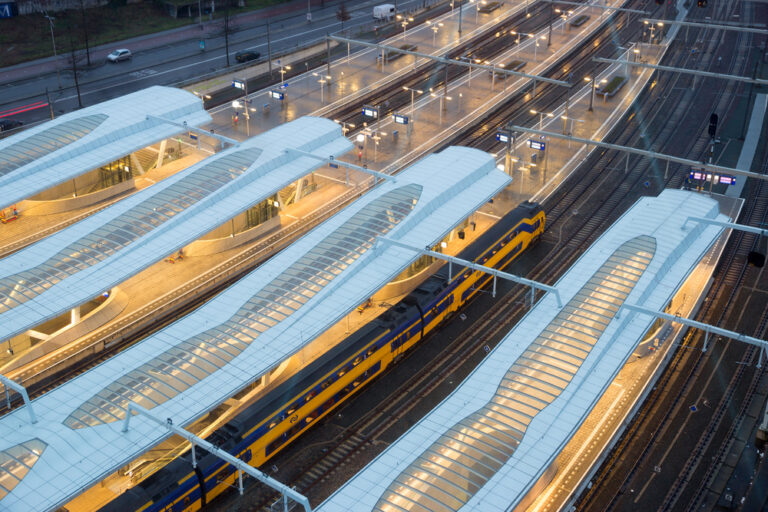
From the Western part of the country, trains will run as far as Amersfoort, Zwolle, Ede-Wageningen, Rotterdam Central, Dordrecht and Geldermalsen.

READ MORE | NS strike in central NL leaves trains at a standstill across the country

Not all trains are moving

The NS doesn’t exactly promise smooth cruising today due to the consequences of the past strike days, which caused certain trains to remain at a standstill.

Regional carrier trains, such as Arriva, Breng and Blauwnet, will run today. But, it’s still unclear whether the Eurostar, Thalys, ICE International and IC Berlin trains will manage to keep moving or not.

Potentially not the last day

There’s a possibility that NS strikes will carry on if the NS does not comply with the demands of the unions, writes the NOS.

The NS staff are mainly interested in receiving a one-off payment of โ‚ฌ600 and a permanent monthly salary increase of โ‚ฌ100.

While the interests of the NS staff are important, thousands of passengers are suffering the consequences of the relay strike.

The resulting cancellations are so disruptive that even State Secretary, Vivianne Heijnen, told the unions and the NS to come to a solution together.

That way, passengers can make their way across the country without having to deal with so many disruptions โ€” that is, more than they usually have to.

Stay up to date with all the news in the Netherlands by following DutchReview on Facebook.

The Netherlands wants to ban Russians from getting tourist visas

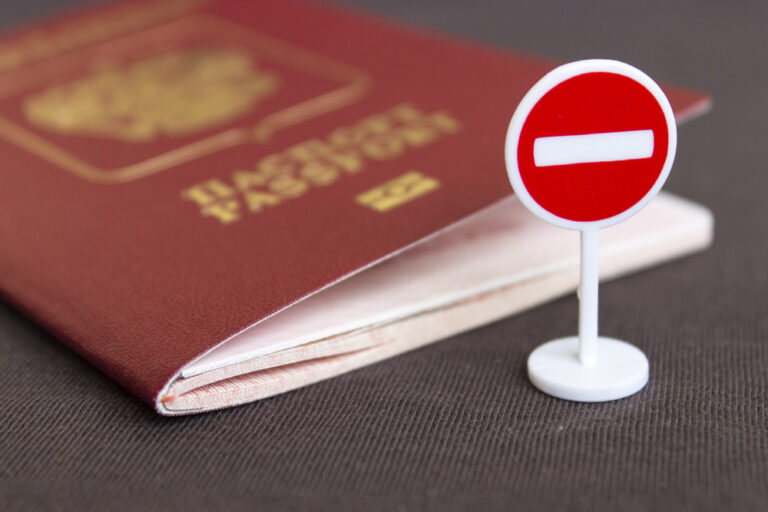
In the coming days, European leaders will discuss a ban on issuing tourist visas for Russian nationals.

The news of a potential Russia ban comes on top of numerous other European sanctions over the past few months, as a backlash to Russia’s invasion and war against Ukraine.

An issue of coordination

The EU’s principle of free movement is usually convenient and fun, but in the case of the Russian invasion, it has proven to be quite the hassle.

While some countries have already decided to stop issuing visas for Russian nationals, others have kept doing it, causing an issue of coordination for the European countries, writes RTL Nieuws.

After all, if you’ve got a visa from one EU country, you’ve got access to them all.

READ MORE | Dutch PM Rutte visits Kyiv to show support for Ukraine

Several EU countries (including, recently, the Netherlands) have therefore been advocating for an EU-wide ban on Russian tourists. The issue will be discussed among top EU leaders this week in Prague, Czech Republic.

The Dutch deputy prime minister, Wopke Hoekstra, says that the main goal of the talks is to increase European unity in the Russia-Ukraine situation. To make sure that the EU has a collected front and a coordinated strategy toward Russia, a collective visa plan is necessary.

Not intended to punish ordinary Russians

An estimated 1 million Russians have travelled across the EU border since the war started, and banning more from entering will have huge consequences.

The ban is not, however, directly designed to punish regular Russian citizens. Most Russians coming here are closely affiliated with the Russian regime, Mr. Hoekstra stated to RTL Nieuws. That’s the demographic many European countries now want to keep out.

Some hesitance

Not all EU countries are on board, however. This is because they fear that the isolationistic attitude toward regular Russians will become the norm.

There is also some concern about the opportunities for Russian dissidents of the regime, who wish to find a safer life in Europe. So, the situation is much more complicated than deciding whether to let Russian nationals visit a country or not.

It is still uncertain whether a visa ban agreement will be concluded in the EU this week, and what shape such an agreement might take.

Stay up to date with all the news in the Netherlands by followingย DutchReview on Facebook.

Prices hit the Netherlands: electricity reaches record high as gas plummets

In the Netherlands, electricity and gas prices have been increasing throughout 2022. Now, electricity costs are rising to new records as those for gas fall sharply.

The Netherlands saw an increase of 20% in energy prices in just the first three months of the year.

After that, energy companies began raising their variable rates from 20% to 30% โ€” causing residents to experience soaring energy bills.

Today, international markets are dealing with skyrocketing electricity prices. Traders pay โ‚ฌ1,000 for a megawatt-hour (MWh) of German electricity. In comparison, traders paid โ‚ฌ200 at the start of the year.

On the other hand, gas prices (which have also been on a steep rise this year) fell by more than 15% โ€” which values it at less than โ‚ฌ280 per MWh.

Why is this happening?

The main reason for the rise in European electricity prices is the ongoing war in Ukraine and Russia’s dwindling gas supply to Europe, as gas is often used to generate electricity, writes NU.nl.

On top of that, many French nuclear power stations are under maintenance and taking longer than planned to work again fully.

In the case of gas, the fall in prices can give thanks to Germany, the largest European economy, for filling its gas reserves faster than expected.

The Netherlands is also on track

The lowlands also have plans to fill its gas reserves after Russia demanded they pay for the gas supply in rubles.

According to Statistics Netherlands, the gas stock’s fill level in the Netherlands is up to more than 70%.

Based on the EU’s intended target of 80% for November 1, the Netherlands is still on track, writes the NOS.

Have you felt the rise in energy prices in your wallet yet? Tell us about your experiences in the comments below! ๐Ÿ‘‡

One Dutch man dead and two wounded in drive-by shooting in Indianapolis

Three Dutch commandos were shot at Friday night this weekend, in the American city of Indianapolis. One later died from his injuries, while the other two are still in the hospital.

The cause of the shooting is not yet clear, but it is assumed that a conflict in a nightlife situation might have been behind the actions, writes the NOS.

After the alleged bar conflict, the perpetrators drove past the hotel where the three Dutch soldiers were staying and shot several times at them as they were standing outside the building at around 4 AM.

No arrests yet

No one has been arrested yet, but there are suspects in the case, according to local American media.

The Netherlands sent three Dutch detectives to Indianapolis, to aid the investigation, writes RTL Nieuws.

They will gather their own information, but will not start a separate investigation, as they do not have jurisdiction in the U.S.

Tragedy overseas

According to Indianapolis media, this incident was the second triple-shooting in the area in just one week.

The American prosecutor recently expressed his grief and frustration to WRTV Indianapolis: “We continue to see lasting damage caused by the inability to resolve disputes before resorting to gun violence. We cannot tolerate this behaviour and the use of firearms or weapons as a resolution to conflict”.

The Dutch Ministry of Defence has also come out with an official statement in support of the soldier who passed away from the injuries.

“We are very much aggrieved by the loss of this highly professional serviceman and send our deepest condolences to his family and close colleagues. At this time, his close family and colleagues are with him”.

Want the latest Dutch news to come zooming through the internet to your inbox? Dat kan! Subscribe to DutchReview’s weekly roundup ๐Ÿ“ฎ

NS strike in central NL leaves trains at a standstill across the country

NS staff began their second to last scheduled strike at 4 AM today, affecting traffic across the whole country.

Employees from the middle of the Netherlands began the strike, and virtually no trains will run, reports the NOS.

The railway company still runs a train between Amsterdam Central Station and Schiphol four times an hour, while the Eurostar and Thalys trains continue as well.

On the other hand, most regional trains and other international trains do not run today whatsoever.

Unintended consequences

Originally, the NS planned to only strike in the middle of the Netherlands (Utrecht and Amersfoort). However, the impact of the strike is so great that no trains can run throughout the rest of the country.

The NS defended the decision to shut down trains today because Utrecht is part of several train routes. Meanwhile, many employees got involved in the coordination and planning for the strike in Utrecht.

What’s more, the morning and evening rush hours on the highways are even busier than usual. People travelling by car now have to consider traffic jams due to the higher number of cars.

Not soon enough

Travellers’ association Rover believes the NS did not communicate the strike on time, causing serious inconveniences to travellers. Director Freek Bos also questions whether the NS strike really affects train traffic in the north and south of the country.

While the unions already announced a five-day train strike, it was unclear that the strike in Utrecht and the surrounding area would cause disruptions country-wide.

What now?

The labour unions FNV Spoor, VVMC, and CNV are still campaigning for a better labour agreement. They demand higher salaries for NS staff and a one-off payment for 16,700 NS employees.

However, after strikes around Amsterdam, The Hague, and the northern regions, the East and South are the final regions to strike.

According to the NS, tomorrow will be the final day of striking โ€” but further disruptions may follow in the coming weeks.

Want the latest Dutch news to come zooming through the internet to your inbox? Dat kan! Subscribe to DutchReview’s weekly roundup ๐Ÿ“ฎ

BREAKING: NS announces basically no trains across entire country tomorrow

Were you expecting to hop on a train at some point tomorrow? Time to cancel those plans. The NS has announced that the entire country will be facing basically zero trains tomorrow, August 30.

This comes down to the current train strikes in North Holland, the NS has said. Tomorrow, train staff in the centre of the country are set to drop their gear as part of rolling strikes.

However, given the location of said strikes, the entire country is expected to be affected.

Affected how?

Basically, if you were hoping to travel by train tomorrow, crush your dreams. Unless you’re heading abroad.

READ MORE | No trains around Amsterdam today: another day of Dutch train strike

Trains will only be running between Amsterdam and Schiphol Airport, whilst Thalys and Eurostar trains will also continue to run, the NOS reports.

What about buses?

You can’t even rely on some cramped, stuffy buses to chug along and save the day this time. According to the NS, no alternative transport can be organised either.

Speaking to the NOS, a spokesperson for the NS voices the company’s frustration: “We find it extremely annoying that travellers are suffering so much from the impact of the strikes.”

Yes, we do. However, we imagine NS workers must find their circumstances extremely frustrating too.

Want the latest Dutch news to come zooming through the internet to your inbox? Dat kan! Subscribe to DutchReview’s weekly roundup ๐Ÿ“ฎ

Dutch IKEA stores to close earlier due to lack of nighttime shoppers

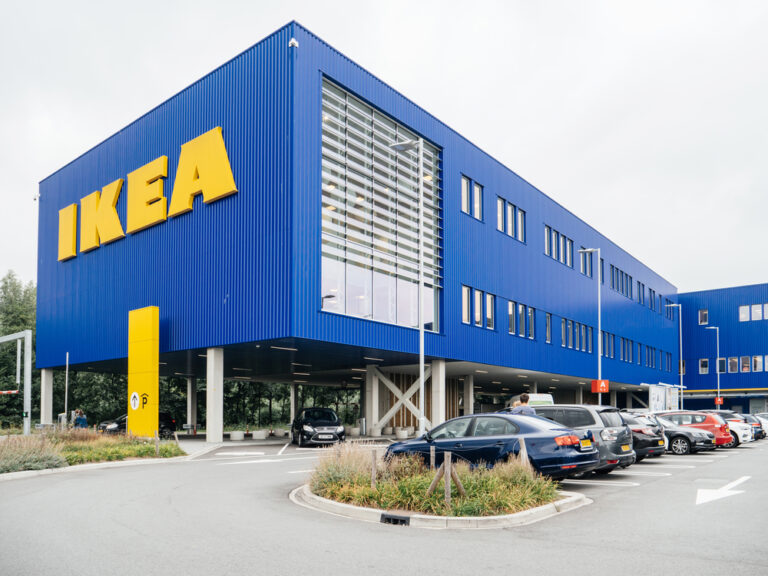
All 12 IKEA stores in the Netherlands will close one hour earlier than usual, starting September 1. Sorry, no more shopping for pillowcases after 8 PM. ๐Ÿ™…๐Ÿปโ€โ™€๏ธ

This change in schedule means that IKEA stores nationwide will keep opening their shops at 10 AM, but opening hours will end at 8 PM starting this Thursday.

This is due to the small number of purchases being made during the last opening hour, writes RTL Nieuws. So, for those who prefer shopping at night, this is your unlucky day.

READ MORE | Dutch Quirk #84: Buy everything from IKEA and then donate it to a Kringloop a year later

Does this also mean no IKEA hotdogs after 8 PM? Yes. Yes, it does. ๐ŸŒญ

The IKEA restaurant will also close earlier: at 19.30 on weekdays and as early as 18:30 on weekends. You’ll have to find that โ‚ฌ1 ice cream and hot dog elsewhere.

(Even) earlier on weekends

IKEA stores already close earlier on weekends, some as early as 6 and 7 PM. With the new decision to shorten the opening times, most IKEAs will close even earlier on Saturdays.

Certain branches (such as Delft and Barendrecht) will have their opening times shrunk by two hours, as they’re usually open until 9 PM on Saturdays.

Opening hours wonโ€™t change on Sundays, however, as stores already close as early as 6 PM.

Not due to staff shortage, for once

As many companies have recently been cutting business hours because of the national staff shortage, it’s easy to assume that IKEA is doing this for the same reason.

But, this decision actually has nothing to do with staff shortage and all to do with customer shortage. Sorry, no one wants to buy office furniture between 8 and 9 PM.

But what about the emergency decorative succulents? ๐ŸŒต We’ll just have to wait and get them in the morning. ๐Ÿคทโ€โ™€๏ธ

Are you more of an evening or a morning shopper? Tell us in the comments below! ๐Ÿ‘‡