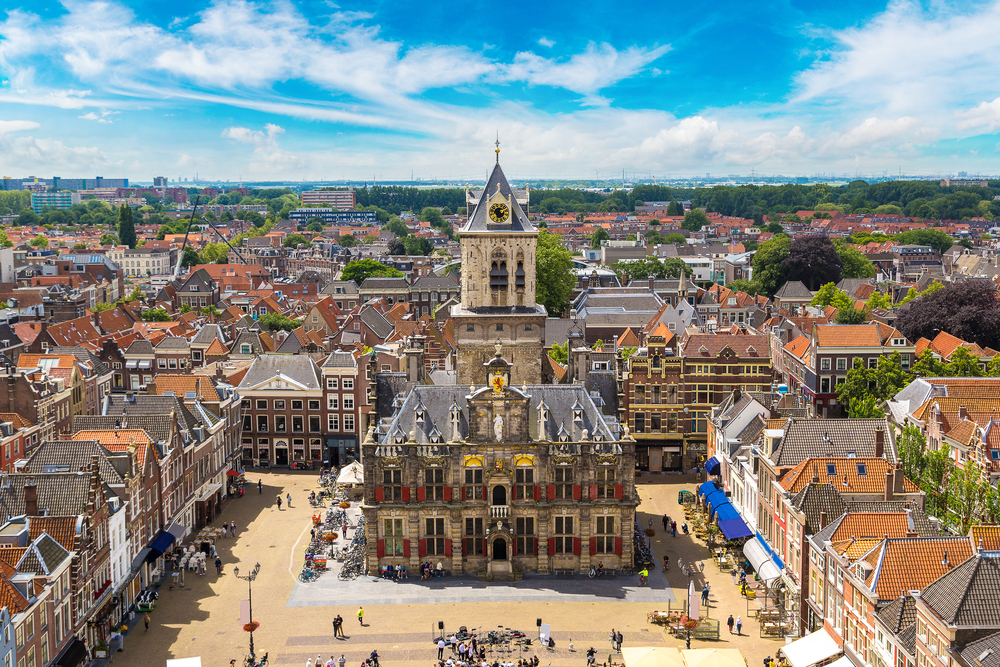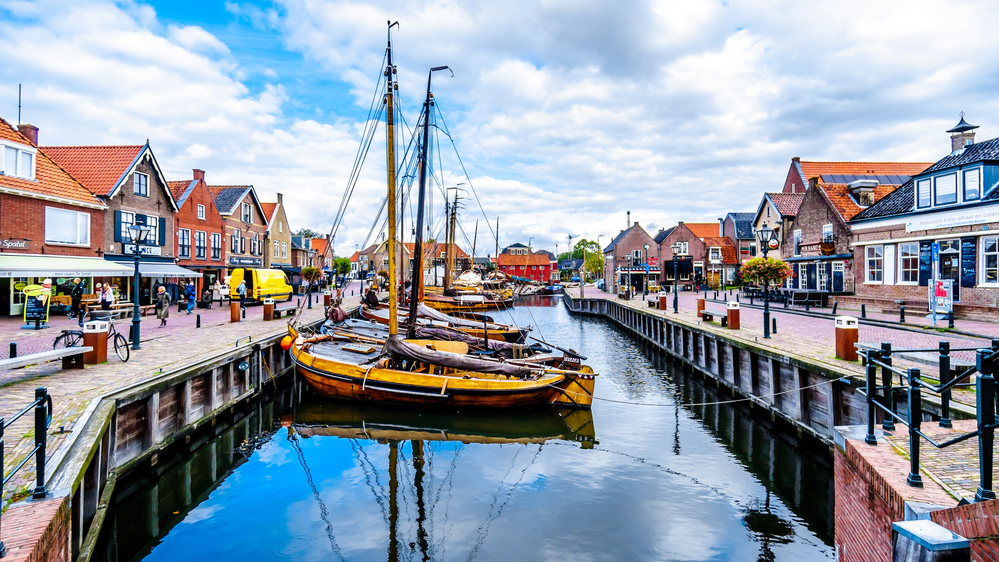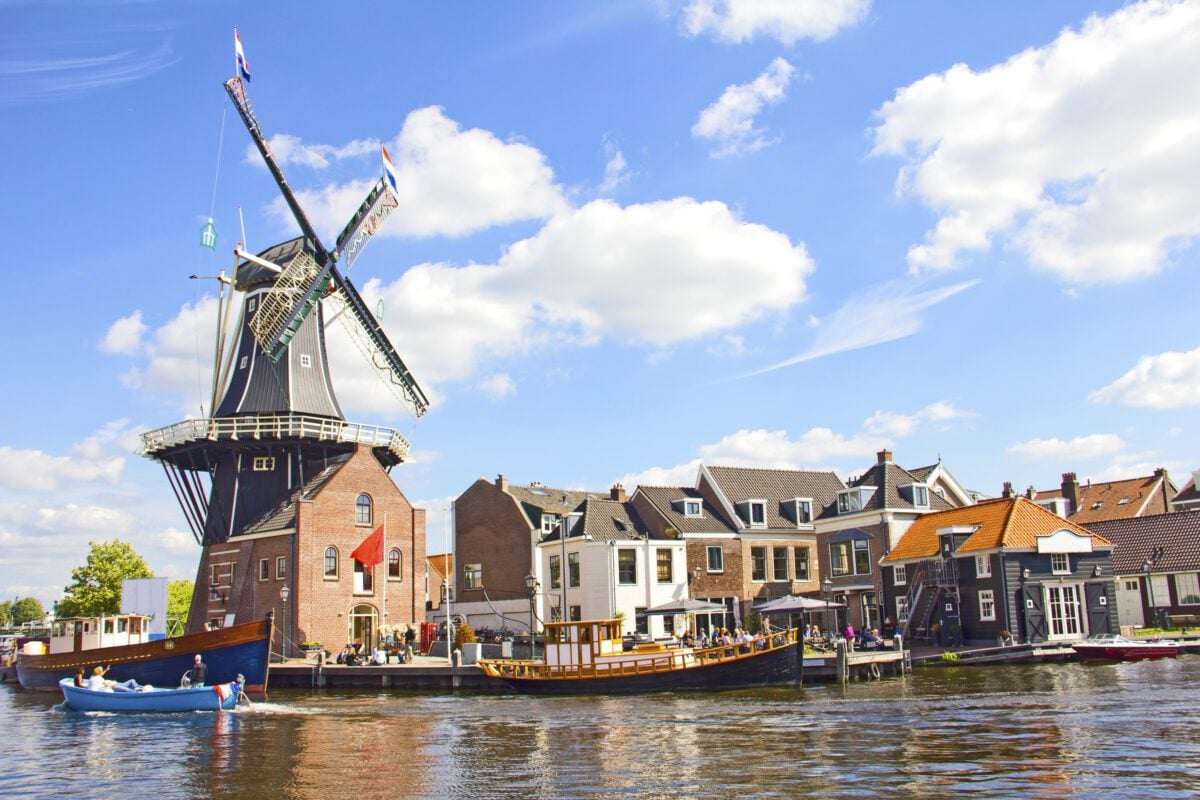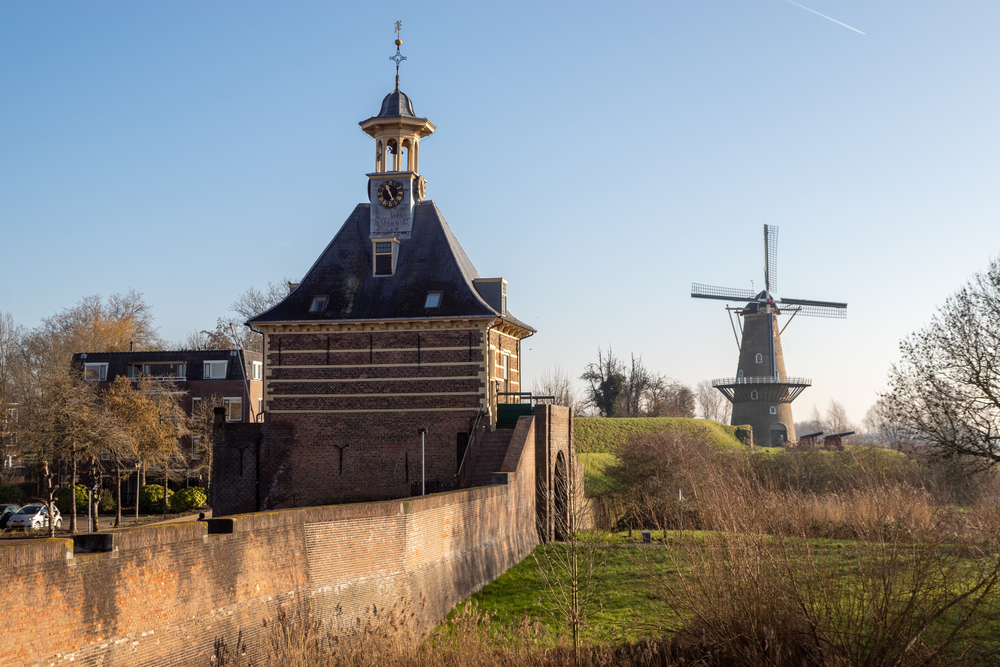
Before being connoisseurs of tulips, windmills, bikes, and happy children, the Dutch were seafarers, explorers, and conquerors. Along the way, they named many places.
The Dutch sailing expeditions yielded various outcomes โ some marked by tragedy, others by successful discoveries of new trade routes and lands. Naturally, as the first Europeans to arrive in many of these places, the Dutch also took the opportunity to name them.
So, here are seven well-known places in the world whose names are Dutch, and their stories.๐
1. Tasmania and New Zealand: Searching for gold
Abel Tasman was a 17th-century Dutch explorer and merchant for the VOC. His voyages led him to “discover” four of the lands we know today as Tasmania, New Zealand, Tonga, and Fiji.
In August 1642, the Council of the Indies sent Tasman and Franchoijs Visscher to explore Beach โ a mistranslation of Locach, long mistaken for northern Australia and described by Marco Polo as rich in gold. ๐ฐ
Abel Tasman National Park, New Zealand. ๐ Image: Depositphotos
By late November 1642, Tasman spotted a new coast after stopping in Mauritius and being blown northeast by a storm.
In line with tradition, he named it Van Diemen’s Land after his sponsor, Governor-General Antony van Diemen. It was renamed Tasmania on January 1, 1856, in honour of its first European visitor. ๐ฃ
Van Diemen’s Land! Or is it Tasmania? Image: Pixabay
Just 13 days later, Tasman sighted New Zealand. Unfortunately, he was unaware of that โhe thought it was connected to Isla de los Estados in Argentina and named it Staten Landt, after the States-General.
In 1645, Dutch cartographers corrected Tasmanโs mistake and named the land Nova Zeelandia, after the Dutch province of Zeeland.
On his return, Tasman and his ships passed through the Tongan archipelago, spotting the Fiji islands, which the explorer named Prince William’s Islands. ๐
2. Easter Island: A troubled journey
In August 1721, the Dutch West India Company sent explorer Jacob Roggeveen to search for the mythical Terra Australis and explore a westward trade route to the Spice Islands (The Makulu).
Sailing through the South Atlantic into the Pacific, Roggeveen โ like many before him โ set out for one discovery and found another.
On April 5, 1722, Easter Sunday, he spotted new land and broke with tradition by naming it not after royalty, but the day itself: Easter Island. ๐ฃ
Much controversy lies in Easter Island’s past with the Dutch. Image: Horacio_Fernandez/Wikimedia Commons/CC3.0
Perhaps he followed the example of British captain William Mynors, who, on Christmas Day 1643, saw an island in the Indian Ocean and named it…you guessed it, Christmas Island.
Roggeveen explored 12 islands, but the journey was rocky: he lost his flagship and clashed violently with some islanders, resulting in deaths.
In the Netherlands, the Dutch East India Company, VOC, arrested him for violating their monopoly and confiscated his remaining ships. He was acquitted and compensated after a lengthy lawsuit.
3. Robben Island: The political prison
Most know about the Dutch colonial roots of Cape Town, founded in 1652 as a VOC trading post.
But just 7 km west lies Robben Island โ not named after a person or bird, but the Dutch word robben, meaning seals, which they spotted in abundance. ๐ฆญ
Robben Island is perhaps most famous for the political prisoners that were detained there during the nation’s era of Apartheid.
Nelson Mandela, among others, was imprisoned on the island for 18 years before playing a key role in ending apartheid and later winning the Nobel Peace Prize.
The entrance to the Robben Island prison. Image: Depositphotos
Robben Island has held political prisoners since the 16th century, when the VOC used it to imprison leaders from other Dutch colonies.
4. Bluefields, Nicaragua: The Dutch pirate
Bluefields, a Nicaraguan municipality at the mouth of the Escondido River, is named after Abraham Blauvelt, a 17th-century Dutch East India Company employee who later turned pirate and used the area as a hiding place.
He was the first European to explore present-day Honduras and Nicaragua and traveled to England seeking support to establish a colony. When these efforts failed, Blauvelt turned privateer, raiding Spanish ships near Jamaica. โ
A modern-day look into the quaint town of Bluefields. Image: Danbob wind/Wikimedia Commons/Public domain
Blauvelt traded his spoils in New Amsterdam (now New York), but he was banished when the colony feared damaging its reputation by dealing with pirates. He fled to Bluefields โ and the rest is history.
5. Barents Sea: The unbearable cold
The sea along the northern coasts of Norway and Russia was once known as Murmanskoye morye (Murmansk Sea),ย which appeared on maps in the 16th and 17th centuries. In the 19th century, it was renamed the Barents Sea in honour of Dutch explorer Willem Barentsz and his Arctic expeditions. โ๏ธ
Barentsz led three voyages seeking a Northeast Passageโ believed to open each June due to melting ice โ offering a potential trade route to the Indies.
During the voyages, Barentsz and his crew faced polar bear attacks and harsh weather, with icebergs and frozen seas ending the first two expeditions. As a result, the States-General refused to fund further trips.
Instead, they offered a reward for success. Amsterdamโs Town Council supported a third expedition, sending two ships under Jan Rijp and Jacob van Heemskerk, with Barentsz commanding.
The voyage began promisingly: Barentsz discovered Bear Island, Spitsbergen, and several fjords. A split between the captains followed, with Barentsz continuing northeast.
In July, his crew became trapped in ice near Novaya Zemlya and endured a brutal Arctic winter; the following June, they attempted to return. Barentsz died at sea after a week, and the survivors were rescued by a Russian ship seven weeks after that.
The 2011 film โNova Zemblaโ by Reinout Oerlemans dramatises the harrowing journey.
6. Mauritius: The abandoned prince
Todayโs independent state of Mauritius has a very long colonial history with the Dutch, the French, and the British. There is also strong evidence that the island was known to Arab sailors before the European expeditions.
In the 14th century, Portuguese sailors visited the then uninhabited land, and their cartographers named it Mascarenes โ but took no interest in it.
White beaches and sun? Yes, please. โ๏ธ Image: Depositphotos
At the end of the 16th century (1598), bad weather whilst passing the Cape of Good Hope changed the route of five Dutch ships, which wound up sailing to the shores of Mauritius.
Under the command of Wybrand van Warwijck, they anchored and named the island Prins Maurits van Nassaueiland, after Prince Maurits of the House of Nassau.
The Dutch settled on Mauritius for their ships passing through this sea route and held it for 20 years. Eventually, though, they abandoned it. ๐
The French took over the island, renaming it the Isle de France and using it, among other things, to raid British commercial ships. That lasted until 1810, when the British took control of the island and returned its Dutch name.
7. In and around New York
Many of todayโs American toponyms originated in Dutch because of the first settlers. The Dutch heritage is visible in and around New York (previously known as New Amsterdam).
One of the theories says that it was named by the Dutch trader Adriaen Block, who, when passing by it, described it as โeen rodlich Eylande“ (a reddish Island), perhaps due to red clay.
Staten Island
Named after the States-General, Staaten Eylandt, from Staten-Generaal.
Located in 17th-century Nieuw Amsterdam on Manhattanโs southern tip, the street โ then called de Waalstraat โ was named after a wooden palisade built to defend against Native Americans and the British.
Did you know any of these places were named by the Dutch? If so, tell us which in the comments below! ๐ฌ
With its high quality of life, stunning canals, and strong international community, itโs no wonder almost one million people call Amsterdam home. But living in the capital city comes at a cost โ the highest cost of living of any Dutch city, to be precise.
If youโre thinking of making the move to the capital yourself, youโre likely wondering about the cost of living in Amsterdam. As someone who has lived here for years, I’m here to hold your hand through the expenses.
But first, let me tell you: what’s left in your wallet at the end of the month depends greatly on your lifestyle.
In many ways, you get what you pay for in this city. But some general costs will give you a picture of what that can look like. Letโs break it down. ๐
Want to know costs quickly? Jump to a section below!
First things first: you have to live somewhere in Amsterdam โ and itโs likely going to be your greatest expense.
Although housing in the city is expensive far and wide, where you choose to live will be a great determining factor in the amount youโll have to shell out for rent or your mortgage.
In general, living within or close to the city centre will be more costly than living on the outskirts. And naturally, the more desirable the neighbourhood, the higher the price tag.
The great public transport network connects the outskirts of Amsterdam to its centre. Image: Dreamstime
Social housing is allotted for people with lower incomes, capping the rent at โฌ932.93 per month in 2026. The waitlist for social housing can take years, so itโs generally not very accessible to expats.
From January 1, 2026, the rent limit condition for eligibility was removed, meaning more renters may qualify for housing allowance (huurtoeslag) even if rent is above โฌ900.
The vast majority of people moving to Amsterdam will have to go for private housing in the free sector, which has no price regulation. Landlords have the freedom to set the rent at whatever price they see fit.
On average, these are the rent prices you can expect to find when combing the Amsterdam rental market:
Type of housing
Price range
Social housing
up to โฌ930
Room in a shared apartment
โฌ700 – โฌ1,200
Studio apartment
โฌ1,400 – โฌ2,200
1-bedroom apartment
โฌ1,700 – โฌ2,400
2-bedroom apartment
โฌ2,200 โ โฌ3,200
2-3 bedroom apartment/house
โฌ3,000 โ โฌ5,000
Keep in mind that rent costs are continually on the rise in Amsterdam, so donโt be surprised if you encounter some even higher prices.
Cost of buying a home in Amsterdam
Again: location, location, location. The closer you are to the centre, the less bang youโre likely to get for your buck (or the European equivalent thereof).
But what homes in the centre lack in size, they often make up for in character. For example, my ceiling is so low that visiting Dutchies often need to maintain a slightly cocked neck or bent knee for the duration of their stay, but the city view is ridiculous.
With a massive housing shortage and huge demand, houses in Amsterdam are very expensive. Image: Dreamstime
Another point to be aware of is that the real estate market in Amsterdam is competitive, and buyers often report paying far above the asking price for homes.
But buying a house and getting a Dutch mortgageis a whole separate story, so letโs stick with asking prices here:
Average costs of housing within the city centre (in 2026)
between โฌ9,000 โ โฌ12,000 per square metre
Average costs of housing outside the city centre (in 2026)
To buy a simple one-bedroom apartment on the low end of the spectrum, on the outskirts of Amsterdam, you might be able to get away with paying around โฌ250,000.
For a higher-end three-bedroom apartment in the centre, you can expect to spend something closer to โฌ600,000. Hereโs the (very general) range you can expect to pay for a home in Amsterdam:
Often, getting your gas and electricity from one provider will save money. If you rent, sometimes these costs will be included and covered by your landlord, but donโt count on it.
For many renters, gas and electricity will be included in your rent. Image: Freepik
Gas costs between โฌ1.15 and โฌ1.24 per cubic metre in the Netherlands, according to Keuze, which is fairly average in comparison with other countries.
Meanwhile, the ACM reports that electricity costs about โฌ0.23 per kWh, and the energy tax (including VAT) is estimated at โฌ0.1108 per kWh.
On average, you can expect to pay โฌ150-200 per month for gas and electricity in Amsterdam.
If youโre new to Amsterdam, you may find the system for paying your gas and electric bills a bit strange. Youโll likely be charged a flat rate each month based on the average usage predicted for your house and the number of occupants.
Once a year, in April, youโll either get the money back that you overpaid for your usage, or youโll have to pay for the excess you consumed.ย
Just keep in mind that the amount you pay each month is not necessarily the actual cost. However, the estimated cost will be adjusted each year based on your true usage.
Water
Water in Amsterdam works differently. There are two different ways that your water bill can be calculated.
Amsterdam tap water is perfectly safe to drink. Image: Depositphotos
If you use a water meter, youโll pay monthly costs by cubic metre of water used, plus an annual fee for the metre. If you opt out of the metre, bills should fall in the range of around โฌ15-30 per month.
Monthly internet costs
The average cost for the internet in the Netherlands is in the range of โฌ32 for a lower speed connection to โฌ67 for a higher speed(although itโs all relatively fast).
Itโs common to bundle your internet with TV and phone service. Some websites allow for an easy price comparison between providers, or will let you sign up for your utilities in English.
Phone
Cell phone plans in the Netherlands donโt differ much from those in other countries. Monthly costs can be as low as โฌ10 for unlimited calling with no data and up to around โฌ50 a month for unlimited data.ย
An average plan with up to 10 gigabytes of data and unlimited calling should be somewhere around โฌ20 a month. You may also need to pay an activation fee.
How much to budget for groceries in Amsterdam
Compared to other costs of living in Amsterdam, groceries are on the more affordable side, particularly if youโre mindful of where and how you shop โ and keep an eye out for those kortings!
NUMBEOprovides the following average costs for groceries in Amsterdam, and I have to say, they’re pretty spot-on with my own experience.
While youโre out there hustling to afford rent and pay taxes, you might need someone to look after your children.
The cost of Dutch childcare varies depending on the centre and what type and frequency of care youโll need for your child.
Daycare and nursery school for the little ones will cost around โฌ750 per monthon average, with discounts available if you have additional children. For after-school care, costs will be in the โฌ650 to โฌ800 per month range.ย
While childcare in the Netherlands can be steep, there are government benefits available. Image: Depositphotos
Some parents opt for childminders (oppas), who generally charge around โฌ7 per hour for the less experienced teenager or โฌ15 per hour for someone with more experience. If you would like them to do additional housework, it would be reflected in the wage.
Au pairs would likely be the least expensive option for your family, often exchanging room, board, and a small salary for a 30-hour workweek.
Many residents in the Netherlands qualify for a childcare benefit (kinderopvangtoeslag), wherein the government subsidises the cost.
In 2026, the benefit is capped up to โฌ11.23 per hour for daycare. This will also depend on the number of children you have, your income, and your social situation.
You can calculate how much you will pay using an online calculator.
๐พ Going out in Amsterdam
Price of transportation in Amsterdam
The least expensive way to get around in Amsterdam is by bike, and itโs usually the quickest way too.
When you do take public transportation (on those days when you donโt feel like turning up at your destination like a wet cat), you can hop on a tram, bus, or train with several options for ticketing. Or, grab a taxi, Uber, or scooter.
Additional multi-day, discounted, and other purchase options are available on the GVB website.
Taxis in Amsterdamare obliged to use a metre. They can set their own fares, but the government sets a maximum price. A trip from Schiphol Airport to the city centre should be around โฌ55. Trips within the city should be significantly less.
In general, taking a taxi is one of the most expensive options for getting around Amsterdam. Image: Depositphotos
Ubercosts will vary based on several factors, but they’re generally less expensive than a traditional taxi. A fare from Schiphol Airport to the city centre will be in the range of โฌ40-55.
If youโre up for the challenge of driving (and parking) a car in Amsterdam, youโll have several factors to consider:
Car expense
Average price
Parking
โฌ1+ per 15 minutes in the centre, with daily rates as high as โฌ80 (check the mapfor specifics)
Resident parking permit
โฌ37 per 6 months (Zuidoost) to โฌ300 per 6 months (Centrum)
Gasoline (1 liter)
Usually ranging between โฌ2.03 and โฌ2.08 per litre
Insurance (required by law)
โฌ130 per year (for a basic plan)
Tax
โฌ100 annually (based on the type of car, fuel required, age of the car, and CO2 emissions)
New car
โฌ35,500 (mid-size, mid-range sedan)
Total monthly estimate:
โฌ450
Eating and drinking out in Amsterdam
If youโre planning on going out for a night of dinner and drinks, expect to spend a fair amount of money.
Prices arenโt outrageous compared to many other major cities, but compared to the rest of the country, theyโre up there. Although, with a bit of trial and error and asking around, you can find a handful of places offering nice meals at friendly prices.
Health insurance is required for anyone living or working in the Netherlands. Generally, a basic package costs just over โฌ130 per month, but this can vary greatly by the company and plan you select.
Some employers offer corporate health insurance plans, which may be less expensive than taking out an individual policy.
The standard deductible (eigen risico), or price youโll need to pay each year before your insurance kicks in, is set at โฌ385 for all insurance providers.
Some people opt for a higher deductible in exchange for lower monthly costs. Children under the age of 18 are insured with the standard package free of charge.ย
Depending on your visa, you may be obligated to take out Dutch health insurance. Image: Freepik
The Dutch government also requires that you pay an income-based contribution for the standard package. This is a percentage of your salary, also known as the ZVW contribution. Your employer will forward it directly to the Health Insurance Fund.
Home insurance in Amsterdam
Home insurancewhen living in Amsterdam isnโt mandatory by law, but it is required by many mortgage providers.
Costs will vary based on your situation, taking into consideration things such as the value of your home and goods, your neighbourhood, and other risk levels.
A basic policy typically falls into the range of โฌ4 to 10 a month.
Other insurances in Amsterdam
Liability insurance is not obligatory either, but it is also so inexpensive that people generally have it. Paying just a few euros per monthwill cover claims from third parties for damages as serious as โฌ2.5 million.ย
Some Dutch liability plans may even cover, for example, when your friend comes to visit from another country and crashes their bike into someone elseโs.
Theyโre your visitors, so any damages they incur are covered under your dirt-cheap insurance policy.
๐ Cost of education in Amsterdam
Attending university in the Netherlands
For Dutchies, higher education is quite affordable because itโs subsidised by the government.
For international students, the cost can be much higher. You’ll pay an annual tuition fee based on your nationality, chosen degree programme, and whether you study part-time or full-time.ย
On average, full-time EU/EEA students will pay about โฌ 2,300 per year in tuition costs for a full-time program. Non-EU/EEA students can expect to pay up to โฌ15,000 per year. Ouch!
At least the buildings are pretty. ๐ฌImage: Depositphotos
In addition to tuition, the University of Amsterdam advises students to budget for somewhere between โฌ1,175 and โฌ2,000 per month on living expenses, including rent. They break it down as:
The Dutch government also subsidises school for children, so if you decide to send your child to a Dutch school, itโs nearly free of charge.
Youโll just need to make some small contributions for things like school trips or after-school activities, somewhere around โฌ100 annually.
The cost is significantly higher for a private education or an international school, with prices from โฌ4,500 up to โฌ23,000 euros a year.
๐ผ Working and salaries in Amsterdam
Salary expectations in Amsterdam
Now that we have a better picture of what it costs to live in the countryโs capital, letโs take a look at how salaries stack up.
Of course, they will vary greatly based on industry and experience, but in general, Dutch salaries are rather average โ a bit lower than the US and UK, for example, but still generally quite manageable in relation to the cost of living.
According to the Dutch Central Planning Bureau (CPB), the median gross annual salary for the years 2024-26 is calculated at โฌ46,500, which is roughly โฌ3,875 per month.
If you work in Amsterdam, it might even be higher than the average.
The national minimum wage for 2026 is set at โฌ14.71 per hour for adults over the age of 21.
Amsterdam may be expensive, but jobs in the city tend to pay very well. Image: Freepik
One nice thing about working in the Netherlands is that your employer is required to give you annual holiday pay, which is 8% of your salary. When negotiating salary, whether or not this amount is included in the offer can make a significant difference in your quoted salary.
Donโt forget about taxes!
If the salary range your potential employer is offering is something you can just manage to live with, consider taxes.
Youโll be obliged to pay payroll tax, which is made up of a salary-based tax along with national insurance contributions for pensions, Dutch benefits and allowances, and unemployment allowance.
This typically adds up to around 35.75% of your gross income(if you earn up to โฌ38,883 per annum).
As this tax is quite high, youโll want to consider your net (take-home) pay rather than simply your gross pay (total salary) โ the difference can be substantial.
You can use this calculatorto estimate your monthly net income based on your salary. Some expats qualify for the 30% tax ruling, which means they only pay Dutch taxes on 70% of their gross income.
Now, to add up all these separate costs would require some math, so to spare you the terrible inconvenience, here are the average estimatedmonthly costs of living for individuals and families living in Amsterdam:
Tech companies in the Netherlands are feeling discouraged by the caretaker governmentโs plans to disincentivise hiring โknowledge migrants.โ Should internationals be worried?
Global talent has been flocking to the Netherlands for some time; this small country offers more than just canals and tulips. There are also plenty of opportunities in the job market!
According to 2024 data collected by the CBS (Statistics Netherlands), sixteen thousand knowledge migrants chose to come here in that year alone.
Clearly, there is work to be had โ and to hear the experts tell it, not enough Dutchies to take it on.
In reality, the problem is more complicated. Letโs dive in.
What is the plan?
According to the Dutch government, there is a need โto further strengthen the knowledge economy and reduce migration to the Netherlands.โ
The plan, therefore, is geared towards deterring companies from hiring internationals in several ways.
For one, companies would be required to pay higher wages to knowledge migrants.
This might sound like a good deal for expats, but in reality, it discourages companies from hiring them at all due to the extra expense.
Permits for employer sponsorship will also be harder to obtain. Companies hiring expats will face stricter requirements to meet the standards for continuing to sponsor expats.
With more constraints on hiring expats, the Dutch government hopes to clamp down on the number of knowledge migrants. Image: Freepik
Essentially, the plan proposes adding more violations to the list of grounds for revoking a companyโs employer sponsorship permit.
The permitting restrictions also widely favour larger companies with a history of employing internationals.
For instance, if a company hasnโt employed an expat in the past two years, this could now work against the acceptance of its permit.
Seems counterintuitiveโฆbut ok.
The response
D66 and VVD have debated the plans, fearing business consequences and the ills of scapegoating expats for a larger issue.
Tech companies feel targeted by the plans, as their workforce is often international by necessity, they say.
Speaking to NU.nl, several companies, specifically NLtech, Booking.com, and Just Eat Takeaway, described the countryโs โscarceโ talent in โsoftware, data, and product development.โย
These kinds of businesses, also including ASML, Bol.com, and Marktplaats (to name a few), are worried. The sentiment among these companies is that the tight labour market has made it necessary to look outside for highly skilled workers.ย
Others think the concerns are slightly overblown. Speaking with NU.nl, the CEO of labour market researcher Intelligence Group, Geert-Jan Waasdorp, says these requirements wonโt make quite the splash as feared.
He says, โLarge corporations already pay a lot for talent; money is not an issue there.”
Of course, for smaller companies, start-ups, and companies hiring their first international employees, they might not even get the chance.
Because the permitting process is restrictive, these types of (often smaller) businesses are at a disadvantage compared to larger companies with a history of hiring internationals.
But is this really the best approach to addressing a weak Dutch knowledge economy?
What if there was another way?
Waasdorp had a different suggestion. Again speaking with NU.nl, he believes โThe government shouldโฆencourage employers to invest. For every knowledge migrant, you train a person for the same position.”
This approach seems favourable in the long-term attempts to resolve the issue.
Knowledge migrants cannot be occupationally demonised for coming to the Netherlands when the government doesnโt properly stimulate expertise development within its borders.
After all, closing the door doesnโt teach anyone how to code.
What do you think of the proposed plans? Let us know in the comments.
AI-based startups have taken the world by storm, and the Netherlands is no different. In the minds of some young entrepreneurs, this controversial new tool could even be used to help tackle one of the countryโs stickiest problems.
The land of clogs has been at the centre of housing debates for years now, thanks to acute shortages and steep prices.
The Dutch housing crisis has a variety of causes, and whatโs most relevant depends on who you ask. The only consistently clear element, though? Too much demand, too little supply.
So if you ask most national policymakers, the solution to this nationwide issue has to involve building new homes.
Thatโs where AI startups want to lend a hand. But should they?
Bureaucracyโฆ Always a mess, right?
While there are a million reasons why housing is difficult to build in the Netherlands, the frustratingly slow process often comes down to permit and regulatory issues.
According to Politico, in some cases, work takes years to begin. In their report, a project in Veldhoven (hi ASML!) saw actual construction start seven years after the first permit submission.
The reality is, these regulations and reviews often exist for very good reasons. Environmental reports need to be prepared, and impact research must be conducted to create housing within the guardrails of sustainability and convenience.
But at the current rate of demand increase, most places in the Netherlands simply canโt afford to wait that long, RTL reports.
So, some startups have approached the problem from a new angle: greasing the gears of efficiency with a little AI.
How does this work?
Startups like Struck and Haaven advertise their services as solutions to navigating the complex process of building in the Netherlands.
Struck focuses on โsimplifying compliance,โ according to their website. Theyโre using AI to decode zoning plans and navigate local and national regulations, depending on what you want to build (and where).
Haaven functions more as a guided platform that integrates different actors and customers in the construction field.
Here, AI is used to review regulations and to retain user data. As a result, they can identify what is needed to move a project forward. This also makes it easier to connect the right people.
Itโs highly innovative โ often bringing together architects, city planners, construction companies, and legal teams into one hub.
Their approaches might come from different angles, but the desired result is similar: easier construction processes in the Netherlands.
So whatโs controversial about it?
A band-(AI)d on a bigger issue
These AI start-ups certainly address the short-term need to build more quickly, but do they get to the root of the problem?
The continued stimulation of housing demand and the shift away from direct state-led housing construction toward market mechanisms have created an unsustainable environment in the Netherlands that goes beyond a general supply shortage.
What happens once the housing is built? How is affordability maintained? And how do we ensure the right people have access to these new living spaces?
While these companies can help guide customers through the process, they donโt have any interest in the welfare aspects of the housing crisis.
Thereโs also an issue of over-permitting: according to RTL, actual construction is struggling to keep up with the number of accepted building proposals.
Not to mention, even if new housing is built more quickly, if itโs done unsustainably or constructed poorly, weโre all worse off.
It seems that until the government returns to a more involved role in the housing market, itโs unlikely these startups will solve the long-term issues facing the Netherlands.
So is AI just being over-hyped once again?
What do you think of these startups? Let us know in the comments.
Is your pantry filled with Layโs and Coca-Cola? Next time youโre at the Appies, don’t be surprised if you see people screening their grocery lists for anything โMade in the USA.โ
Since Donald Trumpโs threat of military invasion in Greenland looms large, Danes are increasingly using a mobile app to boycott American imports.
The app โUdenUSAโ (Danish for โWithout USAโ) has gone viral, becoming the most downloaded title on the Danish App Store.
And the Dutch are quickly following their lead, reports Trouw.
A recent survey by onderneming.nl highlights growing frustration with the US in the Netherlands, finding that 40% of respondents plan to buy fewer American products in the future.
How the app works
Created by 21-year-old Jonas Pipper and 22-year-old Malthe Hensberg, the app is easy to use.
Simply scan a productโs barcode: if it comes from the US, a large red cross flashes across your screen. If itโs from anywhere else in the world, you’re met with a reassuring green checkmark.
As Yankeephobia plagues the Netherlands, too, the app has already added Dutch language support.
The real challenge, however, lies in avoiding the everyday staples that many don’t realise are American-owned.
The omnipresence of American goodies
When you start your day with some good olโ cereal, Quaker and Kelloggโs (firmly American brands) are the most popular.
Want to sprinkle some hagelslag on your toast? These chocolate sprinkles sold their soul to the Americans, too. Trusted brands De Ruyter and Venz are owned by the American conglomerate Kraft Heinz.
Aside from territorial invasions, Americans are known to be pioneers in calorie-rich snacks.
Since Layโs is a clear no-go, you grab a Dutch delicacy: borrelnootjes. The unsuspecting Dutch brand Duyvis somehow gets a CROSS. Much to your surprise, Duyvis is owned by PepsiCo.
The soft drinks aisle is perhaps the most difficult place to escape the jarring red crosses of the UdenUSA app.
Coca-Cola, Pepsi, Fanta, Sprite, 7Up, and Dr Pepper are met with UdenUSAโs disapproval.
The cleaning aisle, too. The brands Dreft, Ariel, and even Ajax (not the football team) are owned by American giants Procter & Gamble.
While there is little evidence that boycotting really helps politics, they serve as a powerful social statement. Moreover, choosing local or smaller businesses is almost always the better, greener decision.
And if you donโt have the budget to be environmentally conscious, there is a dearth of store-brand alternatives at Albert Heijn, Jumbo, or Lidl that can help you bypass the American giants.
Know someone whoโs thinking of switching Dutch bank accounts? With INGโs latest deal, you could earn up to โฌ500 for inviting your friends. ๐ฅณ๐ธ
If a generous sign-up bonus for one of the Netherlandsโ largest banks sounds too good to be true, you probably havenโt heard of INGโs โConnect a Friendโ deal yet.
Hereโs everything you need to know, and how you can cash in.
Meet ING: a solid choice for internationals
If youโre new to the Netherlands, INGโs patriotically orange lion is probably one of the first logos youโll spot when you Google โopening a Dutch bank accountโ.
But, make no mistake: INGโs not just another traditional bank with endless bureaucratic hoops and financial services exclusively in Dutch. Their reach is global, with a strong European base, and retail and wholesale banking services in more than 100 countries.
This cosmopolitan mindset enables them to understand what internationals in the Netherlands are looking for, from English-language support to a quick and straightforward sign-up process.
With ING, you get to use your Dutch bank account right away. (Who doesn’t like bypassing all that Dutch bureaucracy? ๐) Image: Freepik
For example, many banks in the Netherlands require you to submit a BSN (citizen service number) prior to opening an account. At ING, on the other hand, you can open an account in just 10 minutes, with up to 90 days to hand over your BSN information.
What is INGโs current โConnect a Friendโ deal?
Ahh, who doesnโt love the sweet scent of free money? ๐ธ
If youโre an existing ING customer, their limited-time โConnect a Friendโ deal is an easy-peasy way for you to share the benefits of banking with ING while earning some cash on the side.
The process is super simple: when you invite someone to join ING through your personal invite link, both you and your invitee receive a โฌ50 bonus as soon as some basic criteria (more on this below!) are met.
With an invite valid for up to 10 new ING users, you could be looking at a cool โฌ500 in bonuses.
Hereโs how to claim your โฌ50
Ready and raring to cash in? Itโs a simple process, so letโs walk through it together. ๐
First things first, you need to access that snazzy invite link of yours. Youโll find it in your ING banking app, provided youโve been a customer for at least three months.
Sharing ING’s invites with your friends could net you up to โฌ500. Image: Freepik
Next, itโs time to reach out to someone you know whoโd like to open a Dutch bank account. This could be a friend, family member, or even a coworker whoโs looking to switch banks, as long as they havenโt been an ING customer in the last 12 months.
The next steps are solely for your invitee (so be sure to send them this article ๐):
Open a current, student, or joint account via the invite link
Make at least five payments with your ING banking card, Google Pay, or Apple Pay
Deposit at least โฌ100 in your Orange Savings account
Complete all the steps within 4 weeks to be eligible
Once all those steps are ticked off, just sit back and relax, because you can both expect โฌ50 in your accounts within 8 weeks.
You can earn up to โฌ500, but thatโs not the best part
Okรฉ, letโs say youโve reached the referral limit of 10 friends and a cool โฌ500 has just been deposited in your snazzy new ING account. What now?
Well, the real pot of gold is what you and your friends are walking away with: an affordable and international-friendly bank account from a world-renowned financial institution.
INGโs current accounts start at a super-low โฌ3.45 per month. (Plus, this account wonโt lock half its features behind a paywall to get you to opt for a premium tier. ๐)
And if youโre a student? Then your monthly costs are absolutely free!
Image: ING
But donโt let the sheer affordability fool you, because ING makes managing your money straightforward and stress-free. From making mobile payments to tracking spending and setting clear budgets, you can arrange everything from the comfort of your cheery orange banking app.
And, if the Netherlandsโ rising cost of living has you struggling to save money, ING has a little boost for you.
With an automated feature that rounds up your payments and stashes the spare change in a savings account, itโll help you build an emergency fund without cutting into your monthly expenses.
So if you or a friend are in the market for an international-friendly Dutch bank account and want to earn some money on the side, checking out INGโs โConnect a Friendโ deal is an absolute no-brainer. (Tip: Make sure you read the criteria carefully, to make sure youโre eligible!)
Want to learn Dutch but have difficulty making head or tail of the tongue-twisting sounds of the lowlands? Time to put on your headphones โ but not to drown out the noise. Instead, we’ve gathered the best podcasts to help you learn Dutch.
Dutchies are known for being good at English, and if you’re determined to, you’ll likely be able to get by in the Netherlands without speaking a word of Dutch.
The hosts know that their audiences are new to the challenging sounds of the Dutch’ g’ and ‘sch,’ so they try to speak slowly and clearly.
These podcasts are a great first stepping stone on your Dutch journey.
1. DutchPod101
This podcast provides beginners with the fundamentals they need to start learning Dutch.
A mix of grammar, vocabulary, and conversation, DutchPod101 takes listeners through the basics of Dutch in short episodes (about 10 minutes each).
The hosts speak English and Dutch during the episodes, so you’ll understand everything! You can find most of their episodes online for free, but you’ll have to subscribe to access additional resources on their website.
DutchPod101 also has a YouTube channel with helpful videos, so check it out if you’re unsure about paying for their website content!
๐งWhere to listen: Radio Nederland, Google Podcasts, or DutchPod101’s website.
๐ฅGood for: Beginners who want explanations in English (but DutchPo191 also has options for other levels.)ย ย
2. Een Beetje Nederlands
Een Beetje Nederlands(“A Little Dutch”) is a great podcast for people who want to learn Dutch while learning about Dutch history and culture.
There are episodes on everything from popular sporting events to famous Dutchies to World War II!
The episodes are 12-30 minutes long, fully in Dutch, and the host speaks slowly.
Plus, PDF transcriptions of each episode are available on the podcast’s website โ super handy for checking your understanding and practising pronunciation!
๐งWhere to listen: Spotify, Apple Podcasts, Google Podcasts, Pocket Casts, Podcast Addict, or the Een Beetje Nederlands website.ย
๐ฅGood for: Beginners who want to listen to a podcast with a personal touch.
3. Zeg het in het Nederlands
This was the number one most recommended Dutch learning podcast when we asked DutchReviewers on our Instagram, so it’s a crowd-pleaser!
Zeg het in het Nederlands, meaning “Say it in Dutch,” is a podcast that covers a wide range of topics in slow-paced Dutch.ย
The good thing about podcasts โ you can listen anywhere. Image: Depositphotos
It’s very similar to Een Beetje Nederlands but has been around for a bit longer, so there are more episodes for you to dive into!
However, it’s a bit less personal, and some people find the voice of the Zeg het in het Nederlands presenter a little monotonous (how controversial! ๐ต).
Whatever the challenge, these are guaranteed to help! They aren’t specifically made for language learners, but they are rich in content and spoken at a conversational pace.ย
4. Yous & Yay: New Emotions
This podcast is hosted by the two musicians, Sef and Pepijn (AKA Yous and Yay). In each episode, they invite a new interesting personality on the podcast to interview them about their life and career.
They speak to “interesting people, inspiring people, beautiful people, annoying people, and cuddly people,” most of whom work in a creative field.
Touching on lighthearted and deeper subjects while keeping a relaxed tone and tempo, this podcast is great for learning Dutch as it is used in conversations!
The episodes are up to two hours long, so you can easily listen to them while working out, cleaning, or whatever other task you might want to distract yourself from.
๐งWhere to listen: Spotify, Apple Podcasts, Google Podcasts, Stitcher, NPO Radio 1 Podcasts, or VPRO.
๐ฅGood for: Intermediate speakers who want to challenge themselves to follow longer conversations in Dutch.ย
5. De Universiteit van Nederland
This podcast has more than 300 episodes for you to dive into to learn not only Dutch but also about โ well, almost everything!
You can think of “The University of the Netherlands” as somewhat of a Dutch TED Talk podcast.
It has short (around 15-minute) episodes, each presented by a scientist from a Dutch university. The host briefly introduces the theme in each episode, followed by a mini-lecture from the scientist.
Fluent in excuses? Try Dutch instead โ just press play! Image: Depositphotos
While there might be a bit of science jargon, the podcast is made for laypersons, so don’t worry โ you won’t have to Google Translate like a madperson every 10 seconds.
These podcast episodes’ clear presentation style and structure make them easier to follow than Dutch conversational podcasts!
๐งWhere to listen: Spotify, Apple Podcasts, Google Podcasts, PodNL, and De Universiteit van Nederland website.
๐ฅGood for: Intermediate speakers who want a TED Talk-like experience.ย ย ย
Podcasts for learning Dutch as an advanced speaker
6. DAMN, HONEY
This podcast is hosted by Marie and Nydia, two friends, writers, and feminists who loudly and unapologetically talk about “fast fashion, being fat, the menstrual cycle, breasts, validism, catcalling, women in politics, sports and art, non-motherhood, sexual pleasure, the history of the Dutch women’s movement, autism, heteronormativity, porn, abortion and MOREEE!”
They were also number three on Vogue Netherlands’ “Ones to watch: Dutch women who make a difference in 2020.”
The bi-weekly episodes are an hour and a half long, but they also feature shorter topical episodes of about 20 minutes.
It’s a good podcast for learning conversational Dutch, but it can be difficult to follow at times. Mainly just because jokes, laughter, and banter all play an important part in the episodes.
But, if you want to learn the kind of Dutch you’ll need to gossip with your Dutchie friends at the next borrel โ then DAMN, HONEY is your new best friend!
๐งWhere to listen: Spotify, Apple Podcasts, Google Podcasts, and PodNL.
๐ฅGood for: Intermediate to advanced listeners who want to challenge themselves by listening to faster-paced Dutch, while feeling like they’re catching up with the girls.
7. Echt Gebeurd
This podcast is great for hearing various Dutch voices, speaking with slightly different dialects, and in different tempos.
Translated to “Really Happened” or “True Story,” the creators of Echt Gebeurd lend their podium to Dutchies who have a true โ but almost unbelievable โ story to tell.
It’s guaranteed to be funny, heartwarming, and sometimes echt cringe (which we love).
Echt Gebeurd is inspired by the American podcast “The Moth” and brings new 10-20 minute episodes every week.
๐ฅGood for: Intermediate to advanced speakers (depending on the episode) who want a good giggle.ย
8. SBS Dutch
This podcast is made by SBS (Special Broadcasting Service), an Australian broadcasting service. But it’s also a hidden gem for learning Dutch!
The SBS Dutch podcast features independent news and stories from the Dutch-Australian community.ย
However, the overall focus is on topics relevant to internationals.
That means you can learn Dutch by listening to stories and news you already know in a Dutch-Australian context.
The episodes are ultra-short (5โ15 minutes), perfect for our continuously shrinking attention spans, and you can also find them on YouTube.
๐งWhere to listen: Spotify, Apple Podcasts, Google Podcasts, Audible, and the SBS Dutch website.
๐ฅGood for: Intermediate to advanced speakers (depending on the episode) who want to keep up with international events. ย ย
9. De Dag
NPO Radio 1, one of the Netherlands’ main broadcasting channels, created this podcast. De Dag brings new episodes every workday, so there’s plenty to listen to!
Each episode is about 20 minutes long and focuses on one of the most interesting news stories from that day or another noteworthy current event.
There’s a good mix of international and domestic news, so you can follow stories you already know and learn more about what’s happening in the Netherlands.
๐ฅGood for: Intermediate to advanced speakers who want to learn Dutch while getting their daily dose of news.ย
That’s it! Whether you’re a beginner, intermediate, or advanced speaker, one of these Dutch podcasts will hopefully tickle your fancy (and your brain’s language centre ๐ง ).
Let’s grab those headphones and create some new neural pathways. Hoera for a new language!
What’s your favourite creative way to learn Dutch? Tell us in the comments below!
Living in the Netherlands and feeling a littleโฆ out of place? Between pannenkoek-eating blondes and friendly giants, thatโs no surprise โ but there are some things you can do to blend with the locals like a pro.
Of course, nobody should feel forced to โbecome more Dutchโ when living in the Netherlands, but hey, this country does many things right, so why not try to be a bit more like them?
So, letโs go over five ways to help you channel your inner Dutchie.
1. Carry plastic-wrapped sandwiches everywhere
A true Dutch trait is the ability to whip out a sandwich in any situation. On planes, at amusement parks, or even on a ski slope, Dutch people are always prepared.
Usually, these sandwiches are simple โ with cheese, maybe ham, and always wrapped in plastic or foil.
Can’t say no to a good ‘boterham’ ๐โโ๏ธ Image: Freepik
Why do they do it? To save money, probably (yes, the stereotypes are true).
2. Master Dutch filler words
Nothing screams โI belong hereโ like sprinkling casual Dutch expressions into your conversations. Donโt actually speak Dutch? Thatโs fine โ all you need are a few little golden words.
For example, you can use Dunglish (English + Dutch) to your advantage! Trust me, the Dutch do this all the time. For example:
โGisteravond I watched a crazy show op televisie!โย
โI was on the fiets when this happened.โ
“There’s nothing better than an ‘ijskoud biertje’!” Image: Depositphotos
There are even some specific filler words that can take your Dutch (wink wink) to the next level.
One of those words is hoor; a versatile gem you can slap onto almost anything. Although it does have a literal meaning (to hear), itโs really used more as a filler word. You can think of it in the same way Canadians use the word โehโ.
โYes, Iโll come to the borrel, hoor.โ
โNo problem, hoor!โ
Then thereโs nou, which kind of works in a similar way. Nou can act as an exclamation, a pause, or just a way to fill an awkward silence. ๐
โNouuu, thatโs really expensive!โย
โNou nou, I think itโs about time we get going!โ
3. Give your opinions freely (even if youโre not an expert)
The Dutch love a good debate, and theyโre not shy about sharing their views. To blend in in the Netherlands, try speaking with confidence on any topic โ from politics to cheese โ as if you have a PhD in it. ๐
Dutchies love a good discussion. Image: Freepik
Not sure if youโre making sense? No problem. Dutchies truly appreciate the art of opinionating, so don’t be shy! Remember: confidence is key.
Pro tip: If you back your arguments with a Dutch newspaper article, youโll earn extra respect points, even if the topic concerns the best stroopwafel in town.
4. Get a Dopper water bottle
Sustainability is key in Dutch culture, and carrying a reusable water bottle is practically a requirement. But if you want to blend in with the Dutch, you canโt just carry any water bottle; youโll want to opt for a Dopper bottle.
Head to any Dutch office and youโll see plenty of them. The same goes for a gym or a classroom, of course.
The good news for us wannabe Dutchies is that the Dopper looks nice and is much more affordable than its American friend, the Stanley Cup.
Oh, and its funky design even means you can screw the top off and use it as a glass for your beverage of choice (talk about Dutch innovation!).
5. Sport funky patterns and prints
Dutch fashion is all about individuality. Stripes, polka dots, bold florals โ sometimes all in one outfit โ are perfectly acceptable.
Bring out the prints! Image: Freepik
Are you a guy? Then ditch the baseball hat and plain T-shirt; instead, youโll now be rocking a flowy button-up with a colourful print.
Prefer to dress like a lady? To go Dutch, youโll need some animal print trousers. Zebra, cheetah, cow โ itโs all up to you. As long as it’s wild!
With the right clothes, youโll be blending in with the Dutch in no time. Individuality is a tool! So, just strut out of your house and act like your ensemble is straight off the runway. ๐
Trying to naturalise as a full-on Dutch citizen? Go for it, at least then your passport would finally be among the strongest in the world.
The Henley Passport Index for 2026 is out, and the Netherlands has been ranked in fourth place for the worldโs โstrongestโ passport.
Being a Dutch national now means you can waltz into 185 countries without a prior visa.
However, this is no surprise
Last year, the Netherlands also ranked in fourth place. The Dutch passport has been in the top five of this index since 2006.
And anyone travelling with a Dutch partner has witnessed this privilege when it’s time to enter the queue for passport control at Schiphol.
For those of us with “weaker” passports, the queue starts about a kilometre away from the immigration officer. Meanwhile, our partners may breeze through self-service passport control.
You may have even had the following conversation with a Dutchie:
“My family has to apply for a visa to visit me in the Netherlands.”
The Dutchie looks totally confused and replies, “What’s a visa?”
This disparity may make you wonder: how exactly did this ranking come to be?
Whatโs the index based on, anyway?
Compiled annually by Henley & Partners, this index ranks 199 passports against 227 destinations using data from the International Air Transport Association.
The scoring is simple: one point for every country you can enter visa-free, with a visa on arrival, or via an electronic visa. Do you have to deal with government approval or pre-arranged paperwork? Zero points.
The law firm launched this index in 2006 to track the evolution of travel freedom and global mobility over the years.
And what have we learned? Contrary to the idea that the โWest is the best,โ we are witnesses to a changing narrative. Perhaps global mobility has more to do with diplomacy, pro-business governance, and small borders.
Winners and losers
While the US and UK used to wear the crown, the top of the podium has gone to the East.
Singapore ranked first on the list, with visa-free access to a whopping 192 countries. Japan and South Korea share second place with easy access to 188 countries.
According to a Henley & Partners press release, this “reinforces Asiaโs long-standing leadership at the top of the global mobility rankings.”
Meanwhile, both the US and UK have seen a slump in passport power since their first-place position in 2014.
The US dropped from 4th to 10th place, while the UK fell from 3rd to 7th โ marking some of the biggest declines.
Despite where youโre from, for the authorities, all of us are just โpassport holders.โ
So hereโs a little summary of the passport rankings of 2026.
At the top:
Rank
Country
Access
1
Singapore
192
2
Japan, South Korea
188
3
Denmark, Luxembourg, Spain, Sweden, Switzerland
186
4
Austria, Belgium, Finland, France, Germany, Greece, Ireland, Italy, the Netherlands, Norway
185
5
Hungary, Portugal, Slovakia, Slovenia, and the United Arab Emirates
184
At the bottom:
Rank
Country
Access
97
Somalia
33
98
Yemen, Pakistan
31
99
Iraq
29
100
Syria
26
101
Afghanistan
24
Where does your country rank? Tell us in the comments!
According to the World Health Organisation, there are nearly 200 million stray dogs worldwide. Impressively, not one of them lives in the Netherlands. It’s the first country in the world without any stray dogs! ๐
Puppies are whisked around the city in bike baskets, most cafรฉs and restaurants are dog-friendly, and small pets can ride on public transport for a reduced price.
This dog-loving atmosphere evidently pays off โ but how did the Dutchies do it?
The history of stray dogs in the Netherlands
Owning dogs used to be a sign of status in the Netherlands. Upper-class people owned dogs as pets for sporting purposes, and the poorer masses owned mongrels (mutts) for working purposes.
Many Dutch paintings depict the dogs of ye olden times, such as this one by Joseph Stevens:
Given the intrinsic link to social status, there was a massive dog population in the Netherlands in the 19th century.
Stray dogs in the Netherlands: Dog Carrying Dinner to its Master by Joseph Stevens. Image: Trzฤsacz/Wikimedia Commons/Public Domain
However, an outbreak of rabies caused widespread fear of contamination, leading many owners to abandon their (possibly) disease-ridden pets.
As a result, Dutch society’s perspective on the human-dog relationship shifted. The health of a dog came to be seen as a reflection of the owner’s well-being. ๐ง๐
During this time, the Dutch government also introduced a dog tax (hondenbelasting) to try to regulate the number of stray dogs in the Netherlands.
Unfortunately, it had the opposite effect: as many people could no longer afford (or didn’t want to pay) to keep their pet dogs, there were even more strays on the streets.
The Animal Protection Act
The Dutch Society for the Protection of Animals โ the country’s first animal protection agency โ was founded in The Hague in 1864. A century later, the Animal Protection Act came into effect.
Who wouldn’t love to adopt a little puppy? Image: Pixabay
The act states that it’s forbidden for an owner to abuse any animals, and it’s been updated many times over to continue to ensure animal safety. Under current law, abuse is even punishable by a prison sentence of up to 3 years and a fine of โฌ16,750. ๐ฑ
The term “stray dog” can mean many different things:
Free-roaming dogs with an owner: they have an owner, but the owner lets the dog run partially free throughout the day
Free-roaming dogs without an owner: dogs that are abandoned by their owner
Community dogs: dogs that don’t have one owner but are cared for by a community
Feral dogs: dogs that are not cared for by anyone and survive on their own
Stray dogs are usually unwanted because they tend to spread disease and fleas.
Plus, they often cause a mess with human garbage (among other things). Nowadays, there are hardly any stray dogs in the Netherlands, so the country is hailed as victorious for having eradicated the issue. ๐
How did the Netherlands manage to eradicate its stray dog problem?
The Dutch achieved it through the CNVR programme (Collect, Neuter, Vaccinate, and Return), a nationwide, government-funded sterilisation programme. The World Animal Protection Agency believes it’s the most effective way to combat a stray dog population.
Additionally, many municipalities spike taxes for store-bought dogs to incentivise people to adopt homeless dogs from shelters instead. ๐
Further, the Netherlands established an animal police force to monitor crimes against animals. The force also rescues animals in trouble.
Man’s best friend for millennia. Image: Pixabay
“Marianne Thieme, the leader of the Dutch political Party for the Animals (PvdD), thinks there is a correlation between how society treats its animals and how it treats its civilians. She says, โThere is a direct link between violence against animals and violence against humans.โ
These days, about one in five Dutchies owns a dog after taking a million of them off the streets. ๐
Have you adopted a furry companion yourself? What do you think of this little slice of Dutch history about stray dogs in the Netherlands? Tell us in the comments below!