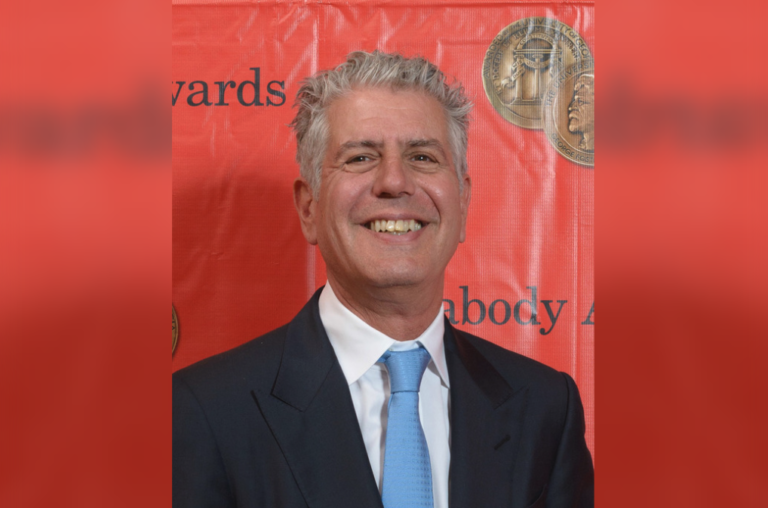
Anthony Bourdain was a charming custodian of fantastic food, a lover of experiences and a man who understood the importance of relationships, whether it be between people or plates. So what did he make of Amsterdam?
Before we get into his Amsterdam experience, I’d like to just highlight was a great person he was. To him, it wasn’t about the colour of your skin, your social background or how you made your crust, and there are many TV shows, anecdotes, interviews and books that can confirm that. I didn’t know Anthony and I don’t presume to understand what he was like off screen, but I do know that he wasn’t just serious when he talked about the big issues in life…he was sincere, which is different.
We often look back on people that have left this mortal coil with a skewed lens. Remembering their kindness and sweeping the bad under the rug. But Anthony was one of the good guys. Funny, full of humility and possessed with the incredible ability to effortlessly transition between just another clichéd tourist and an earnest traveller at the drop of a fork. I mean, just scroll to the bottom of the page now and tell me he isn’t spot on with nearly everything he says about Amsterdam. Except for the marijuana and prostitutes part, because I once heard of a guy that came here of art, the suspect…
There’s not much one could say about him that wasn’t flattering. If nothing else, his significance was reflected by the outpouring of grief from those who knew him and the many that didn’t. Silver lining; it also kicked the issue of depression out into the middle of the stage, turned on the floodlights and made people take notice.
We can all look back on his journey and take something away from his adventures and carefully edited calamities. As someone that would also consider themselves as a bit of a traveller, I learned a lot from Anthony Bourdain. Opinionated but respectful, he spoke from the heart and questioned conventionality in the hospitality industry and in life, which made me think differently about what it means to explore the world.
For instance, on a trip to Paris, he preaches that the best way to enjoy the City of Lights is to, “Make the most of it by doing as little as possible. Walk a little. Get lost a bit. Eat. Catch a breakfast buzz. Have a nap. Try and have sex if you can, just not with a mime. Eat again. Lounge around drinking coffee. Maybe read a book. Drink some wine. Eat. Repeat.”
For me, that’s become my mantra when I visit any major European city. Amsterdam especially, because upon moving here I pretty much succumbed to my lack of willingness to do anything but enjoy excellent food, incredible beer and a party lifestyle that made Australia-based Lachlan look like aging Carmelite nun.
So, in memory of Anthony Bourdain and his selfless nature, I thought I pull some clips from his time in Amsterdam (watch them here), plus a few of his quotes below
Anthony Bourdain’s Best Quotes About Amsterdam
Airport Transportation
“The best way into Amsterdam from Schiphol airport is the train to central station. It takes 20 minutes and costs only a few euros. Since forever, this is how most visitors arrive.”
Local Languages
“Did I mention yet that people talk English here? Yup, unlike our country, the Dutch generally speak 2 or 3 or even 4 languages fluently…so it’s easy to communicate.”
Marijuana and Prostitutes
“When you mention you’ll be making a stopover in Amsterdam, you get a reaction I can only describe as semi-collegiate. A knowing look … as if there can really only be 2 reasons you’d go to this lovely little city of canals.”
Kings of the Road
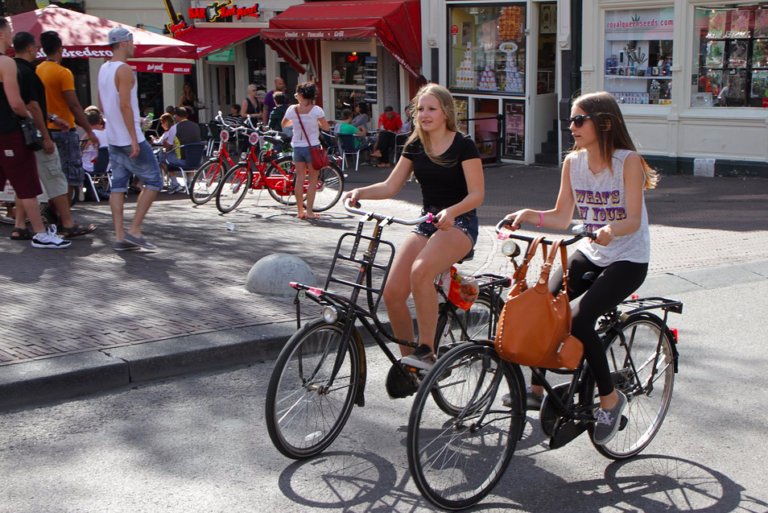
“In Amsterdam, the bike…crappy old bikes actually…are the kings of the road. Even cars fear them. You better look both ways.”
The Amsterdam Trolley
“It’s kind of cool, the way it snakes through the city. Especially if you just got off a good head of steam and it’s moving? I’d recommend it.”
Dam Square
“The historical center of Amsterdam. Home to the royal palace, tourists and…very strange people.”
The Visitors
“It’s like every variety of hipster doofus from the entire universe is allowed here. It’s like the European version of Bangkok. There’s a very high threshold for bad behavior.”
Coffee Shops
“Amsterdam: city of tolerance…though, chances are your louder drinkers are from elsewhere and not all Amsterdammers, by any means, are smoking indo. Many, if not most, of the people taking a plastic, fantastic joyride to the center of your mind on the barstools of coffee shops are tourists. It’s a legal novelty, and one way to kick back on a layover… not that I would ever, ever do such a thing.”
What to Eat
“If you can’t go to Indonesia for its food, go to Amsterdam.”
Indonesian Influence
“Indonesia was under Dutch control until 1945, and returnees and immigrants…brought the delicious food of the area back to Holland.”
Were you a fan of Anthony Bourdain’s adventures? What do you remember about him the most? Let us know in the comments below?
Feature Image: Peabody Awards/Wikimedia Commons/CC2.0
Editor’s Note: This article was originally published in June 2018, and was fully updated in December 2020 for your reading pleasure.
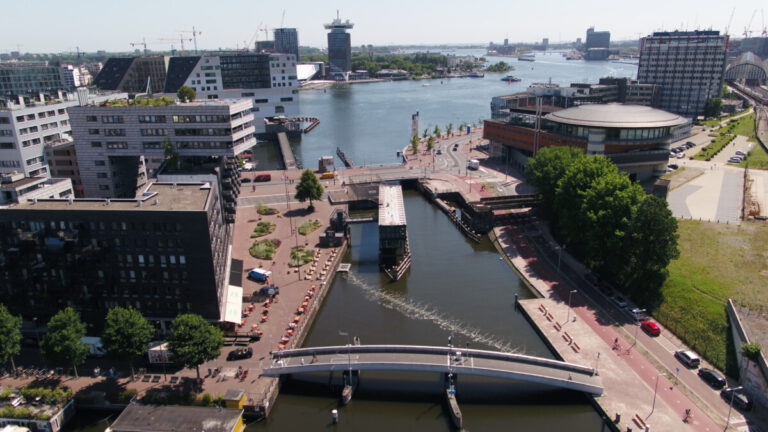
Not only is Amsterdam at the forefront of international tourism with famous museums like Van Gogh and Anne Frank’s House, but it seems that this city is also the vanguard of pollution-tackling innovation. Here’s all you need to know about the world’s first rubbish barrier made of bubbles — located in an Amsterdam canal!
The Great Bubble Barrier team is made up of a group of talented pioneers. Some of them got the idea for the barrier while sitting together drinking beer one evening in Amsterdam. Referring to themselves as young and fast-growing, the team making up the Great Bubble Barrier initiative are genuinely invested in making Amsterdam the World’s first plastic pollution-free city.
Who are these bubbly heroes?
The Great Bubble Barrier has paired up with the Plastic Soup Foundation in their mutual quest to reduce plastic in the oceans. The Plastic Soup Foundation, which was founded in 2011, aims to create awareness of the origin and dangers of plastic in canals.
The plastic, rubbish and pollution in Amsterdam’s much-loved canals hold the key to better prevention methods. For this reason, the two collaborators have joined forces using a bubble screen that removes plastic from the canals in Amsterdam and stops it from continuing its treacherous journey into the North Sea.
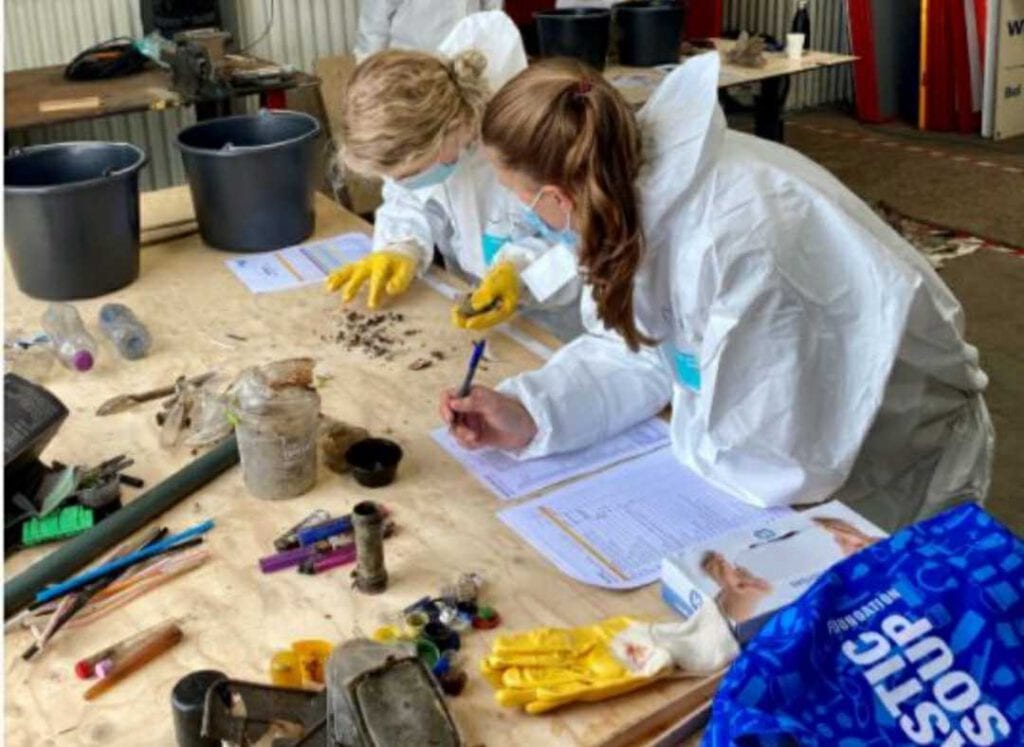
The types of plastic that surfaced. Image: The Great Bubble Barrier/Supplied.
Along with the Regional Water Authority Amstel, Gooi and Vecht, the Plastic Soup Foundation examines captured plastic for research purposes and in order to determine the amount, type and brands of the canal plastic. Using this information, the Foundation aims to track the waste back to its source, thus furthering the opportunity for preventative research and pollution control.
The announcement of The Great Bubble Barrier was made in the run-up to World Cleanup Day on the 19 September 2020. Volunteers removed as much litter from the land as possible, while environmental campaigners believed that a ban on curtail disposable products, coupled with a move to promote sustainable packaging, is the most fool-proof way to tackle the “plastic soup” in Dutch canals.
How is the Municipality involved?
The Municipality of Amsterdam’s programme, the “Amsterdam Plastic SmartCity”, has also been on its own quest to fight the floating plastic phenomena, and, with the help of the superhero invention Bubble Barrier, the opportunity to study the plastic in the catchment system is an excellent one.
Along with the WWF and the Plastic Soup Foundation, Amsterdam’s is the first Municipality in the world to sign a letter of intent to become a plastic-pollution free city by 2030.
How does the bubble bar catch plastic?
A screen of air bubbles is created by pumping air through a perforated tube at the bottom of a canal, the bubble screen creates an upward flow which directs waste to the surface. The screen is placed across Westerdok and thus makes use of the natural canal flow, which in turn leads plastic to the side into the catchment system at the quay.
It is here that the plastic is removed from the water at least twice a week by Waternet. This invention does not affect finishing, helps fish pass through the barrier unharmed, and spans the entire width of a canal. The aquatic life is not blocked by the bubbles, in fact: the oxygen level in the water increases because of the bubbles!
A three year trial
The Bubble Barrier screen in Amsterdam is on a trial period of three years, in which studies will be conducted to determine whether the invention is feasible in other locations as well.
In a press release on the 15 September, director at the Regional Water Authority Amstel, Gooi and Vecht, Sander Mager, said that “The innovative Bubble Barrier in Amsterdam is a good and important example…of the urgent threat to everything that lives in or near the water”. Because of this, it is vital that collaborators like the Plastic Soup Foundation, Amsterdam Plastic SmartCity and start-ups like the Great Bubble Barrier align themselves against the problem.
What has happened to the research since September?
Since being installed in Westerdok in November 2019, the barrier has already been in operation for a year. Coronavirus measures have, unfortunately, postponed the beginning of the research. However, collected waste has already been kept separate for research purposes, for several months.
Because fewer people have been in public during the lockdowns, litter-producing public events such as King’s Day and Pride have been cancelled. It is no surprise then that these circumstances affect the validity of data collected, and this, in turn, influences the analysis of the collected waste.
What do you think of this initiative? Let us know your thoughts in the comments below!
As of 10 AM this morning, the number of coronavirus infections in the past 24 hours stands at 8,793. This is a jump of 2,210 more cases compared to the weekly average.
In just 24 hours, the number of daily infections skyrocketed above the weekly average number of 6,842.
“A worrying number”
A spokesperson for the RIVM has described the latest figures as “a worrying number,” the NOS reports. According to the RIVM, there is no underlying delay to cause such a sudden increase in the numbers. They are simply the results of coronavirus tests taken in the past 24 hours.
They also explain that while the number of people who are getting tested has increased, the percentage of positive results remains the same, so the sudden rise cannot be explained by an increase in testing alone.
A dramatic leap
Last week the number of daily infections increased by 76% in just under a week. In Tuesday’s press conference, Prime Minister Mark Rutte and Minister for Health Hugo De Jonge warned that this increase in the number of coronavirus cases in the Netherlands was worrying.
If numbers do not begin to decrease, the government has said that it may enforce stricter measures before Christmas. However, it has not indicated what these measures may be.
The Prime Minister urged the public to stay at home, wash your hands, and remain in quarantine if you believe you have been infected with coronavirus.
How do you feel about these rising numbers? Tell us your thoughts in the comments below.
So maybe you’re coming to the Netherlands permanently or thinking of taking the first step. Excellent choice! It’s stressful, it’s time-consuming, but it’s really damn exciting. Maybe you’re new to the whole Dutch thing and you want to know more. So here’s all you need to know before moving to the Netherlands.
We teamed up with Expats By Expats Relocation, the experts on relocating to the Netherlands (they’ve been expats themselves!) to bring you these 24 things you should know before coming to Holland.
Firstly, a little bit about Jo-Ann and why she started Expats By Expats Relocation. Jo-Ann is no stranger to living in a different country. She has been an expat for 14 years and has been living in various countries over the years, with her first ever move abroad being totally alone. She now lives abroad with her whole family.
She understands more than most about all the challenges of being an expat, the do’s and don’ts and the most important thing: how to have a smooth start. She started because she knew the stress and not knowing where to start.
My mission is to make sure my customers have an unstressful start and to feel at home
The perfect addition to this article. So, let’s get started:
You’ve got to sort your visa
You can skip this step if you are an EU National. If you’re an EU national, you won’t need a visa at all, yippee!
It’s not possible to live/work permanently in the Netherlands without a valid visa if you are a non-EU national. You must sort out a valid visa relevant to your stay prior to your move and for some of us, that can just be stressful and confusing.
If you’re still struggling when it comes to sorting out your visa, then there are people out there who are here to help. Expats By Expats Relocation can help you when it comes to providing advice about your visa (documents, application and permits), so your first steps to Dutch-life will be a lot less stressful — phew!
Find a place to call your home
So, first things first, you need to find a place to call your own. I’m going to get straight to the point: finding a place to rent in the Netherlands can be a bit like a game of cat and mouse. Be prepared to look not too far in advance, but not last minute either and be one of the first to call the letting agency when they put a place up for rent.
You then need to sort your utilities such as internet, TV, electricity etc… but we’ll go more into that later.
Try not to be too stressed about the move! Image: Ketut Subiyanto/Pexels.
It might be a good idea to come to the Netherlands in advance before deciding on where to live in the Netherlands, take your time to look around and decide on a place to stay. As like most places, the cities are the most expensive and the further towards the centre you are, the higher the rent.
Luckily we, the good people at DutchReview, wrote these neighbourhood guides to the bigger and better Dutch cities such as these: Amsterdam, Rotterdam, Utrecht and The Hague.
Coming to the Netherlands as an international student is especially a challenge when it comes to finding housing. Rooms in Dutch student cities are sparse and it’s caused student housing problems.
The task of finding a job
This could and should be number one on the list when you plan on coming to the Netherlands, especially if you don’t have enough money to sustain yourself jobless.
Important note: Some rental agencies will not put you on the tenancy if you are not currently earning (some also have a certain amount you should be earning before you can rent with them). This is very important to check out first, it will save a lot of time!
So… job hunting in the Netherlands. Nobody likes to job hunt — so what is it like in the Netherlands? If your written and spoken English is excellent, you are heavily advantaged. If you have both excellent English AND Dutch — now we’re talking.
A degree is also preferable and needed with a lot of jobs in the Netherlands. Don’t fit these criteria? It’s going to be hard, but not impossible. A quick Google search should bring up a variety of good websites to job hunt such as Together Abroad, Undutchables, Indeed, Glassdoor etc.
Register with your local Gemeente
Gemeent-eh? What does this mean? Well, every area has a municipality where you have to register to that city — even Dutchies have to (and yes, you too EU nationals). This is usually possible in the town hall and it’s important to book an appointment well in advance as sometimes the earliest appointment is 2-3 weeks away, as I sadly learnt myself.
You must do this so you are legally registered and so you can receive your Citizen’s Service Number (BSN). Then you can do the essentials such as open a bank account (I’ll get onto that in a minute).
Please make sure you do this — I learnt the hard way, sitting in my empty apartment with no way of properly paying the rent, bills and the inability to buy essentials such as an internet connection.
This is because I had a 3-week wait for a registration appointment, so I couldn’t open a bank account etc! So, whatever you do, don’t do that, be prepared. If you’re stuck, Expats By Expats Relocation can help you with all of this too! They’ve been there and done that themselves, so they can help you with the process once you arrive.
Tip for when you’re coming to the Netherlands: Also something that was not immediately clear, was that for appointments one of the requirements is bringing a legalised birth certificate. I brought my birth certificate which is not the same thing.
It must be sent off to be stamped and approved legally. This is called an “Apostille.” This will then save you the hassle (and cost) of sending it back to your own country and waiting for them to send it back again. Not all countries require this, but many do.
Before you move to the Netherlands it’s very important that you contact a relocation office so that they can advise you which steps you have to take before moving to the Netherlands. They will also advise you which papers you need when you will go to the gemeente. Getting yourself registered in the Netherlands is the first step you will take so you want to make sure you are well prepared.
Open a bank account
You’ll be pleased to know that opening a bank account is as easy as it is at home. Just turn up at your local bank (or make an appointment), bring your important details such as your passport and BSN (Citizen Service Number) given by your Gemeente and they will do it all for you. Some popular banks in the Netherlands include ING, Rabobank and ABN Amro — but there are plenty of other smaller banks in the Netherlands
If you travel often, it may be best to open an online bank too. If you are after an online bank provider there are few good ones such as bunq and N26.
Sort your health insurance in the Netherlands
By law, everybody who resides in the Netherlands should at least have basic healthcare insurance (around €100 per month). This must be taken out within 4 months of registering (if non-EU) and within 1 year (EU citizen, BUT only if you are not earning, once you earn, you pay straight away also). Trust me, once you get your head around it all, you won’t have to fret.
Expats By Expats Relocation can help you when it comes to healthcare needs (recommendations for clinics, doctors, specialists, etc). Healthcare is super important and they know their stuff. Yet again Jo-Ann provided a good piece of advice:
Our health insurance system can be complex if you don’t know anything about it. We at Expats by Expats Relocation are certified to give you all the information you need and to advise you on which insurance fits you the best. Choosing the right health insurance is very personal and important because it’s based on your needs and health.
Start learning Dutch!
Once you arrive in the Netherlands you realise that many people speak almost-flawless English (as modest as the Dutch are, they say they don’t, but they do). Because of this, it’s really easy to get into the trap of not speaking Dutch. Some would argue “well, there is no need.” And some would say “well you are in the Netherlands so you should speak Dutch.”
In theory, yes, you should. There is absolutely no harm in doing so. You miss out on really embracing the country that you live in. It also opens your horizons for better job opportunities. I wish I made more of an effort from day one. So get downloading those free language apps (such as Duolingo), buy those children’s books and start talking terrible Dutch.
To get started, don’t forget to watch this:
Know that there’s more to the Netherlands than just Amsterdam
(We say as we have a picture of Amsterdam as our cover picture). But no, there really is more to the Netherlands than just Amsterdam. Amsterdam is beautiful and a must-see if you’re coming to the country, however, there are plenty of equally as nice places to visit with the similar Dutch architecture and canals that we all love.
When you arrive in the Netherlands and have sorted your health insurance, then you should register with your local Huisarts. To do this you should go to the reception desk of your local practice and take your ID, health insurance details and BSN number with you. Here you will be assigned a doctor.
If you’re after something specific Expats By Expats Relocation can help you. They can offer you recommendations for clinics, doctors, specialists and more. This way you can be sure that you’ve got the health care that you need — your health comes first after all.
Find a new school for your child(ren)
Finding a school for your child(ren) is the next step once you get to the Netherlands. You need to decide whether you want to send your child to a Dutch school or an international school in the Netherlands.
International school’s are renowned for costing a lot of money, but sometimes this can be paid for or subsidised by your employer, so it’s worth asking. The older your child is, the more difficult it will be for them in a Dutch school if they don’t speak Dutch, so some important decisions need to be made before and once you arrive.
If you have no experience with the Dutch schooling system, then you may find it a struggle to understand what to do next. Expats By Expats Relocation understands as they were expats themselves. Take it from someone who knows! Jo-Ann for Expats By Expats Relocation says:
Every parent wants to find the perfect school for their child/children. In the Netherlands, there are many choices. The Netherlands has international, British and Dutch schools and every school has a different system they work with. Because you have so many choices it’s important that you choose a school that has a system that fits your child/children. I myself have 3 children that all have attended international schools and currently I still have 1 child attending an international school and 2 children at a Dutch school. It is all based on what system matches your child the best.
Get an OV chipcard!
Save money on transport. Image: Alp Ancel/Unsplash.
Finding your way around the Netherlands is really damn easy. Everywhere is accessible and you can easily hop on and off different forms of transportation. Buying your own personalised OV Chipcard means that taking public transportation is quicker and easier and also means that you can get subscriptions for cheaper transport.
For example, with NS Flex you pay only €5 per month and you get 40% off trains all weekend and off-peak in the weekday. Bargain!
Buy yourself a bicycle: A MUST!
Dutch life = bike life. If you’re moving to the Netherlands then you’re definitely going to have to invest in a new bicycle (and it’s really not a big investment either). Commuting around the country by bicycle is ingrained in Dutch culture and you won’t have to have any worries about cycling alongside the road and risking your life either.
Almost every inch of the country has some sort of bike lane. Head to Marktplaats, a Kringloopwinkel or a bicycle shop — they’re everywhere!
Consider enrolling at a Dutch university
The Netherlands is known for its great universities and they’re affordable if you are from the EU. In the Netherlands, you’ll look to pay around €2,000 per year a BIG change from countries such as the UK, where you are looking at fees in excess of £9,000 per year (around 10,200+ euros).
Many courses are also taught in English so it means that you can easily pick a course for you and not have to worry about your lagging Dutch skills. 😉
Learn to enjoy the Dutch weather
It’s going to rain. A lot. Image: Adrianna Calvo/Pexels.
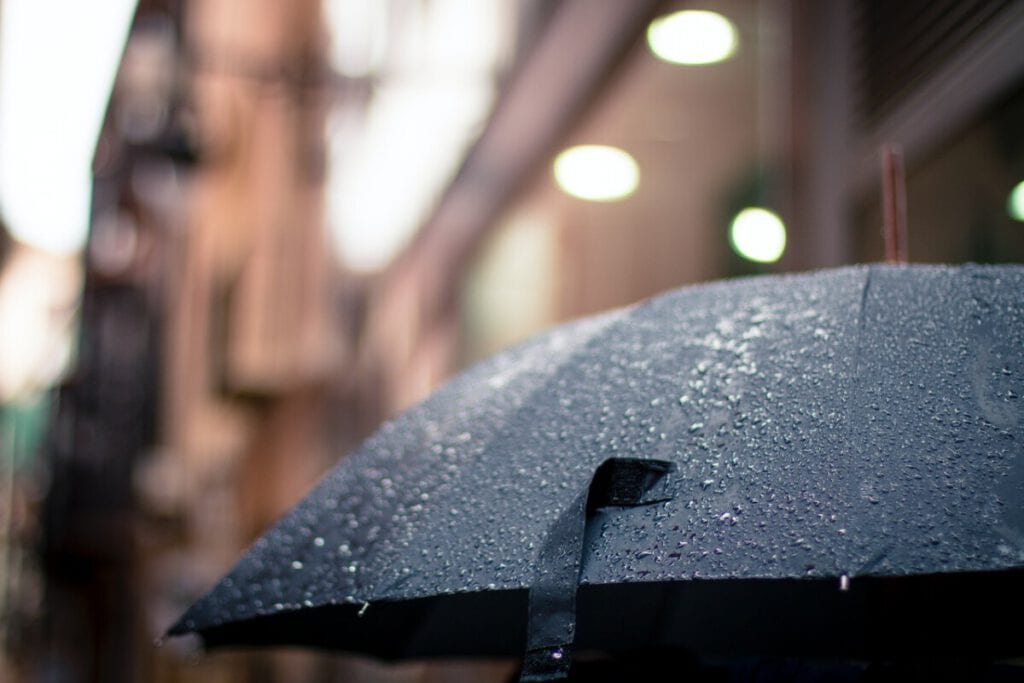
The Netherlands isn’t known for its beautiful weather and once you move to the Netherlands, you’ll have to learn that every sort of weather conditions possible can happen all within at 24 hour period. So if you’re heading out don’t forget your sunglasses, coat, sun top, umbrella, jumper and some suncream… no, seriously.
Accept that you’re probably going to put on weight
When I first moved to the Netherlands, I thought hey, there are fewer ready-meals here and so much fish and veg, this is going to do me wonders. How wrong was I.
Pretty much every single Dutch snack is deep fried in some way and most of them are incredibly addictive. Think bitterballen and stroopwafels! Kiss goodbye to that six-pack and say hello to that six-pack of waffles.
Finding a place to live is really difficult
Yeah, I know I’ve already mentioned this once before, but I really need to mention it again — it honestly needs a whole section by itself. Finding a place in the Netherlands is so difficult — but it’s not impossible!
Expats By Expats Relocation (being expats themselves) understand that finding a place in the Netherlands is no mean feat. They’ll be able to assist you when it comes to that dreaded house search. They’ll be able to help with things like arranging home viewing appointments, help with temp housing options and help with any maintenance queries with your rented apartment.
Trust me, this needed to be put in here again because finding a house is something that we all dread the most when we move to the Netherlands.
The Dutch have the best English skills outside of native English-speaking countries
Terrified that your Dutch just isn’t going to cut it? No worries! Many people in the Netherlands speak English fluently and even if they don’t, they usually know enough to understand what you’re saying.
Many websites also have information in English, customer services in companies almost always speak English and Google translate really has advanced over the years (just take a photo of a piece of Dutch text and it will translate it all for you) — magic.
Sort your utilities
When you’ve just moved into your new rented or bought a place, you will have to sort out all of your utilities. This includes things like electricity, gas, TV, Internet etc. “But who the hell am I going to go with? Who even are the utility companies anyway?” (Something which I asked my rental agency who were totally unhelpful and I ended up with the most expensive company for the electricity and gas). Utilities are stressful, man.
This may seem daunting in another country, but with Expats by Expats Relocation they will be able to help you set up all of your utilities quickly and easily. So, you’ll be up and running with things in no time!
Having a car in the Netherlands is an expensive luxury
If you’re thinking of bringing or buying a car in the Netherlands and you’re on a tight budget, you may have to think again. The Netherlands is a small country with a crazy population growth and with all of those wonderful bicycle lanes, the government really doesn’t want everyone coming in with their cars and polluting the cities.
This is why the cost of buying a car is great, the fuel is the most expensive you can find in Europe and you pay a lot of car tax. So, if you really want or need a car, bear this in mind. Fiets, niet auto!
NL might not have any hills, but it does have beaches
The sun even comes out from time to time! Image: ny_sonseca/Pixabay.
You’ve arrived in the Netherlands you want a nice walk — where the hell have all the hills gone? The Netherlands is one of the flattest countries there is, with most of it sitting well below sea level.
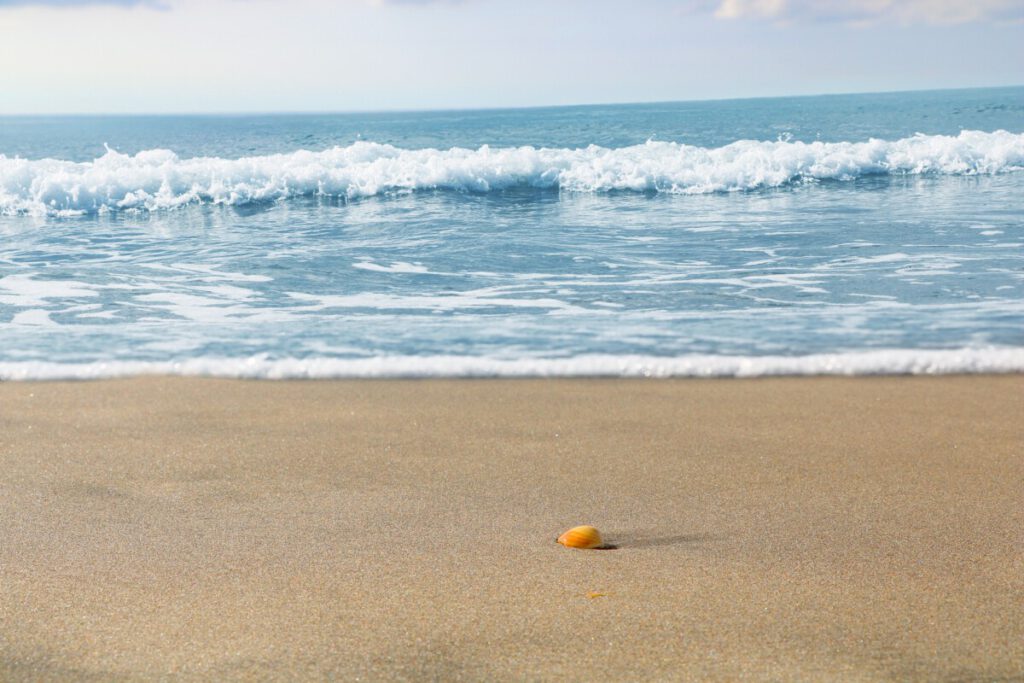
For some people, this just really isn’t appealing. Especially when you have beautiful rolling hills and mountains in neighbouring countries such as Germany and Switzerland. However, don’t write off the country off just yet. Although it’s not particularly known for it — the Netherlands has beautiful beaches all along the West and North of the country.
That and the tulips, the farmland and the windmills — what more could you need?
Dutch directness really is a thing
There is a classic Dutch stereotype that suggests that Dutch people speak their mind. Initially, you think “hey, don’t we all in some way?”, but no, the Dutch really do speak their minds. Always. Every single damn time.
When you first move to the Netherlands you need to grow about 8 million layers of skin and try and not to take anything too personally — they’re just looking out for you. 😉
If you’re bringing your pet to the Netherlands, prepare well in advance
Got a pup or kitty at home and want to bring them over to the Netherlands? Then you’ll have to prepare in advance — especially if you’re moving from far away lands. But how? If you’re thinking of taking your beloved pet to the Netherlands then you’re going to need a pet passport as a starter.
If you’re unsure of the whole process in getting your furry friend to join you in the Netherlands, then Expats For Expats can help you, along with helping you with your pet care.
Get informed on the law and your basic rights
When you first move to another country, you need to do a bit of research into what your rights are when it comes to working, maternity, wages, allowances, taxes and more. Knowing this can help prevent issues such as exploitation (from wages, working hours etc) and also can benefit you (you’ll be able to claim allowances and receive help etc).
Expats By Expats Relocation can make that much easier, by providing you with the information and the support you need so you will have no hidden surprises once you arrive in the country.
Look for help and guides if you need it:
There’s plenty of information about moving to the Netherlands out there and you don’t need to struggle out there alone (hey, you’re here reading DutchReview after all). Expats for Expats are just one of those companies that really can help you when it comes to moving to the Netherlands.
Jo-Ann from Expats By Expats Relocation knows all too well about the stresses (yet excitements) of moving to another country. Having someone around who really does understand what it’s like and has done it all before really helps. Also, you can rest assured that the advice will really help. They provide many different services, including help on immigration (visas etc), settling in, finding a home, education, leaving the Netherlands, partner support, about children and pets and much more.
As they say, “Trust us, we’ve actually been there.”
Good luck with your move to the Netherlands! Don’t worry, it’s going to be awesome!
How do you feel about coming to the Netherlands? Any tips for other when it comes to moving to Holland? Share your experience with us in the comments!
Feature Image: na4ev/Pixabay.
Editor’s Note: This article was originally published in April 2019 and was fully updated in December 2020 for your reading pleasure.
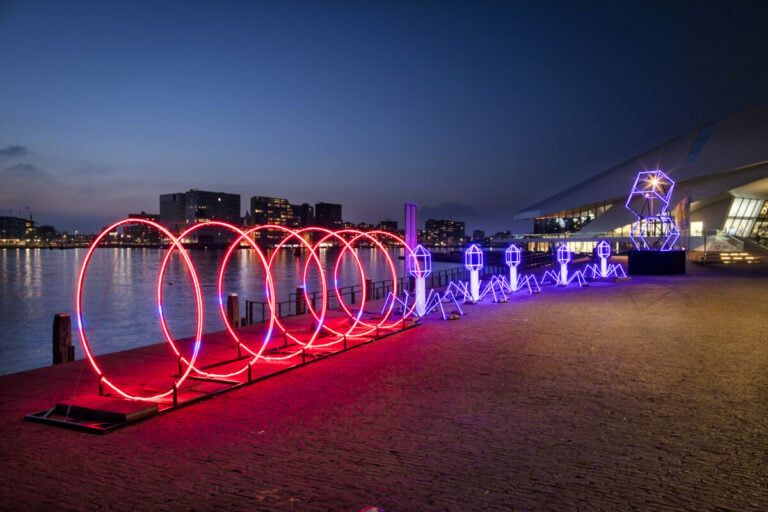
This year’s corona edition of the Amsterdam Light Festival does not shy away from topical issues of today. The theme “When nature calls” shines a light on the source of both illness and life.
“When we came up with it in 2019, we had no idea how symbolic it would become,” admits Lucas De Man, creative director of the show this year. “We wanted to start from nature as something that we don’t have to fight or save.”
New plans after corona
At first, a route along the canals was planned as per usual, which spectators could cruise along on boats to admire the 20 large-scale light artworks, reports Het Parool.
“But then corona came and everything fell into the water. As an alternative, we devised a walking route with fifteen works, where visitors could recall poems and stories about those works on their phones. The second wave also put an end to that. Ultimately, seven works remained that we developed with partners such as the University of Amsterdam, the province of Noord-Holland and the municipality of Amsterdam.”
But De Man sees opportunity in the new limitations. He explains that since they don’t have to worry about masses of people now, the team can work on more complex instillations with stories and research behind them.
“We have the responsibility to make Amsterdam more beautiful in form and content,” De Man continued. “With this edition we want to contribute to insights about the city.”
The festival online
As you might have guessed, this year you can enjoy the show from behind your screens at home. A film has been made for each artwork, with comments from the artists, scientists and residents.
The instillations have been spread out broadly around the city to detract people from making a physical tour of the pieces. Three artworks have already been installed, and the last four will go up in the next two weeks.
Light instillations to look forward to
‘The Water We Breathe’ is an artwork by Jasper van den Berg and Stichting Nieuwe Helden that highlights the connection we have with our environment.
“Place a bathtub with Amsterdam surface water in the summer sun for one hour and the algae in the water will produce enough oxygen to let a child breathe for 1 minute.” Van den Berg says. “When you consider that one third of Amsterdam is made up of water — lots of bathtubs! — there is therefore an enormously rich source of oxygen here, purely through the photosynthesis of micro-organisms that are invisible but also indispensable.”
With this in mind, Van den Berg decided to involve 650 students from grades 6 to 8 of primary schools in Amsterdam in his project. Each of them collected water from their living environment which was analyzed for oxygen content in a traveling lab.
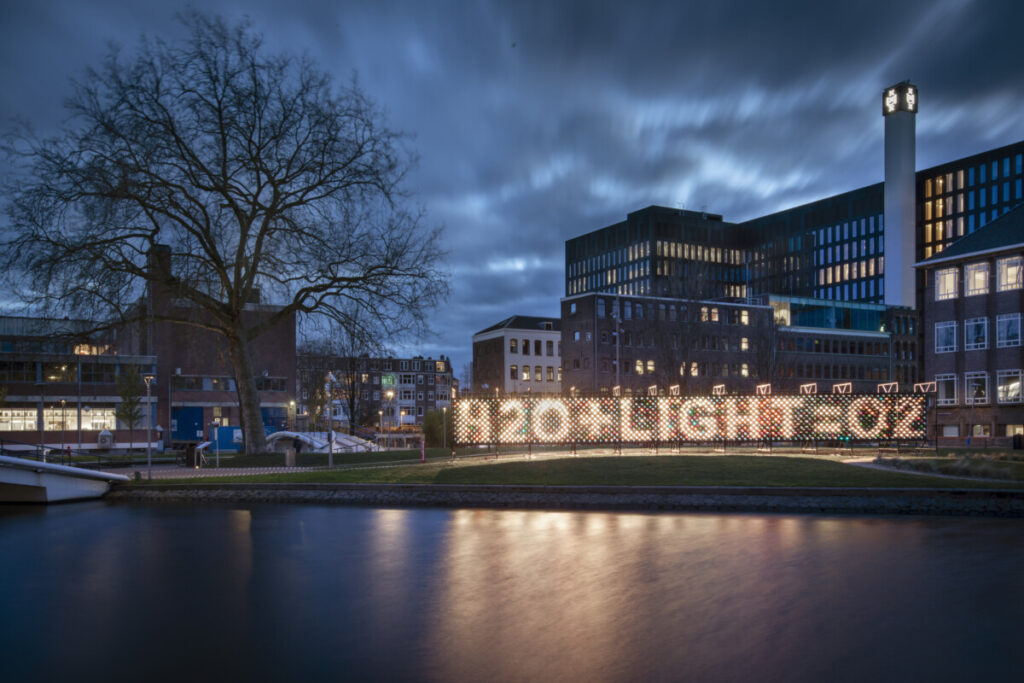
The pots of collected water were then clustered according to neighbourhoods to create a “water-oxygen map of Amsterdam”. This was then mounted into a a 32 meter long and 3 meter high installation.
Feature Image: Amsterdam Light Festival/Supplied
“The color indicates the content,” explains Van den Berg. “It is striking that the ditches of Ransdorp produce relatively little oxygen, I suspect because of over-fertilization. Algae and bacteria are very active in Bijlmer, Noorderpark and Sloterplas.”
Light sources stand behind the pots so that the instillation looks like LED lights that read H2O + Light = O2. “This installation has a positive message. It is an ode to the involvement of the youth,” the artist says proudly.
Does this year’s light festival spark your interest? Tell us your thoughts in the comments below.
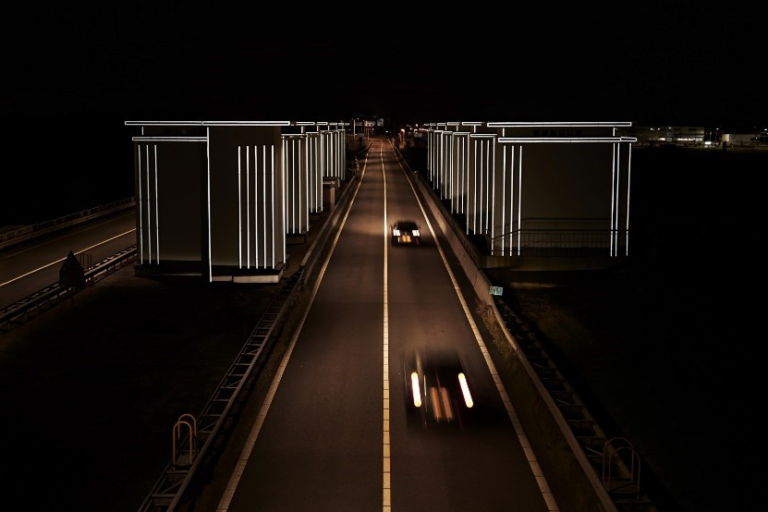
Have you seen these incredible glowing gates by architect/artist Daan Roosegaarde and his team? The Afsluitdijk highway hasn’t been the same since.
For just over three years now, the iconic Afsluitdijk highway gates have been permanently lighting up in the dark with each passing car. The interesting thing is that the gates light up perfectly but aren’t using a speck of energy. Instead the architect and his team have used special reflectors that mirror any light exceptionally well. It’s the driver’s own lights that are creating the divine illusion.
The lights are on the “Tower Gates”, which were recently restored to a pristine state as good as they were in ’30’s, which are iconic at both sides of the dike. Their typical Art-Deco style is of course typical of the 1930’s and further underscored in a futuristic manner by the stripes that light up.
The Afsluitdijk — connecting the country, fighting off the North Sea.
The Afsluitdijk is one of Holland’s master engineering projects. They have permanently changed the country, and Europe for that matter, by transforming an in-land sea into one of the continent’s biggest lakes.
Holland had been struggling to keep the North Sea at bay, often dealing with severe flooding, up until an engineer Cornelis Lely came up with a plan to permanently dam in the “Zuiderzee” (Southern Sea) and change it into a much more controllable lake. After a massive flooding in 1916, Lely managed to guide his plans through Dutch parliament and an endless supply of workers, engineers and architects set to work to build his vision: a dike that could defeat a sea.
Unfortunately, Lely passed away before his dream was fully realized. He was found collapsed on the ground before his desk in 1929, while working on a brochure of the Amsterdam-Rijnkanaal.
Honoring Lely and his heritage
Lely however is honored in many places, including a sizeable city located ‘within the lake’ named Lelystad, which was built on land won from the soils of the lake and former sea. Lelystad is located in Flevoland — a province also entirely build on the lake.
Today, the Afsluitdijk is the only shortcut for drivers to reach Noord-Holland from Friesland. It also protects the country faithfully from the North Sea playing any inland tricks and the brackish waters of the Ijsselmeer are unique to both Holland and Europe, having become a wildlife haven for many previously endangered species.
There will also be a number of temporary works, including special fiber glass kites, also glowing in the dark, which generate enough energy from wind power to power approximately two hundred houses.
“Windvogel” (Wind Bird) is dedicated to former astronaut and engineer Wubbo Ockels — the first Dutch national in space — who passed away in 2014. Another work is that of glowing algae, who’s mesmerizing blue hue can be interacted with by visitors.
Roosegaarde, who together with his team designed all of the project for the Dutch government, said, “The Afsluitdijk stands for a piece of Dutch courage and innovation. By adding a subtle layer of light and interaction we’ve strengthened the beauty of the dike and created a new connection between man and landscape, dark and light, poetry and practicality.”
We couldn’t agree more and we hope, if you believe in such a thing, that engineer Cornelis Lely is looking down at the dike with a smile. It’s still just as important as it was nearly a century ago. Thank you, Mr. Lely and thank you design studio Roosegaarde for so beautifully enhancing this bit of national pride!
Have you seen this light installment? Tell us your thoughts in the comments below!
Feature Image: Studio Roosegaarde
Editor’s Note: This article was originally published in November 2017, and was fully updated in December 2020 for your reading pleasure.
Amsterdam has come in second to Luxembourg as one of the best cities for expats when it comes to work and urban living. This is according to Expat Insider’s 2020 survey.
The survey found that when asked, 65% of expats ranked their career prospects positively. This is over 20% higher than the global average, which stands at 43%.
A whopping 90% of expats also said that they were happy about the state of the local economy, a percentage that was far above the global average of 63%.
Another area that the city performed well in was expat’s opinions of public transport and urban environment. Expats in the city gave public transport a high rating, with 94% saying they were satisfied by the city’s transportation infrastructure, again, a figure that is far above the global average (66%). When asked, 86% were satisfied by the urban environment.
The Hague also ranked highly when it comes to expat worklife, ranking in 15th place in this index. The survey found that 88% of expats in the city were happy with the local economy and 50% were happy with their local career opportunities.
27th best European city for expats overall
That being said, while Amsterdam ranked very highly in the above areas, its overall ranking was brought down by its failings when it comes to housing, healthcare and unfortunately, the weather.
The housing market in Amsterdam is ranked at 58th place with 64% of expats claiming that finding accommodation is difficult, a disappointing number when you consider the global average stands at just 27%. When housing is eventually found, only 16% of expats surveyed would describe it as affordable (vs. the global average of 41%).
Healthcare availability in Amsterdam holds the same rank as housing, coming in at 58th place. On top of this, the quality of healthcare received is ranked even lower, at 61%.
Local climate and weather played an equally destructive role in the city’s overall ranking. Amsterdam’s eclectic — but usually somewhat damp — weather was ranked at 64th place.
The city’s mixed reviews have left it sitting comfortably — ranking as the 27th best European city for expats.
The Netherlands remains popular for some
The dislike for the weather amongst expats is understandable. However, the Netherlands in general has proven to be an area of interest for expats in spite of this.
A separate survey carried out by Remitly asked the question “where do people in the world want to live?” The survey took a look at what people from different countries were looking up when they Googled the question “how to move to…”
While Canada and Germany reigned supreme as the countries with the most interest globally, the study found that, in Portugal and Hungary, the Netherlands was the most searched country.
Dutchies in search of warmer weather
Interestingly, unlike many of its European neighbours, the most searched for country in the Netherlands was not Canada, but indeed, Spain. While the Hungarians and Portuguese are not deterred by the Netherlands’ damp weather, it looks like the Dutch are sick of it, and are seeking solitude in a warmer climate.
Are you an expat in the Netherlands? How do you feel about these latest findings? Tell us your thoughts in the comments below!
A man has been arrested in Haarlem after reportedly making a bomb threat at Schiphol Airport on Wednesday afternoon.
Emergency services were dispatched to the airport around 3 PM yesterday after reports of a “suspicious situation” emerged, reports De Telegraaf.
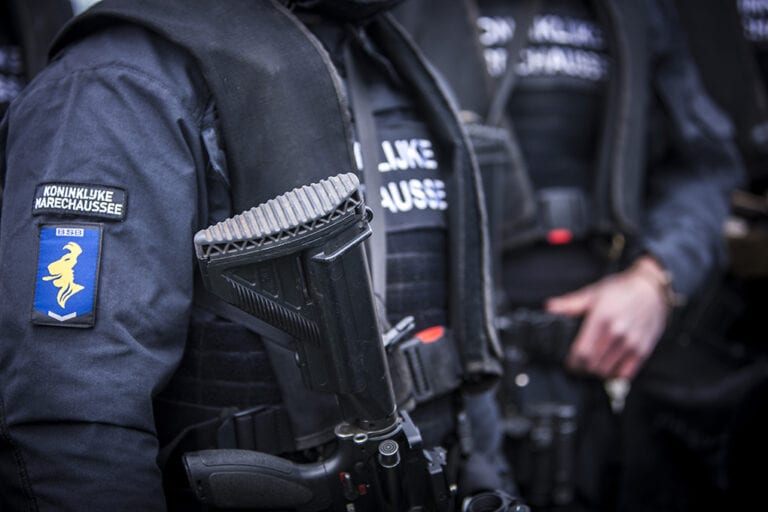
A plane was evacuated while the Royal Netherlands Marechaussee conducted a full search. No explosive device was found onboard the aircraft. The destination of the plane has not been disclosed.
The aircraft was released in the early evening, and part of concourse D at Schiphol was also closed for some time in connection with the investigation.
Despite a few gate changes, air traffic was not impacted by the event, said a Schiphol spokesperson.
The Dutch economy has been hit hard by the ongoing coronavirus pandemic. But it’s not only the Netherlands that has suffered, so has every other nation around the globe. After recording a growth of negative digits this year, the economy is expected to bounce back in the next year by 2.6%, thereby reaching 99% of its pre-corona size by the end of 2021.
This is good news for the stock market, which has suffered in 2020 as more people moved to markets to liquidate their assets for cash, which was deemed more vital during the crisis. A bounce back for the economy means various markets should be back to their feet, offering plenty of profit-making opportunities for all.
Interested traders can opt to exploit the opportunity by buying the real assets on different platforms and waiting for the prices to increase before selling for a profit, or they can opt to exploit CFD instruments for various assets through futures trading where they don’t have to hold the underlying asset and can profit from price gains and declines. Also, they can use leverage to gain more exposure to the underlying asset with minimal capital invested.
The second wave is holding the economy back
It seems what is holding back a full and fast recovery of the economy is the second wave of the virus, which has seen the Dutch government bring back social distancing measures. However, they are less strict compared to the lockdown witnessed in spring. Still, bars, theatres, museums, restaurants, and cinemas remain closed while gyms, schools, and hair salons are open this time around.
The Dutch GDP saw a -9.9% decline in the second quarter of 2020 compared to the last quarter of 2019. It managed to bounce back to -3.0% by the third quarter before the recovery was halted by the second wave of coronavirus that began in September.
What stands out right now is the fact that businesses are well prepared, and government policies are less strict. According to ING, the Dutch GDP will be 4.3% lower than it was in 2019. The organization believes even though that is a severe hit to the economy, it’s not as bad as they had initially predicted despite the return of partial lockdowns. Incredibly, the third quarter has shown a strong rebound thanks to the government’s support package that has had to break away from its strong stance of budget cuts and frugal spending to aid the ailing economy.
A weak start for the economy In 2021
ING expects a weak start for the economy in the first quarter of 2021 as different European governments gradually unwind anti coronavirus measures. However, growth should accelerate by the second quarter. There will be more testing in the Netherlands, and vaccination should begin in the first quarter. And since achieving broad immunity will take time, the analysts believe 2021 will be a year where the economy’s recovery will be held back. One area expected to suffer is investment, given the uncertain outlook of how the virus continues to develop.
Hospitality, transport, and service sectors to bounce back
Also, consumption is expected to continue lagging by 1%; however, merchandise exports are expected to recover by the end of 2021 fully. Further projections show that the GDP will be 2.6% higher in the coming year than 2020, thereby reaching 99% of its pre-covid size by the end of 2021.
But, if an effective vaccine can be discovered, coupled with mass testing and better treatment, then don’t be surprised to see the economy bounce back to full strength in no time.
The most affected industries by the pandemic were hospitality, transport, and services. And these sectors are expected to record the biggest growth in 2021 even though they will not fully recover. The analysts predict an increase of 40% for the hospitality sector. However, uncertainty remains high; therefore, growth is expected to be slower.
If you’re not familiar with this ‘Dutch Reach’, join the rest of the Netherlands. But you’re living here now amigo and it’s high time you learned what it’s all about.
Firstly though, I’d like to state (even if it’s only to set the record straight with a female Dutch friend) that it’s not a sexual position involving stroopwafel, a dimly lit room and Andres Hazes in the background. With a little imagination, perhaps it could be — but let’s not get distracted.
What Is the “Dutch Reach”?
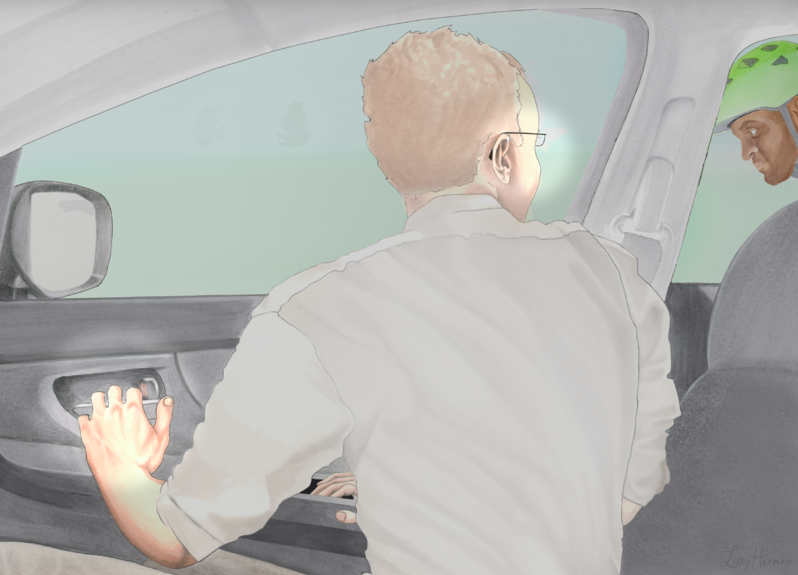
No, the original “Dutch Reach” doesn’t at all allude to the act of creating life, but rather saving it. The “Dutch Reach” is, in fact, the name for a technique in which opening one’s car door is performed so as not to maim passing cyclists.
Essentially, you reach over with the hand furthest from the handle, which encourages you to twist your body and look over your shoulder to check for passing bike traffic. Rather considerate I think, taking into account that in the battle of rider versus metal door, metal door packs a Richel Hersisia-esque punch.
What makes the “Dutch Reach” even more important is that the Dutch aren’t massive fans of helmets. Hey, at least you can protect your delicate body from injury by softening the impact with your supple cranium… or not.
Why haven’t my Dutch friends heard of it?
Ask most people in the Netherlands, however, about the internationally renowned “Dutch Reach” and you’ll probably get the same coy response I received from the aforementioned Dutch friend.
Truth is, the “Dutch Reach” isn’t that popular and is barely practiced. And even though it’s apparently compulsory to demonstrate the “Dutch Reach” (once again, we talking about the car door opening technique) during your driver’s exam, I’m at a loss as to whether or not this is true.
The methodology of the Dutch reach. Image: Alissa Hermann/Wikimedia Commons/CC4.0
Settling the “Dutch Reach” once and for all
So please, enlighten me. I know in the UK and US practice of “Dooring” — as it’s called when you take someone out on a bicycle with your door — is a major problem. For the sake of mankind, let’s get to the bottom of this once and for all. Do you guys actually practice what you reach or are you venerable Dutchies getting credit for something you didn’t actually invent?
Do you do the “Dutch Reach”? Had you ever heard of it before? Let us know in the comments below.
Editor’s Note: This article was originally published on November 7 2017, but was updated in December 2020 for your reading pleasure.