Two Dutch tourists in northern Italy decided to get to their campground the hard way: by leaping off a ferry and swimming across Lake Como. 🏊🏻
Name a better love story than the Dutch and camping? We’ll wait. 😉
However, for two young Dutchies (23 and 26), this travel method has landed them in quite a bit of hot water.
Emergency services were called in
After the pair leapt into Lake Como and disappeared from view under the waves, panicked onlookers called emergency services.
An extensive search was conducted before military police finally found the dynamic duo safe and sound at a campsite in Tremezzina.
According to the NOS, this was roughly half an hour away from the 18th-century village of Laglio, which they’d initially swum to after their spontaneous dive.
Sounds like a happy ending, right? Unfortunately for the pair of keen swimmers, the Italian police weren’t as amused and reported the two for sending emergency services out on a wild goose chase.
Ahh, lazy evenings in and Dutch snack food — truly a love story better than Twilight. 😍🍟
And d’you know what else is better than Twilight? Enjoying a good friettafel! 😋
What is it?
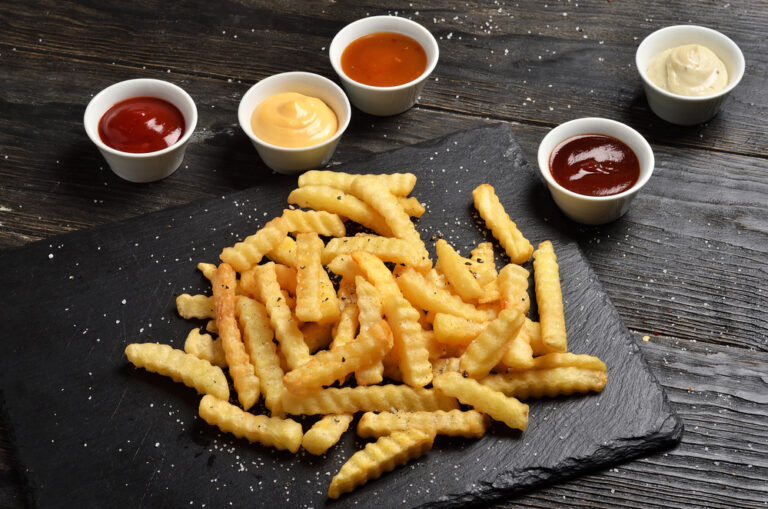
A compound made up of the words friet (chips) and tafel (table), a friettafel refers to a clingfilm or aluminium foil-wrapped table laden with fried snacks.
okay but since y’all were already shocked about hagelslag let me introduce you guys to the friettafel pic.twitter.com/tXXdNJLEEM
— toni 🎈☆ . ࣪ ˖ ࿐ | 🇳🇱🇩🇪⚽️ (@lakehatari) May 14, 2024
In other words, it’s a fab meal option if you’re having friends over and don’t particularly fancy slaving over the stove to whip something up.
However, I wouldn’t necessarily assume that partaking in friettafelen is as common as wearing orange in the Netherlands.
(So rest assured, Dutch people who’ve never heard of a friettafel or hate the idea of it, we internationals don’t think you ALL love eating chips off a clingfilm-wrapped table. 😉)
Why is it quirky?
Proving that being quirky isn’t necessarily a bad thing, a friettafel is unashamed in its simplicity.
Despite the limitations on foreign aid, there are many ways you can support Gaza and make a difference. 💪
Dutch citizens had many opportunities to support Ukraine during the war, from local fundraisers to driving trucks full of supplies, but doing the same for Gaza feels painfully out of reach.
But does that mean we’re powerless? Not at all! Here’s how to get involved. 👇
Good to know: This article will be updated with new information, organisations, and petitions as they become available.
Donate anyway
Even when aid isn’t moving, relief organisations are supporting local staff and building reserves for when delivery becomes possible.
Some aid organisations open for donations include:
When more than thousands of people demonstrated in The Hague, politics couldn’t ignore it.
Peaceful protests are regularly organised in large cities across the Netherlands, so ensuring that you follow pro-Palestine groups online is a great way to stay involved and informed.
From sit-ins to marches, people across the Netherlands are making their voices heard. Image: DutchReview
Need to plan some protest time in your agenda? Wat Kan Ik Doen is a great resource, with information on all the current and upcoming demonstrations.
Use socials
In conversation with AD, Elke Kuijper of Amnesty International suggested that speaking out on social media, attending protests, and tagging politicians really does have an impact.
Meanwhile, the Palestine Children’s Relief Fund notes that “social media plays a vital role in raising awareness about the humanitarian aspects of conflicts”.
If you educate yourself, you can speak out with conviction. And you can let the situation in Gaza weigh in on your political decisions.
Sign petitions
Amnesty International urges political recognition of what’s happening in Gaza. Doctors Without Borders calls for the protection of aid workers. These are small but powerful actions.
You can support Gaza by volunteering with aid organisations right here in the Netherlands.
“The Netherlands and other countries can no longer remain passive,” says Doctors of the World Director, Jasper Kuipers. “The time for action is now: more than two million lives are at stake.”
Local organisations that are currently looking for volunteers include:
Even without access, even without a donation, you can make a difference. Speak out, stay informed, get involved. Gaza’s people need to know they’re not forgotten, and it’s on all of us to make sure they’re not.
Did we miss anything, campaigns or non-profits you would like us to mention? Tell us in the comments how you are planning to help Gaza.
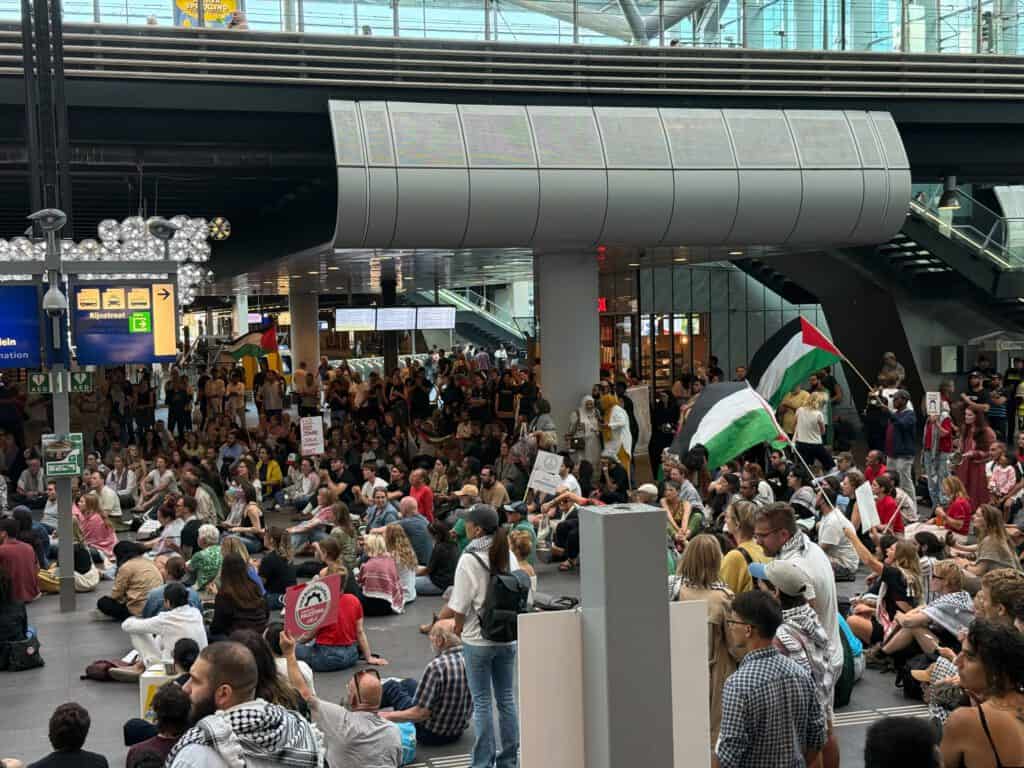
Train stations across the Netherlands turned into powerful scenes of protest yesterday (July 24), as the country staged sit-ins to speak out against the worsening conditions in Gaza.
According to the NOS, the demonstrations — organised by the Palestinian Community in the Netherlands (PGNL) — saw thousands gather to demand an end to the worsening humanitarian crisis and famine in Gaza. ✊
From stations to the city streets
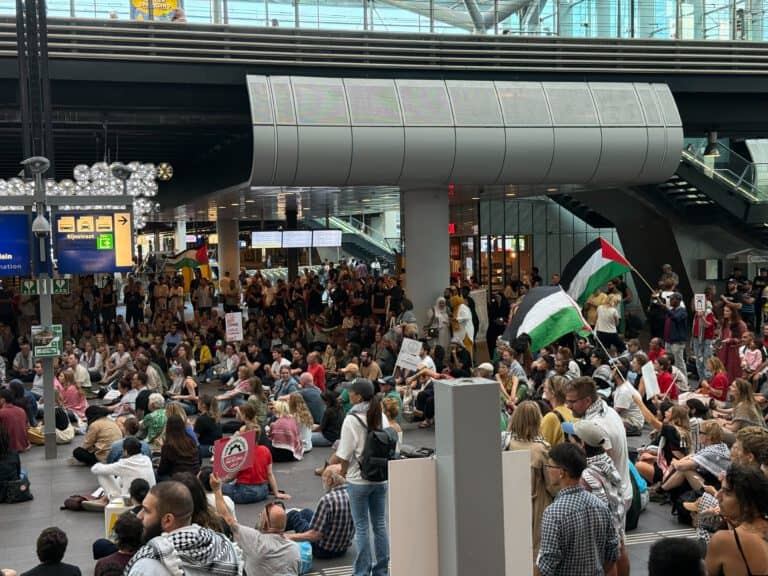
In Amsterdam, around 1,500 protesters filled the main hall of Central Station, while Rotterdam drew nearly 1,000 demonstrators outside its central station.
In Utrecht, the crowd was so large that NS had to temporarily close one of the main entrances from the station square, only allowing people to exit, RTV Utrecht reported.
Source: DutchReview
Several hundred more gathered in The Hague and Leiden. Smaller, but determined crowds turned out in Enschede, Groningen, Eindhoven, Amersfoort, Hengelo, Assen, and ‘s-Hertogenbosch.
In some cities, such as Amsterdam and Eindhoven, the sit-ins continued beyond the stations, turning into street marches through the city centres.
Pots, flags, and firm demands
The banging of pots, plates, and ladles wasn’t just noise — it was a statement. 📣
Protesters used kitchen items to draw attention to Gaza’s famine and the blockade on aid. Many wore keffiyehs or red shirts, linking the action to earlier Red Line protests.
Flyers distributed at Utrecht Central urged people to take action: demand sanctions and an arms embargo from caretaker Foreign Minister Veldkamp, boycott Israeli products, and join upcoming demonstrations.
Source: DutchReview
Despite the large crowds, police presence remained minimal.
Amsterdam Mayor urges the government to take a clear stand
Amsterdam Mayor Femke Halsema publicly supported the protests.
On Instagram, she urged the Dutch cabinet to strongly condemn Israeli violence against Palestinians in the Gaza Strip and to “choose the side of law and justice.”
She called on the Dutch government to focus on “actually respecting and demonstrating the human rights that the Netherlands holds so dear in our foreign policy.”
Halsema added that her message reflected not just the view of the city board, but also that of many Amsterdammers standing in solidarity. 🤝
If your child is planning to study an IB programme in the Netherlands, but you aren’t sure what sort of financial assistance is available, this article is for you. 👇
The International Baccalaureate (IB) is known for its holistic, career-focused approach to education, making it a firm favourite with university admissions offices around the globe.
A world-class IB diploma often comes with a price tag, however, and some IB-awarding schools have fees rivalling those of three-year Dutch university programmes.
But geen stress (no worries), because IB scholarships do exist in the Netherlands. (And all it takes is some brains, drive, and a solid application to land one!)
Where can I find IB scholarships in the Netherlands?
Unlike university scholarships, most IB scholarships in the Netherlands are awarded by international schools.
The main purpose of these scholarships is to attract talented students who might otherwise be unable to afford a place at these educational institutions.
While these scholarships are primarily aimed at gifted students, it never hurts to shoot your shot! 💫 Image: Magnific
The good news? This means that international schools in the Netherlands are actively on the hunt for bright, motivated students to join their IB programmes — and they’re willing to help cover some admissions fees to sweeten the deal. 💸
Intended for IB diploma students aged 15-18 who excel “academically, creatively, and personally”, it’s an excellent opportunity to study at one of the Netherlands’ most prestigious international schools — without breaking the bank.
Here’s what schools look for in IB scholarship applicants
Naturally, scholarships to prestigious international schools come with some strings attached.
Top international schools in the Netherlands look for scholarship applicants who have:
A track record of academic excellence: Your child needn’t be a budding Einstein, but schools want confirmation that they can handle the rigours of an IB programme.
Involvement in a variety of extracurricular activities: Scholarship committees love well-rounded students, especially those who display passion and drive both in and out of the classroom.
An IB-worthy personality: While an IB programme requires bright thinkers, its heavy study load means that schools will be looking for prospective pupils with the resilience and ambition needed to ace their courses.
A killer application: Beefing up your child’s academic results with a strong motivation letter and glowing references from their current school will help impress scholarship-awarding bodies.
If you’re helping your child with their IB scholarship applications, don’t be afraid to stand out from the crowd! This is one programme that rewards out-of-the-box thinkers, especially those with results that demonstrate what an asset they’d be to a future school.
What are your best tips for nailing IB scholarship applications? Tell us all about them in the comments below!
What would life be without cheese? Well, it would be sad and boring. I sometimes believe that, somehow, my cheesy, twisted mind got me to move to a country where I knew I would find other people as fond of cheese as I am. 🧀
The Dutch were the biggest consumers of cheese in the world in 2024 (take that, France!), and they certainly give it the respect it deserves.
So what do you do when you are a nation of cheese lovers and eaters, and you are particularly proud of yours? You export it, of course.
The Dutch export about two-thirds of their cheese production and are the third-largest cheese exporter globally.
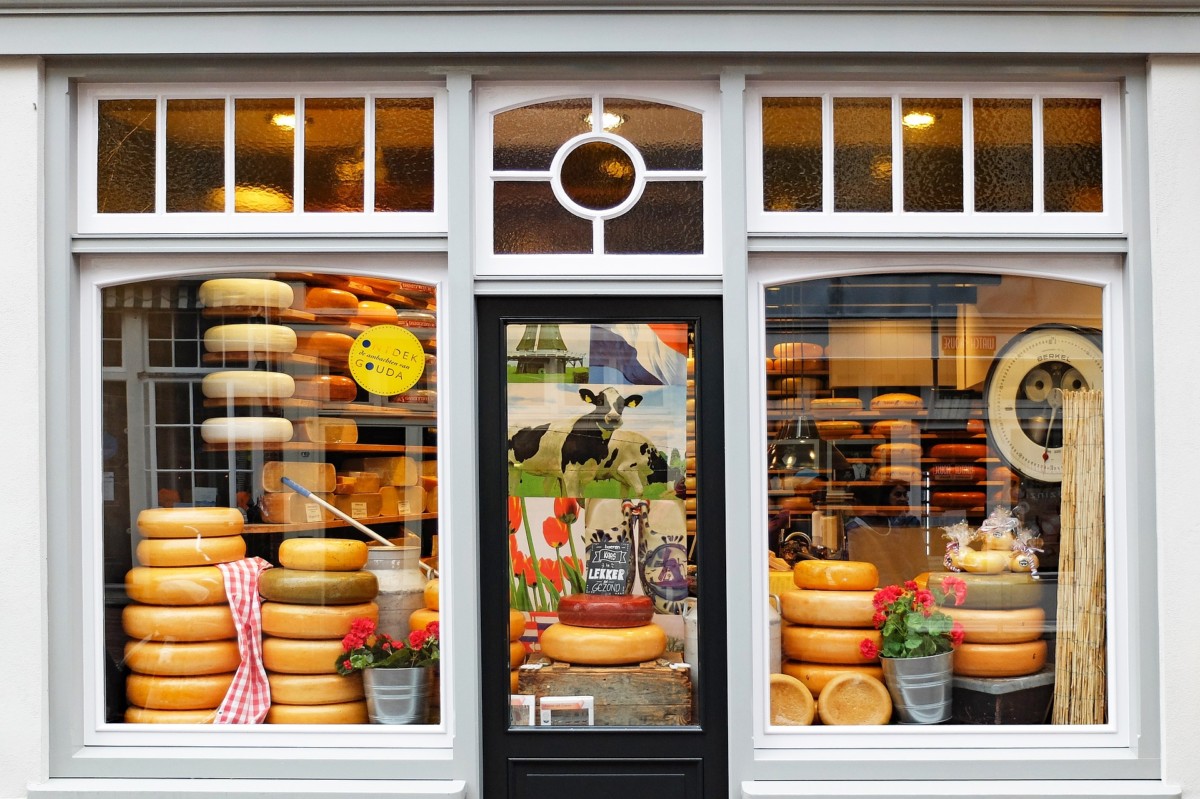
How could you miss out on such adorable-looking cheese windows like this? Image: Pixabay
But why stop there? You are bringing cheese to people; why would you not bring people to cheese? Cheese markets, museums, shops and other attractions are a huge part of tourism in the Netherlands.
You cannot walk in a touristic street of Amsterdam without bumping into one of those shops where they sell Old Amsterdam cheese. But they take it so much further than that.
They like to tell you every little detail about its history, its production, and why it tastes so great. They even made it a Holland tour; surely that’s some high-standard commitment!
Without further ado, here are six popular cheese tourism spots!
This post might have affiliate links that help us write the articles you love, at no extra cost to you. Read our statement.
1. Gouda cheese market
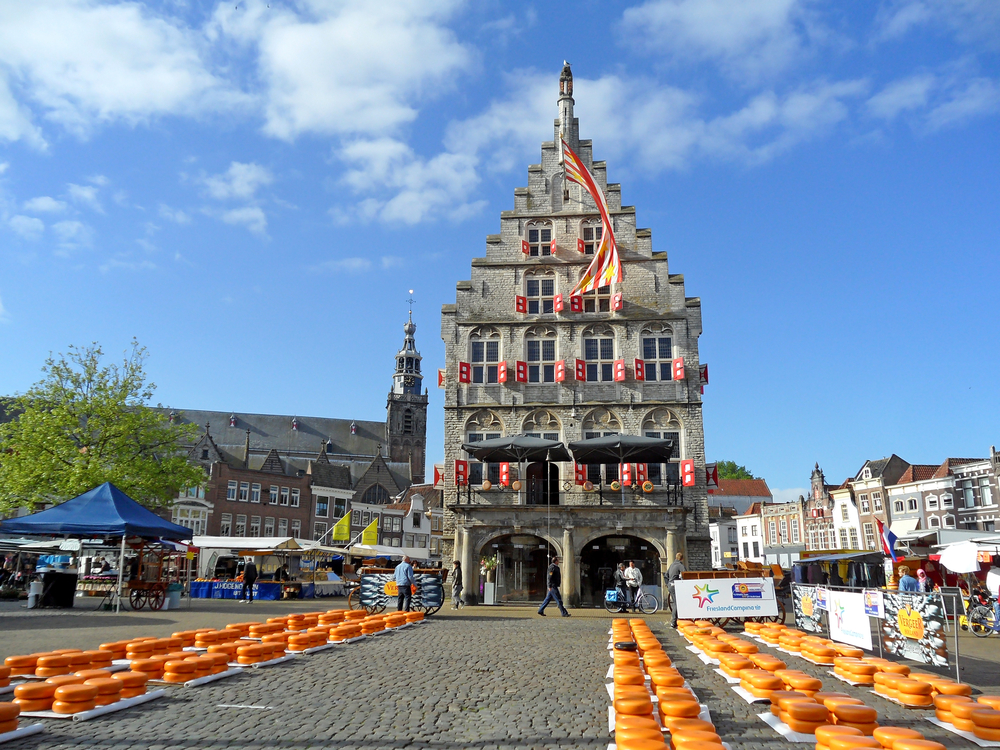
If you did not know this yet, Gouda kaas actually owes its name to a great city in the Netherlands. Here, the cheese was historically traded before becoming one of the most popular cheeses in the World and was sold almost everywhere.
We’re not talking about a common cheese market either; you will cross a few wagonettes full of cheese on your way there.
While you’re there, don’t forget to visit the Gouda cheese weighing house (De Goudse Waag) as well: you’ll learn everything you need to know about how cheese is weighed and priced. And if you ever wondered how Gouda cheese is made, they’ll show you too.
2. Edam cheese market
Let’s move on to the second tastiest cheese of the Netherlands (don’t agree? Save it for the comments): Edam cheese.
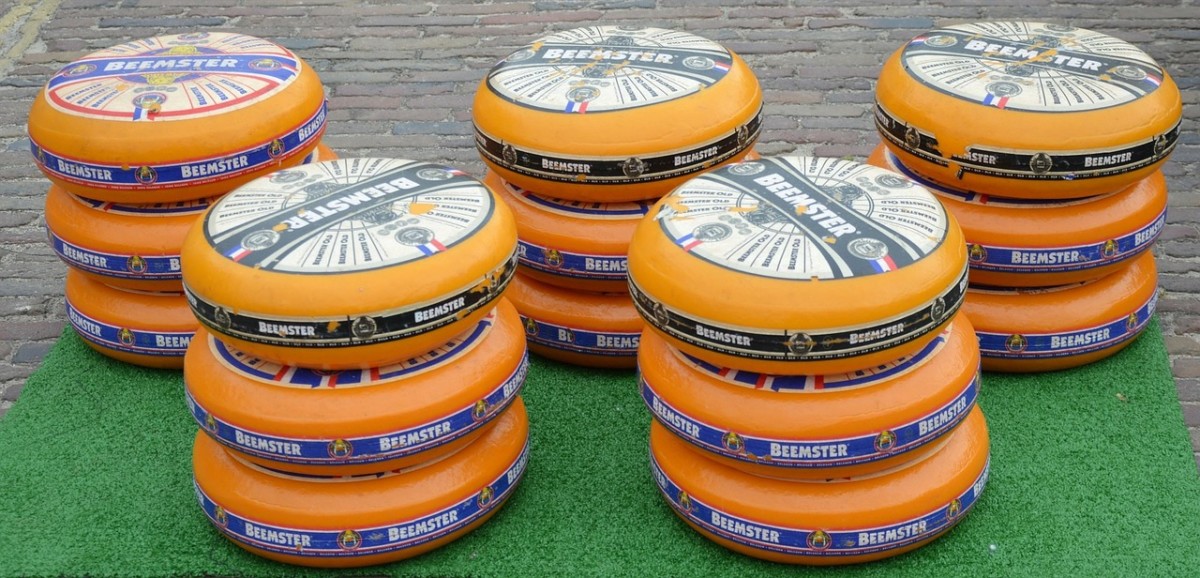
Piles of golden goodness. Image: Pixabay
Like Gouda kaas, Edam cheese also owes its name to a Dutch town: Edam. Exportation from the cheese’s namesake started back in the 14th century (yep, so long ago).
Its popularity was also due to the sailors who would usually take some Edam cheese on board with them, either to eat it or to trade it for other goods.
The cheese market in Edam is mainly for tourists. Compared to Gouda, they won’t insist as much on their authenticity in trading there.
If you like cheese and enjoy a good show, we recommend the Edam cheese market as a stop!
3. Alkmaar cheese market and cheese museum
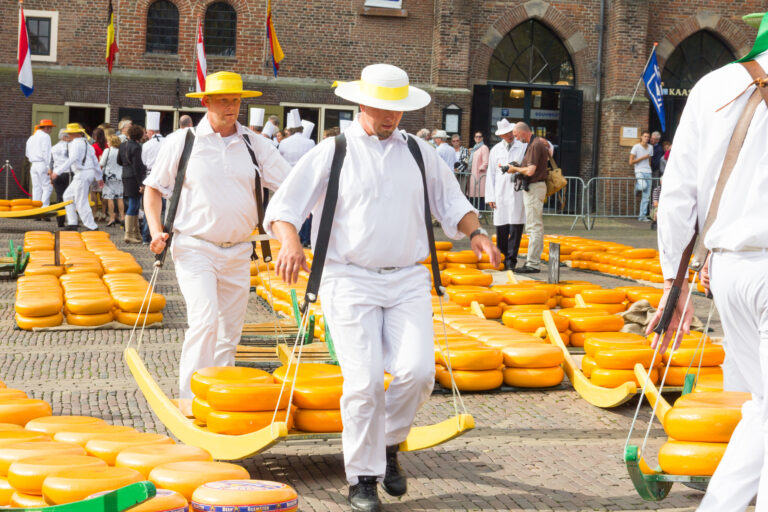
The cheese market in Alkmaar has been taking place on the Waagplein since 1593. The square itself was extended eight times in the city’s history — which really goes to show how successful it was for the local economy.
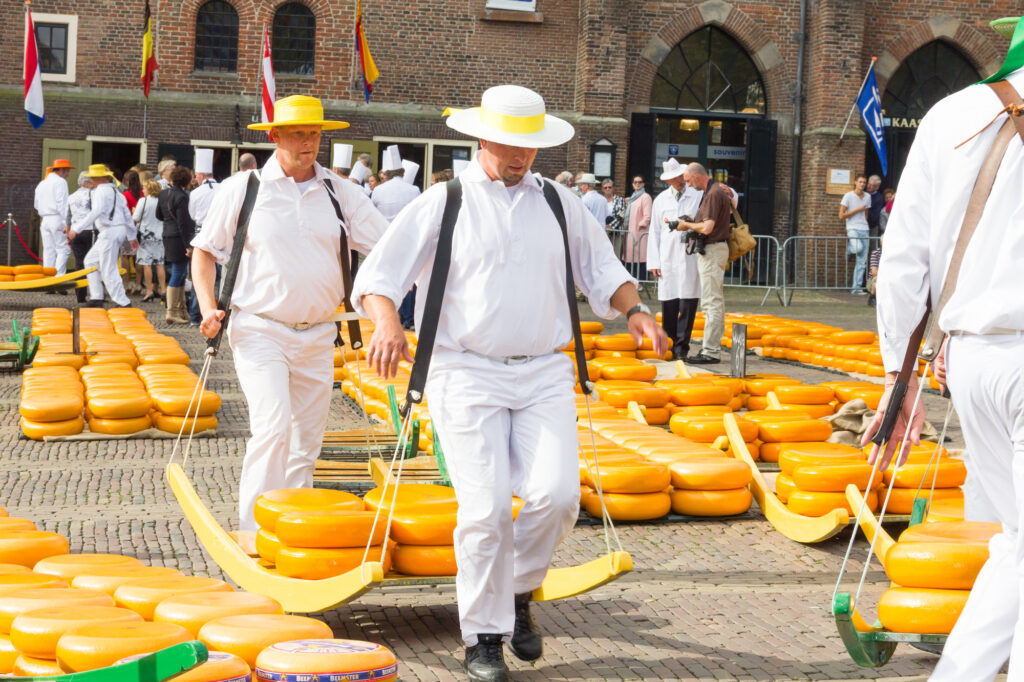
It doesn’t get cheesier than this. Image: Depositphotos
Here again, the cheese show prevails: it goes from bell ringing to inspecting the cheese by knocking on it, as well as bargaining the price by clapping hands.
If you are up for some deep, detailed history of Edammer and Gouda cheese, then the Alkmaar cheese museum was made for you. Located on the same square as the market, this historic building has been bringing cheese to life since 1983 and is the main cheese museum in the Netherlands.
4. Cheese Factory in Volendam
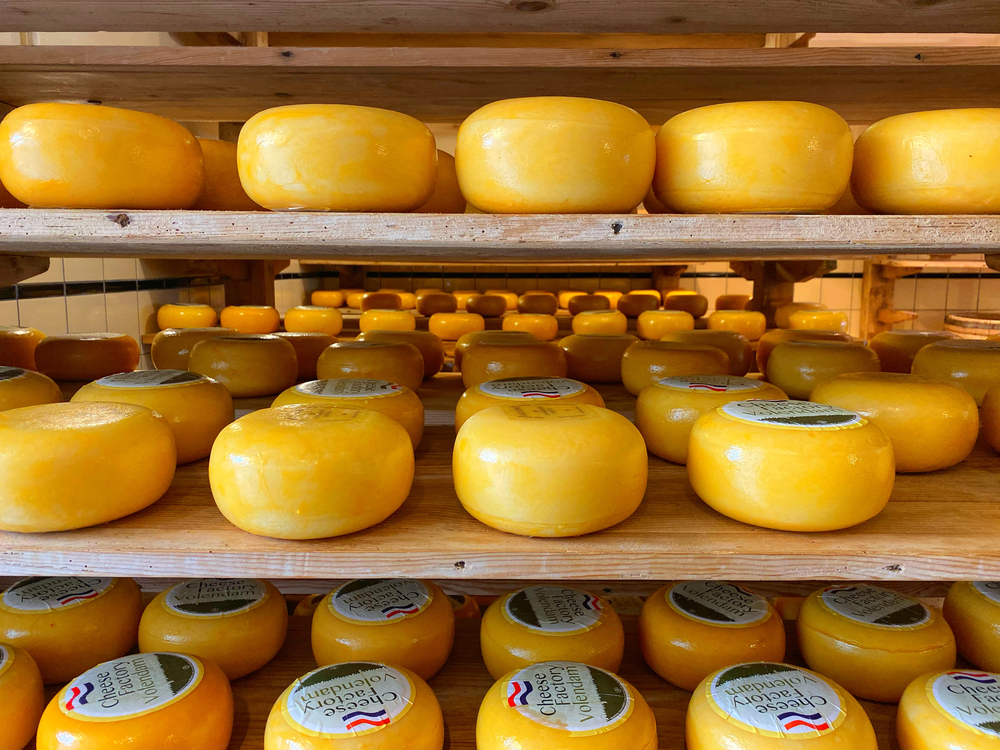
The name is a bit self-explanatory, but this cheese factory is still definitely worth visiting.
Why? Because it’s more than just a factory you see; it’s also an interactive centre that will tell you all about cheese making with a demonstration.
The best part? You can even taste this delicious cheese! Who would say no to a free cheese sample?
5. Amsterdam cheese company, cheese museum, and cheese tour
Would you rather stay in Amsterdam during your trip? That’s fine: the capital also has a lot to offer for cheese lovers!
The Amsterdam cheese company is located in one of the oldest shopping streets of Amsterdam, between a series of restored buildings that have remained unchanged in their character.
You can buy cheese, chocolates, and souvenirs there (it is one of the city’s busiest streets, after all).
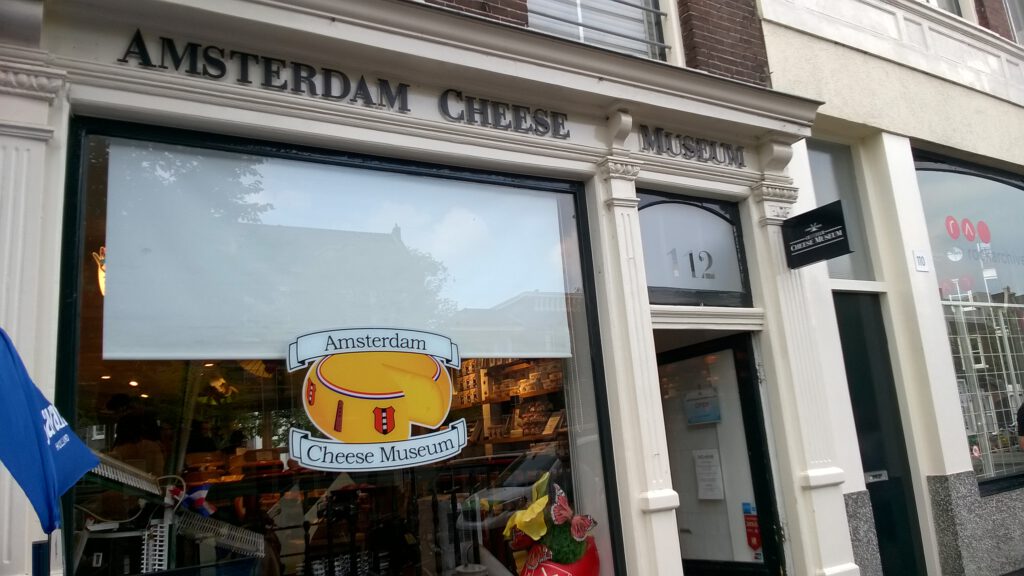
The Amsterdam cheese museum is located near Anne Frank House, so you might want to stop there. It is essentially a shop with an exhibition on cheese, however different from most others.
It’s about all types of Dutch cheese, including Leerdammer, Maaslander, Maasdam, Old Amsterdam, and Gouda.
You can visit the shop and the little museum and purchase every cheese you need. We know your time is precious, so make the most of it in one place!
6. Cheese tours
Do you care more about eating the dang cheese than looking at pictures and artefacts? Then you should book a cheese-tasting tour!
The perfect complement to your cheese: wine! Image: Freepik
If you do want some information on cheese while enjoying all its flavour, you’re in luck: most of the tours offer a video or some explanations on the cheese-making process while you’re stuffing your face up with Gouda mustard and fancy beer or wine.
The Netherlands tops the European Union when it comes to career length, with Dutch workers putting in an average of 43.8 years, more than six years longer than the EU average of 37.2 years.
According to the latest research from Eurostat, in 2024, only six countries boast career lengths above 40 years, and the Netherlands is firmly in the lead.
Sweden, Denmark, Estonia, Ireland, and Germany follow, while countries like Romania and Italy sit at the bottom, with careers averaging less than 33 years.
Working longer is the trend (and the Dutch are already ahead)
The EU is working harder than ever (well, longer anyway).
Since 2015, the average career has grown from under 35 years to 37.2 years today. The only noticeable pause in this increase occurred during the COVID pandemic.
But while the rest of Europe slowly catches up, Dutch workers have been powering through, coffee in hand.
Dutch gender gap smaller than EU average
While a gender gap in career length still exists across Europe, with women working 4.2 years less than men on average, the Netherlands shows a smaller divide.
Dutch men work an average of 45.7 years, and women 41.8 years, resulting in a 3.9-year gap in average career lengths.
In contrast, Italy shows the largest disparity, with men working nine years longer than women — largely due to lower female workforce participation.
So, the Dutch aren’t just working the longest, they’re also showing a bit more balance between men and women when it comes to time on the job. Efficient and (almost) equal? That’s very on-brand.
How does your country compare? Tell us your thoughts in the comments below.
A 38-year-old man from De Kwakel (North Holland) appeard in court today for the repeated sexual abuse of a pregnant Shetland pony in Amstelveen.
According to RTL Nieuws, the man is also suspected of assaulting his dog and possessing hundreds of child pornographic images.
A disturbing pattern
The pony, a black mare named Ona, was several months pregnant when Ricardo Van Z. targeted her in a quiet meadow on Amsteldijk Zuid.
The owner reviewed CCTV footage showing Van Z. climbing the fence at night, leading the pony into a shelter, removing his pants, and staying inside for fifteen minutes. The camera didn’t capture what happened inside.
During the hearing, Van Z. expressed regret for his actions. ”It was a huge mistake on my part. It was out of unhappiness, loneliness, tension, stress, and setbacks,” he said.
He added that he had been supposed to meet a woman he met online and wanted ”to see if I was still capable of having sex.”
Psychiatric experts concluded that Van Z. suffers from a personality disorder and cannabis dependency. He was declared of diminished responsibility and in need of treatment.
More than one offence
Van Z was arrested on October 31st. The Public Prosecution Service is demanding a 15-month prison sentence, with eight months suspended, and a two-year ban on keeping animals.
At his home, police found eight recordings of the pony abuse and more than 600 child pornographic images.
”I didn’t search for child pornography. I’m not a pedophile,” he told the court. He also denies allegations of abusing his dog.
Despite a restraining order, he allegedly returned to the same meadow in April and committed another offence involving Ona.
Do you think a ban on animal ownership is enough, or should sentencing go further? Share your thoughts below.
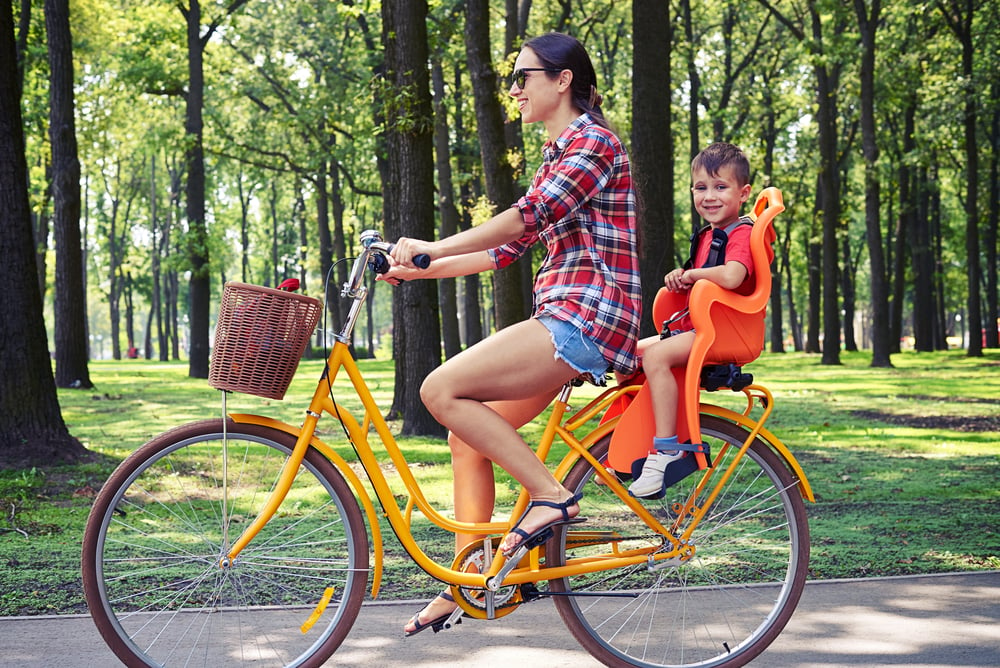
It’s no secret that Dutchies have a thing for cycling. Their love of bikes is no fling — they’ve successfully established a world-renownedbiking society, powered by none but their superior fietsen.
But how do they do it all? Well, they’ve mastered the art of bike building.
Why Dutch bikes are better
It turns out that what really helps the Dutch in their two-wheeled endeavours is the construction of one of the most common Dutch bikes, a.k.a. the mighty omafiets.
So-called “grandma” bicycles are not only low-maintenance but also provide the ultimate comfort to their users.
The best way of getting from A to Z! Image: Depositphotos
Why are they called omafiets, you ask? 💡
Well, that name actually only came into use in the 70s as a reference to the old-fashioned style of the bikes. Essentially, a grandma bike simply refers to a women’s bike of the classic model, while a grandpa fiets is a men’s bike of the classic model.
We could go on and on about the features of the Dutch bike; an item that’s apparently sought but rarely found by inhabitants of other regions, but we’ll let you witness the features with your own eyes through the following video. ▶️
And while the Netherlands also offers a range of interesting biking characters, the Dutch bike and its features surely compensate for all the bicycle-related shortfalls.
Have you ever biked in the Netherlands? What do you love/hate about it? Tell us in the comments below!
We get it — visiting a new country is exciting, but also mildly chaotic.
The Netherlands is no exception. You’re trying to figure out how to pronounce “Scheveningen,” avoid getting hit by a bike, and find a decent cup of coffee that isn’t €6.50 — all before lunch.
But if there’s one simple way to make your life easier (and your tourist status slightly less obvious), it’s this: get yourself an e-sim in the Netherlands.
Yes, we’re going there. Not because we think e-sims are sexy, but because they might just save your travel sanity.
What even is an e-sim (and why should I care)?
An e-sim (short for embedded SIM) is basically a digital SIM card. It lets you activate a mobile plan on your phone without needing a physical card — no paperclip, no plastic, no drama. You just scan a QR code, choose a plan, and boom — you’re online.
Getting an e-sim in the Netherlands means no more wandering around Schiphol looking for a sketchy kiosk that sells overpriced SIM cards. And it means you can start navigating like a local the moment you land.
Which, let’s be honest, is essential in a country where Google Maps is practically a survival tool.
Don’t be the tourist staring at a paper map
Let’s paint a picture: you’re in Amsterdam. You’ve got a museum ticket for 11:00, lunch reservations at 13:00, and plans to catch a train to Utrecht by 16:00. But your roaming charges are racking up, and the free WiFi keeps dropping out just as you’re about to check directions.
Now you’re standing on the street with that look — the one locals immediately recognise as “I have no idea where I am, and this app won’t load.”
Locals might not say anything, but trust us — they notice. The confused glances at tram stops, the panicked button-mashing on ticket machines, the loud “DOES ANYONE SPEAK ENGLISH?” They’ve seen it all. Staying connected with an e-sim means fewer of those moments — and a bit more quiet dignity.
With a good e-sim in the Netherlands, you’re always connected. Need to check NS train delays? Order a Tikkie? Translate “pindakaas”? No problem.
An e-sim will make your time travelling the Netherlands much easier. Image: Freepik
You’ll look like you’ve lived here for years
Okay, maybe not quite — but you will look a little more in-the-know. Being constantly online means you can blend in a bit more. You won’t need to stop every five minutes to reconnect to WiFi, ask directions, or beg a stranger to hotspot you because you accidentally ended up in Zaandam.
Instead, you’ll be confidently striding through cobblestone streets, glancing at your phone like a seasoned Dutchie. Bonus points if you’re holding a reusable tote bag and complaining about tourists.
A few more tips to help you fake it
Being connected is step one. But if you really want to master the art of not looking like a tourist in the Netherlands, try the following:
Stand on the right side of the escalator. Always.
Order a bittergarnituur without blinking. Just don’t ask what’s in it.
Cycle like you have a death wish — but with purpose.
Dress like it might rain at any moment. (Because it probably will.)
And above all, never look lost. Even if you’re headed in the completely wrong direction, walk with purpose and check your map discreetly.
Thanks to your e-sim, no one has to know the difference.
Have you used an e-sim in the Netherlands? Share your experience in the comments below!


![Here’s how you can help Gaza from the Netherlands [UPDATED]](https://dutchreview.com/wp-content/uploads/Protestors-arrested-in-Amsterdam-following-Israeli-presidents-visit-to-the-National-Holocaust-Museum-768x512.jpg "Here’s how you can help Gaza from the Netherlands [UPDATED]")