Everyone wants more options and Dutch public transport company Qbuzz wants to give us what we need — more trains to Germany and France. Hoera!
Starting January 2027, Qbuzz wants to run seven daily trains from Amsterdam to both Berlin and Paris. To make it happen, they’ll receive an investment of €200 million from the Italian parent organisation, Ferrovie dello Stato Italiane.
A buzz of luxury
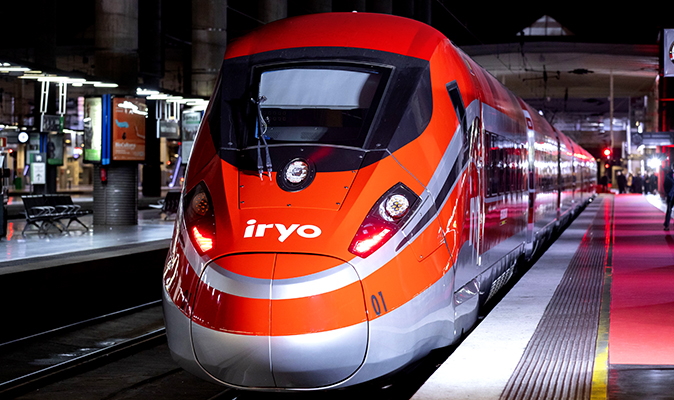
Qbuzz is known for its buses in and around Utrecht and Groningen. If Qbuzz is allowed to expand from buses into offering international trains, the parent company will provide money to give travellers a luxurious experience. How? Frecciarossa wagons. 🤩
What’s so special about these Frecciarossa wagons, you ask? Well, they are very snazzy and comfy trains.
“We will use this to buy Frecciarossa wagons, very nice trains that are already running in Italy, France and Spain,” Qbuzz director Gerrit Spijksma tells de Volkskrant.
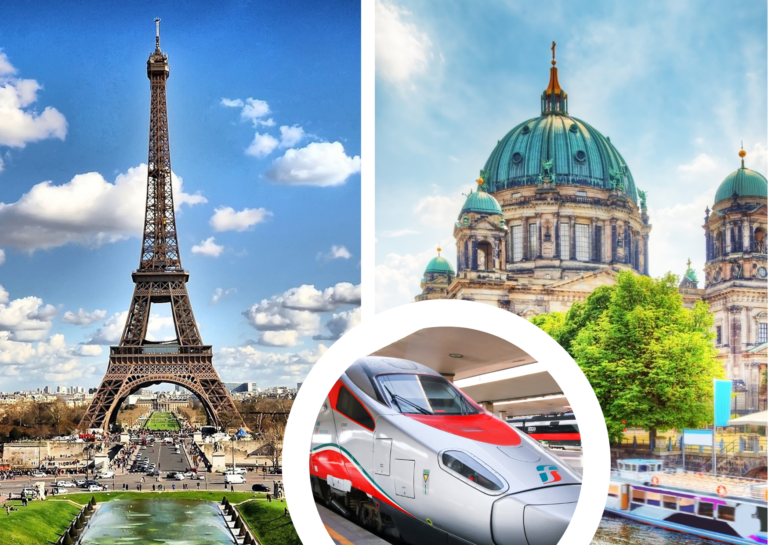
The fancy trains can reach speeds of up to 400 kilometres per hour. Image: FS Group
Maybe you haven’t heard of Qbuzz before this, and maybe the jump to international trains seems like a giant leap. But director Spijksma doesn’t think Qbuzz should be underestimated. “We are a subsidiary of the Italian Railways. My shareholder has been running trains there since 2000.”
Enthusiasm for more train routes
Multiple transport companies have been trying to play bigger roles on the Dutch railway for years, reports de Volkskrant. Helaas, the Dutch state-owned travel company, NS, currently dominates Dutch railways.
Don’t get disheartened yet, because there is hope. State Secretary of Infrastructure Vivianne Heijnen is considering opening the market for international train connections to competition from 2025. Transport companies have until June 14 to suggest new train services.
Competition companies FlixTrain, Arriva, and now Qbuzz, have been offering their services and sparking excitement at the prospect of new train routes. More parties will offer more, including the NS — which means that we’ll get more and more destinations!
However, it is a waiting game to see if international routes will actually be opened up. We hope to hear the final decision by the end of August. Fingers crossed! 🤞
Would you use this new train route? Tell us in the comments!
After having disappeared for over 50 years, a stolen painting from an Italian museum mysteriously popped up at an art auction in the Dutch city of Middelburg.
The painting called ‘l’eterno Benedicente’, which is over 500 years old, was stolen in 1959 from the Civico Ala Ponzone Museum in Cremona, Italy.
Until a few days ago, it was a complete mystery where the painting was hidden, which sneaky robber snagged it, and who it might have been sold to.
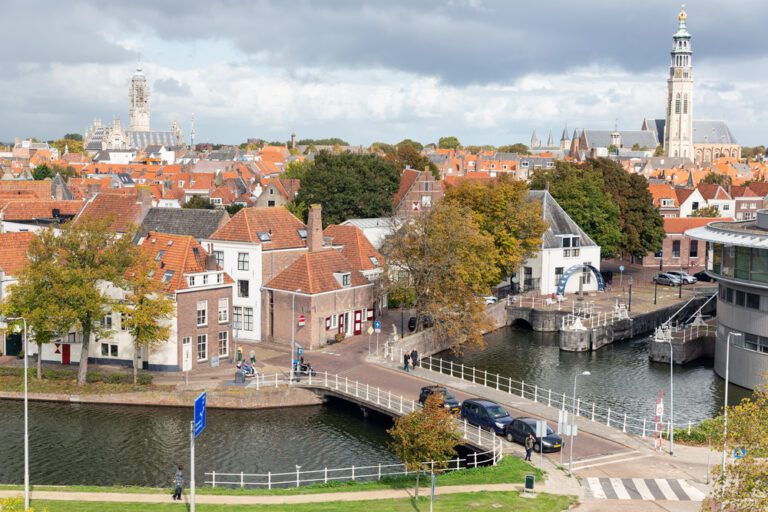
Now, more than 50 years later and over a thousand kilometres away, a museum employee recognised the artwork in the Netherlands. More specifically, it made a surprise appearance at the art auction house Korendijk in Middelburg, reports the NOS.
The mystery around the old painting
The employee who recognised the art piece immediately phoned the Italian art police (who knew that was a thing?). They, in turn, contacted their Dutch counterparts.
Dit is het in 1959 uit een Italiaans museum gestolen schilderij l’eterno Benedicente van Galeazzo Campi (1475-1536) dat nu in Middelburg opduikt bij een veiling. Het stelt God voor. pic.twitter.com/UvTeCIlCF2
Translation: “This is the painting L’eterno Benedicente, stolen from an Italian museum in 1959, by Galeazzo Campi (1475-1536), which is now turning up at an auction in Middelburg. It represents God.”
So how did this valuable artwork end up on the wall of a Dutch auction house after decades of silence on its whereabouts?
Well, the painting was given to the auction house by a man who had bought all of the contents of a house — most likely unaware of the small Italian treasure hidden in it. The mystery continues as to whose house it was…
Richard Bronswijk, from the police’s Art Crime Team, told the NOS: “It turned out that the man had owned it for some time and no longer knew where it came from. The most important thing for us was that the work was found. The Italians were really overjoyed.”
A painting from the 1500s
The Italian painting depicting God is one of Galeazzo Campi’s works and is now valued at around a whopping €5000.
The police don’t know much about the robbery but are now digging through the museum’s archives to find out more about the puzzling event.
Unfortunately, they’re not very hopeful of uncovering much about the robbers or how the art was snagged over 50 years on.
Bronswijk tells NOS: “After such a long time, these kinds of paintings have already been in so many hands that it becomes impossible. And it also leads to nothing, because the statute of limitations for theft is twelve years.”
There are still many questions left to be answered, and many might remain unanswered, but Italy is happy to have a piece of its beautiful cultural heritage back.
Have you heard of any other mysterious and sudden appearances of art? Tell us your thoughts in the comments below!
We wanted the summer heat, and we got it, maybe a bit too much. Trains all over the Netherlands are being delayed and cancelled because of the heat. 🥵
Yes, it’s that time of the year again. Park picnics, shorts and dresses, and complaining about the heat that we’ve spent the past year begging for. Oh, and trains not working properly.
For something that happens every year, you’d think the Netherlands would have figured out public transport in the summer.
And yet, bridges can’t close, tracks expand, and passengers are suffering in trains with no air conditioning.
Because train tracks are made from steel, they expand in the heat. When they do, they can start to warp and become misaligned or push the tracks next to them. So trains can’t run because, essentially, everything is a bit wonky. Doesn’t sound very ideal, does it?
Working in this heat? Bridges say needankjewel
You know those bridges that go up and down so that boats can pass? Well, it seems like they’ve been taking days off in the heat because there have been multiple reports of them breaking down and not closing.
Because the bridge over the Merwede Canal couldn’t close due to the heat, trains near Rotterdam and Utrecht didn’t start running again until late last night.
But this is nothing compared to Haarlem. Here, the bridge over the Spaarne also couldn’t close, so there were no trains running between Zandvoort and Haarlem. So much for a fun beach day!
Overheating trains and struggling passengers
The bridges weren’t the only problem. One train was so hot that a passenger passed out, the NOS reports. Other reports included people talking about smashing the windows to get some fresh air in.
Although, let’s be honest: that might not be the best idea when the train starts to run at 140 kilometres per hour.
Other than that, there are just the classic complaints: delays, cancellations, and no air conditioning. Just because this country is usually cold and rainy doesn’t mean we should forget that it gets hot in the summer.
Unfortunately I don’t have an option to turn it on from here. Neither does the conductor at the train, maybe you could ask him if a reset of the system is possible. You could also try to change the a different wagon, the temperature might differ between them. ^CD
After countless complaints online, the NS responded, saying that it didn’t get many reports about broken air conditioning. “If an air conditioner does not work on the train, that train will be taken out of service, and that did not happen today,” a spokesperson told the NOS.
Hmm… given that the NOSdid receive reports about no air conditioning, this NS response feels a bit like (failed) crisis management. 👀
Anyway, does anyone know about the train to Leiden? We have to get to work. 🫠
Have you experienced train problems in the heat? Tell us in the comments!
The hustle and bustle of life can take its toll on any relationship. Nevertheless, there’s no better way to reignite that spark than by doing it like the Dutch and going camping in one of the most romantic places in the world — France! 🇫🇷
For years on end, camping in France has been a popular pastime amongst the Dutch, so much so that they’ll pounce at any opportunity to be in touch with nature and soak up the joie de vivre.
The country is particularly known for its camping-friendly culture, but it also exudes a romantic atmosphere like no other.
It’s no surprise, then, that it makes for the perfect place to spice up your relationship and cling to your loved one under the stars. ⭐
Sold? Here are seven destinations for a romantic camping getaway in France.
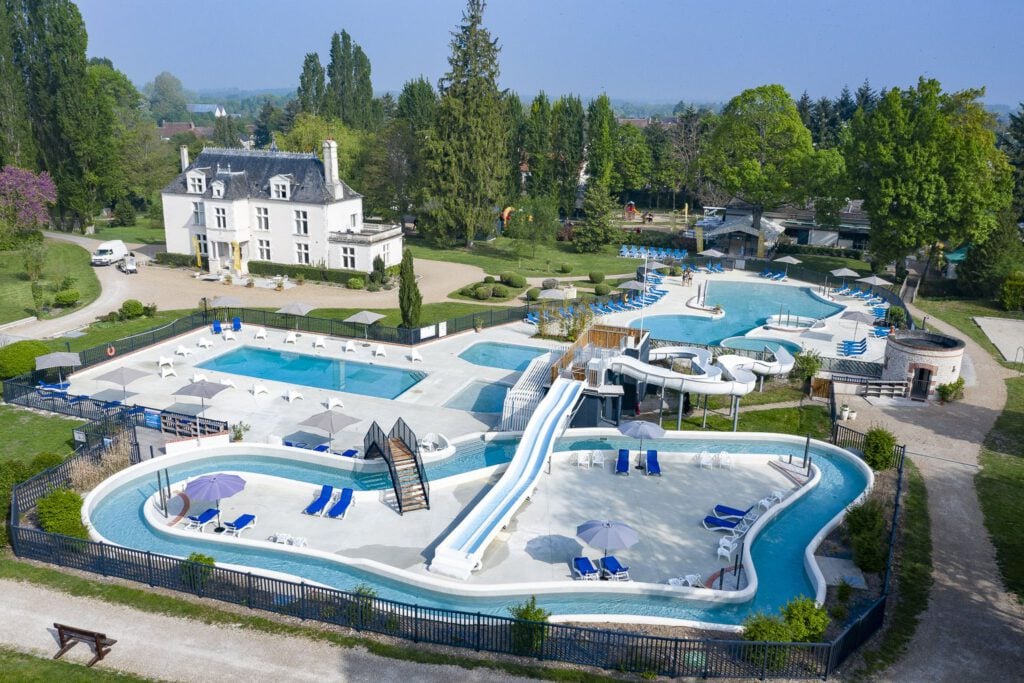
1. Campsite Château des Marais — for those who deserve only the best
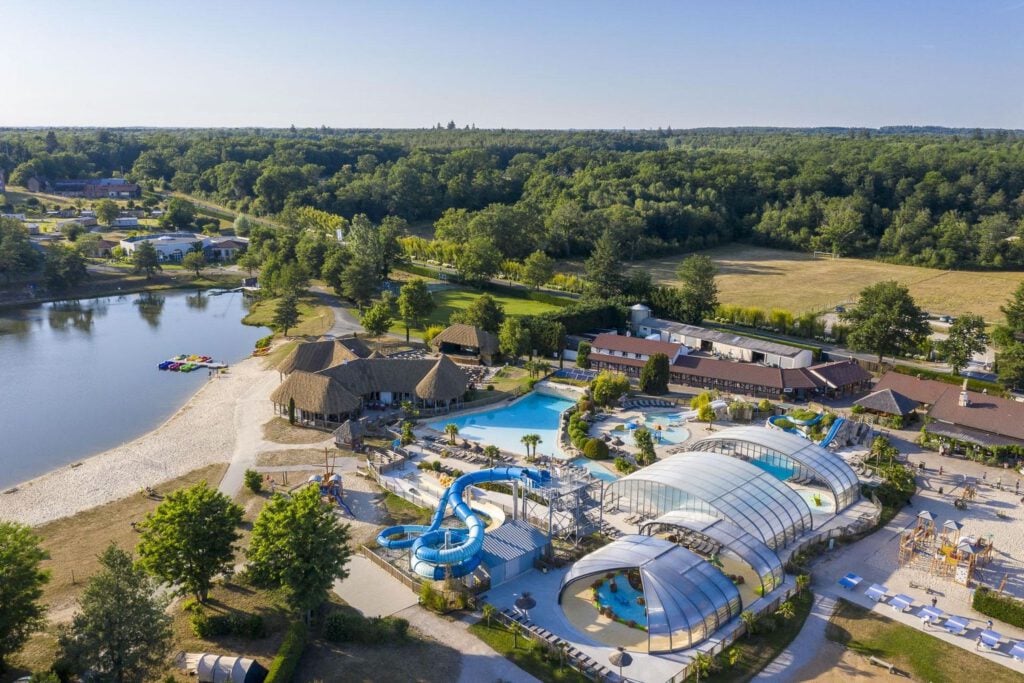
Can you say, “aquatic paradise”? Image: Sandaya
Located just footsteps away from the elegant Loire River in the department of Loir-et-Cher, Château des Marais is a five-star campsite that welcomes families of any size with open arms.
Quiet and quaint, this luxurious campsite is stationed in the midst of the beautiful Centre-Loire valley, surrounded by vast greenery, vineyards, and gothic Cathedrals. It’s perfect for long walks in the fresh air and romantic picnics with breathtaking views.
Parents can treat themselves to the many spa facilities the campsite offers, from saunas to bubble baths, while the kids make good use of their own aquatic paradise, with heated outdoor pools and water slides.
You can discover the historical treasures and cultural heritage of the Loire valley through a tour — and an added bonus? The campsite’s many accessible biking paths allow Dutchies to feel more at home. 🚲
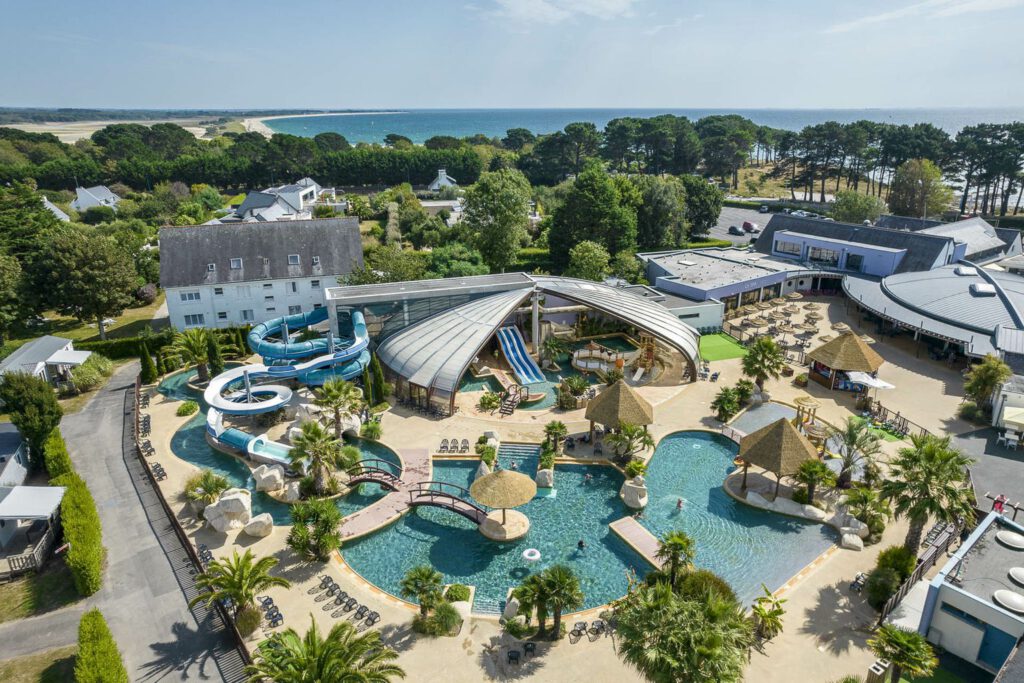
2. Campsite Escale Saint-Gilles — for those who want a taste of the beachside
Camping with a view of the beach? Umm, yes please! Image: Sandaya
The beach bums and sea lovers of the world will no doubt have to camp at Escale Saint-Gilles in the idyllic department of Finistère at least once in their lives.
Based in the region of Brittany (northwest of France), this campsite is encompassed by picturesque coastlines, medieval towns, and magical nature parks, making it the perfect seaside holiday destination.
It’s also within walking distance to La Pointe Saint Gilles beach, which means Dutchies can experience the simplicity of camping, all the while enjoying a superb holiday and lazing under the sun with sand beneath their feet.
Tickle your senses with an aquatic park that spans about 1,000 square metres wide and holds all sorts of activities for you to indulge in, from waterslides to heated swimming pools and aquagyms.
However, no vacation away from home is complete without a good amount of self-care. Luckily, Escale Saint-Gilles boasts a number of spa facilities, like saunas and massages, bringing you and your partner all the downtime you need. 💆
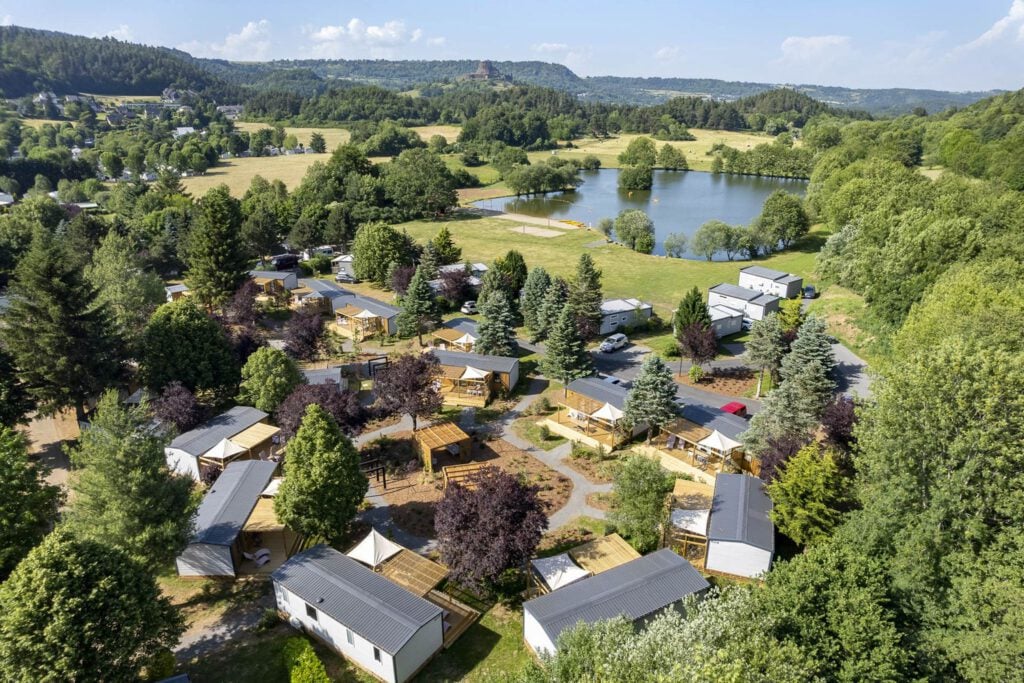
3. Campsite La Ribeyre — for those who seek a peaceful break in wild nature
A romantic camping getaway in France isn’t complete without a good dose of nature. Image: Sandaya
Based in Auvergne-Rhône-Alpes, a region in southeast-central France, La Ribeyre is the go-to campsite if you and your partner want a break away from the stress of everyday life and let romance take its place.
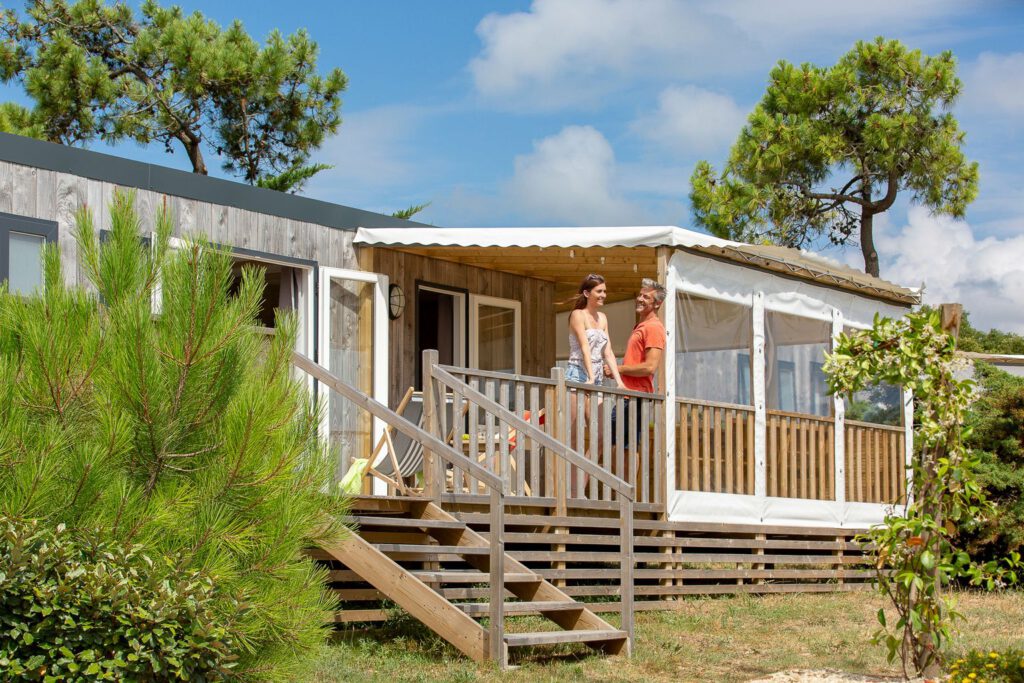
Settle down in a fully-equipped cottage that sits at an altitude of 800 metres and admire all the simple, earthly pleasures of the great outdoors.
Since the campsite is situated between the Massif du Sancy and Lake Chambon, it also includes everyday sights like the 80 volcanoes of the Puys chain and countless mountain lakes. ⛰️
The French zen-esque vibes don’t stop there, though. There’s also a private lake, a heated swimming pool, and a bunch of calm sporting activities to enjoy.
Nonetheless, if you’re up for something with a little more action, you can also learn the ways of beach volleyball, tennis, paddling, or canoeing in the campsite’s vicinity.
4. Campsite Les Alicourts — for those who need time to regenerate
This campsite offers a great and much-needed escape into the wilderness. Image: Sandaya
Hedged in by the thriving wildlife of the Sologne region, Les Alicourts is a five-star tranquil camping site perfect for anyone seeking to unwind and disconnect from the rest of the world.
The green landscape that engulfs this place is so breathtaking and gives off a delightful ambience that’s sure to give any couple a much-needed romantic boost.
Dutchies can take pleasure in all the water facilities this lush estate has to offer, from supersized aquatic parks to heated indoor and outdoor pools. It also has a beautiful lake with a sandy beach for guaranteed leisure time.
Treat yourself to stress-busting massages and beauty treatments at the resort’s spa — but if you prefer to mellow out in the open air, you can also hop on a bike and explore the treasures of the countryside. 🌾
5. Campsite Domaine Le Midi — for those who want the perfect couples retreat
Romantic vibes don’t get better than this camping getaway in France! Image: Sandaya
On the island of Noirmoutier in the Vendée, located in Pays de la Loire, a region in the west of France, you can enjoy a romantic camping getaway at Domaine Le Midi amid beautiful sandy beaches, vast greenery, and hilly dunes.
What makes a stay at this campsite truly worthwhile is the very fact that you can wake up each morning to the sound of waves crashing on the shore, and can indulge in a classic, French-style breakfast with a view of the Atlantic ocean. 🥐
Dutchies and internationals alike can rest assured in knowing their passion for sailing can certainly be fulfilled here. The camp boasts a nearby sailing school, and there’s a huge pool of water sporting activities to dive right into.
A quick 10-minute walk away from the resort will also bring you to the centre of the village Barbâtre, where you can stop to munch on some freshly baked croissants and delicious baguettes from the local supermarket.
6. Campsite Chateaux Dans Les Arbres — for those who want a tree-top holiday
Dutch couples who camp in France together, stay together. Image: Depositphotos
There’s nothing quite as intimate as curling up in a secluded sanctuary amongst nature with your loved one, and Chateau Dans Les Arbres is sure to bring any couple that seventh-heaven feeling.
Located in the old town of Bergerac, this place offers treehouse cabins (yes, treehouse cabins!) that each come fully equipped with comfortable beds, bubbly jacuzzis, climatised pools, and an abundant breakfast at your doorstep every morning.
It’s an excellent choice for a luxurious weekend retreat surrounded by fauna and flora, where you can focus on enjoying each other’s company. 🌼
7. Campsite Maison Flottante: Baurech Insolite — for those who want to camp in luxury
One of the luxuries? Take as many hikes in the woods as you want. Image: Freepik
Nicely nestled in the beautiful city of Bordeaux, these floating houseboats fit the bill of being both rustic and secluded to the T.
We’re talking snug evenings by a burning campfire, afternoon hikes in the woods, and night dips in the hot tub under a sky full of stars.
It sits on top of Lake Baurech and is in the heart of nature, where you won’t have to worry about responsibilities or distractions, so in other words, it’s the perfect recipe for romance!
Each houseboat comes with a fancy kitchen, a homey living room, a luxurious bathroom, a stellar bedroom, and a terrace that features a gorgeous view of the still lake. Now, doesn’t that just sound like heaven on earth? 🤩
In France, romantic vibes are pretty much everywhere. That being said, there are so many other destinations you can choose from for the perfect romantic camping getaway in the country.
Whether you’re looking to venture out into the great outdoors with your partner or embark on a camping escapade with your little ones, it’s the perfect solution for a weekend trip away or a short holiday that’s not too far from the Netherlands.
Have you ever gone on a romantic camping getaway in France with your partner? If so, what was your experience? 👇
Florentijn Hofman shared one giant duck with the world almost 10 years ago. Now this duck has returned with a friend and we wonder what they quack about all day. 🦆
We’re sure that you’re familiar with the classic rubber ducks. Maybe you had your own and played with it in the tub as a kid. Or perhaps you’ve even visited the Amsterdam Rubber Duck Store and experienced that child-like wonder all over again.
Now imagine if those little yellow buddies were giant. (We’re talking 18 metres tall, giant.) Well, you can thank Dutch artist Florentijn Hofman for making this dream a reality.
He’s bringing his two inflatable ducks around the world for all to see and enjoy. So far, they’ve made stops in the Netherlands, France, and Brazil.
The ducks are quack (back) after 10 years
However, this isn’t the first time Hofman has brought these ducks to the world. In 2013, the installation was of one giant duck. Now, naturally, he felt we needed two of them.
The goal of the installation is to scratch that childhood itch. In the words of Hofman himself, “I hope it will bring as much pleasure as it did in the past and in a world where we suffered from a pandemic, wars and political situation, I think it’s the right moment to bring back the double luck.”
And yes, the ducks have names. Well, kind of. 😉 They’re named after the Chinese characters “xi” for happiness and “peng” for friends. How ducking cute is that?
Man (duck) down
Natuurlijk, people were very excited about the two ducks bobbing around in Victoria Harbour in Hong Kong.
Yet, to the heartbreak of many spectators, one of the ducks deflated hours after his swim up the harbour. Kind of ironic, considering the fact that part of the whole appeal of this new installation was to have two ducks for “double the happiness”, as Hofman tells Reuters.
A video shared widely online shows the moment one of the two giant rubber ducks anchored in Hong Kong’s Victoria Harbour deflates. pic.twitter.com/01ccKKRGHu
— South China Morning Post (@SCMPNews) June 10, 2023
After investigation, it was discovered that one of the ducks deflated because it was overstretched due to the heat. Did you think a cute little (big) art installation could make you forget about the looming threat of climate change? Think again!
But, for now, the duck is back (or, the duck is quack), and we can continue to escape our thoughts. So let us all look at these giant buddies and think of happiness and friends!
Who knew something so giant could be so ducking adorable? (Sorry, we just love these duck puns. 😉)
Did you manage to catch (quack) the installation? Let us know in the comments!
As part of efforts towards creating a smoke-free generation in the Netherlands, no new tobacco shops will be allowed to open in Utrecht for at least the next year.
Making a head start in the nationwide race towards smoke-free cities is… Utrecht! 🥳 According to NOS, the municipality is the first Dutch city to outright ban new tobacco shops.
No cigarettes on your grocery run
Banning new tobacco stores isn’t the only change heading down the tracks, however.
Are you dying to pick up a box of cigarettes on your bi-weekly grocery run? Well, we have bad news for you as, from July 1, 2024 onwards, supermarkets across the Netherlands will not be allowed to sell tobacco products anymore.
Utrecht’s municipality hopes that banning new tobacco stores will also help prevent businesses from trying to dodge the upcoming law preventing supermarkets from selling tobacco.
A smoke-free city
Through these measures, Utrecht hopes that the city’s children will grow up smoke-free by at least 2035 and that a large chunk of the population will ditch the habit.
Most people will recognize the “no smoking” sign. In Netherlands I often see “smoke free” sign instead. Interesting example of negative vs positive messaging: “you can’t smoke here” vs “here we enjoy fresh, clean air” pic.twitter.com/4mWuKAGaX6
Alongside the new regulation, the city’s representatives are also pushing for a country-wide acceleration in efforts to reduce this unhealthy habit in the Netherlands.
City alderman for Public Health, Eelco Eerenberg, along with representatives from Amsterdam and Rotterdam, urged the Netherlands’ state secretary in a letter to step on the gas on national efforts against smoking.
They are pushing for the adoption of a motion that will give Dutch municipalities more power to block new tobacco businesses by adjusting city zoning plans.
“In Utrecht, we have now taken a big step towards a smoke-free generation in 2035.” Eerenberg tells the NOS, “I am happy about that. But the fact is that Dutch municipalities, within the framework of the Tobacco and Smoking Products Act, currently have no legal options to limit the number of tobacco shops.”
What do you think about these latest measures to curb smoking? Tell us your thoughts in the comments below!
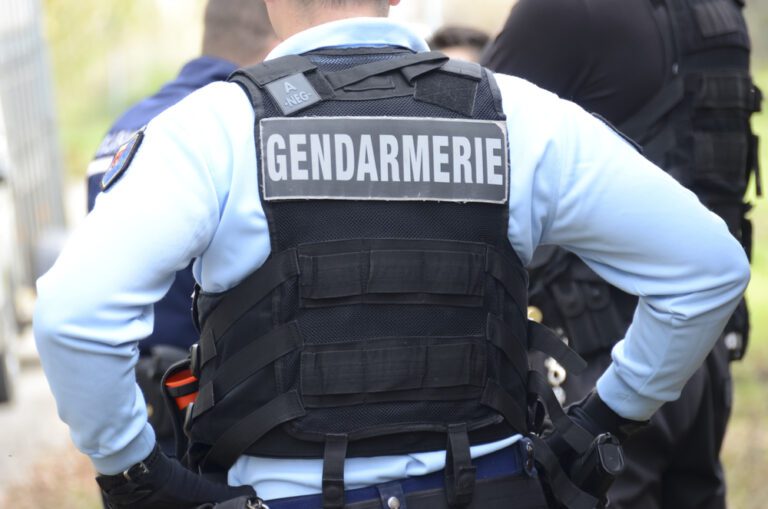
A Dutchman living in the French region of Brittany shot at his neighbours through a hedge, killing an 11-year-old girl and wounding other members of the family.
A British family were relaxing in their garden in the village of Saint-Herbot on Saturday night when their neighbour, a retired Dutchman, started shooting at them through their hedge, reports the NOS.
Family members wounded
When officers arrived at the scene, the 11-year-old girl was found dead and her parents wounded. The only member of the family that wasn’t injured was their 8-year-old daughter, who was understandably in shock.
Although it is still uncertain what triggered the incident between the 71-year-old Dutchman and his neighbours, the French prosecutor’s office believes that it has to do with a long-standing dispute over a piece of land.
Both the gunman and his wife retreated into their home after the shooting. After mediation with a police negotiator, the couple surrendered and were arrested an hour after the incident.
Remember those “disinfection poles” that could be found in just about any establishment during COVID times? Well, have you ever wondered if they were converted to “sunscreen poles” that dispensed SPF instead of anti-bacterial gel?
Wonder no longer, as the sunscreen freebies are going to those who attend the Best Kept Secret festival, which is taking place in both Beekse Bergen and Stadspark Valkenberg.
Not going to the festival? Don’t worry, because over 100 locations in the Netherlands will be joining in the free sunscreen movement this summer. (You heard us right: free sunscreen! Don’t all jump at once. 😉)
The Smeerkees company’s “sunburning poles” (which pump out SPF 30 sunscreen) are reportedly found all over the country already, including in Amsterdam’s Westerpark and the Zwarte Cross.
Free sunscreen coming to Katwijk
Those empty disinfectant dispensers that we had all come to have a love-hate relationship with have been lying around without a purpose, but are now being put to good use, reports NOS.
Dermatologist Karen van Poppelen came up with the ingenious idea of converting these dispensers into sunscreen poles.
These sunscreen poles are now located in over 20 municipalities, as well as at “commercial parties”. In fact, one town that’s heavily investing in sunscreen is Katwijk. Katijk’s alderman Jacco Knape believes the investment is worthwhile, despite costing “a few thousand euros”.
For folks in this tourist-packed seaside town, the number of people sunbathing while “unprotected” is reportedly higher than average at the moment. Yikes! 😬
Cancer prevention
It’s no secret that skincare has become more of a trend in recent years, and that can only be a good thing, according to dermatologists.
Sundo founder Ybe Heemskerk realises how important it is to “prevent” skin cancer, and wants to spread the word. That’s why Sundo is installing its own sunscreen poles in over 100 places in the Netherlands.
The reason behind these protective measures isn’t vanity, but public safety. After all, skin cancer, believe it or not, is the “most common” type of cancer.
Although loads of people like to lather on the SPF while at the beach, many don’t consider the importance of applying a coat when they’re “just going out for a day”, according to Wouter Spackler, co-founder of The Smeerkees Company.
Are you dying to visit Paris but living in Groningen? Well, you’re in luck as the glamorous French city is now just a bike ride to the station away! (And then, you know, five hours on a train.)
That’s right, gone are the days of taking one train to Amsterdam just so you can get on your actual train to Paris. A new train route from Groningen directly to Paris is en route (no pun intended).
How will it work?
Leaving Groningen at the break of dawn (5:30 AM) and arriving at Gare du Nord in Paris at 10:40 AM, the journey takes just over 5 hours. But let’s face it, with that early departure time, we’ll be awake for only one of those hours. 😅
The train makes multiple stops in the Netherlands and Belgium, running daily in both directions. On its way back, it leaves Paris at 7:15 PM and arrives in Groningen at 12:30 AM.
If you’re brave, you can even go to Paris for the day. Are you craving an authentic Paris croissant or a dish prepared by a man controlled by a rat? All that’ll cost you is a modest €140 (approximately) other than the cost of the food. Oh, the joys of living in Europe. 😮💨
So, what now?
The ACM (Authority for Consumers and Markets) is analysing the plans to check that the route doesn’t compete with current train connections.
Things are looking good for this train, as the ACM tells AD.nl, “the new passenger service should not have too much negative impact on the existing transport concession.”
Arriva (NS’s biggest competitor) applied for trains to run from Groningen to Paris and back by June 2026 and will announce their plans this Thursday, June 15.
Let’s face it: flying is like, so over. Overpriced tickets, knee bruises, and no Wi-Fi. What do we do, be alone with our thoughts? Never!
I've travelled 640km on the train from Groningen to do some work in Paris today. It cost €85, that's £75. How far does a British train take you for that money? Genuinely curious. pic.twitter.com/tVSrqIqtaW
Many of us can hardly remember our country’s whole national anthem, but Priungshu Roy Chowdhury, a 15-year-old boy from Bangladesh, taught himself 120 anthems — including the Netherlands’, in just eight months. 😳
Inspired by the tradition of singing participating countries’ national anthems before the start of cricket games, the boy set aside 45 minutes every day during the pandemic to learn almost every country’s patriotic songs, according to NepalNews.
He says that he hopes his singing can help to foster good friendships between his country and others, as well as increase awareness about world peace.
120 national anthems
Feeling inspired to take on the challenge yourself? 💪 Chowdhury says that the anthems of Nepal, India, Bhutan, Malaysia, England, and Morocco were the simplest to master. He added that patience and perseverance were vital to him completing his mission.
Apparently, the Dutch national anthem wasn’t one of the easier ones to learn, but you can give it a try with this video:
The high-schooler even submitted an application to the Guinness World Record in hopes of documenting his achievements.