Home Blog Page 88

Not always the best: Here’s 7 times the Dutch suffered a huge fail

Dutch fails — huh? It sometimes seems like the Dutch are good at everything they do. But, let’s cut to the chase. No one can be good at everything, right?

Let’s all nurse our own egos and have a look at some times the Dutch really missed the mark. 👇

7. When Den Haag paid €30,000 per squirrel to cross a road

In 2012, The Hague became concerned about the number of squirrels that were dying when crossing the N44 motorway. Sweet, right?

Their solution was to build a bridge specifically for squirrels to finish crossing. But we’re not talking about a huge, wide ecoduct that can fool animals into believing there is no highway at all.
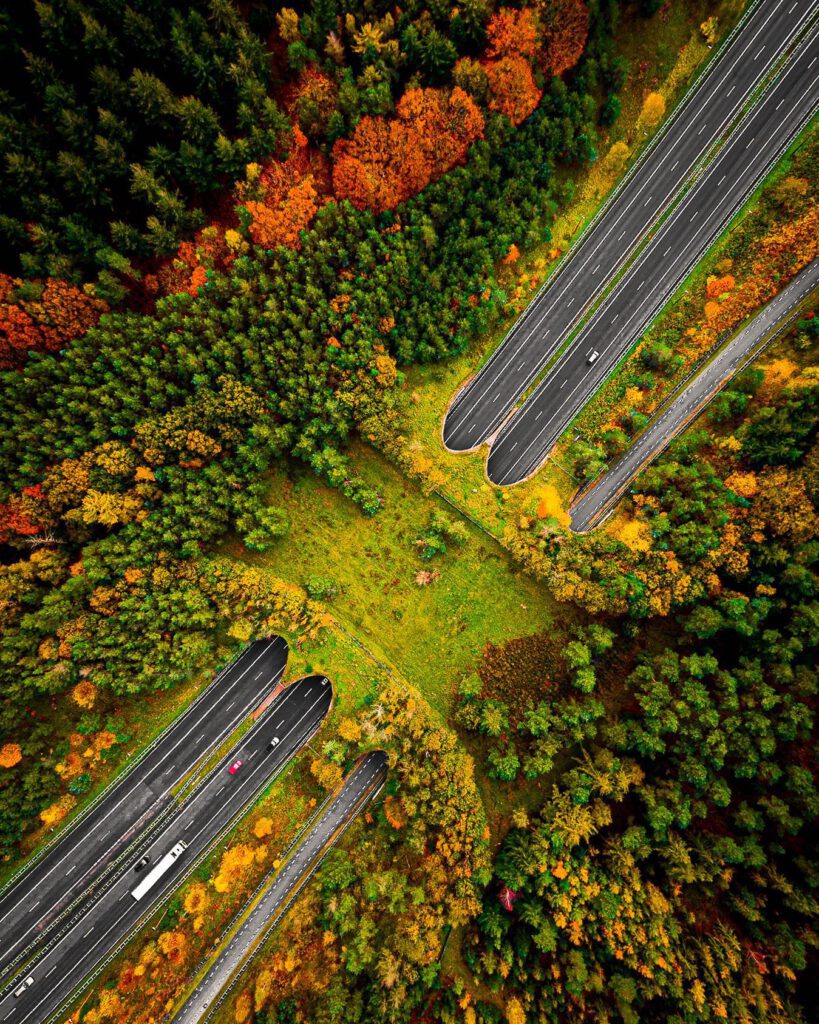
Photo-of-ecoduct-in-the-Netherlands-smart-Dutch-invention
This is what some ecoducts in the Netherlands look like. Image: rutgerdenhertog/Supplied

This was a narrow, wire bridge, just wide enough for a rodent to scurry across to safety. 

Why was the Den Haag squirrel bridge a Dutch fail?

A whopping €150,000 went into building this not-so luxurious animal crossing, but no worries, because we’re saving cute, fluffy squirrels, right?

READ MORE | 7 odd Dutch quirks that show the stranger side of the Netherlands

Wrong. After only two years, CCTV evidence showed exactly five squirrels had made use of the bridge. That’s €30,000 per squirrel, a.k.a the most expensive squirrels ever.

The (then) Mayor of The Hague explained that the money was used from a national fund for environmental compensation in an attempt to justify the expense.

Mate, we still think perhaps there could have been a better use for that cool €150,000.

6. The FYRA Fiasco

FYRA was, quite simply, a train that was going nowhere. When the general public starts alliterating in unison, you know something is a big deal.

The FYRA Fiasco was nothing less than a royal, giant stuff-up of epic proportions.
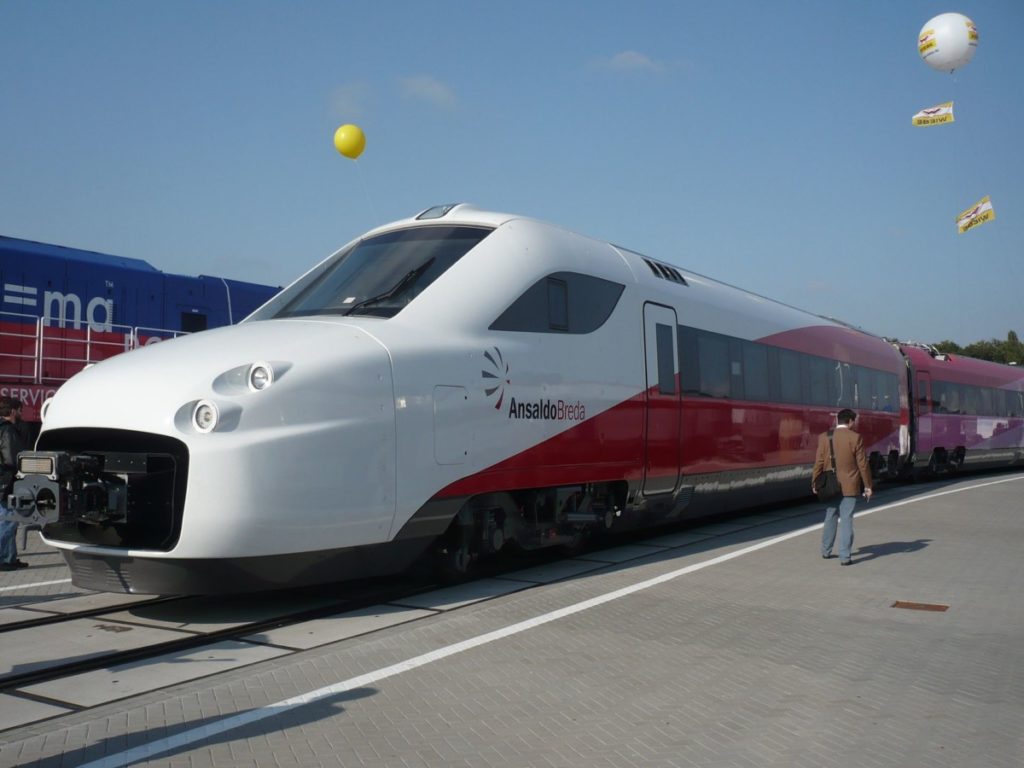
Recognise this? Hopefully, you don’t. Image: Wiki05/Wikimedia Commons/Public Domain

The Netherlands and Belgium touted FYRA as the future of travel between the two neighbours.

The Dutch government dropped a hefty €7 billion on the trains that should have travelled up to 300 kilometres an hour.

Let’s not forget this rail line already existed and had to be decommissioned for the project. They just wanted it to be faster.

Why was FYRA a Dutch fail?

The bottom line of the fiasco was that huge outlays eventually led to cost-cutting on the trains themselves.

The (so-called) High Speed Alliance skimped out by purchasing slower trains from the cheapest bidder, a young Italian manufacturer. The Dutch love a bargain, right?

In the weeks after the line opened, a huge number of the trains were cancelled or significantly delayed.

Within just four months of service, the trains were revealed to have water leaking inside, erosion and rust after travelling just a few kilometres (no joke), brakes that were only compatible up to 160 kilometres an hour, and batteries catching on fire.

That’s quite a list of grievances!

5. The Scheveningen Bonfire that went up in flames

This Scheveningen Bonfire started out like every other celebration of the annual New Year’s event. By the end of the night? It was literally raining fire.

Scheveningen NYE 2018 was a Dutch Fail
The bonfire turned into a fire-bomb. Image: Emma Brown

New Year’s 2018 was the fateful night for the scheduled fireworks and a 48-metre-tall bonfire. Thousands turned out in droves on bikes and cars to watch.

Why was the 2018 Scheveningen Bonfire a Dutch fail?

The organisers realised the wind was too strong and blowing in the wrong direction as soon as the bonfire was lit.

But, alas, it was too late. Huge embers began raining down on people, police began evacuating the crowd, and the event turned into chaos.

Fire engines were called to put out embers that had fallen on surrounding buildings, bikes were burnt, cars melted, and houses were damaged.

A night supposed to fill the crowd with warmth quickly turned into a hell’s living room. Thankfully, no one was hurt.

READ MORE | How Dutch people get rid of their Christmas trees

If the plan was to build a tornado of fire and cause huge amounts of damage, congratulations, it was a success! But, we’re pretty happy with calling this a pretty big ol’ Dutch fail.

4. When ‘gender equality’ didn’t extend to toilet time

I’m calling it, guys. The worst thing about the Netherlands is paying to pee. Why do I have to pay 50 cents to take a whizz? 75 cents? It’s robbery.

But what makes it worse is that guys have the luxury of whipping it out whenever they need to pee.

READ MORE | I had to pay €4 to use a toilet on King’s Day — and I’m pissed

The municipalities even encourage it with the free-standing pee stations that sit propped up on corners.
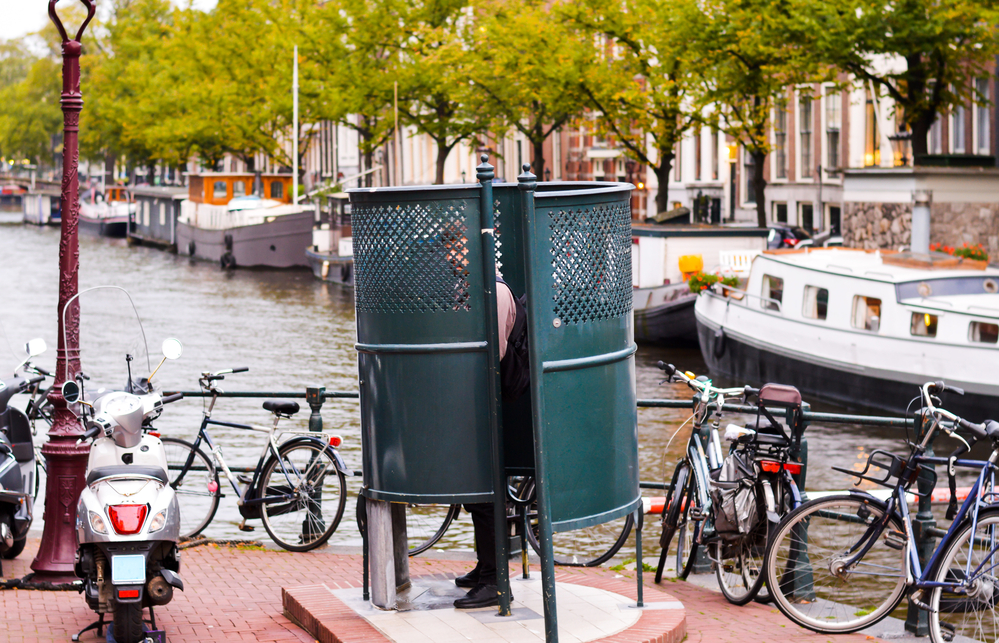
picture-of-a-man-in-public-urinal-Amsterdam
How is a woman supposed to use this?? Image: Depositphotos

Yet, for a country that ranks number four in the EU’s Gender Equality Index, the Netherlands sure doesn’t accommodate girls that gotta go.

While women may not possess the necessary equipment to pee standing up, that shouldn’t disadvantage them from riding the complimentary public urination train.

Why was female public urination a Dutch fail?

This dilemma ended up in the Dutch court system after Geerte Piening, 23, received a €90 fine after popping a squat in an alleyway after a night of drinking.

When she fought the fine, a (male) judge told her she should have used a public urinal. You know, the ones engineered for men?

3. The €2.1 million mosaic — that flew too close to the market

Vredenburg is one of Utrecht’s most recognisable town squares, in the main shopping area of the city.

READ MORE | 19 unmissable things to do in Utrecht in 2026

The municipality attempted to update the area in 2019 with a new mosaic that covered the square.

Vredenburg Markt Mosaic was a Dutch Fail
How Vredenburg should have looked. Image: Artist impression of Vredenburg Markt by Jennifer Tee, Gemeente Utrecht

A design with a homage to classic market items was eventually chosen after a public vote: a fish, a leek, a croissant, an olive and a button. Cute, right? Well, no.

Why was the Utrecht Mosaic a Dutch fail?

There’s the story of Icarus, who flew too close to the sun. This is the story of a mosaic that flew too close to the market.

Workers painstakingly laid 490,000 tiles in accordance with the artist’s plans. The long-awaited result? The market icons were virtually unrecognisable.

People simply couldn’t tell what they were looking at when on ground level — it just looked like a mishmash of tiles.

The market (that the tiles honoured) made the situation worse.

With markets come dirt, grime, and fishy water. The featured tiles began to blend in with the surroundings under this delicious cocktail of mess.

The municipality of Utrecht washed away the coating, only for it to return. They attempted fancy polishes to bring out the colours and resist the dirt, but it was futile.

In the end, the mosaic was simply a mistake — and required cleaning five times a year.

2. The metro that made the houses sink

Amsterdam’s increasing congestion problems were set to be solved by the Amsterdam Zuid-Noord line. The line was always forecast to be a difficult engineering feat — and an expensive one.

Construction started in 2002 and was expected to take nine years and cost €1.46 billion. In reality, it ended up taking fifteen years and costing €3.1 billion. Youch.

Why was the Amsterdam Zuid-Noord line a Dutch fail?

But the worst of it wasn’t the huge cost blowout and time delay. Turns out Amsterdam’s precarious historical underground was a less-than-stable foundation for the new metro line.

The result? Houses built above it literally began to fall into the earth.

In 2008, a leak in the concrete walls caused water to seep into the metro line and collapse the ground underneath the Vijzelgracht.

People inside their houses were sitting down to dinner when they began hearing strange creaks and groans.

After running outside, they saw their houses were sagging. Some dropped 25cm into the ground.

Residents were forced from their homes, and even after the line opened ten years later, most of the buildings were still empty. Yeeesh!

That didn’t quite work out the way Amsterdam thought it would!

1. When the government accidentally employed radicalised Muslims to work with Islamic youth

The city of The Hague created an outreach program for Islamic youth, which hired youth workers to help integrate the children into the Netherlands and to identify any signs of radicalism.

Photo-of-children-sitting-in-park
Well, that backfired. Image: Unsplash

Why was the Islamic youth outreach program a Dutch fail?

These workers received a three-day training course paid for by the National Counter-terrorism Coordinator.

After the training, at least five youth workers with Moroccan roots ‘came out’ as Salafists — an ultra-conservative form of Islam.

One of the workers had ties with jihadists, may have been sending money overseas, and may have been in contact with recruiters.

Perfect role models for trying to integrate Islamic youth into the Netherlands, right?

Got a story of a Dutch fail that we missed? Let us know in the comments below!

The most in-demand languages to work in the Netherlands in 2026 (that aren’t Dutch)

So, you’ve landed in the Netherlands; a small country with a big reputation as an international business hub.

From global giants in finance and tech to thriving startups, it’s no secret that Dutch offices are some of the most multilingual in Europe.

But if you’re thinking of working here, knowing just one language might not cut it.

Employers love candidates who can switch easily between cultures and languages. After all, multilingual professionals bring more than just words — they bring perspective, adaptability, and a global mindset.

Let’s take a look at which European languages will give you a real edge in the Dutch job market.

Ready to find a job in the Netherlands that matches the language(s) you speak? That’s Undutchables’ speciality! Undutchables is a premier recruitment company that matches internationals with jobs in the Netherlands. Want to find your next job? See vacancies in your language. 


English: the universal workplace language

graphic-of-hand-holding-british-flag-on-gradient-background
Image: DutchReview

English is, without question, the Netherlands’ unofficial second language. You’ll hear it in boardrooms, cafés, and even government meetings. 

In fact, the Netherlands consistently ranks among the top countries in the world for English fluency, with almost 90% of Dutch people speaking it comfortably.

That means plenty of jobs require only English, especially in international companies. Roles in tech, finance, marketing, and customer service often operate entirely in English, with teams made up of people from across the globe.

So if you’re fluent, you’re already off to a great start. But adding another European language to your toolkit can make you stand out even more.


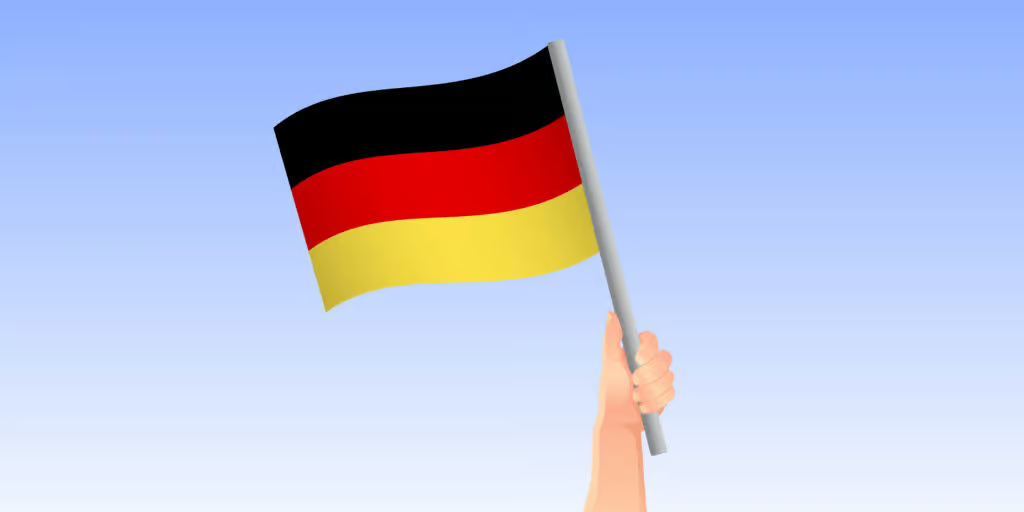
German: high demand in sales and support

graphic-of-hand-holding-german-flag-on-gradient-background
Image: DutchReview

It’s no surprise that German is one of the most valuable languages in the Dutch job market. Germany is the Netherlands’ biggest trading partner, and companies on both sides of the border rely on close collaboration.

If you speak German, you’ll find opportunities in sales, account management, logistics, and customer support.

Many firms look for people who can communicate directly with German clients — and they’re often willing to pay a little extra for that skill.


French: essential for pan-European businesses

graphic-of-hand-holding-french-flag-on-gradient-background
Image: DutchReview

Another major European player? France. French speakers are in high demand across international trade, marketing, and finance. 

Many Dutch-based companies coordinate operations across Europe, and having French-speaking employees helps bridge the gap with partners and customers in Belgium, France, and Luxembourg.

Plus, French is spoken across the globe, so there are even more opportunities!

If you can pitch a product, negotiate a deal, or manage accounts in French, you’ll be an asset to any cross-border team.


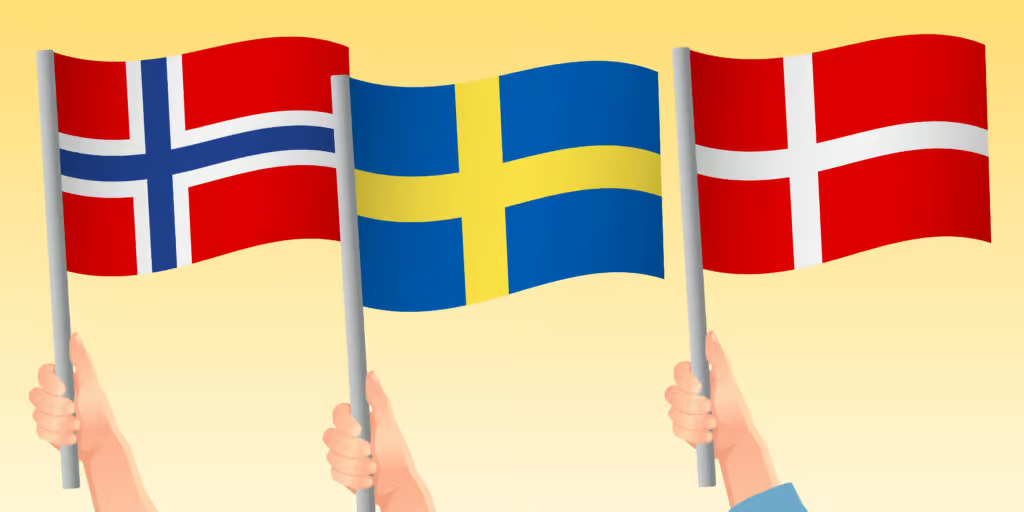
Nordic languages: rare but lucrative

graphic-of-hands-holding-nordic-swedish-danish-flags-on-gradient-background
Image: DutchReview

Swedish, Danish, Norwegian — they may not be widely spoken in the Netherlands, but that’s exactly why they’re so valuable.

Native or fluent speakers of Nordic languages are rare in the Netherlands, making them highly sought after by international firms operating in Northern Europe. 

Roles often involve customer relations, account management, or technical support, and salaries can be especially competitive.

If you happen to speak one of these languages, your niche skill set could make you a top candidate overnight.


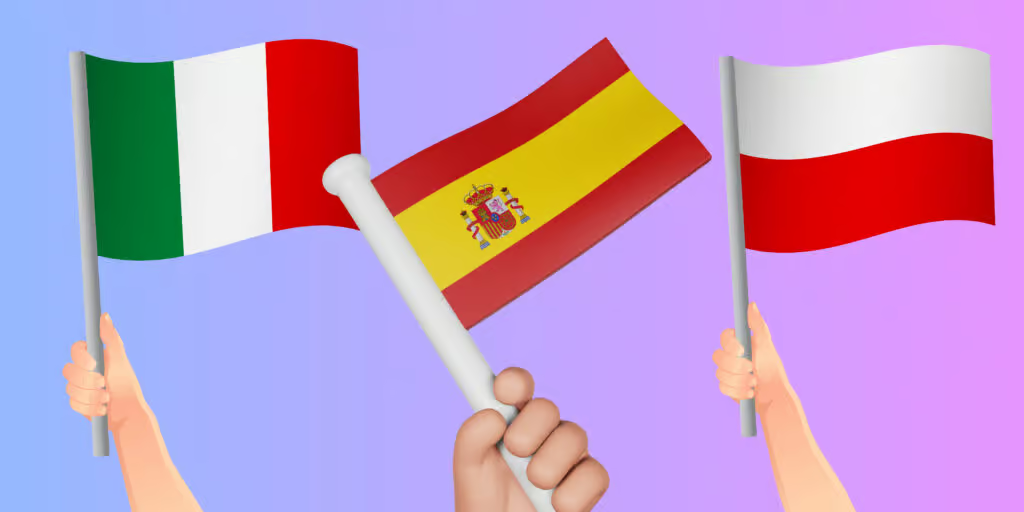
Spanish, Polish, and Italian: growing opportunities

graphic-of-hands-holding-italian-spanish-polish-flags-on-gradient-background
Image: DutchReview

Spanish is gaining traction, especially in tourism, sales, and multinational corporations.

With Spain’s strong ties to global business and travel, companies in the Netherlands often need Spanish-speaking professionals to support international customers.

Polish is another language on the rise, thanks to growing migration and cross-border trade. Employers in logistics, construction, and services increasingly value people who can communicate with Polish partners and workers.

And Italian? It’s in steady demand too, particularly in trade, fashion, and manufacturing. Italian speakers often work with design-oriented or luxury brands that have deep roots in the Netherlands.

These languages may not be rare, but they’re certainly versatile.


Tips for multilingual job seekers

If you’re job-hunting in the Netherlands, your language skills can make all the difference. Combine them with solid professional experience, and you’ll become a dream hire.

Here are a few ways to make your multilingual background shine:

  • List all your languages clearly on your CV. Include your fluency level and any official certifications (like CEFR or IELTS).
  • Tailor your job applications to highlight where your language skills match the company’s markets or clients.
  • Show your practical experience. Use examples of when you’ve used your languages at work — for instance, managing international accounts or translating content.
  • Keep learning. Adding one more European language (or brushing up on your Dutch) can make you stand out even more.
  • Network in multiple languages. Attend meetups or industry events and connect with expats and locals alike.

And the best tip? Head straight to a recruitment agency that specialises in finding jobs for people who speak different languages, like Undutchables. You can search for jobs in your target language and find your dream job in the Netherlands. 


In the Netherlands’ global job market, multilingualism isn’t just a nice extra — it’s a career advantage.

Whether you’re fluent in English or one of Europe’s rarer languages, speaking more than one tongue shows that you can bridge worlds and build connections. 

So are you ready? Go and get that Dutch job!

What languages do you speak that you think might help you get a Dutch job? Share in the comments below!

No credit cards!? Why won’t the Dutch just take my money?

The Dutch hate debt, credit cards, and anything associated with them — and they’re not shy about it.

One of my first stops in the Netherlands was at the grocery store.

I went to Albert Heijn, one of the biggest Dutch supermarket chains. After spending a good 20 minutes looking around, I picked a bottle of Cabernet Sauvignon I could afford with the change I had jangling around my pocket.

But when I went to the register and tried to pay, the cashier said: “geen contant“. I had no idea what that meant, so they pointed at a sign that said “No Cash Accepted”.

Flustered, I just left. I was puzzled. Why was it so difficult for me to pay? Don’t you want my hard-earned money, Albert Heijn?

Next round on you? Nope, not here

I would soon learn that the attitude towards finance is quite different compared to elsewhere in the world.

The concept of going Dutch, after all, is the opposite of the Australian tradition of ‘shouting your mates’ (buying a round of drinks).

The Dutch habit of splitting the bill stems from the Netherlands’ extremely debt-averse culture.

A-photo-of-a-group-of-friends-splitting-the-bill-at-the-restaurant-in-the-netherlands
In the Netherlands, “going Dutch” is the norm, not the exception. Image: Dreamstime

But the Dutch weren’t always so socialist. In fact, quite the contrary.

It’s well documented that the Dutch were the innovators of the stock market. They also founded the VOC, a 17th-century version of a multinational corporation (which was also heavily involved in the country’s colonial activities 🥶).

It also wouldn’t be an understatement to say that capitalism developed in large part due to the activities that were going on in the Netherlands during that time.

READ MORE | Dutch Quirk #18: refuse to go into debt

It’s a surprise, then, that what has emerged here is a semi-socialist system, which contrasts with the consumer mindsets that we see in places like the USA.

Sorry, no credit cards

Besides resulting in the habit of spending 20 minutes to sort out your individual tabs in a restaurant, this has also caused a lack of credit card services generally.

READ MORE | Money transfers in the Netherlands: the easy (and cheap!) guide

Coming from Australia, where debt and credit cards are more commonplace, not being able to pay with cash or credit somehow offended my free-market sensibilities.

group-of-internationals-in-the-netherlands-using-foreign-bank-cards-to-pay-for-coffee
Helaas, while credit cards may be convenient, they’re not generally accepted in the Netherlands. Image: Freepik

And this isn’t just the local Chinese takeaway without credit services to avoid a surcharge.

These are major corporates, like the main railway operator NS, and institutions like the Dutch Immigration Service — all refusing to accept credit cards.

READ MORE | Transaction declined: why don’t my bank cards work in the Netherlands?

There are some exceptions: some Albert Heijn’s in Amsterdam will take credit cards, for example. In general? It’s a Maestro card, debit card, or doei. 👋

A higher standard of living

The flip side is that, generally, everyone here enjoys a higher standard of living.

This is made possible through social policies some other countries might consider extreme — the highest income earners are taxed at a staggering 49.50%.

back-view-woman-shopping-for-fruit-and-vegetables-in-a-dutch-supermarket
Of course the high standard of living comes at a cost: high taxation and a high cost of living. Image: Freepik

The idea is that everyone has roughly the same amount to spend at the supermarket on some kaas en brood (cheese and bread).

READ MORE | Cheapest supermarkets in the Netherlands: the ultimate guide in 2026

Simply not being able to use a credit card, along with the idea that debt is bad, also forces people to live within their means and to take part in an age-old practice called ‘budgeting’.

Cashless societies

But what about cash? Well, the Dutch are moving towards a more cashless future.

The idea is that an electronic point of sale is safer for the vendor and the consumer. It can avoid midnight robberies or hold-ups, and offer a more efficient form of exchange with instant digital transactions.

So, where does that leave us on our question: “Why don’t you want my money?”

Well, in other countries, the supermarket will say something along the lines of: “Yes! I want your money, and I’ll make it as easy as possible for you to pay, too.”

READ MORE | This online savings platform is the solution to the Netherlands’ stingy savings rates

The banks will also jump in and say, “Wait a sec, here’s a credit card as well, so you can pay for your groceries if you don’t have enough money.”

But in the Netherlands, Albert Heijn is saying: “Nope: cash, debit card, or nothing.”

What has been your experience with debit and credit cards in the Netherlands? Tell us in the comments below!

Netherlands rules out repatriation for Dutch nationals stranded in Middle East

Dutch nationals cannot be repatriated home from the Middle East for now, confirms the Dutch government, citing safety risks and a closed airspace.  

According to NOS, Minister of Foreign Affairs Tom Berendsen stated clearly: “If you want to bring people home, you want to do it safely. Right now, those options aren’t there.” 

Given that repatriations are difficult and not legally obligatory even during the best of times, the Dutch government has ruled them out for the time being. 

So what happens to those left stranded?

What the government is doing

Berendsen has said he is closely monitoring the situation for any window of opportunity to help.

In the meantime, the Ministry of Foreign Affairs is maintaining a live blog on rijksoverheid.nl with up-to-date safety information for Dutch citizens in the region. 

Advice from the government details where safety concerns are greatest. For instance, specific hotels in Iraqi Erbil have been flagged as heightened attack risks.

Additionally, Berendsen is in contact with European counterparts to explore what coordinated actions might be possible, as many other European nationals are also stranded. 

How many Dutch travellers are affected?

It’s unclear exactly how many Dutch citizens are currently in the region. 

The ministry does not have access to a precise number of travellers, as nationals are not obligated to register with Dutch embassies when abroad.

Berendsen acknowledged there are “many” — not least because the region is a popular holiday destination.

The ministry’s crisis centre has received over 1,000 messages from people trying to find out how they or their family members can safely leave the area, reports NOS. 

If you’re stuck in the region

People are advised to stay alert, follow local news, and avoid unnecessary movement until the situation becomes clearer.

Dutch nationals in need of consular assistance can reach the Ministry of Foreign Affairs’ emergency line around the clock on +31 247 247 247.

The bigger picture: Hormuz and Dutch involvement

While Berendsen stopped short of explicitly endorsing the US and Israeli attacks on Iran, he did express understanding for the strikes, citing what he called the “enormous risk and threat” of the Iranian regime. 

Of particular concern is the nation’s support for Russia’s invasion of Ukraine. Additionally, Iran’s alleged nuclear weapons programme is a point of contention within international politics. 

This comes amid an already turbulent stretch for Dutch foreign policy, with disputes regarding the Gaza conflict having already helped topple the previous Dutch government.

Berendsen’s bigger concern right now, however, is regional escalation. 

The Iranian Revolutionary Guard (IRGC) announced this weekend that it intends to block the Strait of Hormuz — the critical waterway through which liquefied gas flows to Europe. 

Berendsen called keeping this waterway open “essential,” and didn’t rule out the Netherlands contributing to its defence if asked. “We are preparing for all situations,” he said.

Are you or someone you know currently in the Middle East? Let us know in the comments how the situation looks on the ground.

Utrecht’s iconic fish doorbell is back (and it’s already ringing off the hook)

Utrecht’s visdeurbel (fish doorbell) has returned for its sixth consecutive season, and the world wasted no time: the site was so swamped at launch that it briefly stopped working altogether.

The underwater camera at the Weerdsluis lock in Utrecht’s city centre went live at 9 AM on March 2. Within minutes, demand had overwhelmed the stream.

But it’s no surprise that the doorbell is so busy.

A global phenomenon with Utrecht roots

Last year, 2.3 million people tuned in from around the world, and the platform racked up 30 million visits. In fact, the site went down entirely one morning under the weight of traffic.

John Oliver’s Last Week Tonight even dedicated a full segment to it, commissioning R&B singer Mario to perform an original song in its honour.

It’s quite a trajectory for something invented in 2021 by Utrecht ecologist Mark van Heukelum.

Why do fish even need a doorbell?

Van Heukelum created the doorbell to solve a fairly niche springtime problem.

Every spring, fish in Utrecht’s canals migrate toward shallower water to breed. Early in the season, lock gates stay shut due to low boat traffic, leaving fish stranded and unable to continue their journey to the Kromme Rijn.

The fish doorbell fixes this with a simple idea: an underwater camera streams live footage of the Weerdsluis, and anyone watching at visdeurbel.nl can hit a virtual button when they spot fish on screen.

This alerts the keeper, who opens the gate and lets them through.

And it’s already a busy season

Van Heukelum thinks the bell will be ringing early and often this year.

“Fish follow temperature,” he tells NOS. “It’s been a mild winter, so there’s a good chance they’re already active and wanting to swim upstream.”

He’s relaxed about the sheer volume of incoming alerts, too.

“Keep pressing. No problem, we can handle it,” he says, noting the team can quickly scroll through photos to see whether a crowd of fish is waiting or whether it’s the same one photobombing repeatedly.

If you’ve never pressed the fish doorbell before, now is as good a time as any. It’s oddly satisfying, and you get to help actual fish, which is more than most of us can say about our Monday mornings.

Have you ever pressed the visdeurbel? Let us know in the comments below!
Do you know about the Polish army that helped free the Netherlands?

Many laud the Americans, the British, and the Canadians for the Dutch liberation during the Second World War. But Poland also contributed significantly to Dutch freedom — in spite of the hardships it experienced at the time.

The First Polish Armoured Division, led by General Stanislaw Maczek, took part in the Allied invasion of Normandy. The division was formed in Great Britain, in 1942, by those who fled Poland.

These were fiery emigrants, refugee war prisoners, and soldiers who escaped Poland during its fall in 1939. 

After victory in France, the division charged through Belgium and the Netherlands, ending with the capture of Wilhelmshaven in Germany on May 5, 1945.

That time the Polish liberated Breda

On 29th October 1944, the people of Breda cheered. After years of suffering under the brutal Nazi regime, they were free. Their liberators? The Poles.

READ MORE | A forgotten hero: how a Philips director saved 6,000+ Jews during WWII

The Polish Division was on its way to wreak havoc in Germany, and Breda was a stop along the way. The army drove the Nazis out of the area, liberating Breda. To this day, the locals remember and celebrate this event.

More than 160 soldiers of the Polish Division, as well as troops from the first Independent Parachute Brigade, lie in a Breda cemetery at the Pools Militair Ereveld.

Before his death in 1994, Stanislaw Maczek requested that he be buried in the cemetery, wishing to be with his soldiers.

Not only Breda

Breda was not the only city the Polish soldiers liberated. The division made its way to East Groningen, liberating other cities along the way.

Polish paratroopers also fought bravely in Operation Market Garden under General Sosabowski, and of course, there are many other liberators that deserve their own tribute.

READ MORE | Frietkar from the Netherlands feeds thousands of Ukrainian refugees in Poland

Tragically, the soldiers could not return to Poland as it had been taken over by the Communist Party. They supported the Government in Exile, which was in direct opposition to Stalin’s puppets.

As Liberation Day festivities continue to this day, we hope you pay tribute to all the heroes who made the liberation of the Netherlands possible.

How do you usually commemorate the occasion? Let us know in the comments.

Image: Keystone Photographer/Wikimedia Commons/Public Domain

This company is taking advantage of international students in the Netherlands

As an English-language news source for internationals in the Netherlands, it is our job to warn you against practices like this one.

A company called myStudentFinance has been charging international students a commission to apply for studiefinanciering (student financial aid) on their behalf.

Dienst Uitvoering Onderwijs (DUO) is responsible for handing out financial aid to eligible international students who are EU citizens. You apply directly to DUO, and the application is completely free.

However, according to NOS, approximately 350 international students have already paid myStudentFinance to apply for them.

It’s daunting to move to a new country as a young person. It’s even more daunting to be faced with bureaucratic hurdles upon arrival. But to let a company exploit your confusion? That’s a no-go.

Here’s how the business model works

The company in question, myStudentFinance, is run by an international student (with a guilty conscience?).

Promising how wonderful life could be with up to an extra €1,300 per month, the company positions itself as a “coach” or “guide” for broke students. The business plan relies on the omission of one simple fact: DUO’s applications are free.

READ MORE | Student loans, financing, and scholarships in the Netherlands in 2026

The company lets students authorise it to handle their student financing application to DUO. In return, it takes around 60% of the first payment they receive.

Because the process for EU students typically takes longer, the first payment usually covers four or five months of backdated aid, at about €324.52 per month.

That means the commission can run into the hundreds of euros.

It’s not illegal

After a handful of student complaints and a bank flagging suspicious DUO transactions, DUO filed a police report to have the practice investigated.

As it turns out, myStudentFinance operates well within the law. The Public Prosecution Service declared the gimmick was not criminal, just “morally reprehensible.”

“There are very few tools left to prevent this,” DUO spokesperson Bert Viel tells NOS. “All we can really do is make it clear that the application is free,” he added.

What’s happening now?

DUO and Logius (the organisation behind DigiD, the Dutch digital identity system) cancelled the company’s active authorisations. But the students simply reactivated them.

DUO then sent letters to around 100 students explaining that the process is free.

MyStudentFinance responded by reminding those students of the contracts they had signed and is now considering legal action against DUO.

For now, DUO is working with the Ministry of Education to explore whether legislation can close the loopholes that make this possible, including the rule that allows student finance to be paid directly into a third party’s account.

Dig what you’re reading? Get more of it! Join our WhatsApp channel or Instagram broadcast to get the latest news straight to your pocket.

Up to 18 degrees expected this week in the Netherlands

The Netherlands appears to be skipping winter’s final act entirely.

This week’s weather forecast reads less like early March and more like a mild April with wall-to-wall sunshine, virtually no rain, and temperatures climbing to 18 degrees Celsius.

A southerly wind is pushing unusually warm air across the country, according to RTL Nieuws, with weather conditions that have no business showing up in the first week of March.

What to expect this week

Monday opens with generous sunshine and just a wisp of cloud. Temperatures sit between 6 and 8 degrees first thing, but they won’t stay here for long.

The south will see the best of the weather, with highs of up to 18 degrees expected by the afternoon.

The north, however, will also enjoy balmy weather, with temperatures reaching around 16 degrees. The Wadden Islands will stay a few degrees cooler, buffered by the sea breeze.

READ MORE | 5 ways you can tell that it’s FINALLY spring in the Netherlands

Tuesday will bring more of the same. Clouds will build from the northwest during the day, but the sun holds its own — particularly in the southeast, which will stay predominantly cloud-free throughout.

Once again, those in the southeast will be lucky, with temperatures of around 18 degrees expected for the second day in a row.

The Wadden Islands sit at the cooler end again, with temperatures of around 10 degrees expected.

The rest of us? We’ll land somewhere in the middle, with temperatures sitting closer to 16 degrees (not too shabby).

@dutchreview Terrasje Pakken is not a joke 🍾🥂#dutchtiktok #netherlands #dutchreview #sun #spring ♬ original sound – DutchReview

Will this last?

High pressure is firmly in charge for the foreseeable future, which means calm, dry conditions and regular sunshine through the rest of the week.

An occasional weak front may bring a spell of thicker cloud, and Wednesday morning could be misty in the south. However, afternoons should still reach around 16 degrees across most of the country.

If you’ve been waiting for a reason to dust off the terrace furniture or swap your heavy coat for a light jacket, this is it.

What are your plans for this unexpected sunshine? Let us know in the comments (and don’t forget your sunscreen!)

Losing your job in the Netherlands: what you should know (and the next steps)

So you’ve lost your job in the Netherlands — yep, that sucks. Of course, after drowning your sorrows in a king-sized bowl of bitterballen, you’re probably asking yourself: what next? 

Here’s what you need to know about losing your job in the Netherlands, from termination to unemployment and beyond (like a sweet new gig!).

Ways you can lose your job in the Netherlands

Whether you’ve just moved to the Netherlands, you recently entered the labour market, or you simply need a refresher on the Dutch employment rules, it’s always smart to know what to expect. 

READ MORE | The easy guide to understanding your Dutch employment contract

Since not all countries are the same, here are the deets on all the ways in which you can lose your job in the Netherlands (fun, we know). 

Your temporary contract expires

Temporary contracts are very common in the Netherlands and have both pros and cons. 

On the one hand, a temporary contract offers more flexibility as you can swap workplaces and career paths relatively fast. On the other hand, it can also mean less career stability and predictability. 

losing-your-job-in-the-netherlands-all-you-need-to-know
It might be frustrating, but if you lose your job because your contract expires, there’s not much to do about it. Image: Depositphotos

It makes sense then, that one of the most common ways someone can lose their job in the Netherlands is by having their temporary contract expire and not be renewed by their employer. 

You don’t pass probation

Probation, or a trial period, is also common practice when hiring in the Netherlands. You might have a trial period included in your employment agreement if it’s mentioned in your contract or if it is part of the Collective Labour Agreement of your sector. 

During the probation period, either the employer or the employee can terminate the contract without grounds. 

In other words, you can lose your job during your trial period, and your employer doesn’t even have to tell you why. 

On the plus side, once you make it past your probation period (a maximum of two months), enjoy some stability: it becomes pretty difficult for your employer to let you go while you’re still serving your contract.

READ MORE | 13 companies in the Netherlands that hire internationals

There are also several cases where your employer cannot require a trial period, however. For example, if your contract is for six months or less or if the probation is not agreed upon in writing. 

You’re made redundant

Being made redundant is not a fun experience, but it can happen to the best of us. Basically, you can lose your job in the Netherlands if your employer claims that it doesn’t make sense for the company to keep you employed anymore. 

getting-fired-in-holland-all-you-need-to-know
Being redundant is not a fun feeling, but it happens to the best of us.. Image: Depositphotos

This can, for example, be due to financial reasons — the company needs to cut down on costs, and one way of doing so is to let employees go. 

The good (?) news is that your employer can’t just fire you out of nowhere. There are tons of rules and regulations they have to overcome first — but we’ll discuss that below. 

You have poor performance or made a huge mistake

Surprise, surprise: if you refuse to do your job or fail to do what is required or expected based on your contract, that can be grounds for you to lose your job in the Netherlands. 

This can, for example, be due to excessive absence from work, wilful misconduct (like theft or faking your diploma), or when your employer has given you the tools and opportunities to improve your performance, but you don’t improve (enough). 

It’s smart to note, however, that your employer should always provide useful feedback, for example in evaluation sessions. You should then be able to use the pointers from this and have the chance to improve your performance to avoid ending up in a situation where you lose your job.

employer-giving-employee-feedback-on-work-performance
As an employee, it’s your right to have your work evaluated frequently, to avoid sudden surprises in the working relationship. Image: Depositphotos

Losing your job in the Netherlands isn’t that easy

If you’re reading this because you’re scared you might be about to lose your job, this might offer you some comfort: firing someone in the Netherlands is not a quick and easy affair. In fact, it’s quite difficult to lose your job here in the lowlands. 

READ MORE | 7 ways a Dutch job is different

Basically, if your employer wants to let you go and you don’t agree with the decision, your employer has to apply for permission to fire you at the Employee Insurance Agency (UWV). 

In fact, your employer even has to ask the agency for permission if the reasons for dismissing you are based on financial issues, or based on your incapacity to conduct your work. That’s the easy route. 

photo-of-fired-employee-sitting-on-wall-with-box-of-things-after-losing-job-in-netherlands
Luckily, it’s not easy for a company to fire someone in the Netherlands. Image: Freepik

If your employer wants to dismiss you for other reasons, they’ll have to take the case to the sub-district court, which will check whether the grounds and legal aspects of the dismissal are all in order. 

According to the Dutch government, reasonable grounds for dismissal are: 

  • economic reasons, like a company restructure, relocation, or bankruptcy,
  • if an employee has been out sick and incapacitated for work for more than two years
  • if the employee is often sick resulting in serious impacts for the business and accommodations can’t be made,
  • unsatisfactory work performance that hasn’t improved despite warnings and opportunities for improvement,
  • wilful misconduct or culpable negligence, like coming to work drunk or refusing to work without good reason,
  • if the employee has serious objections to the activities and no alternative work is available,
  • if the employee/employer relationship is seriously damaged and cannot be rectified,
  • if the employee is imprisoned,
  • if the employee is not legally allowed to work the Netherlands,
  • if the employee is failing to perform at work.

Finally, if you’re pregnant, sick, or even just don’t want to work on Sundays — these aren’t grounds for dismissal in the Netherlands. 

Simply put, it takes quite a lot to be fired in this country. 

How you will be terminated

If you’re anxious about the future of your employment, it might calm your nerves to understand the process before and after a possible termination. 

The meeting

The first formal step in the termination process is typically a meeting. It’s likely that the leadership of your workplace and an HR representative will be present at said meeting, and it will most likely be conducted face-to-face.

two-men-meeting-about-job-loss-the-netherlands
On the positive side: you’ll probably never experience a less gezellig meeting, so the only way is up… Image: Depositphotos

The unpleasant affair will probably not last very long (10-15 minutes is usually sufficient), and the meeting will consist of the employer explaining the reasons for your dismissal, as well as your benefits and rights as a (former) employee. 

The termination contract

According to Dutch law, your employer cannot fire you without having it all down in writing. So, if both parties, the employee and the employer, agree to end the employment relationship, a contract must be created and signed to document the process. 

That means you’ll likely be handed a termination agreement when your employer delivers the bad news. 

employer-and-employee-agreeing-on-termination-contract-the-netherlands
It might sound counterintuitive, but your boss has to provide you with a contract if they want to fire you. Image: Depositphotos

The termination contract should include everything you need to know about the next steps, such as: 

  • when the final payment will be transferred, 
  • when the employment contract will end, 
  • the nature of the dismissal, 
  • and everything else relevant to the situation. 

The notice period 

Whether you choose to quit your job, or you’re being forced to, Dutch law says that a notice period has to be given. There are a few exceptions to this, such as if you’re being dismissed during the trial period of your employment or there has been serious misconduct. 

Unless you have agreed on something else, the statutory notice period in the Netherlands is generally one month, but it varies depending on how long you have been in the job. 

Time with employerNotice period
Less than five yearsOne month
Five to 10 yearsTwo months
10 to 14 yearsThree months
15+ yearsFour months

You and your employer can also decide that the dismissal or the resignation goes into effect immediately, as long as it is put down in writing and both parties agree. 

Note: your notice period may also be impacted if you have a Collective Bargaining Agreement. 

woman-leaving-office-during-notice-period
Even if you’re fired, you usually can’t just walk out of your job in the Netherlands without working out your notice period first. Image: Depositphotos

Severance payments 

If you are being let off against your will in the Netherlands, you are entitled to the remainder of your salary, as well as an extra severance or transition payment (transitievergoeding) to ease the transition from employment. 

The amount you can expect to receive in a transition payments as a newly dismissed person in the Netherlands is equal to one-third of your monthly salary, times the number of years you have occupied your position. 

For example, if you earn €3,000 per month and you’ve been with your company for five years:

3000 (monthly salary) ÷ 3 (one-third) x 5 (years in the position) = 5000

So you’ll receive €5,000 as a severance payment if you lose your job.

In some circumstances, you can also negotiate your severance payment. In addition, you might be granted other benefits, such as insurance money, vacation money, or help obtaining a new job, all depending on your employer and the nature of your dismissal. 

severance-payment-the-netherlands
You won’t be immediately poor if you lose your job in the Netherlands. Image: Depositphotos

There are, of course, some exceptions to this rule. If you’re dismissed due to seriously culpable behaviour, for example, or if you’ve reached retirement age, you are not entitled to transition payment. 

Your options after losing your job in the Netherlands

If you have been so unfortunate as to lose your job in the Netherlands, it might feel like your life is falling apart. There are, however, a few things you can do to make the best of a frustrating situation. 

First of all, if you believe that your dismissal was unfair, it might be good to know that you can be entitled to extra severance payments. This has to be decided in court, during the regular proceedings of dismissal without mutual consent. 

Secondly, and possibly most obviously, if you have lost your job in the Netherlands, you’re probably eligible to apply for unemployment benefits (WW-uitkering). 

woman-applying-for-unemployment-benefits-in-the-netherlands
Applying for unemployment benefits should be one of the first things you do if you lose your job in the Netherlands. Image: Depositphotos

Unemployment benefits are meant as a temporary income for anyone who has lost their job through no fault of their own. To receive the money, you must be situated in the Netherlands and complete required job search tasks to stay active in the Dutch labour market.

You can apply for unemployment benefits online. However, you will need to meet certain conditions, like working a minimum number of weeks prior to the dismissal and not becoming unemployed through your own fault.

Finally, you can start hunting for a new occupation. There are several Dutch websites, recruitment agencies, and platforms available for anyone looking for a job in the Netherlands. 

If you feel like you need a little break from the whole job thing (and really, who can blame you?), you can also consider going back to studying. 

The Netherlands has some of the best universities in Europe, offering a great alternative for professionals looking to develop their skills, fill out their CV, or just start a new adventure after a job loss.

How will losing your job impact your Dutch visa? 

If your stay in the Netherlands depends on your employment, it might be even more stressful to lose your job for you than for the average Dutch worker.

However, nothing will happen to your residence permit overnight. If your employer dismisses you, you’ll typically have a minimum of three months to search for a new job in the Netherlands. Depending on your visa, you might even get as much as five years.

READ MORE | Can I work in the Netherlands? Complete guide to work permits and visas to land a Dutch job

How the 30% ruling is affected if you lose your Dutch job

The 30% ruling is a tax break for highly-skilled expats and internationals to attract them to work in the Netherlands (where the cost of living might be higher than they’re used to). 

The 30% ruling will thankfully not be snatched away immediately if you find yourself jobless in the Netherlands. Image: Depositphotos

If you lose your job in the Netherlands, you generally lose your 30% ruling benefits too. However, if you manage to sign a contract for new employment within three months of your dismissal, your 30% ruling will stay in effect for the remaining duration of the arrangement, as long as you submit a new application. 

In other words, if you get a new job within three months of losing your old job, nothing changes with regard to your 30% benefits, but you will have to apply for the benefits again. 

There is one small catch, however. Since a 30% ruling application can only be submitted by the employer and the employee jointly, you are, to some extent, at the mercy of your (new) boss to get the benefits. So, if your employer doesn’t want to make an effort to give you a tax break, you’re not entitled by law to get it. 


Losing your job in the Netherlands can be a stressful experience, but there are many solutions available to soften the blow, ease the transition, and carry you safely through it all. 

Do you have useful experiences with job loss in the Netherlands? Tell us about it in the comments below!

Losing your job in the Netherlands: Frequently asked questions

What happens if I lose my job in Netherlands?

How long can I stay in the Netherlands if I lose my job?

How long can you stay on unemployment in the Netherlands?

The Americans have learned of Dutch ‘droppings’ and now they’re confused

Americans took to Twitter to discuss a peculiar Dutch practice: dropping.

Much like their fascination with other European concepts, including Dutch niksen and the so-called ‘Dutch-reach,’ they’re all weighing in with their opinion — for the good of their children. 

Twitter exploded a few years ago after the New York Times published an article detailing the “peculiarly Dutch summer rite” of dropping.

What is dropping?

Dropping is the practice of taking children, typically pre-teens, and leaving them in a forested area to make their way back to either their home or campsite. 🏕

This is a favoured exercise among scout groups, although it can extend to any age. It can be done privately, as part of a school group, or even in a sports team.

The children are typically armed with a compass and an emergency mobile phone — only to be used in emergencies. 🆘

photo-of-mysterious-forest-in-the-Netherlands-where-they-pratice-dropping-green-grass-thin-trees-foggy-evening
Doesn’t this look like such an inviting place for kids to stay overnight? Image: Depositphotos

Then, using their instincts, brains, and a good old dose of teamwork, they (hopefully) make it out. 🤞

READ MORE | The 8 greatest forests in the Netherlands for a nature escape

The advantage? Children are taught to think for themselves, work as a team while still being independent, and the parents get a night off. 😴

The Dutch approach to raising children often makes its way into international media. It’s no surprise that the country consistently appears at the top of the list for happiest children in the world.

What did X-users have to say?

If there’s one thing we can count on in this world, it’s that if it’s something about raising children, the internet will have a response. 💬

Some people from outside of Europe were in support of the Dutch ways:

On the other hand, some were able to relate:

For some, it takes a lot more to impress them:

And then the Dutchies started chiming in with some history.

Disclaimer: we asked the Dutchies in our office, and they didn’t know about this origin story, so take it with a grain of salt (or breadcrumbs).

And other Dutchies joined in to reminisce on the good old days of being dropped in a forest:

What do you think of Dutch ‘droppings?’ A character-building adventure or child negligence? Tell us in the comments below!