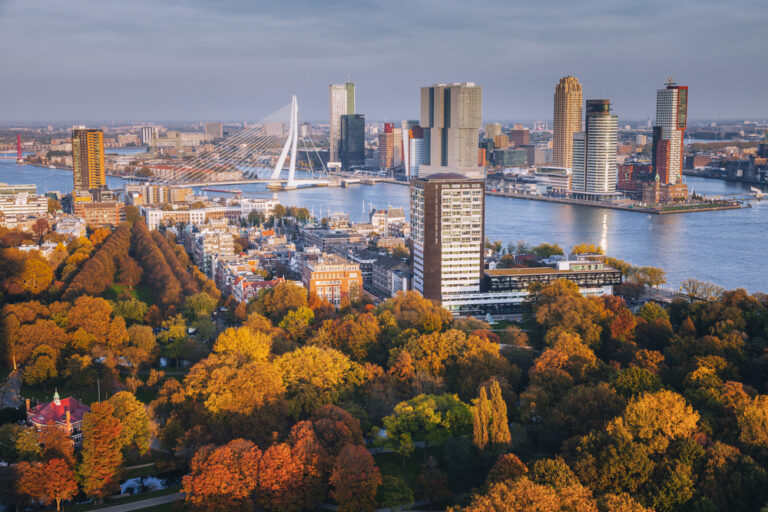
Rotterdam — a city where everyone loves to rave about the quirky new-age architecture, its multicultural quotient, and the resilience and ‘realness’ of the Rotterdammers.
But living in a city you love should not stop you from exploring places around it. You never know what you’ll find!
I’ve been living here for the past few years, so here’s my list of the 21 best day trips you can take from Rotterdam!
- Day trips less than 30-minutes from Rotterdam
- Day trips less than one hour from Rotterdam
- 6. Hoek van Holland: Rotterdam’s very own beach
- 7. Kinderdijk: the iconic windmill park
- 8. The Hague and Scheveningen: a great summer getaway
- 9. Voorlinden: the famous museum in Wassenaar
- 10. Leiden: the city of arts and sciences
- 11. Keukenhof: the Garden of Europe
- 12. Gouda: home of the delightful cheese
- 13. Utrecht: the city of literature
- 14. Amsterdam: the famous Dutch capital
- 15. Tilburg: city with a hip urban scene
- 16. Efteling: a fairytale paradise
- 17. Madurodam: a magical miniature adventure
- Day trips over an hour from Rotterdam
- How to get around the Netherlands for day trips
- Day trips from Rotterdam: frequently asked questions
This post might have affiliate links that help us write the articles you love, at no extra cost to you. Read our statement.
Day trips less than 30-minutes from Rotterdam
Perhaps you’re in the mood for a quick and refreshing jaunt to clear your head in the middle of a stressful week?
Well, you’re in luck, because these day trips are less than 30 minutes away from Rotterdam and are sure to give you a much-needed mood boost! 💪
1. Delft: a city steeped in history
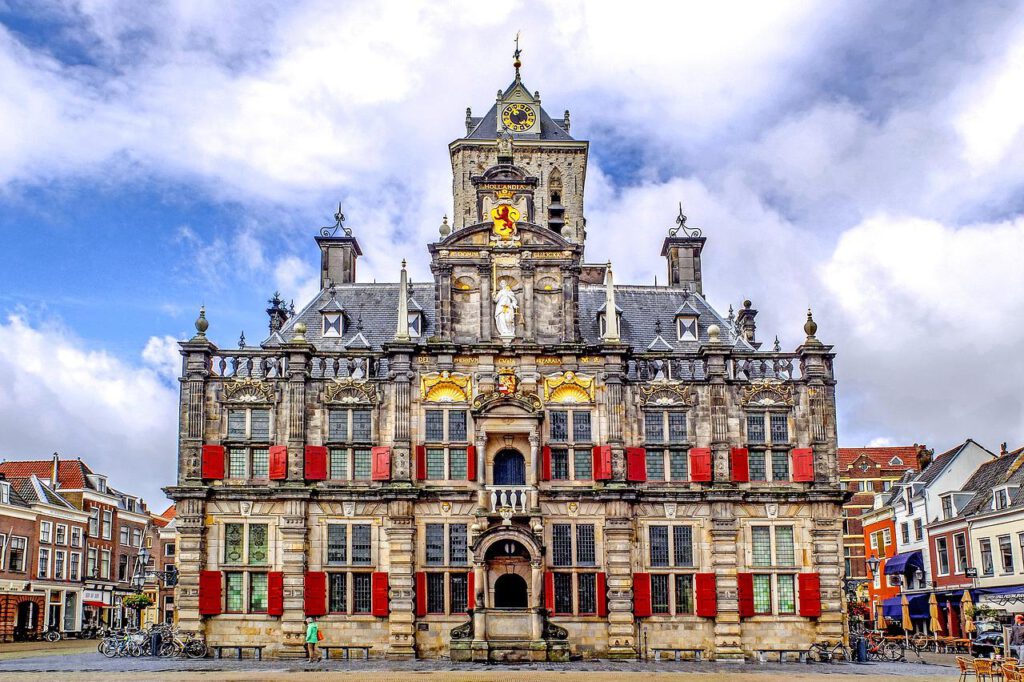
Delft is one of the most easily accessible day trip destinations from Rotterdam. Don’t be fooled by its seeming similarity to other Dutch towns — Delft really is something special.
The city has a lot to offer for people who are looking for a bit of history (after all, it is the place where Willem van Oranje was shot), a bit of vintage Dutch architecture, and a whole lot of fun.
There are plenty of things you can do for free, making it the perfect day trip destination for those trying to travel on a budget.
You can even cycle (or walk) here from Rotterdam to save some extra cash! 🤑
🚗 Travel time by car: 25 minutes
🚆 Travel time by train: 11 minutes
⭐ Don’t miss: Oude & Nieuwe Kerk (churches), Prinsenhof, Oostport
2. Dordrecht: the oldest city in Holland
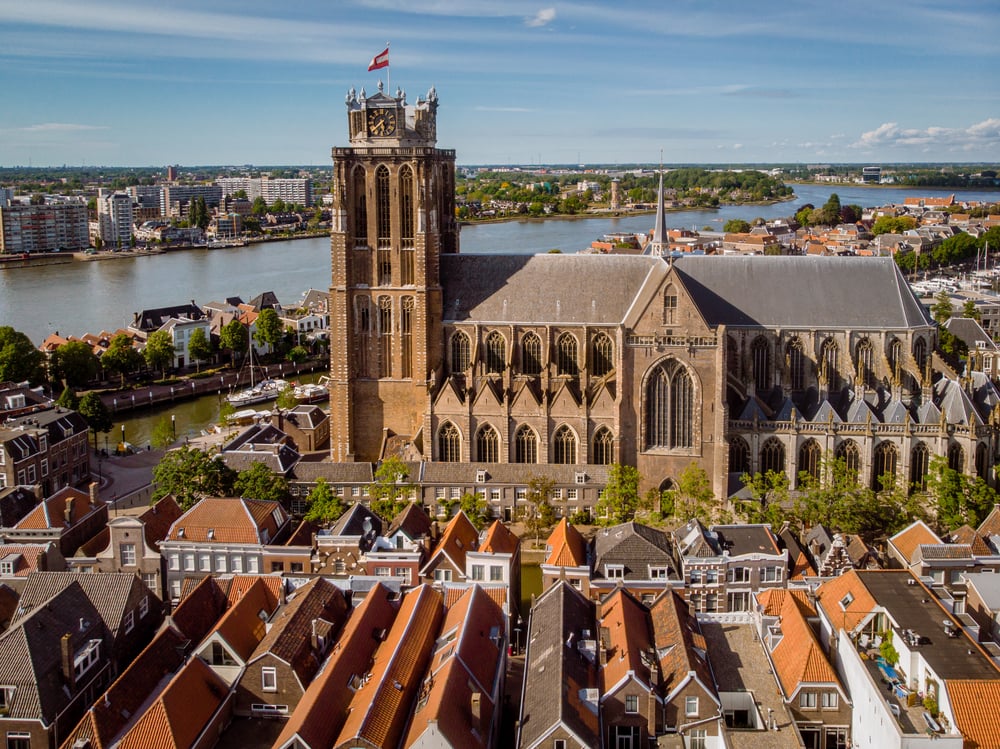
Did you know that Dordrecht is the oldest city in Holland? (Yes, Holland, not the Netherlands).
It’s also the fifth largest city in the province of South Holland — but still has that typical Dutch small-city charm.
You’ll find quintessentially Dutch things here, from long winding canals and row houses to interesting monuments and museums giving testament to the prosperous history of this city on the water.
There’s plenty to explore on your day trip to Dordrecht!
🚗 Travel time by car: 30 minutes
🚆 Travel time by train: 15 minutes
⭐ Don’t miss: Grote Kerk (church), Dordrechts Museum, Het Hof van Nederland
3. De Biesbosch: one of Europe’s largest freshwater tidal wetlands
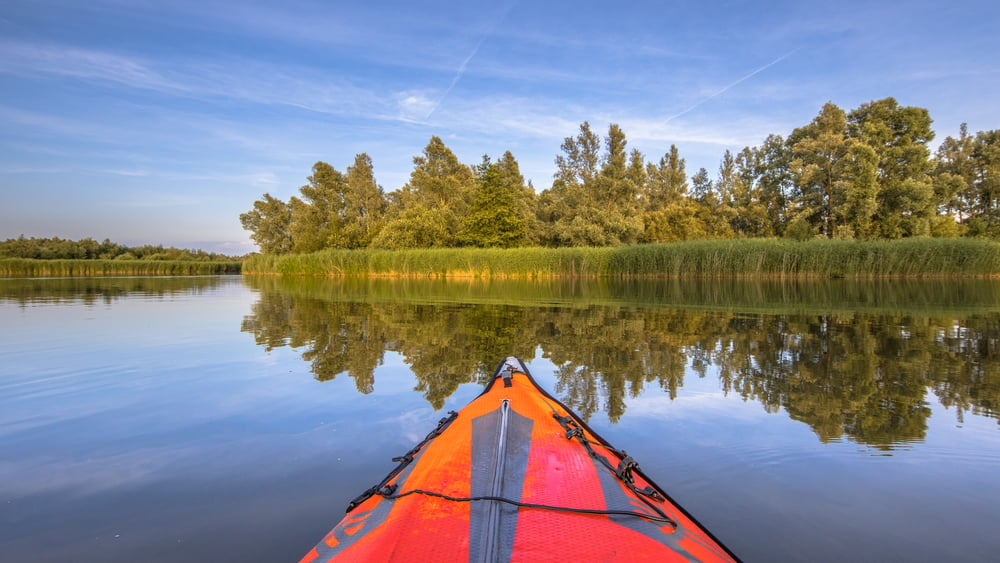
Located just outside of Dordrecht, De Biesbosch is one of the Netherlands’ biggest national parks.
The park is basically a freshwater delta that is made up of 8,000 hectares of small streams and rivers — and one of few freshwater tidal wetlands in the world.
READ MORE | The 8 greatest forests in the Netherlands for a nature escape
You’ll find hundreds of bird species, including kingfishers, ospreys, white-tailed eagles, and De Biesbosch’s icon: the beaver.
You can discover the park on foot or by bike, or inspect the wildlife up close in a canoe.
🚗 Travel time by car: 30 minutes
⭐ Don’t miss: Try and count how many different wildlife species you can spot!
4. Schiedam: the gin capital of the world
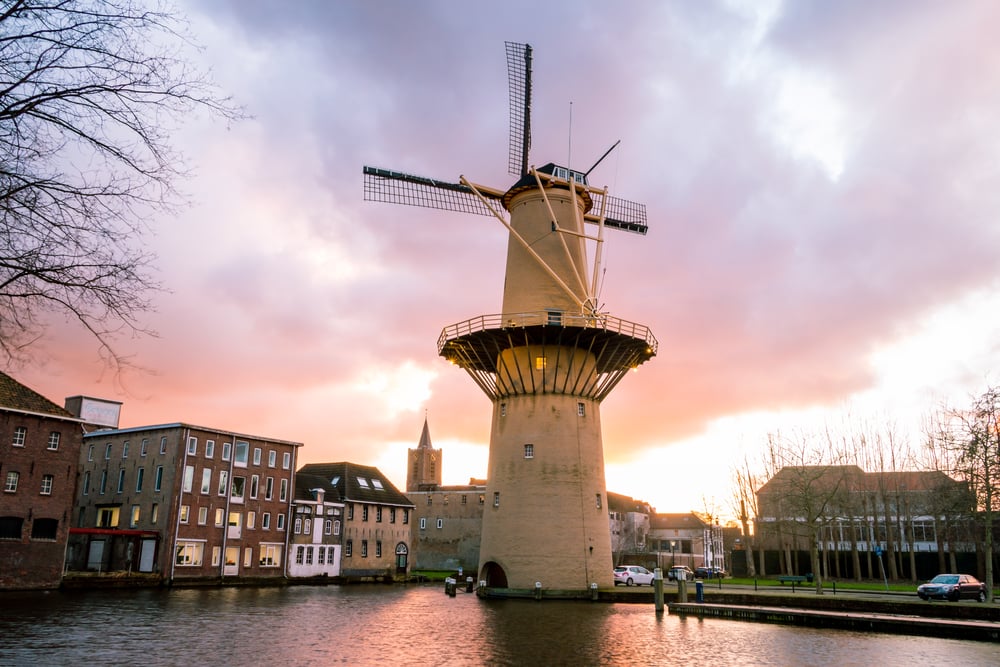
Have you ever taken a day trip to Schiedam from Rotterdam? Not yet?
It’s one of the easiest to get to and the closest places to visit from the city!
If you just hop on the green, yellow, or red metro line at Beurs, you’ll reach Schiedam city centre in about 15 minutes.
The town has some of the best windmills, and it’s the gin capital of the world. Trust us, you won’t be disappointed.
🚗 Travel time by car: 17 minutes
🚆 Travel time by train: 5 minutes
⭐ Don’t miss: De Noord windmill, National Jenever Museum, Stedelijk Museum Schiedam
5. Plaswijckpark: Rotterdam’s backyard
Another fun day trip from Rotterdam option can be found pretty much right here on the outskirts of the city and is guaranteed to be one of the best places to spend a day with your family.
It’s on the very edge of Rotterdam North — so it’s very easy to reach.
Founded in 1923, Plaswijckpark has evolved into one of the most fun dagje uit activities when the sun is shining.
While this small-scale amusement park doesn’t have the extravagance of Efteling, it does have everything you need to make sure it’s an interesting day for you and your little ones.
🚗 Travel time by car: 13 minutes
🚆 Travel time by public transport: 25 minutes
⭐ Don’t miss: Just let your children pick the attraction they love the most!
Day trips less than one hour from Rotterdam
Perhaps you’ve got a bit more time on your hands and are looking for the perfect way to spend an afternoon?
We feel you, so we’ve compiled a list of day trips less than an hour away from Rotterdam’s bustling heart! 👇
6. Hoek van Holland: Rotterdam’s very own beach
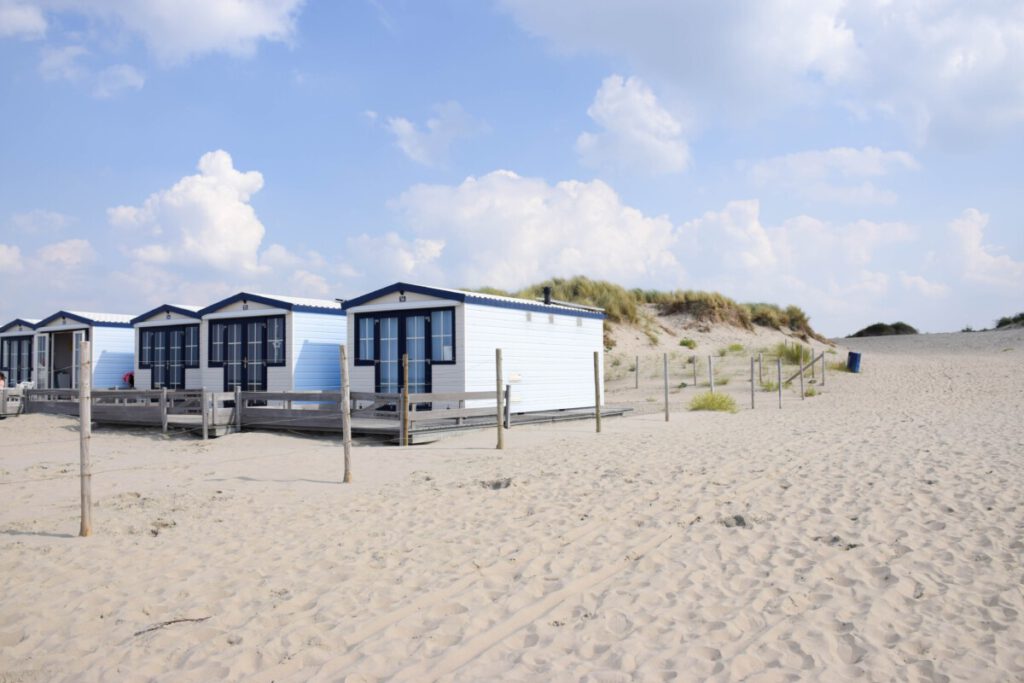
Hoek van Holland is technically part of the Rotterdam municipality. However, the vibe couldn’t be more different from the one in the city itself.
Think cute coastal town with a vast beach, amazing sand dunes, and beach bars and clubs to enjoy a drink or two. It’s a great place to unwind and escape the busyness of day-to-day city life.
Take your fiets with you and cycle around to get a proper taste of the area. Hoek van Holland is also a great day-trip destination for a little hike or nature walk.
🚗 Travel time by car: 31 minutes
🚆 Travel time by public transport: 58 minutes
⭐ Don’t miss: Grabbing a drink in one of the bars and enjoying the scenic views
7. Kinderdijk: the iconic windmill park
Who doesn’t have windmills on their list of things to see in the Netherlands? Well, Kinderdijk is the perfect place to go to to check this item off that list.
Windmill parks have long existed in the Netherlands to harness sustainable energy — and Kinderdijk is one of the two most well-known parks in the country, with thousands of visitors flocking to the site every year.
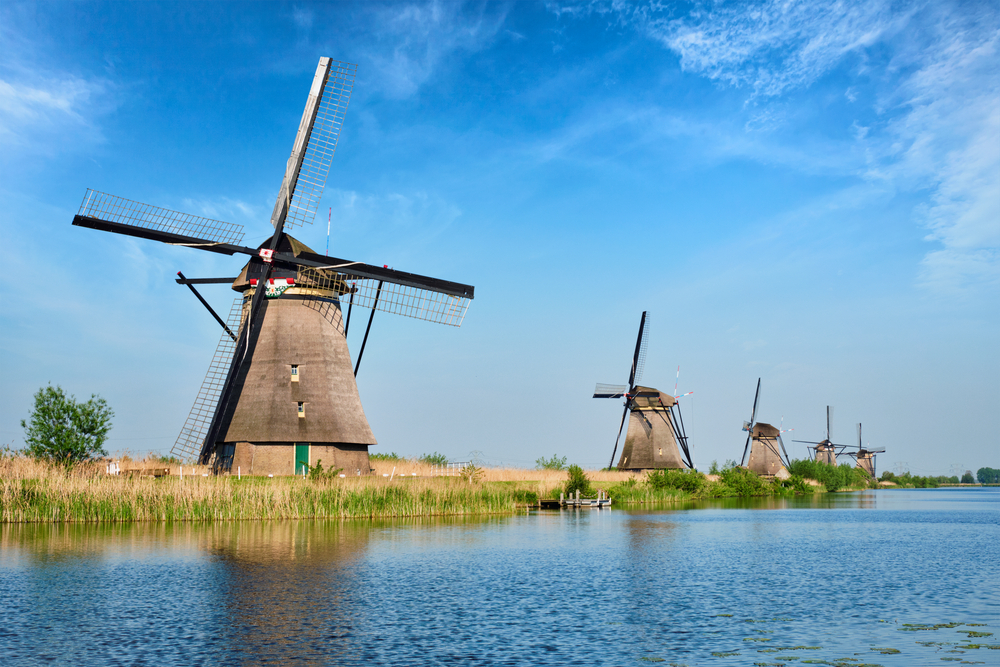
A lot of people debate on whether it’s better than Zaanse Schans (as did we), so why don’t you do a little day trip from Rotterdam and find out for yourself?
🚗 Travel time by car: 32 minutes
🚆 Travel time by public transport: 58 minutes
⭐ Don’t miss: Nederwaard Museum Mill, Blokweer Museum Mill
8. The Hague and Scheveningen: a great summer getaway
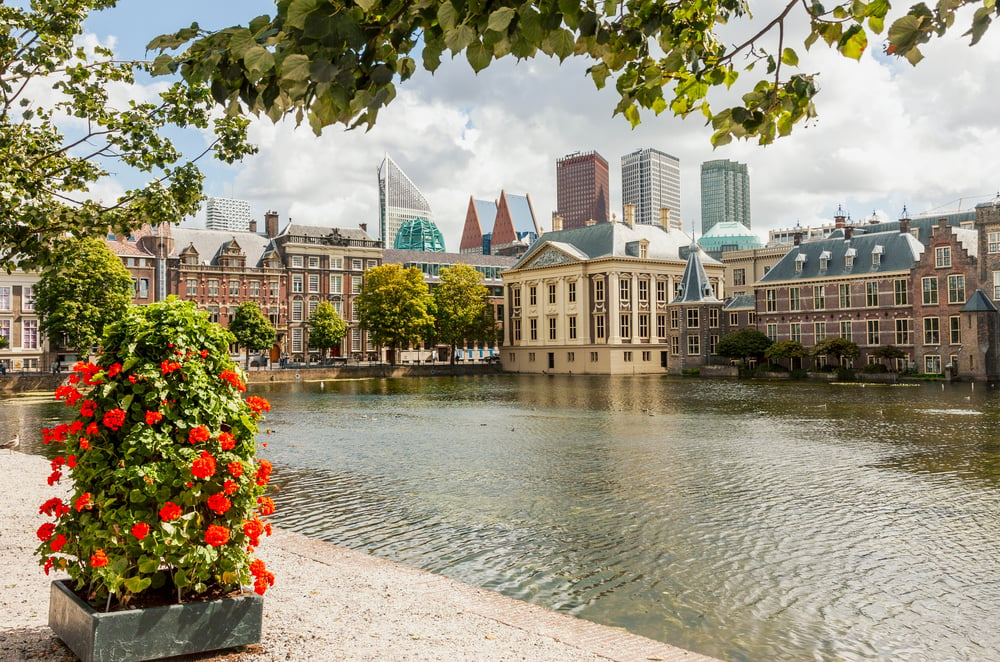
No list of day trips from Rotterdam is complete without a mention of The Hague.
A city known for embassies and government buildings, the political capital of the Netherlands is just a stone’s throw away from Rotterdam.
Great spot to take it all in? Head to Hofvijver: the large, square lake is a perfect opportunity to capture the unique blend of buildings that form storktown. 🤳
If the sun is shining, make sure to pack your swimsuits! Scheveningen is one of the best beaches in the Netherlands, and you don’t want to miss it.
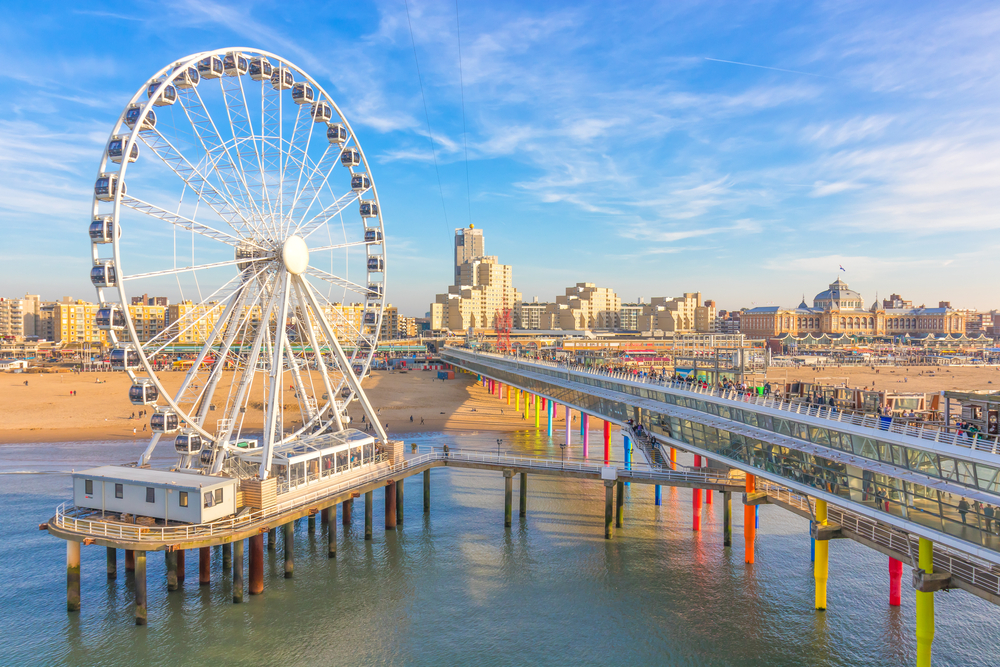
Stroll along the busy pier and gaze out into the sea on a warm day, or enjoy some of the other free things The Hague has to offer.
If you’re interested in the underwater world, visit Sea Life, a huge aquarium where you can learn about 150 different species of fish they have in there.
🚗 Travel time by car: 24 minutes to The Hague Central Station, 31 minutes to Scheveningen
🚆 Travel time by public transport: 29 minutes to The Hague Central Station, 50 minutes to Scheveningen
⭐ Don’t miss: The Mauritshuis, Binnenhof, The Peace Palace, Sea Life, Madurodam, Scheveningen Pier
9. Voorlinden: the famous museum in Wassenaar
A really interesting day trip you can take from Rotterdam is to Museum Voorlinden — a contemporary art museum surrounded by beautiful forests, a carefully landscaped garden, a restaurant, and amazing art to really open up your mind.
Like with any other museum, there are permanent as well as temporary exhibitions. You can easily get to this stunning area by car or by public transport.
Simply head to the museum’s website for all the practical information you’ll need to get there.
🚗 Travel time by car: 34 minutes
🚆 Travel time by public transport: 1 hour and 7 minutes
⭐ Don’t miss: Swimming Pool by Leandro Erlich
10. Leiden: the city of arts and sciences
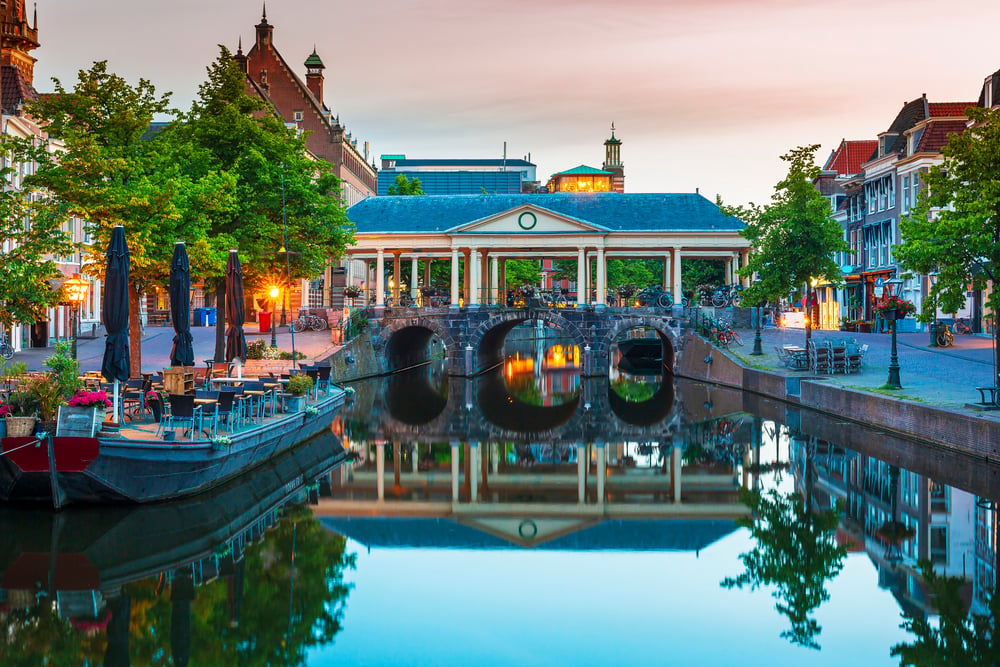
We have a personal bias when telling you about this cosy student town (after all, it is our headquarters), but Leiden truly has a lot to offer to its visitors.
This quintessential Dutch town is packed with great museums, such as the Naturalis, the National Museum of Antiquities, and the Volkenkunde Museum, just to name a few!
READ MORE | A local’s guide to Leiden: the best places to eat, drink, and shop
If you’re more into innovation and entrepreneurship, check out PLNT Leiden (our home base with a killer rooftop with chickens).
🚗 Travel time by car: 35 minutes
🚆 Travel time by train: 34 minutes
⭐ Don’t miss: Hortus Botanicus, Naturalis, Molenmuseum De Valk
11. Keukenhof: the Garden of Europe
Thousands of tourists always flock to the Netherlands to experience the famous tulip season — and what better place to do this than the famous Keukenhof, one of the largest flower gardens in the world?
Beautiful fields filled with thousands of colourful bulbs are a real treat for the eye, and should not be missed by anyone!
READ MORE | Dutch tulip season: where to see the best tulip fields in the Netherlands
If you’re more of a budget traveller, there are also countless tulip fields around Keukenhof that you can enjoy for free.
How? You’ll have to travel there to find out! 😉
🚗 Travel time by car: 53 minutes
🚆 Travel time by train: 1 hour and 10 minutes
⭐ Don’t miss: It’s not just Keukenhof — you’ll find countless beautiful flower fields in this region
12. Gouda: home of the delightful cheese
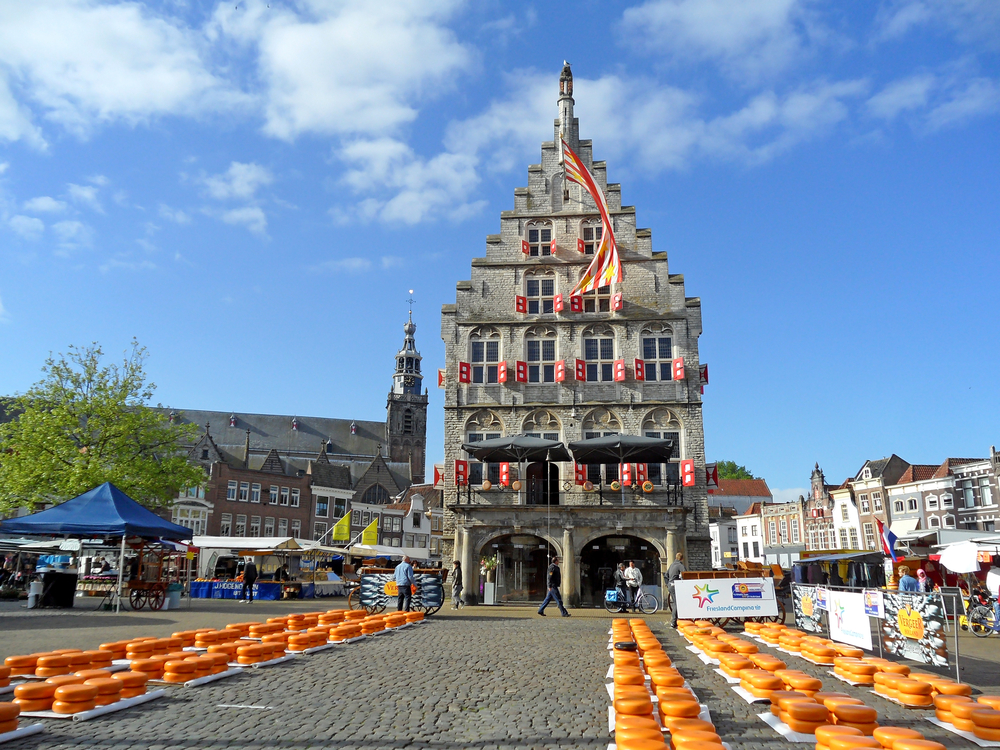
If you’re looking for a day trip from Rotterdam that even the Wikipedia page recommends, then Gouda is the place for you.
The city is famous for various things like its cheese (of course, you’ve heard of Gouda, the cheese!) and its amazing Dutch architecture.
The city is easily reachable by car or public transport and if you’re feeling particularly fit, you can even hop on a bike for one and a half hours, and you’re there!
Go to the Gouda cheese market and relish in one of the Dutch addictions or wander around the city centre and explore the Sint Janskerk and the famous city hall.
Gouda also has plenty of other gorgeous buildings.
🚗 Travel time by car: 30 minutes
🚆 Travel time by train: 18 minutes
⭐ Don’t miss: Gouda Cheese Market, Sint-Janskerk (church), Gouda Town Hall
13. Utrecht: the city of literature
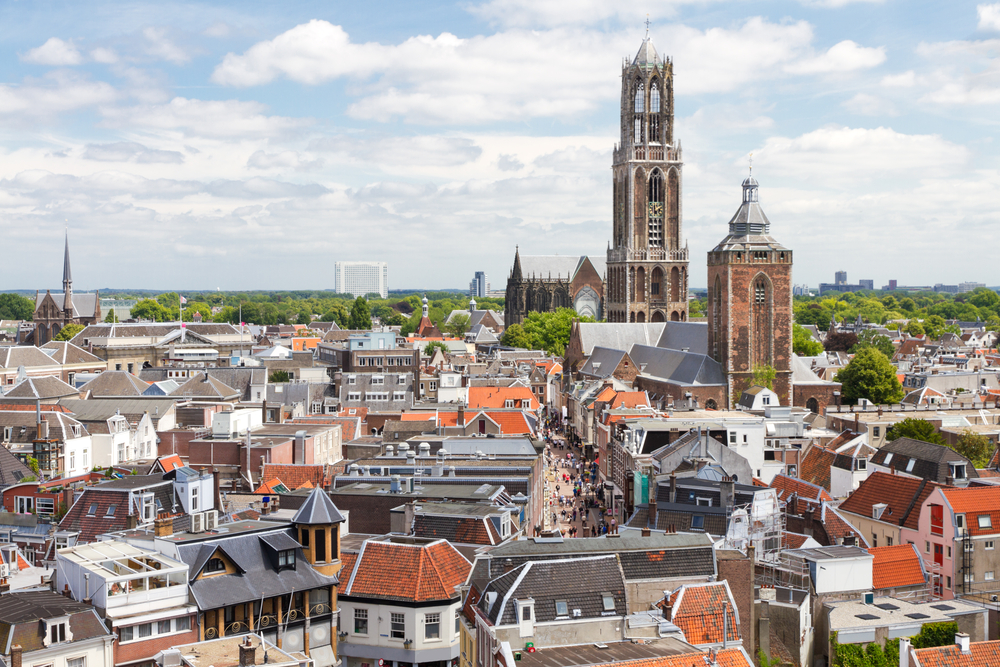
The city that is the hardest to pronounce, Utrecht is your perfect getaway if you are tired of visiting crowded tourist places.
We like to call it mini Amsterdam — Utrecht is a great alternative for those wanting to sail along canals, ride through small Dutch streets, and enjoy a drink on the terraces without the hustle and bustle of the capital.
The city has been dubbed the UNESCO City of Literature and spoken word events and book readings happen almost daily.
On top of that, Utrecht has the iconic Dom Tower with amazing views.
Venture outside the city and head to one of the Netherlands’ iconic castles, the neo-gothic De Haar.
The oldest building dates back to the 14th century, and the castle gardens stretch out for acres and host several events throughout the year.
🚗 Travel time by car: 57 minutes
🚆 Travel time by train: 36 minutes
⭐ Don’t miss: The Dom Tower, Rietveld Schröder House, Hoog Catharijne
14. Amsterdam: the famous Dutch capital
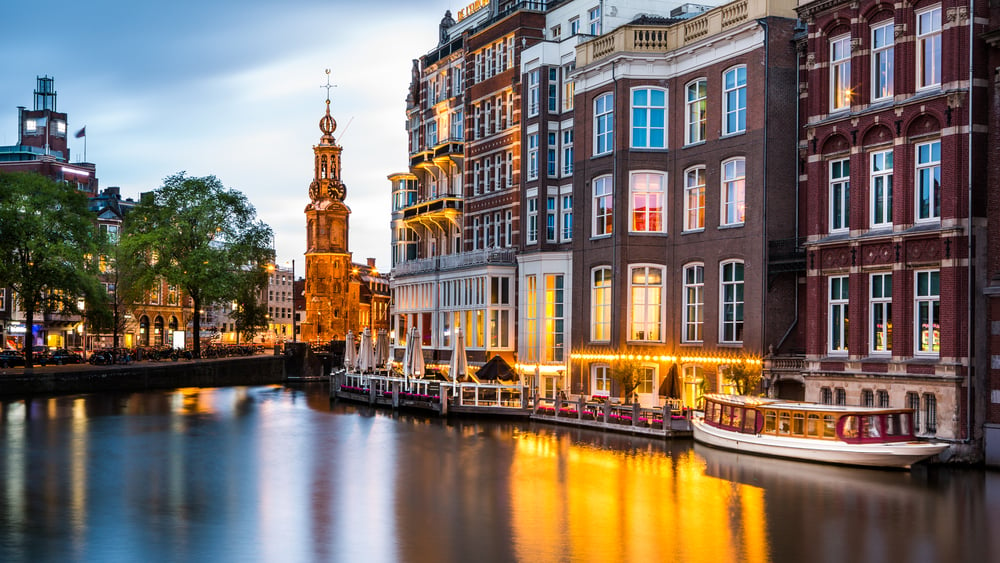
Aah, good ol’ Amsterdam! A city that’s on everyone’s “Dutch cities to visit” list, the capital has evolved into a top tourist destination.
It is a burgeoning city that continues to grow, attracting tourists, Dutchies, and expats alike.
Take a boat ride around the city, visit the many museums (such as the Van Gogh Museum or the Rijksmuseum), check out the botanical gardens, or enjoy one of the many parks.
There are so many things to do in Amsterdam!
You can also discover the best coffeeshops (of course, following the rules for smoking weed! 😉) and ease those munchies in one of the many great restaurants in Amsterdam.
🚗 Travel time by car: 1 hour and 1 minute
🚆 Travel time by train: 41 minutes
⭐ Don’t miss: ARTIS Royal Zoo, Anne Frank House, Albert Cuyp Market, Zuid-Kennemerland National Park
15. Tilburg: city with a hip urban scene
Tilburg may be small, but it sure is a dynamic day trip destination.
The city is known for repurposing its old buildings in the edgiest ways — like the LocHal, an old industrial locomotive hall turned into one of the best libraries in the world.
Whether you’re after cultural experiences, like festivals and museums (it has five great ones!), lush nature walks, or even a longer staycation, Tilburg has it all.
Our personal tip? Rent an e-scooter and discover Tilburg’s magical murals — you’ll never look at graffiti the same.
End your day with a cocktail at the Doloris rooftop bar or add an extra fun factor to your day trip from Rotterdam by experiencing their out-of-this-world maze.
Not your thing? Venture to the largest wildlife zoo in the Benelux, the Safaripark Beekse Bergen.
It’s open all year round and easily explored by boat, bus, your own car, or even on foot.
🚗 Travel time by car: 1 hour and 17 minutes
🚆 Travel time by train: 38 minutes
⭐ Don’t miss: LocHal, Spoorpark, Spoorzone, Textielmuseum
16. Efteling: a fairytale paradise
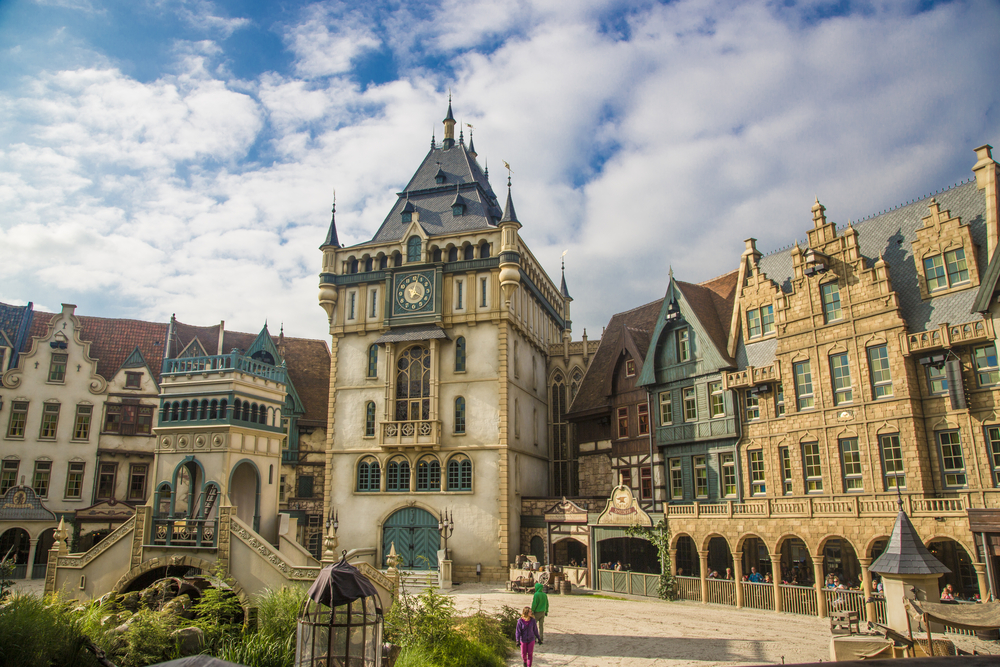
Who loves a good fairy tale? 🙋♀️ If you do, then Efteling is the place for you.
This popular theme park is centred around well-known fairy tales with plenty of activities on offer, whether you have kids — or you’re just a child at heart yourself.
Ride the roller coasters, enjoy theatre performances, or try out the 18-hole golf course!
Efteling also has its very own holiday resort, so you could always turn it into a weekend trip.
🚗 Travel time by car: 1 hour and 2 minutes
🚆 Travel time by public transport: 1 hour and 27 minutes
⭐ Don’t miss: The Fairytale Forest, Baron 1898
17. Madurodam: a magical miniature adventure
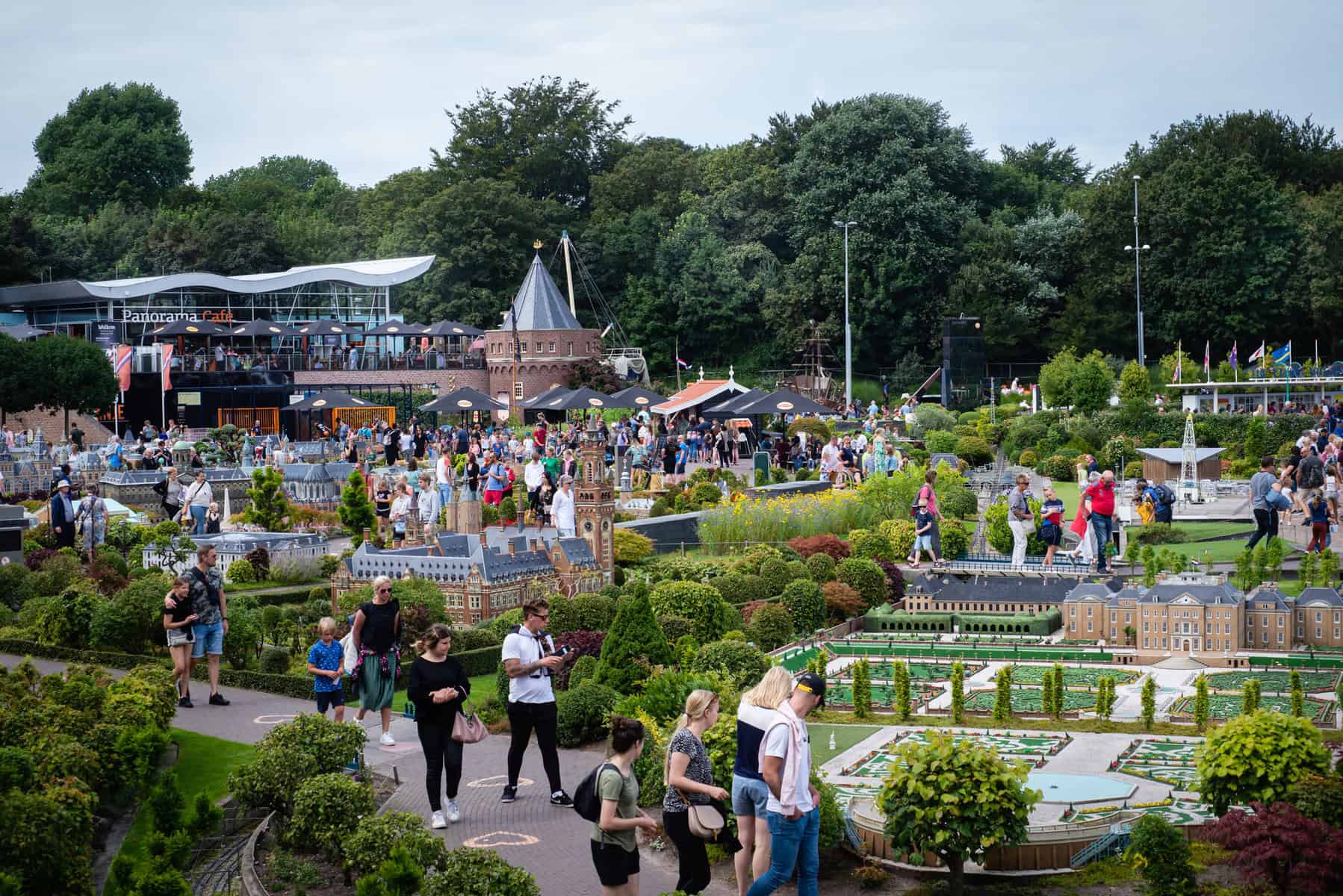
Fancy a day trip that lets you see the entire Netherlands in one day? Dat kan!
We knew this was a small country full of tall people, but a day out at Madurodam takes it to the wonderful extreme.
The interactive, miniature park Madurodam is an educational family day out with fun activities and attractions all about immersing yourself in the history and culture of the lowlands.
In just a short trip, you can discover the story of the Netherlands from the very beginning. 📖
🚗 Travel time by car: 25 minutes
🚆 Travel time by public transport: 49 minutes
⭐ Don’t miss: Setting sail aboard the immersive De Vergulde Bever ship for a true 17th-century experience
Day trips over an hour from Rotterdam
Of course, we couldn’t conclude this article without a little something for your weekend away bucket list. 😉
18. Oosterschelde: Netherlands’ largest national park
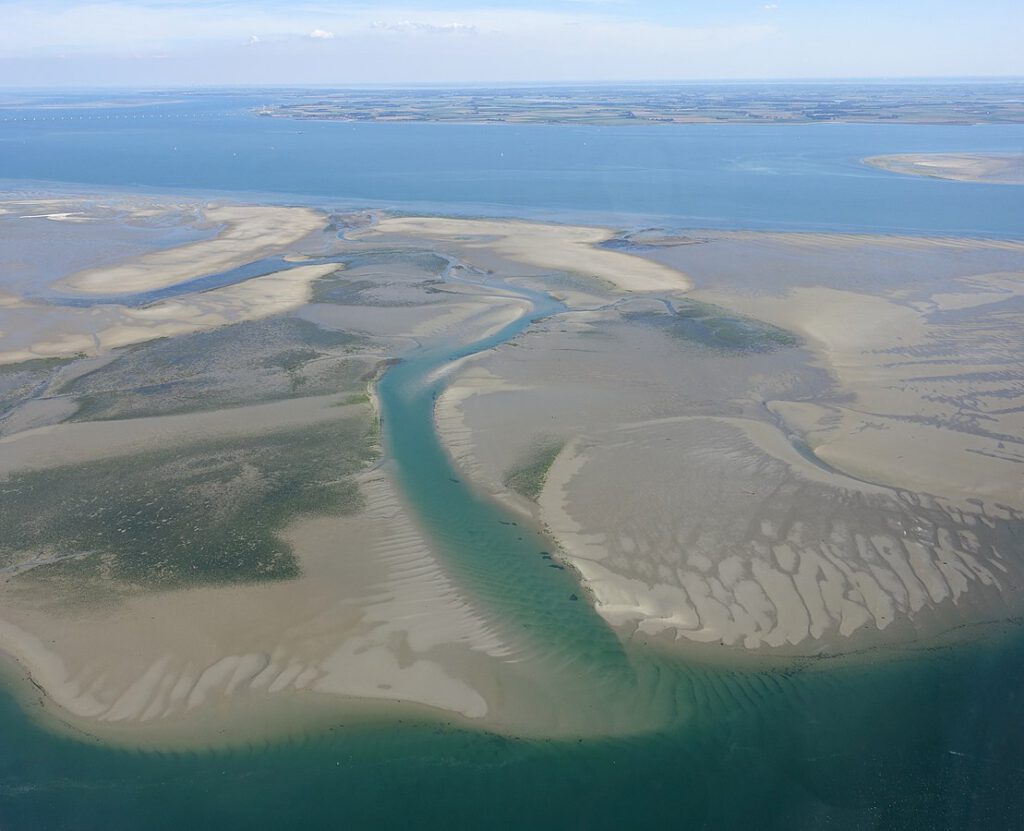
The largest national park in the Netherlands is just an hour-long drive away from Rotterdam!
What makes it so special? Every time you visit, it will look completely different because of the changing tides.
Even better, the park is home to various animals and plants, making it a place no nature-lover should miss.
Oosterchelde has cruises to take you around as well as plenty of walking trails — so get out your hiking boots, there’s a whole lot for you to explore.
You might even spot some porpoises out in the waters if you’re lucky! 🐬
🚗 Travel time by car: 1 hour and 12 minutes
19. Hoge Veluwe: a national park in the east of the Netherlands
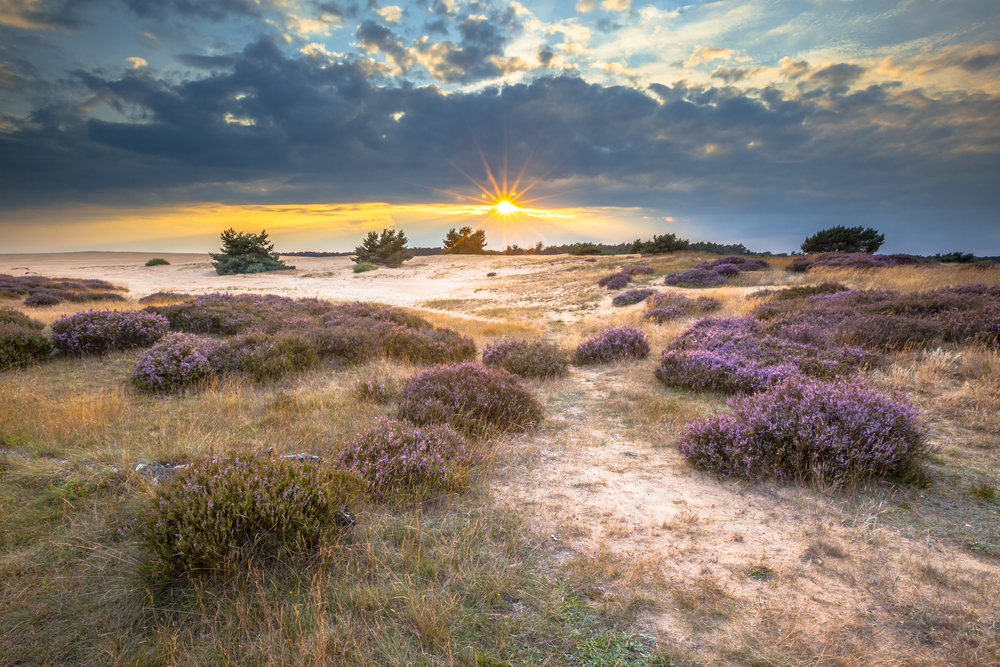
Hoge Veluwe is one of the largest continuous nature reserves in the country.
It has a varied topography with everything from lush green forests to high sand dunes and is home to a diverse collection of flora and fauna.
As you would expect, the place has a great infrastructure for cyclists.
Drive to one of the entrances at Otterlo, Hoenderloo, or Schaarsbergen, and then make your way through the park with your bike.
🚗 Travel time by car: 1 hour and 17 minutes
🚆 Travel time by public transport: 2 hours and 3 minutes
20. Nijmegen: the oldest city in the Netherlands
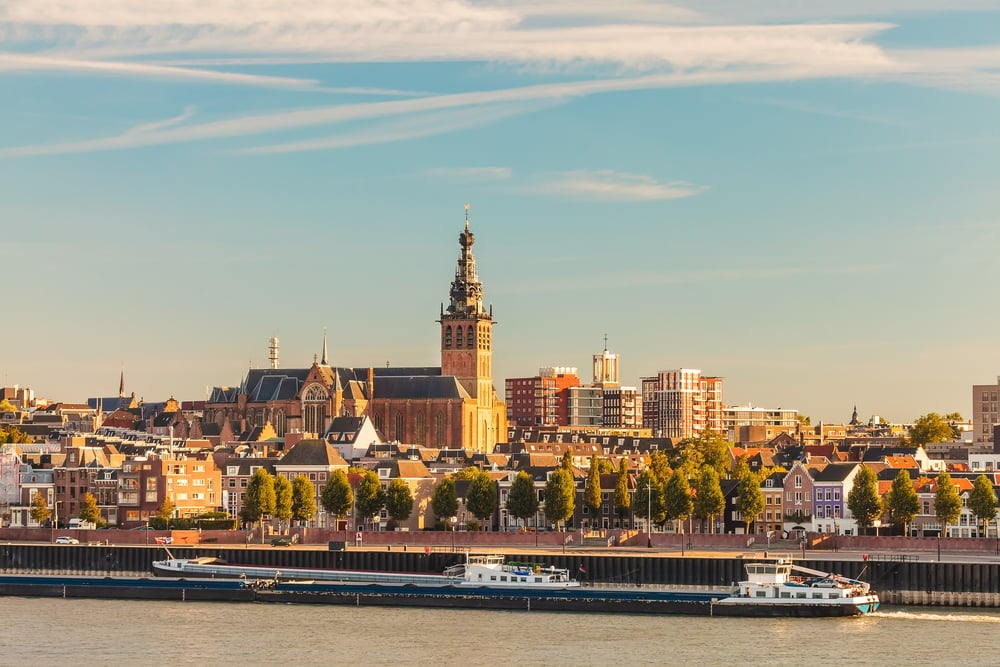
A city whose history goes back over 2,000 years, Nijmegen is definitely one of the most unique destinations for a day trip from Rotterdam.
Follow the traces of the Romans or savour a walk through one of the local vineyards (with small breaks to also enjoy this drink, of course). 🍷
If you’re more into trendy boutique shops, Nijmegen has that too!
After a long afternoon of shopping, head to the Kronenburgerpark to relax or take in some views of the city from the popular Waalkade.
🚗 Travel time by car: 1 hour and 26 minutes
🚆 Travel time by train: 1 hour and 42 minutes
⭐ Don’t miss: Stevenskerk, Kronenburgerpark, Rivierpark, Waalkade
21. Maastricht: a place to see medieval monuments
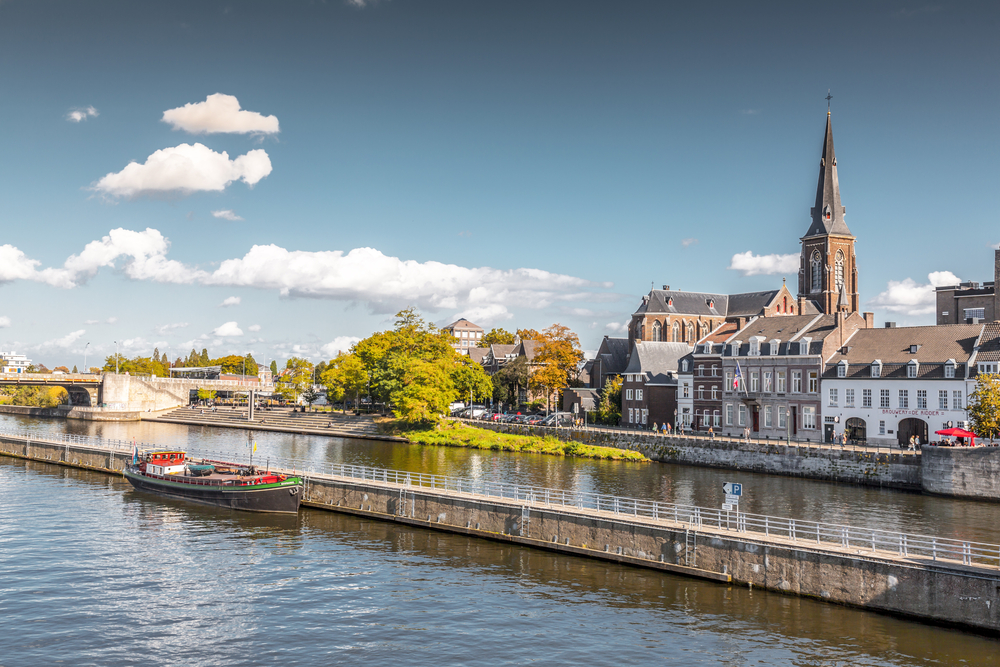
A popular student city, Maastricht is located on the southernmost edge of the lowlands. It’s a great day trip destination with cute cobbled streets, medieval monuments, and pretty parks.
From a Roman settlement to a medieval centre of religion to a thriving cultural hub, the capital of Limburg has plenty to offer, whether it’s architecture, great food, or tranquil nature spots.
READ MORE | A day trip to Maastricht: what to see, do, and eat
Enjoy a cruise on the river Maas or discover the famous caves of Mount Saint Peter from the 13th century.
🚗 Travel time by car: 2 hours and 17 minutes
🚆 Travel time by train: 2 hours and 16 minutes
⭐ Don’t miss: Vrijthof, Wyck, Helpoort, Maastricht caves
22. Belgium: a road trip to the neighbour
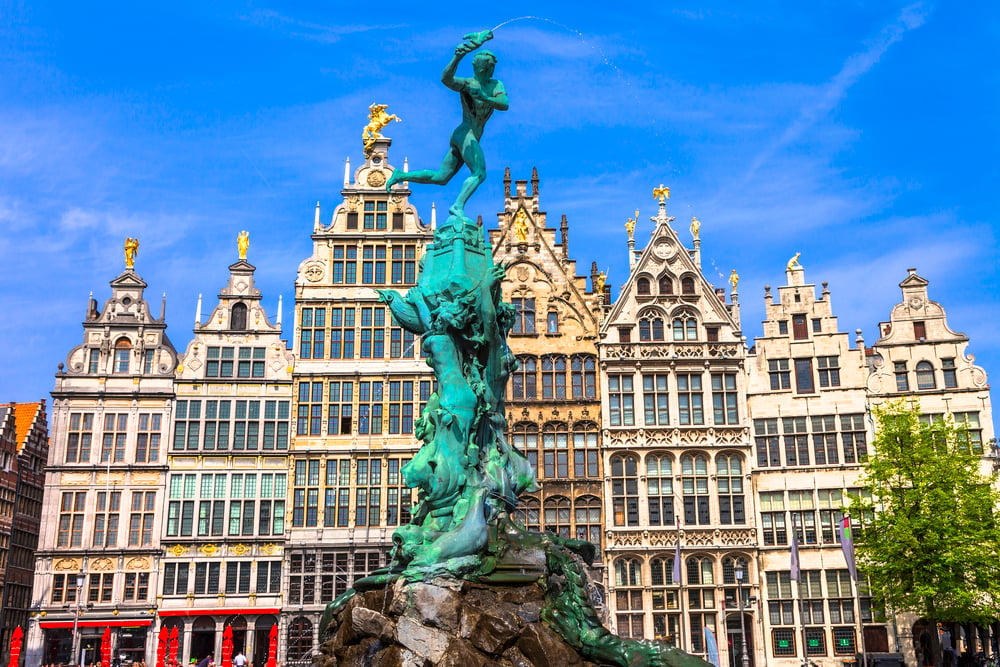
Looking for a quick road trip outside of the Netherlands for a day? The great thing about living in a small country with good infrastructure is that you can easily visit the neighbours.
Belgium is famous for great waffles, refreshing beer, and of course, the chocolate! Whether it’s Antwerp, Mechelen, or Brugge, there are several beautiful towns to choose from.
The best part? They are all just a short drive from Rotterdam — and easy to get to by bus or train as well, especially if you travel with Eurostar.
Some other cities you shouldn’t miss include, of course, Ghent and Brussels.
Mechelen: 🚗 1 hour and 37 minutes, 🚆 1 hour and 8 minutes
Antwerp: 🚗 1 hour and 50 minutes, 🚆 32 minutes
Ghent: 🚗 2 hours and 5 minutes, 🚆 1 hour and 35 minutes
Brugge: 🚗 2 hours and 22 minutes, 🚆 2 hours and 3 minutes
Brussels: 🚗 2 hours and 28 minutes, 🚆 1 hour and 21 minutes
How to get around the Netherlands for day trips
Wondering how to get to all these epic day trip destinations from Rotterdam? With the country’s great infrastructure, you’ve got multiple options:
Going with OV — the Dutch public transport system
One of the easiest ways to get around the Netherlands and tackle distances that aren’t manageable by bike is public transport.
The majority of Dutch cities have trains, trams, and buses, and some even have metro and ferries.
A great option is to get a day ticket which sometimes combines travel to a particular destination with, for example, a visit to an attraction or a meal.
Another great way to travel is with an OV chip card. Simply top up your balance and use the card on all forms of public transport.
With a personal OV chip card, you may even be able to snag some extra discounts.
Driving around Dutch cities, towns, and national parks
For places that are a bit further away and not easily accessible by public transport (such as many of the Netherlands’ nature spots), a car might be your best bet.
You can make use of one of the five major car rental companies — Avis Budget, Enterprise Rent-a-Car, Europcar, Hertz, and Sixt — or see what other options are out there.
Perhaps you can even carpool!
Though be aware, for certain destinations, going by public transport or bike is actually faster than going by car.
Hop on your bike and explore Rotterdam’s surroundings
No article about day trips from Rotterdam would be complete without mentioning the good ol’ fiets — and with good reason.
Cycling is the cheapest way to get around most Dutch cities and villages, and it ensures the true Dutch experience.
If you have extra time and want to get some fitness in, head to places like Delft, Hoek van Holland, or Kinderdijk by bike.
Don’t have your own? Geen problem! With a personal OV chip card, you can pick up an OV-fiets from one of the many Netherlands train stations and rent it for a few hours at a time.
Rotterdam also has a wide range of shared e-bikes and scooters.
Day trips from Rotterdam: frequently asked questions
Where is the best place for a day trip from Rotterdam?
Depending on your preference and style of travelling, there is a number of wonderful day trip destinations.
Delft and Dordrecht are perfect if you’re looking for quintessential Dutch charm. Hoek van Holland and Scheveningen are two amazing beaches well suited for a summer day trip.
Fancy a city trip or a nature escape instead? Dat kan. The Hague, Utrecht, Leiden, and Amsterdam are just a stone’s throw away and there are beautiful national parks within an hour’s drive from Rotterdam.
Is Rotterdam worth visiting?
With its epic modern skyline, Rotterdam is different from any other place in the Netherlands. This makes it a unique travel destination you should definitely not miss — especially as there are many things in the city you can do for free.
How many days should I spend in Rotterdam?
If you’re short on time, one day will be enough to get a quick glimpse of Rotterdam’s main attractions, such as the Erasmus Bridge, Markthal, or Cube Houses.
Three days is a recommended time if you really want to get a feel for the city and venture beyond the city centre.
You’ll be surprised by how much there is to see in Rotterdam, from the diverse and different neighbourhoods to lush parks and nature areas.
How do I spend a day in Rotterdam?
Start your Rotterdam day trip at the central station and slowly make your way into the city centre.
Stop by the Laurenskerk, the city’s famous church with a fascinating history, and continue to Markthal to grab a refreshment in one of the food shops and restaurants.
Step into the mindblowing Cube Houses and enjoy a drink at the adjacent Oude Haven (Old Port) where you’ll find Europe’s first skyscraper, the Witte Huis.
Stroll along the river Maas and admire Rotterdam’s famous bridges, including the Erasmus Bridge and De Hef, or visit one of the many museums.
Finally, end your day with some bird’s eye views of Rotterdam from the Euromast observation tower.
Is it better to stay in Rotterdam or Amsterdam?
While both cities have a unique character and things to see, Rotterdam is definitely the cheaper one of the two.
Rotterdam is where you want to be if you’re into bold modern architecture and authentic Dutchness. For cute picturesque canals, Amsterdam is the best bet.
Rotterdam is also more suitable if you’re looking for a base to visit the Netherlands’ neighbours, Belgium and Germany, from.
If you don’t feel like travelling far, there are also plenty of fun and free things to do in Rotterdam itself, as well as hidden gems and little nature escapes to keep you busy for the day.
What’s your favourite day trip from Rotterdam? Tell us in the comments below!
This article was a team effort between Jana Vondráčková and Kavana Desai.