Dutch universities plan to take matters into their own hands to curb internationalisation in higher education, offering an alternative to the government’s current bill.
They are unhappy with the administrative and organisational strain that the government’s current approach places on universities.
Instead, universities believe they themselves can stem the international influx in a “faster, better and more targeted” way, NU.nl reports.
Which courses must be in Dutch?
There are three key measures that universities are taking to strengthen the Dutch reputation in higher education:
Psychology programmes in the Randstad must all be taught in Dutch.
A maximum student limit will be set for economic programmes.
Improving Dutch language proficiency among international students and staff is a priority.
We can expect to see these changes take effect as soon as the next academic year. This is truly assimilation time, students.
Opposing the government
There is a condition to the universities’ changes: the government must adjust their bill on internationalisation.
That’s mainly due to the regulations surrounding the Test for Other-Language Education (TAO), which determines which higher education programmes can also be taught in a language other than Dutch.
The test is currently applied to both existing and new programmes.
This means a lot of work for universities: the umbrella organisation Universities of the Netherlands (UNL) calls the method “far too rigorous” and claims that it “places a heavy administrative burden on universities without contributing to the quality or accessibility of education.”
Instead, universities request that the test only be applied to new programmes, not existing ones, due to the logistical and administrative burden this causes.
What do you think of the new efforts to keep international students out? Share your thoughts in the comments below.
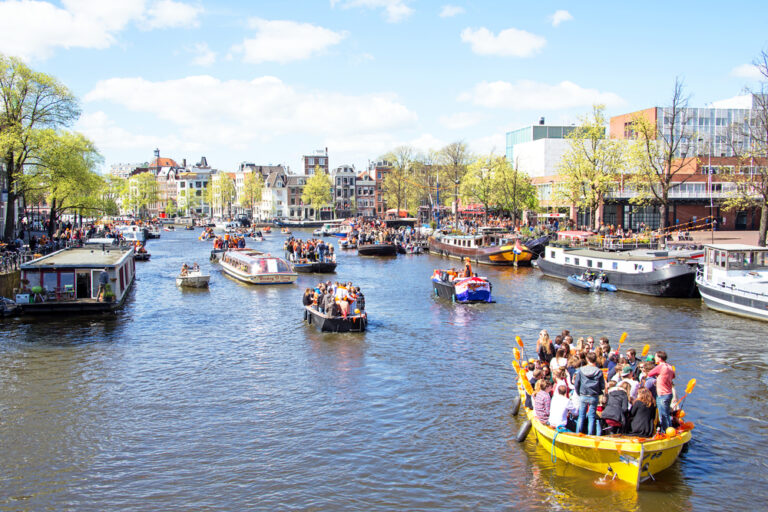
Falling into a canal after a failed attempt to relieve yourself and DROWNING is more common than you think.
What an unfortunate, anti-climactic way to die. 😒
What is it?
While many figures are floating around, there are estimates that seven to eight people drown each year in Amsterdam’s canals alone! (Some even say it’s close to 30. 👀)
Rumour has it that if a body is found with an open zipper, no further investigations are made by the Amsterdam police.
Why? Because they just assume the lad tried to pee in the canal and fell in head-first.
Why do they do it?
Well, first off, who knows why drunk people do what they do? Especially drunk Dutch people.
Generally, there aren’t that many, and if you’ve been lucky enough to spot one, there is usually a fee you have to pay.
Oh, wait a minute! We almost forgot that there are these public urinals that are just metal curls barely hiding the sight (and not the smell) of men peeing.
Nope! We firmly advise you not to pee in any canals. Not sober and especially not drunk!
But if you happen to somehow, for whatever godforsaken reason, have to desperately relieve yourself in one of the many Dutch grachten while under the influence, you might want to have a look at this video. 👇
What do you think of this Dutch quirk? Have you experienced it? Tell us in the comments below!💬
The hunt for a great, English-speaking job in the Netherlands isn’t always easy — but it’s much quicker if you know the right places to look.
So, where should you be looking? At companies that hire expats, of course! Here are some of the biggest Dutch employers of internationals in the Netherlands, so you can find the perfect job for you. 🏆
Who knows the most about finding a job for expats in the Netherlands? Undutchables, of course! We teamed up with the top international talent recruitment agency to bring you the hottest tips.
1. ASML
ASML designs and manufactures lithography machines that help make computer chips — so you could be using the product of an ASML machine to read this article!
Plus, they’re kind of a big deal, with no less than 56.8% of their entire workforce (44,000) based in their headquarters near Eindhoven.
Computer chips are a pretty lucrative business, so ASML is almost always hiring — and with offices in 15 countries, they love internationals. In fact, they currently have 52 positions open in their Dutch offices at the time of writing.
Best career paths: Engineering, software development, logistics, business management, HR, data science, product management Employee benefits: 13th month, holiday allowance, 40 days paid leave, commuting allowance Glassdoor rating: 4/5
2. bunq
Is working in a fresh, fun company with a startup culture important for you? Then bunq (yes, with a lowercase ‘b,’ nail that on your cover letter 😉) could have the job for you!
This neo-bank has certified ‘unicorn’ status, joining companies like SpaceX, Reddit, Airbnb, and Buzzfeed.
The sweet thing about working for a startup is that it’s often full of perks. Employees at bunq Netherlands enjoy a €2,500 study budget every year, three days of study leave, 32 days off, discounts on gym memberships, free lunch, and more.
It’s also perfect for internationals because if you have a visa requirement, they’re happy to help out — rare!
Best career paths: Software development, customer service, marketing, compliance, HR, product management, accounting, design, sales Employee benefits: Generous training budget, discounted OneFit subscription, lunch and dinner provided, and two remote work days per week. Glassdoor rating: 3.7/5
3. Booking.com
Love to travel? Well, you’ll probably have a desk job, but it might as well be at one of the world’s leading travel marketplaces, Booking.com. If you haven’t used the website, it connects travellers with accommodation providers, flights, and car rental companies.
The company must be doing pretty well because it’s grown from a one-person startup to a global website available in 43 languages.
With that impressive resume, it makes sense that the company has a huge range of positions available, many at their headquarters in Amsterdam and many available in English — or other languages!
Best career paths: Software development, data science, HR, business development, accounting, law, copywriting, design Employee benefits: Discounts on Booking.com accommodations, social activities Glassdoor rating: 4/5
4. Guerrilla Games
If you’re the kind of person who says “game on” to new challenges, working at Guerrilla Games could be right for you.
Gamers might recognise titles like the ‘Killzone’ or ‘Horizon’ series. If they don’t ring a bell, no sweat! You can still get a job at Guerrilla Games even if you don’t have gaming industry experience. There are roles in animation, production, operations, art, and more!
Particularly awesome is that they’re committed to internationals, offering relocation allowances, free accommodation for the first two months, assistance applying for work permits and the 30% ruling, and even Dutch lessons — leuk! 🎉
Best career paths: Game design, programming, digital art, production, writing Employee benefits: 25 paid days off per year, relocation assistance, Dutch classes, commuting allowance, on-site cafeteria, discounts, mental health coaching Glassdoor rating: 3.5/5
5. Mollie
Mollie is one of the Netherlands’ largest payment service providers. We can hear you asking: what the hell does that mean? Yeah, we had to Google it too, but it turns out it’s what you use every time you buy something online to make your payment.
In fact, Mollie manages payments for over 350,000 companies!
Mollie is yet another FinTech ‘unicorn’ company after raising a huge amount of funding — and they’re pouring it into hiring in a big way.
There are stacks of roles available, so you’re bound to find one that works for you! (Mollie also calls itself ‘the most attractive company to work for in Amsterdam’ — but we’ll let you be the judge of that. 😉)
Best career paths: Software engineering, customer service, compliance, law, data science, marketing, finance, commerce, product management, copywriting, HR Employee benefits: Tech provided, flexible hours, free lunch, sports events, your birthday off, five extra baby days per year, days to work abroad Glassdoor rating: 4.2/5
6. Philips
Lightbulb moment — why not work at Philips? 💡 You may know this health technology company as a multinational conglomerate, but it was founded in the Dutch city of Eindhoven in 1891!
Today, it employs more than 11,000 people across the country, and as a multinational, they’re very happy to hire internationals. 🎉
The company boasts the largest research and development site in the world in Eindhoven, headquarters in Amsterdam, and extra locations throughout the Netherlands.
Whether R&D, marketing and e-commerce, software development, or service is your game, Philips could be your next Dutch workplace!
Best career paths: R&D, marketing and e-commerce, software development, logistics, customer service, finance, sales, HR Employee benefits: Health benefits, flexible work, well-being activities, learning and development Glassdoor rating: 3.9/5
7. ING
If a traditional bank is more your style, perhaps you should consider a career with ING. As one of the big four banks in the Netherlands, over 40% of Dutchies carry the signature bright orange card in their wallets.
The nice thing about working for a big bank is that there is no shortage of roles, and many of them are open to expats in the Netherlands. If you have kids, you’ll also love that ING was ranked as the fourth most family-friendly employer in the Netherlands — nice!
Best career paths: IT, Risk management, financial services, compliance, legal, HR Employee benefits: Progressive childcare policies, “diversity days”, lease bikes, 13th month, holiday pay, flexible working hours, discounts on insurance and gyms Glassdoor rating: 4.1/5
8. Unilever
Ever used Dove moisturiser or Vaseline? Then you’re already a customer of Unilever, so why not work with them too?
This multinational is technically headquartered in London, but up until 2020 was also considered Dutch — thanks, Brexit!
Regardless, there are still 2,500 employees who call the Netherlands their home, and you could be one of them. There are various locations all over the Netherlands, and many of the global functional roles are in the lowlands.
Plus, there’s a hair salon at the Rotterdam office where they test products (but you can also pop in for a quick haircut!) 💁♀️
Best career paths: Supply chain management, marketing, customer development, HR, finance, tax, procurement Employee benefits: Training and development, flexi-time, option to swap national holidays for personal cultural holidays, six weeks paid paternity leave (Dutch minimum is one week), free lunch Glassdoor rating: 3.5/5
9. Heineken
We’re pretty sure Heineken needs no introduction and that you’ve probably cracked open a cold one now and then — but instead of spending your money on Heineken, you could be paid by the beer giant instead! (We’re pretty certain real euros, too, not just beers).
If you’re not a beer fan, no worries — Heineken owns more than 300 brands worldwide.
It’s still a Dutch company, so you may have to hunt a little to find an English job — but we promise they do exist! And if you haven’t graduated yet, no problem: there are heaps of internships available that might just lead to a position later.
Best career paths: Commerce, finance, HR, procurement, logistics Employee benefits: 26 vacation days, sports opportunities, training and development, rostered days off Glassdoor rating: 4.3/5
10. FrieslandCampina
You may not have heard of FrieslandCampina, but you’ve probably consumed one of their products because they’re sold in more than 100 countries.
It’s a Dutch multinational based in Amersfoort but with offices in different parts of the Netherlands. In January 2026, they merged with Milcobel.
A large portion of their jobs are in Dutch, but with a little hunting, you can also find some English-speaking roles too!
Best career paths: Business development, logistics, operations, project management Employee benefits: Flexible work, travel allowance, holiday pay, pension scheme Glassdoor rating: 3.8/5
11. ABN AMRO
What’s one more bank on the list? ABN AMRO is another of the Dutch big four banks and also has a pretty big English division. Here, you can find roles in a whole range of departments: as a risk analyst, in compliance, or in IT.
Two things stood out to us about working at ABN AMRO: a personal development budget of €1,000 every single year (maybe you can use it on a Dutch course?) and an extra 11% of your salary that can be spent on additional fringe benefits. Sweet!
Best career paths: Risk analysis, cyber intelligence, compliance, IT Employee benefits: Flexible hours, public transportation pass, 36-hour workweek, fringe benefit budget, personal development budget, pension Glassdoor rating: 3.8/5
12. TikTok
Already spend your day scrolling through TikTok? Here’s your chance to work for the social media company instead! TikTok’s Amsterdam office is often on the lookout for various roles speaking all sorts of languages: English, French, German, and more.
You’ll find a large office in Amsterdam with employees reporting a great team atmosphere and a lot of care and attention paid to employees — nice!
Best career paths: Content moderation, IT, Sales, Partnerships Employee benefits: Unknown — TikTok is tight-lipped! Glassdoor rating: 3.4/5
13. NIKE
Now here’s a job where you can wear sneakers to work: colossal sports brand NIKE’s European headquarters are just 20 minutes from Amsterdam!
Not only that, but their office is hella cool, boasting a cafeteria and food trucks, running track, sports courts, football field, employee shop, fitness centre, physiotherapists, nutritionists, and kids’ summer camp on site!
It’s also crammed full of internationals through transfers or local hires.
Best career paths: Management, Engineering, Marketing, Operations, IT Employee benefits: Flexible leave, bike plan, summer working hours, support to study, and heaps more Glassdoor rating: 4.0/5
Other places to find work as an international
Is your dream job not on the list? Finding work in the Netherlands can be challenging, but it’s not impossible. It’s also worth checking out other industries that employ many internationals: for example, universities, hotels, or international schools.
Our top pick for the best place to look for work as an international is with the experts — Undutchables! They’re the premier recruitment agency that specialises in finding work for internationals in the Netherlands. Go ahead and check out their current vacancies or set up a job alert!
Got any other tips for companies that hire internationals in the Netherlands? Drop them in the comments below!
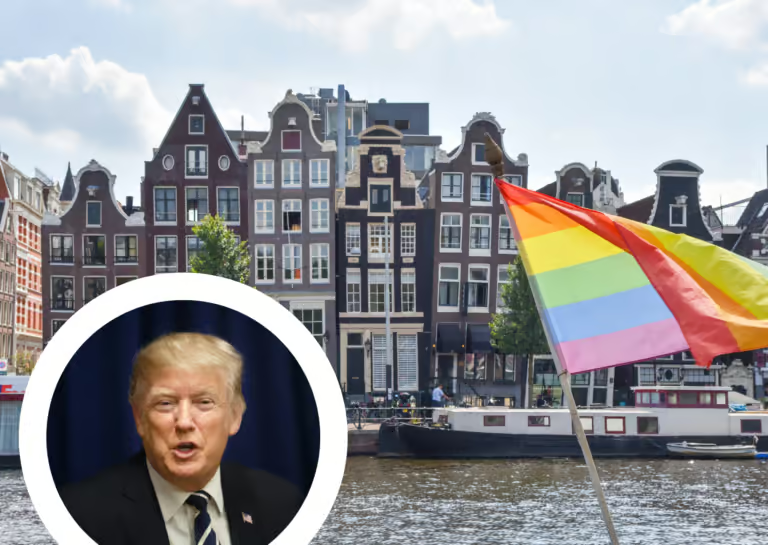
Dutch organisations are receiving more and more migration requests from members of the American LGBTQ+ community, as Trump’s policies continue to threaten their rights.
The IND (Immigration and Naturalisation Service) confirms that the number of Americans seeking asylum in the Netherlands has already surpassed last year’s total, AD shares.
Fleeing danger
The US now only recognises two genders, bans rainbow flags in government buildings, and has outlawed terms like “non-binary”, “transsexual”, and “gender identity”.
Even basic acts are becoming dangerous for the American trans community — Anne Ogborn from Trans Rescue warns that, “in many places, just using a public restroom is a crime”.
What’s more, the US government now only allows passports where the gender stated matches the birth gender. This complicates travel and migration for transgender people.
Seeking asylum in the Netherlands
The IND’s strict rules for seeking asylum in the Netherlands mean the number of American applicants remains low, but it is rising.
20 requests have been counted already this year. In 2024, there were between nine and 18 total.
Voluntary group Transgender Network reports that half of the requests come from transgender people, and that this total could reach over 100 this year.
Alternative routes
Dozens of the American LGBTQ+ community are using alternative routes to the Netherlands.
Immigration specialist Wesley de Robles, from Immigration Netherlands Services, runs an organisation that helps American entrepreneurs obtain a Dutch residence permit through the DAFT (Dutch-American Friendship Treaty).
“Since Trump, we are getting some 30 requests every month, over half of which are from the LGBTQ+ community. Before Trump’s second term that was just a few, ” he explains.
Reputation at risk
The Netherlands’ renowned progressive image is under growing strain, despite being a strong draw for those seeking asylum.
As more head for the Netherlands, advocates urge the Dutch government to revise asylum policies to reflect better the growing risks faced by queer and trans Americans.
Yesterday afternoon, police discovered the body of a decapitated woman at home, on a quiet street in Hellevoetsluis.
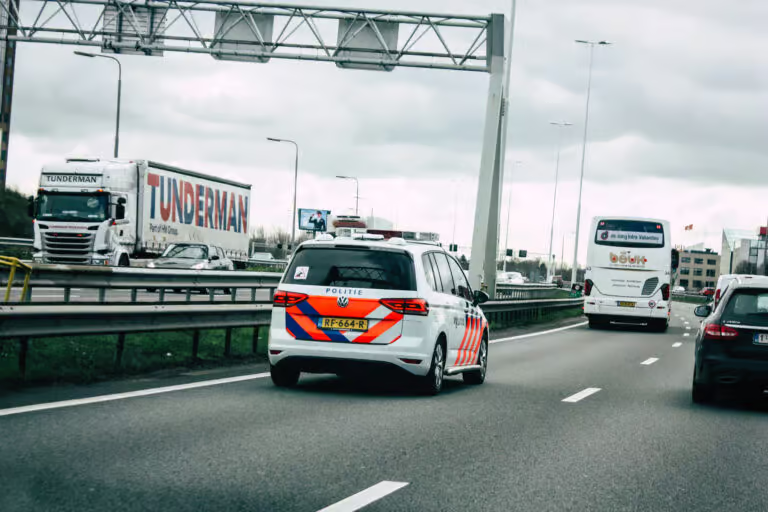
Shortly after, they arrested her son, a 31-year-old man from Diemen, on the A4 between Rotterdam and Delft. Sources tell De Telegraaf that his mother’s head was in the car.
Police will not confirm grim details
Large numbers of police arrived at the victim’s home in South Holland after her partner (who is living elsewhere) alerted them to a horrific incident.
So far, the police refuse to comment on the nature of the crime and the relationship between the victim and the suspect.
Instead, horrified locals — who were reportedly very close to their deceased neighbour, Alie — are sharing the gruesome details.
One saw Alie returning home with full shopping bags, followed by a loud noise shortly after. “As if an animal was being abused”, she tells AD.
Others reported a haunting trail of blood on the street and a larger pool in a nearby underpass. The son was also caught on CCTV walking towards his mother’s car with a bag.
Forensic tent on the highway
Police stopped the son on the A4 as he was driving away in a small car.
Black screens were placed around the vehicle, one lane was temporarily closed, and a forensic investigation was conducted on the asphalt — a rare occurrence.
Inmiddels meldde verschillende media dat in de auto langs de #A4 bij #Schipluiden het hoofd van het 63-jarige slachtoffer is aangetroffen. Zowel op de #A4 als in #Hellevoetsluis wordt druk onderzoek gedaan. De zoon van het slachtoffer, een 31-jarige man, is aangehouden. pic.twitter.com/p4fc0pWJ4g
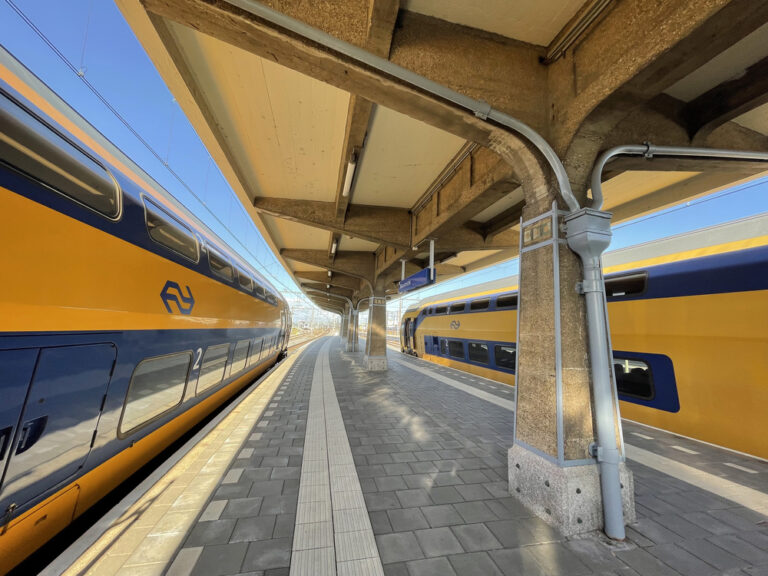
Say doei to endless delays and hoi to stress-free travel: the NS has a new plan for the Hague-Rotterdam route, and it’s shaping up to be a game-changer for all commuters. 🙌
Last Monday, a sprinter left The Hague Central Station in full celebration mode, complete with a red carpet, important ProRail figures, and a crowd of government officials.
A train nearly every few minutes? We’ll take it
Previously, we had 22 trains an hour. Now, however, we’ve got a fleet of 28, with eight intercity and six sprinter trains running in each direction.
“It is almost becoming a kind of metro system,’’ NS CEO Wouter Koolmess told AD.nl, and honestly, he has a point.
With thousands using the rail network daily and 400,000 more future commuters expected by 2030, this upgrade couldn’t have come sooner.
Right now, peak-hour trains are often packed tighter than a suitcase after a Ryanair flight. Hopefully, these new trains will give us some very welcome elbow room. 🤞
Six years, one big glow-up
This is the first of seven major rail upgrades to hit the finish line. And what a journey it’s been!
Since 2018, Rijswijk’s tracks were doubled from two to four, Delft got a new tunnel, and Schiedam dusted off forgotten rails. 🧹
Even Rotterdam Central saw platform upgrades so intercity trains could turn around more efficiently.
Wait, did someone say fish?
This glow-up definitely had its quirks.
In addition to fish being gently relocated to make way for progress (yes, really 👀), the ‘t Haantje level crossing, located on the edge of Delft and Rijswijk, also said goodbye after 174 years of service.
And speaking of innovation, Delft went all in — think escalators, tunnels, and even disaster-response drills.
Adding one more trophy to its shelf, Delft Campus is now the Netherlands’ first energy-neutral station, fully finished in March 2024. Sustainable? We approve. 💚
So, will this make you ditch the car or embrace the train life between The Hague and Rotterdam? Let us know in the comments! 😉
The Netherlands is gaining international attention this week. Is it NATO-related news? Is it Max Verstappen? Nope, it’s because of good old Dutch fish. 🐟
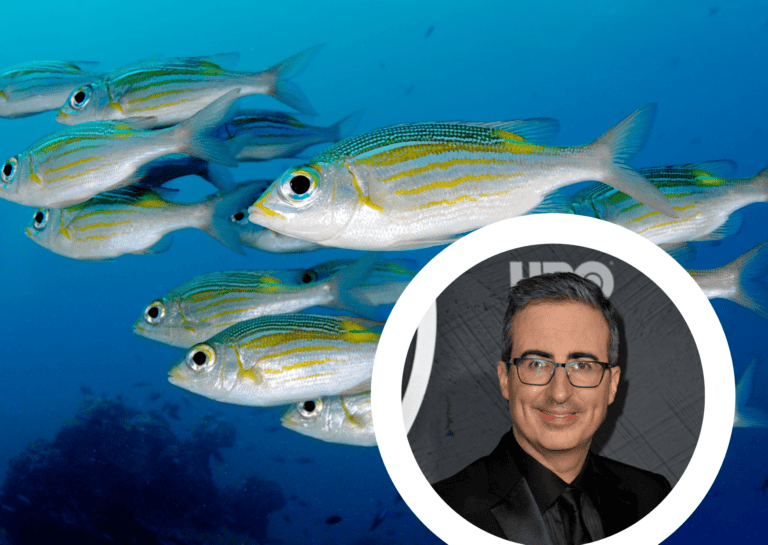
On Monday, comedian John Oliver spent a full ten minutes of his show, Last Week Tonight, talking about the Utrecht fish doorbell, and we’re still laughing about it.
We’re not alone, either — after the show aired, the website received four times its usual visitors, according to NU.nl.
Help a fish out
The segment appeared on an episode about Trump’s tariffs because the doorbell is (apparently 👀) wonderful enough to distract people from the chaos of US politics.
So, what’s this fish doorbell powerful enough to make you forget about democracy ending?
Well, it’s actually an underwater livestream in front of the Utrecht Weerdsluis lock. If you see a fish, you can press the virtual lock and let the fish in.
And that’s your good deed of the day done. 😉
‘Show me your Netherlands’
Oliver got very excited about the cause, but he also offered some constructive criticism.
He thought there was not enough excitement to be seen on the underwater camera.
Thankfully, he’s a man of action, so he invited the hit R&B singer Mario to sing a song to “help fish get in the mood” — proving that sex sells (even if it’s fish sex).
He also set up his own website, showmeyournetherlands.com, where people can press the fish doorbell or be redirected to the official Utrecht site.
“You can only dream of this kind of beautiful attention,” said ecologist and creator of the fish doorbell, Mark Van Heukelum, to the NOS.
It helps that the attention wasn’t just beautiful, but also hilarious: “I was laughing my head off. It was bizarre and above all a very positive story,” thought Mark.
Did you know about Utrecht’s fish doorbell? Let us know in the comments!
Getting a Dutch driving licence isn’t just a rite of passage — it’s an investment. And a pricey one at that! But how much does a driving licence cost in the Netherlands?
I recently got my Dutch driving licence and was quite surprised by the cost. It turns out that the Netherlands is the second-most expensive country in the world to get a driver’s licence, with the average cost sitting at €3,125, according to the CBR (Central Office for Motor Vehicle Driver Testing).
But don’t panic just yet! If you’re an expat with previous driving experience, your total cost could be much lower, especially if you pass the exams on the first go.
(Psst! Want to know all there is about getting your Dutch driver’s licence? Read our ultimate guide. )
Overview of driving licence costs in the Netherlands
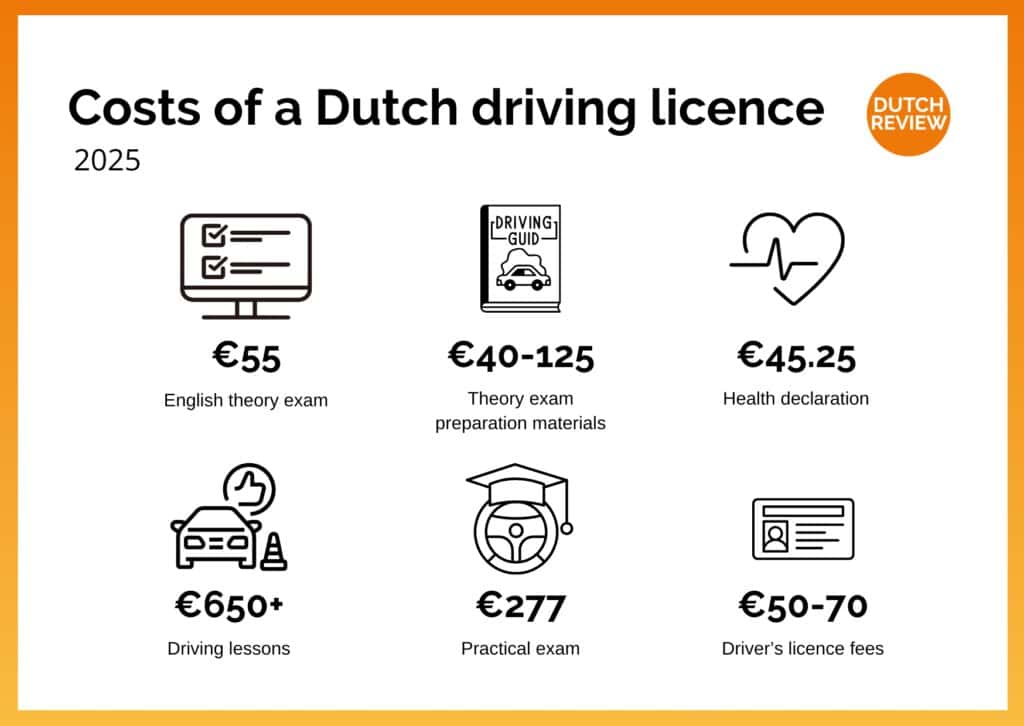
Between lessons, exams, and application fees, the total cost of a Dutch driving licence varies. Here’s a quick breakdown:
Item
Approximate cost
English theory exam
€55
Theory exam preparation materials
€40 to €125
Health declaration
€45.25
Driving lessons with an instructor
€650+ (Based on 10 hours of lessons at an average price of €65 to €70)
Practical exam
€138.50 to €195 + additional driving school fees of approximately €138.50
Driver’s licence fees
€52.10 + cost of passport photos
On average, expect to pay between €750 and €3,500, depending on your driving experience and how many lessons you need.
Image: DutchReview
Cost breakdown of getting a Dutch driving licence in 2026
The overall cost of your Dutch driving licence is made up of the following.
Driving lessons (€65 to €70 per lesson)
Driving lessons are the biggest expense, with most people needing about 40 hours of lessons before taking their practical exam.
However, if you’re an experienced driver, you might only need 10 to 20 hours of lessons, significantly reducing your costs.
Things that affect your lesson costs:
Driving school rates: Prices vary, so compare schools and choose one which appears honest and not just interested in selling you as many lessons as possible. You can check driving school success rates online.
Your skill level: If you’re a seasoned driver, you’ll need fewer lessons.
Package deals: Some schools offer discounts for bulk lesson purchases.
Theory exam and preparation materials (€55)
Before you can hit the road, you need to pass the CBR theory exam. The exam fee is €55, but preparation materials can cost anywhere from €40 to €125, depending on whether you buy books or take an online course.
Don’t underestimate this test! The CBR reports that in 2023, only 38.6% of people passed their theory test on the first attempt. That means many people had to pay for a resit.
Health declaration (€45.25+)
Submitting your health declaration is an essential part of your Dutch driver’s licence. It’s a series of questions about your health and costs just under €50 to submit.
However, if any of your answers are flagged, you might need to pay to attend specialists to get clearance for driving in the Netherlands.
Practical driving exam (€138.50 to €350)
The driving test itself isn’t cheap. Booking a practical exam through the CBR costs €138.50, but most people take their test through their driving school — which adds extra costs.
What you’ll pay:
CBR practical exam fee: €138.50
Driving school car rental for exam: Approx. €138.50 + VAT, but some schools might charge more
Cost of applying for a Dutch driving licence (€52.10 – €75)
Passed your exams? Time to apply for your Dutch licence! The standard fee for a Dutch driving licence is €52.10, but if you need to hit the road fast, an urgent application costs €75.
You’ll also need passport photos, so add an extra €10 to €20 if you don’t have them ready.
Cost of exchanging a foreign driving licence
If you’re lucky, you can simply exchange your foreign licence for a Dutch one, meaning you might not need to go through this process at all.
Who can exchange their licence?
EU/EEA citizens: Easy swap, no extra tests needed.
Expats with the 30% ruling: Can often exchange their home licence for a Dutch one.
Some non-EU licences: Depends on agreements between countries and the Netherlands.
Exchanging your licence costs about €52, and processing time varies per municipality.
Ways to save money on your Dutch driving licence
Looking a bit pricey? Here’s how to keep those costs down:
Choose a driving school with a high pass rate – The national average pass rate is 50%, but you can check individual school rates.
Book lessons in bulk: Many schools offer discounts for 10+ lesson packages.
Ace your theory test: The fewer times you take it, the less you spend.
Common mistakes to avoid when getting a Dutch driving license
If you’re looking to save some pennies, make sure not to become a victim of the following mistakes:
Failing the theory exam: Too many people underestimate this test (remember that 38.6% pass rate!). Study properly to avoid retaking it.
Choosing the wrong driving school: A bad instructor can lead to more lessons than necessary.
Skipping package deals: Single lessons add up quickly, whereas a package might include everything (lessons + exams + car rental).
A Dutch driving licence is expensive, but planning ahead can help keep costs in check.
Expect to pay anywhere from €750 to €3,500, depending on how many lessons you need.
Expats with driving experience will likely pay less, especially if they pass the exams on the first try. Do your research, choose a reputable driving school, and check for package deals to save money.
Did you get your driving licence in the Netherlands? Share your experience in the comments!
When Dutch veterinary assistant Joke van der Post moved to Egypt to run a shelter for donkeys and horses, she never expected to end up in jail for defending the animals she came to protect.
But after witnessing a young man brutally beating a donkey, she felt compelled to act.
Time to take matters into her own hands
Unable to ignore the violence, Joke physically intervened to stop the abuse. The confrontation was captured on video and quickly spread across social media.
Speaking with NOS, she recounted the moment that led to her arrest:
“I see a lot of animal abuse every day, this time it was a young man of 22 who was beating the donkey out of boredom.’’
Joke explained that when she asked him to stop, he responded with insults and escalated the beating.
A potential prison sentence
Joke was released after spending two nights in jail. However, she now faces a possible three-year prison sentence and deportation.
Despite the looming consequences, she remains firm in her convictions and moved by the support she has received from the online community: “If I had known this would have such an impact, I might have done it sooner.”
What do you think of Joke’s actions? Drop your thoughts in the comments.
If you live in the Netherlands, complaining about NS trains is a favourite pastime of Dutchies and internationals alike. So strap in, because we’re diving into this topic. 🚆
Nederlandse Spoorwegen (more commonly known as the NS) is the railway system responsible for train transport within the Netherlands.
I remember my first NS complaint: ’twas a Thursday in September when some fellow DutchReviewers and I were stranded far from home for over three hours due to a major NS outage.
Let’s generally attribute this quirk to having plans. Everyone has them when they set foot out their front door.
For plans to be disrupted in any way, shape, or form is a complaint-worthy cause.
Why is it quirky?
We truly believe the Dutch are in a complicated love/hate relationship with the NS: publicly infatuated, but secretly they’ve been sleeping in separate beds for a while.
Proof? Check on a Dutch person right after their return from abroad. They probably missed the NS since many of our neighbours (who shall not be named) can’t run a proper train. 🙄
Reason why I love the Netherlands #2: integrated rail and bike-share. To the point that the NS journey planner now reports the number of OV fiets bicycles available at your destination station.
Have you been unexpectedly stranded somewhere, thanks to the NS? Welcome aboard the NS wail: it’s a collective hoot.
However, let’s not forget to spread some NS love sometimes in the spirit of paying it forward. We really can’t always cycle everywhere in the Netherlands — no matter how hard we try. 🚴🏻♀️
What do you think of this Dutch quirk? Have you experienced it? Tell us in the comments below! 👇



![Dutch vet goes viral for attacking man abusing donkey in Egypt [VIDEO INSIDE]](https://dutchreview.com/wp-content/uploads/Copy-of-Dutch-vet-goes-viral-for-attacking-man-abusing-donkey-in-Egypt-768x545.png "Dutch vet goes viral for attacking man abusing donkey in Egypt [VIDEO INSIDE]")