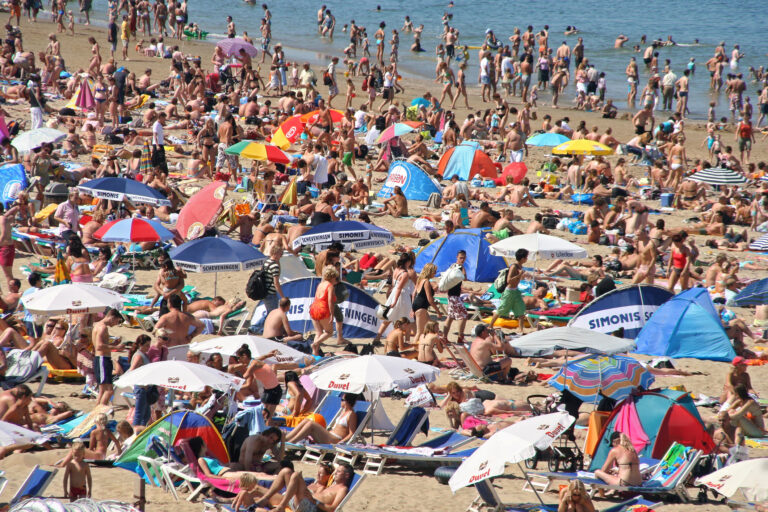
The Netherlands might record its second official heatwave of the year next week, with forecasters saying the mercury could climb to 35 degrees (or higher!) by Thursday.
If you’ve just got over the last heatwave, we’ve got some bad news: in addition to the regional heatwave currently plaguing the southeast, an official, nationwide heatwave is looming on the horizon.
Set to roll in by next Thursday, this hot spell could bring temperatures of 35 degrees or higher, reports KNMI.
Temperatures start rising this weekend
Weeronline expects inland temperatures of 30 to 32 degrees on Sunday, and Buienradar warns that we should expect a “very summery weekend”.
The heat eases a little on Monday and Tuesday, hovering around 27 degrees. But don’t celebrate just yet, because there’s another bout of tropical weather coming.
By Wednesday, Weeronline reckons there’s a good chance of temperatures above 30 degrees, and Buienradar says highs of 35 degrees or more are “conceivable” on Thursday.
You can blame this on a charming slice of Dutch pedantry. Whether a hot spell is “regional” or “official” depends entirely on where the temperature is measured.
For the KNMI to declare a national (AKA “official”) heatwave, the town of De Bilt needs temperatures of 25 degrees or warmer for five consecutive days, with at least three of those hitting 30 degrees.
The first official heatwave of 2026 hit us in June and lasted roughly twelve days. If next week delivers, forecasters say it could be the country’s fifth regional heatwave and its second national one.
There’s no national heat plan in effect (yet)
The RIVM’s Nationaal Hitteplan (National Heat Plan), its way of alerting carers and healthcare staff during hot weather, was switched off this Wednesday, August 5.
It had been running in Limburg, North Brabant, Gelderland and Overijssel since July 29, then nationwide from August 3.
If next week heats up as forecast, don’t be surprised to see the plan return. Expect the usual advice to drink plenty, keep rooms shaded, and skip strenuous activity in the afternoon — or, at the very least, avoid being out and about during the hottest time of day.
Want to make sure DutchReview pops up on your news feed more often? Just add us as a preferred news provider, and we’ll handle the rest.
Getting a Dutch mobile number is often one of the first priorities for new internationals in the Netherlands, but is it better to opt for an eSIM or a physical SIM card?
Let’s break down the differences and help you choose the best option for your needs. 👇
What’s the difference between an eSIM and a regular SIM?
While eSIMs and physical SIM cards have many similarities, the way they function is quite different.
A regular SIM card is a small, physical chip that you can insert into your mobile device.
An eSIM, on the other hand, works electronically. Short for “embedded SIM”, an eSIM is a digital SIM profile that you need to purchase, download, and then install.
Whether you’re Team eSIM or Team regular SIM card, Simyo has a generous range of budget-friendly plans available. You can even score up to 10 GB of free extra data per month via Simyo Compleet if your home uses KPN internet. Factor in the 37 consumer awards to their name, and you know you’re getting a good deal. 💪🏆
eSIMs are rapidly gaining popularity in the Netherlands, thanks to their sheer convenience. You can activate most eSIMs in a matter of minutes, sometimes before your flight has even touched down at Schiphol.
This is ideal for new arrivals or tourists, especially those who want a connection ASAP and don’t want the hassle of trekking to a physical store to buy one.
With an eSIM, there’s no mad dash at the airport. Image: Magnific
Buying a SIM card online also bypasses a whole lot of headache-inducing Dutch bureaucracy. With an eSIM, you don’t need to wait for your BSN (citizen service number), open a Dutch bank account, or supply proof of your local address.
However, eSIMs aren’t without their flaws, either.
Not all mobile phones support eSIM technology, and individual eSIMs may be blocked on devices from certain regions. So, before purchasing an eSIM, it’s always a good idea to check if it’s compatible with your device.
In addition to this, eSIMs aren’t offered by all data providers. If you adore the speed and coverage of a certain provider, there’s no guarantee that they’ll offer eSIM versions of their prepaid or SIM-only plans.
Pros and cons of getting a regular Dutch SIM card
Despite not being the modern, high-tech choice, physical SIM cards still offer a whole host of benefits.
Not only can you actually transfer physical SIMs between devices, but they also work on virtually any mobile device — yes, even your nan’s old Nokia. So if your mobile runs out of battery or breaks, you can simply move your SIM to another device and carry on.
Physical SIM cards aren’t picky about how old your mobile is, and they’re super easy to swap between devices. Image: Dreamstime
On the downside, physical SIM cards take much longer to activate than their digital counterparts. You’ll need to either hop into a brick-and-mortar store or have your SIM card shipped to you by post. (And hope PostNL doesn’t lose your package. 👀)
Speaking of things getting lost, physical SIMs are much easier to misplace, being relatively small and delicate.
If you’re someone who travels frequently and needs to switch SIM cards, this might be an all-too-familiar annoyance.
Do you prefer eSIMs or physical SIM cards? Share your experiences in the comments below!
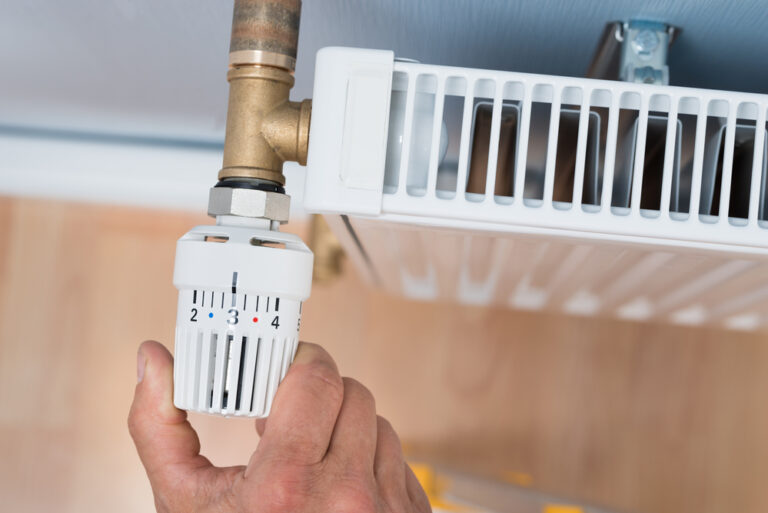
Around half of all households on a Dutch heat network could end up paying more to heat their homes under new cost-based pricing, some to the tune of €740 extra a year.
The analysis comes from Lars Wittrock and Paul Adriaansen, economists at the ACM (the Dutch consumer and market authority), writing in the economics journal ESB.
More than 700,000 Dutch homes get their heat from a shared warmtenet (heat network) rather than their own boiler, and the rules protecting what they pay are now being rewritten. Here’s what to know.
What’s actually changing?
Right now, there’s a cap on what your heat can cost, and it’s tied to gas prices under the “niet-meer-dan-anders” (no more than others) principle. In plain terms, this means that your heat bill can’t be higher than what a comparable home with a gas boiler would pay.
However, that price link is now being scrapped.
Under the newly adopted Wet Collectieve Warmte (Collective Heat Act), heat prices will gradually be based on the actual costs of each network rather than following the gas market.
On paper, this sounds reasonable enough: you pay the real cost of your own network, and investors get greater certainty about a fair return. Helaas, the issue is that some networks are far more expensive to run than others, and that cost will be passed on to consumers.
But before you start stressing about energy bills, there’s a small slice of good news. The law hasn’t taken effect yet, and rolling out the new system is expected to take several years, so you (and your wallet) can breathe easy for now.
What does this mean for your bill?
Unfortunately, nobody can tell you that right now.
What you’ll pay depends on which network heats your building, and that varies a lot from one provider to the next. The difference in pricing comes down to factors such as the heat source and the size and density of the network.
According to the journal, “about half of the customers would pay less than they do now, while the rest would actually pay more.”
Those with the strongest decrease in price will see their bills drop by 29%, while those with some of the highest increases will see their bills rise by a whopping 71%. If you’re unlucky enough to belong to the latter group, you could expect an extra €740 tacked onto your bill.
Meanwhile, the absolute hardest-hit thousand households could see increases of around 225% to their bill, or more than €1,500 extra a year.
What can you do about it?
For now, you’ll need to sit tight.
A heat network is a single shared system fed by a single source, so unlike with gas or electricity, there’s no rival supplier on the line for you to switch to. Landlords, housing corporations and owners’ associations typically won’t allow you to install an alternative, like your own boiler or a heat pump, so if your costs climb, you’re largely stuck with them.
However, the good news is that the new pricing can’t go live until the government decides how to cushion it. As the law requires affordability to be safeguarded, the ACM economists modelled what different solutions would actually do.
The main ideas are a cap on the most expensive networks, so their prices can’t run too far above the sector average, and a price guarantee that sets a ceiling on what you pay per unit of heat.
A third option copies Denmark, where heat companies aren’t allowed to make a profit, which lowers their costs and, in turn, your bill.
Of course, whether the Dutch government goes through with any of these solutions is still up in the air.
Want to make sure DutchReview pops up on your news feed more often? Just add us as a preferred news provider, and we’ll handle the rest.
Ah, the Dutch and their monarchy. Let’s just say they have a bit of a love/hate relationship — like siblings who’ve never quite gotten along but will sit next to each other at formal events.
You’re probably wondering, what do the Dutch even think of the monarchy? What’s their opinion of the king and queen? When did the Kingdom of the Netherlands even begin?
Well, you’re in geluck because we’ve compiled the unholy cacophony that is the history of the Dutch Royal Family and how Dutch people really feel about their monarchs.
Spoiler: there’s a lot of tea — so pinkies up, queens. ☕
🏰 A brief history of the monarchy in the Netherlands
Where did this interesting royal history begin? It all goes back to one man — surprise, surprise — the famous Prince of Orange (Willem I).
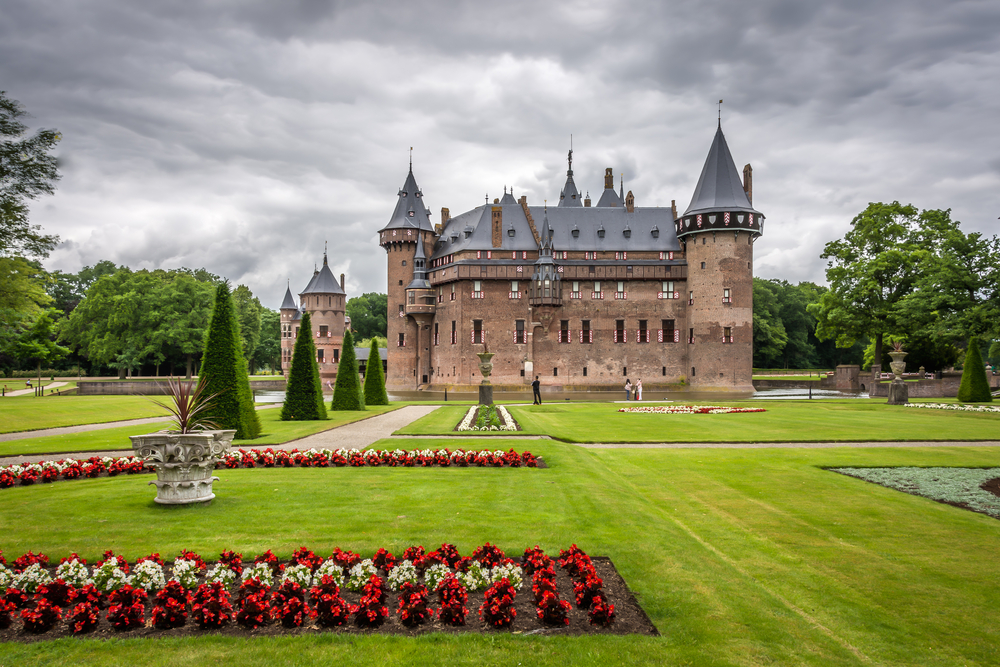
The biggest castle in the Netherlands, the Castle de Haar was formerly owned by the Van Zuylen family, who are Dutch nobles. Image: DepositPhotos.com
Prince Willem I followed a long line of victorious nobles, and his descendants would go on to be celebrated across the world for their victories in war — including that one time Prince William III became King of England.
The Royal Family in the Netherlands was established all the way back in 1814 after Prince Willem I won a historical battle against Napoleon. Since then, the Netherlands has been its own independent kingdom.
The Dutch Monarchy passes by right of succession according to those who are the descendants of Prince Willem I. This means that all the Dutch Royals are related to the historical Prince of Orange.
However, in terms of long-reigning monarchies across the world, the Dutch Royal Family is actually quite young.
Who are the current Dutch monarchs?
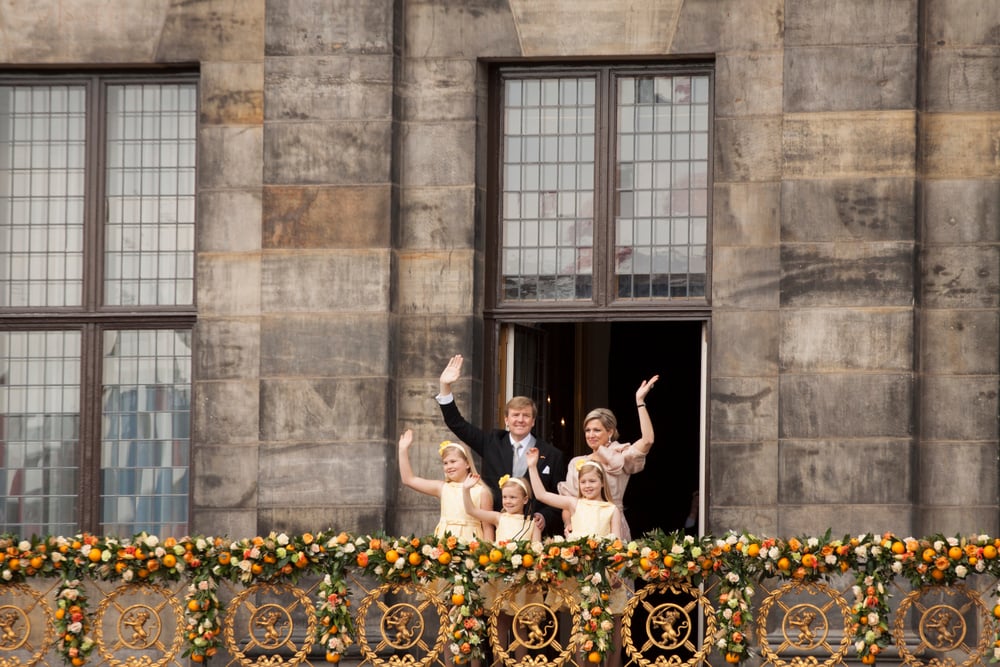
King Willem-Alexander is currently the reigning monarch in the Netherlands, having been responsible for the crown since 2013.
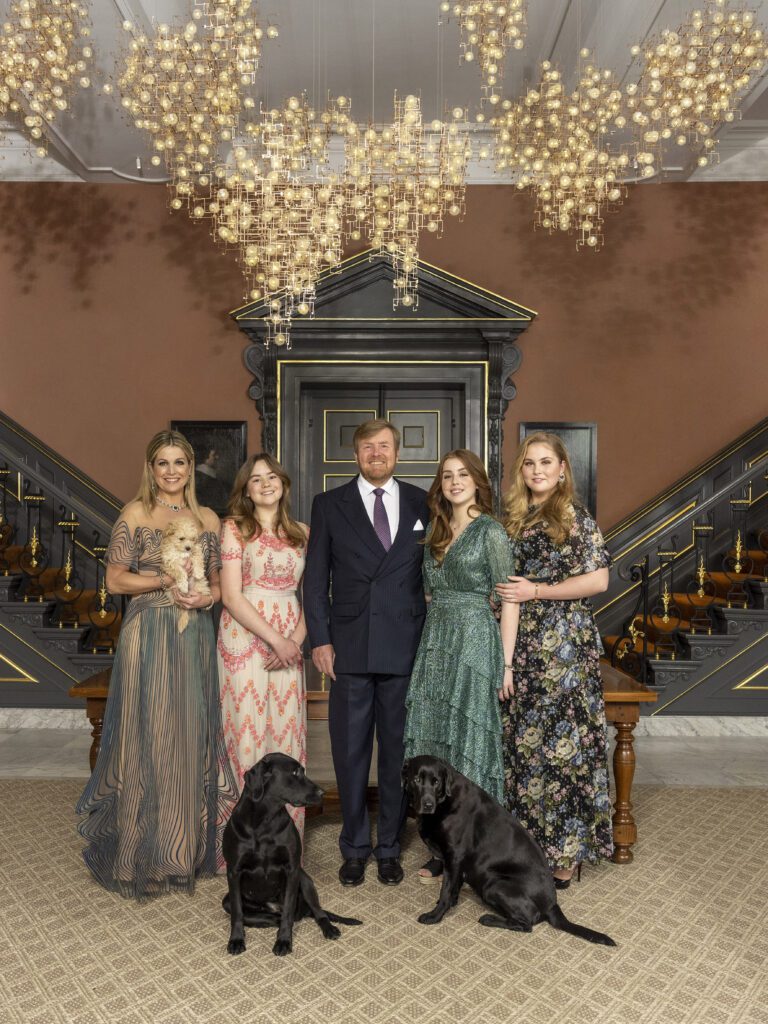
The King and Queen and their three daughters. Image: Koninklijkhuis
King Willem-Alexander is married to Queen Máxima. They married back in February 2002 and have three daughters together: Crown Princess Catharina-Amalia, Princess Alexia, and Princess Ariane.
🤴 What is the role of the monarchy in the Netherlands?
The first thing you should know about the royal family in the Netherlands is that the King can’t decide to impose a ban on stroopwafels one morning because he ate a particularly bad one the day before.
The monarchy in the Netherlands has a constitutional function. The King is the head of state and, together with the ministers, forms the government. But the ministers, not the King, are politically responsible for everything the government does.
This is the golden rule of the Dutch monarchy: the King is onschendbaar (inviolable), meaning he can’t be held personally accountable, precisely because he doesn’t actually call the shots.
The King is also the chair of the Council of State, the government’s oldest advisory body, but don’t picture him poring over legislation late into the night. This role is purely ceremonial, and the day-to-day running is handled by the vice-president.
So no, the King can’t decide to legislate on a whim. And you know what? Goed.
🙄 How do the Dutch feel about the Royal Family?
Yes, we know, it’s the burning question — do Dutch people actually like their monarchy?
Like many countries with monarchical constitutions, the answer to this question is a bit complicated. It sort of opens up a can of worms. 👇
As of 2026, 62% of Dutch people stated that they wanted the Netherlands to remain a monarchy.
Netherlands, Ipsos-I&O poll:
Do you want the Netherlands to remain a monarchy or to become a republic?
Remain a monarchy: 62% Become a republic: 20% (-2) Unsure: 18% (+2)
When you compare this figure to the 35% of young people who believed that Britain should remain a monarchy in 2020, it seems that the Dutch quite like their royal family.
But, in 2023, it was revealed that less than half of Dutch people were satisfied with the King and his rule. That being said, 64% of survey respondents said they were happy with Queen Maxima’s performance in the royal family.
But the Dutch are obsessed with orange?
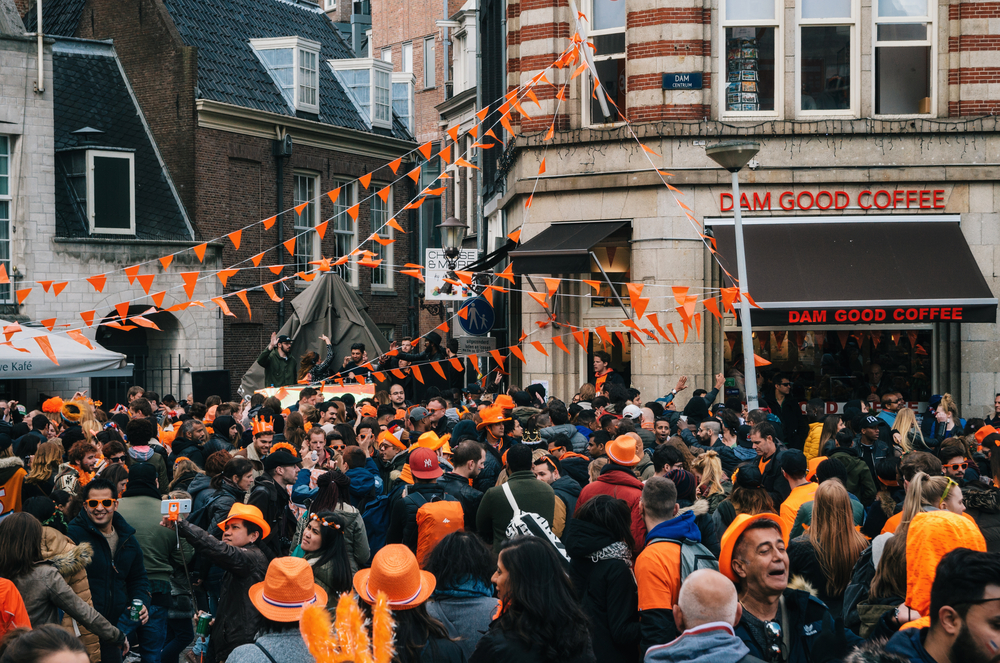
We know how it looks — the Dutch may not be 100% supportive of the monarchy, but they sure like to wear their orange hats, scarves, and T-shirts.
You’ll see lots and lots of orange-wearing Dutchies on King’s Day. Image: DepositPhotos.com
Part of this comes down to national pride. While the colour orange brings us back to the Dutch monarchy and their beloved Prince of Orange, this doesn’t necessarily mean every single person who wears orange on King’s Day is a monarchist. 🍊
And they celebrate King’s Day!
Speaking of K-day, this major aspect of Dutch culture is celebrated annually on the king’s birthday. It is a day of festivity (and lots of drinking! 😉) across the Netherlands.
Taking place on 27 April, the king visits a different city each year to take part in the festivities.
The Dutch tend to enjoy a day of celebration, parades, and even street games on King’s Day. Perhaps comparable to St. Patrick’s Day in Ireland, the day is dominated by orange-wearing Dutchies celebrating their nation and history.
😨 Major controversies in the Dutch monarchy
However, just like every monarchy, even the Dutch Royals have been involved in their share of controversies over the years. Grab the towels! We’re about to spill some hot royal tea.
Like many royal families, the Dutch monarchy is no stranger to controversy. Image: DepositPhotos.com
Nice for some, but while y’all were partying it up in Greece, we were locked away from our closest friends and family. 😒
Or what about the party they threw for Princess Amalia’s birthday in December 2021 while coronavirus cases were surging?
Prince Bernhard’s illegitimate children
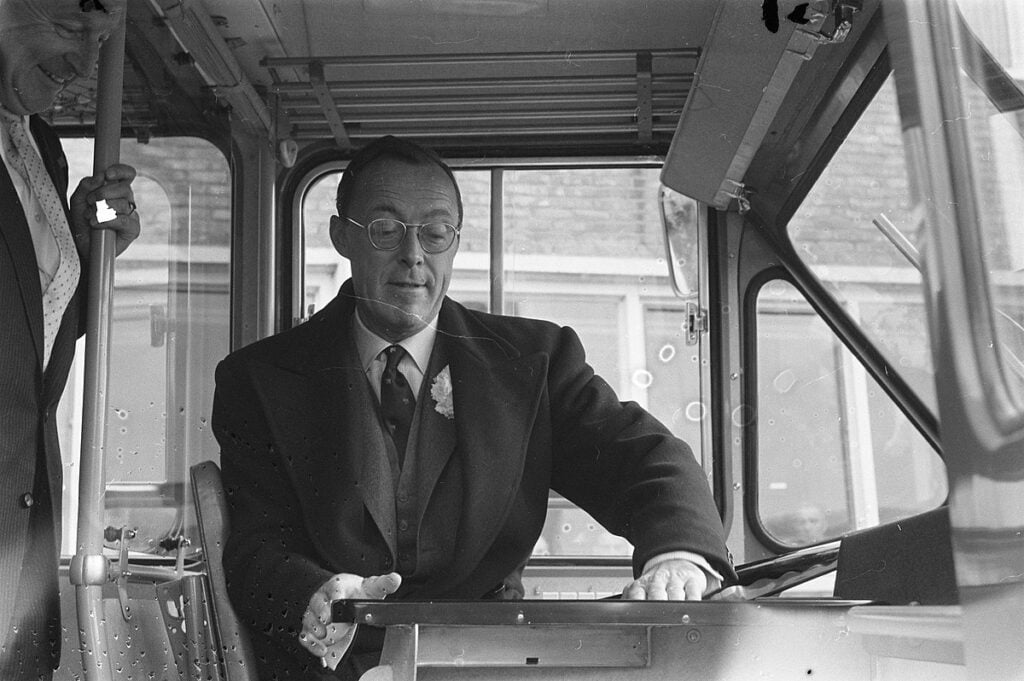
After the death of Dutch Prince Bernhard, it was revealed that he had fathered two illegitimate children during his lifetime — one of which was living in France and another in America.
The Dutch prince has become known for fathering two illegitimate children. Image: Harry Pot/WikimediaCommons/CC 1.0
This was revealed during an interview which was released posthumously. Although the Prince fathered two children outside his marriage with Queen Julianna, mother to Queen Beatrix, he wasn’t the world’s biggest time-waster.
He served in World War II, and, upon his death, he said, “If the image is that I was a scoundrel now and again, I’ll give people that.” 🤷♀️
The infamous golden coach
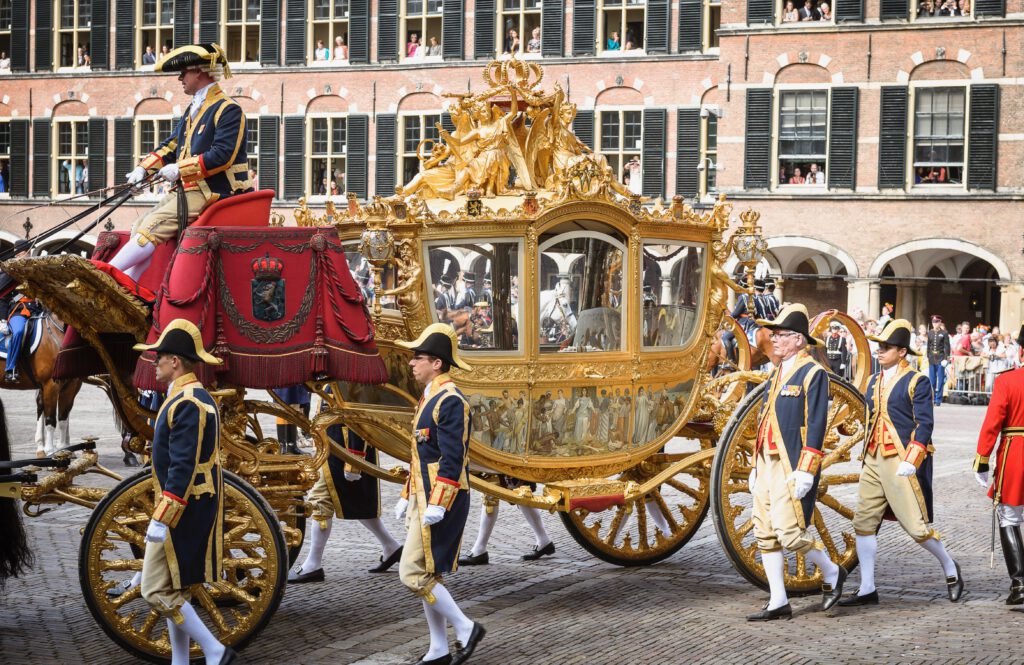
The Golden Carriage was rolled out and paraded about on Prinsjesdag every year — however, it was always met with great debate and pushback.
Why? Well, one of the panels depicts images of slaves. Not only that, but the panel is of a white woman sitting on a throne, surrounded by dark-skinned people kneeling and offering gifts.
The Golden Carriage is a very physical reminder of the troubling past of the Dutch. Image: Minister-president Rutte/Wikimedia Commons/CC2.0
And guess where the gold came from — yep, Suriname.
The Netherlands’ long and troublesome history of colonisation is very apparent in the carriage, making it a controversial item.
Yet, the Dutch Royal Family is making moves to acknowledge their sometimes nasty past, and the carriage was retired in January 2022.
👑 How has the Dutch monarchy adapted in the 21st century?
Although the Kingdom of the Netherlands was established a mere 200 years ago, we have changed a huge amount as a society since those times, and the monarchy has had to change along with us.
Dutch monarchs can now be in a same-sex marriage
The Netherlands was the first country in the world to legalise gay marriage, so the monarchy has had some time to adapt to this epic move towards equality.
In 2021, the news came that if Princess Amalia wished to marry a member of the same sex, she would not have to give up her future role as Queen, something she would have had to do in the past.
The Dutch monarchy said: gay queens welcome 💅 — and this is certainly a big achievement for any LBGTQ+ members of the royal family! 🏳🌈
Princess Amalia — a conscious royal
Speaking of Princess Amalia, she may go down in history as perhaps one of the more socially conscious royals. Upon their 18th birthday, most royals are given an allowance.
Princess Amalia, however, declined the offer of a cool €1 million (!) a year and has chosen not to take her royal allowance whilst she completes her studies.
The princess started her degree at University of Amsterdam in Politics, Psychology, Law, and Economics this September and opted to live in a shared student house, like thousands of other students, rather than in a private, rented residence.
Helaas, in spite of her willingness to live a normal student life, the princess has been forced to move back in with her parents due to outside threats. She recently even spent a year in Madrid amid these safety fears.
She is still considered normal in other ways, however. Like many other Dutch girls, at the age of 18, the princess was also sent a letter of conscription.
🤔 But what does the monarchy really represent?
The trouble with monarchies is that they are the result of a long history of war, and within that, there’s usually a fair bit of colonisation involved.
The Netherlands was no stranger to colonisation, and with it, slavery. Though slavery was outlawed back in 1863, the effects of those years are still seen today — such as in the panels of the Golden Carriage.
A dark colonial past
Like many European countries, the Netherlands sought to expand its wealth and territory in the 17th century into other areas.
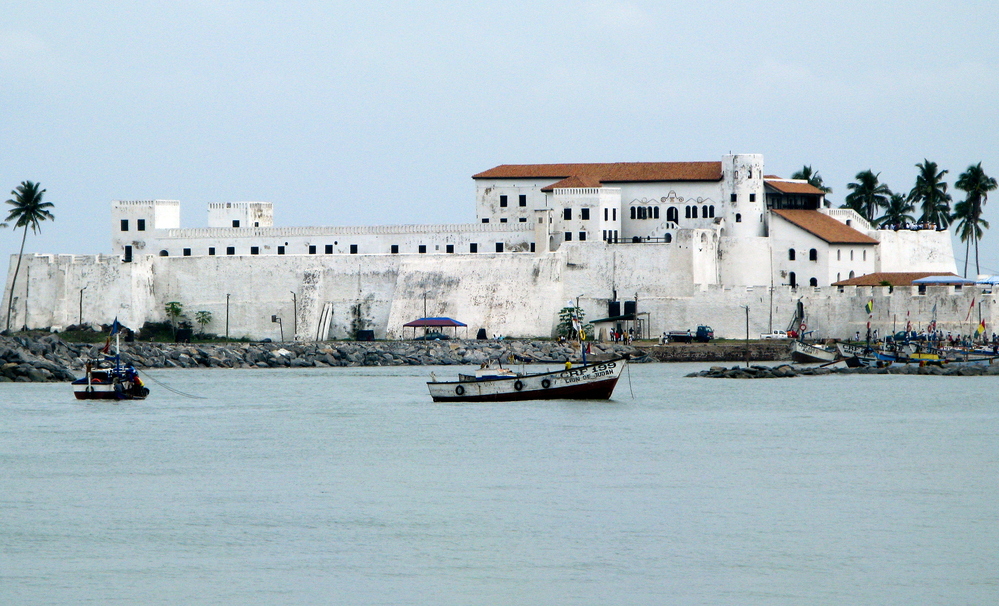
The headquarters for the Dutch Slave Trade was located in Fort Elmina in Ghana, where a massive 600,000 slaves were brought to America for forced labour.
Elmina Castle in Ghana, where a huge amount of the slave trade occurred. Image: DepositPhotos.com
The Dutch were responsible for half of all slave transports to the New World during the 17th century.
The Dutch still suffer from some colonial hangovers. Celebrations such as Zwarte Piet, a Christmas tradition for many Dutchies, have certainly been shaped by their colonial history.
What does this mean today?
Well, it means that the Dutch monarchy has to acknowledge its long history in order to move forward.
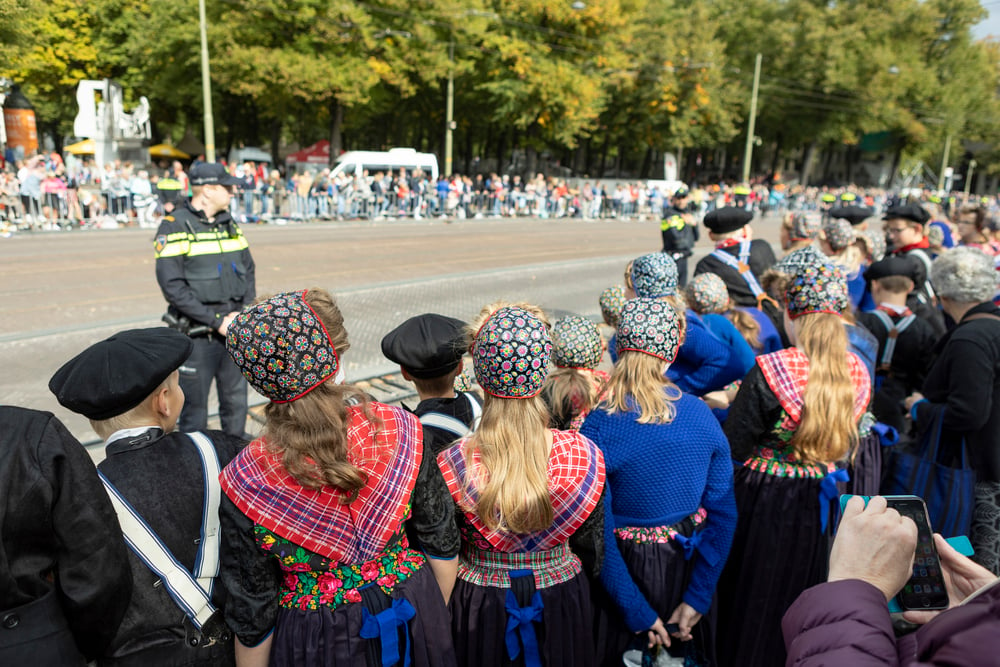
Dutch people wait for the King and Queen on Prinsjesdag. Image: DepositPhotos.com
Efforts such as retiring the Golden Carriage demonstrate a real desire to acknowledge the harm they have caused to the royal reputation.
Also, earlier in 2024, the majority of the Dutch Cabinet officially voted in favour of making the king pay taxes for the first time. For now, the king happily continues to enjoy paying zero tax on his annual income, but those days are numbered.
As we move further into this progressive century, we hope the monarchy can keep up and keep making changes to adapt and represent the Dutch people!
Though the Dutch monarchy is barely over 200 years old, the royal family still has quite an influence on Dutch culture.
This makes any progressive steps the family takes have even more impact on Dutch people and will help launch the Netherlands into this new, open-minded, century.
What do you think of the Dutch monarchy? Tell us your thoughts in the comments below!
We’ve all been there: word lists taped to the fridge, a growing dread of the schrijven section, and the creeping suspicion that “gezellig” will never quite make sense.
The inburgeringsexamen (the Dutch civic integration exam) is a rite of passage for internationals, and rarely a fun one.
Enter Inburgering Coach, an AI-powered app built by an expat who actually sat the exam and passed. They know exactly where you’re stuck, because they’ve been there too.
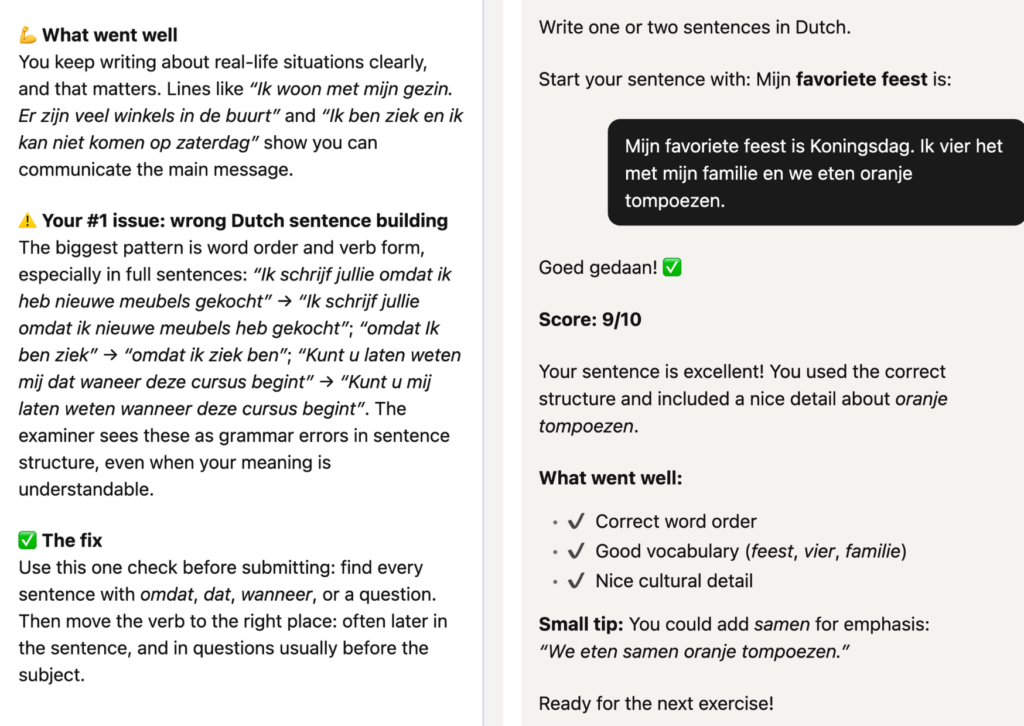
Feedback that tells you what’s actually wrong
Most study tools tell you that you got something wrong. Inburgering Coach tells you why.
It marks your writing line by line, flags the exact issue, and explains the fix in plain language, then lets you retry until you nail it.
It’s practice feedback, not an official DUO score, but it offers the specific guidance that you need. And so far, the app has graded no fewer than 5,800 writing exercises for more than 900 students.
The app tells you what exactly you did well and how you can improve. Image: Inburgering Coach
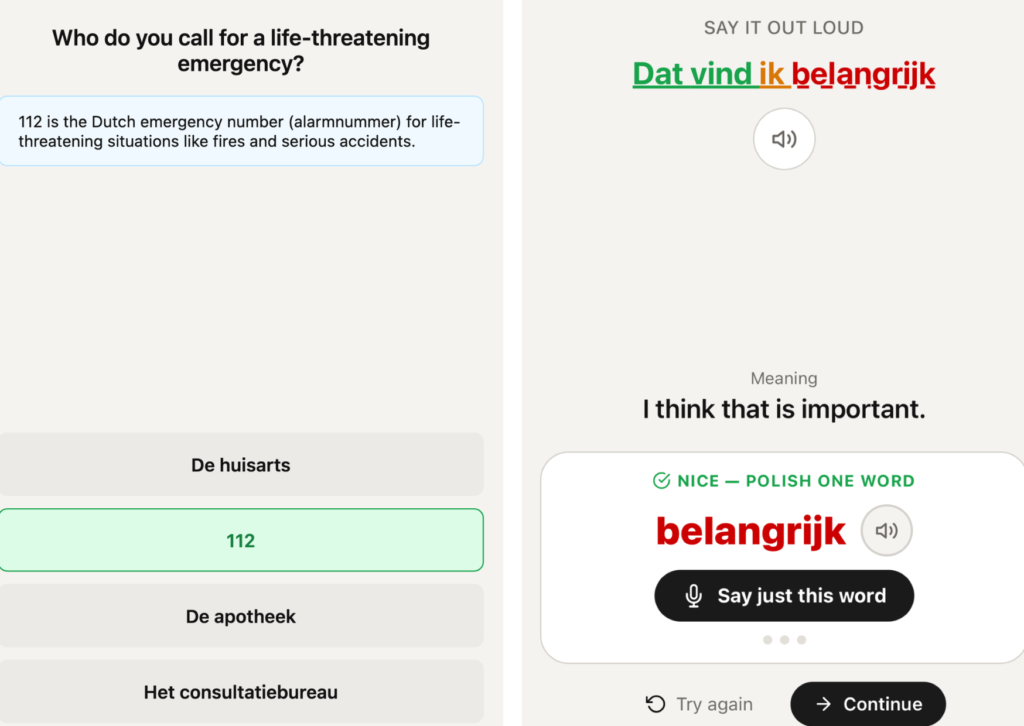
Speaking practice, word by word
The spreken section trips up plenty of people, and repeating whole sentences into the void doesn’t help much.
This app gives you per-word pronunciation feedback, so you can re-record just the words you fumbled, not the entire answer.
It’s a low-pressure, solo, and judgement-free option. No teacher wincing, no classmates listening, just you (and the words you keep tripping over).
Built from the real exam, not guesswork
Inburgering Coach is built on DUO exam analysis for both A2 and B1 levels, with over 130 curriculum levels across the two.
The KNM section (Kennis van de Nederlandse Maatschappij, or Knowledge of Dutch Society) is distilled down to what typically appears on the test, rather than every quirky fact about windmills.
Between writing, speaking, vocabulary, and KNM, it covers all the information you need in one place. Better still, the coach remembers your recurring mistakes, so if you keep muddling de and het, it won’t let you forget.
Practice the language as well as knowledge about Dutch society. Image: Inburgering Coach
And it won’t drain your wallet
Now, for the part your bank account will appreciate. You can start for free with three exercises, no card required, then it’s €14.99 a month, beginning with a 3-day free trial you can cancel any time.
There’s also a pass guarantee: sit an official exam part within six months and fail it, and you’ll get your money back (just claim within 60 days of your result).
Reviewers seem convinced, too, with the app currently sitting at a tidy 4.8 out of 5 on the App Store.
Ready to stop dreading the exam and start passing it? Tell us about your experience in the comments below!
Amsterdam hosts its first-ever WorldPride, Zandvoort says goodbye to Formula 1, and much more. Here’s where to spend the rest of your summer (and what’s left of your bank balance) in the Netherlands.
Every Dutch summer brings the same reliable cast of characters: crowded terraces, someone insisting 23 degrees counts as a heatwave, and a collective refusal to buy sunscreen until it’s too late.
This year adds two rare events to the mix, plus a museum that’s been “opening soon” for so long it’s basically a Dutch tradition in itself.
Here’s your guide to summer 2026, from once-in-a-lifetime to once-a-weekend.
1. WorldPride Amsterdam lands for the first time ever
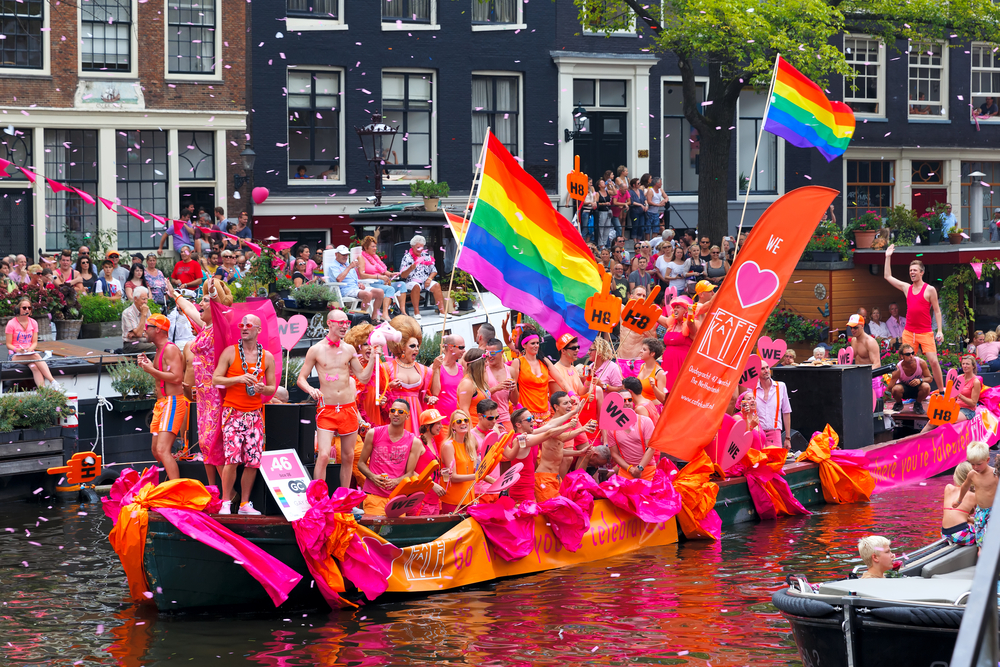
One huge summer activity? Celebrating Pride. Image: Depositphotos
From July 25 to August 8, Amsterdam hosts WorldPride for the first time in its history.
It’s a big deal: the city has run its own Pride since 1996 and hosted EuroPride back in 2016, but never the full global edition.
The timing isn’t an accident, 2026 marks 25 years since the Netherlands became the first country in the world to legalise same-sex marriage, and the city is throwing what amounts to a fortnight-long party to mark it.
Expect the usual Canal Parade on August 1, plus a Pride Walk, street parties, a Human Rights Conference, and a closing concert on Museumplein.
If WorldPride’s scale feels like a lot, Amsterdam still holds its smaller, neighbourhood-level Pride Nieuw-West on July 10, running on its own separate date regardless of the bigger event later in the summer.
If you want the backstory on how Amsterdam Pride got here, it’s worth a read before you go.
2. The last-ever Dutch Grand Prix roars into Zandvoort
Formula 1 returns to the Netherlands from August 21 to 23, and this time it’s for the last time.
After five years back on the calendar, the Dutch Grand Prix at Zandvoort is bowing out, going out with a first: the very first F1 Sprint race held on Dutch soil.
It’s also the last chance to watch four-time world champion Max Verstappen race in front of his home crowd on Dutch sand, since the track won’t be hosting F1 again after this year.
A fair warning before you get too excited: weekend tickets are already sold out. Friday tickets were still available at the time of writing, so your best shot is Super Friday practice and sprint qualifying, or the official resale platform if someone else’s plans fall through.
3. A giant new art museum might finally open in the Zaanstreek
ZAMU has been “opening soon” since autumn 2025. Then it became spring 2026. As of writing, it’s still not entirely clear when the doors will actually open, which feels almost too Dutch to be a coincidence.
Once it does, it’ll be worth the wait: 35,000 square metres of exhibition space, three times the size of the Rijksmuseum, spread across former factory buildings on the Hembrugterrein, each one dedicated to a single world-famous artist, with gardens designed by Piet Oudolf wrapped around the lot.
Even if ZAMU is still finding its feet, the wider Zaanstreek makes a solid day trip on its own, from the windmills of Zaanse Schans to a proper weekend in the region.
4. Catch a Broadway classic at DeLaMar
Check out some theatre. Image: DeLaMar/Supplied
From July 30 to August 8, Amsterdam’s DeLaMar Theatre stages tick, tick… BOOM!, the rock musical Jonathan Larson wrote before going on to create Rent.
Milan van Waardenburg leads the cast in this intimate, English-language show about turning 30, chasing your dreams, and wondering if any of it is worth it.
Tickets run from €30 to €54.50 depending on where you sit. You can find the full details and tickets here.
5. Find last-minute tickets to a festival
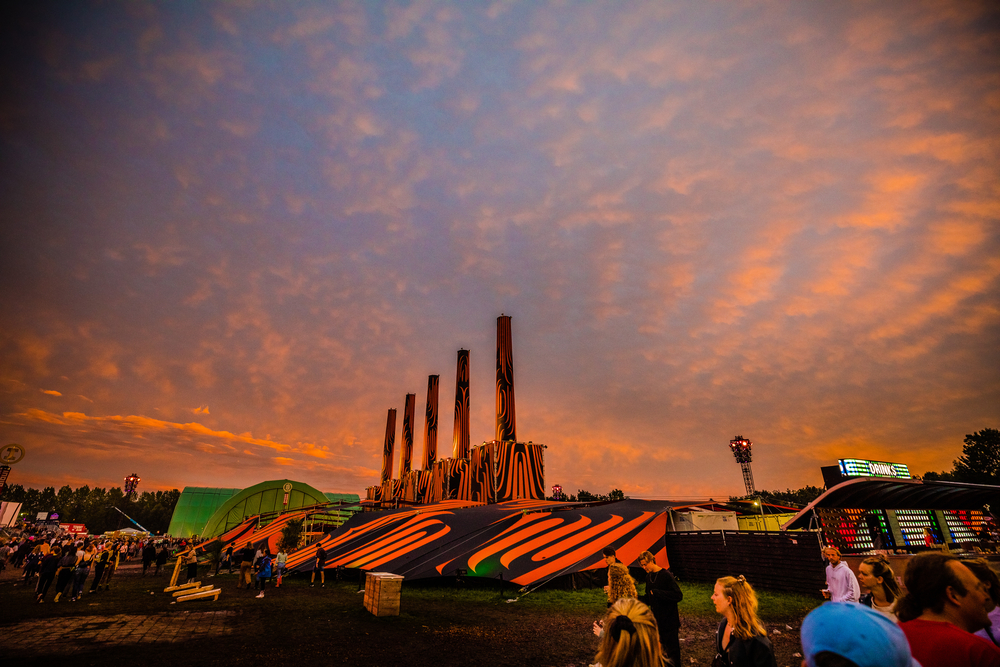
There are also plenty of festivals during the summer in the Netherlands. Image: Depositphotos
Here’s the uncomfortable truth about Dutch festival season: some of the biggest names disappear within minutes of going on sale.
Draaimolen (September 4 and 5) is already sold out, and North Sea Jazz’s weekend passes have gone the same way, though single-day tickets were still trickling out at the time of writing. Lowlands (August 21 to 23) has a similar reputation, so don’t wait around if that one’s on your list.
There is, somehow, a small silver lining in all this: Milkshake Festival (July 25 and 26 in Westerpark) still had tickets available as we wrote this.
Given that everything else this summer seems to cost more than your monthly groceries, that counts as good news. For the sold-out ones, official resale through Ticketmaster or TicketSwap is your only safe bet; anywhere else is a gamble with your money and your evening.
6. Grow your savings while everything else drains them
Speaking of your bank balance: Revolut is currently running a limited-time promotion on its Instant Access Savings account, offering new customers 3.10% annual interest, well above what most Dutch banks currently pay out.
The boosted rate applies to balances up to €25,000 and is available to anyone who opens an account between June 12 and August 9 2026, with the higher rate then running until October 9.
It won’t cover a WorldPride hotel bill or a Zandvoort grandstand seat, but it’s a painless way to claw a little of your money back while the rest of the country spends theirs on festival wristbands.
7. Get out on the water
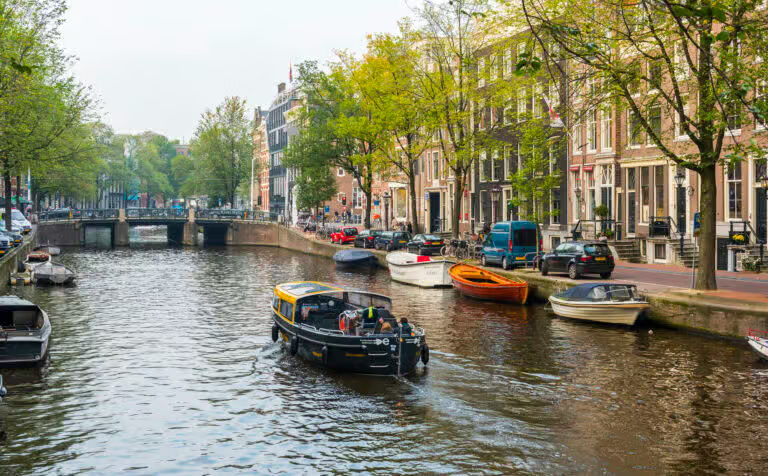
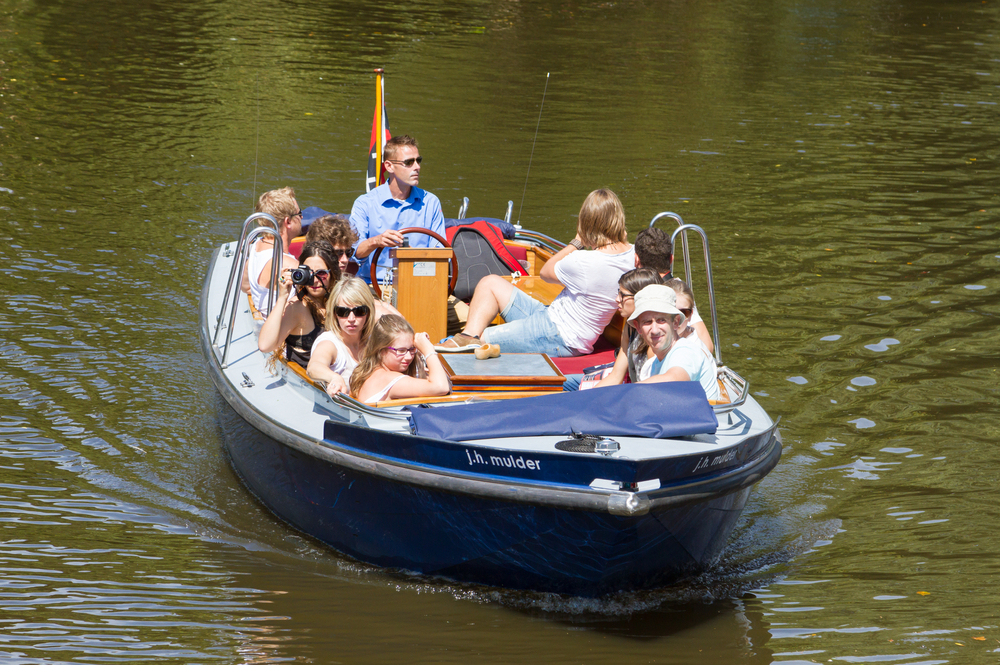
Of course, you have to rent a boat at some point. Image: DepositPhotos.com
The Dutch spend every scrap of sunshine on, in, or next to water, and renting a boat is one of the easiest ways to join them.
Anyone over 18 can rent a small boat with no licence required, as long as it falls within the right category, and rental companies are dotted along basically every canal and lake in the country.
Pack sunscreen, bring snacks, and try not to look too smug when you sail past everyone else stuck on dry land.
8. Hit the beach
From Zandvoort, the closest sandy stretch to Amsterdam, to the wilder dunes of Noord-Holland and the wide-open coastline of Zeeland, the Netherlands has more decent beaches than its grey reputation suggests. Here’s a few to get you started:
Zandvoort aan Zee: the closest beach to Amsterdam, tucked inside Zuid-Kennemerland National Park.
Scheveningen: the country’s biggest and busiest, with a boulevard, a pier, and no shortage of beach bars.
Hoek van Holland: Rotterdam’s go-to, popular with water sports fans and noticeably quieter than Scheveningen.
Noordwijk: close to the Keukenhof tulip fields, dog-friendly, and lined with beach clubs open year-round.
Domburg: one of Zeeland’s oldest beach resorts, with a warmer, more southern feel.
Texel: a short ferry ride from Noord-Holland, with wide dunes and enough space to actually breathe.
Our full beach guide covers plenty more, including a few quiet ones only locals seem to know about.
9. Master a proper Dutch BBQ
Barbecuing in Dutch parks comes with rules, and Amsterdam in particular has tightened them in recent years. Grills need to stay at least two metres from trees and bushes, hot coals go in the provided metal bins rather than on the grass, and open fires are a hard no.
Westerpark and Noorderpark remain the two reliable spots in Amsterdam where you can turn up and grill without a permit headache.
Read the full etiquette guide before you go, especially if you’re hoping to impress any Dutch guests with something more exciting than a plain sausage.
The Netherlands has plenty of beautiful lakes. Image: Dreamstime
Beaches get all the attention, but the Netherlands’ lakes are just as good for a summer afternoon, and usually a lot less crowded.
From Nieuwe Meer’s quieter coves to Sloterplas’s water sports scene, our guide to the best lakes has an option within cycling distance of almost anywhere in the country. But let’s break it down:
Nieuwe Meer – Amsterdam’s go-to, next to the Amsterdamse Bos, two official swimming spots.
Sloterplas – recently renovated, 5.8km path, proper water sports launchpad.
Kralingse Plas – Rotterdam’s favourite, playground, water slide, two historic windmills.
Westeinderplassen – Aalsmeer, a cluster of interconnected lakes with 50+ marinas.
IJsselmeer – the country’s biggest lake, Enkhuizen as the closest beach to Amsterdam.
Henschotermeer – near Utrecht, white sand, clear water, ticketed entry from €3.70.
11. Trade the city for a national park
If terraces and festival queues aren’t your idea of summer, the Netherlands’ national parks offer a proper, if famously flat, escape. A few worth the trip:
Hoge Veluwe: heathland and forest paired with the Kröller-Müller Museum, right inside the park itself.
Zuid-Kennemerland: dunes, beaches, and actual roaming bison, just outside Amsterdam.
Lauwersmeer: an official Dark Sky Park, ideal for stargazing once the sun finally goes down.
De Biesbosch: a wetland maze of channels and reed beds, best explored by canoe.
Oosterschelde: the largest national park in the country, mostly water, home to the storm surge barrier and a museum on the 1953 flood.
Schiermonnikoog: a largely car-free Wadden Island with dunes, mudflats, and over 300 bird species.
12. Theme parks: for when you need a legitimate excuse to scream
You can never go wrong with a theme park. Image: Depositphotos
De Efteling has been running since 1952, which technically makes it older than Disneyland. It’s a fact the Dutch will bring up unprompted, so you may as well know it before someone corners you with it at a party. A few parks worth the entry fee:
De Efteling: the fairytale-themed original, home to the Baron 1898 dive coaster, which drops you 37.5 metres in freefall before you’ve had time to regret your choices.
Walibi Holland: the country’s largest concentration of rollercoasters, plus seasonal events like Halloween Fright Night.
Duinrell: smaller and gentler, but its Tiki pool water park draws queues so long they’ve become a local rite of passage.
Slagharen: a cowboy-themed park with its own water park, AquaMexicana, and the largest jacuzzi in the Netherlands.
Madurodam: no rollercoasters, but a miniature version of the entire Netherlands in The Hague, tiny canals and windmills included.
Archeon: a historical park covering the Roman, Medieval, and Prehistoric periods, complete with costumed staff and the odd Viking festival.
Whichever park you choose, do as the Dutch do and pack your own boterhammen (sandwiches) rather than paying theme park prices for lunch.
Our full theme park guide has all fourteen, ranked by thrill level and how much your stomach will regret it.
13. Book a table at Salut in De Pijp
If you’re looking for a relaxed and delicious time in Amsterdam. Image: Salut/Supplied
If your summer plans involve less screaming on rollercoasters and more lingering over a glass of wine, Salut is worth a trip into Amsterdam’s De Pijp.
Billing itself as an all-day French hideaway, it runs from morning coffee through to apéro (pre-dinner drinks) and dinner, with a bold, playful interior by AD100 designer Jean-Philippe Demeyer.
The name means both “hi” and “cheers” in French, which tells you roughly what to expect: relaxed, a little flirtatious, and very easy to lose an evening in.
There’s a three-course dinner for €47.50 if you’d like the full experience, or you can just drop in for a sandwich and a wine and call it research. Either way, book a table before the terrace regulars claim every seat.
14. Wander Rotterdam Zoo after dark
Or if you love animals, spend an evening at Rotterdam zoo. Image: DepositPhotos.com
Every Saturday in August, Diergaarde Blijdorp (Rotterdam Zoo) keeps its gates open until 9pm for its ZOOmeravonden (Summer Evenings), offering a chance to stroll past the animals as the light fades and the crowds thin out.
Each evening has its own theme, from the Oceanium and its shark hall to elephants, big cats, birds, and grazers, complete with zookeeper talks and feeding sessions if you time it right.
There are also behind-the-scenes tours between 6:30 PM and 8:30 PM, taking you into spots like the elephant barn and zebra stable that are normally off-limits.
Summer Evening tickets get you in from 4 PM for €17.50, drawing classes cost an extra €2.50, and season pass holders go free. Check the full summer programme before you pick your Saturday.
Which of these is actually making it onto your summer calendar, and which will you be putting off until “definitely next year”? Let us know in the comments.
If you haven’t grown up in the Netherlands but find yourself raising a young family here, sending your children to a Dutch school can present some interesting challenges.
Not only will your tots be babbling away to school friends long before you can even remember seven Dutch words, but they’ll also adopt a (school) culture that differs in many ways from the one you grew up in.
So, here’s a guide, from one parent to another, to help you navigate the Dutch education system and shed some light on the baffling jargon and cryptic abbreviations you’ll no doubt be faced with.
Early or late pupil?
Although the compulsory age for school attendance in the Netherlands is five, almost everyone starts their child at basisschool (elementary school) as soon as possible after their fourth birthday.
In the first two years, kleuters (four and five-year-olds) are guided through a gradual transition from learning-by-playing to learning to read and write.
In practice, this means that some children (those born in the summer or autumn) have a full two years at school before they go into group three (the “late” pupils).
Those born in the winter or spring months, on the other hand, are promoted to group three well before they turn six (and are consequently called the “early” pupils).
Naturally, early or late has nothing to do with your child’s level of intelligence, nor what time they get to school in the morning, though parents have been known to subconsciously puff up with pride when they announce their child is an “early pupil.”
Actual learning begins in the third year. Depending on the school, subjects like natural science, geography, history, and even English are taught, often in the form of across-the-board projects that relate to the children’s everyday lives.
The main focus, however, is on reading, writing, and maths (math is wiskunde in Dutch, but at first, it’s just called rekenen).
Dutch school system: it’s elementary, my dear Watson
Elementary schools in the Netherlands take an overall pressure-free approach to learning. Homework is rare, so children have plenty of time for play and sports activities after school.
In the seventh and eighth groups, children are given a plot in the schooltuin (school garden) where they learn how to grow their own veggies, they are taught fietsvaardigheidslessen (how to cycle safely in traffic), and they get to perform a musical at the end of their eighth year.
Most Dutch schools don’t provide school lunches. Instead, younger children bring their own fruithapje (fruit snack) and broodtrommel (sandwich box).
Pindakaas (peanut butter) is always popular on bread! Image: DepositPhotos.com
The school year is divided into handleable chunks of about six weeks, separated by a week off, and then six weeks of summer holiday. Your child will have a spring break, a May break, a summer break, an autumn break and a Christmas break (two weeks).
In order to avoid overcrowding of holiday destinations and traffic jams, school holidays in the North, South and middle of the country are staggered.
Nit mothers and reading fathers
If the school isn’t within walking distance from home, children in the Netherlands cycle to school. Younger children are transported in a bakfiets(a bike with a box in front) until they are about six or seven and old enough to cycle themselves.
Many elementary schools enlist parents’ help: don’t be surprised if you encounter a luizenmoeder (nit mother) combing through your child’s hair in the morning looking for nits, or a leesvader (reading father) giving some extra attention to your slow reader.
Cito-stress: going from elementary to secondary schooling in the Netherlands
After eight years of relatively carefree elementary schooling, things shift gear in the final year, when children in group 8 sit a compulsory test known as the doorstroomtoets (progression test).
Here’s the part that trips up a lot of parents: the test doesn’t decide your child’s future on its own. First, the teacher gives a voorlopig schooladvies (preliminary school recommendation) in January, based on years of knowing your child. Then the pupils sit the test in February.
If your child scores higher than the teacher’s recommendation, the school has to reconsider and, in principle, revise the advice upwards. If they score lower, nothing changes. In other words, the test can only work in your child’s favour.
This is a fairly recent change. Until the 2023–2024 school year, the exam came at the end of group 8 and was widely known as the cito-toets.
It’s since been renamed, moved earlier in the year, and demoted to a supporting role. The teacher’s recommendation is now what counts. There isn’t even a single test anymore: schools pick from several approved providers, and Cito is just one of them.
Understandably, this whole process still comes wrapped in a fair bit of anxiety, and complaints about recommendations being pitched too low aren’t unusual.
But the schooladvies leading the way (rather than one nervy morning in an exam hall) is meant to give every child a fairer shot. You can read more about how it works on the Rijksoverheid website.
Clever clogs whose recommendation lands them at VWO (pre-university education) or HAVO (higher general secondary education) will almost inevitably go on to higher education.
The more practical-minded head to VMBO for vocational training. (VMBO replaced what used to be the MAVO and VBO levels — and yes, all these abbreviations are genuinely confusing.)
Dutch school system: choosing a secondary school in the Netherlands
Once parents and teachers have agreed on which level is best, the search for the right school begins.
The options range from a broad spectrum of schools for all levels to schools that offer only practical or vocational education and schools for only HAVO and VWO-level education.
For children who scored above average in the cito-test, there is another option, the gymnasium. Here pupils are given Latin and Ancient Greek as well as the full VWO-curriculum.
Of course, not all these options may be available in your area.
In the big cities, the scarcity of places at the most popular schools means that your child might get uitgeloot (voted/balloted out) from the school they want to go to and have to settle for her second or even third choice. This is a real problem, especially in Amsterdam.
Under the surface
Generally, Dutch schools are well-funded and monitored through a quality-assurance system. If a school is struggling, the Inspectie van het Onderwijs (Education Inspectorate) steps in to help.
Even so, problems with attendance, motivation, and discipline have given some VMBO schools a rougher reputation.
They’re often seen as less inspiring than a HAVO/VWO school, and there’s a lingering stigma attached to VMBO that some pupils feel follows them well beyond the classroom.
There’s a lot more than what meets the eye at VMBO-schools. Image: Unsplash
At the other end, the more academic schools tend to draw families who pile on the pressure to score well and aim for university, which brings its own, quieter kind of stress.
There’s also a bigger issue simmering beneath all this: onderwijssegregatie (educational segregation).
Dutch children with different backgrounds often end up at different schools, and according to a national monitor tracked by the Ministry of Education, that divide has stayed stubbornly high for years.
It’s usually framed nowadays around parents’ income and education level as much as migration background. The worry is that when children from different walks of life rarely share a classroom, it chips away at both social cohesion and equal opportunity.
Cities are trying various fixes — from broader mixed first-year classes to central enrolment systems — though there’s no easy solution in sight.
Bridging the gap
Once your child has survived all this cito-stress and is enrolled in a school that’s within reasonable cycling range, they become a brugpieper. This is what the Dutch call a pupil in the first (and sometimes second) year of secondary school, also called brugklas.
If they are going to a gymnasium or doingVWO, they’ll be at school for six years and take their eindexamen (final exam) when they’re about 18. Afterwards, they can then go on to a WO or research university.
More of a visual learner? Here’s a video that explains the system quite well!
The HAVO-curriculum takes five years and paves the way for higher professional education at a HBO, or university of applied sciences.
For VMBO-pupils there are four different directions, varying from the very practical (learning a trade) to more theoretical training. After four years the pupil can continue their education at an MBO-school (secondary vocational education).
All the above, of course, assuming your child doesn’t blijft zitten (flunk the year)!
Dutch school system: equal chances
As if this wasn’t confusing enough, children can rise or drop from one level to another in the course of their school career, according to their results.
So a VMBO-pupil with straight ‘A’s can continue at HAVO-level, and a struggling gymnasiast can drop Latin and Greek and continue at VWO-level.
This wonderfully egalitarian system allows late-bloomers to grow and under-achievers to readjust their ambitions. The only drawback is that changing levels often means changing schools entirely.
They’ve been lucky enough to enjoy what is arguably one of the fairest education systems in the world. One that offers equal chances for all to rise above one’s social and cultural background.
What do you think of the Dutch school system? Need a class on going to class? Let us know in the comments below!
Editor’s Note: This article was originally published in March 2017, and was fully updated in September 2022 for your reading pleasure.
A 23-year-old Dutchman had his licence seized after German police caught him weaving through midday traffic at over 235 km/h in a Porsche 911.
According to a press release from the Koblenz traffic police, officers were driving an unmarked patrol car when the Porsche came flying up behind them.
Tailgating, speeding, and overtaking on the right
If you were trying to compile entries for Bad Driving Bingo, this story ticks almost every box.
Police say the driver tailgated their unmarked car, then repeatedly overtook on the right, which is illegal in Germany. But that’s not all — he “consistently exploited every available gap in traffic”, the release states, “cutting in directly in front of other vehicles and continuing at very high speed.”
It was during this chase that the Porsche hit speeds above 235 km/h, despite heavy traffic. Officers say it was “sheer luck” that the entire chase didn’t end in a crash.
Was he high on his own supply?
After the police finally pulled the speedster over, they found signs of recent drug use. A preliminary drug test also came back positive for THC.
The driver told police he runs a coffeeshop in Eindhoven with his father, and that he regularly uses cannabis for “professional reasons.” (Yes, you read that right: “ausberuflichen Gründen“, or “for professional reasons.”)
A blood sample was ordered and taken. Whether that explanation will help his case is, let’s say, doubtful.
That’ll be €10k, sir
Because the driver wasn’t a German resident and wouldn’t share details about his income, police set a Sicherheitsleistung (a security deposit) to guarantee criminal proceedings.
Due to “the overall circumstances and the financial situation demonstrated by the suspect”, this was settled at €10,000, and paid on the spot. His Dutch driving licence was then seized, and his father came to pick him up.
However, the saga doesn’t quite end there for our speedster: investigations into his “illegal motor vehicle race” and “endangerment of road traffic” are currently ongoing.
Want to make sure DutchReview pops up on your news feed more often? Just add us as a preferred news provider, and we’ll handle the rest.
For the first time ever, Amsterdam is hosting WorldPride, and it’s turning the city into a nine-day rainbow from July 25 to August 8, 2026.
Huh, what’s the difference between WorldPride and the usual summer Pride events, you might be wondering? Well, WorldPride is a global event that shifts to a different city every couple of years to spotlight LGBTQIA+ rights and visibility around the world.
In 2026, that city is Amsterdam.
Why is WorldPride in Amsterdam this year?
In 2001, the Netherlands became the first country on the planet to open civil marriage to same-sex couples. This year marks 25 years since that monumental decision, making this event doubly special.
In addition, the city is home to more than 180 nationalities, which makes it one of the most diverse places on earth, and its LGBTQIA+ community has long given it a reputation for freedom, tolerance, and openness.
When is WorldPride Amsterdam 2026?
WorldPride Amsterdam 2026 runs for two weeks: Saturday, July 25 to Saturday, August 8, 2026. That’s two full weeks of marches, parties, and conferences, with the famous Canal Parade.
If you can only make it for a few days, make sure you mark the first weekend and the closing weekend on your agenda.
The best of WorldPride (AKA the main events you shouldn’t miss!)
There’s a lot on (and a lot that’s already happened), so here’s a rundown of the biggest events across the nine days. Most of them are free, but a handful need a ticket, so it’s worth checking before you turn up.
Street parties: July 31 to August 2
From July 31 until August 2, the city centre fills with street parties across more than a dozen venues.
They run into the small hours across the weekend and spill over into the Grand Finale party on the MainStage at Dam Square on August 2.
Heading out to celebrate? Get your party clothes on; these are all the bars and clubs throwing parties this weekend.
August 1:
Dam (main stage) 3 PM to 12 AM
Spuistraat (Bar Prik) 3 PM to 12 AM
Beursplein (Fetish party) 3 PM to 12 AM
Zeedijk 3 PM to 12 AM
Stoperaplein (women’s party) 3 PM to 12 AM
Reguliersdwarsstraat (Vijzelstraat – Koningsplein) 3 PM to 12 AM
Marnixstraat (Waterkant) 3 PM to 12 AM
Elandsstraat (Café Saarein) 3 PM to 12 AM
Bridge 34 (Nate) 3 PM to 12 AM
Westermarkt (Homomonument) 3 PM to 12 AM
August 2:
Dam (main stage) 2 PM to 11 PM
Canal Parade: August 1
What’s Dutch Pride WITHOUT a canal parade?!
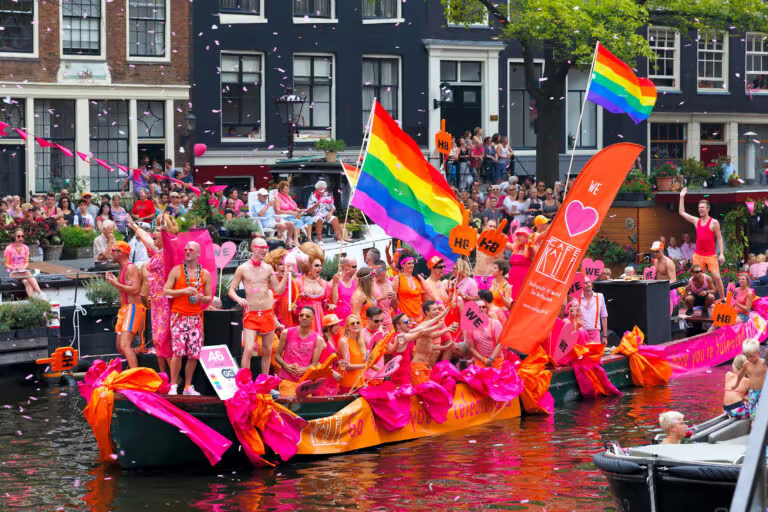
If you’ve never been to a Canal Parade before, it’s a very Dutch-themed twist on regular Pride parades. Think: decorated boats floating through Amsterdam’s canals rather than floats rolling down a street.
The parade runs from 12 PM to 6 PM on August 1, winding along the Nieuwe Herengracht, the Amstel, and the Prinsengracht. Get there early if you want a spot by the water, because the good viewpoints go fast.
Museumplein hosts the UNITY Concert on August 4, from 5:30 PM to 11 PM. However, let op: this one needs a ticket, so you’ll want to plan ahead rather than wander in.
The line-up is stacked, featuring artists such as April Darby, Benji James, Berget Lewis, Beth Ditto, Billy Porter, Bryan B, Emma Kok, Gustaph, Kyara, Joss Stone, Mickey Callisto, New Amsterdam Orchestra, Paul Morris, Ryan Song, Sera, Tara McDonald, and Zulu Green.
While early bird tickets are currently sold out, you’ve still got a chance to snatch up regular tickets for €22.50 (or €45 if you’re attending all three of WorldPride’s concerts). If you’re buying them at the door, expect to pay €5 extra.
And did we mention the event’s being hosted by Eurovision Song Contest winner Conchita Wurst and Drag Race Holland’s Envy Peru? Yeah… missing out might be a Wurst-case scenario, so don’t sleep on getting your tickets, friends!
Human Rights Conference: August 5 to 7
Over three days at the Beurs van Berlage, the Human Rights Conference brings the serious, activist backbone of WorldPride into focus.
Running from 9 AM to 5 PM each day, the conference explores four central themes:
Rights & Governance,
Health & Wellbeing,
Heritage & Culture,
and Resources & Leadership.
Each session runs to 75 minutes and explores the main themes from varying perspectives: “gender, sex and sexuality, trans, non-binary and gender‑nonconforming identities, sexual orientation and fluidity, intersex awareness, and body diversity.”
Wedding Party XXL: August 6
Given that Amsterdam is celebrating 25 years of marriage equality, a giant wedding party feels entirely on-brand. The ticketed Wedding Party XXL takes over Museumplein on August 6, from 5:30 PM to 11 PM.
Couples can also have a “symbolic wedding” at the wedding chapel. Image: Magnific
The line-up features artists such as Billy Porter, Bimini, Boyband in the Buff, HAAi, Heather Small, House of Bodega, House of Spiders, KI/KI, Powerpop Musical & Juliet, Sunny Jansen, and Vengaboys.
Tickets run to €22.50, but expect to pay €5 extra if you’re buying them at the door.
Fancy saying “I do” for the ‘gram? You can also have a “symbolic wedding” in the wedding chapel.
WorldPride March and Closing Concert: August 8
The festival closes as it opened, with a march. The WorldPride March opens on August 8, for “speeches, performances, and community moments” at 3 PM in the Martin Luther Kingpark. Participants then depart an hour and a half later, at 4:30 PM.
Here’s the full route: Martin Luther Kingpark → Rijnstraat → From Woustraat → Ceintuurbaan → Roelof Hartstraat → From Baerlestraat → Museumplein.
The walk then wraps up with the Closing Concert on Museumplein from 5:30 PM onwards, sending everyone off in style. Tickets are priced at €22.50, unless you’re buying them at the door (for €27.50). You can also buy an all-access concert pass for €45.
This is one show you’ll dig, featuring Anita Doth, Child of Destiny, Daddy Pack, Diana King, Diva Mayday, Emmaly Brown, House of Spiders, House of Vineyard, Journey Gospel Choir, Lion Babe, Olly Alexander (Years & Years), Red Light Drag Cabaret (Casa Rosso), and The Blessed Madonna.
Getting there and planning your visit
Amsterdam usually gets very busy during Pride, and WorldPride will push that up several notches. You’ll want to book accommodation ASAP if you’re travelling in for next week’s activities.
Public transport is your friend, because large parts of the centre are likely to become impossible to reach by car during the parade and street parties.
Whether you’re looking for a place to stay or transport, the official website has a wealth of information from its travel partners.
Planning to be in Amsterdam for WorldPride 2026? Tell us in the comments which event you’re most looking forward to.
Navigating trans healthcare in the Netherlands can appear overwhelming, but accessing gender-affirming care is possible — if you know where to look.
Moving to a new country as a trans or gender non-conforming person involves a lot of extra research, including on how to access gender-affirming care as an international.
The good news, though, is that there is plenty of information and support out there!
Here’s everything you need to know to access trans healthcare in the Netherlands. 👇
The current state of Dutch trans healthcare
For a country with a worldwide reputation of openness towards the LGBTQIA+ community, the Netherlands could definitely do better when it comes to the T in the acronym.
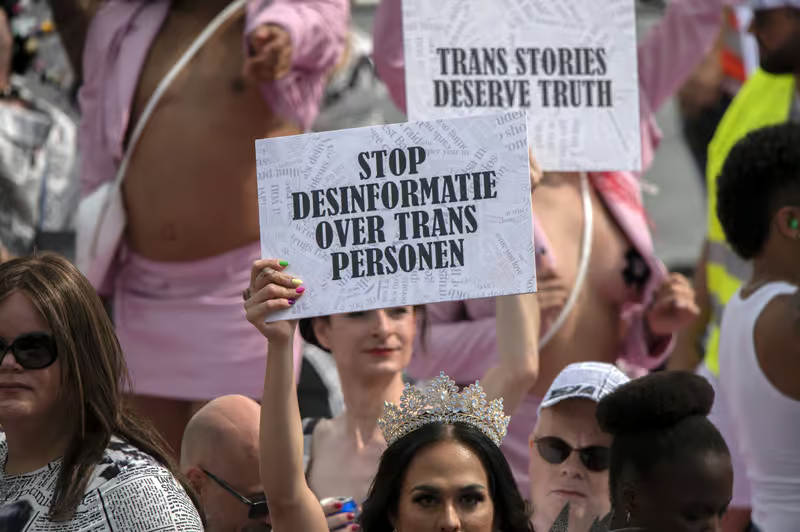
Dutch trans organizations are fighting fiercely against the barriers to trans healthcare in the Netherlands. Image: Dreamstime
On the bright side, in the Netherlands:
being trans is not criminalised (the bar really is low…),
people theoretically can change their legal gender without undergoing hormone treatment or surgery, and
many Dutch insurances reimburse a decent amount of gender-affirming care treatments, provided that they have contracts with the institutions performing them
However, access to trans healthcare is made more complicated by language barriers, bureaucracy, and a good dose of transmedicalist or downright transphobic institutional bias.
What does this mean in practice? Let’s get down to it.
Transitioning in the Netherlands: The typical steps
The most straightforward way to access gender-affirming care in the Netherlands is through a gender clinic.
Accessing trans healthcare in the Netherlands as an international is much easier with the right information! Image: Dreamstime
The advantages of these medical centres are that:
they employ qualified professionals specialised in trans healthcare,
they offer a very comprehensive range of health services, and
They often work with Dutch insurances, meaning that many procedures can get partially or fully reimbursed.
Usually, gender clinics assist people in their transition through the following steps:
Psychiatric counselling
Gender dysphoria diagnosis
Hormone Replacement Therapy (HRT)
Gender-affirming surgery(ies)
Legal name and gender change
Accessing a Dutch gender clinic
If you’d like to approach your transition as described above, registering with a gender clinic can be a great choice, as the centres often offer multiple services under one roof, saving you some time and money.
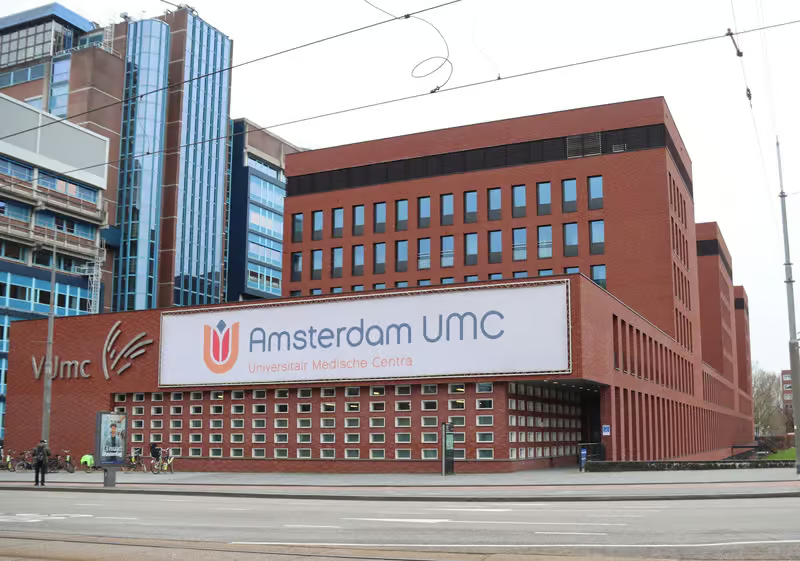
Amsterdam’s VUmc houses one of the most well-known gender clinics in the Netherlands. Image: Dreamstime
Dutch gender clinics are accessible to anyone who legally resides in the Netherlands and has a Dutch GP and health insurance, regardless of nationality. These are usually strict requirements, but there are some rare exceptions, such as the Trans United Clinic in Amsterdam.
Waiting lists for Dutch gender clinics, however, are often long, and people can end up waiting for up to four years before a spot becomes available.
Once it does, the first step is an intake or screening interview, during which data from previous health providers is also reviewed.
If the appointment establishes that the clinic’s services match your needs, the next steps are evaluated together with a professional “gender team” (genderteam), usually starting from the diagnostic process.
Pro tip: For an overview of the gender clinics currently active in the Netherlands, consult this comprehensive interactive map, made by Transvisie and Transgender Netwerk.
In the Netherlands, GPs can prescribe hormones, which potentially allows trans patients to access HRT or at least be referred to an endocrinologist without getting a formal gender dysphoria diagnosis, speeding up the process.
GPs are allowed to prescribe Hormone Replacement Treatment in the Netherlands. Image: Dreamstime
However, only a minority of Dutch GPs are currently willing to prescribe hormones or have the necessary training to help their trans patients.
Things are slowly changing, though, and several trans organisations have compiled lists of trans-friendly healthcare professionals, including GPs, psychologists, psychiatrists, endocrinologists, and other professionals.
Looking for a trans-friendly healthcare professional in the Netherlands? Check out this map by Transvisie and Transgender Netwerk, or contact one of the organisations mentioned in the Support & Community section below.
Getting a dysphoria diagnosis in the Netherlands
While HRT can technically be prescribed by GPs without presenting a gender dysphoria diagnosis, in practice, the diagnosis is necessary for virtually every step of transitioning.
You will need a diagnosis to access HRT through a gender clinic, to increase the chances of having surgery plans approved, and to increase the chance of gender and/or name change requests being successful.
In the Netherlands, only licensed psychologists, psychiatrists, and certain sexologists can diagnose gender dysphoria, usually after a minimum of five sessions and filling out several questionnaires, which are sometimes only available in Dutch.
Choosing the best Dutch health insurance for gender-affirming care
As you might already know, everyone living or working in the Netherlands must take out standard health insurance. For trans people, this step is even more critical, as most Dutch insurance companies can help cover the medical costs related to transitioning.
Up until 2024, trans organisations recommended that people in need of gender-affirming care choose a Dutch insurance company and, specifically, pick the restitutiepolis, a “reimbursement policy.”
Doing health insurance research is essential when looking to get gender-affirming care in the Netherlands. Image: Vice Media/CC BY-NC-ND 4.0/Cropped
However, this type of policy was scrapped in 2025. The new advice is to take out a combinatiepolis, a combination policy, even though it means having to shoulder a portion of the costs most of the time.
This policy allows for the greatest freedom in terms of choosing your preferred healthcare providers among those who have a contract with your insurance.
As for who covers what, contracts vary throughout time, but in general, international insurance companies and student plans tend to offer the least coverage for gender-affirming care.
In any case, before choosing a Dutch insurance provider, you should contact them with specific questions about the medical treatments you plan on having, or consult one of the trans organisations listed below, as many of them offer insurance advice.
Starting Hormone Replacement Treatment in the Netherlands
For many trans people in the Netherlands, accessing HRT is a huge part of transitioning. Image: Dreamstime
Hormone Replacement Treatment (HRT) consists of the administration of hormone medications meant to help people align their physical characteristics with their gender identity.
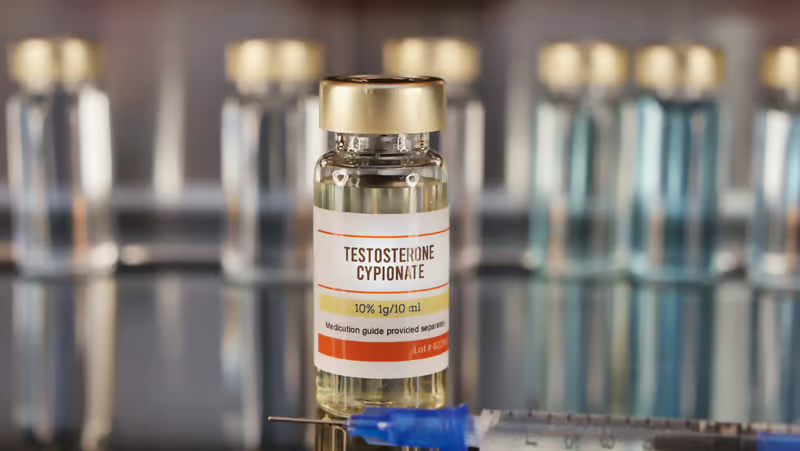
As one of the most common trans healthcare needs, accessing this gender-affirming treatment is crucial to many trans people. For transmasculine people, this usually means taking testosterone, while for transfeminine people, it involves both estrogen and anti-androgens.
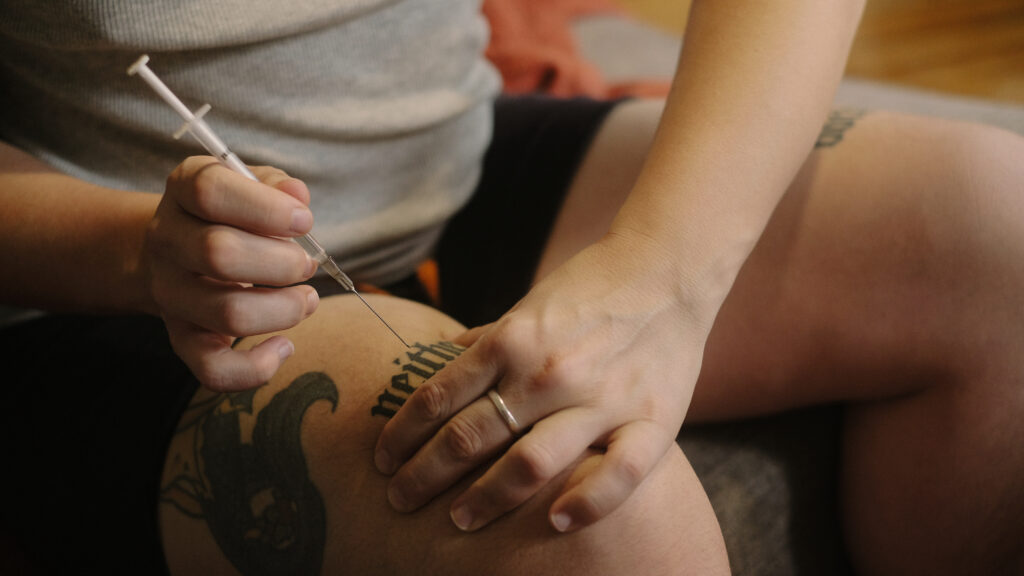
Testosterone is usually either injected or applied topically as a gel. Image: Dreamstime
HRT should always be initiated in consultation with an endocrinologist or, at least, one’s GP, and should be monitored through regular check-ups, such as blood tests monitoring hormone levels.
The official channel to start HRT in the Netherlands is by referral to an endocrinologist, which can be obtained from your GP or your gender clinic, almost always after getting a gender dysphoria diagnosis.
Undertaking HRT through official channels is not only the safest option, but also the only way to be eligible for at least partial reimbursement by Dutch health insurers.
Getting gender-affirming surgery through Dutch healthcare
In the Netherlands, certain gender-affirming surgeries can only be accessed through gender clinics. This means they can only be pursued in consultation with a team of psychologists, endocrinologists, and surgeons.
Options for gender-affirming surgery are usually explored together with a “gender team”. Image: Vice Media/CC BY-NC-ND 4.0/Cropped
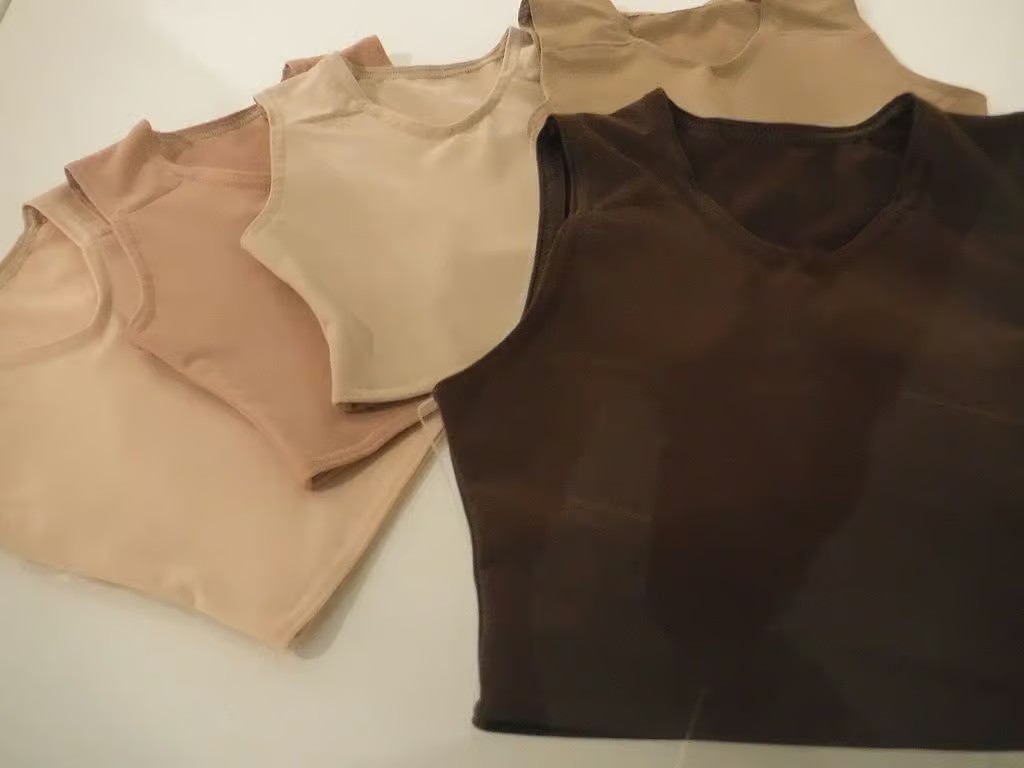
This is the case for chest reconstruction (top surgery) and genital reconstruction (bottom surgery), two of the most common kinds of surgeries within trans healthcare.
As with Hormone Replacement Treatment, these more usual types of gender-affirming care are often at least partially reimbursed by Dutch health insurers, if they have a contract with the institution performing them.
However, for these procedures to be even partially reimbursed by insurance, they must be deemed a “medical necessity” by a Dutch doctor.
This can sometimes represent a challenge, which is why these steps, too, are easier to undertake with the assistance of a gender clinic or a trans-friendly GP.
Changing legal name and gender markers in the Netherlands
While not strictly pertaining to trans healthcare, legal matters such as how to change one’s official name or gender marker are an essential part of transitioning for many people, and can arguably be considered integral to gender-affirming care.
Changing one’s legal name and gender marker is crucial to many trans people. Image: Vice Media/CC BY-NC-ND 4.0/Cropped
Here’s how to navigate these legal procedures in the Netherlands. 👇
Changing a legal name in the Netherlands
Depending on your nationality, saying doei to your deadname in the Netherlands can be tricky.
According to Dutch law, this can only be done if the person’s country of origin allows for the name change. If it does, they can follow the same name change procedure as Dutch nationals.
Changing a legal name usually requires the support of a lawyer in the Netherlands. Image: Vice Media/CC BY-NC-ND 4.0/Cropped
In that case, if you only wish to change your first and/or middle name and not your gender marker, you must go through the same procedure as any Dutch person wishing to modify their first name, regardless of the reason.
This process involves filing a court petition through a lawyer, which doesn’t come cheap. There are two fixed costs: the griffierecht (court registry fee), which is €341 in 2026, plus your lawyer’s fees, which usually start at around €480.
All in, you’re realistically looking at €800 to €1500 for a straightforward case — and that’s before you factor in the cost of replacing your passport, ID card, and driving licence afterwards.
The good news? If you’re on a low income, you may qualify for subsidised legal aid, which can bring your personal contribution right down. You can check the current fees and eligibility on the Dutch judiciary’s website.
Let op! The name change request can be rejected, and the rejection can be appealed, bringing the actual average length of the process to eight months.
Changing the gender marker on Dutch documents
Changing the gender marker on Dutch documents is usually easier and cheaper than changing a name only.
And the best news is: if your nationality allows for the name change, you can do both things at once.
People born abroad can apply to change the gender marker on their Dutch documents through the Hague Municipality. Image: Dreamstime
Technically, changing your gender marker from M to F or vice versa is free of charge — but there are some hidden costs.
People wishing to change their legal gender on Dutch documents as non-Dutch citizens must:
Be over 16
Have resided in the Netherlands for over 12 months
Provide a copy of their birth certificate
Provide documents on their parents’ marital status at the time of their birth
Provide adoption documents, if applicable
Provide a “Change of Gender” statement
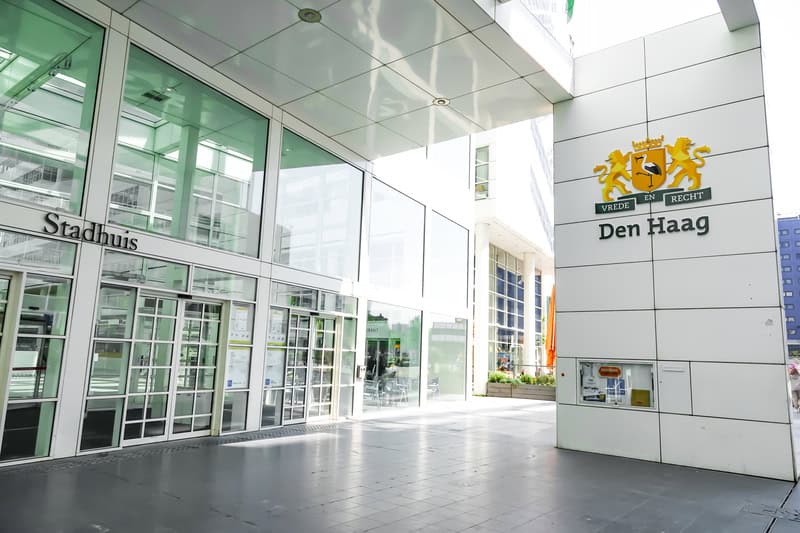
Once you’ve fulfilled these requirements, you can apply for the gender marker change at the municipality where your birth certificate was issued or, for people born abroad, at The Hague municipality.
You’ll be given an in-person appointment, and if everything is in order, within about two months, your gender marker will be changed in the Dutch Personal Records Database (BRP).
Obtaining your gender marker change calls for a big celebratory borrel 🥳 Image: Vice Media/CC BY-NC-ND 4.0/Cropped
This is done by adding an appendix to your birth certificate, obligating all Dutch institutions directly connected to the BRP to adjust your gender marker automatically.
However, you will have to renew all your Dutch documents yourself (passport, identity card, driving license), covering the costs.
Obtaining a “Change of Gender” statement
One of the trickiest (and most expensive!) steps to changing the gender marker on Dutch documents is to procure the “Change of Gender” (wijziging geslacht) statement.
Obtaining a “Change of Gender Statement” from an expert working with a Dutch gender clinic as an out-patient can be quite costly. Image: Vice Media/CC BY-NC-ND 4.0/Cropped
If you manage to obtain this statement from one of the licensed professionals accompanying you in your transition, such as your psychologist or a doctor from your gender clinic, this is sometimes free of charge.
Otherwise, it can be quite costly: obtaining the statement from Amsterdam UMC as an out-patient, for instance, costs €65 for the expert statement itself, plus €250 for each of the interviews the expert deems necessary.
Also, for the statement to be valid for your gender marker change application, it cannot be more than six months old.
You can check which professionals are recognised as valid gender experts on this webpage.
Pro tip: Some municipalities, such as The Hague, have schemes to (partially) reimburse costs related to gender marker changes to their residents. Check with your municipality to find out if that’s the case for you!
Alternative routes to gender-affirming care
There are multiple legal, financial, and self-determination reasons why the transition journey described above may not fit your situation.
Many trans people resort to alternative transition routes when the Dutch trans healthcare system fails to assist them. Image: Vice Media/CC BY-NC-ND 4.0/Cropped
There are as many routes and approaches to transitioning as there are trans people: here are some alternative routes to accessing trans healthcare in the Netherlands.
Choosing the DIY route to trans healthcare
Many trans and gender-diverse people face legal, financial, and ideological barriers to accessing Hormone Replacement Therapy (HRT) in the Netherlands.
Sometimes, due to these barriers or excessively long waiting lists for gender-affirming care, people resort to self-administering HRT, a route also known as DIY or self-medication.
Trans people who choose to DIY their Hormone Replacement Treatment should still inform their GP. Image: Vice Media/CC BY-NC-ND 4.0/Cropped
This route is discouraged for multiple reasons:
Health risks associated with initiating hormone treatment without adequate medical advice and monitoring
Legal risks related to obtaining substances illegally
Should you decide to pursue it anyway, this is the Netherlands-specific information about DIY-ing HRT you should know:
Estrogen and Progesterone can usually be bought and owned legally in the Netherlands
Testosterone is a controlled substance, and there are legal consequences for purchasing it without a prescription, especially if it’s imported from abroad
Starting HRT independently will not impact future treatment by a Dutch gender team or GP. As such, there is no reason to hide it from medical professionals
For health reasons, you should always inform your GP about your DIY hormone usage
Non-binary: Getting an “X” gender marker on your Dutch documents
For non-binary or gender non-conforming people wishing to change their gender marker on Dutch documents to an “X” as opposed to an “F” or “M”, the process is more complicated and costly.
For non-binary people, navigating the Dutch trans healthcare system can be even more complicated. Image: Dreamstime
Getting an “X” on your papers must be arranged through the legal system, following a procedure similar to the one for changing one’s legal name detailed above.
This involves both administrative and court costs, often amounting to €1000 to €2000. The process is also quite lengthy, averaging between three and nine months.
For more information about the requirements for getting an “X” gender marker on Dutch papers, consult dedicated webpages by organisations such as Transgender Netwerk.
What if I already started transitioning independently, or in another country?
People who started their transition journey in another country and wish to continue it within the Dutch trans healthcare system can often do so, provided they bring all related documentation when moving to the Netherlands.
In any case, it is advisable to have the documents (gender dysphoria diagnoses, HRT prescription, health records) officially translated into Dutch or English to increase the chances of Dutch professionals or institutions accepting them.
If you’ve started medically transitioning independently, for instance by self-administering HRT, you may also be able to continue your gender journey through official channels.
You should always inform your Dutch GP of the steps you’ve already taken towards transitioning on your own or abroad. Image: Dreamstime
Ultimately, however, whether your previous gender-affirming care is recognised by the Dutch system varies case by case.
Also, regardless of how you started transitioning, you should know that having already received some gender-affirming care won’t necessarily speed up the process of accessing Dutch trans healthcare, as waiting lists often do not make this distinction.
Finding support within the Dutch trans community
Dutch trans healthcare is far from perfect, but you don’t have to deal with all of this alone.
Here are some Dutch trans organisations and communities you can turn to for support, advice, or simply meeting new friends (also in English!). 👇
Events by and for trans and non-binary people, with a special eye for (neuro-)accessibility
Trans Radical Resource Exchange (T-RREx)
The Hague
In-person English-speaking events to exchange trans resources and harm reduction practices (@trrex_denhaag)
Have you or someone you know dealt with Dutch trans healthcare? Tell us about your experiences in the comments below.
Trans healthcare in the Netherlands: Frequently asked questions
How do I transition in the Netherlands as an international trans person?
The most straightforward way to transition as a trans international residing in the Netherlands is to register with a Dutch gender clinic.
How can I access Hormone Replacement Treatment in the Netherlands?
Accessing Hormone Replacement Treatment in the Netherlands requires a prescription by a licensed healthcare professional, such as your GP, or a specialist from your gender team if you rely on a gender clinic.
Can I get gender-affirming surgery through the Dutch healthcare system as an international?
Internationals who legally reside in the Netherlands and pursue their gender transition through the Dutch healthcare system can undergo gender-affirming surgery in the Netherlands.
Can I change my legal name and sex in the Netherlands as an international?
Changing your gender marker on Dutch documents as an international is usually possible if you comply with the administrative requirements. Depending on your nationality, however, changing your legal name(s) might be more difficult or impossible.
Which Dutch health insurance should I pick as a trans person?
Dutch trans organisations advise gender-diverse people living in the Netherlands to choose a Dutch insurance with a combinatiepolis, a combination policy, and to check with the specific insurance which gender-affirming services they cover before making a definite choice.