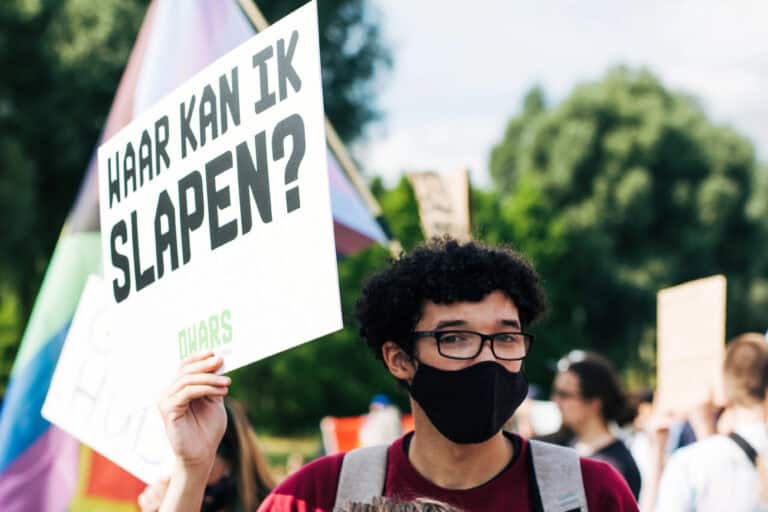
Deposits that never come back, service charges that do not add up, and illegal sublets: Welcome to Amsterdam, renter’s hell.
Tenant advisory organisation !WOON released a “State of the Renter” report on March 10, documenting the biggest housing grievances of renters in the Amsterdam region last year.
After reviewing over 80,000 interactions with tenants, experts at !WOON learned that international renters are being taken advantage of far more often than locals.
It seems some landlords view “expat” as a synonym for “someone who doesn’t know the rules.”
They had 203 instances in Amsterdam where a security deposit was either not returned at all or only partially returned.
Your deposit? Some landlords would rather keep it
The report finds that a growing number of private landlords either return deposits partially or not at all.
Also, the number of extreme deposits is on the rise: In 2025, a tenant apparently paid a deposit of a whopping €8,600.
!WOON notes that international renters are more likely to get the short end of the stick.
While the organisation supports the Wet goed verhuurderschap (Good Landlord Act), they argue it has a major flaw. Since there are no fines for withholding deposits, landlords have little reason to return them.
Overcharged on service costs
Throughout 2025, service charge miscalculations were another big theme.
The tenant advisory organisation flagged incorrect costs across several large residential complexes, naming specific owners including Change=, HiCondo, Rockfield (The Cohesion), and XIOR.
With !WOON’s help, renters recovered a portion of overpaid costs, though the organisation criticised the lengthy and time-consuming process.
Although legal proceedings are ongoing, Change= has since sold its two Amsterdam complexes.
The “short stay” workaround
Since July 2024, temporary rental contracts (shorter than two years) have been banned for most Dutch renters. The bill was meant to combat tenant insecurity and rising rent prices.
Yet in 2025, !WOON found dozens of contracts that had no valid legal basis.
The report found that landlords often make up “short stay” arrangements to sidestep the rules entirely.
Ripped-off renters is a story as old as time, but !WOON calls on Minister O’Sullivan to be more vigilant and for rental listings to be more transparent.
Against a background of global geopolitical turmoil, the Dutch cabinet has indicated that mandatory military conscription cannot be ruled out.
State Secretary for Defence Derk Boswijk has indicated that while conscription is not a preferable option, he cannot make any guarantees, reports the NOS.
“I cannot rule it out,” he says.
The statement came during a parliamentary debate on the defence budget, where State Secretary for Defence Boswijk fielded pointed questions about the government’s recruitment plan.
Who is behind this?
The Ministry of Defence has been on a staffing spree with an aim to recruit a total of 122,000 over four years.
That is, until now: the cabinet has included a ‘selective reporting’ requirement in the coalition agreement, in the case that they cannot reach the target number through motivated individuals alone.
While selective conscription is not the harshest form of recruitment, it’s a big step up.
This is much to the dismay of parties like GroenLinks-PvdA, SP, and Denk, who have expressed fears in parliament that young people who avoid any future drafts could face punishment.
What is selective conscription?
Selective conscription is a form of recruitment that calls upon a pre-approved part of the population for mandatory service.
A prime example is Sweden: there, all young men and women must undergo a survey at 17. Following that, a compulsory test is administered to a subset, of which the best candidates are selected and recruited.
As of yet, the Dutch system works differently. According to the government, anyone turning 17 receives a letter about registering for compulsory military service, but they are not “called up.”
That means, while they are conscripted, they are not required to report for duty. All that could change if the selective reporting initiative is adopted.
When the changes could take effect
State Secretary for Defence Boswijk has indicated that selective conscription will be discussed in the coming period. The goal, according to NOS, is to quell fears among the opposition and demonstrate the necessity of this move.
Mandatory conscription for all, however, is still on the table too.
While there are no plans to reinstate this measure anytime soon, Boswijk has said that it can be utilised immediately in an emergency.
For now, selective conscription will proceed in stages: if conscription numbers are inadequate, the procedure will shift from voluntary surveys to mandatory ones. If this also fails to yield enough recruits, more mandatory measures will follow.
In any case, let’s hope it doesn’t come to that.
What do you think about the new measures? Let us know in the comments.
Picture this: you and your Dutch friend are talking about politics, and they start rattling off the names of Dutch political parties. You wait for them to stop, but they keep going. And going. And going.
For a brief minute, you wonder if your friend’s voter list is as long as a restaurant menu from an episode of Gordon Ramsay’s Kitchen Nightmares.
What is it?
Okay, okay — we jest, the Dutch don’t really have an “extreme” number of political parties. (So you can put those pitchforks down! 😉)
However, to someone unfamiliar with the Dutch political system, the range of possible voting options might seem quite vast.
After all, between a party for animals (Partij voor de Dieren or PvdD), a couple of religious ones such as the ChristenUnie (CU), Christen-Democratisch Appèl (CDA), and Staatkundig Gereformeerde Partij (SGP), and one that focuses on going green (GroenLinks or Green Left), the Dutch are spoilt for choice.
Why do they do it?
Chalk it up to Dutch pragmatism (or perhaps pillarisation), as the Netherlands uses a party-list proportional representation system.
This means that multiple candidates can be elected to seats in the parliament, and voters have a certain amount of influence over which of a party’s candidates are elected.
This is in contrast to the first-past-the-post system used in many countries, where the candidate with the most votes wins the election, even if they’ve received far less than 50% of the total votes.
There are definitely pros and cons of each voting system! Image: Freepik
Another factor is the ease of setting up one’s own political party, which is comparatively simpler in the Netherlands than it is in many other countries.
Aspiring politicians can register their party with the Electoral Council, draw up a notarial deed, and pay a political party registration fee (which ranges from as much as €450 to €112.50).
Why is it quirky?
Those of us from countries with countless political parties that can’t figure out how to butter toast without some bribery or corruption on the side may think the Dutch could use a few more political parties. (Wrong! 🙅🏻♀️)
On the other hand, people from countries with different political systems may be scratching their heads and wondering why the heck the Dutch have so many parties.
However, this is just an example of the Netherlands at its pragmatic best, as this system offers voters more options than a choice between Somewhat Unreliable Candidate #1 and Somewhat Unreliable Candidate #2.
Should you join in?
Well, that depends!
Perhaps you’re sick of having your bike stolen and want to start your own party to make it legal to lock bike thieves to the Erasmusbrug? (We understand the sentiment. 🤬)
With an extreme number of already-existing political parties, your Partij Tegen Fietsendieven (Party Against Bike Thieves) would just add to the range of choices that prospective voters already have.
According to DNB (De Nederlandsche Bank) Director Olaf Sleijpen, the latest energy crisis, driven by the ongoing war in the Middle East, could push the Netherlands into an economic crisis.
Sleijpen called the situation for the Netherlands a “code orange, perhaps dark orange,” reports RTL Nieuws.
According to the DNB, high energy prices caused by the foreign conflict create a risk of persistent inflation and higher unemployment. Low-income earners would be most impacted.
In their analysis, the DNB laid out different scenarios: ‘unfavourable’ and ‘severe’. Let’s break them down.
A severe scenario
In the face of persistent war and rising energy costs, the Dutch economy could be severely impacted.
In this situation, high energy costs lead to economic stagnation, RTL Nieuws reports. When economic growth slows, there is a risk of highly increased inflation.
This domino effect continues: high inflation prompts Dutch workers to demand wage increases, driving inflation even higher. So, even when wages do increase (as DNB says they will in the coming year), pay increases won’t be enough to offset the costs of high inflation.
Ultimately, in this scenario, the Dutch wallet is hit hard, and the average worker’s income declines.
An ‘unfortunate’ scenario
Unsurprisingly, when income decreases, people spend less.
That also means companies suffer and become more conservative in their investments.
While in the severe scenario, the lack of investment spirals and companies across all different sectors are hit, Sleijpen also presented a milder ‘unfortunate’ scenario.
In this case, the primary victims are industrial companies. While losing industrial output is far from ideal, it’s a narrower hit than a full economic slowdown.
There is, however, a more optimistic possibility.
Mild scenario
Another possibility is that prices return to normal within the year. In this more positive situation, the domino effect is stymied, and economic growth is not impacted for long.
Inflation would still rise slightly, but the overall economic impact would be far less worrying.
Unfortunately, it all depends on how long this foreign conflict continues. If energy costs are impacted for long enough, the chain reaction of negative economic consequences is hard to avoid.
What now?
For now, says Sleijpen, government intervention should be selective and not immediate. Rather than offering a wide-reaching aid that ultimately does little for the average Dutch earner, any help from the cabinet should specifically support those who need it most.
Furthermore, the DNB has assured the public that, regardless of how the situation plays out, the energy impacts will not be as severe as during the 2022 invasion of Ukraine.
In the end, Sleijpen’s advice is simple: the Netherlands needs to address some of the more familiar economic ‘bottlenecks,’ such as the nitrogen crisis, to give companies room to grow and create better jobs for the population, reports AD.
Alas, that provides limited comfort for Dutch workers in the short-term.
What do you think of the code orange? Let us know in the comments.
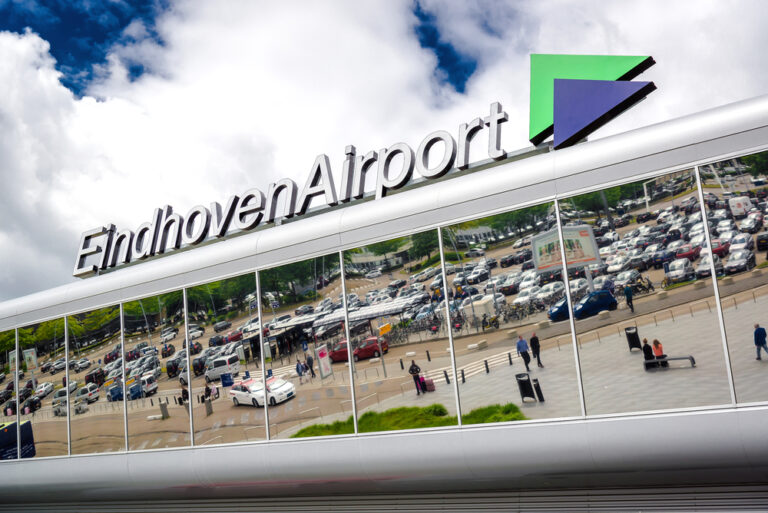
Eindhoven Airport has confirmed it will shut down completely for nearly half a year due to a major runway renovation.
The dates are confirmed: the airport will be fully closed to air traffic from February 1 to July 19, 2027. That covers both commercial and military operations, so expect a much quieter sky over Eindhoven for the better part of the year.
What does this mean for passengers?
Unfortunately, all airlines have cancelled or suspended all flights scheduled for this period.
You might be wondering, “Can I still find cheap tickets in 2027?” Well, you still can.
According to RTV Maastricht, all flights normally departing from Eindhoven will temporarily move to Maastricht Aachen Airport.
Meanwhile, the bus to Eindhoven Airport will run on a limited schedule, and only the P1 lot will remain open for short-term parking.
Why does the runway need this much work?
Over at Eindhoven Airport, the runway is getting a complete reconstruction from scratch.
The airport has just one runway, so it needs to be fully out of service for the job to be done properly.
To those who hate flying from Eindhoven, the revamped airport will hopefully change your mind.
As part of the renovation, the runway will be widened, an extra taxi track will be added, and, best of all, a brand new Category 3 Instrument Landing System will be implemented.
This technology allows an aircraft to take off and land in extremely dense fog. Meaning, passengers can expect fewer delays and headaches when flying from Eindhoven Airport.
Are you a regular Eindhoven flyer? Does this closure affect your 2027 travel plans? Let us know in the comments below.
When it comes to destinations with historic castles, the Netherlands might not immediately spring to mind. However, the Dutch have some pretty breathtaking castles that you shouldn’t miss out on!
Grab your glass slippers and your best camera. Here’s a quick guide to 13 of the most beautiful castles and palaces the Netherlands has to offer.
In a rush to get that castle feeling? Skip on down to one of the options below.
This post might have affiliate links that help us write the articles you love, at no extra cost to you. Read our statement.
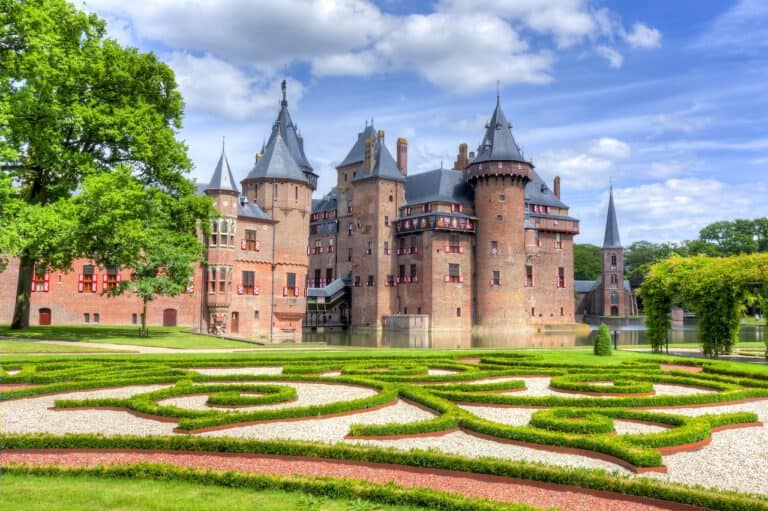
1. De Haar Castle, Utrecht
De Haar Castle in Utrecht is considered the most luxurious castle in the Netherlands. Dating all the way back to 1391, the castle grounds cover more than 135 acres. Even though many of the original gardens were destroyed during World War II, they’ve now been restored to their former glory.
You can find multiple beautiful lakes and charming bridges scattered across the castle’s grounds. The highlight of the garden, however, is a remarkable maze.
The castle also functions as a venue for multiple festivals and events. The most exciting (and dorky) one is the Elfia, an elf fantasy fair, where participants dress up as magical creatures and party all night long. 🧚♀️
📍 Location: Kasteellaan 1, 3455 RR Utrecht ⏰ Opening hours: Monday to Sunday, 11 AM to 5 PM 💰 Ticket prices: €21.50 for adults, €13.50 for children between the ages of 4 to 12, and free entry for children under the age of 4
2. Muiderslot Castle, Muiden
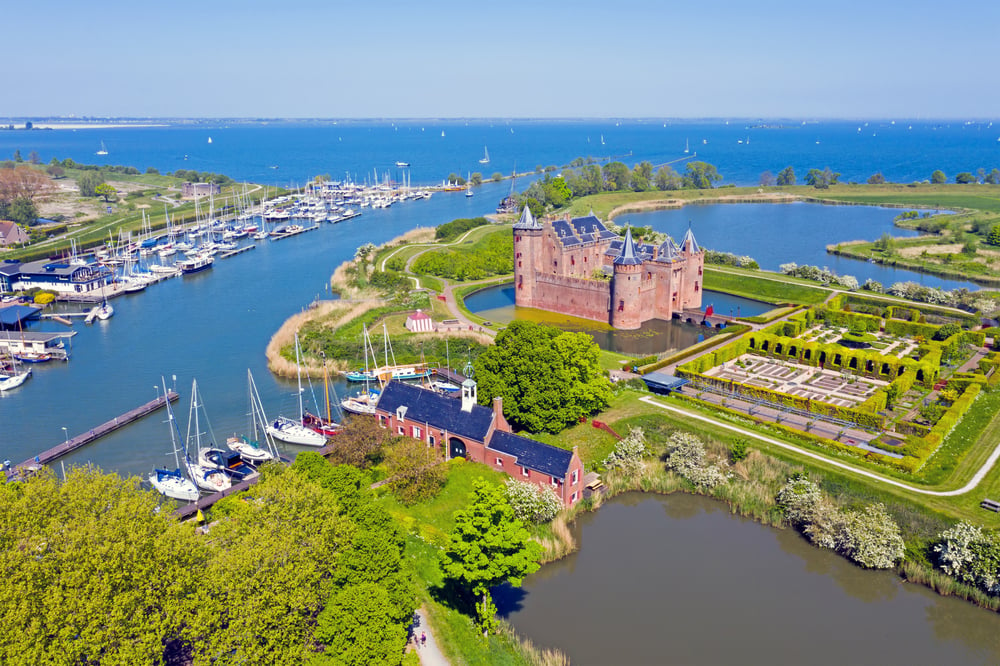
No wonder Muiderslot is on UNESCO’s list. Just look at this! Image: Depositphotos
The Muiderslot Castle in Muiden is a medieval castle built in 1370. It’s located close to Amsterdam, so it’s perfect for a quick visit if you happen to be in town.
The castle is also included in the UNESCO World Heritage List and has been featured in many movies and TV shows set in the Middle Ages (sadly, not Game of Thrones).
Today, Muiderslot operates as a national museum and is open to the general public for tours. To make the visit even more exciting, the castle has been restored to look as it would have during the 17th century.
📍 Location: Herengracht 1, 1398 AA Muiden ⏰ Opening hours: From April 1 to October 31, Monday to Sunday, 10 AM to 5 PM. From November 1 to March 31, Tuesday to Sunday, 10 AM to 5 PM 💰 Ticket prices: €19.50 for adults, €7.50 for children between the ages of 4 to 11, and free entry for children under the age of 3
3. Ruurlo Castle: Museum MORE
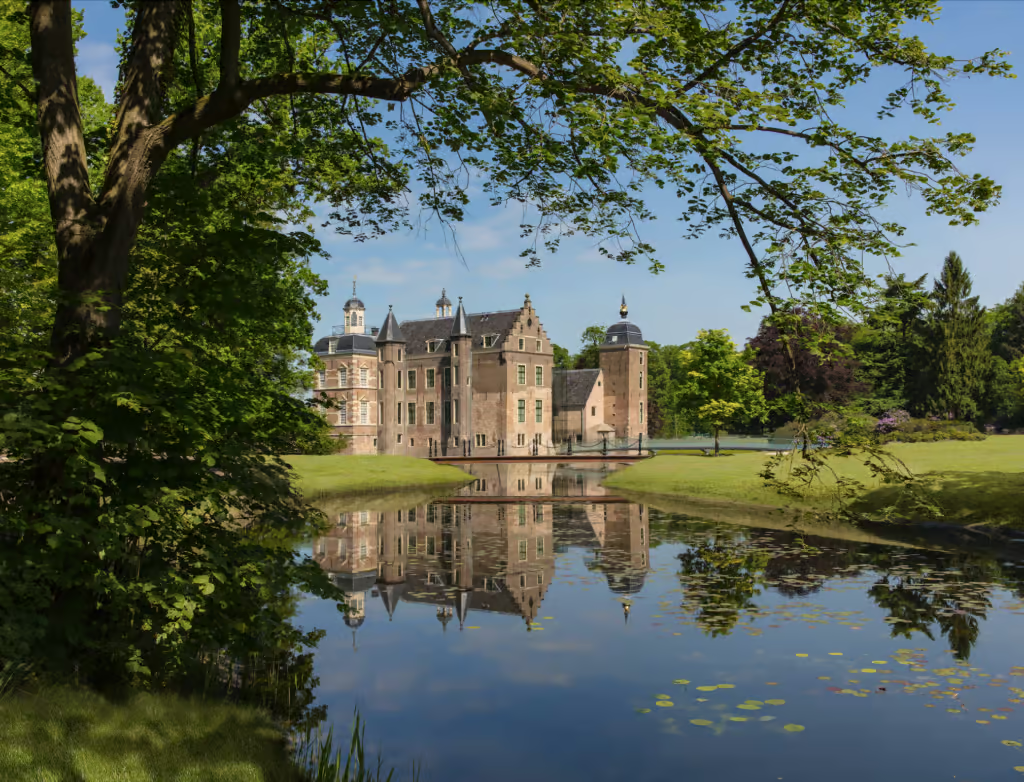
This view is a nice prelude to the magic inside! Image: Supplied/Museum MORE
Looking for some artistic fulfilment along with your mystical castle trip?
Ruurlo Castle is a truly unique building: dating back centuries, it’s been owned by the same nobles, the Van Heeckeren family, since the 15th century. With its historic architecture and idyllic location, you’ll truly feel like you’re in a storybook.
What’s more, the castle currently houses the renowned Museum MORE, which focuses on modern realist art from 1900 to the present. At the moment, Kasteel Ruurlo presents works by the renowned Carel Willink, alongside a rotating programme of temporary exhibitions. Your cultural cravings are sure to be sated with art from both the Netherlands and abroad.
📍 Location: Kasteel Ruurlo, Vordenseweg 2, 7261 LZ Ruurlo ⏰ Opening hours: Tuesday to Sunday, 11.00–17.00 💰 Ticket prices: €16.50 for adults, €8.50 for children between the ages of 12 to 18 and students, free entry for children under the age of 12, and free for Museum Card holders
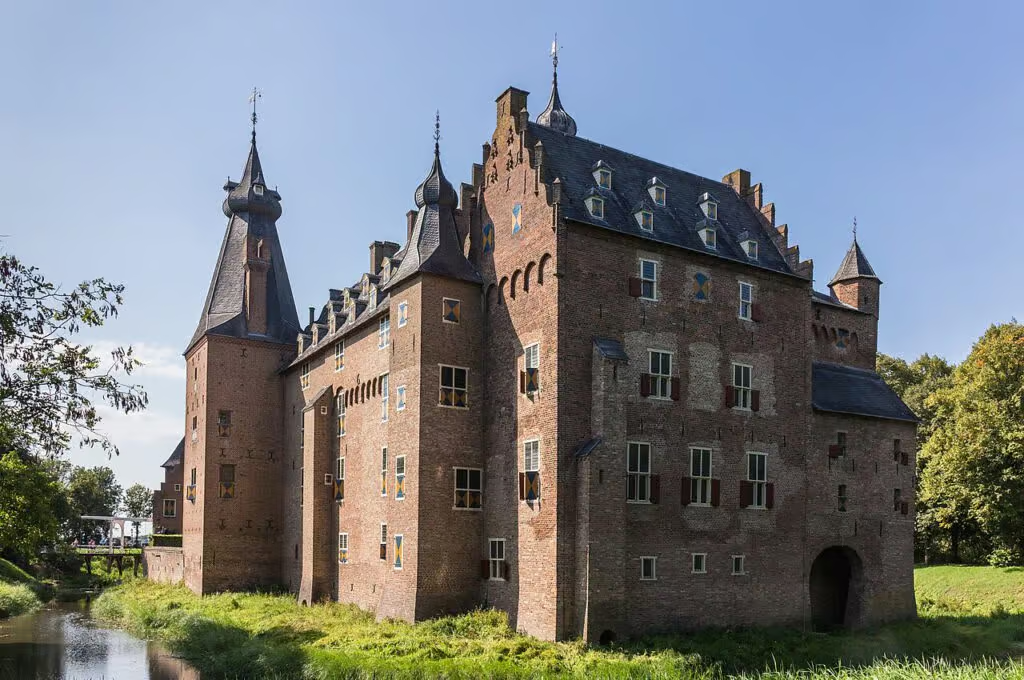
4. Doorwerth Castle, Arnhem
Doorwerth Castle is one of the many treasures the Netherlands has to offer. Image: Agnes Monkelbaan/Wikimedia Commons/CC4.0
The Doorwerth Castle near Arnhem is located along the river Rhine and is now home to three separate museums. It has a wealth of beautiful forests and meadows, and fields are located just behind the castle, where visitors can cycle or hike.
Unfortunately, the castle suffered great damage during World War II, but the interior has been restored to its 18th-century glory.
Doorwerth is also rumoured to be haunted! 👻 The TV show “Most Haunted” featured it on an episode in 2004 in an attempt to find paranormal activity.
Today, the castle operates as a hotel and a restaurant. So, if you’re looking for a bit of a thrill and maybe want to see a ghost, this is your chance!
📍 Location:Fonteinallee 2 B, 6865 ND Doorwerth ⏰ Opening hours: Tuesday to Sunday, 11 AM to 5 PM 💰 Ticket prices: €15 for adults, €7.50 for children between the ages of 4 to 18, and free entry for children under the age of 4
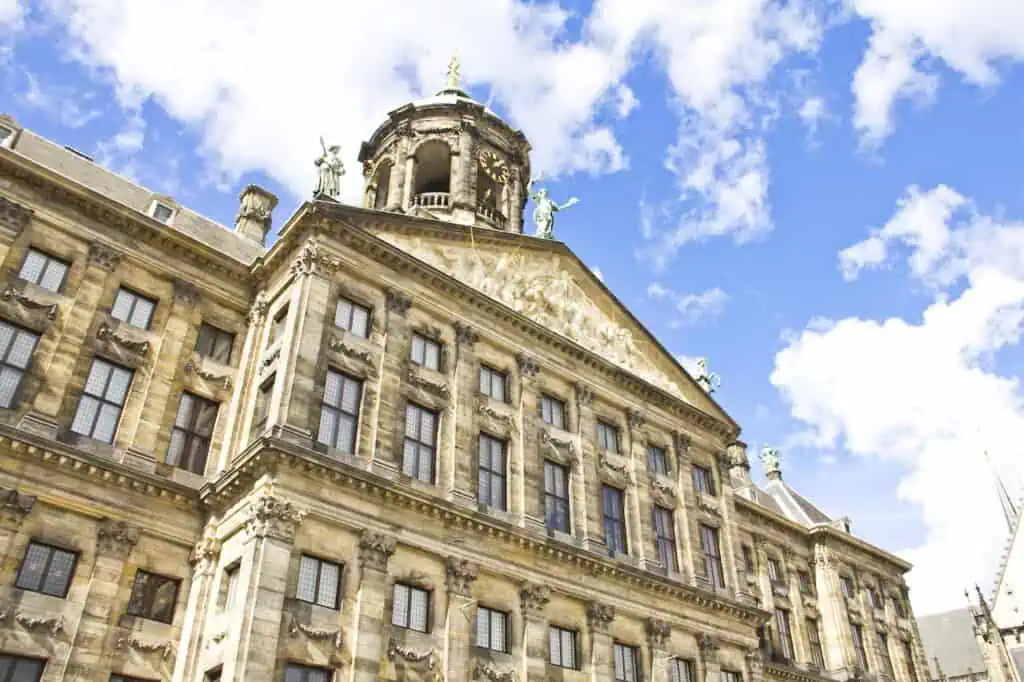
The Royal Palace is the largest and most distinguished building from the Golden Age, located right in the heart of Amsterdam.
It’s one of the most cherished monuments in the Netherlands and has set the stage for many of the country’s greatest events, like King Willem-Alexander and Queen Maxima‘s wedding reception.
When it’s not used for extravagant royal events, the palace opens its doors to visitors. You can listen to an audio guide as you wander the historic corridors, staring in awe at the imposing architecture.
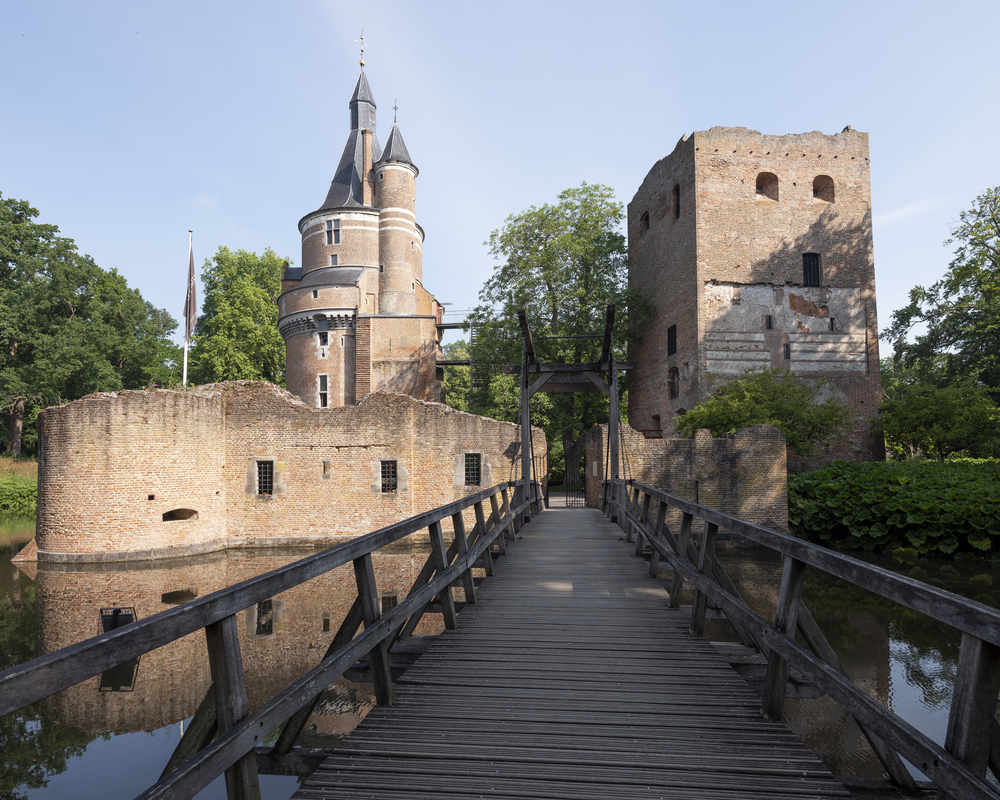
The one thing that really makes Duurstede Castle stand out is its tower (which looks like it should be housing Rapunzel). This 13th-century castle is located in Wijk bij Duurstede, in the province of Utrecht.
Originally built as a defensive structure, the castle now operates as a catering firm. The castle is still surrounded by a moat, so the only way you can access it is via the drawbridge (or by swimming, of course!).
The castle technically isn’t open to the general public. However, if there are no events taking place on Sundays, you can grab a bite and sit in the castle’s courtyard.
📍 Location: Langs de Wal 6, 3961 AB Wijk bij Duurstede ⏰ Opening hours: Open to the public on Sunday, 11 AM to 5 PM (if there are no events taking place) 💰 Ticket prices: None
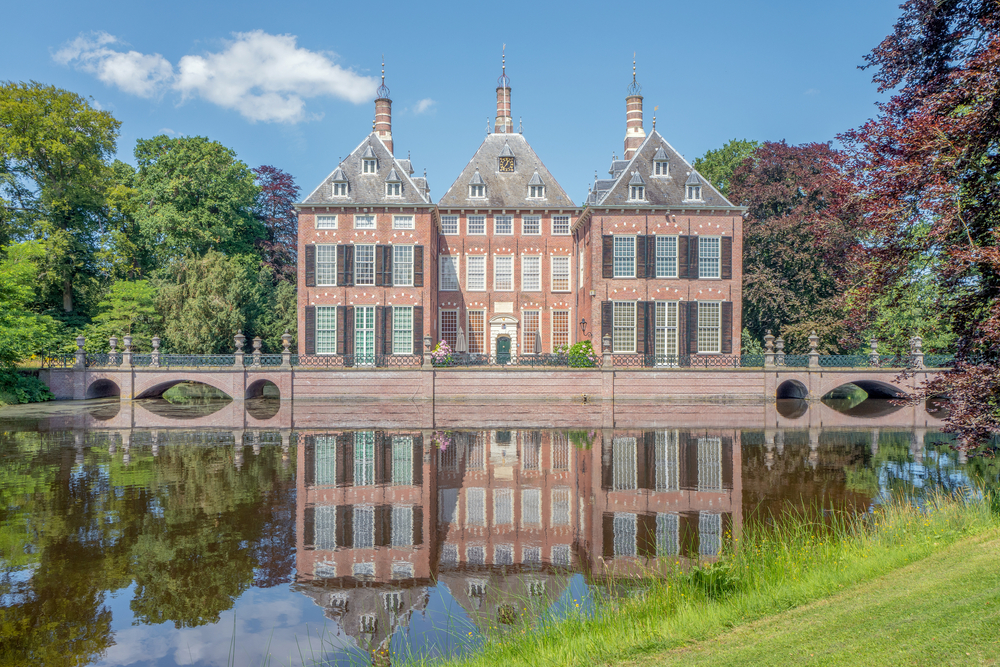
7. Duivenvoorde Castle, Voorschoten
Duivenvoorde Castle is a showstopper. Image: Depositphotos
When your Instagram account needs a little spice, head to the Duivenvoorde Castle. This beauty and the surrounding grounds make for a picture-perfect backdrop. It’s one of the oldest castles in the Netherlands, dating back to 1226.
Several noble families have lived here, but for the first five centuries of its existence, it was owned by just one family — the Van Duivenvoordes.
To this day, the castle has never been sold. Instead, its last private owner left the castle to a foundation upon her death in 1965.
If you visit, an audio tour will inform you of the castle’s long and rich history. Be sure to spend some time in lovely gardens as well.
Another important note: while the grounds are already open for admiring, the general castle and interior tours are not open until April 16th.
📍 Location: Laan van Duivenvoorde 4, 2252 AK Voorschoten ⏰ Opening hours: Sunday, 11:00 AM to 5 PM — but do check for seasonal updates. 💰 Ticket prices: €16.50 for adults, €8.50 for children between the ages of 5 to 17, and free entry for children under the age of 4
8. Loevestein Castle, Zaltbommel
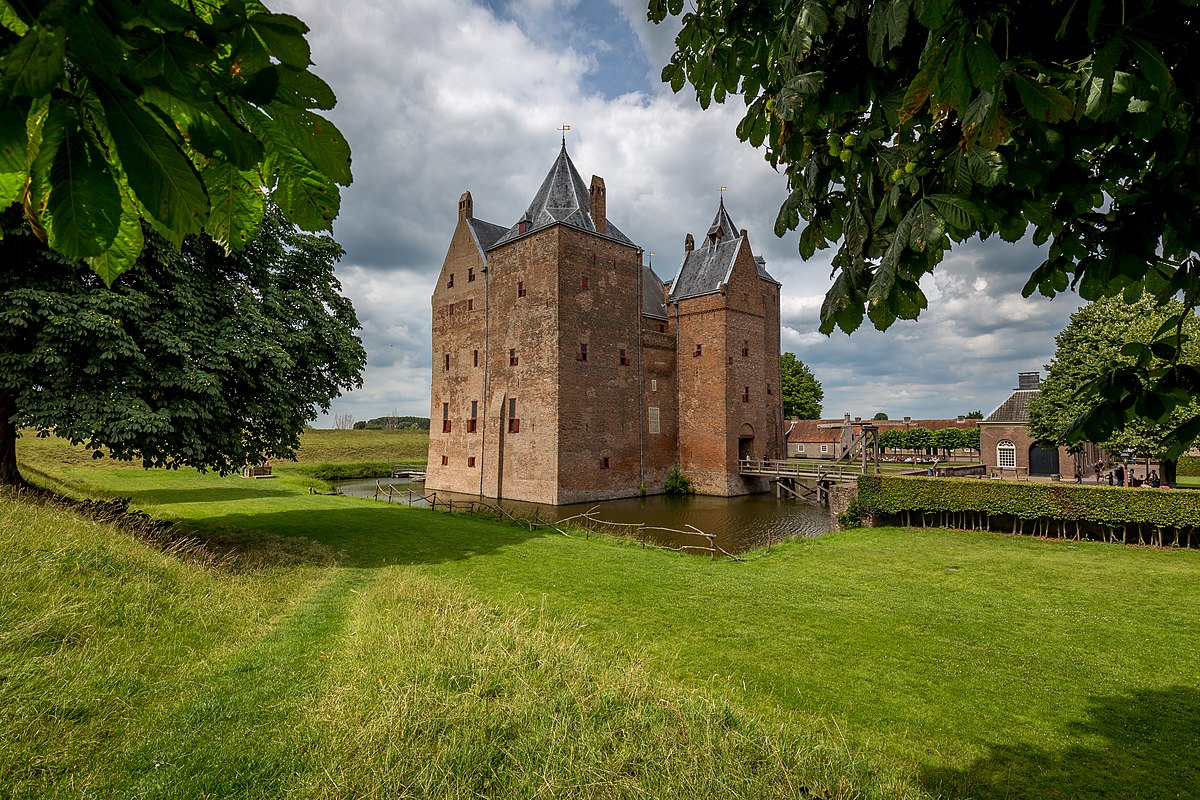
It’s even nice on a typically Dutch (i.e. cloudy) day. Image: Davidh820/Wikimedia Commons/CC4.0
Loevestein Castle, or Slot Loevestein as it’s called in Dutch, roughly translates to “Loef’s stone house”. Historians believe the castle was constructed between 1357 and 1397, but there’s no official documentation to prove it.
Loevestein Castle’s initial function was to collect tolls from trading ships passing through the river. However, with time, the construction grew bigger until it became a full-blown castle.
The castle’s museum features three important eras in the structure’s history: the Middle Ages, the State Prison period, and the Dutch Waterline period. The castle houses multiple events throughout the year, the most popular being the Winterfeest celebration during the holiday season.
📍 Location: Loevestein 1, 5307 TG Poederoijen ⏰ Opening hours: Monday to Sunday, 10 AM to 5 PM 💰 Ticket prices: €17 for adults, €11.50 for children between the ages of 4 to 12, and free entry for children under the age of 3
9. Rosendael Castle, Arnhem
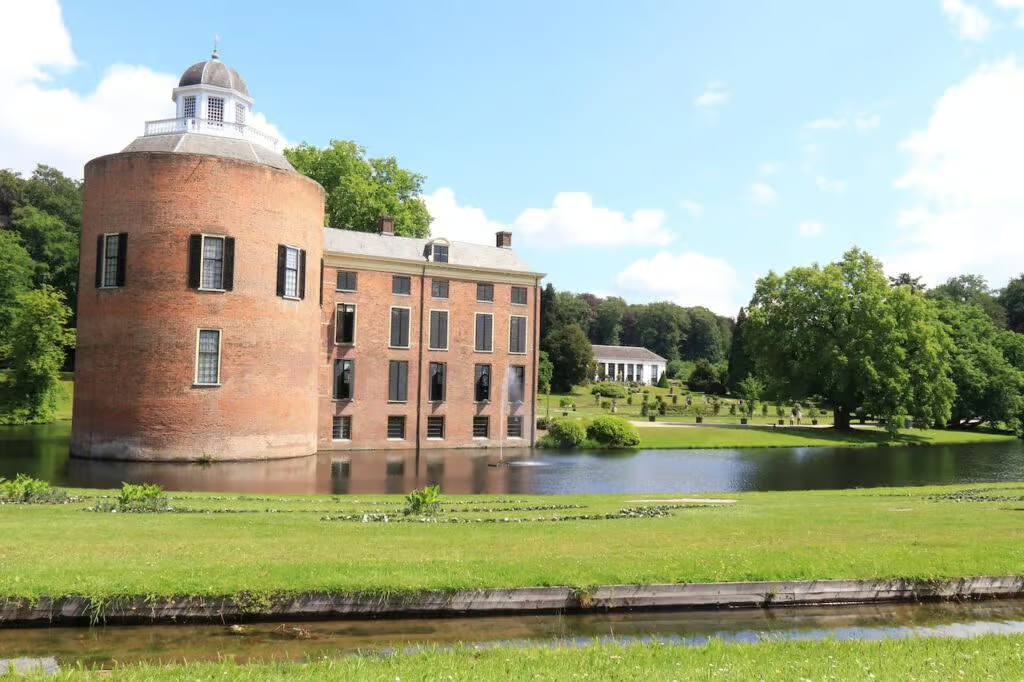
Not only is this Dutch castle gorgeous, look at those grounds! Image: Dreamstime
Just outside Arnhem and the Veluwe National Park, Rosendael Castle is a beautiful place to visit for a good and heavy dose of both history and nature. Built by the Duke of Guelders more than seven centuries ago, this impressive castle is chock-full of extravagant surprises.
The castle fell into disrepair after being struck by a bomb during WWII. Fortunately, it’s since been through a full restoration and is now open to the public. You can learn about this (and more) during a guided audio tour as you browse the impressive display of silver, porcelain, and furniture.
📍 Location: 6891 DA Rozendaal ⏰ Opening hours: Tuesday to Saturday, 11:30 PM to 4 PM, Sunday, 11 AM to 4 PM (12:30 PM to 2:30 PM if you want to visit without a tour). 💰 Ticket prices: €15 for adults, €7.50 for children between the ages of 4 to 18, and free entry for children under the age of 4
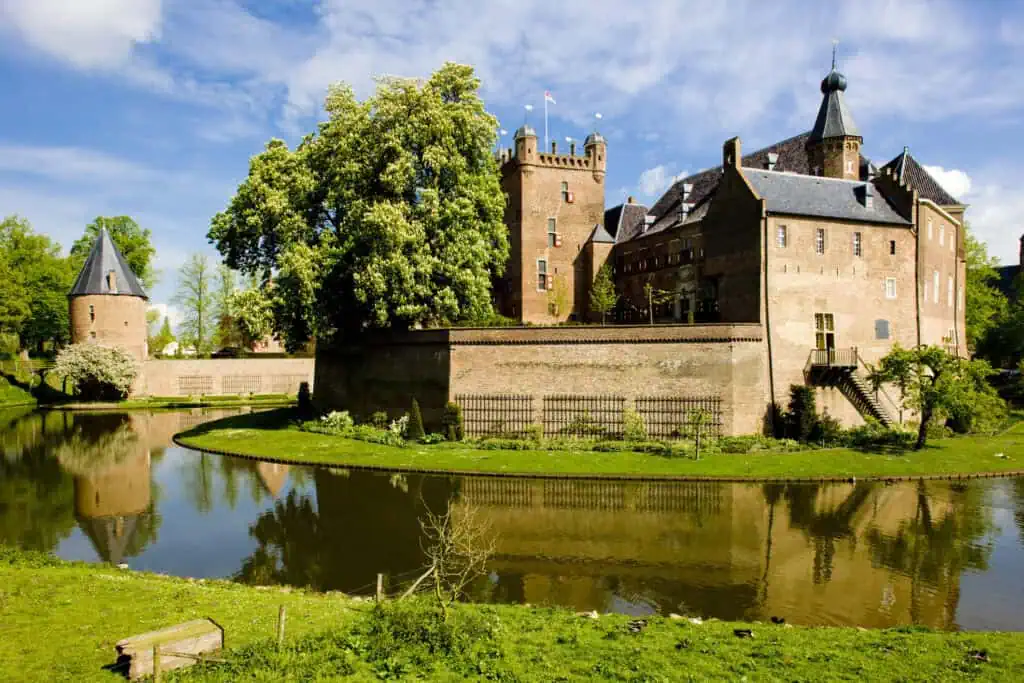
We don’t know much about the history of Huis Bergh (but we do love a bit of mystery). But what we do know is that the castle dates back to the 13th century and is among the biggest castles in the Netherlands. It’s also surrounded by a moat, which defended the castle in the Middle Ages.
Currently, Huis Bergh is home to a large collection of early Italian paintings and extraordinary medieval handwriting. The castle also hosts weddings, so it’s perfect if you want your special day to be like a fairy tale.
Unfortunately, the castle is currently closed for renovations. Some activities are still possible!
📍 Location: Hof van Bergh 8, 7041 AC ‘s-Heerenberg ⏰ Opening hours: This museum is currently closed for renovations. 💰 Ticket prices: This museum is currently closed for renovations.
11. Zuylen Castle, Utrecht
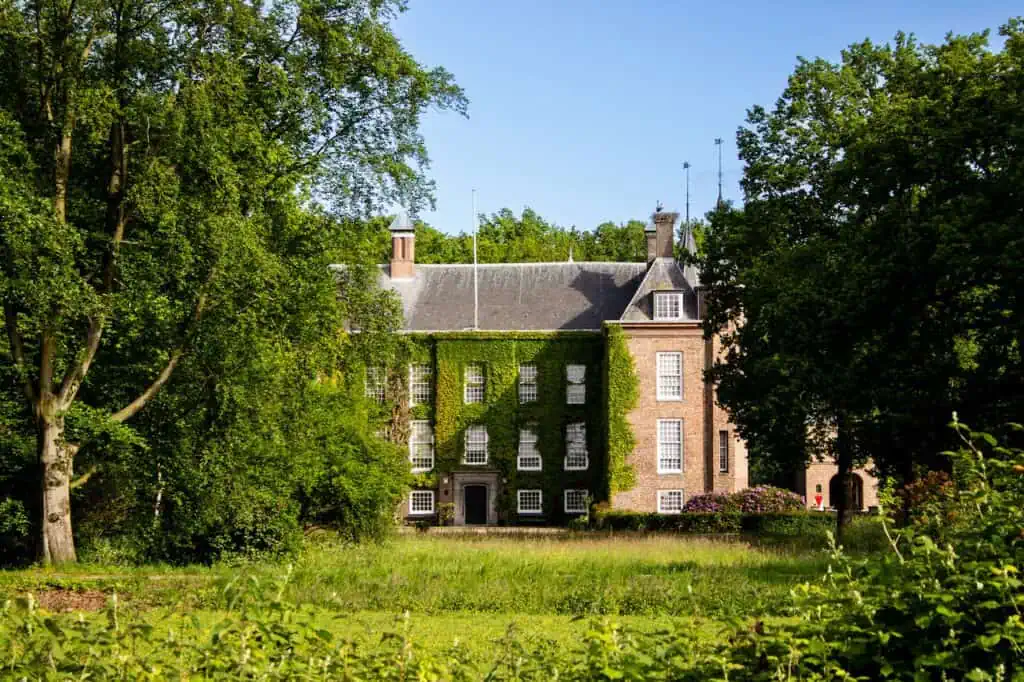
If you look closely, Mr Darcy is standing in one of the windows. Image: Dreamstime
Just north of Utrecht, in the village of Oud-Zuilen, you’ll find this dreamy 13th-century castle. The lush garden is perfect for a stroll, and the castle will wow you with its rich history of feminism, literature, weaponry, and robbery.
Zulyen Slot’s biggest claim to fame, however, is probably the fine tapestry it holds. It was made by the prestigious Dutch carpet weaver, Maximiliaan van der Gught. He was one of the best in Europe, supplying tapestries to the royal houses of Poland and Sweden, among others.
📍 Location: Tournooiveld 1, 3611 AS Oud Zuilen ⏰ Opening hours: High Season (April to October) Wednesday to Sunday, 11 AM to 5 PM; Low Season (November to March) Friday to Sunday, 11 AM to 5 PM 💰 Ticket prices: €16 for adults, €13 for students, €8 for children between the ages of 4 to 15, and free entry for children under the age of 4
12. Paleis het Loo, Apeldoorn
Paleis het Loo was built between 1684 and 1686 for the stadtholder-king at the time, William of Orange, and his wife, Mary II of England.
The palace is today a state museum that is open to the general public at all times. Its interior displays original furniture, as well as objects and paintings of the House of Orange-Nassau.
Paleis het Loo is also home to a library devoted to the House of Orange-Nassau. It also houses the Chancellery of the Museum of the Netherlands Orders of Knighthood, displaying books and other items, such as decorations and medals.
The palace has been appointed a national monument and is among the Top 100 Dutch Heritage Sites. The palace’s Dutch Baroque garden is often referred to as the “Versailles of Holland” because it’s been constructed in perfect symmetry, with fountains, basins, and statues scattered across its grounds.
📍 Location: Koninklijk Park 16, 7315 JA Apeldoorn ⏰ Opening hours: Tuesday to Sunday, 10 AM to 5 PM 💰 Ticket prices: €21 for adults, €9.50 for children between the ages of 4 to 12, and free entry for children under the age of 4, €50 for a family ticket
13. Kasteel Doornenburg, Doornenburg
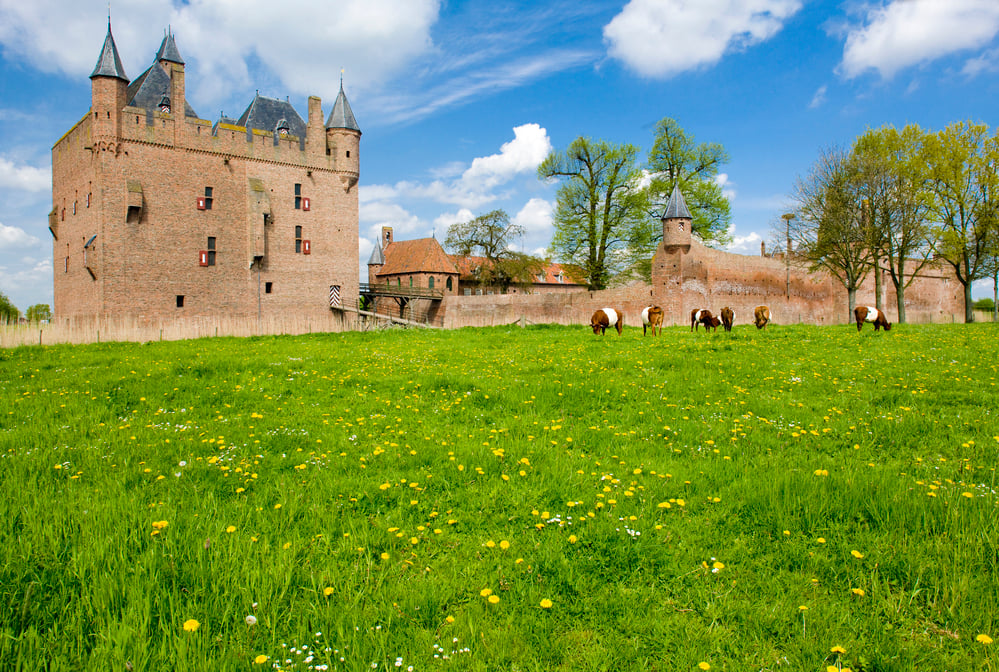
A frolic through the fields to a castle, anyone? Image: Depositphotos
Kasteel Doornenburg in Gelderland has the largest outer bailey or courtyard-surrounding wall of any castle in the Netherlands. It also has a wooden bridge connecting another smaller castle, Herberg de Doornenburg — hieperdepiep, two castles for one visit!
The oldest parts of the castle date back to the 14th century, and it has two vaulted cellars. This medieval castle sits on acres of sprawling farmland, which is why there is a medieval farmhouse and all those koeien (cows) strolling about.
Visiting the main castle is only possible with a guided or audio tour, so make sure to check availability before loading up the car.
📍 Location: Kerkstraat 27, 6686 BS Doornenburg ⏰ Opening hours: Starting March 31st, Kasteel Doorneburg, Saturdays and Sundays, 11 AM to 4:30 PM. Herberg de Doorneburg’s hours are announced weekly. 💰 Ticket prices: €12.50 for adults, €7.50 for children between the ages of 4 to 12, and free entry for children under the age of 4, free for Museum Card holders
14. Valkenburg Castle, Valkenburg aan de Geul
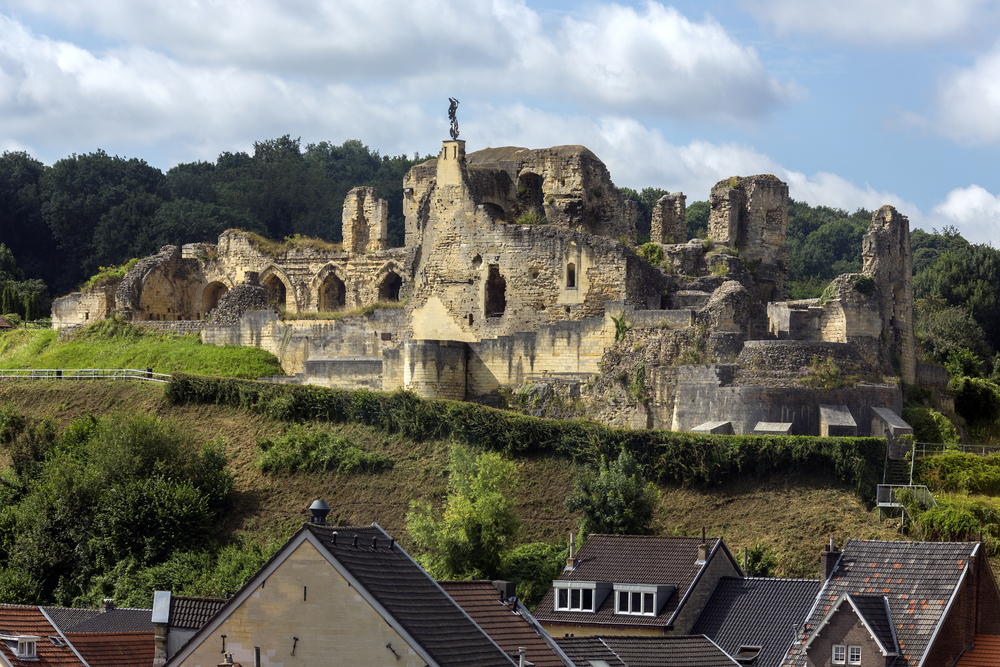
Your eyes are not deceiving you…that is indeed a hill…in the Netherlands! Image: Depositphotos
Unfortunately, what remains of Valkenburg Castle is only ruins. It dates back to the 11th century and is considered unique in the Netherlands since it’s the only castle built on a hill.
Over the years, Valkenburg Castle was destroyed multiple times during sieges, and its final destruction occurred on December 10, 1672, at the hands of Stadtholder Willem III.
Today, the castle’s remains are open to tours, allowing visitors to walk through what was once a proud fortress in the Geul Valley. It’s the perfect place for a day trip!
📍 Location: Daalhemerweg 27, 6301 BJ Valkenburg ⏰ Opening hours: Monday to Sunday, 10 AM to 5:30 PM 💰 Ticket prices: €16.50 for adults, €12 for children between the ages of 6 to 11, and free entry for children under the age of 6
There are some truly beautiful castles in the Netherlands! 🏰 Spanning tens of different centuries, each one has its own quirks and history, and we are truly enamoured.
What’s your favourite castle in the Netherlands? Tell us in the comments below!
As of today, women across the Netherlands can order abortion pills online to terminate pregnancies up to 9 weeks. Thanks to the website Thuisabortus.nl, an in-person visit is no longer necessary.
This is a major development in abortion rights for women in the Netherlands: previously, women were required to go to an abortion clinic, a gynaecologist, or a GP for the pills.
So what’s changing?
A new system
The most recent change in abortion regulation prior to this came in 2025, when it was established that General Practitioners (GPs) would also be able to prescribe the pills.
Even with this new system, however, Dutch women were encountering difficulties. Not all GPs prescribe the pills (only about 3 or 4% do, reports RTL Nieuws), and visiting abortion clinics can feel particularly threatening.
Thuisabortus.nl means that women can discreetly acquire the pills they need without encountering adversity for what is already a very difficult decision.
After answering a questionnaire on the site, the requester’s information is reviewed by a team of medical professionals (GPs and gynaecologists) before the pills are sent to a pharmacy free of charge. In other words, it’s never been easier.
Concerns
This degree of access does, however, raise other concerns. For instance, what if the lack of consultation causes an increase in coerced abortions?
Speaking with RTL Nieuws, GP and sexologist Peter Leusink, who helped spearhead the website, thinks these fears are overblown.
Alternatively, there are concerns about the legality of this new system.
While meeting with a doctor is not legally a requirement to receive abortion assistance, the Dutch Medical Association (KNMG) has indicated that other factors are at stake.
It is unclear, for instance, whether the online questionnaire provides enough insight into the patient’s medication history (a legal requirement for abortion care), RTL reports.
Even so, the team behind Thuisabortus.nl seems hopeful. Speaking with the Volkskrant, Leusink says, “this is self-determination in its purest form.”
What do you think of this latest development? Let us know in the comments!
Aged 14 and 17, two boys from Amsterdam have been arrested in Heemstede on suspicion of preparing an explosion to blow up a nearby synagogue.
The Openbaar Ministerie (OM or Public Prosecution Service) confirmed on Monday that the duo is up against charges for arson with a terrorist intent.
How the suspicion arose
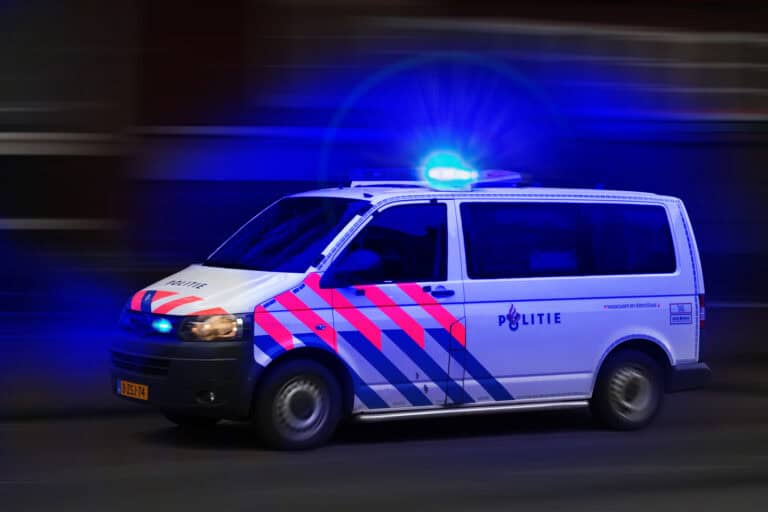
Police had already been surveilling the Heemstede area when they came across what they describe as a “suspicious situation” near the Adriaan Pauwlaan on Thursday after midnight.
Both teenagers were taken in, while heavy fireworks were recovered in the surrounding area that same night.
According to the OM, it is possible that a nearby synagogue was meant to be the target of an imminent attack.
The blast was only averted, authorities say, thanks to the swift intervention of officers already present in the area.
The investigation continues
On Monday, the teenagers appeared before the examining magistrate. The judge decided to keep them in jail for another two weeks while the investigation continues.
Meanwhile, the Minister of Justice wrote on X: “We are on alert.”
We zijn alert. Snel en goed gehandeld door de @Politie en @Het_OM. Deze twee personen zijn aangehouden en vandaag voorgeleid. We blijven de veiligheidsmaatregelen nemen die nodig zijn.https://t.co/PofOPMWDFY
Translation: “We are on alert. Swift and effective action taken by @Politie and @Het_OM. These two individuals have been arrested and brought before the court today. We will continue to take the necessary safety measures.”
This news follows just two weeks after a real blast hit a Jewish synagogue in Rotterdam, for which an Islamic resistance group took responsibility online.
At the same time, AD reports that five suspects were detained in connection with that bombing: four men and another teenager from Tilburg.
Do you think this is a case of anti-Semitism or easily influenced teenagers? Tell us in the comments.
The Dutch police have published the faces of 79 suspected nepagenten (fake police officers) and fraud suspects on their website, social media, television, and billboards.
As part of the “Game Over!?” campaign, police are soliciting help from the public to track down scammers who have been posing as police officers and bank employees to rob people across the country — and who have been especially targeting the elderly.
The story goes that a fake police officer calls an Oma (grandma) with a frightening story about a nearby burglary. The fraudster then shows up at the victim’s door to “secure” her valuables.
Aside from debit cards and large sums of cash, this is how the wedding ring of a woman’s deceased husband was stolen in Beek en Donk, reports NOS.
When did it get out of hand?
The scale of the problem is hard to ignore.
The number of reports against fake police officers reached 13,000 in 2025. The Fraudehelpdesk addressed 100,000 cases of fraud last year, where damages exceeded €68 million.
Exactly two weeks ago, police published 100 blurred photos of wanted scammers that were caught on doorbell cameras, CCTV, and ATMs. The ultimatum was clear: come forward within two weeks, or your face will go fully public.
After some suspects turned themselves in or were identified through tips, 21 images were removed from the collection. The remaining 79 are now unblurred and visible on the campaign website and across the country.
Daan Annegarn of the National Investigation Communications Team tells NOS, “The campaign is so effective that some detectives have had to work overtime in recent weeks.”
“We see this not only from the tipsters who are contributing ideas en masse, but also in companies that are selflessly offering digital screens for the campaign,” Annegarn adds.
But is it… legal?
Uploading photographs of unconfirmed individuals into the public eye is a big deal.
However, all 100 cases were reviewed by a public prosecutor before their release. A police spokesperson tells NOS, “It is drastic, but on the other hand, the impact of the crimes is also very significant.”
Do you know anyone on the list? Tips can be submitted via the contact form on each individual’s profile on the campaign website, by calling the free tip line on 0800 6070, or anonymously on 0800 7000.
Once someone is identified, their photo comes down immediately.
Dutch Prime Minister Rob Jetten has been invited to a White House dinner with Donald Trump, despite previously having called him a convicted criminal, a misogynist, and a man who “openly flirts with dictators”.
Apparently, there are no hard feelings.
The invitation comes alongside the Dutch royal couple’s working visit to Washington DC from April 13 to 15, during which King Willem-Alexander and Queen Máxima will be staying at the White House as guests of the Trumps.
According to AD, US ambassador Joseph Popolo confirmed Jetten has a seat at the table.
So why is Jetten invited?
Popolo’s explanation was disarmingly simple: Trump “looks forward” and is primarily interested in what people are doing, not what they’ve said about him in the past.
That’s either very magnanimous or a sign that Trump’s team Googles less than you’d think.
Back in November 2024, Jetten posted on social media that Trump was “a convicted criminal” who wanted to strip away hard-won freedoms, and “a man who openly flirts with dictators.” Now he’s been handed a dinner invitation. Diplomacy is a funny thing.
Trump, een veroordeelde crimineel, wordt president van de VS. Een vrouwenhater die verworven vrijheden, zoals abortus, weer wil afnemen. Een man die openlijk flirt met dictators. Wat voor ons ligt, zijn jaren van chaos, verdeeldheid en roekeloosheid.
Jetten became the Netherlands’ first openly gay prime minister after D66’s surprise election win last year. His presence at a cosy Trump dinner would mark quite the diplomatic pivot.
How did the royals end up at the White House?
It comes down to reciprocal hospitality. The two couples first bonded when Trump and Melania were hosted by the Dutch royals around last June’s NATO summit. Popolo put it plainly: “It’s now our turn to give something back.”
Apparently, one successful state visit is all it takes to secure a White House bedroom.
Dutch World Cup fans, take note
Popolo also used the occasion to reassure Dutch football fans anxious about entering the US for the 2026 FIFA World Cup.
The Netherlands plays its group-stage matches in Dallas, Houston, and Kansas City, and some supporters have been nervous that sending a spicy Trump meme could land them in trouble at the border.
The ambassador’s message was straightforward: Dutch visitors have nothing to worry about.