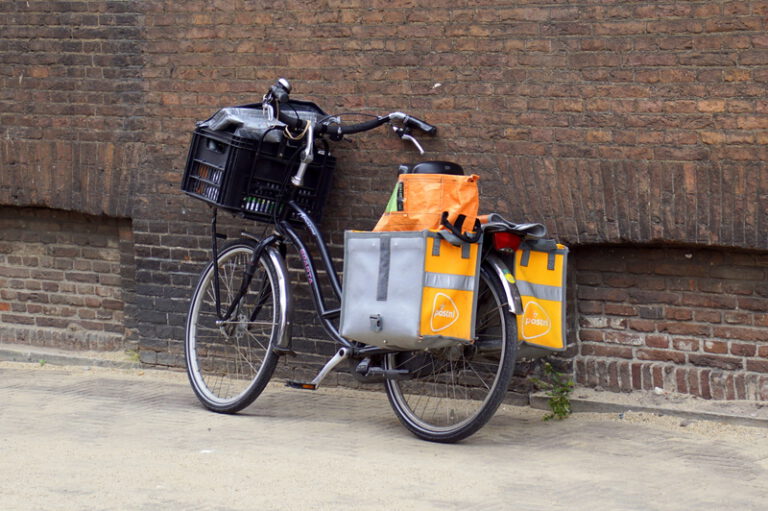
By the time PostNL realized this, helaas, the bin had already been emptied, and its contents had been long transferred to a waste processor in Enschede.
This means the Hengelo residents’ mail, including sensitive documents such as credit cards and medical results, is forever lost.
Mysterious Motive
While the consequences of the mailman’s actions are painfully clear, his motives remain a mystery.
Unsurprisingly, he was immediately fired, and PostNL is considering further action.
He can only hope that if he’s requested to appear in court, his notification is delivered by a more responsible colleague.
Have you ever lost important mail? Tell us your stories in the comments below.
Police in Utrecht are looking for a man who pulled a 19-year-old woman off her bike in Utrecht this week. They have released photos of the suspect.
The police are looking for the man after his alleged involvement in at least two attacks on women this week.
During the attacks, it is believed he attempted to pull two cyclists from their bikes.
At least two known attempts
On Tuesday morning, a 19-year-old woman was violently pulled from her bike while cycling towards Utrecht’s Science Park but managed to escape.
We zijn dringend op zoek naar deze verdachte. Hij wordt in verband gebracht met recente feiten in #Utrecht waarbij fietsers van hun fiets worden getrokken: Klik op de link voor meer informatie:https://t.co/4HZ5lFGw0v
— Politie Gooi en Vechtstreek (@POL_GooienVecht) August 15, 2024
Translation: We are urgently looking for this suspect. He is associated with recent incidents in #Utrecht where cyclists are pulled from their bikes: Click on the link for more information
According to RTV Utrecht, the suspect was driving a car and drove off in an unknown direction after attempting to attack the woman.
It has been revealed that a second incident also occurred in Utrecht several days before, but the police do not want to share the victim’s details, location or date of the attack.
The suspect is still at large
In a press release, the police shared their concern, stating that the suspect is still at large.
They write that he is believed to “operate at night and seems to target cyclists who cycle alone..”
They know the man’s name, but it has not been made public.
Do you have any information regarding the man? Then call 0800-6070 for the police’s investigation tip line.
After a long day at work and a windy bike ride home, you only want to sit on your couch and relax. But then the dreaded moment comes: you need to get up and cook.
Ah, yes, adult life can be hard sometimes — and sometimes we wish we could have a built-in chef at home like when we lived with our parents. 😅
But wait… maybe we can!
Factor is a ready-to-eat meal delivery service that brings fresh, chef-cooked meals from the kitchen straight to your home. It’s the perfect way to simplify your life while maintaining a healthy lifestyle!
Not your typical ready-made meal: fresh, nutritious, and tasty dishes
Factor’s main goal is to help you save money and time — all while filling your fridge (and belly) with the most tasty and nutritious meals possible.
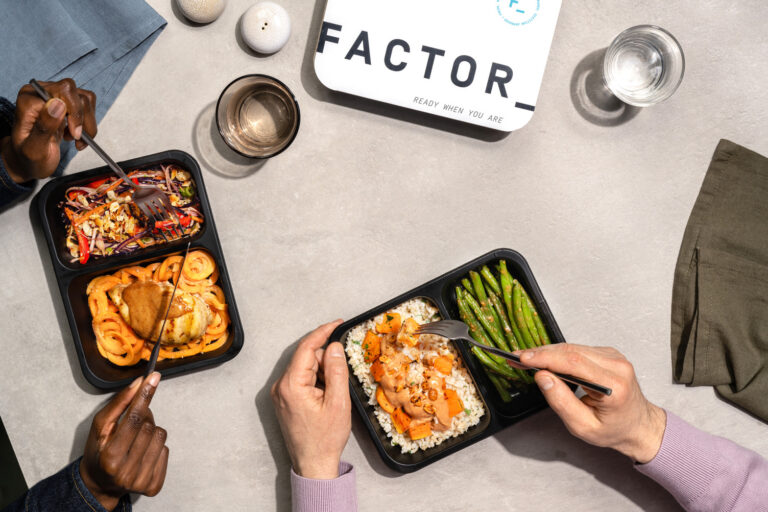
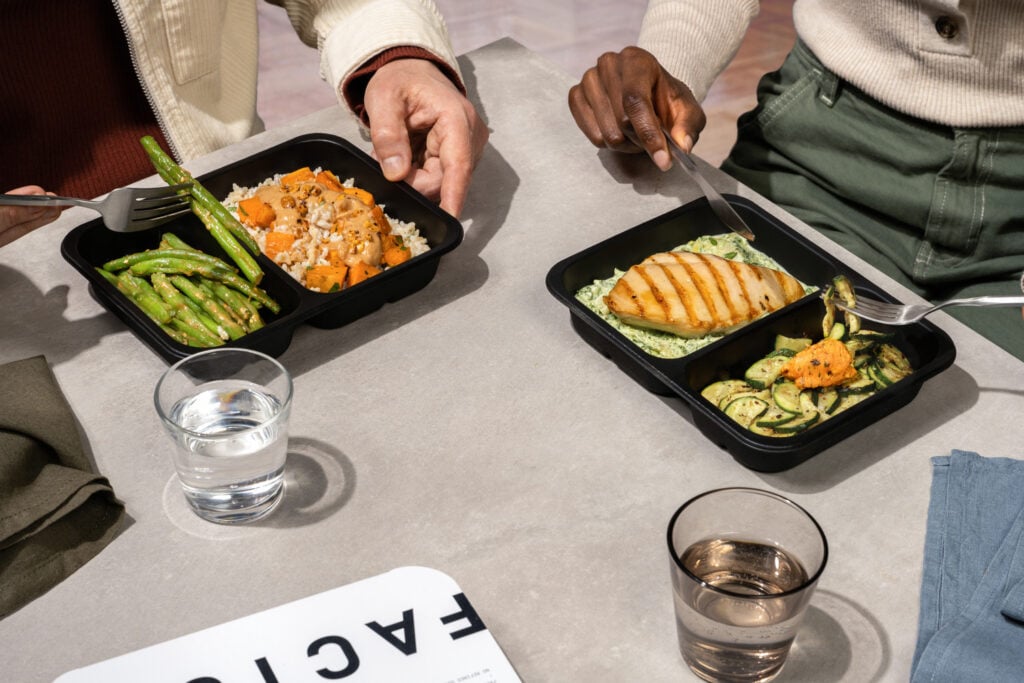
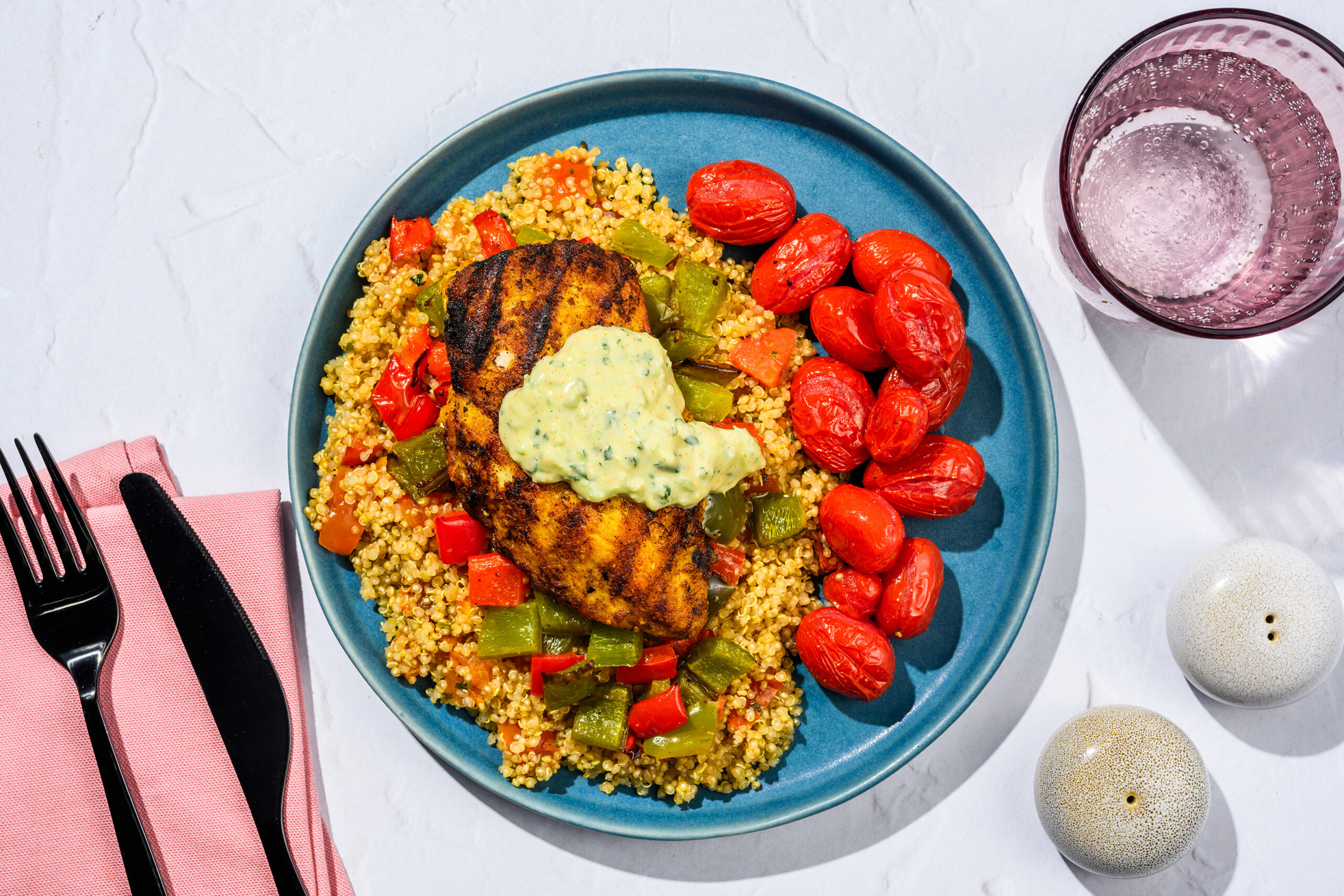
Ready whenever you are! Image: Factor
Let’s talk about three ways Factor can help you. 👇
⏰ Skip the cooking and save time
Let’s be real for a second: as enjoyable as it is, having to eat can be an inconvenience sometimes.
Between preparing your ingredients, cooking, and cleaning up, you can easily spend half an hour (or more!) in the kitchen every evening after work.
That’s a lot of time to sacrifice, especially if you also have to make time for family, friends, working out, and rest.
Factor lets you skip meal prepping, shopping, cooking, and cleaning altogether by delivering delicious, ready-to-eat meals straight to your door. 🤗
🥗 Prioritise your nutrition
One thing that stressed people often put on the back burner is the nutritional value of their food.
No time to cook? Just throw on a packet of instant noodles. No energy? A semi-stale piece of bread with some cheese will fix it.
No veggies. No fruits. None of the important nutrients your body needs. Yup, I’m guilty too.
Well, not anymore! At Factor, each meal is fuelled with around 150 grams of vegetables, 850 calories, and all the most important macro and micronutrients your body needs. ⚡️
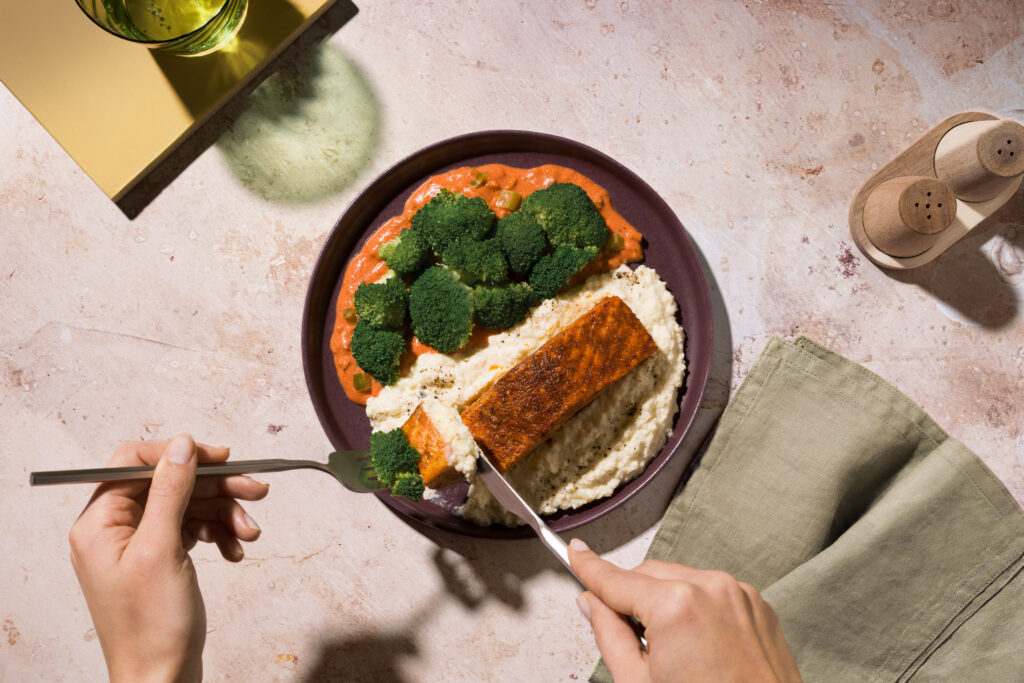
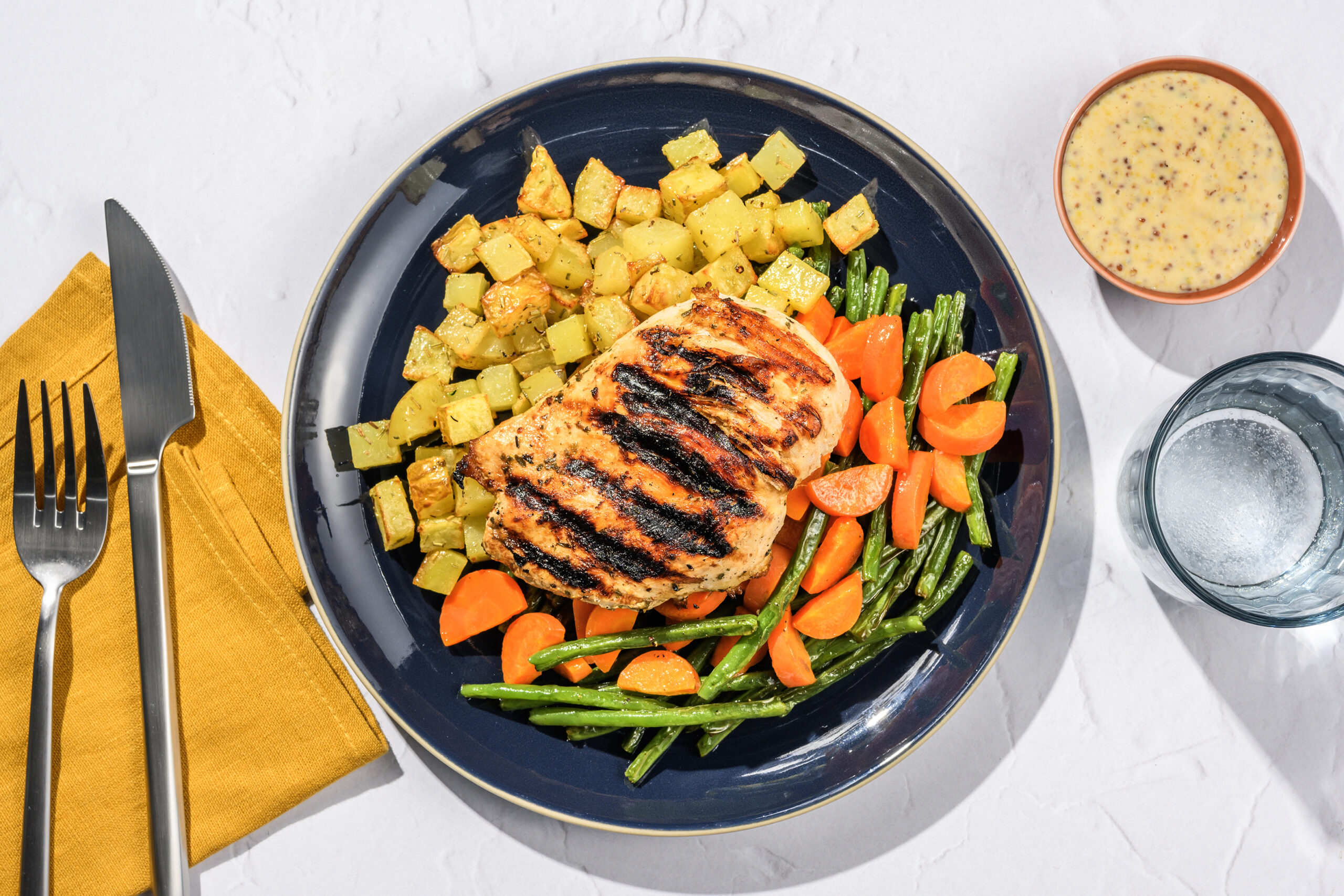
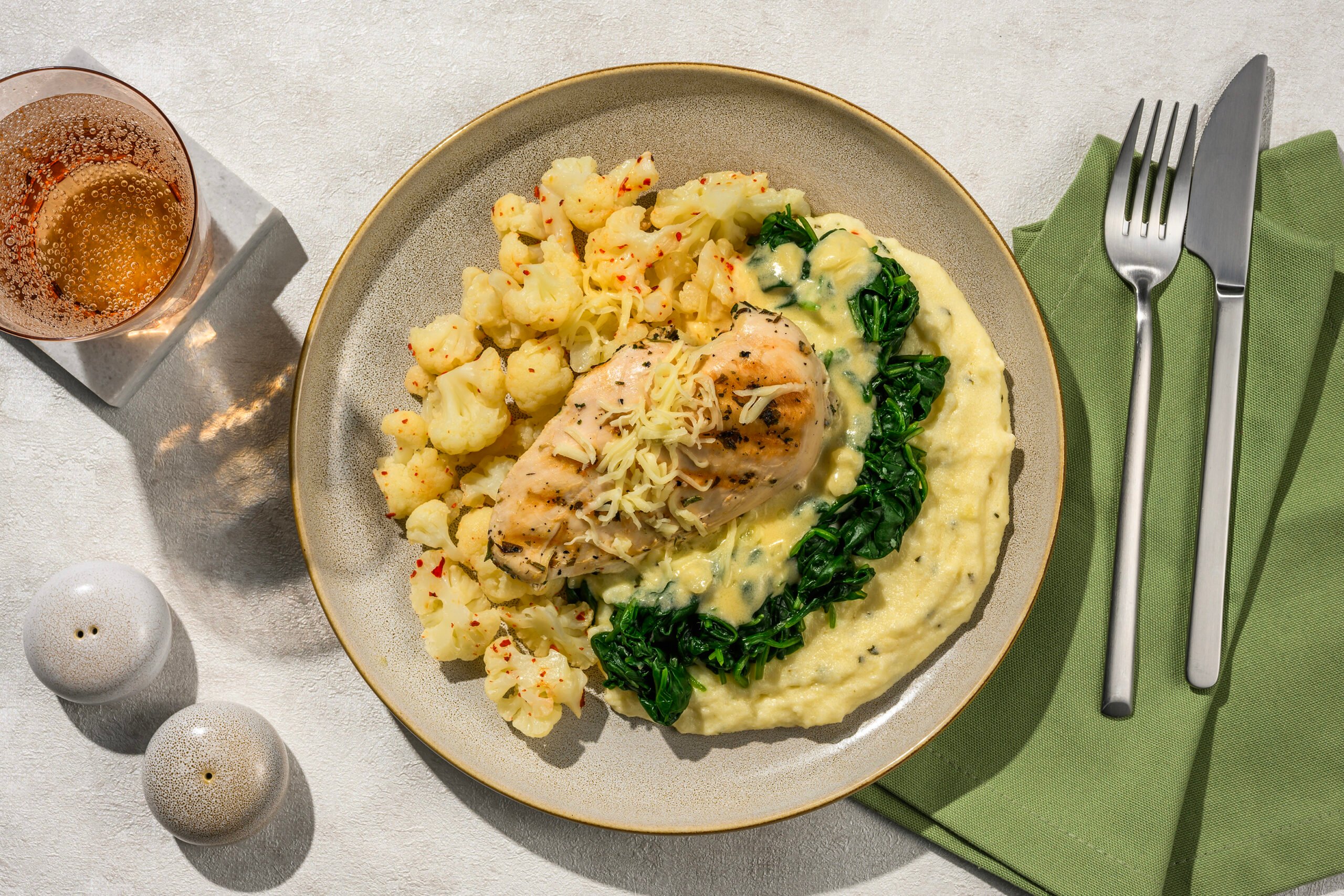
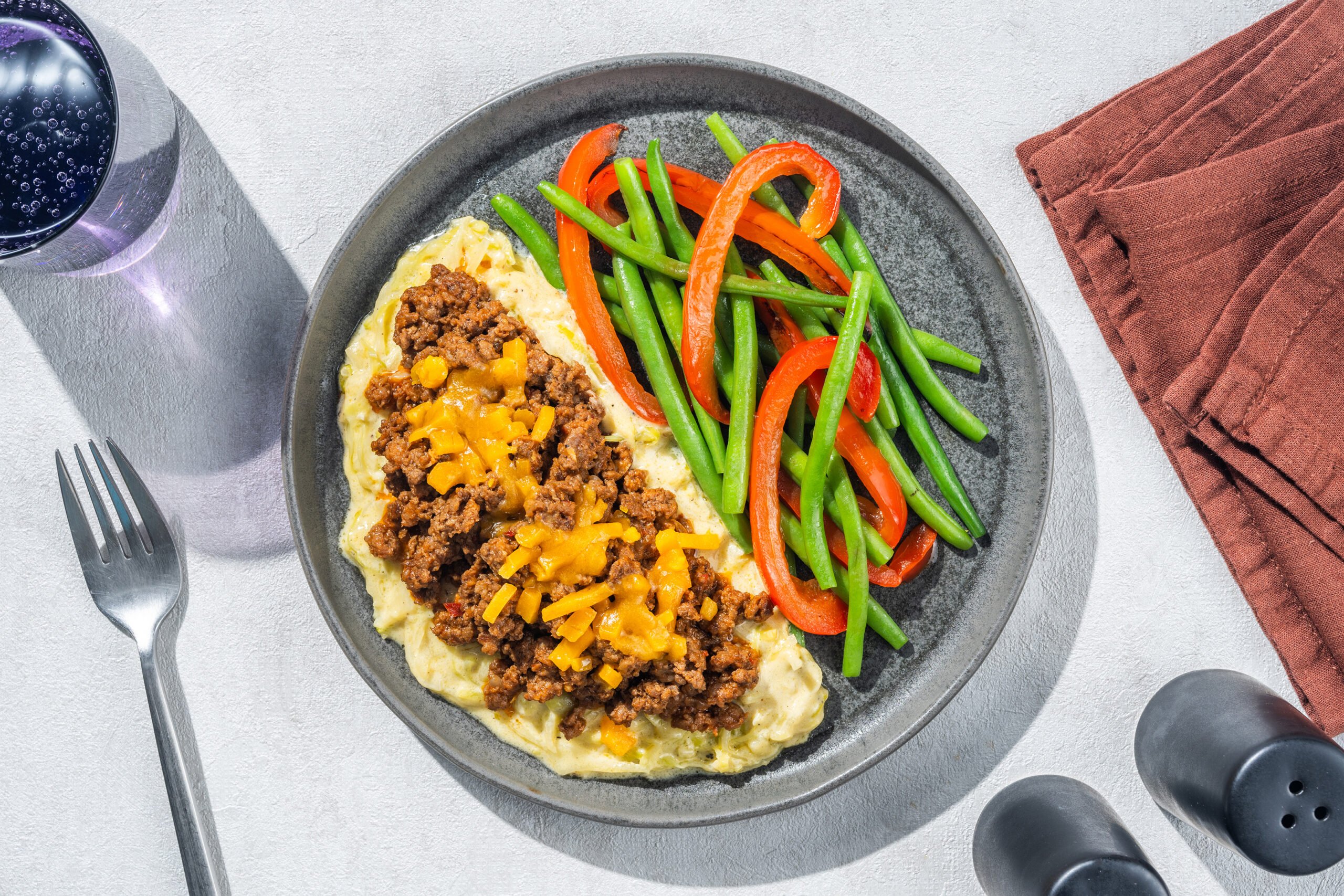
Yup, looks much better than that kapsalon you were considering. 😉 Image: Factor
💰 Get the most bang for your buck
Think a meal delivery service has to be expensive? Think again. At Factor, prices for meals start at as low as €8.49.
In comparison, a takeaway from your favourite restaurant on Uber Eats will cost you at least €12 (— and don’t forget about the delivery cost 👀).
While you may save some money by cooking your own meals (though in today’s economy, that’s not guaranteed), Factor75’s value also lies in its ability to save you time, and, most importantly, the fact that you’re eating meals that nourish your body properly.
After all, true wealth is good health! 🤗
TIP: Want the benefits but not sure if you want to commit? Use the code DUTCHREVIEW to get 40% off your first box and 25% off the following four! Order now.
Made by professionals, delivered to your doorstep
It’s 2024. Who says only the Kylie Jenners of the world can afford to enjoy nutritious meals prepared by a chef?
With Factor, you’ll find care and professionalism in every bite. Each meal is prepared by three sets of professionals: recipe developers, dieticians, and chefs.
First, each meal is carefully planned by Factor’s in-house recipe makers and dietitians. Working closely together, they make sure that your dinners are not just delicious but also nutritious.
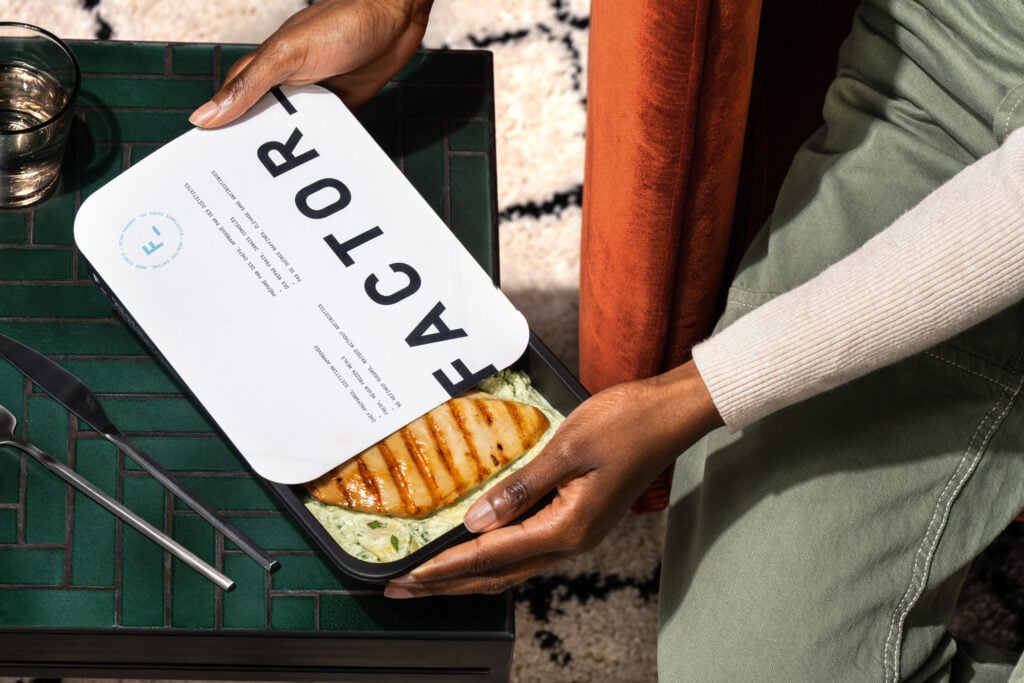
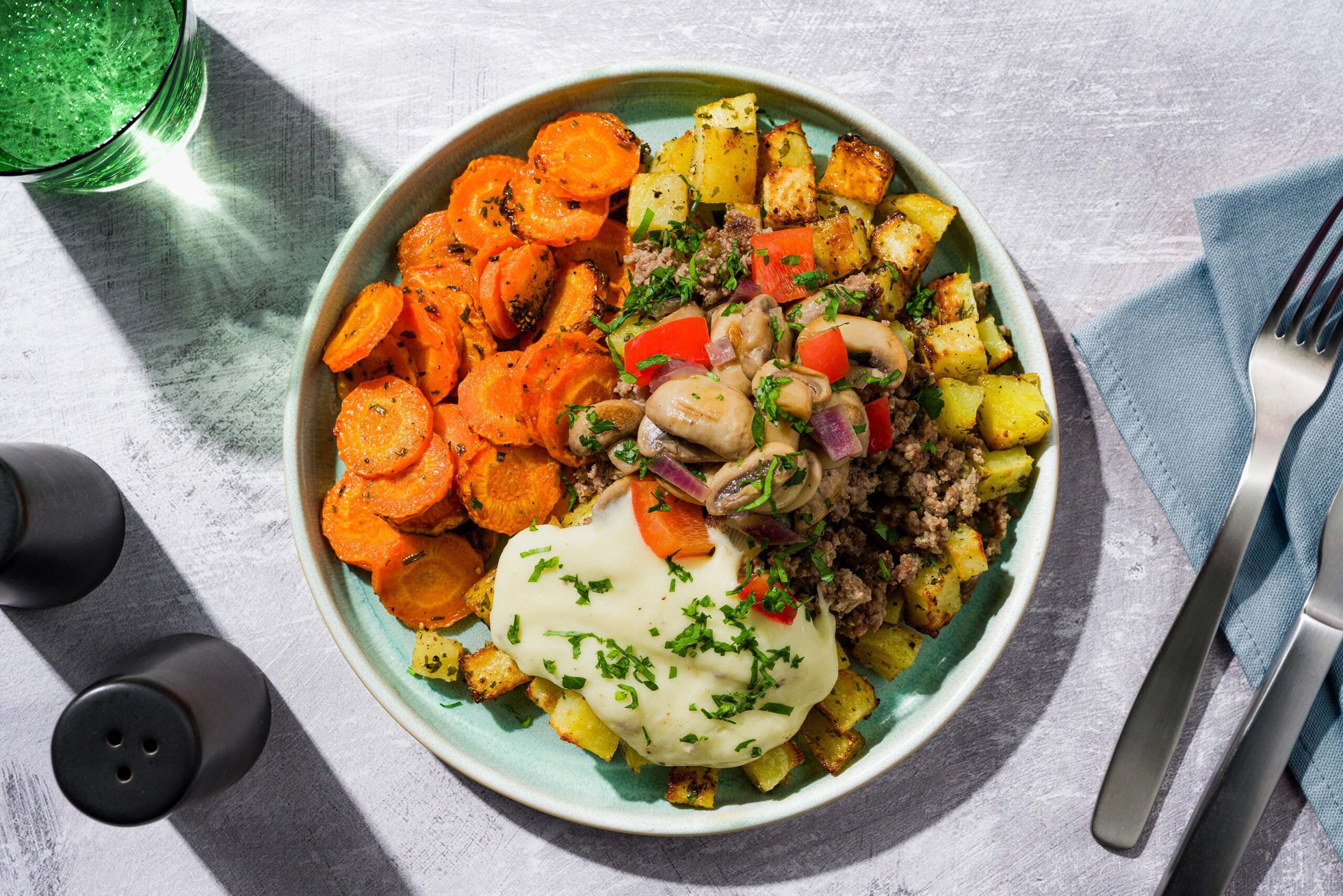
Plate your meal, or eat it straight from the box — it’s delicious either way. Image: Factor/Supplied
Once this perfect balance has been found, it’s time to chef it up!
Based on your dietary preferences — from vegan to keto or protein-rich to calorie-conscious — the experts will prepare the meals you picked from the weekly menu. 👩🍳
After cooking, all the meals are refrigerated, packaged and stored at below 4 degrees Celsius, until they are delivered to your doorstep.
How does it work?
A ready-made meal delivery service like Factor is great for anyone with a busy schedule — or those who simply don’t enjoy spending hours in the kitchen.
Eating with Factor is easy as pie! Here’s how it works:
🧑💻 Pick your meals from the weekly changing menu 👩🍳 Professional chefs prep, cook, and package your food 📦 Ding-dong! Your box gets delivered to your home 🥘 Heat, eat, and enjoy your meal!
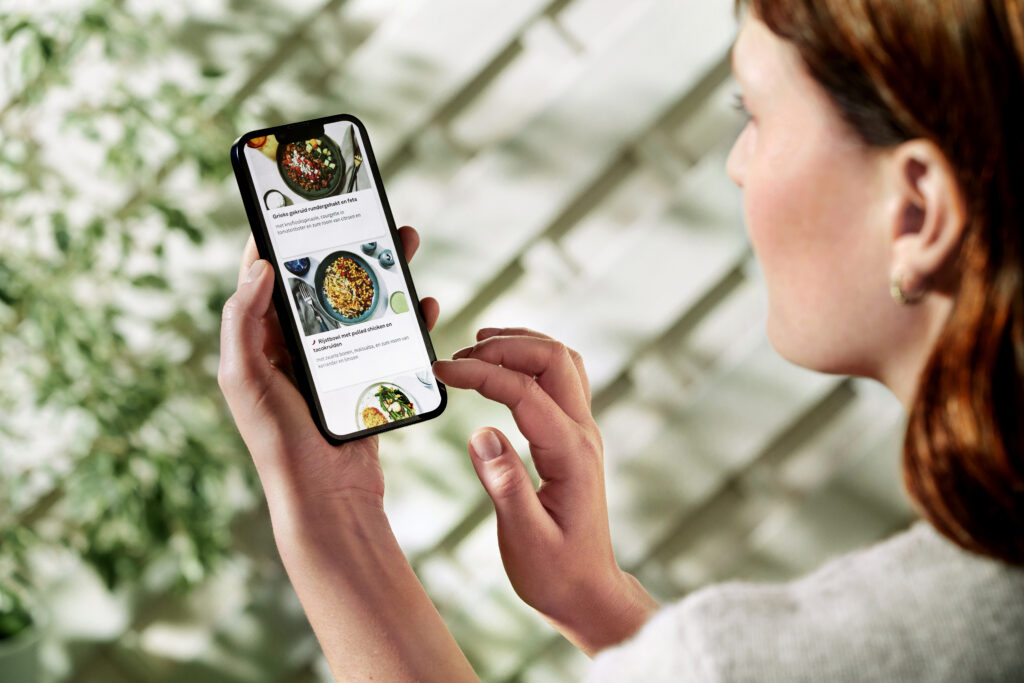
Meal prep with just a few taps on your phone! Image: Factor
What’s on the menu?
Is all this food talk making you hungry? Then, let’s look at some of the delicious meals you can order from Factor.
Here are some examples of what your nightly dinners could look like:
Pork tenderloin with caramelised onion
Salmon on cheesy cauliflower rice
Spicy green curry with rice and sweet potato
Greek-style minced beef and feta
Creamy tomato risotto
Italian chickpea bowl
Courgette spaghetti bolognese
Wanna have a look around? Dat kan! Just check out Factor75’s weekly menu.
Plans change — Factor75 get its. Their goal is to make your life easier, and that’s why they offer heel veel (a lot of)flexibility when it comes to your subscription.
Will you be travelling for a week? Just skip a week! Got some dinner dates planned? Opt for fewer meals! Wanna try going vegetarian? Switch your plan!
And, of course, you can also cancel your plan at any moment.
I’m intrigued! Sign me up
If taking your health into your own hands was one of your 2024 resolutions, then now’s your chance!
You can check out Factor’s different plans and place your first order on their website. If you use our code, ‘DUTCHREVIEW,’ you can even save some decent money, as Factor gives you 40% off your first box and 25% off the next four!
Would you try Factor? Share your thoughts in the comments!
Do you enjoy Dutch directness? Are you lost without your planner? Can you not pass up a good op=op actie? Then something scary may have happened to you: you have been Dutchified.
There are plenty of signs that you have stayed in this country long enough to pick up some qualities, insights and habits of the Dutch — and I discussed 14 of them in the first volume of this article.
But now it’s time for more. For this, I’ll be channelling my inner Carrie Bradshaw, except I won’t be talking about my love life but about all the tea that comes with living in the Netherlands. 💅
So, let’s dive right into the deep sea, *cough*, canals of Dutchness.
1. You own a BasicFit backpack (and you use it for everything)
That’s right. You own that BasicFit (or should I say the “spot the foreigner living in NL”-) bag.
And yes, you use it almost every day because it’s just so spacious and handy.
(For any gym I have been to in the role of an imposter, sorry — but maybe you could also reconsider your merchandise, he-he.)
2. You’re addicted to fresh, warm stroopwafels
Not much to say here. We’re talking about those mouthwatering fresh ones from the market. The ones you had once and then never stopped thinking about. 🧇
There’s truly nothing like the warm stroop and crispy outer part melting in your mouth and satisfying every part of your taste buds (and soul).
3. You catch yourself liking the terrace culture
Terrace culture is a big thing in the Netherlands — but only when there is sun. Or well, at least when the weather forecast says there will be sun.
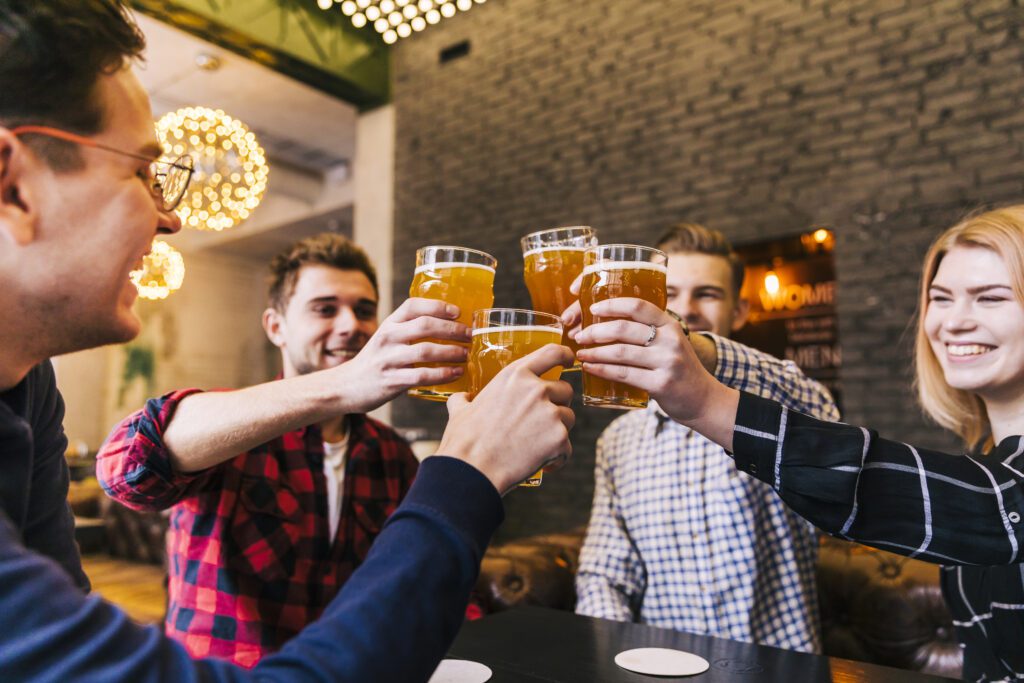
While you used to think: “Why would I want to sit outside at 15 degrees Celsius while being attacked by seagulls?”, you now agree that there is so much charm in sitting outside, drinking your kopje koffie, thee, or a lekker biertje.
Bonus: If you happen to run out of topics to talk about, you can always discuss the people walking by, since 90% of all tables face the walking path. It’s a people-watcher’s paradise!
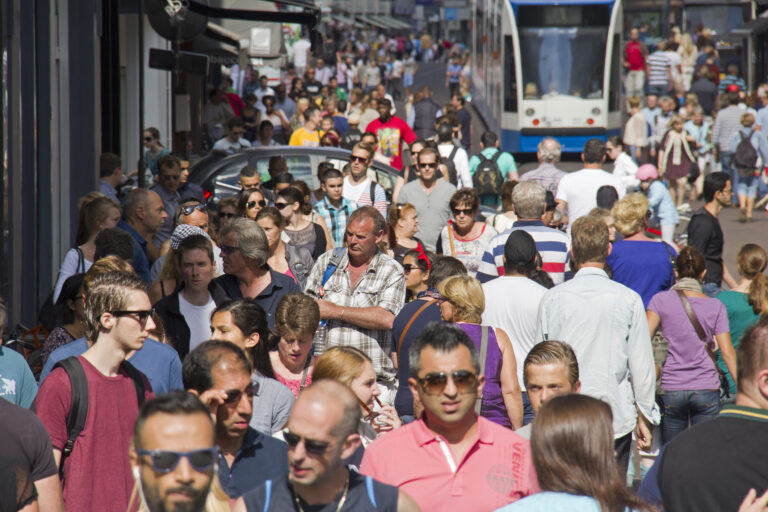
Front-row seats to the Amsterdam fashion show. 😎 Image: Depositphotos
4. You know that there is a separate birthday song for every common Dutch name
… And you’re always the first person to put it on. Yes, you can find the playlist on Spotify; it’s called “A-Z (Dit Is Je Verjaardag)”.
So, if you are wondering what to play next time you are invited to a Dutch birthday, feel free to impress them with this.
Bad news, though: if you don’t have a typical Dutch name, you will probably have a more difficult time finding your name there.
5. You can’t enjoy a dish without frietjes and mayo
No jokes! Even at the fanciest of Dutch events, you will get served French fries and mayo — and you will love it.
I’m telling you from experience: I once had to carry a kangaroo-shaped platter with fries out to a group of Dutch people. I felt like… the fairy of the fries!
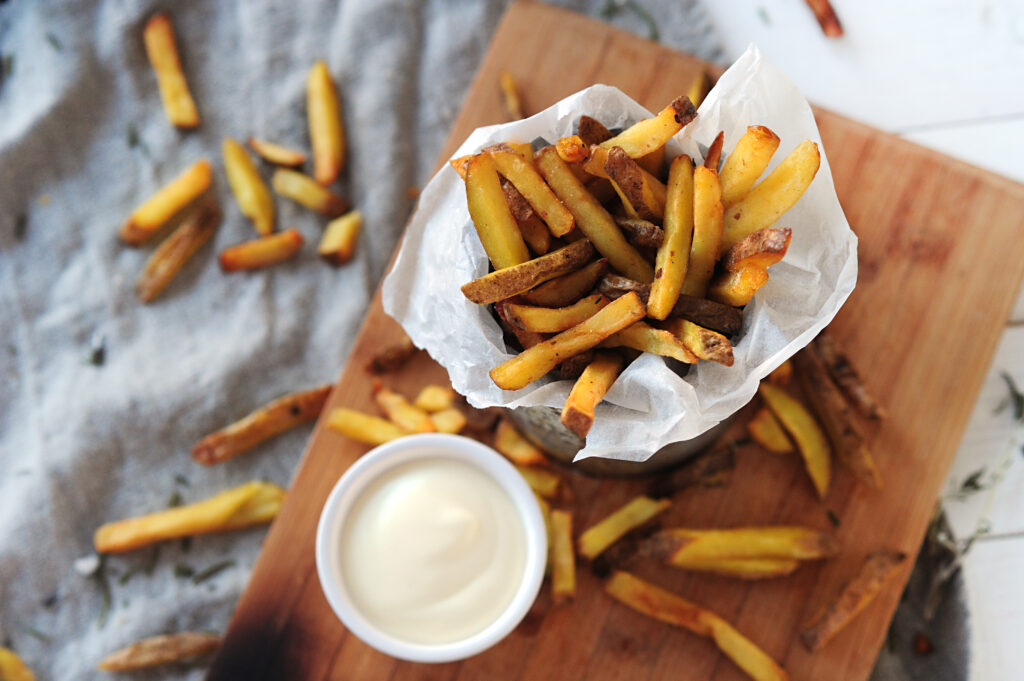
The way to a Dutch person’s heart. Image: Depositphotos
For some reason, Dutch people are always so happy when the fried goodies come out, and it seems like they have waited for this moment for an eternity.
So, if you catch yourself being excited about frietjes met mayo just as much as they are, well, then you may just be one of them.
6. You love to rediscover the nature of the Netherlands
Sure, Dutch city life is great, but as a true Dutchified international, you’ll eventually get that craving to reconnect with nature.
We are talking about the many national parks, forests, and lakes (yes, artificially created, but we love them as they are).
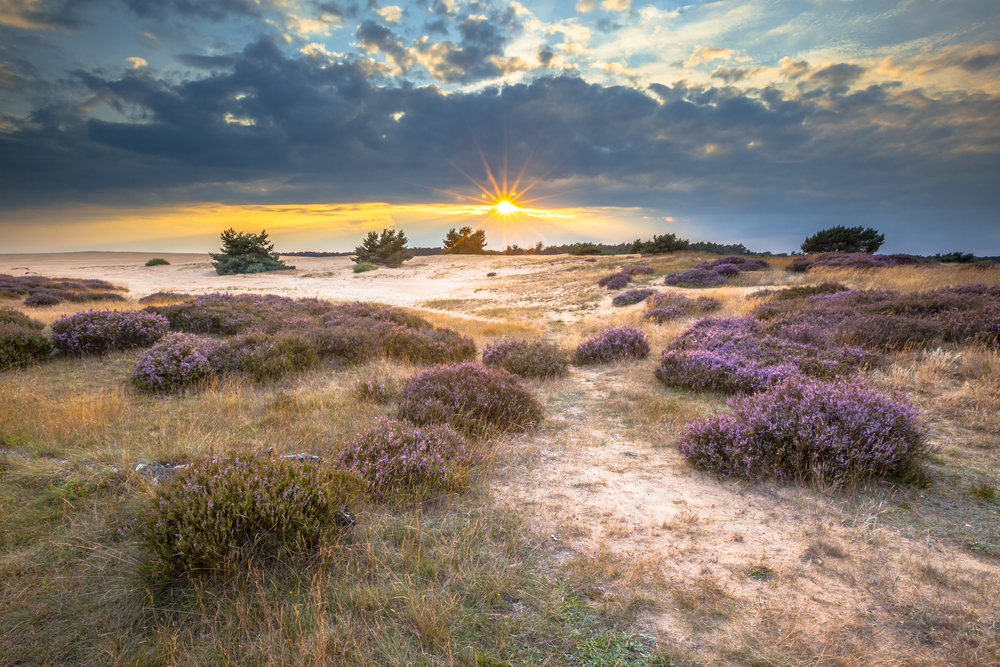
Who knew the Netherlands could look like this! Image: Depositphotos
Although the Dutch pride themselves on having their highest “mountain” peak being only 322.4 metres high (the Vaalserberg in Limburg), we cannot disagree that they have beautiful nature areas that still provide us with picturesque views. Just… Dutchified!
7. You know about the orange sky
Not only is their national colour Oranje, but so is their sky. Wait, what? Yes, this is quite specific and mostly region/province-based, mostly in South Holland. But if you have been properly Dutchified, you have stumbled across it at least once.
Now, to give you a proper explanation of this phenomenon: it is caused by the bright lights used in Dutch greenhouses to boost year-round growth of fruits and vegetables. Voilà!
8. You don’t dare pronounce the name He-i-n-e-k-e-n, let alone drink it
Psst. He-who-must-not-be-named. We don’t say this brand’s name out loud. Let alone drink it.
Heineken? More like Hell-no-thanks. Image: Freepik
I was personally surprised by this, given how famous and widely known *the brand* is worldwide. Yet the Dutchies don’t cherish it AT ALL. Hertog Jan for the win.
…Or Duvel, but don’t tell them, or else the endless comparison with Belgium will start, and we’ll save that for another time.
9. You have been to the Efteling at least once
This is a must-do and must-see for any true Dutchified international.
Despite being focused on Dutch legends, fairy tales, and folklore, the Efteling is quite a remarkable theme park for the Netherlands, having existed for more than 50 years already.
It is great for kids — and for the bigger kids, too!
10. You know about Elfstedentocht
Back in the day, the Netherlands actually had lots of snow. Echt? Yes! Literally translated, Elfstedentocht means “Eleven Cities Tour” and was the biggest ice-skating tour in the world.
It would pass eleven historical cities within the Friesland province. Sadly, the last time the event took place was in 1997. But hey, it’s no surprise Dutchies have so many pro ice skating athletes.
11. You have become one with your bike
I’m saving the best for last, and that’s a whole mini-section on its own.
The bike-friendly culture of the Netherlands was one of the things I was most excited about when moving here.
Whether you are coming back from a party, commuting to work, cycling with a friend on the back, or carrying groceries (or a fridge) — you name it, the Dutchies have done it all.
Besties forever. ❤️ Image: Freepik
Here is just a small list of things showing that you have become besties with your bike:
You have mastered the art of the bike taxi (a.k.a. being a passenger princess on a bike) and that awkward run until you hop on the backseat.
You avoid all possible add-ons to your bike to reduce the chances of it being stolen.
You might be (I still am) fascinated by all the variations of bikes this country has, yet you are already able to tell them apart — from the Omafiets to the tricycle or the tandem bike.
You are used to having your bike stolen occasionally (oeps).
You can stop by putting both legs on one side and hopping off the bike. There is nothing more to add here; speaks for itself — fully Dutchified.
You have joined the “grocery-store-bag-as-seat-cover” gang to avoid a wet booty.
Whether you are a newbie or a seasoned expat, there is always a new quirk to find out about in this fairly small but intensely populated and charming country.
When you find yourself embracing every unique aspect of it, that’s when you’ve truly embraced the Dutch way of life. 🕺
So, what’s the verdict: how Dutchified are you? Share your thoughts in the comments!
If your train journey this morning felt a little extra cramped, you can just blame it on the general population. Today, the Netherlands’ population counter is predicted to reach 18 million people.
In just eight years, the country has seen its population increase by a whopping one million people — and no, this isn’t due to a thriving birth rate.
According to the Central Bureau for Statistics (CBS), the death rate in the Netherlands is currently higher than the birth rate. Instead, this growth is actually thanks to increased migration from abroad.
Did you know: We can’t really know how many people exactly live in the Netherlands, so CBS’s population counter is just an estimate, not a real count.
Why’s that? For one, the registration of births, deaths, and immigrants takes time. On top of that, the official number of inhabitants only counts people who are registered, meaning some homeless people and asylum seekers are not in the numbers.
Who is joining us?
The CBS found that the largest number of newcomers are from European and Asian countries, with the highest proportion of people coming from Ukraine, Syria and Poland.
This is not only due to the ongoing wars in Ukraine and Syria, but also the better economic situation offered by the Netherlands, along with the many English-language study options.
What does this mean?
You can now boast to your friends about living in the second most populated country in Europe. 🤓
Yep, with 518 people per square kilometre, only Malta can beat the Netherlands, with 1700 people per square kilometre.
However, if you find yourself standing alone in the countryside of Limburg, you may be a bit confused by these findings. That’s because municipalities such as Limburg and Groningen have actually seen their population fall since 2016.
Instead, you’ll find that certain parts of the country are more popular (and populated) than others.
In particular, municipalities surrounding the country’s biggest cities have seen the effects of this population growth, with cities such as Utrecht experiencing a population growth of 10.4% in the past eight years.
What do you think of these findings? Tell us your thoughts in the comments!
How much do you spend on flights every year? If it’s more than €599, you might want to check out Wizz Air’s new annual “All You Can Fly” membership and get your hands on one of the 10,000 available.
The low-cost airline’s subscription allows you to fly from Eindhoven to many amazing Eastern European locations, like Sofia or Budapest, UNLIMITED.
And today is the last day of their discounted price of €499.
Sounds tempting, right? Hold up, it wouldn’t be transport in the Netherlands without a few obstacles that stop you in your tracks…
There’s always a catch (or three)
If you were already mentally sunbathing in Sofia or roaming Rome, let us bring you back to reality with some of the limitations (sorry).
Firstly, you can only take hand luggage. Packing light is fine if it’s only for a short trip, but that brings us to catch #2.
You can only book a flight 72 hours in advance. So, if you want to go away for longer than three days, you will only know when you can return once you’re there.
Lastly, you have to pay €10 for administration costs per flight. Considering you can book some flights for €20 without this subscription, is this really a good deal? 👀
What do you think of an annual subscription for unlimited flights? Would you buy it? Let us know in the comments!
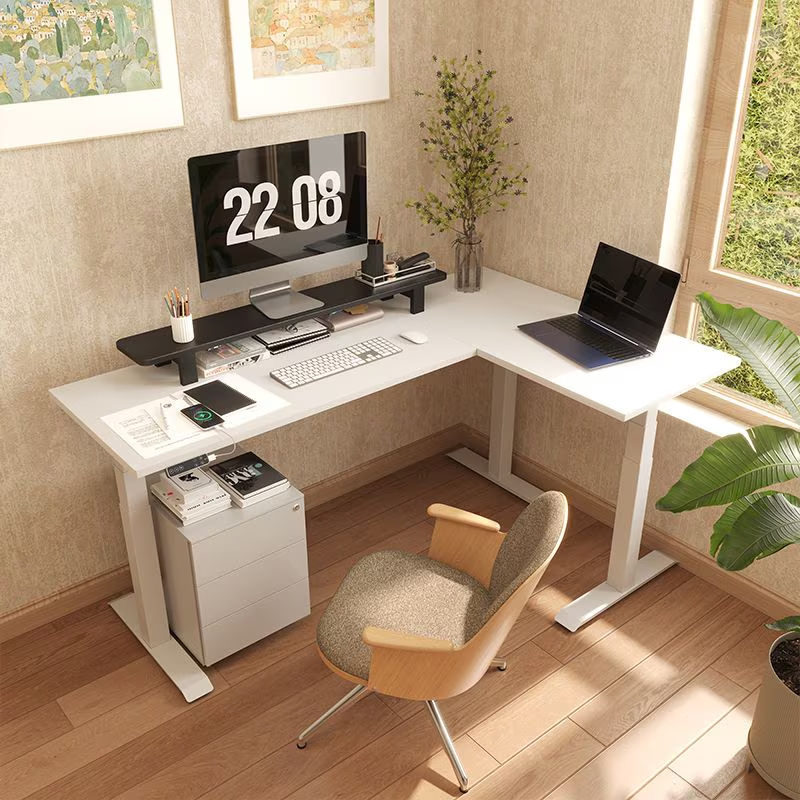
In honour of their eighth birthday, innovative furniture company FlexiSpot just announced a celebratory sale — with up to 46% off on ergonomic fixtures for your home and office for the month of August.
Here are some of the products we’ve tried and can recommend. 👇
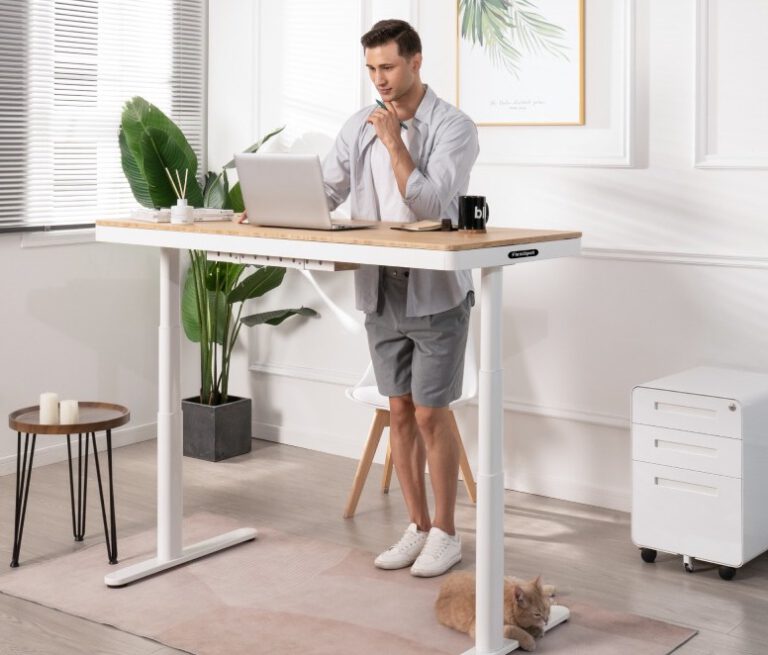
It’s an oldie but a goodie: FlexiSpot’s best standing desk is now on sale for €200 off with the code FSVE7P!
The E7 Pro adjustable electronic desk has a control panel with multiple saved heights, an integrated cable rack, and a built-in USB charging port, making it the perfect addition for your work or home office.
Half the DutchReview team has this baby and swears by it as the holy grail of standing desks.
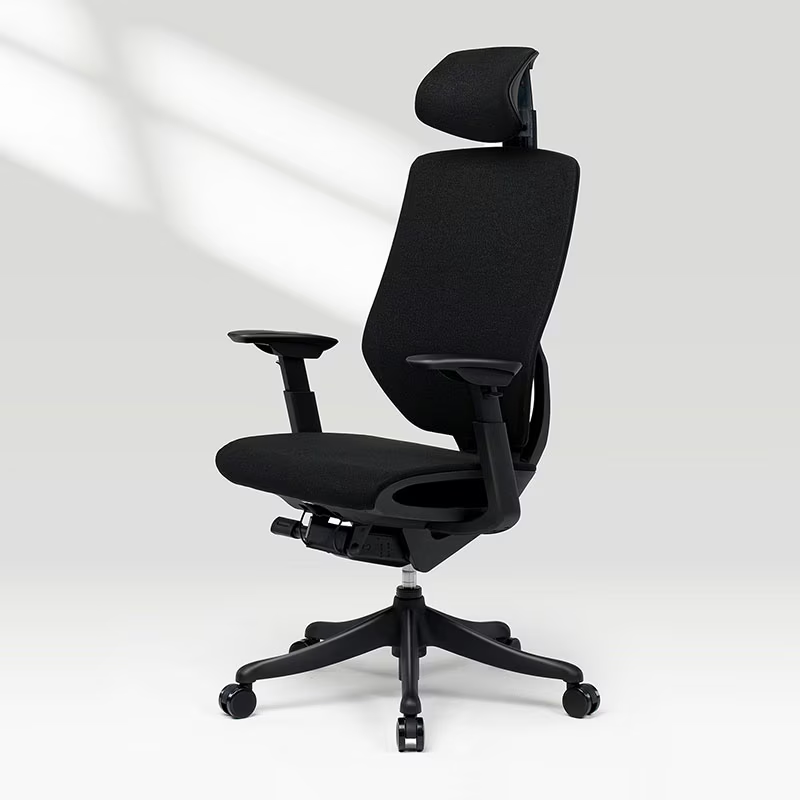
Let’s face it, you need a good stoel (chair) for your buns while you’re bringing home the bacon — and, at 32% off with the code FSVBS12P, this babe sure fits the bill.
This chair is available in grey or black, has three seat adjustment areas, and is C-O-M-F-O-R-T-A-B-L-E. Bye-bye, back pain!
Life can’t be all hustle and bustle — and this plush lounge chair might just be the perfect reminder to take it easy!
With three flattering colours to choose from (orange-brown, beige, and light grey), you can also nab €150 off this beauty with the code FSVXC6. (Or… y’know, get all three. 😉)
If you’re dying to live out your cottagecore dreams but wince at the price of ✨vibey✨ furniture, we’ve got you covered.
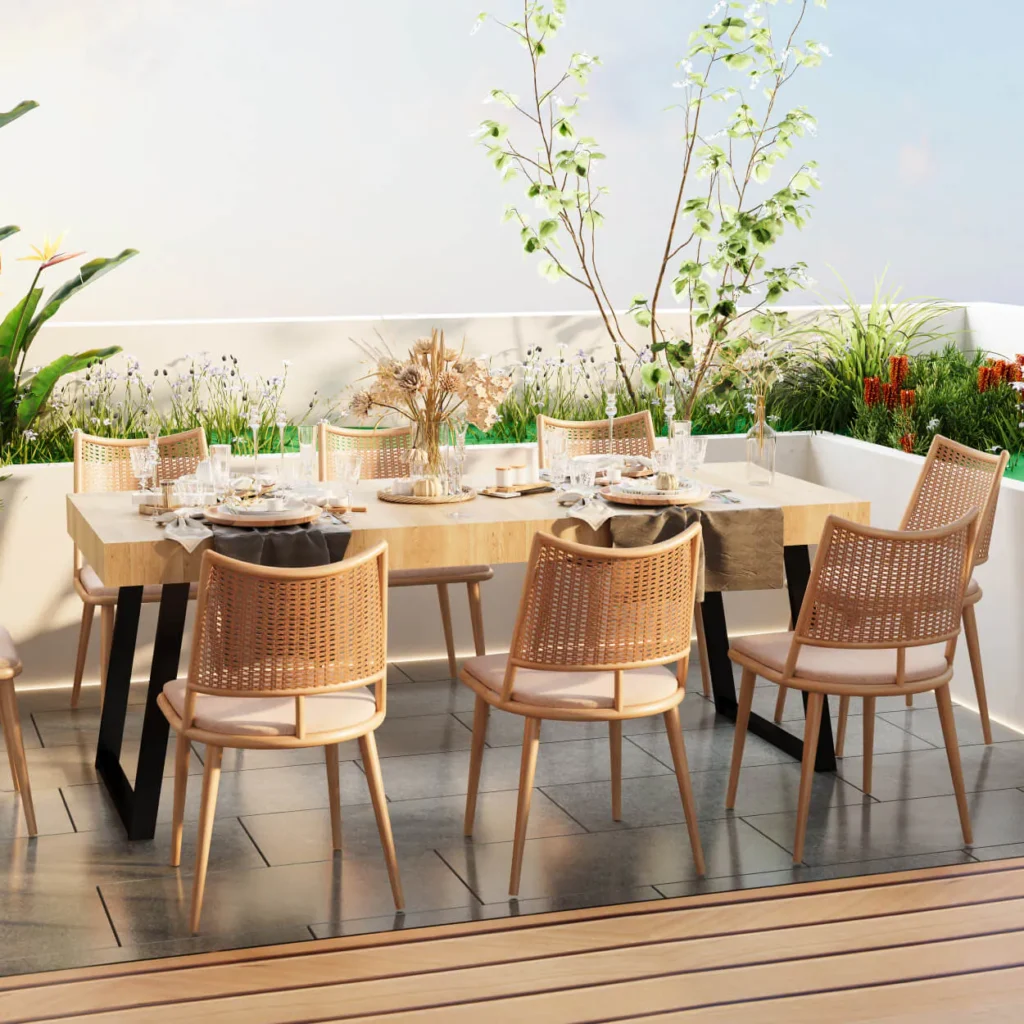
These boho-inspired dining chairs come in a set of four, are sturdy enough to last all the dinner parties you’ll now be throwing, and are currently on sale for €70 off!
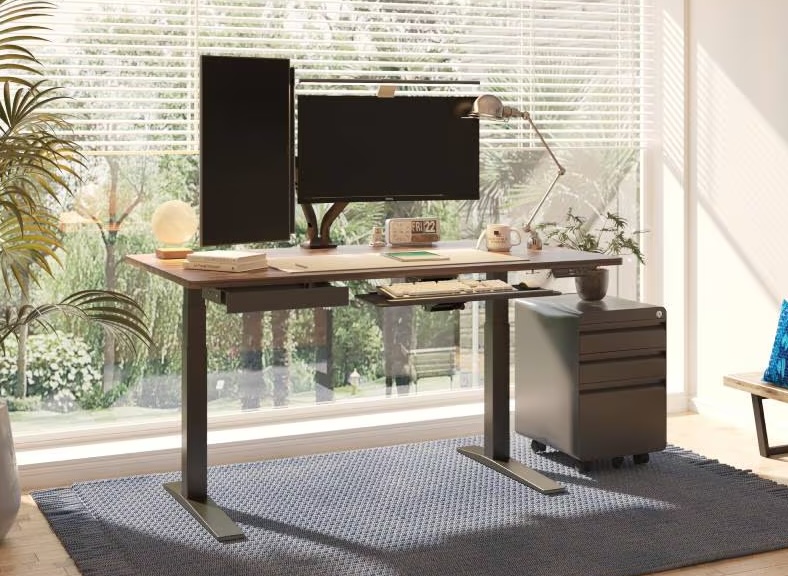
With specs including a solid wood tabletop, carbon steel for extra stability, and an automotive-grade structure, this standing desk has “premium” written all over it.
Even better? From August 21, you can get a whopping €400 (yes, FOUR HUNDRED EUROS! 😲) shaved off the price of this table.
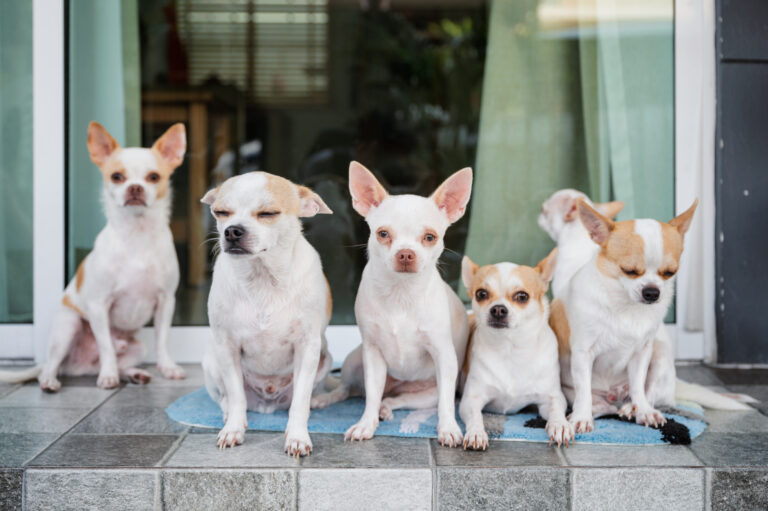
Two sisters from Culemborg, Gelderland, were discovered to own 125 Chihuahuas in a 112-square-metre house. The dogs have now been removed — to the neighbours’ delight and the sisters’ disappointment.
Residents from the quiet neighbourhood in the central Dutch province had been complaining about unbearable noise and odour since March.
Neighbours suspected the sisters to own around a dozen poorly kept dogs. But they were wrong: there were 125 of them.
Too many to care for
Authorities finally gained access to the sisters’ house after a failed first attempt. They were shocked to find that the situation was much worse than they had expected.
Evacuation operations ended up requiring 34 animal ambulance workers, seven ambulances, and two veterinarians.
The 125 Chihuahuas, more than one per square metre, lived in dire conditions: the house was soiled with urine and faeces, and many dogs showed evident health problems.
The two women barely walked any of them, residents tell AD — which explains the dozens of smelly bags that kept coming out of the house.
Good intentions weren’t enough
Locals talk of a “sad story”.
They say the sisters treated the dogs as their children, often asking neighbours for help taking them to the veterinarian, and even sparing themselves food to make sure the dogs were fed.
Apparently, the pair had been renting the house for years, with one working and the other caring for the pets full-time.
Many of the dogs were rescues, and they were not spayed or neutered. Unsurprisingly, the situation got out of hand over time, and the sisters’ good intentions weren’t enough to care for over a hundred pets.
A new home, for dogs and owners
The authorities declared the house “unlivable” and forced the women and Chihuahuas to relocate. The sisters were only allowed to keep five dogs.
A court ruled keeping that many pets in one house is not only illegal, but also unmanageable, as the sisters’ struggle has shown.
Hopefully, the dogs will find new loving homes, and the sisters will be able to give their five remaining furry children a better life.
What do you think of the authorities’ decision? Tell us in the comments below.
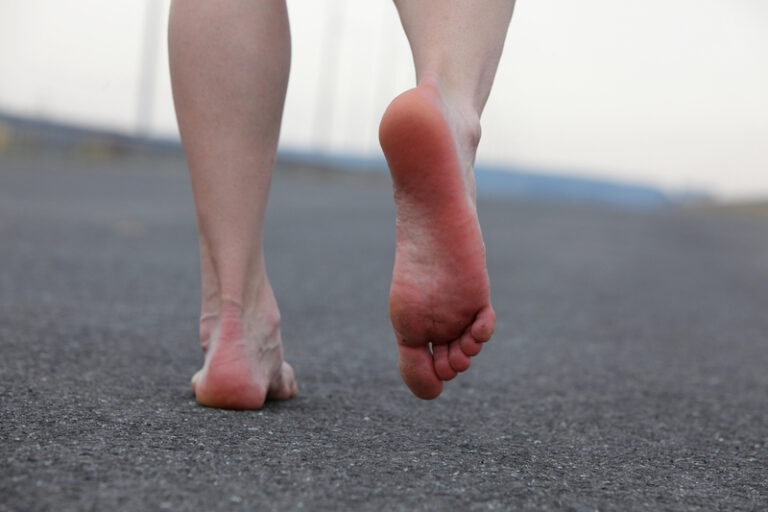
Imagine walking over 3,000 kilometres barefoot through heat, rough terrain, and endless roads. Sounds horrible? Well, that’s exactly what the “Barefoot Dutchman” just did.
Yep, 37-year-old Anton Nootenboom has just broken the world record for walking barefoot, walking a whopping 3,450 kilometres across the United States. Crazy, right?
After 177 days, the Zeelander surpassed the previous world record of 3,409.75 km — but he’s not finished just yet.
In total, he plans to walk 5,100 km from Los Angeles to New York, which means he has about 1,500 km left to go.
But… why is he doing this?
Unlike the rest of us, Anton Nootenboom isn’t walking to get his 10,000 steps in. He’s walking to raise awareness for men’s mental health.
“I myself struggled with my mental health a few years ago,” he tells Omroep Zeeland.
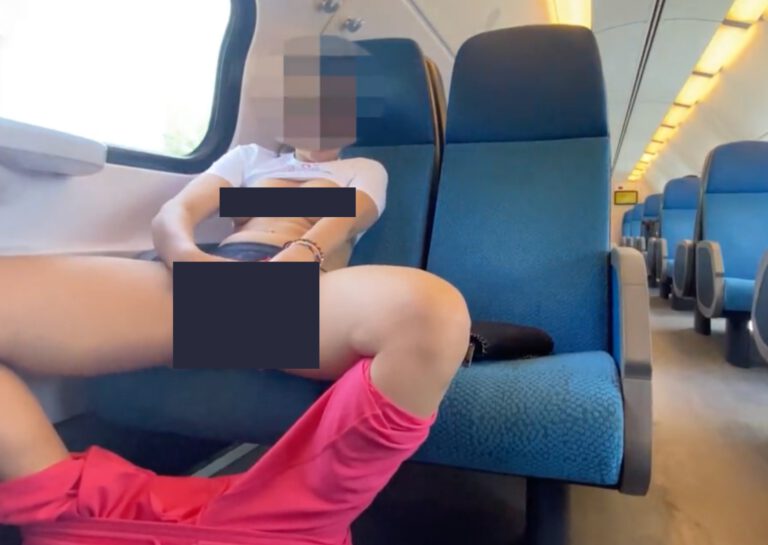
Yep, that’s right: besides fried chicken and kaassoufflé, people are now also eating sausages on Dutch trains. And by that we mean they’re making porn.
Yes, you read that right (unfortunately). There are over 100 videos online of guys and girls touching themselves, and each other, on NS trains. In some cases, unsuspecting passengers have even made an appearance in them. Pretty grim.
The videos are shared to paywall platforms like OnlyFans and F2F. On X (formerly Twitter), users can also share short fragments as a teaser, some of which receive millions of views, as NOS reports.
Is this all legal?
Well, yes and no. Let me explain.
It is illegal to masturbate in public under Dutch criminal law. However, up until July 1, a moving train was not considered a public place.
This doesn’t stop creators from creating this kind of content — and people from watching it. In fact, this type of video brings in 2-3 times more views than your average porno. 😳
The NS has called the videos “disgusting and unacceptable” whilst saying the rail union FNV is aware of the phenomenon. However, they are not entirely sure of how often it happens.
The NS have said they will investigate how many videos of this kind are online, and work with police to see if there is anything more they can do.
Following a rise in nuisance reports in 2022, the NS have been monitoring cameras on trains where patterns emerge of people creating unsafe situations.