For most of the Second World War, the daily life of people on the island of Texel was rather uninterrupted.
Sure, the German forces built some bunkers and deported some men from Texel to Assen, but overall, life just went on as usual on the island.
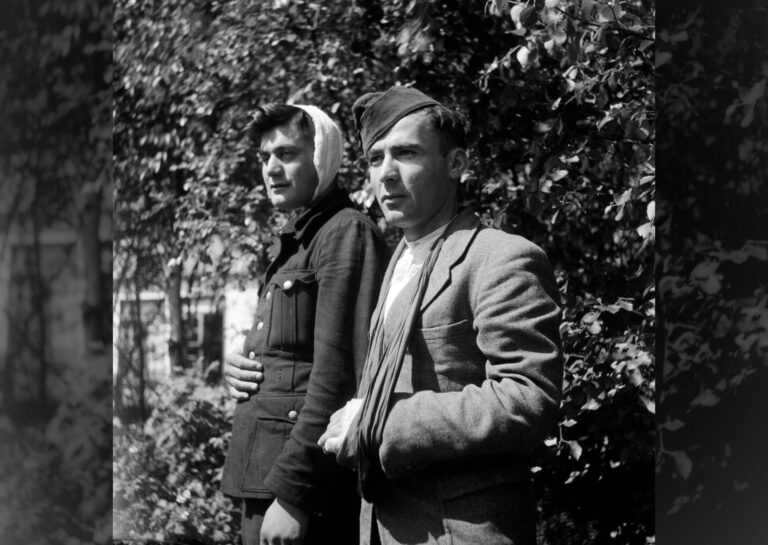
That was until the Georgian uprising broke out in April and May 1945.
What were Georgians doing in Texel?
Georgians? On Texel? As in Georgians from the state of Georgia from the Caucasus mountains? Yes indeed, those are the Georgians we are talking about.
The Georgian soldiers present on Texel were part of the 822nd Georgian infantry division. They arrived on the island in February 1945, numbering 800 soldiers.
Most of them were prisoners of war who tried to escape their harsh conditions by serving in the German Army. Some of them volunteered in the hopes of ousting communism in their home country.
However, it soon became clear that the Germans would lose the war, so the Georgians found themselves in a bit of a tricky situation.
If they returned to the Soviet Union as German allies, their co-national Stalin would do, well, what he did best, which is a spectrum of things between the firing squad and the gulag.
But if they fought back, maybe there was a chance of glory — or survival, at least.
The uprising starts
And so, fight back they did. On April 6, 1945, the Georgians were supposed to be sent off to the front to fight the Allies.
After midnight, however, they started their uprising instead, killing 450 German soldiers, most of whom were asleep. Initially, the uprising went smoothly. But then a fierce battle ensued.
The Georgians failed to capture naval batteries in the north and south of the island, and the Germans quickly sent reinforcements to quell the uprising. It took five weeks of heavy battles to end the uprising.
The battle claimed the lives of 565 Georgians, 120 Texel residents, and around 800 Germans. While Germany surrendered on May 5, the battle in Texel continued until May 20. The uprising became the “last battlefield in Europe.”
Most of the fallen Georgians were buried at a dedicated cemetery called Loladze on Hoge Berg. The rest of the 228 surviving Georgians were able to return home.
You can go visit the cemetery in Texel and pay respects to the fallen rebellious Georgians, with the memorial even having a good ol’ hammer and sickle on it.
Did you know of this chapter in the history of the Netherlands and Texel? Let us know in the comments!
Something that has always been there, but which you might not have noticed so strongly until now, are the many birds that are always busy nesting around the Netherlands.
Birdwatching has become a more popular pastime for Dutchies — and with the past few years of life probably traumatising all of us to the core, we now relish the moments where we can spend time in the great outdoors, reflecting and observing the nature around us.
Online resources to get you started
Vogelbescherming Nederland (Bird Protection Netherlands) is an agency for all things bird-related in the Netherlands.
This organisation was one of the first to notice the heightened attention and awareness that people had about birds during the first infamous coronavirus lockdowns (many moons ago).
Bird Protection has even provided a free online course (in Dutch) for those interested in getting to know the birds in their backyards a little better and the beautiful songs they make.
Nevertheless, we’ve also decided to compile our own list of some birds you might be seeing in your backyard — or perhaps even from your kleine balcony!
Crows, ravens, and other corvids
Crows and ravens have a bad reputation as omens of death, but these cheeky birds are actually one of the most intelligent animals out there.
Both problem-solvers and tool-users, observing these birds, are bound to surprise you.
These birds are all part of the greater family of corvids, which includes other birds such as the magpie, jackdaws, and bluejays.
Known for being intelligent, hanging out in trees, and their extra loud and often irritable “caw”. Image: Depositphotos
Crows are social animals, and you will see them hanging out in trees (probably judging you for your fashion sense).
Ravens, on the other hand, are cool, solitary animals that either hang out alone or in small groups of up to three.
You can distinguish them by size and feathers. Crows are smaller, and their feathers are compact on their body, while ravens are much bigger, and their feathers are more all over the place and fuzzy around the chest area.
If you have some crows hanging out in your backyard, it might be a good idea to feed them.
If they like you enough, they might even come back to you with little shiny gifts in exchange for the food you offered. (We’re not joking. It happened to a little girl who’s been getting gifts from crows for many years.)
Seagulls
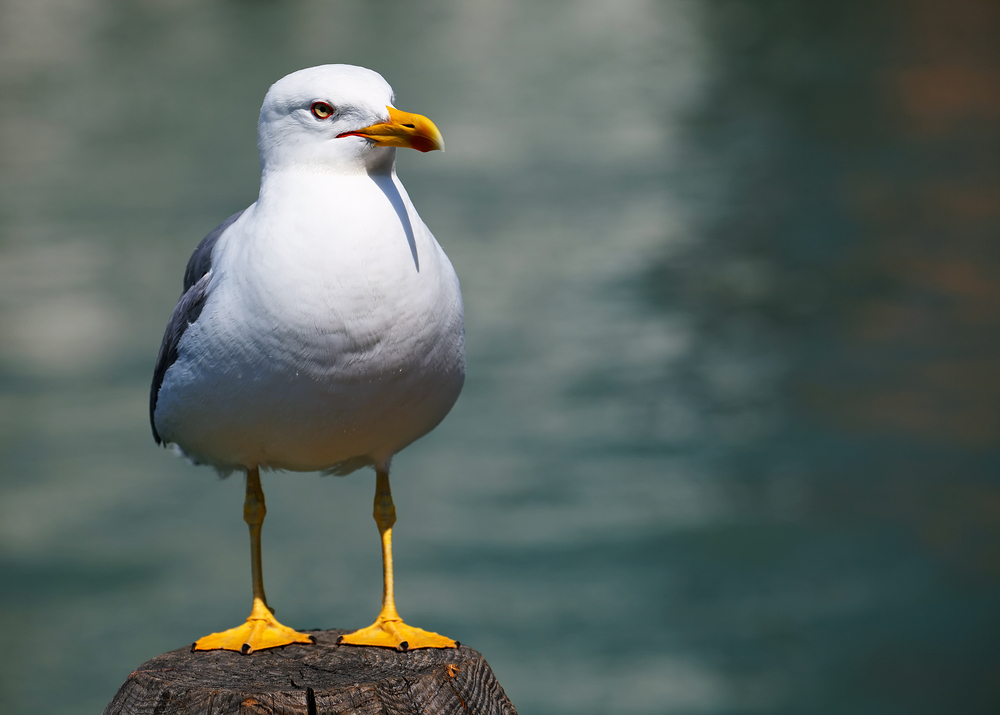
Listen, seagulls are deceptive and evil animals. Under no circumstances attempt to feed a seagull.
Why, you may ask? Because the seagull will impolitely swoop down and steal the food you wanted to give to it anyway (ungrateful vultures 😑).
Seagulls are not hard to miss, because they are quite big birds. They’re very recognisable by their distinct sound, which transports everyone who hears it to Miami during the ’80s while wearing Hawaiian shirts.
Overall, the only enjoyable moment you might encounter with a seagull is when you can get a good laugh out when it swoops down and steals somebody else’s food.
Rose-ringed parakeet
You might have noticed a bird in your garden that isn’t exactly one you would expect to find — more like a bird that seems to have escaped from someone’s home.
The green-feathered and red-beaked parakeet isn’t even a native species but was actually introduced accidentally somewhere at the end of the 20th Century.
Quite the beauty…these imported parrots. Image: Pixabay
Make no mistake, these parrots are not pets but actually full-fledged wild animals.
Nevertheless, if you put some seeds in your bird feeder, they will be more than happy to keep you company.
The house sparrow
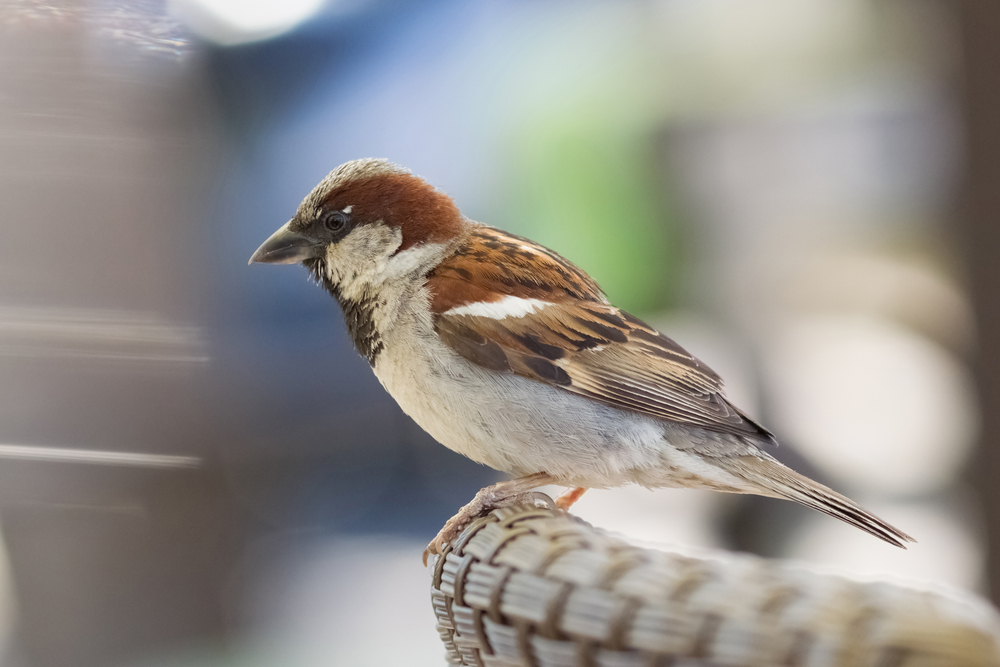
Tiny, adaptable, and full of sounds, the house sparrow is actually the most widespread bird in the Netherlands, despite its population falling by half since 1980.
The sparrow species is actually quite renowned in the Netherlands, but not just for being the most common bird in Dutch gardens.
A familiar face amongst the Dutch crowd. Image: Depositphotos
Ever heard of Domino Day? Well, this little fellow plays a major role in one ridiculous, yet tragic event. 👇
In May, Eurostat released the results of a study showing the average working hours of European countries in 2024. And where did the Netherlands land? In last place… but it’s a good thing this time.
In 2024, people in the Netherlands worked the lowest number of hours in the EU, with the average work week for people aged between 20 and 64 lasting 32.1 hours.
What does this mean? Well, if you live in the Netherlands, you’ll notice that the four-day work week is becoming the norm.
How has this happened?
According to the Financial Times, this is because the Netherlands has the highest rate of part-time work in the Organisation for Economic Co-operation and Development (OECD).
And where did this all start? With women, of course. 😉
The Netherlands operated like many other countries up until the 1980s — men went out to work, women stayed at home with the kinderen, but that all changed in the ’80s, ’90s and ’00s.
During this time, women started entering the Dutch labour force, working in part-time roles.
And as we all know, women are the real trend setters. As time passed, more men also started to work part-time, especially when there were young children at home.
However, it’s worth noting that while the work weeks are shorter, work lives are longer. People in the Netherlands work an average of six years longer compared to other European countries.
So, which would you prefer, a shorter work week? Or a shorter work life? That’s the question.
After a year of living in the Netherlands, I’ve come to find a few things here lacking, so I started wondering if there is anything the Netherlands could learn from New Zealand? Or anything the Dutch could learn from Kiwis?
There is a country at the bottom of the globe named Land of the Long White Cloud (AKA, New Zealand). Its residents are known for their relaxed beach culture, delicious wine, outstanding rugby team, and unrivalled landscapes.
To be clear, there is also a lot that NZ could learn from the Netherlands — such as living more communally, bike culture, effective public transport, better work/life balance, liberal drug policies, and more — but that’s for another article… 😉
1. How to make a decent coffee
You can’t get away from good coffee in New Zealand, and you can’t get away from bad coffee in the Netherlands. There is nothing more disheartening than paying nearly €4 for a sub-par coffee.
I just need a decent cup of joe, please. Image: Pixabay/Pexels
There are two places I have found in Amsterdam which do good coffee: Bruno’s in the Jordaan and Scandinavian Embassy in De Pijp (sponsor me please).
Aside from that, can Dutchies please learn how to froth milk properly?
However, the Dutch government still believes that Dutch food remains too cheap and more efforts should be made to invest in environmental and sustainable food.
And it’s true! You can purchase meat so inexpensively, which is quite possibly why the Netherlands’ meat consumption is remaining stable, despite most Dutchies’ awareness of the negative impact meat consumption has on the environment.
In New Zealand, the price of meat more adequately reflects the cost of meat production.
3. Better weather
Hey Nederland, do you realise there are other types of weather apart from rain?
And that there are also four seasons, as well as winter and autumn, there is also summer and spring… fancy that?!
Dutch weather, on the other hand? The less said about it, the better! Image: Depositphotos
Surprisingly, many people think New Zealand is consistently warm despite it getting very cold during winter.
The beauty of seasons is the fact that they are just that, seasonal. Unfortunately, this isn’t the case in the Netherlands.
4. Not wrapping fruit and vegetables in plastic
Walking into a Dutch supermarket after living in New Zealand for so long can be alarming. Counters are loaded with single vegetables wrapped in plastic. So agonisingly unnecessary.
New World, one of the leading supermarkets in New Zealand, kicked off 2019 with “food in the nude”. In this, they eliminated almost all plastic packaging on their fresh produce.
As the NZ Herald reports, Nigel Bond, manager of one of the New World supermarkets, said: “When you take on these projects they can be a disaster and lead to customer pushback, but in my 30 years in the supermarket industry this simple change has resulted in the most positive feedback from customers I have ever received”.
This straightforwardness is so valued in Dutch society that there’s even a Dutch word for it: bespreekbaarheid. This roughly translates to “speakability” or “negotiability” and means that no topic should be taboo.
Expat Facebook groups are often strewn with “you won’t believe what a Dutch person said to me today” stories.
When it comes to saying EXACTLY how they feel, the Dutch dive headfirst into the pool of honesty. Image: Depositphotos
I’ve had my fair share of blunt comments, such as the time a stranger told me my hair looked awful. But I find this refreshing as I believe it creates authenticity and builds a good rapport.
When I tell people I came from New Zealand, the immediate response is “everyone is so lovely there!” and whilst they are, I have often found it to be a superficial niceness.
By comparison, people in the Netherlands are far more considerate and genuine. From my experience, the affable nature of the Kiwis is a bit of a social faux pas. Nonetheless, many others believe the Dutch should learn tact from people like the Kiwis.
6. Equality in public toilets
So riddle me this, Dutchies: men get to pee freely by using standing pee stations, but women have to pay? As much as 50 cents? And sometimes €4?!
The lowlands used to perform well in equality rankings, but in recent years, according to the World Economic Forum for gender equality, the Netherlands dropped to number 31.
Maybe the lack of pee stations for women has something to do with this?
This toilet-inequality issue has been heard in court after Geerte Piening, 23, received a €90 fine for popping a squat in an alleyway after a night of drinking.
When she challenged the fine, the judge told her she should have used a public urinal (another Dutch fail! 🙄).
7. Not charging for drinking water
If you ask for water when out for dinner in the Netherlands, the waiters will bring you bottled water by default, which you have to pay for.
But there are even times I have been charged for tap water. Yes, TAP water. Are you kidding me?
Need to irrigate? It’ll cost ya! Image: Freepik
So it is important to clarify whether the water costs anything or not before you guzzle three bottles and stare in dismay at the bill at the end of the night.
Paying for water is a rarity in New Zealand, and tap water is provided free of charge at most establishments.
What’s more, you will also see water fountains dotted around most cities, so you can even access water while jogging along the beach or pull over in your car and fill up your water bottle.
Of course, both countries can learn a little from each other, but sometimes you just gotta voice your frustrations!
Do you disagree or agree? We love debate and being challenged! Fire away in the comment section!
Whether you are a Netherlands newbie or a seasoned Dutch veteran, there’s one thing that keeps everyone on their toes: the weather.
Best known for its wind and rain, the Netherlands often experiences all four seasons in a single day. But how do you prepare for such an unpredictable forecast?
Keep reading for the ultimate guide on what clothes to keep in your closet in the Netherlands!
Year-round faves
Some clothes are only needed in the chilly Dutch winter, but Dutch weather changes rapidly, so there are some items you’ll need to keep handy all year long.
1. Comfy pairs of sneakers are your new BFF
Most metropolitan areas in the Netherlands have lots of concrete and asphalt, in addition to mediaeval cobblestones and uneven bricks.
Navigating these types of sidewalks by foot or bike can be tricky in anything but a pair of comfortable shoes with arch support and rubber soles, so leave those stilettos at home! 👠
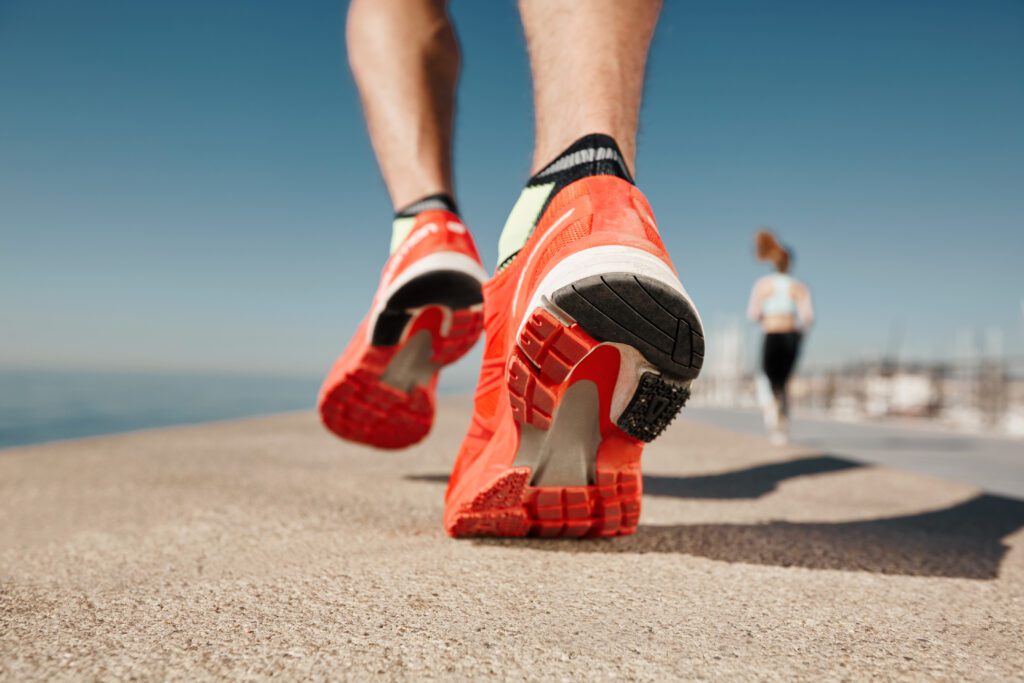
You don’t have to be a runner to wear running shoes! Image: Freepik
Worried about looking too informal? Don’t!
The Dutch are known for keeping the vibe lowkey and practical, so sneakers or walking shoes are perfectly acceptable in most Dutch workplaces, shops, and restaurants.
2. A heavy-duty bag to protect and serve
Investing in a durable, lightweight bag is a must. Getting a backpack or a crossbody bag gives you a hands-free option that lets you keep both hands on your handlebars.
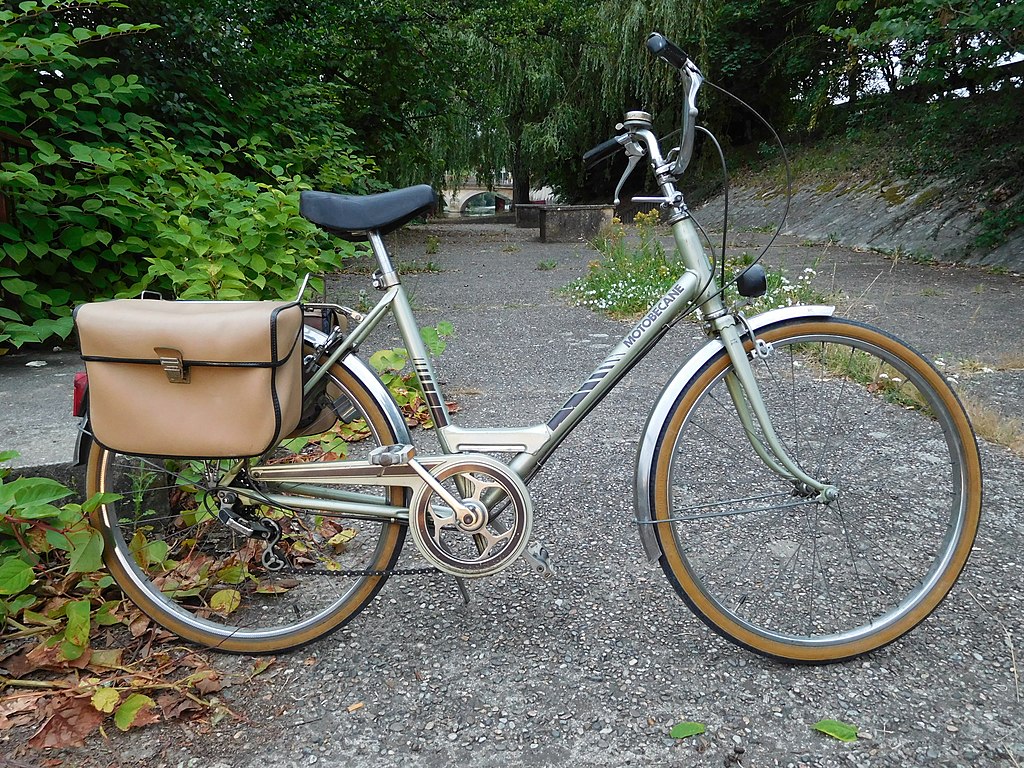
You’ll also see multiple bicycle commuters with handy canvas saddlebags (dubbele fietstas) attached to the back of their bikes to keep their precious items secure and dry.
You can pick these up at HEMA or your local weekend market.
Bicycle messenger bags, dubbele fietstas, or bicycle panniers. Whatever you call them, this is a convenient way to carry your stuff! Image: Cjp24/Wikimedia Commons/CC4.0
And if you do have a bag already, here’s a handy list of what you should always carry in it. 👇
What’s in my Dutch bag
A small, leakproof water bottle, or a collapsible cup
A retractable umbrella for potential rain
A bottle of sunscreen (don’t let the gloomy Dutch clouds fool you into thinking you don’t need it!)
An OV-chipkaart, which is a Dutch public transit card (the personalised version can even give you travel discounts!)
3. An umbrella, ready to go
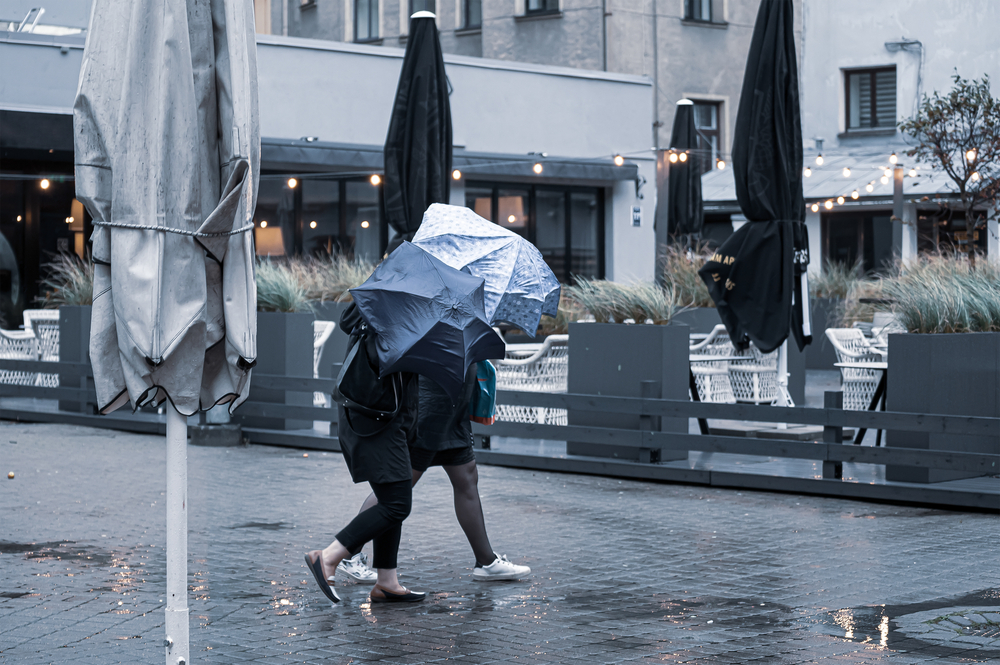
Take it from us, a packable umbrella is an excellent purchase in the Netherlands, and you’ll thank yourself multiple times when you’re shielded from one of the many surprise storms the Dutch weather loves to throw our way.
You can get a reasonable retractable version at discount stores like Kruidvat or HEMA.
If you find yourself in more windy conditions, you may want to invest in a windproof umbrella that can withstand strong winds, repel rain, and won’t flip on you. You can easily get these online.
4. A warm sweater or a waterproof jacket, for midday changes
The erratic Dutch weather means layering to stay warm and dry during the unpredictable winter and spring seasons is essential.
Be prepared with layers for when the sun decides to come out! Image: Depositphotos
Start with a base layer, like a long-sleeve shirt or thin sweater. Add a chunky sweater (we love turtlenecks! 🐢), a vest, or a cardigan to bundle up on your commute, then remove it when you get to your school or office.
Where needed, top it off with a windproof, waterproof jacket with a hood, add a scarf and gloves, and you’re ready to face the Dutch wind head-on!
5. Socks for every season
Whether you like to keep it practical or get funky, socks are a great way to add function and personality to your wardrobe.
Because Dutch weather demands different gear for different moods, keep your sock drawer stocked with a variety of socks.
You’ll need some for knee-high boots, thick wool socks for rain boots, cushiony sneaker socks, and no-show socks for the days you want to show a little ankle. 😉
6. Biking shorts
Now that we are in the Netherlands, can we discuss your nether…regions? While it’s true that bike shorts aren’t a daily closet essential, long bike rides or a windy day prompt a conversation about our bottoms. 🍑
Invest in a pair of biking shorts to keep you covered! Image: Pixabay
It’s a good idea to invest in a quality pair of bike shorts, either to wear on a long bike ride through the park or on a day you decide to wear a skirt, and the wind picks up later in the day.
How do we know? Well, let’s say, um, experience.
Seasonal tunes
Dutch autumn and winter (and sometimes spring) can be wet, windy, and cold. These closet items will keep you warm and dry:
7. A pair of strong, high boots that will withstand time and weather
Don’t skimp on a well-made pair of boots! A good pair will take you from autumn to spring with little effort.
Waterproof construction is a must with all of the puddles and mud that you’ll be wading and cycling through all winter long.
Black is often the de facto colour for everything here, but if you want to stand out, do it with flair! 🌈
8. A trusty winter coat
A Dutch person without a parka is like a sheep without its wool — freezing!
Investing in a proper winter coat may be the best decision you make all year. From puffer jackets to parkas, a quality winter coat can last for several Dutch winters.
While the Netherlands doesn’t get super cold, a decent winter coat is an absolute must-have. Image: Depositphotos
Wool coats are always available in short and long styles, with or without a hood, sometimes a belt, and various lapel options. Down is also always a good choice, preferably in a waterproof design.
No matter your style or material, many Dutch bikes also come equipped with coat guards on the back wheel to keep water or mud from splashing on your stylish jacket. Handig! 🚲
TIP: To prolong the life (and look) of your coat, consider a fabric shaver. You can use it on any pilling fabric to remove those annoying bumps on your jacket and the rest of your wardrobe. Your lint roller will thank you for it.
9. A reusable poncho for when you need extra protection
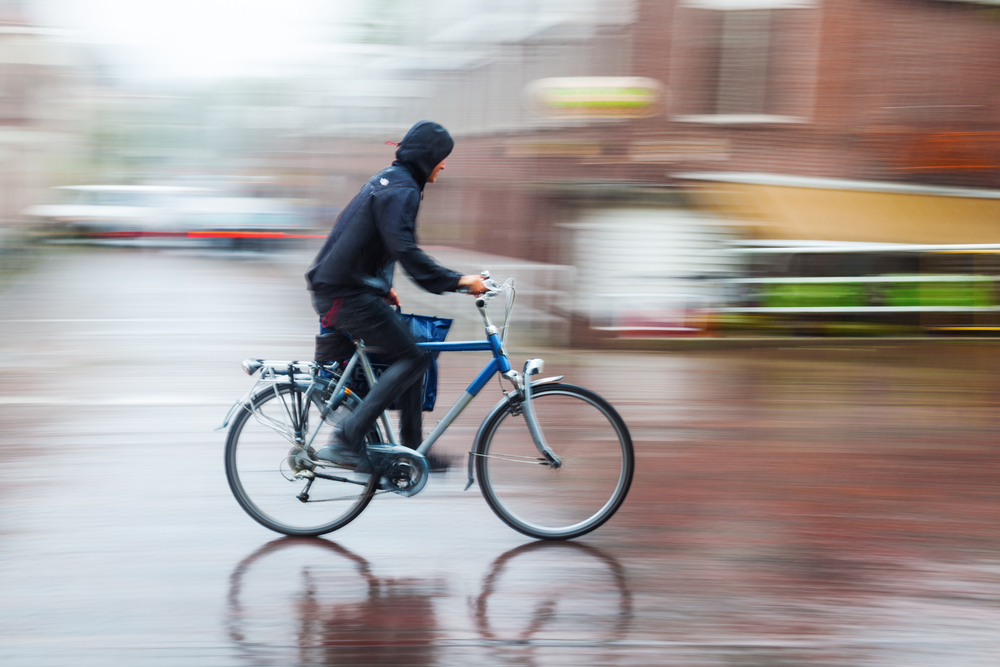
We all know vertical rain, but rain in the Netherlands has a habit of going, well, horizontal. Ya know…the kind that rips you in half and makes cycling into the headwind almost impossible? If you don’t know, you will soon. 🌊
Many discount stores and market vendors have foldable (and reusable!) plastic ponchos for sale at a reasonable price.
These can easily be folded and stored in your backpack for when the weather turns on you — which it will, often. ☔
TIP: When it comes to ponchos, invest in thicker plastic and consider sizing up. This way, if you’re carrying a bag, you can easily tuck it underneath the poncho! 🌧️
10. A variety of hats, gloves, and scarves to keep you covered
Don’t let that morning sunshine fool you — the wind chill of even the slightest breeze is enough to send the most seasoned Dutch cyclist reeling.🌪️
Hats, scarves, and gloves keep you covered head-to-toe! Image: Depositphotos
Since most of your body heat escapes from your head, protect it with a fleece-lined beanie or headband in the depths of winter. Get one to match your coats and jackets, and never leave home without it.
Meanwhile, are you truly Dutch if you don’t have a selection of thick, bulky scarves taking up more space than they should in your closet?
TIP: Wide, flat scarves can double as a hat when you’re least prepared. Tie it around your neck and loop the fabric over your head to keep it covered.
Scarves are a Dutch fashion staple and come in various colours, patterns, and textures. Opt for a length that can be wrapped several times.
Although some locals swear you need to expose your fingers to the cold and rain to build your Dutch stamina, spare yourself the trouble — and the misery — and pack a pair of gloves.
Bonus points for touchscreen compatibility, so you don’t have to remove your gloves to send your Tikkie.
Whether you choose classic mittens or modern fingerless gloves, fleece-lined and windproof are the way to go when it comes to protecting your fingers from the harsh Dutch wind. 👋
11. The best for last: rain pants
There’s nothing more embarrassing than showing up to the office or class with a watermark on your crotch after cycling through the rain on your commute.
Rain pants are an integral part of the Dutch wardrobe. Image: Depositphotos
Protect yourself from this mortifying scenario by picking up a pair of trusty rain pants. Most can be worn over jeans or leggings, with styles varying from tapered to flared.
A pair from HEMA (or your local market vendor) will work perfectly fine, but sporting goods stores or speciality outdoor shops will also carry a selection.
Just make sure you don’t wear them while you are walking, because the Dutch will make a point to tell you that you are doing it wrong. 🙃
Rotating your wardrobe to reflect the Dutch seasons (and the moods in between) will help you survive the elements in the Netherlands.
Did we miss any Dutch wardrobe staples? Tell us in the comments below!
Have you ever been in the centre of Amsterdam, wondering just why so many Dutch people seem to have some kind of social uniform and are all wearing the same thing?
Or, have you ever felt like you’re being stared at every time you walk into the train carriage, kind of like when you arrive late to class, and everyone in the room turns to look at you walking through the door?
Well, this Dutch quirk is known as doe normaal.
What is it?
Doe normaal translates to ‘act normal’ or ‘be normal’. Now, we have to remember this is the Netherlands, and the Dutch definition of normality is wildly different to the normal you might expect coming from a different country.
For many expats and internationals, the phrase doe normaal comes with a heavier meaning. In order to be considered a normal part of Dutch society, you must be understated.
The Dutch saying "doe normaal" –act normal– also applies to the royal family. Instead of a chauffeur driven limo accompanied by bodyguards, the King's youngest went to school this week like any other kid… on her bike. https://t.co/l21qCNEqW4pic.twitter.com/PCd8Kk5a04
If taking on the attitude of doe normaal like the Dutch do, you must find a way to fit in — to be ‘normal’, you should be somewhere between achieved and average, and not make too much of a statement.
The phrase starts to take practical effect when it comes to the clothing you wear, for example, as the Dutch seem to have a bit of a uniform.
Why do they do it?
Why do the Dutch hail this cultural attitude so much, you ask?
Part of it could be because the Dutch have a lack of hierarchy within their society. Therefore, to doe normaal, is to socially ‘fit in’ with that lack of hierarchy in work and social spaces.
You might notice a result of this equality to mean that Dutchies talk back to professors without thought, or that your boss might come along to after-work drinks. After all, you’re all the same, aren’t you?
This Dutch attitude all comes down to Calvinism. Things such as open curtains and not attracting too much attention to oneself are all about modesty, and the Calvinist belief in living simply.
However, doe normaal can become a bit damaging, as it refers to acting ‘normal’ or ‘not crazy’, which can also mean acting ‘Dutch’. And how do you act Dutch and normal if you’re an international?
Why is it quirky?
Because it’s not something most internationals and expats are familiar with!
If you take most Western and even Eastern countries, individuality is hailed. Of course, there are issues within these cultures and damaging social norms, but there’s a lot of emphasis on ‘acting yourself’.
So, if you act like yourself, and you’re different to everyone else, there’s no standard definition of normal, and everyone can dress and act how they want — their very own way of being ‘normal’! 🥳
Should you join in?
Well, if you want to really integrate into Dutch society, you do have to take on this attitude to some extent.
It might also help you understand other Dutch quirks, such as their obsession with King’s Day or hagelslag.
But, if you do join in, perhaps take an international twist. We can all act normal in our own ways without chastising each other for attracting too much attention by being outspoken or expressive.
What do you think of this Dutch quirk? Have you experienced it? Tell us in the comments below!
The Dutch are bad at many things: decent lunches, biking safely, and building staircases you can climb without breaking your neck. Another thing? The Dutch are capital-T terrible at customer service. 😤
Or, as the Dutch call it: belabberde service (lousy service). No customer is wearing the crown in any Dutch establishment, that’s for sure. 👑
What is it?
Don’t get us wrong, it’s not that the Dutch are rude or inconsiderate (for the most part); Dutch customer service is simply more egalitarian than you might be used to.
Customer service is not so much about the customer; it’s about the service provider showing up and getting the job done.
That is to say, they can serve your coffee with or without a smile as long as the coffee is served. ☕️
Here are some bad Dutch customer service scenarios that are not all that uncommon:
The waiter or waitress is shamelessly on their phone or chatting with their colleagues until they sluggishly come to your service.
You’re asking for the tiniest convenience, such as an extra bagel-topping or chair for your table, and you’ll get the Nee, dat kan helaas niet (No, that doesn’t work) response for no apparent reason.
You want to have a nice chat with the barista, but they are clearly having a bad day and don’t feel the need to make an effort to conceal it for your benefit.
Why do they do it?
The particularities of Dutch customer service speak to some known cultural quirks.
For one, the Dutch are known for their non-hierarchical work culture. There is no significant difference between the waitress and her manager.
At the same time, there are no expectations for the waitress to be kissing the customer’s boots either.
Then, of course, there is the (in)famous Dutch directness. No topic is taboo, and it is socially acceptable for everyone to say what they want at any time.
Of course, you can complain to the waiter. But they can also tell you to beat it if they feel that’s appropriate. 💁
Why is it quirky?
Especially in contrast to other countries where the ‘customer is king’, Dutch customer service can come across as especially rude and inconsiderate.
For the HORECA workers, Dutch customer service is a dream because you don’t have to bend over backwards and fake a smile for eight hours at a time.
Dutch customers are mostly used to egalitarian service and don’t bother or expect special treatment.
International customers, however, might leave an angry TripAdvisor review or two to make room for their indignation.
Should you join in?
Well, we guess you have to simply accept the fact that everyone’s a king in the Netherlands. 🤷
But don’t be afraid to speak up if things are getting too rude. Just because the Dutch are used to the absolute minimum of customer service doesn’t mean you have to be. 💅🏻
What do you think of this Dutch quirk? Have you experienced it? Tell us in the comments below!
Last night, September 7, a man was arrested in Wageningen on suspicion of assaulting three different women on a bus.
According to Omroep Gelderland, the bus driver removed him from the bus, and several police cars arrived at the Stadsbrink station.
There, the three women gave accounts of what happened.
Identified at the bus station
When the next bus arrived at the station, the man was on board, and the women pointed him out immediately. The police then handcuffed him and took him away.
A 112 reporter on the scene tells Omroep Gelderland that the suspect was likely a 32-year-old man from Eastern Europe.
Calls for safer streets grow across the Netherlands
Meanwhile, since 17-year-old Lisa was killed on August 21, a movement has swept across the Netherlands in protest of femicide, called “Wij eisen de nacht op” (“We claim the night”).
Many bike rides have been held to draw attention to unsafe routes, and throughout the whole country, marches have taken place to raise awareness for violence against women and advocate for the right to travel home safely at night.
These are actions supported by De Dolle Mina’s, a Dutch feminist organisation known for its activism advocating for women’s rights.
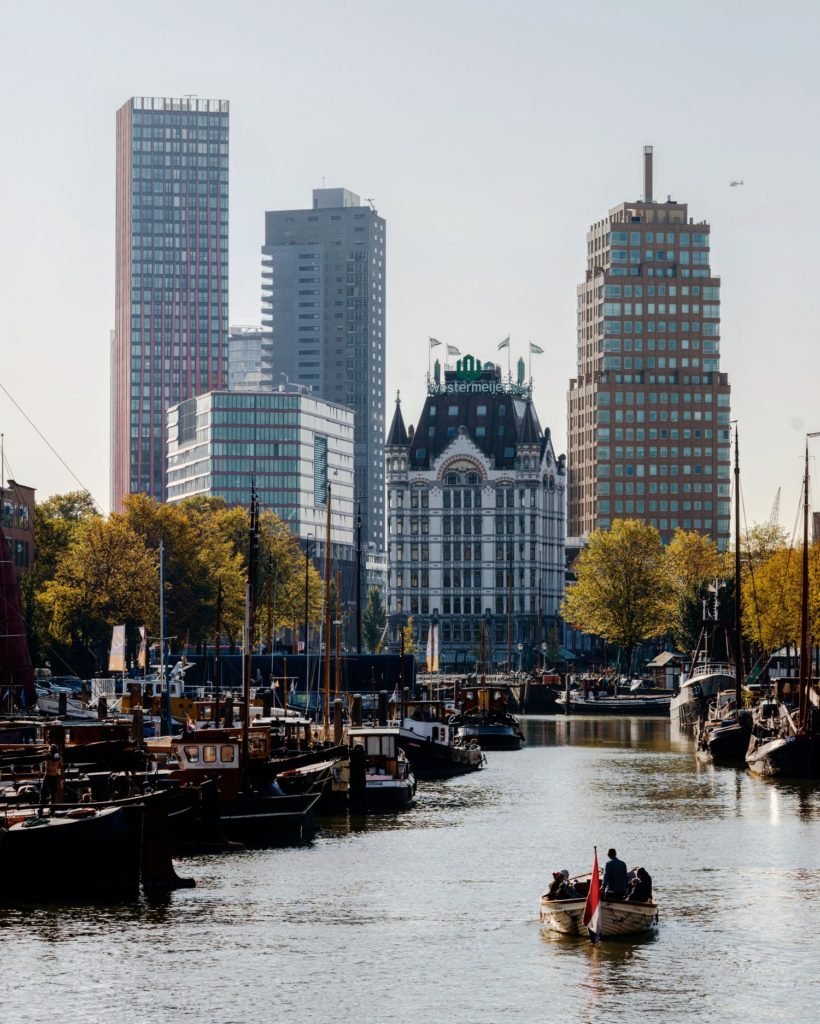
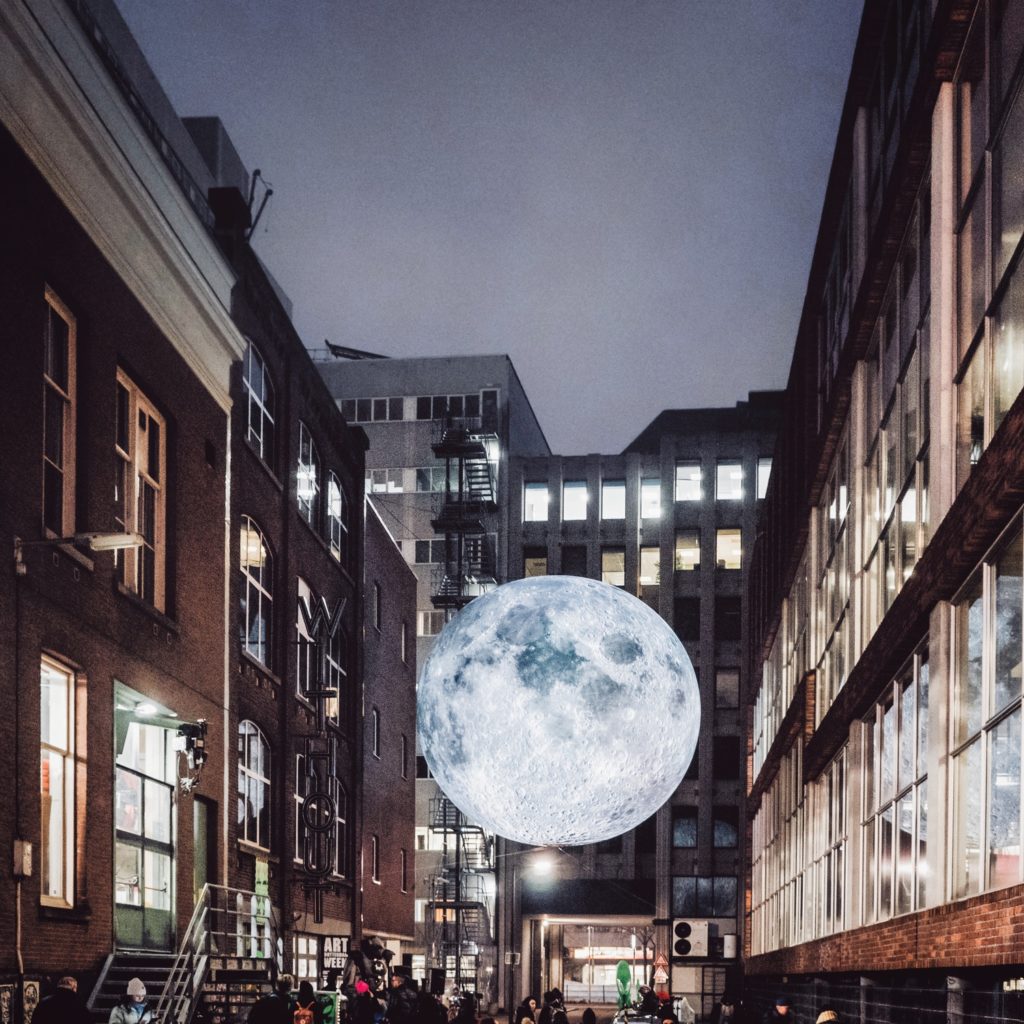
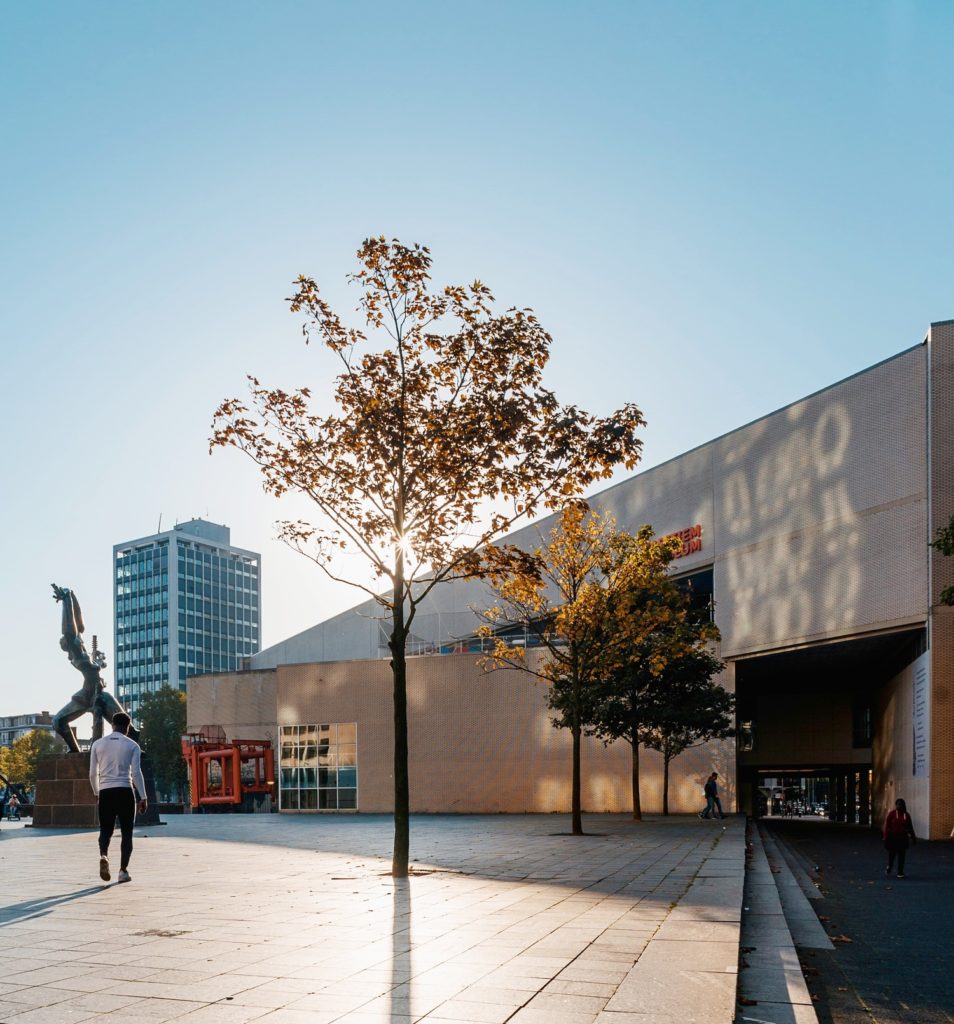
It’s official: we’re mega-fans of Rotterdam! Shedding its crappy parts and putting up new amazing architectural highlights, Rotterdam can be compared to a caterpillar that turned into a beautiful butterfly over the past few years.
As a born Rotterdammer, I already had the pleasure of writing at DutchReview about some great photographers in Rotterdam. Now, let’s look at some of the best shots of Rotterdam!
Epic Rotterdam by Gestaltes
Who are we talking about here? Gestaltes are two friends with a passion for photography and the city — and they do a great job making Rotterdam look super special.
Let’s look at some of Rotterdam’s iconic architectural buildings one at a time, or as they say in Rotterdam: geen woorden maar daden — no words but deeds.
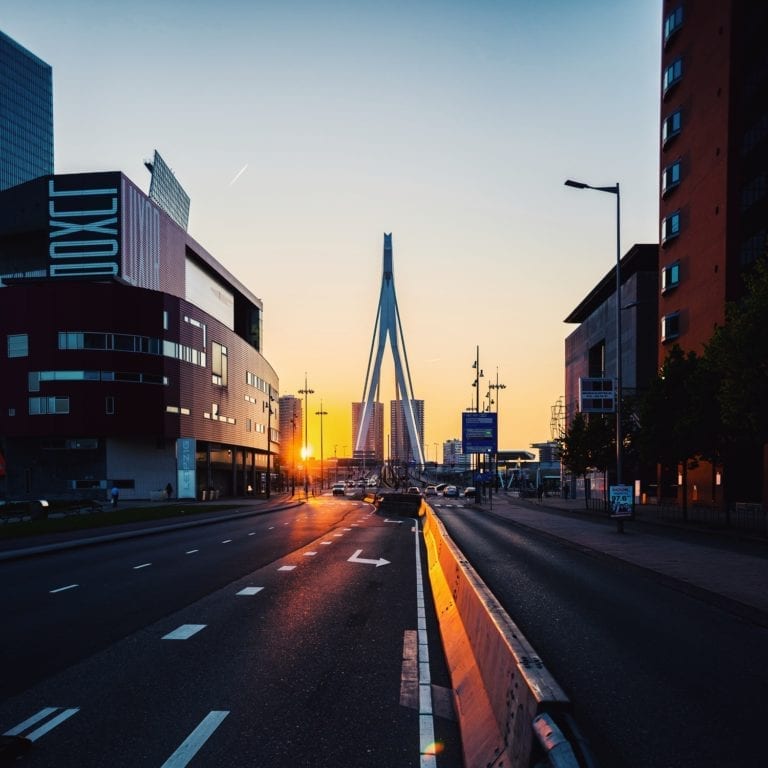
The Erasmus Bridge
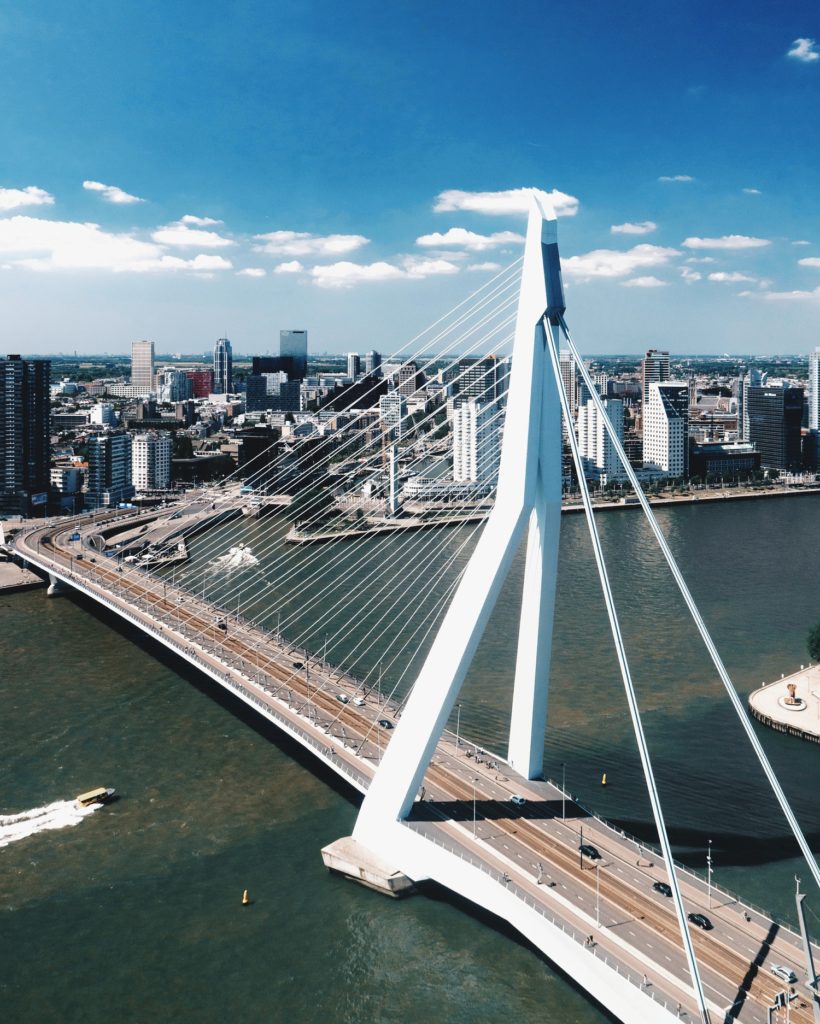
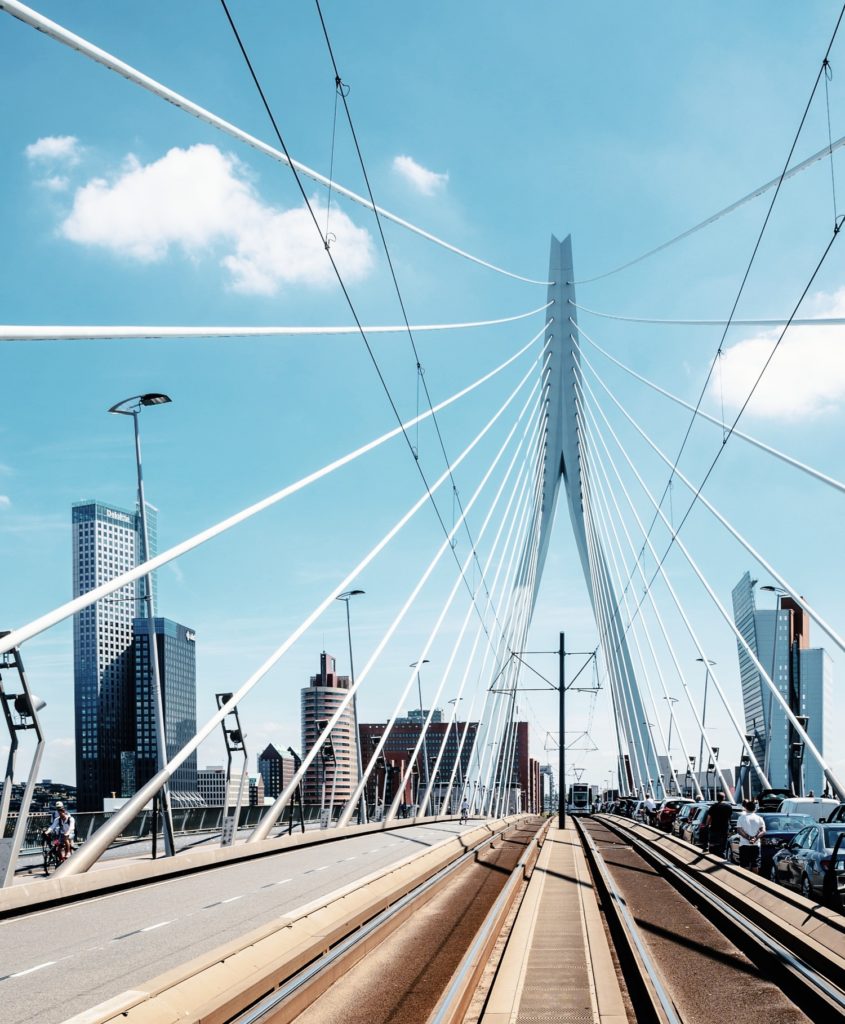
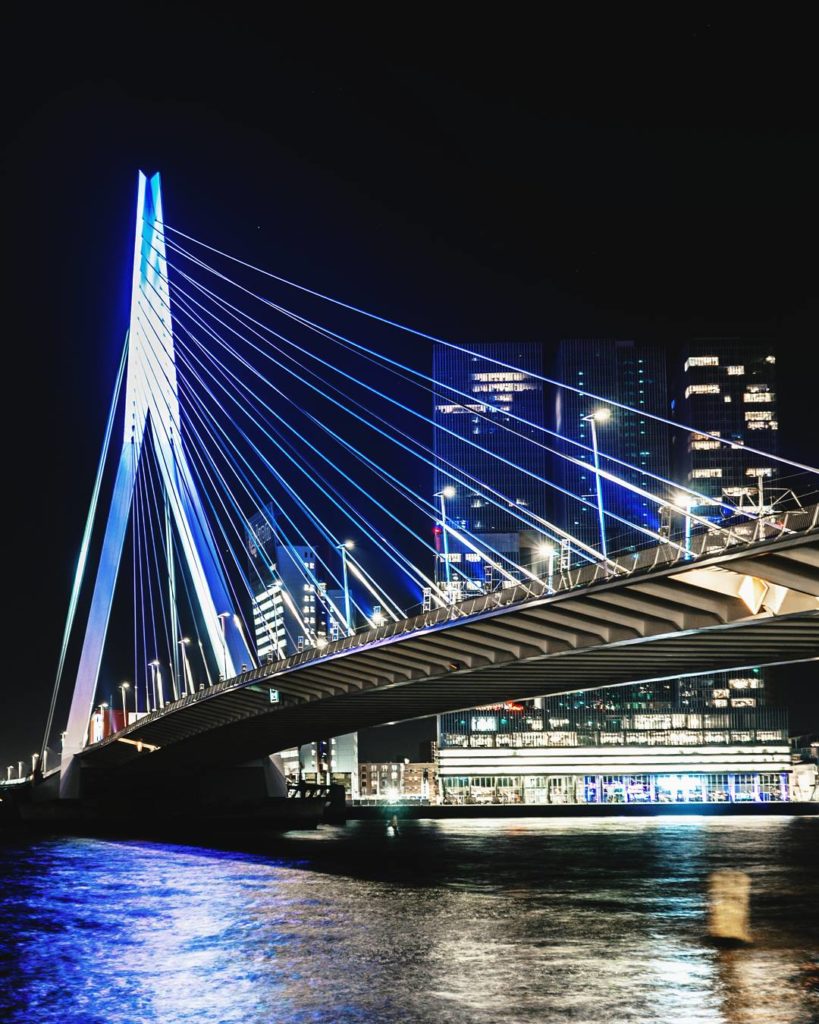
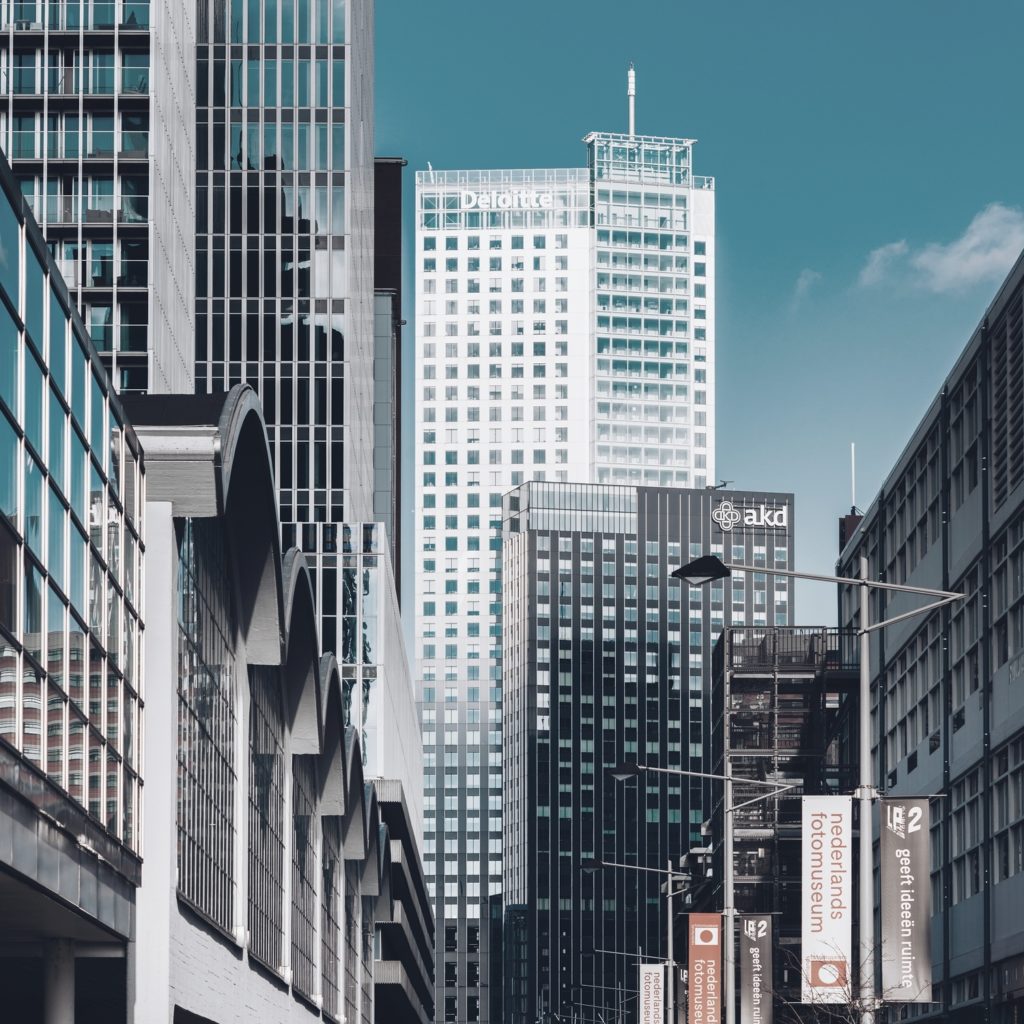
While Erasmus Bridge is fairly young (opened in 1996), it quickly became a symbol of the port city. It’s also made it onto all kinds of “best bridges in the world” lists and you can see why:
Have you seen this bridge yet? Image: Gestaltes/Supplied
Erasmus Bridge at night! Image: Gestaltes/Supplied
De Rotterdam
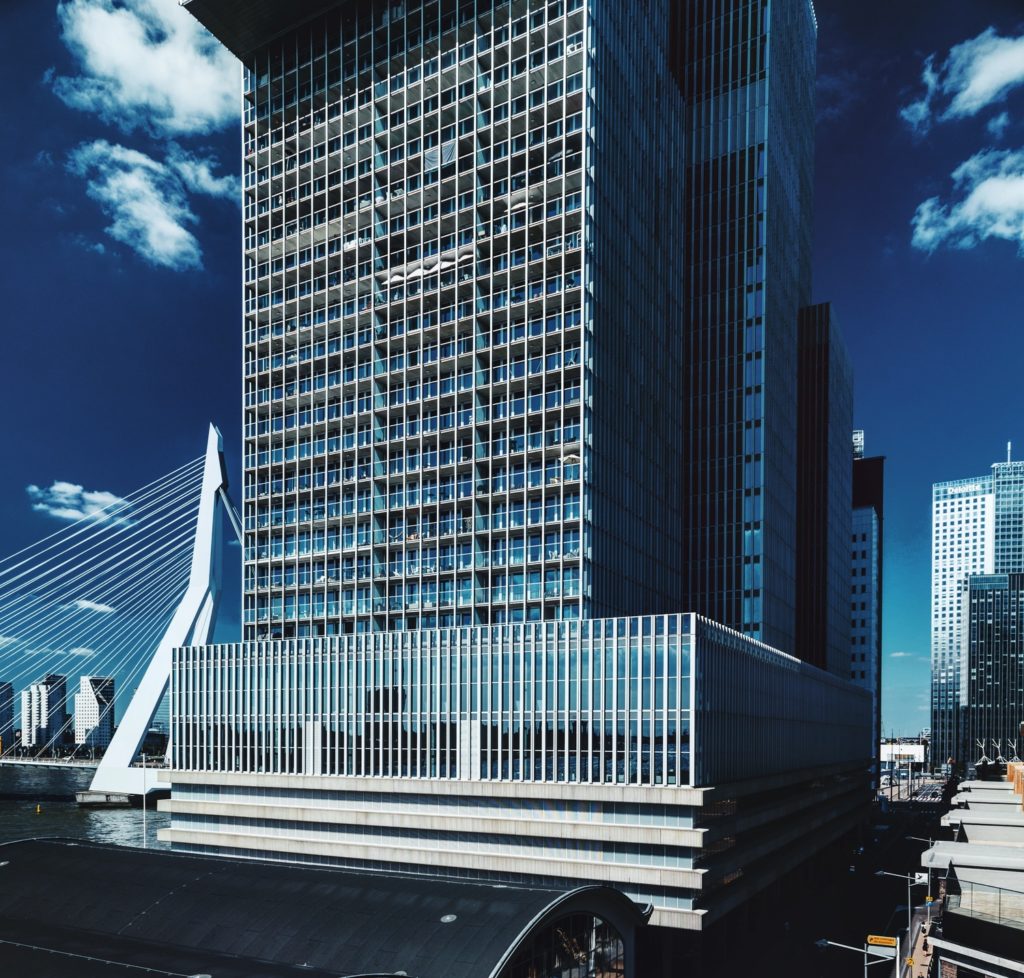
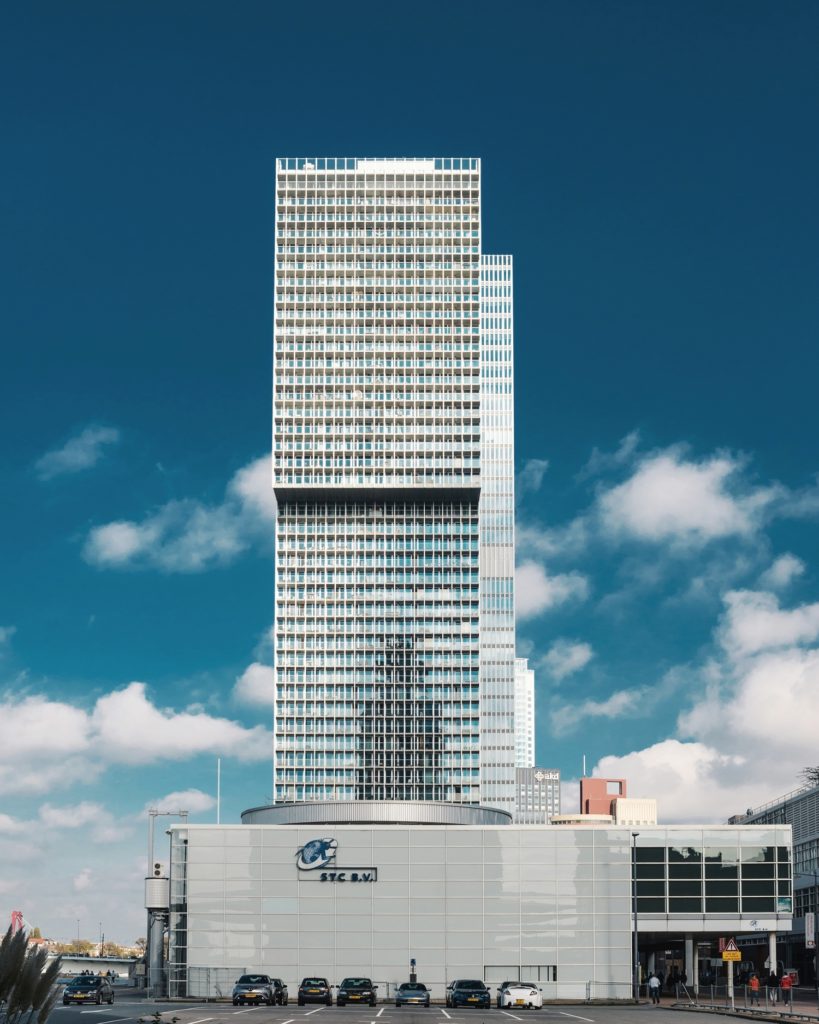
Right next to the Erasmus Bridge, you can find De Rotterdam building. It’s huge and was only completed a few years ago, but it is already a crowd favourite.
Check out that architecture! Image: Gestaltes/Supplied
Rotterdam is known for its modern buildings. Image: Gestaltes/Supplied
Not like Amsterdam at all! Image: Gestaltes/Supplied
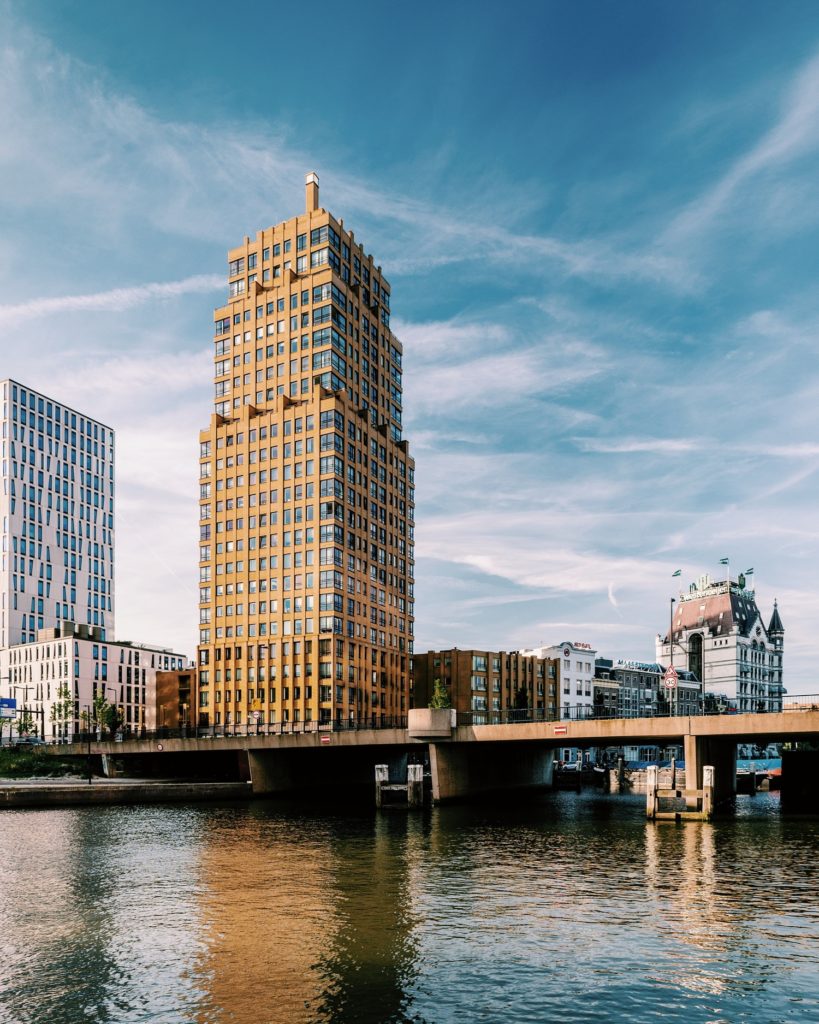
New Orleans
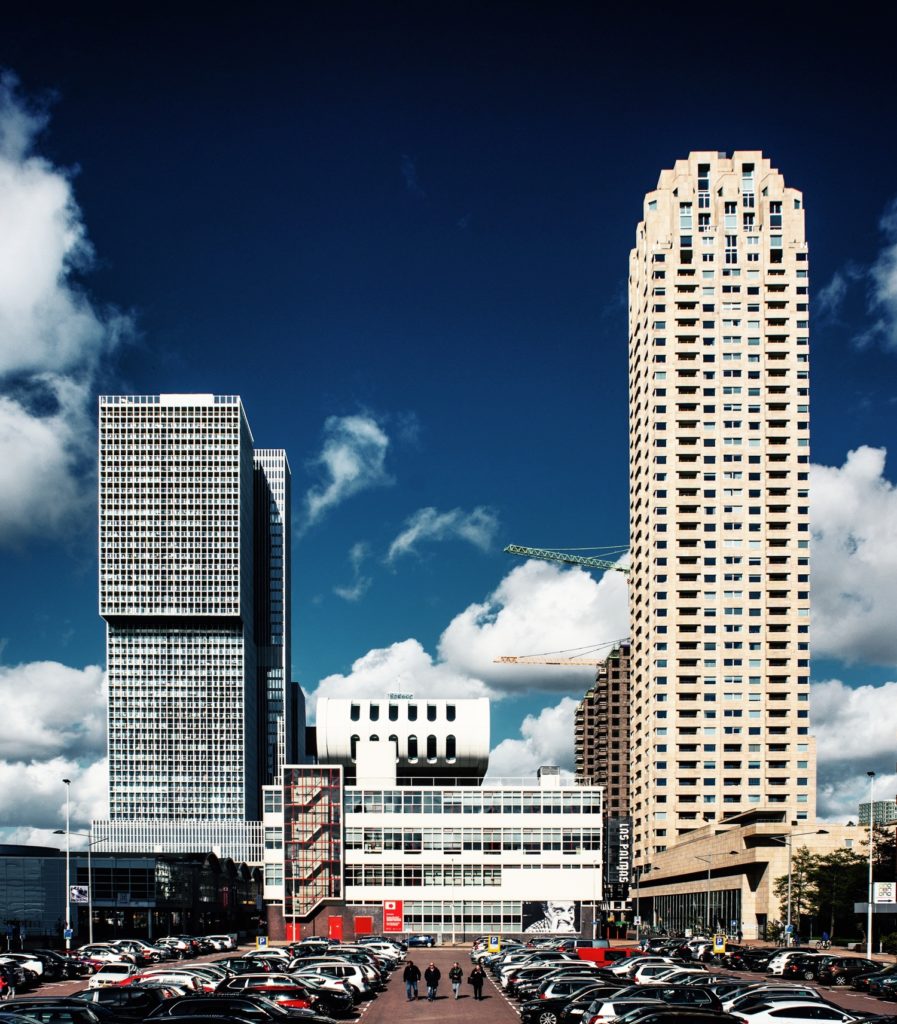
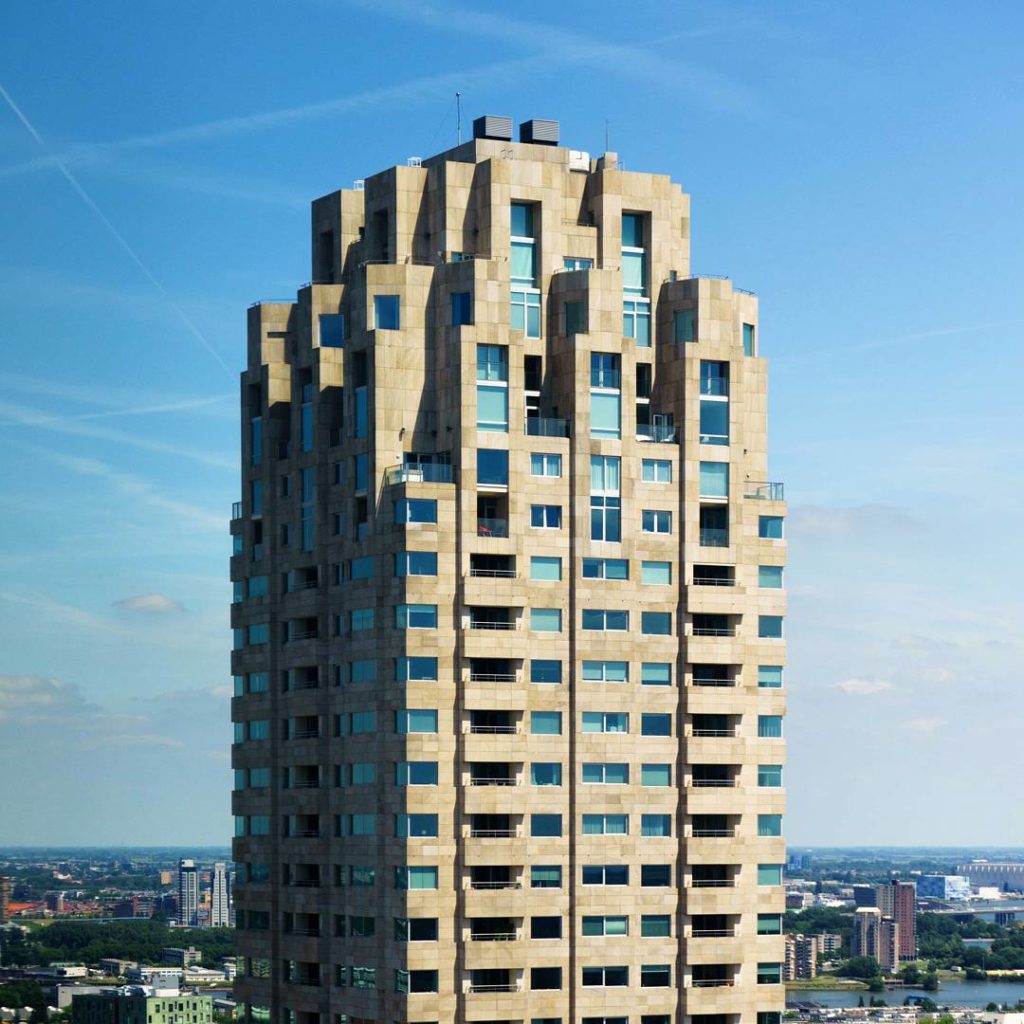
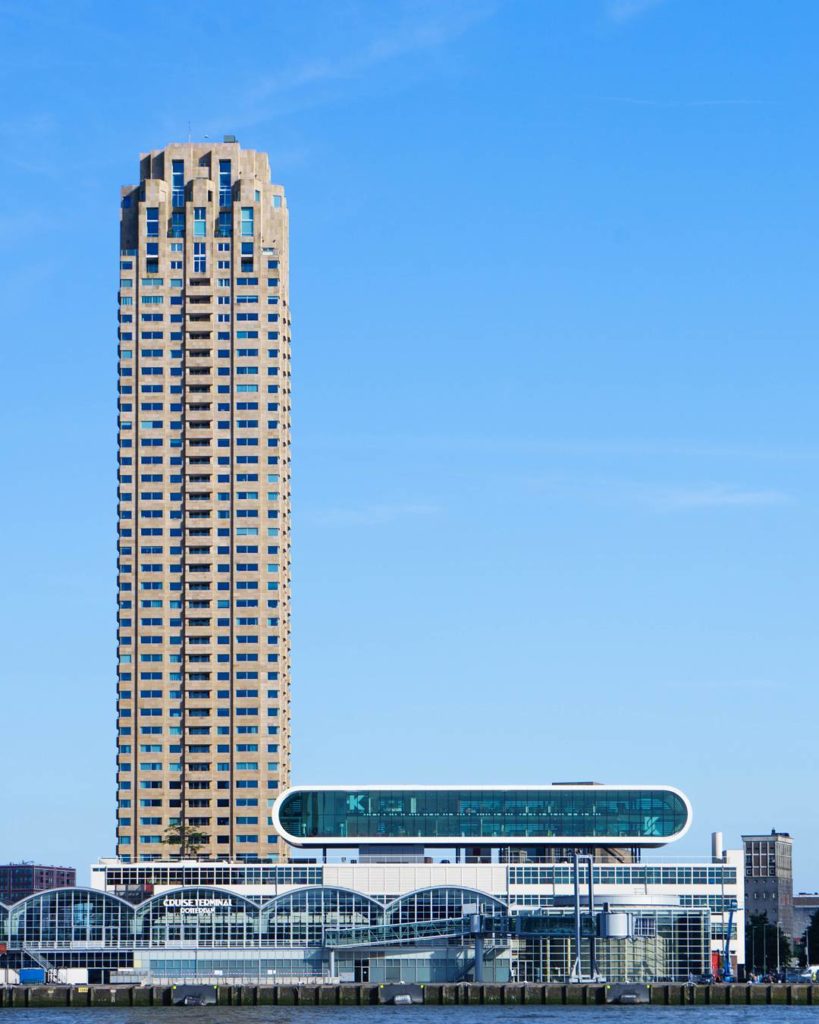
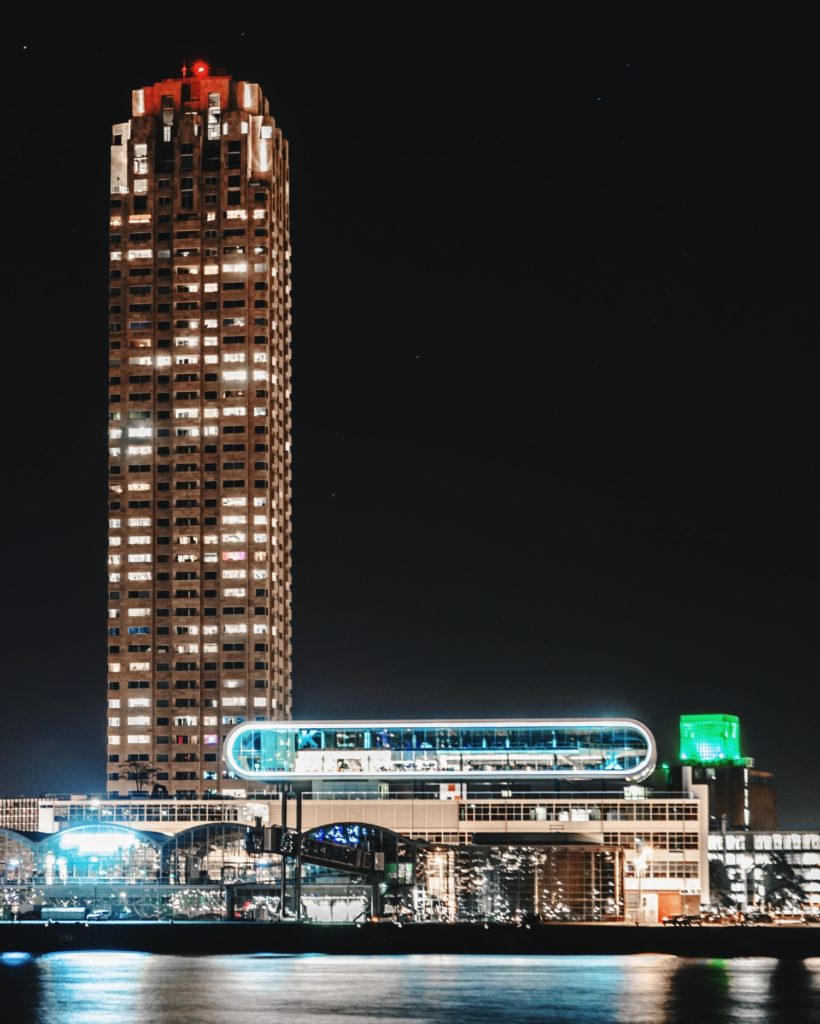
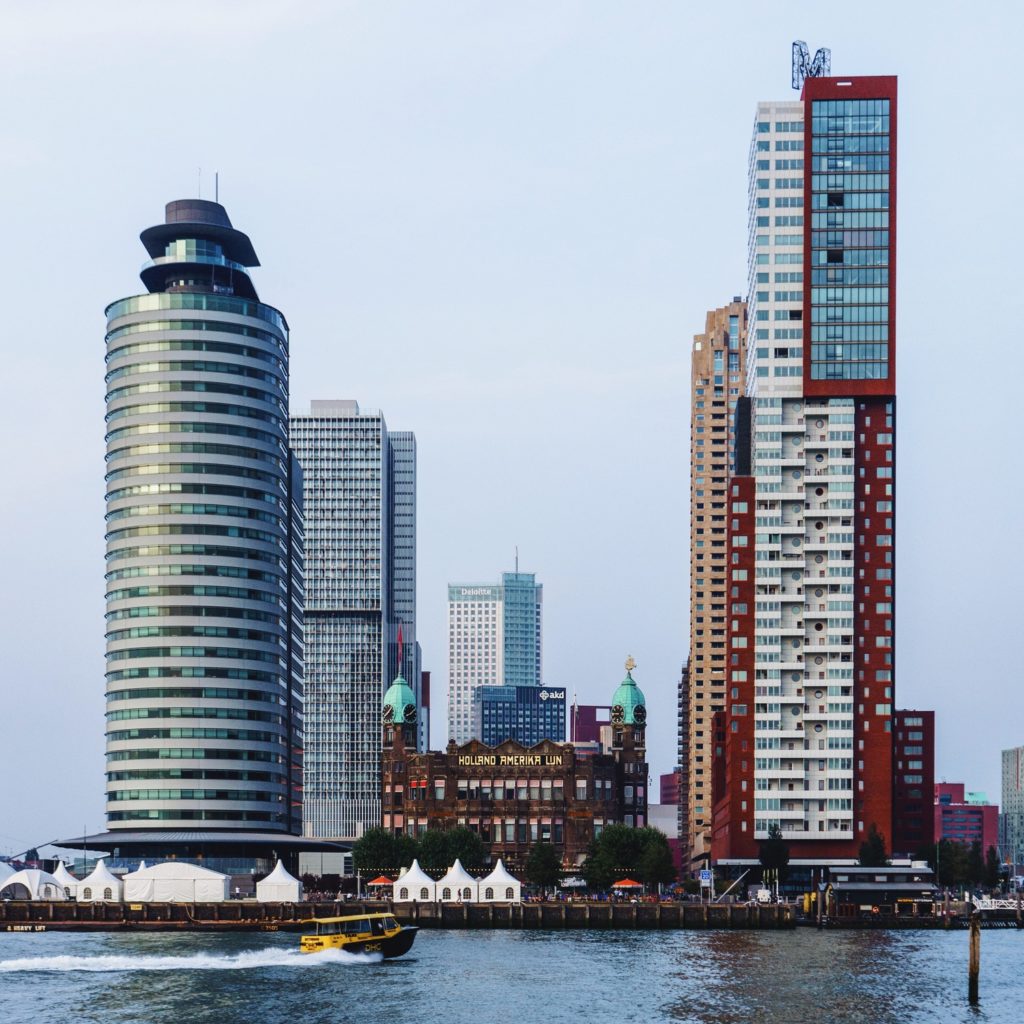
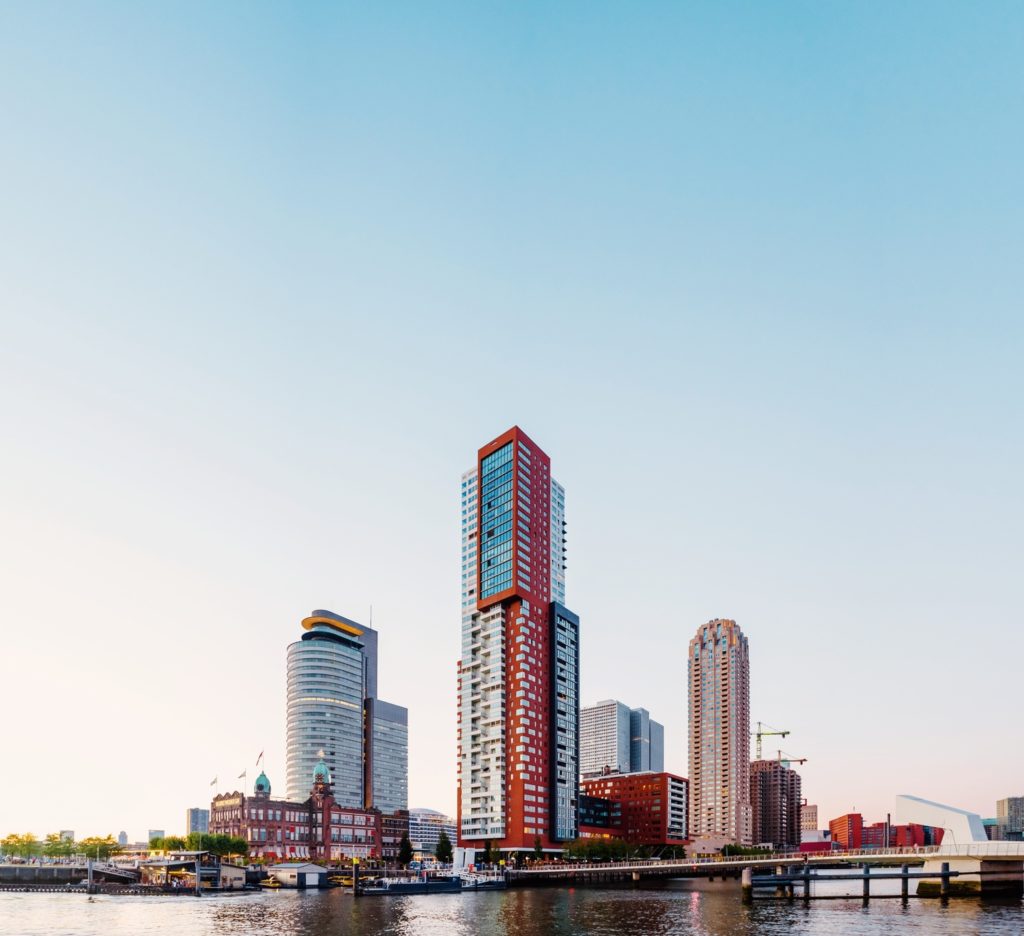
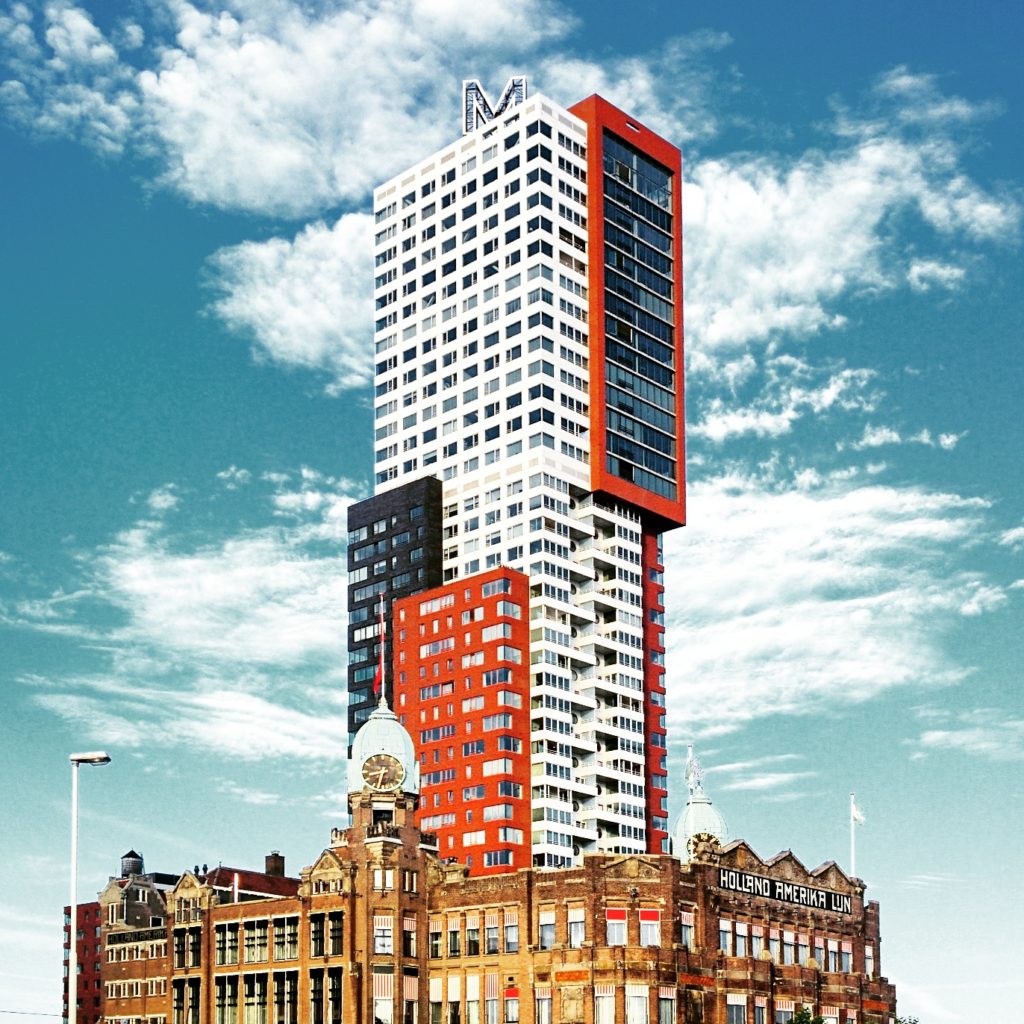
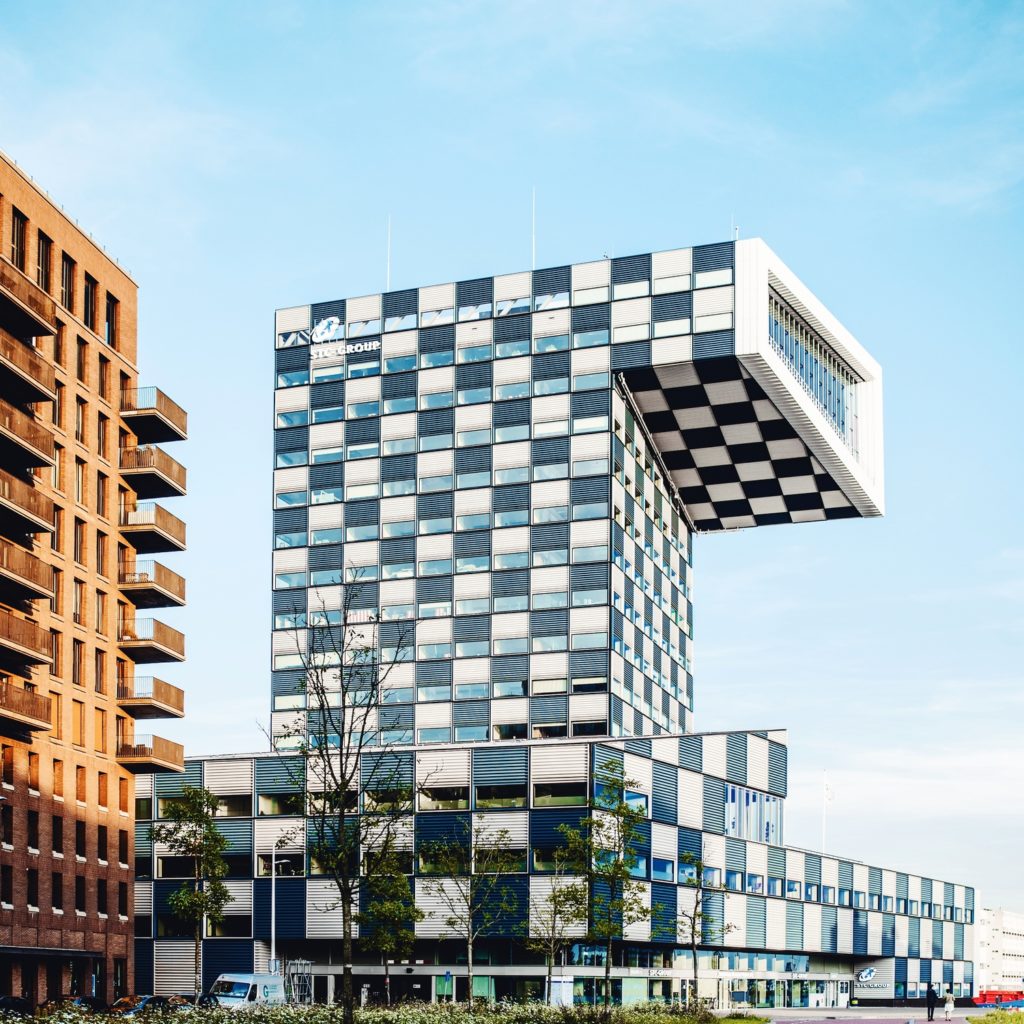
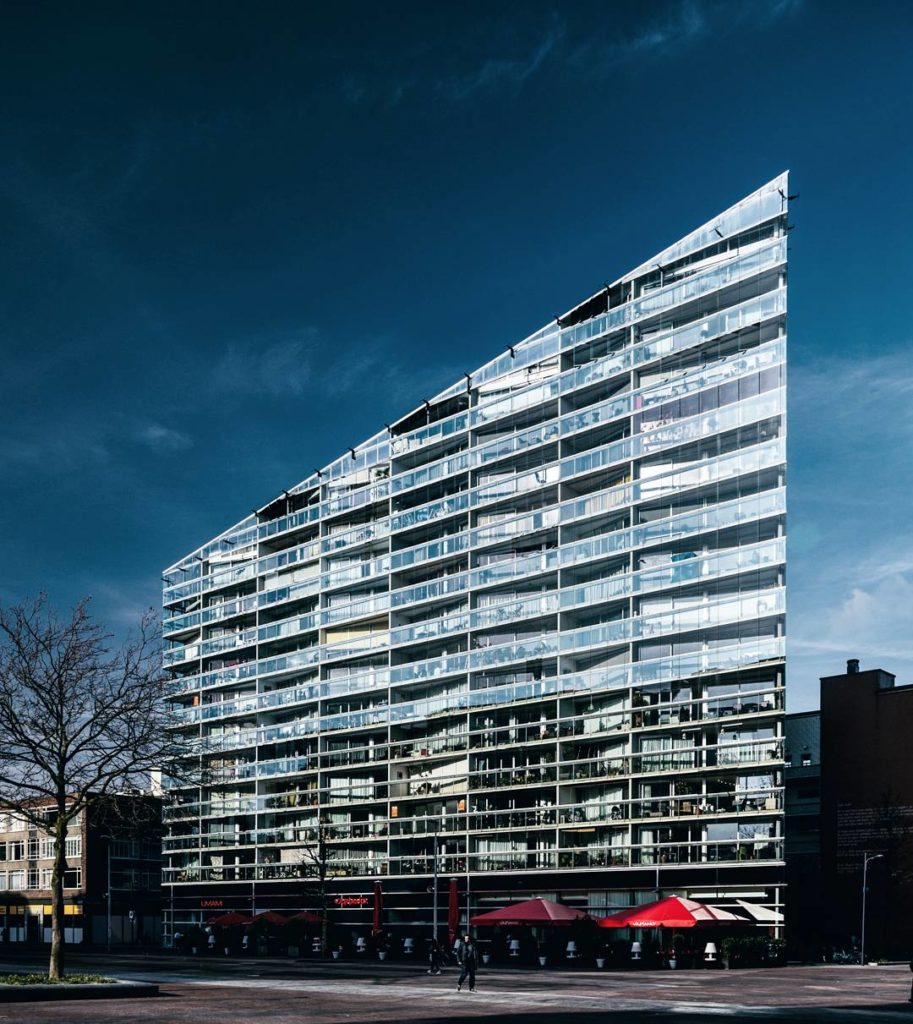
Right next to De Rotterdam is the New Orleans building. A 46-storey, 158 metre tall residential skyscraper designed by Álvaro Siza Vieira, it is the second tallest residential building in the Netherlands (after Zalmhaven — also in Rotterdam).
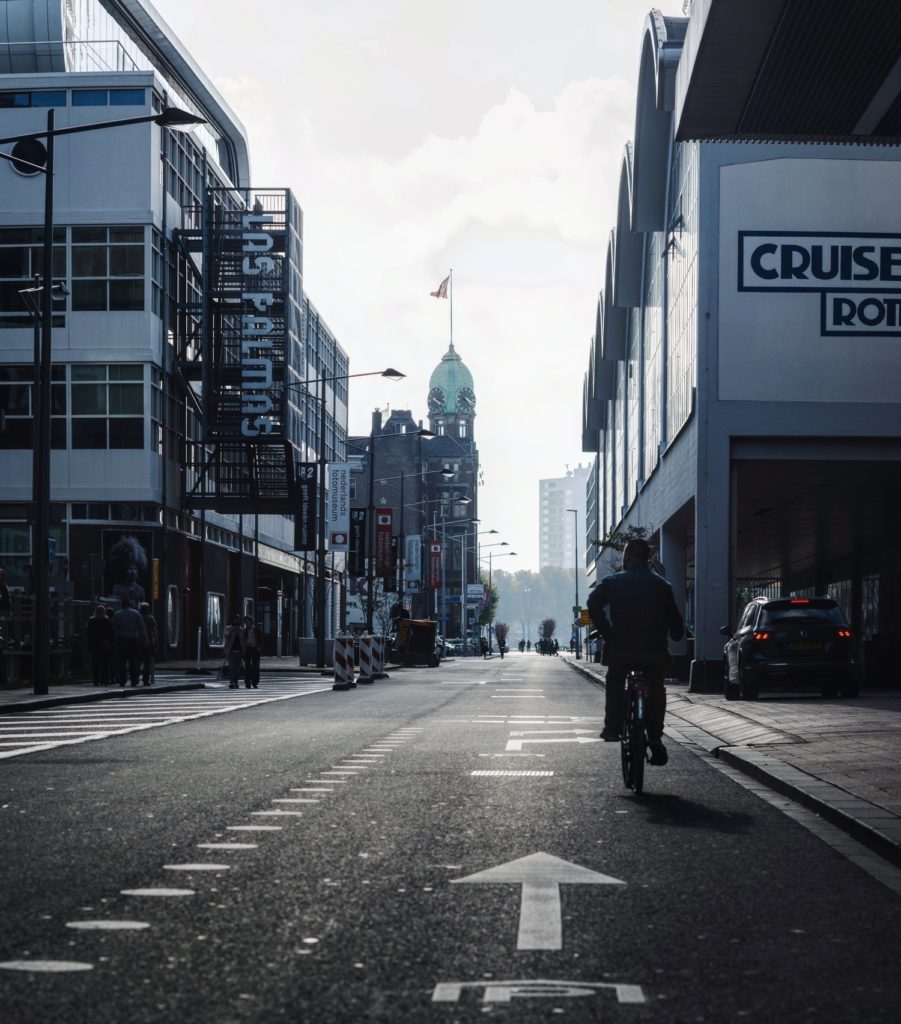
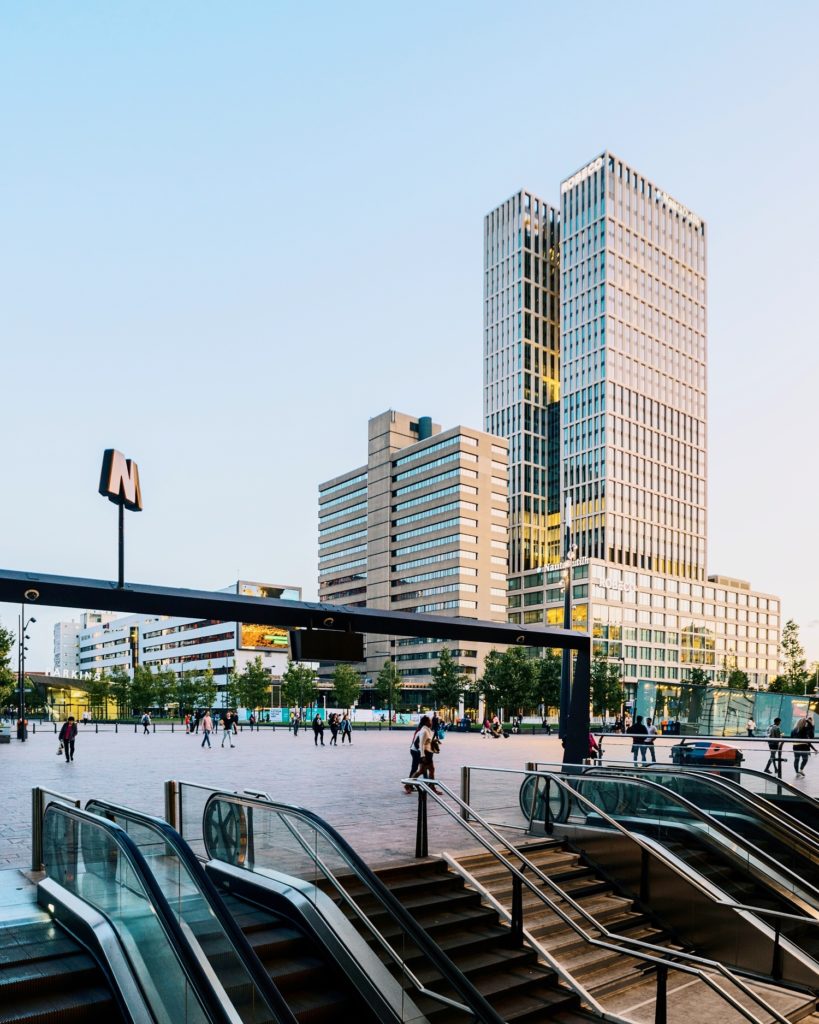
All these buildings, as well as Rotterdam’s Cruise Terminal, are located at the Kop van Zuid neighbourhood. It’s a Walhalla for architecture lovers and photographers.
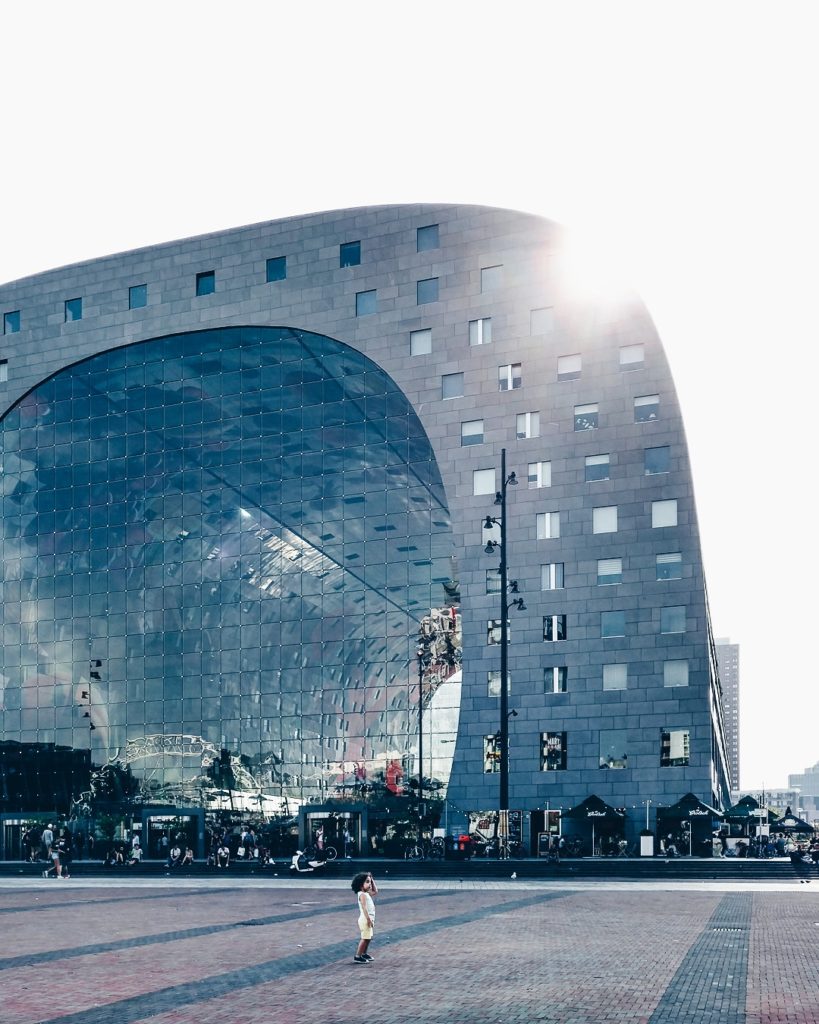
A Dutch city like no other. Image: Gestaltes/Supplied
You have to wonder where they took inspiration from. Image: Gestaltes/Supplied
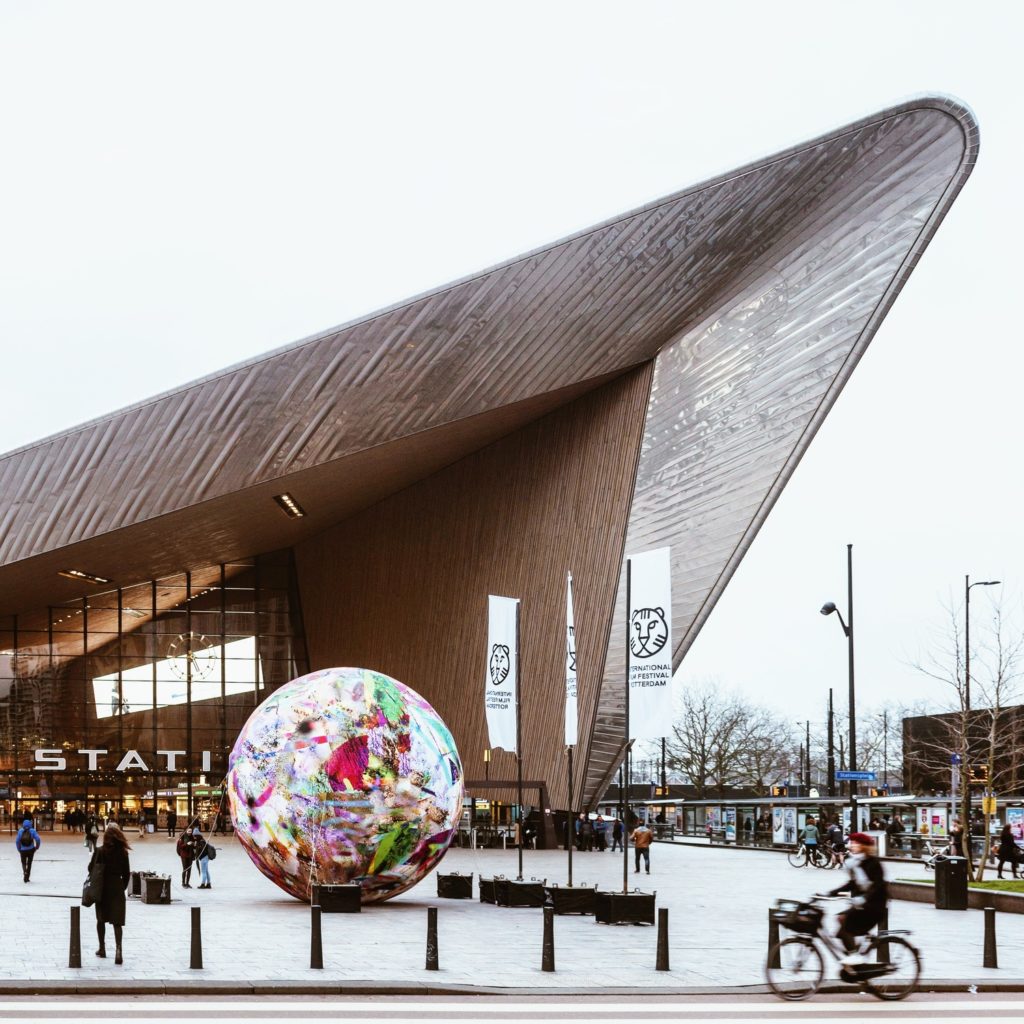
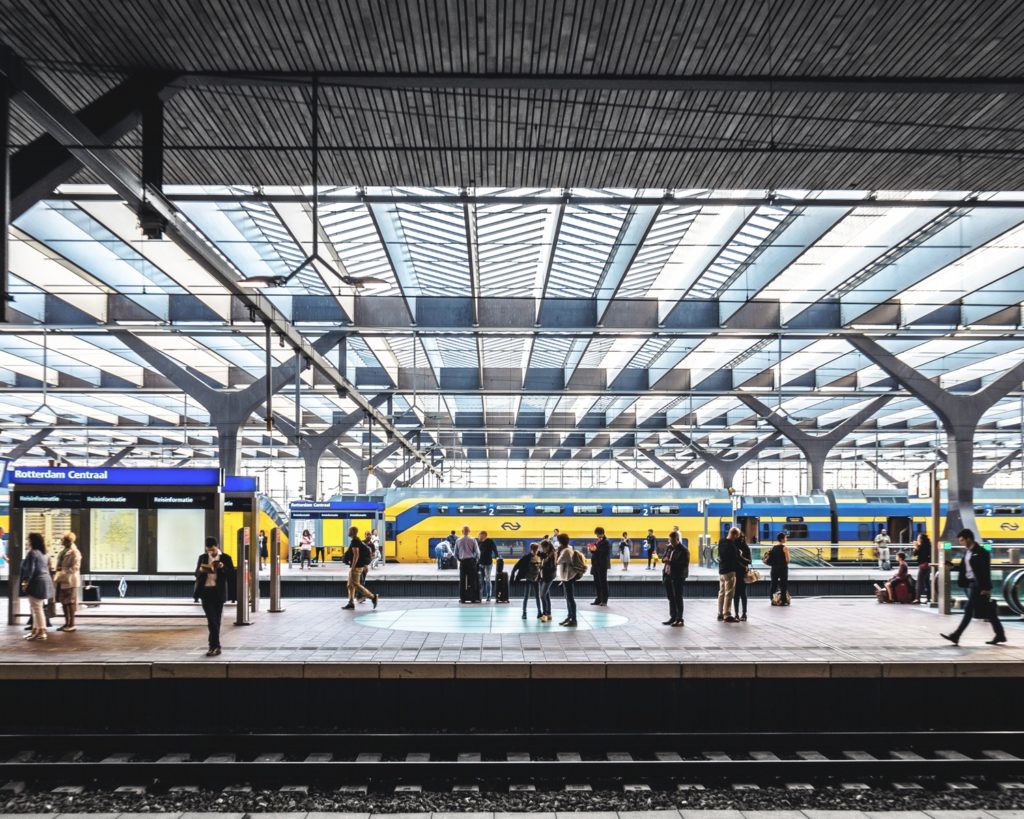
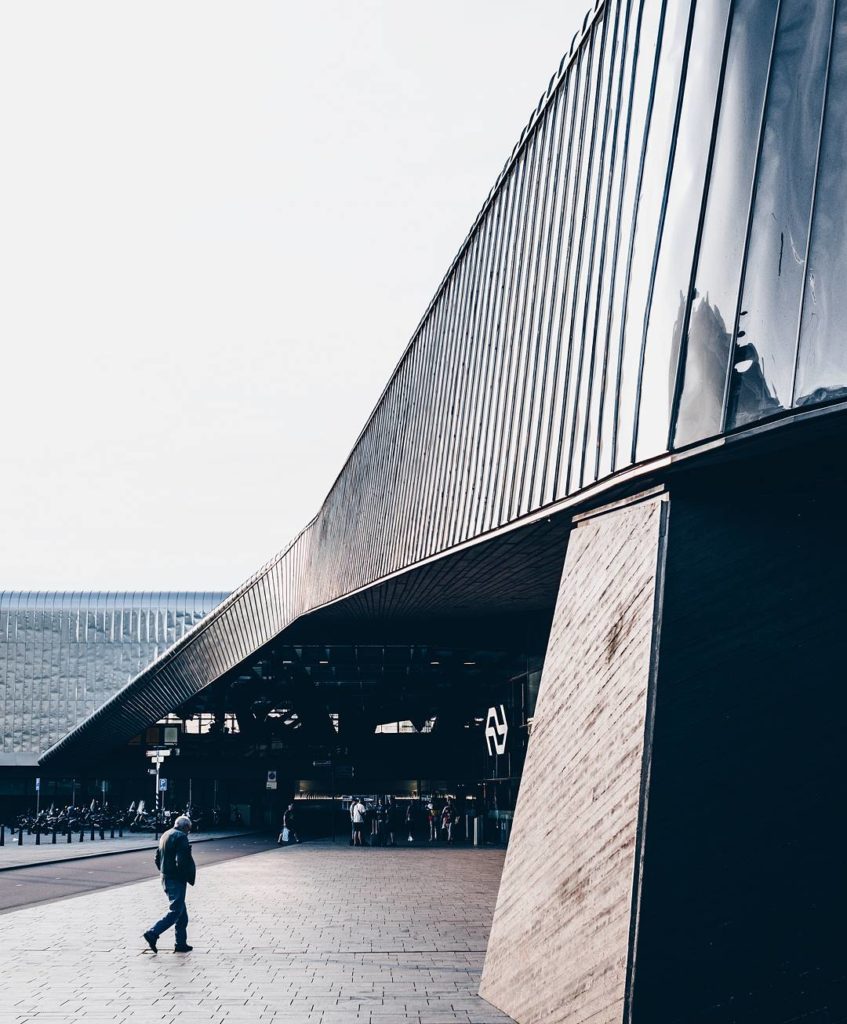
Amsterdam has been working for decades on theirs — but Rotterdam finished its awesome train station under its budget and time schedule (and it’s lit af).
Check out this building! Image: Gestaltes/Supplied
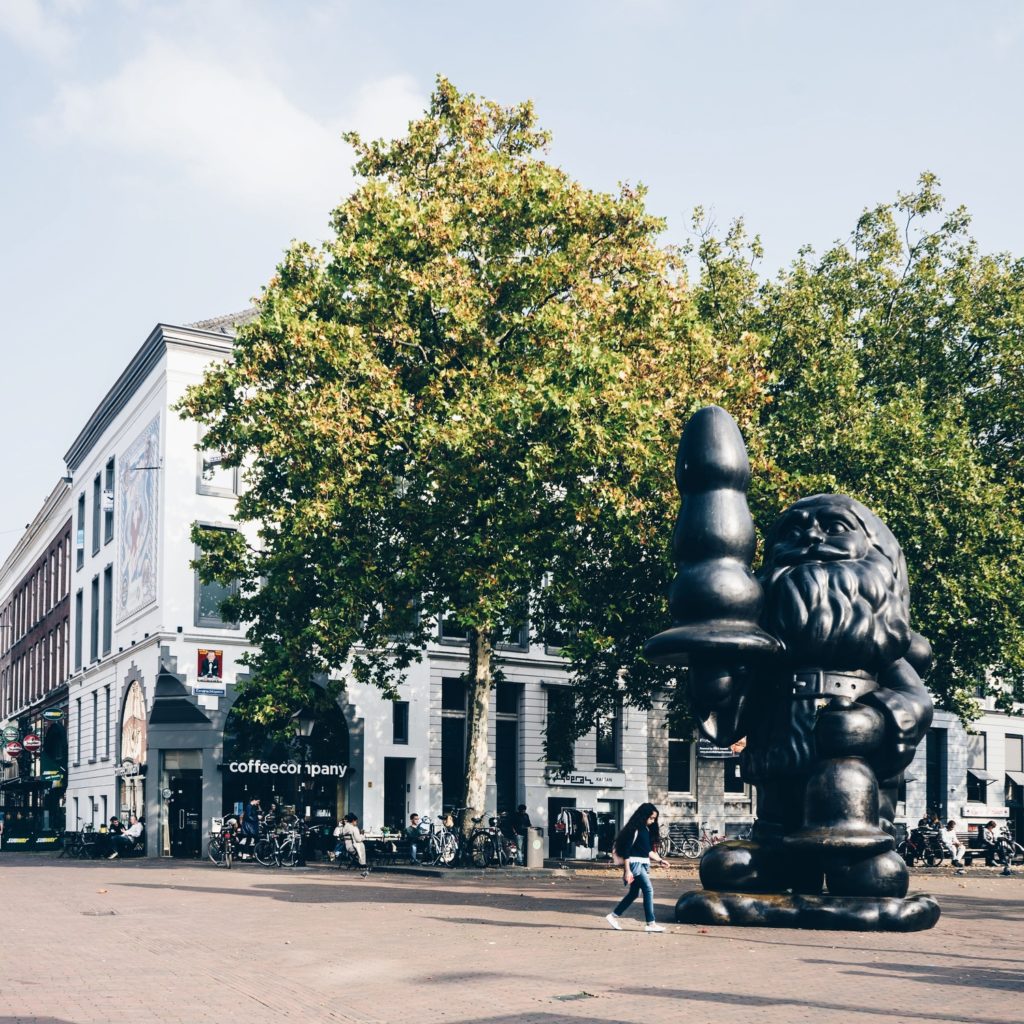
The bronze statue was intended to show Santa holding a festive bell and a Christmas tree, but the artist who made it, Paul McCarthy, did it a bit differently.
Anyone who has travelled between the Netherlands and Berlin has likely experienced the chaos that is the ICE Deutsche Bahn train — think random stops to repair something and broken air conditioning.
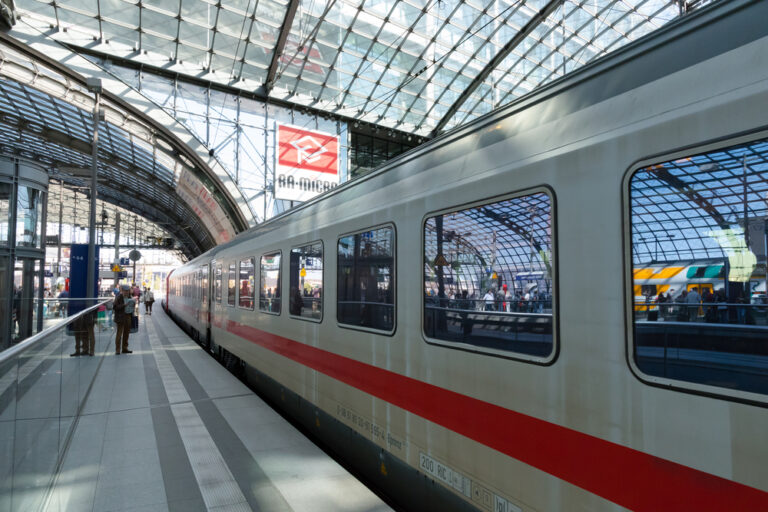
But could this be a thing of the past? Potentially. The NS has announced that new ICE trains will roll out along the Amsterdam-Berlin route from October 18.
According to the NS, while these new trains will run seven times per day like the current trains, there’s an important difference: they’re made for your comfort.
More comfortable, but at what cost?
One huge pro that they make sure to point out is that there will be a bar carriage again, meaning you can enjoy a cup of coffee while praying that your train makes it to its destination.
They are also “equipped with the latest techniques under the hood”, which we’ll take as code for “hopefully they won’t break down as much.”