Home Blog Page 179

17 facts about the Dutch language that will make you go โ€˜echtโ€™?!

What facts do you know about the Dutch language? Itโ€™s kind of close to English and people sound like theyโ€™re choking when theyโ€™re speaking, right? 

But there are a ton of other awesome and interesting things about the Dutch language, like ๐Ÿ‘‡๐Ÿผ

  • the obsession with consonants,
  • untranslatable words, and
  • even using Hebrew slang.

Are you ready to impress your international and Dutch friends with some mind-blowing fun facts? ๐Ÿง

Daar gaan we! (Here we go!)

1. Dutch is also spoken outside of the Netherlands ๐Ÿ‡ธ๐Ÿ‡ท๐Ÿ‡ฆ๐Ÿ‡ผ๐Ÿ‡ธ๐Ÿ‡ฝ

Because of *ahem* colonialism, the Dutch language has made its way to countries on the other side of the Atlantic Ocean, such as Suriname, Aruba, Curaรงao, and Sint Maarten. 

The last three are actually still part of the Kingdom of the Netherlands and even name Dutch as one of their official languages. 

Dutch is also spoken in Flanders, in northern Belgium, however, with a different dialect called Flemish or Vlaams. 

Youโ€™ll probably hear Dutch people either making fun of this accent or finding it super cute (because of their soft gโ€™s and slight French accent) โ€” thereโ€™s no in-between! 

Youโ€™ll also find some Dutch speakers in Germany, near the shared border with the Netherlands.

2. But the Netherlands is the only country where Dutch is the only official spoken language

Thatโ€™s right, the Netherlands has only one official spoken language โ€” and it’s Dutch (even though we could totally buy the country making English a second official language ๐Ÿ˜‰). 

Other countries also have Dutch as an official language, but these countries also have other languages in the mix as well. But in the Netherlands, itโ€™s only Dutch! 

You may be thinking “What about West Frisian?” which is a language you might hear in the northern parts of the lowlands.

In this case, itโ€™s only recognised as an official language in the province of Friesland โ€” but not in the rest of the country. 

As for non-spoken languages, Nederlandse Gebarentaal (Dutch Sign Language) was only recognised as an official language on July 1, 2021. ๐Ÿ™Œ๐Ÿผ

3. Dutch and English arenโ€™t THAT similar but are still pretty close

A lot of people believe that Dutch and English are very similar, with plenty of shared vocabulary, for example, appel (apple), peer (pear), or glas (glass). 

Linguistically, the two languages are close to each other. But Dutch is, in fact, not the closest language to English! Wat?!

photo-of-two-girls-talking-dutch-and-english-in-park-confused
Heard English is close to Dutch? Just try and understand fluent Dutch with no practice. Image: Freepik

Believe it or not, West Frisian is actually closer to English than Nederlands. 

So if youโ€™re ever in Friesland, listen carefully to what the locals are saying. You might find that you understand a whole lot more than in the rest of the lowlands. ๐Ÿ‘€

4. The Dutch are the best non-native speakers of English IN THE WORLD

If youโ€™ve ever visited the Netherlands, youโ€™ll know that Dutch people are freakinโ€™ good at speaking English

Some of them probably speak better English than you, a fact that you’re just going to have to live with. ๐Ÿคท๐Ÿปโ€โ™€๏ธ

READ MORE | Dutch Quirk #77: Switch to English even if you speak Dutch

Thanks to their education system and lack of Dutch dubbing in TV shows and movies, Dutchies have a super high non-native proficiency in English and rank the best out of 112 countries! ๐ŸŒ

5. Dunglish (Dutch + English) is the funniest thing ever ๐Ÿ‡ฌ๐Ÿ‡ง๐Ÿ‡ณ๐Ÿ‡ฑ

While most Dutchies are basically fluent in English, you might sometimes catch the rare fish that is Dunglish. 

Known in Dutch as steenkolenengels, or โ€œcoal-Englishโ€, Dunglish is a combination of Dutch and English. The result of this combination is some of the funniest sentences you’ll ever hear. 

READ MORE | Dutch dying out? A quarter of people in the Netherlands donโ€™t speak the language at home

Some beautiful nuggets of Dunglish:

  • โ€œI can speak only a little English, hoor.โ€ (What, are you calling me a whore??)
  • โ€œJust go up the trap.โ€ (Stairs)ย 
  • โ€œThat is the car from Marieke.โ€ (instead of Mariekeโ€™s car)

But let’s be clear: the Dutch speak amazing English โ€” so it’s nice to know they’re human and make small errors sometimes. ๐Ÿ˜‰

6. A lot of Dutch slang comes from Hebrew

Yeah, we were shocked by this one too, but itโ€™s true! A lot of Dutch slang comes from Hebrew words from the Jewish population living in the Netherlands. 

Much of it can be found especially in the Amsterdam dialect of Dutch. This makes sense because the majority of Dutch Jews lived in Amsterdam in 1940.

Here are just a few examples of Dutch slang with Yiddish origins:

DutchYiddish rootModern HebrewEnglish
blauwblaubelodrunk
gabberchawwerchaverfriend, comrade
jofeljofeyafegood, nice
mokummokum makom place

7. Dutch has some rare and weird sounds 

There are some pretty funky sounds in the Dutch language and they are actually quite rare among the worldโ€™s languages. 

The most interesting and unique sounds that the Dutch make are their soft โ€œgโ€ which is written as ch, and the hard โ€œgโ€ which is written as g

You can hear the soft ch and hard g in these words:

  • Acht (Eight)
  • Zacht (Soft)
  • Goedemiddag! (Good morning!)
  • Groen (Green)
photo-of-woman-lying-on-bench-twisting-tongue-confused-green-shirt-upside-down-
Trying to make those weird Dutch sounds will have your tongue in knots. Image: Freepik

8. Despite the Dutch presence in Indonesia, Nederlands has no official status there (but does have a lot of loan words!) 

Remember when the Dutch were in Indonesia for almost 350 years? Youโ€™d think that with that kind of presence, the Dutch language would still have some kind of influence, right?

Well, not really.

Dutch has no official status in Indonesia and is only spoken fluently by a small minority of people, such as educated members of the oldest generation, students who go to Dutch language schools, and legal professionals (who need it because some law codes are still in Dutch ๐Ÿ˜ฒ).ย 

But the Indonesian language does have a lot of loan words from Dutch. One example is theย Indonesian afspraak (verbal promise), which is the same as the Dutch afspraak (appointment).ย 

9. โ€œDutchโ€ and โ€œDeutschโ€ are similar for a reason

Have you wondered why the Dutch are called the Dutch? Sound pretty close to German “Deutsch”, right?

Well, we can blame the British for that. You see, they thought that anyone who spoke โ€œa Germanic languageโ€ must have been German. So to the Brits, the Netherlands and Germany were basically the same thing.

They called the Netherlanders the “Deutsch” and the name just kinda stuck. ๐Ÿ™ƒ

But in the Dutch language? The Dutch people are Nederlanders, and the language they speak is Nederlands. Makes sense, right?

10. Dutch and Afrikaans are sisters, not twins

Dutch and Afrikaans (spoken in South Africa) are very similar languages, but they are not the same thing. Afrikaans is a vernacular of the Dutch language that was spoken and brought to South Africa in the 17th century.

Although Afrikaans is derived from Dutch, itโ€™s had language contact with other languages in South Africa and has developed into its own fully-fledged language. 

So Dutch and Afrikaans speakers understand each other โ€” kinda. There is a lot of shared vocabulary, but both languages have diverged and changed significantly over centuries.

11. There are lots of Dutch words that are untranslatable

Lekker? Gezellig? Hoor? You hear these words all the time in the Netherlands, but what the heck do they mean? Well, unfortunately, these words are untranslatable. But you can get a good idea based on the context. ๐Ÿ’ก

READ MORE | 5 Dutch idioms that are just too bizarre when translated

The weather can be lekker, an evening can be gezellig, and you can drop hoor at the end of many sentences! 

You might not know the true meaning, but that wonโ€™t stop you from trying to use these addictive words, albeit possibly in the slightly wrong context. But hey, thatโ€™s Dutch for you!

12. Dutch words are long AF because of compounds

Dutch words can be loooooong. Why? Itโ€™s because of this little thing that Dutchies love to do with their words called compounding. 

Compounding is when two or more individual words are combined to create a new word with its own meaning. โœจ

For example, the longest Dutch word is aansprakelijkheidswaardevaststellingsveranderingen (liability valuation changes), with a whopping 50 letters! 

Notice how, in English, we space out each word?

photo-of-people-speaking-dutch-in-cafe-laughing-pointing-bright-colors-bread-flowers-coffe-group-of-friends
Yep, unfortunately, those Dutchies are not joking when they say that ridiculously long word. Image: Depositphotos

Well, Dutch doesnโ€™t appear to see the need for spaces and just bunches up the four words (aansprakelijkheid(s) + waarde + vaststelling(s) + veranderingen) together, creating a long AF compound word. ๐Ÿ˜ช

13. Dutch words have a LOT of consonants

If you think super-long Dutch words are already hard enough โ€” it gets worse. 

Dutch words can also be pretty consonant-heavy. Some of them love to line up consonants in a row without a vowel in between to get your tongue twisting in all sorts of crazy ways.

READ MORE | 11 myths about taking Dutch lessons, busted

Here are a few examples:

  • Angstschreeuw (crying of fear)
  • Oegstgeest (town in South Holland, near Leiden)
  • Verschrikkelijk (terrible)

Yikes, what a mouthful! ๐Ÿ˜ฑ

14. The Dutch love to swear with diseases

In many Western and non-Western languages, swearing tends to involve sex, oneโ€™s parents, or some foul combination of both.

However, the Dutch like to keep those โ€œfilthyโ€ topics out of their mouths and instead fill it with diseases. ๐Ÿฆ 

READ MORE | Want to seriously level up your Dutch? This course is for you

If youโ€™ve ever accidentally walked onto a bike path, you might have gotten a little kanker (cancer) thrown your way by an irate biking Dutchie:

Other popular illness hits include:

  • Krijg de tyfus/klere/pest! (Get tuberculosis/cholera/plague)
  • Optyfen (Typhus off)
  • Klerelijer (Cholera-sufferer)

15. Dutch has two ways of saying โ€œtheโ€ (de and het), and a lot of people confuse the two

In English, we only have one word for โ€œtheโ€, but the Dutch have two: de and het. A lot of native Dutch speakers arenโ€™t sure why this distinction exists โ€” they just know it by heart.

De is mainly used for plural nouns, people, professions, letters and numbers, etc. On the other hand, het is used for diminutive nouns (-je/-tje ending), nouns for languages, nouns from infinitive verbs, etc. 

If you wanna go deeper, de and het are used based on the grammatical gender (not necessarily the same as traditional gender) of the nouns theyโ€™re attached to. ๐Ÿ‘ซ 

READ MORE | 21 YouTubers thatโ€™ll help you learn Dutch super fast

Basically, de words are used for masculine/feminine nouns, and het words are used for neuter nouns, but there are a lot of exceptions to this rule. So keep it simple and just memorise the definite articles as you go! ๐Ÿ™Œ๐Ÿผ

16. Dutch uses diminutives -je and -tje to make things cuter

In Dutch, itโ€™s common to hear people adding -je or -tje to the end of words to make things cuter, smaller, or friendlier. For example, itโ€™s common to say โ€œMag ik een biertje?โ€ (May I have a beer?) instead of โ€œMag ik een bierโ€.ย 

Youโ€™ll also hear people calling their partner vriendje, which shows that the relationship is intimate. Cute, right?! ๐Ÿฅฐ

READ MORE | 15 weirdly cute things Dutch people do 

Itโ€™s the equivalent to saying โ€œCan I have a beerie?โ€ or โ€œThis is my friendieโ€ in English. It might sound a bit odd for us to use it as an adult and all the time โ€” but thatโ€™s totally normal and even expected in Dutch! 

17. Even the Dutch struggle with Dutch (seriously)

Native speakers arenโ€™t perfect either! Itโ€™s very common to make mistakes even in your own language, and the Dutch are no exception. 

READ MORE | An expatโ€™s guide to learning the Dutch language

Even if their English/German/French skills may knock you out of the water, some of them have similar struggles to us, internationals, and might make these mistakes:

  • Mixing up die (this) and dat (that), dat (that) and wat (what), als (if/when) and dan (than)
  • Not sure whether to use t or d for the end of a past tense verb
  • Confusing the references to de and het (the)

So donโ€™t feel bad if you mess up now and again, the Dutchies do it too. ๐Ÿ˜‰


We hope this list helped you build on your Dutch knowledge and that you now have a bunch of fun language facts to share with people at parties (hopefully theyโ€™re as obsessed with languages as we are ๐Ÿ˜†). 

We also hope this motivates you on your journey to learning Dutch or encourages you to find a Dutch language school! Succes! ๐Ÿ’–

Which fact surprised you the most? Do you have any fun facts about Dutch? Tell us your thoughts in the comments below!

The 11 best authentic Dutch villages that you have to visit

Looking for an authentic Dutch village to visit for a day trip outside of Amsterdam? There are plenty of beautiful little spots worth exploring!

Dutch cities are beautiful, we all know that. But what about the villages? They deserve some love too. Besides, cities can be busy and overcrowded.

So, instead of pushing your way through the bustling streets of Amsterdam yet again, why not take a trip to some of the quiet, tranquil, and quaint places in the Netherlands? ๐ŸšŒ

READ MORE | 7 underrated places to live outside of the Randstad

As someone who has been exploring the Netherlands for years, here’s my guide to 11 authentic Dutch villages you simply have to visit.

This post might have affiliate links that help us write the articles you love, at no extra cost to you. Read our statement.

1. Beesel: the Dutch village of the dragon

Beesel is a village in Limburg, a province in the south of the Netherlands. The village was founded in 1275, so it’s been around for quite a while.

photo-of-one-of-authentic-dutch-villages-to-visit-nieuwenbroeck-castle-beesel
Nieuwenbroeck Castle is one of the oldest preserved buildings in Beesel. Image: Peter van der Wielen/Wikimedia Commons/CC3.0

Beesel started as a ship bench and remained so for over 500 years, belonging to the Spanish Opper-Gelre until 1713.

The village has plenty of lovely Neolithic architecture and, like all good villages, it has a wonderful, cosy atmosphere.

It also has a metre-high dragon adorning its roundabout, which refers to the village’s yearly tradition of staging a spectacle based on the legend of George and the Dragon. ๐Ÿ‰

๐Ÿ“Location: Beesel, Limburg

2. De Rijp: home of the herring

De Rijp is in the Alkmaar municipality in North Holland. If you’re excited about the Netherlands’ favourite food (herring), then this is the place to visit!

Historically, De Rijp was surrounded by lakes, so herring fishing was an abundant source of revenue for the area. ๐ŸŸ

authentic-dutch-villages-visit-de-rijp-canals-bridge
Picturesque canals of De Rijp. Image: arch/Wikimedia Commons/Public Domain

As the potential birthplace of Holland, De Rijp also has some of the oldest wooden houses in the Netherlands.

READ MORE | Whatโ€™s the difference between Holland and the Netherlands?

It also has some rather hilarious stained glass windows in its church, which contain imagery not of God, but the next best thing: herring!

๐Ÿ“Location: De Rijp, Alkmaar

3. Naarden: Dutch fort or village?

Naarden is a village that really needs to be appreciated from above. We mean, just look at that awesome town layout! ๐Ÿ˜

The unusual outline of this village is the result of it being a star fort. Its distinctive shape was also important in more modern times.

aerial-photograph-of-the-village-of-naarden-in-the-netherlands
Doesn’t Naarden look like a scene from Game of Thrones? Image: Depositphotos

During World War II, Allied bombers would cheer when they passed overhead, knowing they were on their way back to safe territory.

READ MORE | 21 beautiful towns in the Netherlands that are not Amsterdam

Apart from that, Naarden is also home to the fascinating Dutch Fortress Museum.

๐Ÿ“Location: Naarden, Gooi, North Holland

4. Kinderdijk: quintessentially Dutch

This village is a UNESCO World Heritage site, so you know it’s going to be good. Kinderdijk is home to the largest collection of old windmills in the Netherlands โ€” 19 in total!

photo-of-authentic-dutch-village-kinderdijk-windmills-by-water
Could it get more idyllic than this? Image: Depositphotos

If you’ve been craving some of those mandatory Dutch windmill pictures for your Instagram, this village is simply something you cannot miss.

READ MORE | Best windmill site in the Netherlands: Kinderdijk or Zaanse Schans?

You can buy tickets for a tour of two windmills that have been turned into museums if you fancy getting deep into the history of this beautiful place, or you can just admire these awesome structures from afar.

๐Ÿ“Location: Kinderdijk, South Holland

Powered by GetYourGuide

5. Loosdrecht: let loose and take a vay-cay

This Dutch village is perfect for visiting in the summer months, as it’s most famous for the lakes that surround it โ€” the Loosdrechtse Plassen.

Loosdrecht is actually really two separate villages, Old Loosdrecht and New Loosdrecht.

photo-of-authentic-dutch-village-visit-loosdrechts-plassen
Fancy a house by the water? We’ll take two! Image: Depositphotos

Old Loosdrecht is mainly made up of beautiful lakeside villas โ€” the area is a favourite haunt of the wealthy. New Loosdrecht, on the other hand, is quite densely populated and a bit less exclusive.

As a tourist, both sides of the village are worth exploring. You can enjoy the lakes by boat or from the shore while you’re there. ๐Ÿšฃ๐Ÿผโ€โ™€๏ธ

6. Vinkeveen: for the water nymphs

If you’re visiting Utrecht, you might as well pop by Vinkeveen, which is another fabulous village that’s as beautiful from above as it is from its pretty streets.

photo-of-authentic-dutch-village-vikeveen-utrecht-aerial-shot
Could it really be? Is that a floating Dutch city? Image: Ewout Pahud/Supplied

Vinkeveen is famous for its lakes, which you can see in the picture above.

They’re used for swimming, diving, and yachting on approximately three days of the year when Dutch weather is good. ๐Ÿ˜‚

๐Ÿ“Location: Vinkeveen, Utrecht

7. Lisse: terrific tulips

You can pretend all you want, we all know you came to the Netherlands for the tulips.

photo-of-one-of-authentic-dutch-villages-lisse-tulip-fields
Enjoy endless tulip fields in Lisse! Image: Depositphotos

Lisse is near Keukenhof, the *cough* somewhat expensive *cough* park, where you can see more tulips than you’ll ever need. ๐ŸŒท

When visiting Lisse, not only can you see the beauty of seemingly endless fields of flowers, but also a very authentic Dutch village!

And you can feel all smug about avoiding a tourist trap, as well.

๐Ÿ“Location: Lisse, South Holland

8. Broek in Waterland: Insta-worthy and hyper-Dutch

In our opinion, Broek in Waterland is probably the most spectacular of Dutch villages.

Plus, it’s super close to Amsterdam and has just about the most Dutch name for a village we’ve ever heard!

Its proximity to the capital does mean it gets a bit overrun with tourists, who all want to experience rural Dutchness without travelling too far outside the capital. ๐ŸŒณ

photo-of-one-of-the-Netherlands-authentic-dutch-villages-broek-in-waterland-canals
Broek in Waterland is one of the Netherlands’ most charming places. Image: Ben Bender/Wikimedia Commons/CC3.0

Broek in Waterland has actually been a tourist hotspot for generations, already acting as a vacation town in the 17th and 18th centuries.

Thanks to its monument status, the village is very well preserved.

If you’re looking for something that’ll please your wanderlust and Instagram feed, some of the houses here are pastel-coloured or white, making the whole village very aesthetically pleasing. ๐Ÿ“ธ

9. Bronkhorst: a city? Kind of?

Now, Bronkhorst is quite a trek from Amsterdam, but luckily, the public transport system in the Netherlands is really good. And besides, this town (or city) is well worth it.

Although Bronkhorst has only 157 inhabitants, it was granted city rights in 1482. That means it technically has a (somewhat limited) form of self-governance. ๐Ÿ™Œ๐Ÿผ

authentic-dutch-villages-visit-bronkhorst-old-houses
Explore quaint streets and old Dutch houses. Image: Depositphotos

It is an absolutely gorgeous village to walk around: quiet streets, authentic Dutch architecture, and plenty of greenery.

There are also some really nice bike routes in the surroundings of the village. ๐Ÿšฒ

๐Ÿ“Location: Bronkhorst, Gelderland

10. Thorn: from swamp to pomp

Thorn is in Limburg and has a really cool combination of great architecture and fascinating history.

It’s known as the white village for obvious reasons: all of its typical Dutch brick houses have been whitewashed, which gives it a lovely, clean, summery vibe.

photo-of-one-of-authentic-dutch-villages-thoorn-with-white-houses-pretty-streets
Thorn is known for its white houses and pretty streets. Image: Depositphotos

Thorn began as a swamp near the Roman road between Maastricht and Nijmegen. In the 10th century, it was drained, and a monastery was established.

In the 13th century, this monastery became a convent. The nuns made wine, which is still made and served inthe village, though the convent itself closed in the 18th century. ๐Ÿท

๐Ÿ“Location: Thorn, Limburg

11. Bourtange: the star of the show (literally)

Bourtange is a unique village located in the province of Groningen, all the way up north. It was built between 1580 and 1593, during the Eighty Years’ War.

What is now a popular tourist attraction used to be a part of the glorious fortification on the border between the northern Dutch provinces and Germany.

Aerial-view-of-bourtange-village-in-the-netherlands-groningen-things-to-do-in-groningen
Have you ever seen a village shaped like this? โญ๏ธ Image: Depositphotos

Over time, people started leaving Bourtange, until the village was completely emptied around 1960.  

READ MORE | A day trip to Bourtange: the tiny village steeped in Dutch history

After some restorations, the fortress now exists as a quaint little village and outdoor museum. Visitors can see the historic Market Square, a candle maker, and various charming shops and restaurants.

๐Ÿ“Location: Bourtange, Westerwolde

Will you be visiting one of these gorgeous Dutch villages soon? Or have you already been to any? Tell us your thoughts in the comments below!  

This viral Dutch hit just became the most-viewed YouTube video in the Netherlands

0

Joost Klein, the mulleted Dutch pop icon, has racked up 52 million views on YouTube, making his outrageously fabulous music video the most-watched video in the Netherlands this year. 

Forget Rembrandt, weโ€™ve got a new national treasure. ๐Ÿ‘‡

From Klein to groot (big)

The whimsical song that stole all the views on YouTube was Kleinโ€™s 2024 Eurovision entry, which had already been growing popularity before his controversial disqualification for โ€œinappropriate behaviourโ€ boosted its views even more.ย 

But, in all honesty โ€” who needs a trophy when youโ€™ve got the entire nation humming your song? 

Not so close runner-ups

In second place, with 12 million views, was โ€œDada Die Dada Daaโ€ by Kinderen voor Kinderen for the Kingโ€™s Games. 

Third place went to โ€œBrommers Kiekenโ€ by Boer Harm, with 6.6 million views.

Honourable mentions include โ€œSugardaddyโ€ by Roxy Dekker, โ€œPretty Girls by Frenna, and โ€œEntourageโ€ by Bankzitters.

Still, Kleinโ€™s passion for Europe(papa) has touched the hearts of countless fans, beating toddlers and tractors by a long shot.

What do you think about Kleinโ€™s music video? Have you heard of him before? Let us know in the comments below.

Image: Arkland/Wikimedia Commons/CC4.0

Dutch rent spike alert: Here’s how much more you’ll pay in 2025

The Dutch government has just dropped an update on how much your rent might increase next year. Surprise, surprise: itโ€™s a lot! ๐Ÿ’ธ

According to the government bulletin, both the private and social sectors will see a jump in the maximum rent allowed.

Mid-range rents on the rise

Rents that will be hit the hardest are those that fall in the mid-range category, meaning relatively small apartments where the landlord is not allowed to determine the rent themselves.

Although landlords canโ€™t determine the maximum rent increase each year, it’s required to be (somewhat) proportional to wage increases.ย 

Since the wage increase this year was 6.7%, landlords were allowed to increase the rent by 7.7%. This means that your โ‚ฌ1800 apartment could cost you an eye-watering โ‚ฌ1938.6 per month next year.ย 

(Apparently, making wage increases actually proportional to a jump in rent would just be a step too far. ๐Ÿ™„)

Free rent will be far from free

New leases in the private sector, meanwhile, still leave it up to the landlord to determine the rent (and Dutch landlords can count pretty high).ย 

However, if the tenant doesnโ€™t change, there is a maximum increase that is determined by the government as well.

The good news? Although free rent will still see a spike in price, the expected price hike is lower than that of mid-range rents โ€” 4.1%.

Even with less of an increase, the change is significant. You could expect to see your base rent of โ‚ฌ1800 turn into โ‚ฌ1873.8 per month, as of 2025. ๐Ÿ˜ฌย 

Social housing wonโ€™t be spared 

If you think these large rent increases are limited to the private sector, think again. 

Social housing is likely to rise by almost 5% next year, despite the housing union Woonbondโ€™s best efforts.

What does this mean for you? Well, you could expect to see your usual rent of โ‚ฌ800 per month jump by โ‚ฌ40 next year.ย 

READ MORE | The 2024 guide to private housing and social housing in the Netherlands: whatโ€™s the difference?

The Woonbond tried to negotiate to adjust that increase to inflation, which would mean a maximum of 3.1% โ€” but their offer was shot down by the Dutch Ministry of Housing.ย 

While the government didn’t agree to make social housing more affordable, they did offer to build more of it.ย 

However, the Woonbond saw this as putting the burden of the housing crisis on the tenant and did not sign the agreement.ย 

What do you think of these rent increases? Will you be spared? Let us know your thoughts! 

Dutch Quirk #97: Apply hair gel like they’re frosting a cake

Upon arriving in the Netherlands, youโ€™ll probably feel like youโ€™re on the set of Grease with all the slicked-back hair โ€” but thatโ€™s not John Travolta, itโ€™s a Dutchie with a penchant for using hair gel. ๐Ÿ’†๐Ÿผโ€โ™‚๏ธ

You wouldnโ€™t think hair gel usage would be a quirk, but here we are and it can look cute.

They can sometimes look like seals emerging from the water โ€” and theyโ€™ll probably have a seal-like belly full of herring too.

What is it?

It is what it sounds like. Dutchmen comb copious amounts of hair gel into their hair until it looks like theyโ€™ve taken a dip in the pool or a run in the ever-present rain. 

READ MORE | Dutch Quirk #117: Constantly check Buienradar

In the end, they have their hair styled with not a strand out of place.

And, yes, it does get you wondering how it must feel to the touch. Is it crunchy or smooth?  

Why do they do it?

To be honest, there isnโ€™t a clear reason to be found.

Perhaps it prevents them from getting slapped in the face by their mop of hair in the wind while they zoom along on their bicycles.

READ MORE | Dutch Quirk #13: Be innovative (and not be shy about it)

Or maybe, the most simple reason could be that they like the way it looks. They could think it looks sexaay and that it makes them as slick as those hairs. ๐Ÿ˜ 

photo-of-hair-styling-pomade-being-used
Dutchies sure like to pile on the hair pomade. Image: Depositphotos

Hey, maybe they know something we donโ€™t. Is hair gel a useful rain repellent? Could it be that the rain just rolls off their gelled hair like water off a duckโ€™s back? 

Why is it quirky? 

Well, it can look a bit unnatural. And in a country that provides so much natural hair styling in the form of rain โ€” why do you need gel? 

Speaking of rain, no way they are going to let that get in the way of their aesthetic.

READ MORE | Dutch quirk #8: dress the same as every other Dutchie (AKA the Dutch uniform)

Itโ€™s raining? Oh, theyโ€™ll just bring their favourite hair gel with them to work and apply it at the office. 

But we guess we can understand. If there are only so many things to do with your hair, youโ€™re going to try them all โ€” and letโ€™s face it, that rain can be a cruel stylist.

Should you join in? 

Have an important meeting? It could be a convenient way to disguise the fact that you havenโ€™t been to the barber in a while โ€” or worse, havenโ€™t showered. 

In the end, itโ€™s up to you.

If you like the polished look and want to try something new, this could be worth trying out โ€” who knows, maybe it will suit you! 

What do you think of this Dutch quirk? Have you experienced it? Tell us in the comments below!

Dutch Quirk #93: Hold giant bonfires on the beach for New Yearโ€™s Eve

Considering Dutch peopleโ€™s stereotypical laid-back, carefree attitude, itโ€™s not very often that youโ€™ll see them act a little crazy. But New Yearโ€™s Eve is one of the few moments where they really let loose. ๐ŸŽŠ

Many people love a good party to ring in the New Year, but some might say the Dutch take their love for it a little too far. 

What is it?

Every year between December 26 and December 31, residents of The Hague build bonfires in the neighbourhoods of Scheveningen and Duindorp to see who can build the biggest one. Around midnight on New Year’s Eve, the bonfires are lit. ๐Ÿ”ฅ

Each year gets crazier and crazier, with previous bonfires holding height records between 45 and 47 metres tall. ๐Ÿคฏ

The municipalities keep a height restriction of 35 metres, but the Dutch certainly donโ€™t mind ignoring these rules โ€” we suppose tall people love tall things.

Why do they do it?

The beach bonfires originate from illegal Christmas tree burnings back in the 1950s and 60s. ๐ŸŽ„

After Christmas, Dutchies were eager to get rid of their trees, and young people made a game out of it by hunting down as many Christmas trees as possible to burn. 

READ MORE | How Dutch people get rid of their Christmas trees

These fires grew bigger and bigger each year, and people were beginning to fight, steal, and vandalise trees from other peopleโ€™s yards and homes โ€” wait, what!? 

So the municipality of The Hague eventually banned these tree burnings, but not without another solution.

Why is it quirky? 

Ever since then, building these insanely tall (and still illegal) bonfires has become one of the most beloved traditions of the Dutch. 

This event is super gezellig in how it brings residents of all ages together to build these wooden skyscrapers in hopes of making them taller than the last.

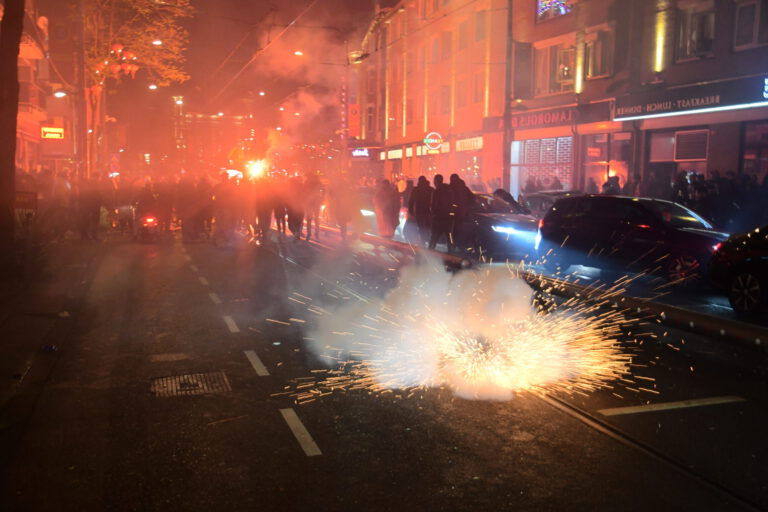
New Yearโ€™s Eve really gets Dutch people worked up, but an especially chaotic bonfire incident on NYE 2018, shows the dangers of this tradition. 

Should you join in?

As long as you do it safely, jazeker! This year’s bonfire takes place at Scheveningen’s Beach Resort. You can get more information here.

READ MORE | New Yearโ€™s Eve fireworks in the Netherlands: which city is doing what?

This Dutch tradition is truly unique and heart-warming (no pun intended ๐Ÿ˜‰), so if you get a chance to go see the wooden skyscrapers being lit on New Year’s Eve, we encourage you to do so.

What do you think of this Dutch quirk? Have you experienced it? Tell us in the comments below!

The time hasโ€ฆ come! Here’s the porn Dutch people got off to in 2024

0

Pornhub has finally released its annual trends for the Netherlands, revealing deep, dark and awkwardly specific fantasies. 

The wait is over, and itโ€™s time to dive in deep (but not too deep). 

Moms are still working overtime

While “MILFs” remained top of this year’s search terms in the Netherlands, “big asses” jiggled their way to 2nd place and “hentai” scooched to 3rd.ย 

Meanwhile, the term “lesbian” was rudely dropped down to 4th place. Not much further down on the naughty list were:ย 

  • Anal
  • Latina
  • Dutch
  • Turkish
  • Indian
  • Massage

Before judging, the Dutch seem kindaโ€ฆ romantic?

Sure, the top search terms aren’t exactly creative, but the Dutch also enjoyed certain things significantly more this year โ€” and what do they say about the Netherlands? People are looking for love.

For example, โ€œpassionate missionaryโ€ saw its searches rise by 720% in 2024. Meanwhile, โ€œDutch amateur homemadeโ€ enjoyed 457% more searches, and โ€œfirst dateโ€ 316% more.ย 

Awwww โ€” that being said, โ€œDutch analโ€ also saw its search traffic increase by 356%. 

The bedroom? Nah, thatโ€™s too boring

As for some others, they were satisfying some more magical desires. 

While Pornhubโ€™s stats donโ€™t reveal this data, some porn creators believe the Dutch have an interest in their local attractions, namely the Fairytale Forest of Efteling

Two weeks ago, a video was uploaded to the site with a peculiar backdrop โ€” a beloved Efteling attraction, scandalising the innocent rollercoaster park for the second time since 2020.

Whatever floats your boat, right? But letโ€™s perhaps leave the Efteling out of this. 

Did any of these findings come as a surprise to you? Let us know in the comments below.

Hoera! The Netherlands just experienced the most sunless days in a row since 1993

0

The Netherlands is close to breaking records โ€” but not the kind most of us would be excited about. 

Is the country nearing the record for having the most comforting Christmas treats? We think so (but itโ€™s not official). What is official, is that weโ€™ve just experienced the most sunless days in a row since 1993.

Itโ€™s been over a week of doom and gloom

If seasonal depression has been hitting extra hard this past week, at least you can feel itโ€™s justified.

As of last night, the Netherlands has gone eight days without seeing the sun. The country hasnโ€™t experienced such a lack of sunshine since 1993, during which the Dutch went 10 days without seeing the sun, reports Weeronline.ย 

But if thereโ€™s one thing this country excels at, itโ€™s being gloomy โ€” so we may even break the 1993 record. 

Three more days, and we’ve beaten 1993

The last time we got some vitamin D was December 8, so if the sun stays hidden today, Wednesday, and Thursday, weโ€™ll live through record-breaking times, beating the 1993 lack-of-sun streak. 

We believe you can do it, Nederland! But we really hope you donโ€™t. ๐Ÿ˜

We also really hope the Netherlands doesnโ€™t go after first place for the longest sunless period ever recorded.ย 

That title still belongs to the year 1959, when Dutchies didnโ€™t see the sun for a whopping 14 days. 

But will we break the records? 

So far, itโ€™s still not clear whether the 1993 record will actually be broken.ย 

Our last glimmer of hope? Today, actually. According to RTL, a large part of the country may see some sun this morning, bringing an end to our streak. 

The moment (if it happens) will be very brief, though โ€” blink, and you might miss it. 

Have you noticed the past days have been exceptionally dark? Let us know your thoughts!

Fierljeppen: the curious Dutch sport you need to know about

What has a giant stick, superior upper body strength, and can cross a canal in a single bound? A fierljepper, of course! But what are these curious flying Dutchmen? How exactly do you fierljep? And how on earth do you pronounce that word? 

This athletically demanding sport hails from West Frisia, Friesland but has spread all over the Netherlands, next door to Germany and even to other continents.

Sit back, grab a pole and relax: we’ve got everything you need to know about the curious Dutch sport fierljeppen.

How do you pronounce it?

There are a lot of letters in that word, so let’s break it down before you flip-flop all over your mouth, which sounds uncomfortable for you and awkward for us.

Fier-ljep-pen. Or, phonetically fier-lep-en. Or, just press play on the below:

What is fierljeppen?

This strange combination of vowels and consonants is a sport that resembles pole-vaulting โ€” in the most Dutch way possible, of course. Directly translated from Frisian, fierljeppen means “far leap.”

The goal of fierljeppen is to get as far as possible from the starting point while crossing a canal. Easy, right? Well, not really.

Where did this sport come from?

Fierljeppen is a sport that was born out of necessity โ€” the need to get over the various canals that crisscross the Netherlands.

Farmers began the practice when they decided that instead of going around the water, they would go over it. Genius!

Dutch-farmer-fierljeppen-in-1938-in-the-netherlands
A Dutch farmer fierljeps across a canal in 1938. Image: National Archief/Flickr

There are written records of fierljeppen dating all the way back to the 1200s, and paintings of people fierljepp-ing their way across the fields.

Always a competitive bunch, the Dutch hosted the first fierljeppen competition in 1767.

READ MORE |11 Dutch sports that are 100% weird (but wonderful)

Bridges and roads being built in the Netherlands reduced the need for fierljeppen as a method of transport.

But launching yourself through the air at the mercy of a stick is pretty fun, right? So the Dutch turned it into a competitive sport in 1975.

How do you fierljep?

To begin, a fierljepper sprints like mad 15-20 metres towards a canal.

When they reach the canal, they grab hold of a large pole (polsstok) and push it into the bottom of the muddy water.

Relying on brute gravity and force, the fierljepper then rapidly climbs and attempts to control the pole midair as it begins to swing to the opposite side.

If successful, the fierljepper lands gracefully on the other side of the canal on a soft bed of sand. If unsuccessful, well… ๐Ÿคท

The pole that the competitor grabs onto is strategically positioned prior to the jump.

A pole that is closer to the finishing end will get a competitor further, and give them more time to climb, but requires more momentum to make it all the way across.

If the pole is placed closer to the starting position, it requires less momentum โ€” but gives the competitor less time to climb, resulting in a shorter distance achieved.

While the goal of fierljeppen is to go straight forward, some competitors fall backwards, and others fall sideways into the canal.

READ MORE | The time Dutch people made headwind cycling into a competition โ€” and it’s absolutely hilarious

This is common even at the highest levels because fierljeppers will try to pass the dead centre (pole sticking straight up) as slowly as possible to maximize their climbing time.

What is a fierljeppen pole?

When it comes to fierljeppen, not just any pole will do. A polsstok (jumping pole) has a round, flat base to prevent it from sinking into the muddy bottom of the canal.

In the past, the poles were made of wood, then later constructed from aluminium. Today, the poles are made of lightweight carbon fibre.

man-in-the-netherlands-fierljeppen-across-water
A Dutch sport we can’t tear our eyes away from. Image: bertknot/Flickr/CC2.0

While we all know size doesn’t matter, that’s not true for this sport: the size of the pole ranges in size from eight to 13 metres. More length = more height = more distance = more winning! ๐Ÿ†

How do you win?

In fierljeppen, the only thing that matters is where a fierljepper lands. When a competitor clears the canal and lands on the bed of sand, the distance is the only thing that affects the score.

A competitor that climbed their pole halfway could technically still win over another competitor who climbed theirs all the way to the top, as long as they landed a further distance away.

You almost always have a friend in fierljeppen

Some competition rules state that when a competitor takes off on their sprint towards the pole, they have another person running directly behind them โ€” a spotter.

If the pole begins falling backwards (as in the direction that the competitor was running from), the spotter can yell “let go!” and stop the competitor from taking a nasty fall. It can also be motivating to have someone chasing you on your sprint.

There are cases where the spotter has been a little too focussed on spotting and less focused on watching where they were going โ€” leading to the spotter tumbling into the water below. Oops. ๐Ÿ˜…

Fierljeppen records

So how far is a far leap?

When fierljeppen began, these leapers would jump around 10 metres. Thanks to a better understanding of the sport and changes in pole material, the world record distance for fierljeppen is now 22.21 metres, held by Jaco de Groot from Utrecht.

Watch Jaco de Groot break the fierljeppen world record here โ€” any further, and he would have landed in the crowd!

Not bad for a run, climb, and jump!

CategoryNameDistance (metres)PlaceDate
SeniorsJaco de Groot22.21Zegveld12-08-2017
LadiesMarrit van der Wal18.19Burgum31-07-2019
JuniorsReinier Overbeek21.38Burgum19-08-2019
VeteransTheo van Kooten20.60Linschoten31-07-2013

Source: Nederlands Fierljepbond

Where can you fierljep?

Today there are over 600 registered jumpers in the Netherlands, and international acclaim has eventuated in various clubs springing up all over the world.

If you’re in the Netherlands and want to soar over the canals on a stick, you can head over to Polsstokbond Holland to find a fierljeppen club in your area.

Have you attempted fierljeppen before? What do you think of this curious Dutch sport? Let us know in the comments below!

Feature Image: Peter van der Sluijs/Wikimedia Commons/CC4.0

This Dutch city is home to the tallest Christmas ‘tree’ in the WORLD

The city of IJsselstein, in the Utrecht province, has once again decorated and lit up its record-breaking Christmas “tree”: the Gerbrandytoren, a 366-metre-high communications tower.

The Grootste Kerstboom (Biggest Christmas Tree), as people call it, will stay illuminated and festive-looking until Three Kings’ Day on January 6, writes De Telegraaf. ๐ŸŽ„

The highlight of Christmas

De Grootste Kerstboom is “literally and figuratively the highlight” of IJsselstein’s Christmas celebrations, mayor, Patrick van Domburg, tells De Telegraaf.

Two Sundays ago, around a thousand spectators braved the rain to watch as he pressed the large button that turns a simple communications tower into a beloved Christmas landmark.

READ NEXT | Dutch Quirk 113: Have multiple Christmas days (because one isnโ€™t enough)

For Van Domburg, this was the tenth time he had the honour of re-enacting this cherished tradition, but the tree has been lit up a total of 26 times, starting in 1992.

Technically not a tree

“But it’s not a t-” yes, yes, we can hear the objection forming in your head.

Technically, De Grootste Kerstboom is, of course, a tower, not a tree in the traditional sense.

photo-of-Ijsselstein-Christmas-tree-in-daylight
The “tree” is still quite impressive from up close. ๐ŸŽ„Image: Dreamstime

From a distance, however, the lights really do make it look like a giant Christmas tree โ€” so giant, in fact, that on a clear night, it can be seen from Rotterdam and Amsterdam!

For this reason, the Guinness Book of Records recognizes IJsselstein’s tree as the tallest Christmas tree in the world. ๐ŸŒ

A complex and costly operation

Decorating a 366-metre-high tower with Christmas lights is no easy feat: just placing the 120 LED lights along the four-kilometre rope that holds them in place requires 24 volunteers.

Once that is done, the huge rope still needs to be lowered from above and fixed along the cables holding the tower in place.

Mission kerstboom gone wrong

Sometimes, this complicated operation goes wrong.

Due to different misfortunes ranging from funding and organisational issues to a fire (!) and a lightning strike (!!), on seven occasions, the city has remained tree-less.

READ NEXT | How Dutch people get rid of their Christmas trees

Finding sponsors, in particular, is always challenging. To alleviate this problem, this year, the city came up with a quirky incentive for companies: ten employees chosen from the sponsors will have the opportunity to climb up the illuminated tower.

If you start nagging your boss early enough, you could be one of them next year. ๐Ÿ˜‰

What’s the quirkiest Christmas tradition in your city? Tell us all about it in the comments below!

Image: Djmixedup/Wikimedia Commons/Public Domain