People working part-time or earning minimum wage will almost all see an increase in their vacation pay this year, thanks to corrective tax bracket adjustments.
The changes result from a determination that part-time and low-income workers earning between €1,000 and €2,000 had €22 to €32 less to spend per month in 2025, according to RTL Nieuws.
As a result, in this year’s tax plan, the cabinet has put emphasis on trying to uplift the lower-income bracket, reports NOS.
Who’s getting more?
Part-timers with a gross monthly salary of €1,000 are the biggest winners, with an extra €221 in vacation pay compared to last year.
Those on the minimum wage also do well: workers on a 36-hour week see approximately €61 more, and those on a 40-hour week around €60 more.
Part-timers earning between €2,250 and the minimum wage also benefit, with an increase of roughly €132 for those at the €2,250 level.
Workers earning €3,000 gross per month also see a small gain. According to NOS, this is because their entire income now falls within the first tax bracket.
This is a reversal from last year, when part-timers and lower earners received less vacation pay. The government faced criticism for that outcome and specifically introduced a corrective measure in the 2026 Tax Plan.
Who’s getting less?
All workers will take home a higher net monthly salary in 2026 compared to 2025. The holiday pay is the element that changes.
If you earn around the modal (average) salary (roughly €3,704 gross per month) expect about €5 less in holiday pay this year. Full-timers between €2,500 and €2,750 are also slightly down, by around €7 to €8.
Part-timers earning exactly €2,000 gross will also see a small dip of €5, because this income level accrues slightly less entitlement to the employment tax credit in 2026 than in 2025.
High earners see no change at all compared to last year.
Are you impacted by these changes? Let us know in the comments!
You could say that listening to Dutch music for the first time is like taking your first sip of wine. It’s a taste that you initially cringe at, but as the years go by, you learn to love it.
Soon enough, you’ll catch yourself happily humming the tunes as you potter around your room or clumsily screaming them at the top of your lungs — depending on the amount of alcohol in your system.
As with any cultural phenomenon, studying Dutch music can tell us a lot about life in the Netherlands.
Barrel organs and DJs aside, here are 11 classic Dutch songs to help you familiarise yourself with both the Dutch language and people.
1. Bloed, Zweet en Tranen — Andre Hazes: a canonical treasure
Translated as “Blood, Sweat and Tears,” this song elicits a response in Dutchies that we can only describe as akin to your father’s reaction to any Bruce Springsteen song after a few pints.
Things get tearful and sombre, yet also loud and comforting all at once.
What’s also great about this song is that it’s really easy to understand if you’re beginning to learn Dutch.
Hazes sings slowly and deliberately, which is great for eager-to-learn internationals (and those who may be singing along after a few drinks).
Dutch
English
Ik heb geluk gekend, Maar ook verdriet gekend Hoe vaak stootte ik m’n kop Maar toch, ik ben tevreden met alles wat ik ben Als je roem voorbij is, Moet je kijken wie je nog kent
I’ve known happiness But also sadness Many times I did it wrong But I’m happy with everything I have If your fame is gone, See the friends you have left
2. Wilhelmus: not just an anthem, THE anthem
If there is any other national anthem that will make the straight-talking Dutch more tearful and sombre than Bloed, Zweet en Tranen, it’s Wilhelmus.
Luckily, the Netherlands is not a country that will disown you if you don’t know a word of the national anthem.
However, I’d recommend familiarising yourself with this one just so that you may one day knock the socks off your Dutch friends with your mad integration skills.
This video even offers English subtitles under the Dutch lyrics, but we’ve popped them below because we’re sure you’re dying to practice this one. 😉
Dutch
English
Wilhelmus van Nassouwe Ben ick van Duytschen bloet, Den Vaderlant getrouwe Blyf ick tot in den doot: Een Prince van Oraengien Ben ick vrij onverveert, Den Coninck van Hispaengien Heb ick altijt gheeert
William of Nassau am I, of German blood. Loyal to the fatherland I will remain until I die. A prince of Orange am I, free and fearless. The king of Spain I have always honoured.
3. Drank en Drugs — Lil Kleine, Ronnie Flex: a Dutch song that became a viral anthem
If you’re looking to familiarise yourself with Dutch music that doesn’t date back to the year 1572, then another anthem-of-sorts that we can offer you is Drank en Drugs.
This quirky song (with an equally quirky music video) offers some interesting insight into contemporary Dutch popular culture (and humour).
This anthropological artefact of a bop became internationally recognised, after going viral on TikTok — cue flashbacks to unsuspecting 12-year-olds dancing to a song about drinking and drugs.
Here are the most PG-friendly lyrics that we can offer a translation of…
Dutch
English
Als je bitch wil chillen, is het geen probleem Dan ga ik erheen, ik kom niet alleen Want ik heb drank en drugs Ik heb drank en drugs
If your bitch wants to chill, it’s not a problem, Then I will go there, I won’t come alone, Because I have booze and drugs I have booze and drugs
4. Zoutelande — BLØF ft. Geike Arnaert: the Dutch song that caused a tourism boom
Although it was originally performed in German and only released in Dutch in 2017, this song has become a modern Dutch classic.
In fact, it was so popular that it actually brought a tourism boom to the Dutch seaside tourist resort of Zoutelande, after which it is named.
The lyrics for this one are much more wholesome…
Dutch
English
En dan zitten we hier in het oude strandhuis Wat je vertelt houdt me nuchter en warm Boven m’n hoofd zie ik de grijze wolken Ik ben blij dat je hier bent, blij dat je hier bent
And so we sit here in the old beach house What you tell me keeps me sober and warm Above my head I see the grey clouds I’m happy you’re here, happy you’re here
5. Parijs — Kenny B: speak Dutch with me!
If you’re looking for a more inventive way of expressing “Nederlands alstublieft”, then look no further. You can even break into song and sing “Praat Nederlands met mij” as if seducing a woman on the streets of Paris.
If that’s a bit too much for you, then at least you have learned another way of politely asking Dutchies to bear with your rudimentary remix of their language.
Dutch
English
Praat Nederlands met me. Even Nederlands met me. Mijn gevoel zegt mij dat wij vanavond samen kijken Naar de Champs-Élysées en naar de Notre Dame en naar de Seine. En daarna samen landen op Schiphol.
Speak Dutch with me A little Dutch with me My feeling tells me that tonight we will look together At the Champs-Élysées and at Notre Dame and at the Seine And then land together at Schiphol
Also, can we just appreciate that Kenny B was already well in his fifties in this video!? Could’ve fooled us! 😳
6. Traag — Bizzey ft. Jozo & Kraantje Pappie: a song no Dutch club is complete without
As an Irish person listening to this song, I think the best way to describe it is through a comparison with Mr Brightside by The Killers.
The reactions to the two songs are strikingly similar — those first few notes hit, and everyone knows what’s up.
Not much can be said for the lyrics, but we’ll forgive them, given the absolute shape-throwing this song can elicit.
These were the least sexual lyrics I could find. I’m sorry.
Dutch
English
Doe het voor me, doe het laag Het is niet moeilijk voor je, doe het traag Traag, traag, traag Traag, traag, traag Voel het voor me, voel het aan Proeven zal je, zoete laag Laag, laag, laag Laag, laag, laag
Do it for me, do it low It isn’t hard for you, do it slowly Slowly, slowly, slowly Slowly, slowly, slowly Feel it for me, sense it You will taste it, a sweet layer Low, low low Low, low low
7. Ik Je Mis — Maaike Ouboter: the softest Dutch you have ever heard
Ahh, something to cleanse our ears. This song offers the Dutch language in its softest form.
Maaike Ouboter wrote the song about the passing of her parents and sang it for her audition on “De beste singer-songwriter van Nederland.”
The song was released after the episode broadcast and quickly shot to the number one position in the Dutch singles Top 100 charts — a position it stayed in for 36 weeks!
Think Taylor Swift — but Dutch, and sad.
Dutch
English
Ik mis je Ik mis je Ik grijp je, ik gris je Ik wil je Bespeel je, Ik roer en beveel je om bij me te blijven In donkere nachten Niet meer te smachten naar jou
I miss you I miss you I grab you, I snatch you I want you Play you, I stir and command you to stay with me in dark nights To not long for you anymore
8. Het Is Een Nacht — Guus Meeuwis: a staple within Dutch music
This is the sort of song that makes you sling your arm across someone’s shoulder and sway, regardless of whether or not they’re your best friend or someone who just happens to be standing closest to you.
The action is often reciprocated, and the result is a crowd of swaying bodies and arms, as you can see in the video below.
What’s also great about this song is how easy it is to sing along to!
Dutch
English
Het is een nacht Die je normaal alleen in films ziet Het is een nacht Die wordt bezongen in het mooiste lied Het is een nacht Waarvan ik dacht dat ik hem nooit beleven zou Maar vannacht beleef ik hem met jou
It is a night you normally only see in films It is a night which is sung in the most beautiful song It is a night Of which I never thought I would experience But tonight, I experience it with you
9. Het Regent Zonnestralen: of course, a song about Dutch weather
In a country with weather as chaotic as the Netherlands, is it going to be 20 degrees and sunny or 10 degrees and raining? Who knows — it’s no surprise that the subject matter has infiltrated Dutch music.
Het Regent Zonnestralen (It’s Raining Sunbeams) could be a weather headline, but it is also a piece of classic Dutch music. It tells a sunny story of a man who decides to finally do what he wants with his life.
Dutch
English
Als dit het is, is dit het Als dit het is, is dit het En we zullen het wel zien Oh, oh, oh, even rustig ademhalen Oh, oh, oh, lijkt of het regent als altijd Maar het regent en het regent zonnestralen
If this is it, this is it If this is it, this is it And we’ll see just what happens Oh, oh, oh, just breathe slowly Oh, oh, oh, seems like it’s raining like always But it’s raining, yes it’s raining sunbeams
10. Lang Zal Ze Leven: for the ultimate Dutch birthday experience
Have you celebrated your birthday in the Netherlands? If you have, then you may have sat in that awkward way — what do I do with my hands? Do I smile the entire time? — as this song has been sung to you.
If you haven’t had the pleasure of this experience yet, then allow us to acquaint you with the Dutch “Happy Birthday.”
It’s really simple; even if you don’t have a word of Dutch, you should be able to sing this with no problem.
Fun fact: Lang Zal Ze Leven is often sung in the feminine, regardless of the birthday person’s gender.
Dutch
English
Lang zal ze leven Lang zal ze leven Lang zal ze leven in de gloria In de gloria In de gloria
Long shall she live Long shall she live Long shall she live in the glory In the glory In the glory
11. Quarantine: a song for the times
Speaking of birthdays, many of us probably spent ours in quarantine in 2020.
We can sum up the experience of many a quarantine birthday quite simply: you woke up, texted some friends, spent the entire day as you had been spending the days before that, and if you were lucky, there was some cake involved. (But no blowing out the candles! 😉)
Some people have proven to be quite productive during this time, such as the members of Fokke Simons, who came out with this tune.
Dutch
English
Fokke Simons in quarantaine Ik zeg je eerlijk, dat is even wennen Met de boys in quarantaine Maakt niet uit, ja we schoppen stennis Fokke Simons in quarantaine Geen contact, maar je kan me bellen Met de boys in quarantaine Maakt niet uit, ja we schoppen scenes
Fokke Simons in quarantine I tell you honestly, that takes some getting used to With the boys in quarantine Doesn’t matter, yes we kick up a fuss Fokke Simons in quarantine No contact, but you can call me With the boys in quarantine Doesn’t matter, yes we kick up a fuss
What other must-have songs should be on this list? Let us know in the comments below!
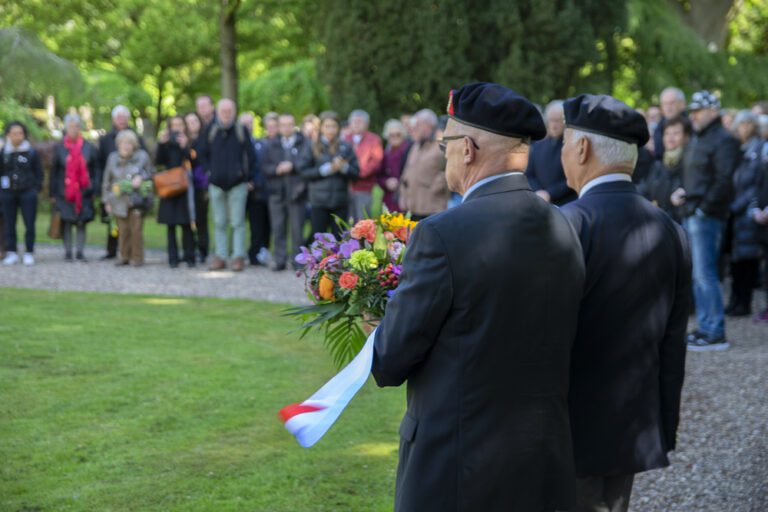
The Netherlands celebrates Dodenherdenking, also known as Remembrance Day, on May 4 to commemorate civilians and soldiers worldwide who lost their lives in World War II and other conflicts.
At 8 PM on May 4, the country observes a two-minute silence.
Why two minutes of silence on Remembrance Day?
According to NPO Radio 1, the tradition originated in a 1916 memorial service hosted by Cape Town’s mayor for World War I soldiers in South Africa.
The actions of Cape Town’s mayor were recognised across Europe.
The first minute is for those who died, and the second minute is for those who returned from battle, as well as “where the war had an impact for generations to come”.
I’m blown away. At a busy restaurant in the Netherlands on their Remembrance Day, EVERY SINGLE PERSON in that restaurant observed the 2 minute silence at 2000hrs this evening. This happens across the entire country. We could take a leaf out of their book. 🇳🇱 #lestweforget2022pic.twitter.com/HmFvjj5MA1
Many European countries continue to observe a two-minute silence during Remembrance Day.
How does the Netherlands celebrate Remembrance Day?
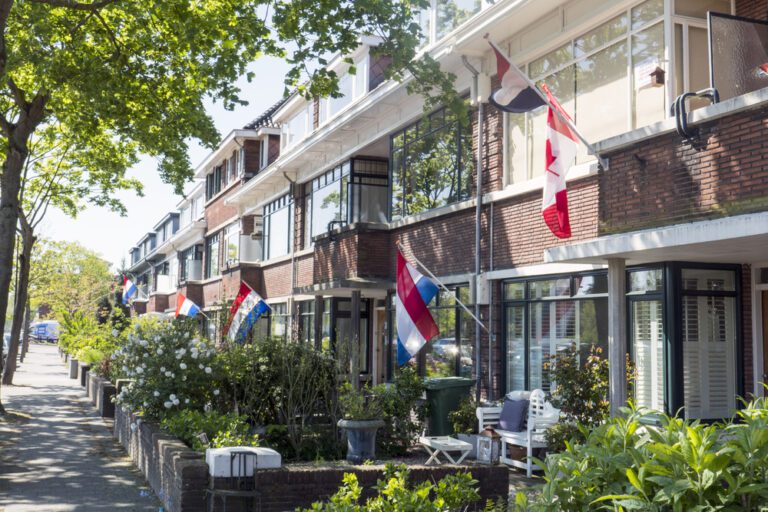
Apart from observing a two-minute silence, Dutch people often hang the Dutch flag in their windows or at half-mast on flagpoles from 6 PM until sunset, marking the mourning period.
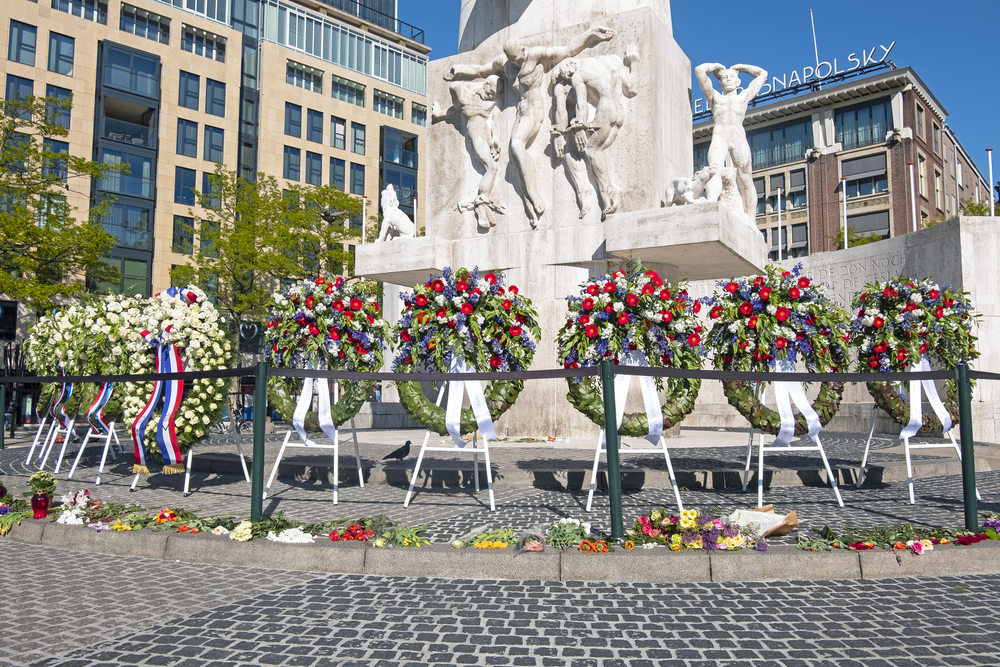
Hundreds of people attend Amsterdam’s memorial service each year. Image: Depositphotos
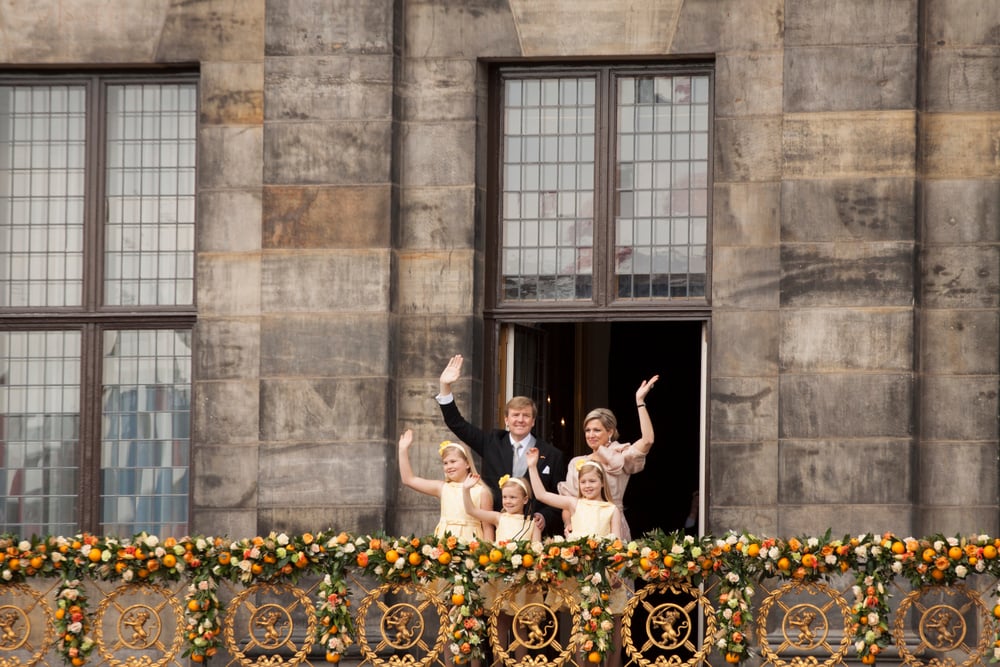
The Netherlands holds an official commemorative service at the National Monument in Amsterdam on Dam Square. The King and Queen attend, give speeches, and lay wreaths.
What should you do as an international during Remembrance Day?
Many municipalities hold commemorations across the country, the biggest and busiest being at Amsterdam’s Dam Square.
Citizens also hold memorials at war cemeteries in The Hague. Other large cities host commemorations in squares or outside the city hall.
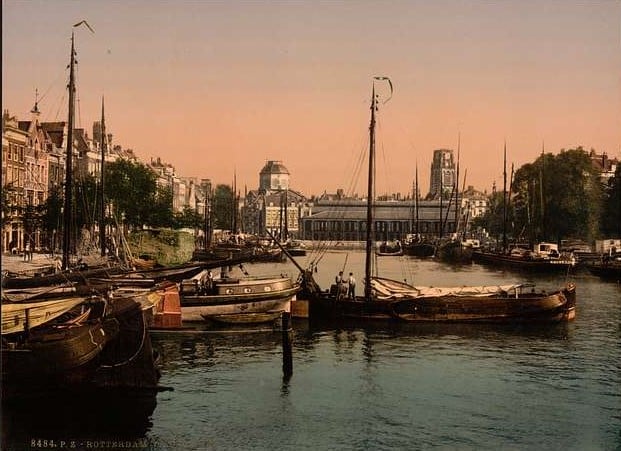
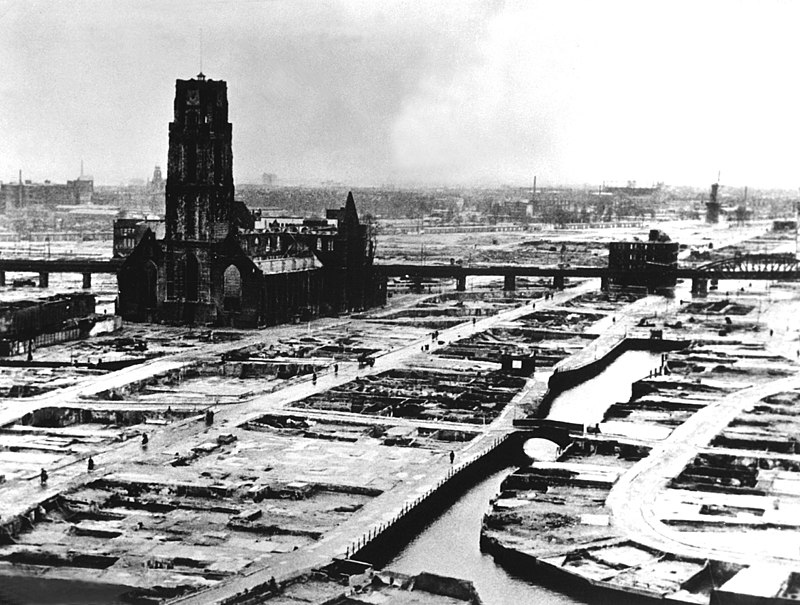
Discover a completely different Rotterdam from the one we know now.This colourised footage of Rotterdam before the war offers a glimpse into what the city used to be.
This video shows remarkable images of Rotterdam around 1930, before the bombing that forever changed its character.
The bombing lasted for 15 minutes, devastating the old city as it is seen in these images. Nearly 1,000 people died, and 80,000 people became homeless.
Liberation Day in the Netherlands (Bevrijdingsdag) is celebrated on May 5. It commemorates the day the Dutch were liberated by the Alliesfrom Nazi occupation.
It wasn’t until 1945, five years later, that the country was free again, mostly liberated by Canadian forces. Right after the war, the Dutch decided that May 5 would be celebrated as Liberation Day.
Celebrating freedom
Liberation Day in the Netherlands is celebrated the day after National Remembrance Day, which is held on May 4 every year. This way, the Netherlands has two days of both remembering and celebrating.
While originally celebrated to commemorate the end of WWII, in the last couple of years, Bevrijdingsdag has also really been about celebrating freedom in general.
May 5th marks Liberation Day in the Netherlands, a moment to contemplate our freedom. This year, let's reflect on the realities of war and the importance of global cooperation in securing peace. The privilege of freedom demands responsibility from all of us. pic.twitter.com/7BD4HJntYt
— Dutch Ministry of Foreign Affairs 🇳🇱 (@DutchMFA) May 5, 2024
Liberation Day is a day to remember not to take freedom for granted and celebrate how wonderful it is to live in a free society.
During Liberation Day, the Netherlands holds parades and concerts and also has military memorabilia.
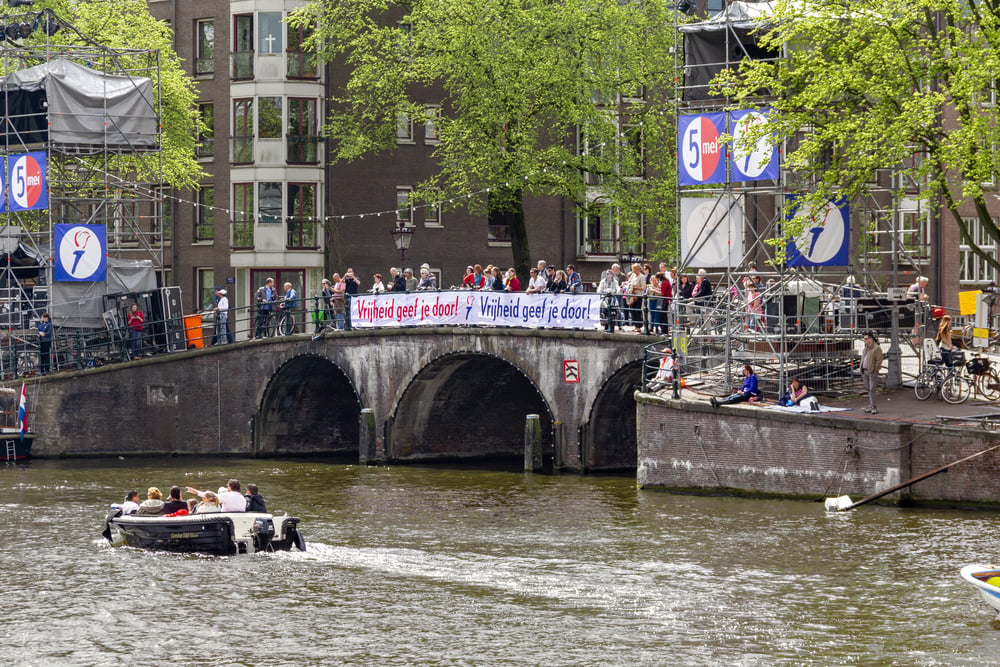
People celebrating Liberation Day in Amsterdam on the Amstel River. Image: Depositphotos
Liberation Day in the Netherlands is a public holiday only once every five years (the next being in 2025). In that year, many businesses will close, and public transport will either not run or stick to a different timetable.
However, there’s always some debate about whether May 5 should be a public holiday each and every year.
Festivals and Events on Liberation Day in the Netherlands
As Liberation Day in the Netherlands is a day that marks freedom in the Netherlands, it is widely celebrated. This is especially true when it is a public holiday, as most people get a day off work to enjoy the celebrations to the fullest.
Liberation Day events are usually opened by the Prime Minister, who starts the festivities by lighting a “Freedom Flame” in Wageningen. A team of around 5,000 runners carries a flame to 200 municipalities all throughout the Netherlands, which marks the official beginning of all events, with free festivals happening in over 14 cities in the country.
Apart from the Bevrijdingsfestivals happening across the country, here are a few more festivals worth mentioning. No matter where you are located in the Netherlands, there are events for everyone!
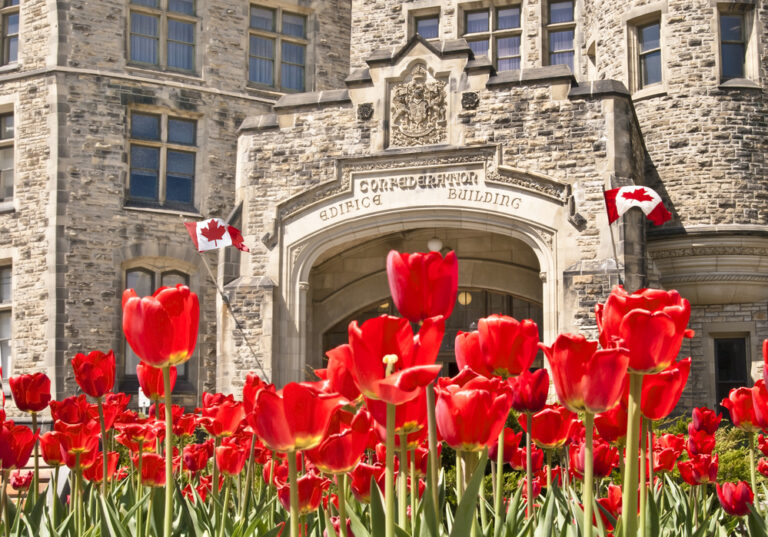
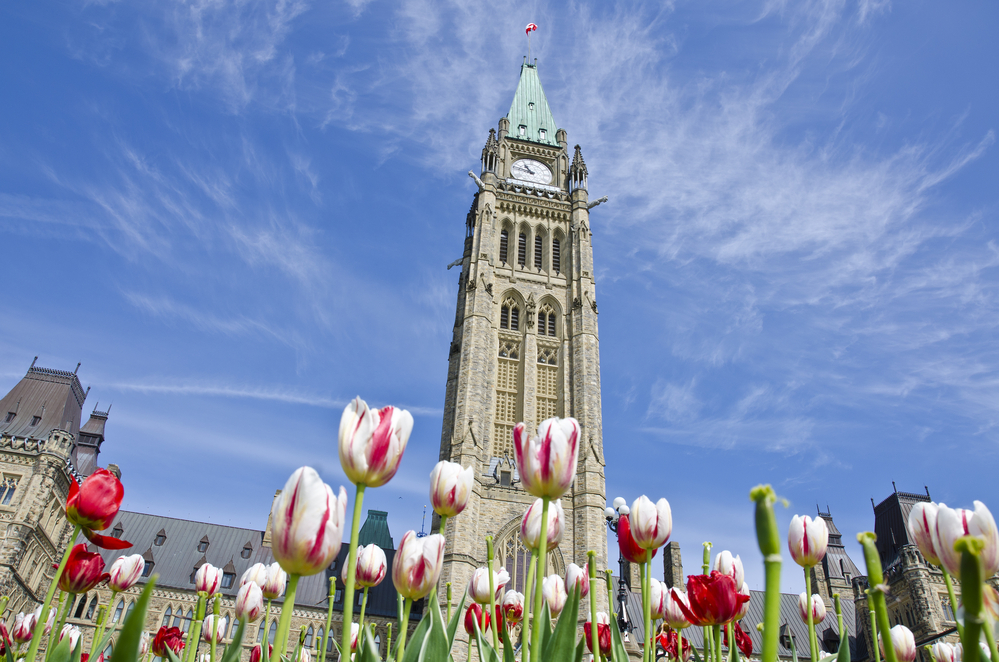
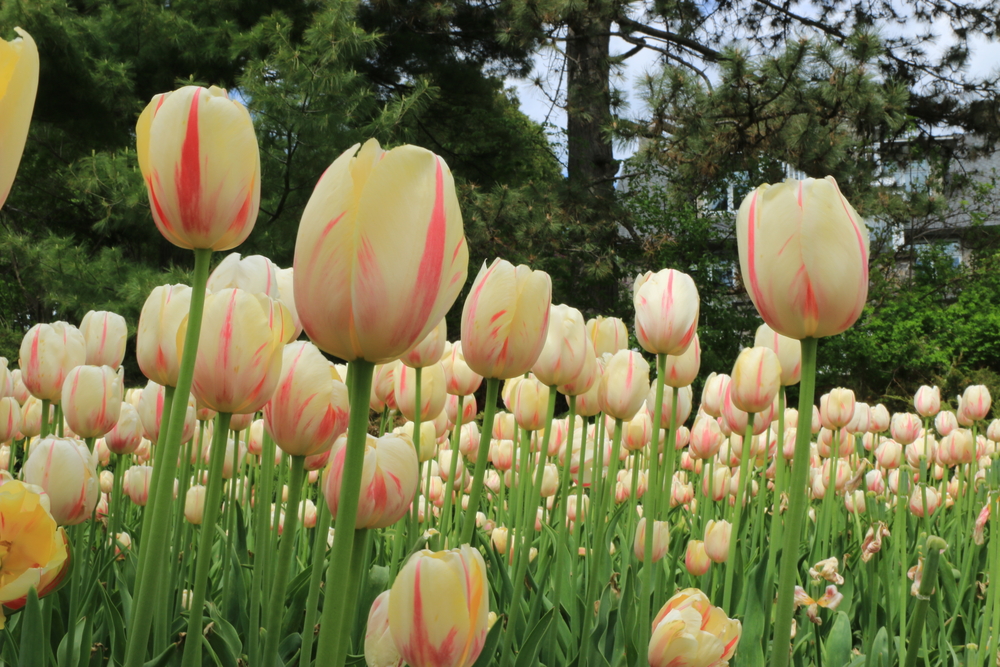
Not many countries are as close and connected as these two. From their world war ties to their love for tulips, the Netherlands and Canada share many unique and surprising bonds.
Back in high school, I never understood why I had to study history. All the dates felt like random numbers strung together with the sole purpose of confusing my poorly-focused brain.
Over time, my interests have evolved and undoubtedly matured.
So, I’ve dusted off a piece of history that I think is quite interesting, given that I am a Canadian and have lived in the Netherlands for almost a year.
The story begins
Let’s rewind the clock 75+ years to a bleak and tragic time in history: World War II.
Unfortunately, the Netherlands’ goal to stay neutral was shattered when Nazi Germany invaded the tiny, flat country on May 10, 1940.
The bombing of Rotterdam, also known as the Rotterdam Blitz. Image: Unknown author/Wikimedia Commons/Public Domain
The day after Rotterdam was bombed on May 14, 1940 — leaving many dead and even more homeless — the Dutch surrendered to German troops to avoid similar attacks on other Dutch cities.
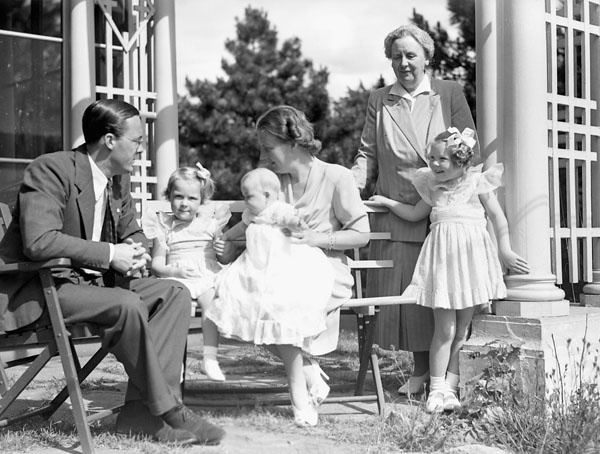
The birth of Princess Margriet in Canada
Following the German occupation of the Netherlands, the Dutch royal family decided to rule in exile from the United Kingdom.
The following month, Princess Juliana brings her daughters, Princess Beatrix and Princess Irene, to Ottawa, Canada, for a safe harbour.
This meant that Princess Margriet inherited Dutch citizenship from her mother rather than receiving dual citizenship, which would affect her right to the throne when the time came. Now that’s what I call special treatment!
Canadian forces liberate the Netherlands
In 1945, the First Canadian Army led the liberation of the Netherlands along with the Allied forces.
They freed most of the Netherlands from almost five years of Nazi German occupation and provided the population with food and medical supplies.
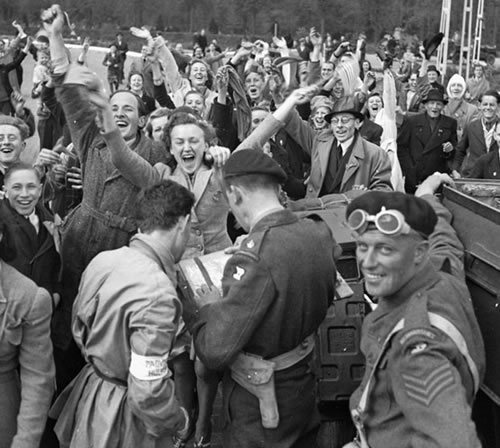
Canadian infantrymen partying with Dutch civilians like it’s 1945. Image: Tylerweatherill/Wikimedia Commons/CC4.0
On May 5 (Bevrijdigingsdag), Nazi German forces fully surrender in Wageningen.
The first one was held in 1953. Since then, the festival has taken place every year in May. How fitting!
Sharing winter wardrobes
The connection between the Dutch and Canadians doesn’t end there. When I lived in Amsterdam between 2012 and 2013, I encountered many surprising traits.
The Dutchies and Canadians love thick winter coats alike. Image: Depositphotos
One of those things was the abundance of Canada Goose jackets worn by the tall Dutchies. 🧥
Seeing those jackets floating around the cobblestone streets of tiny Amsterdam, with its canals and skinny houses, quickly silenced my assumption that these puffy jackets were only worn by Canadians.
Visa policies between Canada and the Netherlands
Putting wintery fashion aside, I would be remiss not to mention visas.
Both nations have more relaxed policies regarding travel to and from each other.
Canadians travelling to the Netherlands can stay there for up to three months without a visa, and Dutchies can travel to Canada for up to six months without a visa.
While living and working in the Netherlands, I participated in a Working Holiday Scheme, a program exclusive to a few countries, including Canada, Australia, and New Zealand.
Work hard, play hard is the motto between Canada and the Netherlands. Image: Depositphotos
This gives young Dutch and Canadian people an opportunity to stay in the Netherlands for up to 12 months while working to support their extended vacation filled with sightseeing, eating, and partying.
Okay, that’s not the official wording, but that’s basically what it’s for.
My main intention was to find temporary work rather than vacation, although that was obviously a huge part of my stay. Work hard, play hard, right?
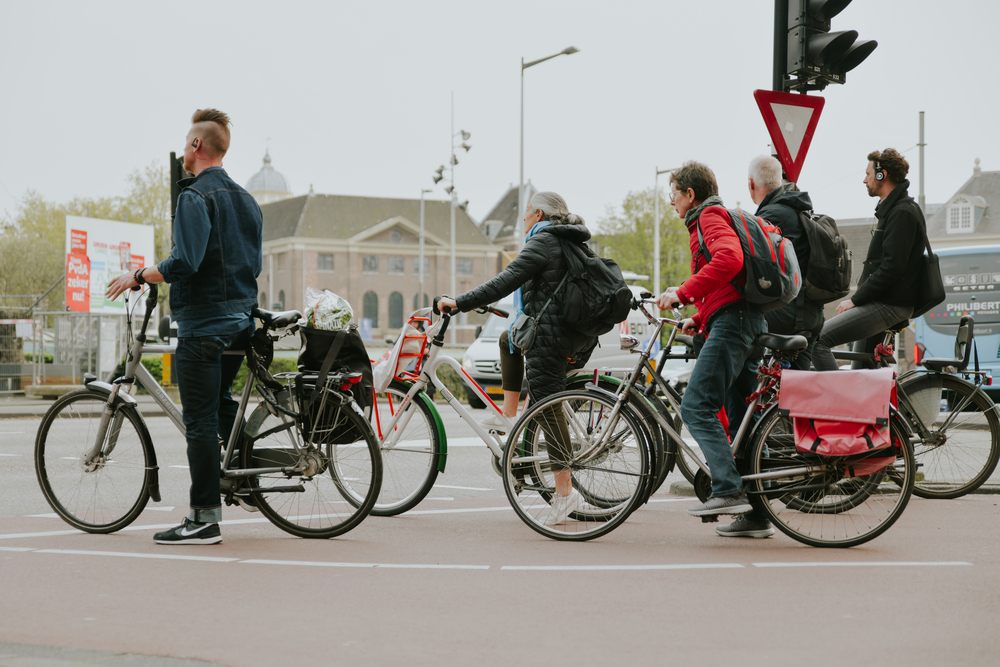
I will, however, commend your nation for bitterballenand its love of biking. For that, this Canadian will always have a tiny bit of Dutchness in her heart.
What are your thoughts on the special relationship between the Netherlands and Canada? Tell us in the comments below!
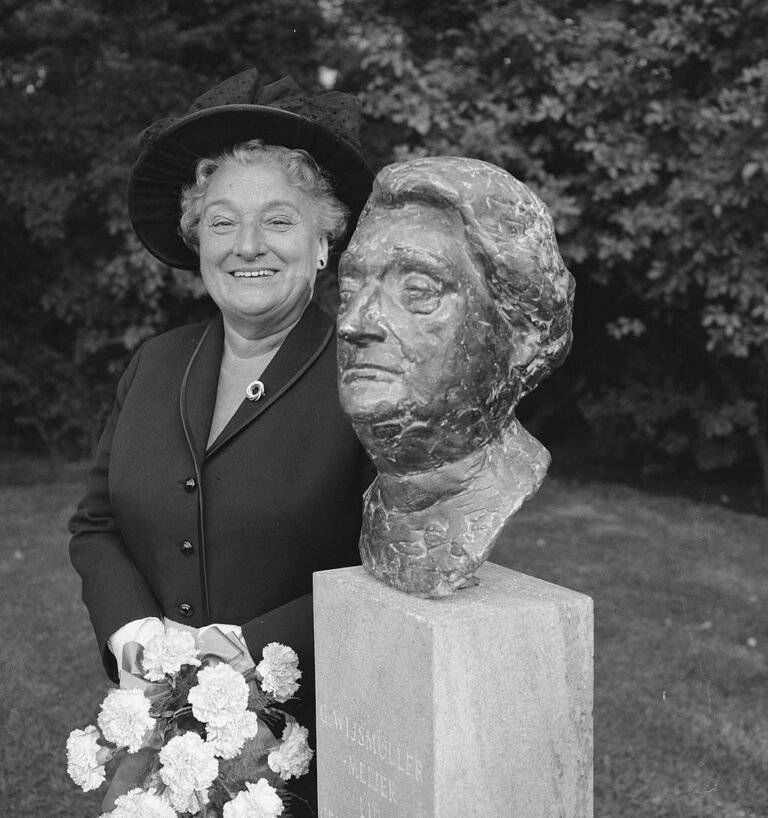
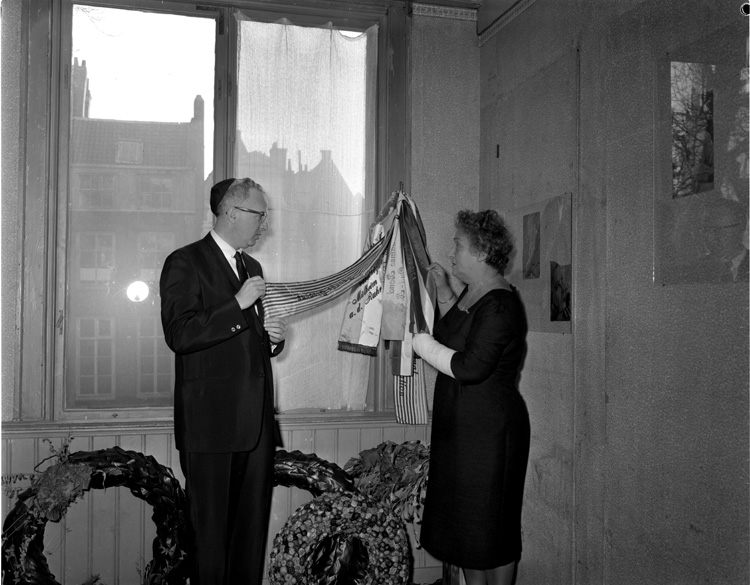
Truus Wijsmuller, also known as “Auntie Truus,” dedicated her life to helping children affected by World War II. She was energetic, cheeky, and fearless — even when facing the Gestapo.
Born in Alkmaar in 1896, Truus was the daughter of a drugstore worker and a self-employed dressmaker. In 1913, she moved to Amsterdam with her family.
There, her parents not only taught her to help people in need but set an example by taking in a homeless Austrian boy after the First World War.
Her first endeavour was to travel to Jewish acquaintances in Germany and bring their children safely to the Netherlands.
After Kristallnacht (The Night of Broken Glass) in 1938, Truus heard rumours of lost children wandering about in the forest, so she set out for the Dutch-German border.
There, she found a Yiddish-speaking Polish boy. She smuggled him across the border and into the Netherlands without being caught.
How, you might ask? Under her skirt! 👗
“Truus was our guardian angel… She gave me my life. That’s the reason I am here,” said Philip de Groot, whom Truus rescued as a child.
London calling
Truus’ operation became more extensive at the end of the 1930s.
In November 1938, the British government decided to provide temporary refuge for Jewish children who lived in countries under Nazi control.
Having made a name for herself, Truus was asked to help with the operation.
She was requested to go to Germany and meet Otto Adolf Eichmann.
At the time, Eichmann was in charge of arranging the forced emigration of Jews from Germany and Austria, who later played a major role in organising the Holocaust.
Truus continued this work until the outbreak of the war, bringing 150 children to safety each time she travelled between England and the Netherlands.
More noteworthy still, she organised the transport of these children without any support from the Dutch government. They were too busy being not-so-happy about her work.
Before the war, the country didn’t want to offend Nazi Germany. Plus, in 1938, the Netherlands was already struggling to accommodate a high influx of refugees.
Truus relied mainly on her own network of people to transport the children through the Netherlands.
An orphanage in Amsterdam
Although most children were supposed to go to England, many ultimately stayed in the Netherlands.
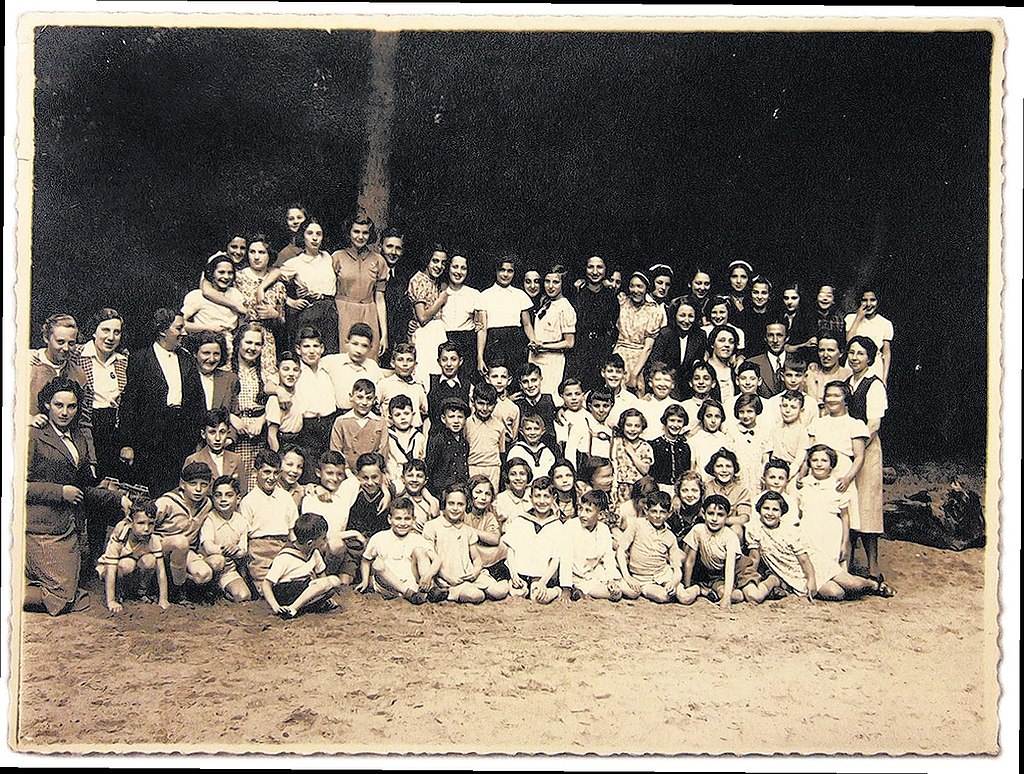
From March 1939, these children were housed at the Burgerweeshuis orphanage in Amsterdam (now the Amsterdam Museum).
Both Truus and her husband, Joop, spent much of their time with the children from the Burgerweeshuis.
They even invited the children into their home for short periods to create a more gezellig atmosphere. Joop also took the children to the ARTISZoo in Amsterdam.
The children from the Burgerweeshuis. Source: Overwijsmuller/Wikimedia Commons/CC4.0
“Because of Mrs Wijsmuller, the Burgerweeshuis was the only place where so many children were rescued,” said Rita Meier-Brow, whom Truus saved as a child.
Given the love she and her husband dedicated to the children, it is no surprise that her 1978 obituary read: “Mother of 1001 children, who made saving Jewish children her life’s task.”
However, in May 1940, the Netherlands was occupied by Nazi Germany.
Truus was in Paris then but dropped everything to return to the Netherlands.
Time was ticking, but she managed to pull off the impressive feat of evacuating the Burgerweeshuis children to England before it was too late.
Working illegally in the occupation
Truus moved to Belgium during the German occupation of the Netherlands. From there, she continued her work illegally, though on a smaller scale.
Working with the Dutch, Belgian, and French Red Cross, she continued to smuggle children to safety. Truus also smuggled packages with essentials such as medicine, food, and clothing to refugee camps in southern France.
Whenever possible, she would reunite the children with their families.
Arrested by the Gestapo
In May 1942, Truus was arrested by the Gestapo upon entering the Netherlands. They suspected that she was helping Jews get safely to Switzerland (you bet she was!), but they couldn’t prove her guilty.
Luckily, the refugees that the Gestapo had gotten hold of only knew Truus by her alias, and she was released after a few days.
An unstoppable woman
Neither war, occupation, nor being arrested by the Gestapo could make Truus stop her resistance work.
Throughout the war, she continued to do everything in her power to help children in need.
Even after the war ended, Truus continued to make an impact, shifting her focus toward social policy as she transitioned into a political role.”
Despite being overlooked for decades, Truus Wijsmuller is finally beginning to get the recognition she deserves.
A documentary called Truus’ Children premiered on NPO (Dutch Foundation for Public Broadcasting) in May 2020 and is now available on Netflix.
Truus Wijsmuller is a true heroine. Her selflessness and compassion during one of history’s darkest times inspire us to believe in the goodness of people.
What are your thoughts on Truus Wijsmuller? Tell us in the comments below.
It’s rare to see any real patriotism in the Netherlands, except when the ‘Orange Fever‘ hits during football championships or when King’s Day rolls around. However, we can confirm that the old Dutch put some serious thought into their flags.
So, what were they thinking when they opted for red rather than orange? What is the Prinsenvlag? And what traditions are related to Dutch flags? Goeievraag! (Good question!).
Let’s find out! 👇
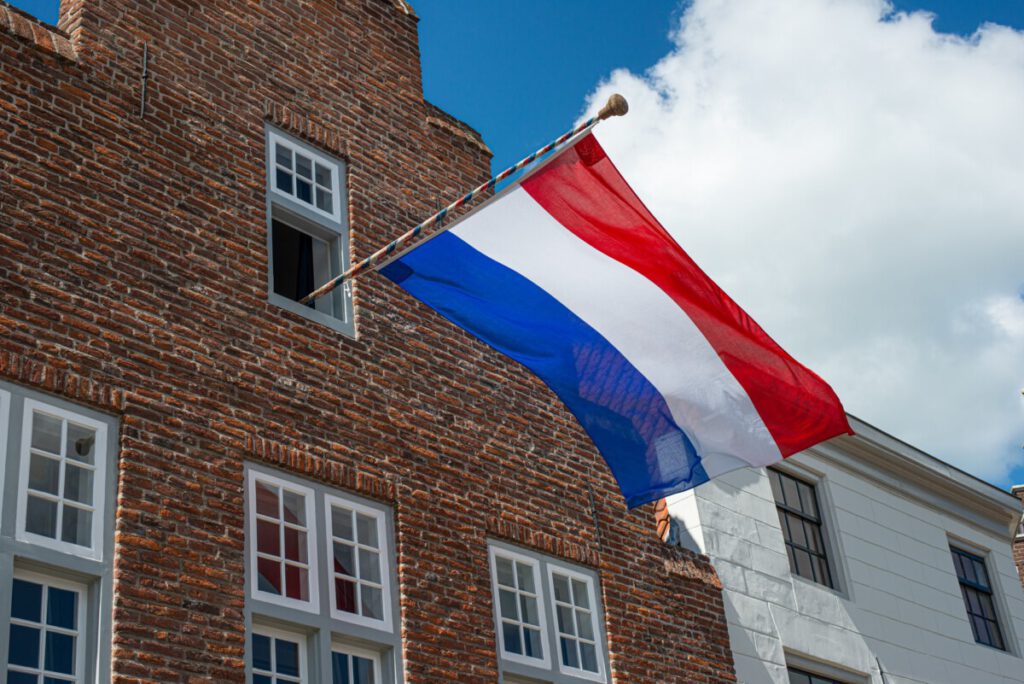
Red, white, and blue: the official tricolour Dutch flag
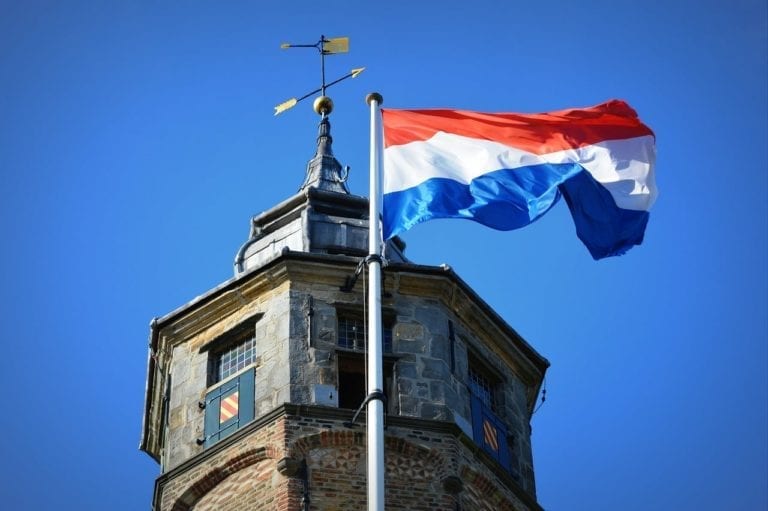
Did you know that the first mention of the Dutch flag dates from 1572? Image: Unsplash
In 1937, Queen Wilhelmina issued a no-nonsense royal decree declaring, “The colours of the flag of the Kingdom of the Netherlands are red, white and blue.”
In the official lingo, the colours are clear vermilion, clear white, and cobalt blue — but who uses the word “vermilion”?
While the first flag of the Netherlands was orange, white, and blue (we’ll get to that later), the orange stripe was gradually replaced by a red one during the 17th century. This became known as the Statenvlag (States Flag).
So, why did the colours change? The Dutch were seafaring people, and red was more visible on the water. At least, that’s how the story goes.
Orange, white, and blue: the ‘Prinsenvlag’ of the Netherlands
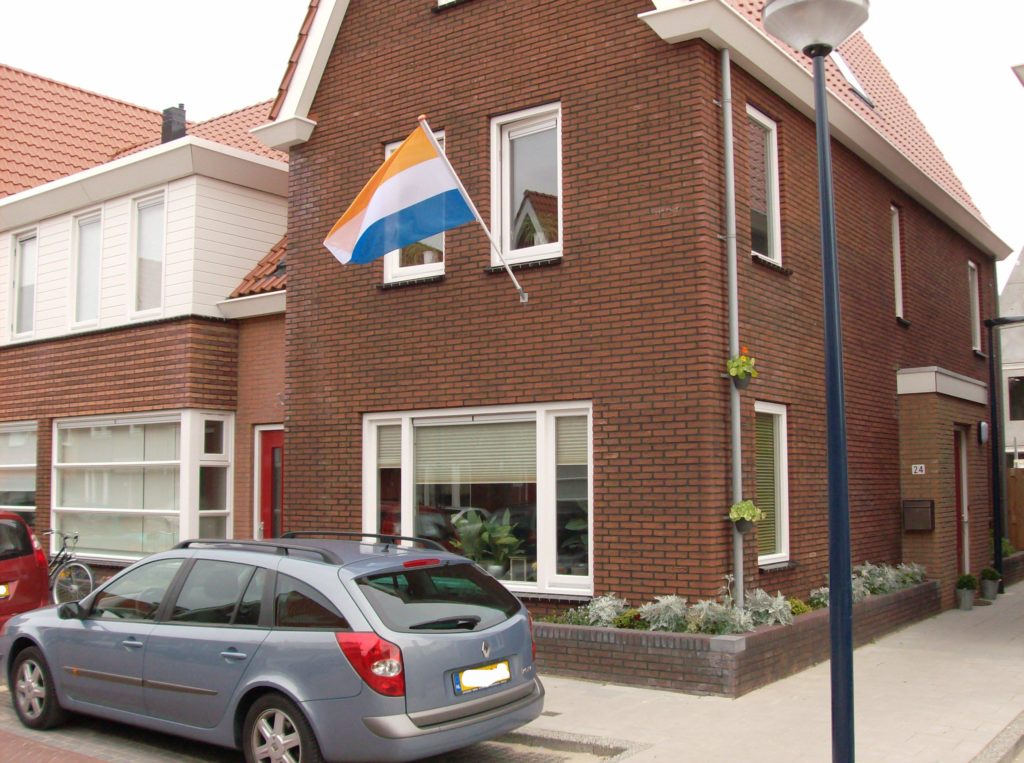
Nevertheless, you may have spotted a Dutch flag with an orange stripe instead of a red one. Let’s be clear: that is not entirely without controversy.
This particular flag was first waved by the Buccaneer Rebels known as the Geuzen (don’t bother trying to pronounce it!), who helped liberate the Netherlands from Spanish rule in the 16th century with a little help from William of Orange.
An orange, white, and blue flag on a patriot’s house. Image: Supplied
Although the orange, white, and blue are commonly considered the original Dutch flag, flying it became a problem after France annexed it.
In 1810, it was replaced by the Imperial French flag (which has a colour scheme suspiciously similar to the Dutch).
When the House of Orange resumed its rule of the Netherlands in 1913, the colours of the Dutch flag weren’t officially established. Both orange and red versions were flown, although government buildings tended to prefer the red, white, and blue flag.
So far, so good, right? Well, wrong — someone had to ruin it.
In the 1930s, a small party called the NSB (National Socialist Movement) started to rise in the Netherlands.
In the early 30s, the NSB announced that the “Orange, Blanche, Blue” was the only real Dutch flag and started displaying it at many events.
In an act of defiance, the Dutch Royal House, under the name of Queen Wilhelmina, implemented a law asserting that the Red, White, and Blue was the only real Dutch flag — and always would be.
— अहं रुद्रेविरबासुविश्चरम्याहं आदित्यैरुतबिश्वदेवैः (@rudrebhirvasu) April 28, 2019
The NSB, however, had some very powerful friends in a neighbouring country: the Nazis.
When Holland was trampled and completely tarnished for resisting in 1940, the NSB managed to convince the Nazi party that they should be at the helm of the country (under the ever-watchful eyes of the German occupation force.)
Interestingly, the Nazis decided not to succumb to the NSB’s fiery wish for an orange stripe but kept the red stripe. However, they heavily restricted any real use of the Dutch flag: The Third Reich planned to permanently absorb the Netherlands into its homeland.
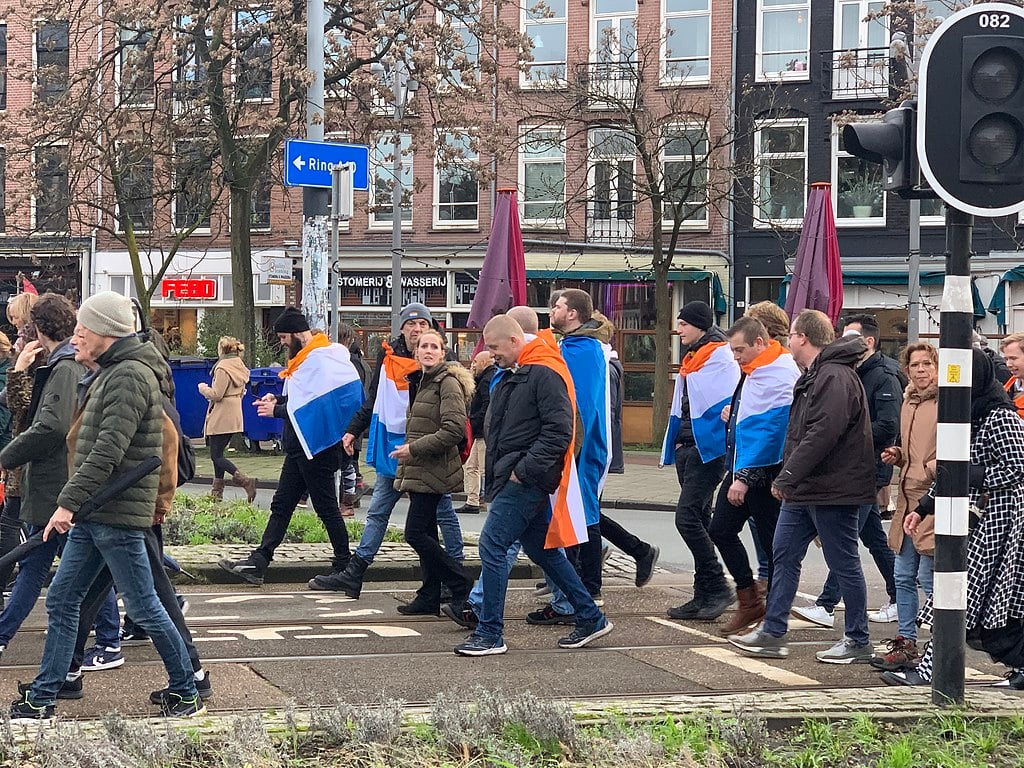
In January 2022, Germanic Youth Netherlands organised a protest against coronavirus measures during which the ‘Prinsenvlag’ was waved. Image: Milliped/Wikimedia Commons/CC4.0
Something that never worked and caused much friction and suffering during the years of occupation.
As a result, the orange stripe on the flag is still used by the rare neo-Nazi groups that are active in the Netherlands and who often honour the NSB and those of the German Occupation Force that lost their lives on Dutch soil.
So even though the “Orange Flag” had an honourable beginning as part of Dutch resistance and independence, it was tarnished by Nazi sympathisers.
Still, the flag is often found on old paintings of the brave Geuzen-Buccaneers fighting Spanish warships or Dutch merchant ships sailing for the East.
In the latter case, the orange faded into a red stripe from bleaching in the tropical sun and salty ocean water.
Dutch flags: the tiny orange pennant
Despite a controversial history, there’s still a speck of orange today. 🧡
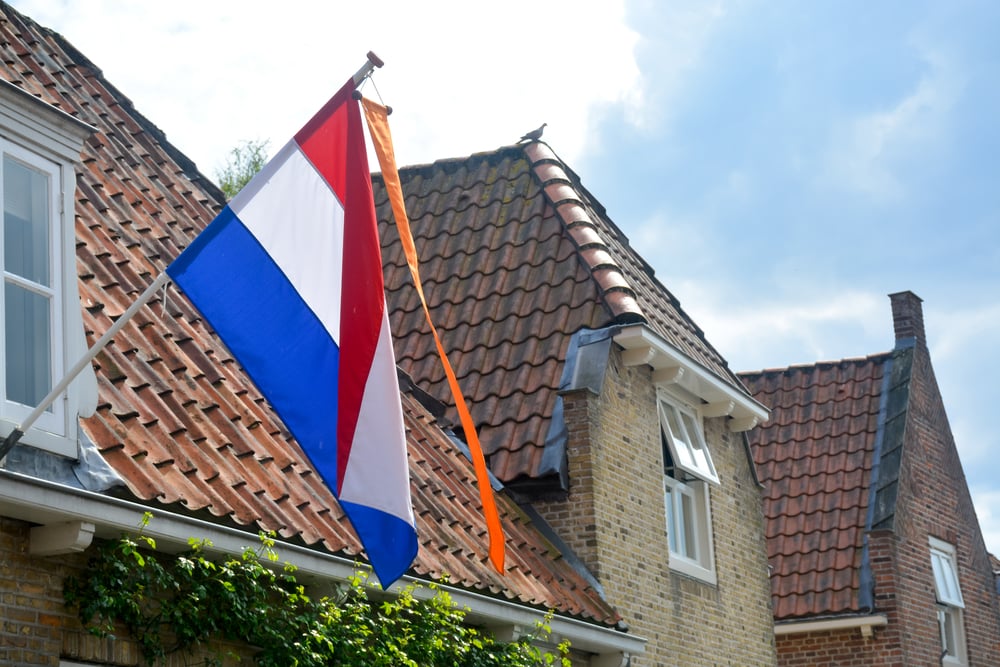
An orange pennant is flown above the red, white, and blue flag on special occasions, such as King’s Day and the birthdays of the Princess of Orange, Queen Máxima, and Princess Beatrix.
The pennant is attached to celebrate the House of Orange, the Dutch Royal House, which traces back to that same William of Orange and his Buccaneer partners! — Avast ye’ Hollanders and Zeelanders, drown those Spaniards!
You’ll see these pennants during birthdays or other important public holidays! Image: Depositphotos
Dutch flag traditions
Although there are no official rules for using the Dutch flag, it does come with many traditions. Let’s look at a few!
Flying half-mast
If the Dutch flag is at half-mast, you should be aware that there is some sort of national (or at least regional) mourning and that official permission has been given for public display.
Of course, any deaths in the Royal Family or exceptionally important political figures (still in function) will also usually bring the half-mast flag with it.
So, be aware that the Dutch may not be in their happiest mood that day — the flag is there for a reason!
The flag is a symbol of the Dutch victory during World War II. Image: Depositphotos
Celebrating the good times
Lastly, the Dutch also use their flags for “once-in-a-lifetime achievements.”
Just graduated from high school? Hang the flag with your backpack attached to it! Had a new baby? Hang the flag to show a new Dutch citizen has just been born!
Dutch flags: inspiring others?
Oh, and yes — New York City’s flag is blue, white, and orange, referencing its Dutch history.
Luxembourg‘s flag is also red, white, and light blue because it was part of the Netherlands before Holland, Belgium, and Luxembourg separated.
Yes, for real, the Netherlands used to be a medium-sized European country. Bizarre…
What are your thoughts on the history of the Dutch flag? Tell us in the comments!
An Amsterdam canal cruise just hit #4 on TripAdvisor’s Travellers’ Choice Best of the Best list — and if you haven’t done it yet, consider this your sign.
The ranking comes from TripAdvisor, which awards its Best of the Best title to experiences that rack up an exceptional volume of glowing reviews over a 12-month period. Out of more than 8 million listings on the platform, fewer than 1% make the cut.
This year’s list spans four continents and covers everything from a Porto city walking tour to an overnight cruise through Lan Ha Bay.
Europe dominates, claiming six of the ten spots. And sitting quietly at number four, sandwiched between a Barcelona day tour and the Beatles’ Magical Mystery Tour, is Captain Jack’s 90-minute all-inclusive canal cruise.
This post might have affiliate links that help us write the articles you love, at no extra cost to you. Read our statement.
History, served with an ice-cold glass of Heineken
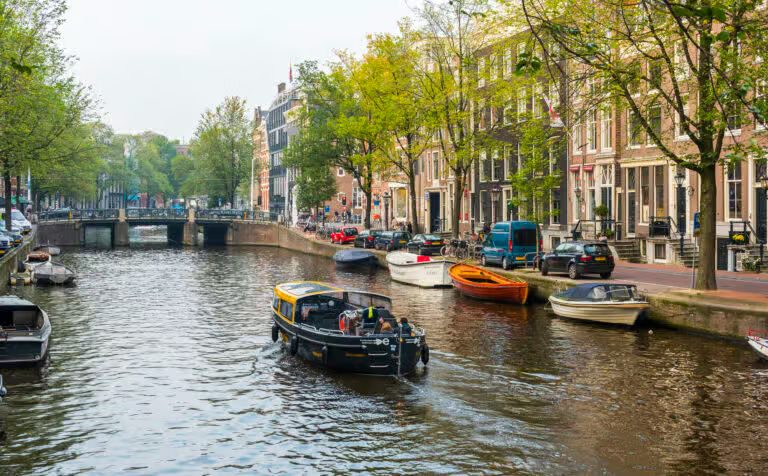
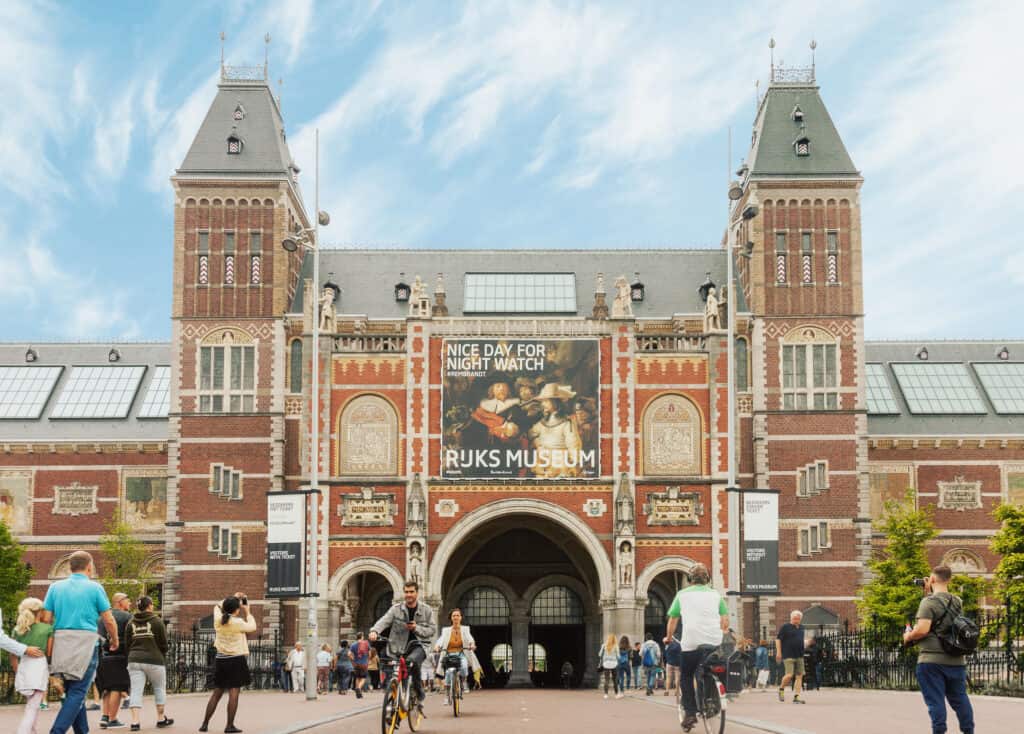
The 90-minute route weaves through Amsterdam’s UNESCO-listed canal ring, taking in the Prinsengracht, Herengracht, and Keizersgracht, as well as landmarks like the Rijksmuseum, the Magere Brug, the Red Light District (De Wallen), and Centraal Station.
Each cruise runs on open electric boats with a maximum of 24 people, which keeps things intimate enough that you can actually hear your guide without the aid of a headset.
The cruise passes the Rijksmuseum, among other historic locations. Image: Dreamstime
Hoping to book the cruise yourself? Departures are available from two points: the Museumbrug near the Rijksmuseum, or tram stop B4 outside Centraal Station.
Tickets are priced from €21 per person, with the option to book ahead (plus free cancellations up to 24 hours before your departure).
However, let op: the open boats run from April 1 to November 1 only. Outside that window, the operator switches to enclosed heated vessels, so year-round visits are still possible.
These were the world’s top ten attractions
Get your bucket lists handy, because TripAdvisor’s top picks span three continents and a varied mix of activities.
Amanda Cruise — Ha Long, Lan Ha Bay — All Inclusive (Hanoi, Vietnam)
Three of the top ten are walking tours, suggesting that what travellers actually want is someone interesting to follow through a city rather than an audio guide and a laminated map.
Meanwhile, the Amsterdam cruise is also the only experience under two hours — and the only one where unlimited Heineken is involved, which may or may not be a coincidence.
Have you done the Captain Jack cruise, or have you got a better recommendation? Let us know in the comments below.
Sitting at home on Remembrance Day or Liberation Day in the Netherlands? It sounds like the perfect occasion to catch up on some Dutch war flicks.
We have done the legwork and found the top Dutch war movies you won’t want to miss. They’re available on major (Dutch) streaming platforms, and most of them are in English or offer English subtitles.
However, this could also be a good opportunity to brush up on your Nederlands.
Although there are countless great films about the war in the Netherlands, our list would be too long if we mentioned all of them. So here are our suggestions.
1. A Bridge Too Far
This is perhaps one of the most famous WWII movies to date. Released in 1977 and directed by Richard Attenborough, this movie features an all-star cast, including Sean Connery, Michael Caine, and Ryan O’Neale.
The plot is based on the true story of Operation Market Garden: the Allies’ failed operation to speed up the end of World War II.
Thousands of paratroopers were dropped over the Netherlands in an attempt to claim the towns of Eindhoven, Nijmegen, and Arnhem before British forces arrived by land. The movie itself is gigantic and mostly shot in the Netherlands.
Why we love this film: Stunning cinematography and a cast to admire, making this a WWII epic for the ages. Moreover, you get to watch James Bond taking down Nazis. Who could want more? Where to watch it: Pathé Thuis Language: English
2. Oorlogsgeheimen
Translated as “War Secrets,” this is the perfect movie to watch if your Dutch is up to scratch (or you have a very patient Dutch speaker in your house).
Oorlogsgeheimen follows the story of Tuur and Lambert, two best friends in Limburg in 1943. A new girl, Maartje, joins their class and makes friends with Tuur.
Maartje shares a terrible secret with Tuur, which Tuur cannot reveal to anyone — not even his best friend Lambert, whose father has just become mayor.
Tuur’s family joins the resistance, but as the situation heats up, Tuur and his family are forced to flee.
Why we love this film: Packed with a riveting storyline and vintage Dutch vibes, this film perfectly encapsulates the sometimes slow but often abrupt changes to village life during WWII. Where to watch it: Pathé Thuis, Videoland Language: Dutch
3. Anne Frank: The Whole Story
We can’t write an article about Dutch WWII movies without including arguably the most famous victim of the Holocaust: Anne Frank.
While there are a huge number of movies about the Jewish teenager who hid out with her family in a secret room in Amsterdam (before ending up in Auschwitz), “Anne Frank: The Whole Story” captures this incredibly well.
The movie starts in 1939, while Anne writes in her diary about typical teenage life, pre-war fears, the invasion of the Netherlands, her hideout in Amsterdam, deportation to Auschwitz, and the eventual survival and return of Anne’s father.
The major downside to this film is that, for some reason, all the Dutch people unexplainably have British accents.
Why we love this film: Anne Frank’s story has captivated the world, and this film is a perfect visual window into her life. Where to watch it: YouTube Language: English
4. Memories of Anne Frank (Anne Frank: Mijn Beste Vriendin)
Another Anne Frank movie? Naturally. This one is a little different, though, because it’s told through the eyes of her close school friend, Hanneli Goslar.
Hanneli was also Jewish and was eventually deported to the Westerbork transit camp, but was briefly reunited with Anne at Bergen-Belsen, where she passed her some bread and socks.
One particularly special thing about Hanneli’s story is that she survived the war. Hanneli has appeared in multiple documentaries about her experience and knowledge of Anne.
It’s worth noting that this movie was inexplicably produced by Italians, with Italian actors, but it’s ridiculously well dubbed in English. Bonus: it has Dutch subtitles, so you can practice some Dutch along the way.
Why we love this film: This movie is a tearjerker that simultaneously offers an insider and outsider look into Anne Frank’s life. Where to watch it: Videoland Language: English
5. Riphagen
A film not so much about remembering the victims of the Holocaust as revealing the crimes of a Dutchman, Riphagen (The Untouchable). It is based on the true story of a man who apparently profited from the war.
Dries Riphagen was a Dutch gangster who collaborated with the Nazis to locate Dutch Jews and deliver them to concentration camps — or was he playing the Germans and actually helping the innocent?
Why we love this film: There’s something about watching bad people that makes us just unable to look away. Plus, from the looks of it, this guy is really bad. Where to watch it: Netflix Language: Dutch with English subtitles
6. Band of Brothers
It’s not a movie but a series, and only about 2.5 episodes play out in the Netherlands. However, Band of Brothers is undeniably an unmissable piece about the war.
Episodes four and five, about the boys from the 101st landing in the Netherlands, are as good as it gets. The Spielberg & Hanks production is also already nearly 20 years old, meaning that many young people still need to see it.
Why we love this: Hands down the best series about WWII that also shows the Netherlands. Where to watch it:HBO Language: English
7. Soldier of Orange
There’s no other movie that shaped the Dutch collective memory of WWII as much as Soldaat van Oranje.
Directed by Paul Verhoeven and starring the late Rutger Hauer, it’s a movie about a group of students from Leiden joining the resistance and their journey through the war.
It’s an iconic movie for the Dutch with scenes that make you understand the Netherlands (Scheveningen!).
It birthed a musical and is a riveting watch for everybody. Need we say more?
Why we love this: It’s a must-watch and a classic. If you watch it, you’ll know why. Where to watch it: YouTube and on the telly pretty much every year. Language: Dutch and a bit of English
8. The Forgotten Battle (De Slag om de Schelde)
We can’t end this list without mentioning one of the most expensive Dutch films ever produced.
The Forgotten Battle is a film about the Battle of Scheldt in 1944, which took place in German-occupied Zeeland.
It follows the tense story of a British glider pilot, a Nazi soldier, and a Dutch resistance fighter whose stories intertwine under extreme circumstances in one of the longest and most violent battles in the Netherlands.
Why we love this: It shows multiple perspectives on the war in one battle. Where to watch it: Netflix Language: Dutch and a bit of English
Honourable mentions
As we said before, this list of movies about WWII in the Netherlands could have been much longer. So here are some that definitely could have made the list.
Oorlogswinter (2008)
De Aanslag (1986)
Zwartboek (2006)
De Tweeling (2002)
Bankier van het Verzet (2018)
What other WWII movies about the Netherlands would you add to this list? Tell us in the comments below!