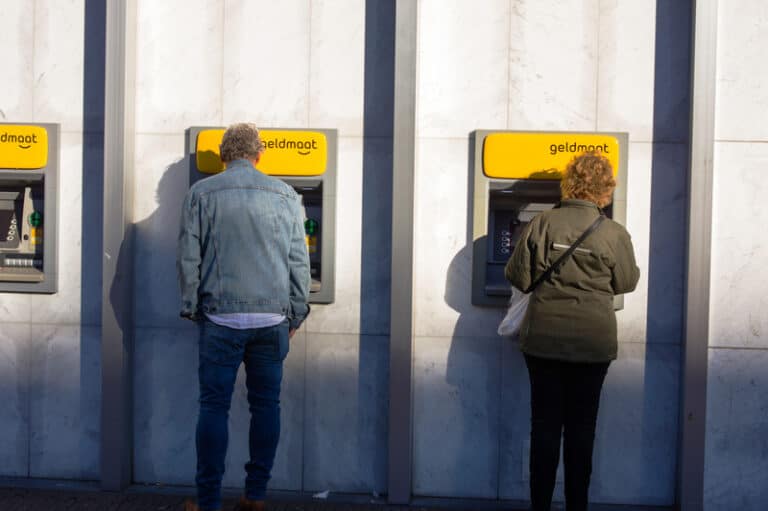
Amid increasing tensions between the US and Europe, De Nederlandsche Bank (DNB) is advising Dutch residents to be prepared for payment system outages by carrying cash and having access to multiple banks.
According to RTL Nieuws, DNB has given this advice as a precaution, warning that “society will grind to a halt” if people are unable to make payments.
While payment systems are still functional at the moment, the risk of cyber attacks and service suspension is worrying.
Having access to multiple banks and carrying cash ensures that you will be able to access your money regardless of issues among individual banks or payment systems.
Are these fears overblown?
Short answer, no.
While the payment systems used in the Netherlands are highly functional, they are also often foreign.
RTL Z also recently reported on the high reliance of Dutch banks on US tech, detailing how erratic political moves from America have flipped US-European banking relations on its head.
If US services were, for some reason, suspended suddenly, the Dutch system would freeze up.
And your money? Well, it would freeze right along with it.
What can you do?
The best way to ensure continued access to your funds in the case of escalating conflict is to move it around, both digitally and physically.
DNB firstly advises Dutch bank account holders to diversify which banks they put their money into. This way, in the case of one bank being inaccessible, you don’t lose access to all your finances at once.
The bank also advises having “sufficient cash on hand for a period of 72 hours” in case ATM systems go down.
This allows groceries and basic businesses to continue functioning (at least partially) while negotiations take place.
What the future looks like
While reliance on America for systems and services once seemed a given, the new administration’s tactics show a new era has begun.
According to Steven Maijoor, director of supervision at De Nederlandsche Bank (speaking with RTL Z), the assumption of a good relationship between the nations has played a role in the underdevelopment of European banking services.
Ultimately, developing independence and, as Maijoor says, ‘sovereignty’ from foreign services is key. The digital euro, which does not yet exist, would help in reaching this goal.
The DNB is also working to implement “offline card-payments,” reports RTL, which would allow payments to be registered but actually paid at a later time.
In the meantime, perhaps look into opening a new bank account, and head to the ATM for some cash.
What do you think of the DNB’s advice? Let us know in the comments!
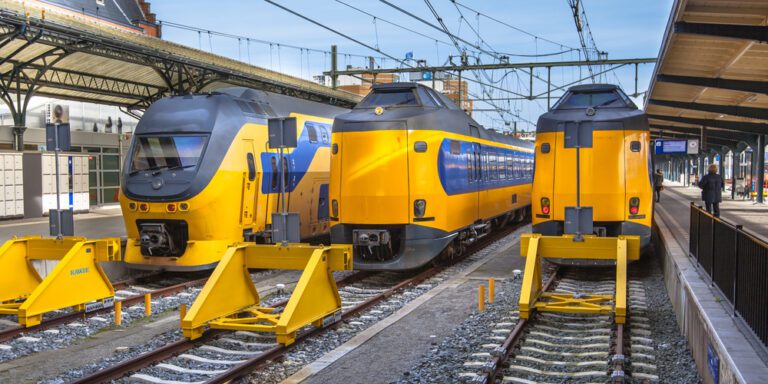
The Dutch Railway (NS) has decided to play around with the length of trains to ensure that more passengers find a seat during peak travel hours.
According to NS, the rail infrastructure in the Netherlands has been encountering more disruptions than usual. In 2025, there will be up to 30% more work compared to the years prior.
These disruptions mess up the schedules of long and short trains, resulting in passengers boarding overcrowded or empty trains.
Their solution? To make long trains shorter and short trains longer. Here’s why that might just make sense.
The hypothesis
NS will conduct an experiment to determine if varying train lengths can reduce the frequency of unexpectedly crowded trains.
Until the end of March, NS will test different train lengths. Long trains will be shortened (from 10 to 8 carriages), and short trains will be lengthened (from 6 to 8 carriages).
When a long rush hour train breaks down, the replacement is often a short train that cannot fit all commuters. Now that the backup trains will be a bit longer, the reiziger has a better chance of finding a seat.
“Every morning, we have forty trains in the wrong location, meaning trains that are too short. We hope to reduce that by 30% with this adjustment,” NS spokesperson Carola Belderbos tells RTL Nieuws.
By running trains with a fixed composition more often, more passengers are expected to be able to find a seat despite a disruption in the schedule.
The proof
According to Belderbos, this plan has been calculated in computer simulations, but the trial will show real-life results.
The director of passenger association Rover, Freek Bos, is a bit sceptical.
“Trains will be shorter during peak hours. This applies during disruptions, but also during normal situations. This automatically leads to more crowded trains during peak hours. Not all passengers will be happy about that,” Bos tells RTL Nieuws.
Despite doubting the plan in practice, Bos is committed to measuring the results with your help.
He is urging passengers to report overcrowded trains via Rover. The passenger association usually notices these problems faster than NS does. “This way, passengers can help keep NS on its toes,” he tells RTL.
Prepaid SIMs are often referred to as one of the handiest tools in an international’s arsenal when they’re adapting to life in the Netherlands. Let’s dive into why! 👇
First things first: what exactly is a prepaid SIM? This refers to a SIM card for which you pay upfront for all the data, call minutes, and texts you intend you use.
This pay-as-you-go system is great because of how flexible and affordable it is, but there are also some important things you should know before you buy one.
1. You can get a Dutch prepaid SIM in five minutes
You can find them everywhere, from a Schiphol Airport kiosk to your local supermarket’s checkout counter. Need to stop at a corner shop for some chewing gum? Hoera, you’ll find prepaid SIMs there, too.
Easier to find than stroopwafels. 👀 Image: Dreamstime
Most major Dutch providers offer their services in prepaid form, so whether you’d like a snazzy prepaid plan from KPN or a more affordable one from Simyo, you’ve got plenty of options!
And, even better: many of these prepaid plans now come in eSIM form. This means you can download your Dutch number directly into your mobile phone, without needing to head to a brick-and-mortar store or potentially lose your existing SIM card while swapping it.
2. You won’t require a BSN or Dutch bank account to buy one
In the Netherlands, a mobile plan or SIM-only subscription typically requires two things you won’t have during your first few days in the country:
a BSN (citizen service number), and
a Dutch bank account.
Until you’ve registered at your local gemeente (municipality), most mobile subscriptions are off the table. And no Dutch mobile number means no registering at your local GP, no two-factor authentication codes via SMS, and eye-watering data roaming fees if you’re not from the EU.
So what’s an international to do if they’ve just landed in the Netherlands and desperately need a Dutch SIM card? 🤔
The answer’s simple, my friend: get a prepaid SIM. As you won’t be paying for a subscription, you won’t be asked for your BSN or Dutch bank account information.
3. You won’t need to commit to a long-term SIM contract
One of my favourite features of having a cheap prepaid SIM is the fact that most of them are monthly terminable.
In simple terms, a monthly terminable subscription is a mobile data plan that doesn’t auto-renew. This allows you to cancel your subscription after the month is over, without needing to hop on a call with customer service. (Or, worse: be forced to pay for a year’s worth of cellular data you won’t use. 😱)
This flexibility is especially handy for international students, tourists, or other short-term visitors to the Netherlands, as you needn’t commit to a long-term plan.
Plus, a monthly terminable subscription gives you the freedom to check out multiple providers and see which one offers the best coverage and features for you.
4. You can use one prepaid SIM all over Europe
Thanks to the EU’s snazzy “roam like at home” policy, you can kiss costly roaming fees goodbye.
This is because EU policy states that all calls (to mobile and fixed phones), text messages, and data use within the European Union are charged at domestic rates.
In simple terms, that Dutch prepaid SIM of yours is valid throughout most of Europe. Hoera, for your wallet! 🥳
Quite a relief if you are a student living in the Netherlands. Image: Dreamstime
However, although roaming fees are waived, most providers will still have a fair use policy in place. This refers to a data cap that providers can set on the amount of GBs you’re allowed to use at a domestic rate outside of the Netherlands.
It’s always a good idea to check your prepaid provider’s fair use policy. Even though the vast majority of providers have pretty generous limits, you’ll still want to double-check so that you don’t overshoot your monthly data limit.
5. You’ve got full control over all your mobile costs
With prepaid SIMs, you’re fully in the driver’s seat. There are no surprise bills at the end of the month, as you only pay for the data (and messages/call minutes) that you actually use.
Many providers also have handy mobile apps. These let you manage all aspects of your prepaid plan, from handling top-ups, switching plans, or transferring to a SIM-only subscription, instead.
No Dutch bank account? No problem! Lots of these apps will also allow you to use an international bank card to purchase your prepaid SIM and top-up.
Good to know: If you’re someone who often forgets to cancel subscriptions you’re no longer using, prepaid SIMs will help you avoid any financial headaches. Unless you specifically opt for a plan that auto-renews monthly, you won’t be charged for failing to top up your prepaid SIM at the end of the month.
Whether you’ve come to the Netherlands for your studies, you’ve been headhunted by a snazzy multinational corporation, or you’re just here to scoff some stroopwafels, a cheap prepaid SIM can be a handy tool for staying connected.
Have you ever used a prepaid SIM in the Netherlands? Tell us all about your experience in the comments below!
A small group of North Holland dairy farmers just claimed the most sought-after title in the cheese world. So yes, it’s true: Dutch cheese is the best in the world.
According to NU.nl, CONO Kaasmakers from Westbeemster beat more than 3,000 competitors from 25 countries to claim the title of best cheese in the world at the 2026 World Championship Cheese Contest.
The contest was held in Madison, a student town in Wisconsin, USA.
The task: eat cheese for three days straight. (How do you become a judge?)
On March 5, the judges finally put down their samples and declared a winner: Beemster Royaal Grand Cru, which retails for around €24 per kilo in supermarkets.
What does the best cheese in the world taste like?
Slice into a Beemster Royaal Grand Cru, and you’ll find a firm, slightly crumbly hard cheese with a rich, nutty character.
The texture comes from ageing the cheese on planks of spruce for a full year before it’s ready. As the cheese matures, it draws its flavour entirely from 100% North Holland pasture milk.
The milkiness combined with the woodiness from resting on the plank? A bite of heaven.
Good cheese starts with good milk, and good milk starts with happy cows. CONO’s farmers put their herds out to graze for at least 185 days a year, with each cow spending more than ten hours a day in the field. (How do I become a Dutch cow?)
“When a cheese scores so highly with an international jury, you know that everything is just right,” master cheesemaker Sjoerd Hiemstra says in a press release. “From the milk to the making of the cheese to the ripening.”
Second and third place both went to Switzerland — Appenzeller Purple Label (98.45) and Alter Fritz (98.41), respectively.
The winning margin was less than a point across the top three finishers. Speaking on behalf of CONO, Nicole van Gorp tells Nu.nl that “We can say for two years that we make the best cheese in the world.”
The Netherlands didn’t stop there, either. Three more Beemster products took home gold: Beemster 30+ Mature, Beemster Jalapeño, and Beemster Smoked.
Now in its seventh decade, the World Championship Cheese Contest is widely regarded as the most rigorous technical cheese evaluation on the planet — 56 judges, 148 categories, three days of blind tasting.
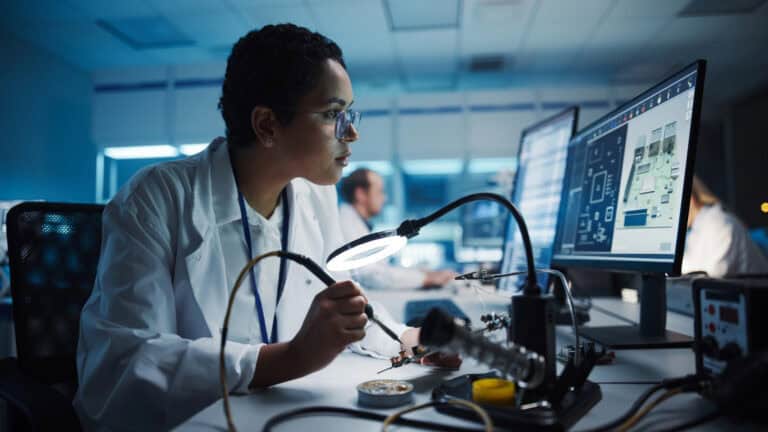
The Netherlands is making it harder to attract international talent, and ASM says that’s a move that may come back to bite us.
As a leading supplier of semiconductor equipment, ASM is experiencing a boom in the face of AI. It’s preparing to open a new research and development centre in Almere.
But there’s just one problem.
The new research centre is a project worth several hundred million euros, and the technical industry is “crying out for talent,” according to Verhagen. However, it’s talent that the Netherlands can’t supply alone.
Paul Verhagen, the company’s CFO, is pushing for a change in Dutch immigration policy. In an interview with BNR Zakendoen, he warns that without expat-friendly policies, the company may simply have to set up shop in other countries.
International talent is a necessity
The new facility in Almere needs specialists that the Dutch education system simply doesn’t produce in sufficient numbers.
That means immigration policy becomes the business of chipmakers.
Verhagen argues the government needs to develop different policies for highly skilled workers.
The CFO tells BNR, “You’ll have to look at immigration policy and differentiate between highly educated and less educated workers. We’re only looking for people with academic degrees.”
What ASM needs from Dutch policy
Central to Verhagen’s argument is the 30% ruling — the tax benefit that allows eligible expats to receive 30% of their salary tax-free.
The scheme has already been reduced and is set to drop further to 27% by 2027. Phasing it out entirely was also previously on the table.
Verhagen says the negative consequences are already showing up in ASM’s hiring: “I’ve already seen plenty of examples where we haven’t been able to attract people who we could have if the scheme hadn’t been tightened.”
Verhagen is also disappointed by the government’s plans to scale back English-language university programs. As a company dependent on internationally trained engineers, he says, “For technical education, the more English, the better.”
“This is not a threat”
ASM operates across multiple countries, and Verhagen makes clear: the investment decisions will follow the talent.
“That’s not a threat. It’s a simple fact,” states the CFO. “If you don’t have the people, you can’t start an R&D facility here,” he adds.
Verhagen acknowledges that prioritising certain groups sits awkwardly with Dutch notions of fairness.
At the same time, he reiterates that the semiconductor industry is flourishing, and the Netherlands stands to benefit enormously… only if it has access to enough talent.
“It’s hard to prioritise certain groups. I understand that’s difficult for politicians, but that doesn’t mean they shouldn’t do it, because ultimately, it’s in everyone’s interest to invest in the country’s future earning capacity,” he concludes.
A dazzling fireball blazed across the skies of the Netherlands on Sunday evening, sparking a wave of gobsmacked social media posts.
At 6:50 PM, a brilliantly bright object streaked across the horizon for around seven to eight seconds, long enough to be unmistakeable, but short enough that many people missed it entirely.
Sightings poured in from across the country, including Rotterdam, Utrecht, Almere, Breda, Haarlem, and dozens of other cities and towns.
Reactions ranged from wonder to alarm. One witness in Haarlem described it to NH Nieuws as looking like “a burning plane crashing.”
Others assumed something had exploded, with some convinced they’d just witnessed a bombing.
A meteor just burned up in the atmosphere above the Netherlands and Germany.
Local authorities have gotten reports of people's homes being damaged by the entry shockwave.pic.twitter.com/ZhIS01Zw62
It was almost certainly a meteor: a chunk of space rock that enters the Earth’s atmosphere at high speed and burns up, producing an intense streak of light.
Marco Langbroek, a lecturer in aerospace engineering at TU Delft, was quick to pour cold water on social media theories that it was artificial space debris, writing on X that the evidence points to a natural object.
Dutch air traffic control confirmed to NOS that the object didn’t show up on radar, most likely because it was travelling at too high an altitude.
☄️ Prachtige vuurbol boven Nederland vanavond! Het gaat hier waarschijnlijk om een #meteoor: een stuk ruimtepuin dat in de atmosfeer verbrandt op circa 100 km hoogte. Het is dus géén meteoriet: dan wordt ons aardoppervlak echt geraakt…
— Wouter van Bernebeek (@StormchaserNL) March 8, 2026
Translation:Stunning fireball over the Netherlands this evening! It’s likely a #meteor: a piece of space debris that burns up in the atmosphere at around 100 km altitude. So it’s NOT a meteorite: that would actually hit our Earth’s surface…
Landed in Germany
While the Netherlands and Belgium got the light show without the consequences, Germany was less lucky.
Police in the southwestern state of Rhineland-Palatinate confirmed that meteorite fragments damaged roofs and houses in several areas, including the Hunsrück and Eifel regions, and near Koblenz. No injuries have been reported.
The Werkgroep Meteoren (the Dutch Meteor Society), which has been tracking meteor sightings for around 80 years, compiled trajectory data from nearly 1,500 witness reports across five countries.
The data suggests the fireball travelled from France toward Germany, consistent with where the damage landed. The group is asking anyone who saw it to submit their observations.
Did you catch the fireball on Sunday evening? Share what you saw and where you were in the comments below.
Municipal elections in the Netherlands might not spark TikTok-level hype, but for expats, they’re often the only elections where your voice actually counts. So don’t miss out!
Dutch residents vote for their local council every four years.
And here’s the thing: you don’t need Dutch citizenship to vote; being registered with the municipality is enough.
So if you’re an international living here and want to wield your voting power, this guide on the 2026 municipal elections is for you.
The following roadmap outlines what the elections are, who can vote, how they work, and what’s at stake — with a special focus on Amsterdam, where the next elections are on the 18th of March, 2026.
What are municipal elections in the Netherlands?
Municipal elections (gemeenteraadsverkiezingen) decide who sits on your local council (gemeenteraad).
This council is the city’s highest decision-making body. It sets local policies, controls the budget, and keeps the alderpersons and the mayor in check.
Municipal elections decide who makes decisions on housing, transport, bins, and much more that affect your day-to-day life in the municipality you’re living in.
These elections happen every four years, and each municipality runs them separately.
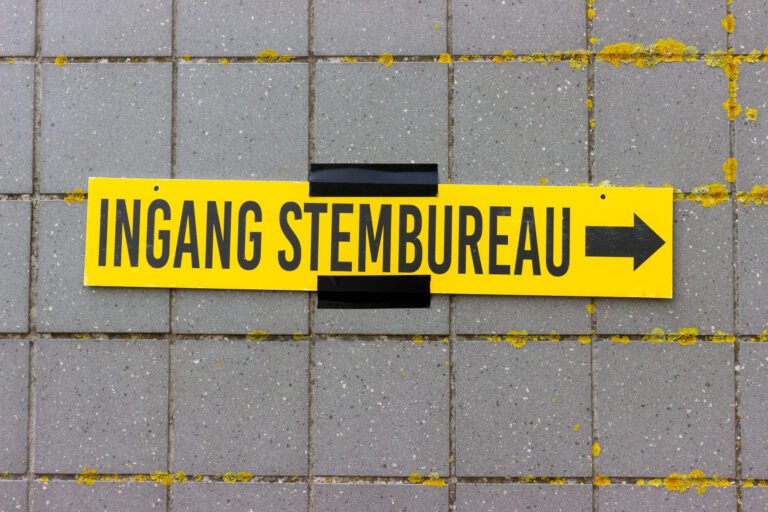
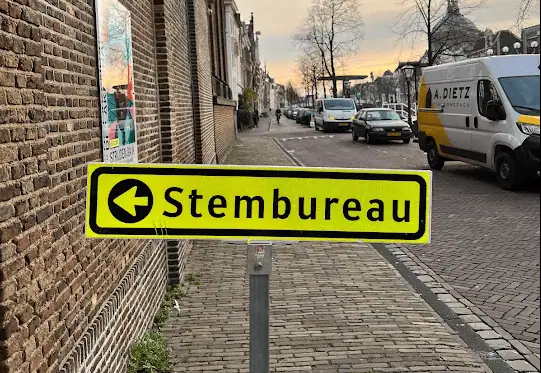
Signage makes it clear where to cast your vote! Image: Abuzer van Leeuwen
While they are all generally scheduled on the same day, it’s important to check your municipality’s website for more specific information, as locations and times can vary.
This is important: issues, parties, and candidates can vary widely from city to city.
Unlike national elections (which tend to focus on big-picture policies and lengthy coalition negotiations), municipal elections are actually refreshingly practical, especially for internationals. Local councils actually decide on policies that shape everyday life.
Think: housing developments, parking permits, cycle lanes, rubbish collection, local taxes, and how neighbourhood budgets get spent.
Why municipal elections actually matter for expats
Even if you can’t vote in Dutch national elections, municipal elections give you a valuable say in how your city works.
In cities with large international populations, such as Amsterdam, expat voters can genuinely influence outcomes.
Voting also sends a signal. It shows local politicians that internationals are engaged, paying attention, and deserve to be addressed in municipal policy discussions.
In short, if you live here, pay taxes here, and build a life here, municipal elections allow you to give input on elements that can greatly affect your quality of life.
Who can vote in Dutch municipal elections?
Mind-blowing PSA: You do not need Dutch nationality to vote in municipal elections.
The basic requirements
To vote, you must:
Be 18 or older
Be officially registered as a resident in a Dutch municipality
Live in the Netherlands legally
If you meet those conditions, your eligibility depends on your nationality.
Dutch citizens:
Dutch nationals can always vote in municipal elections, as long as they’re registered at a Dutch address.
EU citizens:
If you’re an EU citizen living in the Netherlands, you can vote in municipal elections without a minimum residence period.
As soon as you’re registered in the BRP (municipal population register), you’re eligible.
Non-EU citizens:
Non-EU expats can vote in municipal elections if they’ve legally lived in the Netherlands for at least five consecutive years and have been continuously registered during that period.
This applies to many long-term residents, including those on work or family permits.
One important caveat! You must be registered in the municipality by the official cut-off date. If you move shortly before the elections, it can affect where—or whether—you can vote. Don’t disenfranchise yourself accidentally, guys. We’re better than that.
How voting works in practice
If you’re eligible, voting is straightforward.
Your voter pass (stempas)
You’ll receive a voter pass by post around two weeks before election day. This is sent automatically by postal mail to your house — you don’t need to register separately.
If it doesn’t arrive, you can request a replacement from your municipality.
What to bring
On election day, you need your voter pass and a valid ID (passport, residence permit, or Dutch driving licence). Your ID can be expired, as long as it expired less than five years ago.
Where and when to vote
Polling stations are usually open from 07:30 to 21:00. You can vote at any polling station within your municipality.
Can’t make it yourself?
You can authorise someone else to vote on your behalf by proxy. This is common and well-regulated.
Who are you voting for?
In municipal elections, you vote for political parties and candidates who will form the municipal council (that’s the one that decides that wildly important local policy, remember?).
Seats are distributed through proportional representation. This means even smaller parties can win seats if they receive enough votes.
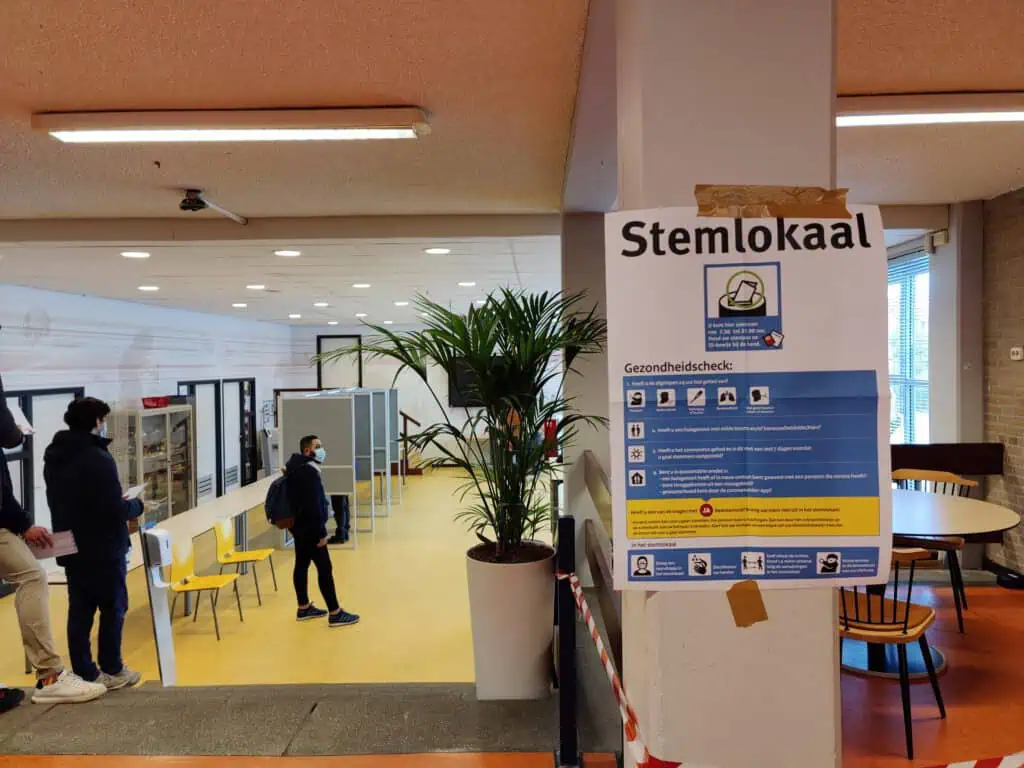
Not even a global pandemic could stop these determined voters! Image: Abuzer van Leeuwen
In larger cities (like Amsterdam), voters may also vote for district or neighbourhood committees. These bodies advise the municipality and help decide how local budgets are spent.
The composition of the council influences who becomes an alderperson and which policies get prioritised.
So really, it’s a very important election, and your vote certainly has the power to change things. In practice, you’re shaping local coalitions and determining how your city is governed for the next four years.
Municipal elections in Amsterdam — what expats should know
Now, let’s get into a more practical example: Amsterdam’s 2026 municipal election (on March 18, remember? Write it down, guys.)
Amsterdam has one of the most international electorates in the Netherlands, which makes this municipality’s elections especially relevant for expats.
Who runs the city?
Amsterdam has a 45-seat city council, an executive board with the mayor and alderpersons, and district committees (bestuurscommissies) across the city.
Can expats vote in Amsterdam?
Yes — if you meet the national eligibility rules and are registered in Amsterdam, you can vote here.
This includes EU citizens and non-EU residents who’ve lived in the Netherlands for five years or more.
As previously mentioned, Amsterdam residents also vote for district committees. This vote actually has more lenient eligibility rules.
For district committee votes, you can vote from the age of 16. Non-EU residents still need to have been registered for five years.
Issues that matter locally
Amsterdam municipal elections often focus on housing shortages and rent regulation, cycling and public transport infrastructure, sustainability and climate measures, and tourism pressure versus neighbourhood liveability.
Local parties and city-specific lists play a big role, so national party positions don’t always tell the full story.
What’s on the docket this time, and who’s running?
Municipal candidate lists are submitted to the city election office on February 2, 2026, and are then the definitive source for who is running.
Here’s the run-down on this year’s lists:
First, there’s the D66 candidate list, led by Melanie van der Horst. In line with the party’s national goals, these candidates are focused on issues like housing mobility and inclusive governance.
There’s also information available for the lists of GroenLinks, VVD, and PvdA. The goals of their candidates generally reflect the larger ideological stances of each party, but, of course, things can still vary candidate to candidate.
While these are the parties most represented in Amsterdam, don’t forget that there are others, too!
While each party frames the municipality’s issues differently, the general topics include affordable housing, sustainability, public transport, urban planning, local economy, and resident safety.
The best thing to do before the election is to familiarise yourself with the candidates of your preferred party and vote based on their focus, credentials, and ideals.
How to prepare before election day
Before voting, it helps to check your polling station location, read party programmes (especially local ones), and look at candidate lists rather than just party names.
If you feel really lost, don’t fret: there are lots of resources to help you figure out who gets your vote (for instance, this stemwijzer from ProDemos).
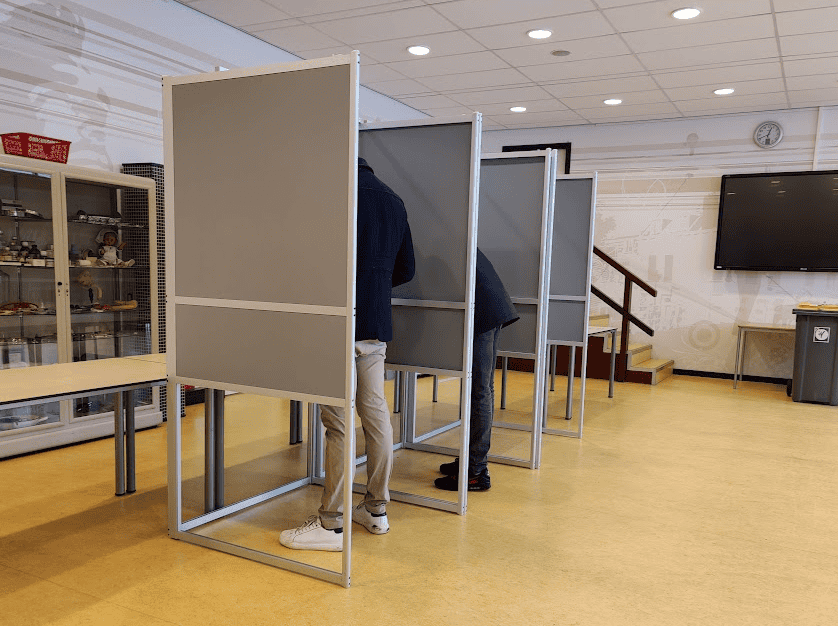
No peeking! Image: Abuzer van Leeuwen
Many municipalities also organise debates or publish voter guides. Even a quick skim can help you vote more confidently.
What happens after the elections?
Once votes are counted, parties negotiate to form a governing coalition, just like on the national level.
This process can take weeks, especially in fragmented councils. Once a coalition is agreed, alderpersons are appointed, and policy plans are finalised.
Your vote helps decide which voices are at the table during those negotiations.
Voting in Dutch municipal elections as an international: Frequently asked questions
Can I vote if I just moved to the Netherlands?
Only if you’re registered by the cut-off date and meet nationality requirements:
+18 years of age,
Not legally barred from voting in your home country or in the Netherlands,
Citizen of the European Union, or
A non-EU citizen living in the Netherlands for at least 5 years with a valid residence permit.
Can I vote from abroad?
You can only vote in municipal elections if you are still officially registered as living in the Netherlands.
Do I need to speak Dutch to vote?
No. Ballots are in Dutch, but assistance is available at polling stations.
Do municipal elections affect national politics?
Indirectly. Results often influence national party strategies and leadership debates.
Where can I find more information about the elections?
Kiesraad’s website (the Electoral Council) is a great source for election details.
Additionally, as rules may vary slightly by municipality, it’s always best to check your local council’s election page for the most up-to-date information.
What are you waiting for? Have your say on March 18, 2026 — your voice in local politics starts here.
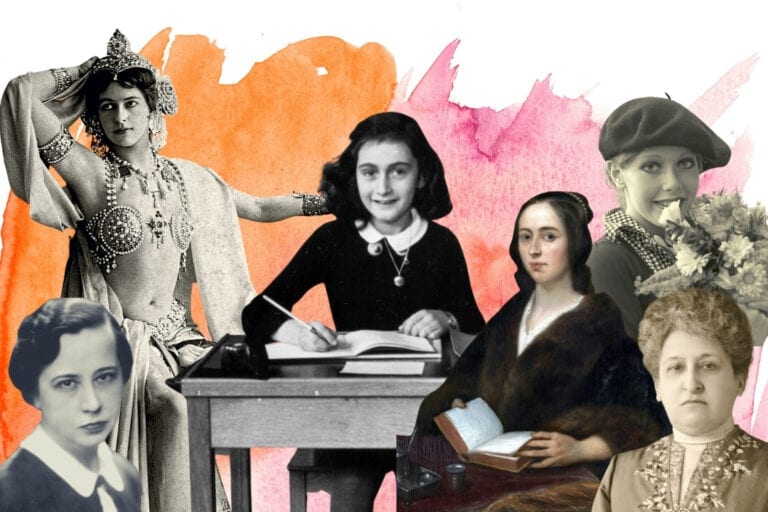
The Netherlands has had countless incredible, powerful, and strong women throughout history.
What better way could there be to celebrate International Women’s Day, or as the Dutch say, Internationale Vrouwendag, than by sharing the stories of a selection of Dutch women who championed feminism in their own way?
Here are 11 kick-ass Dutch women whose legacies live on.
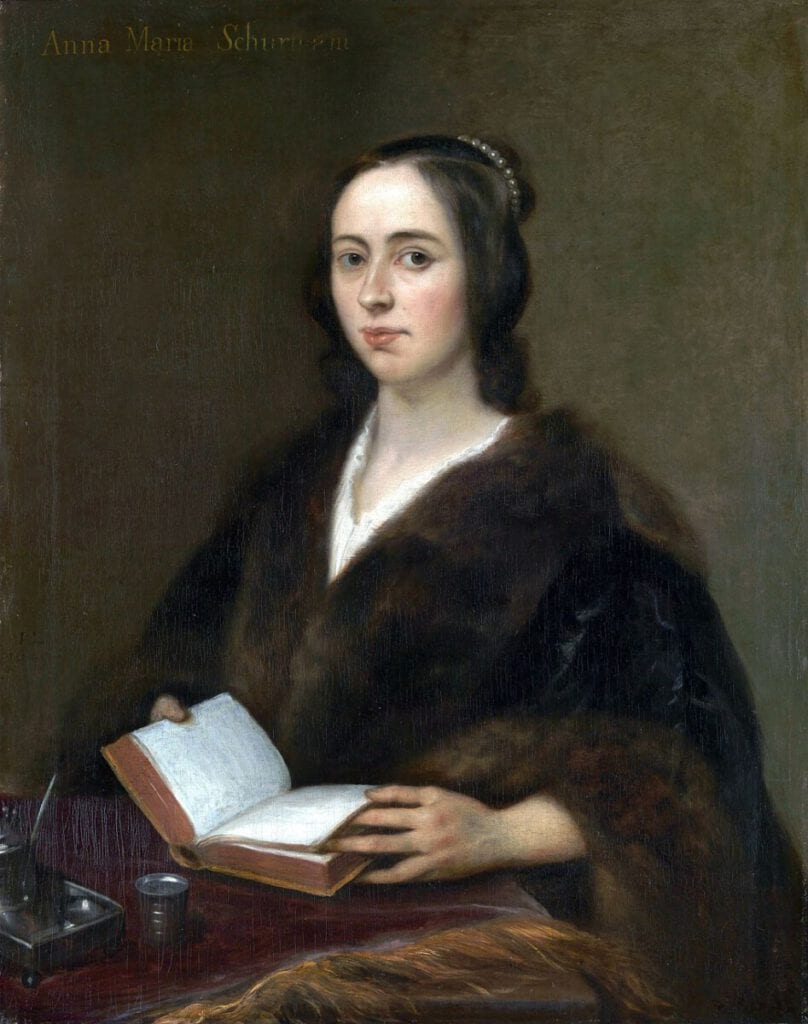
1. Anna Maria van Schurman: the first female university student in Europe (1607-1678)
Anna Maria made waves as the first woman who attended university in the Netherlands — and potentially in Europe.
However, it wasn’t easy: at lectures, she had to hide behind a curtain because, goodness, a woman in the classroom may just distract the male students.
All in all, it was worth it: Anna Maria was extremely well-educated and could speak 14 languages, including Latin, Greek, Hebrew, Arabic, Syriac, Aramaic, and Ethiopic, as well as various contemporary European languages.
She was also renowned as a scholar, poet, and painter. What a legend!
2. Cornelia ‘Corrie’ ten Boom: a weapon of the Dutch Resistance (1892-1983)
Corrie ten Boom is credited with saving around 800 Jewish people during World War II through her work in the Dutch Resistance. Corrie and her family opened their home to refugees, hiding them behind a secret wall.
“Forgiveness is an act of the will, and the will can function regardless of the temperature of the heart.” Corrie Ten Boom – Nazi Holocaust Survivor pic.twitter.com/bW52ygrvgH
She later worked to smuggle Jewish people to safety through underground networks. Unfortunately, Corrie and her family were caught, and she was arrested and sent to the Ravensbrück concentration camp.
She was released in late December 1944 thanks to a clerical error — while the other women in her camp were sent to the gas chambers a year later. Now, she is remembered for her courage and commitment to humanity.
3. Fanny Blankers-Koen: the flying housewife (1918-2004)
Fanny Blankers was a 30-year-old mother of two when she competed in the 1948 London Olympics.
She became the most successful athlete at the event when she won four gold medals for the 80 metre, 100m, and 200m hurdles, plus the 4 x 100m relay!
The famous athlete during an 80m hurdles race in 1948. Image: Ben van Meerendonk/Wikimedia Commons/CC2.0
But Fanny, nicknamed “the flying housewife,” didn’t leave her success at the Olympics. She went on to win five European titles, set/tied for 12 world records and won a whopping 58 Dutch championships.
In 1999, she was awarded the title “athlete of the century” by the International Association of Athletics Federation — flying champion seems like a more accurate description!
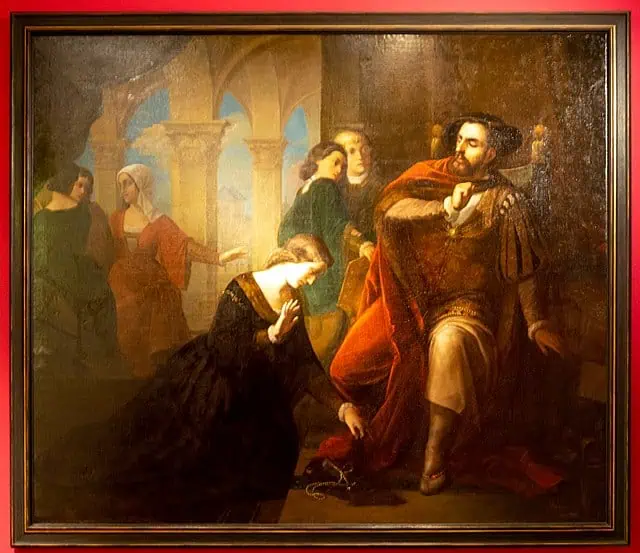
4. Elisabeth Wandscherer: the original “let them eat cake” (†1535)
Elisabeth wasn’t exactly lucky when it came to husbands. Image: Caspar Görke/Wikimedia Commons/CC01.0
A jump back in time takes us to Elisabeth Wandscherer, one of the 16 wives of the dictator Jan van Leiden.
Van Leiden chose Elisabeth as one of his many spouses in the German city of Münster after he made polygamy compulsory — his convenient response to the fact that the number of women in the city outnumbered the number of men.
But Elisabeth wasn’t a quiet wife: when the city was under siege during the Münster Rebellion, food shortages caused starvation. Elisabeth openly criticised her husband for living a life of luxury while his people starved.
She returned the lavish gifts he had given her and requested to leave the city — but Van Leiden wasn’t a particularly reasonable man and had her publicly beheaded instead.
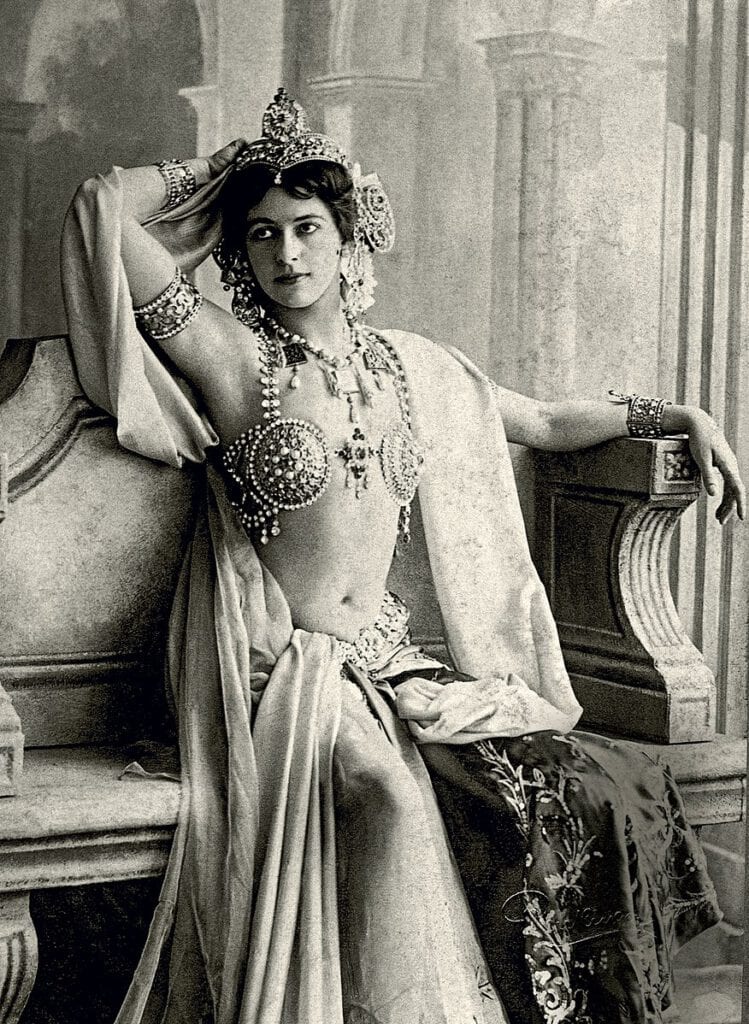
5. Mata Hari: a sex symbol who owned it (1886-1917)
Born in Leeuwarden as Margaretha Zelle, Mata Hari is one of history’s best-known courtesans.
The Dutch dancer, who lived in the Netherlands, Indonesia, and France, began her career after leaving her husband, Dutch Colonial Army Captain Rudolf MacLeod, due to his alcoholism and abusive nature.
She cut ties with married life and took to the stage. She believed her “flawless body” was a gift from God and that it was a crime not to flaunt it — so she did. As she should!
As a feminist ahead of her time, she pursued her dream unconventionally. But it was her travels between the UK, Germany, France, and the Netherlands that drew the attention of the Germans.
The Germans believed she was working as a double agent for both Germany and France during World War I. To this day, it is unclear if these accusations have any truth to them.
On February 13, 1917, Mata was arrested by the French on the grounds of being a secret agent. She was found guilty of espionage and executed by a firing squad on October 15, 1917.
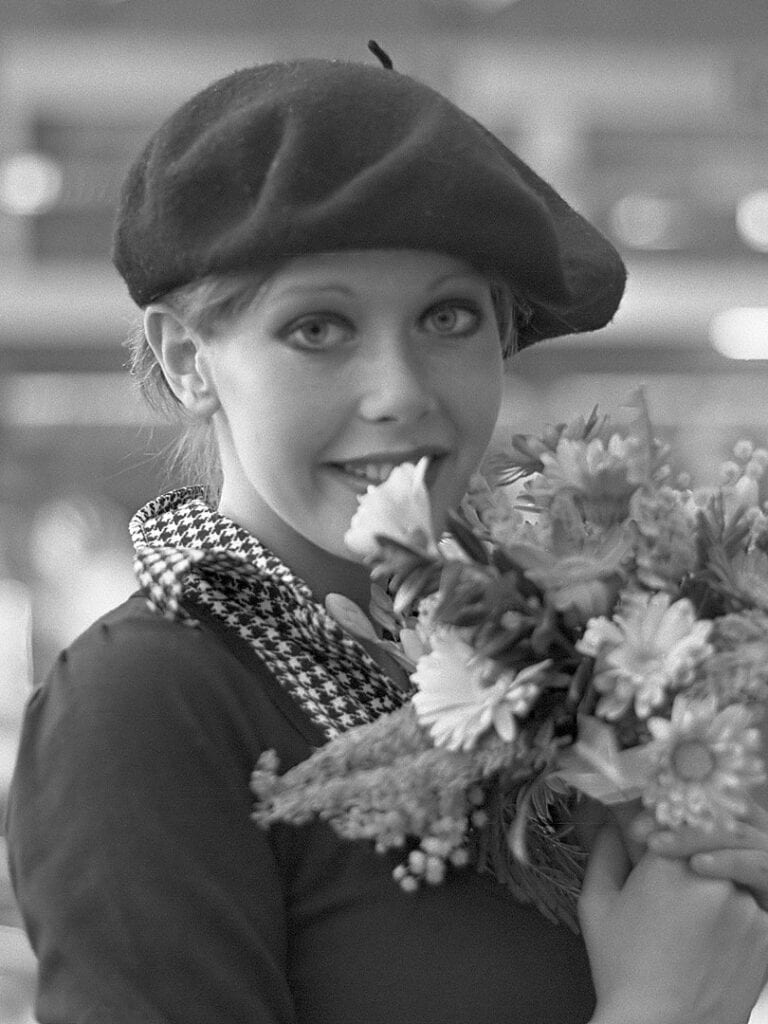
6. Sylvia Kristel: from a turbulent upbringing to a silver screen star (1952-2012)
Born in Utrecht, Sylvia won Miss TV Europe in 1973 at just 21. Her linguistic talents opened doors into the film industry for her.
Best known for her roles in the five Emmanuelle films, she was famed for bringing “softcore” pornography to mainstream cinema.
Sylvia won critical acclaim for her title role — and Emmanuelle remains the most iconic erotic French films to this day.
Sylvia was known for her role in the Emmanuelle films. Image: Hans Peters/Wikimedia Commons/CC1.0
Sylvia also starred in Lady Chatterley’s Lover (the first “Fifty Shades” of its time) and even played Mata Hari (hey, remember her?) in the nudity-filled WWI biopic.
However, Kristel had a turbulent upbringing. She was abandoned by her father, abused as a child, and addicted to drugs and alcohol. It was, unfortunately, no surprise that after 49 years of smoking, lung cancer finally took her life at age 60.
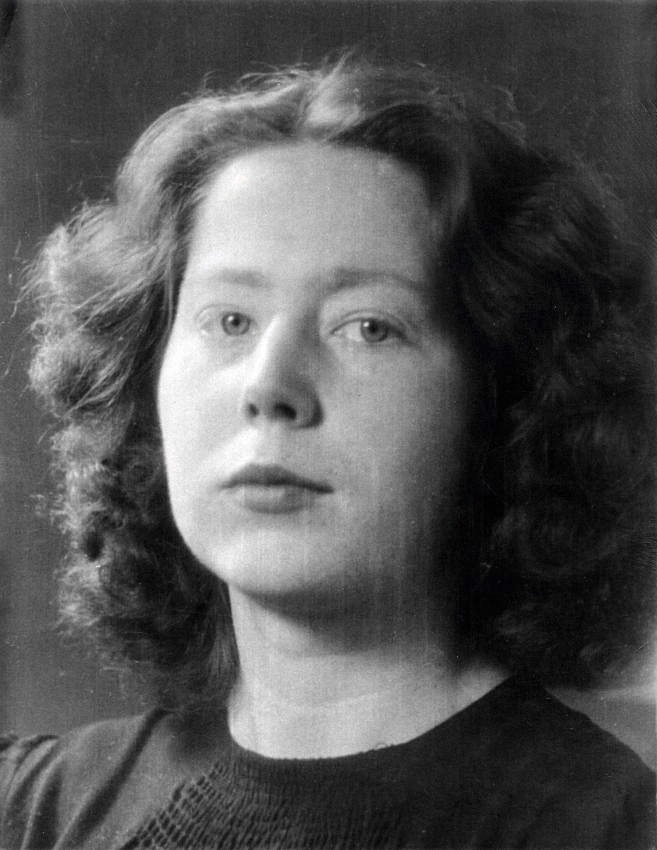
7. Hannie Schaft: the red-haired badass of the Dutch resistance (1920-1945)
Jannetje Johanna Schaft, or Hannie Schaft, worked for the Dutch resistance during the German occupation of the Netherlands.
She acted as an assassin and saboteur for the resistance and became known to the Germans as “the girl with the red hair” — a description that was placed on the Nazi’s most-wanted list.
Schaft carried out many brave acts of resistance but sadly didn’t survive the German occupation. She was arrested at a military checkpoint in Haarlem on March 21, 1945, and was executed by Nazi officials on April 17, 1945.
She was shot at close range by two German soldiers. However, their first attempt only wounded her. She is said to have told them “Ik schiet beter,” meaning “I shoot better,” before receiving one last fatal shot.
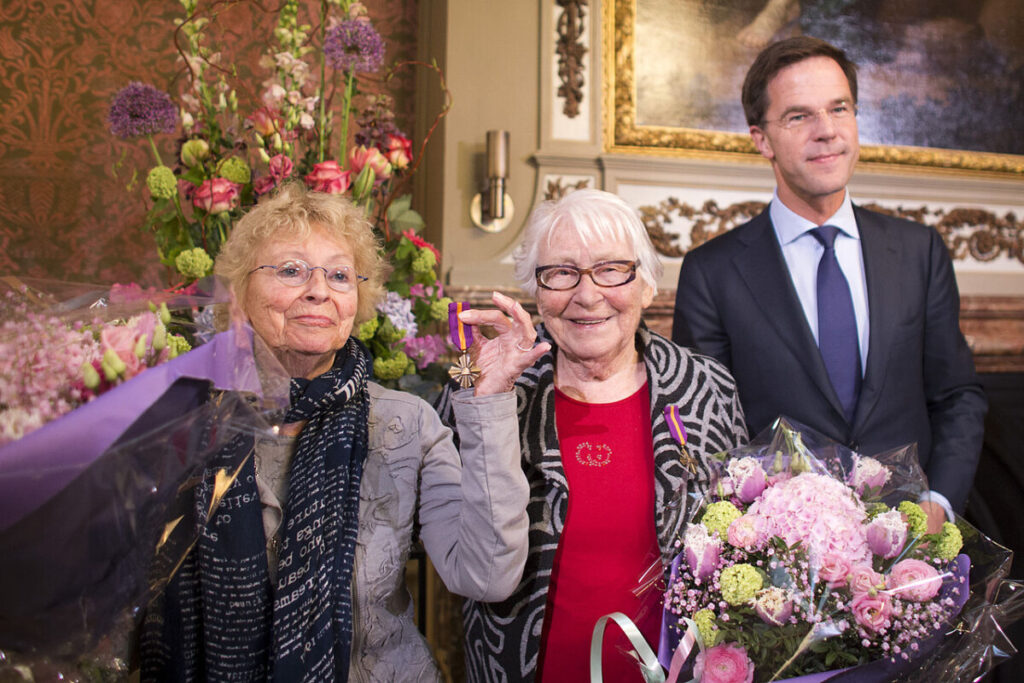
8. Freddie Oversteegen: the teen Dutch resistance fighter (1925-2018)
She belonged to a group of three young women (including her sister, Truus, and Hannie Schaft) who would sabotage and assassinate German soldiers and traitors.
Freddie Oversteegen (left) was famous for her assassination techniques. Image: Dutch Ministry of Defense/Wikimedia Commons/CC1.0
Freddie was quite small and wore her hair in two braids, which made her look innocent and enabled her to get away easily. Her method of attack was often a drive-by — Truus would cycle a bike whilst Freddie sat on the back and shot.
However, Freddie is most famed for her second assassination technique. She would meet soldiers and collaborators in the taverns and ask them if they would like to “go for a stroll.” Upon accepting the offer, the targets would be led to the woods and shot in a surprise attack.
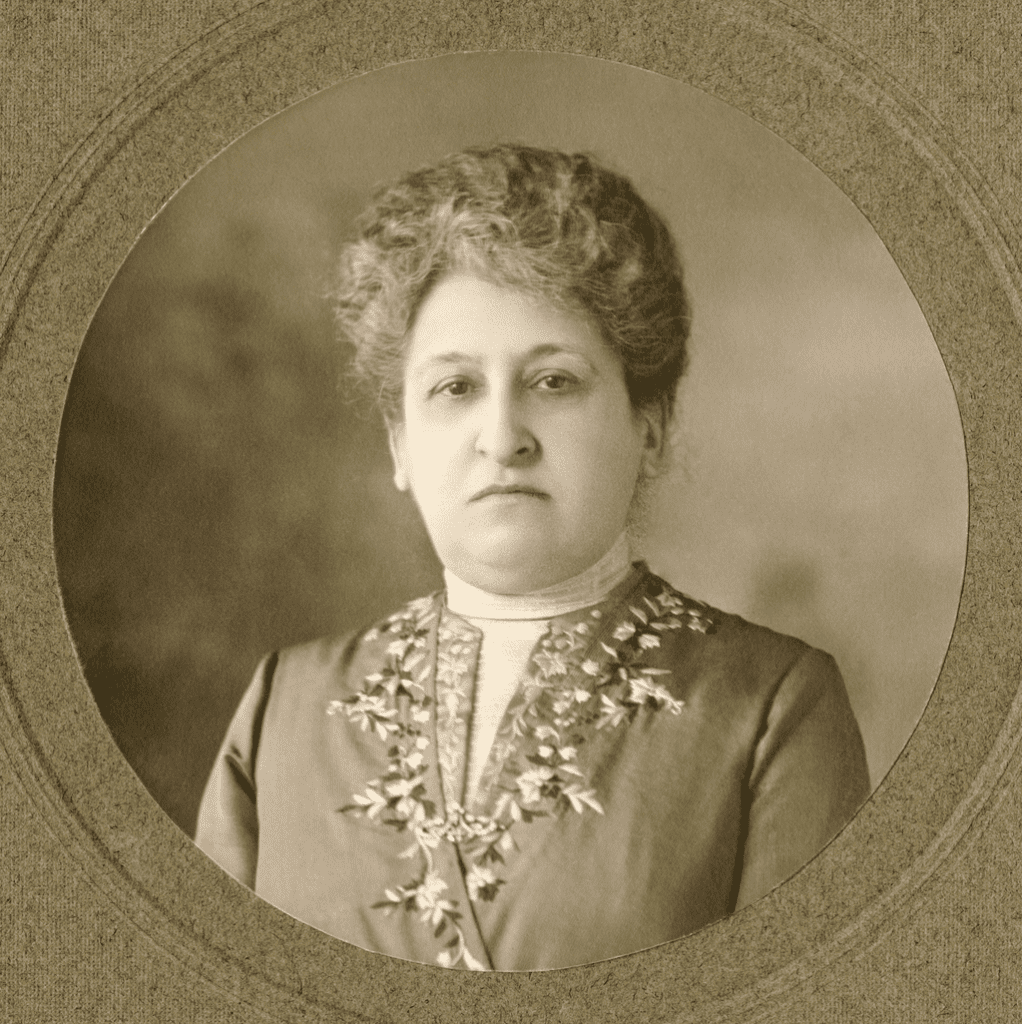
9. Aletta Jacobs: suffragette and the first female Dutch doctor (1854-1929)
Aletta was a Dutch suffrage activist born in Sappemeer. As the daughter of a doctor, she knew from an early age the future she wanted for herself. Aletta studied many languages along with history and mathematics (all subjects typically reserved for boys).
Thanks to her father’s encouragement after being denied access to secondary education in 1867, she fought for her rights, later beating all odds to become an assistant chemist.
Aletta obtained permission from the then-First Minister of the Netherlands to attend a university where she became the first Dutch woman to complete a degree in medicine and become a doctor.
Her work and championing of feminism filled her entire life. Aletta worked to protect women from trafficking and the impunity of prostitution.
She helped inform women about STIs, provided contraception, and offered free consultations to prostitutes, poor people, and children.
In 1903, Aletta became the leader of the International Women Suffrage Alliance — truly championing women’s rights — and helped lead women to obtain the right to vote in 1919.
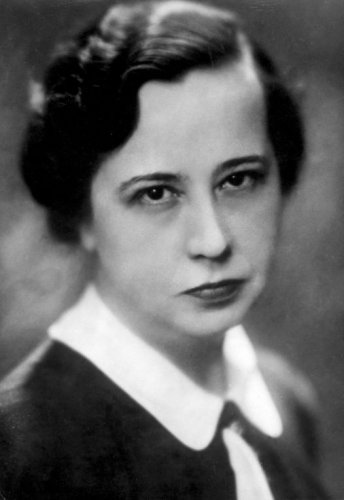
10. Corry Tendeloo: champion for equality (1897-1956)
Born in Indonesia, Cornélie Tendeloo moved to Leiden before becoming a lawyer in Amsterdam. It was a love for parity, social movements, and justice that led her to a life of public service and, ultimately, politics.
Beginning her political career as a councillor, she then obtained her seat in the Dutch House of Representatives after the war. Corry is the woman we have to thank for having the right to work.
Corry helped secure universal suffrage for the Dutch colonies of Suriname and Curaçao. Image: Nationaal Archief NL/Wikimedia/Public Domain
It was her efforts that helped to abolish the law insisting only married women had the right to work.
Sadly, Corry died before seeing her efforts come to fruition: emancipation for women, which allowed them to obtain gainful employment legally, become a reality. She passed in 1956, just before the law was scrapped.
Her work in seeking equality between husband and wife and men and women is still referenced and admired today — she, after all, helped to squash sexist rules that prevented Dutch women from thriving.
11. Anne Frank: a writer’s glimpse into WWII (1929-1945)
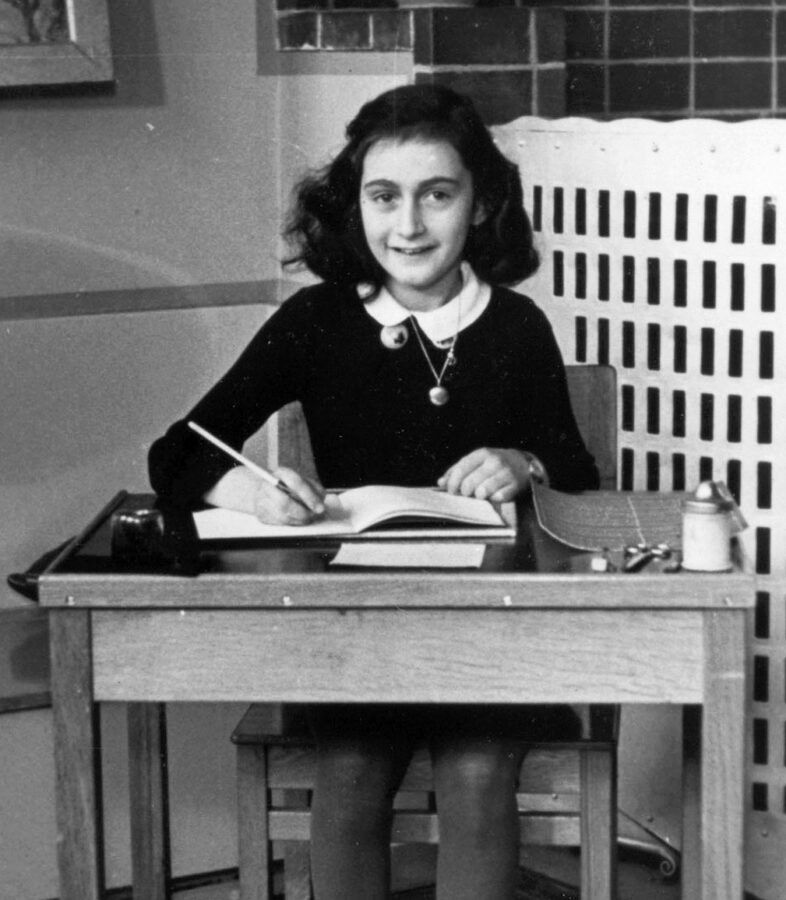
We couldn’t possibly finish this post without a nod to arguably the best-known woman in the Netherlands, Anne Frank. In a world-renowned diary, Anne provided the only real insight we have into the life of a Jewish person during World War II to date.
Anne’s diary provided a window into the life of a family, fearful for their lives and innocently caught up in Hitler’s Nazi Germany.
The story of Anne Frank humanised WWII in a way that nothing else could. Her story has and continues to impact our understanding of genocide and fascism today.
Who is your Dutch heroine, and where do you seek inspiration from this International Women’s Day? Let us know in the comments!
Repatriation flights from Oman and Egypt are on the way for stranded Dutch travellers, with a noon registration deadline.
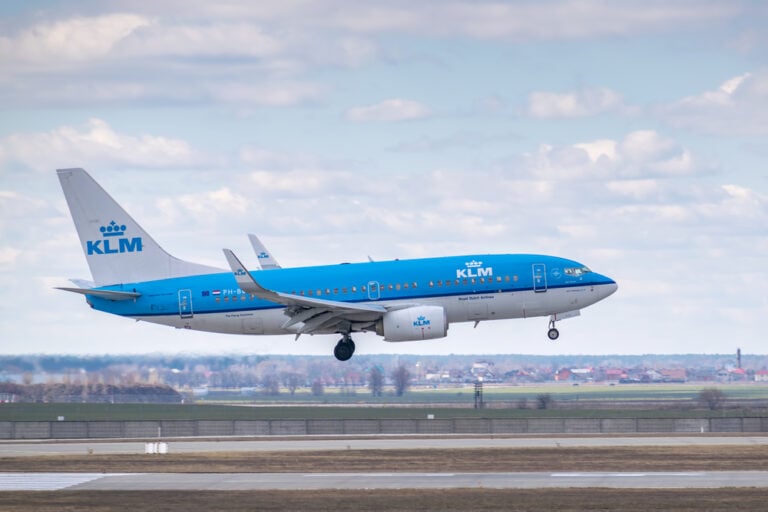
The Dutch government is ramping up efforts to bring stranded nationals home from the Middle East, with KLM and TUI flights scheduled out of Muscat, Oman, and Sharm el-Sheikh, Egypt, in the coming days.
According to RTL Nieuws, Foreign Minister Tom Berendsen (CDA) informed the House of Representatives that the ambition is to operate even more flights going forward.
Further details could potentially be announced later today.
Who can get on board?
Eligibility covers residents of both the Netherlands and the Caribbean territories of the Kingdom.
You’ll also need to have registered via the Ministry of Foreign Affairs’ Crisis Contact Form — and time is running out: the registration window closes at noon today (March 6).
The ministry also stresses that ringing airlines directly to ask about these flights is not the way to go, as they will be unable to help you.
Getting to the airport
For some travellers, the logistics go beyond just boarding a plane. The Ministry of Foreign Affairs has arranged cross-border transport to get affected Dutch nationals to their departure airports.
Life in the Netherlands as an international is pretty great — but armed with these top apps, it can be even better.
And our favourite bit? They are all free! Trust us, you won’t regret downloading them! 😉
This post might have affiliate links that help us write the articles you love, at no extra cost to you. Read our statement.
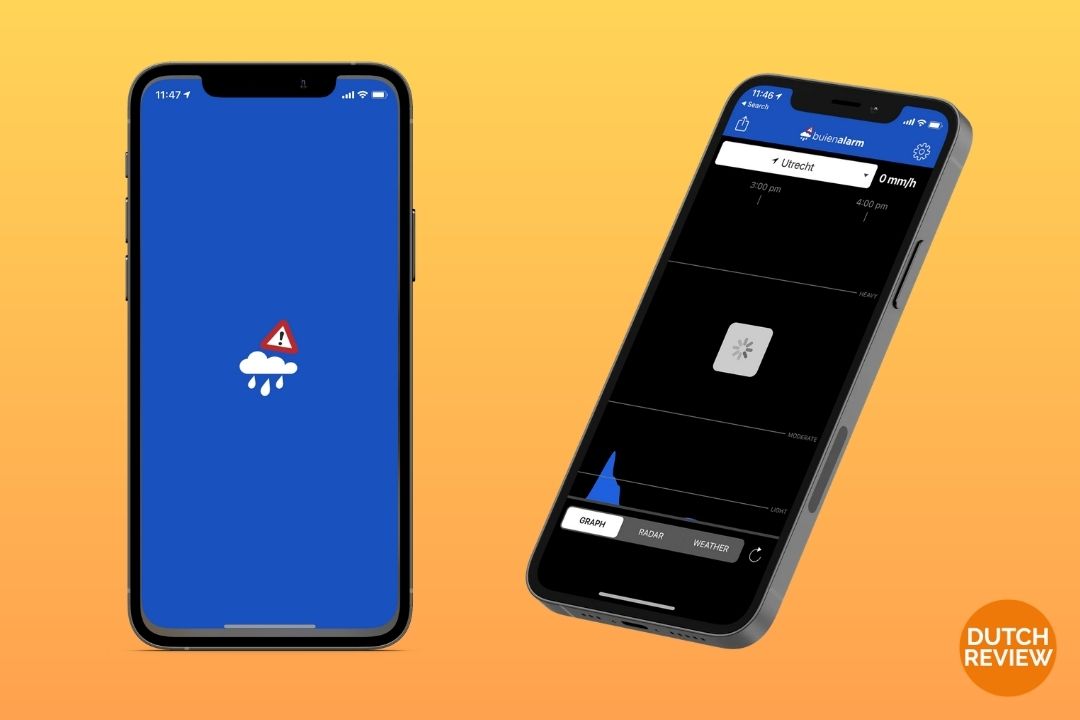
1. Buienalarm: always be ready for the rain
Never get soaked by a storm again! Image: DutchReview
If you really want to live like a Dutchie, then you need this app. Buienalarm sends you a notification if it’s going to rain or snow (which is every five minutes in the Netherlands).
It’ll say something like “heavy rain shower in five minutes for a duration of 30 minutes.”
Buienalarm is useful, especially if you’re about to pop out somewhere, and it tells you that you’re going to get soaking wet. It also shows you a graph of how much rainfall there is going to be.
It’s like a tiny buddy in your pocket, who can show you accurate weather information. Trust us, Dutchies rely on this app A LOT. Save yourself from being soaked!
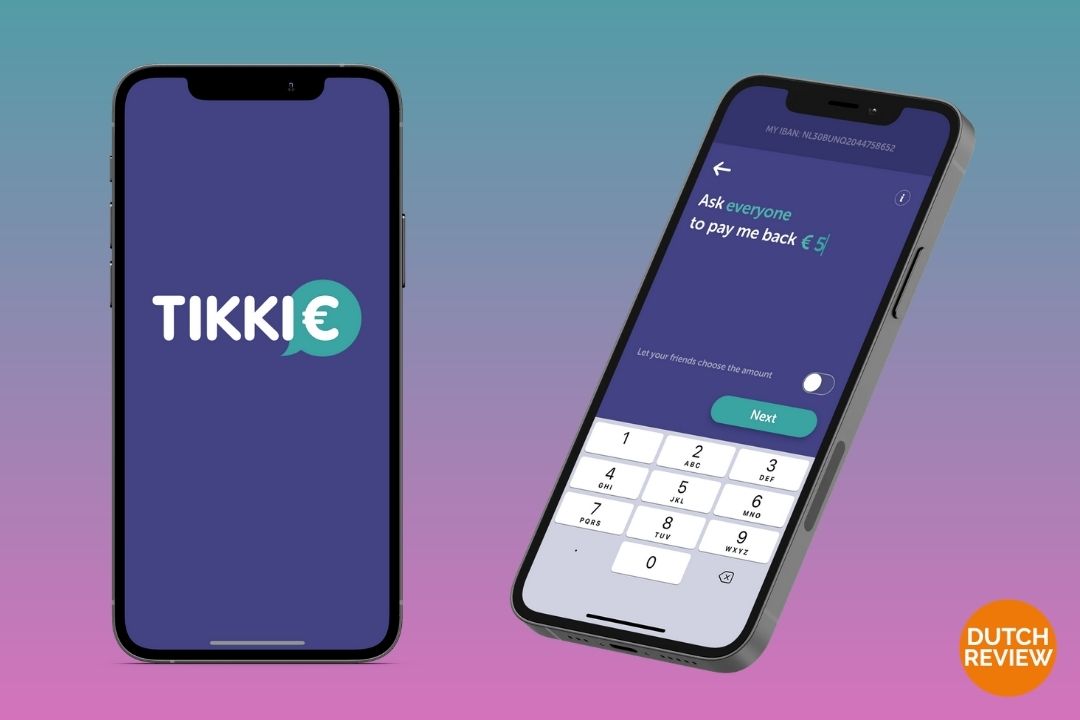
2. Tikkie: IOUs the Dutch way
Handy money transfer apps for handy people. Image: DutchReview
This app is another staple in Dutch culture. You go out for some drinks with your new Dutch friends, and rather than buying rounds at the bar, they will probably “send you a Tikkie” the following day.
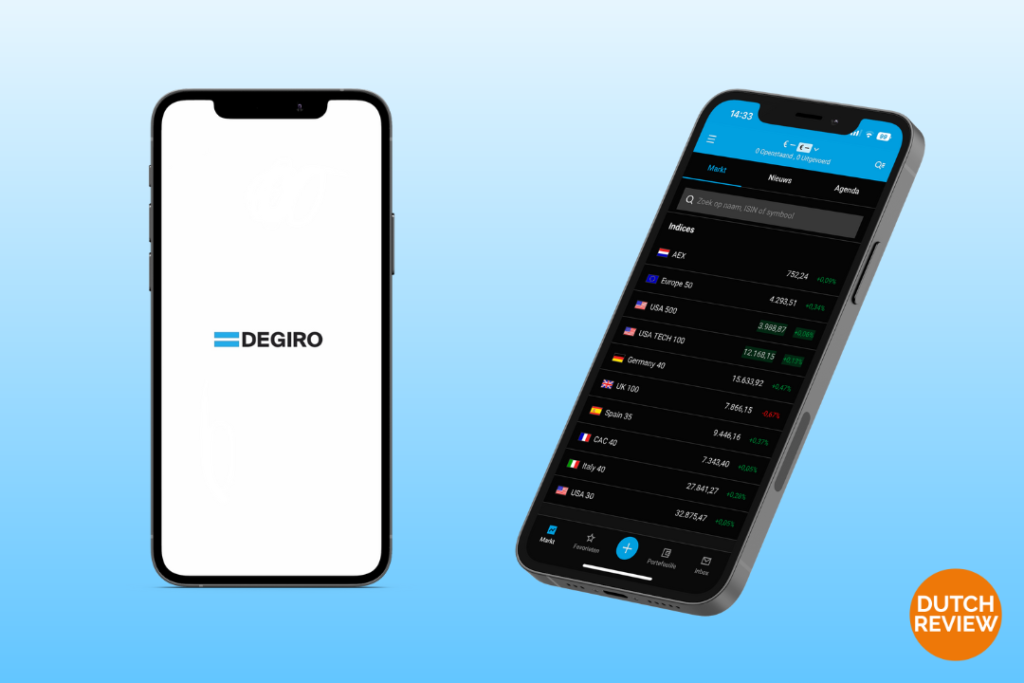
You’ll be able to keep track of your personal finances and spending, the stock market, and the money you’ve invested with ease. DEGIRO is a relatively low-risk investing app, so you’ll be able to learn the ropes without too much at stake.
Disclaimer: Investing involves risk of loss.
4. DigiD: identification at your fingertips
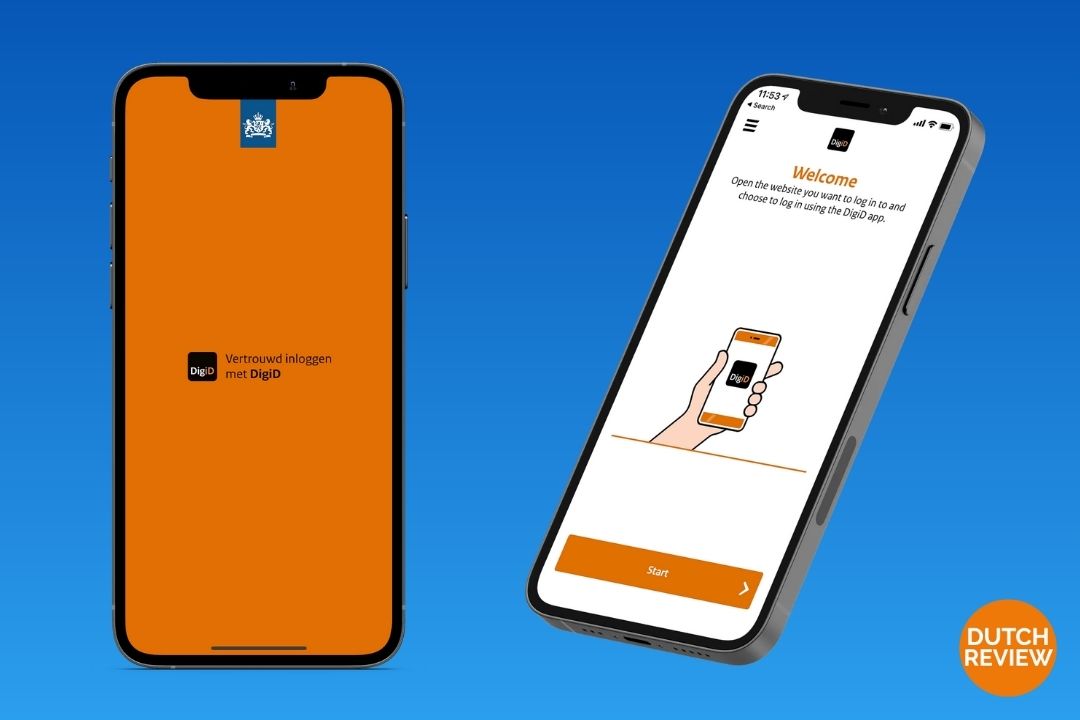
Essential for those tax authority mails! Image: DutchReview
This app is essential for getting through the sometimes baffling Dutch bureaucracy. DigiD is an online identification that links to your BSN (citizen service number) and is used by almost every governmental body in the Netherlands.
You’ll need it if you are filling out your taxes, applying for residency, applying for any benefits, or using many other services.
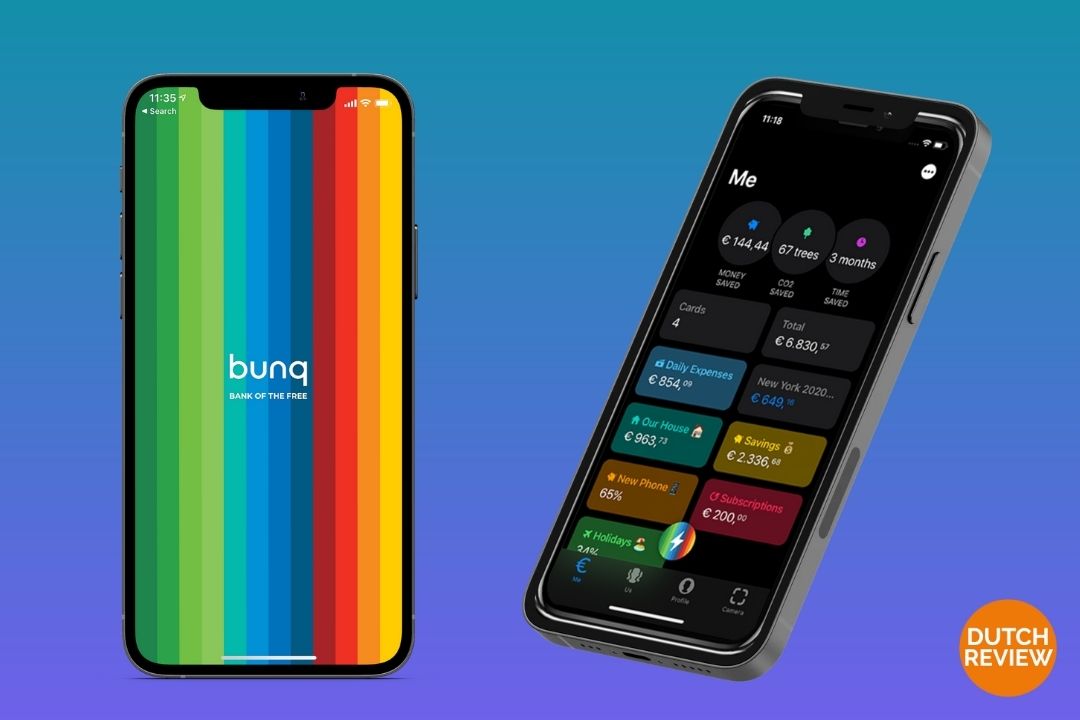
We recommend bunq due to the fact that their app is in English, you can open an account before your BSN arrives, and their bank is perfect for Dutchies or internationals. Hallelujah to bunq, our lives are much easier now!
That means you don’t have to make managing your money any more confusing because you don’t understand what it says.
So not only does it save time, but it also prevents some silly mistakes and gives you peace of mind when it comes to managing your finances.
6. 9292: use Dutch public transport with ease
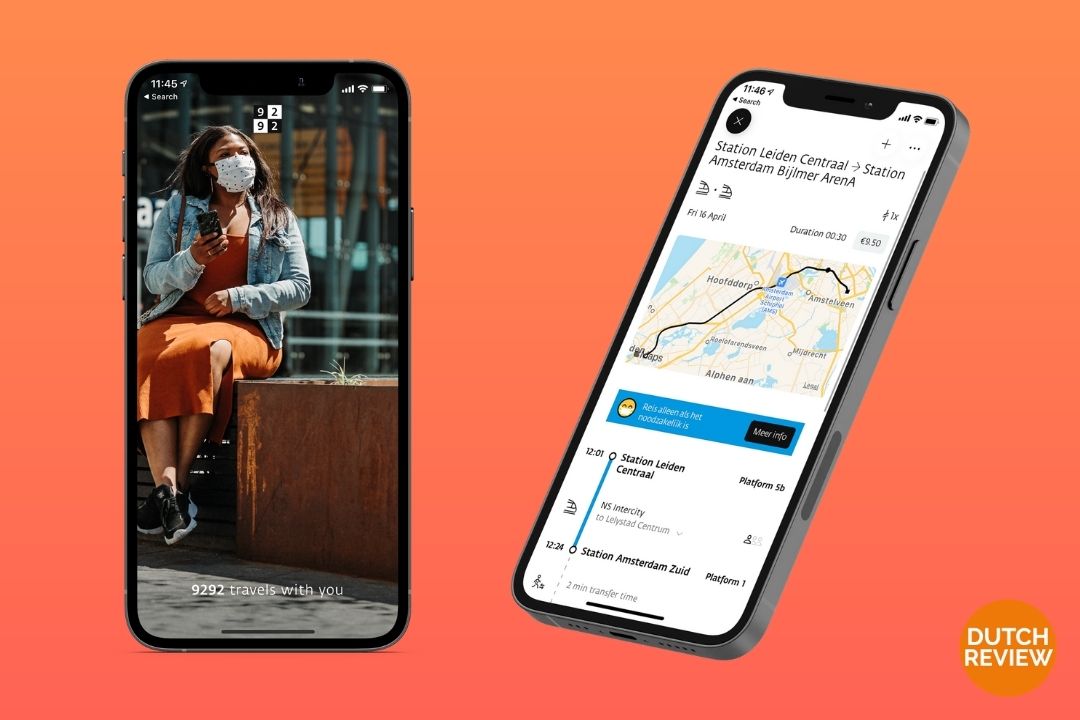
This is an essential app for anyone who uses the Dutch public transport system! Image: DutchReview
The 9292 app is great as it has all public transport information in one place; it’s like your little travel companion.
No need to open multiple apps in a frantic attempt to try to find out when your next train is, with 9292, you can check times for trains, trams, the metro, and buses.
You can also get up-to-date information on delays, cancellations, and weather disruptions.
You can also personalise it and save your preferences, making the synchronisation of your travel information easier than ever.
7. NS: train tickets in your pocket
Keep track of train schedules, changes, and your tickets in one place. Image: DutchReview
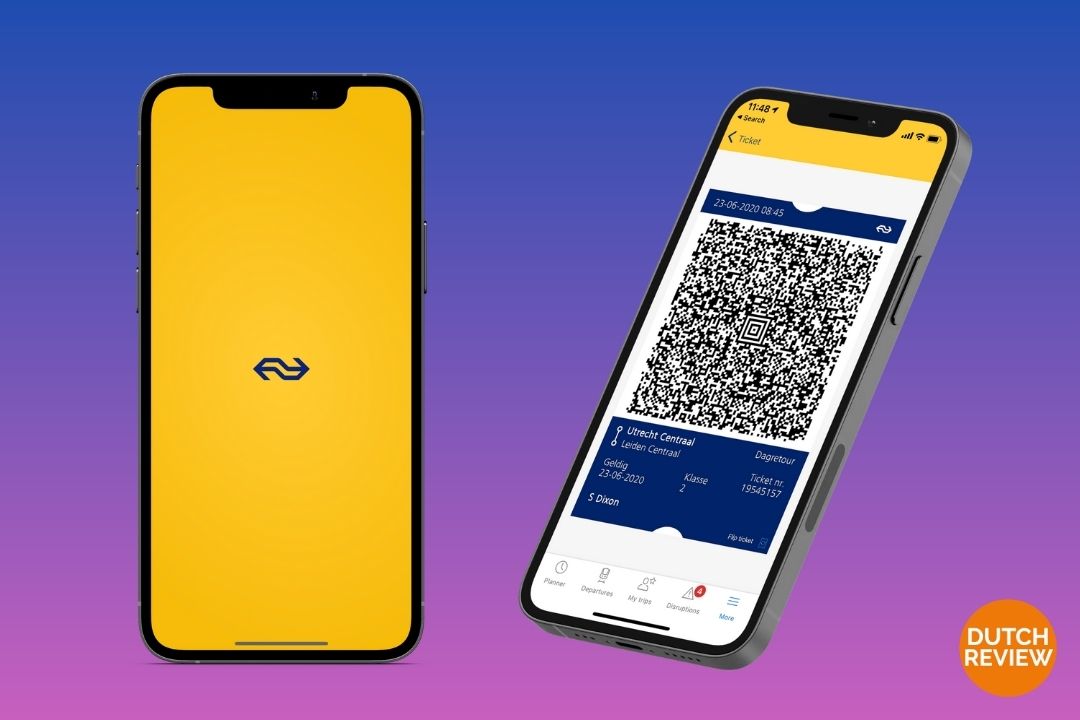
NS is the Dutch train network, so this app is ideal for train information. Just as good as 9292 when it comes to train schedules, the NS app also lets you access your train tickets on your phone.
You can then use your phone to scan in through the gates and catch your train.
It means you don’t have to worry about buying the train ticket at the station, you don’t have to pay the surcharge for the disposable ticket, and it’s much harder to lose the ticket because it’s on your phone. Sometimes the tickets even come at a discount!
Just go into your tickets on the app, bring up the bar code (the app will automatically brighten your screen) and tap on the gate screens, and it should work just fine. Easy peasy!
8. Too Good to Go: reducing food waste in a big way
Too Good To Go is perfect for finding a last-minute dinner or a late-night snack! Image: DutchReview
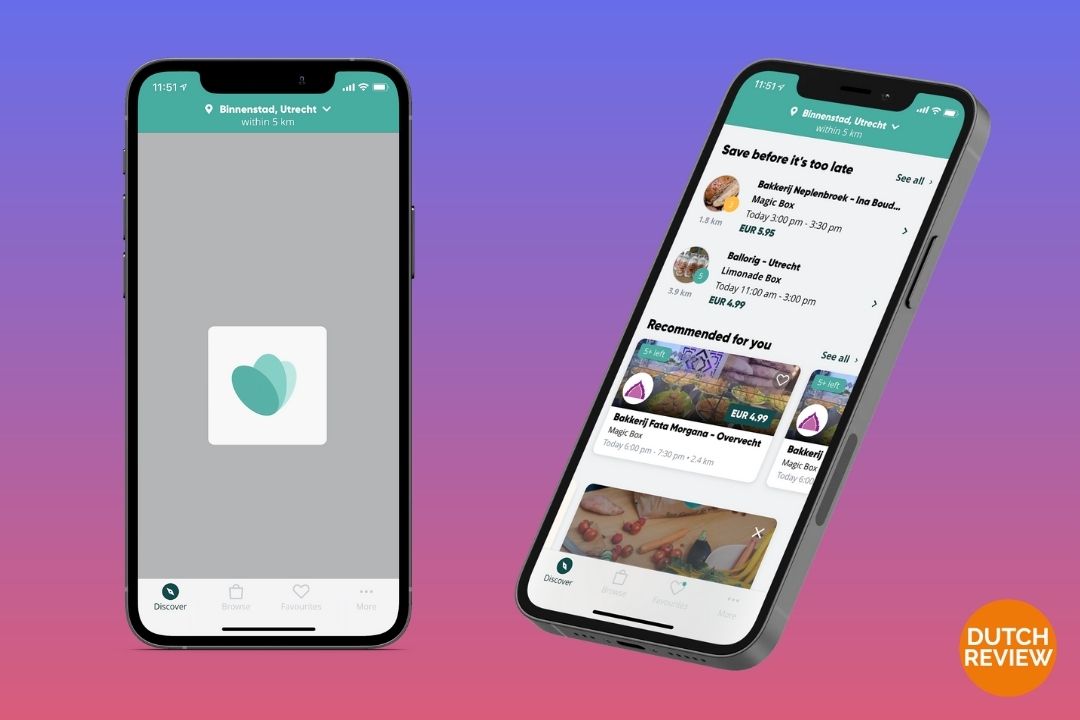
Want some deliciously discounted food, and help save the planet? Then Too Good To Go might just be your new favourite app.
The app teams up with local businesses to make up “Magic Boxes” goodies on their sell-by date for only a few euros.
The idea is to help reduce food waste and get you some tasty treats. The app isn’t Dutch but is really popular in the Netherlands, with over two million users. That’s not surprising, seeing how eco-friendly the Dutch are.
9. Flitsmeister: making Dutch driving easy
Stay safe while driving! Image: DutchReview
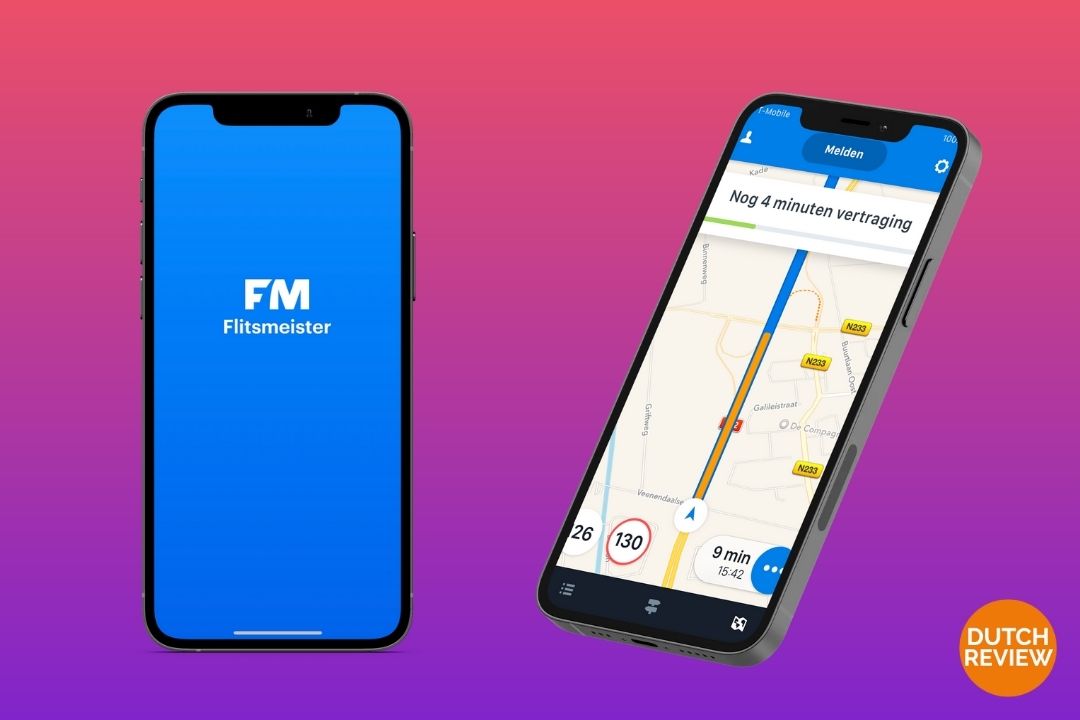
This app is great if you have a car. It’s saved me from getting a lot of speeding tickets in the past. Before I found the app, I already had two speeding tickets. Oops.
Flitsmeister tells you the current speed limit and also lets you know if there is a speed camera up ahead.
This way, there are absolutely no excuses for speeding (even slightly), and you can drive safely and easily, and save yourself money from those silly fines!
It informs you of traffic updates from A to B, speed cameras, speed traps, road reconstruction, incidents, closed roads and if you’re nearing emergency vehicles on Dutch and Belgian roads. Not bad, eh?
10. Google Translate: the entire Dutch language, digitised
Your personal dictionary will always be on hand. Image: DutchReview
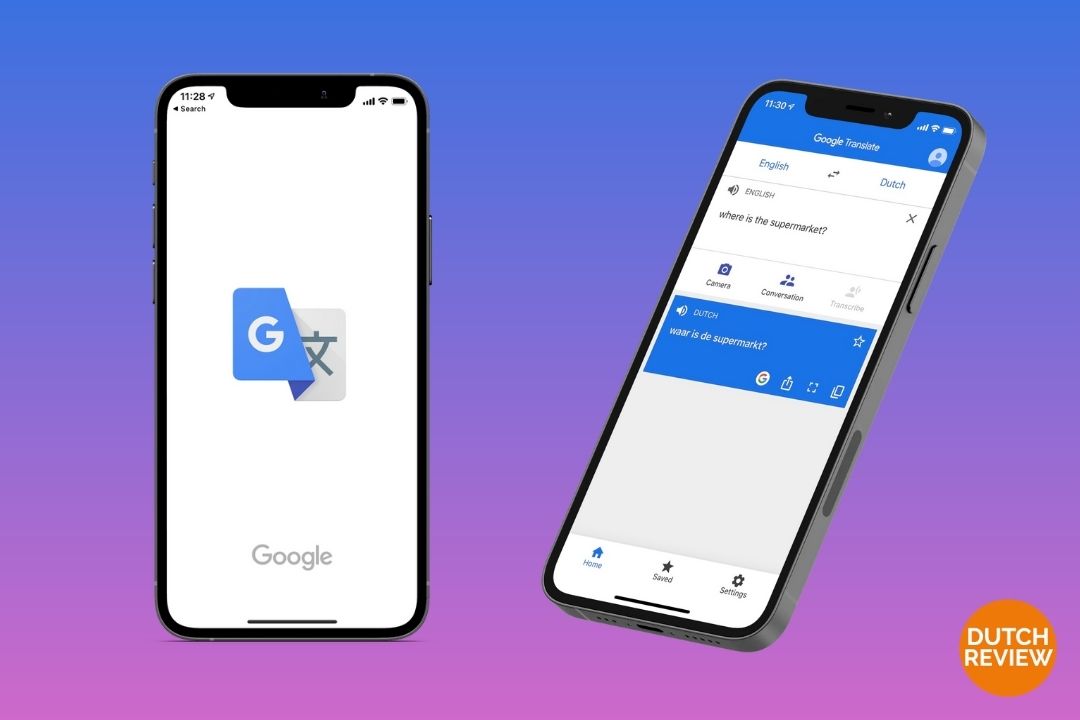
It’s kind of an obvious one, but honestly, this app has been a godsend. This is especially so if you’ve just arrived and had absolutely no idea about the Dutch language.
Google Translate allows you to copy and paste Dutch sentences and translate them into English (and other languages). You can also screenshot something on your phone, upload it to the app, and it will translate it all for you.
You can also hover over your chosen text or take a photo, and it will translate it all. This is so helpful while shopping or when you receive an important letter in the post. Just take a picture of it, and you’re away. 🤳
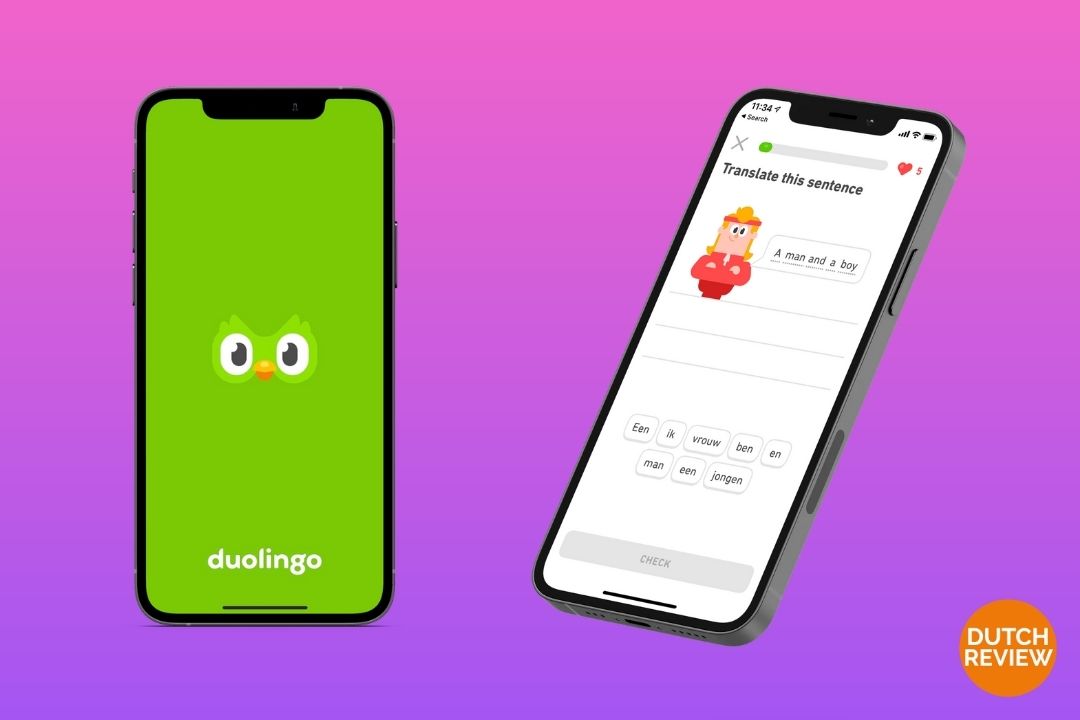
In case you’ve been living in a cave for a while and haven’t heard of it, here’s the concept.
Duolingo is a free language app in English, which provides you with many different languages that you can learn FOR FREE.
It’s really easy to use, and you can pick how frequently you want to practice the language by setting goals.
This app is perfect for beginners as it starts you off with all of the basic Dutch words that you need to know (like schildpad 🐢). If a free Dutch language app isn’t useful to an international, then what is?
We hope you found this guide helpful and that you’ve successfully got the best apps to have as an international in the Netherlands.
Now you’re set to tackle the big, wide Dutch world and explore the lowlands with ease!
What’s the most useful app you downloaded while living in the Netherlands? Tell us in the comments below!
Disclaimer: Investing involves risks, and you can lose your investment. DutchReview is not a financial consultancy. The content as shared on the website and on DutchReview’s social accounts does not contain any financially binding advice.