Home Blog Page 160

7 bizarre things about being German and working in the Netherlands

Germany and the Netherlands might not be polar opposites, but if you’ve had the pleasure of working in both countries, you’ll undoubtedly have noticed many little (and not-so-little) differences. 

Flat landscapes, harsh-sounding languages, and a deep-rooted, unwavering love for beer — to the untrained eye, Germany and the Netherlands might seem like the same deal. 

READ MORE | Vacation, free time and working hours in the Netherlands: all you need to know

But behold, when it comes to working and professional life, there are some surprising differences between these two neighbours. 

Here are seven of the Dutch/German work culture gaps. 

1. Dutch lunch culture is quick and efficient

German people might have a (sometimes inaccurate) reputation for being on time, quick, and efficient. Their lunch practices, on the other hand? Compared to the Dutch, quite the opposite. 

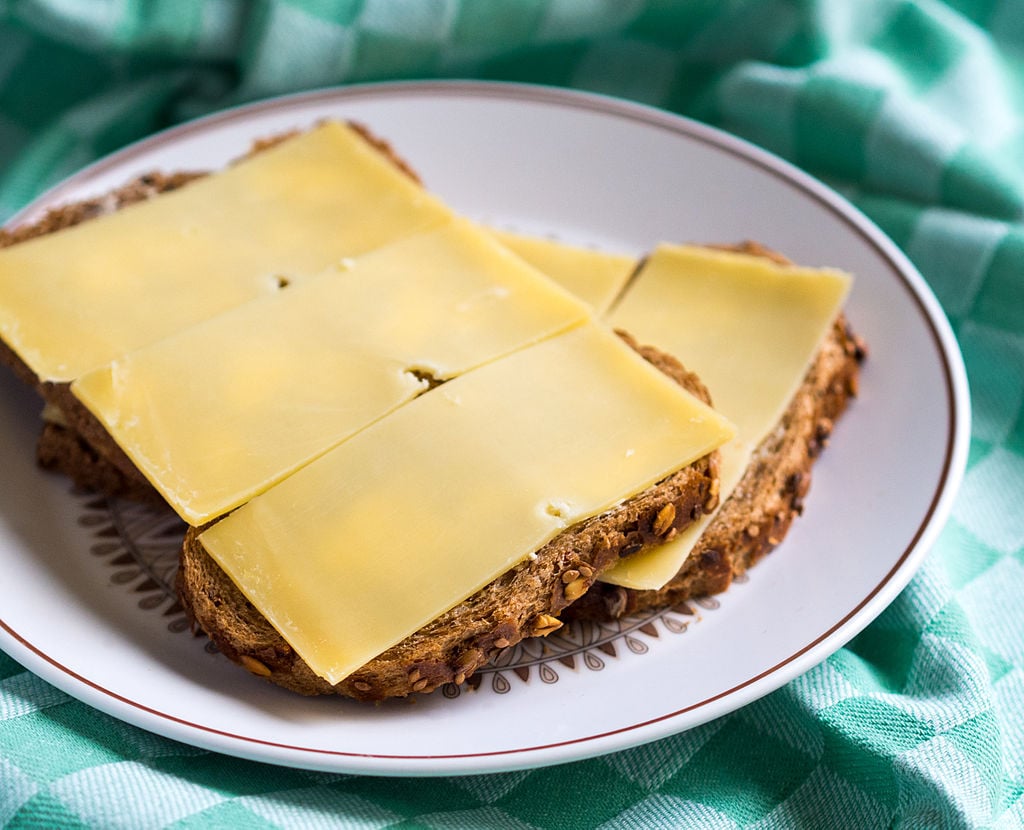
In the Netherlands, lunch typically consists of a humble broodje met kaas (sandwich with cheese), and fair enough, German lunch cuisine is not much different. The difference here lies in the fact that lunch in the Netherlands is consumed at rapid speed, with little time for anything but chewing. 

dutch-boterham-with-aged-cheese-lunch-in-the-netherlands
It’s food, we promise. Image: Takeaway/Wikimedia Commons/CC4.0

In Germany, a worker’s lunch break is holy, and pretty much as important as the other working hours altogether. It’s so holy, in fact, that the right to minimum 30 minutes of lunch break every day is spelt out in the German labour law. 

Taking up to an hour for lunch is not uncommon in Germany, whereas a Dutch worker’s lunch is over before they can say hagelslag. Why? Perhaps because a Dutch lunch break is typically unpaid — and why waste time eating when you can get paid? 

READ MORE | Dutch Quirk #12: Be obsessed with peanut butter

2. No one gets paid in cash

It’s no secret that Germany lags behind in certain (relax, only certain) areas, when compared to the Netherlands. One such thing is the German tendency to pay in cash far more often than those in the lowlands. 

That means that if you’re working as a barista, a grocery shop cashier, in retail, or pretty much anywhere else money is being transferred in Germany, you’ll likely have to deal with a lot of coins and bills. 

waitress-at-café-working-in-the-netherlands
Always bring cash to a café in Germany! Image: Depositphotos

Anecdotes from our German readers have even mentioned instances of young people (particularly in the service industry) getting their wages paid in cash. 

Although that’s an extreme case, there’s no getting around the fact that working (and just generally living) in the Netherlands tends to involve way less cash than across the eastern border. 

READ MORE | Transaction declined: why don’t my bank cards work in the Netherlands?

3. Dutch people work shorter hours

Some might call it laziness, while others call it having a work-life balance. No matter what you choose to describe it as, however, it is a fact of life that Dutch people work less than Germans. 

READ MORE | Dutch Quirk #116: Have a great work/life balance

According to the OECD Better Life Index, the Netherlands outperforms Germany in just about every category (except a minor defeat in the Environment and Income sections), snatching an impressive 5th place in the world when it comes to work-life balance

With an average working week of just 32 hours, we’re not surprised to hear that the Dutch work the least in Europe — and far less than the Germans, who’re working 41.1 working hours a week. Yikes!

4. Dutch people speak English. A. Lot.

Until recently, tourists in Germany had to struggle their way through their holidays with the phrases they remembered from high school German class, crossing their fingers hoping they’d communicated more or less the right thing. Working in Germany was, and still is, relatively difficult without a decent understanding of the German language. 

Germans are not exactly known for their English proficiency, and the frequent translation of foreign news, media, and entertainment into German doesn’t make it any easier to practice. The Dutch, on the other hand, pride themselves on their excellent command of the English language.

learn-dutch-fast-office-talk
The job market in the Netherlands is great for people who speak English or German. Image: Depositphotos

As the number one country in the world when it comes to English proficiency (compared to Germany’s 10th place), and with over 90% of the population comfortable speaking English, it’s no surprise that the Netherlands is famous for being quite a lovely place to work as an international.

High English proficiency is seen in daily life as well as in the Dutch workplace, and it’s not uncommon to speak English on a daily basis in a Dutch job. 

READ MORE | Why are the Dutch so good at speaking English?

5. The Dutch are ridiculously casual at work

Comfortable to some, frightening to others, Dutch work culture is (in)famous for being very casual. However, being casual does not necessarily mean that the Dutch are known for being chill and relaxed in the workplace.

What the Dutch are known for is being oh-so direct — a fact that manifests in a tendency to show up to work, well, just as you are. No nonsense, lots of gezelligheid

casual-workplace-in-the-netherlands
The Dutch workplace might be more casual than you’re used to. Image: Depositphotos

This can mean going to the office in jeans and a t-shirt, or in a three-piece suit — whatever works for you is fine for the Dutch workplace culture. It can also mean addressing your co-workers (yes, and your superiors) as the friendly Je rather than the formal U. The Germans would never — it’s “Sie”, not “Du”. 

READ MORE | The 11 crucial moments you wish you could speak fluent Dutch

Work meetings in the Netherlands can also occur in relatively unconventional places. While Germans prefer the structure of a good table for their meetings, the Dutch can easily meet around a coffee machine, on a park bench, or over a biertje and some borrel snacks. Speaking of…

6. The Dutch borrel is the same as ‘feierabend’ — but also different

Despite the many differences, Dutch and German work cultures have one key thing in common: their love for beer. It’s an integral part of the coworking environment — the one thing that brings people together, regardless of their nationality, seniority, or position. 

Where the Germans religiously celebrate the end of the workday with “feierabend” (literally meaning “evening celebration”) at 5 PM, the Dutch reserve the right to drink beer with coworkers anytime they like. 

Dutch-people-cheersing-with-a-beer
Beer is a non-negotiable part of the Dutch work culture. Image: Pexels

READ MORE | What is borrelen? The Dutch art of going for a drink with co-workers

Of course, the Dutch typically organise borrels at the end of the work day too, but the Dutch borrel goes a lot further than the German equivalent. 

Borrel at 5 PM with your coworkers before going home to your wife and kids, borrel at 8 PM with your student friends before going out dancing, or borrel on the weekend — the sky is the limit in Dutch workplace drinking culture

7. Hierarchy in the Netherlands is just not a thing

It might be a stereotype, but Germans are generally structure-loving people. This is typically reflected in a relatively hierarchical workplace structure. 

The Dutch, on the other hand, are (sometimes aggressively) egalitarian at heart, resulting in what the Germans might describe as a frightening lack of structure. The Dutch, meanwhile, will call it freedom. 

international-working-in-the-netherlands-hierarchy
Yes, this is what a flat workplace hierarchy looks like. Image: Depositphotos

From liberal dress codes and informal and direct speech to democratic and casual meeting culture — the Dutch love for hierarchy-less workplaces can be found wherever you look. 

In the spirit of keeping things horizontal, it’s common practice for Dutch leaders to get feedback from their employees, not just the other way around. Oh, and coworkers typically address each other by their first name — in true direct, Dutch fashion. 

READ MORE | Culture shock when moving to the Netherlands: from South Africa to Holland


Germany and the Netherlands might have a number of things in common when it comes to the two countries’ workplace cultures — but also a surprising amount of differences.

READ NEXT | The 19 biggest differences between Germany and the Netherlands

What would you add to this list? Tell us about your experience in the comments below!

7 ways a Dutch job is different

Dreaming of a Dutch job? Here’s the thing: working in the Netherlands can be dramatically different to working in other countries. 

Work culture? Different. Work structure? Unconventional. Work clothes? Total change…  

Whether you’re looking for your dream Dutch job or have already found it, here are seven ways that a Dutch job is, well, just different!

1. Goodbye hierarchy: egalitarianism is a real thing 👑

Tired of kissing your boss’s boots? The Netherlands’ egalitarian work culture may just be the right fit for you. While a hierarchy generally exists, it’s rarely put into force. Instead, workers are valued for what they bring to the table — not their job title. 

photo-of-office-worker-giving-presentation-to-colleagues-netherlands
In the Netherlands, people will be direct in giving feedback — sometimes too direct! Image: Freepik

This goes both ways though: while you may be used to looking toward your boss to lead, they’ll equally be looking back at you for your own ideas, input, and decisions.

Teamwork also plays a big role in Dutch workplaces — which may explain their fondness for team days (also known as teamuitjes)!

2. Formal clothes are (generally) not required 👖

If you’re looking to ditch the suit and tie, it’s time to move to the land of bikes. On your first day in the office, you may be shocked to discover people in t-shirts, jeans, or other casual clothing.

Have you walked in on a casual Friday? Nope! This is often the standard of dress in a Dutch workplace. Perhaps it has something to do with how many people cycle to work? 

Photo-of-people-in-meeting-in-office
Working attire is not necessarily formal in the Netherlands. Image: Unsplash

But as with anything else, be wary: we don’t recommend wearing board shorts and flip-flops to the office on your first day — check in with your hiring manager and ask about the dress code first so you don’t make a first-day fashion faux pas

3. Drinking with your colleagues is normal 🍻

Perhaps in your home country, you drink to forget your boss — but in the Netherlands, you drink with your boss. Remember that nice egalitarian culture we discussed? That extends to social situations too! 

Group-of-friends-sitting-at-a-bar-having-drinks
Say “Proost!” Drinking culture in the Netherlands is a big deal — bring on the borrelen! Image: Freepik

It’s common for workplaces to hold a borrel on a Friday night after a week well done. Get ready to tip back some beers or wine, chow down on some lekker bitterballen, and have a laugh with your boss and colleagues. 

This is so common in Dutch work culture that there’s even a handy name for it: VriMiBo a.k.a VRIdag MIddag BOrrelen (or, in English: Friday afternoon drinks). 

4. Your job is likely temporary until you have the golden permanent contract ✍️

Applied, interviewed, hired, and now a long-term employee? In the Netherlands, not quite. While you may have landed that Dutch job of your dreams, there’s a chance you’ll only have it for 12 months.

Unless you’re in a highly desirable field, like tech, you’ll likely only be offered a temporary contract — to begin with.

Employer-and-employee-discuss-work-contracts
Make an impression in your first weeks, months, and year at your Dutch job — you’ll need it! Image: Freepik

So when do you get a cherished permanent contract? Not for a while!

Your workplace will likely keep offering you temporary positions for three years, or three contracts, whichever comes first. Then, they’re required by law to make you a permanent employee, unless defined differently in your collective labour agreement.

5. Dutch directness is real 👀

If you haven’t heard about the infamous Dutch directness, oh boy — this is a doozy. Simply put, people in the Netherlands don’t beat around the bush. They’ll tell you if you have spinach in your teeth, cooked a bad meal, or gained a few extra kilos on your latest vacation. 

photo-of-annoyed-colleague-at-office-from-dutch-directness
Work not up to scratch? The Dutch will have no qualms telling you straight to your face. Image: Freepik

If you think an office is a sacred place for positive feedback, you’re wrong. If you’re doing a bad job — you’ll know about it. But on the other hand, if you know about it, you can fix it!

While your boss’s or colleague’s direct way of speaking can be a shock at first, you’ll soon get used to it. Who knows, maybe you’ll start being more direct yourself.

6. Working from home is (kinda) enshrined in law 🧑‍💻

We all have a life outside of work, so on top of the Netherlands having the best work-life balance in the world, it has also offered the Flexible Working Act since 2016.

This law says that if you want to work from home or have flexible working hours (for example, to pick up or care for your child), you have the right to request it from your boss. 

Woman-working-on-her-laptop-while-sitting-on-the-couch-looking-for-an-accomodation-in-the-netherlands
Need to work from home? It’s a right in the Netherlands! Image: Depositphotos

To take advantage of this, you must submit the request in writing at least two months before the proposed start date. Then, your boss must consider it and get back to you within one month before the change is due to take effect.

Realistically, a boss is only supposed to decline a flexible working hours request if compelling business or service interests dictate otherwise, at which point you must be informed in writing. School pickup, here you come!

7. Team meetings are deadly efficient 🤝

Let’s step back for a second and remember that the Dutch are the ones that claimed land back from the sea — what a feat!

How did they manage to install such an impressive system of dykes, locks, and canals that often run directly through private properties? Meetings, communication, and negotiation. No joke. 

photo-of-dutch-workplace-having-team-meeting
Get prepared for fast-paced meetings with your coworkers. Image: Freepik

Hundreds of years on, these characteristics of the Dutch still ring true. The Dutch believe strongly in holding efficient meetings, both formally in the conference room, or informally by the coffee machine.

If you’re at a meeting, be prepared to speak up — you’re in there for a reason. And one last tip: don’t you dare be late. To the negotiations we go! 🤺


Working in the Netherlands may be different, but that’s part of what makes it so great! So what’s next?

What do you think of these characteristics that make a Dutch job different? Got any others to add to the list? Tell us in the comments below!

Incredible Dutch ‘infusion’ bikes will be used by young cancer patients worldwide

0

Hospital stays are difficult and daunting for children, but thanks to a special “infusion” bike invented in Utrecht, they can at least move freely while receiving treatment.

What started as local innovation for young cancer patients at the Princess Máxima Center will now reach hospitals globally, RTV Utrecht reports. 🌍

A life-changing invention

In 2020, physician-researcher Bernadette Jeremiasse noticed that hospitalised children eager to ride their bikes were often frantically followed by a parent running with an IV pole.

Along with Jesse Bosma and Jeroen van den Berg from UMC Utrecht, she transformed this observation into a brilliant solution, and the infuuts was born.

These bikes are equipped with IVs, allowing kids to move freely while undergoing treatment. 

Since its launch at the Utrecht hospital last September, the bike has brought joy and mobility to many young patients. ❤

A life-changing invention

It didn’t take long for the world to take notice of the brilliant bikes.  

To meet demand, the Princess Máxima Center partnered with UMC Utrecht and TechniCare, a Ridderkerk-based medical device manufacturer, to bring the infuuts to more hospitals worldwide. 💪

READ MORE | 7 great Dutch inventions you never knew were Dutch

“We received hundreds of messages from people who found the infusion bikes amazing, including hospitals eager to offer them to their young patients,” shared a hospital spokesperson with RTV Utrecht.

As these bikes roll out globally, they bring the Dutch spirit of cycling — freedom, joy, and movement — to many sick children! 🚴‍♂️

Dig what you’re reading? Get more of it! Join our WhatsApp channel or Instagram broadcast to get the latest news straight to your pocket.

You could soon see all seven planets in the sky at once in the Netherlands: here’s how

0

Attention, earthlings! We will have the rare chance to spot all seven other planets in our solar system in the night sky. Mark your calendars, grab your telescope and catch this celestial lineup!

According to NU.nl, the peak visibility will be this Saturday evening, March 1. 🌌

When can you see it?

Luckily, the weather forecast suggests clearer skies ahead, meaning our chances of seeing this cosmic blessing are looking up — literally.

Keep your eyes on the night skies from today until March 5.

And set a reminder for this Saturday, March 1, when the peak visibility window will be between 18:53 and 19:15 — the planets won’t wait for you. ⏰

TIP: Make sure to check whether there’s an observatory near you to get a full glimpse of the planets.

What’s the lineup?

Brighter planets like Mars, Venus and Jupiter should be easier to spot. 

Saturn and Mercury need a little more stargazing effort to find, while Uranus and Neptune could require a telescope. 🔭

According to astronomer Lucas Ellerbroek, this could be an out-of-this-world chance to take a group photo of the solar system. 📸

Are you going to visit an observatory to check out the planets? Let us know in the comments below.

Monthly alarm sirens in the Netherlands: what you need to know

So you’re wondering why you’re hearing sirens in the Netherlands on a Monday morning. First of all, don’t worry — we’re not under attack.

Every first Monday of the month (as though we didn’t loathe Mondays already) at 12 PM, the Netherlands tests its public warning sirens.

There are about 4,200 of them throughout the country. Initially used as an air raid alarm, the sirens have also become a warning sign for other disasters over the last couple of decades.

During the test, the siren is heard for one minute and 26 seconds without interruption.

The only instances when you won’t hear it on the first Monday of the month is if that Monday is a national or religious holiday or Remembrance Day.

Unless you’ve actually lived through that one air raid in Rotterdam over 80 years ago, the siren has become something of a nostalgic tradition for most Dutch people.

Is this the best way to test sirens in the Netherlands?

Very understandably, you might be wondering if there’s a better way to test these sirens than, well, blaring them every month and frightening the life out of any unsuspecting foreigner.

In fact, the sirens in the Netherlands go off so often because the government wants people to be aware of what they mean.

You can imagine that if we only heard them once a year, people would get a lot more confused.

It is also important to test them regularly so that if an actual disaster happens, we know that they work.

NL-Alert: an additional warning system

NL-Alert is an additional system that warns and informs residents of the Netherlands about disasters.

The system sends a warning message accompanied by a piercing sound to your phone.

The message tells you what’s going on, what your course of action should be, and where to find more information.

NL-Alert is used in life-threatening and dangerous situations, such as a terrorist attack, major fire, an epidemic or pandemic, or severe weather.

Here’s an example of an NL-Alert from the coronavirus pandemic:

screenshot-of-nl-alert-coronavirus-message
Coronavirus NL-Alert. Image: Abuzer van Leeuwen

This system also gets regularly tested. Unlike with the sirens, though, you will only receive a test message from NL-Alert twice a year — on the first Monday of June and December at 12 PM. It will look like this:

screenshot-of-nl-alert-test-message
NL-Alert test message. Image: Abuzer van Leeuwen

What if there’s an actual emergency?

In case of an actual emergency, you will hear the siren sound repeatedly.

On top of that, there might also be an accompanying announcement from a PA system. You should follow the instructions of public authorities.

READ MORE | Today in Dutch history: the tragic ‘Watersnoodramp’ flooding of 1953

If you hear the siren sound at a different moment than the first Monday of the month at 12 PM, here’s what you should do:

  • Go inside. If you’re on the move, find a building to go into.
  • Leave your children at school: schools are prepared for these situations and will know better how to look after the kids than you in this situation.
  • Close the doors and windows.
  • Try to avoid making phone calls. If possible, go ahead and check online what’s happening.
  • Keep an eye on NL-alert.
  • Listen to the radio. Here’s more information on how to act in case of emergency

Congratulations, now you’re fully prepared when the sirens in the Netherlands are heard once again!

What did you think the sirens meant before this? Let us know in the comments below. 

Huurtoeslag?! All you need to know about Dutch rental allowance in 2026

Are you renting a self-contained flat in the Netherlands? Then you may be entitled to huurtoeslag — otherwise known as rental allowance!

So you’re renting in the Netherlands and you’re struggling? We’ve moaned enough about crazy rental prices and the housing shortage because, well, it’s a real problem.

Well, for some of you, there’s no need to struggle anymore. You may be entitled to rent allowance in the Netherlands (huurtoeslag), which will help you with your rent cost!

What is the huurtoeslag?

We’re glad you asked.

The rental allowance, also called the rent benefit, is a government contribution that will help you with rent.

If you are a low-middle income earner and live in self-contained accommodation, there is a chance that you may be eligible for the toeslag.

Smiling real estate agent talking with a couple interested in renting a new home, asking about huurtoeslag possibilities.
If you’re viewing an apartment with a real estate agent, they will usually be able to tell you whether or not the property qualifies for rent benefit. Image: Freepik

What are the conditions for rent allowance in the Netherlands?

To get rent benefit in the Netherlands in 2026, you (or your fiscal partner) must be:

  • 18 years old or over
  • Renting a self-contained accommodation with your front door, bathroom and kitchen
  • In a signed agreement (contract) with a landlord/housing corporation
  • Certain that your (joint) income is not too high
  • Certain that your rent is not too high
  • Registered with the municipality at your home address
  • A Dutch or EU/EEA national or in possession of a valid residence or work permit

Can internationals receive rent allowance in the Netherlands?

Yes! Anybody legally registered in the Netherlands is entitled to the huurtoeslag — as long as they fit the criteria. Unfortunately, this often does not include international students (sorry guys, I don’t make the rules, I know you struggle too). 😭

Most of this has to do with the fact that you need to have your own front door to be able to get rent benefits in the Netherlands. Student houses usually don’t fall into that category (unless you live in your own studio, of course).


international-students-sharing-house-in-the-netherlands-hanging-out-in-kitchen-talking-about-being-unable-to-get-huurtoeslag
Living in a house with friends? That means you’re not eligible for huurtoeslag. Image: Depositphotos

Income limits and the huurtoeslag

Each year, the income and rental limits of the huurtoeslag are changed. Sometimes, these changes are quite significant; in 2025, however, the conditions do not differ significantly from the conditions of 2024.

Before 2020, there used to be a hard income limit: if you earned even €1 above the limit, you would lose your housing allowance and maybe even need to pay back several months’ worth of the subsidy.

Nowadays, there is no fixed income limit for rent allowance in the Netherlands.

Instead, the government will look at your gross annual income, your rent, your age, and your living situation. The higher your income, the less housing allowance you will receive.

photo-of-couple-moving-into-apartment-renting-amsterdam-after-receiving-their-huurtoeslag-rental-allowance
The huurtoeslag helps many people to live independently in the Netherlands. Image: Depositphotos

In practice, according to Woonbood, you should be eligible for huurtoeslaag with an income of up to roughly €28,000 if you’re single and roughly €38,000 if you live with a tax partner or your family.

Do bear in mind that perhaps, even if your income is slightly higher than these numbers, you might still be eligible, and similarly, if it’s slightly less and you have an otherwise financially stable existence, you might not be granted the subsidy.

Below, we’ve included the other latest numbers for 2025.

Huurtoeslag conditions in 2025 if you are over 23 and living in a single household 

  • Your monthly basic rent is no higher than €900.07
  • Your savings/investments were no higher than €37,395 as of 1 January 2025

Huurtoeslag conditions in 2025 if you are over 23 and living with a fiscal partner 

  • Your monthly basic rent is no higher than €900.07
  • Your joined savings/investments are no higher than €74,790 as of 1 January 2025

Huurtoeslag conditions in 2025 if you are under 23 years old and living in a single household

  • Your monthly basic rent is no higher than €477.20 (unless you have a child, then the rent may be €900.07)
  • Your savings/investments are no higher than €37,395 as of 1 January 2025

Huurtoeslag conditions in 2025 if you are under 23 years old and living with a fiscal partner

  • Monthly basic rent is no higher than €477.20 (unless you have a child, then the rent may be €900.07)
  • Your joined savings/investments are no higher than €74,790 as of 1 January 2025

How do I apply for the rent allowance in the Netherlands?

If you want to apply for the rent subsidy in the Netherlands, then you need to go to the government websiteFrom there, you can apply for your rent allowance.

You’ll need a DigiD to do this, so if you are without one, don’t forget to apply for it (it’s a must-have in the Netherlands anyway).

Photo-of-self-employed-man-on-the-phone-paying-taxes
Ok you think your eligible, now how can you get the huurtoeslag? Image: Depositphotos

If you’re looking for a quick way to see if you’ll qualify and how much allowance you will receive, you can do a test calculation online. Some rental places can also tell you if you’re eligible before you even rent the property — it’s definitely worth checking!

What do you think about huurtoeslag in the Netherlands? Tell us your thoughts in the comments below!

What’s the difference between Holland and the Netherlands?

8

A lot of visitors to the Netherlands refer to Holland in the same way as they would the Netherlands. They think the two are one and the same, but unfortunately, they’re wrong. So, what is the difference between Holland and the Netherlands?

It’s a mistake we’ve probably all made at some point in our lives (at least us internationals, that is), and it makes sense! The names “Holland” and “the Netherlands” are often used interchangeably in popular culture.

The history behind “Holland” vs “the Netherlands”

To really understand the difference between Holland and the Netherlands, one must, first of all, know the history of the Netherlands. So here’s a short lesson. 🤓

The Netherlands is a kingdom that was founded after Napoleon’s defeat in 1815. At the time, it included Belgium.

After Belgium’s secession in 1830, the map of the Netherlands was redrawn, and this proud, wonderful country as we know it today was born.

Dutch-royal-family-photo-from-2023
The Netherlands is a kingdom led by the Royal Family. Image: Het Koninklijk Huis

Let me take you back to the Batavian Republic. You know what? I’ll go even further and take you back to the Republic of the Seven United Netherlands. Lots of republics, right? Yeah, I know.

The Republic of the Seven United Netherlands existed from 1588 until 1795. It emerged when a part of the Netherlands separated from Spanish rule after the Eighty Years War or the Dutch War of Independence.

The war was a revolt against King Philip II of Spain by the Seventeen Provinces of modern-day the Netherlands, Belgium, and Luxembourg, as well as the French region of Hauts-de-France. The Seven United Netherlands was made up of:

  • The Duchy of Guelders (Gelderland in Dutch)
  • The County of Holland
  • The County of Zeeland
  • The Lordship of Utrecht
  • The Lordship of Overijssel
  • The Lordship of Frisia
  • The Lordship of Groningen and Ommelanden

The Republic’s seven provinces each had their own independent governments and were very powerful. During the period in question (the late 16th and 17th centuries), the provinces dominated world trade, conquered a large colonial empire, and had the largest fleet of merchantmen.

The County of Holland was one of the wealthiest and most urbanised regions in the world at that time.

In 1795, French troops conquered the Republic. It became known as the Batavian Republic in 1806 when Napoleon appointed his brother, Louis, as King and turned the country into a kingdom.

READ MORE | The 19 biggest differences between France and the Netherlands

After Napoleon Bonaparte’s defeat, William VI of Orange was invited to assume power as the “Sovereign Prince.”

He landed in Scheveningen on November 30, 1813, and two years later, on March 16, 1815, the United Kingdom of the Netherlands was proclaimed.

This kingdom was the fusion of territories that used to belong to the Batavian Republic, the Austrian Netherlands, and the Prince-Bishopric of Liège.

READ MORE | That time the Dutch conquered Britain (ja, we’re serious)

As history would have it, though, this United Kingdom of the Netherlands came to an end with the secession of Belgium.

Belgium went its own way, the map of the Kingdom was redrawn, and, just like that, The Kingdom of the Netherlands as we know it today was born.

Let’s summarise it

  • The Dutch fought the Spanish for their independence, and when they got it, they formed the Seven United Netherlands.
  • When the Dutch were conquered by Napoleon Bonaparte, he made his brother King and thus, the Batavian Republic was born.
  • After Napoleon’s defeat, William VI of Orange became King of the United Kingdom of the Netherlands.
  • William VI of Orange’s kingdom didn’t last long because Belgium wanted its independence.
  • After Belgium left in 1830, the map was redrawn, and the Netherlands as we know it today came to be.

Today’s provinces

The Netherlands consists of 12 provinces: Groningen, Friesland, Drenthe, Overijssel, Flevoland, Gelderland, Utrecht, North Holland, South Holland, Zealand, North Brabant, and Limburg.

map-of-provinces-of-the-Netherlands
Perhaps this snazzy map will help. Image: Alphathon/Wikimedia Commons/CC3.0

Two of these 12 provinces include the name Holland: North Holland and South Holland.

Blame it on the sailors

The confusion surrounding the difference between Holland and the Netherlands must have started as a result of Dutch sailors. These sailors were known to have sailed the open seas during the Golden Age in search of new land, trade routes, and spices.

On their travels, they only mentioned the names of the city-states they hailed from when asked about their origins. A Dutch sailor could tell a fellow trader that he was from South Holland or North Holland when asked where he came from.

Understandably, this made many people think that Holland was a country. It must have been quite confusing because, at that time, a united Netherlands did not exist as a country.

Today, the official name of the country is the Kingdom of the Netherlands. King Willem-Alexander is the King, and “Holland” actually refers to the two provinces of “Noord-Holland” and “Zuid-Holland”, which, translated to English, would mean North Holland and South Holland.

So, dear visitors, what is the difference between Holland and the Netherlands? Holland is simply two provinces in the Netherlands.

Have you also mistaken Holland for the Netherlands? What do you find the most confusing? Tell us in the comments below!

This Dutch landlord tried charging €1850 for a tiny flat (and it backfired spectacularly)

The housing crisis in Amsterdam is in full swing, so stories about overpriced apartments are as common as tacky souvenir shops in the city centre.

But that didn’t scare this Amsterdam tenant when they reported their landlord to the Rent Assessment Committee — and won big time. 🥳

Not a hotel

To be fair, the tenant had just about everything pointing in their favour when they reported the landlord to the committee.

According to Het Parool, the landlord tried to present an ordinary apartment as a hotel-like property, thus only renting it out for a maximum stay of one year.

New housing laws from 2024 don’t permit temporary contracts anymore, other than in exceptional circumstances.

And, no matter how spectacular of a city Amsterdam is, living in it doesn’t exactly count as an exceptional circumstance. 😉

READ MORE | Why is there a housing shortage in the Netherlands? The Dutch housing crisis explained

Putting even more salt in the wound, the landlord was asking for a whopping €1850 per month for this 34 square metre residence.

The committee swiftly deemed this unacceptable and ruled that the rent must be reduced to €633.58 per month — an enormous reduction considering the average monthly rent for a studio in Amsterdam exceeds €2000.

The landlord was also ordered to cover the costs of the committee hearing.

Not an isolated case

The tenant was assisted by the !Woon foundation in the conflict. They consider the win to be an important victory for tenants, but also warn that the case isn’t an isolated one.

They state that landlords often try to circumvent rules prohibiting temporary contracts, which leads to sky-high rents and uncertainty for tenants.

“The ruling of the Rent Assessment Committee confirms that this type of contract must be applied very restrictively”, emphasises !Woon legal officer Imre Doff.

Do you have any Amsterdam housing horror stories? Share them in the comments!

Truffles and magic mushrooms in the Netherlands: all you need for a psychedelic trip 2026

Have you always wanted to try truffles in the Netherlands? Or are you just curious about what they are and how they work? In either case: You’ve come to the right place. We’ll happily share all that there is to know about the hallucinogenic.

Psychedelic truffles, also called “magic truffles”, are fungi that give psychedelic effects when consumed. They are a narcotic couched under the “drug” label and outlawed in most countries — but not in the Netherlands.

What are truffles?

Truffles are a by-product of the well-known magic mushroom. While the terms “truffles” and “magic mushrooms” are often used interchangeably, and both are parts of the same fungus, there is a slight difference between the two.

Whereas mushrooms are the fruit that sprouts above ground, truffles grow entirely underground and never break the earth’s surface. Both parts of the fungus produce psychedelic effects.

person-holding-plastic-container-with-home-grown-magic-mushrooms-in-the-netherlands
The top part of the vegetable is what we call “magic mushrooms”. Image: Depositphotos

The chemical compounds of both a truffle and a mushroom are identical, and the substances that cause the psychedelic effects are psilocybinpsilocin and biocytin.

Nonetheless, firsthand accounts show that truffle trips are often a little milder than mushroom trips, which tend to be deeper, more intense and introspective.

READ MORE | Is smoking weed in Amsterdam legal? (+ 7 best coffeeshops!)

A possible reason is that truffles come in set quantities, so their consumption is more standardised. It’s important to know the differences between magic mushrooms and truffles in the Netherlands — which we’ll elaborate on later (spoiler: one is banned).

How should you consume truffles?

Truffles can either be eaten or consumed in the form of tea. Generally, most people eat them raw, though they describe their taste as foul. 🫠

Depending on what you have in your stomach, the truffles should take more or less 45 minutes to start affecting you. That being said, it is recommended to consume truffles on an empty stomach.

Dried truffles-in-the-Netherlands-next-to-a-ruler
Don’t have a big dinner before eating these. Image: Koń/Wikimedia Commons/CC2.0

Unfortunately, unlike a shot of Jägermeister, they cannot be downed quickly. To release the psilocybins effectively, you must chew them slowly before swallowing.

One popular way to make their taste more pleasant is by mashing them up into a paste using a truffle grinder.

What are the effects of truffles?

Thanks to the compound called psilocybin, which enhances serotonin activity in the brain, doing truffles in the Netherlands can make the user feel very euphoric.

They may also make you feel relaxed, at peace in the world and searingly introspective and insightful (but you might get a bit of anxiety about the crappy weather).

Colours and geometric patterns become more vivid, and sounds may flow into each other. 😵‍💫

A truffle trip can last anywhere between four and six hours, but time is often distorted while tripping. That all depends on the strength of the truffle and your mood or state of mind when taking it.

READ MORE | Smoking or edibles: what’s the best way to get high in Amsterdam?

Some people cope okay with this, but others panic themselves into believing they’re stuck in a never-ending time warp. Some accounts also report nausea as a side effect of the trip.

But in a similar vein to people who say “time heals all” while going through a bad breakup, tell yourself: “It’s just a trip, don’t panic”. All you can do is get through it and have a reassuring friend to calm you down and watch over you.

men-sitting-on-a-couch-after-taking-truffles-in-the-Netherlands
Taking truffles in a safe space and with a so-called trip-sitter is highly recommended. Image: Freepik

A loophole in the law

Magic mushrooms are illegal, so how come you can buy truffles in the Netherlands?

The Dutch try as much as possible to decriminalise the use of drugs, making it a private matter for each individual and not a matter for the enforcement apparatus.

However, protests against hallucinogenics broke out in 2008 after a girl jumped out the window while under the influence. The girl’s parents blamed the state of the Netherlands because the drug wasn’t illegal. Following this, several politicians lobbied to ban the sale of mushrooms in the Netherlands.

READ MORE | Ecstasy in Amsterdam: Party drugs in the Netherlands

A bunch of types of mushrooms were banned under the legislation, but one type was omitted from the list: the truffle! That’s why you can still legally buy and consume truffles in the Netherlands.

Where can you buy truffles in the Netherlands?

In the Netherlands, truffles can be bought from a so-called smart shop (which is different to a coffeeshop).

Smart shops opened in 1993 and sold items like herbal drinks and vitamins. A while later, they became known for selling magic mushrooms and truffles.

truffles-in-the-Netherlands-at-a-smartshop
Take your pick from the most colourful menus you’ll ever see. Image: Ellywa/Wikimedia Commons/CC3.0

Like weed in coffeeshops, there are ridiculous names and descriptions for truffles in the Netherlands. There are, for example, Mexicana’s, Dragons Gynamite, and Tampanensis — to name a few.

Ask the shop owner for advice on what type to buy, or even better, tag along with an experienced friend you trust and who knows your limits.

Three smart shops for buying truffles in Amsterdam

Looking for a good smart shop to buy truffles in the Netherlands? If you’re in Amsterdam, we can recommend these. 👇

  • Kokopelli: You will find this very curious smart shop very close to the red light district in the Warmoestraat. Even if you are not interested in tripping, this shop is worth a visit.
  • Mediamatic Fabriek: Here, you can learn about the growing process of truffles. Mushroom-loving futurists at Mediamatic offer mushroom-growing workshops every few months, covering either the magic kind or the boring (oyster) kind. Sign up for their newsletter to find out when the next one is scheduled.
  • Tatanka Smartshop Amsterdam: A big, spacious, smart shop with helpful and knowledgeable staff.

How much should I take?

It is recommended that each person takes between 5 and 10 milligrams. Truffles in the Netherlands are usually sold in 15 or 20 milligrams. Each box has a potency indicator.

Boxes range in price but typically cost between €10 and €40.

What to do (and not to do) when you’re high on truffles

  • DO take them with people you feel totally comfortable with and trust
  • DON’T consume them if you are in a bad mental state
  • DO take them in a safe or peaceful environment such as an apartment or forest or a park
  • DON’T panic — if the trip is getting too intense, tell a friend, breath deeply and repeat to yourself that it will be over soon
  • DO eat sugar (after consumption) if you want to lessen the high, as dextrose is known to calm the effects
  • DON’T combine truffles and alcohol — this can increase the risk of a bad trip
  • DO have a sober trip-sitter who can watch over you while you’re high

How to be a conscientious trip-sitter

Taking one for the team and remaining sober while your friends take truffles in the Netherlands? You’re amazing. 🌟

Here are some pointers to be a good trip-sitter: 

  • DO be soft-spoken and reassuring
  • DON’T be condescending
  • DO offer drinks and food
  • DON’T disregard their requests
  • DO engage with their weird chats
  • DON’T mock them or laugh
  • DO bring distractions like glow sticks and interactive games to heighten the experience
  • DON’T panic if someone else is panicking

Is it dangerous to take truffles in the Netherlands?

The short answer to this question is simple: no. Especially in the Netherlands, where the sale of truffles is regulated and controlled, their consumption should not pose a danger. But let’s elaborate.

Scientific investigations have repeatedly ranked mushrooms and truffles as the least dangerous drugs. Regarding potential harm to self and others, alcohol and tobacco rank MUCH higher.

Another big difference between truffles and other, less demonised drugs is that they are not addictive, as Johns Hopkins professor Dr Matthew Johnson explains.

While the infamous “bad trip” is a real phenomenon, he claims it is a rare occurrence.

Research shows that truffles have positive effects

Rather than dangerous, magic mushrooms and truffles are proven to have profound healing effects. Clinical psychologist Ros Watts of Imperial College London is one of the leading researchers on psilocybin.

She explains that the brain is more malleable whilst on the drug, making it possible to break out of rigid patterns and, therefore, change the way you think.

Psychedelic micro-dosing

Still unsure if the shroom trip is for you? Why not start your truffles experience with a microdose?

This way, you can safely test if you vibe with the drug. Consuming minor amounts of psychedelics is noted to be highly beneficial, and firsthand accounts almost unanimously hail the benefits.

photo-of-couple-sitting-by-canal-after-taking-truffles-in-the-Netherlands
Micro-dosing truffles is scientifically proven to benefit people’s mental health. Image: Depositphotos

One study at Johns Hopkins University in Baltimore showed that a mushroom trip eased the anxiety of people with life-threatening cancer and dramatically improved mood and well-being.

One user’s account showed how micro-dosing dramatically helped his ability to cope with the grief of losing his child.

READ MORE | 7 practical questions about smoking weed in Amsterdam, answered

He comments: “On the days I took the dose, my mind felt more open and free-ranging… I would feel closer to nature, which would appear more beautiful, and I felt more “present” in the moment, better connected to my family and to my own emotions, more likely to spark up conversations with strangers.

The dose was too small to cause visual disturbances. It was more a feeling of energised openness — I would notice details that had previously passed me by.”

Doing truffles in the Netherlands, when the user is informed and sensible about the drug, can be an eye-opening experience with long-lasting effects.

Of course, you must always be wary of the possible side effects and use them appropriately, but once informed, don’t shy away from having new experiences.

Do you have any extra tips for taking truffles in the Netherlands? Let us know in the comments!
The ultimate guide to tulip season in the Netherlands in 2026

Hoera — buds are growing, the days are getting longer, and spring will soon be knocking at the door, as tulip season in Holland is on its way!

When thinking of tulips in the Netherlands, the Keukenhof immediately comes to mind.

However, there are other ways to enjoy the blooming flowers that’ll be easier on your wallet (and won’t see you fighting your way through hordes of other tourists).

Here we’ll talk about tulip fields, where to see them for free, when’s the best time to go, and what events you can’t miss. 👇

The best places to see tulips in the Netherlands

One must-see location to enjoy the tulips is a charming region aptly named the Bollenstreek (bulb region).

Between The Hague and Haarlem, the Bollenstreek comprises the cities of Lisse, Hillegom, Katwijk, Noordwijk, Noordwijkerhout, and Teylingen, which are home to a blooming tulip industry.

Yellow-orange-and-red-tulips-in-de-keukenhod-lisse-during-tulip-season-in-the-Netherlands
Gorgeous tulips in bloom at Lisse! Image: Depositphotos

In the quaint town of Lisse, you’ll also find the Keukenhof. Known as the ‘Garden of Europe’, this gem is one of the world’s largest flower gardens and boasts a whopping 7 million bulbs.

If you’re looking for quieter areas instead, you can head to the rolling countryside between Hillegom and Warmond, where you’ll find truly breathtaking flower fields.

When to see tulips in bloom

The flowering season begins with the blossoming of crocuses in March, followed by hyacinths, narcissus/daffodils and tulips at the end of the month.

READ MORE | The Dutch and tulips: how did tulips in the Netherlands become a thing?

It’s during this time that the Keukenhof opens its doors (March 19) and stays open until the tail-end of the tulip season on May 10. Mid-April is likely the best time for most tourists to visit, as the tulips will be in full bloom.

However, it’s worth noting that the season changes slightly every year, so finding the prime time to visit these gorgeous blooms can be really difficult.

Climate change is also making itself known, so the kind of weather the Netherlands experiences before and during the tulip season can affect whether or not the flowers are in full bloom.

How to tour tulip fields in the Netherlands

You can start in Leiden and go for a day of cycling in the flower fields.

Take the direction of Noordwijkerhout, and come back via Sassenheim and Teylingen. You’ll be able to go through amazing fields, with windmills, for complete scenery!

Is cycling not your thing? Geen probleem (no problem), as you can also take a stroll through stunning tulip fields.

READ MORE | Dutch tulip season: where to see the best tulip fields in the Netherlands

You can also hop on the train to Hillegom for an easy walk around the station. You won’t have to go far to find the fields, as they are easily accessible, and you can also book a tour of the tulip fields.

3 fabulous Dutch festivals to check out during the tulip season

Tulip season in Holland is almost like an extra holiday season in the middle of the year.

Oh, and what’s a part of every holiday? That’s right, celebrations and festivities!

Tulp Festival Amsterdam

Amsterdam’s magical Tulp Festival ushers in the coming spring with tens of thousands of blossoming tulips decorating the capital’s shopping streets and city squares.

Visitors are also treated to the entrancing sight of blooming tulips in Amsterdam’s many parks and public gardens.

📍 Where: in the heart of Amsterdam

🗓️ When: April 1 to 30

Bloemencorso Bollenstreek

Every spring, the Netherlands plays host to a stunning flower parade known as the Bloemencorso Bollenstreek.

A parade of cheerful floats bedecked with blossoms (and merry participants!) travels from Noordwijk to Haarlem in a fun spectacle that can’t be missed.

📍 Where: Vuurtoren van Noordwijk aan Zee to Raaks (Haarlem)

🗓️ When: April 15 to 19

Flower Festival and Flower Auction in Aalsmeer

Another fabulous floral experience is the Flower Festival in Aalsmeer, which also hosts the largest trading platform for plants and flowers in the world.

Both the festival and the accompanying Flower Auction offer visitors a brightly colourful, bustling market, where each day, 19 million flowers and 2 million plants are sold.

📍 Where: Legmeerdijk 305, 1431 GB Aalsmeer

🗓️ When: June 26 to 28

Do you have any tips for the tulip season in Holland? Tell us in the comments!