Home Blog Page 103

The ‘Manosphere’ in the Netherlands: How the country is tackling this global issue

The increase of online misogyny, coupled with growing male loneliness and incel culture, has culminated in a hateful corner of the internet: the manosphere. Even in a place as progressive as the Netherlands, young men and women are at risk. 

If you haven’t heard of the manosphere at this point, you are a rare breed of chronically offline. 

This dangerous phenomenon is a global issue, inspiring hit shows like Adolescence and warranting action by major organisations such as the United Nations. 

And, surprise, surprise, it’s reached the Netherlands. So what steps is the country taking to combat this harmful ideology?

Firstly, what is the Manosfeer?

As defined by the UN, the manosphere is “an umbrella term for online communities that have increasingly promoted narrow and aggressive definitions of what it means to be a man,” more often than not at the cost of women’s well-being. 

Rather than existing as a single subculture, the manosphere is a divided, fragmented, and insidious community that promotes anti-feminist and misogynistic thinking. 

It exists as a collection of online movements with a single message about what masculinity is meant to be. 

This variety means Dutch boys can be targeted with increasing specificity and effectiveness. 

The growing fame of English-speaking manosphere influencers like Andrew Tate, Jordan Peterson, and Myron Gaines (real name Amrou Fudl) has both shocked and intrigued the online world. It has also inspired copycats in the Netherlands. 

Fitfluencers and crypto-bros who idolise Tate, like Mees Wijnants and Tim Wouda, are specifically Dutch examples of these radical messages. 

To quote Wouda, these videos are a “community where men are focused on self-improvement,” and the ultimate message is “positive.” 

Clearly, the manosphere has a targeted reach into the hearts and minds of Dutch jongens. 

According to the National Coordinator for Counterterrorism and Security (NCTV) of the Netherlands, security threats are becoming more of an individual process, and the Netherlands continues to have a “substantial” threat degree (level 4 out of 5) for attacks. 

This kind of personal and individual radicalisation, findings show, often begins with online immersion in the realms of misogyny and right-wing extremism.

Luckily, the nation is responding in turn. 

Nederland vs. Manosfeer

Manosfeer, look out: the Dutch are attacking the issue from several angles.

The Dutch Research Council (NWO) is conducting studies to better understand this community’s social and individual influences. 

This is good news: a more comprehensive picture of what makes the manosphere so attractive to Dutch youth, in particular, will help inform better solutions. 

Cultural and academic organisations like SPUI25 are also platforming speakers with deep insight into Dutch feminism and how to defend the nation from violence against women. 

READ MORE | Who are the Dolle Mina’s? The Dutch feminist group is back

In addition, several individual programs exist to help bring young Dutch men back into the light. 

Some of these programs are specifically mentioned by the Dutch government as potential solutions. 

Groups like Emancipator, a Dutch organisation that aims to involve young men in the gender equality movement, offer training, newsletters, and information on positive masculinity. 

Initiatives like LEFGozers allow young men to enrol individually or in groups to learn about power, peer pressure, respect, and macho behaviour. 

In addition, the Nederlandse Jeugdinstituut has compiled information on recognising the manosphere and why it is so controversial. 

Clearly, the resources are out there. 

Not just for the sake of women

The central goal of these organisations is not just to protect women; they also intend to address the root causes of why these manosphere influencers are so attractive to young Dutch men. 

Emancipator specifically addresses that “Feminism needs men for a better world, and men need feminism for a better life.” 

The constricting and high-pressure nature of patriarchy has put young men in an uncomfortable and, often, very lonely position. 

Speaking to EenVandaag, Dutch psychiatrist Esther van Fenema explains that “there’s little to counter [the manosphere] that boys can identify with.”

Thankfully, the Dutch seem to have found a niche in addressing this.

The above organisations focus on root causes and offer alternatives to the harmful messages out there. 

As LEFgozers states on their site, their program is a place “where courage no longer means macho behaviour, but rather going your own way.” 

Ultimately, the manosfeer may be loud, but there is reason for hope. 

Have you encountered the manosfeer? Let us know in the comments!
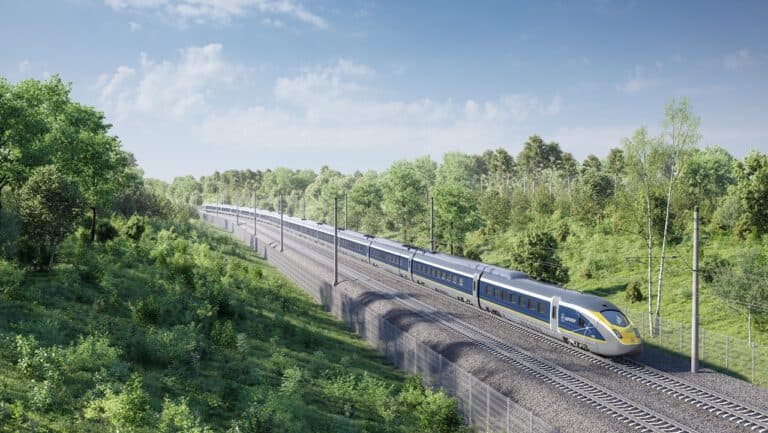
Your London getaway just got easier: Eurostar to run five daily trains from 2026

For years, we at DutchReview have been open about our love for Eurostar — the sleek trains, the comfy seats, and the joy of stepping onto a platform in the Netherlands and stepping off in the heart of Paris or London. It is fast, it is easy, and it feels just a little bit glamorous.

Since February 2025, the direct Eurostar connection from Amsterdam and Rotterdam to London has been running smoothly again. Now the service is getting an upgrade, because as of January 1, Eurostar is running five direct trains per day between Amsterdam and London.

More trains mean more flexibility, more spontaneous city breaks, and more chances to swap daily routines for a quick escape across the Channel.

The new Eurostar timetable

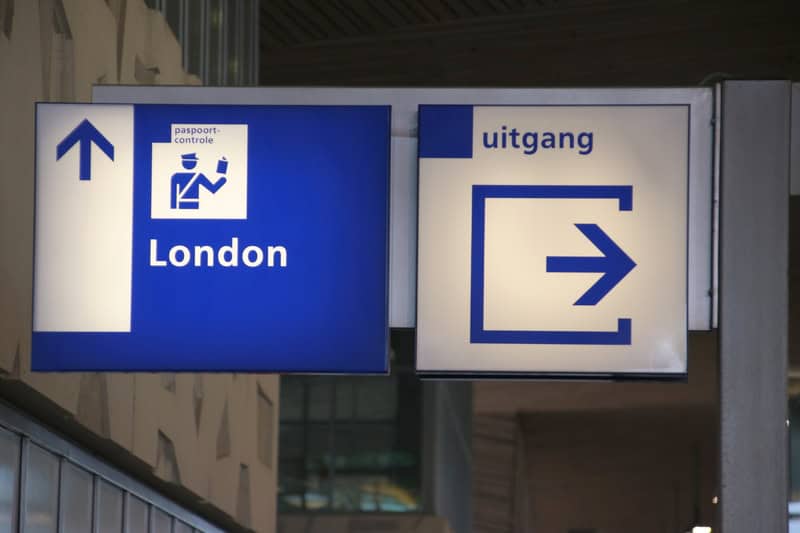
A one-way ticket from Amsterdam to London starts from €44, depending on availability and booking conditions. The journey from Amsterdam to London takes 4 hours and 19 minutes, and from Rotterdam it is around 3 hours and 30 minutes. No airport queues, no baggage belts, just smooth rail travel straight into St Pancras.

photo-of-eurostar-london-sign-in-rotterdam
All aboard! Image: Dreamstime

Starting 1 January, this is how the direct Amsterdam–London service will look:

Departure from AmsterdamArrival in London
7:42 AM11:03 AM
9:42 AM1:03 PM
12:42 PM4:03 PM
4:42 PM8:03 PM
6:42 PM10:03 PM

All trains also stop at Rotterdam Centraal, adding even more convenience for travellers in South Holland.

Save more with Eurostar SNAP ⚡️

If you love a bargain, SNAP is your new best friend. It is Eurostar’s last-minute deal platform where you can book heavily discounted tickets shortly before travel. You pick a travel day and Eurostar picks the exact train — and in return, you get a much lower fare.

For flexible travellers, it is a brilliant way to visit London without breaking the bank.

1. Wander through London’s magical neighbourhoods

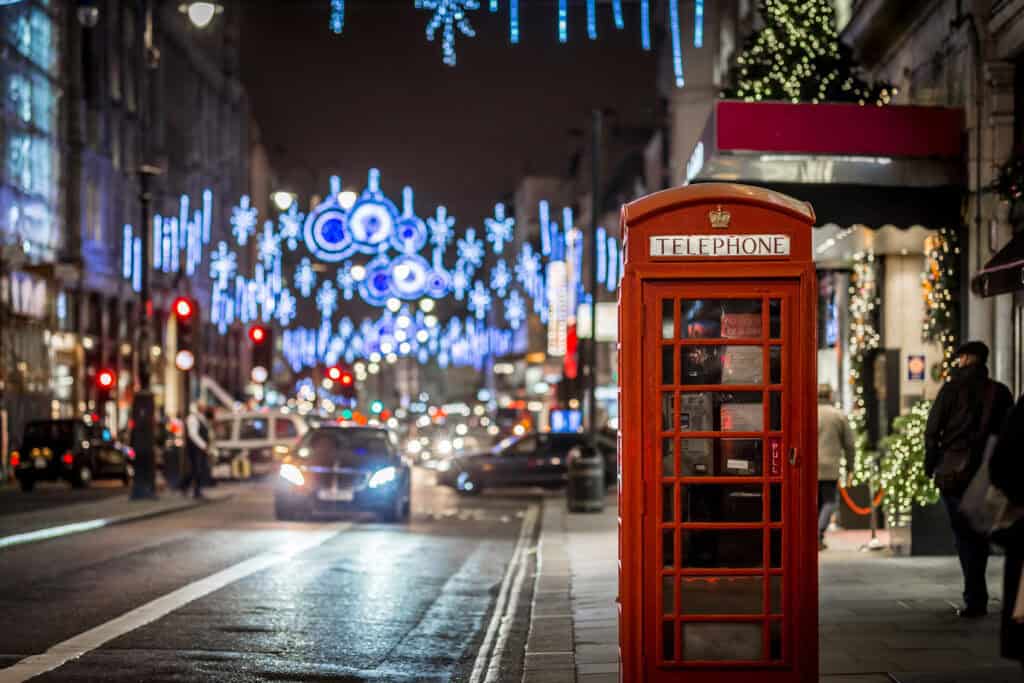
London-during-christmas-time-decorated-streets
Winter magic is around every corner in London. Image: Depositphotos

London is a city that rewards wandering, especially in the wintertime. Even after the holidays, London is the definition of festive overload, and we mean that in the best way.

Think Covent Garden wrapped in ribbons and Oxford Street dripping with lights, and parks offering everything from ice skating to questionable (but delicious) amounts of cinnamon sugar.

2. Step into a 1930s jazz dream at The Lost Estate

london-jazz-show
Jazz in London is always a fine idea. Image: Supplied/58th Street

If you’re looking for something atmospheric, theatrical, and extremely Instagrammable, the 58 Street Club at The Lost Estate is your spot.

This immersive theatre-jazz experience recreates the golden age of the 1930s with live music, storytelling, cocktails, and the kind of lighting that makes everyone look like the mysterious lead in a noir film. It’s decadent, dramatic, definitely on our to-do list and absolutely perfect for a wintry night out in London.

3. Drift through London’s museums after dark

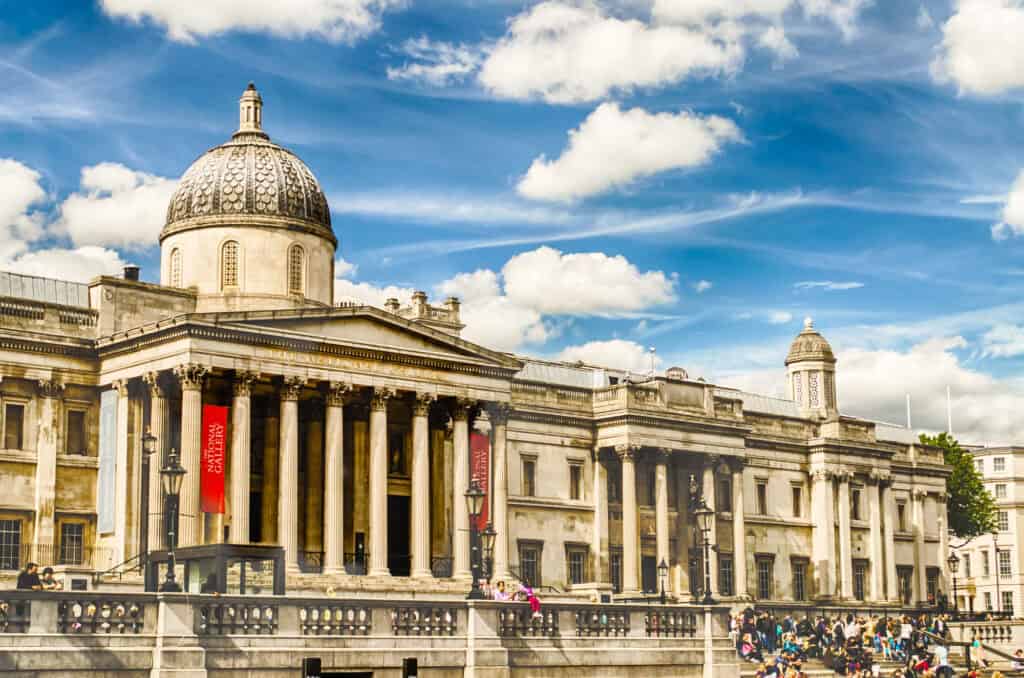
London-national-gallery-with-eurostar
London is home to some of the most famous museums in the world. Image: Depositphotos

Winter is museum season in London, mostly because it is cold, but also because the museums are spectacular.

Many major institutions offer late-night openings, which means fewer crowds and a wonderfully atmospheric evening experience. Visit the Natural History Museum, the V&A, or the Tate Modern, grab a warm drink afterwards, and feel instantly more sophisticated.

Some spots even run winter-themed exhibits, which are an excellent excuse to say “it’s culture” while hiding from the wind.

4. Explore London’s food markets

London’s food markets are strong all year, and missing them on your trip would be a crime.

From Southbank to Camden Market, you can wander from street food classics to international flavours in a matter of minutes. It is lively, colourful, and ideal for travellers who like to explore a city through its food.


Why more trains matter

There is something special about travelling from Amsterdam to London in just over four hours, without changing trains, without airport queues, and without taking off your shoes for security.

With five direct services running daily as of January 1, planning a weekend away or a spontaneous midweek trip has never been easier. So, pack your bag, grab your ticket, and let Eurostar whisk you straight into the heart of London.

Have you ever taken the Eurostar to London? Share your experience in the comments below.

Here’s how the Netherlands hopes to benefit from Trump’s brain drain

As of March 2025, the Netherlands has been actively trying to attract top scientists from the US, cashing in on the funding losses enacted by the Trump administration. 

A primary initiative of the current US administration has been to cut down on “woke spending” in 2026. 

What does this plan target? Well, universities and major scientific institutions such as NASA and the National Science Foundation (NSF) are facing grant and funding cuts totalling billions. 

And so the US brain drain begins.

An opportunity for the Netherlands

Europe, however, has seen opportunity in the tragedy. Countries like the Netherlands have launched funds and initiatives to attract the brightest minds who are now leaving the US. 

The aptly named Tulip Fund is the latest Dutch attempt to siphon knowledge from the land of the “free.” 

Now, as the deadline for nominations approaches (March 2026), Dutch institutions are hoping to appeal to the top intellectuals fleeing Trump’s America. 

What is the Tulip Fund?

The Tulip Fund is a government commitment of €50 million to attract researchers and scientists from abroad.

The fund was introduced by the Dutch Research Council (NWO) (in conjunction with the Dutch government) largely in response to the Trump administration’s promises to cut scientific funding. 

As the council assumed (correctly, one might add), scientists living and working in the United States would find themselves without work, or at least uncomfortably restricted in their research. 

The goal, as stated on the Tulip Fund’s website, is to recruit top researchers “who want to continue their research in the Netherlands due to growing threats to academic freedom.” Pretty important, right?  

Of course, the fund will also “boost and reinforce the Netherlands’ position at the forefront of international scientific research.” 

After 75% of scientists responding to a 2025 Nature poll said they were considering leaving the US, many European nations adopted this strategy. 

How does it work?

Research organisations, such as public and private universities, can nominate up to two candidates for each position offered. 

As the March deadline approaches, nominations will be finalised and submitted, though the decision-making process for which researchers are accepted will likely take time. 

The assessment committee will have a lot of information to sift through, and whoever they choose must be deemed an asset to Dutch research goals. 

Eventually, though, top scientists will be accepted, and research funding will be allocated. 

These candidates can then be awarded funding from the NWO of amounts up to €1 million. And, hopefully, the Dutch will be better off for it. 

However, not everyone thinks this is the case…

Sounds good, so why is it controversial?

Well, for a couple of reasons.

Firstly, everyone, and I mean everyone, should be frustrated that US brain drain is happening at all. 

The cuts to scientific and federal funding in the US are unconscionable. They will result in economic, social, and intellectual hindrance to the country for decades to come. 

Scientific research into medical realms such as cancer, chronic illness, psychology, and more will unequivocally suffer from the decisions of this administration, says The New York Times. 

However, the Dutch scientific community could also face negative impacts. 

Some organisations, such as De Jonge Akademie, say this allocation of funding to international scientists is illogical, given the cuts to domestic research funding in the Netherlands. 

In other words, why not tend to their own rather than search for intellect elsewhere?

While some may question this move by the Dutch government, one thing is sure: the US will regret this catastrophic loss of brainpower.  

What do you think of the Tulip Fund? Let us know in the comments!

Do I need a business bank account as a freelancer in the Netherlands?

Becoming your own boss in the Netherlands comes with a whole host of administrative duties and fiddly financial tasks, the most important of which is choosing a good business bank account.

While freelancing in the Netherlands can be empowering and flexible, the financial side can quickly devolve into a sea of acronyms like KvK, IBAN, and BTW.

Having a business bank account can effectively cut through the confusion by providing you with the tools to stay on top of your finances.

What is a business bank account?

A business bank account is exactly what it says on the tin: a dedicated bank account for freelance/corporate work and business transactions.

READ MORE | This business account is perfect for freelancers in the Netherlands: here’s why

These often come with a whole host of helpful features, like invoicing tools, in-depth expense tracking, and integrations for accounting software.

Weighing up whether you need a business account as a ZZP’er in the Netherlands? Qonto’s all-in-one business accounts are built for busy entrepreneurs, with seamless invoicing, smart expense tracking, and 50+ accounting integrations to keep your books in order (like WhatsApp, Gmail, ChatGPT, as well as Dutch accounting platforms).

Is it mandatory to open a business bank account for freelancers in the Netherlands?

Strictly speaking, there’s no legal requirement from the Dutch tax office to open a business bank account when you become a ZZP’er (freelancer).

This means that, technically, you could use your existing Dutch bank account for all your business’s financial needs.

freelancer-in-the-netherlands-using-his-personal-bank-account-and-banking-card-for-business-transactions
Using your personal bank account to cover business transactions might seem like a handy decision… until your bank steps in and freezes your account. 😬 Image: Magnific

However, there’s a catch: many Dutch banks state in their terms and conditions that you’re not allowed to use your personal account for business transactions. If they have reason to suspect your financial activity includes sending and receiving freelance payments, they might flag or freeze your account.

READ MORE | Becoming a freelancer in the Netherlands: The 2026 ZZP’er guide

This could leave you financially stranded, with no way of receiving funds or paying off your business expenses.

(Plus, good luck working on your tax returns when you’re sorting through a chaotic list of transactions that include: €12 for stroopwafels, €140 for dinner with Lieke and the meisjes, €550 for text edits, etc.)

Pros of opening a business bank account for freelancers in the Netherlands

Tax chaos aside, there are multiple reasons why ZZP’ers in the Netherlands might choose to open a business bank account.

Your invoices are well-managed

With a dedicated business bank account, you won’t be scrambling to separate your invoices from your grocery bills at the end of the month.

READ MORE | Invoicing as a freelancer in the Netherlands: the ultimate guide

Plus, many of these accounts come with invoicing software, which will automatically organise payments and any outstanding orders for you.

You get clear financial overviews

Having a bank account purely for your business transactions means that your company finances are crystal clear, whether you’re sending them off to an accountant or using accounting software to analyse them yourself.

READ MORE | How to pay your taxes as a self-employed person in the Netherlands

Being able to track your income so easily makes filing your quarterly VAT returns and annual taxes much easier. (And given how complex Dutch taxes can be, that says a lot!)

freelancer-in-the-netherlands-using-her-dutch-bank-card-to-pay-for-lunch-in-a-cafe
Honestly, the last thing you’d want to send to your accountant is an overview of how much you’ve spent at borrels over the last month. 🍻🫠 Image: Magnific

Your work and home life stay separate

Mixing your corporate and personal lives can feel a bit like dodging fatbikes at a busy intersection: stressful and potentially messy.

Having a separate account for your business transactions helps create a clean boundary between your two lives, ensuring that your personal spending doesn’t make its way into your company’s budget.

You can expect efficient international transfers

Given that many ZZP’ers and companies in the Netherlands work with foreign clients, a business bank account with quick and easy international transfer capabilities is a must-have.

Some banks even offer multi-currency accounts, which are especially handy if you’ll be regularly transacting with clients in specific countries.

How to open a business bank account in the Netherlands

Right, now it’s down to the nitty-gritty: what documents will you need to open a Dutch business bank account? And how can you check if you’re eligible for one?

READ MORE | How to open a bank account in the Netherlands: the ultimate guide

We’ve been down that road before, so geen stress (no worries), because the process is simpler than it sounds.

Step one: Check your eligibility

To be eligible for a business bank account, you’ll need to have a valid Dutch work permit or be registered as a freelancer.

If you’re employed at a Dutch company, they will typically organise your work permit for you. If, on the other hand, you intend to be a ZZP’er, you must register with the KvK (Dutch Chamber of Commerce).

freelancer-in-the-netherlands-types-on-his-laptop-as-he-works-in-a-quaint-cafe
For the clearest path forward, it’s always best to ensure that you’ve got your documents in order before applying for a business bank account. Image: Magnific

Step two: Check the information required

In the Netherlands, you’ll generally need several documents to open a business bank account. It’s important to ensure that you’ve got them well before you apply for an account.

These documents include:

  • A KvK number (i.e. registration with the Dutch Chamber of Commerce)
  • A Dutch BSN (citizen service number)
  • A Dutch residence permit (if you’re not an EU resident and require a visa)
  • A VAT (tax) number

Some Dutch banks may also require you to submit a business plan, so it’s always a good idea to have one of these handy!

Step three: Choose a bank

Not all Dutch banks are made equal, so it’s vital to do your research and choose one that’s best for you.

Consider features like monthly fees, transaction costs, international transfer rates, and English-language support when selecting your ideal business bank account.

Given the sea of business bank accounts for internationals in the Netherlands, it can be hard to cut through the noise and choose the one with the best banking features, invoice management, and 24/7 multilingual support. That’s where Qonto shines, offering an excellent business banking experience for as little as €7 per month!

Step four: Apply for your account

The application process will differ from bank to bank, with some requiring in-person visits and others allowing you to apply online.

Most international-friendly banks will offer you an easy sign-up process through their mobile app, which is ideal if you need an account ASAP or can’t make it to a physical branch.


With a variety of options available, choosing the best business bank account as a ZZP’er will depend on your business requirements and individual preferences.

What are some of your best tips for managing finances as a freelancer in the Netherlands? Tell us all about them in the comments below!

What would Amsterdam look like if it had mountains? (video inside!)

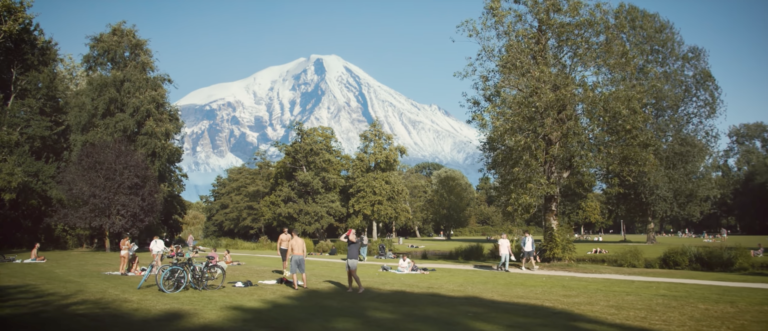
There are a few things the Netherlands will never have: decent curtains, dinner after 6 PM, and mountains. But one can dream, right?

Imagine skiing next to the canals of Amsterdam, with lush, Alpine-like mountains just five minutes away from Vondelpark. No, we’re not joking.  

These artists have created some pretty cool graphics of what the flattest country in Europe would look like if it had a mountain range.

Skiing next to Amsterdam’s canals

This video takes you on a magical ride along the canals of Amsterdam, set against a stunning mountainous landscape. How breathtaking is that?! 🏔️

Would you still love the Netherlands if it had mountains? Or do you enjoy living in a land with flat terrain? Tell us in the comments below!

Feature Image: Hessel Stuut

Bad news: Student rent prices in the Netherlands are among the highest in Europe

The latest HousingAnywhere International Rent Index has shown that Amsterdam and Rotterdam were the most expensive European cities for student rentals in Q4 of 2025.

And are we surprised? Nee. The index, which examined 59,519 listings on its site, compared rental prices across Europe. And it highlighted a well-known issue here in the Netherlands. 

The takeaway: Unlike other countries, cities in the Netherlands showed no signs of declining rent. 

Other European cities showed declines

Well, lucky them. 

After analysing data on room rental prices across 25 cities and 11 countries, HousingAnywhere found that listings (mainly aimed at students) were either declining or holding steady across Europe.

Unfortunately, Amsterdam and Rotterdam did not see a price reduction. 

In Rotterdam, single-room rental prices increased, ranging from €800 to €878, while Amsterdam’s prices stagnated at €990. 

Meanwhile, several other countries saw decreases in rent. Cities like Berlin, Bologna, and Hamburg saw declines of up to 11.2%.

Despite no rent increase in Amsterdam, it remained the city with the highest average rent for a single furnished room according to the index. 

Niet gezellig…

Housing issues in the Netherlands 

While the housing crisis in the land of tulips has many causes, a central one appears to be the large-scale sell-off of housing, according to Nu.nl. 

Rental properties, in particular, are being sold at more affordable prices, attracting first-time buyers. 

So, homes are being bought for cheaper. This isn’t necessarily bad, as people who would not otherwise be able to afford to buy are able to own. 

On the other hand, the affordability of buying is making renting less affordable. Rooms for rent disappear as large-scale investors sell off individual units.

Ultimately, costs are shifted from first-time buyers to renters.  

Students are prime victims

A severe shortage of student rooms in the Netherlands leaves students incredibly vulnerable to price gouging. 

And as universities themselves are not required to provide housing for their students, the market becomes even more flooded with desperate room hunters. 

The very tangible lack of alternatives in these major cities leads to scams, discomfort, and high prices overall. 

READ MORE | Internationals do NOT cause the Dutch housing crisis, says UN official: Here’s what is to blame

In this fend-for-yourself environment, students are at the bottom of the pyramid, often with limited funds and no rental history or experience. 

Essentially, it’s no wonder the prices are so unkind to our fledgling adults. 

Here’s hoping 2026 brings the studenten a much-needed price decrease. 

What are your thoughts on the high prices? Let us know in the comments!
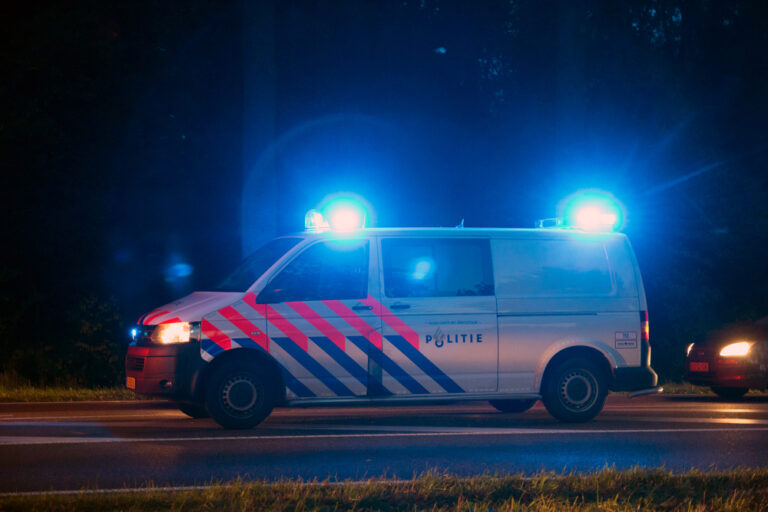
Dutch police chase man for stealing vehicles, then have their own car stolen

If you think you had a long day at work this Monday, perhaps this story will make you feel a bit better. Police responding to a stolen car report yesterday experienced quite an ordeal.

Why? Because the 34-year-old suspect managed to not only steal an ANWB vehicle, but also the responders’ own police car.

It all started with the ANWB vehicle

According to the NOS, the man, who comes from Breda, began his morning yesterday by taking photos at a defence site near the Gilze-Rijen air base.

When he was asked to leave by security, he decided to abandon his own vehicle. According to Omroep Brabant, instead of using his own wheels, the man attempted to steal a car from a woman outside the property.

While he failed to steal the woman’s car, he did somehow succeed in stealing an ANWB vehicle instead. With his trusty new ride, he began driving in the direction of Dongen.

Then, it was just chaos

This is usually the part where the story ends. We’d say the police gave chase, the man was apprehended, and everyone continued on with their day.

But alas, dear reader, that’s not what happened yesterday. Instead, the story goes like this:

  • The police gave chase, attempting to follow the man in his stolen ANWB vehicle
  • Due to the man’s dangerous driving (including driving on a cycle path), the police abandoned the pursuit
  • The police switched to pursuing in an unmarked vehicle
  • They then tried to arrest the man at some traffic lights in Breda-Noord, but he crashed into their car and drove away
  • Officers then spotted the man trying (and failing) to steal yet another car near the NAC stadium
  • While officers attempted to help the owner of the vehicle and stop the man from stealing the car, he took his chance and stole the police’s own car.

Now, we can only imagine how the officers were feeling in that moment, but it certainly put our rough Monday in perspective.

What happened next?

You’d think the man would have curbed his craving for auto theft once he managed to steal the police’s own car, but believe it or not, he wasn’t done.

READ MORE | Police find hundreds of kilos of illegal fireworks — beneath Amsterdam police station

As the man fled in the police car towards Etten-Leur, he tried to steal yet another vehicle from someone who was still inside.

This time, the man was not successful. Officers managed to stop the man, and he was taken into custody.

His motive? That hasn’t been released (probably because police have no idea).

Want the latest Dutch news to come zooming through the internet to your inbox? Dat kan! Subscribe to DutchReview’s weekly roundup 📮

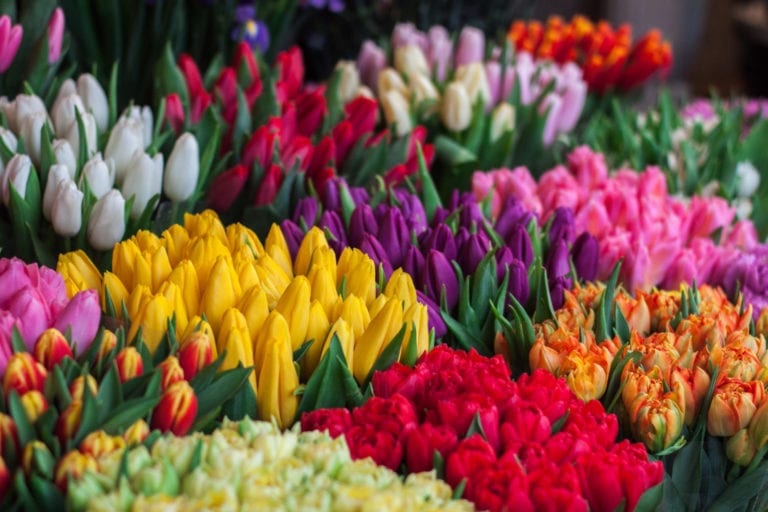
National Tulip Day in Amsterdam: where to get free flowers in 2026

This January, Amsterdam celebrates National Tulip Day (Tulpen Dag), so if you’re in the city or its surroundings, you have the chance to pick your own bouquet in front of the Museumplein!

Mark January 17, 2026, down in your agenda — you’ll be able to create your own bouquet with up to 10 tulips from a specially designed garden in the heart of Amsterdam.

With around 200,000 tulips for the picking, you’ll certainly be spoilt for choice!

How National Tulip Day in Amsterdam works

The garden will be open from 1 PM this Saturday, at the Museumplein area in Amsterdam.

You’ll be given a biodegradable bag to put your tulip bouquet in, so don’t bring your own shopping bag, as you won’t be allowed to use it.

To ensure that as many people as possible can come by and enjoy the flowers, you’ll only be allowed to select up to 10 tulips.

Where: Museumplein, Amsterdam
When: From 1 PM onwards this Saturday, January 17, 2026

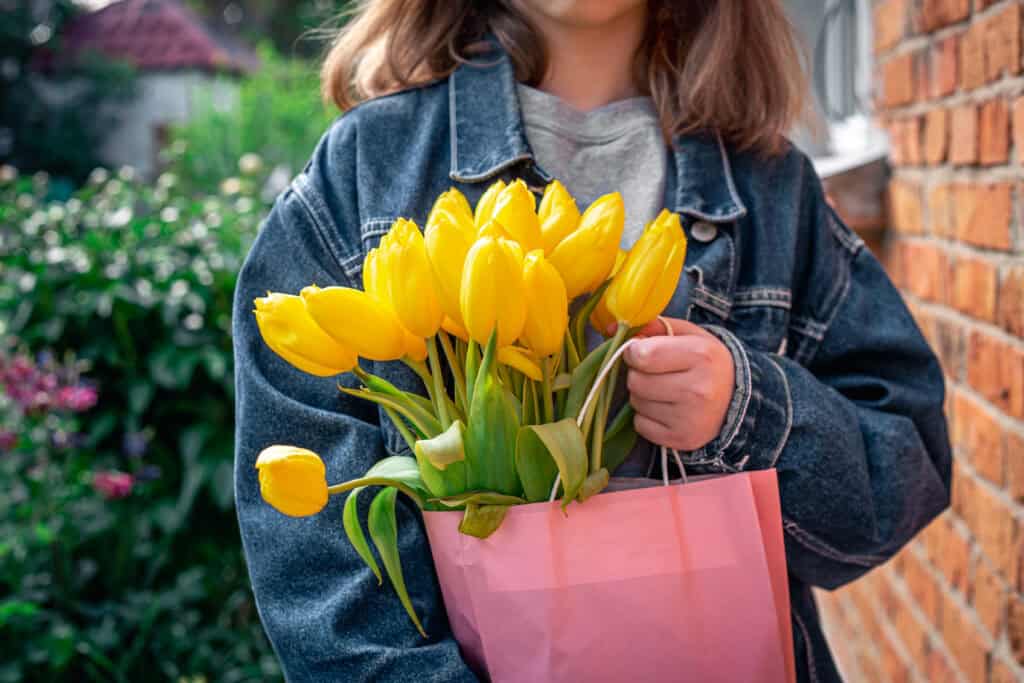
young-girl-holding-a-bouquet-of-tulips-she-got-for-free-on-national-tulip-day-netherlands
Free tulips? Hop on, friends — we’re off to Amsterdam this weekend. 🌷 Image: Freepik

Visit the Amsterdam Tulip Museum for a trip through history

If you’re curious about tulips and their history, then you absolutely can’t miss The Amsterdam Tulip Museum.

Located in the Jordaan, visiting this museum means you’ll also catch a glimpse of one of the most beautiful areas of the Dutch capital. Leuk! 😍

The museum allows visitors to learn more about tulip history, offering snapshots of its path through Europe in video and photography. And, of course, the museum has a range of tulip-themed products in its gift shop.

Address: Prinsengracht 116, 1015 EA Amsterdam
Opening times: Mondays to Sundays from 10 AM to 6 PM

Can’t make it to National Tulip Day? Check out the Amsterdam Flower Market

Even if you can’t visit the gardens to pick your own tulips, you can still buy your very own Amsterdam tulips.

The world-famous Amsterdam Flower Market is located in the city centre. It’s not only about tulips; you can also find seasonal flowers and a variety of tulip bulbs throughout the year.

READ MORE | 34 best things to do in Amsterdam in 2026

Despite being a relatively touristy location, it’s well worth the visit for its special set-up and its peculiar mix of colours, shapes and smells.

Oh, and did we mention the fact that it’s the only floating flower market in the world? ✨

Address: Singel 630 to 600, 1017 AZ Amsterdam
Opening times: Mondays to Saturdays from 9 AM to 5:30 PM, Sundays from 11:30 AM to 5:30 PM

Visit Keukenhof for the ultimate tulip tourism destination in the Netherlands

Maybe you haven’t had enough of Dutch tulips, and you’re itching for more? Well, then you need to add De Keukenhof, the world’s largest tulip garden, to your bucket list.

Open from March to May (in line with tulip season), the garden is 32 hectares large and is home to seven million bulbs and 800 varieties of tulips.

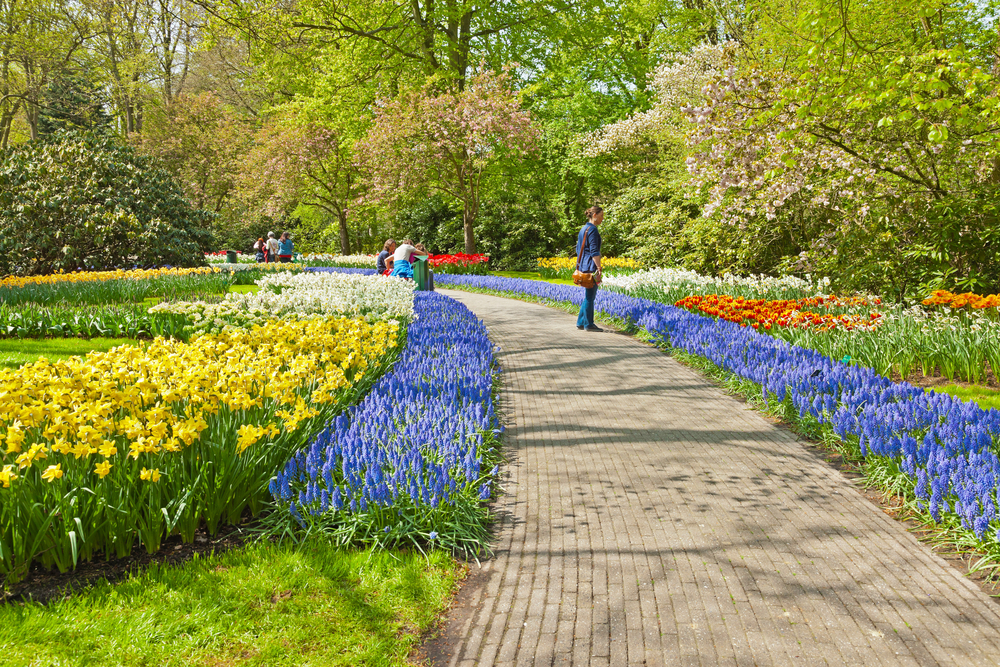
People-walking-around-tulip-fields-in-Netherlands
Time to stop and smell the tulips. Image: Depositphotos

You can also enjoy flower sculptures, events, and children’s activities while browsing some of the world’s rarest and most beautiful tulips.

Address: Stationsweg 166A, 2161 AM Lisse
Opening times: March 19 to May 10, 2026, from 8 AM to 7 PM

Are you going to visit Amsterdam for National Tulip Day? Have you been there before? Tell us in the comments!

‘Gezellig’ or ‘hygge’? The real differences between the Netherlands and Denmark

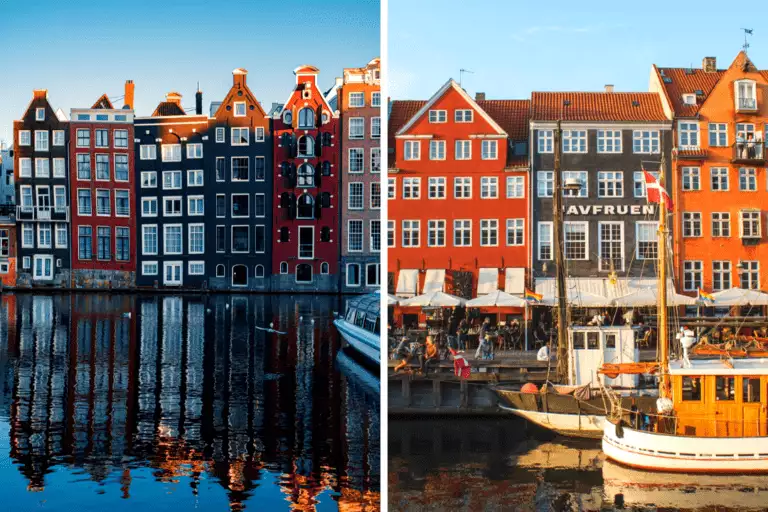
Bikes, beers, and canals — am I describing the Netherlands or Denmark? The two countries share many similarities, but to the trained eye, they are full of subtle (and not-so-subtle) differences!

As a native Dane now living in the Netherlands, I usually say that the Netherlands is different enough from Denmark to be interesting, yet similar enough to feel comfortable. So, what are those ✨ interesting ✨ differences?

Red means stop, green means go — Nee hoor 

Both Denmark and the Netherlands are known for their cycling culture, and whilst there are more bikes than people in the Netherlands, Denmark is following right behind, with Copenhagen being one of the most bicycle-friendly cities in the world. 

READ MORE | How the Netherlands became a cycling country

One indicator in the Global Bicycle Cities Index is the level of respect cyclists have for the law — and Copenhagen scores higher here than Amsterdam. 👀

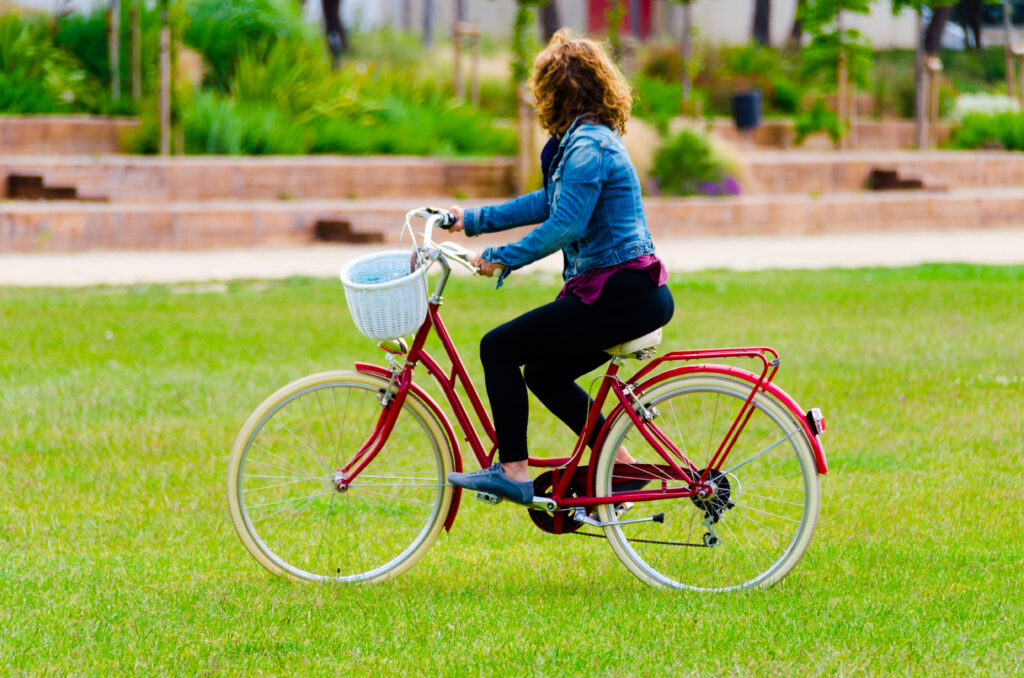
dutch-woman-riding-a-bike-over-a-grassy-lawn-scaled
Anything can be a bike path if you’re Dutch enough! Image: Freepik

After all, where you need to jump back in fear when a Dutch person comes whizzing down the streets of Amsterdam, you’ll often see cyclists in Copenhagen wearing helmets — and actually braking for red lights! 

Meanwhile, if you wear a helmet in the Netherlands, you might be asked whether you can’t cycle properly, whether you recently learned to cycle, or hear the comment, “Oh yeah, I wore a helmet once as well — when I was a kid!” 🙄

Degrees of directness

Thanks to a heavy-handed dose of directness, there’s a common stereotype that the Dutch are rude. Though they might be direct — no need to sugarcoat it — but they can also be very welcoming people. 

READ MORE | Dutch Quirk 42: Be overwhelmingly direct and never beat around the bush

The Danes, on the other hand, are much colder when you first meet them.

Some put this down to the Danes generally being introverted and the Dutch generally extroverted, but who knows? It could even be the weather. ❄️

group-of-young-people-celebrating-kings-day-drinking-lots-of-beer-at-pub
Dutchies may hit you with their famous ‘Dutch directness’, but they can also be very warm and welcoming. Image: Freepik

In our defence, it’s not that Danish people are mean; it just takes us some time to warm up to people.

And if we are walking on the street (no doubt looking unapproachable), well, don’t get in our way. 😂 (We’re usually very happy to help if people actually stop us, though!).

Overall, the consensus is that the Dutch are direct but warm, whilst the Danish are polite but cold-ish.

Let’s get that bread! (but should it be rye — or brown?!)

The Netherlands and Denmark are two countries that both really love their bread. However, they have different staples. 

The Dutch lunch staple is the boterham — a slice of brown bread most likely topped with some butter and cheese. 

READ MORE | What’s on that ‘boterham’? 6 weird Dutch bread toppings 

Denmark has a similar lunch situation: ‘Smørrebrød’ (open-faced sandwiches) can be considered the fancy version of a lunch bag, consisting of rye bread with a simple topping. 

However, in recent years, ‘smørrebrød’ has gained popularity and creating a well-made ‘smørrebrød’ is now often branded as a “craft.”

☝️ I’d say that beats a boterham (but I might be biased).

Fun tidbit: As a kid, I once told my parents that my favourite thing about vacationing abroad was that we didn’t have to eat rye bread (since it couldn’t be purchased in most places)! Now, rye bread is the number one food I miss from Denmark.

Geographically similar — mostly

As a Dane, I always thought Denmark was a flat, somewhat boring country geographically. That was until I arrived in the Netherlands. 

It took a road trip from the Netherlands to Denmark to realise how different the geography actually is — or rather, how flat the Netherlands is.

READ MORE | Dutch Quirk #73: Not have any mountains…or hills…or bumps

The Danish geography features naturally tall beauties such as ‘Himmelbjerget’ (The Sky Mountain or The Mountain of Heaven), which is a whopping 147 meters high! While ‘Himmelbjerget’ isn’t actually the tallest point in Denmark, you have to give us credit for at least trying with the name. 😆

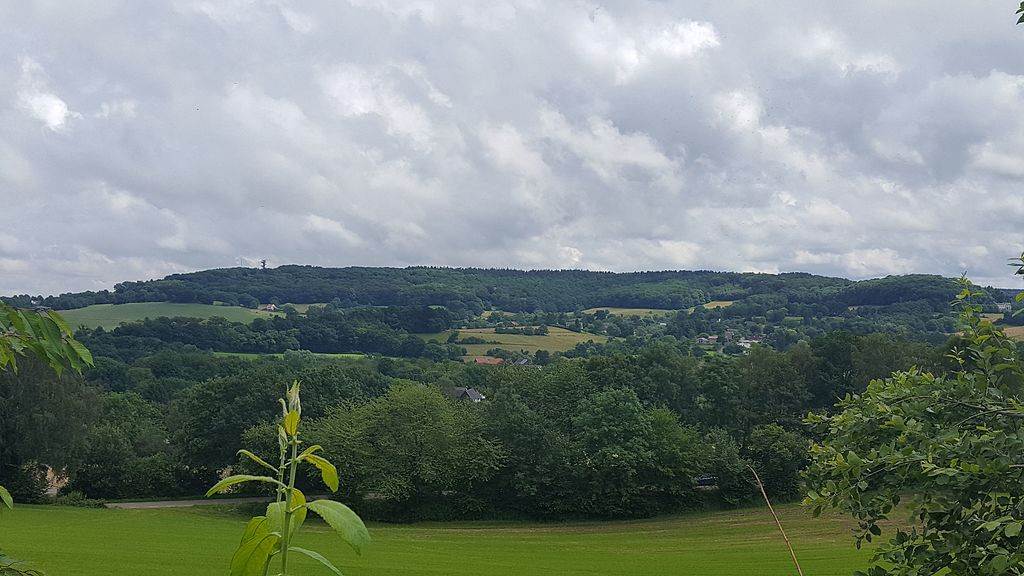
So what can the Dutch boast of? Well, turns out the Netherlands has mountains (kind of)! Vaalserberg is the highest natural point in the Netherlands and a tripoint where the Netherlands, Belgium, and Germany meet. At 322.7 meters, it technically only qualifies as a hill, but apparently the Dutch, as well as the Danish, like to exaggerate. 🙈 

photo-vaalserberg-mountain-in-the-netherlands
Vaalserberg seen from Limburg. Image: Romaine/Wikimedia Commons/CC1.0

Not that this is a competition, but if one Danish “mountain” isn’t impressive enough, what about a series of “Alps”? Svanninge bakker is a technically series of hills near the town of Svanninge on Funen, but has ironically been named “the Funen Alps.” 

Save for Vaalserberg on the edge of the country, the Netherlands’ flatness has to be seen to be believed: as flat as a pannenkoek!

What other differences have you noticed between Denmark and the Netherlands? Tell us in the comments below!

7 things that will get you fined while cycling in the Netherlands

The Netherlands is often called a ‘cycling paradise‘. But to make sure it stays that way, there are a whopping 53 different ways you can get fined while biking in the Netherlands!

I was cycling through the streets of Utrecht one evening when I was suddenly flagged down by the police. Before I knew what was happening — BAM, a fine of €55 for not having bike lights.

I also got a €90 fine for not carrying my ID, which I left at home for the day, together with my wallet.

So, this little bike adventure cost me a nice lump sum of €145. Rough.

READ MORE | Do’s and don’ts of riding a bicycle in the Netherlands

To ensure that your biking trip doesn’t wind up as expensive as mine, here’s a basic guide to fines while cycling in the Netherlands.

Make sure you’re familiar with at least some of the laws before jumping on your favourite two-wheeler. 👮

1. Cycling without lights or reflectors

Cycling in the dark without bike lights is probably the most common reason for getting a fine. Like me, some people forget to buy new bike lights, and they also frequently get stolen. 😅

biking-at-night-without-lights-netherlands
Biking at night? No problem — just don’t forget your bike lights! Image: Depositphotos

You need to have both front and backlights for it to count; otherwise, you can still get a fine of €75. You can also get a €45 fine for not having reflectors on your bike.

On the bright side (as the officer who fined me also, ironically, said), bike lights are only like €4 or €5 at HEMA. A pretty small price to pay for safety, right?

Note: Don’t put the little lights you buy in the flickering light function! This nifty little detail can also result in a €60 fine.

2. Cycling under the influence

This one is a little more than self-evident. Clearly, you shouldn’t step into any kind of vehicle drunk.

In the Netherlands, this also applies to cycling (not that this stops people from cycling drunk, anyway). You can be fined up to €200 if your blood alcohol level is above 0,5 g per litre of blood.

photo-of-dutch-people-drinking-beer-things-not-allowed-cycling
Count those biertjes — one too many and you could be fined for cycling. Image: Depositphotos

This translates to roughly two and a half beers, so watch out! In addition to this, you can get a €120 fine for not cooperating with the alcohol test.

Next time you’re coming home after drinking, consider walking your bike instead.

3. Not indicating the direction

If you’ve ever cycled in the Netherlands, you’ve seen people sticking their arms out when changing direction on a bike. While it may sometimes seem extravagant, it is actually very handy to avoid accidents.

Man-giving-directions-while-biking-with-hand-netherlands
Stick out those arms and indicate which direction you’re going! Image: Freepik

Beyond this, failing to indicate direction can land you a €45 fine. So stick those arms out, people!

4. Not having a bell (and other stuff)

There’s a scarily long list of fines that you can get for a badly maintained bike. If you take one look at bikes in Utrecht or Amsterdam, you can conclude that the police don’t check most of these.

Image-of-a-broken-bicycle-chained-to-a-light-post
You’re not going to want to use this bike…Image: Pixabay

In principle, however, you could be fined for the following:

  • Brakes that don’t work: €45
  • Broken pedals: €70
  • Not having a bell: €70
  • Broken bike frame: €120

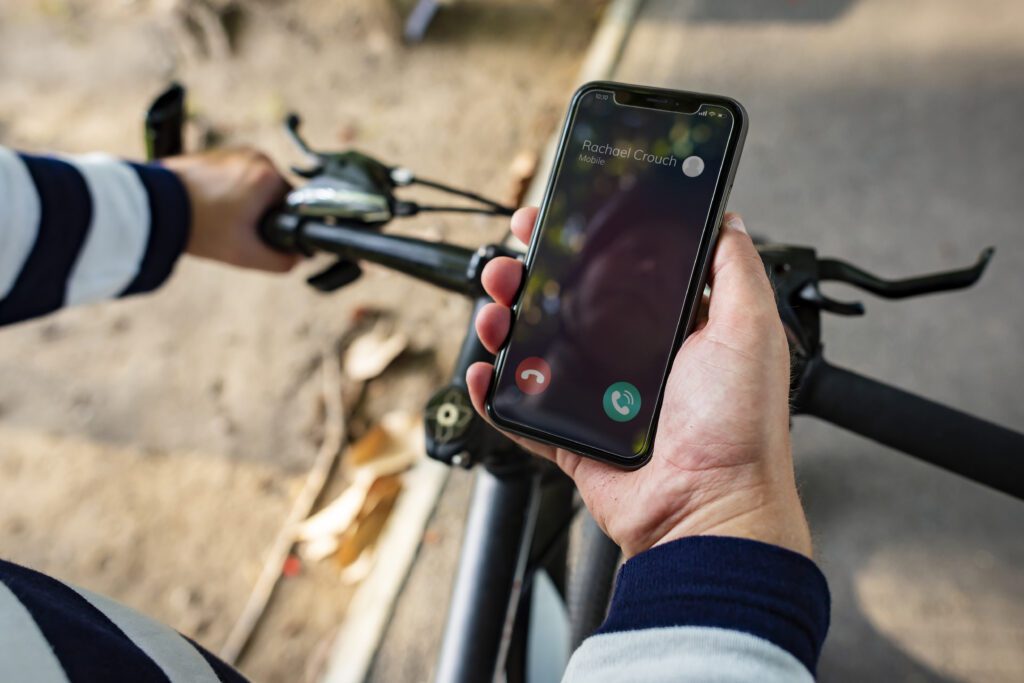
5. Texting while cycling

Texting while cycling might be a more recent addition to the list of infractions you can commit while cycling in the Netherlands; however, it’s far from a rare occurrence.

Biker-holding-phone-while-biking-not-allowed-netherlands
If you’re seen using your phone while biking, you’ll get an instant fine! Image: Freepik

Since 2019, you can get a fine for this — the amount of which has changed over the years and has now gone up to a whopping €170.

READ MORE | Fined for phoning while ‘fietsen’: over 850 cyclists caught on the phone every week

Luckily, Google Maps has a speaker function — so listen closely to directions through your earphones and let Maps guide you verbally.

Pas op, though! The fine can be given just for holding your phone on a bike, even if you’re not actually texting — so make sure you keep your phone in your pocket or attached to your steering wheel.

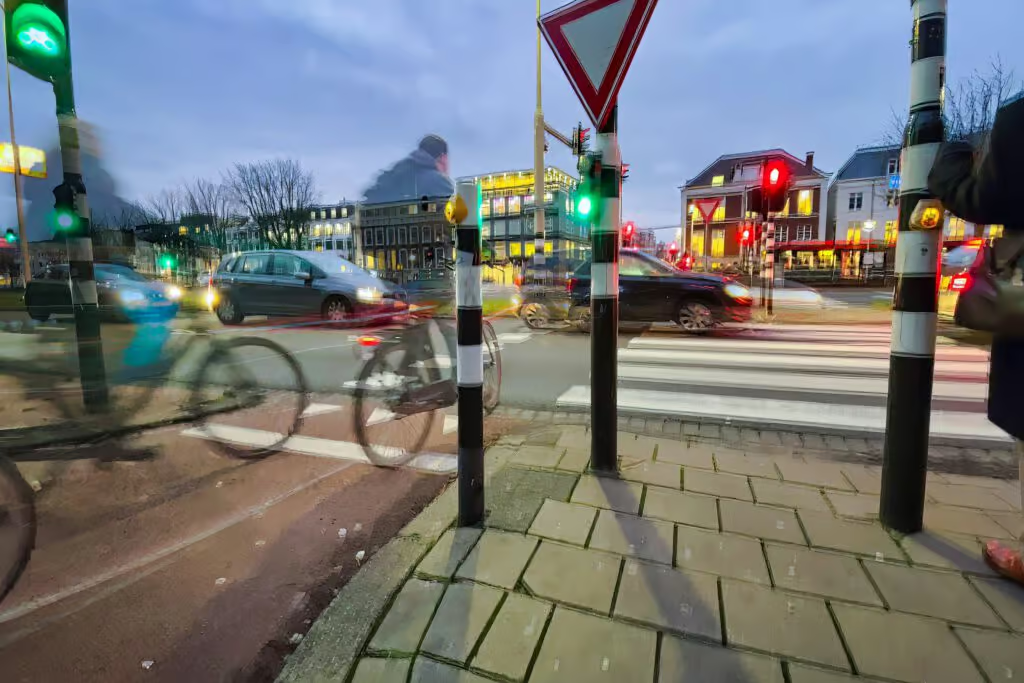
6. Not following traffic rules

While it may seem that cyclists in the Netherlands think they’re above traffic rules, on paper, at least, they’re not.

biker-at-stoplight-hague
Put the phone away. Image: Depositphotos

You can get a €120 fine for running a red light, a €70 fine for driving on the bus lane, and a €45 fine for driving on a road where bikes aren’t allowed.

READ MORE | Cycling like a Dutchie? First, you have to pass their bike exam!

The bottom line: follow the traffic signs, and you should be fine. 🚦

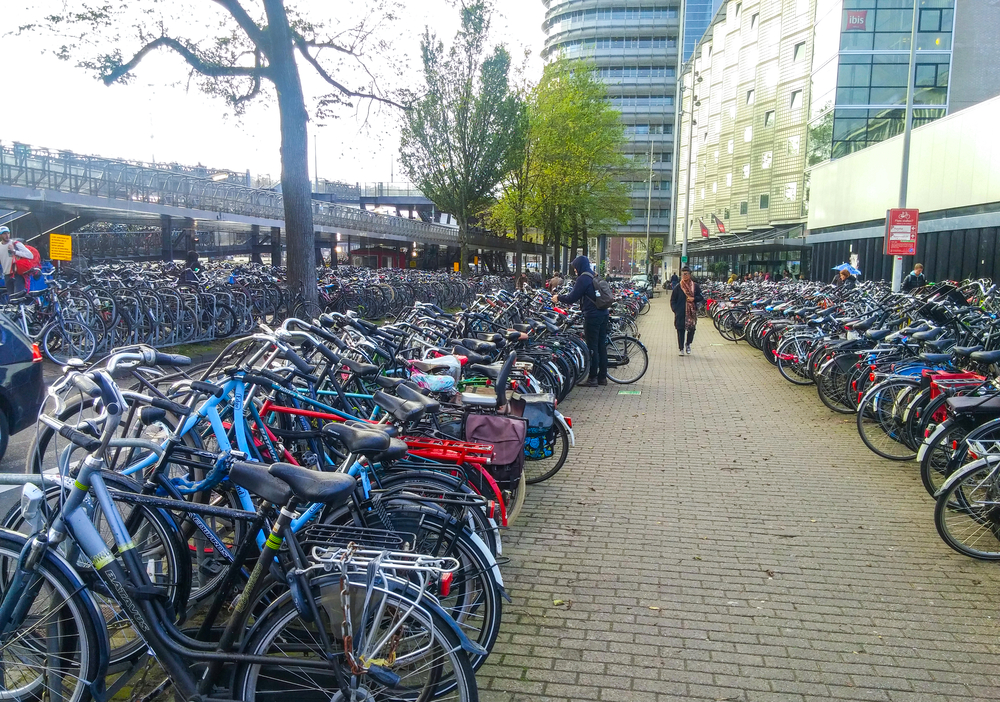
7. Parking in the wrong place

If you don’t want your bike removed, remember this: you can get a €40 fine for parking it in the wrong place, so just head to the nearest bike stall to park instead.

Bike-parking-in-the-netherlands
Make sure to park your bike where it’s acceptable! Image: Depositphotos

In some places in the Netherlands, you can even get a €40 fine for not locking your bike. (Although the risk of getting your bike stolen or thrown into a canal should be reason enough.)

READ MORE | Bike fishing: a Dutch occupation you never knew existed

In a country with so many cyclists, it makes sense that there are many laws for them, too. While overwhelming, most of these rules aren’t usually policed.

As long as you have good lights and follow the general traffic rules, you won’t have any problems.

Keep safe and happy fietsen (cycling)! 🚲

Have you ever been fined while cycling in the Netherlands? Tell us in the comments below!