Home Blog Page 21

Flying with KLM in Europe? Up to 160 flights will be cut this May

In a statement released yesterday, KLM explained that flights would be cut or changed this month due to rising kerosene prices. 

While they noted that there is no kerosene shortage as yet, rising costs mean some flights “cannot currently be operated profitably”.

The airline expects to cut up to 80 return flights (or 160 individual flights) this May. Some routes being cut are flown multiple times a day, such as those to London or Düsseldorf. 

The cancellations are scheduled to begin during the last week of April, which coincides with the Dutch school holiday period.

What’s changing?

While the statement did not specify which routes are being cut (other than mentioning London and Düsseldorf), it stated that all affected routes are within Europe. 

KLM also explained that any affected passengers would be “rebooked onto the next available flight.”

Despite the upcoming rush of holiday travel, the airline is assuring customers that their vacation destinations will be reachable. 

READ MORE | KLM has cancelled all flights to and from these destinations until May 17

After all, as the airline clarified, the flights concerned amount to less than 1% of the operational flights in the coming month. 

Concerned or affected customers can also get assistance via KLM’s customer assistance webpage.

Jet fuel shortages could result in more cuts

The conflict in the Middle East has caused untold difficulty for the transport sector, and KLM isn’t the only airline affected by rising fuel prices. 

As Politico reports, Lufthansa is having to accelerate a planned cut of 27 planes due to fuel costs. 

While there is no shortage of fuel as of yet, International Energy Agency Chief Fatih Birol told the AP that Europe only has “six weeks of jet fuel left.” 

With that in mind, it seems like this KLM cut may just be the beginning. 

Has your flight been affected by the cuts? Let us know in the comments!

Your flights to and from the Netherlands just got EVEN MORE expensive; Here’s why

The Netherlands is on course to have the steepest aviation tax in the entire European Union by 2027, with airline KLM warning that the consequences go well beyond pricier tickets.

From next year, travellers from the Netherlands will pay an average of over €40 in aviation tax per ticket — though the exact cost depends on your ticket.

If that sounds painful enough for your wallet, just wait until you hear the EU average sits at roughly €5. As KLM reports, this makes the Dutch rate more than eight times higher than the European average.

Here’s what you’ll actually pay

For medium-haul destinations like Turkey, Egypt, or Morocco, passengers will pay €48 in aviation tax per person in 2027. Yup, that’s a steep 60% jump on current rates.

However, it gets worse.

For long-haul routes to the United States, Suriname, or Asia, the tax rises by as much as 140%.

To put that into perspective, a family of four flying to New York would pay nearly €290 in aviation tax alone. That’s €72 per ticket, before a single euro goes to the airline or the airport.

This increase is a carryover from the previous cabinet’s plans, and it puts the current coalition in a peculiar position: its own coalition agreement specifically calls for a single, uniform European aviation tax, yet this hike runs in the exact opposite direction.

photo-of-klm-boeing-737-landing-airport
With significantly higher flight taxes in the Netherlands, Dutch travellers opt to fly from Germany or Belgium. Image: Depositphotos

Dutch flyers are being pushed across the border

Research by Markeffect, commissioned by the airline, found that 74% of Dutch flyers say they would consider departing from foreign airports more frequently if the aviation tax continues to rise.

And it doesn’t take a data report to see that this trend is already well underway.

Already, record numbers of Dutch travellers are driving to Germany to fly from Düsseldorf and other border airports — and the 2027 aviation tax increase will only accelerate that.

KLM warns that if passengers consistently reroute through foreign hubs, airlines will eventually cut destinations from Dutch airports altogether.

That means fewer direct routes for everyone travelling to or from the Netherlands: expats, businesses, international students, and the broader Dutch economy.

Something’s got to give

Naturally, this hits expats and internationals twice as hard.

Visiting family in Asia, the Americas, or North Africa is already expensive — paying an extra €72 per person in tax on top of a long-haul fare is a significant additional burden.

MPs have previously raised concerns about this exact scenario, and KLM is now formally calling on the government to align Dutch aviation tax rates with those of neighbouring countries.

However, whether the cabinet acts on that is another question entirely.

Will you be looking at flights from Brussels or Düsseldorf to dodge the higher tax, or are you sticking with Schiphol? Let us know in the comments.

7 important things you should know before becoming a freelancer in the Netherlands

There are many benefits to becoming a freelancer in the Netherlands: you determine your own hours, decide how you want your business to be run, and maybe you’re a #girlboss — but with this title comes several important points to consider. 

For example, what will you do if you get sick? Do you know how to submit your BTW (VAT)? How much should you charge? 

From one freelancer to another, here are seven very important things you should know before becoming a freelancer in the Netherlands.

This post might have affiliate links that help us write the articles you love, at no extra cost to you. Read our statement.

1. You may need to hire an accountant 

Sometimes, all you need is a professional to sit you down and tell you what to do. This is why many freelancers hire accountants to help them with their taxes.

As a ZZP’er (freelancer) in the Netherlands, you’re expected to pay your BTW (VAT) every fiscal quarter. On top of that, you’ll be filing your annual income tax.

two-freelancers-in-the-netherlands-trying-to-figure-out-how-to-pay-their-taxes
Especially as an international, you may need some extra assistance when filing your taxes. Image: Dreamstime

This is already tricky for someone who understands Dutch, let alone someone who doesn’t speak the language. 

I’d recommend hiring an accountant, at least for your first year as a ZZP’er. They’ll make sure you know how to do everything by the book. Once you feel confident enough to try it yourself, you can always spread your wings.   

Good to know: If you don’t want to shell out for an accountant, apps like Finom offer automated invoices, expense management, and a range of accounting tools.

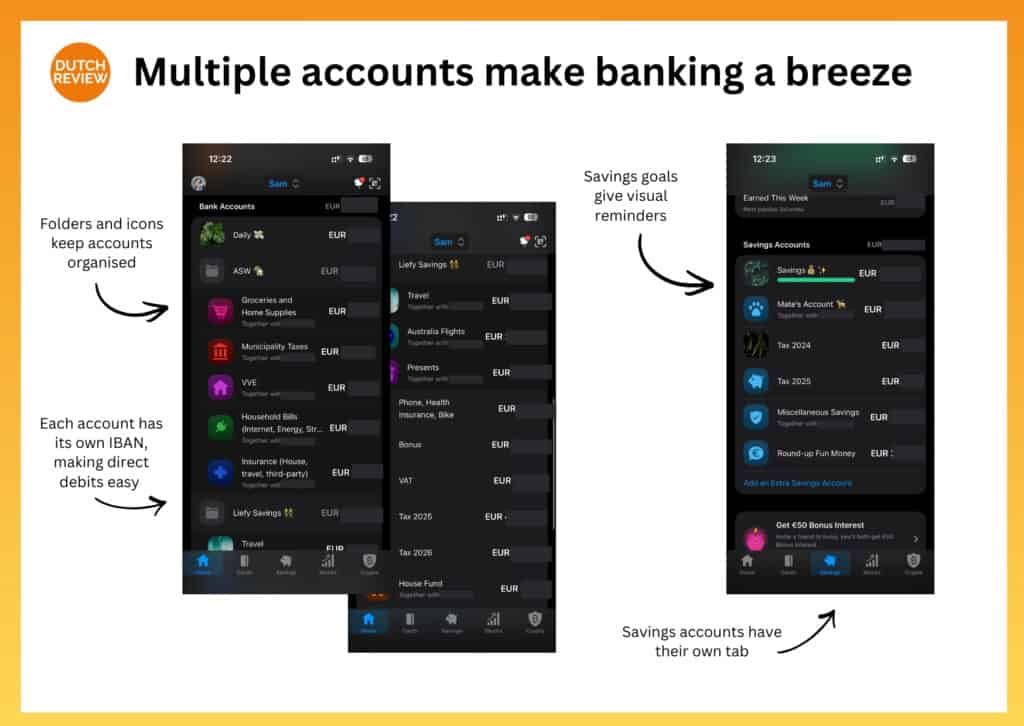
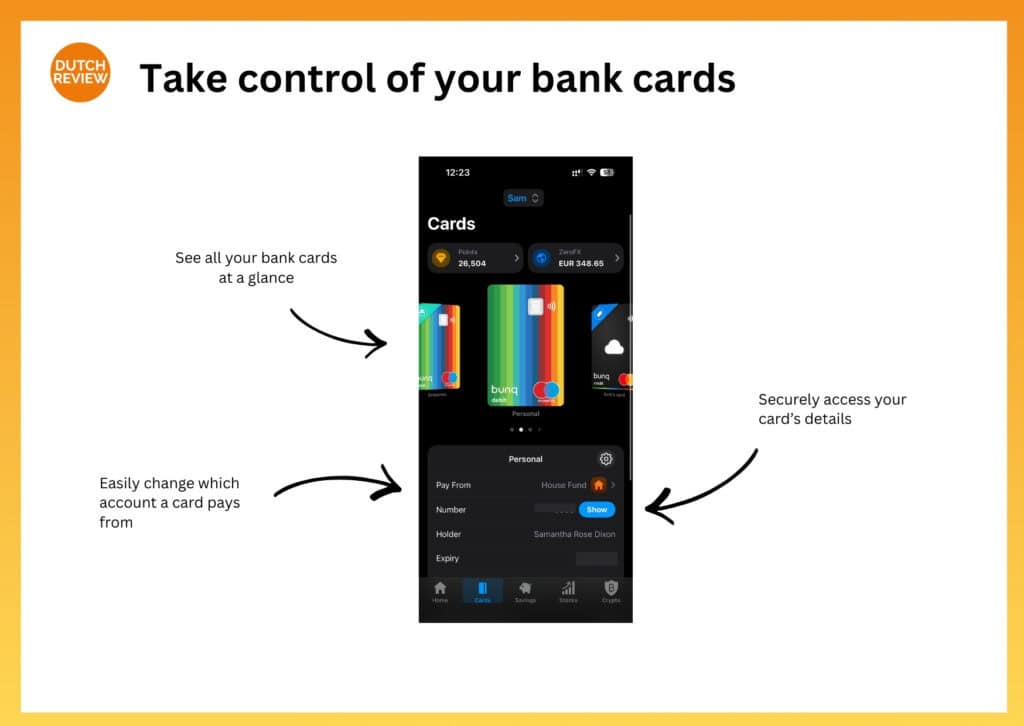
Similarly, banks like Revolut, bunq, and Qonto offer in-depth accounting tools — perfect if you’re also looking for a business bank account to help manage your invoices.

2. You need to become an admin wiz

It’s also up to you to keep on top of your administration. This means creating spreadsheets of your hours worked, tracking your stock, your expenses, and the tax you owe — and yes, it can be overwhelming. 

Thankfully, many online tools can help freelancers with this.

3. It’s up to you to set up (and pay into) a pension plan

One thing about being your own boss is that there’s no employer to take care of the bureaucracy — so it’s up to you to set up your own pension.

The AOW or Algemene Ouderdomswet (National Old Age Pension Act) is a basic pension provided by the Dutch government to anyone who lives and works in the Netherlands.

This means that, even if you’re an international, you will receive an AOW pension for the years you worked in the Netherlands. 

photo-of-freelancer-in-the-Netherlands-looking-at-phone-sitting-in-cafe
As a ZZP’er, it will be up to you to pay into your own pension plan. Image: Freepik

However, the AOW will only provide you with a very meagre allowance, which will likely not be enough to support you through retirement. 

Instead, in the Netherlands, it’s very common for people to supplement their state pension throughout their working lives. This is often done in two ways:

  • By personally contributing to a private pension account
  • By having an employer who pays into an employee pension fund

As a self-employed person in the Netherlands, you will not be able to rely on an employee pension, which means it’s up to you to contribute to your own private pension fund to supplement your government pension.

Good to know: The Netherlands is home to a few expat-friendly pension programmes, like Brand New Day.

4. You need to take out insurance in case you fall ill

Life happens, which means that sometimes, you find yourself unable to work due to illness or disability.  

Unlike when you are employed, as a freelancer in the Netherlands, it’s up to you to set up an insurance package that will help supplement your income should you ever find yourself unable to work. 

READ MORE | Which types of insurance do you need in the Netherlands? [2026 guide]

There are several ways you can protect yourself: 

  • You can take out private illness or occupational disability insurance
  • You can take out something called ‘individual occupational disability insurance with collective conditions’ 
  • You can participate in a ‘schenkkring’, a donation fund set up by a group of entrepreneurs. Each month, you donate to the fund, and should you ever become unable to work, you will receive some money from the fund for the first two years. The number of people in the group is usually limited.  
  • You can take part in ‘crowdsurance.’ Similar to a ‘schenkkring’, a group of entrepreneurs will contribute to a fund for participants. 

5. Your minimum wage is different to the normal minimum wage

As a freelancer, you’re also responsible for determining what you need to charge to cover your costs and pay yourself a livable wage. 

photo-of-freelancer-in -the-Netherlands-sitting-at-computer-working
Your minimum wage is much higher than that of regular employees. Image: Freepik

This means you must charge more than the national minimum wage per hour. Why? Because you will also need to cover the cost of your insurance, sick leave, and pension.

READ MORE | What is the average salary in the Netherlands? [UPDATED 2026]

As a result, it is suggested that the minimum hourly rate you should ask for as a freelancer in the Netherlands is €33, with the average hourly rate sitting between €40 and €50. 

6. You are financially liable for your own business

When you’re employed by someone, the worst thing that can happen if the business fails is that you will lose your job. While this is quite unpleasant, as a ZZP’er, it could be much worse. 

READ MORE | 7 things you need as a freelancer in the Netherlands

If your business fails to turn a profit and falls into debt, then that means you’re falling into debt. Your business is tied to your personal finances, and if it suffers, so do you. 

photo-of-freelancer-working-at-desk-in-the-Netherlands
As a ZZP’er, you’re financially liable when it comes to your business. Image: Freepik

7. You need to be aware of false self-employment

Many businesses in the Netherlands will hire people as freelancers when, in reality, they should hire them as employees. This is known as false self-employment. 

You are likely under false self-employment if: 

  • You cannot determine your own hours 
  • You cannot decide how you will carry out the work
  • You cannot subcontract your work to someone else 

People often find themselves working as a false freelancer when they are offered a job with the condition that they register themselves as a ZZP’er with the KvK. 

READ MORE | Becoming a freelancer in the Netherlands: The 2026 ZZPer guide

However, by becoming a ZZP’er under these conditions, you essentially become an employee without employee benefits. Your employer doesn’t have to pay into a pension fund for you, they don’t need to insure you, and it’s up to you to sort your taxes. 

Note: As of 2026, the Dutch government has announced that it will crack down on businesses that use false freelancers. The hope is that this will encourage businesses to properly hire employees when they should. 


Becoming a ZZP’er can be a very exciting step in your life in the Netherlands — just make sure you’re informed before you enter the ring. 💪

Are you working as a freelancer in the Netherlands? Tell us about your experience in the comments below! 
Dutch house prices are falling in 2026 (but there’s a catch!)

Dutch house prices fell in the first quarter of 2026, supply is up, and buyers are getting more time to make decisions.

However, before you crack open the bubbly and start dreaming of the home you’ll buy, we need to take a closer look at the fine print.

Here’s what the latest figures from real estate agent association NVM actually mean for anyone trying to buy in the Netherlands right now.

What’s changed for home buyers in the Netherlands?

According to NVM’s figures, the average sale price of an existing home was €485,000 last quarter, down 2.7% compared to the last quarter of 2025.

Given that the average seasonal dip around this period is 1.2%, we’re experiencing what the NVM describes as “a price drop that is steeper than usual.”

READ MORE | How much deposit do I need for a house in the Netherlands?

And, with supply climbing to just under 30,000 properties in Q1 (over 20% higher than a year ago), there are also more homes on the market.

A few factors are driving the sudden slump in demand, including mortgage rates edging up slightly at the end of 2025, a drop in consumer confidence, and global economic uncertainty, which is making people more cautious.

photo-of-realtor-talking-to-couple-while-buying-a-house-in-the-Netherlands
While house prices are down, you’ll have no such luck with mortgage rates. Image: Dreamstime

However, even with less pressure to overbid wildly, there’s a catch: two-thirds of homes are still selling above asking price, with an average premium of 3.7%.

In the words of NVM chair, Lana Goutsmits-Gerssen, this “gives buyers more breathing room, but it does not mean that the housing market is suddenly relaxed. Affordability remains under pressure, and there is still a shortage in many regions.”

The kind of home you’re buying matters

It goes without saying that not all properties are treated equally — energy-efficient, fully-furnished homes are still selling like hot pannenkoeken.

Meanwhile, homes with a poor energy label, a high price tag, or a less desirable location are sitting on the market longer.

READ MORE | Utilities in the Netherlands: the ultimate guide to gas, electricity, and water

If you’re looking at new-build properties, the picture is more complicated. Supply has jumped to around 18,200 homes (the highest since 2016), but sales fell, with roughly 5,600 new builds sold in the first quarter of 2026.

dutch-suburb-with-owner-occupied-homes-and-several-cars-in-the-foreground
Buyers are especially hesitant about new builds. Image: Dreamstime

What’s making people hit the brakes? According to the NVM, buyers are hesitant because of long lead times between purchase and completion, high bridging costs, and krimpflatie (shrinkflation).

The latter, in particular, refers to a scenario where house prices look stable, but the square meterage keeps quietly shrinking.

What this means for you

The bottom line is that, while the Dutch housing market is less frantic than it was, it’s still not a buyer’s market.

Supply remains short of demand in most regions, and borrowing power is still the main constraint for most people.

However, there are also a few upsides — key among them the average selling time of 32 days, versus the near-instant turnaround of peak years.

Are you currently trying to buy a house in the Netherlands? Tell us how it’s going in the comments below.

21 best day trips from Amsterdam: the ultimate travel guide

Thinking about taking a day trip from Amsterdam? Wat leuk! (How nice!) While there is heaps to see in the Dutch capital, you can discover even more outside the city. 

Picking what to do and see in a short time can be confusing and complicated — but we have some top travel recommendations, no matter what you want to explore!

Here are 19 of the best day trips you can take from Amsterdam, sorted by distance. 😉

This post might have affiliate links that help us write the articles you love, at no extra cost to you. Read our statement.


Day trips less than 30 minutes from Amsterdam

If you won’t be in the city for long, a 30-minute day trip from Amsterdam is perfect for getting out of the city for a day. Here are our best picks for nearby towns and cities. 

1. Zaanse Schans: a picture-perfect town of windmills

A trip to the Netherlands would be incomplete without seeing windmills — and there’s no better way to see them than in the historical town of Zaanse Schans.

This quaint village gives visitors a clear impression of Dutch life in the 17th and 18th centuries.

READ MORE | The perfect weekend trip from Amsterdam: How to spend two days in the Zaan region

From cheese and dairy factories to traditional windmills and historical museums, you’ll live, breathe, and experience the old Zaan style of living. Classic!

🚗 Travel time by car: 21 minutes
🚃 Travel time by train: Amsterdam Centraal – Station Zaanse Schans, 17 minutes
Don’t miss: Zaanse windmills, Honig Breethuis, Museumwinkel

2. Haarlem: the river city

An ideal day trip from Amsterdam, Haarlem is located between the Spaarne River and coastal dunes — did someone say beach? 🏖

Canalside-view-of-Haarlem-in-the-Netherlands
Wouldn’t you love to take a walk along the Spaarne river? Image: Depositphotos

This city has everything: bustling markets and shopping streets, plenty of family-friendly cultural activities like museums, comedy clubs, concerts, and restaurants offering a world of cuisines.🍴

If you’re looking for a change of scenery but still want to have lots of activities to do, Haarlem is the place for you. 

🚗 Travel time by car: 30 minutes
🚃 Travel time by train: Amsterdam Centraal – Station Haarlem, 19 minutes
Don’t miss: St. Bavo’s Kerk (church), Grote Markt, Bloemendaal aan Zee

3. Broek in Waterland: a village fit for sea captains

Broek in Waterland made a name for itself back in the 16th century — a popular vacation destination for sea captains! 🧑🏻‍✈

If you’re looking for a getaway from the big city, Broek in Waterland is the definition of an idyllic Dutch town. 

READ MORE | The 10 best authentic Dutch villages that you have to visit

With a population of barely 3,000, this village has quiet streets and picturesque surroundings. 🌿

Old-traditional-harbour-of-Broek-in-waterland
There’s a reason sea captains had an affinity for this town. Image: Depositphotos

Its standout feature is its traditional wooden houses, with more than 80 of them considered National Heritage Sites. 

There are also lots of biking and walking routes nearby. If you’re looking to get some fresh air and exercise while on a day trip from Amsterdam, check out the biking tours around the town!

🚗 Travel time by car: 14 minutes
🚃 Travel time by train: Amsterdam Centraal – Broek in Waterland, 18 minutes
Don’t miss: Traditional village townhouses

4. Marken: a former island in the Zuiderzee

Marken was separated from the Dutch mainland in the 13th century by a storm, becoming an island in the Markermeer lake. ⛈️ 

Residents of the town built wooden houses on artificial hills to prevent further flooding damage. To this day, these picturesque homes remain a popular cultural attraction. 

Only nine kilometres in area, you can easily walk across the whole island.

On your walk, you can visit the cosy town harbour or enjoy the scenic route of fields, forests, and the lakeshore. 🚣🏼

This town has historical connections to Volendam, so you could make it a longer day trip from Amsterdam and visit two towns with one ferry. 😉

🚗 Travel time by car: 27 minutes
🚃 Travel time by train: Amsterdam Centraal – Marken, 45 minutes 
Don’t miss: Paard van Marken Lighthouse, The Marken Museum

5. Volendam: a traditional Dutch fishing town

Volendam is the best-known fishing village in the Netherlands. You can visit the old harbour full of traditional Dutch ships, many of which are still in use! 🎣

This day trip from Amsterdam would be incomplete without trying some of their lekker (tasty) fish delicacies. You can finally conquer your fear of raw herring and smoked eel, or stick to the classic kibbeling (deep-fried codfish). 

Volendam-seaside-villages-and-town
Fresh ocean air and delicious food. What else could you ask for? Image: Depositphotos

Volendam is also one of the few towns where you can experience traditional Dutch clothing.

It’s surely the most recognisable traditional Dutch costume, with charming hats and clogs (not everyone wears them, so they’re extra special). You can even wear the clothes yourself for a souvenir picture!


Day trips less than one hour from Amsterdam

If you have a little more time on your hands, you can check out these day trips away from Amsterdam!

They’re just a tad further from the Dutch capital, but you’ll see some beautiful monuments and sites if you make the trip. 

6. Hoorn: the pearl of the IJsselmeer

Hoorn is located by the IJsselmeer, an artificial sea-turned-lake in Noord-Holland. This harbour town has a lively centre with plenty of shops, terraces, and restaurants to enjoy.

If you’re looking for an authentic Dutch maritime village, Hoorn is the place to go. 

Old-harbour-of-Hoorn-in-the-Netherlands
Hey, Hoorn isn’t so bad for an “artificial” island. Image: Depositphotos

You can also check out historical monuments like the historic ship, 16th-century warehouses, the 16th-century defence tower, and the Oosterkerk (Eastern Church) for fishers and sailors!

If you want to get active, you can try some water sports (though we can’t guarantee comfortable water temperatures 🥶) or take a walk on the beach and through the dunes around the area. 🚶🏻

🚗 Travel time by car: 35 minutes
🚃 Travel time by train: Amsterdam Centraal – Station Hoorn, 33 minutes
Don’t miss: Westfries Museum, The Red Square, De Hoornse Straatjes

7. Leiden: the city of arts and sciences

With the canals and architecture to rival Amsterdam, Leiden might be one of the most underrated places for a day trip from Amsterdam.

We should know — it’s home to our headquarters and one of our favourite Dutch cities! 😉

A walk through the city centre will show you all the trendy restaurants, bars, and cafés on offer.

Leiden is also home to cute, unique shops where you can buy handmade ceramics, old-fashioned mechanical wristwatches, and vintage records. 

A university city since 1575, Leiden has been a prominent centre of art and science worldwide.

The inner city is full of museums and historical buildings, such as the Leiden Citadel and the old city gates. It was also home to more Dutch artists than you might expect — Rembrandt, Steen, and more! 👨🏼‍🎨

Plenty of trains pass through Leiden, making it a convenient day trip from Amsterdam. 😌

🚗 Travel time by car: 42 minutes
🚃 Travel time by train: Amsterdam Centraal – Leiden Centraal, 43 minutes
Don’t miss: Hortus Botanicus Leiden, Hooglandse Kerk, Museum de Lakenhal

8. Utrecht: the very centre of the Dutch mainland

Utrecht is the Netherlands’ bright, beating heart, connecting the east to the west at the centre of the Netherlands.

Built around the Dom Tower, you can see this spectacular monument from all around the city — so you’ll never get lost.

The historic city is surrounded by an old moat called De Singel, built for defence in the 12th century.

One of the most special parts of Utrecht is its unique terraces: landings right next to the canals, which are lined with bars and restaurants. 

Terraces-on-canals-in-Utrecht
Try combining two very Dutch things: canals and terraces! Image: Depositphotos

With lots of places to shop and eat, cultural spots like museums and concert halls, access to nature, and beautiful inner-city sites, you won’t run out of things to do in Utrecht

This city is a super convenient day trip from Amsterdam because of the direct intercity train (the fast train that runs between cities) that runs every 4 hours. The journey is less than 30 minutes! 🚅

🚗 Travel time by car: 44 minutes
🚃 Travel time by train: Amsterdam Centraal – Utrecht Centraal, 26 minutes
Don’t miss: The Dom Tower, Rietveld Schröder House, Hoog Catharijne

9. Rotterdam: a city with an unmatched skyline

A city of skyscrapers, bright buildings, and modern facades, Rotterdam is the metropolis of the Netherlands. 🏙

Rotterdam was heavily bombed during World War II, which is why you see far less iconic Dutch architecture from the 17th century, like in Amsterdam or Leiden.  

The city has a thriving nightlife scene, sophisticated shopping streets and markets, hip cultural attractions, and a wealth of good food.

Rotterdam might be best known for its expansive port and the iconic skyline that graces the river Maas. ⛴

It’s also a convenient day trip from Amsterdam, with direct intercity trains running every 15 minutes from the central station!

🚗 Travel time by car: 1 hour and 1 minute
🚃 Travel time by train: Amsterdam Centraal – Rotterdam Centraal, 41 minutes
Don’t miss: Markthal, The Euromast, The Cube Houses, Blijdorp Zoo

10. The Hague: city of justice

The Hague is the political capital of the Netherlands, making it a perfect pairing for a day trip from Amsterdam, the cultural capital.

This Dutch city, filled with historical monuments and museums, is the only major city with a beach and has an international scene second to none in the Netherlands. 

the-hague-parliament-building-binnenhof
The Hague is home to the Dutch parliament. Image: Depositphotos

You can enjoy a beautiful city centre with places to eat and shop to your heart’s desire, or perhaps go hiking in one of many scenic locations in the Hague, like the Haagse Bos. 

If you’re looking to dip your feet in the (albeit freezing) sea, look no further than Scheveningen Pier.

It’s the perfect place to sit by the beach, grab a drink, and enjoy the sea, whether it’s doing water sports or just lounging. 🙂

🚗 Travel time by car: 58 minutes
🚃 Travel time by train: Amsterdam Centraal – Den Haag Centraal, 53 minutes
Don’t miss: Peace Palace, Buitenhof, Madurodam, Scheveningen Pier, and Boardwalk

11. Delft: home to Vermeer and Delft Blaauw

Delft has an international reputation as the hometown of Dutch artist Johannes Vermeer and as the originator of Delft Blaauw (Delft Blue) pottery.

It is the definition of a full-sized city with a small-town feeling — gezellig! 🔵

View-of-main-square-in-Delf-the-Netherlands
Don’t miss Delft’s stunning main square. Image: Depositphotos

The city boasts beautiful architecture and historical sights like the Eastern Gate from the old city walls to the New Church of Delft.

If you’re curious about experiencing another student city, Delft’s busy nightlife will keep you up on your feet all night long. 💃🏻

🚗 Travel time by car: 59 minutes
🚃 Travel time by train: Amsterdam Centraal – Station Delft, 1 hour and 5 minutes
Don’t miss: Delft City Hall, Old Church of Delft

12. Gouda: the birthplace of iconic Dutch cheese 

Which came first, the cheese or the city? For Gouda, the city is the namesake for this world-famous cheese. 🧀

It’s a surprisingly old city with plenty of monuments and buildings dating back to the 13th century, like the city hall (formerly surrounded by a moat) and St. John’s Church. 

gouda-cheese-in-a-shop-window-in-netherlands
Fun fact: Gouda is actually NOT the cheese capital of the Netherlands. Image: Pixabay

The city is quaint, but the centre bustles with shops, restaurants, bars, and cafés.

Check out the weekly Markt (market) on Thursdays and Saturdays and the first Fairtrade Street in the Netherlands, where all street food is sustainably produced and sold!

🚗 Travel time by car: 1 hour
🚃 Travel time by train: Amsterdam Centraal – Station Gouda, 53 minutes
Don’t miss: Gouda cheese market, Old City Hall, The Waag (weigh house) Museum

13. Schiedam: home to the world’s tallest windmill

Yep, you heard that right! While there are windmills all around the Netherlands, Schiedam has the tallest traditional windmills of all, standing at 26.6 metres. 🍃

Tall windmills for a tall group of people, it seems. 🤷🏻

Tallest-windmill-in-Schiedam-the-netherlands
That’s one tall (and old) windmill. Image: Depositphotos

Schiedam is also known for being the Netherlands’s gin capital, with the city producing the most jenever (also known as Dutch gin) in the country.

There are also several museums where you can see the production process. 🍸

Apart from windmills and gin, you can visit Gothic cathedrals, 14th-century churches, and history museums, creating an excellent combination of culture and recreation in one day trip from Amsterdam!

🚗 Travel time by car: 55 minutes
🚃 Travel time by train: Amsterdam Centraal – Schiedam Centrum, 1 hour and 8 minutes
Don’t miss: National Jenever Museum, Jenever ‘t Spul, Liduina Basilica, Stedelijk Museum Schiedam


Day trips over an hour from Amsterdam

If you’re looking to get out of the region and visit a far-off place (for Dutch standards), here are some longer day trips from Amsterdam!

14. Dordrecht: a historic trading port

Dordrecht is the oldest city in Holland (we mean the old province of Holland and not the so-called “country”!).

There are plenty of cultural spots, including seven churches and several historical monuments-turned-museums. 

photo-of-Dordrecht-with-the-Grote-Kerk-in-the-Netherlands
As the oldest city in Holland, Dordrecht gets its own flag! Image: Dreamstime

While most of the Netherlands is surrounded by canals and dikes, water and boats make a unique part of Dordrecht’s cityscape. 

As an old trading port, there are plenty of historic boats scattered around the old harbours connected by canals. On your day trip from Amsterdam, check out the canal network and catch a boat tour! 🚤 

🚗 Travel time by car: 1 hour and 5 minutes
🚃 Travel time by train: Amsterdam Centraal – Dordrecht Centraal, 1 hour and 34 minutes
Don’t miss: Dordrechtsmuseum, Munt van Holland (Mint of Holland), Grote Kerk

15. Tilburg: Dutch textile central

Tilburg is the second-largest city in Noord-Brabant and is known for turning old into new. ✨

Originally famous for its textile industry, the city has now made a name for itself for its energetic street art, world-class museums, urban scene, and as one of the greenest cities in the Netherlands. 

Don’t miss a trip to the LocHal library, a former warehouse converted into a library and the 2019 World Building of the Year!

If you go on a day trip from Amsterdam in July, Tilburg hosts10-day fair that draws more than a million visitors each year. 🎡

🚗 Travel time by car: 1 hour and 28 minutes
🚃 Travel time by train: Amsterdam Centraal – Tilburg Centraal, 1 hour and 52 minutes
Don’t miss: Textielmuseum, Stadsmuseum Tilburg, Tilburg Kermis

16. Groningen: the hidden gem of the north

Despite being far away from most big cities, Groningen attracts many travel buffs, making it the perfect day trip from Amsterdam if you really want to get out of your surroundings. 

Groningen has a compact city centre with restaurants and shops, beautiful sites like the Martini Tower and Grote Markt, and contemporary art museums. 🗼

As a student city, Groningen has exciting nightlife — plenty of clubs and bars included. 😉

Along with an energetic centre, quiet countryside surrounds Groningen city, which you can enjoy.

You can hike on one of the beautiful trails through the dunes and along the coast or take a cycle route around artificial hills, forests, and old forts. 

🚗 Travel time by car: 2 hours
🚃 Travel time by train: Amsterdam Centraal – Groningen Station, 2 hours
Don’t miss: Groninger Museum, Martinitoren, Groningen City Centre

17. Den Helder: city of the sun

Surrounded by water on three sides, Den Helder is a maritime city at heart.

At the northernmost point of the Dutch coast, the city has many naval sights, including the largest naval base in the Netherlands. 

Den Helder boasts a rich history with the largest Dutch naval base, a historic harbour, and fascinating marine attractions, including the North Sea Aquarium and three museum ships (museums housed in historic ships from the Dutch Navy!). 

If you’re seeking nature and scenery, the city has a wide variety of landscapes — you can take a refreshing hike around the dunes and polders surrounding the Wadden Sea. 

🚗 Travel time by car: 1 hour and 10 minutes
🚃 Travel time by train: Amsterdam Centraal – Den Helder, Steiger TESO, 1 hour and 40 minutes
Don’t miss: Fort Kijkduin, The Marine Museum, Lange Jaap Lighthouse

18. Giethoorn: Venice of the Netherlands

A picture-perfect landscape, Giethoorn is an almost entirely car-free village, replaced with boats and, of course, bicycles.

READ MORE | 14 glorious things to do in Giethoorn

You don’t want to miss a boat tour around this scenic town or a pleasant hike around the area. 🚶🏻

Giethoorn is a Dutch town through and through — with winding canals, countless boats, and quaint, matching houses, it doesn’t get more gezellig than this. 🧘🏻

🚗 Travel time by car: 1 hour and 26 minutes
🚃 Travel time by train: Amsterdam Centraal – Blauwe Hand Bus Station, 2 hours
Don’t miss: Boat tour through Giethoorn, Gondola festival, Giethoorn walking route

19. Bourtange: the medieval fortress village

While the name suggests a beautiful rural town in France, Bourtange is actually in the Netherlands! Although it might be the longest day trip from Amsterdam yet. 

This small village in the north is a perfectly restored medieval fortress town, built in the shape of a star. ⭐️

Aerial-view-of-bourtange-village-in-the-netherlands
Literally a star of a town! Image: Depositphotos

With a population of 430 people, there isn’t much room for proper shopping, but you can check out smaller quirky shops with Delfs Blaauw pottery, candles, other gifts, and trinkets. 

We recommend exploring the medieval architecture, which you’ll find all over the city. From fortified walls and traditional houses to windmills, visiting Bourtange is like visiting a village-sized museum!

🚗 Travel time by car: 2 hours and 35 minutes
🚃 Travel time by train: Amsterdam Centraal – Bourtange Bus Station, 3 hours and 16 minutes
Don’t miss: City fortifications, Church of Bourtange

20. Texel: a Dutch island escape

For a breath of fresh air on your day trip from Amsterdam, hop on a ferry to Texel: the largest of the Wadden Islands in the north of the Netherlands.

Just a short trip from the mainland, this island is a perfect escape from city life, offering stunning nature, charming villages, and plenty of activities for every type of traveler.

Eierland-lighthouse-in-texel
Believe it or not, this is the Netherlands! Image: Depositphotos

One of the best ways to explore Texel is by bike — with over 140 kilometres of cycling paths, you can easily ride through Duinen van Texel National Park, a breathtaking coastal reserve with dunes, forests, and heathlands.

Beach lovers can relax on De Koog, one of Texel’s most famous beach towns, or take a mudflat walking tour during low tide to experience the seabed up close. Whether you’re feeling adventurous or craving a beach day, Texel is for you.

🚗 Travel time by car: 2 hours and 14 minutes
🚃 Travel time by public transport: Amsterdam Centraal – Den Helder – Texel, 3 hours and 9 minutes
Don’t miss: National Park Duinen van Texel, Eierland Lighthouse, beaches

Powered by GetYourGuide

21. Zierikzee: historic harbour vibes

For a mix of history, seaside beauty, and authentic Dutch culture, Zierikzee is a hidden gem worth discovering on a day trip from Amsterdam.

Located in Zeeland, this medieval town boasts over 500 monuments, including the impressive Sint-Lievensmonstertoren, which you can climb for panoramic views of the coastline.

A stroll through the picturesque harbour brings you past centuries-old fishing boats, and a visit to the Maritime Museum will teach you all about the town’s seafaring past.

Foodies, you’re in luck: The region is famous for its seafood, so don’t miss the chance to indulge in fresh Zeeland oysters, mussels, or lobster at a waterfront restaurant.

🚗 Travel time by car: 2 hours and 20 minutes
🚃 Travel time by public transport: Amsterdam Centraal – Zierikzee, Sas, 2 hours and 51 minutes
Don’t miss: Oosterschelde National Park, harbours

Powered by GetYourGuide

How to get around the Netherlands for day trips

There are a couple of ways to get around for day trips in the Netherlands, depending on what you’re comfortable with: taking public transport, hiring a car, or cycling. 

Using Dutch public transport for day trips

Public transport in the Netherlands is reliable and easy to use. Most cities have trains, trams, and buses, and some, like Rotterdam and Amsterdam, even have metros and ferries. 

If you’re travelling between cities, you can buy many types of (cheap) train tickets. The day ticket is the most common and accessible ticket to travel on any train during off-peak hours.

READ MORE | 21 beautiful towns in the Netherlands that aren’t Amsterdam

If you’re travelling within a city, you can buy tickets for trams, buses, and metros at ticket kiosks that are usually located around the stop.

Alternatively, you can use your bank card to access the full range of Dutch transport. Use it like a travel pass by scanning it at any transport terminal.

The Netherlands also has an extensive public night transport system that you can use.

taking-the-amsterdam-public-tram-system-on-day-trips-from-amsterdam
A lot of the bigger cities in the Netherlands have their own tram networks. Image: Freepik

If you are staying in Amsterdam for longer and would like to take us up on a number of our day trip suggestions, an OV-chipkaart (public transport card) might be the thing for you.

You can usually buy an anonymous OV-chipkaart in any major train station. Just go to the NS service desk and ask to buy one! The staff would be happy to direct you further on how to load balance on your very own OV.

Hiring a car to visit Dutch towns and cities

There are five major car rental companies where you can hire a car: Avis Budget, Enterprise Rent-a-Car, Europcar, Hertz, and Sixt.

If you’re flying into Schiphol Airport, you can rent a car from one of these companies directly at the airport. You can either pre-book a car or just go with the flow and see what’s available upon arrival!

If you’re arriving in Amsterdam by another means, these car rental companies have rental locations across the city. 

Biking on a day trip from Amsterdam

Biking around your desired day-trip city is a great way to get a feel for Dutch cycling culture! 

READ MORE | 17 reasons why biking is king in the Netherlands

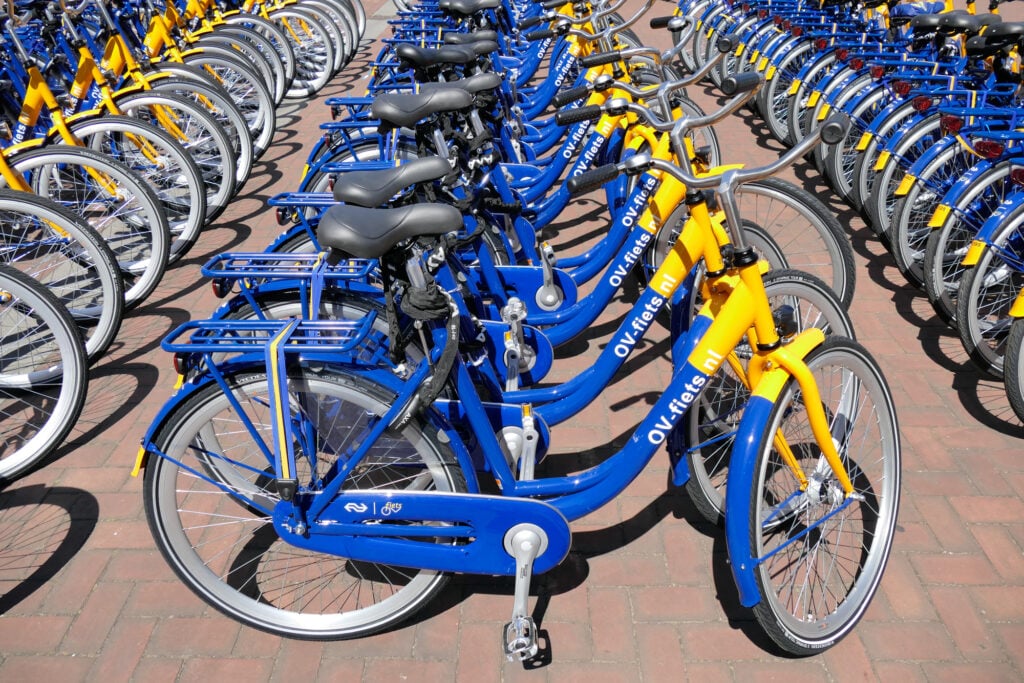
If you have a personal OV chipkaart (only available to residents of the Netherlands), you can go full circle and rent an OV-fiets.

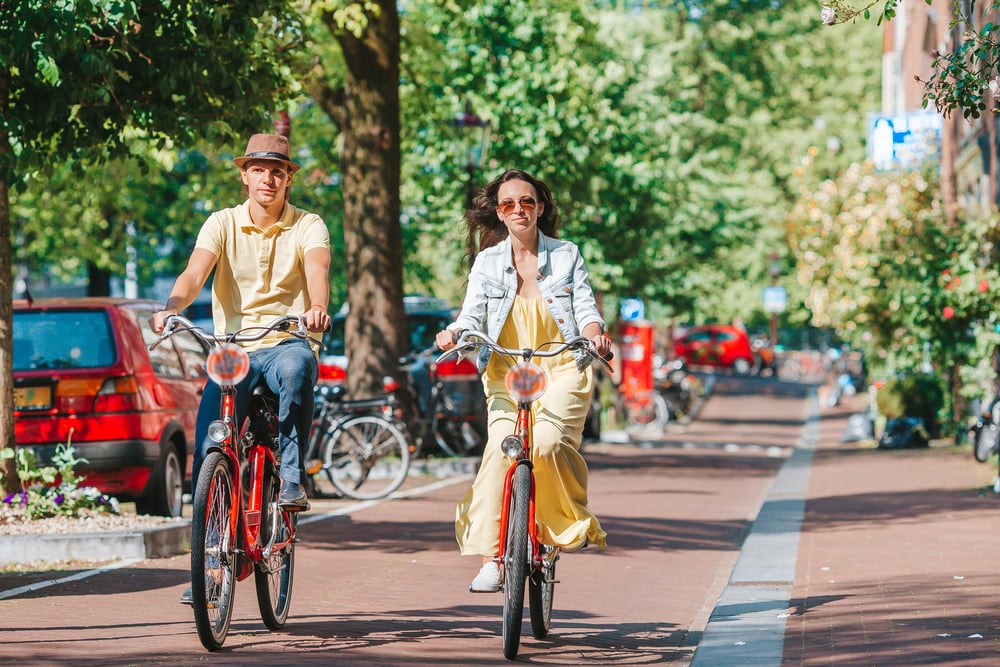
photo-of-man-and-woman-cycling-on-their-day-trips-from-amsterdam
Cycling is hands down the best way to get around Amsterdam. Image: Depositphotos

The NS has set up bicycle rental locations at most train stations, bus and metro stops, which you can rent for a few hours at a time.

However, if you only have an anonymous OV-chipkaart or none at all, try renting a bicycle from one of the many options in Amsterdam. Different types of bicycles are available for hourly/daily rates.

You don’t need to bike like a seasoned Dutchie, but be extra careful while driving on the bike paths in Amsterdam’s city centre (and mentally prepare for locals yelling at you for being in their way).

What’s your favourite spot for a day trip from Amsterdam? Leave some suggestions in the comments!

Day trips from Amsterdam: frequently asked questions

What are the best day trips from Amsterdam?

Where can I see windmills near Amsterdam?

Where can I see tulips near Amsterdam?

Can you do a day trip from Amsterdam to Bruges?

Where is it easy to travel to from Amsterdam?

What’s close to Amsterdam by train?

How to open a bank account in the Netherlands: the ultimate guide

You’ve moved to the Netherlands (or maybe you will soon), and it suddenly hits you — do you need to open a Dutch bank account? In most cases, the answer is yes! 

However, finding your way around the Dutch banking world can be confusing for internationals.

READ MORE | Banking in the Netherlands: The complete guide

Did you know, for example, that Dutchies are incredibly fond of cards and rarely use cash? But not just any card: in the Netherlands, debit cards are your golden ticket to pretty much everything. 

Warning! Your international bank cards may not work in the Netherlands. To avoid any nasty surprises at the checkout, you’ll need a Maestro or VPay debit card. Luckily, you’ll get one of these if you open a Dutch bank account!

Here’s all you need to know about opening a bank account in the Netherlands!

This post might have affiliate links that help us write the articles you love, at no extra cost to you. Read our statement.


How to open a Dutch bank account

There are a few things you’ll need to have in order, but once sorted, getting a Dutch bank account is super easy! Just follow these simple steps:  

1. Choose your new Dutch bank and your account types 👩‍💻

When choosing your Dutch bank, it is a good idea to do a little research to find out which bank will best suit your needs. There are three major banks in the Netherlands: ING, ABN AMRO, and Rabobank.

Of course, the best banks for Dutchies aren’t necessarily the best banks for internationals.

Both ING and ABN AMRO offer English websites.

Although neo-banks like bunq and Revolut are built for foreigners, ING and ABN AMRO also offer support for English-language support and easy international transfers.

2. Gather your identification documents and BSN 📝

To open a Dutch bank account after you’ve arrived in the Netherlands, you’ll need to find the following documents:

  • Proof of ID (passport or identification card)
  • Proof of address (for example, your rental contract or a utility bill)
  • Your Dutch residence permit (if you are not an EU citizen)
  • Citizen service number (BSN) 

You receive your BSN (burgerservicenummer)when you register with your new Dutch municipality. If you don’t have a BSN number yet, some banks, like ING, bunq or ABN AMRO, allow you to provide this later. 

READ MORE | At these Dutch banks, you can open an account BEFORE getting a BSN

3. Attend your bank or sign up online 🤝

Now, let’s get to the good stuff. To open your Dutch bank account, you have a few options: attend your local banking branch or use the bank’s website.

Book a meeting at a local branch

To verify your identity when first opening an account, some traditional banks may require you to attend one of their offices.

You’ll need to bring:

  • Proper identification. You can bring a Dutch ID card, driving licence, diplomatic passport, service passport, residence document, or type W foreign national identity document.
  • If you do not have a Dutch ID, you’ll likely need to bring your national ID and an additional document to prove that you either live, work, study, or own a house in the Netherlands. This could be an extract from the Dutch Personal Records Database (BRP) that you received when you got your BSN, an employment contract, proof of enrollment, or an eigendomsinformatie (ownership information document).

Let op! Always double-check with your desired bank what ID they prefer you to bring.

Open your account online 

Want to open your Dutch bank account without having to change out of your pyjamas? You got it!

Some banks, like bunq and ABN AMRO, allow you to open a bank account in the Netherlands without attending the bank. 

If you have an EU passport and a BSN, you can open an account at ABN AMRO via the bank’s mobile app. 

Not from the EU? Then bunq might be your best choice! All you need to open a bank account with bunq is to download their mobile app and upload your (non-Dutch) ID — for the first three months, you don’t even need a BSN number.

4. Wait for your Dutch bank cards to arrive in the mail 📫

After opening your brand new Dutch bank account, you can sit back and wait for your card and bank account details!

Usually, it’ll take a week or so for everything to arrive (your bank card and the details you need to activate it are sent separately). They’ll typically arrive in the following order: 

  1. Your bank card
  2. Your PIN code
  3. Your mini-scanner to use for internet banking and online shopping (if your bank uses this system — more on that below 😉).
infographic-showing-the-accepted-bank-cards-in-netherlands-most-accepted-maestro-vpay
Want to avoid awkwardness at the checkout? Use Maestro! Image: DutchReview

The best Dutch banks for internationals

Okay, you know how to open a bank account in the Netherlands, now the only question is: Which bank should you choose?

As internationals who have tried and tested almost every bank around, these are the best banks for expats in the Netherlands:

  • ING: One of the biggest and most reliable banks in the Netherlands, ING’s benefits range from powerful credit and debit card facilities to a handy mobile app packed with features. Its ease of usage and availability of information in English set it apart from other major Dutch banks.
  • ABN AMRO: If you prefer a traditional bank, ABN AMRO is a winner. This brick-and-mortar bank is highly trusted in the Netherlands. You can open an account online (also with no BSN yet!).
  • Revolut: Popular in Ireland, the UK, and now the Netherlands, Revolut is feature-packed and delightful to look at. Even though it’s international, you can get a Dutch IBAN.
  • N26: N26 is another neobank with incredible features. Security is at the forefront of their design, and you can use sub-accounts to organise your money like a pro.

Things to know about opening a bank account in the Netherlands

You’ve opened a Dutch bank account and received your all-important debit card — now what? Here are a few handy things to keep in mind when banking in the Netherlands. 

Costs of bank accounts in the Netherlands

Most banks in the Netherlands charge a monthly or yearly fee for having an account with them. However, if you’re a student, you can usually open a Dutch bank account for free (yay!).  

READ MORE | Investing in the Netherlands: 7 great apps for getting into stocks

Other costs to consider are additional services such as insurance or a credit card. Also, keep in mind that there’s usually a small fee associated with international bank transfers

Savings accounts in the Netherlands

Savings accounts in the Netherlands are easily accessible online and are considered very safe due to government deposit insurance. That means that if the bank fails, your money will be returned to you up to €100,000 per person, per bank.

That being said, we’ll be honest and tell you that most traditional banks in the Netherlands, like ING and Rabobank, have fairly low interest rates on savings.

Of course, specific terms and rates may vary, so it’s best to compare options before choosing a savings account.

photo-of-piggy-bank-looking--at-camera-with-100-euuro-note-sticking-out-of-it-on-desk-with-plants-in-background
A good interest rate on savings will help make your money grow! Image: Freepik

However, if you’re looking for a savings account in the Netherlands with good interest rates, you have a lot of options outside of traditional banks, such as neobanks like bunq, savings tools like Raisin, and independent savings platforms like Trade Republic.

Authorising payments: QR codes and scanners

After opening your Dutch bank account, the fun can begin: Shopping! To purchase things online with your Dutch bank card, you’ll need to authorise your payment.

This can be done either by scanning a QR code with the banking app on your phone or via a handy little scanner provided by your bank.

Whether you use the scanner or your phone really comes down to personal preference. Some banks, such as ABN AMRO, send you their scanner automatically and require you to use it the first time you log on to their internet banking system.

(After this, you can switch to just using QR codes!)

Other banks, such as ING, use QR codes as the default, but will send you their “ING scanner” if you request it. Having a scanner is useful if you don’t have a smartphone or tablet, or if you prefer not to install the banking app on your phone.

Sending money in the Netherlands: iDEAL & Tikkie

The Dutch are famous for, well, going Dutch. However, instead of everyone pulling out their separate bank cards to pay for their share of the dinner, it’s common for one person to pay everything — and then send a bill to their friends later. 

How can you do that? Simple! Send them a Tikkie.

READ MORE | Tikkie etiquette: the do’s and don’ts of asking for money in the Netherlands

Tikkie is an immediate money transfer system that uses a phone app to send a request for money. It’s probably the Dutch people’s favourite payment system, so you’ll be Tikkie-ing away in no time!

girl-using-tikkie-on-phone
What the frikandel is Tikkie?! Image: Canva/DutchReview

And what about when you go on an online shopping spree online or need to pay a bill? Then iDEAL is the way to go!

iDEAL is a simple way to pay online without having to enter all your card details.

Instead, the service prefills your purchase information into your internet banking environment for you to complete your purchase. All you need to do is authorise your shopping with a QR code or your bank scanner.

Sending money abroad from the Netherlands

Now that you have a Dutch bank account, you can, of course, use it to send money home from the Netherlands.

However, you’ll notice that the bank will charge you for international transfers (and sometimes a lot).

Luckily, there’s a different way for you to send money to and from the Netherlands for cheap!

Additional insurance with your Dutch bank account

When you open a bank account in the Netherlands, you’ll most likely be asked if you want to purchase any insurance policies together with your account.

READ MORE | 7 Dutch insurances you never knew you needed

Often, banks in the Netherlands offer everything from home to car to travel insurance. Take a look at what your bank has to offer and decide which (if any) are best for you! 

Opening a Dutch bank account for your child

Do your children need a Dutch bank account? No problem! In the Netherlands, bank accounts for children are usually divided into two categories:

  • “Youth” or “children’s” accounts are for kids up to 12 years old, and
  • “Young person’s” accounts are for those aged 12 to 18. 

The details for these account types differ a little depending on which bank you choose.

The good thing is that they’re all made to give your child some autonomy — while also giving you the ability to monitor their spending. 

father-and-son-drinking-milkshake-son-paying-with-debit-card-in-the-netherlands
Getting your child their own debit card can help them build responsible spending habits! Image: Depositphotos

Setting up a Dutch bank account for your children is similar to opening one for yourself.

You can easily open an account for them online or at a branch, provided that you have your identification documents in order.

You may also have to sign an internet banking agreement for your child. 

Joint bank accounts in the Netherlands

In the Netherlands, you can also easily open a joint account together with your partner.

Depending on your Dutch bank, you can open a joint account directly via their banking app, or you can arrange a meeting in your local branch.

Sometimes, banks offer packages to choose from when setting up a Dutch joint account, so check which services your bank provides. 


Common terms when opening a bank account in the Netherlands

DutchEnglish
Betaalrekening/BetaalgiroTransaction account
Pinpas/Bankpas/BankkaartDebit card
SpaarrekeningSavings account
PinnenPaying by card/withdrawing money from an ATM
Geldautomataat/pinautomaatATM
Credit card (English spelling)Credit card
TransactieTransaction
VerzekeringInsurance
RekeningAccount
BetalenTo pay
LenenTo borrow
HypotheekMortgage

Opening a bank account in the Netherlands can be a daunting task — but if you know how to do it, it’s easily manageable.

You’ll also be happy to hear that most Dutch banks have plenty of experience with expats and will know just how to help you out!

What Dutch bank will you open an account with? Tell us in the comments!

Opening a bank account in the Netherlands: Frequently Asked Questions

Are there sustainable banks in the Netherlands? 

What banks in the Netherlands operate in English?

Are credit cards common in the Netherlands?

Can I get a credit card in the Netherlands?

Is my money safe in Dutch banks?

Is this Dutch company Russia’s next target? Here’s what we know

Russia’s Ministry of Defence has released a list of possible targets that includes a Dutch air defence firm based in Hengelo.

Released on Wednesday, the hit list targets businesses across Europe that are supplying drones to Ukrainian forces.

As RTL Nieuws reports, there’s one Dutch entry on the list: Destinus, a Twente-based company that makes strike and air defence systems.

“Sleep well, European partners!” tweeted the vice chairman of the Russian Security Council.  

What is Destinus?

Destinus builds the Ruta, a cruise missile used by the Ukrainian armed forces.

The company made headlines just days earlier when it announced a joint venture with German defence giant Rheinmetall.

The partnership plans to build missiles and ballistic rocket artillery for European and NATO markets starting in the latter half of 2026.

Threat from Moscow

The former Russian president wrote a rather ominous tweet about the hit list on X.

Dmitry Medvedev asserted, “When strikes become a reality depends on what comes next.”

Russia’s Defence Ministry frames European drone support as “a deliberate step towards a sharp escalation of the military and political situation.”

Russia’s catalogue spans eight other nations, with targets named in Germany, Poland, Italy, and the United Kingdom.

The Dutch response

Just an hour before Medvedev’s tweet, Dutch Defence Minister Dilan Yeşilgöz made a striking announcement.

Translation: The Netherlands is investing €248 million in drones for Ukraine. These drones are manufactured in both our countries. With this, we further strengthen our cooperation and our own industry. And most importantly: the drones help repel Russian attacks!

And it’s not the first time the Netherlands has found itself in Moscow’s line of fire for supporting Ukraine.

Last year, MIVD (the Dutch military intelligence service) documented a steady rise in Russian cyberattacks.

It remains to be seen whether the Russian Defence Ministry is just puffing its chest or a threat to Dutch national security truly lies ahead.

Dig what you’re reading? Get more of it! Join our WhatsApp channel or Instagram broadcast to get the latest news straight to your pocket.

British education in the heart of Amsterdam: here’s what makes The British School of Amsterdam unique

Moving to a new country is stressful enough, but doing so with school-age children raises the stakes considerably. 

Thankfully, The British School of Amsterdam has been helping international families find their footing in the Netherlands since 1978.

Founded by expats who needed a familiar, high-quality education for their children in Amsterdam, The BSA has spent nearly five decades building a school that offers world-class education. 

But what is it about The British School of Amsterdam that makes it a good option for your child? Let’s talk about it. 

It’s a school with roots (and a really nice building)

The BSA is housed in a beautifully re-engineered monumental building in Amsterdam Oud-Zuid, one of Amsterdam’s most elegant and leafy neighbourhoods. Think green spaces, proximity to Vondelpark, and architecture that blends old with new. 

It’s also well-connected across the city and the wider region, making the morning commute considerably less of a logistical headache.

Inside, The BSA boasts a sports hall, theatre, science labs, music rooms, and bright classrooms designed to actually make children want to be there. 

Each school section also has its own dedicated wing, purpose-built to appeal to that age group.

It fosters a truly international community

Home to over 1,000 students from more than 70 cultures, and with over 40 languages spoken across its community, The British School of Amsterdam is about as international as it gets.

photo-of-three-young-students-in-an-international-classroon
The British School of Amsterdam is home to a truly international community. Image: The British School of Amsterdam/Supplied

But it’s more than just impressive statistics. Inclusivity and international-mindedness are embedded in the school’s ethos, not merely printed in a brochure and forgotten about.

According to the Principal, Ciaran Harrington, The BSA is really a school for everyone.

READ MORE | 6 ways international schools differ from Dutch state schools

With so many nationalities and backgrounds represented, diversity simply becomes the norm. Students at The BSA don’t “see differences” because being part of a richly varied community is just their everyday reality.

For children who’ve moved countries multiple times and are starting over yet again, that kind of environment offers something valuable: familiar ground in an unfamiliar city.

It educates children all the way from ages 3 to 18

One of The BSA’s most practical advantages is its all-through school structure. 

Children can join from age three in Early Years and stay right through to age 18 in the Senior School, with:

  • The Early Years School for children aged 3 to 6, 
  • Junior School for children aged 6 to 11, and
  • Senior School for children aged 11 to 18. 

That continuity matters more than it might initially seem. Children build relationships, habits, and an academic mindset over years, not months, without the disruption of switching schools every time the family’s circumstances change.

Each stage is tailored to where students are developmentally, socially, and emotionally, and crucially, transitions between stages happen within the same community.

Good to know: For children with additional needs, Learning Support Coordinators are present in every school section. EAL (English as an Additional Language) support is also available for students who are new to English.

The BSA also places great value on connection to local roots. The Dutch language is integrated into the curriculum, and the school celebrates local holidays, reflecting its commitment to helping students embrace and understand the local language and culture.

It teaches a world-class British curriculum with global reach

Continuity aside, The British School of Amsterdam follows the National curriculum used in England through to IGCSE/GCSE and A-Levels. 

These are globally recognised qualifications that open doors to universities across the world, not just in the UK.

photo-of-high-school-students-throwing-their-graduation-hats
Students who receive an education at The BSA can gain access to top universities across the world. Image: The British School of Amsterdam/Supplied

The numbers speak for themselves. BSA graduates go on to study at top institutions across the Netherlands (50%), the UK (29%), and internationally (21%), including Russell Group universities and leading Dutch research universities.

And it’s not just the GCSE results that shine. The BSA’s SAT results at Key Stage 2 (Junior School level) consistently sit above national averages.

The Sixth Form (Years 12 and 13) offers up to five A-Level subjects alongside the Extended Project Qualification (EPQ) and a wide electives programme, giving older students the breadth and depth that top universities are looking for.

It offers life beyond the classroom

A good school isn’t just about what happens in lessons, and The British School of Amsterdam clearly takes that seriously. Over 100 extracurricular activities are offered each term, spanning sports, arts, music, debate, STEM, language clubs, and more.

Senior School students can get involved with Model UN, Orchestra, Rowing, the Duke of Edinburgh’s International Award, TEDx events, and various student leadership roles.

Meanwhile, Junior School students can join the School Council, the Eco Squad, or become Prefects in Year 6, all meaningful responsibilities that build confidence and a sense of belonging.

It ensures that the whole family belongs

Relocating to Amsterdam affects the entire household, not just the children. The British School of Amsterdam’s active Parents’ Organisation runs a dedicated committee that organises regular events and meet-ups throughout the year.

photo-of-school-children-at-a-threatre-show
At The BSA, the whole family is made to feel at home. Image: The British School of Amsterdam/Supplied

The organisation often hosts cultural and interest groups, helping the whole family feel settled, not just the students. 

For younger children, after-school care is available through Majest Global for ages 3 to 12, taking at least one scheduling puzzle off your plate.

It’s this kind of support structure that makes a real difference when your family is adjusting to a new country and needs some stability. Think this may be the school for your child? Learn more

Are you weighing up international school options in Amsterdam, or have you already made the move to The BSA? Share your experience in the comments below!
“We must always remain on good terms”: Dutch King reflects on controversial White House visit

After a highly publicised dinner and sleepover at the White House, the royal couple reflected positively on their visit and discussions with President Trump. 

According to NOS, the King stated in a press briefing that they were able to “clearly state their opinions” throughout their stay. 

While there was some hint that the Caribbean Netherlands came up, he refrained from providing specific details about their discussions with the president. 

“A beautiful evening” 

“They did their best to give us a very beautiful evening. We are very grateful for that,” Willem-Alexander revealed. 

A dinner of North Sea sole, spinach soup, and more, combined with the tulip-themed decorations, drew kind words from the royal couple, according to NOS. 

READ MORE | The Dutch royals are having a sleepover with Trump tonight — here’s how the Dutch feel about it

The couple then spent the night at the White House; however, PM Rob Jetten was not invited to sleep over. 

After their visit, the couple continued on their trip to Florida. All in all, the king referred to the US journey as “very fascinating days”.

Enduring partnership

Despite the controversy and discussion in the Netherlands surrounding the royal visit to the Trumps, words from Jetten and the royal couple suggested they were pleased with the opportunity.

Amid the initiation of a cooperation program to open doors for Dutch companies in the US, the King declared that the two countries must “always remain on good terms,” reports NOS. 

READ MORE | Dutch royals and PM Jetten spend a “useful evening” with Trump

Willem-Alexander’s brief, delivered from Florida yesterday, emphasised elements of stability and cooperation. 

PM Jetten called the dinner conversations “open and constructive,” according to RTL News.

What do you think of the royal sleepover? Let us know in the comments!
The ultimate guide to going to the doctor in the Netherlands in 2026

Navigating the healthcare system when you’re new to a country can be challenging, and if you’re wondering how to go to the doctor in the Netherlands, you’re not alone.

From registering with a huisarts (general practitioner) to understanding when you’ll need a referral, there are some things to keep in mind when planning a first visit to the doctor in the Netherlands.

Wait, is this an emergency?

Regardless of your situation, if you’ve had an accident or see someone who needs urgent help, you should call the emergency number 112 as quickly as possible.

Going to the doctor in the Netherlands: What is a huisarts?

Dutch can be a complicated language. Even though the word huisarts might sound like some artwork you have back at your house, that’s hardly the case.

Huisarts translates to “house doctor,” and refers to General Practitioners (GPs) in the Netherlands.

dutch-doctor-examining-patient-report-as-healthcare-premiums-increase
Your Dutch GP is your first stop for all health-related business. Image: Dreamstime

It is always better to register with a GP in the Netherlands right away because it might be hard to do so when you need actual help.

And who wants to deal with Dutch bureaucracy while feeling under the weather? Exactly.

How to find a doctor in the Netherlands

Now that you know what a huisarts is and that you need one to make a doctor’s appointment, let’s get things going: How do you find a general practitioner in the Netherlands?

The Dutch have made it fairly easy to find a local doctor. Simply go to the ZorgkaartNederland website and pick your municipality. God bless the internet. 🙌

The website is only available in Dutch, so, unfortunately, you’ll have to rely on your Google Translate extension for it!

If you prefer things to be simpler, a Google search with the city you live in and the word ‘huisarts‘ may also work.

Alternatively, you can contact your gemeente (municipality). They’ll be happy to help you find a GP in your area or to provide you with a list of local huisartsen.

Registering with a general practitioner in the Netherlands

It’s important to know that, in the Netherlands, you can’t just rock up to any doctor’s office if you’re feeling under the weather.

Instead, you must be registered with your GP before paying them a visit (unless you’re considered an ‘urgent case’).

READ MORE | How to register with a doctor in the Netherlands

To register with a general practitioner in the Netherlands, you can visit a physician’s website or give them a call.

Person-sitting-on-their-bed-working-on-a-laptop-in-the-moring
Register with the doctor from the comfort of your own bed. Image: Pexels

You’ll need to provide personal information such as your name, address and Burgerservicenummer (BSN), as well as your health insurance details.

Sometimes you’ll find that the GP of your choice is not accepting new patients at the moment. That’s because they have reached the maximum capacity of patients they can treat.

If this is the case, your best bet is to simply opt for a different doctor.

Making an appointment with a doctor in the Netherlands

So the time has come: you’re feeling unwell, and you need to see a doctor in the Netherlands. 🤒

If this happens, you have three options:

  • You can make an appointment by calling your huisarts office directly,
  • You can make an appointment using your GP’s website (if available), or
  • You can check if your doctor has a consultation hour (spreekuur), where you can drop by without an appointment.
photo-of-sick-young-woman-in-the-netherlands-coughing-calling-her-doctor-on-the-phone
When in doubt, give your doctor’s office a quick call. Image: Freepik

What do you do if you just have a few simple questions? Then you might be able to simply give your GP a call and get a consultation over the phone. Nice!

How to see a medical specialist in the Netherlands

Okay, now let’s get to the real deal: What happens if you need to see a specialist in the Netherlands?

Whether it’s a dermatologist, an ENT, or a gynaecologist, you will need a referral from your huisarts to see any specialist in the Netherlands.

Your GP is the one who decides whether to send you to see a specialist or not, so it’s important to clearly state your wish to do so.

After you get a referral from your huisarts, you can go ahead and make an appointment with the specialist.

Dutch-doctor-and-senior-patient-sitting-across-each-other-in-pratice-during-consultation
Your GP will help you get to a specialist. Image: Depositphotos

If you have a specific specialist in mind already, you can also ask for your referral to be made directly to that person.

Once you have the referral papers, it’s always good to ask your insurance company if they wish to see the referral to make sure you’ll get your money back.

Good to know: It is possible to see a specialist without a referral if you would like to — but this varies between healthcare providers. However, in this case, you may have to cover the costs of your visit yourself.

What happens if you go to a doctor in the Netherlands and don’t have health insurance (yet)?

If you have just recently applied for health insurance and you haven’t got an insurance number yet, you can always visit your huisarts (happy news!). 

In the Netherlands, a GP cannot refuse to give you the care you need.

READ MORE | 9 things you need to know about Dutch health insurance as an international

Do keep in mind that being without insurance means you would have to pay the costs yourself.

But it’s not all doom and gloom, and as soon as you receive your insurance number, you can send the bill to your insurance company to get the money back.

What’s up with Dutch doctors and antibiotics?

One of the things to keep in mind is that Dutch doctors might react differently to your health problems than the way you are used to.

Dutch-woman-wearing-striped-shirt-shaking-antibiotic-pills-from-bottle-into-her-hand
Dutch doctors will only prescribe you antibiotics if you really need them. Image: Freepik

Antibiotic resistance is taken very seriously in the Netherlands and is seen as one of the biggest threats to our modern-day life.

Dutch doctors, therefore, only prescribe antibiotics if they diagnose you with a bacterial infection and not a viral one (such as the flu).

READ MORE | I had a good experience with the Dutch healthcare system, am I the only one?

So, if you are coming from a country where antibiotics are seen as a magic pill that solves your every problem, don’t be surprised when your huisarts just shrugs and tells you to get some rest.

How has your experience with doctors in the Netherlands been? Tell us in the comments below!