According to Statistics Netherlands (CBS), this month’s inflation rate owes much of its growth to good ol’ energy prices, which spiked by a whopping 114% compared to September 2021.
When calculating inflation, CBS considers the prices of new energy contracts. So, for a good amount of folks, inflation may be lower because they still have permanent or variable energy pacts.
For a while now, the rising cost of living, gas, energy, and goods has been leaving major dents in Dutchies’ wallets.
It almost entirely cancels out any leftover income that the majority of people hope to use just to like…well…enjoy life. 🤷
Whether you’re planning a Halloween getaway, a Christmas visit to friends, or even a Valentine’s Day trip, it looks like your flight out runs the risk of being cancelled last minute.
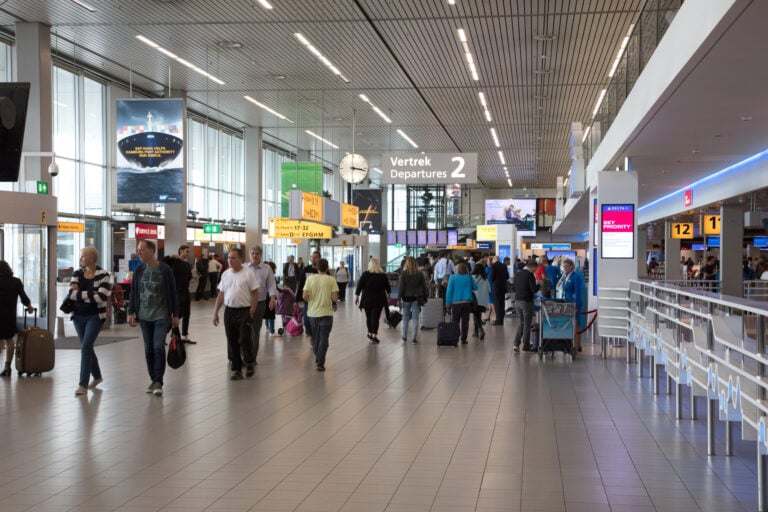
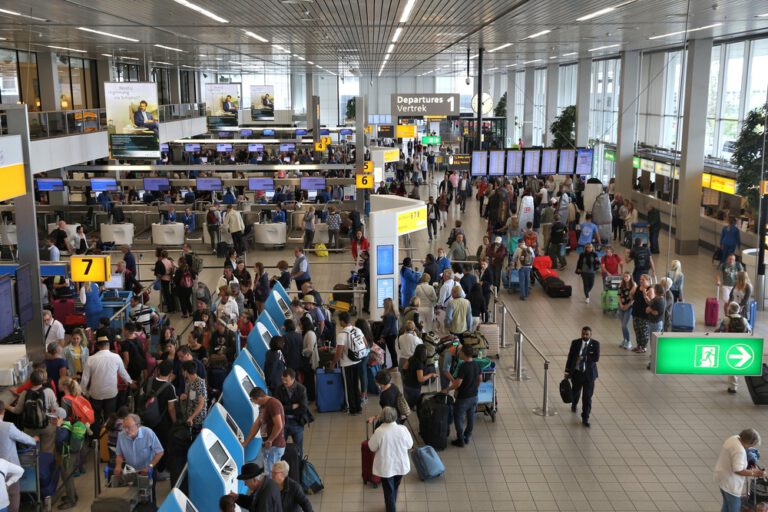
Schiphol announces plans to cap the number of passengers departing the airport at 50,000 per week until at least March 2023.
This comes from reports at NOS that, despite the efforts that have already been made in the airport to lessen the stress on employees, the situation has become ‘hopeless’.
Looks like, despite the prompt exit of Schiphol CEO, Dick Benschop, the chaos at the major airport continues to reign.
No hope for Schiphol
CEO of KLM airlines, Marjan Rintel, expresses despair at the situation to the NOS; “KLM has previously said that limiting the number of passengers cannot be a long-term measure, but it now seems that way.”
It seems like Schiphol’s only solution to these issues is to cancel hundreds of flights, while also limiting the number of flight tickets sold to prevent the possibility of cancellation for passengers.
One can imagine that the employees in the airport are tired of dealing with disappointed travellers. 🥱
If only Schiphol could organise flights the same way they organised emergency exit plans… oh. Wait.
A slap on the wrist
From the end of 2023, Schiphol will not be allowed to operate any more than 440,000 flights per year.
This is the first time the number of flights departing the airport has been cut. Seems like a reasonable measure, but it leaves us wondering; just how long is this chaos going to last?
Staff shortages continue
What’s the biggest contributing factor to the chaos at Schiphol?
The airport temporarily raised wages during the summer months, but as we approach autumn, this wage was taken away, and with it, disappeared many of the security guards.
Schiphol, it seems, needs to find better ways to entice people in to work for them.
Joost van Doesburg of the FNV union says; “The rosters need to be better and the pay needs to be increased significantly to attract people. And I doubt whether the problems will be solved by the end of March. So these measures may have to be continued for longer.”
Seems simple, really. Better pay plus better conditions plus better working hours equals a smooth running airport.
What do you think of the cancellations at Schiphol? Tell us your thoughts in a comment!
It looks like we may be warming ourselves with our hopes and dreams this winter! 🤦🏻♀️ Instructions have fallen on deaf ears as Dutch energy companies will charge ahead with sky-high rate changes.Horton hears a liar! 🤥
As possibly the worst early Christmas present ever, Eneco, Greenchoice, and Essent will be raising your energy prices higher than the international space station this winter.
These are the three big energy companies that will be going forward with their substantial rate changes this October, reports RTL Nieuws.
We know — this doesn’t really come as a surprise to customers that are already bleeding hundreds of euros a month. However, this story is about to get thicker than erwtensoep (pea soup)!
Orders are just suggestions, apparently
These plans fly in the face of the clear orders from Minister for Climate and Energy, Rob Jetten.
Het kabinet neemt extra maatregelen om te helpen met de hoge energierekening. Dat doen we met een prijsplafond voor energie, meer vaste energiecontracten en een noodfonds om te voorkomen dat mensen worden afgesloten. https://t.co/r43RKQGjojpic.twitter.com/ep27yV6Wrn
Translation: The cabinet is taking extra measures to help with the high energy bills. We are doing this with a price cap on energy, more fixed contracts, and an emergency fund to prevent people from being cut off.
This Tuesday, Minister Jetten stressed that energy companies were obligated to stick to a 30-day deadline for advanced notice of rate changes. Not complying would be risking legal fire and flames. 🔥
This wrangled promises from Eneco and Greenchoice to respect the rules and give customers the required notice.
End of story…right?
Broken promises
Errr… evidently, Eneco and Greenchoice didn’t pinky-swear. 🤥
They announced to RTL Nieuws yesterday that they’d be going ahead with their plans to raise their prices on October 1 (y’know, in two days time), promises, regulations (and your wallet) be damned!
Customers need to be informed of any tariff changes at least 30 days in advance. By not complying, suppliers risk legal action — either by fines, other penalties, or obligatory instructions.
What do you think of this latest stab to our wallets this winter? Be sure to tell us all about it in the comments below!
Have you always wanted to work for an NGO in the Netherlands, but didn’t know where to start? After all, there are many NGOs working on lots of different projects, and it’s pretty difficult to get hired by any of them. Here are our tips and a list of the major NGOs in the Netherlands.
The Netherlands is the perfect place to come if you want to work for an NGO. The Hague is the international city of peace and justice, so many NGOs choose to locate themselves there: but there are also lots in other cities around the Netherlands, including Amsterdam.
What is an NGO?
Before we dive into the details you came here for, it’s worth clarifying what exactly an NGO is. Usually working to improve a social issue or further a political cause, NGOs are non-profits that are not associated with any government.
NGOs in the Netherlands work on a bunch of different issues — they can be focused on issues in the Netherlands, or on an international cause.
What qualifications or experience do NGOs look for?
It goes without saying that this totally depends on the kind of position you’re applying for. The qualifications for working as an accountant for an NGO versus being their communications officer are totally different. But there are a couple of things that will apply to almost all job openings.
University qualification
Almost all NGOs will prefer hiring someone with a higher education qualification, and because of the competitiveness of these job applications, those with a masters degree will tend to do better.
Being able to multitask well is important at an NGO. Image: Pixabay
Depending on the position, your qualification doesn’t always have to exactly match what you will be doing at the NGO — the idea is more that you have the capacity to analyse information at a high level, and are used to working independently.
It’s also useful to understand the area you’ll be working on at a high level when you’re working at an NGO in the Netherlands.
You should have a couple of different skillsets
Most NGOs function with a small and dedicated team. That means that it’s unlikely for you just to work on one thing, all day, every day. For most people, that level of variety is really appealing.
It also means that you’ll have an edge on your application if you have a couple of different skill sets: for example, you’re applying to be a communications officer, but you might also have experience in video editing or fundraising or research. Being able to multitask is usually highly valued at NGOs in the Netherlands.
You should have some experience in the field
NGOs value commitment to the cause they’re working on, so if you’ve worked on something similar before, or even volunteered on a related project, make sure they know about it.
Some volunteer experience can be really helpful. Image:Pixabay.
You might think volunteer experience is less valuable than your previous corporate career, but the fact that you gave your time to a cause freely is likely to go down really well with your potential employer. It also shows that you know the field you’ll be working in.
Knowing some Dutch
Although NGOs are generally more internationally oriented than other sectors, knowledge of Dutch, if you’re working at an NGO in the Netherlands, can really be of benefit.
It shows that you’ll be able to communicate with locals and authorities, as well as your ability to fit in with their existing team.
What is working for an NGO in the Netherlands like?
If you haven’t worked at an NGO before, then you might be wondering what it’s actually like. Here are some things you can expect while working at NGOs in the Netherlands.
The pay is not the best
Look, it’s got to be said. NGOs in the Netherlands don’t have a lot of money: that’s somewhat the point. If they do, they’re probably not doing their best for the area they’re working on. Therefore, you’re probably not going to be making a lot of money.
But frankly, you’re probably not looking to make big bucks if you’re considering a career in an NGO.
The work is very meaningful
Instead, you probably care about how the work you’re doing makes you feel. Working for an NGO in the Netherlands can be an amazing way to feel like you’re making a difference in the world — to have a sense of purpose. You might be working directly with people who really need you, or be able to see the effects of your work on society in other ways.
NGOs can enable you to do work that gives your life meaning. Image: Pixabay.
Though, of course, this does not always happen. You should be prepared for some, or even most of your projects not to work, or not to work completely. That’s the nature of trying to make a difference in the world.
You may have to work long hours
Because NGOs tend only to hire people who are really committed to the cause they’re working on, they may expect you to put in long hours. This might only happen every so often — for example, if the NGO is working on a specific project that has a deadline — or it might be a regular thing. One thing is likely: you probably won’t be working a 9-to-5, and that’s sort of something you just need to accept.
If people are working part-time or for free, things will move more slowly
Sometimes, NGOs don’t have the funds to have full-time staff or even any paid staff at all. If that’s the case, you can expect things to move pretty slowly. As you can imagine, if you’re working two jobs, you probably won’t have as much time to answer emails or calls or work on projects.
Before you accept a job at this sort of NGO, consider whether it will work with what you want to achieve. But sometimes the most important work in society is just not paid, so it may still be worth working at this sort of NGO if you can afford it.
Some major NGOs in the Netherlands
Make the world a better place. Image: Pixabay
We can’t give you a complete list of NGOs in the Netherlands — that would be nigh on impossible, and that’s research you’ll need to do yourself. But we selected ten major NGOs operating in the Netherlands just to give you a taste of what you can expect.
ACCESS: If you fancy helping your fellow expatriates out, this NGO is the one for you.
The adventure of travelling by plane has changed completely. It used to be one of the most glorious parts of the holiday for many.
Nowadays, the experience of flying from Schiphol is more like the Hunger Games and there is only one way to survive: Facebook groups.
Community for airport victims!
These airport-related Facebook groups are one of the more trendy places to be right now (apart from your holiday destination, of course).
The victims (passengers) of Schiphol and other Dutch airports are not only discussing things like what should be the name of their group (Shitphol or Schiphell? Let’s be honest, it’s a hard one!) but also sharing live updates about their situation on the airport.
You can have some sort of community feeling while being part of these groups! While the group will not protect you from having to camp at the airport, you can still give each other tips on how to sue different airlines and which terminal offers free sandwiches for the victims. Sounds fun, right?
Surviving the airport chaos
You definitely want to check all the other travel possibilities before booking your plane ticket, because it can quickly turn into a nightmare.
If you are planning to fly or just want to read a few horror stories from the other members, this is the place to be!
We recommend you go to the airport early, and if it’s possible, do not check in any luggage! Hopefully, things go smoothly if you decide to fly in the near future.
If not, these groups are also great for venting.
Have you been to a Dutch airport lately? How was your experience? Tell us in the comments!
Listen, we hate to hit you with more bad news, but it’s our job. Statistic Netherlands (CBS) has discovered that more than four in ten Dutch people over the age of 15 felt lonely last year, the NOS.
On top of this, since the COVID-19 pandemic, the percentage of people between the ages of 15 to 25 who feel extremely emotionally lonely in the Netherlands has almost doubled, increasing from 8% of people in 2019, to 14% in 2021.
Why so lonely?
This huge increase in the number of people feeling emotionally lonely has got to have a cause. According to experts, it most likely has something to do with the fact that we all spent about two years stuck inside.
Staying indoors all the time, with no friends or family to speak to, would surely make someone feel lonely. 😥
During the long months of lockdown, it was easy for people to feel lonely. Image: Unsplash
While the survey conducted by CBS did not ask participants where the feelings of loneliness came from, sociologist Tanja Traag tells ANP that the “corona pandemic has almost certainly played a role among young people.”
For many of us, the pandemic and subsequent lockdowns came just at the crux of major milestones; 18th birthdays, university graduations, first ‘real’ jobs, and leaving school.
Anti-loneliness fund
It’s not all bad news, however. The Dutch government has set aside €40 million to use over the next four years to combat loneliness amongst Dutch people. The funds will be used to organise anti-loneliness projects in local municipalities.
According to Maslow’s pyramid, the human need to feel like we belong ranks third in terms of what we need to be truly happy.
With that being said, we all know that a small bit of kindness can go a long way. Perhaps smile at the stranger across the road from you, or say hello to your local, mildly annoying, elderly person on an e-bike.
Looks like we all need it!
How do you keep the feelings of loneliness at bay? Let us know in a comment!
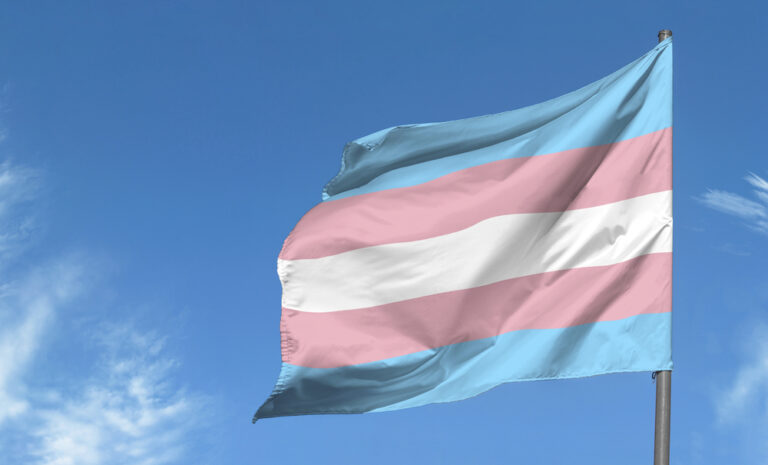
The Dutch cabinet met last night to discuss the proposal of a new law which would make it easier for transgender people to self-identify without the need for expert intervention. But, it looks like the debate isn’t even close to over.
Many political parties haven’t yet spoken their views. As a result, the discussion will continue later this evening, reports the NOS.
And what’s causing the hold-up? Political parties seem to question the removal of an expert’s opinion during the process for a transgender person to legally change their gender on official documents.
Expert opinions come at a cost
Currently, in order to change their identity, transgender people must go to a psychologist in order to obtain a document to prove that they are “clearly convinced they belong to the opposite sex.”
This statement is expensive — it costs a casual €250 to meet with an expert and an extra €65 for the statement itself. This new law would say “doei” to the need for an expert opinion.
Put simply: it means transgender people have one less thing to worry about, and they would be able to change their identities with relative ease.
Even the experts question the need
Speaking with the NOS, experts explain that they believe that their judgements add little value, further confirming that it should be up to the individual to be able to identify themselves.
⚠TRANSGENDER AWARENESS THREAD⚠️#transgenderwet is currently trending in the Netherlands and sturring up a storm within the country.
This law will allow anyone from 16 and above to go to their local government, and have their gender legally changed to fit their identity. 1/6
A manifesto, signed mostly by right-wing conservatives, has surfaced arguing against the introduction of this new law. Posters about the manifesto were defaced in many cities.
The manifesto makes reference to a 2017 study based in the US, in which it was speculated that up to 80% of children question their gender identity. However, experts have stated that this study is outdated.
Brand Berghouwer, chairman of the Transgender Network Netherlands, says of the manifesto to NOS, “Actually you say to a group that already has to deal with violence disproportionately: ‘You are not allowed to be there’. I think that is bad.”
Currently, the mortality risk in transgender people is twice as high as in cisgender people, showing that sentiments like the manifesto have a real effect on transgender people.
Today must have been a very difficult day for transgender people in The Netherlands. Being compared to or thought of as sexual predators in changing rooms must be so horrific. You matter. You are valid. You deserve happiness, safety and protection from all these bigots pic.twitter.com/srUxOBQ6LA
It’s also important to note that, up until 2014, it was mandatory for all transgender people to undergo a sterilisation process — making them infertile — in order to change their identities on official documents.
One might see this new law, and the ease of changing identity, as the Dutch government ‘making up’ for years of enforced sterilisation and mental struggle pushed onto transgender individuals.
Cabinet to meet again
Dutch political parties will meet again to further discuss the introduction of this law. The Christian Democratic Appeal (CDA) will have the floor later today. The party has doubts but isn’t crucial for a majority vote.
Those keen to venture outdoors must keep an umbrella at hand. Alas, more heavy showers will hit the lowlands this week.
But wait! There’s a silver lining. Next week, we’ll get slightly hotter temps, some blue skies, and a few rays of sunshine. 🌞
This week’s forecast, in a nutshell
For today and tomorrow, the KNMI issued a code yellow warning for the provinces of South Holland and Zeeland. Why? Because downpours are expected to make the rounds — increasing chances for floods and traffic.
“We call the many showers that are now passing a storm parade”, Buienradar meteorologist, Marc de Jong, tells RTL Nieuws.
The season to complain every single day, at every hour about Dutch weather has just resumed.
The heavy rainfall arrives by sea and dulls down as it moves further inland — which is why the Dutch coastal provinces experience the most cloudbursts. In fact, lands are being drenched with a baffling 40 mm of rain. 🌧️
Friday’s weather will be rather crisp, leaving behind a smidge of wind and temps of up to 17 degrees. However, enjoy that while you can because a wall of water is expected to reach us on Saturday and Sunday. 😒
The silver lining
We’ll just have to ride out the waterflood in the coming days in hopes that next week lives up to its expectations.
After Monday, temperatures will hit 17 degrees, and it’ll be drier with a few bits of sun peeking through the clouds.
The one — and only — thing we can thank the heavy rain pour for, is that it largely solves the drought problem Dutchies have been facing. 🏜️
“In recent days, several stations have had 200 millimetres of rain, which is a lot. In the regions where it is still dry, such as the Achterhoek, the east of Brabant and the north of Limburg, the sharp edges have also disappeared. not as bad there as a month ago”, de Jong tells RTL Nieuws.
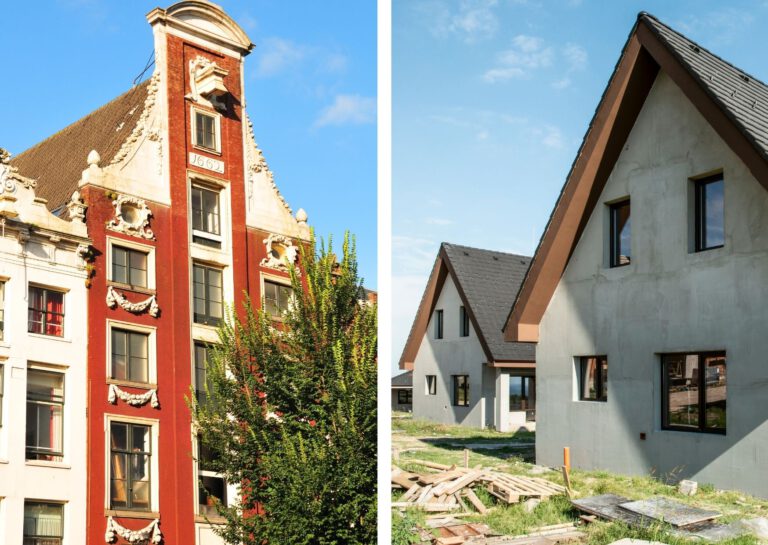
So you’ve decided you want to buy a home in the Netherlands, great! Now, which will it be? A characteristic old house? Or a snazzy new build?
Before you make your decision, there are a few key differences in the buying process that are worth noting. 👇
🙋♀️ The negotiations
Let’s start from the beginning, shall we? Usually, when your eyes settle on a pre-existing house and you decide this is the home for you, you have to get your boxing gloves — and finances — ready and enter the bidding ring.
Hopeful buyers engage in a bidding battle that can result in a significantly higher selling price. This means that you never quite know whether you can actually afford the house until you’ve thrown a few punches. 👊
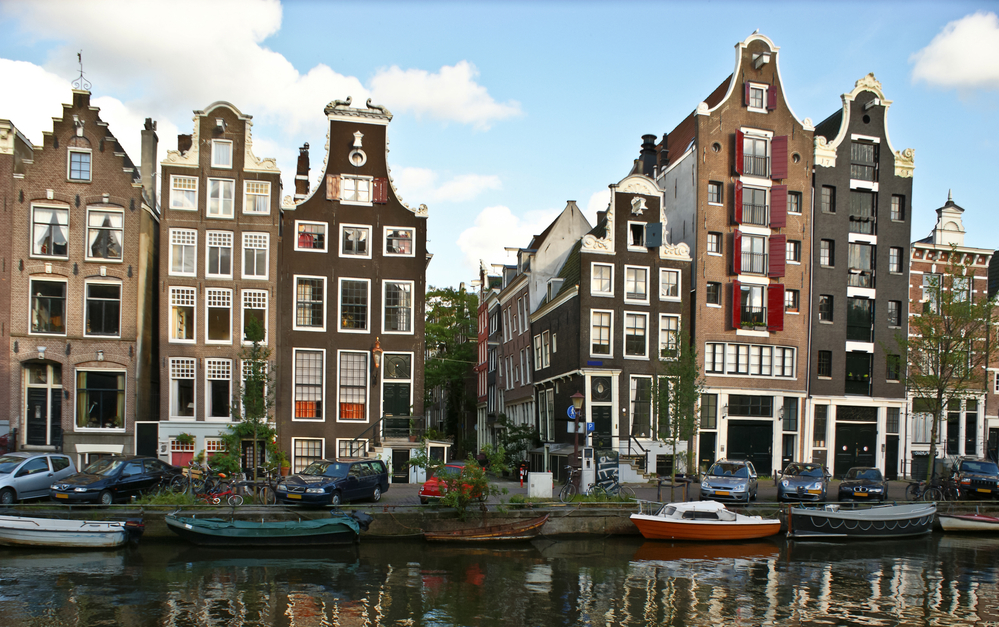
Picturesque canal houses often come with a high price. Image: Depositphotos
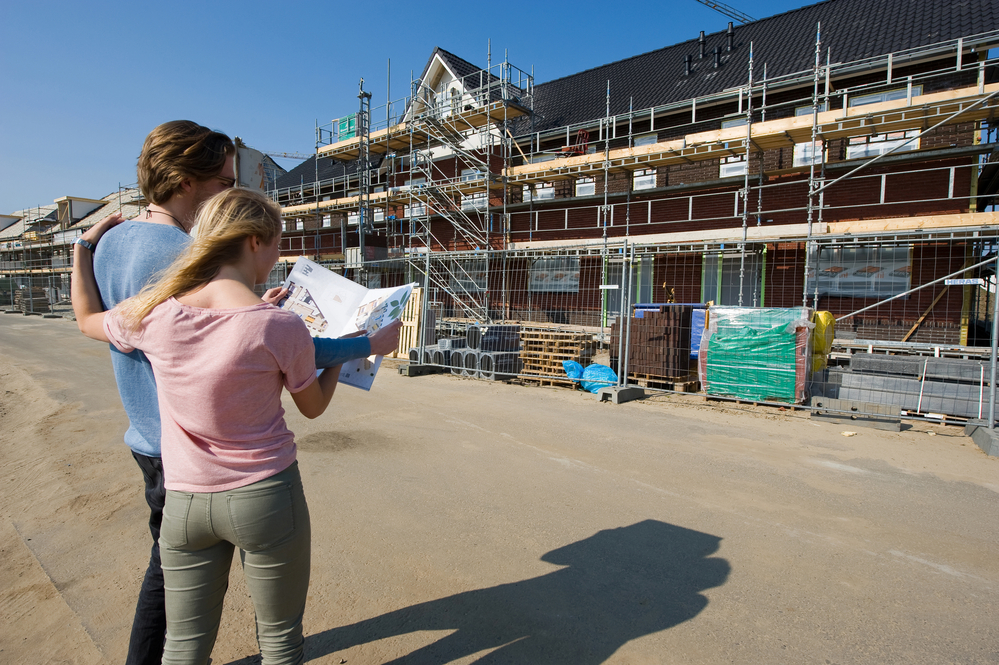
However, when it comes to new-build homes, one advantage is that in most cases, there is no bidding stage or negotiations. Instead, the selling price of the property is fixed — so there’s no need to worry that you will be outbid by someone else.
However, this doesn’t mean that you’re guaranteed to score the house. Even if you do have the funds to buy a new build, you must still play a game of chance.
Most new-build developments are in high demand. In order to determine who should have a chance to buy a home, hopeful buyers are entered into a lottery system. Only those who are pulled from the figurative — or literal — hat will have a chance to place an offer on a house.
💶 The costs
Now the burning question: which is cheaper? An existing home or a new build? As you’ll find out, the answer isn’t simple.
When it comes to determining which is cheaper — and old or a new build Dutch house, the answer isn’t so simple. Image: Depositphotos
Short term costs
When you opt for an existing home, you’ll find that there are certain short term costs to cover, such as: transfer tax, the mortgage deed, evaluation report etc. With a new build home, you don’t have to worry about paying these.
This is because when you buy a new build in the Netherlands, you buy it vrij op naam (free by name). This means that the seller takes on the costs of transferring ownership to you, such as the transfer tax and the deed of transfer.
However, if you opt for a new build, you may have increased costs while building. Since it will take a while before you can move into the new property, you will have to continue to pay for your current accommodation.
And this can be expensive — especially if you aren’t eligible for a bridging loan.
What is a bridging loan? In the Netherlands, it is possible to apply for a loan to cover additional costs while you are moving into a new property. The bridging loan is determined based on the market price of your current property with a safety margin (varies per mortgage bank), minus any current debts.
Confused? Here’s an example: If you have a current property with a market value of €500,000, and a 10% safety margin, this equals €450,000 in a potential bridging loan. If you have €100,000 in outstanding debt, you will receive a bridging loan of €350,000.
But what if you’re renting and don’t have a property to sell? Well, tough luck. No bridging loan for you, it’s up to you to cover the double costs.
Really,no bridging loan possible? Well, if allowed with your income you can take out additional finance up to a maximum of 4% of the total investment to pay for the double costs like the interest for your new mortgage during building development time.
Long term costs
However, the advantages of a new build are often seen in the long term costs. This is because there likely won’t be many!
Firstly, new build properties in the Netherlands are often built with the latest energy requirements in mind. With a high energy rating, you not only spend less money on monthly energy payments, but you can even benefit from lower mortgage interest rates.
Whereas with an existing property, the energy rating is often lower due to the fact that it’s an older model. Of course, the energy rating of an older house can be raised by carrying out regular maintenance and refurbishments — a costly process.
Perhaps you will sell your home in the future. In this case, it also benefits you to have a new build as the energy label may score you a higher selling price!
🤺 Your protection as a buyer
Another key difference between buying a pre-existing home versus a new build is the level of protection that you have as a buyer.
One important aspect of buying a home in the Netherlands is your protection as a buyer. Image: Depositphotos
When it comes to pre-existing homes, in the heat of a hefty bidding process, buyers will sacrifice certain privileges in the hopes of winning over the sellers. For example, they may offer to drop certain resolutive conditions, ultimately making them more vulnerable.
Resolutive conditions can be important. In order to make the bid more attractive for the selling party some buyers drop the financial dissolving clause. If the mortgage is rejected after the three day reflection period you have to pay a 10% penalty (10% of the purchase price that is). Or for example they drop the condition to have a structural survey carried out.
However, you are more protected as a buyer when you opt for a new build. With a new build, you don’t need to give up certain conditions to appeal to the seller. Usually, you have two months from signing the contract to arrange for the costs, set up your mortgage, etcetera.
This doesn’t stop hopeful newbuild owners from taking risks with their protection though.
Good to know: while the process of making an offer on a pre-existing home is certainly a bit more hectic, it’s worth noting that in the Netherlands, you have a three-day reflection period to reconsider your offer. You are free to change your mind and take back your bid within this period.
🏠 The process of setting up your mortgage
There are many aspects of setting up a mortgage that remain the same regardless of whether or not you’re buying a pre-existing home or a new build. However, there are some key differences to note.
The process of setting up a mortgage when you have a new build house in the Netherlands is slightly different to that of an old house. Image: Depositphotos
Bouwdepot
With a new build, when establishing your mortgage, you’re also going to have to set up a construction deposit, called a bouwdepot. This is not necessary with an existing home unless you want to renovate.
The release of money
With an existing home, your money is released to the seller once the purchase agreement is signed. With a new build, it’s slightly different, money is gradually released by the bank to the contractor.
Koop-aannemingsovereenkomst
When you decide to buy a new build, you’re going to have to sign something called a Koop-aannemingsovereenkomst.
This is an agreement between you and the contractor which includes that you will buy the land on which the property will be built.
Mortgage terms
When you take out a mortgage for a new build, it’s important that you find a long-term mortgage offer that will remain valid while you wait for the development to begin. This is not necessary with a pre-existing home as you know that you will be moving in quickly.
🌎 The suitability for internationals in the Netherlands
While there are certainly advantages to buying a new build, there is one definite disadvantage — especially for internationals.
When it comes to choosing between a new or old house in the Netherlands, you need to consider how long you want to stay here for. Image: Depositphotos
This comes down to the simple fact that, unlike with a pre-existing home, buyers do not know when exactly they will be able to move into a new build. This is because a number of things need to happen before the building can start.
For example, enough people need to be interested in the development and the contractors need to apply for a building permit. On top of this, there can be delays during the process of building — for example, perhaps the contractors go bankrupt.
This is less than ideal for international home-seekers. Most internationals will not buy new build because they need a house immediately. Instead, they often opt for a short-term rental and then buy a property.
There is uncertainty about when buyers of a new build will actually receive the keys. Sometimes, people don’t want to wait for months or even up to three years unless there is one house in a development project that is ready to go. A new build only works for internationals if they decide to stay in the Netherlands long term.
Which would you choose: an old house or a new build? Tell us your thoughts in the comments below!
Electric shared scooters are about to go the way of the dodo bird in Utrecht. That is…extinct. 😳
The city has just announced that it will no longer be renewing the permit for these scooters, reports RTL Nieuws.
They’re just not worth it
This move comes after the municipality acquired a permit to test the perceived added value of these scooters from startup company Tier.
The results are…rather disappointing.
Users only drive 3.7km with the scooters — just as much as they do with shared e-bikes. However, unlike e-bikes, the scooters can’t fit into existing bike racks, and instead hog quite a bit of space.
Not to mention the fact that shared scooter users have the tendency to park more haphazardly than drunk tourists biking in Amsterdam (and that’s saying something!) 👀
As a result of these findings, the city council has announced that it does not see enough value in renewing the permits for these scooters.
E-bikes take the crown
The municipality now favours more active methods of transport, such as walking, biking…and electric share bikes. Yep, the flock of e-bikes is set to double — from 500 to 1,000.
This is sad news for a scooter-herd that stands 300-strong, which will begin to be slowly phased out into extinction at the end of November. Tier will be informing users to say doei to their favourite two-wheeled friends via their app.
Lower those pitchforks!
This will, no doubt, be cause for celebration for the number of residents who have loudly complained about these two-wheeled terrors.
In fact, Utrecht is one of several municipalities that are actively taking measures against the scooting horde plaguing their masses.
Scooter numbers are being culled to quell the rise in complaints about them being parked illegally — and for being pains in general.
What are your thoughts of shared scooters being told to scoot off? Tell us all about it in the comments below!