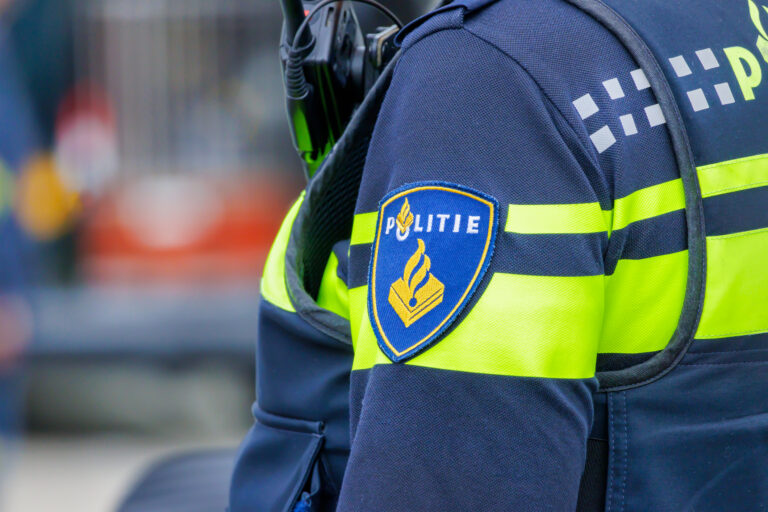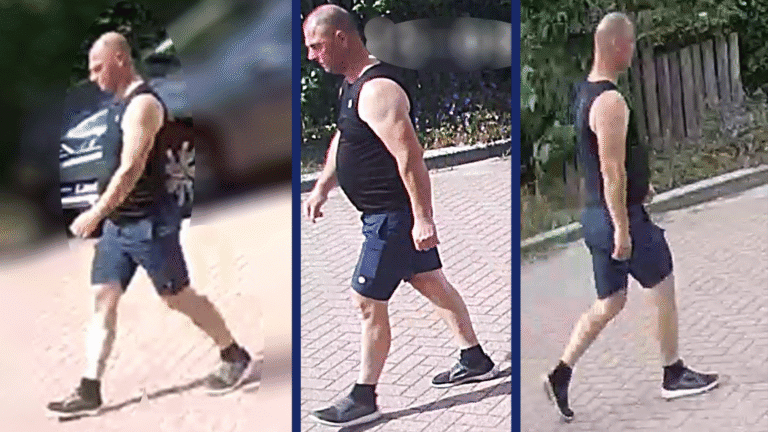
German prosecutors have charged a teenage boy from Hoorn with shooting at an alleged Chechen mafia boss in a Hamburg bakery.
The case is a prime example of the growing involvement of Dutch youth in German crime, and the cross-border influence of the so-called “Mocro Mafia”.
Hid in a restaurant
The attack was carried out by 15-year-old Mike F., who was caught on camera storming the bakery and shooting the alleged mafia boss, Rizvan A., twice.
According to the Telegraaf, six men followed Mike into the street after his attack.
Subsequent CCTV footage shows the teenage hitman attempting to hide in a nearby restaurant, but three of the men soon caught up with him. There, they proceeded to beat him and shoot him in the legs.
Four arrests
German police arrested Rizvan, Mike, and the two other men involved in the incident. All four are being prosecuted for, among other things, serious assault.
The Dutch boy is still in pre-trial detention, as the date for his hearing has not yet been set.
Reports from the Hamburg prosecutor’s office state that he has received medical treatment for his injuries, which are not life-threatening.
International cooperation
The case is causing growing concerns in Germany about the role of Dutch youth in cross-border crime, especially since the so-called “Mocro Mafia” uses minors as shooters.
Hamburg’s Mayor, Peter Tschentscher, pointed out that Dutch teenagers were already arrested in the city’s port for trying to remove cocaine from containers.
He is also urging for more international cooperation in cracking down on these underage criminals.
Germany and the Netherlands are (really) old neighbours.
They share historical ties, a love for beer, loads of blond hair between their inhabitants, and both use the word überhaupt (anyhow/anyway).
But apart from that, these two countries are distant relatives at most. Unique in their cultural quirks, there are likely way more differences between them than you might initially think.
Benieuwd 🇳🇱? Or rather, neugierig🇩🇪?
Whether you’re German or an entirely different nationality, there’s one thing that’s always true: Undutchables is the go-to recruitment agency for finding jobs in the Netherlands.They’ve got heaps of jobs for German speakers too!
1. Germans love cash
Despite the commonly-held assumption that Germany is a forward-thinking and progressive country, Germans do struggle quite a bit with digitisation.
While Dutchies whip out their phone at the cash register or simply pay by card, Germans insist on fiddling around with one and two-cent pieces to settle their bills.
That’s because, until quite recently, many German stores did not have credit or debit card terminals. In the Netherlands, it’s the opposite, and you’ll occasionally have trouble paying by cash.
One thing is for certain, you don’t want to endure the death stare of an Albert Heijn cashier when trying to pay an €18 grocery shop with a €100 bill. Trust me.
2. Dutchies work shorter hours
Here’s a stereotype that rings true — Germans are hardworking folk. Or do Dutchies simply work less?
Whatever the case, according to the OECD Better Life Index, which compares the work-life balance of different countries, the Netherlands definitely comes out on top!
Dutchies in their natural habitat enjoying beer and greasy food. Image: Depositphotos
Only 0.3% of Dutchies work ‘very long hours in paid work’, the third-lowest amount in the entire ranking. In contrast, 3.9% of Germans do the same — youch!
Well, if that isn’t a good argument to leave the mountains behind and move to the lowlands I don’t know what is.
3. German bread is just better
This is the ultimate truth: Dutch bread sucks — at least compared to German loaves. What is known as brood here barely passes as toast back in Duitsland.
Our German writer is drooling at the sight of this Volkornbrot (whole-wheat bread). Image: Depositphotos
Where German bread is dense, nourishing, and available in hundreds of variations, the Dutch are happy with a slice of untoasted, gooey, and tasteless brood. Igitt Igitt (Yuck), as we say in Germany.
But who cares as long as there’s a slice of cheese on it, right? 🥲
4. Dutchies speak better English than Germans
Here’s another thing that just doesn’t quite live up to the idea that Germans are modern and progressive: many of us don’t speak English very well. Even the young ones.
That’s because, for one, you don’t have to speak English if you live and work in Germany. All media, including movies, newspapers and series, are translated into German.
On top of that, English classes in German schools tend not to be very good, so adults have trouble picking up the language later on.
Dutchies, however, are repeatedly ranked as the best non-native English speakers in the world.
In fact, one of the reasons it’s so hard to learn Dutch as an international living in the Netherlands is because English is spoken everywhere. That’s good and bad, I guess!
5. German public transport tickets are super old-fashioned
What can I say, Germans just love to produce unnecessary paper wherever they can. While the Dutch have their OV card, Germans buy weird paper slips from the bus drivers.
After buying a bus ticket in some (but not all) German provinces, you’ll have to stamp it at one of these machines. Image: Depositphotos
Even in big cities, including Berlin, you’ll see Germans impractically try to push a tiny paper ticket into a slot at the electronic gates. What a hassle.
In the meantime, five Dutchies in Amsterdam have already passed through their metro gates with a smooth touch of their OV.
6. Dutchies aren’t afraid to speak informally
Unlike in English, both the German and the Dutch languages distinguish between addressing a friend and addressing someone in a position of power. The Dutch say ‘u’, and the Germans say ‘Sie’.
The distinction between the informal ‘Du’ and the formal ‘Sie’ is still very important in Germany. You don’t address an unknown person — be it the older lady on the bus, the 25-year-old waiter, or your boss — as ‘Du.’
In the Netherlands, on the other hand, it’s not that big of a deal. Dutchies are egalitarian, after all, so the informal ‘je’ will suffice. Fine, we’ll ‘u’ Queen Maxima if we have to, but your boss or the random person you’re trying to get directions from? No way.
7. Germans know to shut up on public transport
I find it eerie to step onto a German bus or train these days. Why? Because it’s so quiet. 👀
Unless you’ve chosen the one unfortunate day where there are a bunch of rowdy, drunk football fans trying to get from one German city to the other, it’s perceived polite in Germany to mind your own business on public transport. Quietly.
In Dutch trains, you’ll have people talking shamelessly on their phones, watching videos with the sound on loud, laughing loudly with each other, or starting a convo with their newly-found seatmate.
Top tip for all my Germans out there: most Dutch trains have special stilte-wagons (silent-wagons) if you’re looking for some peace and quiet (although they don’t always work).
8. Dutchies borrel, but Germans have their Feierabendbier
Here’s a similarity: beer. This golden, alcoholic beverage is the cornerstone of the drinking culture in both countries. The two neighbours differ only in the way of consumption.
There’s a term in German, the Feierabendbier, which roughly translates to after-work-beer. It’s okay to start drinking sometime after 5 PM, especially after work on a weekday when you’ve really earned it.
One strong argument to favour borrels over the Feierabendbier — Bitterballen. Image: Pixabay
Dutchies, on the other hand, are much more liberal with the where’s and when’s of their beer consumption. Sure, it’s not super good for you to start nipping on an ice-cold Heineken at 3 PM on a Wednesday. But who cares, really?
Most popularly, of course, the Dutch like to drink their biertjes during a borrel. Borrel culture is huge here in the lowlands and is an explicit social gathering. The Feierabendbier can be enjoyed in solitude. But a borrel-beer? No way!
9. Germans are still all about WWII
Being confronted with the shameful history of my home country upon revealing my nationality to a Dutch person happens more than you would think.
Usually, it happens in the form of a joke or a rash question regarding the involvement of my grandparents in the Hitler regime.
Hard feelings are rarely involved (though it happens!), but it shows a laxer approach towards WWII commemoration in the Netherlands than in Germany.
Germans are acutely aware of how they’ve stood on the wrong side of history, and we don’t make any jokes about it!
10. Dutchies won’t be caught dead in bike helmets
Helmet, who? Safety, what? This is the basic tenor when cycling in the Netherlands. Maybe it’s because bikes rule the streets anyway, but bike helmets rarely make their way onto the heads of the Dutch.
In Germany, on the other hand, you can see bike helmets everywhere. Especially younger kids and children are forced by their parents to put them on (and usually take them off secretly as soon as they’re out of sight.)
Why? The next point might give you some answers.
11. Dutchies love to break the rules; Germans are followers
Germans love rules. They love to follow rules. And they love to talk and think badly about people who don’t follow rules.
And the Dutch? They see rules, ignore them, and sometimes protest against them.
For example, at the start of the coronavirus pandemic, this particular difference between the two countries was painfully obvious. In Germany, citizens more or less dutifully followed one lockdown rule after the other.
In the Netherlands, frequent (and illegal) protests occurred, and shops, museums and nightclubs opened despite regulations to stay shut. Even the Dutch police refused to do anything about it because they were overworked and didn’t see the point.
Doe normaal, right Dutchies?
12. Germans can (legally) drink at a younger age
Ha! At least one thing we’re more liberal on than the Dutch: teenagers drinking alcohol.
Wait. Okay. Maybe I’m more excited about this than I should be, but in Germany, you’re legally allowed to buy and drink low-percentage alcohol like beer and wine at 16. The legal drinking age (as of 2014) in the Netherlands is 18.
Come on, Germany, these girls are hardly old enough to open their own bank account. Image: Freepik
Of course, many young Germans and Dutchies start drinking much earlier than that. But it’s the thought that counts. I guess.
13. German workplaces are more hierarchical
Remember how, in Germany, you would never address your boss with the informal ‘Du’, but in the Netherlands, it’s not all that uncommon?
That’s also because of the conservatism in the German workplace. If you arrive in a Dutch office, even one on the corporate end, with ripped jeans, sneakers and a blue streak in your hair — there’s a good chance that no one will care.
But in Germany? No way! There must be order, structure, and (most importantly), you must honour the workplace hierarchy!
For one, you need to look like you’re at the office. And secondly, you have to know your place. Only the polite ‘Sie’ for your boss, please.
Ready to join in on those casual Dutch workplace vibes (and take advantage of that snazzy work-life balance)? Undutchables have stacks of jobs for German speakers (that’s right, you’re in high demand!).
14. Dutch meetings are a lot more casual
Because of the non-hierarchical work structure in the Netherlands, meetings are often more like social outings than serious and professional appointments.
A Dutch meeting can happen during a walk, over some borrel snacks, or even in the queue to the coffee machine. In contrast, 99% of the time, German meetings will occur around a large, oval table. There might be some bottled water if you’re lucky.
Hierarchy? Never heard of it, say the Dutch. Image: Depositphotos
Germans simply like to get things done. Dutchies do, too, but they also want to know about their colleagues’ new paint job. Oh, and how are the kids doing?
15. German stores are closed on Sundays — except for bakeries
One of my favourite things about the Netherlands is that I don’t have to think about when to do my groceries. Stores are open seven days a week, usually until late evening.
But if I’m in Germany and want to do my weekly grocery shopping on Sunday — not a chance. Our Lutheran legacy forbids any store to open its doors on the holiest of days. But I’m an atheist, I swear!
Except, wait a minute, isn’t that a bakery selling bread rolls at 7:00 in the morning? Yup, the only stores commonly exempted from this strange, outdated rule are the Bäckereien.
This can only mean two things. For one, the German love for bread has outgrown the love for Christianity. Or, secondly, heathens! Heathens in the bakery!
16. Dutchies often speak German, but Germans don’t speak Dutch
As soon as a Dutch someone gets the gist of my nationality, I’ll hear something like: “Oh, ich sprech’ auch ein bis-schen Deutsch.” Meaning that they speak a bit of German.
The opposite is something a Dutchie in Germany is very unlikely to encounter. Even though both languages are more or less similar, the Dutch are far more likely to understand the Germans than the other way around.
Why? Many Dutch people have the option to learn German in school! In German schools, on the other hand, it’s more common to learn Latin languages such as Spanish, French, or Latin.
Wat jammer! (How sad!) 🇳🇱
17. Germans pride themselves on punctuality
One stereotype that rings truer than others: Germans are (over)punctual. Showing up to an appointment 10 to 15 minutes early is being on time.
I have resolved to emulate the German punctuality.
“Early is on time. On time is late. Lateness is unacceptable”
Being five minutes late will have the waiting German tap his foot impatiently. The seven-minute mark means you’re being impolite. And everything over 10 minutes is late.
In the Netherlands, people are more flexible. While they are among the more punctual cultures, it’s not a big deal to be five or even 10 minutes late, as long as you let them know. In Germany, it certainly is.
18. The Netherlands is more expensive than Germany
One downside to living in the Netherlands is the living costs. It’s expensive. Or, at least, more expensive than in Germany.
Dutch supermarket chain Albert Heijn is infamous for its high prices. Image: Depositphotos
People living on the Dutch side of the Dutch-German border know this all too well, so weekend grocery shops across the border to a German Aldi are not uncommon.
19. Germans dub, Dutchies sub
Remember the point about Dutchies’ excellent English skills? It’s got a lot to do with the fact that the Dutch generally don’t dub movies! They only have subtitles, which exposes them to heaps of English. Children’s cartoons are the only exception.
In Germany, the dubbing of foreign films is an entire industry. We grew up with specific German voices for legendary actors like Leonardo DiCaprio, Sylvester Stallone, and Meryl Streep, which haven’t changed in decades.
Sure, that’s pretty impressive. However, it also means that Germans can’t learn English through Bruce Willis’ performance in Die Hard — “Yippee-ki-yay, motherf***er” turns into “Yippie-ya-yei, Schweinebacke” (Yippee-ki-yay, pig’s cheek). 🤢
Did we forget a crucial difference between the Dutch and the Germans? Tell us in the comments below!
What if we told you that there’s a park in the Netherlands that’s kind of like the High Line (that elevated railroad tracks-turned-park in New York)?
Well, first of all, you wouldn’t think of Leiden. This typical Dutch town doesn’t have that many high-rise buildings. And second, you would definitely think: why hasn’t anybody told me about this magnificent piece of urban nature already? Don’t worry, we will!
What is the Singelpark?
The Singelpark is simply said, a park made up of the ‘ring’ of canals around the old city centre of Leiden.
Wouldn’t you love to live in or around the ring? Image: Gemeente Leiden/Supplied
The inner city of Leiden is, with all its magnificent old buildings, not the greenest city centre of the Netherlands. As such, the desire for more lush local green scenery is always increasing.
So, instead of a random little park or a lawn, the city has welcomed the Singelpark. 🌱
This stunning park includes the ring of outer canals and all adjacent parks and buildings. The existing parks didn’t disappear (don’t worry, Hortus Botanicus fans!) but became part of the Singelpark.
One of the six new bridges completing the Singelpark in Leiden. Image: Ney&Partners/singelpark.nl/Supplied
The road around the canals is also part of the Singelpark, allowing you to walk through the whole six kilometres of the park.
A walk around the Singelpark: 7 highlights
Since the Singelpark is, in its essence, a tour-around-the-town route, you can start your walk through the park basically anywhere. Let’s start at the spot which is closest to the central station.
Molen de Valk: Leiden’s iconic windmill
The Molen de Valk has been standing there since the start of the 17th century, so it’s certainly one of Leiden’s prides and joys. The mill was originally used for grain, and now it’s a little museum.
I cycle past it every time I go to the DutchReview office, and it’s certainly a sight that dominates the area.
What a sight for sore eyes! Image: Freepik
Chill in the grass near the windmill, or check out the awesome Lakenhal if you’re here in Leiden for a day.
If you want to continue walking through the Singelpark, then just head in the direction of the large chimney — where you’ll find the next part of the Singelpark.
Energy park: the home of DutchReview
It isn’t all canal houses and windmills in Leiden. In 1902, a big energy plant was built here, with its chimney 80 meters tall. For years, I was looking at it from my student room, thinking: I like it, and it belongs in Leiden, but does it belong in a park?
The energy plant was built in 1902. Image: singelpark.nl/Supplied
Well, the answer is yes! The facility itself is clean and without weird fumes or noises, and the whole area around is a nice park with some monumental old industrial buildings.
More importantly, the DutchReview office is here! As you might know, we have an office at PLNT — the innovation hotspot of Leiden.
PLNT itself is sort of a spot in the Singelpark too, as the building has a kick-ass rooftop garden with all kinds of natural gimmicks and awesome views.
PLNT rooftop — the perfect place to enjoy a glass of wine (or three). Image: Abuzer van Leeuwen/Supplied
Zijlpoort: one of those gorgeous gates to Leiden
As you can see on the Singelpark map, there’s a certain kind of shape of the ‘Singels’ around Leiden.
In the olden days (we’re talking 1500-1700 here), these canals were used for defence against attackers (damn Spaniards!), and naturally, there were spots to open the gates and let visitors in.
The Zijlpoort is one of these passages. It dates back to 1667, and might be one of the prettiest buildings in town.
A typical Dutch sunset over the canals of Leiden. Image: Martijn van der Nat/Supplied
You can eat at the Zijlpoort too, as the fish brasserie de Poort is located there. Really close to the Zijlpoort is the massive Meelfabriek, which is also part of the Singelpark route — a giant grain factory which has been transformed into apartments, among others.
The Plantsoen: a green oasis
The Plantsoen is a lovely park in Leiden-Zuid. It’s truly a place of leisure with grassy plains, stately trees, a large fountain, and even a birdhouse. 🦜
In between the Plantsoen and the Hortus you’ll find this cute little tower. Image: singelpark.nl/Supplied
Hortus Botanicus: the oldest botanical garden in the Netherlands
Did you know that the city of Leiden is home to one of the oldest botanical gardens in the world?
The University of Leiden was responsible for planting the first seeds in this historical garden, lovingly called the ‘Hortus’ by its inhabitants. You can enjoy a day in the sun and stroll through the garden for a relaxing day.
Another highlight is the classy observatory, which is located, more or less, in the hortus.
The old observatory, aka the Oude Sterrewacht. Image: Abuzer van Leeuwen/Supplied
Rembrandtpark: remembering the famous painter
Did you know Rembrandt was born and raised in Leiden? Along the route of the Singelpark you will find a cute little park perfect for sunbathing and watching the boats pass by. It’s the Rembrandt Park!
Start chilling and watch the boats go by. Image: Abuzer van Leeuwen/Supplied
Volkenkunde Museum: a museum about humans
At the end of the Singelpark is the Volkenkunde Museum (well, there isn’t really an end, it’s a loop, that’s the idea of a singel). The garden of the museum is now also part of the Singelpark.
A huge totem pole greets visitors entering the Museum Volkenkunde. Image: Abuzer van Leeuwen/Supplied
The Volkenkunde Museum has objects from around the world, like China, Indonesia, Japan and Korea. It’s close to Leiden Centraal and the windmill, our ‘starting point’ of this tour through the Singelpark.
The Singelpark: by citizens and for citizens
An important feature of the Singelpark is the input and commitment of the residents of Leiden.
The Singelpark is not an ordinary park that the municipality set up, as you would expect from a new park. Residents, stakeholders, interested parties, companies, and the municipality have teamed up to make this all possible.
Molen de Put, one of the best things to see for free in Leiden. And also part of the Singelpark! Image: Abuzer van Leeuwen/Supplied
From forming a concept to putting shovels in the dirt and getting their fingers green, the citizens of Leiden were the heart and soul of this project.
The ‘Friends of the Singelpark Foundation’ brings people and organisations together who want to realise and maintain this dream that’s called the Singelpark.
Perhaps you’re reading this, love Leiden and are thinking: I want to be part of this too! Well, good news, you can!
By supporting financially as a ‘friend’, but above all by rolling up your sleeves yourself: planning and planting, maintaining, and managing, feel welcome to get involved.
From the Singelpark to museums to delicious diners, you are guaranteed to have a great time in DutchReview’s hometown.
If you need more suggestions on Leiden, why not ask our friends at Visit Leiden? They’ll gladly help you plan a trip to the sleutelstad.
What’s your favourite place in Leiden? Let us know in the comments below!
Dutch airline KLM is grounding some of its flights in the coming weeks — not because of weather or strikes this time, but because maintenance wasn’t done by the book.
NU.nl reports that this will affect seven Boeing 787 aircraft used for long-haul flights, a.k.a. the big birds that usually take you to America, Asia, and Africa.
Let’s break down what this means for your next KLM adventure. 👇
Planes? Hardly working. KLM? Working hard.
As part of the ongoing issue, five flights were cancelled over the weekend, with more on the chopping block in the coming days.
Exact numbers? Your guess is as good as KLM’s. It’s being figured out daily. 😬
KLM’s planes need a break — your itinerary might too 👀 Image: Dreamstime
But while KLM is quietly sweating, the airline wants you to know they’re trying. Hard.
They’re bringing in replacement aircraft where possible, and if that doesn’t work, they’ll rebook affected passengers faster than you can say “non-refundable.”
The goal is to minimise disruptions, though if you plan to travel soon, maybe don’t get too emotionally attached to your original itinerary. 😅
A case of “forgot to read the fine print”
Last Friday, KLM admitted not following the correct maintenance procedure on seven Boeing 787s.
The issue involves a part connected to the planes’ refuelling mechanism — a rather vital detail when your job is flying halfway across the planet.
While there’s no threat to safety (repeat: you’re not about to star in a disaster documentary), the aircraft now need extra maintenance to undo the shortcut.
Flying KLM soon? Check your flight status like it’s your ex’s Instagram, obsessively and often. And if you do end up rerouted, tell us your saga.
Liberation Day was celebrated across the Netherlands yesterday (May 5), but not without incidents.
Among other things, a smoke bomb was thrown on stage after Prime Minister Dick Schoof’s speech, reports the NOS.
Fire speech
Schoof was joined by Polish Prime Minister Tusk and Dutch Minister of Defence Brekelmans on the 5 May Square in Wageningen (Gelderland), where the German surrender was signed 80 years ago.
The conclusion of Schoof’s speech served as a starting signal for Liberation Day festivities across the Netherlands.
However, festival crowds weren’t the only ones getting lit… the same was true for the smoke bomb someone threw on stage.
Big security lapse during Polish Prime Minister Donald Tusk and Dutch Prime Minister Dick Schoof’s address at Liberation Day celebrations in Wageningen, Netherlands.
Red Flare thrown at the stage, both the premiers were unhurt and evacuated immediately. pic.twitter.com/xID0RP4Ijk
Schoof, Tusk, and Brekelmans all mentioned the ongoing war in Ukraine in their speeches, warning that freedom isn’t to be taken for granted, but protected.
Brekelman’s speech was interrupted by protesters chanting “Free Palestine”, after they managed to climb over the fence on the square.
Five protesters were swiftly arrested for disturbing public order, proving once again that Dutch police are never hesitant to take a protester’s freedom away — not even on Liberation Day.
Over 250 people also gathered earlier that day to protest with a symbolic red banner, signifying “the red line that the government refuses to draw against the large-scale violence committed by Israel, despite overwhelming evidence of genocide against the Palestinian people.”
How did you spend this Liberation Day? Let us know in the comments.
The Green Cathedral or, as the Dutch say, De Groene Kathedraal is a must-see if you’re in the Netherlands. Why? Oh, y’know, it’s just casually made entirely out of live, growing trees. Wat leuk!
A roof, walls, and stained-glass windows are all things we associate with cathedrals — but when it comes to the Green Cathedral, the Dutch decided (in classic Dutch style 😏) to switch things up.
Dutch artist Marinus Boezem developed the idea of the Green Cathedral in 1978. After Flevoland was reclaimed from the sea and became the 12th province in 1986, Boezem decided the new city of Almere would be the perfect home for his creation.
As a result, the beautiful bomen that make up the walls of the Green Cathedral were planted in 1987.
Oh, and there isn’t just one cathedral. In fact, Boezem decided that there should be two! A “counter-cathedral” was created a few years later.
The “counter-cathedral” is an empty cathedral-shaped space that has been cut out of a forest of oak and beech trees.
If jigsaw puzzles are your thing, you’ll find this gezellig. The Green Cathedral fits like that last puzzle piece into the empty space that is the “counter-cathedral”. So satisfying!
So, why does the Netherlands have a cathedral made of trees?
Boezem is a big fan of Gothic architecture, which has different elements inspired by nature.
Stone columns, cross-ribbed vaults, and adorned capitals are all constructed in the image of tree trunks, branches, and foliage.
So what did Boezem do? You might have guessed it. He took this inspiration and got a little bit literal. He created a cathedral made from the very same trees that the architecture is usually inspired by.
Concrete paths between the trees represent the ribs of cross vaults in normal cathedrals, and shells encircling the trees are meant to refer to the sea that was present in the area not so long ago.
Overall, however, the Green Cathedral is meant to symbolise the desire to ascend to the divine and leave earthly matters behind — and you’ve gotta admit, it’s quite a cool way of getting that message across.
The cathedral also has something to say about temporality. This can be seen in its specific shape (which copies that of the stylish Notre-Dame).
How does it share this message? While the 13th-century cathedral, Notre-Dame, will last forever (ahem, fires aside 👀), the Green Cathedral has a lifespan of only 30 years.
Once the poplars reach the height of the French cathedral, the trees will start to decay — but the counter-cathedral will remain and continue to grow.
Visiting the Netherlands’ Green Cathedral
We bet you’re just dying to visit this gem, so what now? If you’re trying to figure out what to do for the day, the cathedral is open 24/7. After all, there aren’t any doors to close. 🎉
— Erfgoedhuis Almere (@Erfgoed_Almere) June 4, 2022
With these open doors, there are many things to do when visiting the Green Cathedral. 👇
Go for a bike ride or canoe around the Green Cathedral
Firstly, there are winding bike paths and a canal running next to the Green Cathedral — natuurlijk, because this is still the Netherlands.
This green beauty provides a great spot for a nice cycle or paddle in a canoe.
Yep, we said canoe. You can rent a bicycle or canoe from Outdoorpark SEC Almere nearby, just remember to book at least three days in advance to ensure you can go on your adventure!
Tip! They do have some bike routes, but none that will actually take you to the Green Cathedral, so you get to create your own exciting cycle route.
Take a walk around the Green Cathedral
If you like to keep things simple, that is. You can also take a stroll through the cathedral and look up at the swaying trees, or even walk along the empty field that is the “counter-cathedral”.
Don’t forget to snap a photo as a memento of your outing! 📸
Once you’ve taken it all in, you can fuel up after your exploration and grab some food and drinks to go from the Boerderij Uniek Leven tea house. Why go? You can have a lekker picnic, of course!
Tie the knot at the Green Cathedral
Need a wedding venue? Don’t you think this would be a unique place to do it?
While it may not be your typical cathedral, the Green Cathedral often still functions like one and is a popular spot for weddings and funerals in the Netherlands.
How can I get to the “Green Cathedral”?
This wonderful piece of land art is accessible by bike and car. And yes, there is free parking.
Taking the bus? Klinkt goed, just note that while there are buses from Almere Stad Station Centrum, they won’t take you all the way.
That’s ok though, you’ll have the chance to take in some spectacular views while you walk.
However, there is a tea house nearby where you can stop to have something to eat and drink. So perhaps bring along some geld (money) for a sweet treat.
It’s art, a cathedral, and it’s outdoors — there really is something for everyone.
If you’re in the Netherlands, this awe-inspiring Dutch creation is a gem that can’t be left off your bucket list.
Have you visited the Green Cathedral? Tell us about it in the comments!
Do you want to keep up with Dutch news in English? We know the struggle: it’s not easy to stay up-to-date if you’re not (yet) fluent in Nederlands — but luckily, there are options.
Keeping up with local news is not just a great way to make small talk with Dutchies, but many would also consider it an important step towards integrating into society (after all, it’s good to know what’s happening around you 😉).
But what are the best outlets to read Dutch news in English?
DutchReview (hoi! 👋) is written by internationals. As such, we understand the struggle of finding a good news outlet in a foreign country — that’s why DutchReview was started!
In our news section, you’ll find a mix of stories that cover anything from weather forecasts to political affairs and breaking news (oh, and perhaps some of the weirdest stories you’ll ever read).
Even better? We like to keep the news entertaining and fresh, so every article is written in our casual, DutchReview tone.
Puns and silly jokes guaranteed. 😉 Image: Depositphotos
To make keeping up with Dutch news as easy as possible, we share our news stories across our social media channels daily.
Wanna get roundups of our best stories? We got you! If you subscribe to our lovely newsletter, we’ll send a news round-up straight to your mailbox. 📮
NLTimes
You know the New York Times, but do you know the NLTimes? Well, you do now!
Based in Amsterdam, NLTimes is second on our list of resources for Dutch news in English. They cover pretty much everything: from crime to technology, and from sports to business (and even the less thrilling sides of Dutch news).
Stay informed, even when you’re on the go. Image: Depositphotos
The good thing about NLTimes is that their writers are as fast as lightning. That doesn’t go, however, without the occasional typo. But hey, we can’t blame them; we’ve all been there. 🤷♀️
DutchNews
You guessed it: DutchNews presents, well, Dutch news (in English — otherwise, they wouldn’t be on this list). Thanks to its weekly podcast on SoundCloud, DutchNews is a great resource for anyone who prefers to listen to their news rather than read it. 🎧
Besides that, DutchNews also publishes various written stories on its website every day.
Their writers and editors are especially great at breaking down all things Dutch politics. So, if you’re looking for English run-downs of Dutch political affairs and debates, DutchNews is where it’s at!
IamExpat Netherlands
IamExpat Netherlands is part of the larger IamExpat network, which is dedicated to providing up-to-date information and lifestyle tips for internationals in Germany, Switzerland, and the Netherlands.
While the IamExpat website shines with a sleek design, it’s important to note that the company’s main focus is not news but basic guides.
That being said, IamExpat Netherlands does publish a select few news stories each day. Keep your eyes peeled, though: they can be hard to find since the page doesn’t have a dedicated news tab. 👀
Holland Times
Holland Times is the only major English outlet of Dutch news that publishes a good ol’ physical paper. 🗞️
It’s widely distributed for free in some major Dutch cities, usually at embassies, consulates and internationally oriented companies. Some of their articles are also available online.
Sometimes you may just wanna feel a physical paper in your hands — we can’t blame you. Image: Depositphotos
Wanna get the news delivered to your home? Dat kan, with a private subscription! For €27.50, you can get the 10 annual copies of the paper sent directly to your doorstep.
Outlets to read local city Dutch news in English
Besides these five major outlets that cover current events from across the country, there are a handful of hyperlocal outlets that publish Dutch news in English.
These sources mostly focus on news from their respective areas, so they’re worth following if you’re looking to stay up-to-date with stories from your city.
Believe it or not, there are even more outlets that cover Dutch news in English, and some of them are not even located in the Netherlands. Yup, many reputable international sites have sections dedicated entirely to Dutch news.
Naturally, these sources tend to report only the biggest stories — or the ones that may have the most impact on a global level. Nonetheless, they are a trusty source of news from the Netherlands and offer a unique outside perspective.
Tip: If you speak a language other than English, it’s worth checking if your home country has any major news outlets that cover Dutch news!
Dutch news in English on social media
Are you a member of Gen Z and prefer to get your news from social media? Or maybe you’re just going with the times? 😉
Either way, there are options for people like you!
Who knew you could get your news fix on social media? Image: Depositphotos
As mentioned earlier, DutchReview shares all of its news stories (and a lot of fun) on its social media channels (Facebook, X, Instagram, BlueSky). See a piece you wanna read? It’s just a click away!
Besides us, there are two other sources for Dutch news in English that live in the magical world of social media:
On Facebook, you’ll find NOS in English. This handy-dandy volunteer-led page translates the most relevant news from the NOS (a major Dutch public broadcasting organisation) into English.
DutchBreakingNews is the place to go for to-the-point Dutch news on Instagram. Also run by a group of volunteers, the page posts to its feed daily, with simple explanations of what is happening in the land of stroopwafels and clogs. 🧇
Can I watch Dutch news in English on television?
If you want to watch an English news broadcast focusing specifically on Dutch news, we unfortunately have to disappoint you: That’s not a thing in the Netherlands.
However, if you’re trying to learn Dutch, then the NOS has got something for you!
Every week, they put together a 10-minute broadcast that covers the week’s most important news for people who find Dutch lastig (difficult). The anchors use simple language and speak in a way that learners can more easily understand. Check it out!
As you can see, finding a reliable source that will serve you with Dutch news in English is not as hard as it first may seem.
Wanna stick around and get your news written by yours truly (and my lovely colleagues)? By all means, do! You’re more than welkom. 🧡
Do you know of any more resources for Dutch news in English? Let us know in the comments!
On May 7, 1945, a large crowd gathered at Dam Square in Amsterdam. The Second World War was coming to an end after six long, bloody years. However, the event quickly turned into pandemonium.
Two days earlier (on May 5, Liberation Day), the Germans had capitulated to the Allies in the Netherlands.
Yet, the Western part of the Netherlands was still under German occupation until Allied forces could liberate it.
Joy turned to fright
The Dutch expected Canadian forces on May 7, and thousands gathered at Dam Square to welcome them.
There was music, dancing, and of course, a sense of relief that the years of hardship were coming to an end. 😪
In the meantime, Nazi German naval officers were trapped inside the Groote Club, a famous gentlemen’s club in Amsterdam.
In the nick of time, Dutch police arrested two German soldiers nearby, on the Paleisstraat. Angered, one of the soldiers refused to give up his weapons and fired a shot.
Suddenly, German soldiers appeared in the windows, on the balcony, and on the roof of the club. Using machine guns, they fired into the crowds that had gathered in Dam Square.
In shock, people scrambled left and right for shelter behind streetlights and any other objects in sight.
What was initially a joyous occasion quickly turned ugly. The German soldiers fired again, and quickly, the resistance returned fire.
The shooting was suppressed
The shooting lasted for two hours, ending around 5 PM that day. Scouts and members of the Red Cross rushed to help the wounded.
It still remains unclear exactly how the shooting stopped.
According to some versions of events, Major Overhoff, commander of the local forces, convinced German Captain Bergmann to accompany him to the Groote Club and order the Germans to cease fire.
Another version of events says that the incident had ended earlier, once local forces fired bazookas at the building (or at least threatened to fire them).
The very same day, shots were also fired at the Amsterdam Central Station— two Dutch soldiers and several German soldiers died.
The aftermath of the Dam shooting
Dutch authorities never properly investigated the shooting (likely because there was so much going on at that time).
Although, it’s estimated that it resulted in 32 casualties (excluding German forces), and wounded over 100 people. The exact numbers are unknown.
The next day (May 8), the Canadian soldiers arrived. Once again, thousands gathered on Dam Square, eager to celebrate the liberation that was long-awaited and to hear their leader, Prime Minister Gebrandy, speak.
German soldiers remained at the Groote Club till May 9, when the Canadian forces arrived, took them into custody, and shipped them back to Germany.
How do we remember the shooting today?
To commemorate the events, locals have placed a plaque by Dam Square and Klaverstraat. Stones bearing the victims’ names are also embedded in the pavement of the square.
The Netherlands has jumped to third place in the 2025 Reporters Without Borders (RSF) World Press Freedom Index, standing tall as one of the most press-friendly nations out there.
The RFS Index ranks press freedom in 180 countries and territories, looking at five key factors: politics, law, economy, culture, and safety.
Europe leads, but regions in Eastern Europe suffer
Let’s start with some good news: the Netherlands has climbed to #3 in the global ranking, a strong showing for press freedom.👇
Rank
Country
Global score
1
Norway
92.31
2
Estonia
89.46
3
Netherlands
88.64
4
Sweden
88.13
5
Finland
87.18
6
Denmark
86.93
7
Ireland
86.92
8
Portugal
84.26
9
Switzerland
83.98
10
Czechia
83.96
But don’t jump for joy just yet, as there’s quite a sombre reason for the Netherlands’ leap in rankings. According to the RFS, it’s largely due to crime reporter Peter de Vries’ assassination that the Netherlands now has strong measures in place to protect journalists.
The global picture is also far less rosy. Economic pressures are hitting newsrooms hard, with financial instability now a major threat to press freedom. 💸
Even in the EU–Balkans region, the top performer globally, seven out of ten countries saw their economic scores drop this year.
The situation is even more worrying in Bosnia, Serbia, and Kosovo, where public service media often experience severe budget cuts and a worrying amount of political control.
Helaas, it truly is a scary time for media independence. 😬
During the global media squeeze, even the US is feeling the pinch
As media giants swallow up more of the market, advertising influence rises, and public funding stays unstable, journalistic independence is swiftly becoming a thing of the past.
The United States is a clear example where journalists are now experiencing a surge in wrongful arrests and physical assault. This has caused the country to plummet 28 spots in the social indicator, now ranking 57th out of 180 nations.
And, as more local news outlets continue to disappear, many journalists say it’s harder than ever to make a living.
With administrations like Trump’s slashing public media funding, politicians continue to add strain to an already-fragile system.
Now, hundreds of outlets barely survive, and millions have lost access to reliable local news. 📉
The takeaway? Legal protections alone aren’t enough. Without financial support, press freedom won’t last.
If you’ve noticed ridiculously inconsistent prices in your Dutch supermarket receipts recently, you’re not alone! On average, 13% of grocery items get incorrectly priced at the checkout.
New research by the Dutch Consumers’ Association (the Consumentenbond) reveals that most supermarkets are bungling the maths on your receipts, especially when it comes to products on discount.
Which supermarkets make the most (and least) errors?
Between February and March 2025, the Consumentenbond investigated six regional supermarkets to see which was making the most mistakes.
These consisted of Dekamarkt, Dirk, Hoogvliet, Nettorama, Poeisz, and Vomar, which all position themselves on the “affordable” end of the Dutch supermarket range.
Jumbo and PLUS also faced criticism in the past. They have since taken action to rectify their mistakes, with the director of the Consumentenbond noting that they had a “serious willingness to banish incorrect prices. And with success. Albert Heijn should follow their example.” (Ouch, talk about a burn!)
What can you do about it?
Sorry, conflict-averse shoppers, but it’s time to dial up the Dutch directness and get your money back.
“If you discover an error on the receipt, you can always go back to the store, and you will still get the product for the correct price.” Babs van der Staak, spokesperson for the Consumentenbond, tells AD.
Plus, if you’re dead keen to ensure you hang onto that korting (discount), you can always use the self-checkout option and watch those prices closely.
Have you caught your local supermarket overcharging you for groceries? Tell us all about your experiences in the comments below!