Home Blog Page 92

Online supermarkets: a guide to Dutch grocery delivery services

With everything slowly moving online, from doing your job to finding the love of your life, it’s hard to imagine why doing groceries wouldn’t follow suit.

Whether you’ve got to do groceries for a big family, work long hours, or are simply someone who’s very short (and feels too embarrassed to ask someone for help!), buying groceries online is a trouble-free alternative. 

For online grocery shopping virgins and veterans alike, this guide will introduce you to some of the best grocery delivery services in the Netherlands. 🧀

This post might have affiliate links that help us write the articles you love, at no extra cost to you. Read our statement.


Online groceries from your Dutch favourites

So you moved to the Netherlands, got a nice place, have your utilities set up and your mobile plan ready, and have even found your favourite Dutch supermarket, but there’s a snag: fighting through the weekend crowds gets exhausting.

Luckily, most big supermarkets in the Netherlands deliver groceries straight to your home — completely stress-free!


Albert Heijn: For premium quality
albert-heijn-supermarket-logo-a-and-h-letters-on-blue-background

If Albert Heijn (AH) is the one that’s won your heart, you’ll be excited to know that the chain offers two kinds of monthly subscriptions for delivery. You can opt for a one-month or a 12-month subscription. 

With AH, you can also select your “personal delivery moment” (aka persoonlijke bezorgmoment) to get your groceries at the same time every week.

💰 Minimum spend: €50 (or €25 if you opt to have your groceries delivered to a pick-up point)
🚚 Delivery cost: €1.95 to €7.99, depending on your chosen delivery time
📱 App? Yes
🇬🇧 Available in English? No
🗺 Delivery regions: Check your address online


Jumbo: For guaranteed freshness

jumbo-dutch-supermarket-logo

Do you support Jumbo in the Jumbo vs. Albert Heijn debate? That’s good for you because the cheaper alternative to Albert Heijn also offers a wonderful grocery delivery service. 

You can choose from about 20,000 different products when doing your groceries online at Jumbo. The store delivers from Monday to Saturday, from 7 AM to 10 PM.

💰 Minimum spend: €50 (or €25 if you opt to have your groceries delivered to a pick-up point)
🚚 Delivery cost: Depends on the time of delivery
📱 App? Yes
🇬🇧 Available in English? No
🗺 Delivery regions: Fill in your postcode and house number on Jumbo’s website to see if they deliver to your address


PLUS: For speedy deliveries

plus-dutch-supermarket-green-and-white-banner-logo

While PLUS is on the more expensive side of places to get your groceries, the supermarket is known for high-quality meat and bakery products.

Whether you’re feeling hungry or just forgot to buy your favourite flavour of hagelslag, their PLUS Express option gets you your online groceries delivered in as fast as two hours.

💰 Minimum spend: €25
🚚 Delivery cost: from €3.95, depending on your chosen delivery time
📱 App? Yes
🇬🇧 Available in English? No 
🗺 Delivery regions: Fill in your postcode on the PLUS website to find the nearest store that can deliver to you


Fully online grocery delivery platforms

In the era of remote working, online shopping, and apps ruling the world, it is no surprise that some grocery delivery services in the Netherlands decided to base themselves exclusively online.

Picnic: For environmentally-friendly deliveries

picnic-supermarket-netherlands-logo

The minimum spend at Picnic is lower than that of other supermarkets, making it the perfect option for singles or smaller households looking to order a smaller quantity.

If you’re still not convinced, Picnic delivers your groceries with an adorable mini truck that is 100% electric — a nice option if you’re looking for an environmentally friendly grocery delivery!

💰 Minimum spend: €45
🚚 Delivery cost: No delivery costs
📱 App? Yes
🇬🇧 Available in English? No
🗺 Delivery regions: Check out Picnic’s website to see all their delivery locations. You may be placed on a waiting list.


flink-supermarket-netherlands-logo

Another Berlin-based company, Flink, promises to deliver more than 2,000 items straight to your door. Type your address into the app to see exactly how long delivery will take.

The best thing? Flink offers fresh and organic produce at regular supermarket prices! Plus, they’re open seven days a week from 8 AM to 12 PM — beating most supermarket opening hours.

💰 Minimum spend: €20
🚚 Delivery cost: Depends on the size of your order
📱 App? Yes
🇬🇧 Available in English? Yes
🗺 Delivery regions: 31 cities, primarily in the Randstad region.


Crisp: For freshness and zero wastage

crisp-supermarket-netherlands-logo

Crisp is a fully online supermarket that prides itself on delivering farm-fresh groceries directly to your door. By only ordering when the customer does, Crisp doesn’t overstock.

This means that you can’t get same-day deliveries, but if you order before 10 PM, the Crisp car will be at your gate between 6 and 10 PM the next day.

💰 Minimum spend: €40
🚚 Delivery cost: Between €1.95 and €8.95, free delivery above €100 (or €80, depending on your location)
📱 App? Yes
🇬🇧 Available in English? No
🗺 Delivery regions: Across the Netherlands, except for the Wadden Islands and Kaageiland


The Butchery: For the meat lovers

We all know that supermarket meat can be lacking. Thankfully, once you have ordered the rest of your groceries, you can turn to the best online butcher the Netherlands has to offer, The Butchery.

All The Butchery’s meat is delivered flash-frozen, which prevents large ice crystals from forming inside the meat. They also individually weigh each order, ensuring you get exactly what you paid for.

💰 Minimum spend: €40
🚚 Delivery cost: €12.95 for orders up to €50, €8.95 for orders between €50 and €100, orders over €100 are free.
📱 App? No
🇬🇧 Available in English? Yes
🗺 Delivery regions: Across the Netherlands


Meal delivery services

We all have those days when we feel extra lazy or just extra uninspired to come up with a nice meal to cook.

READ MORE | These are the best meal delivery services in the Netherlands

These meal delivery services can take away some of the pressure of putting together your weekly menu. 

HelloFresh: For personalised meal deliveries

hellofresh-supermarket-netherlands-logo

Getting your ingredients from HelloFresh is fast and easy, and their boxes are highly personalised. You can decide whether you want meals that are vegetarian, family-friendly, or super fast to make.

You just browse through the delicious recipes and pick your three to five meals for the week. They give you the exact amount of ingredients you need, which means less food waste, too!

💰 Price: Varies according to your subscription
🚚 Delivery cost: €5.99
📱 App? Yes 
🇬🇧 Available in English? No (for orders in the Netherlands), but you can find their recipe cards online in English
🗺 Delivery regions: Across the Netherlands


Marley Spoon: For variety and evening delivery

marley-spoon-netherlands-supermarket-logo

With Marley Spoon, you can choose from 80+ different recipes every week — plus, their quick and simple recipes mean you can whip up a delicious dish in just a few minutes.

One thing to keep in mind is that you can only pick the day of your meal box delivery, not a specific time. Alternatively, you can pay a few euros extra to have your box delivered in the evening.

💰 Price: €49.95 for three meals for two people per week
🚚 Delivery cost: €6.99
📱 App? Yes
🇬🇧 Available in English? No (for orders in the Netherlands)
🗺 Delivery regions: Across the Netherlands, except for the Wadden Islands and Zeelandic Flanders


Boerschappen: For fresh produce

boerschappen-netherlands-supermarket-logo

Born out of a passion for delicious and healthy food, Boerschappen offers various types of meal boxes.

You can select a vegetarian or vegan one, and there’s also one for meat lovers or a harvest box. They typically include three meals for up to six people.

💰 Price: Between €17.75 to €52.50, based on the box you order
🚚 Delivery cost: €6.95 per box
📱 App? No
🇬🇧 Available in English? No
🗺 Delivery regions: Across the Netherlands, except for the Wadden Islands


Organic and low-waste online supermarkets in the Netherlands

The Netherlands is full of innovative start-ups that are trying to make the world a nicer place for everybody, be it by saving ugly vegetables, rethinking food waste, or trying to turn CO2 into protein.

Pieter Pot: For package-free groceries
pieter-pot-netherlands-supermarket-logo

Considering this country’s emphasis on sustainability, it was pretty difficult to find a supermarket that didn’t use plastic packaging… until Pieter Pot came along. 

On a mission to make groceries fully packaging-free, Pieter Pot delivers your groceries in aesthetic reusable jars (on which you pay a deposit) and then picks them up on your next delivery (and, obviously, gives your deposit money back).

💰 Minimum spend: €45 (excluding deposit)
🚚 Delivery cost: €0.95 to €7.95, free delivery above €85
📱 App? No
🇬🇧 Available in English? No
🗺 Delivery regions: Across the Netherlands (except for the Wadden Islands). You may be placed on a waiting list.


Ekoplaza: For organic groceries
ekoplaza-netherlands-supermarket-logo

Wondering if you can get your groceries delivered from the Dutch organic supermarket Ekoplaza? Yes, you can!

Ekoplaza aims to make an organic lifestyle accessible to everyone, so you can select from more than 7,000 of their organic products to be delivered to your home.

💰 Minimum spend: €60
🚚 Delivery cost: Between €2.50 and €8.50, depending on the distance
📱 App? Yes
🇬🇧 Available in English? Yes
🗺 Delivery regions: Across the Netherlands


Too Good To Go: For fighting food waste

too-good-to-go-supermarket-netherlands-logo

Too Good To Go works together with supermarkets, bakeries, restaurants, and fresh produce stores to prevent food waste and save surplus food — meaning that their daily offer differs based on what’s left over that day.

How does this work, you ask? You simply order a so-called Magic Box and only find out what’s in it after you’ve picked up your order! 🤯

💰 Minimum spend: No minimum spend
📱 App? Yes
🇬🇧 Available in English? Yes


Grocery delivery straight from the farmers

If you really like the freshest of the fresh, you could even get your groceries delivered straight from the farm!

GroenteBroer: for fresh fruits and veggies
groentebroer-netherlands-supermarket-logo

GroenteBroer, which translates to Veggie Brother, is the biggest online retailer of fruits and vegetables, ranging from local and seasonal to exotic fruits, smoothies, and pre-cut veggies for soup. 

If you’re organising a big garden party or just don’t want to go through the process of picking each piece of fruit separately, GroenteBroer also offers fruit baskets of different kinds and sizes.

💰 Minimum spend: none
🚚 Delivery cost: €2.95 to 11.95, free for orders above €75
📱 App? No
🇬🇧 Available in English? No
🗺 Delivery regions: Across the Netherlands, Belgium, and the Wadden Islands


Bonus: Wine delivery to go with your meals

Baltazar: for excellent service

baltazar-wine-delivery-netherlands-logo

You know what’s better than drinking a glass (or two) with your dinner? Having a wine bottle (or three) delivered straight to your doorstep. Thanks to Baltazar’s wine box subscription, this is now easier than ever. 

The way it works is that you pick three unique wines as part of your monthly box, which is then delivered to your home at your convenience. Baltazar buys directly from winemakers, so they offer wines that you won’t find anywhere else. 

💰 Subscription price: €42.50 per month
🚚 Delivery cost: Included in the subscription price 
📱 App? No
🇬🇧 Available in English? No
🗺 Delivery regions: Across the Netherlands


Which of these grocery delivery services have you tried? Did you find any new favourites on this list, or are there some that we should add? Tell us in the comments below!
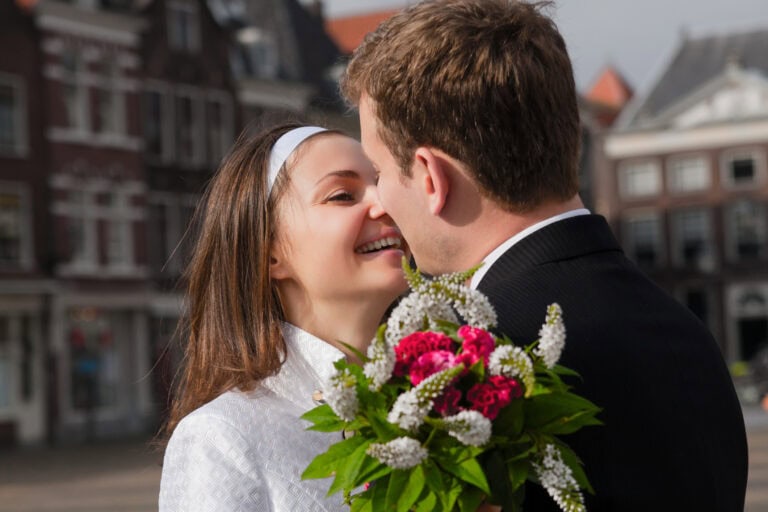

What are the legal consequences of getting married in the Netherlands?

✍🏻 Written by Lise-Milou Lagerwerf, family law expert at GMW lawyers.

Before you get married in the Netherlands, you should be aware of the consequences of this romantic but also legal commitment you are entering into.

While getting married is a beautiful thing, its implications may vary depending on the country where the marriage is entered. 

So, what are the legal implications of getting married in the Netherlands?

We spoke with the experts at GMW lawyers to learn more about this. Their experts are happy to help internationals navigate the legal matters of their marriage. Here’s what they had to say. 👇

First things first, who can get married in the Netherlands?

Getting married here isn’t as simple as getting down on one knee, saying yes, and running to a courthouse. To be eligible to get married in the Netherlands, you must first meet the following conditions:

  • You and your partner are 18 years old or older. Are you younger than 18 and getting married outside of the Netherlands? In that case, the government will only recognise the marriage once you are both 18 years of age.
  • Neither you nor your partner may already be married to or in a registered partnership with someone else.
  • Neither you nor your partner is under guardianship. Are you or your partner under guardianship? Then you need permission from the guardian or the subdistrict court.
  • You and your partner are not related.
  • Are you and your partner cousins, uncles or aunts? Then you may only marry if you and your partner declare that you are both freely choosing to marry or enter into a registered partnership. To do so, you must make a sworn statement before the registrar.

We want a religious wedding ceremony — what legal consequences will this have? 

If you want to have a religious wedding ceremony in the Netherlands, it’s important to know that, according to Dutch law, a marriage is only valid if it is conducted by a civil registrar. 

photo-of-man-and-woman-holding-hands-in-church-during-religious-wedding-ceremony-in-the-Netherlands
If you want to have a religious wedding ceremony in the Netherlands, there are a few things you need to know. Image: Freepik

This is referred to as a civil marriage. A religious marriage may only take place after the civil marriage has been concluded. 

This is to prevent couples from entering into a religious marriage only. A religious marriage can have adverse consequences for one or both spouses. 

The financial consequences of getting married in the Netherlands

Of course, marriage also has consequences for the distribution of your assets. If you marry in the Netherlands without a prenuptial agreement and continue to live in the Netherlands after the marriage, Dutch law may apply to your marital property by default. 

If Dutch law applies, you are married in limited community of property: 

  • This means that the assets and debts you had before the marriage are private assets. 
  • Assets accumulated during the marriage and debts incurred (regardless of whose name they are in) are considered joint assets. 

And what if you get divorced? In this case, both joint property and debts accumulated during the marriage are divided equally. 

However, property acquired during the marriage through inheritance and/or gifts is considered private property under this system and will not be divided in the event of divorce. 

READ MORE | Divorces in the Netherlands: All you need to know

Getting married in the Netherlands also has consequences for the pension you accrue during the marriage. 

The principle in the Netherlands is that you are entitled to half of the pension built up by the other spouse during the marriage. 

What if you want something different for your assets? Geen probleem, you can draw up a prenuptial agreement with a notary before or during the marriage. As part of this, you can opt for a different system that applies to your assets during the marriage.

What are the legal consequences of a registered partnership vs a marriage in the Netherlands?

Unsure of whether or not to enter into a civil partnership or get married? Well, it’s good to know that in the Netherlands, many of the legal consequences of a registered partnership are the same as the rights and obligations of a marriage.

photo-of-wedding-ceremony-outside-manor-in-the-Netherlands
Registered partnerships have similar legal consequences to marriage in the Netherlands, but there are some differences. Image: Dreamstime

In both a marriage and a registered partnership, you are obliged to provide each other with the necessary provisions.

Since January 1, 2018, if you enter into a registered partnership without making partnership conditions, you enter into a registered partnership in limited community of property.

As with a marriage, all your and your partner’s assets and liabilities become common from that moment, except for inheritances and gifts obtained. 

READ MORE | Should I use a mediator when ending a relationship in the Netherlands? Here’s an expert’s opinion

You can also choose to draw up partnership conditions. In this agreement, just as with a prenuptial agreement, you can arrange your finances in the way you wish should you ever separate.

If you and your partner have a child within the registered partnership, the consequences are also the same as with a marriage. 

If there is no will, you automatically become each other’s heirs, and you can choose to bear each other’s name.

Nevertheless, there are still a few differences between marriage and registered partnership.

  • If you do not have children and you both want to terminate the registered partnership, you can do so without the intervention of a judge.

    Instead, you can go to a civil-law notary or a lawyer to dissolve the registered partnership. When dissolving a marriage, on the other hand, you always have to go to court.

  • However, if you want to have your registered partnership dissolved and you do have children together, you must draw up a parenting plan and go to court. (Just as you would if you were married.)
  • Unlike when you get married, you cannot legally separate if you are in a registered partnership. It is also possible to have a registered partnership converted into a marriage. However, this is not possible the other way around. 

A legal separation is where you remain legally married, but live separately. You may then choose to reconcile with your partner or decide to proceed with a divorce. 

Surname choices after marriage

Excited to take on a super Dutch surname? Or rejecting it completely? If you are married, you don’t have to take on your partner’s surname. If you choose to, here’s what you need to know: 

You can register this name with your local authority in the Basisregistratie Personen (BRP). This is for everyday use; your official surname will not change. You do not need your partner’s permission to do this.

photo-of-man-signing-document-at-wedding
You have a choice to make regarding your second name. Image: Freepik

You have three options for using your partner’s surname:

  1. Your partner’s name first, followed by your own name
  2. Your own name first, followed by your partner’s name
  3. Your partner’s name instead of your own name

You do not have to choose the same surname as your partner, and your official surname will always appear on official documents, such as your passport or driving licence.

Duty of support

If you marry in the Netherlands, Dutch law requires you to provide for each other as spouses. This includes both material and immaterial support. Spouses are obliged to support each other financially.

This can be done, for example, by paying household expenses or providing pocket money. 

After divorce, a maintenance obligation towards the former spouse may also arise. Under Dutch law, this maintenance obligation cannot be excluded by contract.

READ MORE | Everything you need to know about mediators in the Netherlands

This means that, unlike other countries, in the Netherlands, you can’t agree in a prenuptial agreement that no spousal support will be paid in the event of divorce.

Parental rights and responsibilities

If you have children during the marriage, both you and your partner are, by default, the legal parents of the child. The child does not need to be legally acknowledged. 

photo-of-family-in-nature-in-the-Netherlands-with-child-on-fathers-shoulders
The legal consequences of marriage also have consequences for your children. Image: Freepik

As a result of the marriage, you both have parental authority over your children. Put simply, this means you are obligated to make decisions about your children together. For example, you must both give permission for medical decisions, or for relocating and enrolling your children at school.

Want to know more about the legal consequences of getting married in the Netherlands? GMW lawyers’ experts have years of experience guiding internationals through the Dutch legal landscape. Contact them now. 


Congratulations on your upcoming adventure, and here’s to the many exciting chapters that will follow. 🥳

Have you been married in the Netherlands? Tell us about your experience with the legalities in the comments below. 

Rob Jetten, the new Dutch PM, is young, gay, and engaged to an expat: does it matter?

After the 2025 Dutch election, Rob Jetten of the D66 party was named as the incumbent prime minister of the Netherlands. Making him also the first openly gay PM in Dutch history!  

In one of the tensest elections in decades, D66’s win was by no means a landslide — but Jetten’s victory and incoming position as prime minister of the Netherlands is a historic moment. 

The daunting task of creating a coalition strong enough to face the PVV (a sworn enemy and the largest opposition party) is emblematic of this chaotic decade in global politics. Only time will tell if Jetten is up to the task.

But we’re not here to bother you with more analyses of the incoming cabinet. No, today, we’re talking about the cultural implications of the newest Dutch prime minister, and why it matters that he’s young, gay, and dating an expat. 

Firstly, who is Rob Jetten?

Rob Arnoldus Adrianus Jetten, born in Veghel in 1987 (yes, he’s only 38 years old), has served as the leader of the centre-left D66 party since 2023. 

His liberal leanings and Obama-esque campaign slogan (“Het kan wel,” or “It is possible”) have generated fervour and excitement among Dutch youth and beyond. 

READ MORE | Thirst traps of Dutch politicians? Yup, they’re a thing

He’s an interesting figure: by no means a revolutionary, but rather, a dignified icon who harkens back to the days of quietly liberal moderates with progressive backgrounds. 

While some find him unexciting, his politics are pushing D66 into new territory.

His willingness to embrace the Dutch flag as a progressive, for instance, seemingly convinced Dutch voters that left-leaning values don’t mean a rejection of tradition and national pride (as PVV would have you believe). 

He’s not always been a success, though. In the 2023 elections, D66 and Jetten fared quite poorly, reports the BBC. 

That’s his political track record — but what are we to make of his personal life? 

Should we care that he’s gay?

Jetten is also breaking barriers and moving the nation forward in other ways, just by being himself. 

Jetten, who is currently engaged to Argentine hockey player Nicolaás Keenen, will be the first Dutch Prime Minister to be openly homosexual. 

@nicokeenan97 Election night, let’s go🔥🫶🏽 @RobJetten #stemmen #d66 ♬ WHERE IS MY HUSBAND! – RAYE

While the Netherlands has long been considered something of a haven for the queer, international politics and far-right resurgences have brought back the issue of sexuality and gender protections.

It’s undeniably a milestone for the country. Despite being the first country to legalise same-sex marriage in 2001, the Netherlands has never had an openly gay prime minister before. 

But Jetten does not put his sexuality at the forefront of his career. While he’s certainly not shy about who he is, being gay doesn’t much play into his political decision-making (as far as we can tell). 

Apparently, some didn’t even know about his sexuality until after the elections. 

Comment
byu/dsimic1 from discussion
ineurope

Plus, as the comment above mentions, the focus on Jetten’s sexual identity seemed to be coming largely from the outside. 

Some felt that foreign media outlets were putting added emphasis on these aspects of his life, especially considering his own lack of discussion about his sexuality. 

That’s not to say he’s avoiding the topic. Jetten has definitely spoken up for his community before and has previously discussed LGBTQ+ safety in the country. 

In a viral video posted to social media in 2020, Jetten read out the countless homophobic comments and hate speech he had received in his time in the public eye. 

However, he is careful to put his support for LGBTQ+ rights in context. 

For instance, he has also condemned the “homonationalism” of his opponent, Geert Wilders, reports Reuters, which is the tendency to invoke LGBTQ+ rights only in arguments against migration. 

Given how carefully (and infrequently) he approaches the subject, though, it seems that if you were to ask Jetten, his answer would be no. Voters shouldn’t care that he’s gay, whether that is for positive or negative reasons. 

His priorities lie in governance, which, ultimately, is what one would hope for a prime minister. 

He’s the youngest prime minister yet

If you thought that was it for the ground-breaking characteristics Jetten brings to the table, you would be wrong. 

In fact, he is also the youngest prime minister in Dutch history. At only 38 years old (39 this coming March), Jetten represents a younger generation of political leaders emerging globally.

READ MORE | 14 forward-thinking things Dutch people do

Some might see his youth as a potential lack of experience, but others see it as a bonus. 

As reported by the Guardian, D66’s former party chair, Victor Everhardt, said that Jetten “can lead us to the future.” 

And he’s engaged to an expat

Well, we’ve covered Jetten, so what about his husband-to-be? 

More specifically, should we care that he’s an expat? Yes and no. 

Nicolaás Keenan, Jetten’s fiancé, is a 28-year-old field hockey player from Buenos Aires, Argentina. 

@nicokeenan97

lip sync has left the room

♬ Illegal – PinkPantheress

Besides locking down the next prime minister as his future hubby, he also currently plays for HC Klein Zwitserland in The Hague and has twice represented his home country at the Olympics, reports Cosmopolitan Magazine. 

So, is it significant that Keenan isn’t Dutch?

Truthfully, it doesn’t seem to matter much. While Jetten’s and his party’s policy is pro-integration and generally softer on migration than, say, the VVD, this has been true long before Keenan and Jetten ever met.  

Additionally, while his fiancé may have been born in Argentina, it’s important to note that he was raised in the EU (in Spain). 

Plus, the two met in the Hague, at Albert Heijn. You couldn’t ask for a more Dutch meet-cute! 


While he doesn’t like to delve into his personal life on the political stage, Jetten and D66’s win is, in many ways, impossible to separate from his identity entirely. Especially when the battle for his position saw him neck-in-neck with a man like Geert Wilders.

In spite of the international headlines his win triggered, overall, it seems like Jetten is an establishment centre-left politician who prefers his politics to be emphasised more than anything else. 

His youth, sexuality, and partner are, if anything, just interesting facts about a man who’s here to do a difficult and demanding job. 

Although we’ll surely tune in to see the wedding photos. 

What do you think of Jetten? Let us know in the comments!

6 influencers you didn’t know were actually Dutch

From YouTube to Instagram to TikTok — the Dutch are taking the world of social media by storm. Haven’t come across any Dutch influencers yet? Well, that’s because many of them are undercover! 

Thanks to their excellent English skills, these six Dutchies have managed to amass millions of followers and gain international success on social media — all while being Dutch. 🤫

1. Nikkie de Jager: The ultimate make-up guru

The Dutch influencer with the biggest international audience is Nikkie de Jager, better known under her YouTube handle ‘NikkieTutorials.’

She is one of the most popular make-up influencers worldwide, with a huge following across her various social media channels — we’re talking 15 million subscribers on YouTube and 19.1 million on her Instagram. 💄

What many people don’t know is that Nikkie is actually a Nederlander! She was born in Wageningen, and now lives with her husband in the small town of Uden in North-Brabant.

She is an inspiration to many, not only because of her incredible make-up skills, but also her LGBTQ+ identity. 

Over the years, she has become a true celebrity, having worked together with stars such as Adele and Kim Kardashian.

Aside from her star-bangled client list, she has also hosted the Eurovision Song Contest in Rotterdam, and was even a guest on the Ellen Show. Lekker bezig, Nikkie!

READ MORE | Kim Kardashian speaks out about Zwarte Piet

Unfortunately, fame also comes with downsides. For example, Nikkie became one of the many victims of a series of robberies of famous Dutch people and was even blackmailed into her own coming out.

2. Sophie van Oostenbrugge: The fitness fanatic  

Sophie van Oostenbrugge, or ‘Gainsbybrains’ as she is known on her social media channels, is one of the Netherlands’ most famous fitness influencers. 🏋️

Living up to her alias, Sophie impresses not only with her gains, but also with her brains. She has a total of three YouTube channels, catering to different audiences (and maximizing her profit as a result 😉).

Not only does she make follow-along workout videos, but she also vlogs her daily life — in English on GAINSBYBRAINS and in Dutch on Sophie van Oostenbrugge.

The best part? Sophie’s Dutch videos have English subtitles, which is great for those of us trying to learn the language.

READ MORE | 21 YouTubers that’ll help you learn Dutch super fast

Over the years, Sophie has made quite a name for herself and has worked together with international brands such as Gymshark and Waterdrop. 💪

3. Romee Strijd: The do-it-all model mama

Romee Strijd wins the wedstrijd (contest) for the most impressive all-rounder: Model, influencer, mother… There is nothing Romee can’t do!

Born in Zoetermeer, South Holland, Romee started modelling at the ripe age of 16. She quickly rose to success and became a Victoria’s Secret Angel, walking the brand’s annual fashion show from the years 2014 to 2018. 👠

Over the years, she has worked for brands such as Burberry, Calvin Klein, and Louis Vuitton.

READ MORE | This Instagram posts Dutch couples wearing twin clothing and we can’t look away

Thanks to her modelling career, Romee already had quite a large following when she started making YouTube videos in 2017. Her videos, share the behind-the-scenes of her career, but she also vlogs about her personal life.

As of right now, her YouTube channel has 1.85 million subscribers, while her Instagram has a whopping 8.1 million followers. 🤳

4. Rianne Meijer: The galpal we didn’t know we needed

We hate to bring it up, but 2020 was the year of the COVID-19 pandemic, a tough one for most of us. 😬

But just when the world needed her the most, Rianne Meijer rose to Instagram stardom and made everyone’s quarantine a bit more bearable.

READ MORE | Multitasking: two-thirds of Dutchies use their phones while on the toilet

Rianne, who was born and raised in Ermelo, quickly gained a following in 2020 by posting “Instagram vs reality” photos. 

She became loved by many for exposing the truth behind unrealistic expectations that most other influencers set on social media. 🙅‍♀️

Today, she has 1.5 million followers on Instagram, and continues to stay her down-to-earth self — while using her platform to teach people about Dutch culture. 😉

@rianne.meijer

Oh I’m sorry let me just

♬ Trono De Mexico Quien Piensa En Ti – 𝕸𝖎𝖘𝖊𝖗𝖎𝖆𝖘

5. Negin Mirsalehi: The queen of haircare 

Dutch-Iranian influencer Negin Mirsalehi has a whopping 7.1 million followers on her Instagram page. Let’s just say she has the success story that all influencers are after.

Living in Amsterdam, Negin has always been passionate about fashion and beauty, which is why she started posting on social media in 2010. 

A few years later, a well-known haircare brand offered her €800,000 for a collaboration, which she turned down. 😱

Resisting the Dutch’s innate stinginess, Negin had bigger plans: launching her very own brand, featuring beauty products inspired by her family’s history as beekeepers. 🍯

And it was a decision well-made. Over the past years, her brand “Gisou” has become particularly hyped on TikTok, where its videos boast millions of views.

@gisou

and now from @Negin Mirsalehi herself 🍯✨ #gisou #lipoil #gisoulipoil #lipoils

♬ original sound – ⃟⃟⃟

It’s safe to say that Negin has mastered the entrepreneurial side of influencing. The famous American business magazine, Forbes, seems to agree: They have listed her on their 30 under 30 list in 2018 and crowned her the Influencer of the Year in 2019. 👑

6. Nochtli Peralta Alvarez: The police officer-turned-influencer

Nochtli Peralta shares more with Brooklyn 99’s Jake Peralta than just a last name: before becoming an influencer, she actually used to be a politie officer. 👮‍♀️

Half Dutch, half Mexican, Nochtli hails from Amsterdam, where she still lives with her boyfriend today. 

While on duty in Haarlem in 2016, Nochtli was approached by fitness guru Tavi Castro, who offered her a job as a model for his company. 

Fast forward a few years, and today Nochtli has nearly a million followers on Instagram, where she shares fitness and lifestyle content. 📲

With this, she has not only made international fans but has also become well-known within the Netherlands.

Here, she has participated in “Dance Dance Dance,” the Dutch version of “Dancing with the Stars,” and even voiced the Dutch version of Lola Bunny in the Warner Brother’s new Space Jam movie.


These six Dutch women are killing it on social media — and making the Netherlands look damn good while they’re at it. 🇳🇱

Did you know any of these influencers? And did you know they were Dutch? Tell us in the comments below!
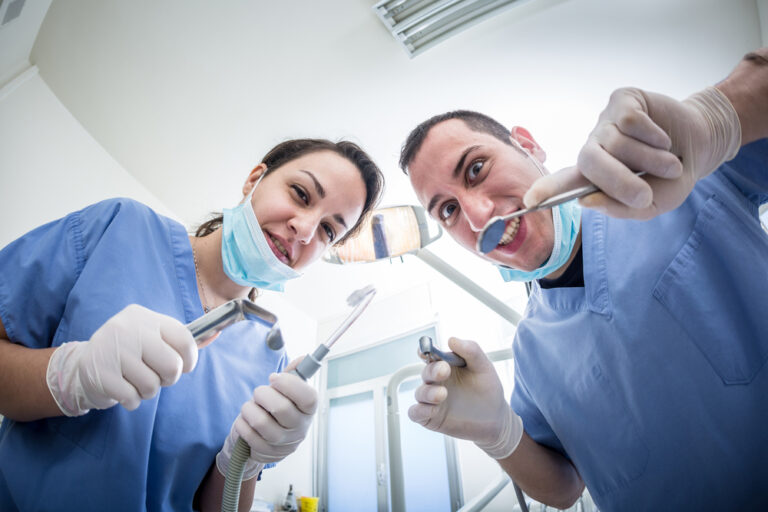
Dutch Quirk #96: Avoid going to the dentist at all costs

It’s often painful and expensive to visit your dentist, so what’s the point, right? Well, the Dutch have filled their objection toolkit to a whole new level.

The Dutch are one of the healthiest nations in the world, and this information alone is more than enough for most of them to convince themselves to skip all their dentist appointments. 

To be more precise, they cycle to the other side of the road when they see a dental surgery.

What is it?

If you ask a Dutchie about their dental care, you can bet they are ready with a number of reasons to explain why they haven’t been in well… a while. 

In fact, they are almost always ready to start a well-rehearsed TED Talk to convince you why visiting the dentist is overpriced/useless/DANGEROUS. 

READ MORE: Eat cheese every day for lunch 

Some Dutchies seem to think that if you still can be a functioning member of society, why would you visit a dentist with some silly old tooth pain? 

Just sprinkle some Paracetamol on your bread along with your hagelslag, and doe normaal!  

Why do they do it?

Well, we all have been there, right? Visiting your dentist isn’t the most gezellig activity that you can think of. 

The only difference is that while in most countries, people might afraid of the dentist’s chair, but still go, the Dutchies simply skip it! 

To be fair, though, that’s not the only reason: the fact that most basic Dutch insurance plans don’t include dentistry costs might also play a role in this quirk. 🥲

Why is it quirky? 

Firstly, that sort of confidence and self-assurance is something you’ll only find in the Netherlands. 

But secondly, have you seen Dutch people’s teeth? If you walk around in the Netherlands, you can sometimes feel like you’re in a Colgate commercial.  

READ MORE: Why are the Dutch so tall?

It must be all that hagelslag! You may spend hours every morning flossing all of your teeth and doing your recommended yearly check-ups. But the Dutch are not — and still, they have that Hollywood-perfect smile.

Should you join in? 

Well… nee? Sure, you may be considered nicely integrated by declaring that dental services are simply too expensive and unnecessary for you.

However, it’s still best to endure the discomfort and have that checkup to prevent something even more gross and painful! 

What do you think of this Dutch quirk? Have you experienced it? Tell us in the comments below!

Another asbestos scare: Dutch Pufferz toys recalled over deadly sand filling

Following the discovery of asbestos-contaminated play sand last week, toy manufacturer Toi-Toys has tested and recalled their Pufferz toy line. 

These toys, which come as innocent-looking stretchable and colourful puffer figures, also have a compromised sand filling. 

This news comes after multiple Dutch labs found both white and (more dangerously) grey asbestos in children’s play toys last week.

Toi-Toy’s in trouble

As AD reports, the company tested all its sand-related products following the earlier news that asbestos had been found in children’s ‘magic’ kinetic play sand. 

Unfortunately, these puffer toys also came back positive.

READ MORE | Dutch labs discover asbestos in childrens’ play sand

These Pufferz toys have a colourful, stretchable coating with a fun-to-squish sand filling. However, if torn or punctured, the filling can spill out and cause damage. 

In addition to this, AD confirms that last week, seller Action also stopped selling a separate sand-filled toy known as Stretcherz after asbestos was found. 

First Australia, now the Netherlands

The Netherlands Food and Consumer Product Safety Authority (NVWA) launched their investigation into children’s play sand last month following a major scare and recall of these products in Australia. 

The investigation down under resulted in over 70 school closures, according to RTL Nieuws. In response, Dutch authorities began testing similar sand-based products.

Findings showed widespread contamination of multiple sand products. 

While the asbestos levels were low (0.1%), any amount is illegal in children’s products, leaving manufacturers and retailers scrambling. 

One can only hope that from now on, these products will be examined more carefully before reaching the shelves. 

Have you been affected by this? Let us know in the comments! 

From Heineken to ASML: Over 350 Dutch companies to cut thousands of jobs

The Dutch job market is already dire. Now, employed people are scared too.

In a bid to stay competitive against disappointing revenues, economic uncertainty, artificial intelligence (AI), and inflation, a lot of Dutch companies turn to “reorganisation.”

Translation: widespread layoffs. Companies need to cut costs, and according to economists, slashing the workforce is the quickest fix.

Employers warn that this is just the beginning, reports NU.nl.

Time to update your resume, perhaps?

From beer to banking: no one’s safe

By the end of last year, benefits agency UWV received reorganisation notices from 355 companies: the highest number in a decade.

“We’re in the middle of a round of reorganisation that began two years ago,” says a spokesperson for the employers’ association AWVN.

The spokesperson cites layoffs and bankruptcies across the industrial and chemical sectors, as well as in education, business services, and the financial sector.

Called for an employee review? Your fear is justified. Heineken plans to cut between five and six thousand jobs over the next two years.

READ MORE | Dutch beer giant Heineken announces it’s slashing up to 6,000 jobs

Major financial institutions such as ING, ABN AMRO, and ASN Bank are also reorganising.

Chip machine giant ASML is making changes, too.

Thousands of jobs are expected to be slashed across these companies.

But why?

Contrary to the popular belief that AI is nabbing our jobs, the reality is quite complicated.

Olaf van Vliet, an economics professor at Leiden University, points out that cost savings are still the main driver.

During the tight labour market following the pandemic, companies were reluctant to reorganise. Now, after delaying too long, the cuts are coming all at once.

While companies love citing the “threat of AI,” van Vliet says there’s little proof it’s replacing workers. The reasons vary: ASML is changing management structures, while Heineken is facing declining beer consumption.

Another approach

Labour market economist Ronald Dekker from TNO takes it a step further.

In his view, reorganisations at listed companies are mainly about keeping shareholders happy.

He questions the idea that rising wages are to blame, pointing out that wage growth in the Netherlands has been modest for decades.

Instead, companies may be trying to prove they can do the same work with fewer people, inflating their “productivity” metrics. Rich investors, after all, stay rich by cutting costs.

Despite this grim article, the silver lining is that the Dutch market is still doing pretty well, as many sectors continue to struggle with staff shortages.

So if you do lose your job during the great cut of ’26, you might have a decent chance of finding a new one.

Dig what you’re reading? Get more of it! Join our WhatsApp channel or Instagram broadcast to get the latest news straight to your pocket.

The Netherlands ranks best country for quality of life in 2026

The Netherlands has landed in first place in Numbeo’s Quality of Life index for 2026, one step up from last year.

Sitting at a score of 213.6, the Dutch have overtaken Denmark (212.2) and Luxembourg (211.9) by a narrow margin, according to Numbeo.

All those obligatory borrels and paid vacation days? Apparently, they count for something.

The ranking combines a range of indicators, including purchasing power, safety, healthcare, cost of living, property affordability, commute times, pollution, and climate.

While the top of the list is mostly dominated by European countries, bigger economies fare worse. The US ranks 15th, and the UK falls further behind at 22nd. Reconsidering that Brexit, are we?

Quality of life comes at a high price

On paper, the Dutch numbers look solid: a Safety Index of 74.5, a Health Care Index of 81.5, and a low Pollution Index of 20.9.

But when you find yourself crying in the shower at the end of the month, the cost of living leaves you wondering, “Do they do toeslagen for groceries yet?”

So natuurlijk, the Netherlands performs rather poorly on the Cost of Living Index, with a score of 75.38. In other words, the cost of living is 8.6% higher than in the United States of America.

According to Numbeo’s data, a family of four spends an estimated €3,647 per month excluding rent, while a single person spends around €1,020 before housing costs even enter the picture.

For anyone thinking of relocating, the Netherlands makes a pretty compelling case. Top of the world on paper. Just don’t ask your bank account.

Dutch cities claim the first 5 places for quality of life

And if you’re still questioning how the Netherlands could land itself in the top spot, simply take a look at Numbeo’s best cities for quality of life rankings. Dutch cities dominate the top five.

And which city takes the top spot for quality of life? That honour goes to The Hague.

Home to the royals, the International Court of Justice, and parliament, the city had better be orderly and liveable.

The residents of Agga enjoy a score of 230.1.

READ MORE | Damsko, Roffa, Agga: Do you know the nickname for your Dutch city?

Utrecht follows with 221.6, then Eindhoven with 219.4, Groningen with 216.1, and Rotterdam with 213.1.

Despite the lure of Amsterdam, it lands in 8th place in Numbeo’s rankings, with a score of 209.4. Triple X is largely weighed down by higher living costs and property prices.

See if you can spot your country!

Numbeo ranked a total of 89 countries. Though the world still goes on, here are the winners and losers.

Top 10Ranking
Netherlands1
Denmark2
Luxembourg 3
Oman4
Switzerland5
Finland6
Austria7
Germany8
Iceland 9
Norway 10
Bottom 10Ranking
Vietnam80
Peru81
Indonesia82
Iran83
Philippines 84
Egypt85
Venezuela86
Bangladesh87
Sri Lanka88
Nigeria89

But for now, the Netherlands sits at the top. Just don’t expect that top-ranked quality of life to come cheap.

Dig what you’re reading? Get more of it! Join our WhatsApp channel or Instagram broadcast to get the latest news straight to your pocket.

More snow expected for the Netherlands — followed by temperatures of up to 13 degrees

Ever been in a hot and cold relationship? Well, get ready to experience the same whiplash with Dutch weather this week.

Snow is possible in the south on Thursday morning, but by the weekend, temperatures could hit 13 degrees Celsius.

With some of us experiencing hail on this fine Tuesday, it’s hard to imagine.

First, showers and freezing temperatures

According to RTL Nieuws, showers will linger in some parts of the country tonight, specifically in the south.

As skies clear overnight, temperatures inland will drop toward freezing, so expect a sharp chill if you’re heading out late.

Wednesday offers a welcome breather: a largely dry day with regular sunshine. Don’t be fooled into thinking spring has arrived, though.

Temperature differences across the country will be striking. The northeast of Groningen will barely creep above freezing, while central areas reach around 4 degrees, and the south reaches up to 6 degrees.

That being said, an easterly wind will make those temperatures feel closer to freezing.

And then we have snow again

Thursday morning will be the most wintry moment of the week.

According to RTL Nieuws, south of the “grote rivieren” (the major rivers that cut across the Netherlands), there’s a chance of snow.

Those of us in the north, meanwhile, will see sunny spells and stay dry throughout the day.

Even if you don’t get snow, you’ll still be feeling the winter. Thursday and Friday both remain cold, with afternoon highs ranging from around just 1 degree in the northeast to 5 degrees in the southwest.

Overnight between Thursday and Friday, light to moderate frost is expected inland (so watch for icy footpaths and cycle paths on Friday morning).

Friday itself starts sunny before clouds roll in from the west. It stays dry until the evening, when rain moves in.

The weekend flips the script

After a week of frost, snow, and wind chill, the weekend is set to be a completely different story.

Temperatures are forecast to climb to between 10 and 13 degrees Celsius (meaning yes, you can show off your new spring coat).

Just make sure it’s waterproof, perhaps. Clouds and some rain are expected, but the winter cold looks set to fade into the background for now.

Will you be hoping the snow sticks on Thursday, or are you already counting down to the weekend warmth? Let us know in the comments below!

Expect train disruptions around Utrecht and Amsterdam in the coming weeks: here’s where and when

If you’re travelling through Utrecht Centraal or the Amsterdam region between now and March 1, the NS has a heads-up for you: expect busier trains, longer journey times, and some routes replaced entirely by buses.

ProRail is widening platform 3 and rerouting track 5 at Utrecht Centraal, and the effects of this will be felt across the national timetable for the next two weeks.

What’s happening this weekend?

From Friday evening (February 20), at 11 PM, fewer trains will run between Utrecht Centraal and Amsterdam Centraal, Utrecht Centraal and Schiphol Airport, and Utrecht Centraal and Arnhem Centraal.

Many trains will also depart from different platforms than usual, so keep an eye on the boards.

The most severe disruption this weekend is between Ede-Wageningen and Arnhem Centraal, where no trains will run at all on Saturday, 21, and Sunday, 22 February. Replacement buses will operate instead.

There will also be no Sprinters between Utrecht Centraal and Utrecht Overvecht this weekend. The NS recommends travelling via Bilthoven as an alternative.

Meanwhile, travellers between Utrecht Centraal and Hilversum are advised to reroute via Amersfoort Centraal.

What about next week?

Let’s start with Utrecht. Firstly, the reduced frequency on the Utrecht–Amsterdam, Utrecht–Schiphol, and Utrecht–Arnhem routes continues through to Friday, February 27.

On top of that, from Monday, February 23, through to Thursday evening, February 26, buses will replace Sprinters between Utrecht Centraal and Maarssen.

From 9 PM, evening buses will serve the Utrecht Centraal–Bunnik route Monday to Friday that same week.

@dutchreview

A travel pass I can add to my Apple Wallet? Yes please.

♬ original sound – DutchReview

Now, what about Amsterdam commuters? From Monday, February 24, through to Sunday, March 1, no trains will run between Amsterdam Sloterdijk and Haarlem. Replacement buses will run instead.

However, alternative routes are available.

Those going between Haarlem and Amsterdam Centraal can travel via Uitgeest, while travellers between Leiden Centraal and Amsterdam Centraal can detour via Schiphol Airport. Anyone travelling between Haarlem and Utrecht Centraal is advised to reroute via Leiden Centraal.

And the weekend after that?

From Saturday, February 28, to Sunday, March 1, no trains will run between Amsterdam Zuid and Schiphol Airport, or between Amsterdam Zuid and Amsterdam RAI.

Instead, travellers on these routes can use the metro between Amsterdam Zuid, Amsterdam Lelylaan, and Amsterdam Sloterdijk.

Anyone needing to get from Utrecht Centraal to Schiphol during this period should reroute via Amsterdam Centraal.

The NS advises checking the NS travel planner shortly before departure, as travel advice can change at short notice. The planner is already showing updated journey options for the full disruption period.

Are you catching a train through Utrecht or Amsterdam over the next two weeks? Share your route in the comments, and let us know if those replacement buses actually turn up on time.