Over the past few months, the average price of a student room in the Netherlands once again climbed, with an increase of 5.6 %.
However, some Dutch student cities are more responsible for this increase than others. So, which cities saw prices rise? And did any city see a drop? 📉
Let’s talk about the data
Kamernet has collected data from 14,200 rooms across 19 cities, comparing prices from the last quarter of 2024 to the same time a year earlier.
And what did they find? The average price of a student room stands at €705 per month compared to €681 euros last year.
These cities saw the biggest rent hikes
Some cities saw huge jumps in average rental prices in the last quarter of 2024. 👇🏼
Leiden experienced a 17.3% increase in rent
Tilburg experienced a 16.9% increase in rent
Nijmegen experienced a 15% increase in rent
Ouch. 😬 Can we perhaps experience a similar increase in wages?
In good news, these cities saw rent drop
Believe it or not, student rent actually fell in a few Dutch cities. 👇🏼
Ede experienced a -3.5% decrease in rent
Wageningen experienced a -1.6% decrease in rent
Leeuwarden experienced a -1.1% decrease in rent
Breda experienced a -0.3% decrease in rent
And what might be the most shocking news of the week — Amsterdam’s prices dropped by -0.1%.
Okay, that’s barely anything. But hey — a win is a win. 🙏🏼
That being said, Amsterdam still remains in first place for the most expensive city for students, with average room prices sitting at an unbelievable €974 per month.
Coming in second place is Utrecht, with an average of €835 per month.
In an endless sea of decrees at the beginning of his term, Trump decided to pay the Netherlands some attention with his latest executive order.
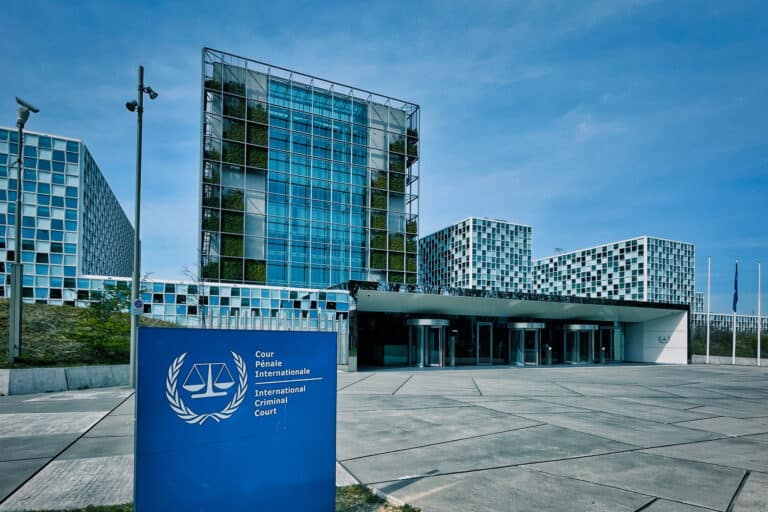
He has imposed sanctions on the International Criminal Court (ICC) in The Hague.
The second time’s the charm
The sanctions include financial penalties and visa restrictions for anyone who helps the ICC investigate US citizens or allies.
Apparently, ‘allies’ in this case include Israel since the US government opposed the ICC’s issue of an arrest warrant against Israeli Prime Minister Netanyahu and Israel’s former Minister of Defense Gallant.
Sanctions against the ICC were already proposed by the Republican senate majority, but Democratic senators blocked them.
However, Trump has stepped in with an executive order and imposed the sanctions anyway.
“The very existence of the court is at stake”
The ICC saw this coming, paying out salaries three months in advance in preparation for the sanctions.
The Dutch Minister of Foreign Affairs Veldkamp has expressed his opposition on X.
The Netherlands regrets the executive order imposing sanctions on the ICC. The court's work is essential in the fight against impunity. Our country has a strong reputation and responsibility as a host country of important international legal institutions. 1/2
Likewise, the court’s president, Judge Tomoko Akane, has labelled the sanctions as undermining “the work of the ICC” and putting “the very existence of the court at stake.”
How extreme is this?
On the other hand, the measure isn’t as extreme as it sounds if we’re familiar with the USA’s history with the ICC.
Neither the states nor Israel are members of the court, and the court’s operations are usually not supported by Democrat or Republican governments alike.
The prohibition of US cooperation with the ICC is even laid out in a bill that can justify a military attack of The Hague if a US citizen is detained there, giving it the nickname ‘The Hague Invasion Act’.
The court also faced US sanctions in 2020. During his first term, Trump sanctioned the ICC Chief Prosecutor for investigating possible US war crimes in Afghanistan.
The Dutch correspondent to the US, Sjoerd den Daas, comments on these sanctions in a statement to the NOS:
“[Trump] wants to send a clear signal. Do not dare to interfere with the interests of America or our allies.”
Most of us have heard of the American bible belt, but did you know that the Dutch have their very own? 🙏🏻
The bible belt in the Netherlands goes by different names: bijbelgordel, bijbelbelt, or refoband.
The majority of the 400,000 residents are (you guessed it) Christian conservative Dutchies. That’s 2.5% of the Dutch population which lives in that area.
Quite a lot for such a small country, but those who are not from there sure love to point out how vreemd (weird/different) it is. And, for the most part, not in a good way.
What is it?
In the Netherlands, the bible belt refers to an area with a large number of conservative Calvinist Christians.
For those living there, religion still plays a central part in their daily lives. ⛪️
For example, the majority of the votes for the Christian conservative parties CU (ChristenUnie) and SGP (Staatkundig Gereformeerde Partij) stem from this area.
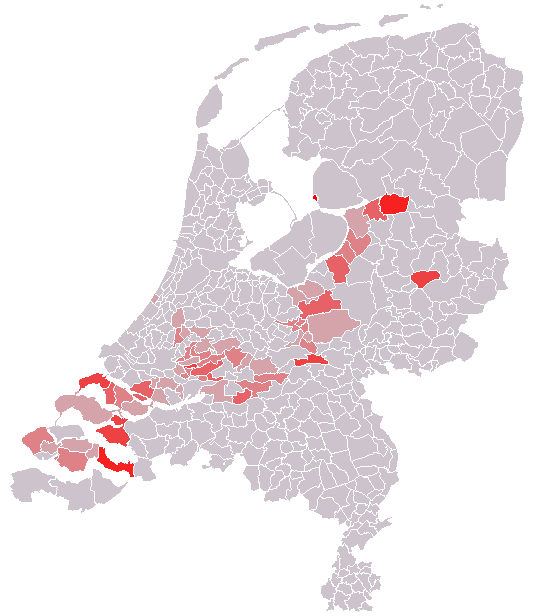
It is called a ‘belt’ because, if you look at a map, you can see that the majority of conservative protestants in the Netherlands live in a strip of land that stretches from Zeeland in the South over the Veluwe to Kampen in the North.
A map of CU and SGP voters in the Netherlands, indicating the Bible belt. Unknown author/Wikimedia Commons/Public Domain.
Not all conservative protestants live in the bible belt (note the small speck of red in Flevoland, the city Urk) or follow religious teachings to the same degree.
Why do they do it?
So, why does the Dutch bible belt have such a bad rep?
Well, the bijbelbelt frequently makes the news because its inhabitants often have certain views that don’t sit well with the majority of liberal Nederlanders:
Against abortion
Against same-sex marriage
Against vaccinations
In 2017, a Dutch version of the Nashville Statement (Nashvilleverklaring) made headlines because it openly opposed gay marriage, non-monogamy, and transsexuality.
Then, during the Corona virus pandemic, the bible belt made headlines because of low vaccination rates and failure to adhere to lockdown measures.
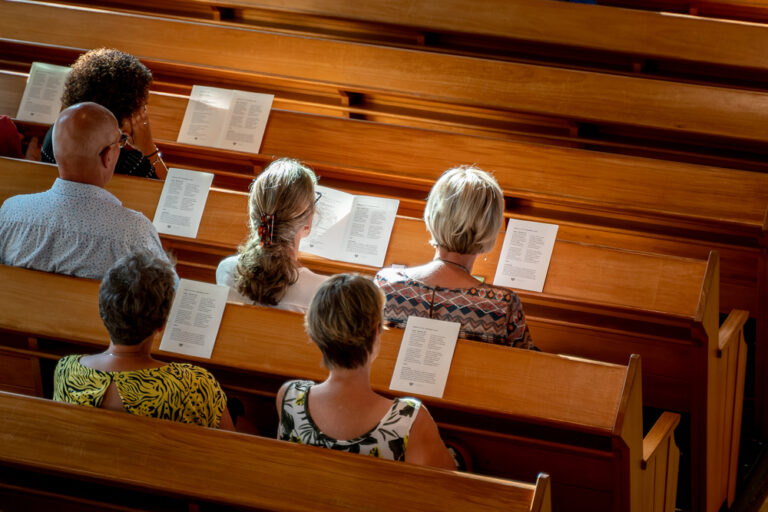
The faith of many community members was so strong that they refused to miss their service and attended church regardless of restrictions.
“No, we won’t get vaccinated, because we believe that the Lord provides for us,” says a man of the Dutch protestant community anonymously in this video. None of his seven children are vaccinated.
Even before, Dutch conservative protestant parents were criticised for not vaccinating their children for serious diseases such as polio, typhus or measles.
Why is it quirky?
For a country as small as the Netherlands, it’s interesting to see such drastically different beliefs colliding in one country.
This can be explained by the not-very well-known phenomenon of Dutch pillarisation.
In the 19th century, to accommodate all the different worldviews and beliefs coming together in the Netherlands, social groups such as Catholics, conservative Calvinists, and socialists started to develop their own social institutions separate from one another.
Our son Stefan (then 10 years old) never, ever wanted to move to the Netherlands. He was very clear about that. The fear of the unknown, but especially letting go of the known, was an issue for him.
He didn’t have a great start, but eventually overcame hurdles together with us, and now, at 19 years old wants to take one year of his university abroad as well.
But integration doesn’t have to be overwhelming. Here are seven fun and practical ways to make this transition smoother for your child.
1. Make learning Dutch fun — start with the language
Find ways to make learning a new language fun! Image: Freepik
Why it matters: Language is the key to unlocking friendships and cultural understanding. How to do this: Emphasise learning through play to keep it engaging.
An expat mother from the UK once told me, “What I liked most was that the Dutch he learned gave him a positive association and attitude towards Dutch, and that helped him during the start of his primary school career in the Netherlands. Because it was a lot of fun and functional, he could immediately use it to make friends.’’
2. Embrace the bicycle life
Why it matters: Cycling is a quintessential part of Dutch life, and all children in the Netherlands cycle. How to do this: Teach your child to cycle if they don’t already know.
If your child doesn’t already know how to ride a bike, make it a priority and make it fun. You can practice in a big parking lot, or in your neighbourhood along safe routes.
Thankfully, many of the Netherlands’ cycle routes are simple and straightforward, making them quite child-friendly. Once your child does learn to cycle, they will be armed with a skill that will not only help them get from A to B but also integrate.
3. Dive into Dutch traditions and celebrations
One way to integrate into life in the Netherlands is to enjoy some of its traditions. Image: Dreamstime
Why it matters: Participating in cultural festivities helps children feel part of the community. How to do it: Ask at school about the different festivities, explore the local newspaper or Google your neighbourhood. Celebrate Sinterklaas, King’s Day, and other uniquely Dutch holidays.
As a family, the attitude you bring toward embracing the host country, its culture, and traditions plays a significant role in how smoothly your child’s transition unfolds.
Take the time to learn about the many traditions the Netherlands has to offer; you and your child can discover and celebrate these together.
4. Connect through international and local friendships
Why it matters: Kids need a social network for emotional well-being. How to do it: Enroll them in local sports teams, join expat groups, or encourage friendships with both local and international peers.
My own expat children have found a great deal of recognition and support among “fellow travellers” — children who have also experienced life abroad.
For many Dutch children, including their former friends, they now seem like “exotic” Dutchmen, often admired or set apart in ways that feel unfair.
5. Explore the Netherlands together
Take the time to explore the Netherlands together with your child. Image: Freepik
Why it matters: Familiarity with the country builds comfort and curiosity. How to do it: Visit child-friendly museums, nature reserves, and landmarks.
Plan out little trips with your child. Have they seen the Zaanse Schans? How about Scheveningen’s big Ferris wheel? Have they cycled through one of the country’s many dunes?
The Netherlands has many family-friendly locations that you can explore together with your child. All that you need to do is pick a weekend and get planning.
6. Introduce them to the Dutch schooling system
Why it matters: Understanding how Dutch schools work eases anxiety about starting in a new educational system. How to do it: Research the Dutch schooling system and break it down for your children. Prepare for Dutch schools with language classes or cultural workshops.
If you plan on enrolling your child in a Dutch school, you’re going to have to help them prepare. I work at a Dutch language school. One of our young students, Anna (age 7), spoke not one word of Dutch when she arrived in Amsterdam and understood little in the first days at school.
When this led to her isolation and the frustration of not ”getting it,” it caused anxiety and stress. However, she adapted quickly. She was persistent, continued to learn the language, and within a short period of three months, she was able to make her way in Dutch.
7. Nurture a growth mindset
Celebrate the small wins with your children to keep them motivated and positive. Image: Freepik
Why it matters: Integration takes time, and maintaining a positive mindset is essential for success. How to do it: Help children see mistakes as learning opportunities. Use supportive phrases in Dutch and their native language to build confidence.
Take my friend’s youngest child, for example. When they moved back to the Netherlands after years abroad, she was initially hesitant to speak Dutch outside the home.
But as a family, they made a game out of learning new Dutch phrases together, celebrating small victories like ordering ice cream in flawless Dutch or understanding a joke at school.
Slowly but surely, her confidence grew, and she started connecting with classmates on a deeper level.
By modelling curiosity and enthusiasm as parents, they showed her that learning the language and culture was an adventure rather than a chore.
The result? Not only did she adapt beautifully, but she also taught us how resilience and joy can turn challenges into growth opportunities.
Integrating into Dutch life can be a rewarding journey for both parents and children. With these tips, your child will not only adapt, but thrive in their new home.
Have you gone through a similar experience? Tell us your thoughts in the comments below!
It’s no secret that the Dutch love a good ol’ boterham — but how far does that love go? Far enough to warrant a national competition to crown the ultimate sandwich, apparently.
For the first time ever, the Dutch Bakery Center has hosted the NK Broodbeleggen (National Sandwich-Making Championship), and now, a winner has been crowned. 👑
And don’t worry! As De Telegraaf writes, the judges were no rookies. The competition was overseen by the brothers behind the social media sensation Broodjestester (Breadtester) — which seems legit enough.
So — what’s this competition all about?
The national competition invited participants to get creative and craft a quirky, mouthwatering sandwich with ingredients the common Dutch folk wouldn’t even dream of adding to their ham and kaas broodje.
And yes — it’s inspired by Elvis Presley’s favourite sandwich (peanut butter, bacon and banana), and while it may sound unusual, Melloney insists: “Don’t judge it until you try it!”
What about the runner-ups? Second place went to “Chicken Mango Madness” — a combo of chicken in ketchup, fresh mango, avocado, truffle mayo, and Parmesan cheese.
Meanwhile, “Pea Soup Sandwich” claimed third place with a mix of pea hummus, onion, leek, carrot, bacon, smoked sausage, and crispy celery chips.
Sounds intriguing, but we’re creatures of habit, so we might just stick to our hagelsagfor now. 😋
Will you be making the winning sandwich at home? Let us know in the comments below.
A little over two weeks into Donald Trump’s second presidency, he has made many controversial decisions. But on Tuesday, the 78-year-old shocked the world by saying he wants to United States to take “ownership” of the Gaza Strip.
Speaking at the White House alongside Israeli Prime Minister Benjamin Netanyahu, Trump said that “the US will take over the Gaza Strip, (…) own it and be responsible for dismantling all of the dangerous unexploded bombs and other weapons on the site.”
And Palestinians? They should “be resettled” in countries such as Egypt and Jordan.
Sounds like ethnic cleaning? Yep, that’s what the head of the United Nations, António Guterres, thinks, too. But there’s one Dutch politician who agrees with Trump.
You guessed it: Geert Wilders
While multiple European countries have condemned Trump’s plans, one Dutch politician has shown support. Of course, it’s far-right Geert Wilders.
The Trump-loving PVV leader took to X to tweet: “Very true, @realPresidentTrump! As I always said: Jordan = Palestine. Let Palestinians move to Jordan. Gaza-problem solved!”
Fortunately, not all Dutch politicians share Wilders’ stance.
According to the NOS, NSC’s MP Isa Kahraman has called Trump’s plans “absurd”, while Groenlinks-PvDa MP Kati Piri says it how it is: “The most powerful man in the world is simply calling for ethnic cleansing.”
As De Telegraaf writes, Foreign Affairs Minister Caspar Veldkamp has reaffirmed the Netherlands’ position, rejecting the idea of US control over Gaza:
“For the Netherlands, there is no doubt: Gaza belongs to the Palestinians. Our position is and remains unchanged. The Netherlands supports a two-state solution. That means an independent, viable Palestinian state alongside a safe Israel.”
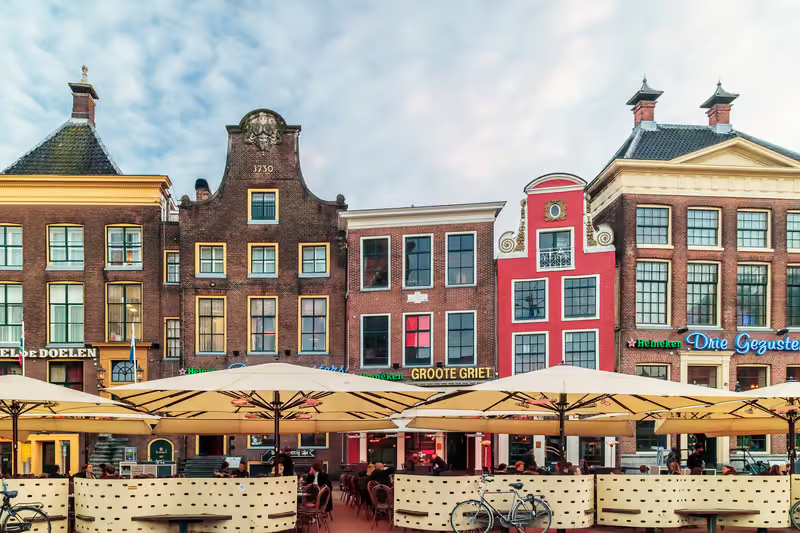
Welcome to gorgeous Groningen — a province that lives and breathes history, yet never loses its hip edge. From its lively city of the same name to the far reaches of its rustic countryside, there’s so much to see and do in Groningen.
Home to one of the most beautiful train stations in the Netherlands, picturesque Groningen city is also a hub for museums, art galleries, and stunning views of Western Europe’s unspoilt north.
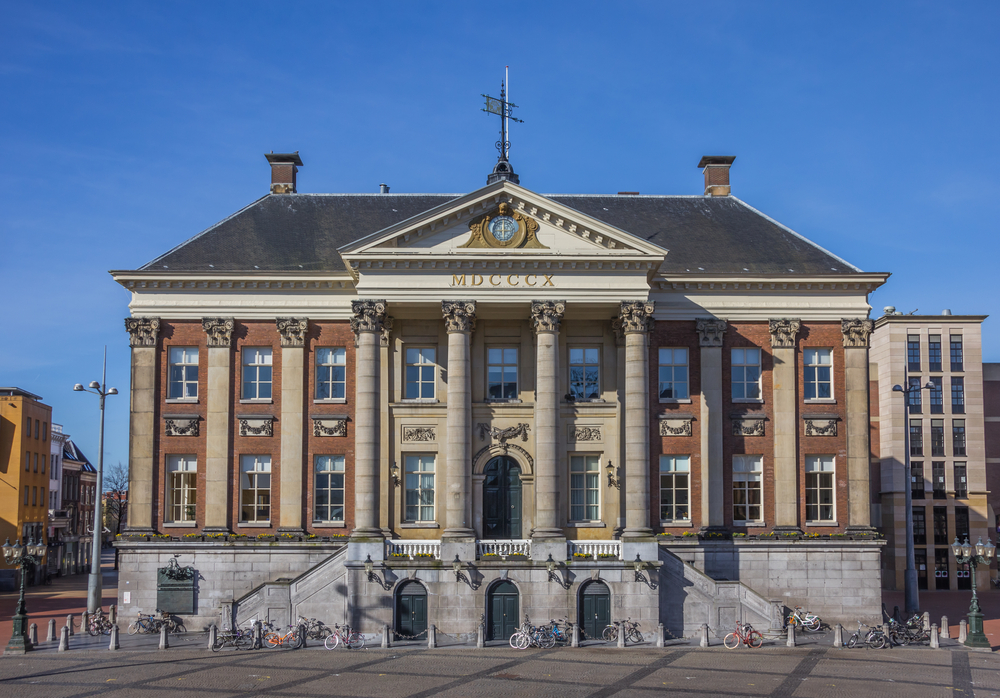
Architecture enthusiasts are in for a treat, as they can stroll by the stunning neoclassical Stadhuis (City Hall) and potter around the Korenbeurs, a UNESCO monument with gorgeous statues of Roman gods.
Oh, and if you’re in the mood for a bit of shopping, the quaint shops you’ll see in the old town are sure to scratch that itch.
💰 Price: Free
⏰ Opening hours: Whenever you want
📍 Location: Start at the Grote Markt and wander around
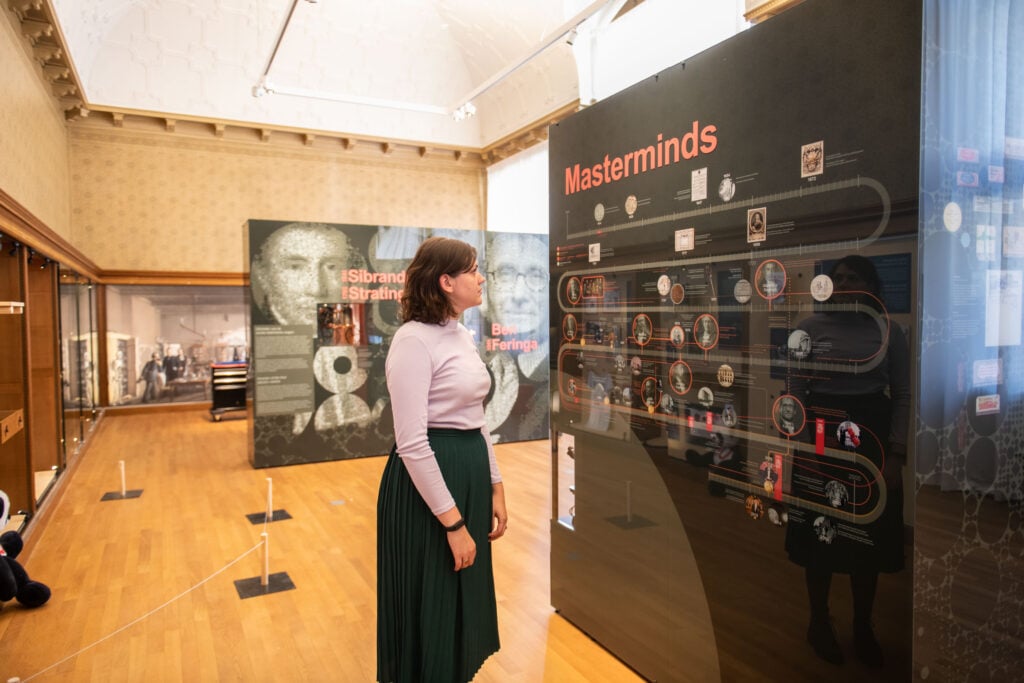
2. Explore the wonders of science and nature at Groningen University Museum
Not into science? No problem, as there’s loads of fabulous attractions to see. Image: Supplied/Rijksuniversiteit Groningen
If you’re eager to see a mummy in the… err, flesh, then you can’t miss a trip to the Groningen University Museum.
A must-see for curious minds, the museum features a dazzling collection of artefacts as well as exhibitions designed to blow your mind.
Tip: Don’t forget your student card or museumkaart (museum card) if you’d like to treat yourself to a fab discount on tickets!
💰 Price: €7.50 for adults and free for those under 18
⏰ Opening hours: 11 AM to 5 PM Tuesday to Sunday (closed on Mondays)
When regular old museums just aren’t your thing, the hip Groninger Museum might be what you need.
Full of edgy design and art exhibits, it radiates unconventionality and features an ever-changing programme to ensure that visitors will never (and we mean never!) be bored.
💰 Price: €21.50 for adults and free for those under 18
⏰ Opening hours: 10 AM to 5 PM from Tuesday to Sunday (closed on Mondays)
Not a beer fan? Geen probleem (no problem)! The pub has also launched its own gin — a mouthwatering concoction of herbs, spices, and a dash of Groningen magic.
💰 Price: Meals range from €19.50 to €24
⏰ Opening hours: 11 AM to 1 AM Sunday to Wednesday, 11 AM to 3 AM on Thursday and Friday, and 10 AM to 3 AM on Saturday
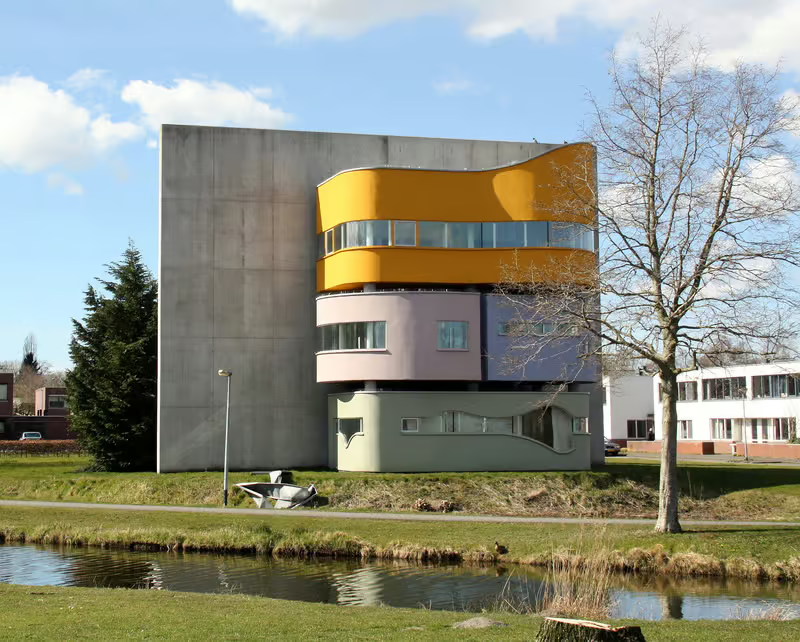
A real architectural treat, Hejduk’s Wall House #2 is an absolute must-see. Image: Dreamstime
A stunning symbol of Groningen’s role in international postmodern architecture, visitors can’t miss taking a gander at Wall House #2.
A masterpiece of the avant-garde architect John Hejduk, the building also lures in innovative designers and artists to display their work — so be sure to check out some of the exhibitions hosted here, too!
💰 Price: Admission is free, but booking one of the meeting places costs €200-€350
⏰ Opening hours: 12 PM to 5 PM every Saturday and Sunday
A tall, proud structure in Groningen’s centre, it’s a definite must-see. Image: Dreamstime
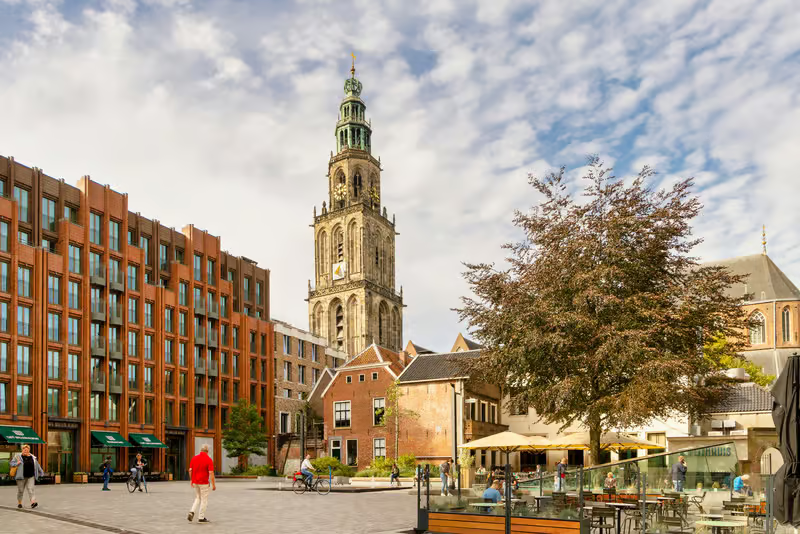
If you’re in the mood to visit a badass piece of history that’s withstood being burnt, struck by lightning, and had wars waged outside of it…you need to visit the Martinitoren.
Tip: Right next to the Martinikerk lies the gorgeous Prinsentuin. This Renaissance garden is a true hidden gem, so why not make the most of your visit and check it out, too?
Note: The tower has nearly 300 steps, so we wouldn’t advise climbing it if you’re in poor health.
💰 Price: €6 for those over the age of 13, €4 for children aged 4 to 12, and free for children under the age of 4
⏰ Opening hours: 11 AM to 5 PM Monday to Saturday, 12 PM to 5 PM on Sunday
7. Marvel at the Scandinavian-inspired Reitdiephaven
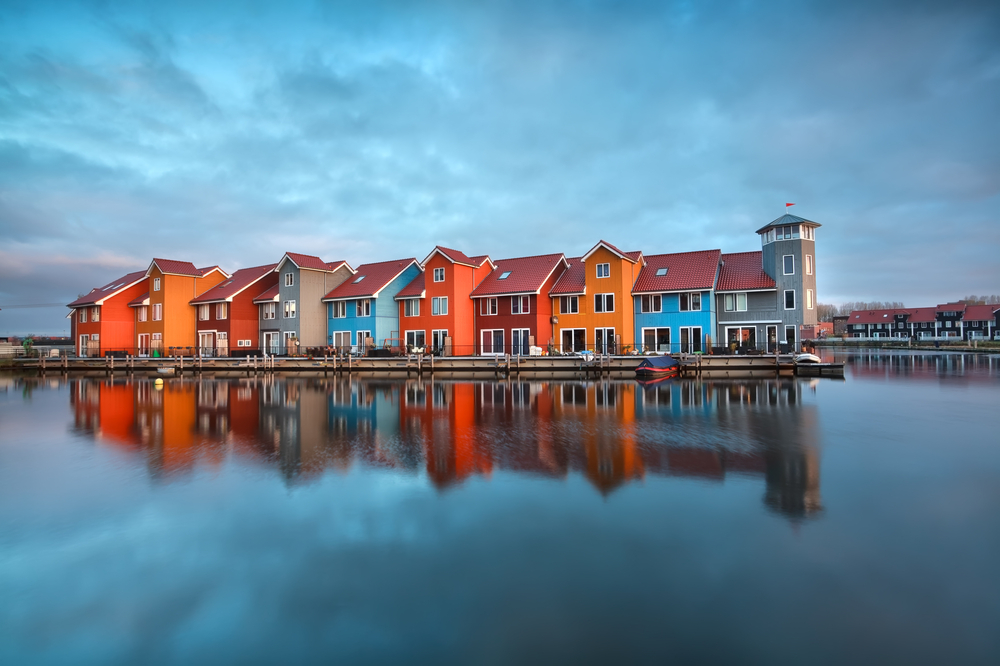
Even on overcast days, the harbour offers a stunning pop of colour! Image: Depositphotos
Step aside IKEA, because the colourful marina of Reitdiephaven, with its charming Nordic vibes, is one of the most photographed locations in Groningen.
Located just on the border of the city, this lively harbour offers stunning views of Groningen and its surrounds, and is conveniently close to many cosy cafés and restaurants.
💰 Price:Gratis! (free)
⏰ Opening hours: 10 AM to 3:30 PM every Monday, Wednesday, and Saturday
D’you need a slight breather from the sights and sounds of dazzling Groningen?
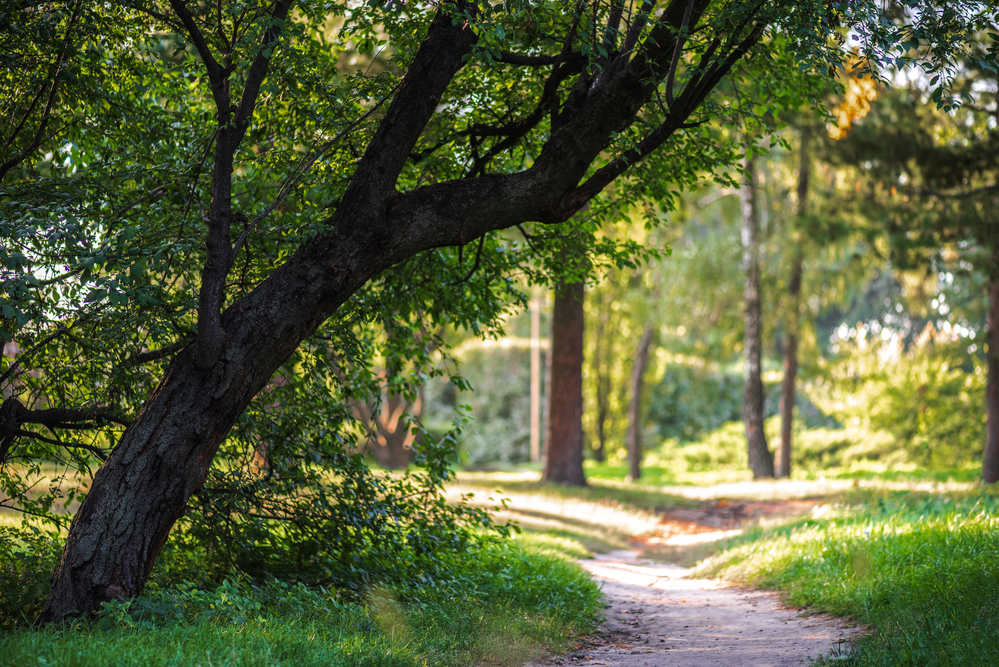
We suggest a trip to tranquil Noorderplantsoen, a quiet and leafy oasis in the heart of this gorgeous city!
Whether you’re there to lounge under the shade of a tree and get lost in the pages of a book, have a picnic with some delicious goodies from the local supermarket, or just collect your thoughts for a while, a trip to Noorderplantsoen should definitely be on the cards.
Don’t you just want to grab your camera? Image: Unsplash
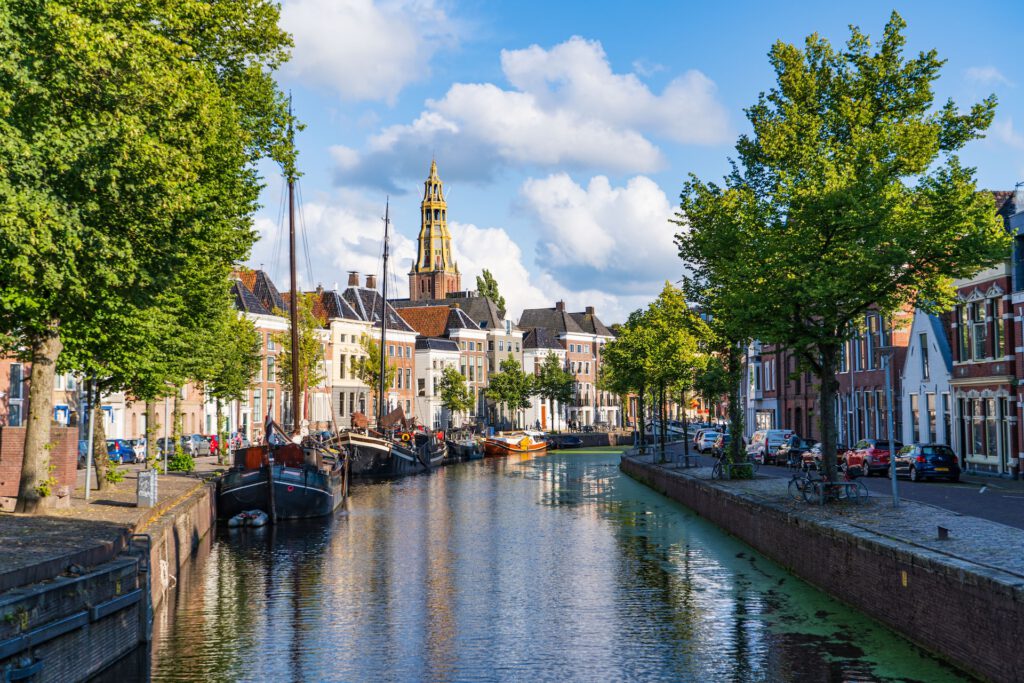
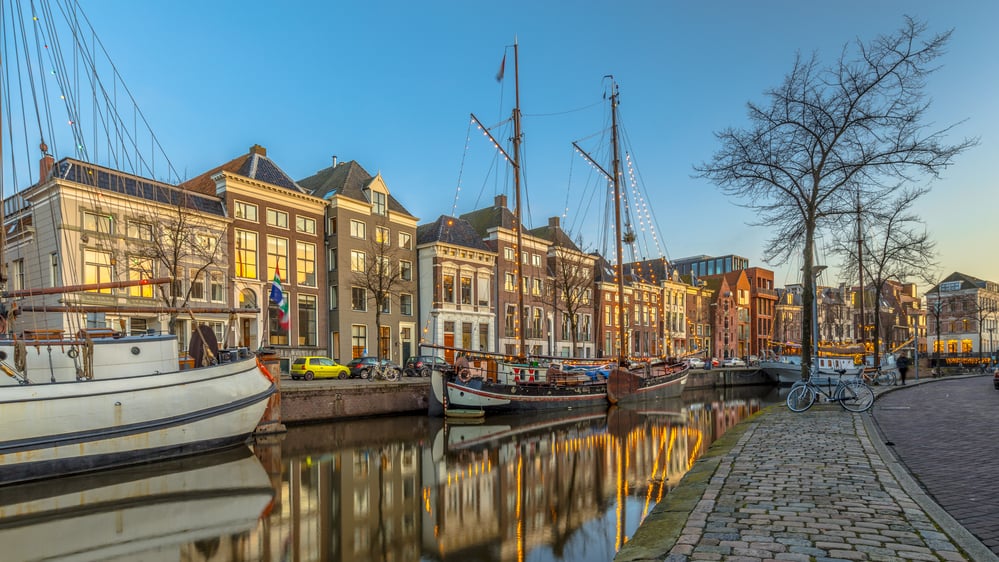
Step into a breathtaking postcard picture, and visit one of Groningen’s most photographed locations.
The streets Hoge and Lage der A run on either side of the picturesque A-Canal (yep, that’s really its name), in a neighbourhood full of listed buildings and historic monuments that are just begging to be made into an Instagram post (or three!) 🤳🏼
💰 Price: Free (unless you want to pop into one of the nearby cafés for a bite to eat!)
⏰ Opening hours: Entirely up to you
📍 Location: You’ll find the Hoge and Lage der A on either side of the A-Canal
10. Let your hair down on a pub crawl
Just what you need to wet your throat after a long day. Image: Freepik
The bars of Groningen are calling your name!
Whether you’re in the mood for predrinks before a lively round of karaoke, a wild night of swaying to the beat on a dancefloor, or just embarking on a good, old-fashioned pub crawl, you can’t miss checking out Groningen’s excellent selection of bars.
We’d recommend starting your journey at Bierlokaal Café de Koffer and heading into the Binnenstad to visit the circle of bars around the Grote Markt.
💰 Price: Prices vary per bar
⏰ Opening hours: Most bars open by early evening and stay open till 4-5AM
11. Have tons to sea at the Northern Shipping Museum
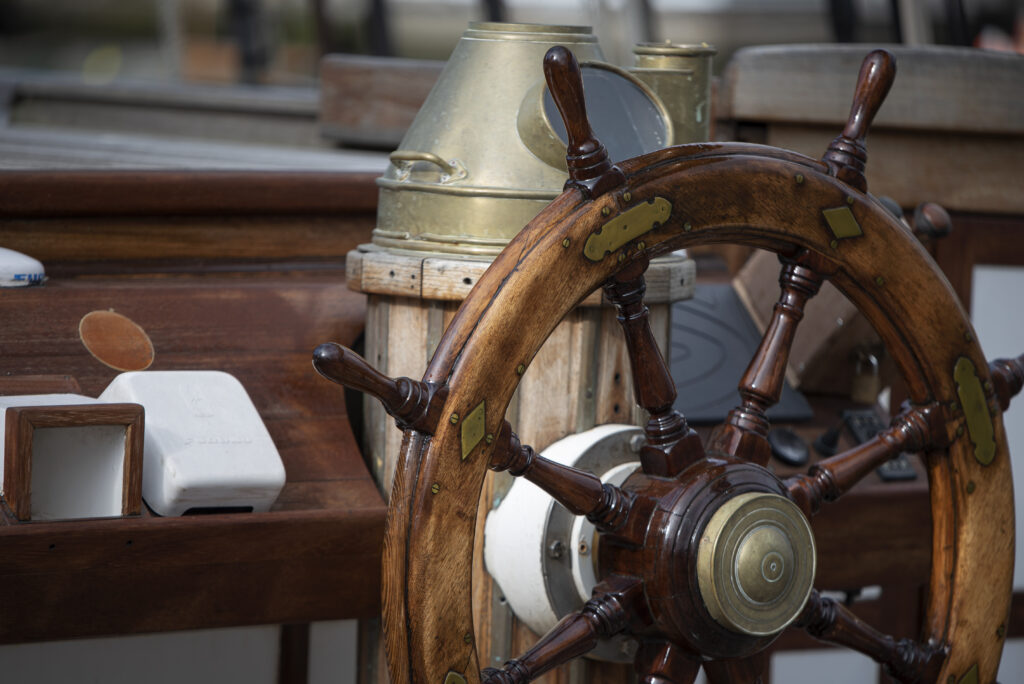
All aboard, matey! ⚓️ Image: Freepik
If all things nautical are calling your name, then you need to check out the fabulous Noorderlijk Scheepvaartmuseum (Northern Shipping Museum).
Housed in two of the oldest buildings in Groningen, this museum takes you on a riveting ride through the city’s maritime history — all the way from the Middle Ages to the present day.
💰 Price: €8 for those over 7, €4.50 for seniors over 65, and free for children under 7
⏰ Opening hours: 10 AM to 5 PM Tuesday to Saturday, and 1 PM to 5 PM on Sunday (closed on Mondays)
12. Catch a rockin’ show at Groningen’s largest music venue, De Oosterpoort
Done touring gorgeous Groningen? Be sure to check out a show before you leave! Image: Freepik
Perhaps you’ve spent an exhilarating day taking in the sights and sounds of the city, and are looking for something new to do. Well, it “sounds” like you need to check out Groningen’s musical hub: De Oosterpoort. 🎸
It’s hosted brilliant performances by famous international artists like Dream Theater and Queens of the Stone Age, as well as those by home-grown talents like Ilse de Lange and Racoon.
💰 Price: Prices depend on the artists performing
⏰ Opening hours: Show times vary according to the artists and programmes
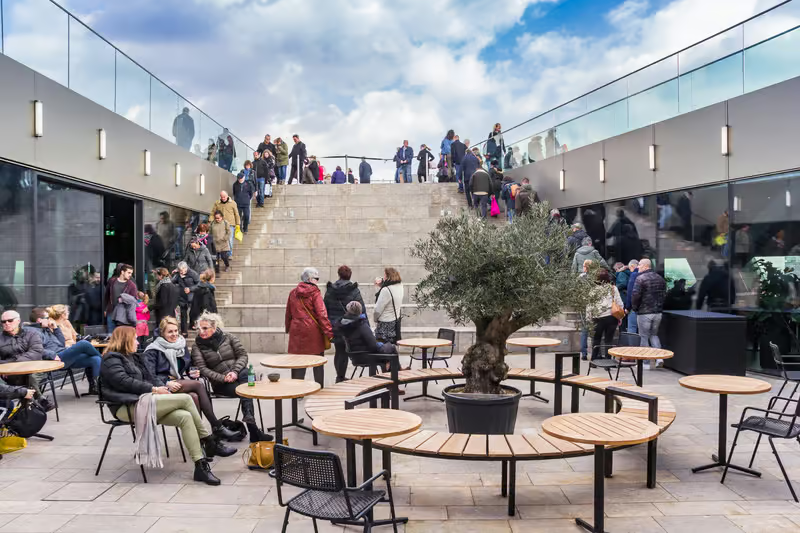
With incredible views and loads to see, do, and eat, visiting Forum Groningen is always an excellent choice. Image: Dreamstime
Whether you want to check out an enticing exhibition, catch a must-see film, or just lounge around with a book and a warm croissant in hand, Forum Groningen welcomes you with open arms.
Nestled in the heart of Groningen, the Forum is a cultural centre on steroids — boasting a fun-packed ever-changing programme that you won’t want to miss out on.
(Also, drinks at the skylounge bar + restaurant? Sounds to us like the perfect way to celebrate the end of a fun day! 👀)
Tip: If you’ve got a Cineville pass, you could nab yourself a very handy discount on films at the cinema here.
💰 Price: Entrance is free, but the price of exhibitions may vary
⏰ Opening hours: 9 AM to 10 PM Monday to Thursday, 9 AM to 11 PM on Friday and Saturday, and 10 AM to 9 PM on Sunday
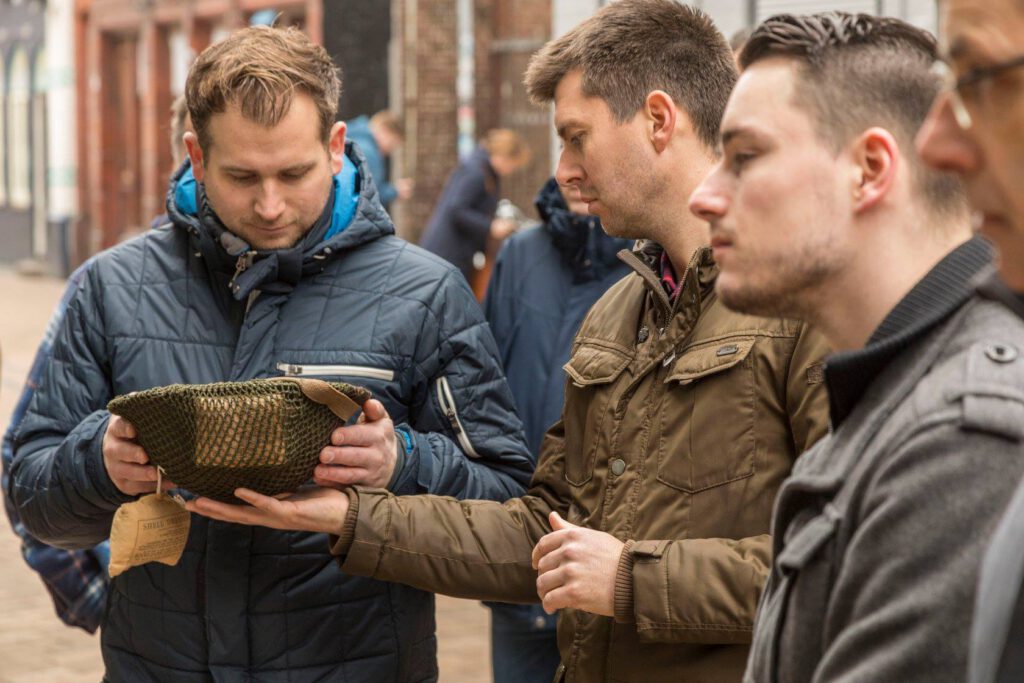
Battlefield tours help history come alive! Image: Supplied/Battlefield Tours
A battlefield tour leads visitors on an engaging trek through a former battlefield, with an experienced guide at the helm.
If you’re a history buff who wants to discover a wealth of information without having to leaf through dusty old books, you need to join a battlefield tour!
💰 Price: Group prices range from €200 to €400 depending on whether you’d prefer a half- or full-day tour (€32 to €65 per person, respectively)
15. Geek out at the fabulous Storyworld Comics Museum
Colour us very interested! Image: Unsplash
If you’re drawn (pun intended!) to comic strips and animations, then you can’t give Storyworld a miss.
Whether you’ve been dying to create a comic of your own, or just want to geek out to one of the finest collections of animations the Netherlands has to offer, this Groningen museum is a definite must-see!
💰 Price: €10.50 for those over 17, €7.50 for children from 6 to 17 years of age (and students!), and free for children under the age of 6
⏰ Opening hours: 10 AM to 5 PM Tuesday to Sunday (closed on Mondays)
Tip: Have you had your fill of canal views? Take to the scenic Paterswoldsemeer instead — a lake of glistening blue water in the Dutch countryside.
💰 Price: Varies per company
⏰ Opening hours: Vary per company
📍 Location: You’ll find a range of tour companies surrounding the Binnenstad
Exhausted your bucket list of things to do in the city of Groningen? Congrats!
Read on to find a list of exciting things to see and do in the province of Groningen. 👇
17. Wildlife lovers can’t miss the Nationaal Park Lauwersmeer
Hundreds of species call this national park home, so a visit will definitely impress every budding naturalist (and photographer!). Image: Freepik
A true birdwatcher’s paradise, Nationaal Park Lauwersmeer is full of scenic walking and biking routes that are perfect for activity-minded visitors.
If you’d rather set the binoculars down, you’ve got your pick of fabulous activities to enjoy — from fishing for your dinner, to sailing the calm waters, to jumping in for a swim, and more.
Note: Is your furry friend tagging along, too? Dogs are allowed in many areas of the park, just be sure to have them on a leash!
18. Tour one of the Netherlands’ oldest botanical gardens at Haren Hortus Botanicus
With oodles of plantlife and international charm, the Haren Hortus Botanicus is a great place to unwind. Image: Dreamstime
You won’t be-leaf how gorgeous nature can be till you’ve visited one of the oldest and largest botanical gardens in the Netherlands: Haren Hortus Botanicus!
Boasting the gorgeous Hondsrugtuin, this botanical park (which is also a UNESCO heritage site) boasts the most spectacular themed gardens.
From the tranquil Celtic garden to the cheerful butterfly and bee meadow, the Haren Hortus offers visitors a truly unbeatable experience.
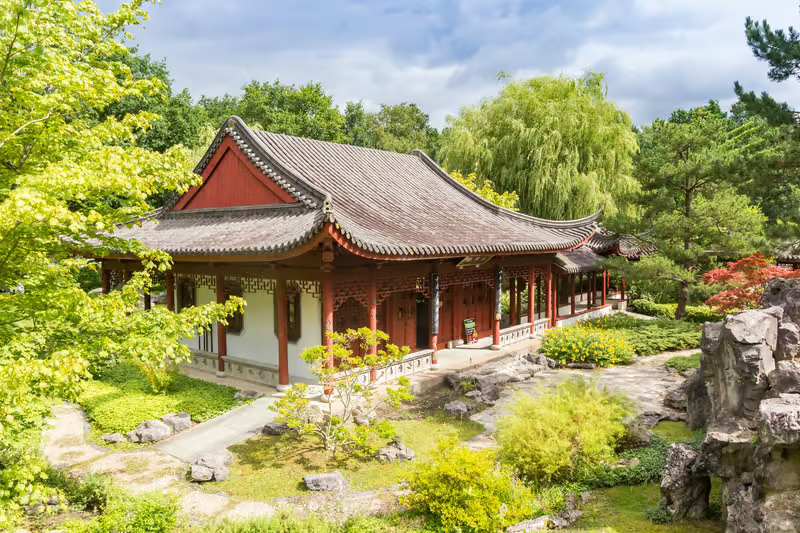
In addition to this, the Hortus is home to the cosiest Chinese Tea Shop, nestled in the stunning Chinese Garden — the perfect place to warm up after touring this leafy oasis.
💰 Price: €6.50 for those over 17, €3.50 for those aged 6 to 17, and free for children under 6
⏰ Opening hours: 11 AM to 4 PM daily (off-season, from November 1 to March 14)
19. Soak up some history at the Bourtange fortress
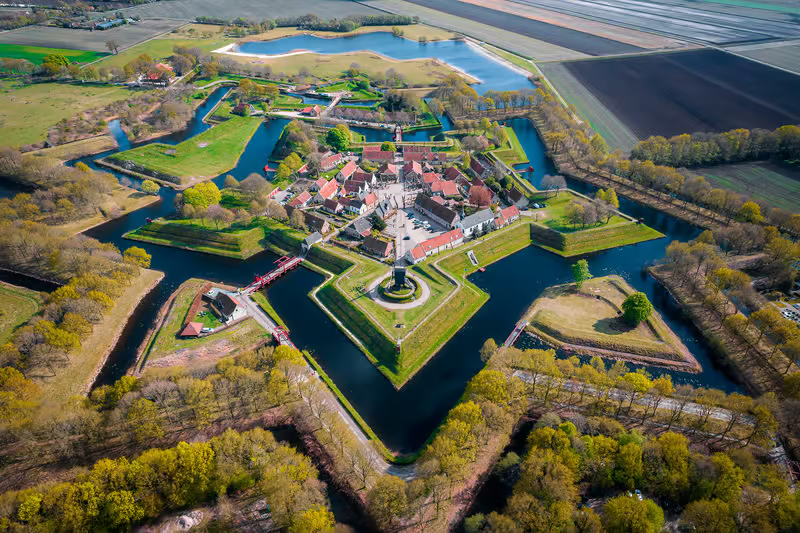
The fortress is as stunning from the air as it is when seen by foot. Image: Dreamstime
Having successfully rebuffed the Spanish during the Eighty Years’ War, the stunning star-shaped Bourtange fortress is far more than just a pretty face.
This fancy fort also treats visitors to an engaging medieval atmosphere, riveting reenactments of the Eighty Years’ War, and more!
💰 Price: €11 for those over 12 years of age, €6 for children aged 6 to 11, and free for children under 6
⏰ Opening hours: 10A M to 4:30 PM Monday to Sunday
20. Hike through some of the most gorgeous sights in the Netherlands
Be sure to bring your camera along! Image: Freepik
Those that love a refreshing hike through the Dutch countryside need to add this to their bucket list stat.
Whether you’d like to wander off the beaten track and explore the nearby bossen (forests) or do a round of a scenic village, hiking in Groningen is sure to recharge your batteries. (For more exploring, of course! 😉)
💰 Price: Gratis! (free)
⏰ Opening hours: Whenever you’re in the mood
📍 Location: We recommend walking stretches of the Pieterpad
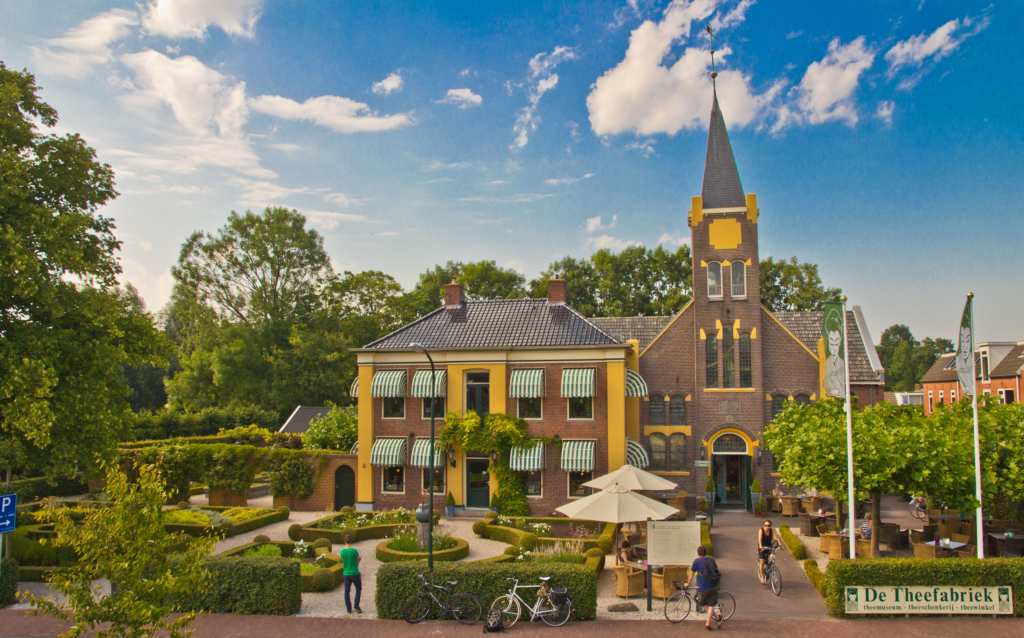
21. Have a cuppa at De Theefabriek (The Tea Factory)
Ahh… just what one needs after a long day’s walk. Image: Supplied/De Theefabriek
If you fancy an afternoon brew during your wanderings, then you’re going to find De Theefabriek utterly tea-rrific!
Boasting the most extensive tea menu in the world, De Theefabriek is also The Netherlands’ one and only Tea Museum.
Tip: Travelling in a group? You may be able to snag yourselves a tasty korting (discount).
💰 Price: €5.95 for those over 12, €2.95 for children aged 4 to 12, and free for children under 4
⏰ Opening hours: 10 AM to 5 PM Tuesday to Sunday (closed on Mondays)
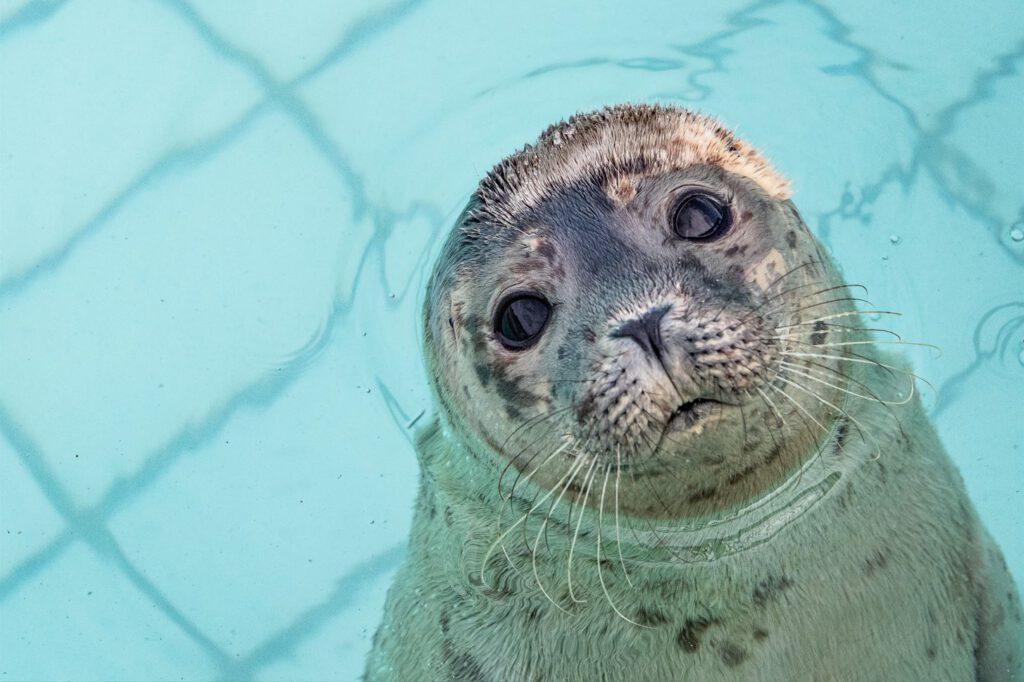
All the seals at this sanctuary are rescues or orphans that will be released when they’re fully recovered, so rest assured these whiskery cuties are well taken care of.
Tip: Hang onto your student card to nab you a brill korting (discount) on entrance tickets.
💰 Price: Depends on the kind of ticket; €25-19.50 to watch some seals and €75-65 for a seal cruise
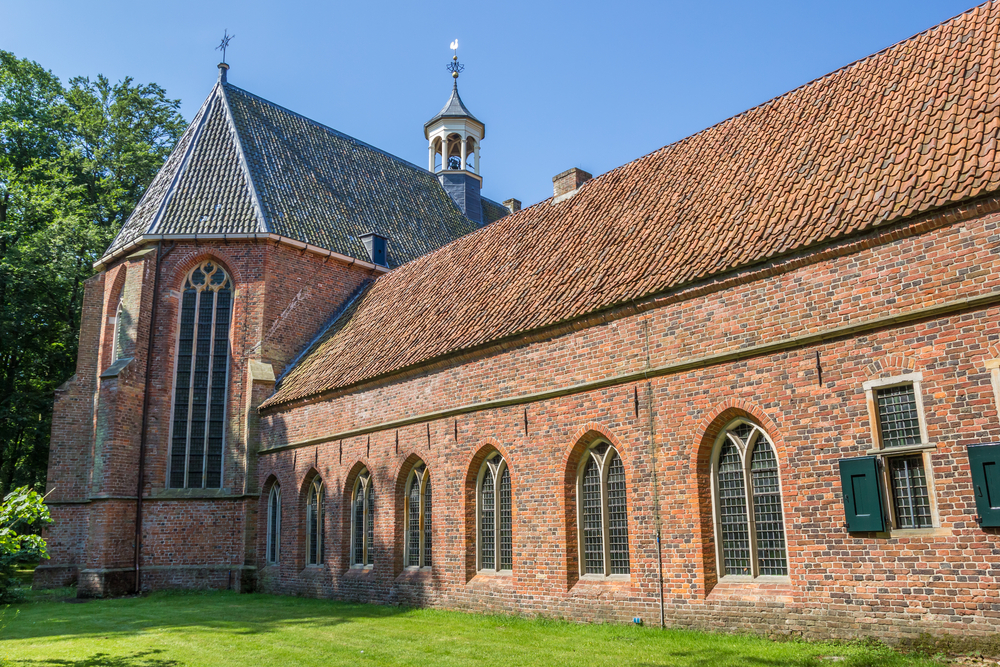
24. Peel back the fabric of history at Klooster Ter Apel
Art, culture, and gorgeous views? Sign us up! Image: Depositphotos
Nestled in the leafy heart of one of Groningen’s quaintest neighbourhoods lies Klooster Ter Apel.
The neighbourhood is actually home to one of the many thrilling things to do in Groningen. Take a fascinating trip back in time at this quaint museum, which offers you a fascinating blend of art and culture — set in a historic monastery dating back to 1465!
💰 Price: €11 for adults, €6 for those aged 4 to 17, and free for children under 4
⏰ Opening hours: 11 AM to 5 PM every Tuesday to Saturday, 1 PM to 5 PM on Sundays
Aren’t those adorable eyes just begging for a pet? Image: Depositphotos
If you’re travelling with little ones, then this might be the most adorable addition to your itinerary.
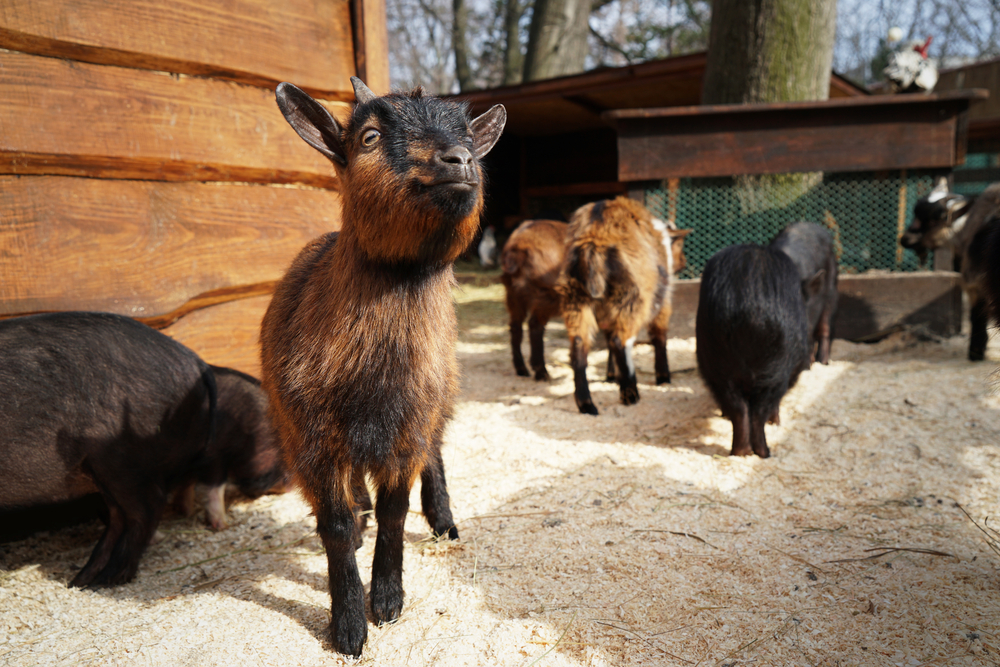
Groningen is home to the amazing Kinderboerderij Stadspark, a haven for knuffelen (cuddling) with fluffy goats, rabbits, ponies, and more!
Tip: Travellers with disabilities can also visit Mikkelhorst Haren, a petting zoo where the differently abled can play with adorable animals and join in on fun activities.
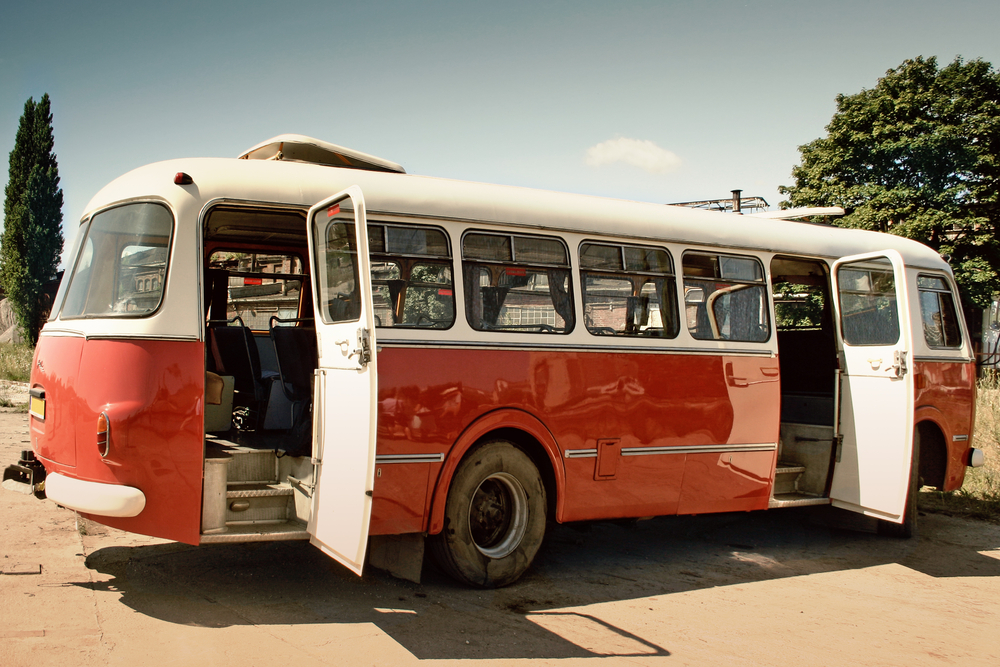
If you’ve ever dreamt of being behind the wheel of a bus, then the Nationaal Bus Museum can help those dreams become a (virtual) reality. Toot toot! 🚍
In addition to the virtual fun, the museum also maintains and restores historic old buses.
Auto-enthusiasts will be enthralled by not only the vast collection of buses, but also the engaging photo and film archive the museum has lovingly put together.
Tip: If the virtual reality experience doesn’t thrill you to the core, you can even rent one of the museum’s buses yourself!
💰 Price: €9.50 for visitors over 13, €6.50 for children aged 5 to 13, and free for children under 5
⏰ Opening hours: 11 AM to 5 PM every Wednesday, Saturday, and Sunday
No matter which of these activities you’re dying to try out (if you haven’t already), we’re sure that you’re going to have loads of fun in Groningen. 💁🏻♀️
Do you have any fabulous things to add to our list? Tell us all about them in the comments below!
Have you ever wondered what giving birth is like in the Netherlands? If you pictured your or your partner’s water breaking and being rushed in a stressful frenzy towards the hospital — you’d be sorely mistaken!
That is definitely not how it works here in the Netherlands because a lot of Dutch people don’t do giving birth in hospitals.
What is it?
We all know that the Dutch are pretty down-to-earth, especially when it comes to all things healthcare.
They avoid places like hospitals, GPs, and the dentist as much as humanly possible.
Dutchies prefer homebirths with a midwife. Image: Depositphotos
That being said, most Dutch women prefer to give birth at home with the guidance of a midwife (verloskundige) rather than giving birth at a hospital.
Why do they do it?
Giving birth at home is a more personal and natural experience, which is very appealing to Dutchies.
They don’t want to give birth in a scary, clinical environment when they can just do it in the comfort of their own homes. 🤱🏼
However, you can also choose to give birth at a birth centre or at the hospital where you have access to pain-relieving medicines — it’s totally mum’s choice! 💘
What do you think of this Dutch quirk? Have you experienced it? Tell us in the comments below!
As Maarten van Aalst, CEO of KNMI, explains: “climate change is not longer a distant future; we are already experiencing it in our daily lives.”
Of course, global warming doesn’t just stop at a few extra days of sweating.
The real consequences are already here — more extreme weather, heavier rainfall, and flash floods turning highways into pools.
“Think of the heavy rainfall in Twente, where the water was knee-high on the A1 motorway.” says van Aalst, “it is precisely these increasing weather extremes, which we also saw worldwide in 2024, that worry us.”
It might be time to add an inflatable life jacket to your emergency kit. 😬
We’re failing, and we’re failing hard
Back in 2015, the Paris Climate Agreement solidified the necessary world goal to keep global warming below 2 degrees Celsius and ideally 1.5 degrees Celsius.
Fast forward to 2024, we exceeded the 1.5 degrees Celsius threshold, as if the goal was to blow past it as quickly as possible.
In the Netherlands, temperatures escalated even faster. De Bilt, near Utrecht, recorded temperatures 2.9 degrees Celsius higher than the overall average between 1901 and 1930.
Some people argue it’s “too late to do anything.” However, the climate target is a long-term goal, not a finish line we have already tripped over.
The fight isn’t over, even if the odds aren’t in our favour. 💪
Have you noticed the weather lately?
There was no snow in the Netherlands for the second time in a row last winter — with the fewest number of frost days (when the temperature drops below zero).
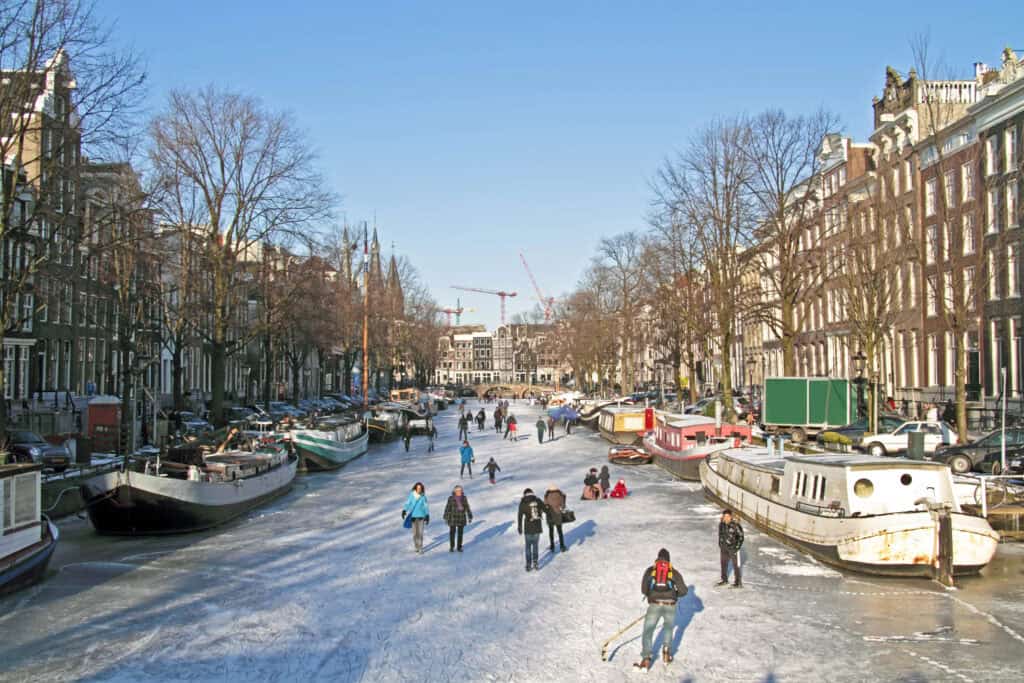
Skating on canals may now become a nostalgic story we’ll tell our grandkids.
We may need to wave ‘doei!’ to skating on frozen canals. 😭 Image: Depositphotos
The unfortunate reality is that the global sea level has risen by 21 centimetres since the early 1900s, making the Netherlands one of the most vulnerable countries in the world.
In fact, the KNMI reports that the rate at which sea levels have risen has “more than doubled since satellite measurements began in 1993.”
And here’s the harsh reality check we might need: despite technological brilliance, there’s no magic spell to make the water stop rising. 💦
What do you do in your own life to combat climate change? Let us know in the comments below!
The façade of a Tesla showroom in the Ypenburg district of The Hague has just been spruced up with some brand-new anti-fascist slogans.
Anyone entering the building from Monday morning (February 3) onwards will now be welcomed by painted swastikas on the door, as well as ‘No to Nazis’ and ‘Fuck off fascists’ written on the walls, reports the NOS.
Never-ending controversy
This action is just one of the many ways people have been expressing opposition to Tesla CEO Elon Musk and his recent support for far-right politicians in Europe and the US.
Dutch anti-fascist protesters painted swastikas on a Tesla store in The Hague.
Musk has expressed support for the German extreme-right party Alternative for Germany (AfD) and has been given a prominent position in Trump’s new government, heading an institution to abolish regulations that companies see as a nuisance.
His latest controversy involves making what appears to be a ‘Nazi-style’ salute after delivering a speech at Trump’s inauguration.
In response to the gesture, German and British activists posted a photo of the salute and the word ‘heil’ being projected onto a Tesla factory in Grünheide.
Tesla isn’t cool anymore
But Musk’s antics aren’t just hurting his public image; they’re also hurting his one true love — companies.
Well, his company, to be precise. Tesla sales in the Netherlands dropped sharply last month, reaching the lowest point in a year and a half, reports RTL Nieuws.
It’s still too early to be sure to what extent this drop is due to Musk’s far-right descent and to what extent it’s a consequence of other factors, such as competition from Chinese companies.