Home Blog Page 23

The 18 most magnificent lakes in the Netherlands (near Amsterdam and beyond)

Here’s our guide to the best lakes in the Netherlands! Whatever lake-loving adventure you’re after, we’re here to give you all the juicy details to make it happen.

Fancy a freshwater swim or maybe a relaxing barbecue on the beach? Perhaps a sunset sail or a bit of leisurely island hopping?

Hundreds of lakes are splashed across the shallow landscape in this fascinatingly soggy little country, covering 2500 square kilometres. It’s no surprise that the country that was once underwater is still covered in it.

READ MORE | Dutch Quirk #124: Not care about the fact that they’re living below sea level

But let’s get right to the good stuff. Below you’ll find our 18 favourite lakes in the Netherlands, and the reasons we love them.

With fantastic beaches, fishing, and water sports, as well as kid-friendly play areas and adults-only cruising, there’s something for everyone — and we’ll show you just where to find it. 

⛔️ Safety first!

The best lakes in and around Amsterdam

In Amsterdam, a hot day can sometimes feel torturous — it’s a crowded urban heat island where air conditioning is scarce.

In a heatwave, the rain and wind that pummel us the rest of the year mysteriously disappear. We’re left just as damp, only in more awkward places.

But suffer no more! The city can also be a paradise when you know where to go to cool off. And fortunately, there are plenty of gorgeous lakes nearby and a beach to meet your every desire.

1. Nieuwe Meer

photo-of-Bright-orange-sunset-over-lake-with-trees-lakes-in-the-netherlands
Nieuwe Meer in the Netherlands at sunset is the place to be. Image: Brin Andrews/Supplied

This popular lake among locals sits just alongside the Amsterdamse Bos. There’s a long beach with two official swimming areas.

Around here, you can find private coves, a nudist beach, and Amsterdam’s only officially condoned gay cruising area (where men go to meet). It’s an excellent lake for recreational fishing, full of perch, pike, whitefish, and everyone’s favourite: eels.

If you fancy a bit more adventure, you can always pop over to the Bos, where you can wander through the massive forest and even visit a goat farm, or see the Highland cattle. Canoes, kayaks, and bicycles are available for hire at several locations. 

📍 Where to find it: Nieuwe Meer, southwestern Amsterdam
🧭  How to get there: There are several routes from Amsterdam Centraal by bus, tram, or metro.

2. Sloterplas

sloterplas lake in amsterdam with sail boat on the water and buildings in the back and a water fountain
Sloterplas Lake is perfect for an afternoon cool-off on a hot Amsterdam afternoon. Image: Mark Ahsmann/Wikimedia Commons/CC3.0

This Amsterdam city lake has undergone renovations in recent years and is now in top shape for a leisurely day at the water’s edge. The Rondje Sloterplas is a smooth 5.8-kilometre path for pedestrians and cyclists — perfect for a jog before your dip.

There’s a recreational beach on the northwest bank where you can head for volleyball, picnics, and lounging, and just over in Sloterpark is also a disc golf course and a petting zoo.

READ MORE | Best beaches in the Netherlands: the ultimate guide to Dutch beaches

On the southeast side is a launchpad for water sports, popular for canoeing, fishing, and sailing. Sloterplas also features a unique treat for the diving community the oldest underwater house in the Netherlands, the ‘Cockelbockel’.

📍 Where to find it: Sloterplas, Amsterdam West
🧭  How to get there: Cycle or take one of several different tram options.

3. Gaasperplas

Peaceful orange sunset over lake in the netherlands with swimming ducks.
Nobody has left but the ducks during sunset at Gaasperplas. Image: Oda de Wit/Wikimedia Commons/CC3.0

Gaasperplas is a diverse recreational area, with sprawling lawns and beaches. It even has a nature reserve where you can spot a variety of wildflowers and medicinal plants.

Bring the kids and head to the sandy recreational beaches on the southern side of the lake: they’ll go wild for the water playground!

Or, venture to the northern end for a different kind of adventure at the nudist beach, which is conveniently grassy. You can sail, surf, or swim your way into the sunset.

READ MORE | Surfing in the Netherlands: where to go and what to know in 2026

And finally, in case you don’t get your fill of nature in the daytime, there’s even a campground where you can pitch a tent.

The cherry on top: metro access! 🤩

📍 Where to find it: Gaasperplas, southeast Amsterdam
🧭  How to get there: Take Metro 53 to Gaasperplas.

4. Ouderkerkerplas

photo-of-ouderkerkplas-lake-in-amsterdam
Take a dip (and don’t be afraid to get your hair wet!) at the Ouderkerkerplas lake near Amsterdam. Image: Janericloebe/Wikimedia Commons/Public Domain

Swimming, diving, sailing, and surfing are just a few of the ways you can spend the day at the Ouderkerkerplas.

A beach with favourably shallow water for swimming is located on the north side of the lake (do check for algal blooms before swimming, particularly on hot days).

At the beach, you’ll find play facilities and a snack cart in the summer months. You can even saddle up for an afternoon of horseback riding, trotting along the 30 or so kilometres of bridleways around the circumference. 

READ MORE5 urban beaches in Amsterdam that give you that holiday feeling

A small nature reserve was created along the lake’s banks, serving as an important wintering place for many birds. For this reason, the lake is closed for nesting from October 15 to April 15 each year.

📍 Where to find it: Ouderkerkplas, southeast of Ouderkerk on the Amstel
🧭  How to get there: Take the metro to Bijlmer Arena, then bus to Ouderkerk.

Lovely lakes just beyond Amsterdam

If you’re willing to venture a bit further from the city, you’ll be rewarded with many more wonderful lakes where you can have fun and relax to your heart’s content.

READ MORE | 21 best day trips from Amsterdam: the ultimate travel guide

The next seven lakes are all reachable from Amsterdam in under two hours by public transport, or just a quick zip away by car. And in true Dutch fashion, a few are still within cycling distance. 

5. Loosdrechtese Plassen

Five sailboats in "V" formation on lake in the netherlands
This sailboat posse is keeping it cool on the Loosdrechtse Plassen. Image: quatre mains/Wikimedia Commons/CC2.0

Loosdrechtese Plassen is conveniently located between Amsterdam and Utrecht. Come here for boating, canoeing, diving, bicycle boating, or any family-friendly water activity you can dream up.

You’ll be surrounded by green with plenty of nature to behold — shady trees, water lilies, reeds, and many bird species call Loosdrechtese Plassen home.

In the recreation area of De Strook, you’ll find a wide, sandy beach with picnic benches, barbeques, a volleyball court, pavilion, and toilets.

If you prefer to do your relaxing on a terrace, there are several in the area to choose from, with views overlooking the water.

📍 Where to find it: Loosdrechtse Plassen, southwest of Hilversum
🧭  How to get there: Take the train to Hilversum, then the bus to Oud-Lousdrecht (a little over an hour).

6. Strijkviertelplas

Photo of picturesque lake in the Netherlands with reflection and grass and trees
Discover the beautiful Strijkviertelplas Lake, with plenty of places to sunbathe. Image: Freepik

Located in Utrecht, Strijkviertelplas has a recreational beach with abundant space for sunbathing and a gently sloping beach perfect for swimming.

In an easily accessible location, the lake sits next to sports fields and an industrial area, yet still maintains a peaceful atmosphere. It’s popular for picnics, surfing, and fishing.

Get your daily steps in with a leisurely jaunt along the cycling and pedestrian path that weaves around the lake. With the conveniences of toilets and a snack cart, you can comfortably spend a day here.

📍 Where to find it: Strijkviertelplas, southeast Utrecht
🧭  How to get there: Cycle or take the train from Utrecht Centraal in about 20 minutes.

7. Westeinderplassen

Deep blue lake and sky at a small Dutch harbour.
Visit the charming harbour at Westeinderplassen, close to Amsterdam. Image: Miss of Me/Wikimedia Commons/CC3.0

This big beauty is actually one large and several smaller connected lakes combined.

With over 50 marinas and plenty of boat rental companies and restaurants, you’ll find all the resources you need for a full day of fun in the sun!

Be your own captain and hire a boat — you can meander through the narrow channels and tiny islands (mostly privately owned). A little hungry? Relax with a picnic or barbecue, or pop into one of the area’s many cafes or terraces. 

Prefer more physical activities? On a warm day, locals love to swim, surf, and paddle in the clear blue waters.

The other 350 days of the year, you might want to opt for a stroll or cycle along the Roendje Poel, a 23-kilometre trail that winds around the polder landscape. 😉

📍 Where to find it: Westeinderplassen, Aalsmeer
🧭  How to get there: A short cycle or walk from Aalsmeer.

8. Veluwemeer

A windsurfer sails on a lake in the Netherlands with wind turbines in the background.
Veluwemeer is a prime spot for windsurfing. Image: Pediant/Wikimedia Commons/Public Domain

Veluwemeer is about an hour’s drive southeast of Amsterdam. It’s a large lake (30 square kilometres), great for leisure boating and other water sports.

Long and narrow, with wide vistas, a sandy beach, and shallow swimming, it’s an idyllic place to lounge or play the day away. You can hire a boat and cruise around to the many tiny islands that speckle the lake — perfect for a picnic!

If you’d like to settle in for the night, there are several campsites around the lake where you can set up your tent.

READ MORE | A guide to 11 beautiful national parks in the Netherlands

There’s a small nudist recreation section on the north end of one of the beaches, Ellerstrand. A snack truck parks nearby when the weather is nice, and you’ll be expected to cover up your personal bits before visiting the counter.

📍 Where to find it: Veluwemeer, Flevoland/Gelderland
🧭  How to get there: Drive an hour from Amsterdam or take a train for about an hour and a half.

9. IJsselmeer

A small hut sits in the grass in front of the large IJsselmeer. Sailboats in the distance.
Join in the fun with these sailboats at play on the IJsselmeer. Image: Gouwenaar/Wikimedia Commons/CC4.0

IJsselmeer is massive. It’s the Netherlands’ largest lake (1100 square kilometres), linked to the Wadden Sea, though made up almost completely of freshwater.

Enkhuizen is the closest beach to Amsterdam, though there are many other popular beaches on the east side of the lake as well. These sandy beaches lead gently into shallow water, making it a wonderful place for swimming.

Perfect for leisure boating (how the Dutch refer to motorboating) or any other water sport you can dream up, you’ll have all the open water you need and more.

Fun fact: the IJsselmeer is the parent lake to Gooimeer and Markermeer, which were formed from it after the creation of the Flevoland polder. 💡

📍 Where to find it: IJsselmeer, central Netherlands
🧭  How to get there: The nearest beach is about an hour by train from Amsterdam

10. Markermeer

A row of houses curves around the bank of a lake.
Catch this and other lovely views of the peaceful villages around the Markermeer lake. Image: Gouwenaar/Wikimedia Commons/CC1.0

Markermeer certainly takes after its parent lake, IJsselmeer, as the second-largest lake in the Netherlands.

Another prime location for leisure boating and other water sports, you can test your skills in windsurfing, waterskiing, and sailing against the best of them.

Toss your anchor down on the Marker mudflats, the only island on the lake open to the public. From here, you can enjoy the scenery and explore this expansive beach and birder’s paradise on foot, visit the small port, a watchtower, and a visitor’s centre.

You’ll find historic and picturesque harbours, with plenty of places to stop and wet your whistle. On the eastern side of the lake, you can check out the lighthouse, Het Paard van Marken, which has been a national monument since 1960. 

📍 Where to find it: Markermeer, northeast of Amsterdam
🧭  How to get there: Cycle, bus, or drive from Amsterdam, all in 40 minutes or less!

11. Gooimeer

photo-of-path-leading-to-gooimeer-lake-amsterdam-on-horizon
A hot day is no match for Gooimeer. Image: Maarten Sepp/Wikimedia Commons/CC3.0

Last up in this aqueous little family is Gooimeer.

It’s the smallest of the trio (30 square kilometres), but nothing to scoff at. A lovely lake for fishing, sailing, and paddleboarding, there’s plenty to keep you and your family or friends entertained.

READ MORE | 7 scenic bike paths in the Netherlands

The shallow water is optimal for swimming, particularly with small children. You won’t want to miss a stop at one of the few gezellig terraces offering sweeping views of the beach and water.

📍 Where to find it: Gooimeer, southeast of Amsterdam
🧭  How to get there: An hour and a half by train or a half-hour drive from Amsterdam.

12. Kagerplassen

A crowd of people enjoy the grassy beach with boats in the background.
A warm day brings everyone out to play at Kagerplassen. Image: Vincent van Zeijst/Wikimedia Commons/CC3.0

Situated just northeast of Leiden, the Kagerplassen (plural) are a favourite among university students and water sports enthusiasts.

This unique network of canals, islands, and polders is located in the area with the most windmills in the Netherlands. These, paired with the picturesque old buildings, farmland, and vast skies, form a charming backdrop reminiscent of times past. 

It’s a prime destination for paddleboarding, water skiing, and boating, or just lounging the day away. If you feel like picking up a new hobby, there are sailing and windsurfing schools to guide you.

Head to the easily accessible recreational beach, Koudehoorn, on the island ‘t Joppe, for swimming and beach play. Refresh at the pavilion with drinks and bites.

📍 Where to find it: Kagerplassen, Leiden
🧭  How to get there: Cycle or bus from central Leiden in about 20 minutes.

Best Dutch lakes beyond Amsterdam

It’s easy for us city dwellers to forget, but Amsterdam is, in fact, not the centre of the universe. But since we’re using it as a reference point, these next several lakes are a bit more distant.

READ MORE | 8 things you need for travelling around the Netherlands

Fortunately, though, nothing is really so far away in this little country! Of course, if you happen to live in or around South Holland, Friesland, Drenthe, Gelderland, Flevoland, or Noord Brabant, you’ll be lucky enough to find one of these in your own neck of the woods.

13. Kralingse Plas

A windmill and large house sit behind the lake.
You can visit the historic spice mills at Kralingse Plas. Image: Michiel1972/Wikimedia Commons/CC4.0

A Rotterdam favourite, this popular recreational area is centrally located and offers fun for the whole family. A large playground, children’s farm, and water slide are just a few of the highlights for the little ones.

If it’s a dry land adventure you’re after, lace up your rollerblades for a tour around the five kilometres of cycling and running paths. You can even go horseback riding or visit the climbing forest with zip lines.

READ MORE6 lakes and beaches in Rotterdam that you must explore this summer

On Wednesday, Thursday, and Saturday afternoons, two historic windmills, De Ster and De Lelie (the only active spice mills in the Netherlands), are open to the public.

You’ll also find plenty of restaurant terraces and breathtaking views of the city skyline.

📍 Where to find it: Kralingse Plas, eastern Rotterdam
🧭  How to get there: A short drive or 25 minutes by tram from Rotterdam Centraal.

14. Zevenhuizerplas 

Map sign on the sandy beach of Zevenhuizerplas
This beach has plenty of sandy space to sunbathe right near the city of Rotterdam. Image: Donald Trung Quoc Don (Chữ Hán: 徵國單)/Wikimedia Commons/CC4.0

A popular South Holland recreational area, just on the edge of Rotterdam, Zevenhuizerplas is the place to go for water sports and nature.

It’s a particularly hot spot for diving, with several dive sites and a variety of fish and peat formations to feast your goggled eyes upon.

Back on land, you’ll find a diverse population of water birds and plants, tall trees and lovely walking paths. Take your pick from sandy beaches or grassy banks, and bake in the sun or settle into the shade of the tall trees.

A designated swimming area is cordoned off, separating it from boats and other hazards, and a lifeguard is present in the high season. A nude beach is designated in a small signposted area.

📍 Where to find it: Zevenhuizerplas, northeast of Rotterdam
🧭  How to get there: From Rotterdam Centraal, a 40-minute train ride or a 20-minute drive.

15. Henschotermeer

View from above as the evening sun shines on a bright blue doughnut-shaped lake, Henschotermeer.
It doesn’t get much prettier than this view of Henschotermeer from above. Beautiful drone shot by @rbouwman74. Image: Remco Bouwman/Supplied

Henschotermeer is a unique area for nature lovers, tucked away in the woods with towering pines, a white sandy beach, and crystal clear water. It’s the perfect destination for a day of recreation.

Hike, lounge, float, or paddle; the vast, shallow lake offers plenty of space to spread out and enjoy a day away from the city. You can swim or walk across either of the two footbridges to explore the forested island.

Cool off with a freshly tapped beer or a scoop of artisanal Italian ice cream from one of the food stalls on site.

The lake is open to the public from 8:30 AM until sunset. Tickets must be booked online in advance via the official website for an entrance fee of €3.70 for visitors over the age of three. Open from April 1 – September 30. 

📍 Where to find it: Henschotermeer, east of Utrecht
🧭  How to get there: An hour by train or a 25-minute drive from Utrecht. Paid parking is available.

16. Berkendonk

Sunset reflecting on the water of berkendonk lake in the netherlands
Go windsurfing or paddleboarding on the gorgeous water of Berkendonk Lake. Image: Unknown/Wikimedia Commons/CC3.0

Beloved by locals, Berkendonk is located just outside Eindhoven, on the east side of Helmond. It will meet all your aquatic recreational needs: sunbathing, swimming, sailing, windsurfing, paddleboarding, you name it.

A windsurfing school and rental shop are located right alongside the water.

The lake is divided into two sections for visitors: the water sports recreation area and the general area, where you’ll find a nudist beach on the north end. The beach gets crowded on warm days, so get there early to choose your favourite spot on the grassy lawn or sandy beach.

READ MORE | The 8 greatest forests in the Netherlands for a nature escape

In case you don’t feel like packing a lunch, a snack bar is available on-site, as are toilets and shower facilities. Occasionally, the lake is closed due to blue-green algae, so be sure to check ahead.

📍 Where to find it: Berkendonk, Helmond
🧭  How to get there: From Helmond, cycle 20 minutes or drive for 10.

17. ‘T Nije Hemerlijk

Bird's eye view of lake in the Netherlands with bright aqua water, trees, and shoreline.
What a contrast of colours at the New Heavenly Kingdom! Incredible shot by @marionstoffels. Image: Marion Stoffels/Supplied

The name says it all, translating to ‘The New Heavenly Kingdom.’ Reminiscent of a tropical paradise, white sands contrast with blue-green water, surrounded by lush greenery.

The water is shallow, and the northside beach is perfect for a sunbath. Rent a canoe or paddleboard and glide effortlessly over the clear waters.

You’ll find play equipment, toilets, a kiosk, and a restaurant, and close by is DX Adventure Park, where you can fly down mega water slides. A 29-kilometre ‘mountain’ bike route is also accessible from here — these nature trails have true hills with beautiful views.

📍 Where to find it: ‘T Nije Hemerlriek, Gasselte
🧭  How to get there: From Gasselte (south of Groningen), cycle for 10 minutes or take a 25-minute bus ride. Parking is very limited, and driving is discouraged.

18. Tjeukemeer

Sunset over Tjeukemeer lake in the Netherlads with hay growing
Hay dances in the sunset on a peaceful evening at Tjeukemeer. Image: bps72/Wikimedia Commons/CC3.0

This big blue darling is the largest inland lake in the Netherlands (22 km2), offering ample space for boating, fishing, and other water sports.

Sailing is one of the more popular recreational activities at Tjeukemeer, with wide-open waters and lovely views of the uniquely Frisian surroundings.

The area is a paradise for people and birds alike, with vast meadow landscapes, rare flora and fauna, and many species of water and meadow birds.

Along the shores, you’ll find abundant beaches, marinas, campsites, and hotels. After a tranquil day on the lake, the lively old fishing village of Lemmer makes a lovely stop for a drink or bite to eat.

📍 Where to find it: Tjeukemeer, North Friesland
🧭  How to get there: A quick drive or cycle from Lemmer.


From urban oasis to woodsy retreat, boater’s paradise to swimmer’s delight, the Netherlands offers a plethora of lakes for you to enjoy. Hopefully, you found something you can dip your toes into.

If you’re still hungry for more Netherlands adventures, there are plenty of other amazing beaches, surf spots, wild swimming areas to dive into, and lots of nature for camping and exploration.

There are many more wonderful lakes in the Netherlands — did your favourite make the list? We’re always on the lookout for the best, so comment below to let us know!

Health insurance in the Netherlands for Americans: How it works

If you’re coming from the American health-insurance system, the Dutch one can feel like stepping through a portal into a parallel universe. 

Here’s everything you should know as an American getting health insurance in the Netherlands. 

Let’s start with the basics: the Netherlands runs on mandatory, universal health insurance. 

Every legal resident buys a basisverzekering (basic insurance package) from a private insurer, and the government dictates what that package must cover. Insurers have to accept everyone, regardless of health history — nobody gets turned away.

For Americans used to a system built on employer luck, fine print, and anxiety-inducing deductibles, this is a welcome, but big adjustment. 

What makes Dutch health insurance different for Americans

First things first: your US health insurance almost certainly won’t cover you in the Netherlands in any meaningful way, and Medicare doesn’t cover international care at all. You’ll need Dutch insurance.

The two systems are structurally opposite. In the US, coverage is determined by your employer. In the Netherlands, insurance is mandatory; you choose your own insurer, pay each month directly, and the government sets the rules.

The other big adjustment is the huisarts — your GP. In the Netherlands, the GP is a gatekeeper: you can’t see a specialist without a referral. It sounds restrictive, but it keeps costs down and prevents the kind of fragmented, specialist-hopping care that’s common in the US.

Do US expats need Dutch health insurance?

Yes. If you’re legally living or working in the Netherlands, Dutch health insurance is mandatory. You have four months after registering with your gemeente to sign up — but your premiums run from your registration date, not the date you actually sign up for health insurance. 

Sign up in month three, and you’ll owe two months of back premiums on the spot. Most insurers allow instalments, but it’s still a bill you weren’t expecting. So while the four-month window exists, it isn’t a free pass.

There are some exceptions. Workers still covered by their home-country social security system, or those covered under a social security treaty, may be exempt. 

But the vast majority of Americans arriving via DAFT visas or any other route fall squarely under the mandatory rule.

What if I’m only in the Netherlands temporarily?

There are two situations here: 

If you’re in the Netherlands for fewer than four months and have no plans to register as a resident, Dutch basic insurance doesn’t apply to you. Make sure your existing US health insurance covers you abroad, or take out a travel insurance policy that does. For context, Schengen guidelines recommend at least €30,000 in medical coverage for visitors.

If you’re planning to stay long-term but your residence permit isn’t confirmed yet, that’s a different situation. During that gap — which can last several weeks — it’s best to sign up with an international health insurance provider, such as GeoBlue, Cigna Global, or IMG Global, for a bridging policy that you can cancel later when you get your registration. 

The threshold that matters is four months. Stay under it as a visitor, and your home country or travel insurance is sufficient. Cross it as a resident, and Dutch basic insurance becomes mandatory.

Special cases: students, freelancers, and the self-employed

International students who don’t earn income in the Netherlands aren’t usually required to take out Dutch basic insurance. They can use their home-country coverage or a private international policy (often student-specific) instead. 

happy-international-american-students-with-dutch-health-insurance-walking-around-in-the-netherlands
Students aren’t quite subject to the same rules: unless you want to work, of course! Image: Dreamstime

Freelancers and ZZP’ers (zelfstandigen zonder personeel, or self-employed sole traders), however, face the same mandatory rules as everyone else. 

How Dutch health insurance works: the basics

The Dutch system is a hybrid. The government sets the rules; private insurers compete on price, customer service, and supplementary packages. 

However, no one can be denied basic coverage, and the basic package is identical across all providers.

Crucially, healthcare insurers must accept all applicants for the basic package. Pre-existing conditions are not grounds for refusal. That alone is a significant departure from what many Americans are used to.

Basic insurance (basisverzekering)

The basisverzekering is the minimum coverage option. It covers GP visits, hospital care, prescription medication, maternity care, and mental health treatment via referral. 

However, it doesn’t cover dental care for adults, glasses, physiotherapy beyond a limited number of sessions, and most alternative therapies.

Supplementary insurance (aanvullende verzekering)

Supplementary insurance covers gaps such as dental care, extra physiotherapy, overseas coverage, and glasses. 

Keep in mind, providers can refuse supplementary applications (unlike the basic insurance), so if you have a condition that requires a lot of physiotherapy, for example, it’s worth shopping around early.

Most Dutch residents take out some form of supplementary cover — and it’s easy to see why. Whether you need it depends on your situation, but if you have a family, teeth, or a tendency to injure yourself, it’s worth considering.

How much does Dutch health insurance typically cost?

Dutch health insurance is considerably cheaper than what most Americans are used to — but there are a few different costs to understand before you pick a plan.

Monthly premiums (maandelijkse premies)

The cheapest basic premiums for 2026 start at around €145 per month, while more comprehensive options run higher. The average sits at around €159 per month. 

That’s what some Americans pay for a week of employer-sponsored insurance, for perspective.

american-woman-figuring-out-how-to-get-dutch-health-insurance-on-her-computer
As an American, Dutch health insurance prices can be a mind-blowing change. Image: Dreamstime

Your employer also deducts a separate income-based ZVW (Healthcare Insurance Act) contribution directly from your salary. 

This isn’t your monthly premium but an additional contribution to the national insurance fund. You don’t pay it separately; it’s deducted before you see your payslip.

The own-risk deductible (eigen risico)

Before accessing certain types of medical care in the Netherlands, sometimes you have to pay a personal deductible: the eigen risico (own risk)

Eigen risico is the amount you pay out of pocket each year before your insurer starts covering non-GP costs. Think of it as an annual threshold, not a per-visit fee.

In 2026, the compulsory deductible is €385. You can choose a higher deductible of up to €885 per year to lower your monthly premiums.

GP visits are exempt from the eigen risico. So are maternity care and care for children under 18. In fact, for most routine medical needs, you won’t hit the deductible at all.

Growing up in the US, the idea of a predictable, capped annual deductible feels almost radical, especially since a friend of mine back home hit $8,000 out-of-pocket in a single year. Here, the worst it can get — by design — is €885.

The healthcare allowance (zorgtoeslag)

Good news: if your income is below a certain threshold, the Dutch government chips in to help cover your premiums. In 2026, the income threshold is €40,857 for individuals and €51,142 for couples. 

The allowance can be up to approximately €132 per month for single households and up to approximately €250 per month for couples.

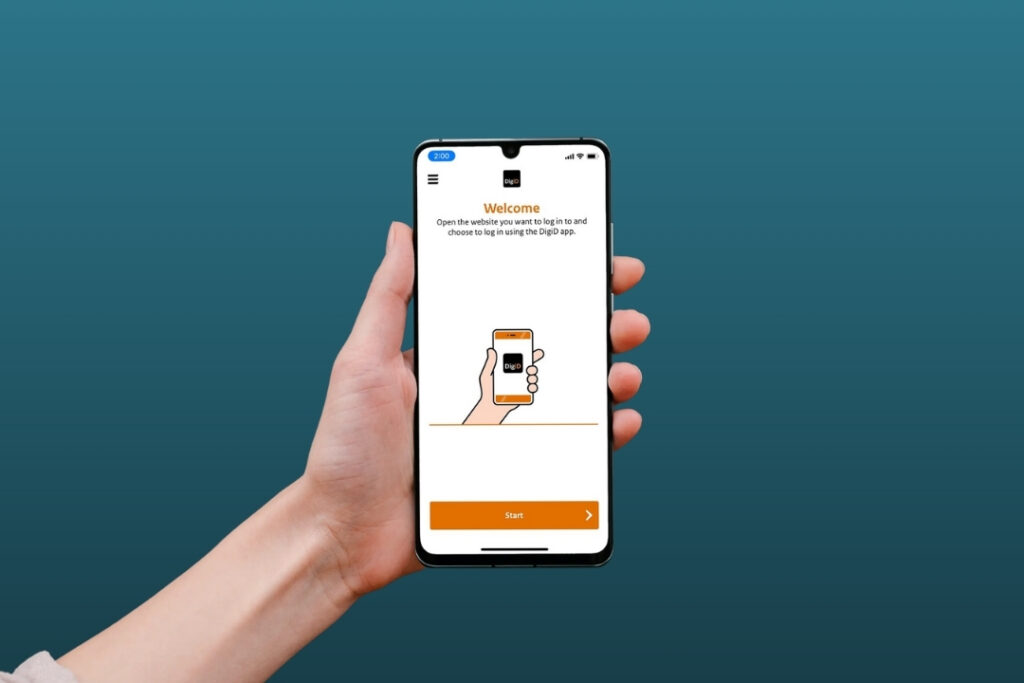
You apply via your DigiD through the Mijn Toeslagen portal. The forms are in Dutch, but running them through a browser translation tool gets you most of the way there.

If you’re eligible, apply as soon as you’re set up. It’s paid directly into your bank account each month and genuinely takes the edge off the premium cost.

Can you deduct medical costs from taxes?

In certain circumstances (like for people with chronic illness or unusually high medical costs), it’s possible to deduct some healthcare expenses from your Dutch income tax. 

This is worth investigating with a Dutch tax accountant if you have significant ongoing medical needs.

Choosing a Dutch health insurance provider

All providers must offer the same basisverzekering coverage. What varies is price, network, customer service, and supplementary options.

There are two main policy types available in 2026. 

  • A naturapolis (contracted network policy) restricts you to providers with which your insurer has agreements. It’s cheaper, but with fewer choices. 
  • A combinatiepolis (combination policy) offers broader access to hospitals and specialists, including some coverage for non-contracted providers, depending on the policy terms. 

An important note: the restitutiepolis — the most flexible policy type, which offered full reimbursement at any provider — was discontinued at the start of 2025 and is no longer available. Most former restitutie holders have been automatically moved to a combinatiepolis.

Dutch health insurers worth knowing

Glider (formerly Loonzorg) is the go-to recommendation for most expats. Everything from customer service to policy documents is in English, and Glider waives the mandatory eigen risico, meaning you don’t have to pay any out-of-pocket costs upfront. It’s an intermediary of HollandZorg and covers all public hospitals and GPs.

ONVZ is another strong option for English-speaking expats, known for excellent customer service and clear communications.

Zilveren Kruis is the largest insurer in the Netherlands by market share and offers a wide range of plans, though it’s not specifically geared toward internationals.

FBTO is popular for its competitive pricing and straightforward use.

To compare providers side by side, Zorgwijzer has an English-language comparison tool and is the most expat-friendly place to start.

To break it down even further, here’s a table of the main providers: 

ProviderEnglish supportEigen risico waivedGood for
Glider✅ Full✅ YesExpats, newcomers
ONVZ✅ Partial❌ NoHigh-service seekers
Zilveren Kruis❌ Limited❌ NoWide network coverage
FBTO❌ Limited❌ NoBudget-conscious
VGZ❌ Limited❌ NoBroad family coverage

International health insurance for US expats in the Netherlands

If you’re moving as a contractor invoicing US clients and planning to spend part of the year travelling, an international plan might be a better fit than Dutch basic insurance — at least initially. GeoBlue, IMG Global, and SafetyWing all offer US-citizen-friendly international plans. Allianz Care, Cigna Global, and APRIL International are also worth comparing.

Just note: international insurance doesn’t satisfy the Dutch legal requirement. Once you’re a registered resident in the Netherlands, you need Dutch basic insurance.

Switching or cancelling your Dutch health insurance

Every year, there’s a switching window that opens in mid-November and runs until December 31. Whatever you choose takes effect on January 1. 

Switching is straightforward as your new insurer handles the transfer. If you leave the Netherlands permanently, you can cancel outside this time window by providing proof of deregistration from your gemeente.

How to register for Dutch health insurance

Step 1: Register with your gemeente and get your BSN. You can’t get Dutch basic insurance without it.

Step 2: Choose a provider and apply. You’ll need your passport or ID, BSN, proof of Dutch address, and a Dutch bank account.

Step 3: Register with a local GP (huisarts). This is separate from your insurance and essential since your GP is your entry point to the whole system.

Dutch-dotcor-taking-blood-pressure-of-an-American-patient
Your GP is your main point of contact with the rest of the Dutch healthcare system. Image: Dreamstime

Step 4: Register with a local pharmacy (apotheek). Your insurer will send you a zorgpas (insurance card), but in practice, most pharmacies and GP practices identify you by your BSN, name, or date of birth.

If you arrive before your permit is finalised, use bridging international insurance in the interim. It’s best not to go uninsured, even for a few weeks.

What happens if you don’t get Dutch health insurance?

The process escalates in steps. 

  1. The CAK (Central Administration Office) sends a letter once it detects you’re uninsured. 
  2. If you don’t take out Dutch basic insurance within 3 months of that letter, you will be fined €529.74. 
  3. Failure to act within a further three months results in a second fine of the same amount. 
  4. After that, the CAK enrols you in a plan, and the premium is withheld directly from your salary or income for 12 months.

One important note on timing: if you do take out insurance within the four-month window after arriving, your coverage is backdated to your registration date. That means any care you received during that window is covered. 

What you cannot do is avoid paying for care you received during a period where you were genuinely uninsured — those costs fall on you. So don’t chance it!

Using the Dutch healthcare system as a US expat

Visiting a GP (huisarts)

Your GP is your first and often only port of call. That said, visiting the doctor in the Netherlands is not as simple as just showing up. 

To find one accepting new patients, try ZorgkaartNederland, which lets you filter by language. Many Amsterdam-based practices operate in English.

The main difference from the US is that you cannot see a specialist without a GP referral. Full stop. It feels restrictive, but in practice, it means less unnecessary treatment and fewer conflicting diagnoses.

Dutch healthcare is, in short, much more hands-off than US healthcare. Don’t expect to be referred for every issue: they may just prescribe paracetamol instead.

Hospitals

The Netherlands has three types of hospitals: academic hospitals (research and complex care), general hospitals, and teaching hospitals. 

amsterdam-umc-hospital
Amsterdam University Medical Centre, for instance, is a teaching hospital. Image: Dreamstime

All basic insurance covers inpatient hospital care, though waiting lists exist for non-urgent procedures. 

Mental health care

Mental health treatment is covered under the basic package via GP referral to GGZ (Geestelijke Gezondheidszorg, mental healthcare). 

Though wait times can be long for specialised services, expat-specific mental health providers — many English-speaking — are increasingly available in the major cities.

Dental care

Here’s a big one: dental care is free for children under 18. Adults need supplementary insurance for anything beyond emergency treatment. 

This catches many newcomers off guard, so factor it in when choosing your plan.

Pharmacies (apotheek)

Register with a local pharmacy when you first arrive. Your GP sends prescriptions directly; you pick them up. 

Keep in mind, the Dutch are much more cautious about prescribing medication  — especially for antibiotics. Overall, they’re considerably more cautious than US practices.

Have you made the switch from the US healthcare system? Drop your experiences in the comments below. 

Frequently Asked Questions (FAQ)

Can I keep my US health insurance when I move to the Netherlands?

Does Medicare cover me in the Netherlands?

Do I need travel insurance on top of Dutch health insurance?

Can my family members use my Dutch health insurance?

What’s the difference between a naturapolis and a combinatiepolis?

What happens to my Dutch health insurance if I lose my job?

Do I need a BSN before I can get health insurance?

Can I get health insurance in the Netherlands if I have a pre-existing condition?

How do I claim reimbursement if I visit a non-contracted provider?

Is mental health care covered by basic Dutch health insurance?

Dutchman (33) who murdered his mother and cut off her legs appears in Amsterdam court

0

A 33-year-old man from Landsmeer stood before an Amsterdam court this week, accused of shooting his 52-year-old mother in the head and removing her lower legs after her death. The severed body parts have never been found.

The case against Timothy B. centres on events from the evening of January 8 last year, when his mother was killed in his kitchen with a gunshot to the head. 

Post-mortem findings revealed stab wounds at four locations: her throat, cheek, neck, and chest.

As RTL Nieuws reports, the location of the victim’s severed legs remains unknown, causing enormous additional anguish for her family.

A sister’s devastating statement

Timothy’s sister delivered a victim impact statement in court, telling her brother she is pregnant and that their mother will never get to be a grandmother.

“This is being taken from us by your act,” she told him. In losing her mother, she told the court, she had also lost her brother. “You were my brother, and now you are a stranger.”

Alongside demanding the harshest possible sentence, she pleaded with him to reveal what he had done with their mother’s legs. B. chose to say nothing in response.

Psychiatric assessment and disputed claims

B. was assessed at the Pieter Baan Centre, the Netherlands’ specialist forensic psychiatric observation clinic. 

Assessors at the centre identified both an antisocial personality disorder and a history of multi-substance misuse, but declined to draw any connection between those conditions and the act.

READ MORE | Dutch police reportedly find head of decapitated woman in son’s car

B. has claimed he was sexually abused by his mother during childhood. The Public Prosecution Service says no evidence supporting that claim has emerged, reports RTL Nieuws. 

His sister addressed the claim directly: “If there was anyone who did everything for you, it was your mother.”

What do you think of these latest developments? Let us know in the comments below.

Best mobile subscriptions in the Netherlands without a BSN (2026 guide)

One of the first frustrations many newcomers face is trying to get a Dutch mobile subscription, only to be asked for a BSN they don’t yet have. The good news? You don’t always need one to get connected.

Whether you’re a tourist, international student, or freshly arrived expat, there are legitimate ways to get a Dutch SIM card and mobile plan without that infamous Burgerservicenummer.

Let’s walk through the process.

This post might have affiliate links that help us write the articles you love, at no extra cost to you. Read our statement.


What is a BSN — and why do I need one in the Netherlands?

A BSN (burgerservicenummer, or Citizen Service Number) is a unique personal number issued to everyone registered in the Dutch Personal Records Database (Basisregistratie personen, or BRP). 

You can think of your BSN as the Dutch equivalent of a national identification number or social security number.

READ MORE | Registration in the Netherlands: the complete guide for 2026

If you’ll be staying in the Netherlands for longer than 90 days, getting a BSN is mandatory. This string of digits will come up in practically every official interaction you have with Dutch authorities.

woman-in-the-netherlands-registering-at-her-local-municipality-to-receive-bsn
If you’re new to the Netherlands, your BSN is essentially the key that unlocks your new life here. Image: Freepik

It doesn’t matter if you’re starting a new job, opening a bank account, filing taxes, using the healthcare system, applying for benefits, or registering a change of address — you’ll likely be asked for your BSN.

However, there’s often a delay of several weeks between registering at your municipality (gemeente) and receiving your BSN.

For many internationals, this means you may have to wait several weeks before you can purchase a mobile phone subscription, set up your utilities, or even open a Dutch bank account.

Can you get a Dutch mobile subscription without a BSN?

The short answer is that it depends on the type of mobile plan you’re looking for.

For standard SIM-only contracts, you’ll typically need a valid passport or EU ID card, a BSN, proof of a Dutch address, and a Dutch bank account for direct debit. Contracts that combine a SIM plan with a mobile phone (especially those worth over €250) will also require a credit check.

So, if you’re eyeing a SIM package bundled with the latest iPhone, you’ll probably be asked for a whole host of documents — in addition to your BSN and complete credit check (BKR assessment).

dutch-university-student-leaving-faculty-building-holding-mobile-phone-with-bsn-free-sim-card
While most mobile phone contracts will expect a BSN, prepaid plans and monthly terminable SIM-only subscriptions do not. Image: Freepik

However, if you haven’t got a BSN yet, there are excellent alternatives: prepaid SIMs and flexible SIM-only plans.

For these types of mobile subscriptions, all you need is some form of identification and a payment method (like a debit card or a device with Google Pay enabled) — effectively bypassing a great deal of stress and bureaucracy.

Best Dutch mobile subscriptions that don’t require a BSN

Don’t have your BSN yet, but want a Dutch SIM card? These are the best prepaid plans and flexible SIM-only options, depending on your budget, data needs, and other requirements.

Simyo: best for flexible bundles

simyo-square-logo

Simyo has been voted the best Dutch mobile provider no fewer than 36 times, and their flexible bundles are where they really shine.

Whether you’re looking for an affordable prepaid plan, a SIM-only contract you can adjust monthly, or a SIM and mobile phone, these bundles punch well above their weight in terms of price and customisability. Best of all: they don’t require a BSN!


Lebara: best for cheap international calls

lebara-logo

If staying in touch with friends and family back home is your top priority, Lebara is our top pick for BSN-free international calling.

With their ‘All in International’ prepaid bundle, you can call and text contacts in up to 44 countries at super-affordable rates. Calling a Dutch number instead? You can opt for unlimited minutes/texts.


KPN: best for nationwide coverage

ken-logo-on-green-background

As one of the Netherlands’ “Big Three” providers, KPN services the cities, suburbs, and all the little villages in between. Their prepaid packs are available at airports, supermarkets, and mobile shops across the country, with no BSN required.

While KPN isn’t the cheapest option on this list, they’re a clear choice if signal strength and reliability are non-negotiable for you.


Budget Mobiel: best for users on a budget

Budget-Mobiel-logo-mobile-phone-provider-in-the-netherlands

If your goal is sticking to a budget, the aptly-named Budget Mobiel delivers. This provider offers discounted access to KPN’s network, so you get the same coverage and speed — just at a noticeably lower price.

Their SIM-only plans are monthly terminable and don’t involve the kind of credit checks that long-term phone contracts require, making them a solid option if you don’t have a BSN yet.


Vodafone: best for unlimited data

Vodafone-logo-mobile-phone-provider-in-the-netherlands

If you’re a heavy data user, Vodafone has you covered. Their prepaid unlimited data bundles are available for 7, 14, or 30 days, with no Dutch bank account or BSN required.

Once your BSN comes through, upgrading to their postpaid unlimited plans is pretty straightforward — so Vodafone can grow with you as you settle in.


How to get a Dutch mobile subscription without a BSN

Finding the right plan for you depends on why you’re here and how long you’re staying.

Here’s how to choose the best plan for you:

As a tourist

If you’re just visiting the Netherlands, prepaid SIM cards are your best friend.

No Dutch bank account or BSN is required — you can pick up a prepaid SIM at Schiphol Airport, official mobile provider stores, supermarkets, or general shops.

tourists-visiting-the-netherlands-facetiming-relatives-thanks-to-esim-in-their-mobile-phones
As a tourist, an eSIM will help you get connected ASAP. Image: Freepik

Not keen on hunting down a SIM kiosk after a long flight? An eSIM would be a simple, stress-free option.

You can buy and activate one before you even board, and be online the moment your plane touches down.

As an international student

If you’re an international student, you’ll need to register with your gemeente (municipality) as soon as you arrive.

However, there’ll be a wait time of a few days to a few weeks before you receive your BSN, so a prepaid SIM or a flexible (i.e. monthly terminable) SIM-only plan is your best bet.

Once you have your BSN and a student bank account set up, switching to a fixed SIM-only plan is a solid move if you’ll be in the Netherlands long-term.

In addition to giving you more data, a one- or two-year SIM-only contract will likely be more cost-effective than repeatedly topping up your prepaid SIM.

As an expat

From setting up your utilities to registering at a GP’s office, establishing your new life in the Netherlands is a lot easier with a Dutch mobile number.

international-in-the-netherlands-getting-connected-with-dutch-sim-before-getting-bsn
As an expat, your priority will likely be transferring to a more cost-effective SIM-only plan when you get your BSN. Image: Freepik

The fastest route is a prepaid SIM or a monthly rolling SIM-only plan.

Providers like Simyo, KPN, and Vodafone make it straightforward to upgrade from a prepaid or monthly plan to a postpaid contract, so you don’t have to start from scratch when your paperwork comes through.

Getting a Dutch mobile subscription without a BSN: Frequently asked questions

Can I get a Dutch mobile subscription without a BSN?

Do I need a BSN to get a Dutch SIM card?

What is a BSN in the Netherlands?

Dutch royals and PM Jetten spend a “useful evening” with Trump

In this crossover episode of geopolitics, King Willem-Alexander, Queen Máxima, and PM Rob Jetten dined with President Trump and the First Lady at the White House on Monday night.

For those wondering: Is it suitable dining etiquette to talk politics? The answer is Jetten didn’t care.

Despite the dinner being billed as a private affair, somewhere between the entrée and nightcap, Jetten made sure that Iran and Ukraine were very much on the table.

“It was a useful evening,” Jetten told reporters at RTL Nieuws, describing the exchange as “open and constructive.”

Yes, politics was on the menu

Jetten had intended to raise several thorny issues: the wars in Iran and Ukraine, along with US plans to impose further export restrictions on Dutch chipmaker ASML.

As reported by RTL’s American correspondent, Erik Mouthaan, Jetten reiterated that the Netherlands is willing to cooperate on reopening the Strait of Hormuz — but only once the bombings stop.

What was actually said? Perhaps we will never know, as access for media personnel was tightly restricted.

According to Mouthaan, the royal couple wanted to avoid appearing alongside Trump in case he said anything unhinged.

Ignorance isn’t bliss

Jetten acknowledged the discomfort many Dutch people felt about the visit.

“I fully understand the unease that many Dutch people feel about this visit and everything that’s going on,” he said. “But if you stay away, you can’t exchange views on these topics. So in that sense, I think we did what we came here to do.”

Deputy Prime Minister Yeşilgöz had herself called the timing of the dinner “awkward” only days before.

While Jetten packed his bags, the royal couple proceeded to spend the night at the White House.

The infamous “sleepover” is a reciprocal arrangement after Trump and Melania stayed at Huis ten Bosch during their last visit to The Hague.

The King’s speech

Before dinnertime, King Willem-Alexander addressed a networking reception called “Holland on the Hill” in Washington. Of course, his speech was measured and diplomatic.

Notably, he said: “Life, liberty, and the pursuit of happiness are best served by cooperation between reliable partners.”

Referring to the Netherlands and the US, he added: “Partners like these are worth their weight in gold, particularly in an unpredictable world.”

The (liberal) King also invoked NATO, specifying that friends are allowed to disagree with one another respectfully.

Dig what you’re reading? Get more of it! Join our WhatsApp channel or Instagram broadcast to get the latest news straight to your pocket.

5 reasons why ING should be your bank of choice in the Netherlands

As an international living in a foreign country, finding a bank you can trust and rely on is crucial for easily navigating everyday life.

Whether it’s buying your first piece of furniture from IKEA, applying for a mortgage to buy your Dutch dream home, or setting up a bank account for your children, ING can be there for you every step of the way. 

Here’s why ING, the biggest bank in the Netherlands, is the best choice for internationals in the Netherlands.

1. ING has an excellent English app and customer service

Sure, you might pick up Dutch over time, but when it comes to something as critical as your finances, it’s essential to have peace of mind and fully understand what’s happening.

ING’s services are highly accessible to internationals, offering full support in English, both in the mobile app and in person.

With dedicated expat desks and online resources specifically targeted at internationals, ING makes navigating your Dutch finances a breeze. 

woman-paying-with-her-mobile-banking-app-netherlands
The ING banking app is your best friend. Image: Depositphotos

Got a question? Geen probleem, ING’s efficient customer service is always ready to help.

2. ING offers countless ways to save money

Let’s not sugarcoat it: life in the Netherlands isn’t cheap. That’s why building up a solid savings fund is a must.

READ MORE | 7 cool features I use everyday banking with ING in the Netherlands

With ING, you have many options for taking control of your finances:

  • Savings goals allow you to manage your money more effectively by letting you set up to 10 individual “piggy banks,” each dedicated to a specific goal.
  • Automatic savings lets you effortlessly save a fixed amount each month without having to think about it.
  • Round up and Save lets you round up each purchase to the nearest Euro (or two, five, or ten!), to grow your savings with each transaction.
  • Look ahead helps you be prepared by analysing your past transactions and using them to forecast your future expenses.

3. ING is a one-stop shop for all things finance

Savings? With ING. Loans? ING. Investments? ING. Insurance? You guessed it: ING. 🦁

With ING, you can handle all your financial needs under one roof.

Whether you’re growing your money with smart investments, securing a mortgage for your Dutch dream home, or protecting it with reliable insurance, ING has got you covered.

smiling-young-man-posing-new-flat-with-cardboard-boxes-moving-house-after-getting-mortgage-with-ING-bank
Mortgage? ING. Image: Freepik

Having all your finances in one place makes managing your money as easy as appeltaart, letting you track everything from a single platform and reducing the hassle of dealing with multiple providers. 

4. ING’s bank accounts grow with you (and your family)

At ING, your account evolves as your life changes. Starting with free student accounts, ING helps young adults get a head start on managing their finances.

READ MORE | This Dutch bank lets you open a bank account without a BSN (and you can use it immediately!)

Once you’ve graduated, you can move on to a classic current account for affordable day-to-day banking. Thinking of starting your own business? ING has you covered with its dedicated business accounts for ZZP’ers (freelancers). 

For families (or couples planning to become one), there are joint accounts that make managing shared finances easy and children’s accounts to help your little ones learn about saving and spending.

No matter what stage of life you’re in, ING has solutions designed to fit your needs and grow with you along the way.

5. ING is one of the most reliable banks out there

When it comes to your hard-earned money, reliability and security are non-negotiable. Naturally, you want to make sure your money is in the hands of a bank you can trust — and ING is just that.

group-of-international-friends-hanging-out-at-dutch-cafe-and-paying-with-ing-banking-app
Whether you’re paying for drinks with your friends or planning your next trip, ING’s here to manage your money reliably. Image: Depositphotos

With a solid reputation built on years of stability, ING is one of the largest banks in the Netherlands (in fact, in the world!) and has countless customers who trust it with their finances.

It’s also good to know that, as a Dutch bank, ING holds a Dutch banking licence, and its activity is overseen by the Dutch Authority of Financial Markets (AFM) and De Nederlandsche Bank (DNB).

On top of this, it is covered by the European Union’s deposit guarantee scheme, which guarantees your savings up to €100,000. ⚡️


From all-around finance services to nifty features that make life easier, there are plenty of reasons why ING is one of the most popular banks in the Netherlands. Will you embark on your banking journey with them?

What do you value in a bank as an international living in the Netherlands? Share your thoughts in the comments.

Dutch Quirk #34: Join a fraternity and wear an unwashed jacket

Sororities and fraternities are often associated with the US, but don’t be fooled: the Dutch have them too.

It’s the whole package: the brutal hazing, the Latin jargon, and the weird rituals included. One of them is wearing a jacket that hasn’t been washed for decades. 🤦‍♀️ Why exactly?

What is it?

First off, you should know that fraternities and sororities in the Netherlands have a long history. The oldest and second-largest studentenvereeniging (student union), Vindicat atque Polit (or just Vindicat, for short), was founded in Groningen in 1815.

As an outsider, you are most likely to notice the presence of these student unions in your favourite Dutch student city during late August and early September.

This is when the infamous ontgroening (hazing) takes place, the initiation period for new members.

See a group of girls jump into a canal during the early morning hours? Stumble into a bunch of dazed-looking eighteen-year-olds dripping in paint? Read news headlines of hospital admissions due to alcohol poisoning, pneumonia, and psychological torture?

Yup, that’s Dutch student society culture for you.

But we were talking about wearing a gross, unwashed jacket, weren’t we? So, what’s that all about?

Why do they do it?

Not washing either yourself or your clothes seems to be a recurring theme in studentenvereeniging culture.

It’s certainly part of the hazing culture, where potential members are not allowed to wash themselves for extended periods of time — even after doing things such as jumping in the canals or sleeping on garbage.

Turns out, even after having successfully survived the hazing period, the not-washing thing seems to stick around. Members of one fraternity, for instance, are not allowed to wash their ties. Ever.

The jacket that is never being washed is specific to the rowing association Aegir, which is a sister society of Vindicat. Every new member is handed a jacket from the sportsperson who came before them.

The rule? The jacket can only be washed if the rowing team wins the Varsity: the biggest student rowing competition in the Netherlands.

The catch? Well, for one, some of the jackets have been around since the 1980s. And secondly, Aegir has won the Varsity race six times thus far. The last time? In 1982. 🤦

You can do the math yourself.

Why is it quirky? 

Well, maybe quirky is a bit positive, but it’s definitely pretty weird.

Just another sort-of-extreme and kind-of-concerning item to add to the long list of reasons why it’s probably better not to join a Dutch studentenvereeniging.

Should you join in? 

Don’t get us wrong, not every student society in the Netherlands is riddled with such weird traditions and rituals. Some are pretty harmless.

So, if you’re thinking about joining a Dutch fraternity or sorority, do your research and pick wisely.

What do you think of this Dutch quirk? Have you experienced it? Tell us in the comments below!
Booking.com suffers data breach: Here’s what we know so far

1

Booking.com confirmed on Sunday evening that customer bookings were accessed by a dubious third party in a data breach.

While some customers received an email about the breach, the gigantic Dutch travel agency has refused to share details.

According to NU.nl, Booking.com now says the situation is under control.

What data was exposed?

The email vaguely chronicles the data breach: “suspicious activity” from an “unauthorized third party” is “affecting a number of reservations.”

The potentially compromised data includes names, emails, physical addresses, phone numbers linked to the booking, and any other information shared with the accommodation.

screenshot-of-booking.com-email-acknowledging-data-breach
Image: DutchReview

Payment details and passwords do not appear to have been mentioned as part of the breach, though Booking.com has not responded to questions from ANP on the specifics.

Not Booking.com’s first rodeo

It’s a bad time to not be transparent.

The affected users are now potential targets for phishing attempts, given that scammers can use booking details to craft convincing, personalised messages.

Moreover, this isn’t the first time that Booking.com has fallen victim to the occasional data breach.

In 2018, a phishing attempt led to the data of 4,000 customers in the UAE going into the wrong hands. Booking.com informed the Dutch Data Protection Authority almost a month too late and incurred a fine of €475,000.

Booking.com reported in 2024 that general phishing attacks on travellers had risen by 900%.

Have you ever been scammed on a travel website? Tell us in the comments.

The Dutch royals are having a sleepover with Trump tonight — here’s how the Dutch feel about it

King Willem-Alexander and Queen Máxima will spend tonight at the White House as guests of Donald Trump, with Prime Minister Rob Jetten joining for a private dinner — and more than half of the Dutch public supports the visit, despite widespread unease about the current US administration.

The overnight stay is far from routine. According to America correspondent Erik Mouthaan, White House bedrooms are normally reserved for the president’s personal friends.

The arrangement follows diplomatic convention, though: Trump stayed at Huis ten Bosch during last June’s NATO summit in The Hague, and the principle of reciprocity applies, even if, as Mouthaan put it to RTL Nieuws, “Trump only abides by rules when he wants to.”

A tense backdrop

The visit lands at a particularly fraught moment. Trump recently posted on Truth Social that NATO “was not there when we needed them” and last week made an extraordinary threat about the Strait of Hormuz that drew sharp criticism in The Hague.

Left-wing opposition parties have been vocal in their opposition to the trip. RTL’s political reporter Fons Lambie notes, however, that “a large majority of the House” supports it.

What the Dutch actually think

A survey by the RTL News Panel — conducted April 9 and 10 among more than 17,000 respondents — found that 51% of Dutch people are positive about the visit, primarily because they believe maintaining ties with Washington matters right now.

Some 38% are opposed, feeling the Trump administration doesn’t merit Dutch goodwill at this stage.

RTL opinion pollster Gijs Rademaker called it “a devilish dilemma” for many. Most Dutch people view Trump’s administration negatively, but the consensus is that cancelling the invitation would cause more damage than going.

Interestingly, Dutch support outpaces British enthusiasm for a comparable visit: around 42% of Britons back King Charles’ upcoming trip to Washington, according to a YouGov poll for The Times.

The dinner itself

The evening is billed as private, but as Mouthaan noted, Trump is the host and sets the agenda. Political topics are firmly on the table, whether the royal couple want them there or not.

A slim majority of respondents (54%) want Jetten to raise the Netherlands’ position on sensitive issues, but carefully, and not in a way that risks a public falling-out.

The memory of Trump’s televised confrontation with Zelensky, which spawned its own Dutch parody, is fresh.

So too is the Pearl Harbor incident, in which Trump made a pointed remark to Japanese Prime Minister Sanae Takaichi about her country’s World War II attack on the US naval base while she sat next to him.

Rademaker summed up the Dutch public’s preferred approach: subtlety within rooms, not a standoff on camera.

For Jetten, who has only been prime minister since February, it’s an unusually fast audience with the US president.

The groundwork, at least, has been laid: his past comments about Trump being a “convicted criminal” and “misogynist” were apparently ironed out in advance with the US ambassador to the Netherlands.

Do you think the Dutch royals should keep politics out of tonight’s dinner — or is this Jetten’s moment to speak up? Let us know in the comments.

Dutch Quirk #66: Go camping in France for the holidays

It’s an ordinary summer day; you’re driving on a highway when all of a sudden, you see a mob of Dutchies with caravans pass by. You think to yourself: where on earth are they going? 

Well, that only means one thing: the Dutch’s annual plan to camp in France has officially commenced! 🏕️

What is it?

Every summer, the Dutch hit the road en masse, and make their way to the French wilderness for a cheap, stress-free, and spontaneous holiday trip in nature.

No matter where you are in France, from the mountains to the countryside, or the coast, you’ll find campsites flooded with Dutch people during the summer period. ☀️

READ MORE | 7 natural campsites in the Netherlands to enjoy this spring and summer

It’s a popular pastime amongst the Dutch — in fact, this tradition has been around for decades.

From infancy to adulthood, pretty much everyone in the Netherlands has been or will go camping in France at some point in their life. 

Why do they do it?

So, what is it exactly that draws them to go camping in France, in particular?

Is it the freshly-baked croissants? Perhaps.

Or what about the delectable cheese platters the French serve for dessert? Wouldn’t blame them! 😏

However, it all boils down to one main reason: it’s cheap — and lord knows that if an opportunity to go on a low-cost vacation arises, the Dutch will know all about it

READ MORE | The 19 biggest differences between France and the Netherlands

Camping in France offers Dutchies the ultimate economical trip away because they can save money on accommodation and food by staying in the wilderness and bringing all their own supplies from home.

photograph-of-boats-ferrying-passengers-around-paris-france
Heading into Paris? Nee — the Dutch keep things economical by staying in the countryside! Image: Depositphotos

France is also just a short car ride away, so people won’t have to resort to expensive air travel. In just a matter of hours, they can immerse themselves in an entirely new country, language, and culture!

Not just that, but the Dutch are eager beavers when it comes to leaving behind their hometown for a beloved camping trip in France because, well, the land of baguettes just does summer better. 🤷

READ MORE | New trains could whisk you from Holland to the French Alps overnight

With the warm (and less rainy) weather, nice beaches, and pretty mountains, it’s a perfect holiday destination! And, we can also imagine that the French laid-back culture resonates deeply with the Dutch. 

Why is it quirky? 

It’s quirky because it’s not just one or two Dutchies that have the urge to go camping in France.

It’s EVERY Dutch person. Even in the most remote corners of France, you’ll find a friendly Nederlander lurking nearby.

READ MORE | Snackbars in the Netherlands: the ultimate guide

And generally, with a camping trip, you only really think to bring the necessities, like clothes, flashlights, sleeping tents, etc. But the Dutch have a slightly different outlook on what they consider essential.

From 10kg of potatoes to jars of peanut butter, and packets of hagelslag, the Dutch will stuff any and everything they can into their campervans, in bulk, before embarking on their trip to France. 🚐

Should you join in? 

If you’re a fan of the great outdoors and appreciate all that mother nature brings us, from alluring pine trees to stubborn ticks — you should certainly take a page from the Dutch, and go camping in France!

Just don’t forget to pack the hagelslag. 😉

What do you think of this Dutch quirk? Have you experienced it? Tell us in the comments below! 👇